by Lorato | Mar 11, 2026 | All News, Alumni, SMU Media, Student Media
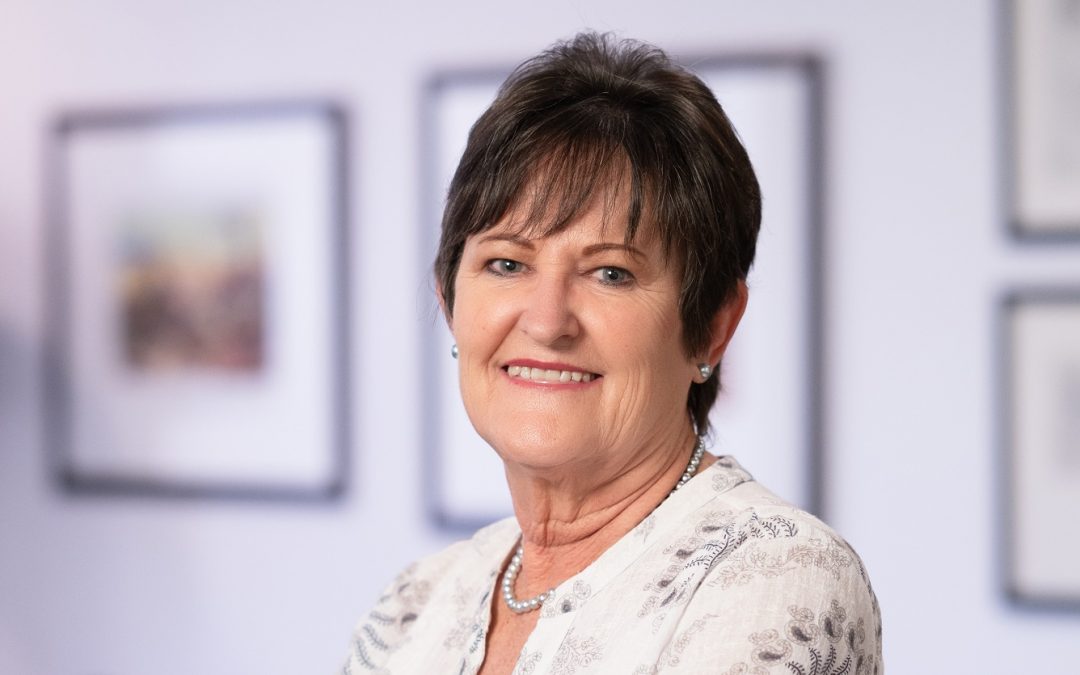
Occupational therapy (OT) transforms lives by enabling individuals to engage in meaningful daily activities, supporting health, independence, and well-being. Few embody this mission as profoundly as Professor Daleen Casteleijn, who recently joined the Department of Occupational Therapy at Sefako Makgatho Health Sciences University (SMU) as a professor. Her career spans clinical practice, research, teaching, and global mentorship. At every stage of her journey, Casteleijn has combined passion, innovation, and commitment to evidence-based practice, shaping the profession and those it serves.
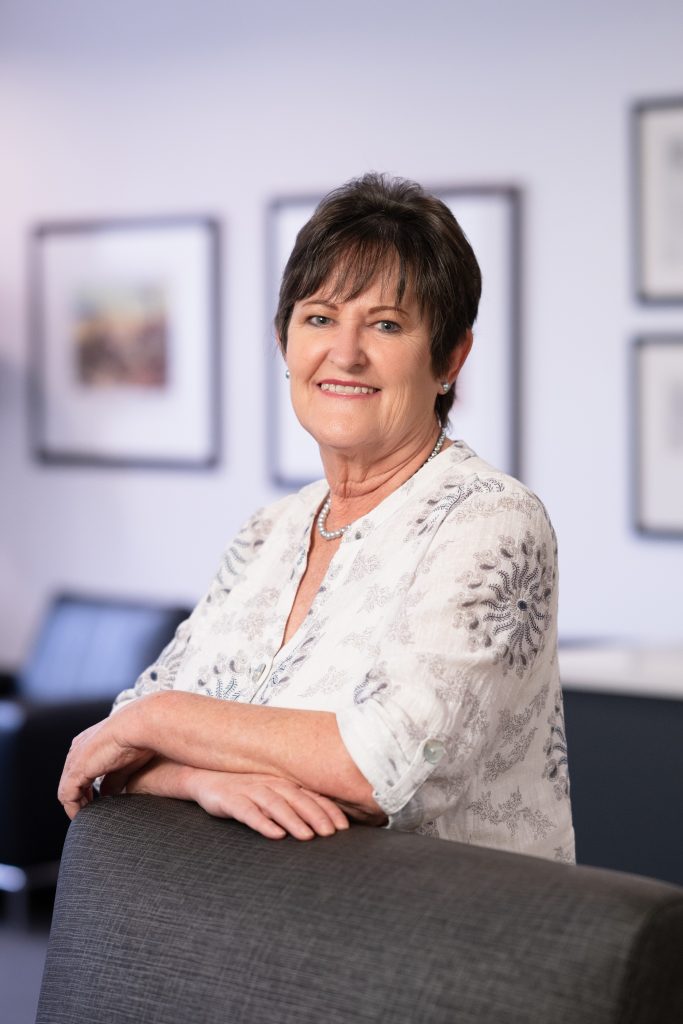 Professor Casteleijn grew up in rural Mpumalanga, in Hazyview and Bushbuckridge, and attended Ben Vorster High School in Limpopo. “Like many young people finishing school, I was not entirely sure what career path to follow. Occupational therapy was a random choice, and I graduated in 1983 from the University of Pretoria. At the time, even after four years of study, I had very little understanding of the profession,” she recalls. Her early clinical experiences at Kalafong, Weskoppies, and Ga-Rankuwa (now Dr George Mukhari Academic Hospital) ignited a fascination with mental health and the transformative power of occupational therapy.
Further studies, including an Honours degree at MEDUNSA (now known as SMU) and a PhD at WITS University in 2010, propelled her research career, particularly in outcome measurement and instrument development. “What began as an uncertain career choice has evolved into a passion for evidence-based occupational therapy and supporting the next generation of clinicians and researchers,” she reflects.
From clinician to academic leader, Professor Casteleijn’s career is marked by both depth and breadth. “My career began in clinical practice, particularly in mental health, where I witnessed first-hand the transformative power of occupational therapy,” she explains. Working closely with clients highlighted both the value of OT and the challenge of demonstrating its impact within complex healthcare systems.
Her PhD research focused on outcome measurement, a theme that has guided her work in teaching, supervision, and research collaboration. “I supervised many PhD students, most of whom developed instruments for South Africa and other African countries. They enriched my understanding of contextually relevant tools in different healthcare settings,” she says. Over the years, collaborations with colleagues in the United Kingdom, Ireland, Sweden, and Australia have further strengthened her commitment to translating research into practical clinical tools.
Professor Casteleijn is particularly drawn to occupational therapy for its holistic understanding of people. “Health is not only about symptoms or diagnoses but about participation in meaningful life roles,” she explains. She describes occupation through the concepts of doing, being, becoming, and belonging — the activities people engage in daily, their identity and sense of meaning, their growth over time, and their connection to others and society.
“What continues to inspire me is seeing how small changes in a person’s ability to engage in daily activities can profoundly influence wellbeing, independence, and purpose. Occupational therapy can be one of the most cost-effective contributions within the healthcare system,” she notes.
One of her most influential contributions to the field is the Activity Participation Outcome Measure (APOM), developed during her PhD and now used in South Africa and the United Kingdom. “The APOM was motivated by a need I observed in clinical practice. I am a strong believer in the Vona du Toit Model of Creative Ability, and the APOM is based on its levels of creative ability,” she explains. Patented in 2015, the tool enables clinicians to measure meaningful change in activity participation, effectively bridging theory and practice.
Professor Casteleijn emphasises the significance of seeing a locally developed tool gain global relevance. “Seeing the APOM implemented in practice across different contexts demonstrates how locally developed research can contribute to global knowledge and practice.” Through online training programmes, the instrument has also reached clinicians in countries such as Australia and New Zealand.
At SMU, Professor Casteleijn aims to strengthen research capacity, mentor young academics, and contribute to building an environment where teaching, research, and clinical practice support one another.
According to Acting Head of the Department of Occupational Therapy, Annah Lesunyane, the department is grateful and excited to welcome her expertise. “Prof Casteleijn brings a wealth of experience to the department. Her extensive background in research, teaching and clinical practice will greatly enrich our academic environment and contribute to strengthening research and postgraduate development within occupational therapy at SMU,” Lesunyane says. “In addition, Prof Casteleijn firmly believes that the true measure of impact lies not only in citations but in implementation, when research takes root in practice, changes services and improves lives.”
By Dimakatso Modise
by Lorato | Feb 23, 2026 | All News, SMU Media, Student Media
As final-year students stand on the threshold between campus life and the professional world, the questions about “what comes next” often grow louder. Recognising this pivotal moment, the Department of Student Affairs at Sefako Makgatho Health Sciences University (SMU) has launched the Final-Year Readiness & Empowerment Programme (FREP), a pioneering initiative designed to guide students through one of the most defining transitions of their academic journey.
 FREP is the first institutional programme at SMU dedicated specifically to the holistic readiness of final-year students across both professional and academic qualifications. It acknowledges that the final year is not only about completing coursework, but also about preparing mentally, emotionally and professionally for life beyond graduation.
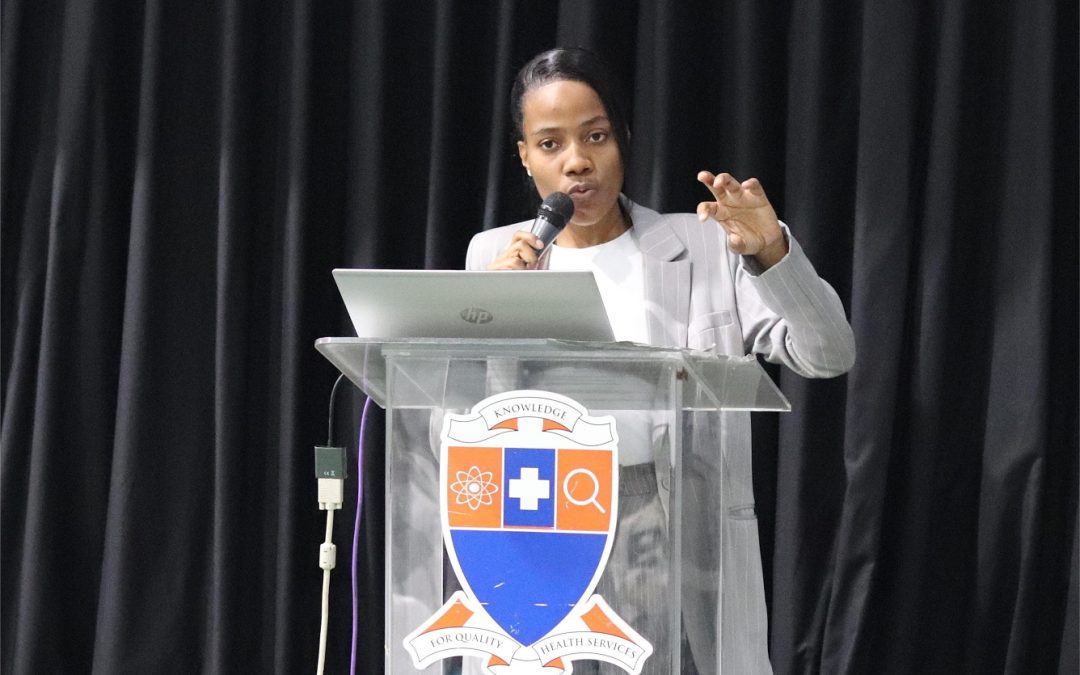
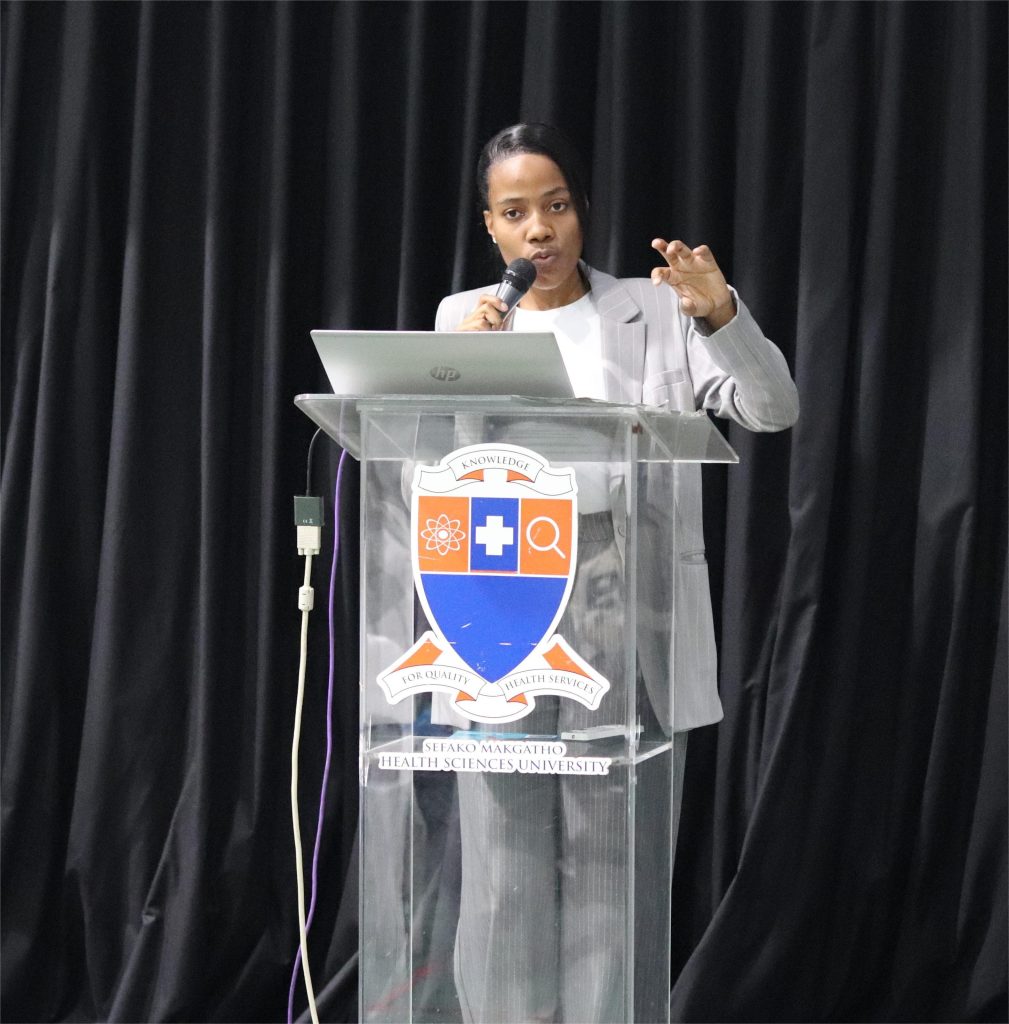
Opening the launch, Deputy Director: Campus Health and Counselling, Tshidiso Ntshabele, emphasised the importance of structured support during this critical phase. “The final year represents a turning point in a student’s journey. It is a period filled with anticipation, but also uncertainty. As a University, we must ensure that our students are equipped not only with knowledge, but with resilience, confidence and clarity about their next steps,” he said.
The initiative forms part of the broader strategic focus of the Department of Student Affairs under the leadership of Director Tulani Nkuntse, whose portfolio continues to prioritise student wellbeing, success and graduate preparedness through targeted developmental programmes.
The programme overview was presented by Lesego Tsima, Social Worker in the Department of Student Affairs and coordinator of FREP. She outlined a comprehensive plan of activities that will run throughout the academic year, combining career-readiness workshops, postgraduate preparation guidance, mental health support conversations, and sessions focused on identity and purpose development.
“FREP is intentionally practical and interactive,” Tsima explained. “Students will actively develop their CVs, refine their professional profiles, engage directly with alumni and employers, and build career strategies while they are still completing their studies. Our goal is to ensure that no student feels alone or unprepared as they approach graduation.”
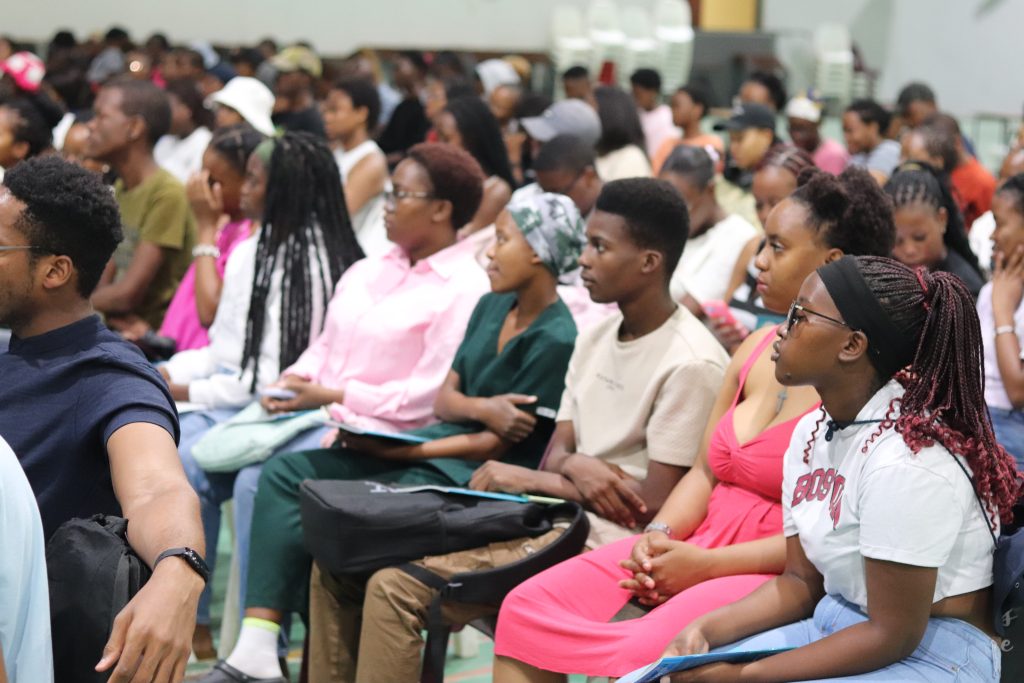 An external perspective was shared by the South African Graduate Employers Association (SAGEA), which partnered in the launch to provide insights into workplace expectations and graduate employability. The collaboration underscored the value of aligning higher education initiatives with employer networks to strengthen the transition from university to the world of work.
The launch further amplified student voices, offering a platform for honest reflection on the realities of navigating the final year.
Mbulelo Tlali, a Bachelor of Science in Mathematical Sciences third-year student, spoke candidly about the uncertainty that accompanies the transition. He said he is “feeling anxious about what next year holds and hopes that FREP will help ease those uncertainties.” At the same time, he shared that he is excited about the opportunities the programme may provide and eager to develop new skills that will enhance his professional readiness.
Sanele Mhlongo, a Bachelor of Science in Life Sciences third-year student, echoed similar concerns. He said he is “unsure of what to expect and is looking forward to gaining guidance and support through the programme.” Reflecting on the initiative, he added that being included in the programme provides a renewed sense of direction and motivation as he prepares for life after graduation.
Ray Wenzile, a Bachelor of Science in Mathematical Sciences third-year student, described the initiative as a source of reassurance. He noted that “participating in FREP gives hope that anxieties can be managed more effectively and that students will feel more prepared for the challenges ahead.” He also highlighted the importance of connecting with peers facing similar transitions, emphasising that such engagements support both personal and academic growth.
The Final-Year Readiness & Empowerment Programme will be delivered through a combination of cross-cutting and school-specific engagements tailored to the diverse needs of SMU students.
Through FREP, the Department of Student Affairs reaffirms SMU’s commitment to cultivating graduates who are not only academically competent, but also emotionally grounded, career-ready and confident to step into their next chapter with purpose.
By Dimakatso Modise

by Lorato | Jan 15, 2026 | All News, Alumni, SMU Media, Student Media
In the evolving world of healthcare education, few stories capture both global leadership and local impact as powerfully as that of Khomotso Paulina Motiang, a Lecturer in the Department of Radiography at Sefako Makgatho Health Sciences University (SMU). From global forums to SMU lecture halls, Motiang is redefining what it means to lead in radiography, using her platform to inspire change, develop young professionals, and advance MRI education in South Africa and beyond.
 With a clinical career spanning public and private sectors, international experience, and more than five years in academia, her greatest influence is now felt in academia, where she nurtures future radiographers to lead with both skill and compassion. “We must remain human while striving for excellence,” she reflects, a principle that shapes every dimension of her work.
In 2024, Motiang’s commitment to transformation was recognised when she was awarded the International Society of Magnetic Resonance Radiographers and Technologists (ISMRT) Future Leaders Fellowship, an initiative developed in partnership with the Bill & Melinda Gates Foundation. This prestigious global fellowship positions her at the forefront of MRI education advancement in underserved regions. For South Africa’s radiography community, it is a milestone: Motiang is not only representing the country on global platforms but bringing global innovation back home.
Through the Fellowship, she is establishing the ISMRT South African Division, creating a national knowledge-sharing hub for MRI safety and best practice. “This Fellowship is not just personal, it’s a resource for the profession and a tool to empower others,” Motiang says.
At SMU, her teaching philosophy is equally progressive. She champions interprofessional education and collaborative practice (IPECP), believing that modern radiographers must operate beyond their specialisation and work as collaborative healthcare leaders. Her supervision of undergraduate research projects in forensic imaging and AI in diagnostics demonstrates her commitment to producing forward-thinking graduates ready for global healthcare environments.
Her leadership extends to national structures: from 2025 to 2029, she will serve as the Gauteng Provincial Representative for the Society of Radiographers of South Africa (SORSA), shaping national policy and professional development. Internationally, she continues to advocate for MRI safety and education through her Fellowship, and as a Fellow of the ISMRT.
Yet, Motiang’s leadership philosophy remains rooted in human connection. Beyond accolades and fellowships, she quietly donates food parcels to students in need and mentors first-generation university entrants. “Support doesn’t always come from policy. Sometimes it comes from people choosing to care.”
Her work embodies SMU’s vision: health sciences education that is both locally relevant and globally competitive. As a reviewer for the African Journal of Health Professions Education, Motiang advocates for African research that reflects the continent’s realities while contributing to global knowledge. From global MRI forums to the students she mentors daily, Motiang is a leader of substance, one who proves that advancing healthcare is not just about technology and systems, but about people, compassion, and vision.
A global voice and a local heart, she is redefining radiography leadership for South Africa and for the world.
By Tumelo Moila
by Lorato | Jan 15, 2026 | All News, SMU Media, Student Media
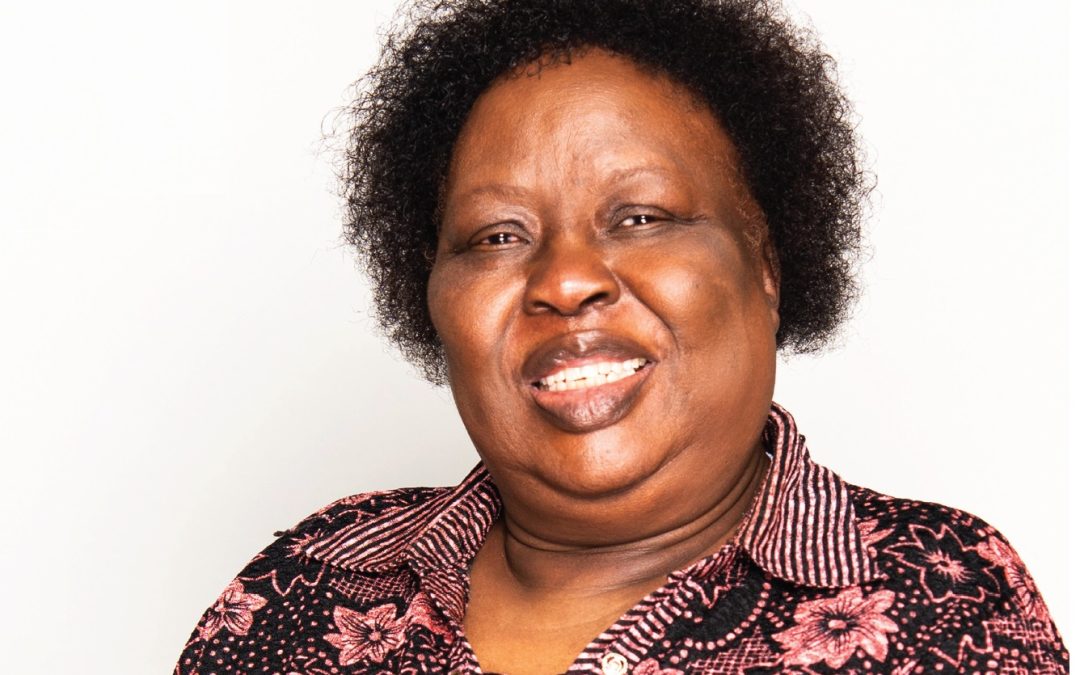
In a field often dominated by complex statistics and siloed disciplines, Professor Kebogile Mokwena, South Africa’s first National Research Foundation (NRF) Research Chair at Sefako Makgatho Health Sciences University (SMU), has emerged as a leading force reshaping the nation’s public health response to mental illness and substance abuse. With more than 120 postgraduate students supervised across multiple health disciplines, Mokwena’s work is not only academically rigorous but deeply grounded in the real-world challenges facing South African communities.
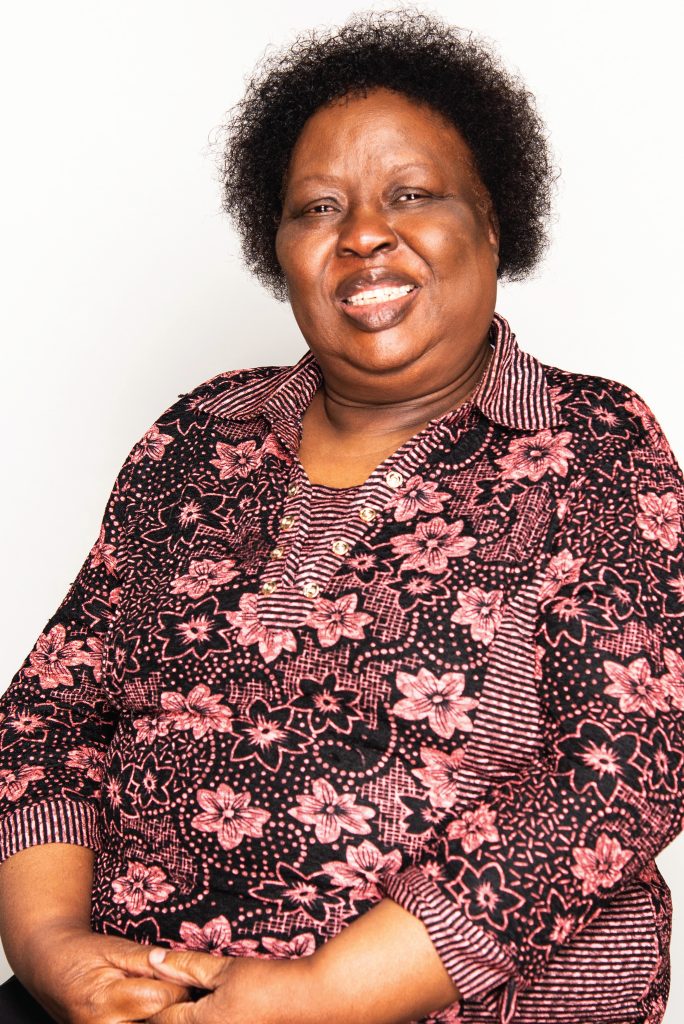 Her passion for public health and population mental health research was ignited early in her career. “I was always inspired to serve and work with people,” she says. After obtaining her doctorate in Public Health Education from the University of South Carolina, with specialisations in curriculum development and health promotion, Mokwena found her research calling in tackling the emergence of nyaope—a highly addictive street drug devastating communities across the country.
Since then, she has become one of the country’s foremost researchers on substance abuse and mental health, forming collaborations with institutions such as the University of Cape Town, Walter Sisulu University, the University of Johannesburg, and the South African Medical Research Council. Her studies estimate the burden of depression and anxiety among underserved populations, confirming a high prevalence of undiagnosed conditions often linked to broader societal issues, including crime and substance use.
Her appointment as SMU’s first NRF Research Chair has allowed her to expand her research portfolio while strengthening collaborations within and beyond the university. “I had to jump several hurdles before I was awarded the grant,” she recalls. “But the role has enabled me to plan long-term, mentor others, and broaden the institution’s research footprint.”
Mokwena’s academic influence spans disciplines and schools. She has supervised students in pharmacy, physiotherapy, nursing, and medicine, covering fields as varied as surgery, paediatrics, and obstetrics. She embraces interdisciplinary supervision, often initiating partnerships when public health questions intersect with clinical concerns. “All involved learn something new,” she notes.
Beyond academia, she serves on several boards and advisory committees, including the Vista Psychiatric Hospital Board, the Gauteng Substance Abuse Forum, and the SANCA Advisory Committee. These roles keep her connected to the practical implications of her research, informing policy and service delivery at multiple levels.
Despite facing gender-based assumptions in academia, Mokwena has remained steadfast. “People sometimes don’t expect to see a woman in my position,” she admits. “But I’ve learned to let my work speak for itself.”
Her advice to young women aspiring to make an impact in public health is bold: “Be brave enough to ask difficult questions. Be authentic. Work hard and enjoy what you do.”
Reflecting on her legacy, Mokwena hopes to be remembered not only for pioneering research but for advancing solutions that serve society: “My research lives in communities, churches, schools, and prisons. That is the impact I want to leave behind.”
By Tumelo Moila
by Lorato | Nov 27, 2025 | All News, SMU Media, Student Media
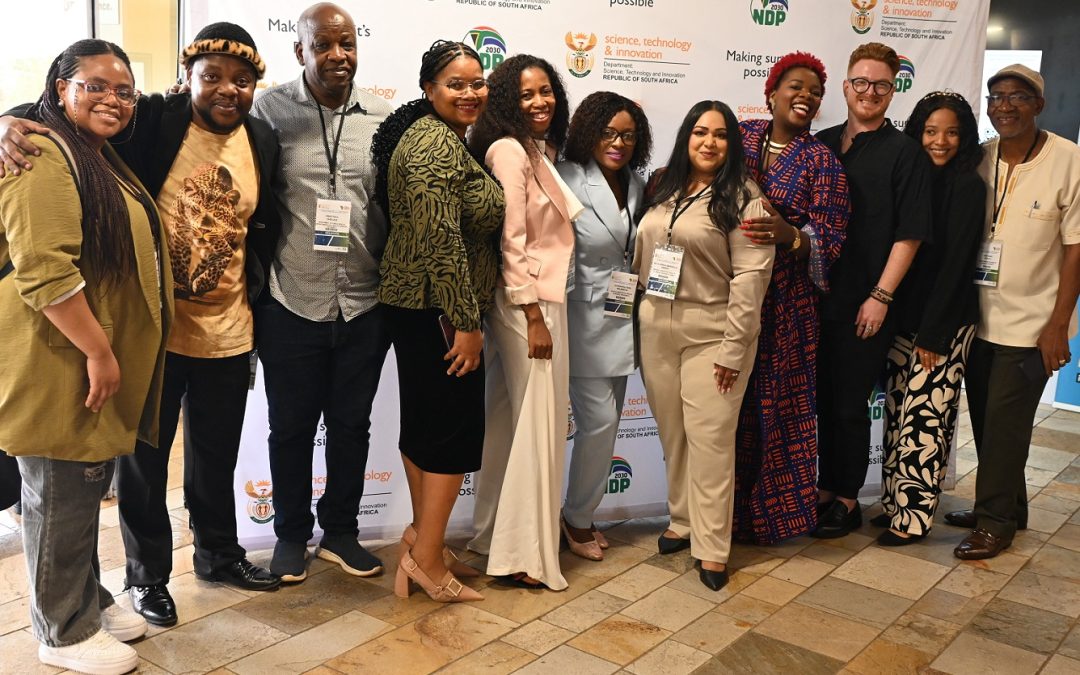
A powerful conversation about the future of Indigenous Knowledge Systems (IKS) and emerging technologies took centre stage at the Science Forum South Africa (SFSA) 2025. As the discussions unfolded, Sefako Makgatho Health Sciences University (SMU) emerged as a key contributor, shaping national dialogue through a compelling, solutions-focused panel. One of the standout sessions of the forum was “Rooted in Resilience: Integrating Indigenous Plant Knowledge and Emerging Technologies for Health, Climate, and Community Wellbeing,” conceptualised and coordinated by Dr Clarissa Marcelle Naidoo, Senior Lecturer in the Department of Biology and Environmental Sciences, School of Science and Technology at SMU.
 Dr Naidoo, who opened and led the session, emphasised the need to bridge traditional wisdom with modern scientific innovation. “Our aim was to create a space where Indigenous Knowledge Systems are not only acknowledged, but actively integrated with emerging technologies in ways that benefit health, climate resilience, and community wellbeing,” she said. “This conversation is essential for South Africa’s scientific future, and SMU is proud to help drive it.”
The panel attracted significant engagement from attendees across academia, industry, and government. Guest speakers included Dr Phuti Chelopo-Mgobozi from The Innovation Hub; Mr Peter Gardner from Mint Group; Ms Karen Swanepoel from the Southern African Essential Oils Producers Association (SAEOPA); Ms Babalwa Mpambani from the Dohne Agricultural Development Institute; and Dr Ryan Rattray from the University of Johannesburg. Their combined insights deepened the discussion on digital transformation, agricultural innovation, essential oils value chains, and ethical approaches to integrating Indigenous Knowledge and technology.
Moderation was provided by Associate Professor Nqobile Monate Mkolo, Associate Professor in the Department of Biology and Environmental Sciences, School of Science and Technology at SMU; Associate Professor Martha Chadyiwa, Head of the Environmental and Occupational Health Unit in the Department of Public Health, School of Health Care Sciences at SMU; and Dr Mohora Feida Malebatja, Lecturer in the Department of Public Health, School of Health Care Sciences at SMU.
Prof Mkolo emphasised the scientific strength of Indigenous Knowledge. “We must recognise Indigenous Knowledge as a scientific resource in its own right,” she said. “Technologies such as artificial intelligence and remote sensing can help validate, preserve, and scale this knowledge, but only if we approach the work ethically and collaboratively.”
Prof Chadyiwa highlighted the value of IKS in protecting and strengthening community health. “Any innovation we pursue must contribute to healthier, more resilient communities,” she noted. “Indigenous Knowledge has always been rooted in environmental stewardship. Technology should strengthen that foundation, not replace it.”
 Reflecting on student involvement, Dr Malebatja stressed the importance of nurturing young scientific talent. “The enthusiasm and creativity of our students show that the next generation is ready to take Indigenous Knowledge research into new spaces,” she said. “Their contributions demonstrated how emerging scholars can influence meaningful and ethical innovation.”
A major highlight of the session was its interactive nature. Delegates participated in real-time polls, a quick-fire debate on “IKS vs Technology,” and a co-creation exercise developing solutions for a rural cooperative. The “My Research in a Minute” segment showcased SMU students presenting bold, concise ideas, adding vibrancy and youth-driven insight to the dialogue.
Dr Naidoo expressed pride in the impact of student participation. “Our students showed remarkable insight and originality,” she said. “Their voices added energy and direction to the session, and their contributions reflect SMU’s commitment to developing the next generation of scientists.”
The session concluded with a Commitment Wall, where participants pledged actions to advance ethical, community-centred innovation beyond the forum.
Through strong academic leadership and a meaningful contribution to national scientific discourse, SMU reinforced its position as a leader in Indigenous Knowledge research, emerging technologies, environmental health, and youth development.
Looking ahead, Dr Naidoo reflected on the lasting value of the forum. “SFSA remains an important platform for SMU to share its expertise, build partnerships, and influence the direction of scientific dialogue in South Africa. We look forward to expanding this work in future forums.”
With its impactful presence at SFSA 2025, SMU continues to contribute to a future where science honours tradition, empowers communities, and inspires young researchers.
By Dimakatso Modise
