by Lorato | Apr 23, 2026 | All News, Alumni, SMU Media, Student Media
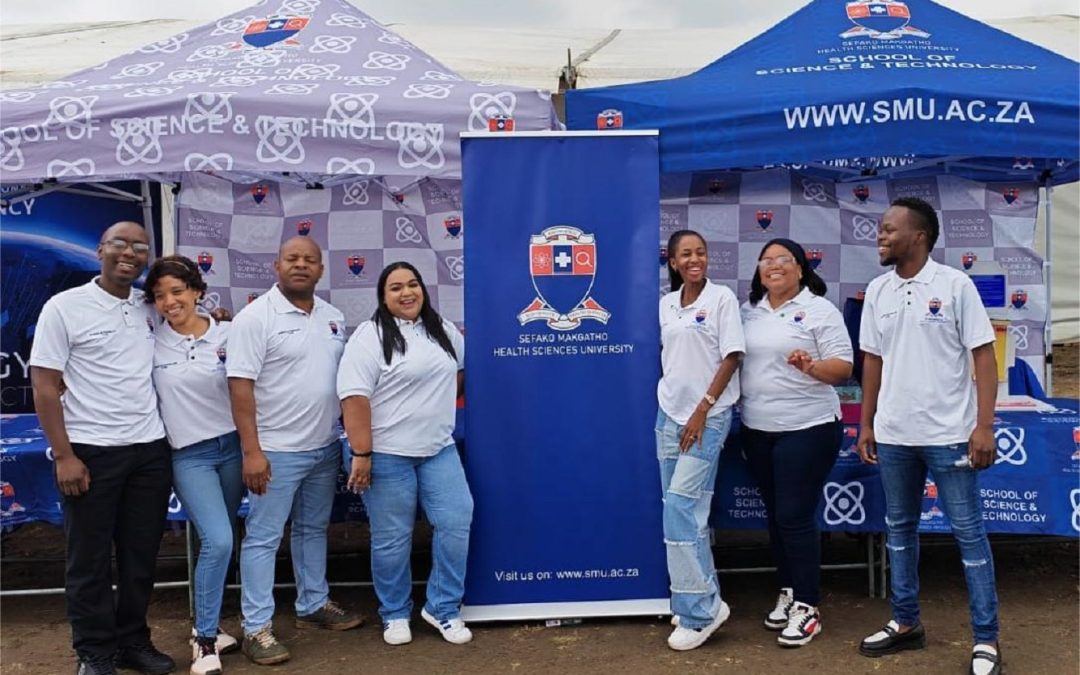
Sefako Makgatho Health Sciences University (SMU) is strengthening its role as a driver of transformation and access through impactful community engagement, following its participation in the Inter-Departmental and Inter-Sectoral Career Choices Symposium in Daggakraal, Mpumalanga. In collaboration with the Department of Basic Education (DBE), the initiative formed part of a broader national effort to empower rural learners with information, inspiration and pathways into higher education.
 The symposium brought together key stakeholders from government, education and community leadership, underscoring the importance of collaboration in shaping South Africa’s future workforce. Among the dignitaries present was MEC Lindi Lettie Masina, alongside deputy ministers and senior officials, highlighting the strategic value of career guidance in addressing inequality and unlocking potential in underserved communities.
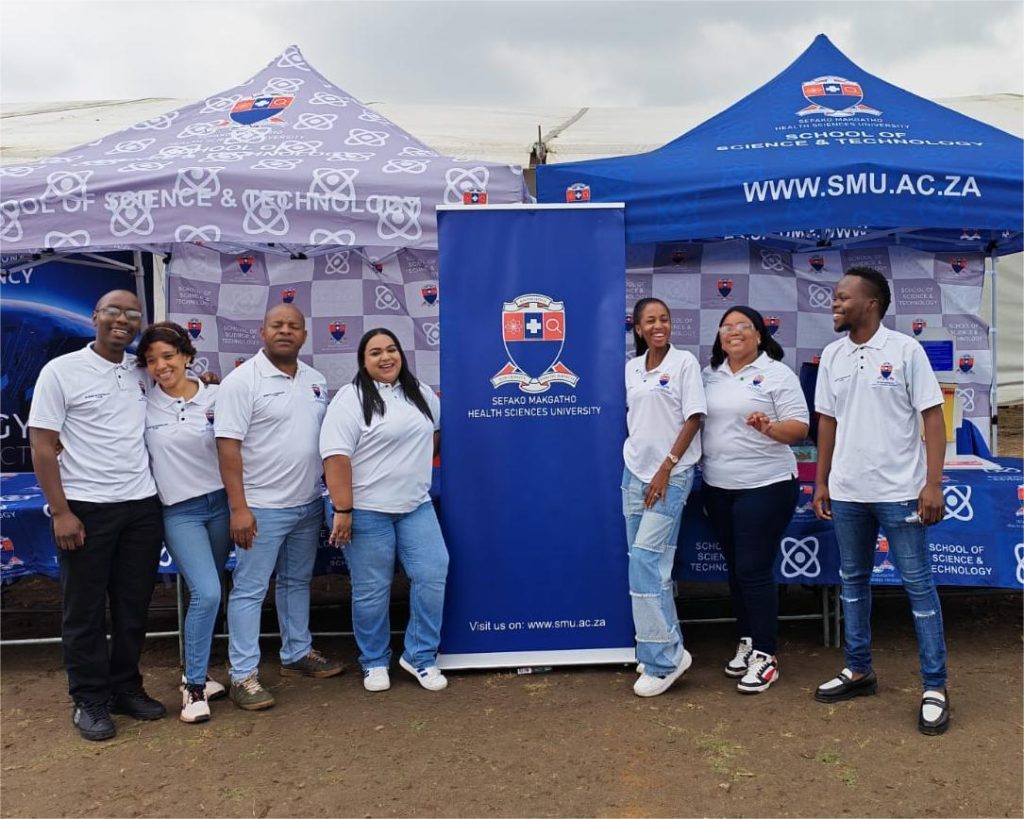
SMU was represented by an academic delegation including Professor Nqobile Mkolo, Dr Clarissa Naidoo, Dr Ananias Kgopa and colleagues from the School of Science and Technology. Throughout the day, the team engaged directly with learners, educators and parents, offering practical guidance on academic programmes, admission requirements, funding opportunities and student support services.
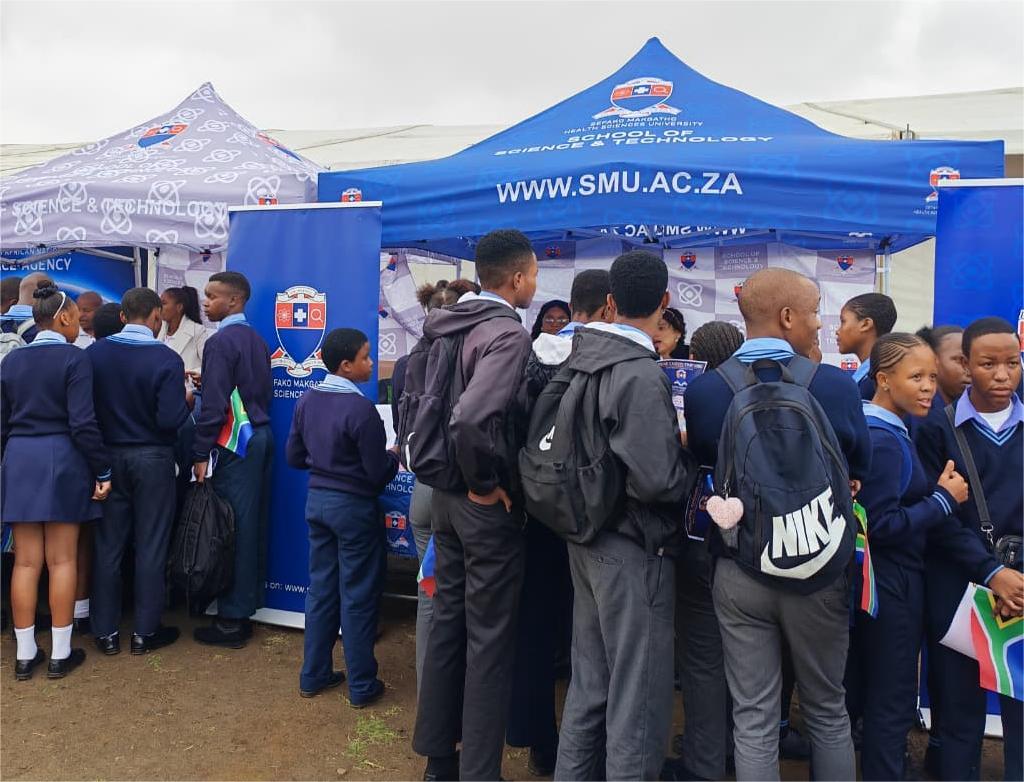
The interactive nature of the event created a dynamic platform for learners to ask questions and gain first-hand insight into higher education. From medicine and pharmacy to environmental sciences and information technology, learners were introduced to career pathways aligned with national development priorities. For many attendees, the symposium marked a rare opportunity to connect with university representatives and begin to envision futures beyond their immediate environments.
Professor Mkolo emphasised the importance of taking higher education opportunities directly to rural communities. “It is important that we meet learners where they are,” she said. “Many of these young people have the potential to succeed but lack access to information and guidance. By engaging directly with them, we are not only sharing knowledge but also building confidence and aspiration.”
 Dr Naidoo reinforced the broader purpose of career guidance, noting its transformative impact on learners’ outlook. “Career guidance is not just about choosing a qualification; it is about understanding purpose and opportunity,” she said. “When learners begin to see themselves in these professions, it changes how they approach their studies and their futures.”
MEC Masina commended the collaborative effort between institutions and government, describing the initiative as a model for inclusive development. “Initiatives like this demonstrate what is possible when we work together across sectors,” she said. “We are bringing opportunities closer to our learners and ensuring that no child is left behind because of where they come from.”
Beyond engagement, the symposium delivered tangible outcomes. It enhanced SMU’s national visibility as a university committed to social impact, increased awareness of higher education opportunities among rural learners, and strengthened partnerships with government departments, schools and community structures.
Aligned with SMU’s strategic priorities of student recruitment, community engagement and inclusive access, the initiative reflects the university’s ongoing commitment to breaking down barriers to education. As the event concluded, it was evident that it had sparked renewed ambition among learners while reinforcing SMU’s role as a catalyst for opportunity and change.
Through initiatives such as the DBE–SMU Career Expo, the university continues to build meaningful bridges between education and communities, ensuring that every learner—regardless of background—has the opportunity to aspire, achieve and contribute to the country’s socio-economic development.
By Dimakatso Modise
by Lorato | Nov 6, 2025 | All News, SMU Media, Student Media
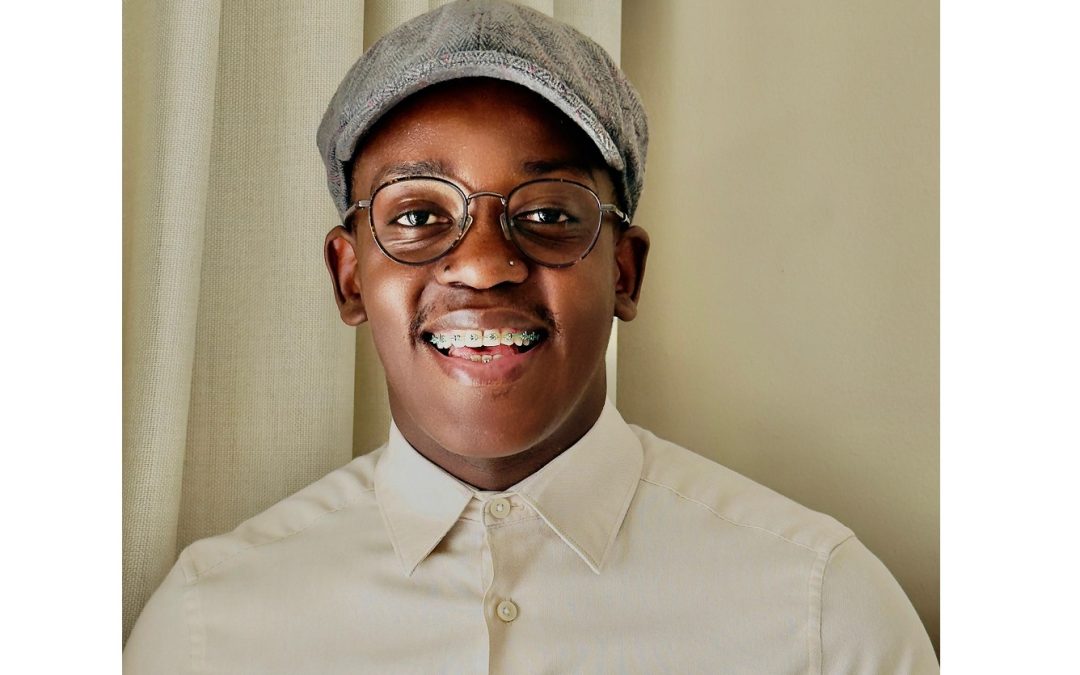
At just 30, Tshegofatso Mohlala, a young doctor from Burgersfort, Limpopo, has already carved an extraordinary path in medicine — one marked by resilience, excellence, and a deep commitment to community health. His story begins in a modest mining town and leads to the halls of Universitas Academic Hospital, where he now serves as a Medical Registrar in Internal Medicine.
 Born and raised in Burgersfort, Dr Mohlala is the eldest of three children in a humble yet loving household. His grandmother — a figure of strength, wisdom, and compassion — played a central role in shaping his character. “She taught me honesty, hard work, and responsibility,” he recalls. By the age of 11, he was driving his grandmother’s tractor, ploughing land to earn income for the family. That early discipline, and her unwavering belief in him, would later fuel his pursuit of academic and professional excellence.
His school years reflected both his talent and determination. After attending WEM School, Burgersfort, he transferred to St. Thomas College, where he matriculated in 2012 as the top student in his class. A year later, he began his medical journey at Sefako Makgatho Health Sciences University (SMU) — a decision inspired by his passion for improving the health and livelihoods of his community.
Tragically, his grandmother passed away during his first year of study, just a day before his final exams. Instead of breaking his spirit, her death became his driving force. “Her dream became my mission,” he says. In 2018, he graduated cum laude and ranked among the top five in his class — a tribute to the woman who instilled in him the values that shaped his success.
His medical career began with an internship at Job Shimankana Tabane Hospital in Rustenburg, where he faced an intense and diverse clinical environment that accelerated his professional growth. Two years later, he completed his community service at Themba Hospital in Mbombela, Mpumalanga’s largest healthcare facility. There, he witnessed the daily struggles of patients facing poverty and limited access to healthcare — experiences that deepened his resolve to serve with empathy and excellence.
In April 2022, he joined Universitas Academic Hospital in Bloemfontein as a Medical Registrar in Internal Medicine, embarking on a demanding four-year specialist training programme. His responsibilities extend beyond patient care: he supervises undergraduate students, contributes to clinical research, and promotes evidence-based medical practice.
Having completed both his Fellowship of the College of Physicians (FCP) and Master of Medicine (MMed) in Internal Medicine at the University of the Free State, he is now officially recognised as a Specialist Physician. This milestone marks the culmination of years of sacrifice, dedication, and perseverance.
Outside the hospital, he actively served through volunteer work with Special Olympics South Africa and Lemon-AID South Africa, organisations devoted to health advocacy and community upliftment. Although his demanding registrar duties have since limited his availability, his commitment to service remains unwavering.
His journey from a rural town to specialist status is a testament to the power of perseverance and purpose. What began as a child’s dream to help others has evolved into a career defined by excellence and impact. In every patient he treats, he honours the lessons of his grandmother — that strength, humility, and compassion are the heartbeats of true medicine.
By Tumelo Moila
by Lorato | Oct 21, 2025 | All News, SMU Media, Student Media
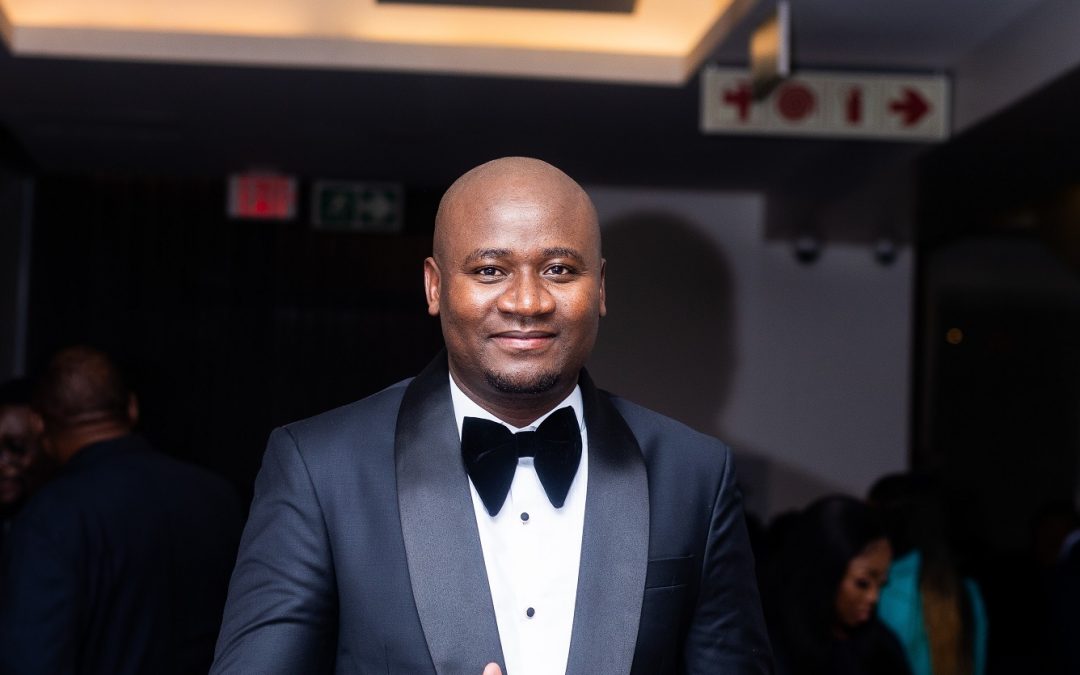
At a time when South Africa’s health system continues to demand capable, compassionate, and visionary professionals, Sefako Makgatho Health Sciences University (SMU) is once again leading from the front. Through its Convocation, the university is rallying alumni, partners, and the broader corporate community to reinvest in the next generation of health-sciences leaders.
 This initiative will culminate in a prestigious evening of celebration and purpose — the SMU Convocation Fundraising & Alumni Awards Gala Dinner, to be held on 25 October 2025, under the theme “SMU NextGen: Investing in South Africa’s Future of Health Sciences.”
The gala will bring together distinguished alumni, corporate partners, government leaders, and philanthropists in an atmosphere of elegance and generosity, while raising critical funds to support financially constrained students in the health-sciences disciplines.
A vision born of convocation leadership
For Japhta Phala, President of the SMU Convocation, the gala represents far more than a single fundraising event but a powerful act of collective responsibility. “The Convocation was inspired to initiate this fundraising gala because we understand that education remains the most enduring investment in South Africa’s future,” says Phala. “As alumni, we are products of a system that once gave us a chance to realise our dreams and now it is our turn to extend that opportunity to those who come after us.”
Under Phala’s leadership, the Convocation Executive Committee has prioritised rebuilding the bridge between SMU and its alumni network, not only through nostalgic reconnection but through tangible, transformative contribution. The gala is envisioned as an annual anchor event to institutionalise alumni giving and affirm SMU’s standing as a national asset in health sciences education.
Phala emphasises that the event also serves as a symbolic bridge between SMU’s proud legacy and South Africa’s urgent need for more skilled health sciences professionals.
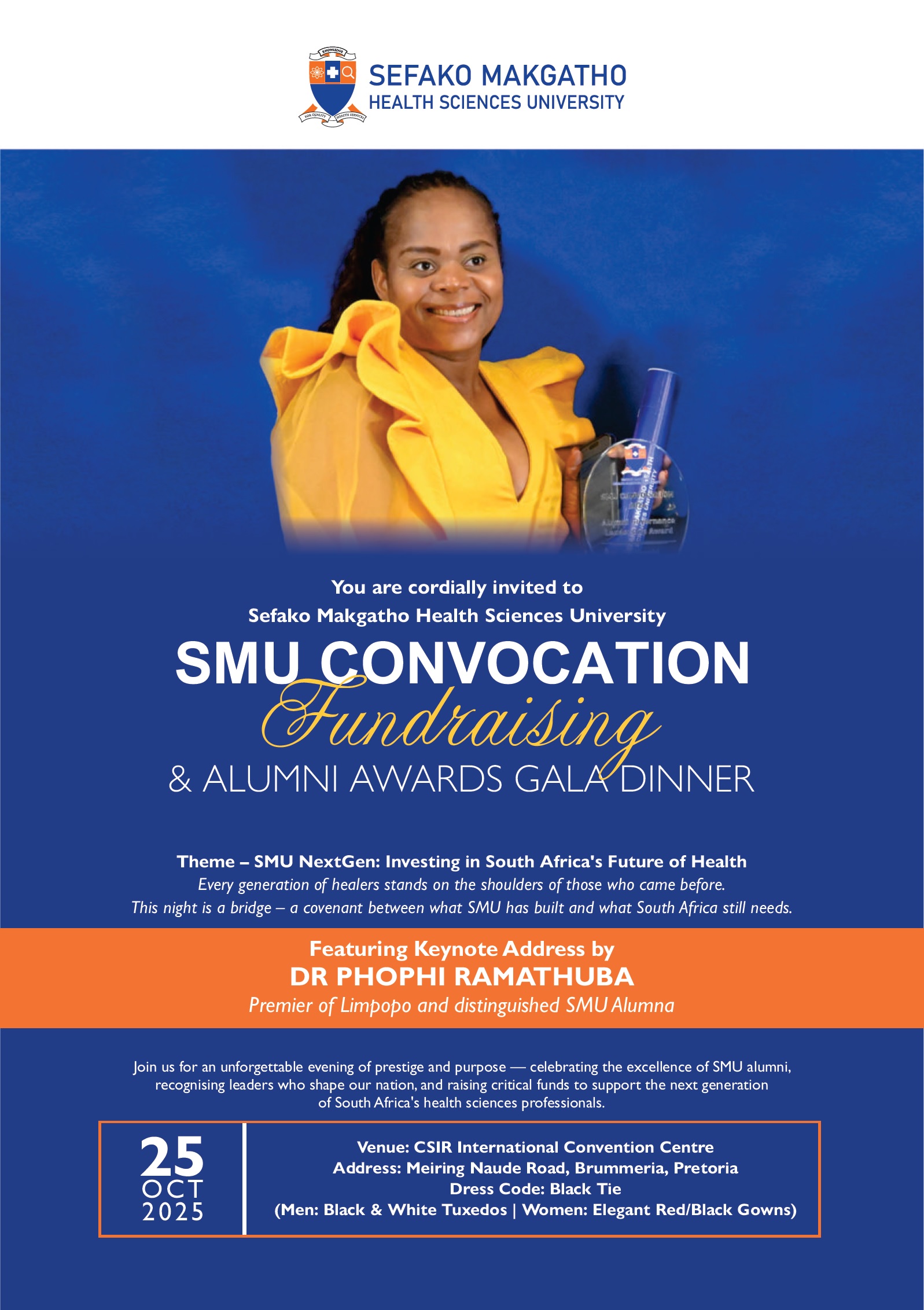 “We hope this initiative will make a measurable difference in the lives of our students — students who are talented, committed, and eager to serve,” he explains. “Beyond financial relief, this is about restoring dignity and hope. It’s about ensuring that a gifted student from a rural or township background doesn’t abandon their dream simply because they can’t afford to continue studying.”
He adds that the gala reflects the broader spirit of SMU itself; a university founded to democratise access to health-sciences education and to transform the health landscape of South Africa.
Alumni and partners: The lifeblood of progress
Phala believes the success of SMU’s mission depends on a collective ecosystem of support where alumni and partners play an active, enduring role.
“Our alumni and partners are vital architects of the university’s future,” he notes. “Their involvement, whether through mentorship, research collaboration, or financial contribution is what keeps the SMU flame burning. They embody the university’s values in the workplace and in society, and their investment today will shape the calibre of healthcare professionals our country produces tomorrow.”
The Convocation Executive Committee echoes this sentiment, calling on alumni from across generations to see themselves not as former students, but as lifelong ambassadors and investors in the institution’s continued excellence.
Beyond the fundraising appeal, the gala will honour outstanding alumni who have demonstrated exceptional leadership in medicine, governance, innovation, and social impact. Through initiatives like this, SMU is positioning itself not only as a centre of academic excellence but also as a hub for national health transformation, driven by its own graduates.
Phala concludes: “The future of SMU — and indeed South Africa’s health sciences system will be written by those who understand that legacy is not what we inherit, but what we build for others to inherit. This gala is our collective commitment to that principle.”
Event: SMU Convocation Fundraising & Alumni Awards Gala Dinner
Theme: SMU NextGen – Investing in South Africa’s Future of Health Sciences
Date: 25 October 2025
Dress Code: Black Tie (Men – Black & White Tuxedos | Women – Elegant Red Gowns)
For Sponsorships/Donations More Information: letsai.mashishi@smu.ac.za
By Tshimangadzo Mphaphuli
by Lorato | Jul 2, 2025 | All News, SMU Media, Student Media
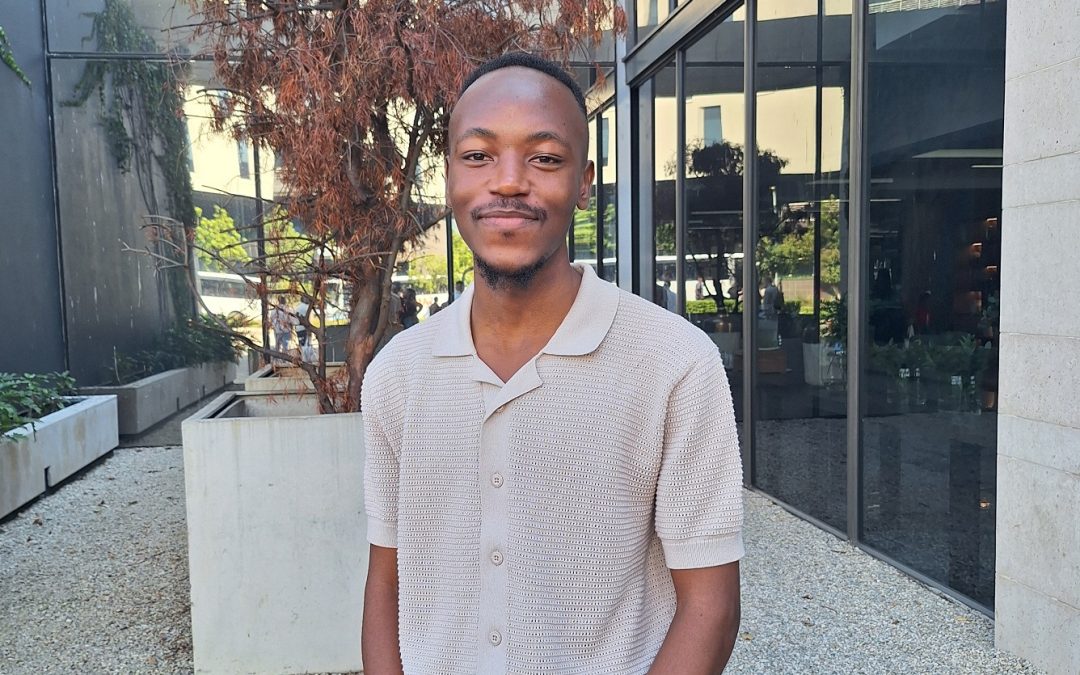
In the quiet rural village of Mathopestad in the North West, few would have imagined that a young boy from its dusty streets would one day contribute vital research to South Africa’s understanding of the COVID-19 pandemic. Moeletsi Kevin Ditse, now a final-year Bachelor of Medicine and Bachelor of Surgery student at Sefako Makgatho Health Sciences University (SMU), has emerged as a remarkable young scholar, shedding light on the role of forensic pathology in global health crises.
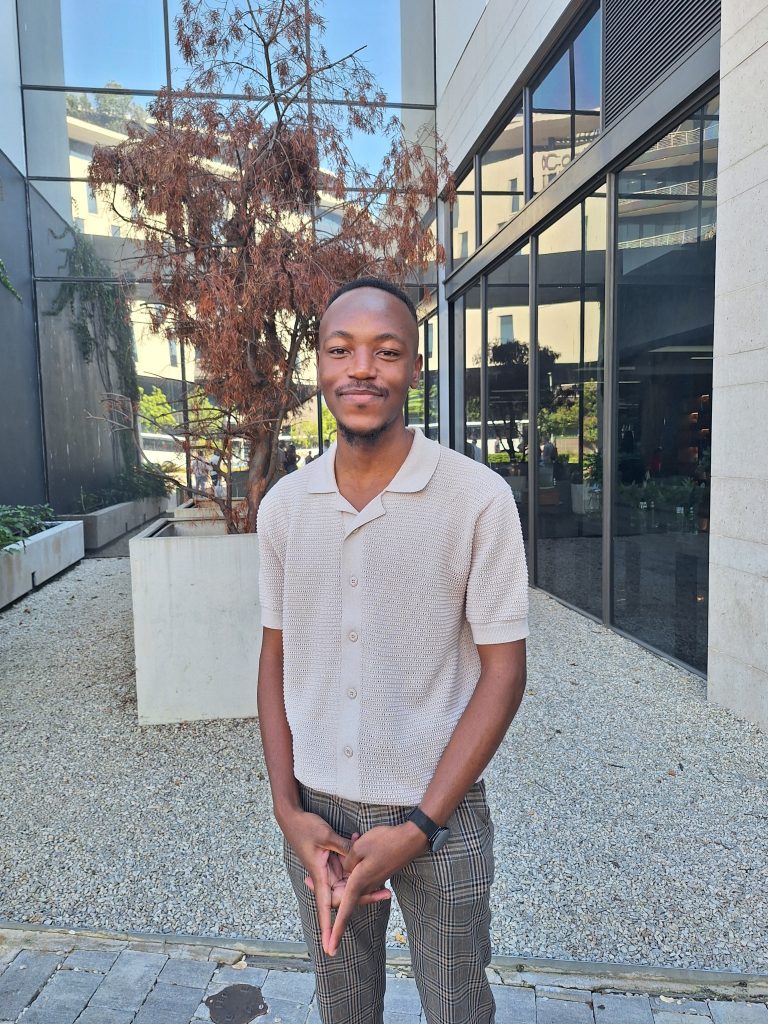 Born and raised in Mathopestad, Ditse matriculated from Lesele Secondary School in 2019 before embarking on his medical journey at SMU. Passionate about medicine and driven by curiosity, Ditse chose to explore uncharted territory for his undergraduate research: “A retrospective analysis of COVID‐19 cases seen at a medico-legal mortuary from March 2020 to February 2022.”
“When the pandemic hit, a lot of research focused on clinical aspects and hospitalised patients,” Ditse said. “But very little was being done from a forensic perspective, especially here in South Africa. I wanted to bridge that gap.”
His research was conducted at Ga-Rankuwa Forensic Pathology Services, where he meticulously analysed post-mortem reports of individuals who tested positive for SARS-CoV-2. The study used a manual data collection method, with each case anonymised and transferred electronically after being reviewed over a six-month period.
One of Ditse’s most striking findings was the unexpectedly even age distribution of COVID-19 fatalities. “It was surprising,” he admitted. “Contrary to global findings that suggested older people were more susceptible, we observed equal infection rates among young and elderly individuals. That challenged existing assumptions.”
Moreover, his analysis revealed that more men than women succumbed to the virus. However, there were minimal socioeconomic disparities, as most cases came from the low-income areas surrounding Ga-Rankuwa.
“The role of medico-legal mortuaries has been severely underappreciated,” Ditse explained. “During the pandemic, forensic pathology helped distinguish COVID-19-related deaths from suicides, domestic violence, and other causes. It also contributed to protocols for safe handling of deceased patients and offered insights into organ complications caused by the virus.”
Despite the study’s limitations, such as a small sample size and the inability to conduct full-body autopsies due to safety protocols, Ditse believes the research has contributed meaningfully to the national dialogue on pandemic preparedness and forensic integration.
The experience was not without challenges. Balancing academic responsibilities with high-level research proved demanding. “Transporting myself to the mortuary, analysing data from over two years of cases, and keeping up with coursework required discipline,” he shared. “I’m grateful to my supervisors, Dr Charmaine Van Wyk and Dr Keven Hlaise, who supported me throughout.”
Beyond research skills, Ditse said he gained an appreciation for the ethics of medical inquiry. “Understanding how to seek ethical clearance, protect the identity of deceased individuals, and uphold standards of confidentiality was eye-opening.”
Looking forward, Ditse aspires to continue research in forensic pathology. “There’s so much still to uncover. I’m not sure exactly what I’ll explore next, but this journey has definitely sparked something in me.”
To fellow medical students, his message is simple but powerful: “Don’t wait. There are platforms like the South African Medical Journal for Undergraduate Students where we can publish and grow. Research is not just for professors—it’s for all of us.”
Ditse’s work stands as a testament to the critical, often invisible role that forensic medicine plays in public health. As he notes, “In times of crisis, understanding the cause of death isn’t just about science—it’s about accountability, planning, and saving lives.”
His story is not just that of a student fulfilling a requirement, but of a future doctor rising to the moment with purpose, courage, and a deep commitment to truth.
By Tumelo Moila
by Lorato | May 13, 2025
Medicine Latest Research Output: 2024 Home » Search Results for "MEdicine" ACCREDITED JOURNALS Adefarakan, S & Tshifularo, N 2024, ‘Multiple Gastrointestinal Haemangiomatosis: A Report of Two Cases’, African journal of paediatric...