by Kegorapetse | Mar 30, 2016 | SMU Media
One of the challenges in curriculum development/review is to make sure that clear objectives for knowledge, skills and attitudes are aligned with intended outcomes/competencies, assessment, as well as lectures/ courses/ units/ modules within and between different departments/ schools/ faculties. Web-based curriculum mapping ensures this alignment and structures the vast amount of available information in a transparent way. This is essential for all accreditation processes.
Two years ago, SMU (Medunsa at the time) started to collaborate with the Charite Medical University in Berlin, Germany, to adapt their “Learning Opportunities, Objectives and Outcome Platform” (LOOOP), an online tool for curriculum mapping. Three SMU programmes (MBChB, B.SLPA and BNSA) are currently being “mapped” within this platform and this process should be completed soon. SMU will be the first South African University with online mapped curricula.
At SAAHE/ Network TUFH conference held in Johannesburg during September 2015, Dr. Olaf Ahlers and Firman Sugiharto (both from Charite, Berlin, Germany), Prof Ina Treadwell (SMU) and Prof. Ben van Heerden (Stellenbosch University), presented a workshop on curriculum mapping. One of the aims of this workshop was to present the experiences of curriculum mapping at SMU and to motivate other faculties to map their curricula. This was also the aim of a similar workshop presented at the AMEE 2015 conference in Glasgow five days before, presented by Prof. Ara Tekian (UIC, Chicago, USA), Dr. Olaf Ahlers and Martin Dittmar (Charite, Berlin, Germany), Prof. Ina Treadwell (SMU) as well as Dr. Jan Becker (University of Munster, Germany).
In total, 56 colleagues from South Africa (NMMU, TUT, UCT, UFS, UKZN, UP, US and UWC) and 34 other universities in 23 countries from all continents (Australia, Canada, China, Finland, Germany, Ghana, India, Indonesia, Lebanon, Malawi, Malaysia, Netherlands, Nigeria, Pakistan, Palestine, Philippines, Saudi Arabia, Sweden, UK, United Arabic Emirates, USA and Zimbabwe) participated.
The positive feedback on both workshops was overwhelming and SMU was able to present itself as one of the forerunners of online curriculum mapping.
by Kegorapetse | Feb 18, 2016 | Accolades and Achievements
Sefako Makgatho Health Sciences University/Dr George Mukhari Academic Hospital (SMU/DGMAH) partnered in 2016 with the Haukeland University hospital in Norway on 2 programmes namely:
- The training of super numeracy Registrars in paediatrics and nurses in midwifery in a tripartite partnership between Norway, South Africa and Zanzibar
- The other one focused on capacity and competence in traumatology and emergency medicine in a tripartite partnership with Norway, South Africa and Malawi.
by Lorato | Dec 11, 2025 | All News, SMU Media, Student Media
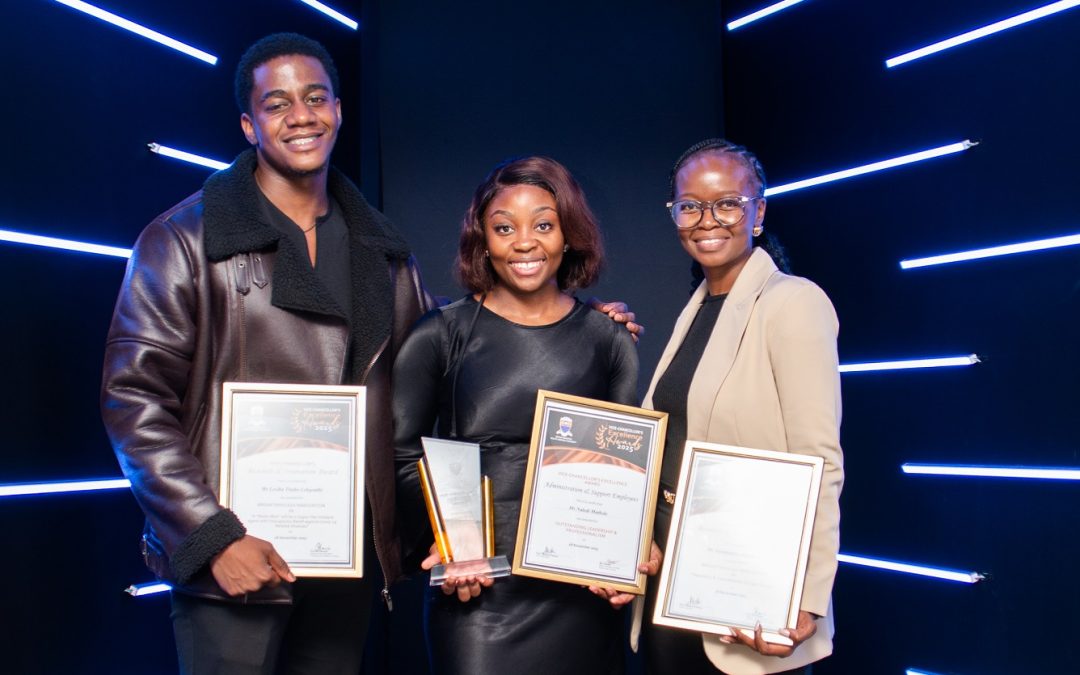
Sefako Makgatho Health Sciences University (SMU) hosted its prestigious 2025 Vice-Chancellor’s Excellence Awards at the Protea Hotel Fire & Ice! Menlyn, celebrating employees whose commitment, leadership and innovation continue to strengthen the University’s core mission. Held under the theme “Advancing the boundaries of knowledge: Excellence for Impact and Sustainability,” the ceremony brought together academic leaders, administrative and support staff, and external partners to honour individuals shaping the future of the institution.
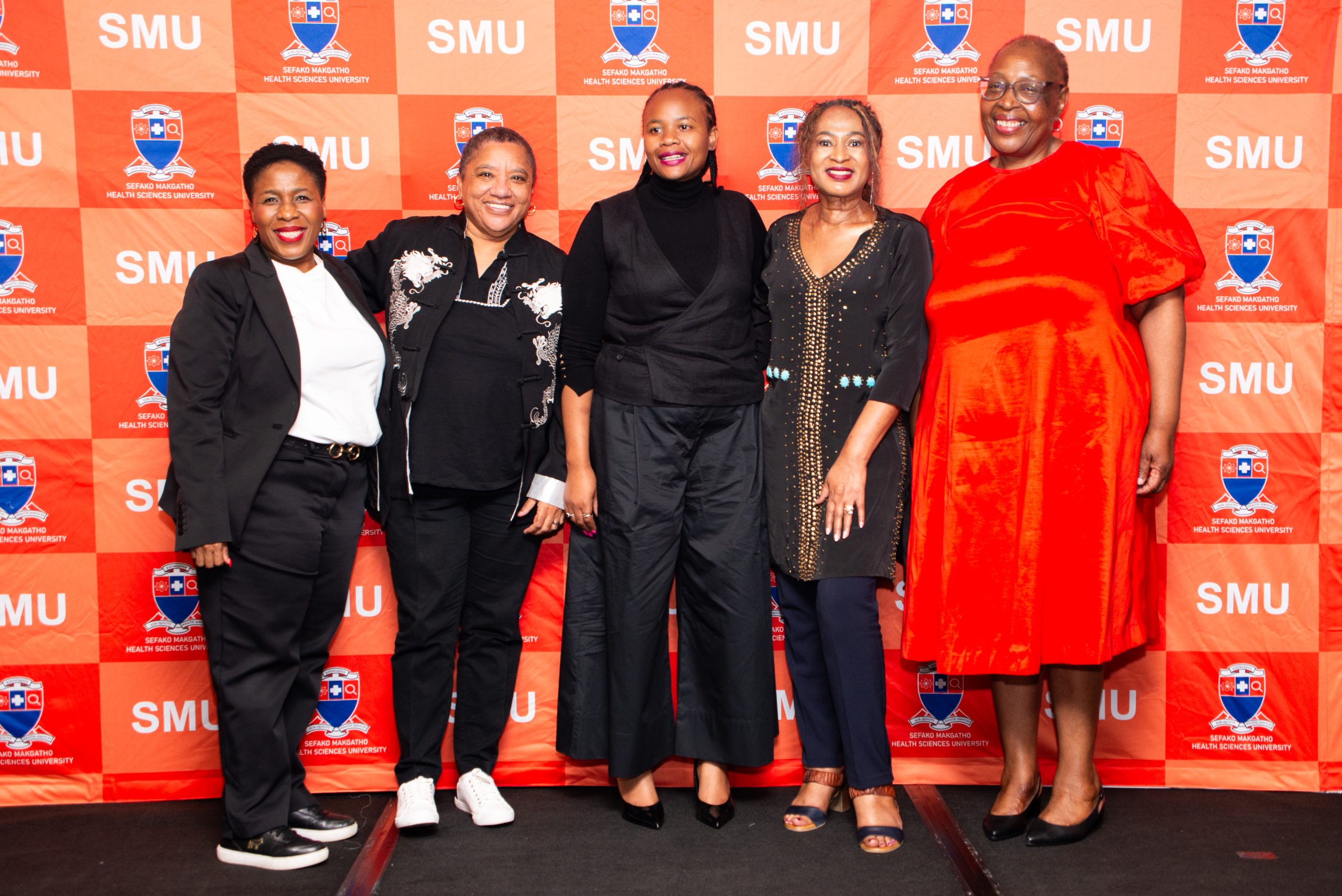 Delivering her opening address, the Vice-Chancellor, Professor Tandi Matsha-Erasmus, emphasised that excellence is a defining trait of SMU’s evolving identity. “Excellence at SMU is not a destination; it is a culture we build together,” she said. “Every staff member honoured tonight represents our commitment to transforming lives through education, research and service. Their contributions are the backbone of the University’s progress and our impact on society.”
Professor Matsha-Erasmus also highlighted the importance of service-driven leadership in a health sciences institution. “Our work must consistently reflect compassion, accountability and innovation. These award recipients remind us what it means to serve humanity with purpose.”
Dr Nasiphi Moya, the Executive Mayor of the City of Tshwane, a scholar and public policy practitioner, delivered the keynote address. Reflecting on her journey from student activism to municipal leadership, she encouraged staff to position excellence as a daily discipline. “Excellence requires courage,” she told the audience. “It is the willingness to refine your craft even when no one is applauding. Institutions like SMU thrive because individuals choose to show up, do the work and inspire progress.” Dr Moya further commended the University for nurturing a workforce committed to national development. “SMU is not only producing future health professionals; it is cultivating principled leaders who will shape our healthcare system and communities.”
The evening’s honours included awards in administrative support, teaching and learning, leadership, client service and innovation. Among the recipients was Naledi Mathole, Coordinator of the Economic Activation Office, who received the Award for Outstanding Leadership and Professionalism. Under her stewardship, the SMU Enactus team won national recognition for social innovation.
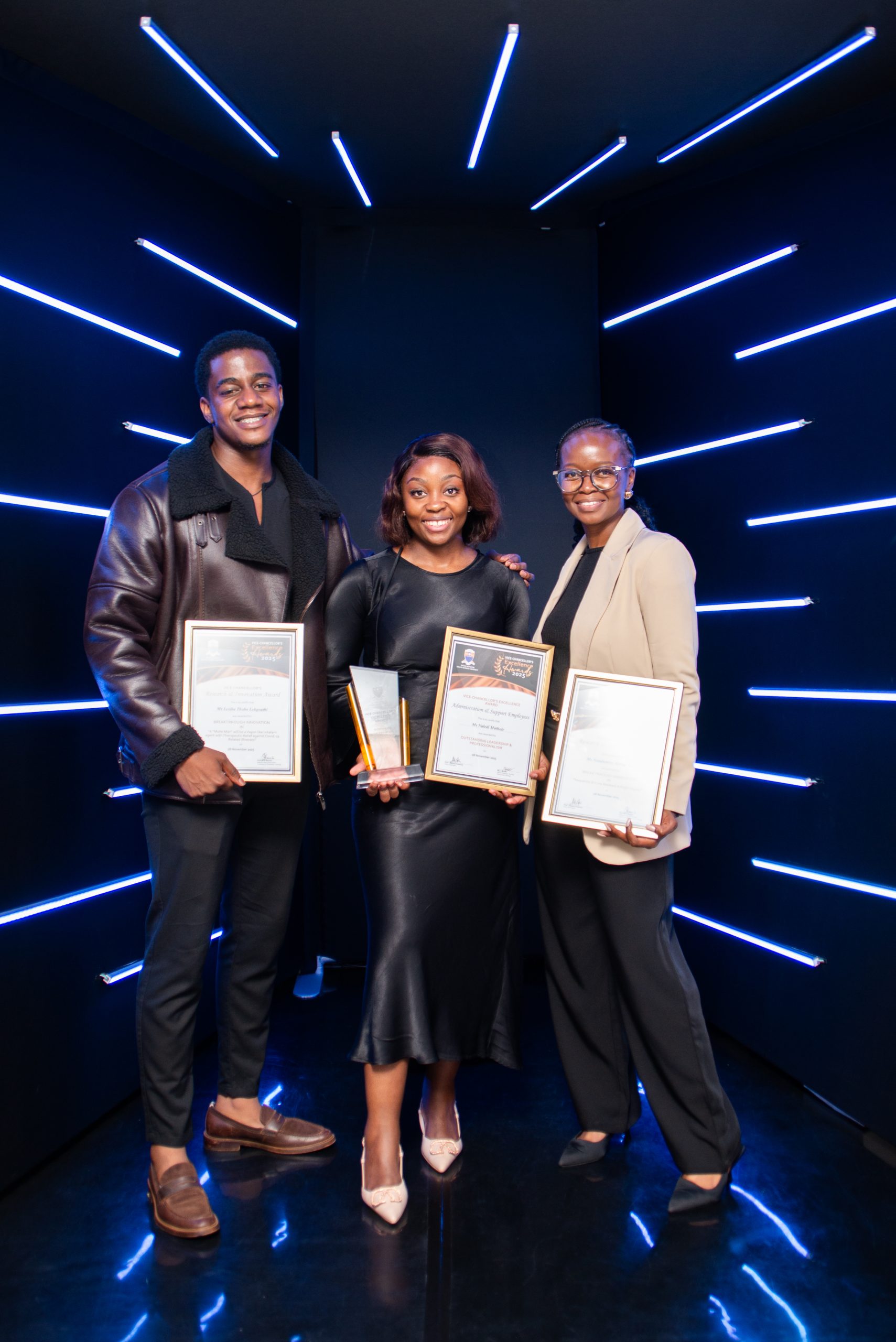 Reflecting on the accolade, Mathole said: “This award is deeply meaningful. Leadership is about service, collaboration and believing in the potential of others. I am grateful to work in an environment where ideas are supported, and innovation is encouraged.” She added that the recognition belongs to her entire team.
“No one succeeds alone. My colleagues and students are the reason our projects thrive. Together, we are proving that SMU can be a leading driver of community-focused innovation.”
Other recipients included Maria Baloyi, honoured for exceptional client service in the School of Medicine; Justice Maleba, celebrated for teamwork in Grounds Maintenance; and Bathabile Ndlovu, recognised for advancing sustainable landscaping and environmental stewardship on campus. Several academic staff members were also acknowledged for teaching excellence, curriculum innovation and research contributions.
As the night progressed, applause echoed through the venue as citations highlighted personal stories of resilience, integrity and passion. Many recipients were described as individuals who “go beyond the call of duty” and “embody the spirit of Ubuntu that defines SMU’s ethos.”
In her closing remarks, Prof Matsha-Erasmus reaffirmed the University’s determination to strengthen its culture of excellence. “Tonight reminds us that excellence is not a privilege for a few but a responsibility shared by all of us,” she said. “The individuals we honoured demonstrate that dedication, empathy and creativity can transform not only our institution but the communities we serve. Their achievements encourage us to push boundaries and pursue knowledge that improves lives.”
She also extended appreciation to the Mayor and partners who continue to support the University’s vision. “Collaboration with government, industry and communities strengthens our impact. We value the City of Tshwane’s continued engagement and commitment to developing a healthier, more knowledgeable society.”
The 2025 Vice-Chancellor’s Excellence Awards concluded with a renewed sense of pride and unity, celebrating the individuals whose work continues to elevate SMU’s standing as a leading health sciences institution. Through their service and innovation, the University moves closer to its goal of transforming healthcare, advancing knowledge and inspiring future generations.
Dimakatso Modise

by Lorato | Nov 27, 2025 | Accolades and Achievements, All News, Alumni, SMU Media, Student Media
Sefako Makgatho Health Sciences University (SMU) proudly celebrates the recent recognition of its newly appointed Council member, Dr Nomonde Mabuya, who has been awarded the prestigious Ellen Kuzwayo Council Medal by the University of Johannesburg for her outstanding contribution to public health, occupational safety, and women’s empowerment.
 A medical doctor, occupational health specialist, academic, business leader, and social innovator, Mabuya has dedicated more than three decades to advancing the wellbeing of South Africans. Her distinguished career aligns strongly with SMU’s mission to cultivate leaders who drive transformation and improve the quality of life across the country.
For over thirty years, Mabuya has been one of the country’s leading advocates for workplace health and safety. She has advised major institutions—including Vodacom, Deloitte, Standard Bank, Telkom, and the South African Reserve Bank—on employee wellness and occupational health programmes that have protected thousands of workers and significantly improved working conditions across sectors.
Her influence has been especially notable in the mining industry. Mabuya played a central role in developing South Africa’s fitness-for-work guidelines, adopted by the Department of Mineral Resources and Energy in 2014. These guidelines continue to serve as a national benchmark for fairness, accountability, and improved protection for vulnerable mineworkers.
 As CEO of Qalo DigiHealth, she is advancing healthcare accessibility through digital innovation, promoting the use of electronic health records, remote patient monitoring, and other technologies that make healthcare more effective, affordable, and responsive to patients’ needs.
Mabuya’s contributions also extend to education and social development. Having lectured for 15 years at the University of Pretoria’s School of Public Health, she has shaped generations of health professionals. Her founding of the Women’s Sports Trust and Women Entrepreneurs Trust further demonstrates her commitment to empowerment, providing mentorship, scholarships, and funding opportunities for women and girls across the country.
Her medico-legal expertise has been equally influential through her work with the Road Accident Fund and her leadership as Chair of the HPCSA RAF Tribunal Committee, strengthening justice and fairness in medico-legal assessments.
The University of Johannesburg’s Ellen Kuzwayo Council Medal recognises leaders who advance social equity, transformation, and national development, qualities that Mabuya exemplifies. Her appointment to the SMU Council brings a powerful combination of strategic insight, public health expertise, and a deep commitment to societal impact.
Mabuya’s leadership continues to shape healthier, safer, and more equitable communities, an inspiring alignment with SMU’s vision of excellence and service to society.
by Lorato | Nov 27, 2025 | All News, SMU Media, Student Media
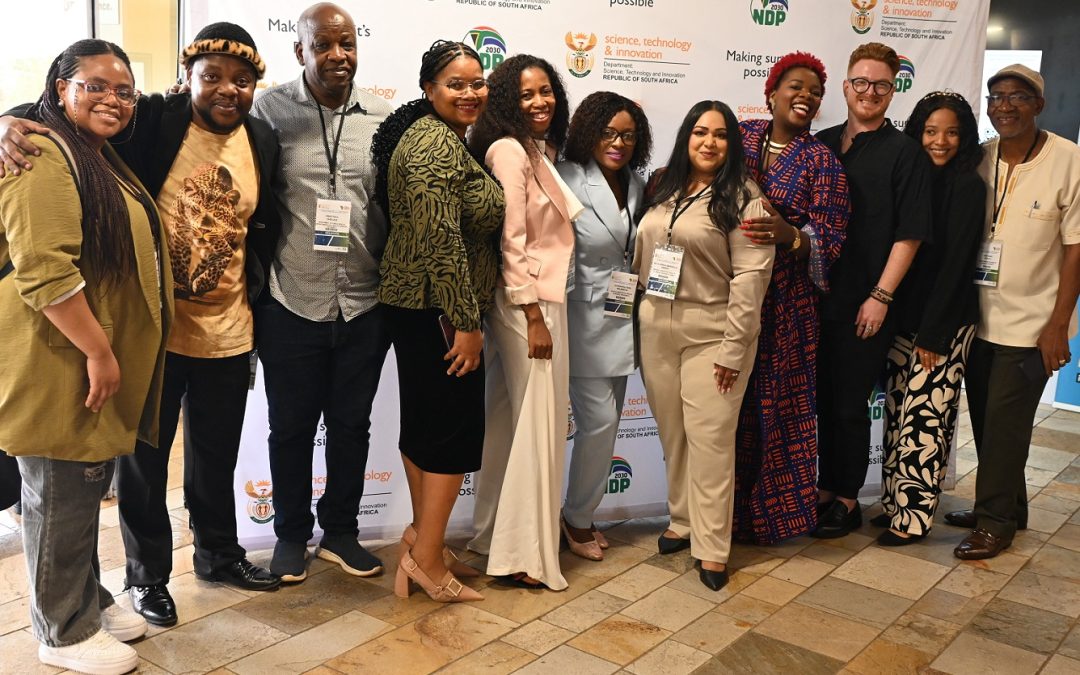
A powerful conversation about the future of Indigenous Knowledge Systems (IKS) and emerging technologies took centre stage at the Science Forum South Africa (SFSA) 2025. As the discussions unfolded, Sefako Makgatho Health Sciences University (SMU) emerged as a key contributor, shaping national dialogue through a compelling, solutions-focused panel. One of the standout sessions of the forum was “Rooted in Resilience: Integrating Indigenous Plant Knowledge and Emerging Technologies for Health, Climate, and Community Wellbeing,” conceptualised and coordinated by Dr Clarissa Marcelle Naidoo, Senior Lecturer in the Department of Biology and Environmental Sciences, School of Science and Technology at SMU.
 Dr Naidoo, who opened and led the session, emphasised the need to bridge traditional wisdom with modern scientific innovation. “Our aim was to create a space where Indigenous Knowledge Systems are not only acknowledged, but actively integrated with emerging technologies in ways that benefit health, climate resilience, and community wellbeing,” she said. “This conversation is essential for South Africa’s scientific future, and SMU is proud to help drive it.”
The panel attracted significant engagement from attendees across academia, industry, and government. Guest speakers included Dr Phuti Chelopo-Mgobozi from The Innovation Hub; Mr Peter Gardner from Mint Group; Ms Karen Swanepoel from the Southern African Essential Oils Producers Association (SAEOPA); Ms Babalwa Mpambani from the Dohne Agricultural Development Institute; and Dr Ryan Rattray from the University of Johannesburg. Their combined insights deepened the discussion on digital transformation, agricultural innovation, essential oils value chains, and ethical approaches to integrating Indigenous Knowledge and technology.
Moderation was provided by Associate Professor Nqobile Monate Mkolo, Associate Professor in the Department of Biology and Environmental Sciences, School of Science and Technology at SMU; Associate Professor Martha Chadyiwa, Head of the Environmental and Occupational Health Unit in the Department of Public Health, School of Health Care Sciences at SMU; and Dr Mohora Feida Malebatja, Lecturer in the Department of Public Health, School of Health Care Sciences at SMU.
Prof Mkolo emphasised the scientific strength of Indigenous Knowledge. “We must recognise Indigenous Knowledge as a scientific resource in its own right,” she said. “Technologies such as artificial intelligence and remote sensing can help validate, preserve, and scale this knowledge, but only if we approach the work ethically and collaboratively.”
Prof Chadyiwa highlighted the value of IKS in protecting and strengthening community health. “Any innovation we pursue must contribute to healthier, more resilient communities,” she noted. “Indigenous Knowledge has always been rooted in environmental stewardship. Technology should strengthen that foundation, not replace it.”
 Reflecting on student involvement, Dr Malebatja stressed the importance of nurturing young scientific talent. “The enthusiasm and creativity of our students show that the next generation is ready to take Indigenous Knowledge research into new spaces,” she said. “Their contributions demonstrated how emerging scholars can influence meaningful and ethical innovation.”
A major highlight of the session was its interactive nature. Delegates participated in real-time polls, a quick-fire debate on “IKS vs Technology,” and a co-creation exercise developing solutions for a rural cooperative. The “My Research in a Minute” segment showcased SMU students presenting bold, concise ideas, adding vibrancy and youth-driven insight to the dialogue.
Dr Naidoo expressed pride in the impact of student participation. “Our students showed remarkable insight and originality,” she said. “Their voices added energy and direction to the session, and their contributions reflect SMU’s commitment to developing the next generation of scientists.”
The session concluded with a Commitment Wall, where participants pledged actions to advance ethical, community-centred innovation beyond the forum.
Through strong academic leadership and a meaningful contribution to national scientific discourse, SMU reinforced its position as a leader in Indigenous Knowledge research, emerging technologies, environmental health, and youth development.
Looking ahead, Dr Naidoo reflected on the lasting value of the forum. “SFSA remains an important platform for SMU to share its expertise, build partnerships, and influence the direction of scientific dialogue in South Africa. We look forward to expanding this work in future forums.”
With its impactful presence at SFSA 2025, SMU continues to contribute to a future where science honours tradition, empowers communities, and inspires young researchers.
By Dimakatso Modise