by Lorato | Jul 9, 2026 | Accolades and Achievements, All News, Alumni, SMU Media, Student Media
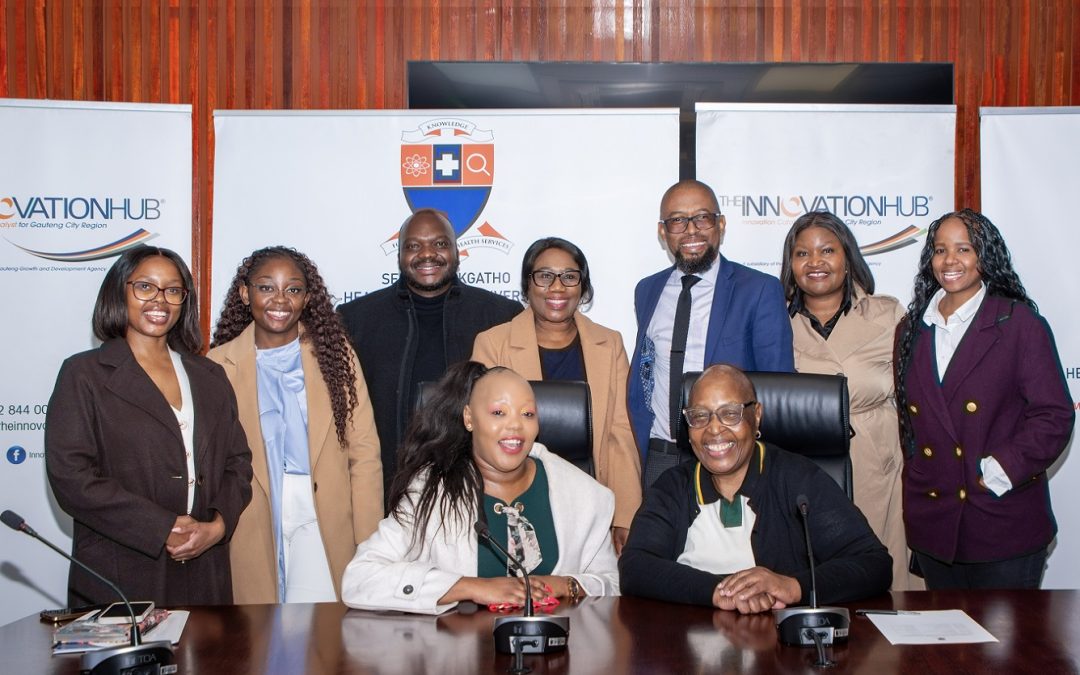
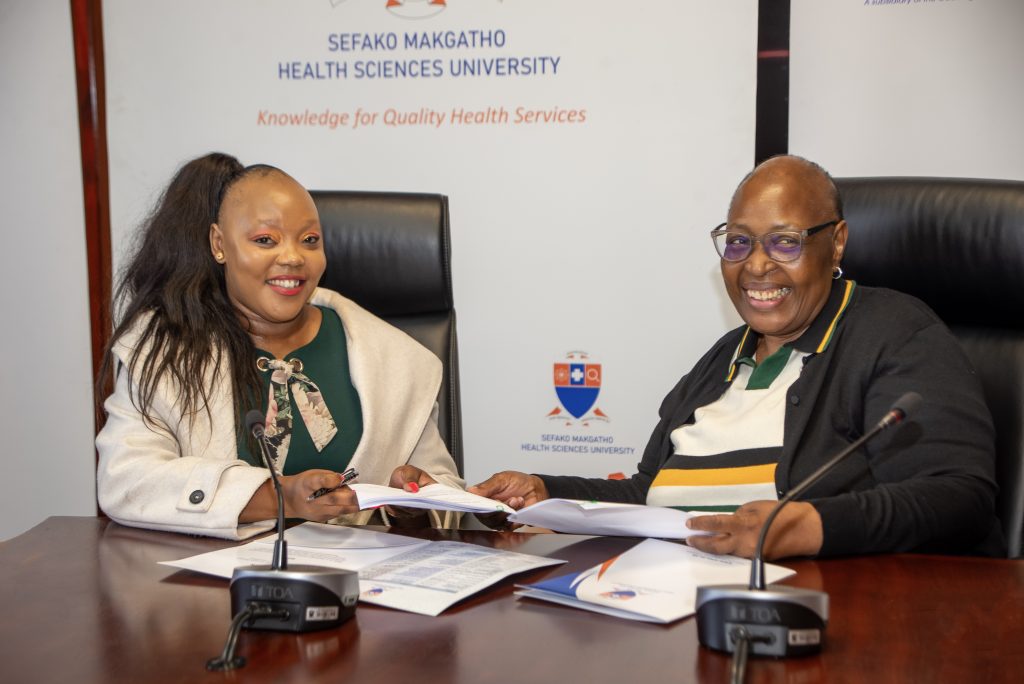
Sefako Makgatho Health Sciences University (SMU) and The Innovation Hub Management Company (TIHMC) have signed a landmark Memorandum of Understanding (MoU) that will strengthen innovation, entrepreneurship and healthcare technology development within South Africa’s township economy.
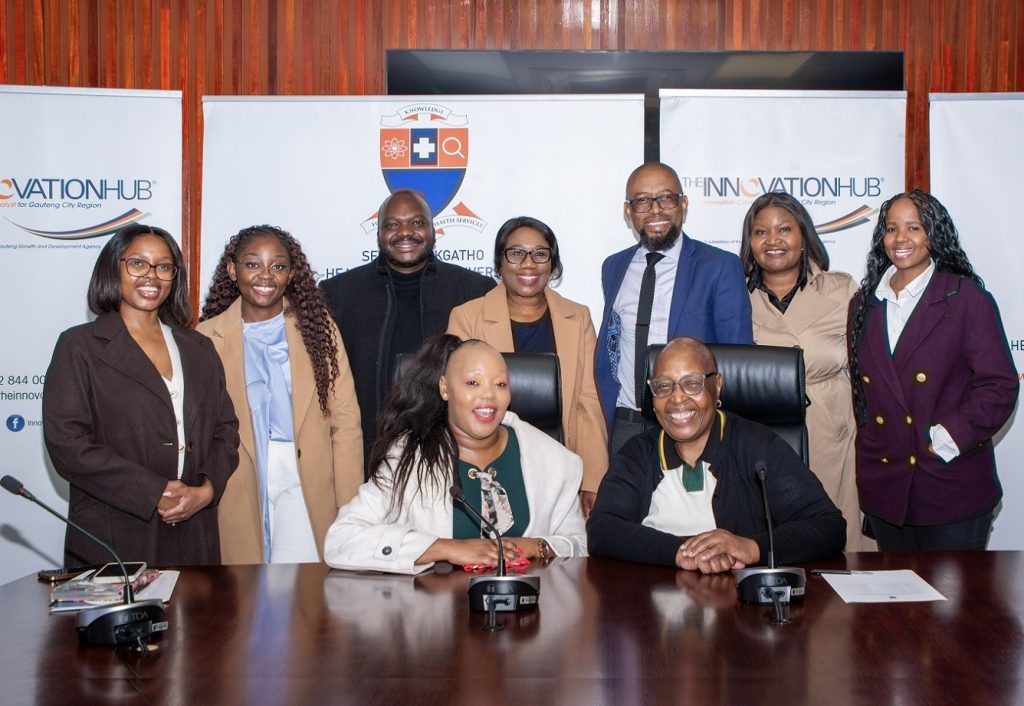 The three-year agreement establishes the physical presence of The Innovation Hub’s eKasiLab Ga-Rankuwa programme within the SMU ecosystem, creating a collaborative platform that connects academia, industry and government to accelerate enterprise development, skills training and the commercialisation of healthcare, medical and biotechnology innovations.
The partnership will leverage shared facilities, research and development resources, and innovation networks to transform research outcomes into practical solutions that address both healthcare and broader societal challenges. The initiative will be jointly overseen by Ms Naledi Mathole who currently oversees activities at SMU’s Centre for Entrepreneurship Rapid Incubator (CfERI), and TIHMC Manager for Partnerships, Mpho Mbonani.
Speaking at the signing ceremony, Mathole described the agreement as a strategic step towards strengthening innovation and entrepreneurship within the university and surrounding communities.
“The MoU establishes a strategic partnership between Sefako Makgatho Health Sciences University and The Innovation Hub Management Company to strengthen innovation, entrepreneurship, skills development and the commercialisation of solutions that address healthcare and societal challenges,” she said.
Mathole added that the collaboration would provide students and staff with enhanced access to innovation programmes, mentorship opportunities, industry networks and incubation support.
 “The partnership will support the development of student and staff start-ups, the commercialisation of research and intellectual property, and greater access to innovation ecosystems through investors and industry partners,” she said.
Professor Dini Mawela, SMU Acting Vice Chancellor, said the agreement aligns with the university’s vision of becoming an entrepreneurial institution that equips graduates with practical skills alongside academic excellence.
“We want all activities at SMU to point towards being an entrepreneurial university so that our students graduate with tangible, practical skills,” said Mawela. “Our students are discovering incredible things, and through initiatives such as innovation hackathons and programming competitions, we are encouraging them to transform creative ideas into solutions that can make a meaningful impact in society.”
A key objective of the partnership is to stimulate socio-economic development in Ga-Rankuwa, Mabopane and surrounding communities by creating pathways for local innovation and sustainable business growth.
TIHMC Area Innovation Manager for Township Economic Revitalisation, Buti Makama, highlighted the importance of building a self-sustaining healthcare innovation ecosystem that reduces reliance on imported interventions.
“SMU is producing the scientists, while we provide access to laboratories, capital and business expertise. Together, we are building an ecosystem that can develop local healthcare solutions and strengthen South Africa’s innovation capacity,” he said.
Acting Executive for Township Economy Revitalisation at The Innovation Hub, Kgaugelo Tsoka, said the partnership would expand opportunities for aspiring entrepreneurs and innovators.
“By bringing together the strengths of SMU and eKasiLab, we are creating opportunities for young people, innovators and entrepreneurs to access the skills, support and networks they need to transform ideas into sustainable businesses and impactful solutions,” said Tsoka.
The agreement also promotes joint intellectual property development, strengthens compliance with data privacy requirements under the Protection of Personal Information (POPI) Act, and creates opportunities for new revenue streams through innovation and commercialisation.
As South Africa commemorates 50 years since the 1976 Youth Day uprisings, the partnership reflects SMU’s ongoing commitment to transforming health services through excellence and innovation. By empowering future scientists, entrepreneurs and healthcare leaders, the university continues to advance solutions that improve lives, strengthen communities and contribute to the country’s long-term development.
By Rose Moreki
by Lorato | Jul 9, 2026 | All News, Alumni, SMU Media, Student Media
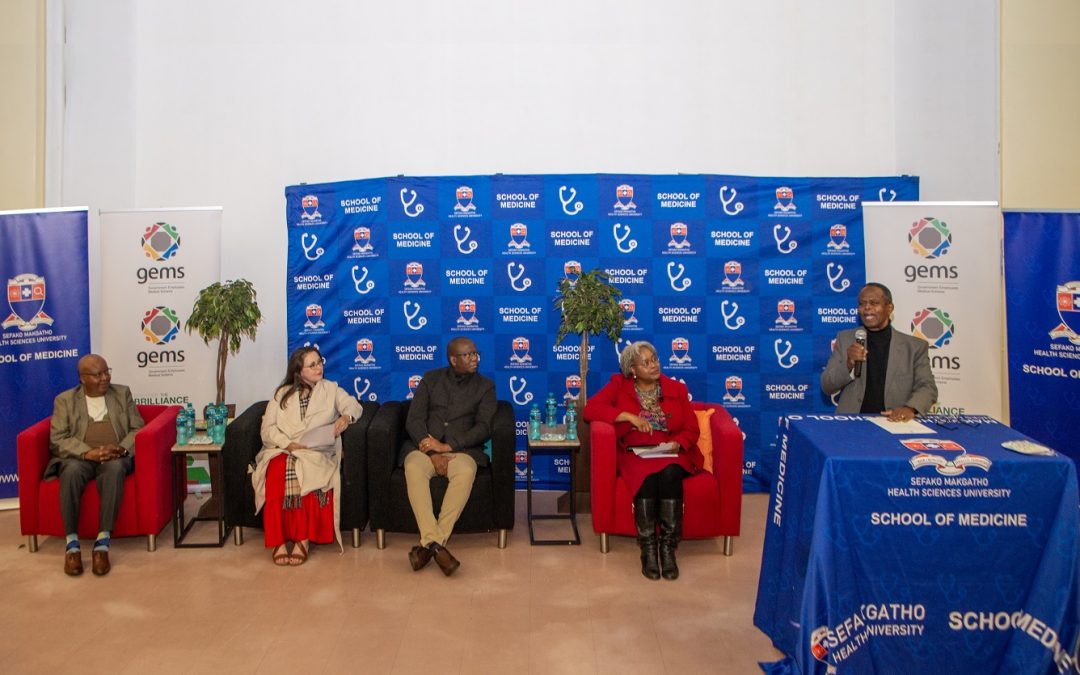
Sefako Makgatho Health Sciences University (SMU) reaffirmed its commitment to developing socially accountable and resilient healthcare professionals by hosting the I LEAD Panel Discussion Programme recently at the University’s New Auditorium. Held under the theme, Leading Together, Building Resilient Minds, Collaborative Teams, and Future Healthcare Leaders, the event brought together accomplished alumni, students, academics and healthcare professionals for an afternoon of meaningful dialogue on leadership and professional development.
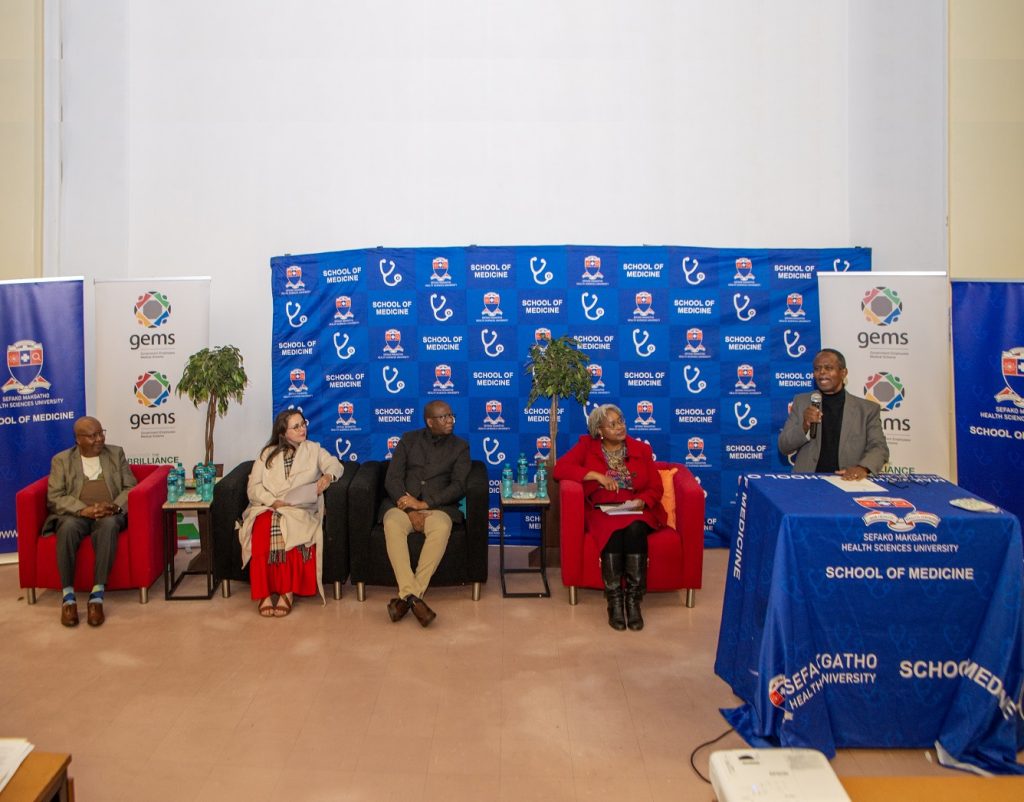 The programme highlighted SMU’s dedication to producing graduates who are not only academically accomplished but also equipped with the leadership skills, emotional intelligence and collaborative mindset needed to navigate increasingly complex healthcare environments.
Welcoming attendees, Professor Honey Mabuza, Head of the Department of Professionalism, Medical Ethics and Clinical Integrated Programmes (POME) in the School of Medicine, emphasised the importance of nurturing healthcare professionals who lead with integrity and compassion.
“Technical competence alone is no longer sufficient in today’s healthcare landscape. We must develop professionals who can lead ethically, work collaboratively and respond effectively to the challenges facing our health systems,” she said.
Dr Nokufa Mnguni, POME 2 Coordinator, provided an overview of the programme and encouraged students to embrace opportunities for mentorship and continuous learning.
“Leadership is not developed overnight. It is cultivated through curiosity, meaningful engagement and the willingness to learn from those who have walked the path before you,” she said.
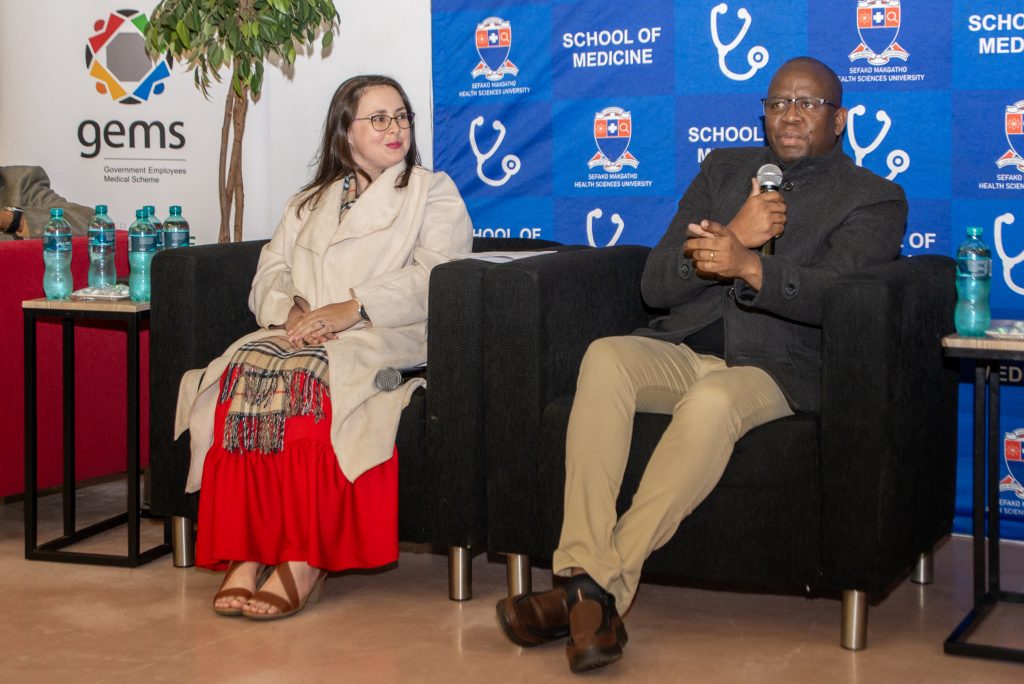 The highlight of the event was an engaging panel discussion facilitated by Dr Brenda Kubheka-Chauke, featuring four distinguished SMU alumni whose careers span various sectors of the healthcare industry. The panel comprised Dr Stan Moloabi, Principal Officer of the Government Employees Medical Scheme (GEMS); Dr Inge Kleinhans, Public Health Medicine Specialist at SMU; Major General Dr Nsizwa Skosana, Deputy Surgeon General of the South African National Defence Force (SANDF); and Dr Molapane Chueu, Public Health Medicine Specialist at the Auditor-General of South Africa.
Drawing from their professional journeys, the panellists shared valuable lessons on resilience, ethical leadership and lifelong learning. They stressed that effective leadership extends beyond positions of authority and is rooted in accountability, empathy and a commitment to serving communities.
“The healthcare sector needs leaders who can work across disciplines and build partnerships that improve patient outcomes and strengthen health systems,” one panellist remarked.
One of the programme’s most impactful moments came during the interactive question-and-answer session, where students sought advice on career development, overcoming adversity and maintaining well-being in demanding professional environments. The panellists responded candidly, encouraging students to remain resilient, seek mentorship and continuously develop both their clinical and interpersonal skills.
Representing the student body, second-year MBChB POME Student Leader Mogau Matlanyane expressed gratitude for the opportunity to engage with accomplished alumni.
“Hearing the experiences of these professionals has broadened our understanding of leadership and inspired us to pursue excellence in every aspect of our future careers,” he said.
The programme also acknowledged the valuable partnership with GEMS, whose support reinforced the importance of collaboration between academia and industry in advancing healthcare education and leadership development.
Certificates were presented to student leaders in recognition of their commitment to academic excellence, peer support and responsible leadership within the University community.
As the event concluded, attendees continued networking over refreshments in an atmosphere of optimism and inspiration. The I LEAD Panel Discussion Programme served as a powerful reminder that leadership is shaped through mentorship, shared experiences and collaboration. By connecting students with accomplished alumni and industry leaders, SMU continues to strengthen its mission of developing visionary healthcare professionals who are prepared to lead meaningful change in South Africa’s healthcare sector and beyond.
By Dimakatso Modise
by Lorato | Jul 9, 2026 | All News, Alumni, SMU Media, Student Media
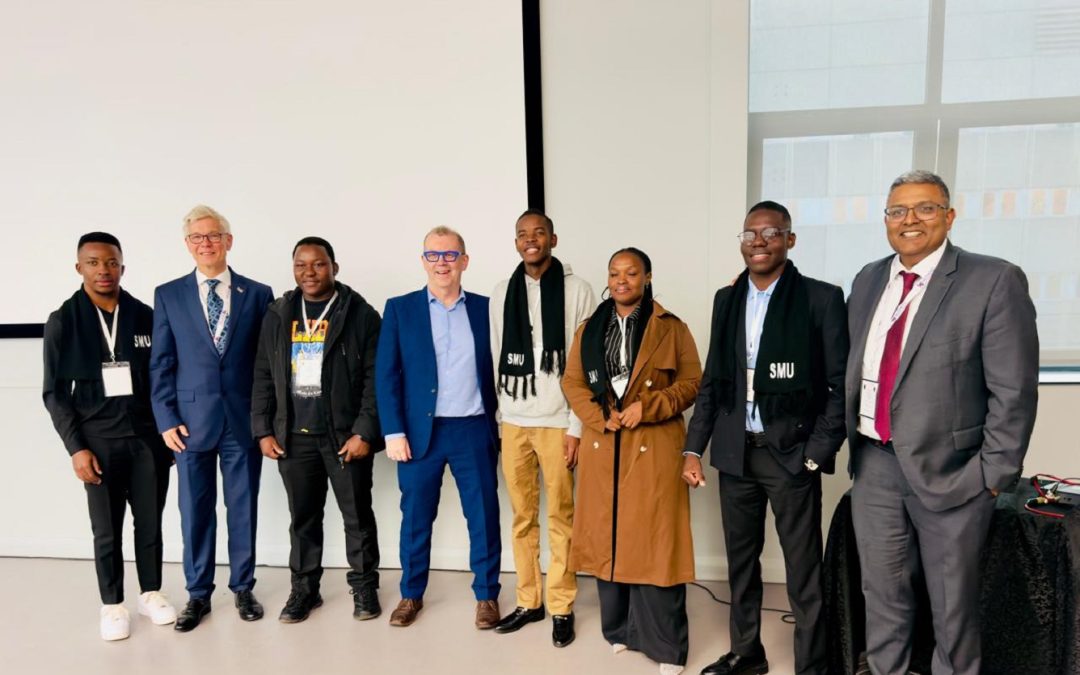
A delegation of MBChB students from Sefako Makgatho Health Sciences University (SMU) has returned inspired after attending the 53rd Surgical Research Society of Southern Africa (SRSSA) Conference, hosted by the University of the Witwatersrand’s Department of Surgery.
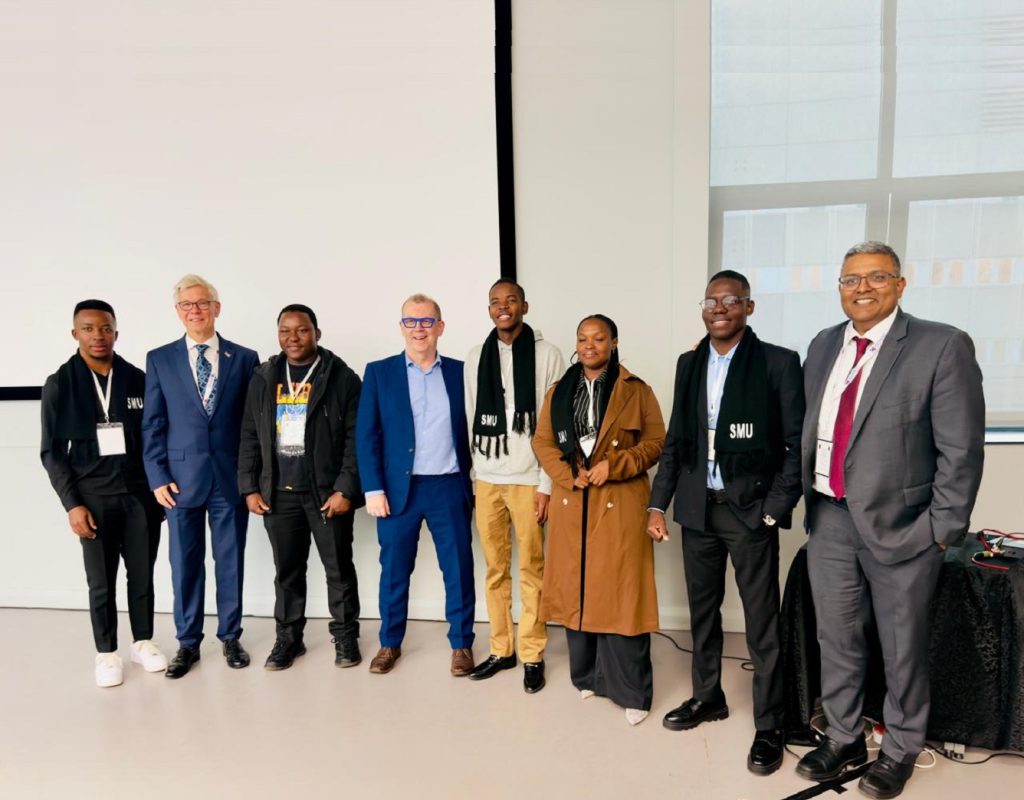 The delegation comprised third-, fourth- and fifth-year medical students who attended through the support of the School of Medicine Deanery Office under the leadership of Professor Risenga Chauke. Their participation reflects SMU’s commitment to developing future clinician-scientists, researchers and healthcare leaders.
The annual SRSSA Conference is one of Southern Africa’s premier academic surgical gatherings, bringing together surgeons, researchers, clinician-scientists and medical students to present and discuss original surgical research. This year’s scientific programme covered trauma, gastrointestinal, vascular, paediatric, breast, hepatopancreatobiliary and orthopaedic surgery, among other specialities, while providing a dedicated platform for medical student research presentations.
Representing SMU were fifth-year students Vumbhoni Mahlaule and Tshepiso Maredi, fourth-year students Albert Sebulela and Thapelo Mthimunye, and third-year student Thabiso Seerane.
The students had the opportunity to learn from internationally respected experts, including Professor Zach Koto, President of the Colleges of Medicine of South Africa; Professor Thifhelimbilu Luvhengo, President of the SRSSA; Professor Tom Varghese from the United States; Professor Craig McBride from Australia; Dr Daryll Baker from the United Kingdom; and Professor Rachel Hargest from the United Kingdom.
Addressing delegates, Professor McBride encouraged aspiring surgeons to remain steadfast in their pursuit of excellence, saying, “We’ve not gotten this far to only get this far.” Professor Luvhengo welcomed the strong participation of medical students, describing them as the future of surgery.
Dr Mthembu also commended SMU’s representation, saying: “The future of Surgery at SMU is in the correct trajectory. It was heartwarming to see SMU Medical Students from 3rd year, 4th year and 5th year of study participating in the scientific programme of the Surgical Research Society.”
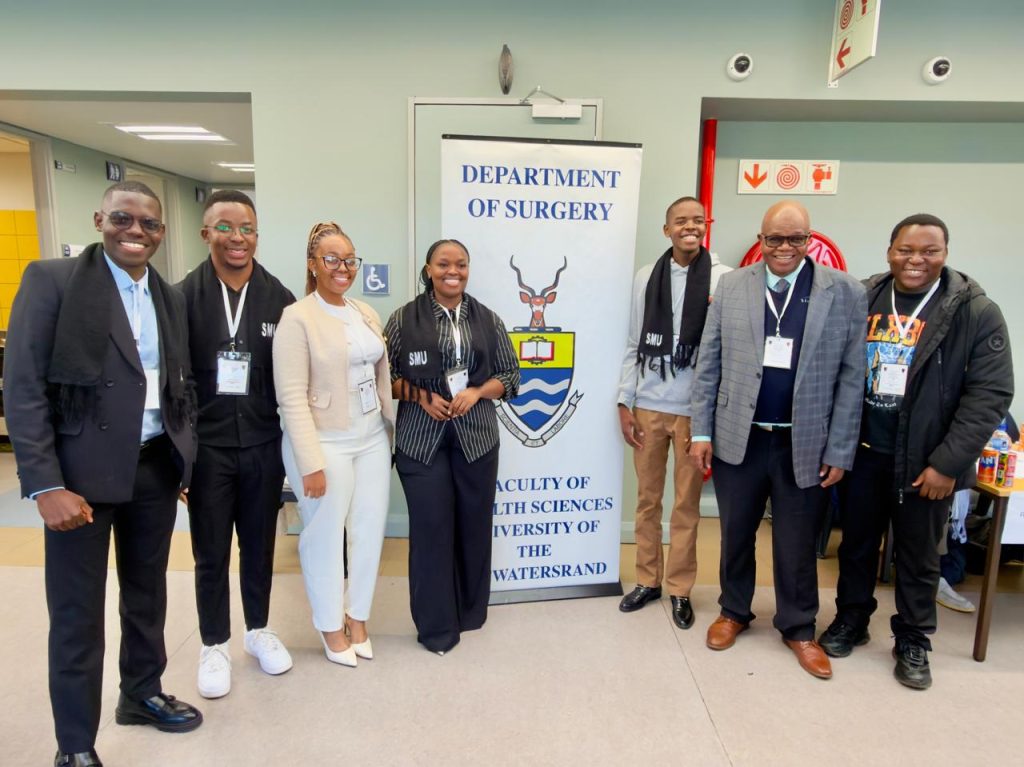 Adding to the University’s achievements, SMU-trained general surgeon Dr W. Vosloo received an award for his presentation on the patient profile and socioeconomic impact of chronic venous disease at a tertiary hospital in Gauteng, highlighting the quality and impact of SMU alumni in surgical research.
For the students, the conference provided invaluable exposure to cutting-edge research and evidence-based surgical practice.
Fifth-year student and School of Medicine SRC Chairperson Vumbhoni Mahlaule said, “The conference serves as an inspiration of what I aspire to become: an exceptional clinician surgeon with a strong passion for research and academia. The future of surgery is safeguarded by research and evidence-based medicine.”
Fourth-year student Albert Sebulela said the conference reinforced that research remains the cornerstone of surgical practice and strengthened his aspiration to make a meaningful contribution through surgery and research.
Reflecting on the experience, fourth-year student Thapelo Mthimunye said the conference broadened his understanding of surgical innovation and reinforced the importance of integrating research, leadership and lifelong learning into clinical medicine.
Third-year student Thabiso Seerane said the conference strengthened his ambition to become a surgeon who combines clinical excellence with research and academic leadership, adding that he left inspired by surgeons who continue to seek better answers while investing in the next generation.
The conference reaffirmed that the future of surgery depends on innovation, collaboration and evidence-based medicine. Through continued support from the School of Medicine Deanery, SMU remains committed to producing graduates who are not only skilled clinicians but also researchers, academics and healthcare leaders dedicated to improving patient care in South Africa and beyond.
By Tumelo Moila
by Lorato | Jul 9, 2026 | All News, SMU Media, Student Media
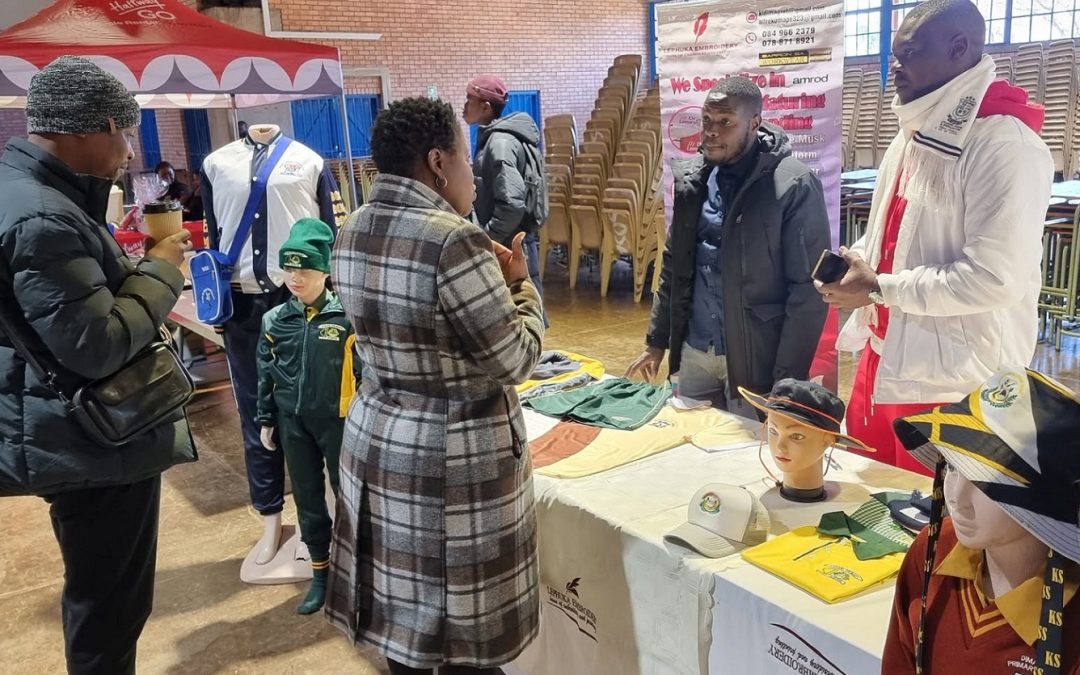
Sefako Makgatho Health Sciences University (SMU) reinforced its commitment to community engagement, entrepreneurship and innovation through its participation in the Soshanguve Business Expo and Summit, held on 3 July 2026 at the Tshwane University of Technology Soshanguve South Campus.
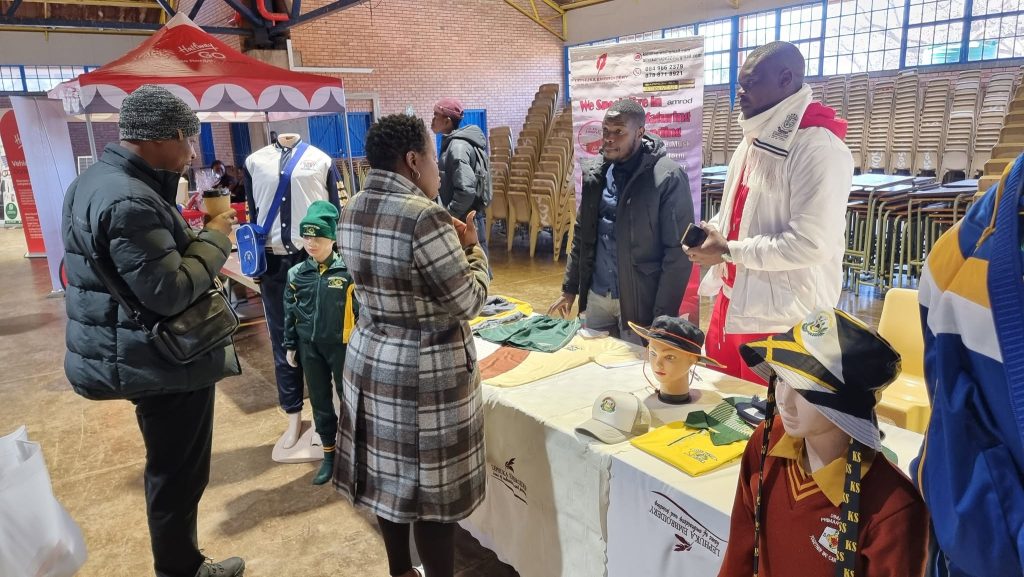 Organised by the Youth in Business Network, the summit brought together entrepreneurs, policymakers, industry leaders, students and innovators to explore practical strategies for stimulating township economies and creating sustainable opportunities for young people.
The expo created a platform for knowledge sharing, networking and collaboration, with a strong emphasis on empowering youth-led enterprises and driving local economic development. Through its participation, SMU demonstrated its continued support for initiatives that advance entrepreneurship, innovation and socio-economic transformation.
Delivering the keynote address, Ntsako Mogobe highlighted the critical role of young entrepreneurs in addressing unemployment and strengthening township economies.
“Young people are not only the future of our economy; they are its present drivers of innovation and growth. We must create environments that allow their ideas to flourish and become sustainable businesses,” he said.
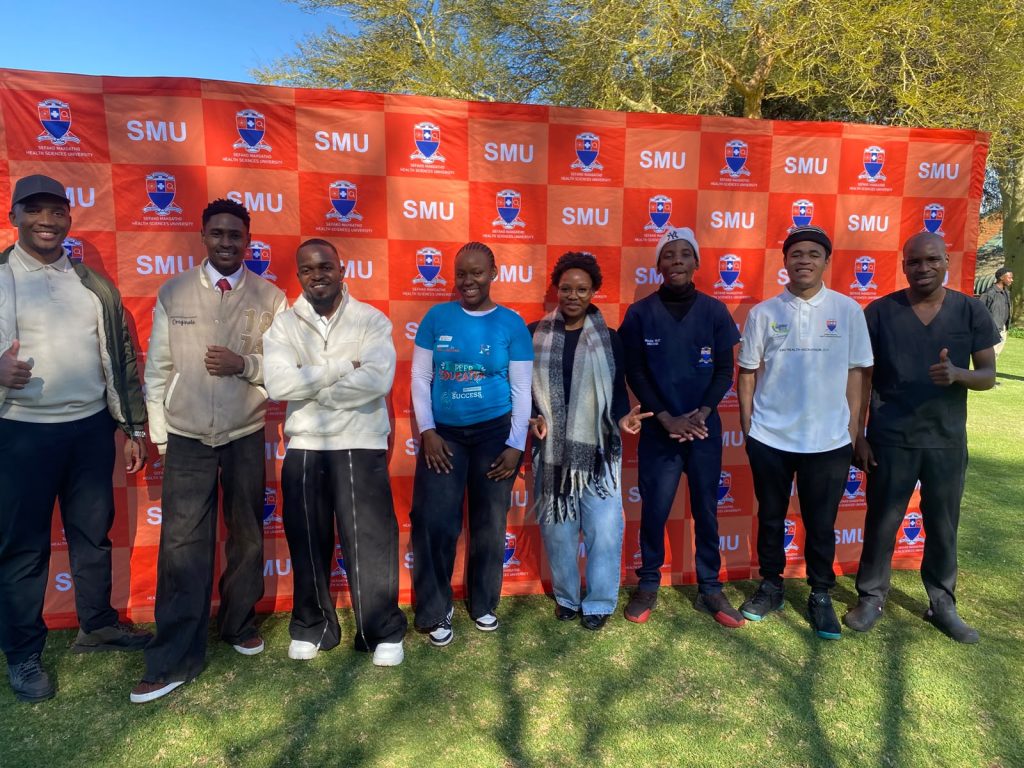 A key highlight of the summit was the presentation by Emmanuel Kiyonga, an accomplished SMU alumnus and founder of pharmaceutical start-up Emmaceutics. Kiyonga shared his journey from student researcher to internationally recognised innovator, inspiring aspiring entrepreneurs in attendance.
His pioneering work led to the development of a breast cancer and osteoporosis treatment that became SMU’s first registered patent, marking a significant milestone in the University’s research and innovation journey. Since founding Emmaceutics, he has continued developing novel therapeutic molecules, including treatments targeting substance dependence, period pain and certain forms of cancer.
“SMU provided the foundation that enabled me to transform research into solutions that can improve lives and contribute to economic development,” Kiyonga said.
Representing the University’s student community were SMU Brand Ambassadors, Didintle Mangwane, an MBChB student, and Lebohang Mogano, a Physiotherapy student. They engaged with visitors throughout the event, promoting the University’s academic offerings and its commitment to community development and entrepreneurial advancement.
The exhibition also showcased several emerging businesses. Among the exhibitors was SMU student Fhulufelo Ntsieni, founder of Shatter the Silence, a creative arts enterprise that promotes emerging talent through poetry, creative writing, acting, music and dance.
The summit concluded with an exciting business pitching competition sponsored by Absa Group, where aspiring entrepreneurs presented innovative business concepts before a panel of judges.
Among the participants was Oreneile Hlalethwa, founder and chief executive officer of Optify Solutions, who recently secured third place at the Huawei ICT Competition Global Finals in China.
Also competing was Samkhelo Khoza, founder of SmartFreez, a start-up providing affordable refrigeration solutions for students through accessible fridge rental and delivery services.
The summit underscored SMU’s growing role as a catalyst for innovation, entrepreneurship and community development. By supporting initiatives that empower young entrepreneurs and create practical solutions to societal challenges, the University continues to advance its vision of transforming health services through excellence and innovation while strengthening its contribution to South Africa’s socio-economic development.
By Dimakatso Modise

by Lorato | Jul 9, 2026 | All News, SMU Media, Student Media
Sefako Makgatho Health Sciences University (SMU) has strengthened its presence in regional university sport following the election of SMU Staff Sports Association (SMUSSA) Chairperson, Caroline Moeletsi, as Deputy Secretary General (DSG) of the Southern Africa Universities Staff Sports Association (SAUSSA).
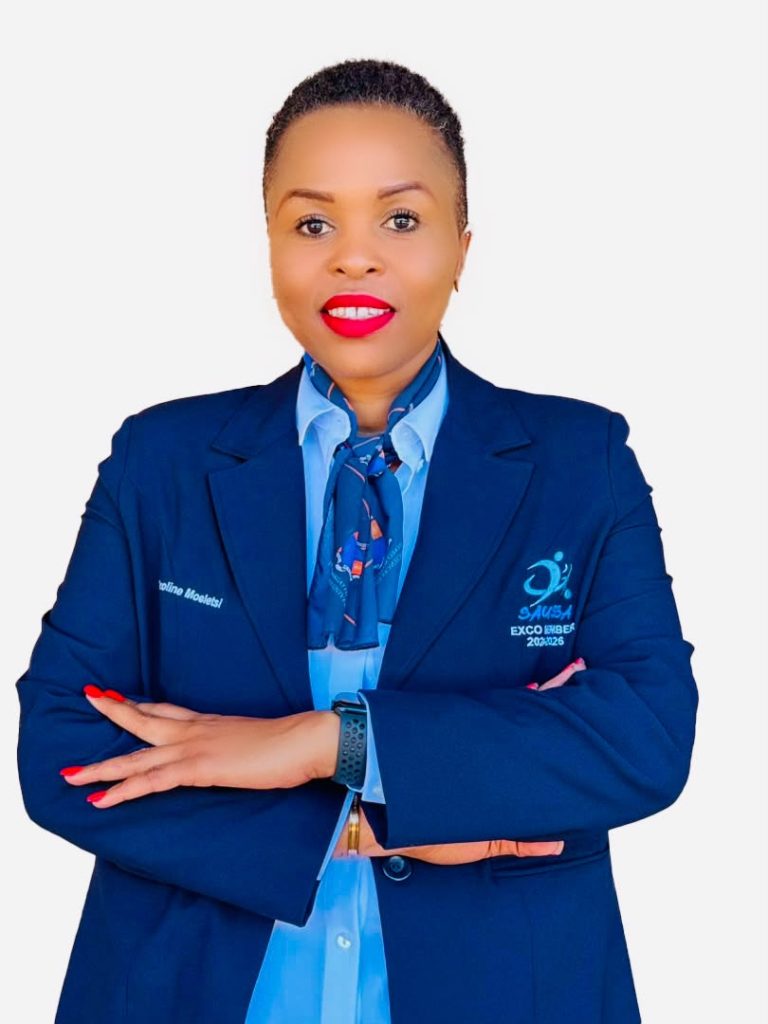 The election took place during the SAUSSA Annual General Meeting (AGM), recently hosted by the Botswana University of Agriculture and Natural Resources (BUAN) in Gaborone. The meeting brought together representatives from universities across Southern Africa to review the Association’s activities, elect new leadership and discuss strategic priorities aimed at advancing staff sport in the region.
Moeletsi’s appointment marks a significant milestone for both SMUSSA and SMU, further cementing the University’s growing influence in regional university sport. Her election to the SAUSSA Executive Committee reflects the confidence member institutions have in her leadership, experience and commitment to promoting staff wellness, institutional collaboration and sporting excellence.
The appointment follows the successful hosting of the 2025 SAUSSA Games by SMU from 7 to 13 December 2025. Under Moeletsi’s leadership, the University welcomed delegates and participants from 19 member institutions across Southern Africa, delivering a well-organised and memorable tournament that earned widespread praise from participating universities.
Throughout the Games, Moeletsi demonstrated exceptional leadership and an unwavering commitment to ensuring the well-being and positive experience of every participant. Her contribution further enhanced SMU’s reputation as a capable host of major regional sporting events and a champion of university staff development through sport.
As Chairperson of SMUSSA, Moeletsi has played a pivotal role in expanding staff participation in sport and promoting initiatives that encourage healthy lifestyles, teamwork and institutional pride. Under her stewardship, the Association has strengthened its contribution to university sport through successful participation in regional competitions and wellness programmes that support staff development beyond the workplace.
Speaking on her election, Moeletsi expressed gratitude to member institutions for entrusting her with the responsibility of serving on the SAUSSA Executive.
“It is a great honour to have been nominated and elected by fellow member institutions. I look forward to working closely with the SAUSSA Executive and all member universities to strengthen staff sport, promote collaboration and create opportunities that will benefit our institutions across the Southern African region,” she said.
Beyond the elections, delegates conducted an inspection of sporting facilities at the University of Botswana as part of preparations for the proposed hosting of the 2027 SAUSSA Games by BUAN. Following the inspection and deliberations, the AGM confirmed BUAN as the prospective host institution, subject to the fulfilment of several requirements, including venue readiness, accommodation, transportation, medical services and security arrangements.
Reflecting on the significance of the appointment, Moeletsi said regional collaboration through sport creates valuable opportunities for institutions to learn from one another and build lasting partnerships.
“Sport has the power to unite institutions, promote wellness and strengthen relationships across borders. I am committed to contributing to initiatives that advance staff sport and create meaningful opportunities for our member universities,” she said.
Moeletsi’s election aligns with SMU’s broader commitment to leadership, partnership and community engagement. Through its active participation in regional organizations such as SAUSSA, the University continues to contribute meaningfully to the advancement of university staff sport while strengthening relationships across Southern Africa.
The appointment further positions SMU as an institution that not only excels in health sciences education and research but also champions staff development, wellness and regional collaboration through sport. As preparations for the next SAUSSA Games gather momentum, SMU remains committed to supporting initiatives that inspire excellence, strengthen partnerships and demonstrate the transformative power of sport in higher education.
By Rose Moreki

by Lorato | Jul 2, 2026 | All News, Alumni, SMU Media, Student Media
Sefako Makgatho Health Sciences University (SMU) alumna and accomplished audiologist, speech therapist and entrepreneur Amogelang Emerlda Bunu has been named among the Top 24 finalists in the Miss South Africa 2026 competition, adding another milestone to a career defined by academic excellence, healthcare advocacy and community service.
 The 27-year-old from Mabopane, Gauteng, is a graduate of SMU, where she completed both her Bachelor of Speech-Language Pathology and Audiology in 2019 and a Master of Audiology in 2024. She currently serves as a speech therapist, audiologist, entrepreneur and part-time clinical educator at the University of the Witwatersrand, while also leading her own private practice, Bunu Speech Therapy and Audiology, which focuses on improving access to communication and hearing healthcare across underserved communities.
Bunu’s selection among the country’s leading pageant finalists reflects not only her professional achievements but also her commitment to improving the lives of children through early intervention, communication health and inclusive development. Through the Miss South Africa Organisation’s Empower Youth Africa (EYA) framework, she is championing her advocacy initiative, Communication, Access and Safety Through Playground, which promotes safe play spaces alongside mandatory communication and hearing screenings in schools.
“Every child deserves the opportunity to communicate, learn and thrive,” said Bunu. “I believe that play is far more than recreation. It supports cognitive, emotional and social development, while early hearing and communication screening allows children to receive the support they need before challenges become lifelong barriers. My goal is to ensure that every child, regardless of where they live, has access to quality communication, healthcare and safe environments that nurture their potential.”
Her advocacy is informed by years of clinical practice in both the public and private healthcare sectors. Before establishing her private practice, Bunu worked at Heidelberg Hospital, where she provided comprehensive speech therapy and audiology services and later served as Acting Head of Department. Today, her practice delivers screening, assessment and treatment services while conducting community outreach programmes at schools, churches and other community organisations.
 Alongside her healthcare career, Bunu has distinguished herself as a martial artist. A former Junior World Karate Champion, she has represented South Africa internationally and continues to compete while balancing motherhood, entrepreneurship and academia. She credits karate with instilling the discipline and resilience that have shaped both her professional and personal journey.
Reflecting on her journey, Bunu said her education at SMU laid the foundation for her success.
“My years at SMU equipped me with the knowledge, clinical skills and confidence to serve communities with compassion and excellence. The university challenged me to become a healthcare professional who not only treats patients but also advocates for meaningful change. I am proud to carry those values into every aspect of my work and this Miss South Africa journey,” she said.
Voting for the Miss South Africa 2026 finalists is currently open and closes on 6 July 2026, with supporters able to cast their votes through the Miss South Africa website or mobile application.
Bunu’s achievement once again showcases the calibre of SMU graduates who continue to make meaningful contributions beyond the healthcare sector. By combining academic excellence with leadership, advocacy and service, she embodies the university’s mission of transforming lives through education, innovation and community engagement while inspiring a new generation of health professionals to create lasting social impact.
By Tumelo Moila