by Lorato | Mar 19, 2026 | Accolades and Achievements, All News, Alumni, SMU Media, Student Media
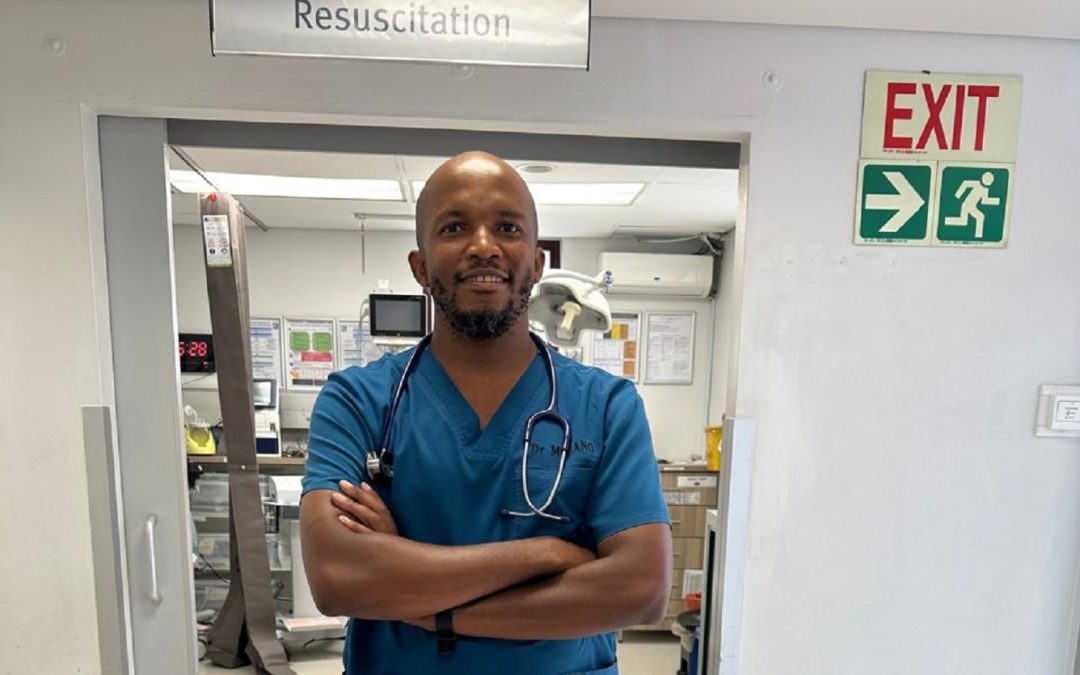
Dr Abraham Mogano, also known as Abbey, an exceptional alumnus of Sefako Makgatho Health Sciences University (SMU), continues to demonstrate that determination, resilience, and purpose can drive extraordinary achievement.
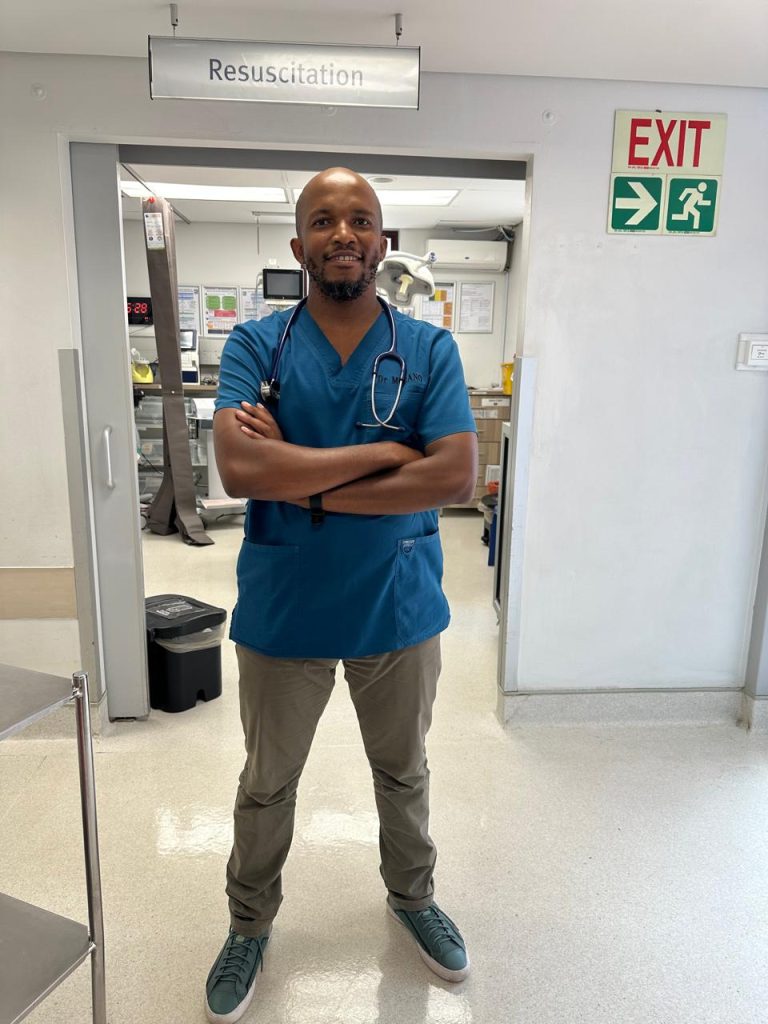 In March 2026, Dr Mogano took on the Calling Cape Town Extreme Challenge, a demanding endurance event aimed at raising support for education for children from disadvantaged backgrounds. The challenge tests participants across multiple disciplines and requires both physical endurance and mental strength.
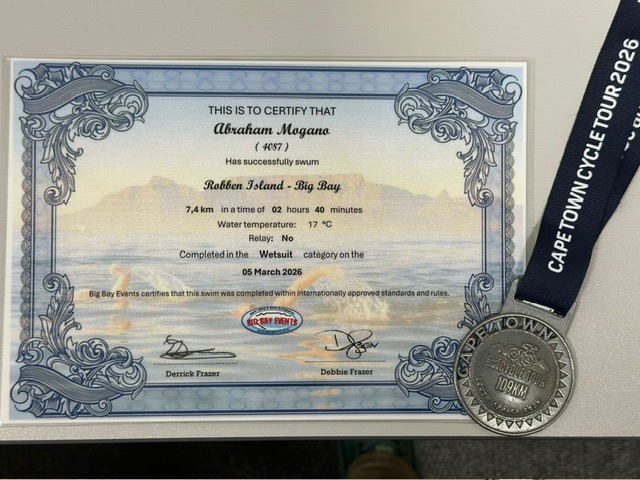
On 5 March 2026, Dr Mogano successfully completed an 8 km open water swim from Robben Island to Big Bay. This achievement alone stands as a significant milestone, given the unpredictable ocean conditions and the level of endurance required.
“I had never done a triathlon before,” he says. “But when I saw that the challenge supports education for children from disadvantaged backgrounds, I knew I had to be part of it. That purpose kept me going.”
The main challenge was scheduled for 8 March 2026 and was originally set to include another Robben Island swim, a 109 km cycle, and a 50 km run covering three Cape Town peaks. However, due to adverse weather conditions, the swim component had to be adjusted to ensure participant safety.
Instead, Dr Mogano completed a 2.7 km swim, followed by the full 109 km cycle and a demanding trail run reaching Devil’s Peak. Despite the changes, the challenge remained physically and mentally taxing. “Even with the changes, it was still a tough challenge,” he reflects. “But completing it reminded me that adaptability is just as important as preparation.”
For Dr Mogano, the journey is deeply personal. Growing up in a rural village in Mafikeng in the North West Province, he experienced first-hand how access to education and opportunities in sport can transform lives.
“Even a small opportunity can open doors—not just for one person, but for an entire generation,” he explains. “That is why initiatives like this matter.”
 A proud SMU graduate, Dr Mogano completed his BSc in Dietetics in 2008 before going on to earn his MBChB from the University of Pretoria. He currently works as a General Practitioner at Netcare Moot Emergency Department and runs a Travel Medicine clinic at Intercare Wonderboom in Tshwane, with a focus on Emergency and Travel Medicine.
He credits his medical training for helping him build the discipline and resilience needed to take on extreme challenges. “Medicine taught me resilience, discipline, and focus—the same qualities required to complete a challenge like this,” he says.
Although he had never competed in a triathlon before, Dr Mogano brought strong experience in each individual discipline. His background includes open water swimming events, long-distance cycling, and ultra-marathons. This foundation enabled him to take on the combined challenge with confidence, even in the face of unexpected changes.
Balancing training with a demanding professional career and family responsibilities was not easy. However, through consistency and careful preparation, he remained committed to his goal. His ability to stay focused and adapt under pressure ultimately contributed to his success.
Dr Mogano’s achievement reflects SMU’s commitment to excellence, integrity, and community impact. His story embodies the university’s values of Ubuntu, ethical leadership, and service to society. “If my journey inspires even one child to believe in themselves or to pursue education, then every stroke, every pedal, and every step was worth it,” he says.
Through alumni like Dr Mogano, SMU continues to demonstrate how education can transform not only individual lives but also uplift communities. His accomplishment serves as a powerful reminder that with determination, purpose, and the willingness to adapt, even the most demanding challenges can be overcome.
By Dimakatso Modise

by Lorato | Mar 19, 2026 | All News, Alumni, SMU Media, Student Media
Dr Alfred Kgasi’s journey from a rural childhood in North West Province to leading one of South Africa’s premier veterinary academic institutions is a testament to purpose, perseverance, and impact. As an alumnus of Sefako Makgatho Health Sciences University (SMU), formerly MEDUNSA, his career illustrates the transformative power of education and the critical role of veterinary science in society.
 “Veterinary medicine appealed to me because it sits at the intersection of science, animal welfare, and community wellbeing,” Dr Kgasi explains. Growing up, animals were not only companions but essential to livelihoods and local economies, shaping his worldview and inspiring a lifelong dedication to animal health.
Dr Kgasi qualified as a veterinarian at MEDUNSA during South Africa’s pivotal democratic transition. “MEDUNSA didn’t just train veterinarians; it instilled resilience, discipline, and a strong sense of responsibility to society,” he reflects. The determination shared among students to uplift their communities became a driving force in his professional journey.
Recognising the need for broader expertise, Dr Kgasi pursued a Master’s in Veterinary Science, a Master’s in Business Leadership, and a law degree. “Science teaches problem-solving, business teaches leadership, and law teaches governance,” he says. “These combined perspectives equip me to lead strategically and ethically.”
His career spans private practice, public service, and regulatory roles, deepening his understanding of veterinary science and leadership. A highlight was his tenure as President of the South African Veterinary Council (SAVC) from 2019 to 2022, overseeing professional standards and ethical governance. “Strong regulation protects both the public and the integrity of our profession,” he states. His leadership strengthened accountability and public trust across the sector.
Currently, Dr Kgasi serves as Director of the Onderstepoort Veterinary Academic Hospital (OVAH) at the University of Pretoria. The hospital, part of South Africa’s only veterinary faculty, provides both advanced clinical care and essential training for future veterinarians. “An academic hospital must deliver excellent clinical care while preparing the next generation of professionals,” he explains.
Under his leadership, OVAH achieved Gold Status as a Cat Friendly Clinic, awarded by the International Society of Feline Medicine (ISFM). The recognition reflects the hospital’s commitment to high standards of feline care, innovative training, and the promotion of animal welfare.
Community engagement remains a cornerstone of Dr Kgasi’s work. Outreach programmes and training initiatives support farmers and communities reliant on livestock for food security and income. “Healthy animals mean stable livelihoods for many families,” he notes, highlighting the direct impact of veterinary science on human wellbeing.
Dr Kgasi attributes his success to lifelong learning and mentorship. “Leadership is not about having all the answers; it’s about continuing to learn and helping others grow,” he says. His philosophy shapes how he guides students, young professionals, and colleagues alike.
To aspiring veterinarians, his advice is clear: “Stay curious, stay committed, and be prepared to work hard. Few professions allow you to combine science, compassion, and service to society in the way veterinary medicine does.”
Looking ahead, Dr Kgasi emphasises the growing role of veterinary science in Africa’s future. Areas such as food security, public health, and wildlife conservation will require collaboration, innovation, and a shared commitment to improving animal and human well-being.
Dr Kgasi’s story embodies SMU’s vision: transforming health services through excellence and innovation. His work reflects the university’s core values—accountability, integrity, effective leadership, student-centred practice, and Ubuntu—demonstrating how alumni can shape society while staying rooted in professional and ethical excellence.
By Dimakatso Modise
by Lorato | Mar 19, 2026 | All News, Alumni, SMU Media, Student Media
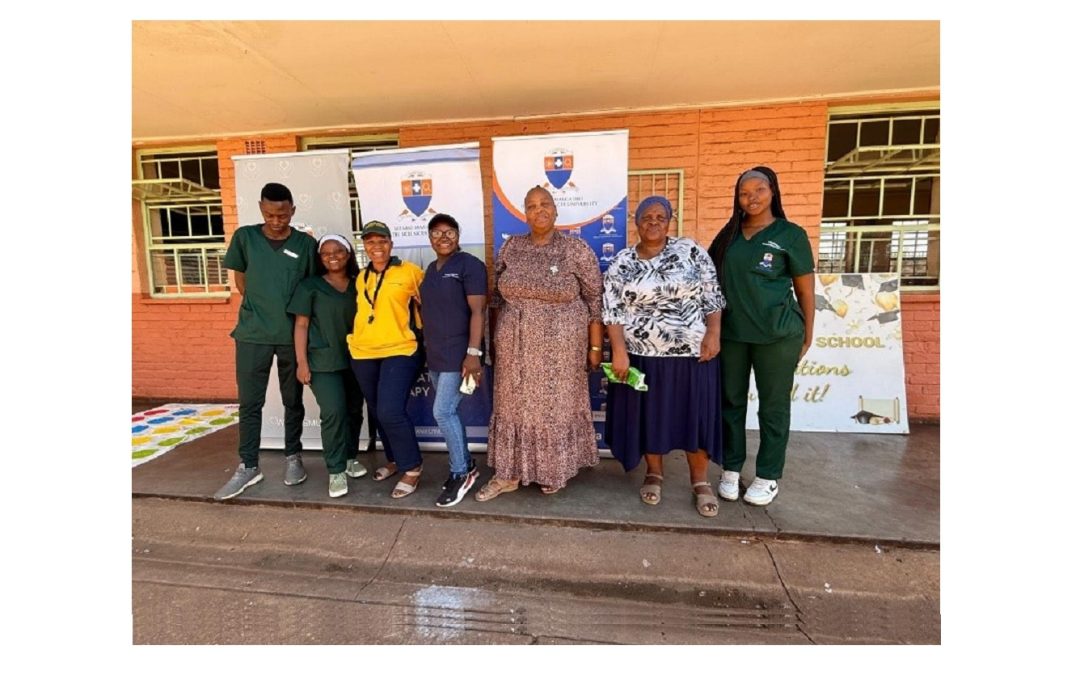
Sefako Makgatho Health Sciences University (SMU) students are making a tangible difference in local education. Four final-year Occupational Therapy students recently led an awareness campaign at Lesolang Primary School in Ga-Rankuwa, focusing on specific learning disorder (SLD) and attention deficit hyperactivity disorder (ADHD).
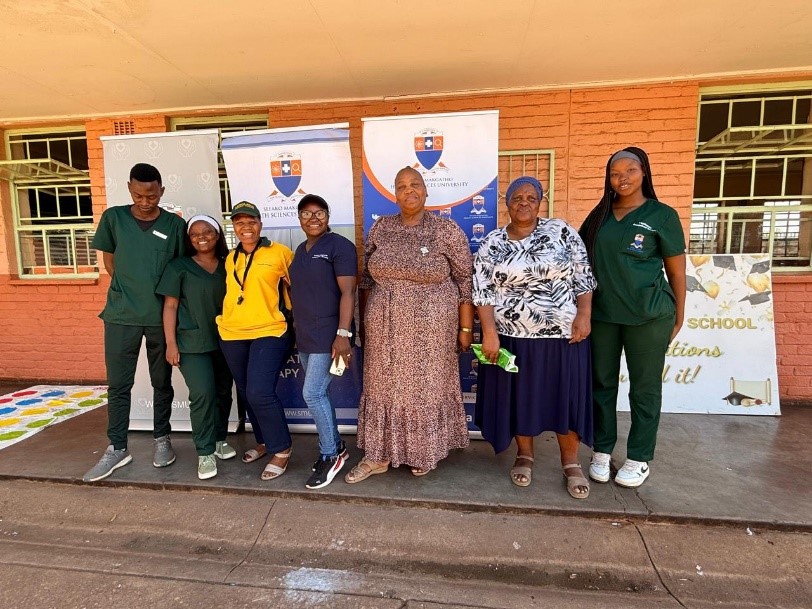 The initiative, part of the students’ paediatric group project, was supervised by lecturer Dr Teresia Dzhugudzha and clinical supervisor Modiegi Temane. It aimed to equip foundation phase teachers and parents with the knowledge to identify early signs of learning and attention difficulties.
“Early recognition of SLD and ADHD is critical,” said Dr Dzhugudzha. “By providing teachers and parents with practical tools, we can ensure children receive timely support, improving their learning outcomes and overall well-being.”
During the session, students Katlego Malebane, Sphelile Mohlala, Ondwela Nndwakhulu, and Naledi Mahlaopane delivered a structured presentation highlighting common indicators such as difficulties with reading, writing, attention, and task completion. Participants were encouraged to observe these traits in both home and school environments to promote early intervention.
Mahlaopane explained, “We wanted to show that recognising these challenges early can make a huge difference. When teachers and parents understand what to look for, children can access support that truly helps them thrive academically and socially.”
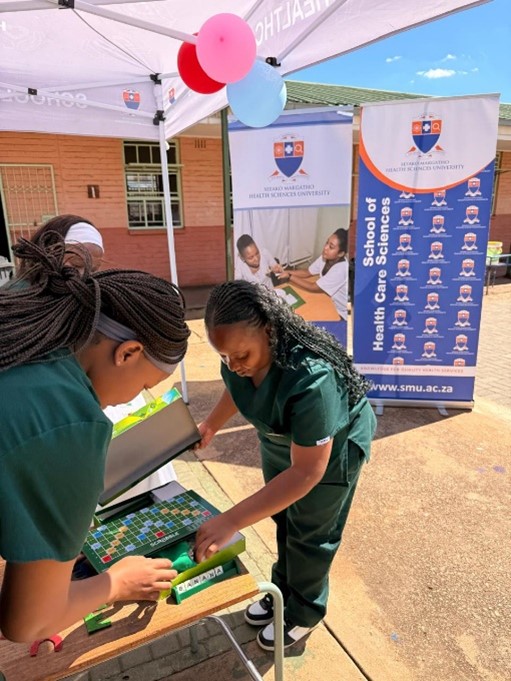 The students also demonstrated occupational therapy strategies that support inclusive learning. These included play-based and multisensory approaches, integrating visual, auditory, tactile, and kinesthetic activities to enhance engagement and skill development. Such methods help learners overcome barriers related to sensory processing, motor coordination, attention, and executive functioning.
“Occupational therapy is about more than treatment,” said Nndwakhulu. “It’s about empowering children to participate fully in all occupations, including education. Demonstrating these interventions allows educators and caregivers to replicate them in everyday classroom and home activities.”
To reinforce the learning, parents and teachers received informational pamphlets summarising the characteristics of SLD and ADHD, signs to watch for, and practical strategies for support. “These resources ensure that awareness continues beyond the campaign,” added Malebane.
The event also commemorated the 50th anniversary of Occupational Therapy at SMU, with lecturer Lebogang Lefine attending and highlighting the department’s community engagement efforts. Lefine noted, “This project exemplifies how our students translate knowledge into action, strengthening community partnerships and promoting inclusive education.”
Echoing the importance of the initiative, Refilwe Rasetlola, a grade 1 teacher at Lesolang Primary School in Ga-Rankuwa, said, “This awareness campaign equips our teachers and parents to support every child effectively. We are grateful to SMU for empowering our community and promoting inclusive learning.”
SMU’s commitment to academic excellence and community impact underpinned the initiative. By combining rigorous training with practical application, the university fosters graduates who are prepared to meet diverse societal needs.
“Campaigns like this reflect the university’s vision of transforming health services through innovation and excellence,” said Dr Dzhugudzha. “It demonstrates how students, faculty, and the wider community collaborate to enhance health and educational outcomes.”
The awareness campaign not only strengthened collaboration between students, teachers, and parents but also reinforced SMU’s role as a leader in health sciences education. By promoting early detection, intervention, and inclusive practices, the university continues to contribute meaningfully to the local and national community.
As SMU looks to the future, initiatives like this exemplify its mission: to provide professional training and education that improve lives. Through innovation, advocacy, and active engagement, SMU remains at the forefront of health sciences education and community impact.
By Tumelo Moila
by Lorato | Mar 19, 2026 | All News, SMU Media, Student Media
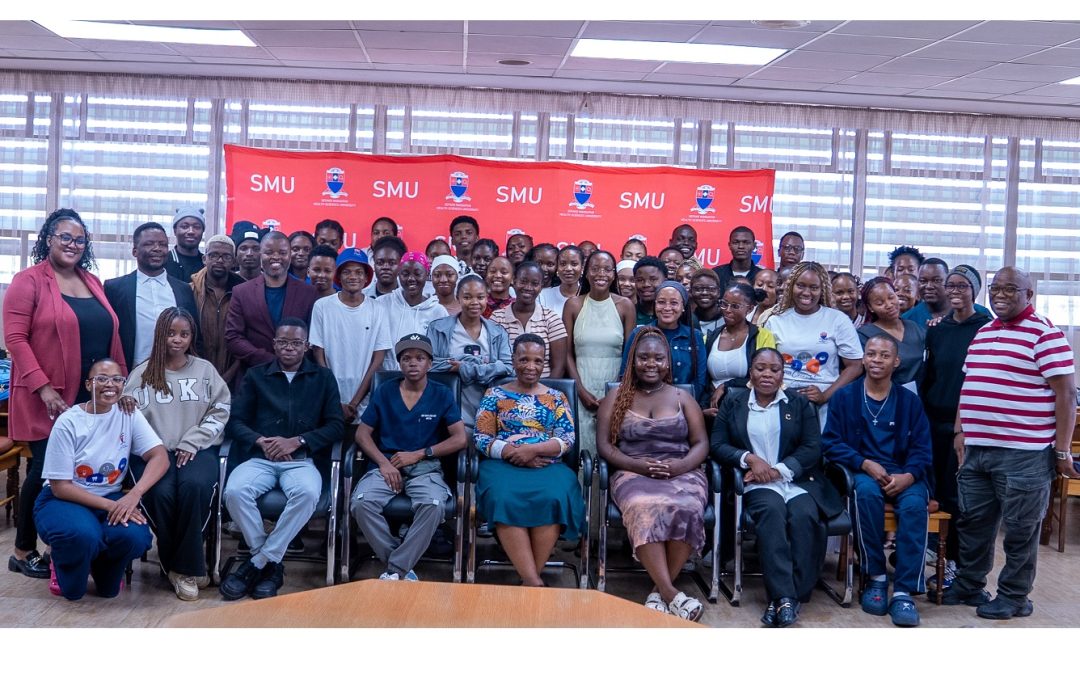
Laughter, chatter, and smiles filled the air at Sefako Makgatho Health Sciences University (SMU) as the Student Buddies were celebrated for their outstanding leadership during the 2026 Orientation Week. What began as a small student-led initiative has grown into a vital support system for first-time entering (FTEN) students, easing the often-daunting transition from high school to university life. Guided by their motto, “serving from the heart,” these students do more than guide—they inspire.
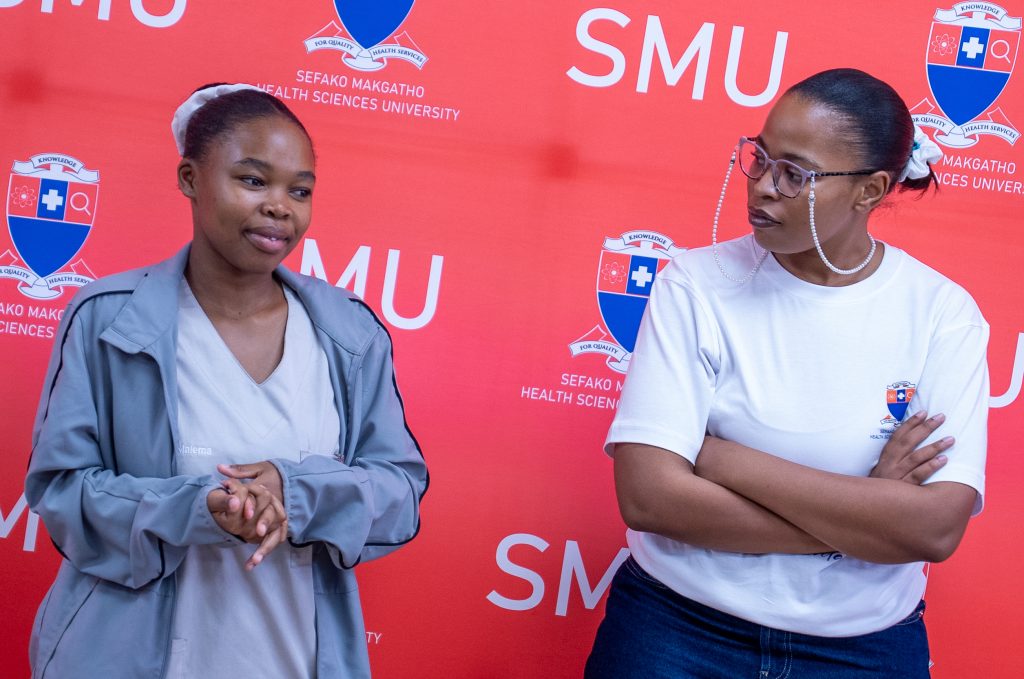 Founded by Alizwa Boco and Bonolo Malema, both MBChB Year 4 students, the Student Buddies manage the First Year Experience Programme. They coordinate orientation sessions, social events, and peer mentorship to ensure every incoming student feels welcomed and supported. Their dedication was formally recognised during a special lunch hosted by the Vice-Chancellor’s Office, celebrating both service and leadership.
Tulani Nkutse, Acting Executive Director: Student Affairs, conveyed the VC’s warm message: “Vice-Chancellor Tandi Masha Erasmus sends her heartfelt regards and regrets not being here in person. She is immensely proud of the impact you’ve had on first-year students’ lives.”
He highlighted the power of peer support in shaping a nurturing campus culture: “Seeing students collaborate to assist others is the embodiment of the community SMU strives to foster.”
For the Student Buddies, the recognition was both humbling and energising. Musa Mulaudzi reflected: “It’s truly rewarding to see the difference we make. Helping first-year students find confidence and a sense of belonging gives us purpose. Being part of this team has been one of the most fulfilling experiences of my university life.”
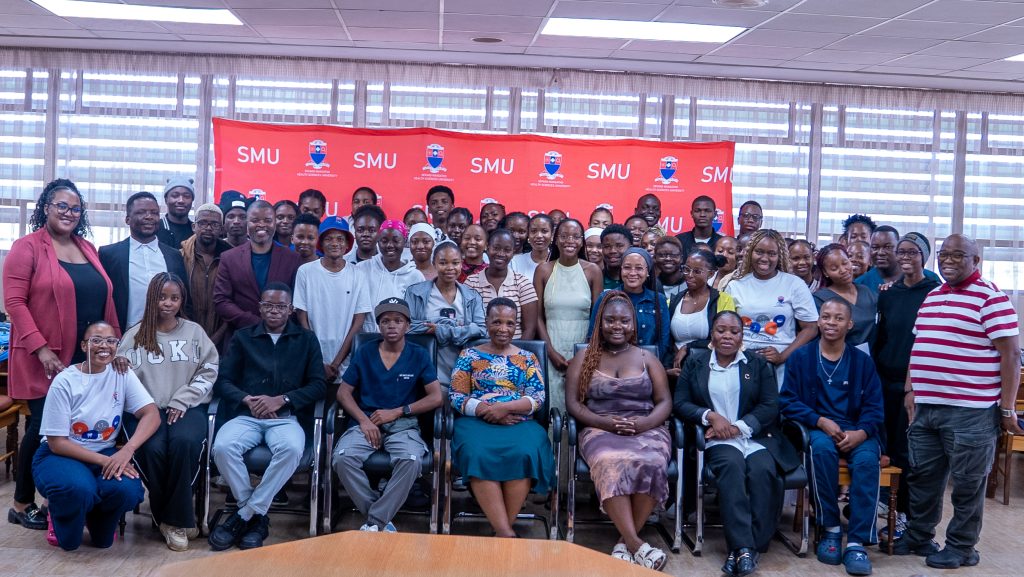 Co-founders Boco and Malema expressed pride in their team’s achievements. “We started with a simple goal—to serve from the heart—and it’s amazing to see how far we’ve come,” said Boco. Malema added, “Every smile, every question we help answer, and every student who feels welcomed keeps us motivated. This isn’t just leadership; it’s care in action.”
Eunice Modiba, Administrative Officer in the Student Affairs Department, praised the students’ commitment: “The Student Buddies embody empathy, teamwork, and leadership. They take ownership to support their peers, and this lunch is a well-deserved celebration of their contributions and impact.”
The Student Buddies’ work is both dynamic and impactful, with key highlights that are easy to recognise and follow. Orientation sessions ensure FTEN students receive clear academic guidance while settling socially into university life. Through peer mentorship, first-year students are paired with experienced mentors, creating a reliable support network that eases the challenges of transition. Social engagement initiatives bring students together, fostering a sense of community and belonging that goes beyond the classroom. The team also provides emotional support, offering guidance, reassurance, and encouragement to help new students navigate stress and uncertainty. Finally, the programme emphasises leadership development, equipping Buddies with skills that extend into professional and personal life, ensuring that they grow as capable, compassionate leaders while uplifting their peers.
The First Year Experience Programme ensures that every incoming student adapts confidently to university life, reflecting SMU’s core values of accountability, integrity, respect, and Ubuntu. Through structured activities, Student Buddies instil a sense of belonging and inspire new students to embrace the university community fully.
The VC lunch reinforced SMU’s commitment to student leadership and volunteerism. By empowering students to mentor and serve their peers, the university demonstrates that leadership is measured not by titles but by the positive impact one makes on the lives of others.
As the event concluded, the Student Buddies left with renewed energy and purpose, ready to guide the next wave of first-year students. Their dedication ensures that SMU continues to cultivate leaders who serve with heart, compassion, and vision, reminding the entire university community that support, care, and collaboration are the foundations of lasting success.
By Dimakatso Modise

by Lorato | Mar 11, 2026 | Accolades and Achievements, All News, Alumni, SMU Media, Student Media
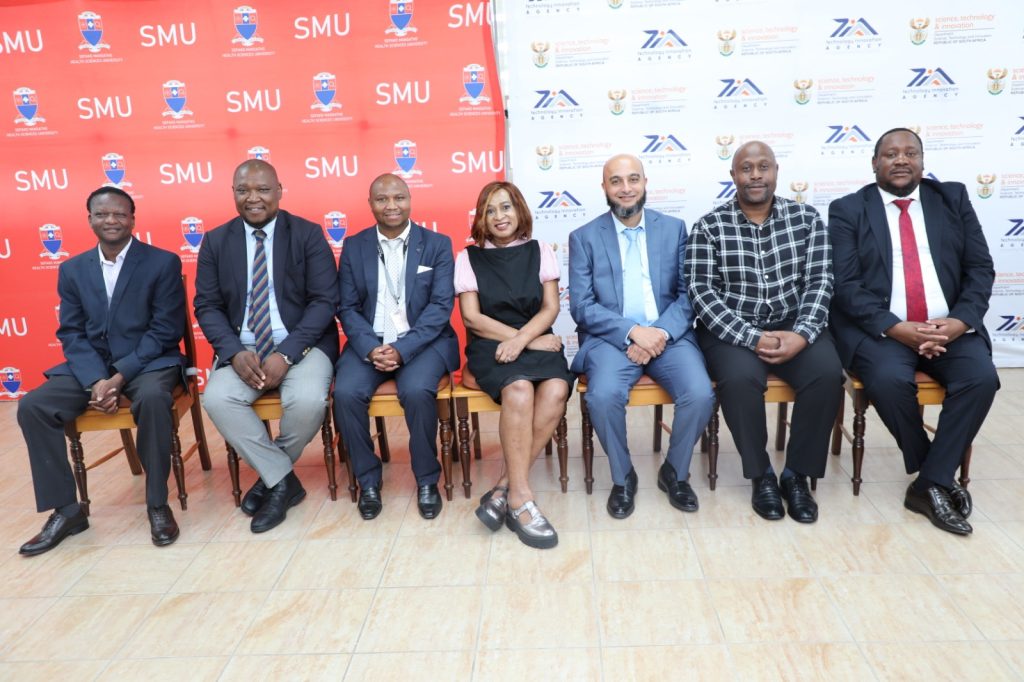
In a landmark move for South Africa’s innovation ecosystem, Sefako Makgatho Health Sciences University (SMU) has partnered with the Technology Innovation Agency (TIA) to establish the Local Intellectual Property-Based Skin Health and Personal Care Technology Innovation Cluster (LIPSHTIC). The formal funding agreement was signed by Professor Tandi Matsha-Erasmus, Vice-Chancellor of SMU, and Ismail Abdoola, Acting CEO of TIA, during a ceremonial event in the Vice-Chancellor’s boardroom. This partnership exemplifies how universities, industry, and government can unite to translate research into practical solutions.
 LIPSHTIC will serve as a national platform anchored at SMU, designed to transform publicly funded intellectual property (IP) into safe, effective, and commercially viable skin health and personal care products. By creating a collaborative space where knowledge, resources, and expertise converge, the cluster aims to address pressing local health challenges while generating new economic and innovation opportunities.
The signing ceremony was attended by SMU’s distinguished leadership, including Professor Patrick Demana, Dean of the School of Pharmacy; Mahlatholle Masha, Acting Chief Financial Officer; Professor Tandi Matsha-Erasmus, Vice-Chancellor; Professor Douglas Maleka, Dean of the School of Health Care Sciences; and Professor Sechene Stanley Gololo, Deputy Dean of the School of Science and Technology. Their presence underscored SMU’s unwavering commitment to interdisciplinary excellence. The cluster will also be co-led by Dr Vuyisile Thibane from the Department of Biochemistry and Biotechnology and Dr Madan Poka from the Department of Pharmaceutical Sciences, both providing critical technical guidance for the initiative.
LIPSHTIC brings together a network of industry, research, and academic partners. Industry contributors such as AMKA Products, Prime Product Manufacturing, and Zuplex Botanicals will provide formulation expertise, product testing, and market access. Science councils such as the CSIR, university departments from SMU’s School of Pharmacy, and tech stations like InnoVenton at Nelson Mandela University will support research, development, and technology transfer efforts.
 The cluster addresses a crucial gap in South Africa’s innovation landscape by focusing exclusively on publicly funded research in the skin health and personal care sector. This includes cosmetic and dermatological formulations derived from indigenous plant extracts, essential oils, and other locally relevant bioactive botanicals. In its first phase, LIPSHTIC will develop approximately 25 priority IP assets identified from the September 2025 IP Call Survey Report. Each asset will undergo formulation refinement, optimisation, and rigorous validation to ensure market readiness.
Key objectives include advancing priority IP assets, strengthening technology maturation and validation, establishing industry-aligned innovation diffusion channels, leveraging technical expertise for market-ready products, and promoting inclusive growth by empowering SMMEs and local innovators. Licensing and technology transfer agreements with industry partners and SMMEs will facilitate the transition of IP from the laboratory to commercialisation while adhering to national and international safety and quality standards.
Deliverables include fully integrated IP assets, detailed technical dossiers, optimised prototypes, regulatory compliance documentation, and SMME capacity-building through training and mentorship. These efforts aim to create a sustainable innovation pipeline, enhancing local enterprise competitiveness and strengthening South Africa’s skin health sector.
Professor Matsha-Erasmus emphasised the transformative potential of the cluster: “Through strategic partnerships like this with TIA, SMU is demonstrating how universities can act as catalysts for meaningful economic and societal impact, turning research into tangible solutions for our communities.”
Abdoola added, “LIPSHTIC exemplifies TIA’s commitment to converting intellectual property into products that address real-world challenges. By collaborating with SMU and its partners, we are harnessing South Africa’s innovation potential inclusively and effectively.”
The establishment of LIPSHTIC signals a new era for collaborative innovation, where research, industry, and community intersect to deliver solutions that improve health, grow the economy, and position South Africa as a global player in skin health and personal care technologies.
By Dimakatso Modise
by Lorato | Mar 11, 2026 | Accolades and Achievements, All News, SMU Media, Student Media
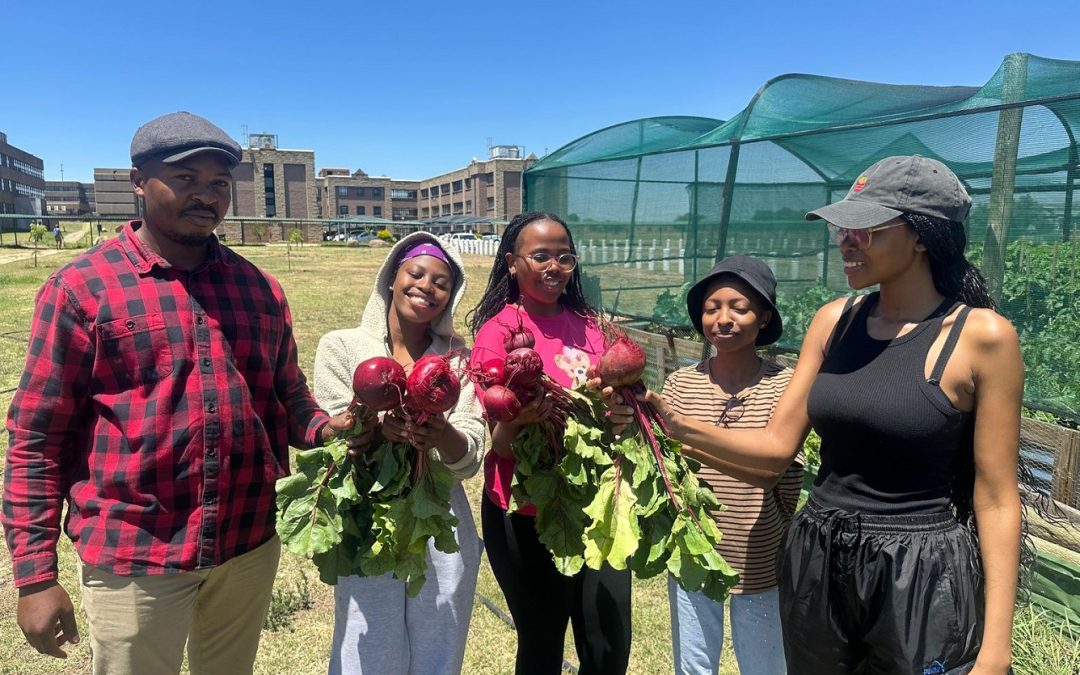
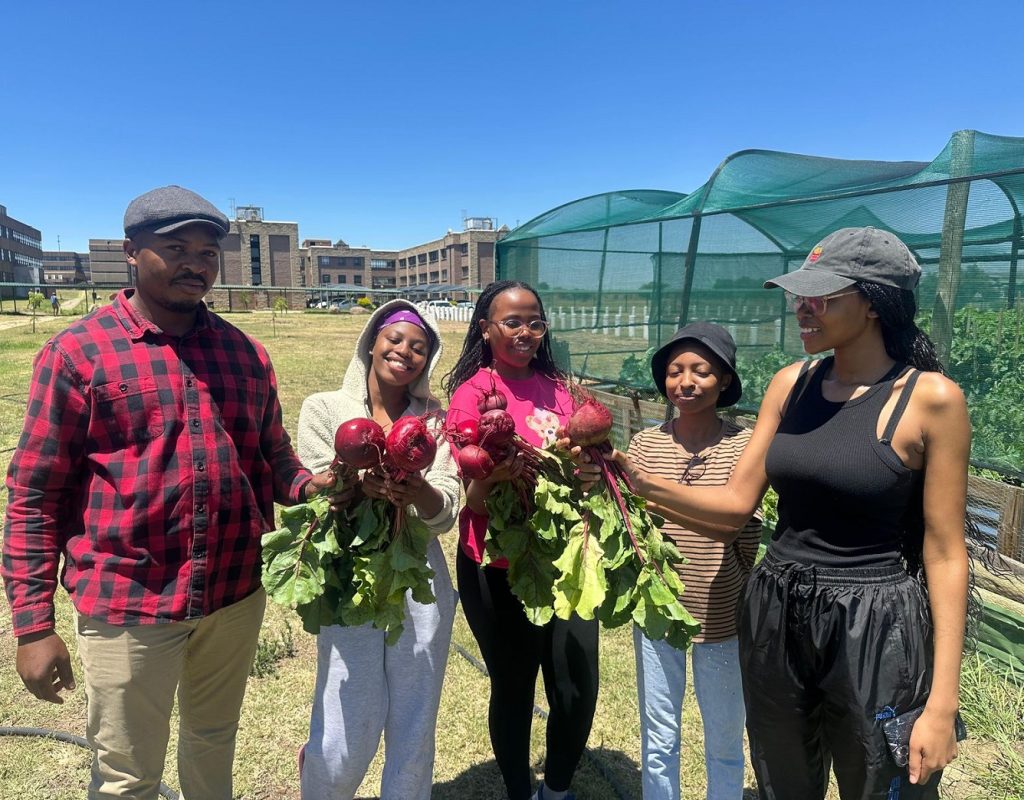
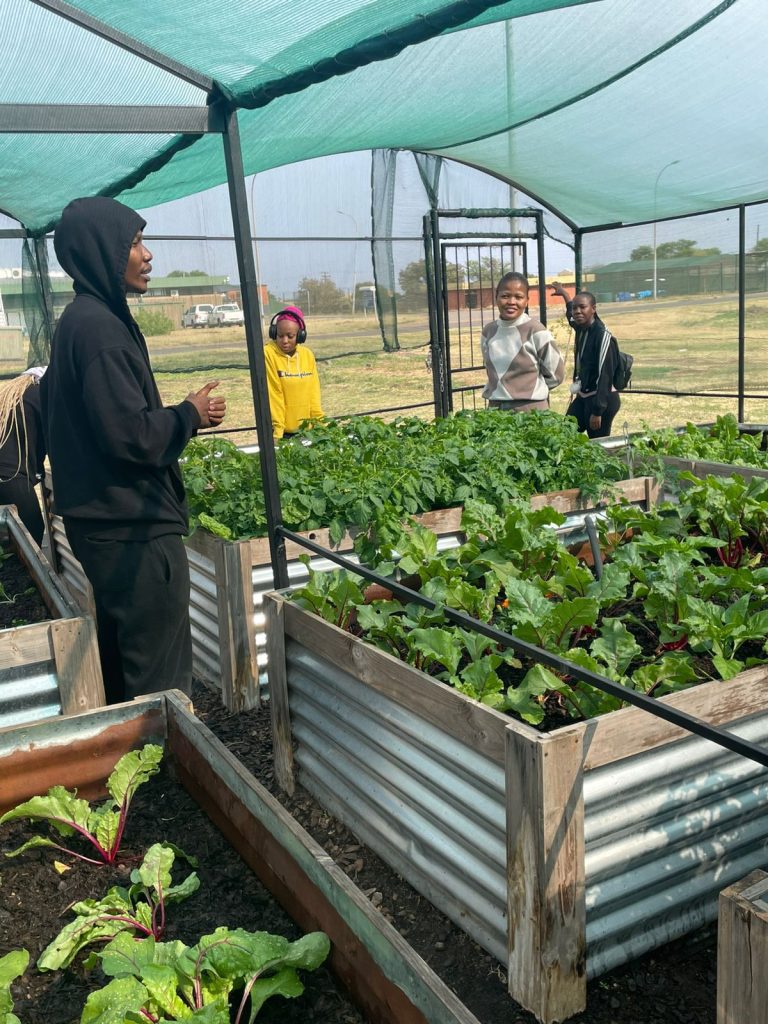
The SMU Community Garden at Sefako Makgatho Health Sciences University has been named among the top 10 finalists in the inaugural Shoprite Act for Change Food Garden Competition, a national initiative celebrating grassroots projects that are tackling food insecurity and empowering communities across South Africa.
 Launched in October 2025 by the Shoprite Group, the competition attracted an overwhelming response, with nearly 600 community gardens from across the country entering the contest. Each project shared stories of resilience, innovation and transformation through sustainable food production.
Among them, the SMU Community Garden in Ga-Rankuwa has emerged as a standout example of how small-scale agriculture can create meaningful change in a university environment. Established in September 2023, the garden was created to address food insecurity among students while promoting healthy lifestyles and environmental awareness.
Today, it provides fresh vegetables to more than 15 students in need each week while serving as a hands-on training space for students interested in sustainable food production. “This garden isn’t just growing vegetables – it is cultivating hope and opportunity,” said Mpho Mmako, a horticulturist and representative from the project. “It provides a space where students can support one another while contributing to solutions that address hunger and promote healthier living.”
Beyond food production, the initiative has evolved into a skills development hub. More than 20 students have already received training through the project, with support from academic and campus partners including the Department of Human Nutrition and Dietetics, the Department of Biology, the Green Campus Initiative and the Interprofessional Education and Collaborative Practice programme. Fourth-year dietetics students also use the garden as a learning platform, gaining practical experience in organic food production and exploring ways to promote healthy eating within local communities.
“The judging process considered not only agricultural output but also community reach, sustainability, skills transfer and social impact,” said Sanjeev Raghubir, chief sustainability officer at the Shoprite Group. “This comprehensive approach has identified gardens that are making a real difference in their communities.”
 From rural villages in Limpopo to urban townships in Gauteng, the finalists demonstrate the diversity and ingenuity of South Africa’s growing food garden movement. The SMU project stands out for showing how community gardens can thrive in an urban academic setting while directly supporting student welfare.
Looking ahead, the garden’s organisers hope to expand the initiative significantly. Their goal is to increase production to feed more than 50 students per week, while strengthening its role as a teaching and research platform.
To achieve this, the team hopes to secure funding to construct a 30m by 10m greenhouse with an automated irrigation system, purchase additional organic fertilisers and seeds, and invest in environmentally friendly pest control methods.
The competition now enters its final stage, where guest judges – including well-known food and sustainability advocates – will narrow the 10 finalists down to six winners. The results will be announced at an awards ceremony in Cape Town in April 2026.
With prizes valued at R1 million, the support offered to winning gardens will be tailored to help them expand their impact and ensure long-term sustainability. “Through the Act For Change Food Garden Project, we are reinforcing our long-term commitment to sustainable interventions that help communities thrive,” Raghubir said. “This competition represents more than a contest – it’s a celebration of community-led solutions to food insecurity.”
Regardless of the outcome, the SMU Community Garden has already demonstrated the transformative power of community-driven initiatives – nurturing not only crops, but also skills, collaboration and hope for a more food-secure future.
By Tumelo Moila