
by Lorato | Jun 4, 2025 | All News, SMU Media, Student Media
For Zwothe Muthabeni, a proud graduate of Sefako Makgatho Health Sciences University (SMU), nursing is not merely a career—it is a profound calling shaped by compassion, discipline, and a relentless dedication to the well-being of others. Her journey, which began in the lecture halls and clinical rotations of SMU, has grown into a remarkable testament to global-minded healthcare, professional excellence, and service-driven leadership.
 Now serving as a Theatre Professional Nurse at Sebokeng Hospital since completing her community service in 2023, Muthabeni represents a new generation of South African nurses who are not only clinically skilled but also globally conscious and deeply human-centred in their approach to care.
Muthabeni completed her Bachelor of Nursing degree in 2023, but her connection to SMU remains both profound and personal. “My academic and professional journey started at SMU, and it is here that I discovered not only what it means to be a nurse, but also who I am meant to be in this world,” she reflects.
During her time at SMU, she was immersed in rigorous academic training and enriching clinical placements that laid the foundation for her nursing career. The structured curriculum, coupled with the supportive guidance of committed lecturers, instilled in her the values of excellence and accountability. These values—central to SMU’s ethos—continue to guide her work as she progresses in her studies and international engagements.
Now pursuing a master’s degree in nursing through North-West University, Muthabeni recently returned from an international internship in Hasselt, Belgium—an important milestone in her professional development. “This experience was both exciting and deeply transformative. I worked in surgical and community health settings, engaging with patients from diverse cultural backgrounds, adapting to different healthcare protocols, and collaborating with international professionals,” she says.
Despite being thousands of kilometres from home, Muthabeni felt anchored by the integrity and respect she had cultivated during her training at SMU. “Every time I faced a challenge abroad, I found myself returning to what I learned at SMU—clinical knowledge, critical thinking, and ethical conduct. It gave me the confidence to navigate a foreign healthcare system and still offer quality, compassionate care.”
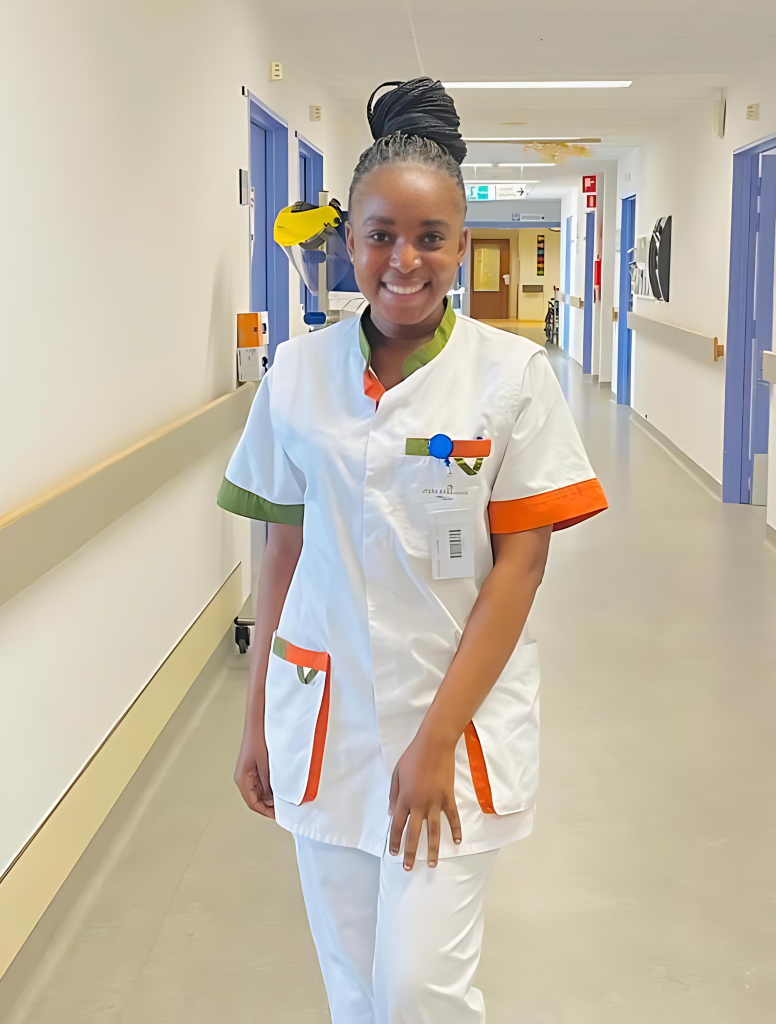 The internship not only sharpened her clinical skills but also broadened her perspective. She speaks passionately about the importance of cross-cultural communication, humility, and adaptability—qualities she believes every 21st-century healthcare professional should embrace.
“Being abroad reminded me that compassion is a universal language. Whether in Pretoria or Hasselt, what matters most to patients is that they are seen, heard, and treated with dignity. That is what nursing is about,” she says.
Her time in Belgium reaffirmed her commitment to lifelong learning and professional excellence. Exposure to international healthcare systems, interdisciplinary collaboration, and research-driven practice opened her eyes to new possibilities—ones she hopes to bring home to contribute meaningfully to South Africa’s health sector.
“I’m passionate about improving healthcare access and patient outcomes, particularly in underserved communities. My journey is far from over, but every step I take is grounded in the principles I learned at SMU,” she says.
Muthabeni’s story is a living embodiment of the university’s mission to produce graduates who are responsive to societal needs and compassionate in-service delivery. Her journey also reflects SMU’s vision of becoming a leading African university in health sciences, recognised for excellence and social relevance.
To aspiring nurses and current SMU students, Muthabeni offers heartfelt encouragement: “Trust in your training. The environment at SMU is built to shape well-rounded, ethical, and knowledgeable professionals. Say yes to opportunities that stretch you and know that your voice and your skills are needed—not just in South Africa, but around the world.”
Her message is clear: education is a passport to possibility, and when grounded in strong values and a sense of purpose, there is no limit to what SMU graduates can achieve.
Muthabeni carries the SMU flag high, across borders and into a future filled with promise. Her story is not just her own, but one that reflects the enduring spirit of the university and its commitment to shaping change-makers in health sciences.
By Dimakatso Modise

by Lorato | Jun 4, 2025 | All News, SMU Media, Student Media
Sefako Makgatho Health Sciences University (SMU) marked a proud milestone during its Autumn Graduation as 19-year-old Kwanele Andrea Ncube emerged as one of its youngest graduates. She successfully completed the Higher Certificate in Emergency Medical Care programme, an outstanding academic achievement that reflects both her personal dedication and the university’s commitment to nurturing young talent. Ncube is currently employed as an Emergency Care Assistant (ECA) at Princemed Emergency Medical Services, based at Botshelong Empilweni Private Hospital in Vosloorus.
 Originally from Ebony Park in Midrand, Ncube stood out not only for her age but for her maturity, determination, and deep sense of purpose. Reflecting on her journey, she described the moment as surreal. “Thank you so much, it honestly feels incredible being one of the youngest graduates at the SMU Autumn Graduation Ceremonies,” she said. “I am thankful for the opportunity that was provided to me to develop both intellectually and emotionally. It truly is a humbling experience.”
Her path into emergency medical care was paved by early passion and a desire to make a tangible impact. “From an early age, I was drawn into the healthcare field,” she explained. “What inspired me to pursue this programme at such a young age was a combination of passion, purpose, and the desire to make a real difference. Emergency care practitioners are the first on the scene—first to hear the screams, the panic—and often, the only hope someone has left. That’s when I knew this was the career I wanted.”
The defining moment that solidified her decision came when she witnessed a family friend suffer cardiac arrest. “Seeing how she was resuscitated and the compassion shown to her family made me realise how emotionally impactful and vital this work is. It’s not just about medical intervention; it’s also about offering reassurance during traumatic moments.”
Ncube’s achievement wasn’t without challenges. Balancing academic demands and the intensity of clinical rotations proved daunting, especially as she was also completing her final year of high school when she started the programme. “Juggling two schools was overwhelming. The pressure felt unbearable at times, especially during exams and clinicals,” she shared. “When that happened, I made it a point to pause and breathe. I reminded myself why I started this journey.”
Being younger than most of her peers also came with emotional and social hurdles. “Initially, I struggled with self-doubt and feeling out of place,” she said. “But I quickly learned to see my age as an advantage—I brought fresh perspective and energy. My classmates took me under their wing and helped me adapt.”
Throughout her studies, Ncube credits her success to an unwavering support system. “My family was my number one supporters—they believed in me from the beginning, even when I didn’t believe in myself. My mentors and tutors guided me with patience and helped me see my potential. And my friends, especially those in the same field, were my emotional anchors. On tough days, they reminded me of my ‘why’.”
Graduation day was a culmination of every sacrifice. “As I walked across the stage, I was filled with emotion,” she said. “I thought of the late nights, the early physical training, the times I almost gave up. That moment was a celebration of everything I had overcome.”
Her journey at SMU was more than academic. “This qualification means so much more than just a certificate. It represents growth, resilience, and a foundation for what comes next,” she said. Now employed in the field, she plans to further her studies and work toward her long-term goal of becoming a paramedic. “I want to deliver compassionate, high-quality care and help close the gap in access to emergency services, especially in underserved communities.”
Ncube hopes her story inspires others. “Believe in yourself, even when it’s hard,” she advised. “You don’t have to have it all figured out. Just take the first step and stay committed. If I can do it, so can others.”
“Graduating from SMU is not just a milestone—it’s proof of what’s possible when opportunity meets determination.”
By Tumelo Moila

by Lorato | May 29, 2025 | All News, SMU Media, Student Media
At Sefako Makgatho Health Sciences University (SMU), the commitment to holistic student development extends far beyond the lecture halls. Rooted in a student-centred philosophy, the University provides a rich blend of academic and co-curricular support designed to cultivate well-rounded, confident graduates who are equipped to thrive both locally and internationally.
 Nowhere is this commitment more evident than in the dynamic studios of SMU FM 97.1, where the unmistakable voice of Thato Ledwaba echoes across campus and beyond. A Bachelor of Science in Life Sciences student by day and a celebrated radio presenter by sunrise, Ledwaba embodies the spirit of self-discovery, leadership, and engagement that SMU fosters. Her rise in campus broadcasting is not only a personal triumph, but also a reflection of the enabling and affirming environment SMU continues to nurture for all its students.
Born and raised in Legae la Batho, a developing township nestled just outside Seshego in Limpopo, Ledwaba’s journey from a curious schoolgirl to a respected media personality is a story of passion meeting purpose.
“Our mornings were ruled by Thobela FM,” Ledwaba reminisces. “We’d listen to the breakfast show on our way to school and end the day with ‘Mahlakung’ drama before bed. I always wanted to be the one behind the mic, the one telling the stories.”
That early spark turned into action when SMU FM posted a recruitment advertisement. “I immediately started working on my demo. I knew this was my chance,” she says. Fast forward to today, she’s the voice behind “SMU QuickCast” — the University’s innovative weekly audio bulletin — and a regular host on the Breakfast Show.
The duality of Ledwaba’s life — science scholar and media star — might seem daunting to most, but she’s mastered the art of time management.
“My shows are before my lectures, and I record QuickCast after classes. Preparation happens during study breaks,” she explains. “It’s not always easy, but I’ve learnt to use my time wisely.”
For Ledwaba, radio is more than entertainment — it’s a platform for impact. “Science has given me a unique perspective,” she says. “Studying Life Sciences allows me to explain academic content in a fun and digestible way. That’s what I try to bring to air — information with a twist of personality.”
It’s a skill that hasn’t gone unnoticed. Her warm, articulate delivery and storytelling finesse have made her the voice behind institutional announcements — a task she takes pride in.
“Knowing that the whole university gets weekly emails with my voice attached? That still feels surreal. I joke about being a ‘campus celebrity’, but there’s truth in that. Being that consistent, trusted voice — it’s a win I didn’t expect.”
Her journey wasn’t without its challenges. “A five-minute audio can take hours of recording,” she laughs. “But that’s the beauty of it. Every second is crafted with care.”
Ledwaba credits her grounding in debate and public speaking from high school for sharpening her confidence. “I’ve always loved narrating. My English teacher would make me read aloud in class. Those little moments prepared me for this.”
Despite the technical demands of both her degree and her media commitments, Ledwaba sees synergy, not conflict. “We are a health sciences university with an aligned radio station. The overlap is natural. I often speak about topics I’m studying — it deepens both my understanding and delivery.”
Her dream? “Live field broadcasting. Meeting stories when and where they happen. That’s where I see myself,” she says with a spark in her eye. But her passion doesn’t end there.
“I’m also a mental health advocate. I believe a healthier mind leads to a healthier society. We need to talk about it more — and I plan to keep using my platform for that.”
Asked what advice she’d offer aspiring radio presenters, she’s honest: “It’s not easy, but it’s worth it. If you love it, go for it. Everything else will fall into place.”
Now nearing the final stretch of her degree, Ledwaba is clear about the future. “I’ll always be in the media space. I love science too. I just have to marry the two — and I will.”
With resilience, warmth, and an unmistakable voice, Thato Ledwaba is proving that you don’t have to choose between your passions. You can amplify them — one broadcast at a time.
By Tumelo Moila
by Lorato | May 29, 2025 | All News, SMU Media, Student Media
As global higher education faces a turning point shaped by the Fourth Industrial Revolution and accelerated digital adoption post-COVID-19, Sefako Makgatho Health Sciences University (SMU) is positioning itself at the forefront of transformation through its Strategic Objective of Digital Transformation. With technology rapidly reshaping the future of work, SMU is cultivating a new generation of digitally fluent graduates who are prepared to lead innovation in health sciences.
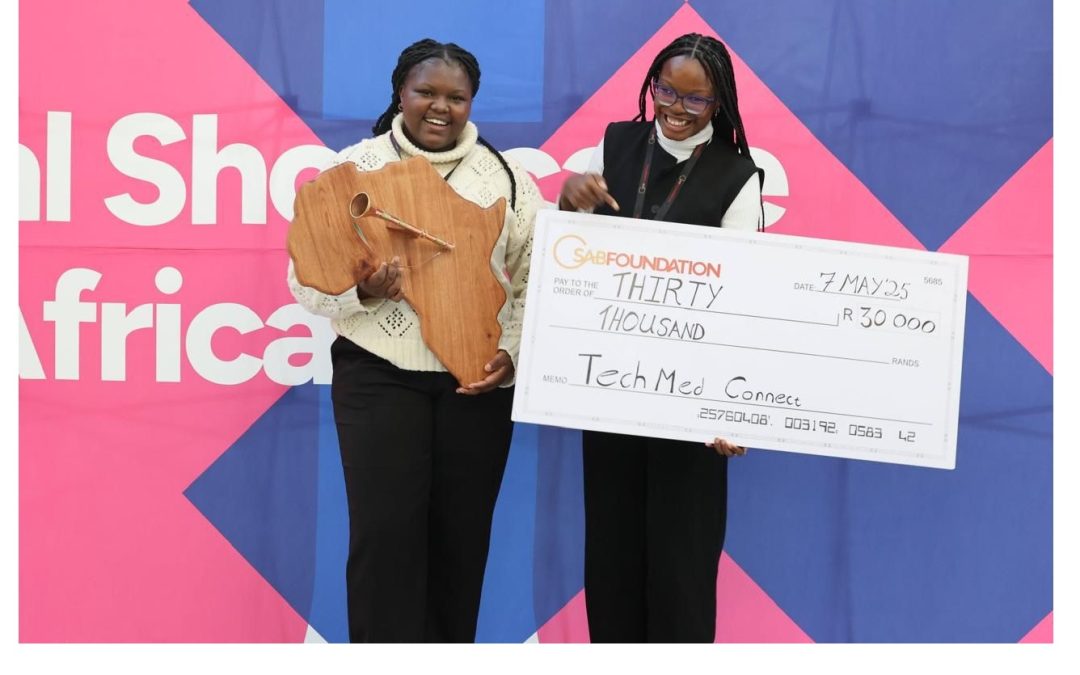
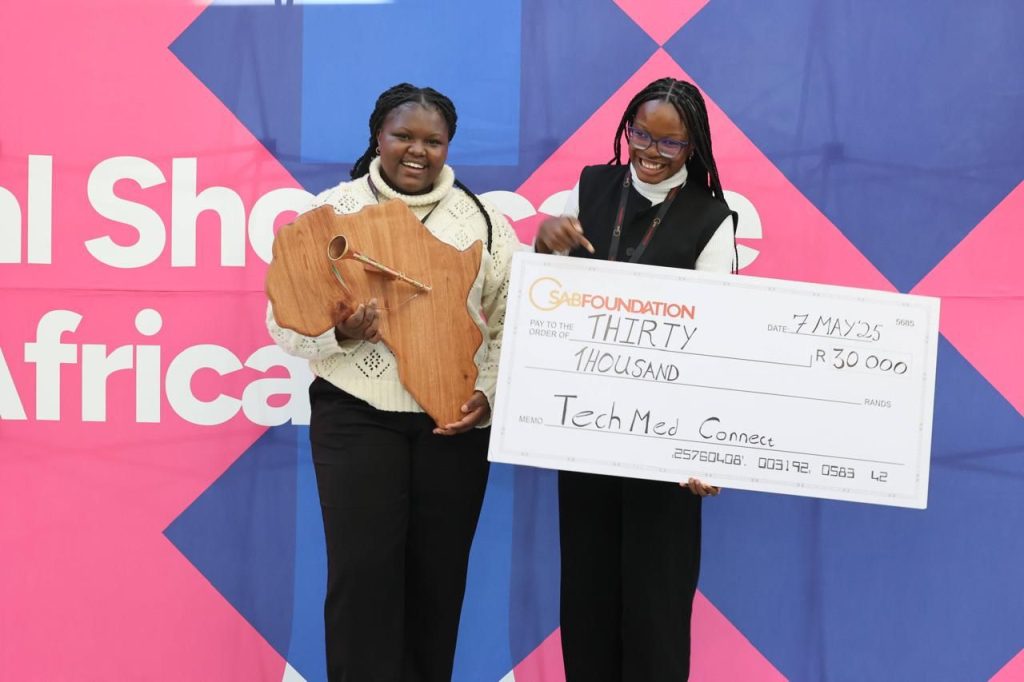 A shining example of this vision is the recent success of Khanyisa Mokgolobotho and Rosemary Erawemen, Computer Science and Information Technology students whose health-tech start-up, TechMed Connect, won the 2025 Hult Prize South Africa National Showcase. Their groundbreaking platform, BUA, aims to revolutionise patient-doctor communication, particularly in multilingual and under-resourced healthcare settings.
This remarkable achievement not only highlights the calibre of student innovation at SMU but also reinforces the University’s commitment to digital transformation as a catalyst for inclusive healthcare, academic excellence, and global competitiveness.
What sets TechMed Connect apart in the health-tech space is its local-first approach. Rather than adapting international models, Khanyisa and Rosemary developed their tool with African contexts in mind, making it scalable, culturally sensitive, and practical. “We consulted students, doctors and practitioners during development,” said Khanyisa. “Our early outreach via social media revealed how urgent and widespread this issue is.”
Their university environment played a critical role in supporting the project’s growth. SMU’s focus on health sciences provided them access to real-world healthcare needs, while collaboration with peers across medical fields helped shape the product. “We co-created with future doctors and nurses. That made all the difference,” said Rosemary.
Their journey to the Hult Prize national title was not without challenges. “Balancing studies and building a business was tough,” Khanyisa admitted. “We had to rethink technical elements mid-process. But with mentorship and resilience, we kept going.”
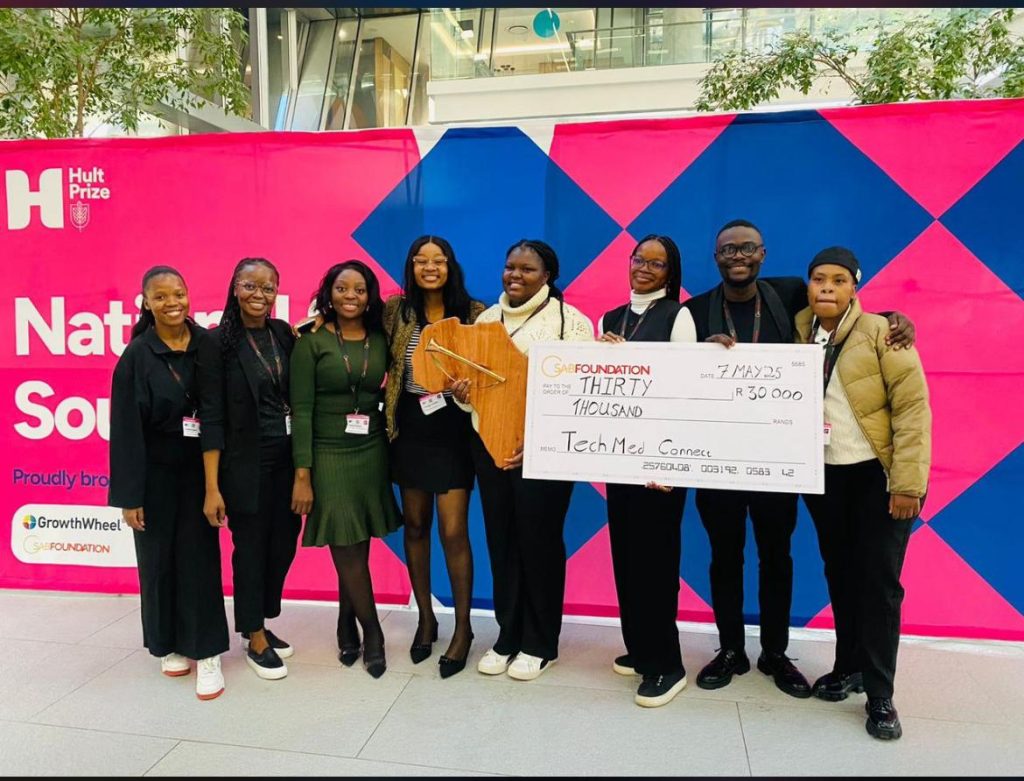 They attribute much of their success to institutional support. SMU’s Centre for Entrepreneurship Rapid Incubator (CfERI), particularly Naledi Mathole—the coordinator for the EDHE Programme, Student Women Entrepreneurship Empowerment Programme (SWEEP), and Economic Activation Office (EAO)—offered vital guidance. The Enactus SMU team, led by Nomsa Phoswa, assisted in refining their pitch. Asange Tshikila, SMU’s Hult Campus Director, ensured smooth coordination throughout the competition.
Judges at the showcase praised TechMed Connect’s impact potential and urged the team to plan for long-term scalability—a piece of advice they’ve taken to heart. Now finalising their prototype, Khanyisa and Rosemary are preparing for pilot testing in South African clinics. Over the next two years, they aim to expand to underserved regions before moving across borders to countries like Botswana, Zimbabwe, and Lesotho. “We’re developing a modular architecture that will allow the tool to serve multilingual health systems across Africa,” said Khanyisa.
To fellow student entrepreneurs, the team offers a simple but powerful message: “Start where you are. Your campus is your lab. Your ideas matter,” said Rosemary.
“We’re not just the future—we are the present.”
Their journey with TechMed Connect is a shining example of how young Africans are not only identifying critical problems but creating home-grown solutions to transform healthcare across the continent. To follow their journey, visit @bua_app on Instagram or reach out at info@techmedconnect.co.za. The future of healthcare is being written now, and it speaks in many languages.
By Tumelo Moila

by Lorato | May 29, 2025 | Accolades and Achievements, All News, SMU Media, Student Media
Sefako Makgatho Health Sciences University (SMU) continues to affirm its reputation as a centre of academic excellence and transformative education, as one of its distinguished alumnae, Dr Prudence Buthelezi, rises to prominence across Africa. A celebrated medical doctor, award-winning author, and outspoken advocate for healthcare justice, Dr Buthelezi embodies the University’s commitment to professional training, cutting-edge research, and socially responsive scholarship.
 Her recent recognition at the prestigious Emerge Africa Awards—where she received accolades for her compelling debut book Fortitude—cements her status as both a trailblazer in the healthcare sector and a powerful literary voice. Through her work, Dr Buthelezi is not only changing lives in clinical settings but also shaping critical conversations about equity, resilience, and reform within the African health landscape.
“I’m overjoyed and deeply humbled to receive this recognition,” said Dr Buthelezi. “Fortitude was born from personal pain and resilience, inspired by my sister Thabisile, who was left paralysed after a devastating car accident. This award validates her story and the journey of so many caregivers and families navigating disability.”
The Emerge Africa Award is the second honour for Fortitude, following the African Honoree Authors Award in 2023. The book, which candidly explores the challenges of caring for people with disabilities, has resonated widely. “Many readers, especially caregivers, have told me the book gave them hope and practical tools. It’s a reminder that they’re not alone,” she shared.
An alumna of Sefako Makgatho Health Sciences University (SMU), Dr Buthelezi credits the institution for shaping her both professionally and personally. “SMU didn’t just educate me—it nurtured me. Coming from a previously disadvantaged community, I faced countless barriers. But SMU’s commitment to excellence and transformation gave me purpose and resilience,” she said.
Though her journey into medicine was inspired by her sister’s unfulfilled dream of becoming a doctor, Dr Buthelezi admits she never foresaw becoming a published author or health advocate. “Writing Fortitude was not part of the original plan. But my experiences revealed a profound need for mental resilience and support for caregivers—something I felt compelled to address.”
Her efforts have not gone unnoticed in the broader healthcare community. In addition to her literary accolades, she recently received a Recognition Award from the Government Employees Medical Scheme (GEMS) for her leadership and patient-centred care. “These awards are deeply personal,” she reflected. “They honour my sister’s journey and affirm that Fortitude is making the impact I hoped for—bringing dignity and support to those who need it most.”
Beyond her writing, Dr Buthelezi is the co-founder of the National Health Care Professionals Association (NHCPA), an organisation established to protect healthcare workers’ rights and promote quality patient care. “We saw a need to address financial challenges, unfair treatment, and systemic barriers faced by healthcare professionals, especially those from marginalised communities,” she explained.
One of her most significant advocacy moments came in the wake of the Section 59 Investigation Panel’s 2021 report, which confirmed systemic racial profiling by major medical aids. “For years, black professionals like myself were flagged unfairly. Some faced financial devastation, even suicide. The report was a vindication—but more importantly, it sparked a national dialogue that continues today.”
In her pursuit of equitable healthcare, Dr Buthelezi also launched Ezempilo/Zwa Mutakalo, a talk show delivering health education in indigenous languages. “It’s about making healthcare accessible. By speaking in isiZulu, Sesotho and Tshivenda, we ensure our communities understand and trust the information they receive.”
Her journey has not been without hardship. She speaks openly about the emotional toll of caring for a sister with brain injuries and raising a son with health complications. “These experiences have taught me that adversity can be a powerful catalyst for empathy and strength.”
Dr Buthelezi’s faith plays a central role in her resilience. “It’s what keeps me grounded. In both medicine and advocacy, my spirituality reminds me that everyone deserves dignity and compassion.”
Looking to the future, she plans to expand the message of Fortitude through workshops and digital platforms. “I want to reach more people—especially those who feel invisible. This message of resilience is bigger than me.”
When asked what legacy she hopes to leave, her answer is clear: “I want to be remembered as someone who empowered others—particularly women and marginalised communities—to find strength in their stories. Anyone, regardless of their background, can be a force for change.”
To young women with big dreams but difficult paths, she offers this message: “Never underestimate your power. Your challenges don’t define you—they build your strength. Speak up. Push forward. Your voice matters, and the world needs it.”
By Tumelo Moila
by Lorato | May 29, 2025 | Accolades and Achievements, All News, SMU Media, Student Media
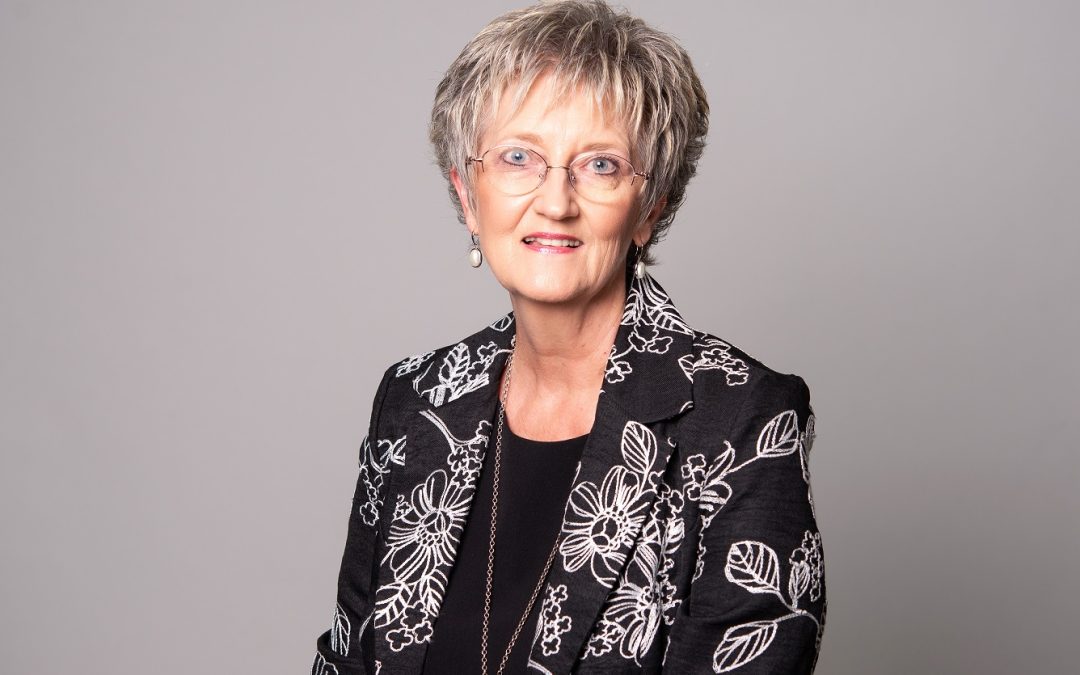
Sefako Makgatho Health Sciences University (SMU) continues to champion excellence and innovation in health sciences, as one of its esteemed academics, Professor Johanna Meyer, is honoured with the 2025 PHILA Lifetime Achievement Award by the Public Health Association of South Africa (PHASA). This distinguished award recognises individuals whose lifelong contributions have left a lasting and meaningful impact on public health in South Africa and beyond.
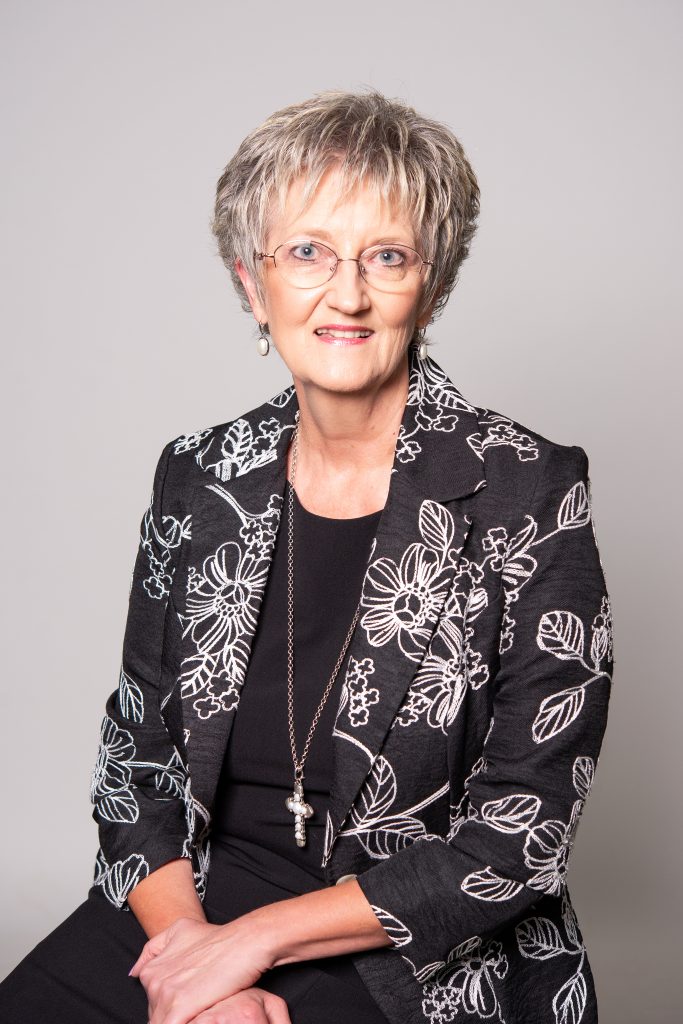 A respected scholar and advocate, Professor Meyer has dedicated decades of her academic and professional life to strengthening public health systems and advancing health equity. Describing the award as “humbling and unexpected,” she joins a select group of visionaries whose work continues to shape healthier futures through research, education, and service. Her recognition is a testament not only to personal dedication but also to SMU’s growing influence in transforming health services across the country.
“I never imagined that, among all the brilliant public health professionals in the country, I would be selected. But this award is not just for me – it reflects the collective effort of many people who have walked this journey with me,” she said.
Her journey is a testament to SMU’s commitment to excellence, reflected in her work on immunisation, pharmacovigilance, antimicrobial stewardship, and health policy advocacy. Over the years, she has played an instrumental role in strengthening public health systems and promoting the rational use of medicines and vaccines.
Professor Meyer’s interest in public health was sparked early in her career, but deepened significantly when she joined the South African Vaccination and Immunisation Centre (SAVIC). Through SAVIC, she found a platform to focus on vaccine safety, training of healthcare workers, and boosting vaccine confidence—particularly in underserved communities.
“Vaccines became the vehicle through which I could pursue my goal of improving public health. I focused on their safety, uptake, and rational use – and on building trust,” she noted.
Her commitment to public service is evident in her leadership roles, both past and present. These include serving on the World Health Organization’s Global Advisory Committee on Vaccine Safety and chairing both the South African Health Products Regulatory Authority (SAHPRA) and the National Immunisation Safety Expert Committee.
Professor Meyer’s work became even more critical during the COVID-19 pandemic. Under her leadership, SAVIC trained healthcare workers across South Africa to implement the national COVID-19 vaccine roll-out. She also led national efforts to monitor vaccine safety and address public concerns—a demonstration of leadership and accountability during a time of global uncertainty.
“I was on radio, TV, and Zoom calls almost every day, helping people understand vaccine safety and countering misinformation,” she recalls.
Her team’s efforts helped establish pharmacovigilance systems that now extend across five African countries.
Professor Meyer is not only a scientist and leader but also a devoted mentor. Her approach reflects SMU’s value of respect, particularly in the way she supports and inspires students and emerging public health professionals.
“Mentoring starts with motivating the heart. I encourage students to focus on public service, even when change is slow. Persistence matters,” she says.
She also advocates for greater academic engagement with government and policy work, especially in a country grappling with systemic challenges in healthcare delivery.
“Policymaking must be guided by scientific evidence. Independent voices are crucial to protect the integrity of our health systems,” she adds.
Professor Meyer continues to be a leading voice in public health, with ongoing work in antimicrobial resistance, community engagement, and vaccine safety. Her unwavering commitment to the greater good—often behind the scenes—epitomises the spirit of service that aligns closely with SMU’s ethos.
Despite global challenges such as misinformation, climate change denial, and anti-science sentiment, Professor Meyer remains optimistic and committed to inspiring future generations.
“There are so many opportunities to make a real difference. You just have to stay committed,” she says.
She often draws strength from the words of anthropologist Margaret Mead: “Never doubt that a small group of thoughtful, committed citizens can change the world; indeed, it is the only thing that ever has.”
SMU is proud to count Professor Meyer among its esteemed academic leaders—a professional whose work is anchored in excellence, integrity, respect, and accountability, and whose legacy will inspire public health champions for generations to come.
By Dimakatso Modise