by Lorato | Jun 11, 2025 | Accolades and Achievements, All News, SMU Media, Student Media
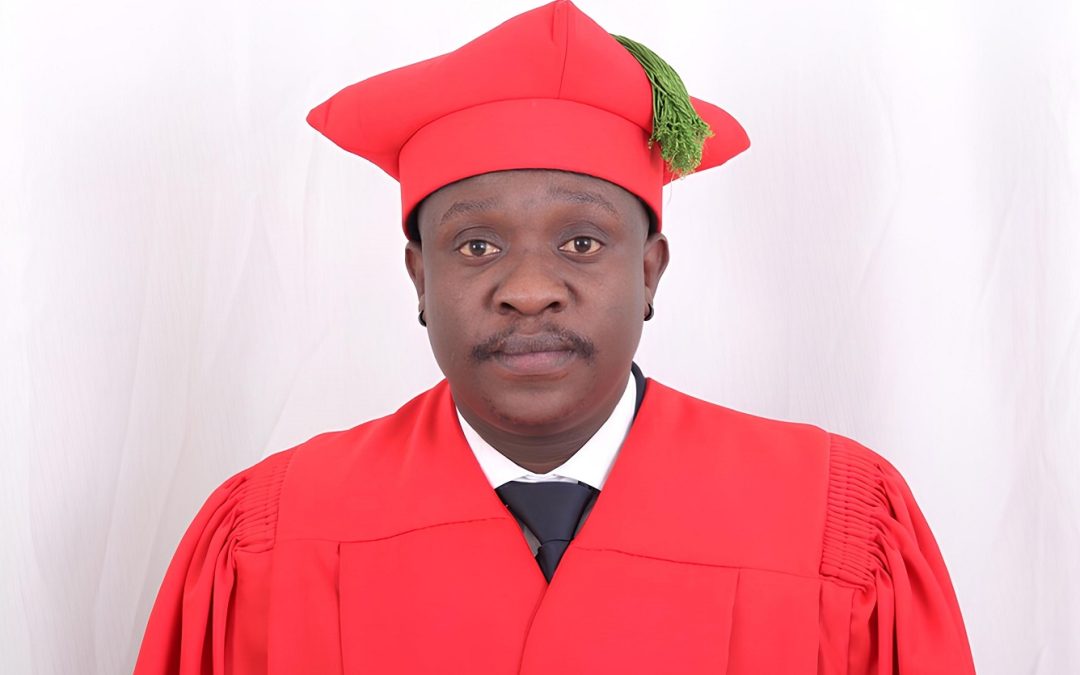
History has been made at Sefako Makgatho Health Sciences University (SMU) as Dr Phumudzo Lloyd Seabe becomes the first-ever PhD graduate from the Department of Mathematics and Applied Mathematics. This achievement not only marks a significant academic milestone for the University but also represents a powerful personal journey, rooted in legacy, discipline, and a vision for inclusive technological advancement.
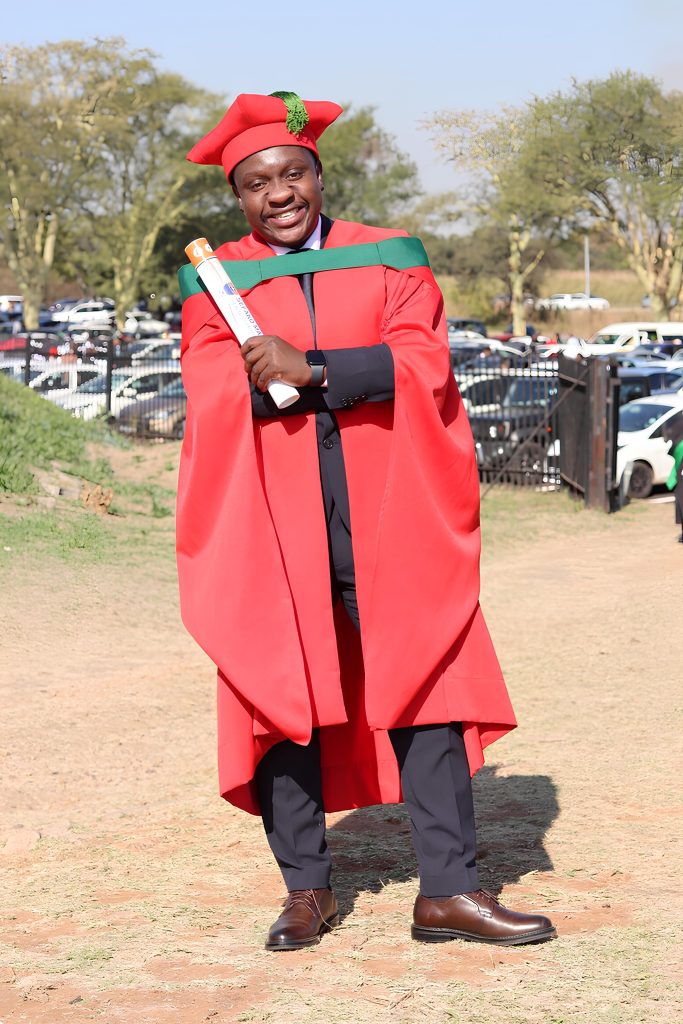 Born and raised in Gogobole, a village in Venda, Limpopo, Seabe was raised in a home shaped by women of strength and conviction. “I was raised in a household led by women of great dignity and discipline,” he says. “My mother’s consistency taught me the power of hard work. My grandmother—sharp-witted and deeply principled—was the compass of our family.”
His grandmother, a retired domestic worker from the South African Air Force Base, had a profound influence on him. As the second of twelve grandchildren, he was always under her watchful eye. Her passing in April 2020, just over a year before he started his PhD, left a significant void. Yet her spirit continued to guide him. “She used to say, ‘Noma kubuhlungu, kodwa kulungile’—Even though it hurts, it is well,” he recalls. “That became my silent prayer during long nights of research and writing.”
In July 2021, Seabe began his PhD journey at SMU with a clear and ambitious research focus: to combine the tools of artificial intelligence (AI), behavioural finance, and traditional investment theory to analyse the highly volatile cryptocurrency market.
His thesis, titled Advancing Cryptocurrency Market Analysis and Investment Strategies: An Integrated Approach Using Machine Learning, Sentiment Analysis, and Factor Investing, presents a comprehensive framework for understanding and forecasting cryptocurrency market behaviour. It integrates advanced deep learning models—including LSTM – Long Short-Term Memory (LSTM), Gated Recurrent Unit (GRU), Bi-Directional LSTM, and Temporal Attention Networks—with time series and sentiment data from over 48 million cryptocurrency-related tweets.
Using Natural Language Processing (NLP), he extracted real-time sentiment signals via Valence Aware Dictionary and sEntiment Reasoner (VADER) and RoBERTa, two of the leading sentiment analysis tools. These were integrated into hybrid models enhanced with SHapley Additive exPlanations (SHAP) explainability, allowing for transparency and interpretability of AI forecasts. In addition to technical innovation, Seabe revisited classical finance theories using Fama–MacBeth regressions and cross-sectional portfolio construction. His findings confirmed that even in digital, decentralised markets, traditional predictors like momentum and size continue to offer robust explanatory power.
His work resulted in four publications in DHET-accredited journals, including one paper cited over 140 times and nominated for the 2023 Best Paper Award, with the outcome to be announced in June 2025. These achievements underscore the global academic relevance and impact of his work.
Professor Maggie Aphane, Head of the Department of Mathematics and Applied Mathematics, praised this historic moment: “Dr Phumudzo Seabe has set a new record in the Department of Mathematics and Applied Mathematics by becoming the first PhD graduate from Medunsa, University of Limpopo (Medunsa Campus), and SMU. He successfully completed his PhD in an unprecedented timeframe. As Head of Department, it is a privilege for me to witness this achievement during my tenure. This accomplishment reflects my dedication to the university and the nation as a whole. I am committed to fostering the production of more PhD graduates.”
Seabe’s journey was not without sacrifice. Balancing full-time professional responsibilities alongside rigorous academic research required remarkable discipline and focus. “This journey was never just about research,” he says. “It was about honouring the sacrifices of my family, especially my grandmother and mother. Every model I built, every paper I wrote, was an offering to them.”
Now, as he graduates, Seabe continues to work at the intersection of financial intelligence, artificial intelligence, and behavioural insight. His vision is to build data-driven systems that are not only accurate but inclusive—technologies that reflect both innovation and the human condition. Seabe’s success is not only a personal victory but a beacon of possibility for rural communities and aspiring researchers across South Africa. He has not just earned a PhD—he has made history.
By Dimakatso Modise
by Lorato | Jun 11, 2025 | All News, SMU Media, Student Media
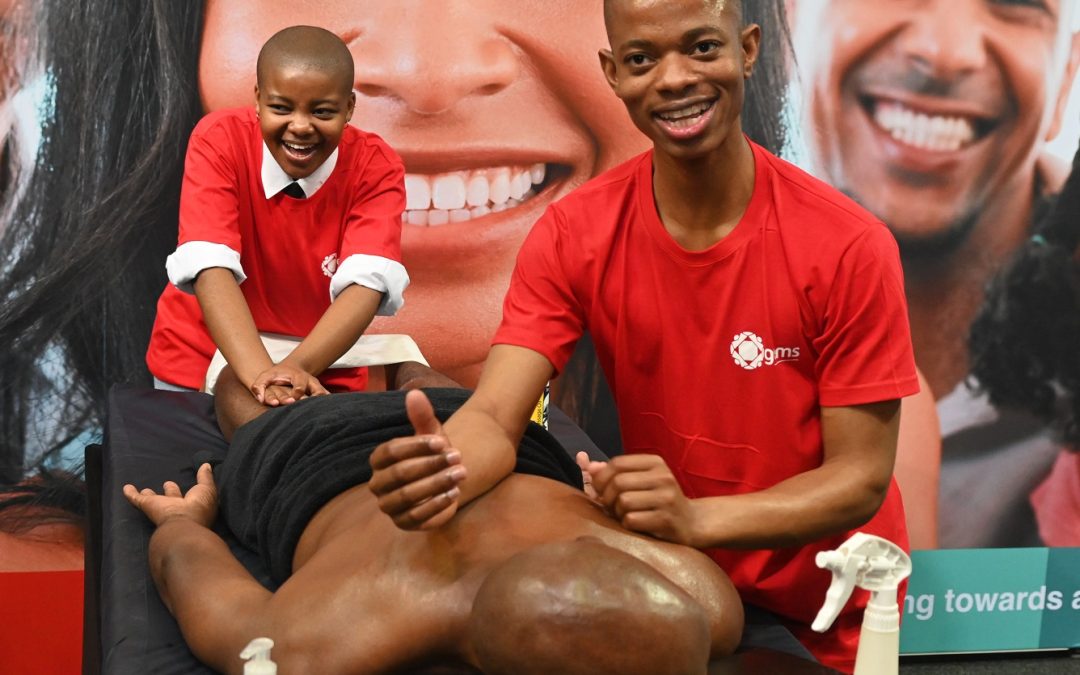
The 2025 Comrades Marathon brought not only grit, endurance, and national pride to the streets of KwaZulu-Natal – it also provided an exceptional clinical training platform for final-year physiotherapy students from Sefako Makgatho Health Sciences University (SMU). As thousands of runners prepared to take on the gruelling 90 km ultra-marathon, a dedicated team of SMU students rose to the occasion – first at the GEMS Wellness Tent at the Durban the Durban International Convention Centre (ICC), and later, on race day, at the rub tent located at the finish line at People’s Park (Moses Mabhida Stadium) in Durban.
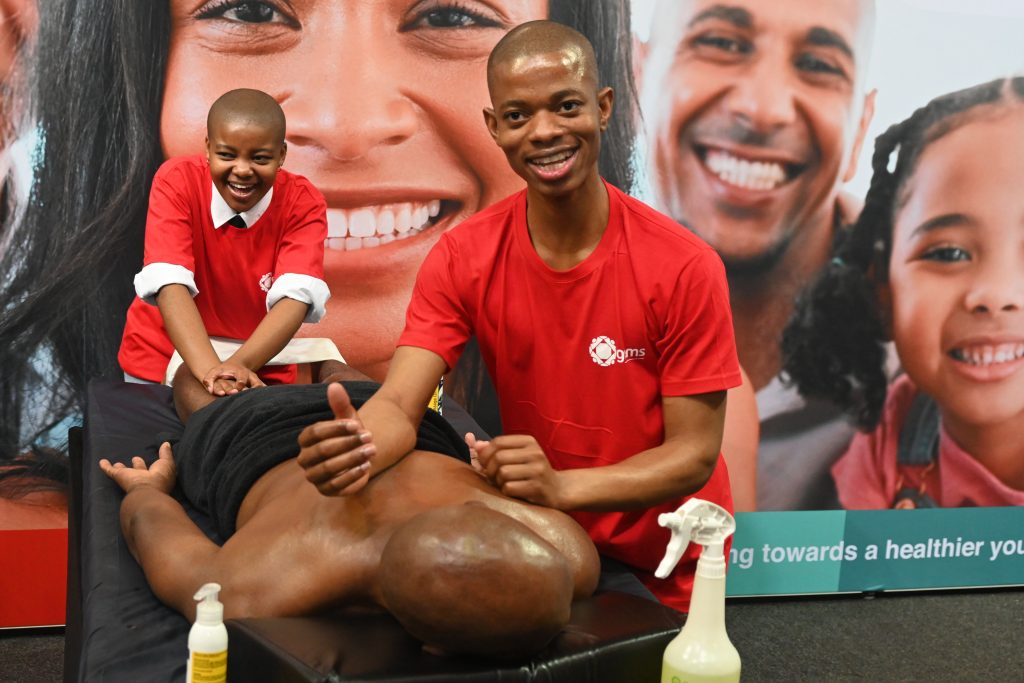 This hands-on experience formed an integral part of the students’ clinical education within the School of Health Care Sciences, offering them a unique opportunity to deliver sports rehabilitation services in real time, under professional supervision. “This experience gave our students the chance to engage with athletes in a live setting, assess physical needs on the spot, and implement appropriate physiotherapy techniques,” said Karabo Raphokwane, Physiotherapy lecturer and clinical coordinator.
In the lead-up to the race, the students provided pre-race care at the GEMS Wellness Tent at ICC. Here, they assisted runners with soft tissue massage, muscle activation, strapping, and stretching to help prepare them both physically and mentally for race day. Samkele Jiyane, a fourth-year physiotherapy student, described the event as “a once-in-a-lifetime opportunity, perfect for career development and building our professional portfolios. We are grateful to the SMU Physiotherapy Department for granting us this invaluable experience.”
“The students showed great enthusiasm at the Durban ICC,” added Raphokwane. “They took initiative, collaborated effectively with professionals, and interacted confidently with the athletes. It was a solid foundation ahead of the main event.”
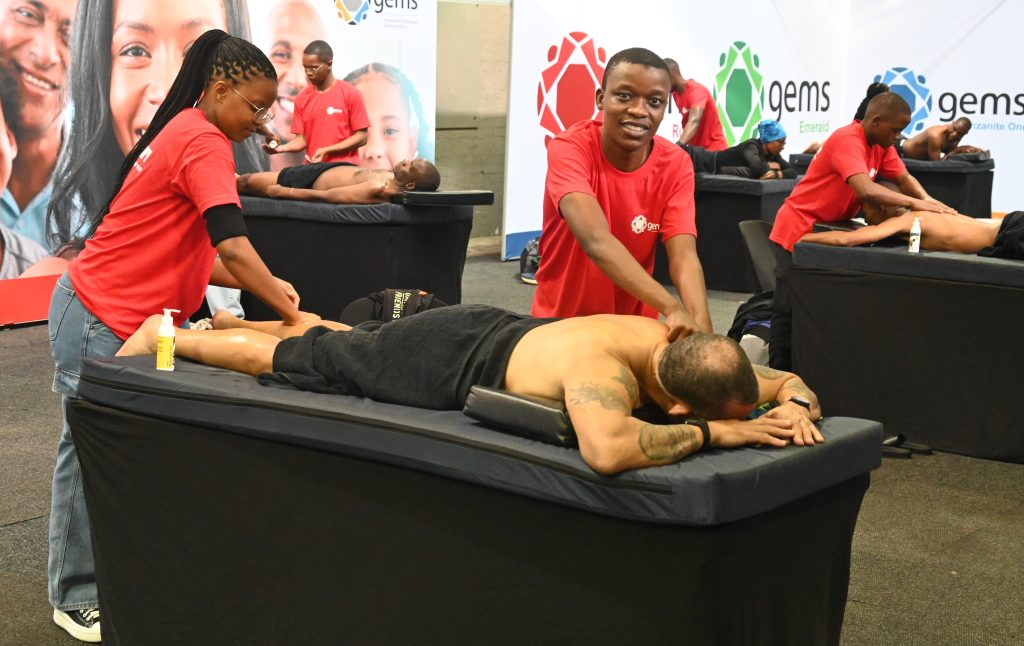 On Sunday, 8 June, the students transitioned to the rub tent at People’s Park, where they supported athletes at the finish line. After completing 90 kilometres, runners arrived in urgent need of post-race care, and the SMU students delivered. They provided massage therapy, stretching, and mobility work to fatigued athletes, focusing on relieving cramps, muscular tightness, and general recovery. “Watching our students in action at the rub tent was a proud moment,” said Raphokwane. “They remained calm under pressure, treated every runner with respect and professionalism, and supported one another throughout. This is what genuine clinical learning looks like.”
The experience helped students sharpen their decision-making, enhance communication skills, and gain confidence in managing real patients in a fast-paced environment. In addition to their work at the Comrades, SMU students also participated in the Physiotherapy Student Strapping Competition, hosted by the South African Society of Physiotherapy (SASP). This national competition allowed students to demonstrate their technical proficiency in preventative and therapeutic strapping used in sport.
SMU proudly secured third place – a result that reflects the high standard of education and preparation provided by the University’s Physiotherapy Department. “Taking part in the competition was a bonus,” said Raphokwane. “The students prepared thoroughly and were thrilled to compete alongside their peers from other universities. It was a wonderful celebration of their skills and development.”
The participation of SMU students in Comrades 2025 highlights the University’s commitment to experiential learning, community engagement, and professional readiness. Their contributions in both pre-race and post-race settings showcased not only technical competence but also compassion, discipline, and teamwork. This milestone experience also enabled the students to connect with peers from other institutions, engage with the broader healthcare community, and reflect on the real-world impact of their future profession.
By Dimakatso Modise
by Lorato | Jun 4, 2025 | All News, SMU Media, Student Media
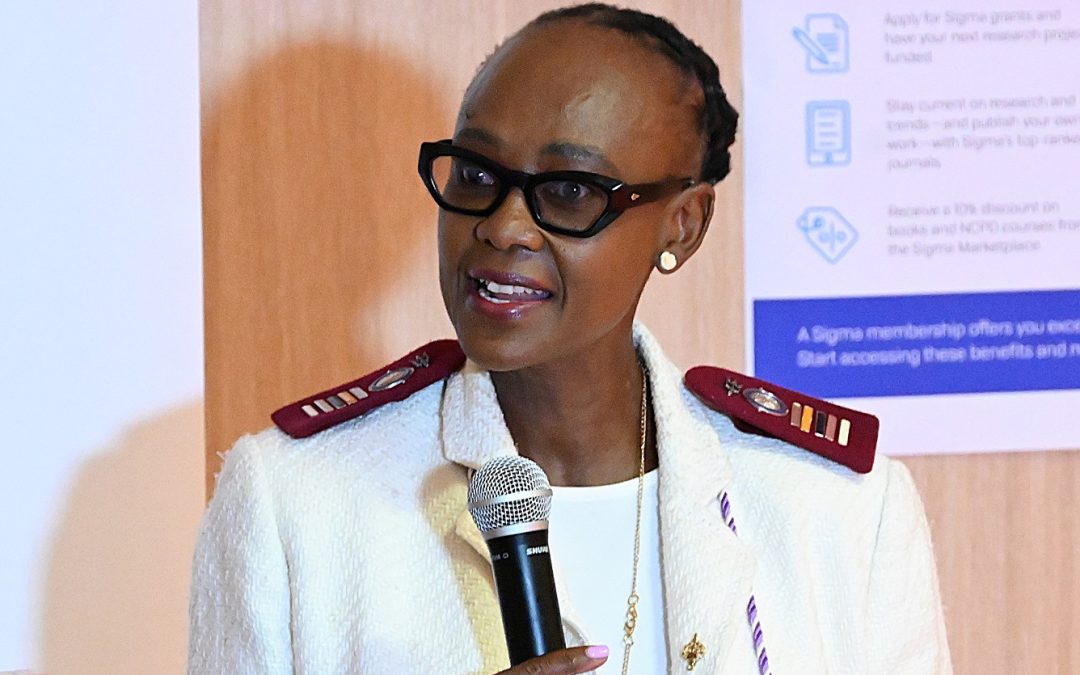
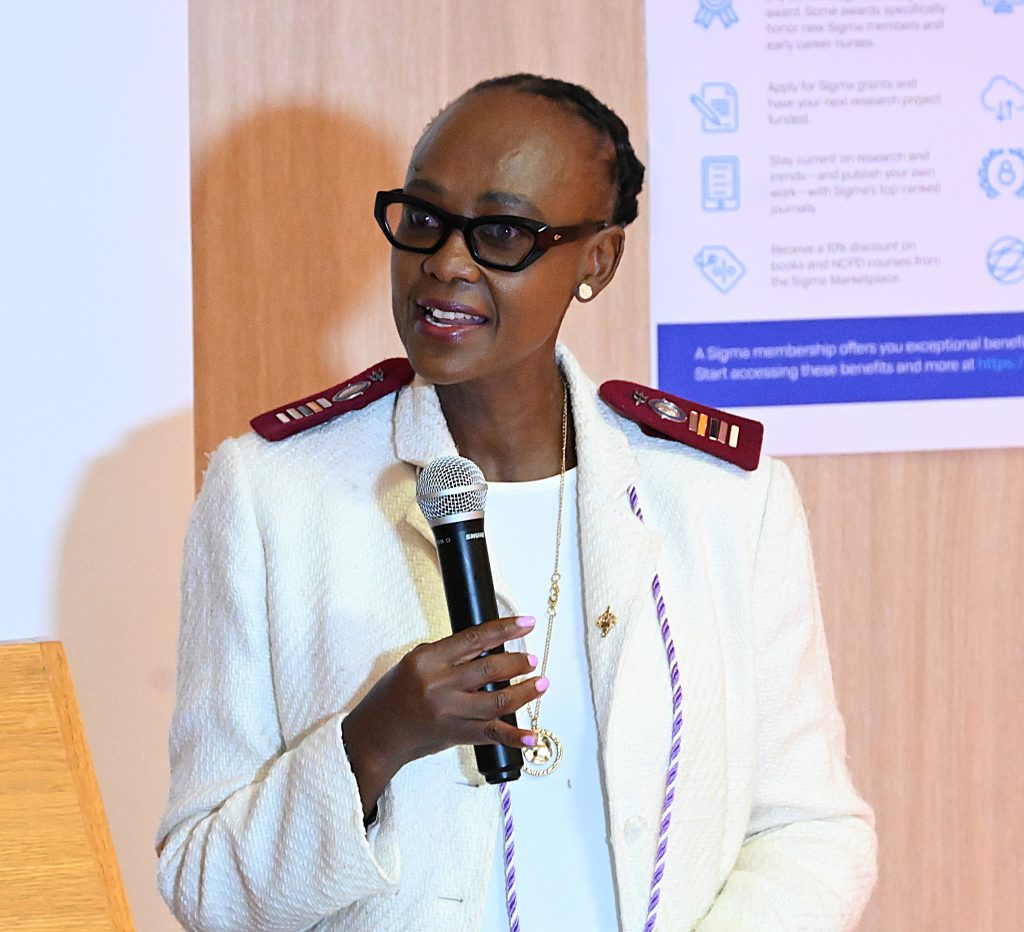
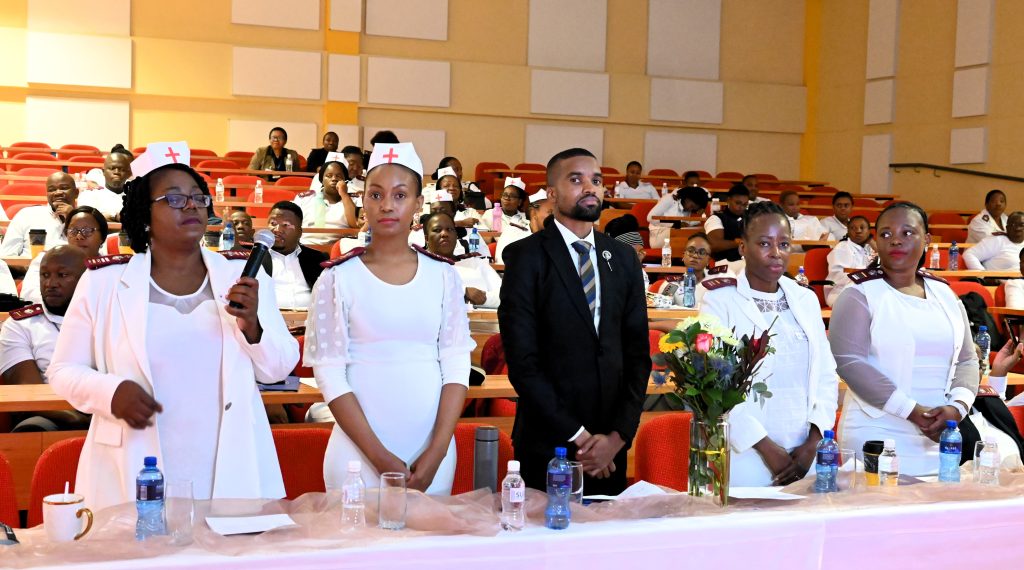
In a vibrant dual celebration held at Sefako Makgatho Health Sciences University (SMU) this month, nurses were recognised as vital agents of change in both healthcare and economic development. The event marked International Nurses Day 2025 and the formal inauguration of five new members into the university’s newly established Alpha Beta Beta Chapter of Sigma Theta Tau International Honour Society of Nursing (Sigma).
 Under the theme “Our Nurses. Our Future. Caring for Nurses Strengthens Economies”, the occasion united students, lecturers, and healthcare professionals in honouring the legacy, resilience, and future leadership of the nursing profession. “This isn’t just a celebration,” said Ntsoaki Tshabalala, Lecturer for the Postgraduate Diploma in Health Services Management (PGDip HSM). “It’s a call to action. It affirms that our nursing students are not only caregivers, but future leaders, researchers, and advocates.”
Organised entirely by PGDip HSM students, the event blended commemoration with empowerment. Highlights included a lamp-lighting ceremony, the Nursing Pledge, and the inauguration of Sigma members, underscoring a strong commitment to ethical practice, global collaboration, and academic excellence. “International Nurses Day honours the legacy of nursing—its compassion, resilience, and enduring values,” Tshabalala added. “The simultaneous inauguration of Sigma Alpha Beta Beta Chapter introduces a forward-looking vision: global networking, research collaboration, and leadership development.”
The keynote address by Dr Kobe Marais, a prominent advocate for nurse leadership, delivered a powerful reminder of the broader socio-economic impact of nursing. “Nurses are not just healthcare workers—they’re economic drivers,” Dr Marais stated. “By caring for nurses, we build stronger health systems and healthier communities. Are you the nurse you would want to care for your grandparents? If not, what must change?”
The inauguration of Sigma members stood out as a historic moment. Dr Andile Mokoena-de Beer, a seasoned mental health nursing lecturer, said: “Being inaugurated into the Alpha Beta Beta Chapter of Sigma on International Nurses Day creates a profound sense of connection to the global nursing community. It highlights our responsibility to uphold Florence Nightingale’s legacy of compassionate, evidence-based care.”
Her sentiments were echoed by fellow inductees Dr Nkensani Florence Mabunda, who emphasised health equity, and Dr Sophy Mogatlogedi Moloko, who underscored mentorship and research-driven healthcare access. “Through Sigma, I hope to learn from other nurses globally and bring those insights into improving community healthcare,” added Tumisho Mokwele, Clinical Facilitator.
Prof Deliwe Phetlhu, who presented certificates to the new Sigma members, praised the transformative power of international recognition: “Being a Sigma member isn’t just a badge—it’s a passport to global citizenship in nursing. It connects our lecturers and students to grants, research, and leadership training that drives excellence.”
 Students also shared their reflections. Thobile Skhosana, a PGDip HSM student, described nursing as “a caring profession,” explaining: “Nurses not only address physical needs, but also emotional, psychological, social, and spiritual well-being.” Matodzi Mudau, another student, referred to nursing as “a calling,” stating: “It gives me fulfilment to know that my skills and compassion can bring comfort and hope. Nursing is more than just a profession—it is my life mission.”
The event also featured strong support from sponsors, including SureX Insurance, DENOSA, and Mbuso Medical Supplies. The celebration concluded with a strong sense of unity, pride, and purpose. Tshabalala summed it up poignantly: “The future of nursing lies in their hands—and with support structures like Sigma, they are well-equipped to lead that future.”
At its core, the event was not just ceremonial—it was visionary. It reaffirmed nurses’ indispensable role in global healthcare, celebrating them not only as healers but as leaders shaping the future of health systems and society.
By Tumelo Moila
by Lorato | Jun 4, 2025 | All News, SMU Media, Student Media
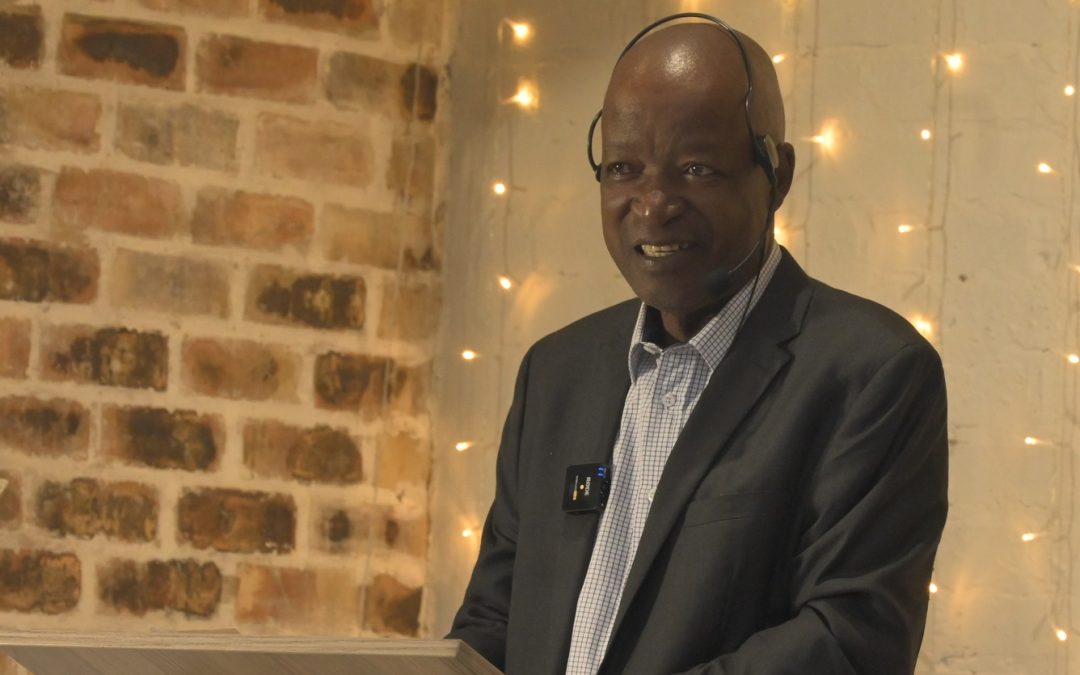
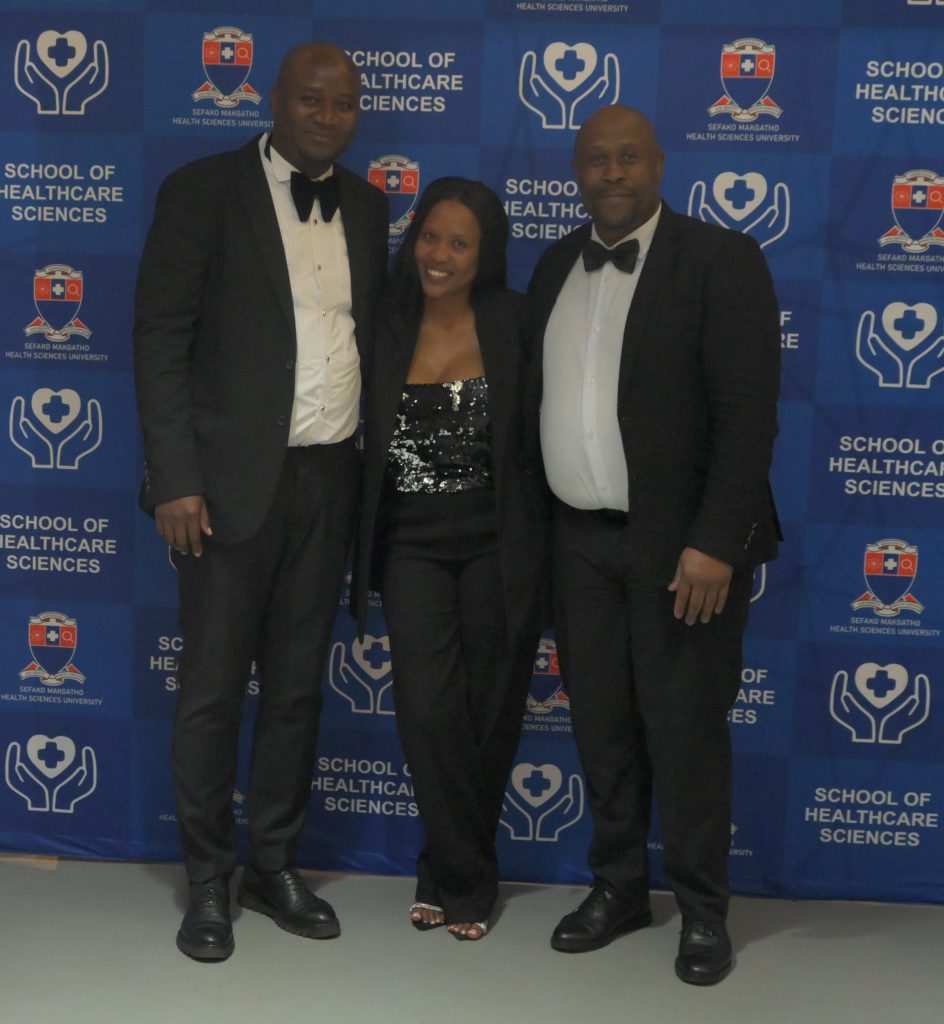
The School of Health Care Sciences at Sefako Makgatho Health Sciences University (SMU) recently hosted its inaugural Occupational Therapy Alumni Gala Dinner—an occasion that united graduates across generations to honour Professor Alfred Ramukumba’s retirement after 36 years of distinguished service.
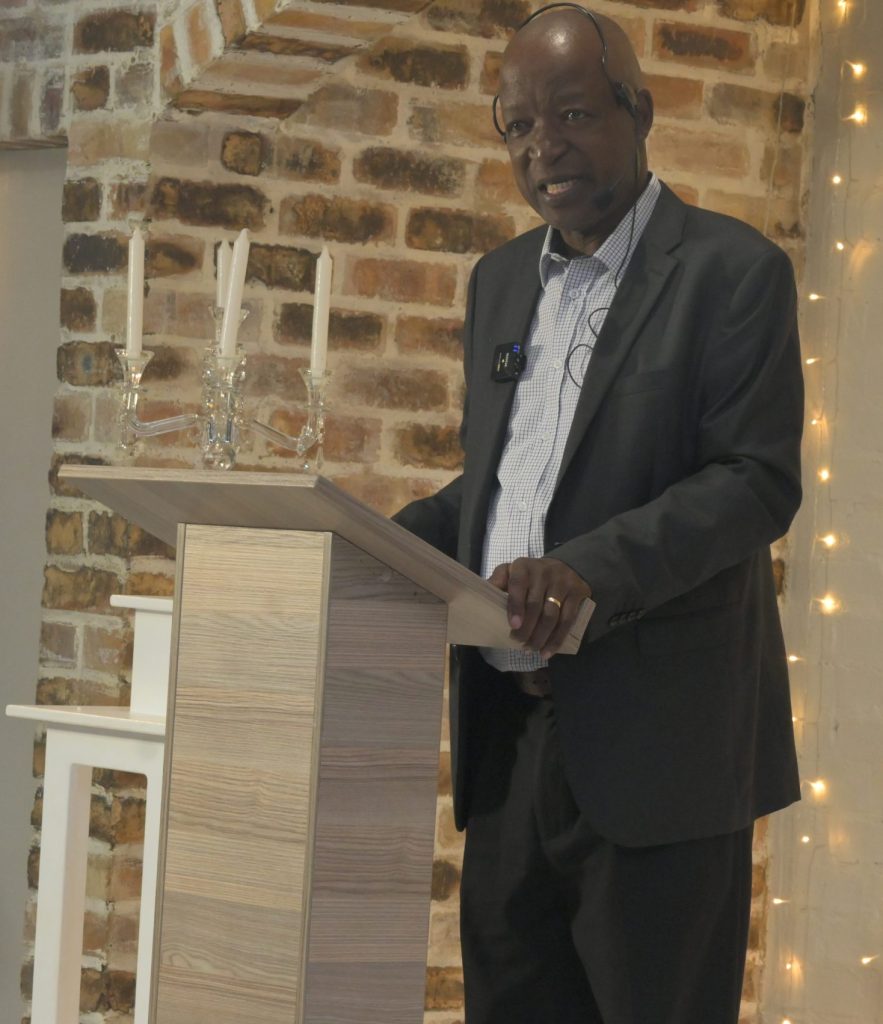 The evening was both a celebration of Ramukumba’s professional legacy and a moment of reflection on the growth and transformation of the Department of Occupational Therapy at SMU. The event drew former students, academic staff, healthcare professionals, and university leadership, creating a warm and collegial atmosphere of gratitude and pride.
Annah Lesunyane, Acting Head of the Department of Occupational Therapy, opened the programme by welcoming guests and expressing appreciation for the contributions that have shaped the department’s academic and professional development. She encouraged alumni to stay connected and continue contributing to its progress.
SMU Convocation President, Japhta Phala, urged alumni to embrace the institution’s evolving identity—from MEDUNSA, to the University of Limpopo (UL) – Medunsa Campus, and now SMU. He reminded them that they are vital ambassadors of the university’s legacy and its future.
 Professor Douglas Maleka, Dean of the School of Health Care Sciences, expressed heartfelt appreciation for Professor Ramukumba’s leadership and long-standing commitment to occupational therapy training. He highlighted Ramukumba’s pivotal role in laying the academic and professional foundations for the discipline at SMU.
In his keynote address, Ramukumba reflected on the department’s journey across three institutional eras. His occupational therapy career began in 1980 at MEDUNSA, where he earned a diploma later converted to a bachelor’s degree. After working in hospitals across Limpopo and Gauteng, he returned to MEDUNSA in 1988 as a junior lecturer and was appointed Head of Department in 2003.
He described the MEDUNSA era as one of determination in the face of constraint, where limited institutional resources were met with staff and student dedication. During the UL period, the department saw notable expansion in student enrolment, with 42 final-year students graduating in 2009. Many alumni returned to serve as lecturers and clinical supervisors, strengthening the academic support system.
Ramukumba acknowledged the political and academic disruptions of the time, including campus shutdowns and boycotts, but commended the resilience of the department in maintaining the training standards of the Health Professions Council of South Africa (HPCSA).
Since SMU’s establishment in 2014, he noted key improvements such as strengthened governance, formalised student support services, and robust academic policies. He proudly shared that the department’s training programme remains accredited by both the HPCSA and the World Federation of Occupational Therapists (WFOT).
He also celebrated the department’s enhanced research output, citing a growing number of peer-reviewed publications and staff academic advancement, including two PhD graduates, six PhD candidates, and two master’s degree holders among the staff.
Reflecting on his personal professional development, Ramukumba credited his involvement in national and international professional bodies such as the Occupational Therapy Association of South Africa (OTASA), the Pan African Occupational Therapy Society (POTS), the Occupational Therapy Africa Regional Group (OTARG), and the WFOT. He encouraged alumni to contribute meaningfully to the profession, support community transformation through “economic occupations,” and mentor the next generation of occupational therapists.
The evening concluded with a vote of thanks from SMU alumna and OTASA President Aluwani Manenzhe, who commended Ramukumba for his humility, vision, and enduring commitment to advancing the field of occupational therapy.
By Dimakatso Modise
by Lorato | Jun 4, 2025 | All News, SMU Media, Student Media
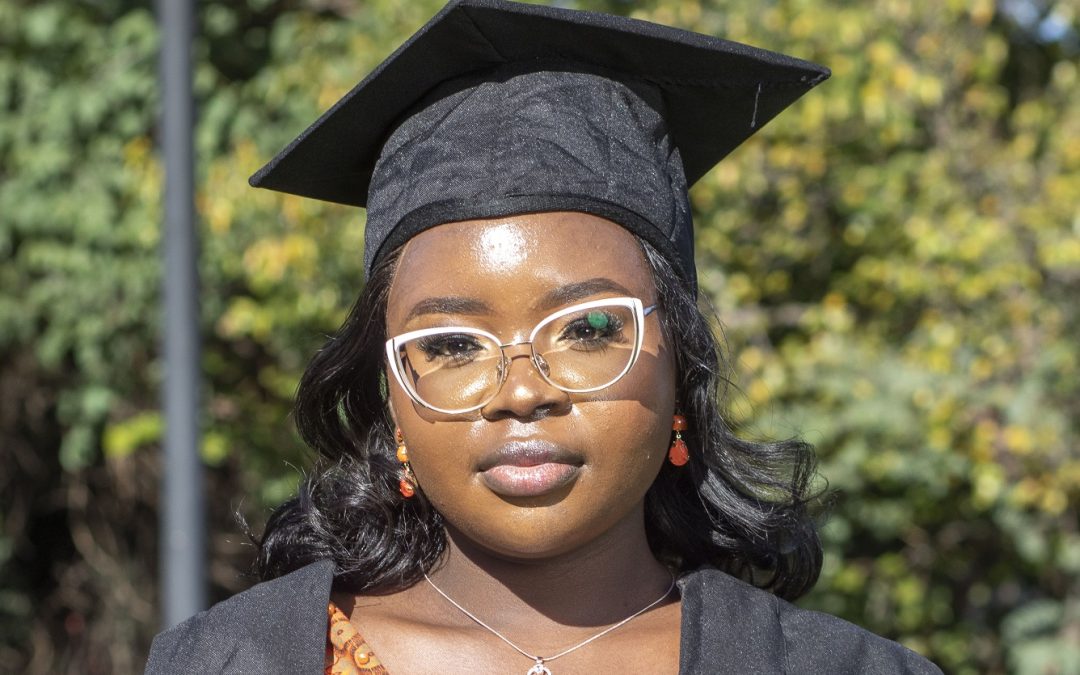
With a radiant smile and a heart full of gratitude, Dr Mmoni Betty Sekgoela walked across the graduation stage as one of Sefako Makgatho Health Sciences University (SMU)’s top medical graduates, earning the prestigious MBChB degree summa cum laude. But beyond the accolades lies a story of perseverance, faith, and a burning desire to rewrite her own narrative—and that of every young girl who dares to dream from the small village of Makhubidung, just outside Tzaneen. She is currently serving as a Medical Intern at the Polokwane Mankweng Hospital Complex.
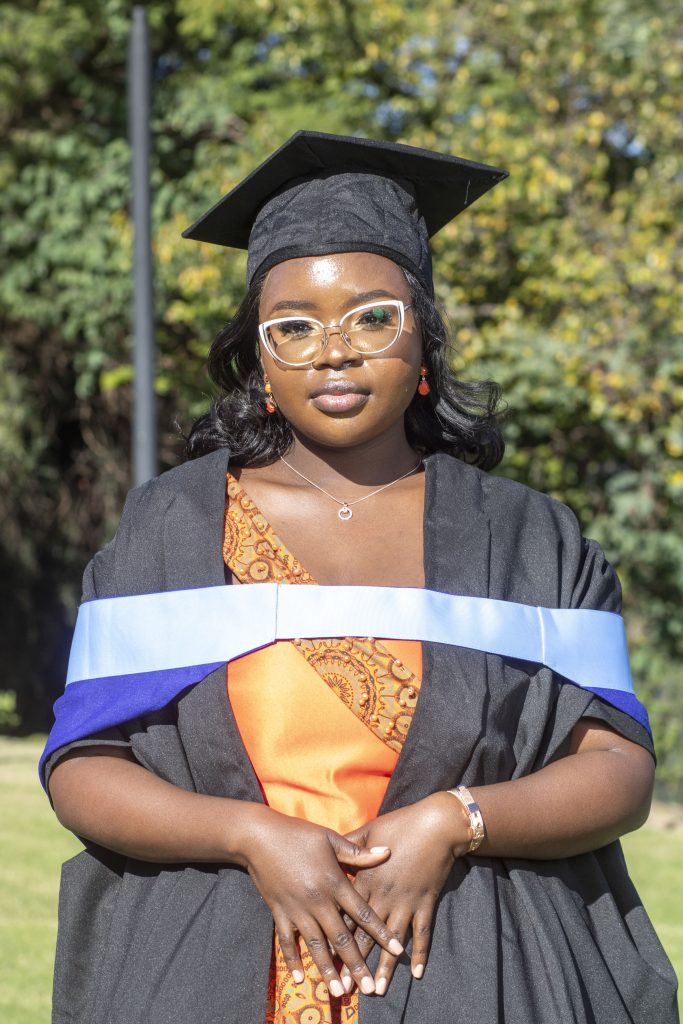 Raised in a humble household, Mmoni’s first aspiration was not to become a doctor, but a nurse, like her beloved aunt, who often recounted stories of service and healing during her training. It wasn’t until a Grade 5 teacher asked, “Why not become a doctor?” that the seed was planted. That year, a curious and determined Mmoni began researching the medical profession and quietly committed herself to the dream.
Her decision was later confirmed during a career day visit to her former primary school, Semana Primary School. “They invited a doctor from our local hospital. After hearing him speak, I knew I had chosen the right path,” she recalls. By Grade 12, Mmoni could be found shadowing staff in her local hospital’s physiotherapy department, absorbing every experience she could. Though physiotherapy was her backup plan, medicine always tugged at her heart.
SMU was not her first-choice university, but when the acceptance letter came, she never looked back. “I saw it as an opportunity to start afresh, away from everything I knew,” she shares. Now, six years later, Mmoni has emerged not just as a graduate, but as a beacon of academic excellence, defying the odds to achieve summa cum laude. “This distinction means everything,” she says. “It’s a reflection of the love I have for medicine and the hard work I’ve put in over the years.”
But the road was far from easy. “I used to cry myself to sleep,” she confesses. “I wasn’t from a top-performing school, and I constantly compared myself to others. But I had to learn to go at my own pace.” Her study routine was meticulous—organised notebooks for each module, colour-coded notes, prayer before every session, and a disciplined schedule that prioritised both rest and rigorous revision.
What kept her grounded? A powerful sense of purpose. “I’m not only here for myself. I’m here for young village girls who think they aren’t good enough because of their background,” she says. Clinical rotations brought both challenge and inspiration. One impactful moment occurred during a fifth-year surgery lecture when a senior doctor reminded students, “Some of you are here to break generational curses.” That statement stuck with Mmoni. “It reminded me of why I started.”
Her commitment to compassionate care was most evident during a clinical case where she followed a lonely, far-from-home patient daily until discharge. “They told me I treated them like a person, not just a condition. That meant everything.” Despite the stress, sleepless nights, and occasional self-doubt, Mmoni’s support system—her family, friends, and a group of professionals back home—remained steadfast. “We had a group chat called ‘Journey to Becoming Dr MBS’. They prayed for me, encouraged me, and reminded me of my worth.”
As she embarks on her internship, Mmoni hopes to specialise—possibly in paediatrics, inspired by her own beginnings as a premature baby. Long-term, she envisions contributing to healthcare through impactful research and mentorship. “Charity begins at home. I want to give back to my community and show others it’s possible.”
To aspiring students, especially those from disadvantaged backgrounds, she offers these words: “Know who you are, where you come from, and where you’re going—and no one can take that away from you.” Sekgoela hopes to be remembered not only as a doctor but as a changemaker—“a girl who took a leap of faith, followed her dreams, and gave her all to restore faith in those who had lost it.” Indeed, her journey is a testament that no dream is too distant, and no background too humble, to reach for the stars.
By Tumelo Moila
by Lorato | Jun 4, 2025 | All News, SMU Media, Student Media
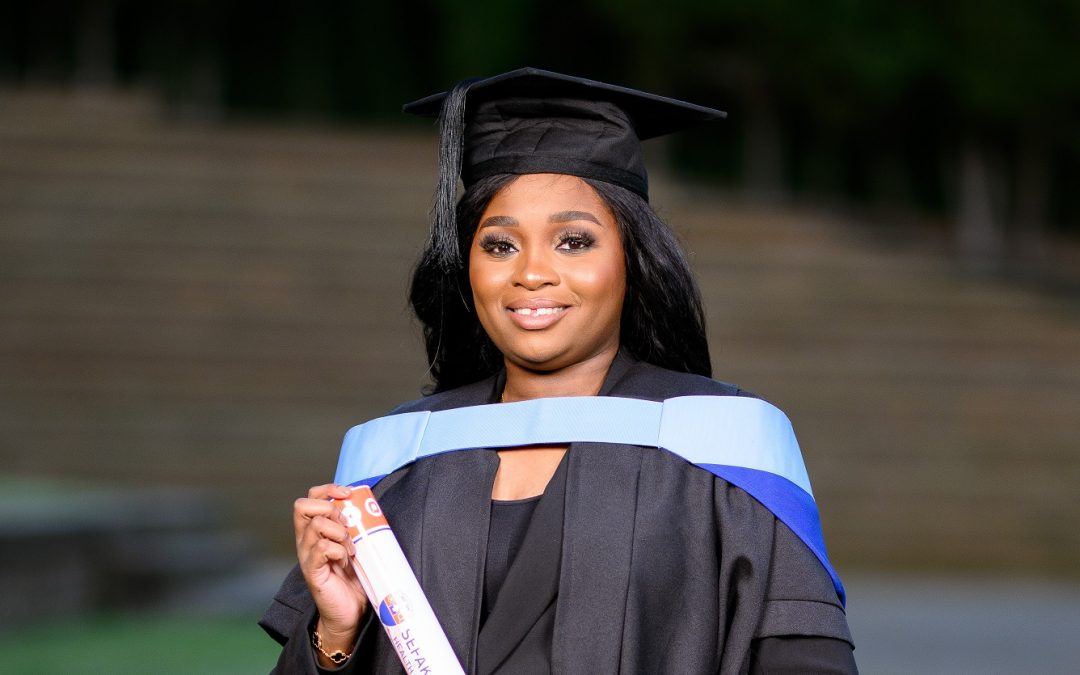
Sefako Makgatho Health Sciences University (SMU) recently celebrated a remarkable academic milestone as Zamantungwa Memory Vukeya graduated summa cum laude with her Bachelor of Medicine and Bachelor of Surgery (MBChB) degree. Hailing from the small town of Ivory Park (in Tembisa), Vukeya’s journey to the top of her class is one of grit, resilience, and unshakable purpose. She is currently busy with her internship at Dr George Mukhari Academic Hospital.
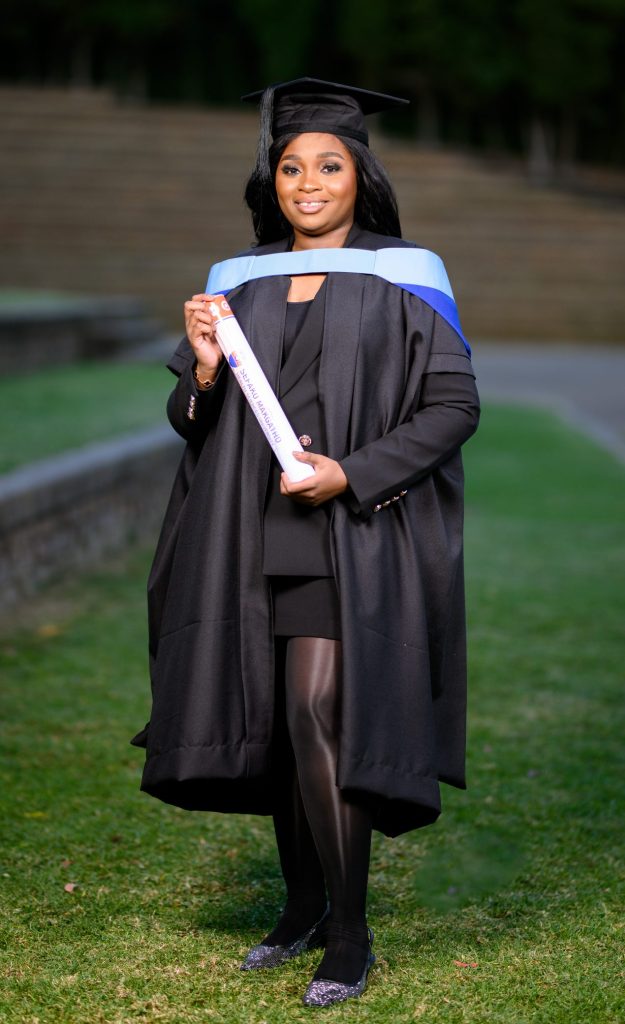 Growing up, Vukeya’s circumstances were far from ideal. With limited role models and economic hardship defining her early years, she credits her grandparents, particularly her grandfather, who retired just as she began matric, as the anchors of her upbringing. “Hopelessness has a very special place where I come from,” she reflects. “The relationship I had with hunger ignited my vision—or greed, rather—for a better outcome.”
Surprisingly, there was no single defining moment that led her to a career in medicine. Her decision to pursue the MBChB programme at SMU was influenced by familiarity and the university’s early integration of clinical work. “My uncle graduated here, and so did most of my mentors,” she explains. This sense of connection set the foundation for what would become an exceptional academic journey.
Graduating summa cum laude is no small feat in a programme as demanding as medicine. For Vukeya, it served both as personal validation and a professional springboard. “It validated my hard work and became a stepping stone to establishing myself as a competent and innovative specialist in the making.”
Her academic excellence was the result of a highly personalised approach to studying. As a visual learner, she relied heavily on images, creativity, and colour to engage with complex concepts. Her daily “deep study” sessions—typically split into manageable intervals throughout the day—were anchored by self-discipline and constant self-reflection. “I take lots of breaks in between to consolidate and make sure the concepts stick. I also check in with myself to avoid going on autopilot.”
Balancing the rigorous demands of coursework, clinical rotations, and personal life was made possible through a clear philosophy: “The course is my hustle, and my family is my pleasure. I never mixed the two.” This separation allowed her to remain focused and grounded.
Vukeya credits a long list of mentors and lecturers for shaping her clinical and academic skills. Her passion for anatomy, ophthalmology, and internal medicine was amplified by mentors such as Prof. Pindile Mntla, Dr Tlangelani Rikhotso, Dr David Mashego, Dr Hosea Lebogang Mangena, Dr Thero Masedi, and many more. “All my lecturers impacted me positively in different ways—this list could be a novel.”
Her most memorable patient encounter came in her fifth year, when she was part of a team treating a young woman with severe autoimmune disease. Against the odds, the patient recovered, and Vukeya would later meet her again—alive and thriving. “Her gratitude reminded me of the true impact of empathy in medicine.”
A constant pillar of strength throughout her studies was her mother. “That woman is my messiah,” she says, visibly emotional. Alongside her mother, friends like Dr Nkgau Modise and mentors such as Dr Shumani Makhadi played vital roles in fuelling her ambition and offering unshakeable support.
Despite her achievements, Vukeya remains grounded. Her long-term goal is to specialise in orthopaedics, contribute to clinical research, and improve healthcare accessibility, particularly in underserved communities. “There’s only one way up, and that’s to the top,” she states with conviction.
To aspiring medical students, particularly those from disadvantaged backgrounds, she offers practical wisdom: “Seek mentorship. Prioritise self-care. Stay resilient.”
As she steps into her medical internship, Vukeya hopes to be remembered as a trailblazer—a student who not only conquered academic challenges but also inspired change and innovation within the healthcare system.
Her legacy at SMU is already secure: one of excellence, empathy, and empowerment.
By Tumelo Moila
