by Lorato | Dec 2, 2024 | All News, SMU Media, Student Media
As Sefako Makgatho Health Sciences University (SMU) reflects on its tenth anniversary, it mirrors its achievements and the remarkable individuals who have significantly shaped South Africa’s healthcare services. SMU stands as a beacon of excellence in health sciences education, playing a pivotal role in nurturing the careers of its distinguished alumni, who are making substantial contributions to the country’s healthcare system.

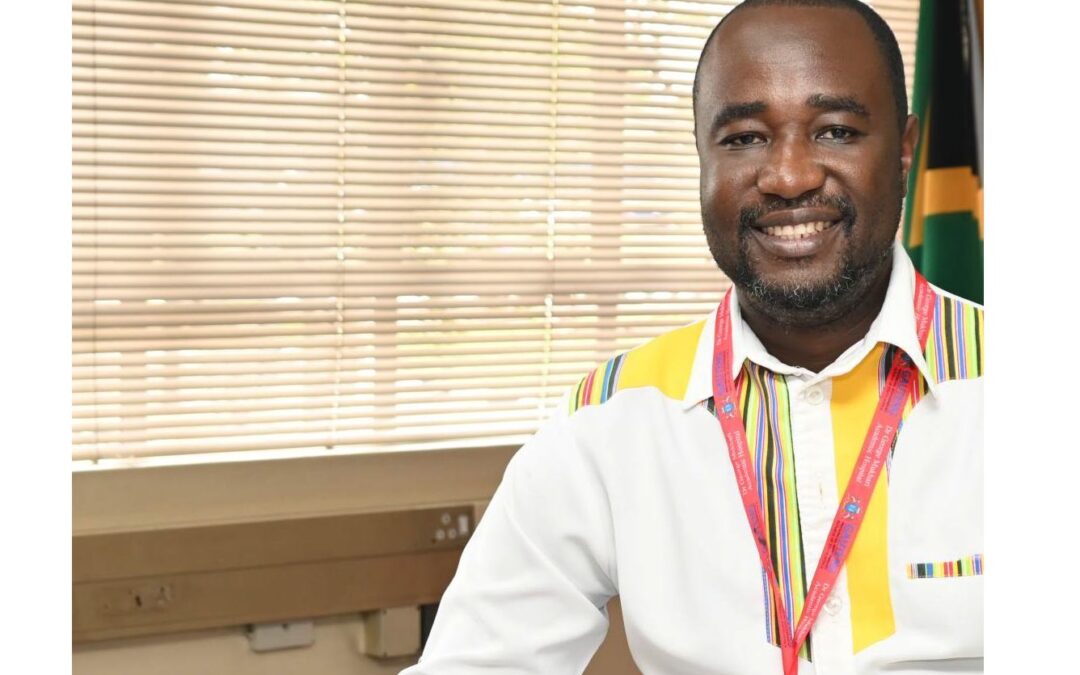
Dr Fhatuwani Godfrey Mbara
Among these inspiring figures is Dr Fhatuwani Godfrey Mbara, the Chief Executive Officer of Dr George Mukhari Academic Hospital (DGMAH) and a proud SMU alumnus. Mbara’s journey from humble beginnings in the village of Ha-Budeli in Venda to a prominent leadership role exemplifies the transformative power of education. Growing up in a modest household, he faced financial struggles, especially after his father stopped working in 1985. With no formal qualifications, his mother became the primary breadwinner, earning a meagre R400 per month from domestic work to support three children. Witnessing her resilience instilled in him a determination to rise above his circumstances.
Since its establishment, SMU has produced a distinguished cadre of graduates like Mbara, equipped with comprehensive knowledge and practical skills to address critical health challenges in South Africa. Many alumni have ascended to leadership positions, advocating for improved health services and innovative practices that directly benefit the public. Mbara’s heartfelt message to SMU stakeholders reflects this ethos: “I would not have acquired the postgraduate and other qualifications that I have earned had it not been for SMU’s leadership. SMU should continue to produce more great leaders and more healthcare professionals because there will never be a point where there is no need for this kind of service.”
Mbara’s strategic decision to enrol at SMU, recognising the financial challenges posed by other institutions, was instrumental in his academic success. With the support of a National Student Financial Aid Scheme (NSFAS) bursary, he focused on his studies without the overwhelming burden of financial strain. His dedication paid off as he graduated with distinction, establishing a reputation as a committed scholar.
In alignment with its mission to enhance the country’s health system, SMU actively collaborates with various health institutions to ensure its programmes remain relevant and responsive to community needs. The university’s strategic partnerships facilitate research initiatives and community outreach programmes, bridging the gap in healthcare access for underprivileged populations. This commitment to making education accessible is evident in its various support systems designed to empower students from historically disadvantaged backgrounds through scholarships and mentorship programmes.
As Mbara leads DGMAH, he embodies the values instilled in him during his time at SMU, promoting accountability and compassion in his leadership philosophy. Under his stewardship, he envisions significant changes, prioritising staff morale and improving infrastructure to enhance patient care. His forward-thinking approach includes fostering partnerships with local businesses and enhancing the hospital’s research output, recognising that effective healthcare delivery requires collaboration and innovation.
As SMU continues to honour its past while looking to the future, the story of Mbara serves as a powerful testament to the university’s role in nurturing talent and shaping South Africa’s healthcare landscape. His journey illustrates the profound impact that dedicated education can have on individuals and communities, driving forward the narrative of healthcare excellence in South Africa.
by Lorato | Dec 2, 2024 | All News, SMU Media, Student Media
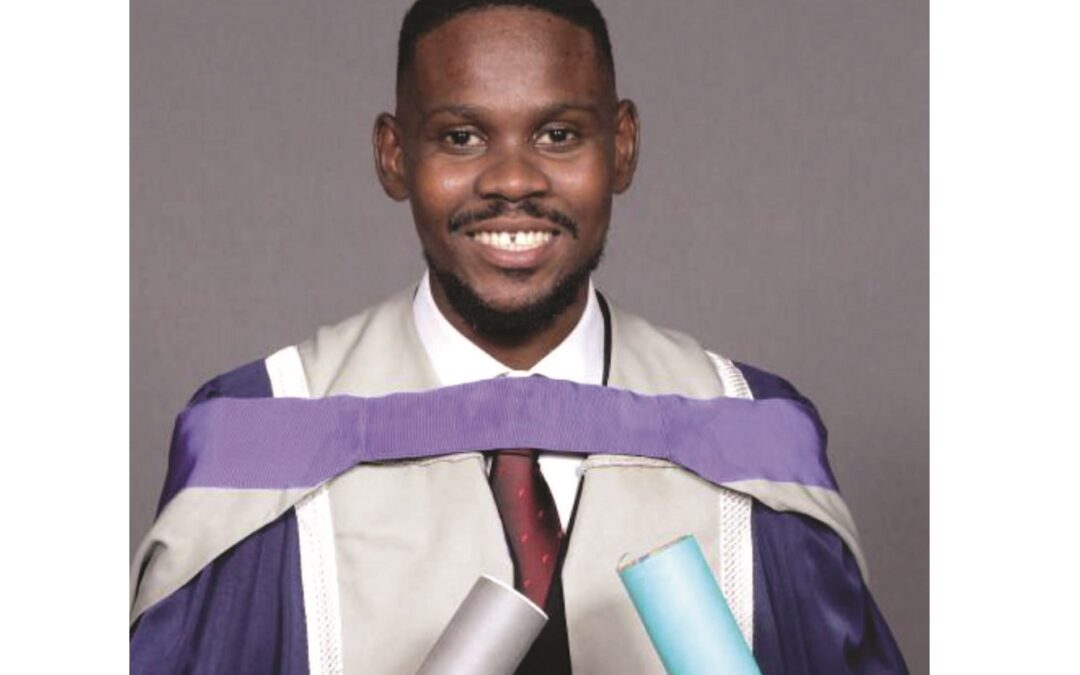
In a milestone achievement, Dr Nsizwenye Ntokozo Mkhwanazi of Sefako Makgatho Health Sciences University (SMU)’s General Surgery Department made history as the first Black African to receive the coveted Douglas Award from the College of Medicine of South Africa (CMSA).
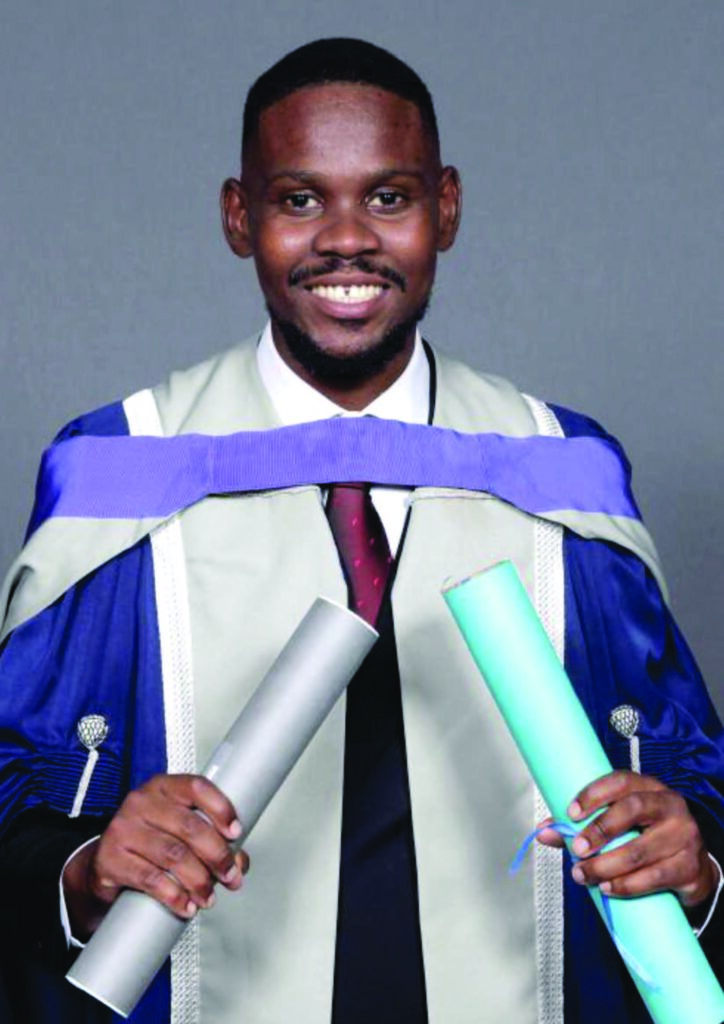
Dr Nsizwenye Ntokozo Mkhwanazi
Mkhwanazi’s achievement highlights the exceptional calibre of medical training and support at SMU. Under the mentorship of esteemed faculty such as Professor Zack Koto, SMU’s Department of General Surgery continues to nurture world-class surgeons prepared to tackle South Africa’s most pressing healthcare challenges.
Reflecting on his journey, Mkhwanazi credited his accomplishment to the robust learning environment fostered at SMU, stating: “This achievement is not just mine but represents the vision and guidance provided by Professor Koto and others who came before us. The support at SMU made this success possible.” His work, further enhanced by the guidance of Koto and inspired by predecessors like Professor Madiba, stands as a testament to SMU’s commitment to fostering excellence in medical education.
Mkhwanazi’s passion for surgery and his intensive preparation have prepared him for high-stakes, complex medical scenarios. He emphasises the dedication required for surgical mastery, explaining how he turned daily study into a lifelong habit. “It didn’t matter where I was; I made time for my studies,” he shares, acknowledging the unyielding support of his wife, Dr Lee Phala-Mkhwanazi, throughout this rigorous journey.
Currently training in colorectal surgery at Groote Schuur Hospital, he is driven by his desire to bridge healthcare gaps, particularly in oncology. He sees an urgent need for advanced treatments, including precision oncology and minimally invasive surgical methods, to combat the rising rates of colorectal cancer in Africa. “My goal is to make robotic and precision oncology a reality for our communities,” he states, underscoring his commitment to integrating cutting-edge surgical techniques into local practice.
Mkhwanazi’s work exemplifies the transformative impact of SMU’s educational approach. SMU produces skilled surgeons and pioneers solutions to improve healthcare access across South Africa and beyond. With visionary programmes, global partnerships, and a legacy of high-impact medical education, SMU is firmly positioned as a premier institution on the global stage.
The award-winning registrar’s message to future scholars and medical professionals is one of resilience and self-belief: “Daily efforts and the support of family and mentors are essential. Academic success can seem impossible, but it’s within reach with dedication and a relentless work ethic.”
Mkhwanazi’s journey, backed by SMU’s innovative curriculum and distinguished faculty, stands as a powerful testament to the institution’s role in shaping South Africa’s future healthcare leaders.
by Lorato | Dec 2, 2024 | All News, SMU Media, Student Media
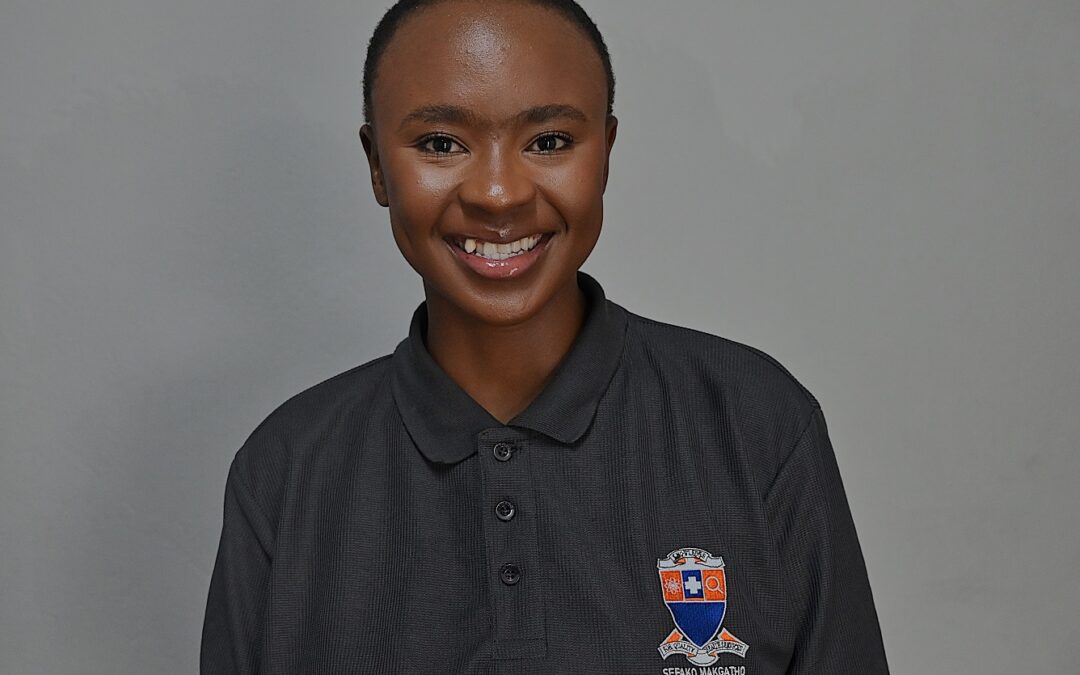
At just 24 years old, Ntshadi Masingita Rose Keorapetse Bokaba exemplifies the exceptional calibre of Sefako Makgatho Health Sciences University (SMU) students. Hailing from the village of Mamaku, on the border of the North West Province and Ga-Rankuwa Township, Bokaba’s journey from modest beginnings to her current role as Deputy President of the SMU Student Representative Council (SRC) highlights the university’s commitment to nurturing resilient and ambitious leaders.

Ntshadi Masingita Rose Keorapetse Bokaba
Bokaba’s leadership philosophy, rooted in her unwavering faith and values of humility, integrity, and discipline, reflects SMU’s transformative impact on its students. Guided by the principle in Mark 10:45 – “Even the Son of man did not come to be served but to serve”—she embodies servant leadership, fostering collaboration and championing meaningful change within the university community.
Her role as Deputy President includes enhancing academic support systems, advocating for mental health awareness, and representing student interests in the university council. “Leadership is not about the title but the responsibility to uplift and transform,” Bokaba emphasises. She approaches her work with a transformative vision, blending innovative ideas with sustainable systems to enrich student life and academic success.
Ntshadi’s top priorities underscore her commitment to the overall well-being of SMU students. First, she highlights Enhanced Academic Support, advocating for an increase in tutors and mentors and ensuring they receive fair compensation for their valuable contributions. Second, her focus on mental health advocacy calls for expanded access to mental health professionals, such as psychologists, to address the rising challenges of student mental health crises. Lastly, she champions collaborative systems, promoting seamless coordination across university departments to provide holistic support that combines academic and personal development. “Students who dedicate their time to mentoring others deserve fair recognition. We must protect and support our students at every level,” she declares.
Personalised academic support systems are at the heart of her strategy. She believes every student’s needs are unique and deserve tailored solutions. “Every student is an individual, and our approach must respect their circumstances and aspirations,” she says.
In her capacity as head of the SRC’s disciplinary committee, Bokaba underscores the importance of open communication, accountability, and inclusivity. “Leadership is about creating a space where everyone feels heard, seen, and valued,” she asserts.
She is a staunch advocate for marginalised and underserved communities, ensuring their concerns are prioritised and addressed. Her focus on transparency ensures that all SRC members work collaboratively and ethically to represent the student body’s interests.
Her leadership extends beyond advocacy into actionable collaboration with academic committees, lecturers, and student support services. “Lecturers are often the first point of learning for students; working closely with them is essential,” she shares.
Her strategies include mentorship programs, academic workshops, personalised interventions for struggling students, and fostering collaborative platforms for engagement between students and departments. She also views technology as a key enabler. “Integrating technology into mentorship programs and study workshops will make academic resources more accessible and impactful,” she notes.
Bokaba’s journey is a testament to the power of resilience and faith. From navigating setbacks in her dream to study medicine to rising as a leader, her story inspires students to persevere. “My story is one of an underdog who remained steadfast and eventually came out on top,” she reflects with pride.
As a leader, her boldness, strategic thinking, and unwavering dedication to empowering women in leadership are evident. She is working to reintroduce initiatives like the Golden Key, a programme that recognises and rewards academic excellence. “True leadership is about mobilising others to continue the vision long after you have moved on,” she explains.
Her leadership experience includes serving as the Chairperson of the 5B Residence’s House Committee for 2021/2022 and acting as a Class Representative. She has also worked as a mentor and tutor.
She offers timeless advice to future SRC Deputy Presidents: “Never lose sight of your vision and the impact you wish to create. Foster strong relationships with your peers; no leader achieves greatness alone. You are an integral part of the SRC executive. Lead with confidence and integrity.”
Bokaba’s faith, family, and community grounding shapes her leadership style and resilience. Raised in a close-knit Catholic household, her belief in the Holy Trinity forms the cornerstone of her character. From excelling in high school academics and sports to serving as a youth leader in her church, she exemplifies discipline and determination.
Currently a fourth-year medical student, she balances her academic and leadership responsibilities with grace. Reflecting on her journey, she says: “Even when we lose, we come back better. No challenge defines us; it only sharpens us.” Before pursuing medicine, she earned a BSc in Life Sciences, majoring in Biochemistry and Pathophysiology, graduating with cum laude honours.
Bokaba is more than a leader; she is a force for positive change at SMU. Her vision, resilience, and commitment to student welfare leave an indelible mark on the university, paving the way for future leaders to follow.
“I am here not just to lead but to transform, empower, and ensure that every student feels supported and valued. My goal is to challenge the status quo and claim space as a proud female leader,” she concludes.
*By Tumelo Moila
by Lorato | Dec 2, 2024 | All News, SMU Media, Student Media
Professor Mathilda Mokgatle, a distinguished academic at Sefako Makgatho Health Sciences University (SMU), has further elevated the university’s academic standing by earning the esteemed National Research Foundation (NRF) C2 rating. This recognition solidifies her reputation as a leading researcher whose impactful contributions to public health exemplify SMU’s role in fostering innovation and excellence in health sciences education.
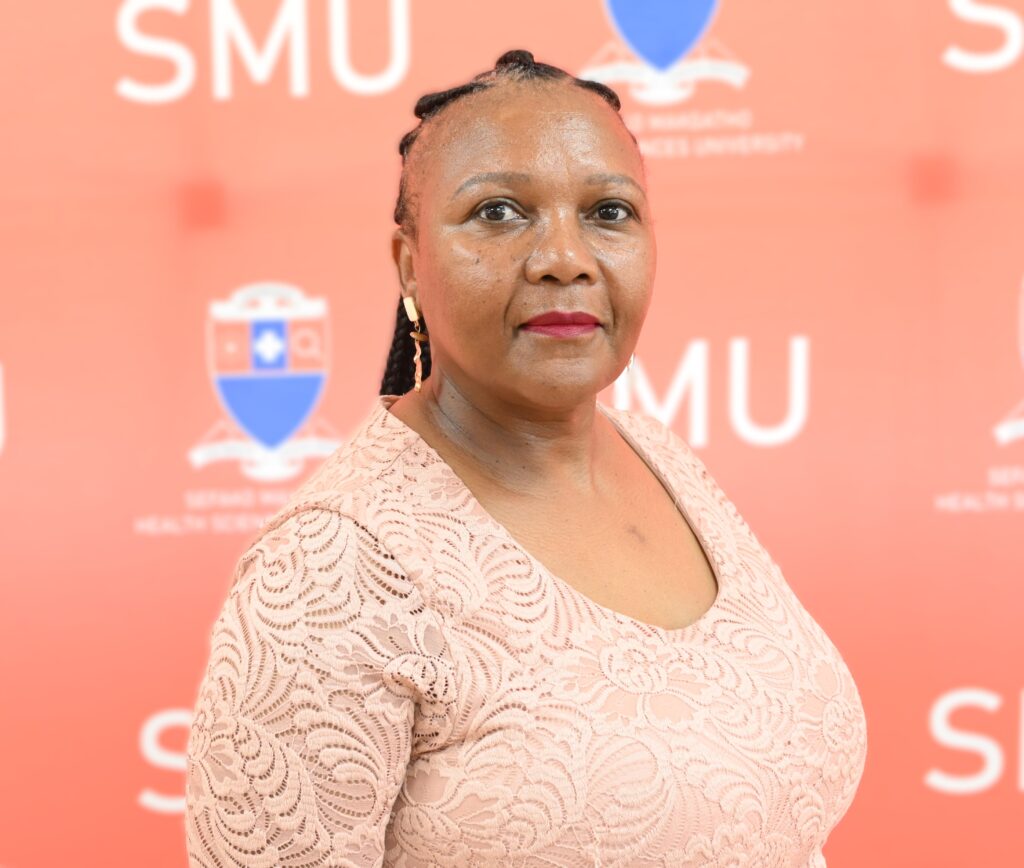
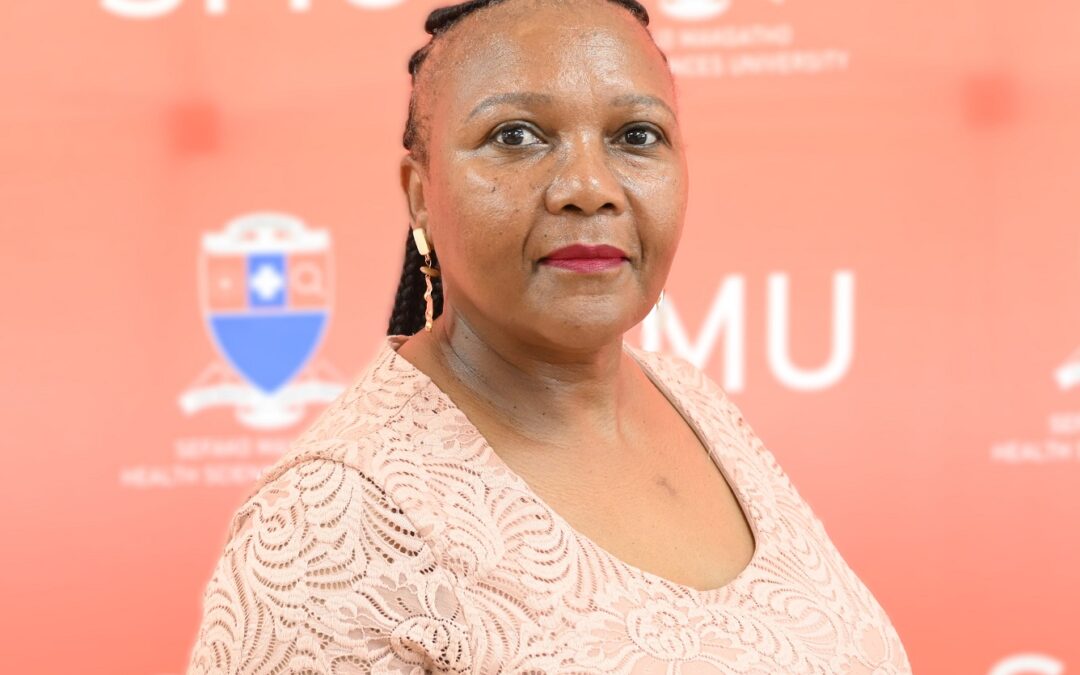
Professor Mathilda Mokgatle
Reflecting on her inspiring journey from Phokeng, a rural mining village in Rustenburg, Mokgatle shares insights into her path to success. “I was born in Phokeng, where I received my basic education. In high school, I discovered a passion for physical science and mathematics, which sparked my interest in healthcare sciences,” she explained. Mokgatle’s pursuit of academic excellence began with a degree in Diagnostic Radiography at Medunsa in 1989, where her curiosity about technology and radiation physics aligned with her desire to contribute meaningfully to health service delivery.
Her early career in the medical imaging industry was dynamic and inspiring, spanning private and public health roles. However, her thirst for knowledge and desire to address deeper societal challenges led her to transition into public health. “After obtaining a Master of Public Health from Medunsa in 2001, I shifted my focus to disease prevention and control, health systems management, and health promotion,” she shares.
A multifaceted career in public health
Mokgatle’s career is a testament to her versatility and dedication. Her research journey began in earnest with her PhD from the University of Johannesburg, where she investigated the well-being of orphans in child-headed households using a grounded theory approach. This work established her research focus on adolescent sexual health, orphans, and vulnerable children.
Her portfolio spans HIV prevention, behaviour modification, and health programme evaluation. “I’ve had the privilege to consult for the Department of Health and Education, developing national policies such as the National Health Promotion Policy and the Fertility Option for people living with HIV,” she explains.
She has also secured major grants, including funding from the Centres for Disease Control and Prevention (CDC) for evaluating home-based care programmes, from the Flemish Interuniversity Council- University Development Co-operation (VLIR/UOS) for interdisciplinary research into sexually transmitted infections, and the University of Michigan, the Preconception and safe Abortion grant. “These opportunities allowed me to address real-world challenges and ensure my work impacts public health policy and practice,” she adds.
Obtaining the NRF C2 rating is a significant milestone in Mokgatle’s illustrious career. “This recognition affirms my role as an established researcher with a coherent body of quality work. It is especially gratifying to know that my peers acknowledge the impact of my contributions,” she reflects.
Her versatility across the five core fields of public health—occupational and environmental health, epidemiology, biostatistics, social and behavioural sciences, and health systems management—has been instrumental in achieving this recognition.
“The rating motivates me to continue developing innovative research frameworks and engaging in impactful collaborations, such as my ongoing work in the acquisition of a South African Population Research Infrastructure Network / South African Medical Research Council (SAPRIN / SAMRC) project to implement a Health and Demographic Surveillance System in the North West Province,” she says.
Mokgatle’s influence extends beyond research. As the Head of the Department of Public Health since 2018, she has supervised eight PhD candidates and over 83 masters’ while authoring 88 peer-reviewed publications. “Training students for the healthcare workforce and seeing them thrive in their careers is one of the most rewarding aspects of my work,” she shares.
She is also a member of the data monitoring board at the Centre for the AIDS Programme Research in South Africa, a member of the South African Centre for Epidemiological Modelling and Analysis, a member of the Ministerial Advisory Committee for COVID-19, and a collaborator with international organisations like the Nottingham Trent University, Chobanian & Avedisian School of Medicine, Boston University and Fred Hutch HIV Trial Network.
Despite her extensive achievements, Mokgatle remains focused on the future. “I plan to expand research on the social epidemiology of sexual and reproductive health across population groups and strengthen the health system. I am particularly excited about the digital health promotion interventions that are being launched to upscale coverage of health promotion, behaviour change, and infectious disease infection,” she notes.
When asked about advice for aspiring researchers, she emphasises self-determination, resilience, and adaptability. “The key is to remain curious, maximise the power of partnerships and collaboration, and prioritise impactful research that addresses societal needs.”
“Today, I am someone who thrives on challenges, values lifelong learning, and enjoys building meaningful connections,” she says. “This NRF C2 rating is not just a recognition of my past work but a springboard for future endeavours in advancing public health.”
*By Tumelo Moila

by Lorato | Dec 2, 2024 | All News, SMU Media, Student Media
2024 has been a historic year coinciding with the university’s tenth anniversary. Sefako Makgatho Health Sciences University (SMU) has achieved remarkable success, solidifying its position on the global academic stage. This milestone year was punctuated by two prestigious recognitions: a significant advancement in the Webometrics global university rankings and an inaugural placement in the country’s top ten universities in the Times Higher Education (THE) World University Rankings.
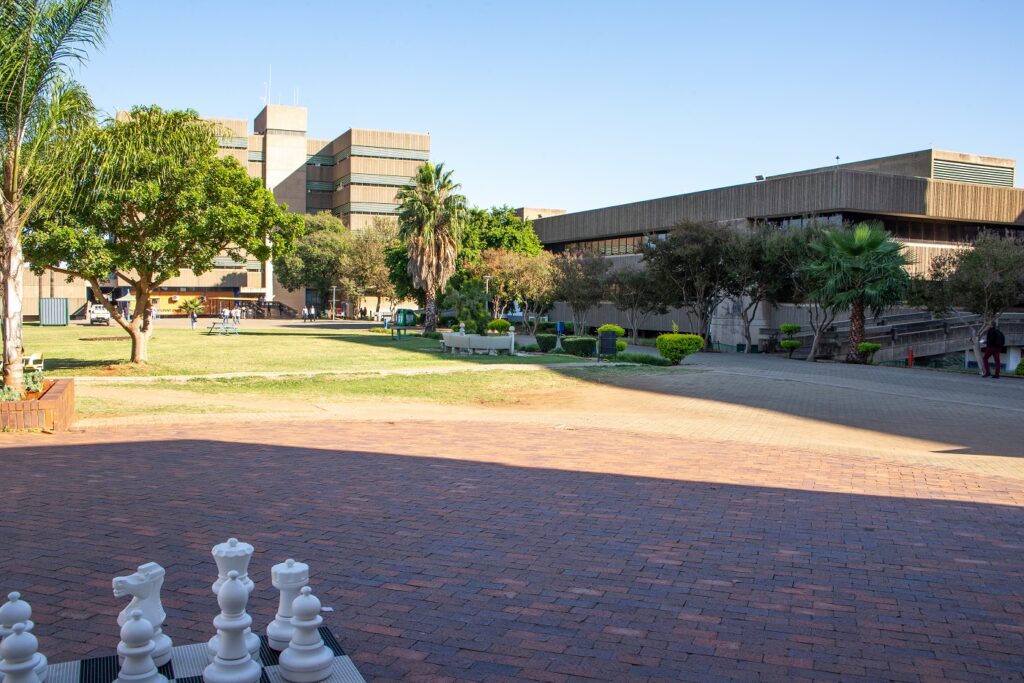 SMU’s notable progress in the Webometrics rankings demonstrates its increasing influence in digital engagement and research visibility, moving up almost 200 spots from 3,058th to 2,869th place globally. Nationally, it is now listed among South Africa’s top eighteen institutions in these rankings, a significant feat for a young university. The Webometrics rankings, which evaluate a university’s digital presence, transparency, and the impact of its research output, have underscored SMU’s commitment to expanding its digital footprint and contributing to research that addresses global health challenges.
Simultaneously, SMU made an impressive debut in the THE World University Rankings, placing it in the top echelon of institutions in South Africa. This inclusion, aligning perfectly with SMU’s core mission of delivering world-class healthcare education, emphasises its dedication to quality teaching, impactful research, and a progressive approach to internationalisation. SMU’s presence in this prestigious ranking highlights its evolution from a young, local university into a globally recognised institution in a sector where academic rigour, innovative research, and community service intersect.
The timing of these achievements reflects a fitting tribute to the visionaries who established SMU as an institution dedicated to shaping the next generation of healthcare leaders. A key contributor to SMU’s recent success is its commitment to community-centred healthcare, as evidenced by projects that promote local engagement and address pressing public health issues. This year, SMU launched several initiatives to bridge the gap between academic theory and practical application, enabling students and staff to make real-world impacts in surrounding communities. The institution’s focus on inclusive education and training that resonates with community needs has strengthened its reputation for academic excellence and societal relevance.
As SMU celebrates a decade of academic excellence, its outlook remains forward-focused. Plans for expansion in research capabilities, infrastructure, and partnerships indicate that SMU aims to continue climbing the global ranks and furthering its impact locally and internationally. The strategic positioning and partnerships with global health institutions reflect its ambitious roadmap for the coming years.
In a banner year that has coincided with its 10th anniversary, SMU’s remarkable strides in global rankings and the recognition of its academic community stand as a powerful reminder of what can be achieved with dedication and a clear vision. The university’s focus on nurturing talent, fostering innovation, and serving society has paved the way for a future where SMU stands as a beacon of health sciences education and leadership on the continent. As it moves into its next decade, SMU’s commitment to making a global impact remains stronger than ever.
*By Tshimangadzo Mphaphu
by Lorato | Nov 27, 2024 | Accolades and Achievements, All News, SMU Media, Student Media
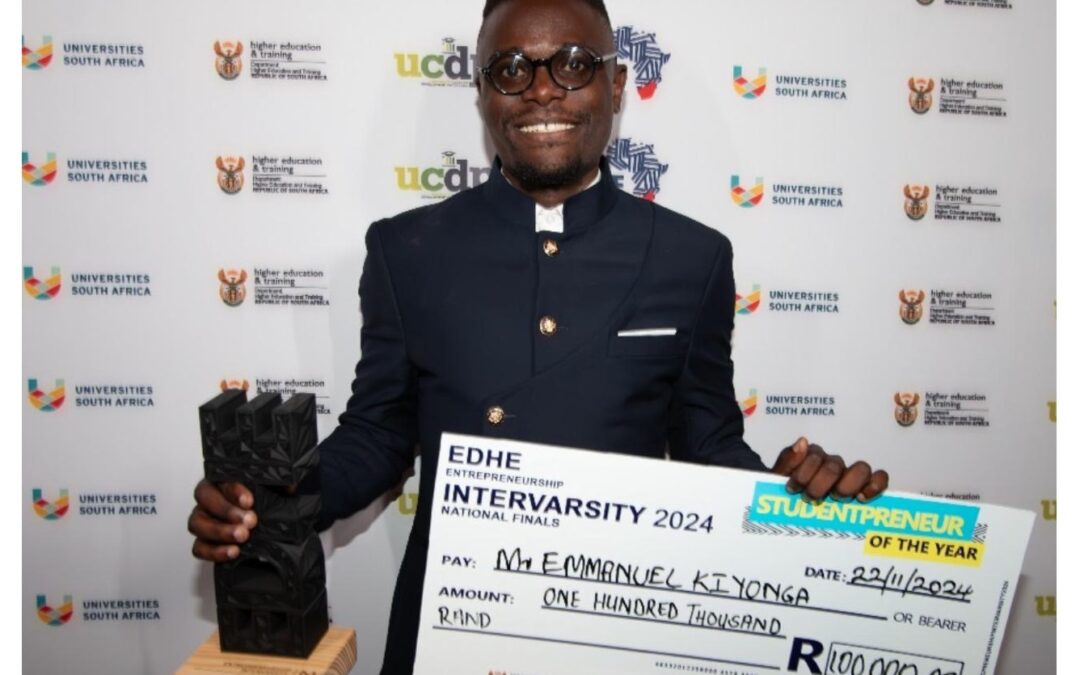
In a resounding affirmation of its growing stature as a leader in academic excellence and innovation, Sefako Makgatho Health Sciences University (SMU) celebrates the remarkable achievement of Emmanuel Mukisa Kiyonga, who emerged as the overall winner of the 2024 EDHE Entrepreneurship Intervarsity Awards.

Emmanuel Mukisa Kiyonga, emerged as the overall winner of the 2024 EDHE Entrepreneurship Intervarsity Awards
The EDHE Entrepreneurship Intervarsity Awards is an annual competition organised by the Entrepreneurship Development in Higher Education (EDHE) initiative in South Africa. The awards aim to identify, celebrate, and support the brightest entrepreneurial talents from South Africa’s 26 public universities. It provides student entrepreneurs, or “studentpreneurs,” with a platform to showcase their ideas and ventures to investors, mentors, and industry leaders. Over the years, the competition has grown into a prestigious platform that plays a pivotal role in supporting and catalysing innovation across the South African higher education landscape.
Kiyonga’s groundbreaking research and entrepreneurial vision have placed him—and SMU—on a national pedestal, showcasing the institution’s ability to nurture world-class talent. His victory is not just a personal achievement but also a reflection of the university’s commitment to fostering a culture of innovation. The success of students like Kiyonga highlights SMU’s increasing influence as a hub for cutting-edge research and development within the health sciences sector.
Kiyonga’s path to victory began during his Master’s studies when he pivoted his research focus. Initially working on an antimalarial drug, he recognised the urgent need for better treatments for both postmenopausal osteoporosis and breast cancer. He set out to find a solution by working on Raloxifene Hydrochloride Solvate Hydrate, a drug with potential to treat both conditions. However, the drug faced the challenge of poor bioavailability, limiting its effectiveness to only 2%. Undeterred, Kiyonga and his team developed a novel technique to enhance its bioavailability. This breakthrough innovation was eventually patented, marking a milestone in his journey as an entrepreneur and researcher. This shift in focus was not just an academic decision but also a reflection of Kiyonga’s deep understanding of the global health landscape and his drive to make a tangible difference in addressing unmet medical needs.
This breakthrough is particularly significant given the high level of competition from other universities, each showcasing a range of innovative ideas spanning various sectors, from technology to agriculture. Kiyonga’s work stands out because of its direct application in addressing two major global health crises, thus exemplifying SMU’s mission to not only develop scientific theories but also provide practical, world-changing solutions.
Kiyonga’s journey exemplifies the depth of talent and innovation thriving at SMU. The university’s investment in its students—through cutting-edge laboratories, world-class mentorship, and unparalleled institutional support—has enabled him to redefine boundaries in pharmaceutical research. SMU’s commitment to creating a nurturing academic environment has allowed Kiyonga to develop a solution that could potentially impact millions of lives globally. From his supervisors, Dr Madan Poka and Dr Bwalya Witika, to the unwavering backing of SMU’s Technology Transfer Office and Directorate of Research, Kiyonga credits his success to the collaborative ecosystem fostered at SMU. These elements of support highlight the university’s broader strategy to integrate entrepreneurship into the academic experience, creating a conducive environment for research and commercialisation.
“SMU has been both a beacon of hope and a catalyst for transformation,” says Kiyonga. “The mentorship I received and the resources available allowed me to push boundaries and turn my ideas into tangible, impactful innovations.”
His patented drug, which significantly improves the bioavailability of Raloxifene Hydrochloride, represents a milestone not only for his career but also for SMU. This achievement marks the university’s first patent—a historic breakthrough that solidifies its position as a globally competitive academic and research institution. The fact that this is SMU’s first patent underscores the university’s growing recognition in the global scientific community. It signals a new era where SMU’s contributions to research and innovation are moving beyond academia into real-world applications, reinforcing its place in the competitive landscape of global health sciences.
“The victory underscores the quality of education and mentorship at SMU,” Kiyonga explains. “It shows that SMU is a leader in nurturing talent and fostering groundbreaking discoveries.”
As Kiyonga envisions a future filled with innovation and impact, he remains committed to addressing pressing global health challenges. His immediate goal is to commercialise his patented drug, ensuring it reaches those in need. Beyond this, he plans to establish a state-of-the-art laboratory to mentor aspiring innovators and develop cutting-edge healthcare solutions. Kiyonga’s long-term vision extends beyond the commercialisation of his research. He aims to build a sustainable pipeline of healthcare solutions by fostering an ecosystem of innovation where young scientists and researchers can collaborate and create life-changing therapies. His ambition reflects SMU’s commitment to equipping its students with the skills and knowledge to lead impactful industries worldwide.
“This is just the beginning,” he declares. “I aim to drive innovation at scale, creating formulations and technologies that reduce disease burdens and improve quality of life worldwide.”
His advice to fellow SMU students and young innovators is simple yet powerful: pursue your ideas with passion and resilience. “There is no such thing as a small idea. What seems insignificant could be the breakthrough the world is waiting for. Seek mentorship, embrace challenges, and trust in your ability to make a difference.”
Kiyonga’s groundbreaking victory highlights SMU’s emergence as a premier institution for research, education, and innovation. The university’s rapid evolution into a centre of excellence in health sciences is a testament to its visionary leadership, strategic investments in research infrastructure, and commitment to fostering a spirit of entrepreneurship among its students.
With students like Kiyonga paving the way, SMU continues to redefine what it means to be a truly competitive academic institution. Among the 26 universities in South Africa who competed in the awards, SMU stands at the forefront of innovation, carving out its place as a leader in academic excellence and research breakthroughs. This recognition in the EDHE Entrepreneurship Intervarsity Awards positions SMU as a frontrunner not only in South Africa but on the global stage as well. SMU’s ability to integrate research and entrepreneurship reflects its broader strategy of fostering innovation at every level of the university.
This award is a testament to the university’s ability to nurture exceptional talent, catalyse groundbreaking ideas, and drive impactful change. Kiyonga’s achievement not only showcases the calibre of SMU’s students but also solidifies its position as a premier institution that is shaping the future of health sciences and beyond. SMU’s reputation as a world-class institution is built upon the success stories of students like Kiyonga, whose research holds the potential to change lives across the globe. This victory reinforces the university’s role in shaping the future of health science and innovation, further solidifying its leadership in this critical sector.
*By Tshimagadzo Mphaphuli