by Lorato | Mar 5, 2026 | Accolades and Achievements, All News, Alumni, SMU Media, Student Media
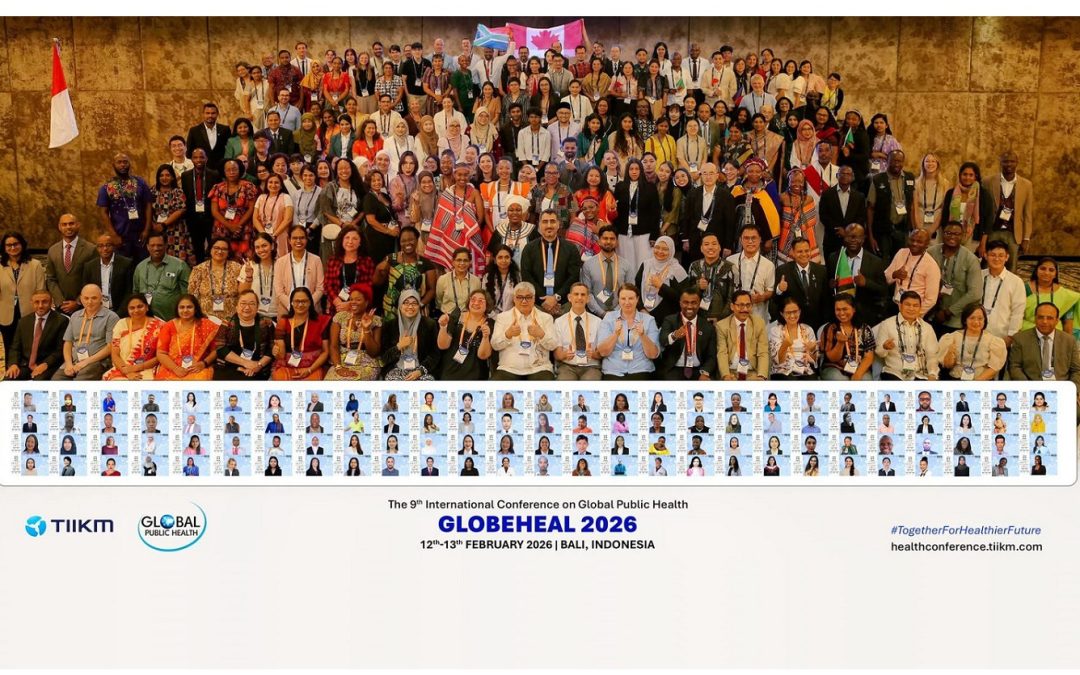
Sefako Makgatho Health Sciences University did not attend GLOBEHEAL 2026 to observe. It arrived to lead. Within two days, its academics delivered plenaries, chaired critical debates and secured top awards, confirming SMU as a serious global force in public health. Hosted in partnership with The International Institute of Knowledge Management, the 9th Global Public Health Conference convened leading scholars and practitioners from across the world. SMU’s presence was decisive, visible and influential.
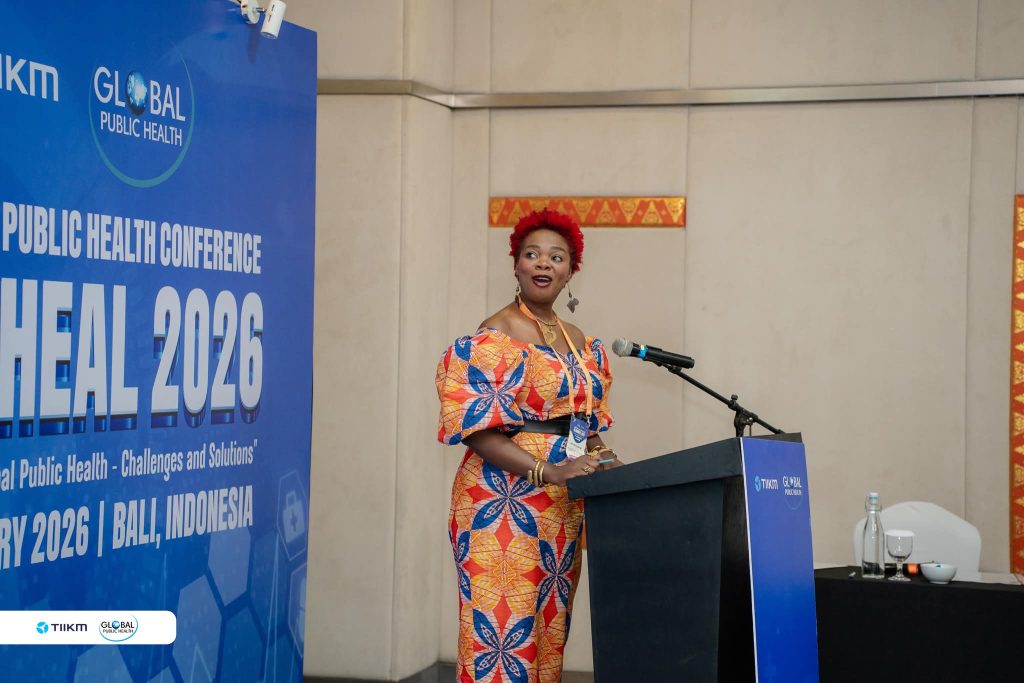 Professor Martha Chadyiwa, Professor of Public Health, and Professor Olanrewaju Oladimeji, Professor of Public Health and Researcher, were invited as Plenary Speakers, a distinction reserved for recognised thought leaders. Their invitation sent a clear message: SMU scholarship commands international respect. “Being invited to deliver a plenary address at a conference of this calibre reflects the strength of our research and its relevance to global health priorities,” said Professor Chadyiwa. “SMU contributes solutions, not noise.”
Professor Chadyiwa also chaired a high-level session on research innovation and health systems strengthening, steering robust dialogue that challenged assumptions and sharpened policy thinking.
Professor Oladimeji described the engagement as strategic. “Global platforms like GLOBEHEAL are where partnerships are forged, and ideas are stress-tested. We are here to shape the agenda.”
SMU’s delegation advanced research with precision and purpose:
- Dr Samantha Govender, Head of Department: Speech and Audiology, and Public Health Researcher, presented “Strengthening Primary Health Care Systems Through Community-Driven Health Innovation in Resource-Constrained Settings.”
- Atholl Kleinhans, Public Health Practitioner and Lecturer in Health Systems Management and Policy, delivered “Minority Stress Among LGBTIQ+ Health Profession Students at Historically Disadvantaged Universities.”
- Mqemane Tshababa, Public Health Researcher and Postgraduate Scholar, contributed virtually with “Health Systems Resilience in the Face of Emerging Infectious Disease Threats in Sub-Saharan Africa.”
- Funanani Managa, Public Health Doctoral Candidate, presented Facility-based intervention to improve ART Adherence and mental health disorders among PLHIV in Africa”.
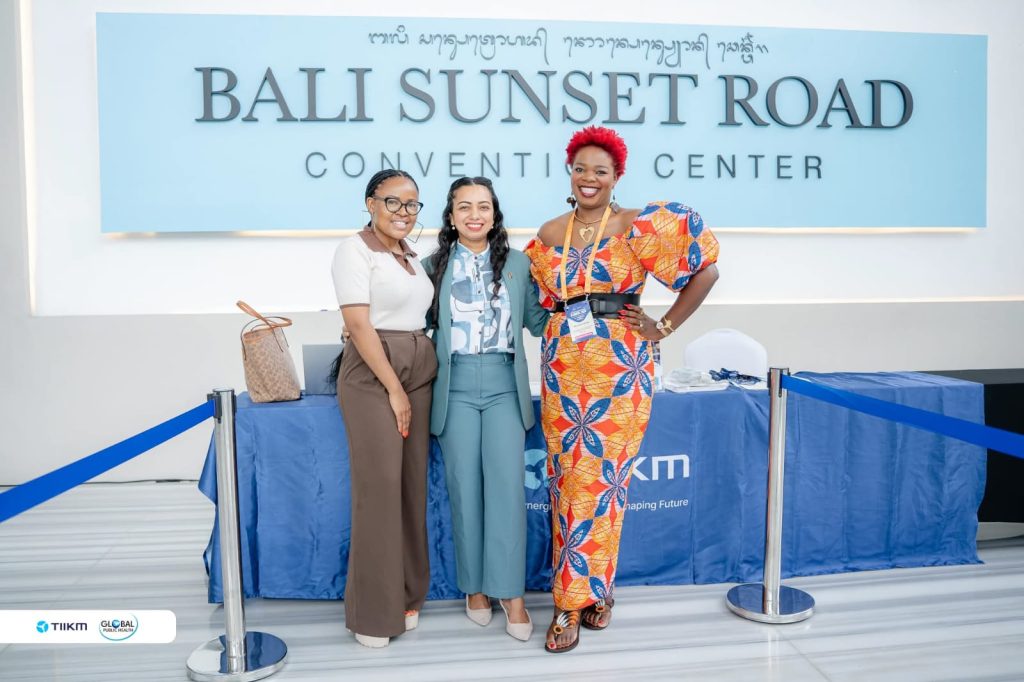 Each presentation tackled a pressing systems problem: access, data intelligence and resilience. The message was consistent regarding public health reform, which must be evidence-led and community-driven.
Evah Molapisi, a PhD candidate in Public Health at SMU and emerging researcher, secured the Session Best Presenter Award for “Exercise as Medicine: Improving Cardiovascular Endurance and Global Function in Nyaope Recovery”. She received an official award certificate, formal recognition during the closing ceremony, and consideration for publication in the conference proceedings. “This recognition affirms the calibre of mentorship and academic training at SMU,” said Molapisi. “It strengthens our resolve to produce research that improves access for vulnerable communities.”
Tebogo Shivuri, a Master of Public Health graduate, won first prize for poster presentation for his research on perinatal depression among HIV-positive women. His award included a certificate, commemorative trophy and formal recognition before international delegates. “Our research highlights the urgent need to integrate mental health screening into routine maternal HIV care,” said Shivuri. “The evidence is clear. The time to act is now.”
These achievements underscore a research culture built on clarity, rigour and urgency. Stronger, clearer, sharper: SMU has built a research engine that converts evidence into influence. GLOBEHEAL 2026 confirmed what partners and policymakers increasingly recognise SMU’s active participation in global public health conversations. As Professor Chadyiwa concluded: “When SMU steps onto the global stage, we do so with confidence and with solutions.”
By Tumelo Moila
by Lorato | Mar 5, 2026 | All News, SMU Media, Student Media
Nutrition plays a critical role in our lives even before we are conceived and continues to influence our health throughout our lifespan. The food we choose every day can either protect us from diseases or increase our risk of getting non-communicable diseases such as heart disease, diabetes and certain cancers.
 Research and lived experience show that careless food choices made from a young age often surface later as serious health problems. This makes nutrition not just a personal concern, but a public health priority.
Why we eat the way we do
Our food choices are influenced by many factors, including taste preferences, habits formed in childhood, cultural traditions, convenience, affordability, emotions, social interactions and body image. While these influences are natural, understanding them helps us make more conscious and healthier decisions.
Good nutrition is essential for maintaining a healthy body weight, preventing chronic diseases and increasing life expectancy. It supports physical strength, mental clarity and overall well-being.
Nutrition in the Workplace
On average, about 60% of our daily food intake happens during working/school hours. This makes the workplace a powerful setting for improving nutrition and health. Poor eating habits can reduce energy levels, impair decision-making and contribute to illness. In fact, approximately 10% of sick leave in the workplace is linked to nutrition and lifestyle factors.
Encouraging healthier eating at work benefits both employees and organisations through improved productivity, focus and reduced absenteeism.
Key Principles of Healthy Eating
A healthy diet does not require expensive or complicated foods. It is built on balance, variety and moderation.
- Enjoy a variety of foods: Eat more than one type of food per meal, vary meals across the week and prepare foods in healthier ways such as boiling, steaming, grilling or baking.
- Make starchy foods the foundation of meals: Foods like pap (maize meal), rice, bread, potatoes, samp, pasta and oats provide energy and should be eaten in appropriate portions. The brown starches are healthier as they provide us with fibre that is essential for our gut health and helps regulate our blood sugar levels
- Eat five portions of fruits and vegetables daily: These provide essential vitamins and minerals that strengthen the immune system. Both raw and cooked vegetables are beneficial, and home food gardens are encouraged. “Eat the rainbow”, meaning eat a variety of colours of fruits and vegetables, as various colours provide various phytonutrients. The more colourful your meals, the healthier they are
- Include legumes regularly: Dry beans, lentils, split peas and soya are rich in fibre and protein. They support digestion, help control blood sugar and cholesterol, and can replace meat in meals 2- 3 times a week. This can be achieved by practising meatless Mondays in our diet, meaning on Mondays we are only consuming plant-based protein sources, which is essential for our gut and cardio health
- Consume animal foods wisely: Skinless chicken, fish (unfried), eggs, milk and meat help build strong bones, muscles and immunity. However, processed meats such as polony, viennas, sausages and bacon should be avoided due to high fat and salt content that is not good for our health. Limit red meat to just twice a week, as it contains saturated fat.
- Eat Fish at least 2-3 times a week: fish oils are great for general health and for joint, heart and skin health, include oily fish like tuna, sardines, trout, pilchards, 3 times a week (90-100g portion at least)
- Choose healthier cooking methods: Cook by steaming, boiling, grilling, roasting, slow cooking, braising, baking or airfrying instead of deep frying
- Do not skip meals: Smaller, frequent meals to keep blood sugar stable, avoid cravings and overeating with constant energy and boost metabolism
- Eat mindfully: Chew well and eat slowly, take your time and eat in a calm environment
- It takes about 15 minutes for us to realise we are full. If you are eating fast, overeating is easy. Avoid eating in front of the TV, computer, cellphone, etc., unsatisfied after a meal = cravings
- Use Fat, Salt and Sugar Sparingly: Too much fat and salt increases the risk of chronic illness. Removing chicken skin, trimming visible fat from meat, using herbs and spices instead of salt, and choosing fruits over fried snacks are simple but powerful steps.
- Sugary drinks should be replaced with water. Drinking at least eight glasses (about two litres) of clean, safe water daily helps regulate body temperature, supports digestion and improves energy levels.
- Alcohol and Physical Activity: Limiting alcohol is important as excessive intake can damage the liver, increase blood pressure, cause dehydration and impair coordination.
- Physical activity is equally essential. Being active for 30 to 60 minutes a day does not require gym activities; walking, gardening, cleaning or household chores all contribute to better health.
Traditional Foods Matter
Local foods such as mopani worms are highly nutritious. They are rich in protein, iron, zinc and calcium, and contain fibre that supports gut health. Mopani worms contain more protein than many animal products, including chicken. Morogo, mabele, and dinawa that our great grandparents grew up having, remain essential for health. Healthy eating is not supposed to be westernised; we do not have to replace pap, bread and rice with quinoa and couscous. Pap (maize meal), a staple in many households, is fortified with vitamins and minerals. While it is low in fibre, pairing it with vegetables, legumes and protein improves its nutritional value. The key is moderation and variety.
Portion Control
Portion control is the foundation of balanced meals. Kalf, your plate must be vegetables, a quarter starch, a quarter protein. This allows you to meet your nutritional requirements without restricting any essential food groups.
Ultimately, health is a personal responsibility. Practising good habits, staying informed, knowing your health numbers and making use of workplace wellness opportunities can make a lasting difference.
Take care of your body, or your body will stop taking care of you. You are never too young or too old to choose a healthier lifestyle.
By Moloko Riah Mehlape, Human Nutrition and Dietetics lecturer
by Lorato | Feb 26, 2026 | Accolades and Achievements, All News, Alumni, SMU Media, Student Media
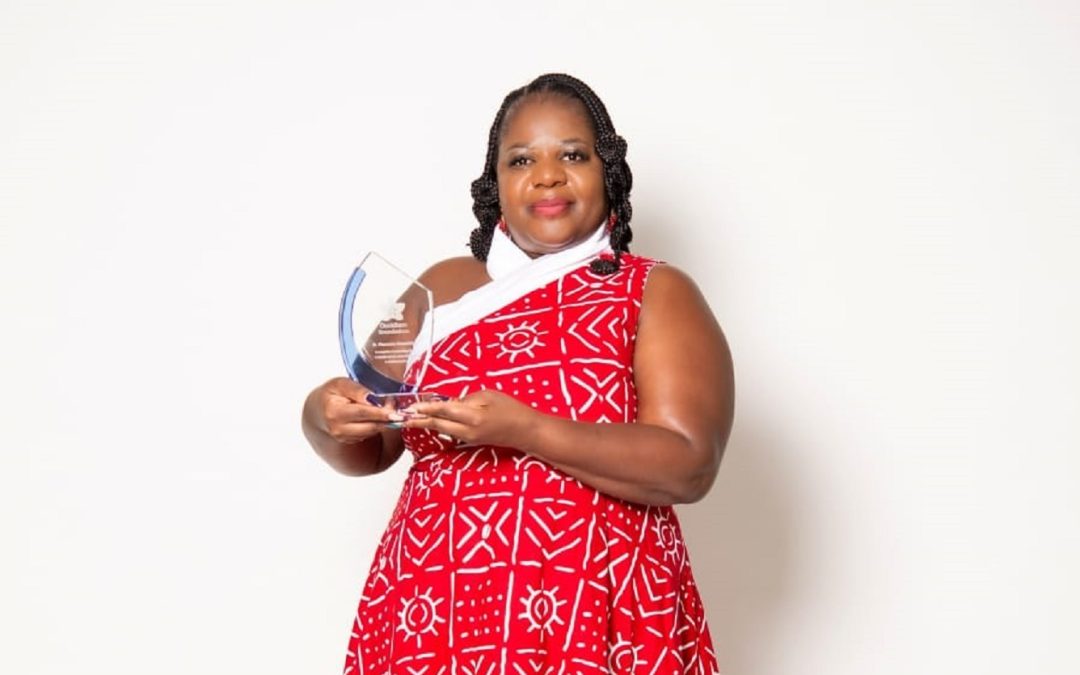
Specialist Nuclear Medicine Physician at Sefako Makgatho Health Sciences University (SMU) and Dr George Mukhari Academic Hospital (DGMAH), Dr Phumudzo Nemutaduni, has been awarded the Oncidium Foundation Award at the recently held Theranostics World Congress (TWC), in Cape Town. The accolade recognises her trailblazing work in advancing patient access to radioligand therapy, reinforcing the critical link between innovation and equity in cancer care.
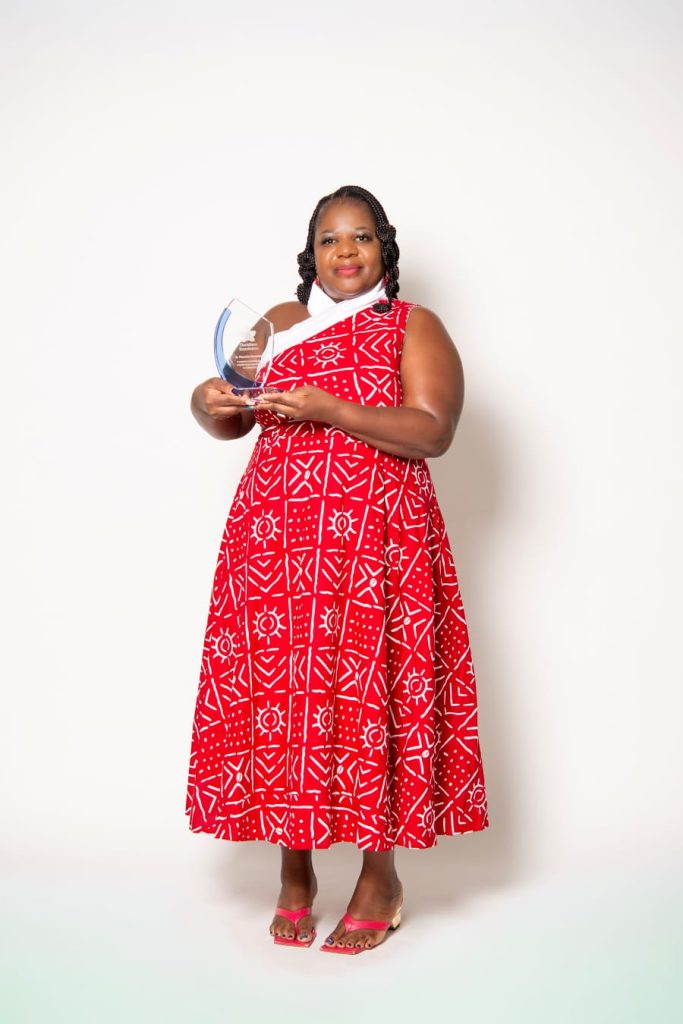 The award was presented for her abstract, “Beyond the cure: Economic barriers threatening advanced radionuclide therapy,” which exposes systemic obstacles preventing many patients from benefiting from cutting-edge radiotheranostics. “Innovation in cancer care is only meaningful if patients can actually access it,” Dr Nemutaduni said. “This research is a call to action to bridge the gap between discovery and patient impact.”
As one of South Africa’s foremost nuclear physicians, Dr Nemutaduni has become a leading authority on prostate cancer imaging and therapy. She is also the founder of Precision Nuclear Oncology & Theragnostic (PNOAT), Nuclear Med Group, and Embrace Health Medical Centre in Rustenburg. These facilities deliver advanced imaging and therapy while serving as training hubs, strengthening the national capacity for nuclear medicine. “We aim not only to treat patients but to train the next generation, ensuring knowledge and innovation are shared,” Dr Nemutaduni explained.
Raised in Mauluma, Nzhelele, in Venda, she credits her upbringing for instilling resilience, discipline, and a profound sense of community service. Dr Nemutaduni holds a Fellowship in Positron Emission Tomography – Computed Tomography (PET/CT) Imaging from Universitas Hospital in Zurich, Switzerland and contributes to healthcare governance as a member of the South African Health Products Regulatory Authority (SAHPRA) Advisory Committee, overseeing the safe deployment of health technologies in South Africa.
Her approach to medicine reflects the principles of top communicators and leaders: clarity, urgency, and relevance. “Whether it’s research, clinical care, or advocacy, every word, every action must deliver impact,” she said. This philosophy is evident in her writing and presentations, which capture attention quickly and inspire action—qualities recognised globally.
Dr Nemutaduni’s recognition is more than a personal accolade—it celebrates vision, determination, and commitment to patient-centred care. By addressing inequities, mentoring emerging clinicians, and creating institutions that bridge research and care, she ensures innovation translates into tangible benefit. “I hope this award inspires others to pursue excellence with impact,” she said.
‘I would like to thank my research team — Girum Tesema, Xolile Msingaphantsi-Khuzwayo, Nkululeko Mlaba, Mamokete Nonyane and Andrew More — for their unwavering dedication to the patients at DGMAH. I also extend my sincere gratitude to my mentors and supervisors, Professor Mike Sathekge and Professor Nozipho Nyakale,’ said Dr Nemutaduni.
Her leadership exemplifies how excellence, when combined with social responsibility, can transform healthcare outcomes and inspire generations to follow.
By Tumelo Moila

by Lorato | Feb 26, 2026 | Accolades and Achievements, All News, Alumni, SMU Media, Student Media
Sefako Makgatho Health Sciences University has secured a powerful new voice in global public health. Professor Olanrewaju Oladimeji has been appointed Co-Editor-in-Chief of The Open Public Health Journal, a DHET-accredited, Scopus-indexed publication shaping research and policy debates worldwide. This is not a ceremonial title. It is a strategic seat at the table of global scholarship.
 In his new role, Professor Oladimeji will work alongside Professor Leonardo Emberti Gialloreti of the University of Rome Tor Vergata and support Editor-in-Chief Professor Matthias Beck of University College Cork, together with a 43-member editorial board and 13 associate board members. He will help steer the journal’s academic direction, uphold rigorous peer-review standards, and make final decisions on manuscript acceptance. “Editorial leadership is about safeguarding quality and shaping conversations that matter,” Professor Oladimeji said. “Public health research must be rigorous, relevant and responsive to real-world challenges, particularly in Africa and the Global South.”
Published by Bentham Open, The Open Public Health Journal is an international, peer-reviewed, open-access journal covering the full spectrum of public health. Its scope spans public health policy and practice, epidemiology, occupational health, health services research, environmental health, adolescent health, AIDS care and mental health, among other interdisciplinary fields. By making research freely accessible, the journal ensures that evidence reaches practitioners, policymakers and scholars without barriers.
For SMU, the appointment signals momentum. “This is more than an individual achievement,” the University said in a statement. “It reflects SMU’s commitment to advancing health sciences education, research and community engagement in ways that respond directly to Africa’s priorities while contributing to global knowledge.”
As Co-Editor-in-Chief, Professor Oladimeji will also advise on the journal’s strategic growth and recommend new editorial board members. His position creates tangible opportunities for SMU academics to serve as peer reviewers and editorial leaders, expanding the University’s footprint in international scholarship. Postgraduate students and emerging researchers stand to gain valuable exposure to the publication process — sharpening their academic writing, peer-review and research dissemination skills.
Professor Oladimeji’s track record underscores the significance of his appointment. He has authored and co-authored hundreds of peer-reviewed articles, attracting more than 60,000 citations. With an h-index of 36 and an i10-index of 81, his scholarship reflects sustained global impact. His collaborations extend across the United Kingdom, the United States, Canada, Australia, Asia and multiple African countries.
He has led and co-led major funded projects, including the SAMRC-funded AKITH Study and the NIH D43 Khulani Siphile Siphuhle Doctoral Training Programme. He also serves as a Faculty Mentor in the Sustained Academic Research and Training Programme, a joint UCLA-NIH initiative involving the University of Cape Town, Stellenbosch University and 10 other South African institutions. “My focus has always been research capacity development,” he said. “Strong institutions build strong researchers. Strong researchers produce evidence that changes lives.”
By placing one of its senior scholars in a key international editorial leadership role, SMU strengthens its voice in shaping public health discourse locally and globally. The message is clear: African scholarship is not on the margins. It is leading from the front.
For SMU, this milestone is both recognition and responsibility — and a decisive step towards becoming a leading African university in health sciences education, research and community impact.
By Tumelo Moila
by Lorato | Feb 26, 2026 | Accolades and Achievements, All News, SMU Media, Student Media
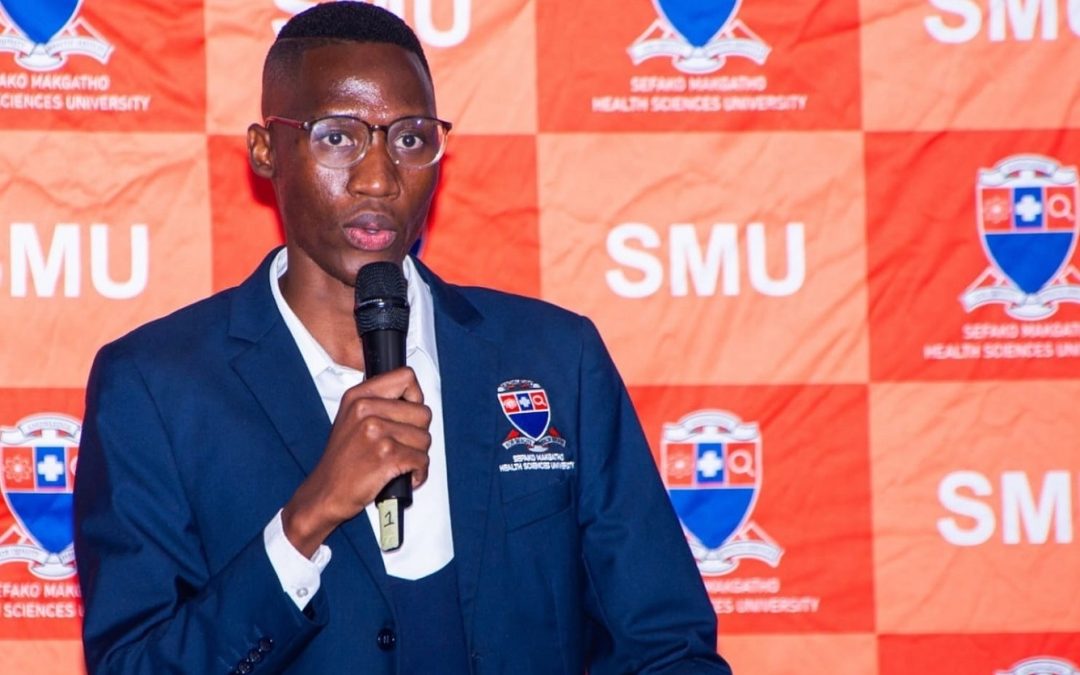
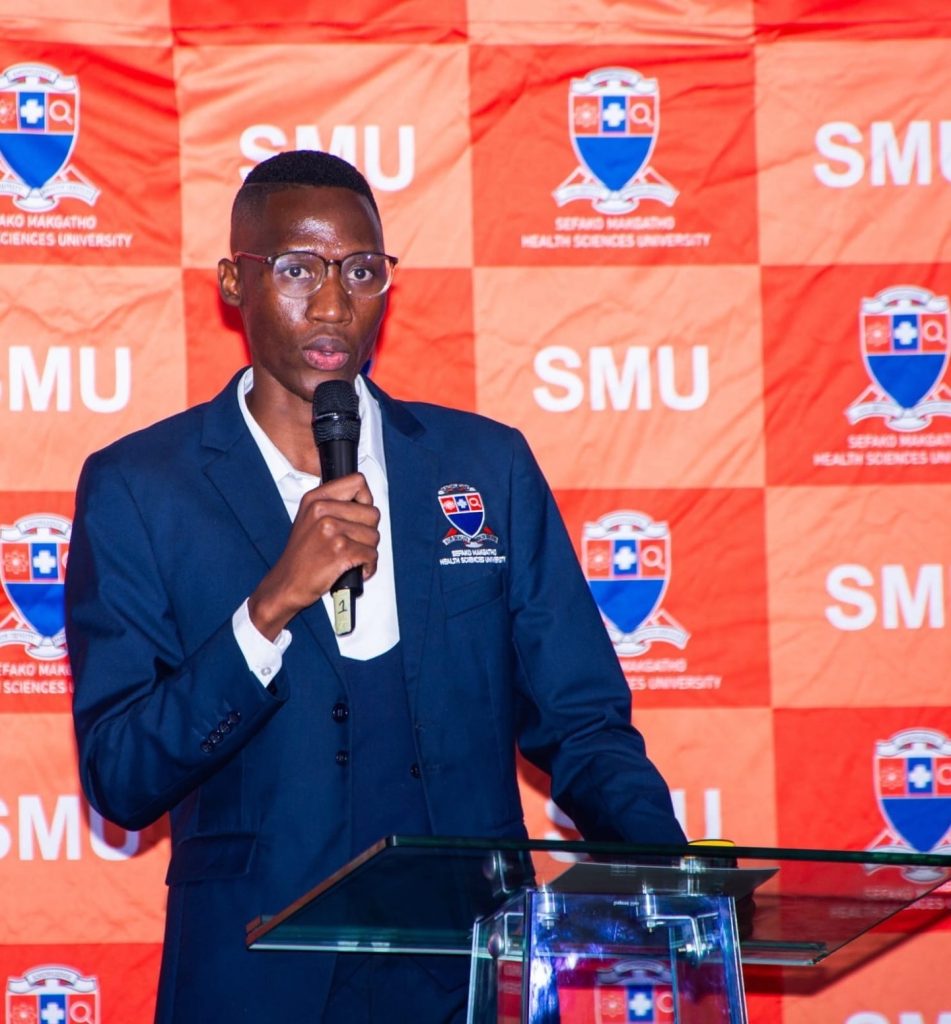
When opportunity knocked, he answered with purpose. Enos Motaka Malatji, a final-year Diagnostic Radiography student in the School of Medicine at Sefako Makgatho Health Sciences University (SMU), has been appointed to the National Council of the Society of Radiographers of South Africa (SORSA) as a National Student Representative. He is the first SMU student to join the organisation — and now among the youngest voices contributing to its national agenda.
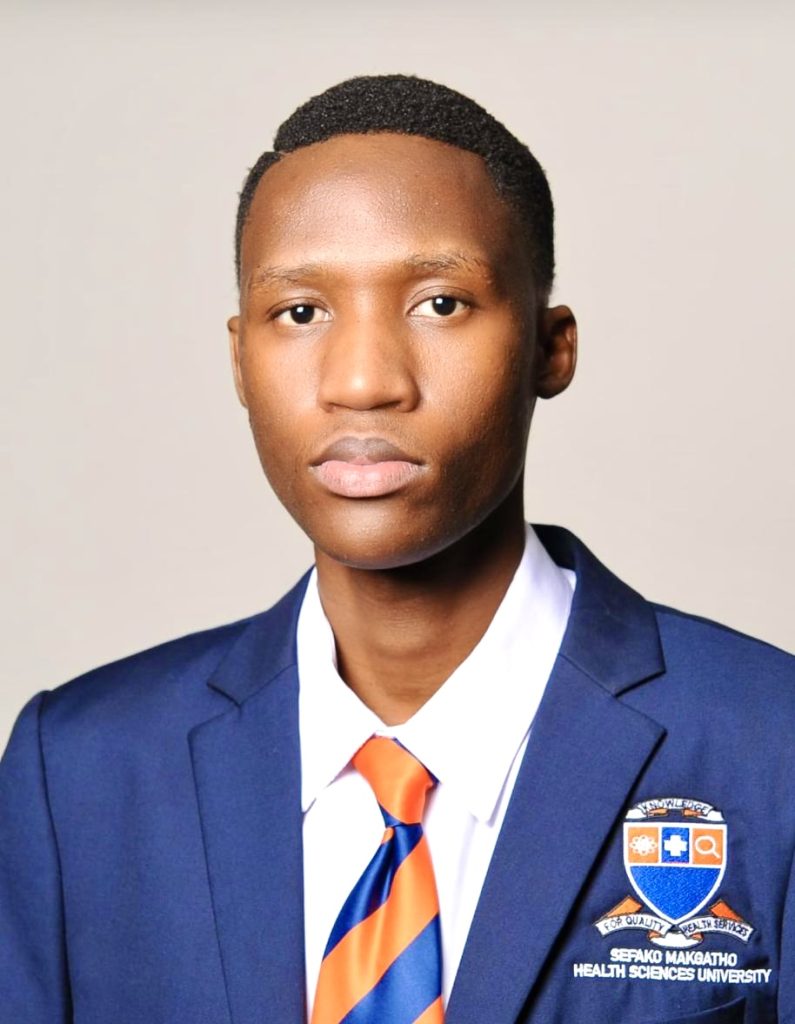 His appointment marks more than a personal milestone. It signals a meaningful step forward in strengthening student representation within one of South Africa’s most influential professional radiography bodies. “I am grateful for the opportunity,” Malatji said. “Serving SORSA began with curiosity, driven by my passion for student wellness. I never pursued a title — I pursued impact.”
That impact gained national momentum in late 2025 when he was invited to Cape Town to present on student participation at a National Council meeting — a defining moment in his advocacy journey. “That was when I understood the seriousness of this journey,” he reflected. “Standing before national leadership and representing students, I realised this responsibility is bigger than me.”
He credits SORSA Gauteng Representative and SMU Radiography lecturer Khomotso Motiang for encouraging him to accept the invitation. “Her support strengthened my advocacy. Sometimes leadership begins when someone sees potential in you before you see it yourself.”
Now, as National Student Representative, Malatji carries a clear mandate: to direct national student affairs within SORSA and ensure that student radiographers are heard where key decisions are made.
His responsibilities include representing student radiographers nationally; serving as the formal student voice at the National Council; contributing to policy discussions on education, clinical training and professional standards; promoting student participation in congresses, symposia and CPD initiatives; communicating Council decisions to students; strengthening student membership; establishing active student chapters across training institutions; and upholding professional and ethical standards.
“There is still significant work ahead to build a strong foundation,” he said. “But through collaboration with students across universities, Provincial Representatives and the National Council, I am confident that we can shape a stronger future together.”
 SORSA, a voluntary non-profit association, represents radiographers across Diagnostic, Nuclear Medicine, Radiotherapy and Ultrasound disciplines. Recognised nationally and affiliated with the International Society of Radiographers and Radiological Technologists, the Society advances professional standards, publishes The South African Radiographer, and provides continuing professional development opportunities.
For students, membership offers tangible benefits, including discounted access to national congresses and CPD events, Continuing Education Units through Directed Reading Programmes, eligibility for education awards, opportunities for conference funding support and complimentary registration to selected symposia.
However, Malatji believes the true value extends beyond these benefits. “To every radiography student who feels unheard: this platform belongs to you,” he said. “Your experiences in clinical training, your academic challenges and your professional aspirations deserve representation at the highest level.”
He speaks not as a student seeking recognition, but as an advocate committed to service. “Student advocacy is not optional,” he concluded. “If we want a stronger profession tomorrow, we must build it deliberately today.”
With his appointment, the message is clear: the next generation of radiographers is not waiting for a seat at the table — they are stepping forward to lead.
By Tumelo Moila

by Lorato | Feb 25, 2026 | All News, SMU Media, Student Media
At just 19, Lesedi Motswaledi is rewriting the script on what it means to be young, ambitious and purpose-driven. The third-year medical student from Sefako Makgatho Health Sciences University (SMU) was crowned Miss Teenager South Africa 2025/2026 in December, rising from more than 500 entrants to claim one of the country’s most competitive teen titles.
 Representing Limpopo, Motswaledi will next carry the South African flag to Miss Teen Model International in Peru in 2026. But for her, the crown is not the headline — impact is. ‘I cannot wait to represent South Africa on the international stage,’ she said. ‘This moment is not mine alone. It belongs to everyone who walked with me, prayed for me, pushed me, and believed in the vision even when it felt bigger than me.’
Raised in Phokwane, Limpopo, Motswaledi balances the rigours of medical training with national pageantry — two demanding worlds she refuses to see as opposites. ‘To me, medicine and pageantry are not so different,’ she said. ‘Both are rooted in service, healing, and creating impact.’
Her campaign stood out for its clarity and conviction. Through her youth mental health initiative, She Carries Light, she advocates for safe spaces, emotional support and body positivity — issues shaped by her own lived experience. ‘My advocacy is rooted in lived experience,’ she said. ‘I know what it feels like to navigate self-doubt while pretending to be fine. I want to be the support I once needed — a reminder that vulnerability is allowed and healing is possible.’
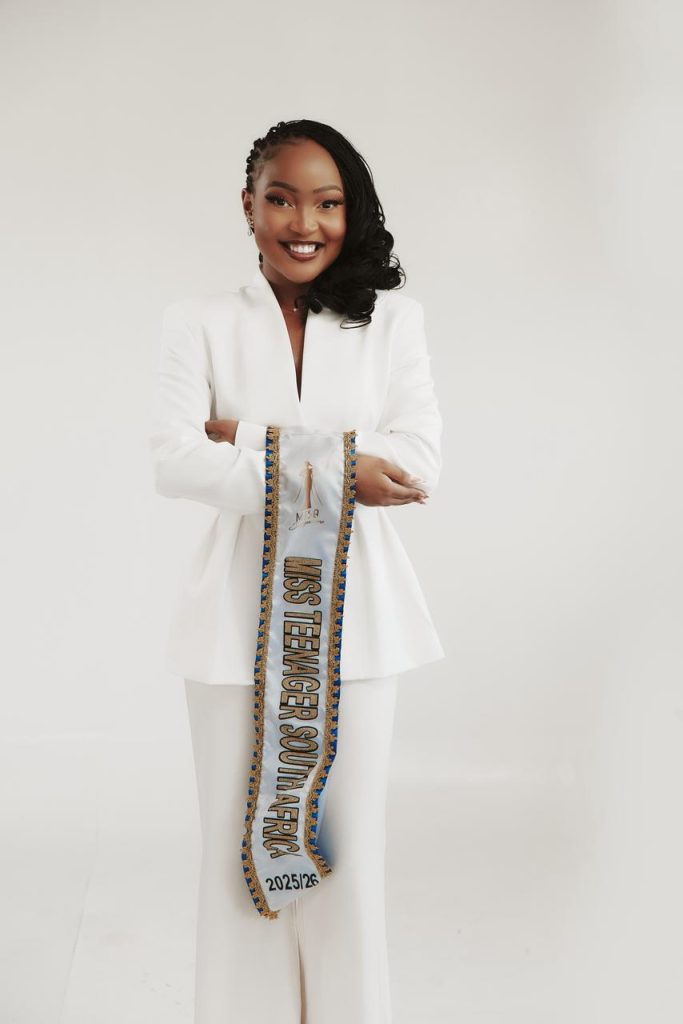 Judges described the 2025 cohort as exceptional, but singled Motswaledi out as ‘a force’. They praised her grace, astuteness and defined vision for youth development, noting that she embodied the MTSA brand through purpose, leadership and compassion. For Motswaledi, leadership is not about age, but accountability. ‘Being 19 has taught me that leadership is less about age and more about intention,’ she said. ‘My age keeps me teachable and grounded. I am walking this journey alongside the youth I serve, not ahead of them.’
When her name was announced on the final night, the celebration quickly gave way to resolve. ‘I expected myself to carry the crown with integrity, purpose and consistency,’ she said. ‘Let the crown amplify my purpose, not define it.’
Balancing medicine and pageantry has required sacrifice. ‘The hardest compromise has been time and rest,’ she admitted. ‘Purpose requires sacrifice, but both paths allow me to serve in meaningful ways.’
As she prepares for Peru, representing ‘Mzansi’ carries weight beyond a sash. ‘It means carrying the resilience and warmth of our people,’ she said. ‘It means placing the dreams of young girls from villages like Phokwane on a global stage.’
Yet her vision extends beyond a single year of reign. ‘I want my legacy measured in impact,’ she said. ‘In the young people who found hope because someone believed in them.’ And if the crown were gone tomorrow? ‘Nothing about my purpose would change,’ she said. ‘The title enhances my light — it does not create it.’
In Lesedi Motswaledi, SMU and South Africa have not only a beauty queen, but a future doctor determined to heal both body and society — boldly, intentionally and without compromise.
By Tumelo Moila