by Lorato | Oct 8, 2026 | All News, Alumni, SMU Media, Student Media
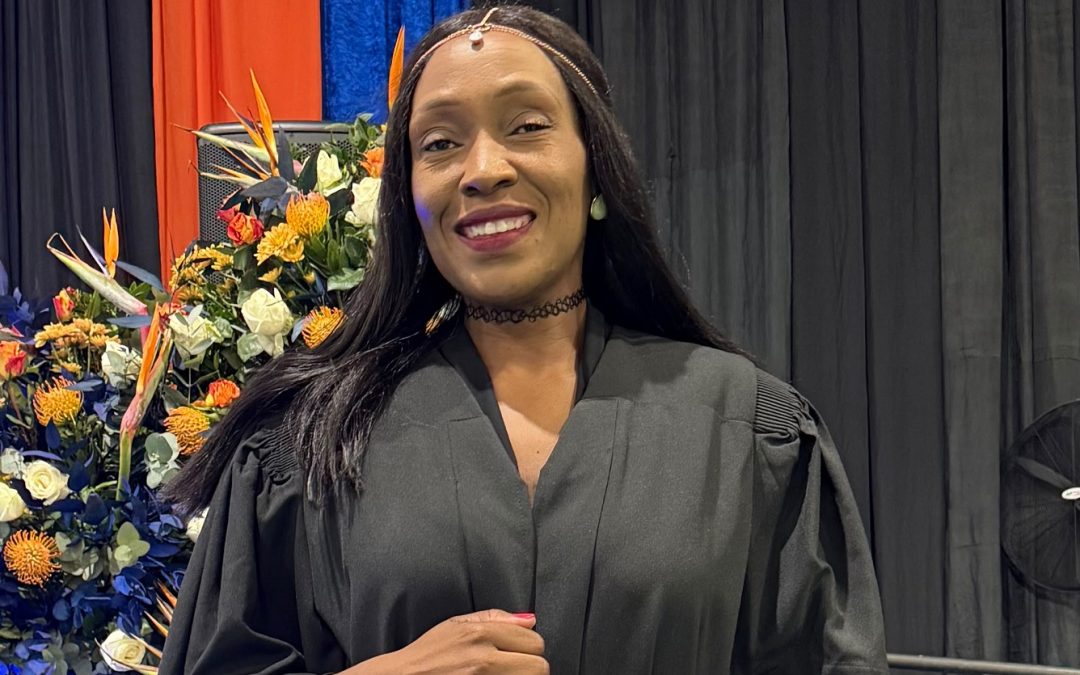
From a small village in Ramatlabama in the North West to completing a Master’s degree in Computer Science and Information Technology focusing on Knowledge Management, Lorato Molubi’s journey reflects perseverance, purpose and a commitment to using knowledge to strengthen higher education. A website editor in the Advancement and Communications Department at Sefako Makgatho Health Sciences University (SMU), Molubi holds a National Diploma in Engineering Computer Systems, a Bachelor of Technology in Information Technology and a Postgraduate Diploma in Information Resource Management. Her latest academic achievement has enabled her to investigate how higher education institutions can adopt sustainable Knowledge Management practices to strengthen institutional processes and decision-making.
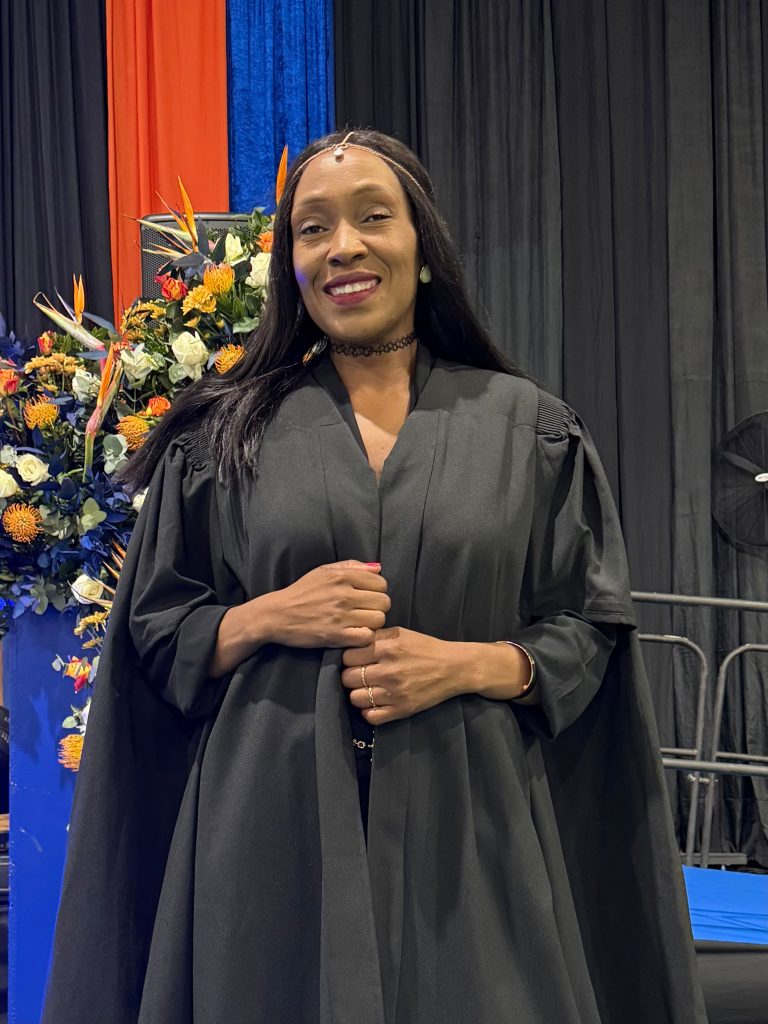 Molubi’s academic journey was not initially directed towards information technology or knowledge management. After matric, she hoped to pursue a career in health sciences, driven by a desire to contribute to her community. However, unforeseen circumstances led her to enrol for a National Diploma in Engineering Computer Systems. She later earned a Bachelor of Technology in Information Technology, followed by a Postgraduate Diploma in Information Resource Management, and gradually developed a strong interest in how institutional knowledge, both tacit and explicit, can be managed to support organisational effectiveness.
In 2023, Molubi embarked on her master’s research, focusing on Knowledge Management practices in Higher Education Institutions (HEIs). She was motivated by the need for effective and sustainable knowledge management practices within institutions of higher learning and by a desire to understand the multidimensional factors influencing the adoption and implementation.
Her research examined the theoretical frameworks and factors influencing the adoption of Knowledge Management practices in HEIs. Drawing on the literature, she developed the Social, Environmental, and Technological (SOET) conceptual model, which extends the Theory of Planned Behaviour by incorporating social, environmental, and technological constructs informed by Social Capital Theory and the Technology Acceptance Model.
The model proposes that social, environmental and technological factors are interdependent and collectively influence attitudes towards Knowledge Management adoption in higher education. It is intended to provide institutions with a framework for supporting sustainable Knowledge Management adoption and implementation.
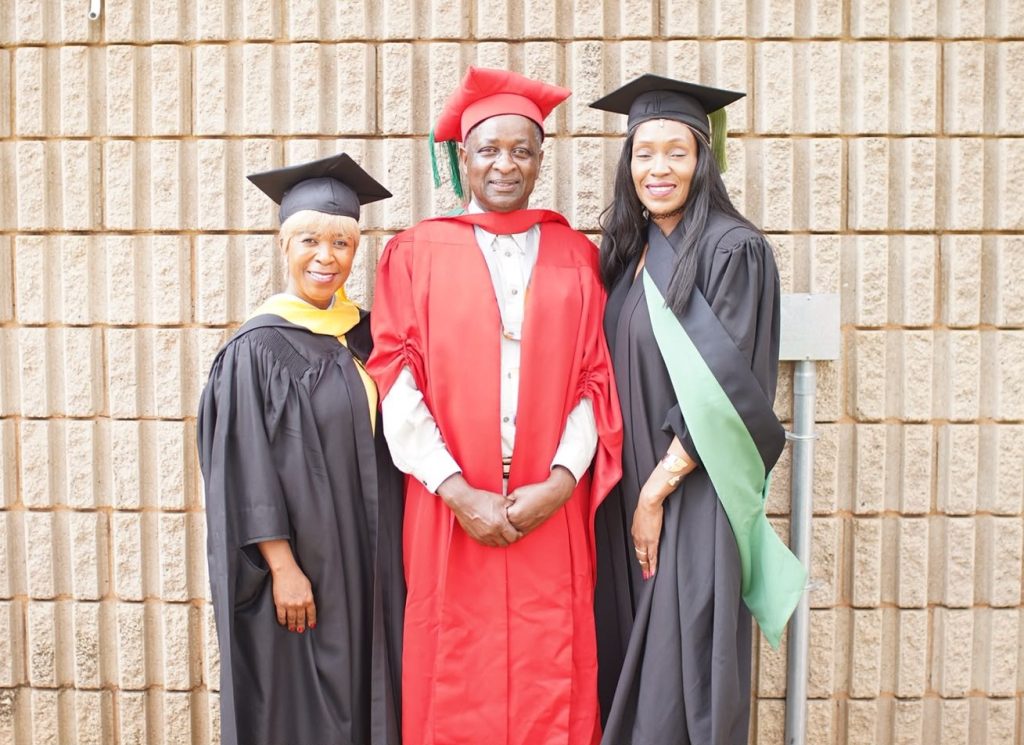 For Molubi, completing her master’s research required more than academic discipline. She had to balance her dissertation with professional and parental responsibilities while remaining focused on completing her qualification.
“Managing a full dissertation alongside professional and parental responsibilities was demanding. At times, I thought of giving up. I had to push beyond fatigue and exhaustion,” she recalls. “What kept me going was the desire to encourage and motivate the girl child.”
Her research has relevance beyond higher education. Effective Knowledge Management is essential in sectors such as healthcare, where institutions depend on the creation, sharing and application of knowledge to improve decision-making, service delivery and outcomes for communities.
Molubi hopes her experience will encourage other postgraduate students, particularly young women, to approach research as a personal journey rather than a competition. Her advice is rooted in purpose and perseverance.
“It’s never really a competition; it is a personal journey. You must be clear about why you want to pursue that degree. Secondly, and most importantly, choose a research topic that genuinely represents your interests – something you want to do, not something you were made to do. When frustrations come, that genuine interest will keep you going,” she says.
Through her research, Molubi contributes to the growing body of knowledge on Knowledge Management in higher education while demonstrating the resilience required to advance academically and professionally. Her journey reflects SMU’s commitment to excellence, innovation and research that responds to institutional and societal challenges.
As a health sciences university committed to transforming health services through excellence and innovation, SMU continues to create an environment where professional development, postgraduate research and knowledge production can contribute to stronger institutions and improved outcomes for society.
By Gabisile Sibeko
by Lorato | Oct 8, 2026 | All News, Alumni, SMU Media, Student Media
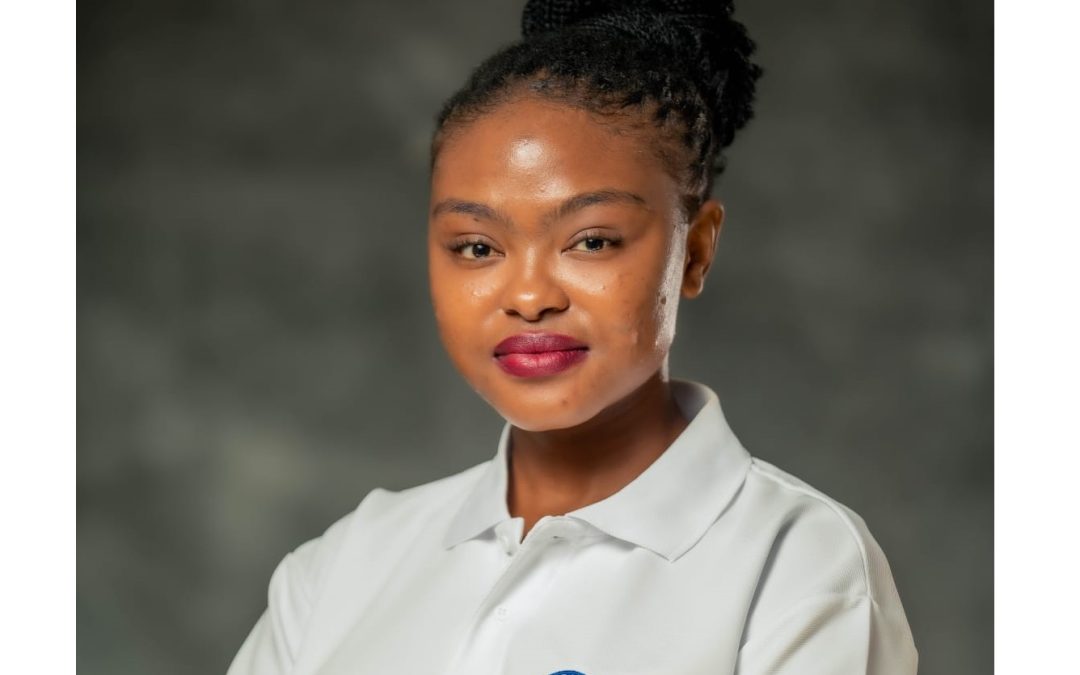
For Boitumelo Tenda Nkuatsana, completing medical school at Sefako Makgatho Health Sciences University (SMU) is about more than earning a medical degree. It is about using education, leadership and lived experience to influence the future of healthcare in South Africa.
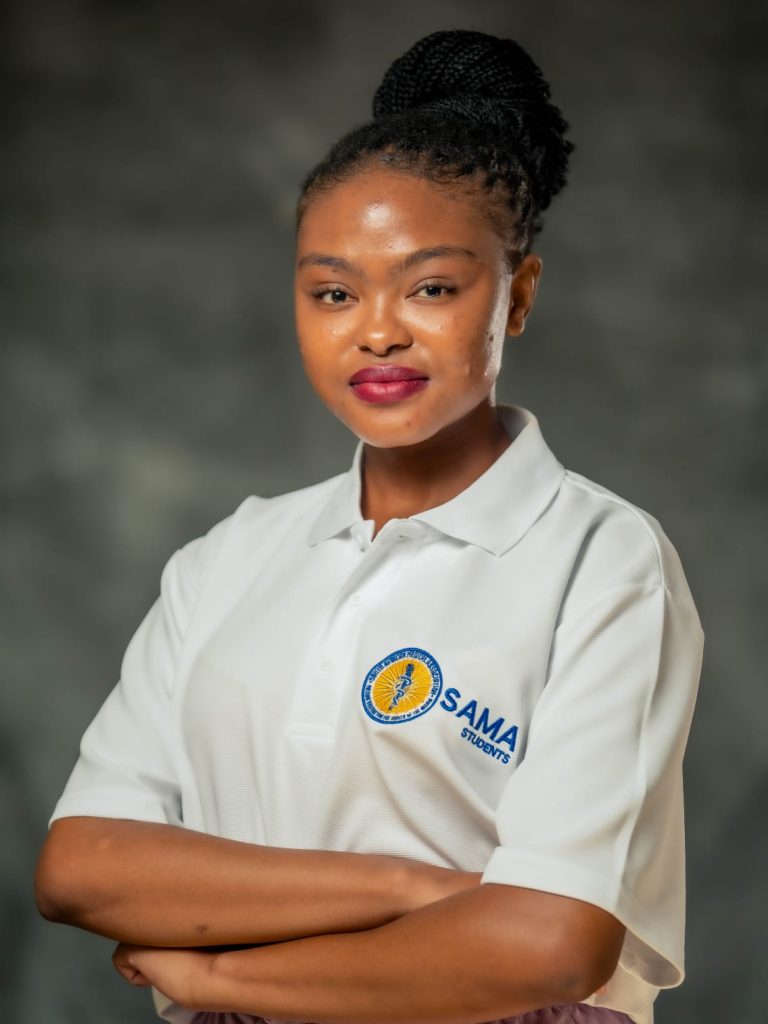 A member of the National Executive Committee (NEC) of the South African Medical Association Students (SAMA Students) and class representative of the MBChB Class of 2026, Nkuatsana describes her journey through medical school as “an eventful journey” that has shaped her into a purposeful and adaptable future doctor. “Not only a pioneer, but a change maker,” is how she characterises the role she is striving to fulfil.
Her journey has required perseverance. While navigating chronic medical and mental health challenges alongside the demands of medical training, Nkuatsana has remained committed to becoming a productive member of the healthcare profession. “Living with chronic medical and mental health issues whilst trying my absolute best to be a productive member of the medical field has been quite the challenge, one which I have managed to persevere through,” she says.
Beyond clinical training, Nkuatsana has deliberately expanded her knowledge of corporate affairs, financial literacy, networking and entrepreneurship. Her involvement with SAMA and the South African Health Business Academy (SAHBA) has exposed her to aspects of healthcare that extend beyond the lecture hall and hospital ward.
She believes this broader understanding is essential for future doctors navigating an increasingly complex healthcare environment. “Intentionality and stewardship are elementary to the type of leader and upcoming doctor that I am,” she says. “We ought to be educated, not just book-wise, but also through seeking opportunity and endeavouring into the multiple facets that the health sector has for us.”
Advocacy remains central to Nkuatsana’s leadership philosophy. She advocates for students while also championing patient-centred care, health education and health promotion, particularly within primary healthcare.
For her, effective healthcare begins with understanding people. “Medicine is in the wards, they say, but knowing and understanding your patient demographic is key,” she says, emphasising the importance of compassion and preserving the dignity of patients in vulnerable circumstances.
Mental health is another area close to her heart. Drawing on her own experience, Nkuatsana believes healthcare institutions and professional spaces must respond more compassionately to students and professionals experiencing mental health challenges.
She also wants to see greater financial and business literacy among doctors, arguing that future healthcare professionals need exposure to entrepreneurship, networking and alternative opportunities within the health sector.
Mentorship is equally important. Nkuatsana has supported younger students, some of whom have progressed into medical training, while others continue working towards entering the profession. “I am a product of good mentorship, exposure to opportunity and open doors. That is what I want to do for others,” she says.
Reflecting on her time at SMU, Nkuatsana credits the university with strengthening her potential, principles and confidence as she prepares to enter the profession. “Where you get to in life is not the function of where you begin, but the function of how hard you are willing to work to get to where you want to be,” she says.
As she looks towards her future in medicine, leadership and healthcare advocacy, Nkuatsana remains committed to raising both the SMU and South African flags high.
By Tumelo Moila
by Lorato | Oct 8, 2026 | All News, Alumni, SMU Media, Student Media
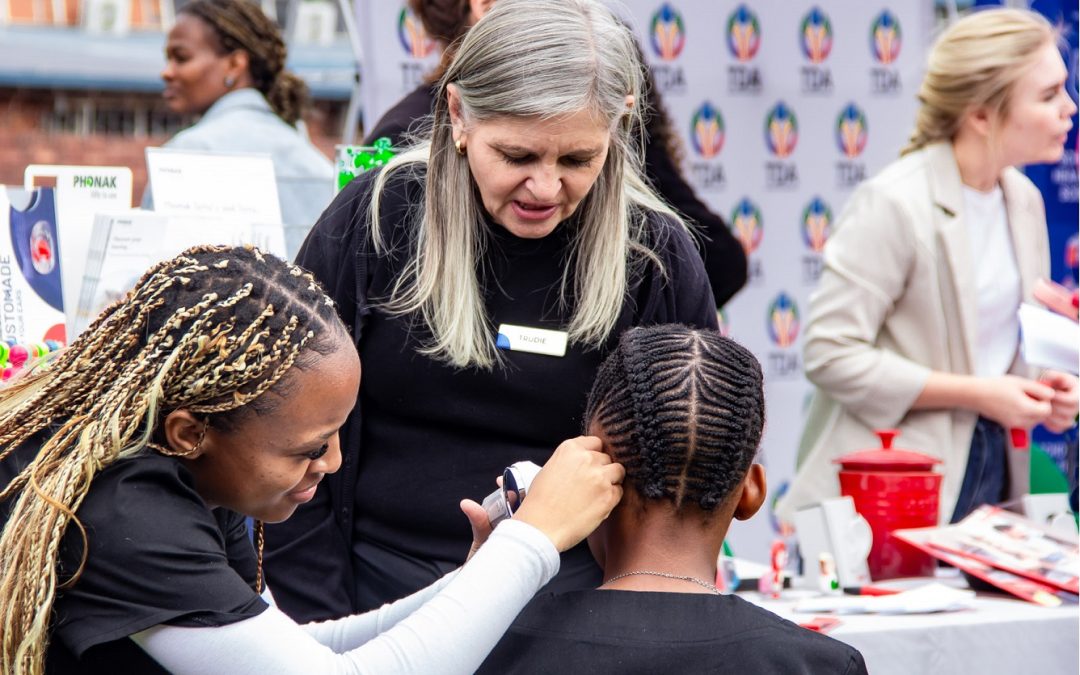
Sefako Makgatho Health Sciences University (SMU) recently hosted a Deaf Awareness Campaign, bringing together students, staff, community members, clinical partners and hearing-health organisations to promote hearing health, Deaf awareness and inclusive communication.
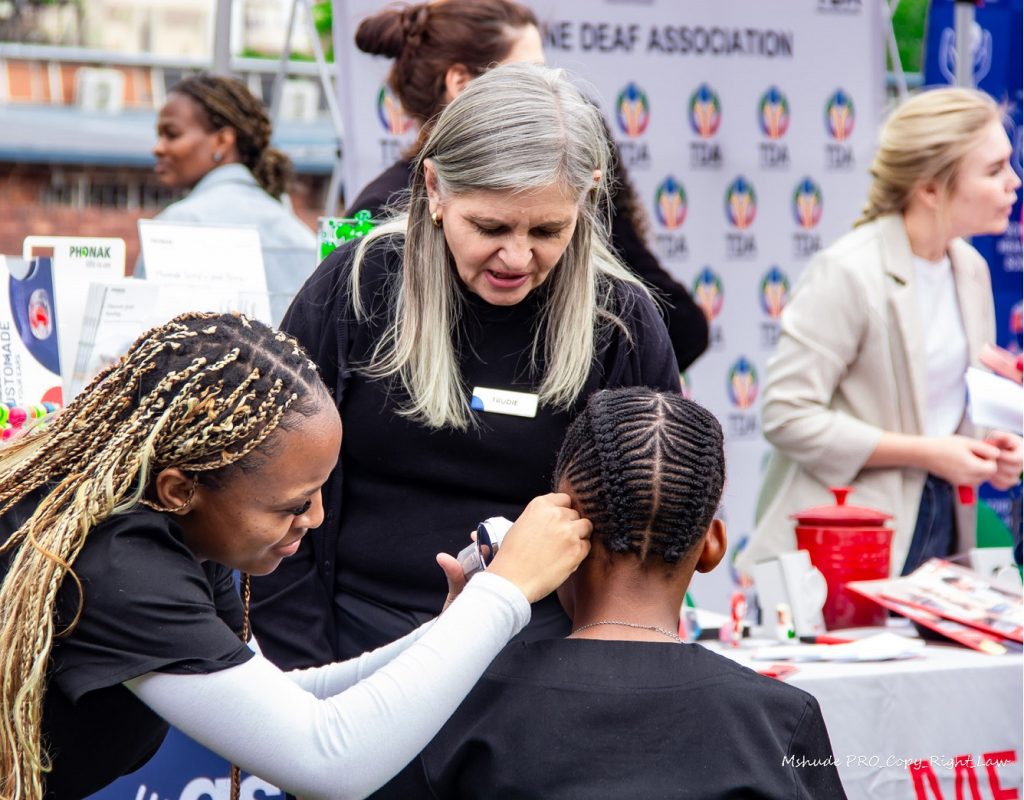 Hosted by the Department of Speech-Language Pathology & Audiology, the campaign combined hearing screening, health education, exhibitions, interactive activities and student participation. The initiative provided audiology students with an opportunity to apply their developing clinical skills while engaging directly with the university community.
The campaign focused on hearing loss, hearing conservation, early identification and access to audiological services, while promoting respectful communication with Deaf and hard-of-hearing people. It also highlighted the importance of creating greater awareness of communication access and inclusion.
“The campaign provided an important platform to connect hearing-health education with meaningful community engagement. It also allowed our students to learn through direct interaction while reinforcing the importance of inclusion and communication access,” said Andani Madzivhandila, Audiology Lecturer in the Department of Speech-Language Pathology & Audiology.
Hearing-screening stations operated throughout the event, with second-year audiology students participating under the guidance and support of fourth-year students. Screening activities included otoscopic ear examinations and other hearing-screening procedures, with referral advice provided where further follow-up was indicated.
The student-led approach strengthened the campaign’s educational value, enabling junior students to gain practical experience while senior students developed leadership, communication and mentoring skills.
“The involvement of students across different year levels demonstrated how clinical education and community engagement can complement one another. It created a supervised environment in which students could build confidence while contributing to an important public-health message,” Madzivhandila said.
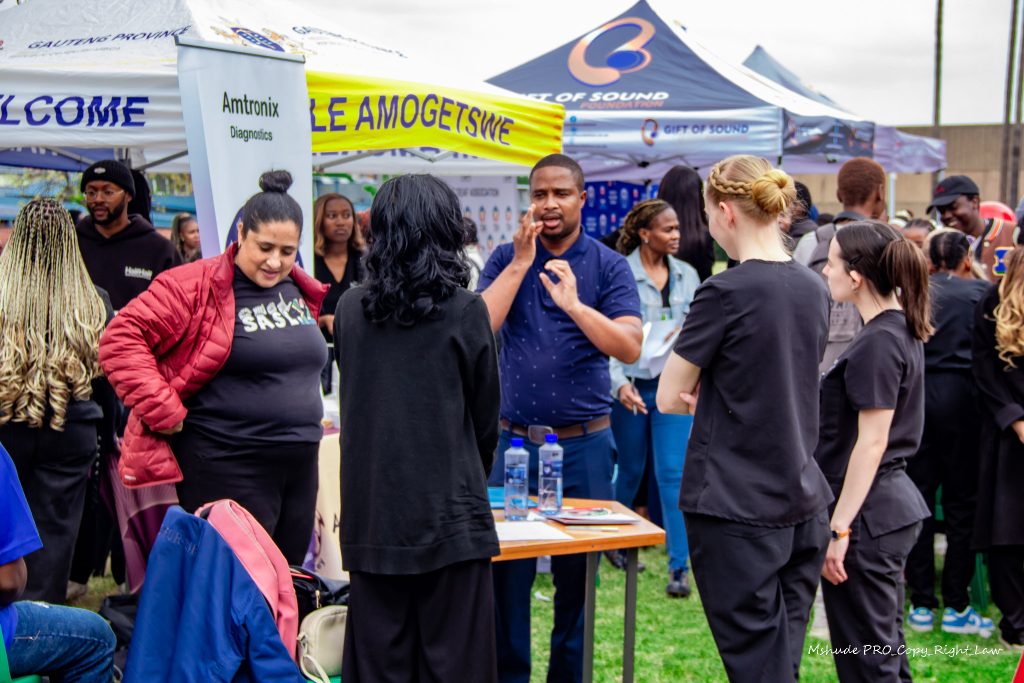 The programme also featured awareness talks addressing hearing health, early identification of hearing difficulties, prevention, communication access and Deaf awareness. Exhibition spaces provided attendees with information on hearing technology, hearing-care services and Deaf-awareness resources.
The campaign received support from MED-EL, Phonak, Tshwane Deaf Association, Amtronix, Dr George Mukhari Academic Hospital (DGMAH) and the National Institute for the Deaf (NID). Their participation strengthened collaboration between SMU, clinical services, Deaf-sector organisations and hearing-health industry stakeholders.
Student involvement extended beyond the screening stations. Second-year students delivered a sign-language rendition during Graduation activities, broadening the visibility of the Deaf-awareness message across campus. Interactive games and prize giveaways further encouraged engagement, creating informal opportunities for attendees to learn more about hearing health.
“The strength of the campaign was its collaborative nature. By bringing together students, clinicians, community organisations and industry partners, we were able to create a visible and engaging platform for conversations about hearing health and Deaf awareness,” said Madzivhandila.
The Department of Speech-Language Pathology & Audiology expressed its appreciation to the campaign’s partners, staff and students, particularly the second- and fourth-year audiology students, for their contribution.
Through initiatives such as the Deaf Awareness Campaign, SMU continues to integrate education, community engagement and healthcare awareness, while preparing health-sciences students to contribute meaningfully to inclusive and responsive healthcare services.
By Tumelo Moila
by Lorato | Oct 8, 2026 | All News, Alumni, SMU Media, Student Media
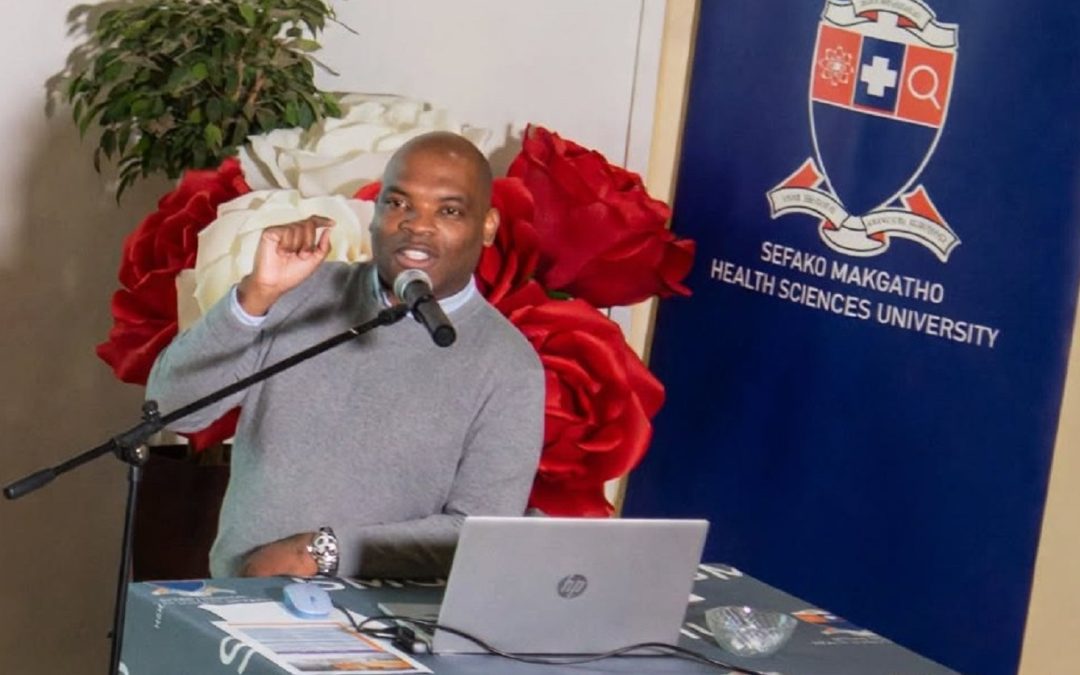
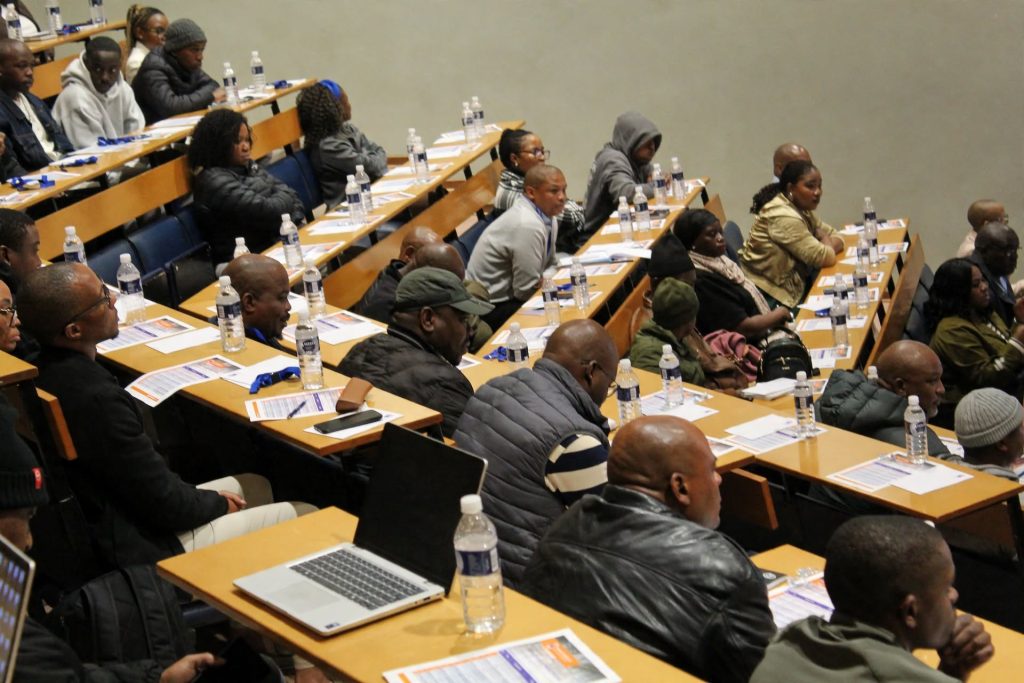
Sefako Makgatho Health Sciences University (SMU) strengthened its engagement with the business community through its 2026 Supplier Development Day, hosted by the Supply Chain Management Department. The event brought together suppliers, business support organisations and industry representatives for a day focused on procurement opportunities, business development, compliance and access to support services.
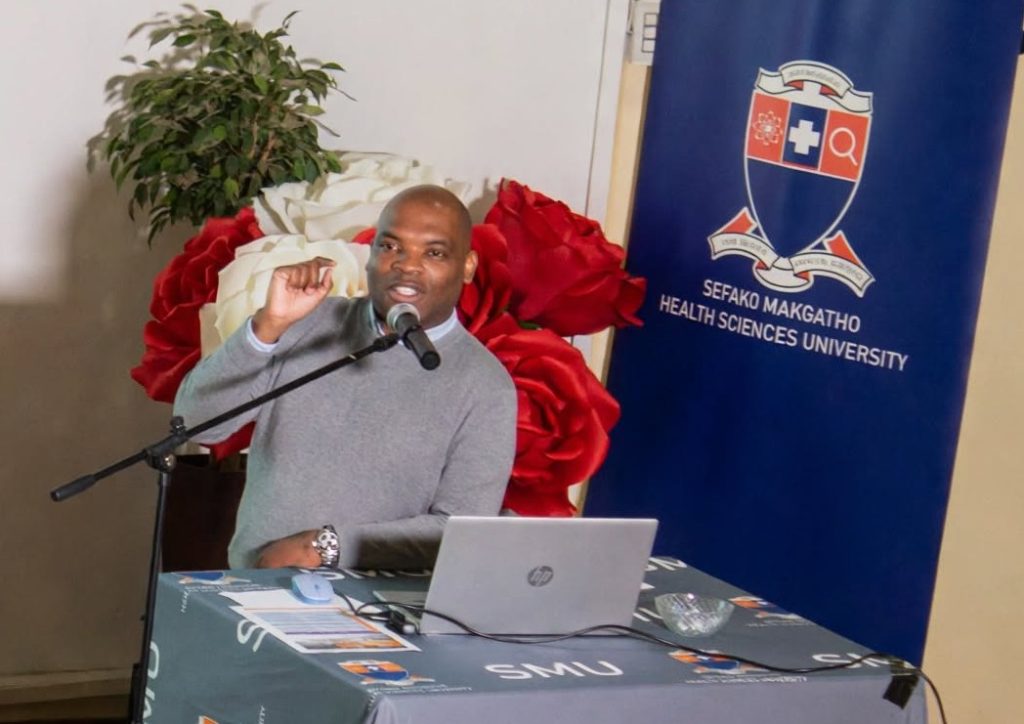 The engagement provided suppliers with an opportunity to interact directly with SMU representatives and organisations offering financial, business and procurement-related services. It also enabled participating businesses to better understand the requirements, processes and opportunities within the university’s supply chain environment.
Kishore Gobardan, Interim Director of the Supply Chain Management Department, opened the event by emphasising the importance of creating meaningful platforms for SMU and its suppliers to exchange information and strengthen their working relationships. “Supplier development is about more than procurement. It is about creating meaningful opportunities for businesses to understand the environment in which they operate, strengthen their capabilities and position themselves for sustainable growth,” said Gobardan.
The programme featured presentations from organisations providing support to businesses, with discussions aimed at helping suppliers understand available resources and improve their readiness to access business opportunities.
Enough Mmatli provided an overview of the Small Enterprise Development Finance Agency (SEDA) and the support available to small businesses. The presentation highlighted ways in which suppliers can access assistance to strengthen their enterprises and address challenges that may affect their growth. “Small businesses need more than opportunities; they also need the capacity and support to take advantage of those opportunities. It is important for suppliers to understand what support is available and how they can access it to develop sustainable businesses,” said Mmatli.
 Walter Maleyana, Deputy Director: Supply Chain Management at SMU, provided insight into opportunities available through the University and stressed the importance of understanding procurement processes. “SMU has opportunities within its supply chain, but suppliers must ensure that they understand the requirements and position their businesses to participate effectively. Compliance, preparedness and understanding the procurement environment are important,” said Maleyana.
Karabo Setshedi from HuhslCap (Pty) Ltd also presented on the company’s services and how these could support business development. The programme also covered Construction Industry Development Board (CIDB) compliance, the i-Tender platform and related services available to businesses seeking procurement opportunities. Representatives from PURCO SA, the South African Revenue Service (SARS) and Absa also participated, broadening the range of expertise available to suppliers.
The interactive programme allowed suppliers to raise questions and engage with presenters on procurement, compliance, business support and available services. For SMU, the discussions also provided valuable insight into the needs and challenges facing its supplier community. “The engagement between the University and suppliers is important because it creates an opportunity for both sides to learn from one another. When suppliers understand what is expected of them and the University understands the challenges they face, we can work towards stronger relationships,” said Maleyana.
The 2026 Supplier Development Day reinforced SMU’s commitment to meaningful supplier engagement, information sharing and business development. By creating opportunities for collaboration between the University, suppliers and enterprise-support organisations, SMU is contributing to a more informed and capable supplier base while strengthening relationships that support its broader institutional objectives.
By Dimakatso Modise
by Lorato | Oct 8, 2026 | All News, Alumni, SMU Media, Student Media
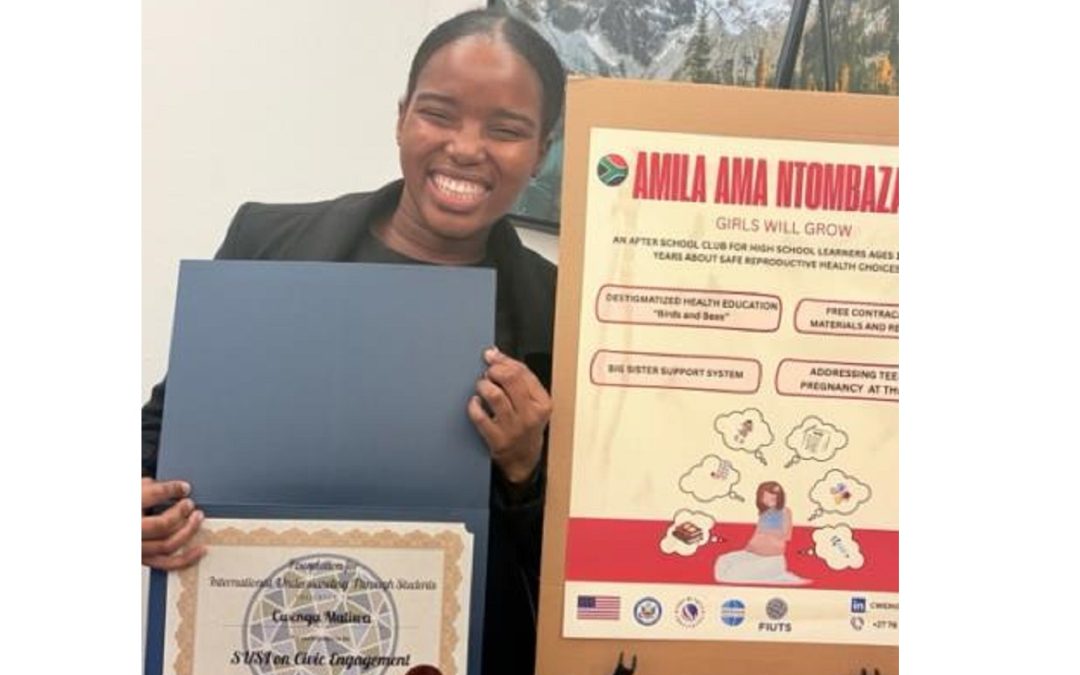
For final-year Sefako Makgatho Health Sciences University (SMU) Bachelor of Nursing and Midwifery student Cwenga Maliwa, being selected for a prestigious US international exchange programme has broadened her understanding of leadership, civic engagement and the role of healthcare professionals in serving their communities.
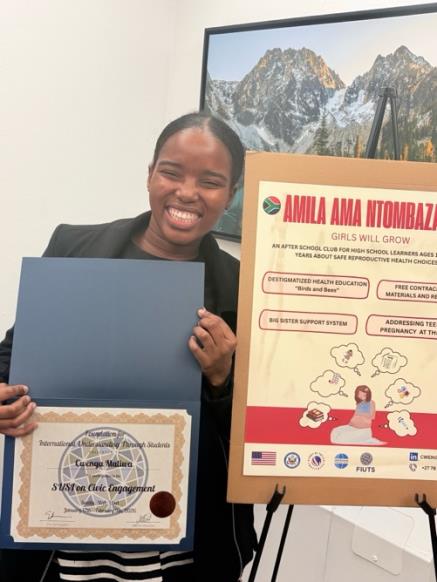 Maliwa was among 20 student leaders from Angola, Botswana, Mozambique, South Africa and Zimbabwe selected to participate in the Study of the US Institutes (SUSI) for Student Leaders programme. The highly competitive US Department of State initiative provided an intensive academic, cultural and leadership experience focused on civic engagement.
Only four students were selected from each participating country following a rigorous interview and selection process. Maliwa’s selection reflected her involvement in student leadership and civic engagement, particularly through her work with the South African Nursing Students’ Association (SANSA), as well as other leadership and community initiatives.
For Maliwa, the five-week programme, held recently, extended the leadership journey she had already begun at SMU. “I wouldn’t describe it simply as ‘I applied for a programme and went to America.’ It was really an extension of the leadership journey I was already on,” Maliwa said.
Hosted in Seattle, Washington, in collaboration with the Foundation for International Understanding Through Students (FIUTS), the programme combined academic learning with community engagement, volunteering, cultural activities and immersion in American society.
One key theme was how communities respond to social challenges, including homelessness and food insecurity. At the Treehouse Foundation, Maliwa observed a model that enables people experiencing homelessness to select essential supplies in a boutique-style environment designed to preserve dignity and choice.
The experience challenged her to think differently about community service. “Service should not only ask, ‘What do people need?’ but also, ‘How can we meet that need while respecting the person receiving it?’” she said.
Maliwa and fellow participants also volunteered at Food Lifeline, packing food parcels for people experiencing food insecurity and homelessness, and took part in community service activities, including painting schools around Martin Luther King Jr. Day.
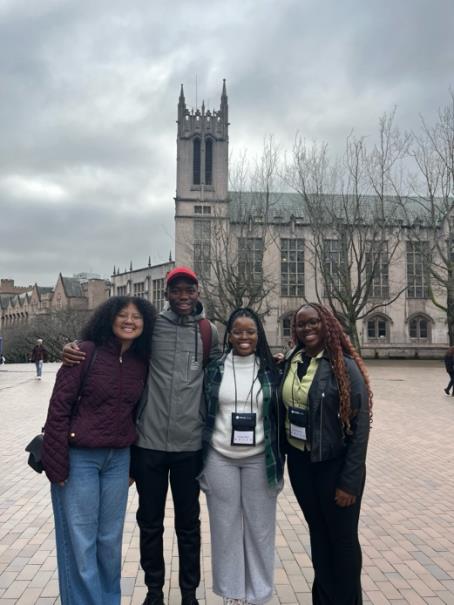 As a nursing student, Maliwa particularly valued opportunities to explore healthcare innovation and different healthcare environments. A visit to the Gates Foundation introduced her to the intersection of philanthropy, technology and social impact, including a prototype portable ultrasound device. A visit to an American medical centre also gave her insight into another healthcare system.
Rather than simply viewing the US healthcare system as superior, the experience deepened her appreciation of healthcare in South Africa. “International exposure isn’t necessarily about deciding that one country or system is better than another,” Maliwa said. “It is about seeing different approaches, asking questions, learning what works in different contexts and returning home with a greater appreciation of what we have and what we can continue improving.”
In the final week before returning to their respective countries, the programme took participants to Atlanta, Georgia, where they explored American history and the Civil Rights Movement, before engaging with government and civic leadership in Washington State. Earlier in the programme, within the first four weeks, participants met with Washington Secretary of State Steve Hobbs, while 36th District House Representative Julia Reed provided practical insights into governance and public service.
Reflecting on the experience, Maliwa said it had broadened her understanding of what leadership means. “Leadership isn’t always the person standing at the podium,” she said. “Sometimes it is the person volunteering in their community, painting a school, packing a food parcel, documenting a decision, writing a communiqué, asking a difficult question, creating access for others, caring for a patient, or making sure that people’s voices are represented.”
Maliwa’s SUSI experience demonstrates the value of international exposure in developing student leaders with broader perspectives and a stronger commitment to service. For SMU, such opportunities support its role in developing health sciences professionals equipped to lead, innovate, and make a meaningful contribution to the communities they serve.
By Tumelo Moila
by Lorato | Oct 1, 2026 | All News, Alumni, SMU Media, Student Media
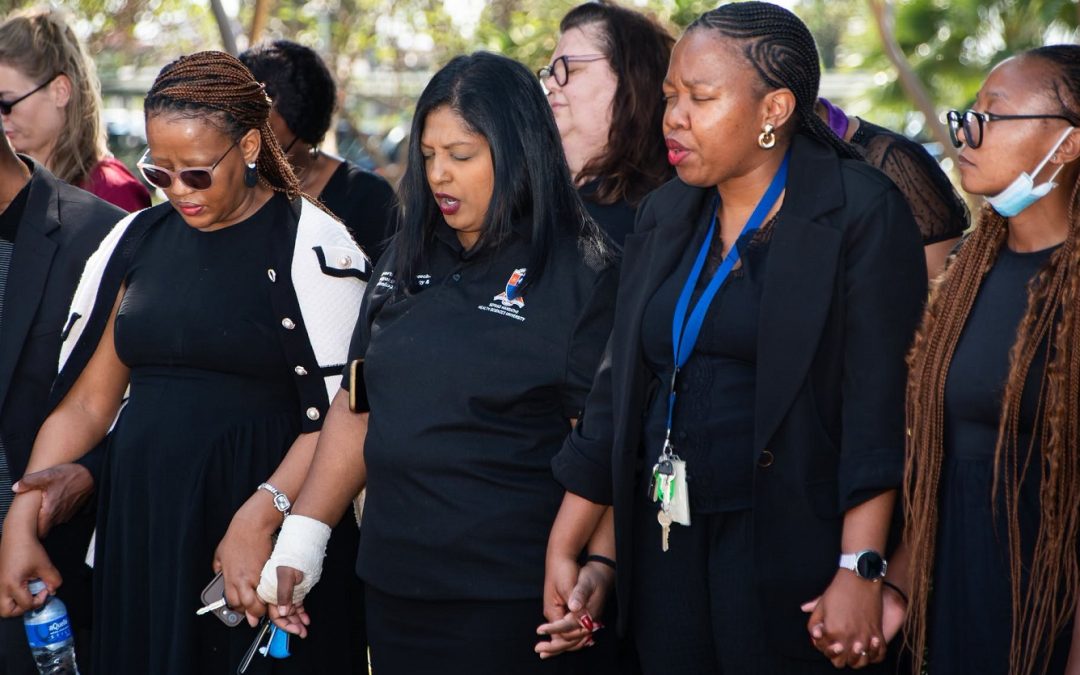
The Sefako Makgatho Health Sciences University (SMU) community has united against gender-based violence and femicide (GBVF), reaffirming the University’s commitment to promoting dignity, safety and respect across its campus community.
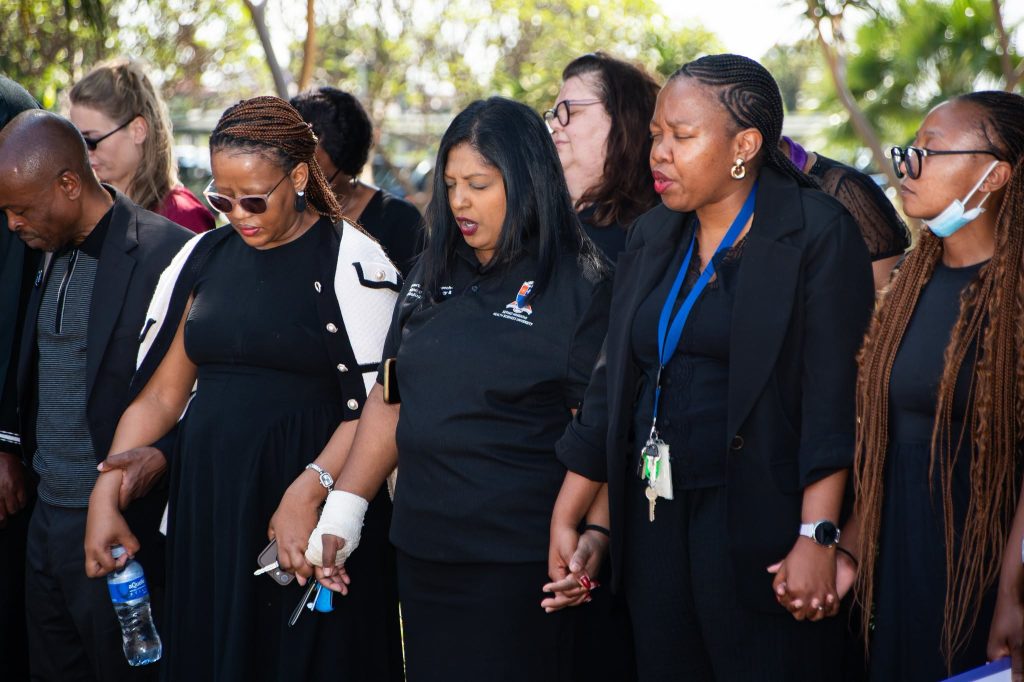 The gathering took place against a backdrop of renewed national concern over violence against women and girls, following the discovery of women’s bodies in Ekurhuleni, Gauteng. By late September, the Presidency had reported that 11 women’s bodies had been found in the area since July, while other women and girls had also been killed in different parts of the country.
The developments have intensified national discussions about the safety of women and the need for coordinated action to address GBVF. Against this backdrop, SMU staff and students gathered to reflect on their collective responsibility to challenge harmful attitudes, support those affected and contribute to a safer university environment.
Velencia Maupye, Manager: Transformation in Human Resources, opened the gathering by emphasising the importance of solidarity and collective responsibility. “This gathering reminds us that GBVF is not someone else’s problem. It affects our communities and requires all of us to take responsibility for creating an environment where people feel safe, respected and supported,” she said.
Acting Vice-Chancellor Prof Dini Mawela highlighted SMU’s responsibility to contribute to the broader response to gender-based violence and to ensure that members of the University community have access to support. “As SMU, we must continue to strengthen a culture where dignity, respect and safety are upheld. Our responsibility does not end with awareness; we must also ensure that members of our community know where to find support and feel confident to speak out,” she said.
The gathering also brought the student perspective into the conversation. Student leader, graduate and council member Thato Odirile Mongake called on students to play an active role in shaping the university’s culture.
“Students have an important role to play in shaping the culture of our University. We must speak up when we see harmful behaviour, support one another and reject the normalisation of violence in all its forms,” Mongake said.
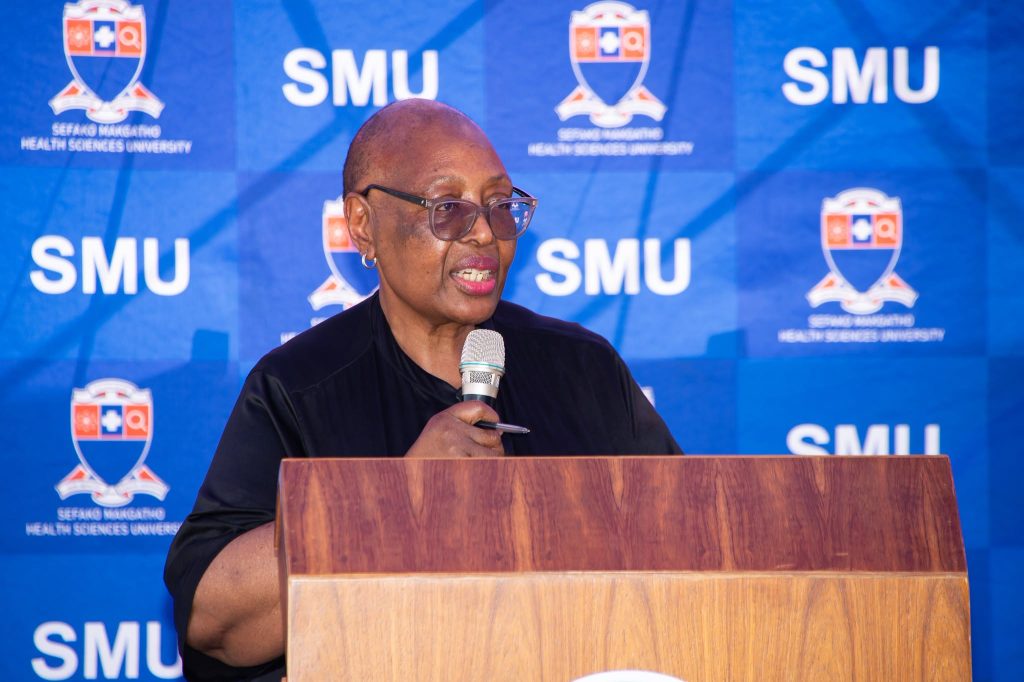 Representing organised labour, Penuel Kunene stressed that addressing GBVF requires participation across society and the University community.
“GBVF affects society as a whole, and addressing it requires everyone to play their part. Organised labour stands with the University community in promoting dignity, respect and an environment free from violence,” he said.
Positive masculinity and the role of men in preventing GBVF were also central to the discussion. SMU horticulturist Mpho Mmako encouraged men to take responsibility for challenging attitudes and behaviours that contribute to violence.
“Men must understand that preventing GBVF is also our responsibility. Positive masculinity means showing respect, taking responsibility for our actions and challenging attitudes and behaviours that contribute to violence,” Mmako said.
The programme included a prayer and a moment of silence led by Dr Esmey Baratwa Esther Moema, School Operations Manager in the School of Science and Technology, providing an opportunity to remember those affected by violence.
“As we pause in this moment of silence, let us remember those whose lives have been affected by violence and reflect on what each of us can do to contribute towards a safer society,” she said.
The programme concluded with a reminder about the importance of seeking support. Maupye encouraged members of the SMU community affected by GBVF to reach out for assistance.
“No one should feel alone when facing GBVF. It is important for our community to know that support is available and that reaching out for assistance is a sign of seeking help, not weakness,” she said.
Through the gathering, SMU reaffirmed that addressing GBVF requires sustained awareness, collective responsibility and action. As a health sciences institution, the University continues to position dignity, safety and community wellbeing as important elements of its broader contribution to society.
By Gabisile Sibeko