by Lorato | May 7, 2025 | All News, SMU Media, Student Media
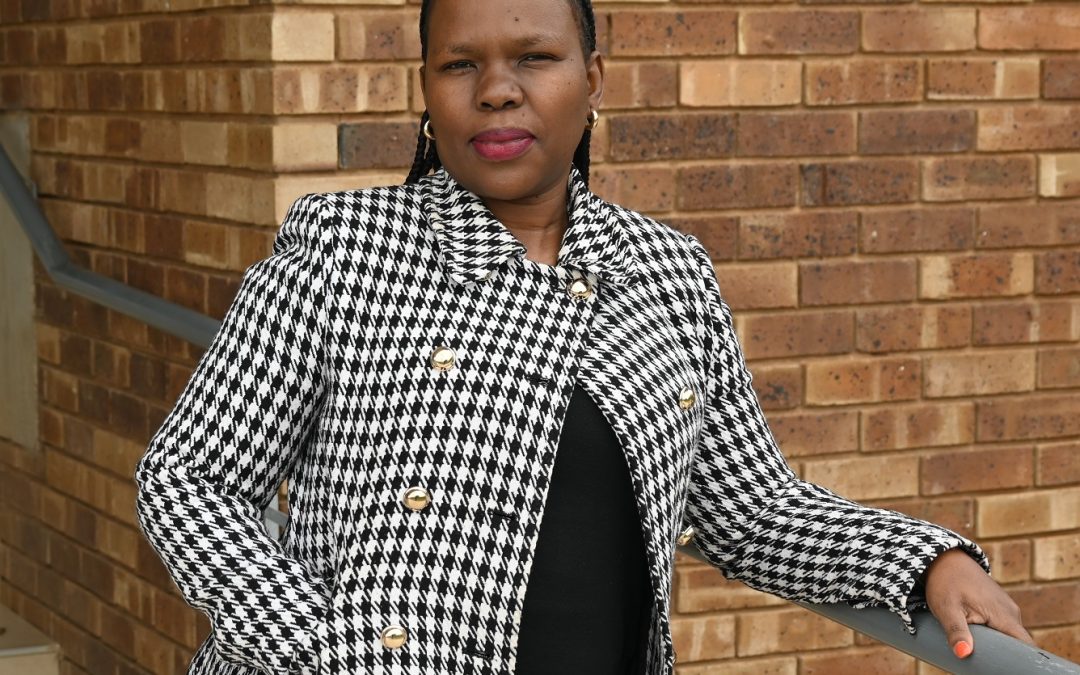
Sefako Makgatho Health Sciences University (SMU) recently welcomed Mapula Sekele to its Finance Division as the new Procurement Officer. With more than 16 years of dedicated public sector procurement experience, Sekele brings with her a strong foundation in supply chain management, honed during her tenure at the National Department of Mineral Resources and Energy. Her arrival marks a significant step in strengthening SMU’s procurement function and supporting the institution’s strategic and academic objectives.
 Sekele is a seasoned professional whose career has been built on sound governance, regulatory compliance, and an unwavering commitment to ethical procurement practices. Speaking on her new role, she shares: “I am excited to be part of an institution that is shaping the future of health sciences. I look forward to contributing to SMU’s mission through procurement systems that are efficient, transparent, and aligned with national legislation.”
Her qualifications are as impressive as her work ethic. She holds an Advanced Diploma in Supply Chain Management from Tshwane University of Technology (TUT) and a National Diploma in Logistics Management from the University of South Africa (UNISA). She is also a practising member of the Chartered Institute of Procurement and Supply (CIPS) and is currently advancing her qualifications with the institute. “For me, learning never stops,” she adds. “By day, I serve SMU. By night, I study. It’s all about growing so I can give my best to the institution.”
Walter Maleyana, Deputy Director: Finance at SMU, expresses his excitement at her appointment. “Sekele brings exactly the kind of energy, expertise, and professionalism we need in our team. Her appointment significantly strengthens our procurement capability, especially at a time when we’re focused on enhancing compliance, accountability, and value for money in our processes.”
He adds that her deep understanding of the public sector frameworks and practical, hands-on experience are a welcome addition. “She doesn’t just know the policies, she’s lived them, implemented them, and improved them. That level of experience is rare, and we’re lucky to have her.”
Throughout her career, Sekele has demonstrated a unique ability to turn policy into action. Her strengths lie in drafting watertight specifications, implementing airtight bidding processes, and designing procurement plans that stand up to both operational demands and audit scrutiny. At SMU, she is already making strides in aligning procurement practices with institutional goals and national compliance standards, such as the Public Finance Management Act and the Preferential Procurement Policy Framework Act.
Beyond her technical expertise, she is passionate about embedding a culture of good governance. “I believe procurement is more than a support function; it’s a strategic partner in delivering the university’s mandate,” she explains. “When done right, procurement supports teaching, research, and service delivery. That’s what I want to be part of here at SMU.”
Her vision aligns closely with the broader goals of the Finance Division, which is focused on operational excellence, risk mitigation, and ethical financial stewardship. Maleyana believes her arrival will accelerate progress in these areas, especially as SMU continues to expand its academic offerings and infrastructure. “She’s joining us at the right time,” he says. “With her leadership in procurement, we can ensure that every rand spent advances our core mission.”
Sekele’s story is one of passion, persistence, and professionalism. As she begins this new chapter at SMU, the university is proud to support her journey and to be the institution where she continues to shine.
By Dimakatso Modise
by Lorato | May 7, 2025 | All News, SMU Media, Student Media
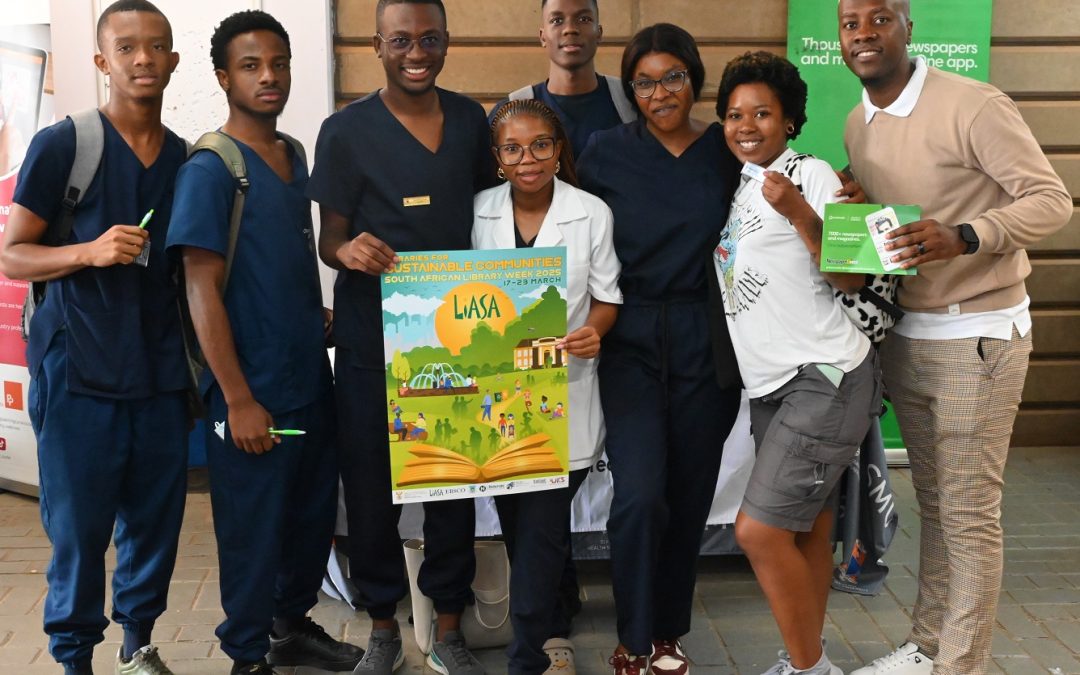
Sefako Makgatho Health Sciences University (SMU) joined institutions across the country in celebrating South African Library Week (SALW) 2025 under the national theme “Libraries for Sustainable Communities.” The event brought together students, staff, and industry stakeholders for a vibrant programme that showcased and promoted services offered by various information providers.
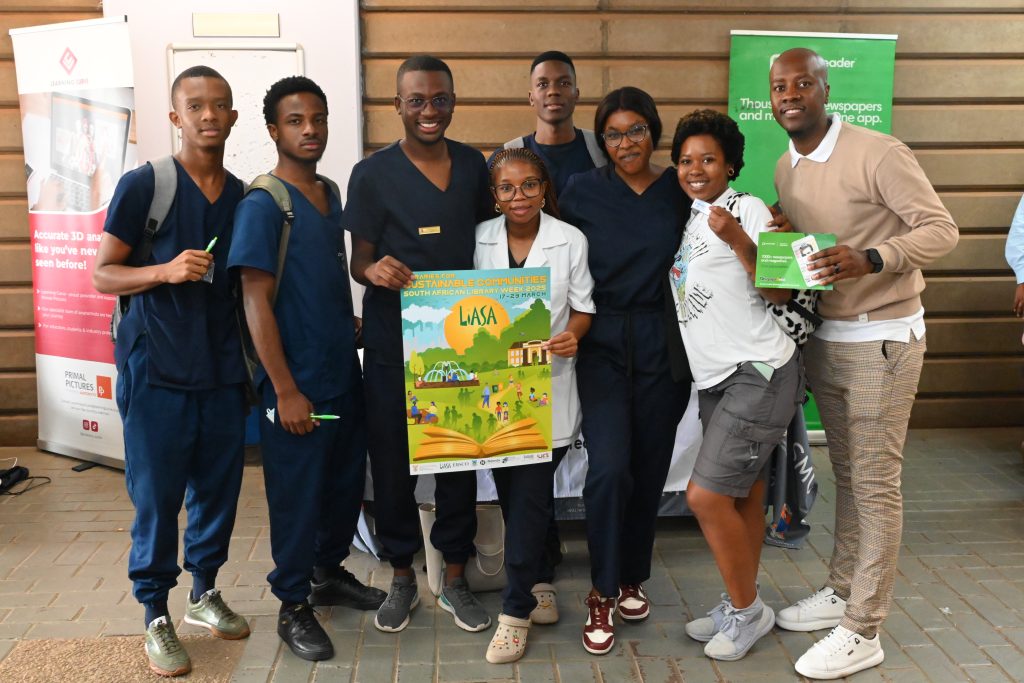 Spearheaded by the SMU Library and Information Services, the event featured exhibitions by leading information resource providers, including EBSCO, Primal Pictures/Anatomy TV, Learning Curve, and Elsevier. These service providers presented a rich array of reading materials, digital tools, and educational resources, reinforcing the notion that libraries are not simply book depositories but dynamic hubs for learning, inclusion, and development.
The 2025 theme aligns with South Africa’s commitment to the United Nations Sustainable Development Goals (SDGs), particularly SDG 11: Sustainable Cities and Communities, and SDG 4: Quality Education. Libraries play a significant role in advancing these goals by providing inclusive spaces, equitable access to knowledge, and promoting lifelong learning and environmental awareness, ultimately fostering resilient and informed communities.
SMU Library and Information Services continues to advance accessibility through a blend of physical and digital resources, as well as inclusive infrastructure. A key highlight of the event was the library’s role in promoting lifelong learning, recognising that education extends beyond traditional classrooms and that libraries support both students and staff throughout their academic and professional journeys.
In brief remarks, library staff underscored the critical role of the library in the daily lives of both staff and students. They emphasised the growing importance of digital inclusion in a post-pandemic world, noting that internet access, computer workstations, and digital literacy training are no longer luxuries but essential academic tools. With refurbishments to the library nearing completion, SMU Library remains committed to continually improving access to resources, services, and systems to meet the evolving needs of the university community.
The event also fostered community engagement by creating a collaborative space that brought together students, academic staff, and external partners, further reinforcing the library’s position as a cornerstone of social cohesion and academic support.
Evon Matime, a Master’s student in Pharmaceutical Sciences at SMU, shared her perspective on the library and the celebration: “The SMU Library provides an environment where futures are shaped. It offers a quiet space but also connects users to a world of knowledge and opportunities.” Students expressed excitement for the full completion of the library’s revamp, eager to benefit from the improved learning environment.
As SALW 2025 drew to a close, it reaffirmed the vital role libraries play in advancing education, supporting development, and promoting sustainability. SMU remains committed to offering inclusive, accessible, and transformative library services that empower individuals and contribute towards a more equitable future for all.
By Tumelo Moila

by Lorato | May 7, 2025 | All News, SMU Media, Student Media
Andile Moloi, a 22-year-old medical student from Tembisa, Gauteng, represents a new generation of South African scholars who are not only academically gifted but deeply committed to societal transformation. Currently in her fifth year of the Bachelor of Medicine and Bachelor of Surgery (MBChB) programme at Sefako Makgatho Health Sciences University (SMU), Moloi has emerged as a dynamic leader in health sciences, youth empowerment, and innovation.
 Moloi’s commitment to leadership and social impact began at a remarkably young age. At just 10 years old, she was elected Chairperson of Soul Buddyz, a school-based programme designed to educate young learners on social issues affecting their communities. By the age of 12, she had already spearheaded an anti-drug campaign through the Youth Citizens Action Programme (YCAP), initiated by the Department of Basic Education. Her team’s work earned them first place in Gauteng and a top-three national ranking, firmly establishing her as a young leader to watch.
Her academic journey through high school was marked by consistent excellence, particularly in mathematics, science, and technology. She participated in multiple math & science olympiads and led a project on carbon dioxide reduction, which placed her in the top 10 of the competition in the province. It was during this time that she became affiliated with Nkathuto Edu Propeller, a non-profit organisation focused on promoting Science, Technology, Engineering, and Mathematics (STEM) and entrepreneurship in disadvantaged communities.
She went on to serve as the organisation’s Academic Officer and later became the first Chairperson of the Nkathuto Alumni Community, a network of young innovators from across South Africa. These roles laid a strong foundation for her work with respected institutions such as the Council for Scientific and Industrial Research (CSIR), National Research Foundation (NRF), and SAASTA, as well as her participation in United Nations programmes focused on youth and science.
Despite her broad interest in science and innovation, Moloi’s true passion has always been Medicine, particularly Surgery and Neurosciences. Her resolve was solidified by a deeply personal tragedy during her second year of study: the loss of her father, one day after he underwent emergency brain surgery. He had been battling lung cancer that metastasised to his brain.
“This moment changed everything,” Moloi recalls. “It exposed me to the emotional and clinical complexities of neurological disease and gave me a purpose to pursue medicine with empathy, depth, and the desire to make a difference when it matters most.”
Moloi’s academic achievements earned her a Gauteng City Region Academy (GCRA) scholarship as one of the top three matriculants from a public school in the province, enabling her to pursue her degree at SMU. At university, she has remained deeply engaged in both academic and leadership spheres. She tutors chemistry, anatomy, biophysics, and pathology through the Centre for University Teaching and Learning (CUTL) and mentors first-year students through the Faculty Mentorship Programme.
In 2023, she was named one of South Africa’s Top 100 Most Promising students by the GradStar Awards and was subsequently profiled in the Mail & Guardian (6 December 2023 edition) for her leadership and community contributions.
Professor Risenga Frank Chauke, Acting Dean of the SMU School of Medicine, commended Moloi’s exceptional trajectory: “Moloi is a rare blend of intellectual brilliance and human compassion. She, a philanthropist, exemplifies what it means to be a servant leader in the field of medicine. Her passion for learning, her courage in the face of personal loss, and her unwavering commitment to community service are a reflection of the values we seek to instil in every SMU graduate. Not only will she excel in her career as a medical professional but we see her being a future job creator, elevating the current country’s economic state”
In addition to her academic and clinical pursuits, Moloi is also a budding entrepreneur and innovator. She is currently leading the development of sustainable alternative charging solutions, contributing to the United Nations Sustainable Development Goals (SDGs). This innovation has earned her recognition as a South African delegate to the largest African entrepreneurship and innovation summit, scheduled to take place in Freetown, Sierra Leone, in May 2025, under the patronage of the President of Sierra Leone.
Moloi’s leadership footprint extends across several professional student structures at SMU. She has served as the Community Outreach Officer of the SMU Surgical Society, the social media Officer for the SMU Diagnostic Society, and the Finance Officer for SMU Medics on Motion. She was also selected as the Face of Medicine in the Interprofessional Education and Collaborative Practice (IPECP) programme, and the Face of the Skills Centre, a role appointed by Dr Lesego Phiri, Head of the Skills Centre at SMU.
Moloi remains grounded in gratitude. She credits much of her journey to a circle of mentors and supporters who believed in her from the beginning, including her late father, her mother, Thato Maleka (her debate and English teacher), the co-founders of Nkathuto Edu Propeller, Thulile Khanyile and Thandeka Mhlanga, Dr Lesego Phiri, and Thokozile Ramoroko (Head of IPECP).
As she moves closer to completing her medical degree, Moloi is focused on pursuing specialisation in neurosurgery, while continuing to lead innovation initiatives that have a lasting impact on healthcare and society.
In all she does, Moloi lives out the core values of Sefako Makgatho Health Sciences University: excellence, integrity, compassion, accountability, respect, and service. These values are not mere words, but principles that guide her every step — from Tembisa’s classrooms to the halls of the operating theatre.
“The road ahead is long, but I am walking it with purpose. I want to be the kind of doctor who not only treats but inspires, who heals but also uplifts communities. I owe it to every young girl in Tembisa who dares to dream.”
By Dimakatso Modise

by Lorato | May 7, 2025 | Accolades and Achievements, All News, SMU Media, Student Media
Sefako Makgatho Health Sciences University (SMU) is a university rooted in academic excellence, student welfare, and institutional growth, with exceptional leadership and professionalism at its core. Recently, Theo Bhengu, a key figure in the Grants Office, received the Outstanding Leadership and Professionalism Award at the Vice-Chancellor Excellence Awards, recognising his commitment to SMU’s development. His leadership has played a transformative role in the university’s progress.
 In 2017, Bhengu was recruited by the then Deputy Vice-Chancellor, Dr Engela van Staden, to apply his financial expertise at SMU. His leadership drives enhancements in financial operations, paving the way for the creation of the Grants Department, which began with a dedicated single member.
Today, the department has grown into a formidable team, securing millions in grant funding and supporting SMU’s academic and research growth. “I am deeply honoured to receive this award and share it with my team,” Bhengu says, highlighting the collaborative nature of his success. His department plays a crucial role in supporting students, faculty development, and SMU’s academic reputation.
Bhengu’s leadership is defined by collaboration, transparency, and strategic thinking. He promotes teamwork through open communication, shared goals, and professional development, ensuring that grants align with institutional priorities for long-term success.
A key achievement under his leadership was securing R312 million for projects under the Sibusiso Bengu Development Programme. Despite stringent compliance requirements, Bhengu’s strategic planning and teamwork led to a successful application. “This achievement reinforced the importance of collaboration and a proactive approach to leadership,” he reflects.
His client-centric approach ensures stakeholders receive timely support and clear guidance on funding opportunities. While his team does not engage directly with students, their work supports student success by securing funding for academic and research projects. His commitment to efficiency and transparency has set a high standard for service delivery at SMU.
Bhengu’s willingness to support colleagues and departments further distinguishes his leadership. A notable example was in 2024 when the School of Science & Technology faced a funding shortfall for a Work Integrated Learning Summit. His team provided R350,000, ensuring the event’s success.
As higher education evolves, Bhengu has embraced digital tools to enhance grant management efficiency, allowing real-time tracking of funding trends and compliance. However, he acknowledges the challenges of managing grant compliance and external financial constraints. “By staying ahead of funding trends and fostering relationships with funders, we can efficiently manage these challenges and drive successful outcomes for SMU,” he notes.
Leadership and professionalism at SMU extend beyond individual achievements, shaping a culture that prioritises student well-being, academic excellence, and research innovation. Bhengu’s recognition underscores the crucial role of support staff in advancing the university’s mission and cultivating a culture of professionalism.
As SMU continues to evolve, strong leadership remains essential to its success. Graduates nurtured in this environment emerge as ethical, compassionate, and innovative professionals who uphold the university’s values. Leaders like Bhengu set a benchmark for future generations, reinforcing SMU’s commitment to producing socially responsible professionals who make a meaningful impact on society.
By Tumelo Moila
by Lorato | May 7, 2025 | Accolades and Achievements, All News, SMU Media, Student Media
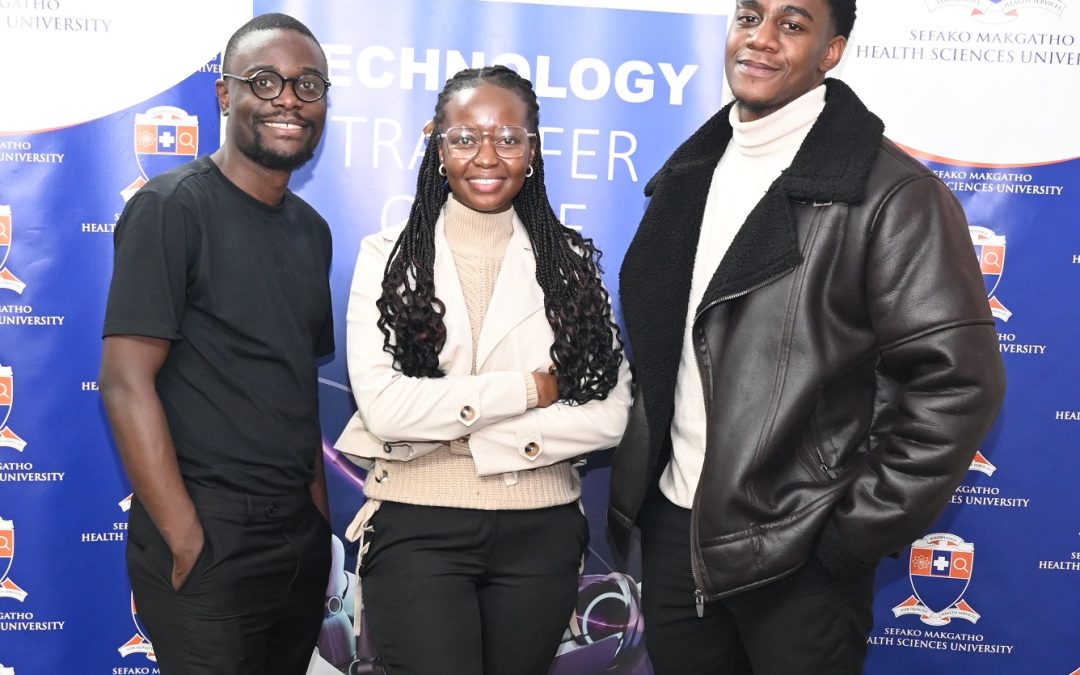
At Sefako Makgatho Health Sciences University (SMU), a new wave of innovation is sweeping across the institution. Guided by the university’s core values of excellence, inclusivity, and social responsibility, three rising stars are emerging from the university’s ranks. Supported by the SMU Technology Transfer Office (TTO), they are not just advancing research; they are united in their mission to improve lives and transform healthcare, both in Africa and globally.
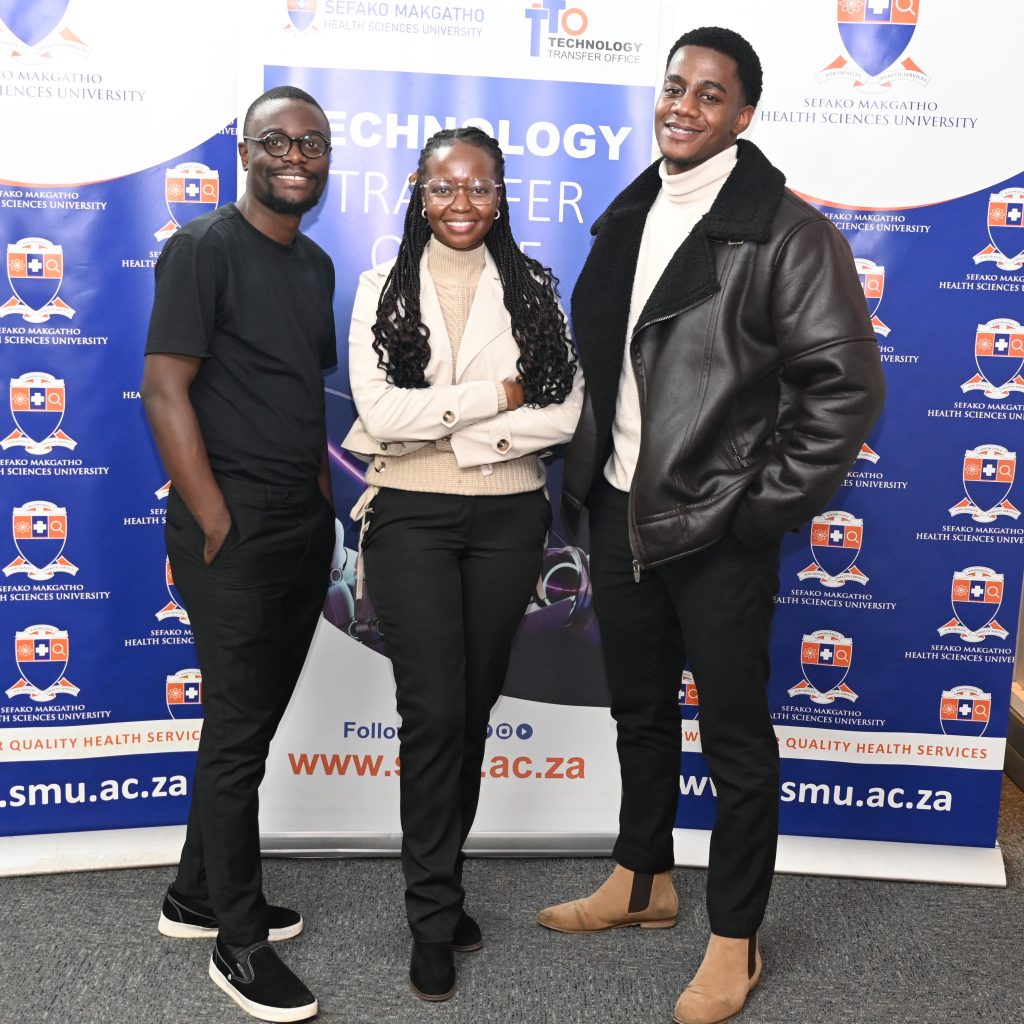 These young innovators, Emmanuel Kiyonga, Thabo Lesiba Lekgoathi, and Nondumiso Nkosi, embody SMU’s commitment to fostering excellence and collaboration in health sciences while simultaneously honouring the institution’s values of inclusivity and social impact. Each of them has made a significant contribution to their field, and their discoveries have the potential to change the course of healthcare in ways that align with the university’s broader goals.
28-year-old Ugandan Pharmacist Emmanuel Kiyonga’s breakthrough drug, Raloxifene Hydrochloride Solvate-Hydrate, is already being hailed as a game-changer in breast cancer treatment for postmenopausal women. His work, which focuses on providing a less invasive and more targeted alternative to existing treatments such as chemotherapy and hormone therapy, underscores SMU’s commitment to social responsibility, especially when it comes to addressing pressing global health challenges.
Kiyonga’s journey, which began with a desire to save lives, has already earned him considerable recognition, including R100,000 in prize money and the prestigious title of Studentpreneur 2024 at the Entrepreneurship Development in Higher Education (EDHE) Intervarsity programme. “Kiyonga’s work is a perfect example of how SMU’s values of excellence and social responsibility come together to create impactful innovations,” says Mohlatlego Sebola, who oversees the operationalisation of the TTO at SMU. “His research not only advances science but also addresses a significant gap in women’s healthcare.”
Kiyonga’s work reflects the ethos of SMU: a commitment to producing transformative research that serves society. “Through the support of the TTO, I’ve been able to bring my idea to life,” Kiyonga explains. “I’m proud to contribute to breast cancer treatment, knowing that it could help women live healthier lives.”
PhD candidate Thabo Lesiba Lekgoathi is a prime example of SMU’s emphasis on the fusion of indigenous knowledge and modern scientific innovation. Lekgoathi’s research centres on a medicinal plant, Schinus molle, which has been used in rural communities to treat respiratory ailments. His work, which led to the identification of geranylgeranyl acetate as a powerful inhibitor of SARS-CoV-2, is a testament to the university’s values of inclusivity and innovation.
Lekgoathi’s research, conducted under the mentorship of Dr Vuyisile Thibane and Professor Stanley Gololo from the Department of Biochemistry and Biotechnology, represents SMU’s focus on socially responsible research that not only draws from local knowledge but also has the potential to address global challenges like the COVID-19 pandemic. By blending traditional medicine with modern scientific methods, Lekgoathi is pushing boundaries in the fight against respiratory diseases and viral infections. His work exemplifies SMU’s belief that inclusivity in research leads to richer, more diverse scientific contributions.
“This innovation is about honouring traditional knowledge while moving science forward,” Lekgoathi says. “It’s about making a real difference, and the support I’ve received from SMU has been invaluable.”
Master’s student Nondumiso Nkosi has developed a diagnostic assay for Hepatitis B, aiming to address the significant gaps in testing accessibility, particularly in resource-limited settings. Nkosi’s diagnostic tool, developed in collaboration with Nagoya City University Hospital in Japan, perfectly aligns with SMU’s values of inclusivity and social responsibility. By providing a solution that is tailored to the unique healthcare challenges faced in Africa, Nkosi’s innovation reflects a strong commitment to improving public health in underserved communities.
Nkosi’s research focuses on creating diagnostic solutions that are not only affordable but also accessible, ensuring that individuals in remote or under-resourced areas can receive early detection and treatment for Hepatitis B. “The partnership with Nagoya City University Hospital was crucial in helping me develop a diagnostic tool that is suited to African healthcare needs,” Nkosi explains. “This innovation is about making a lasting impact where it’s needed most.”
Nkosi’s work represents SMU’s core value of social responsibility, demonstrating how innovation can drive positive change. “At SMU, we are encouraged to think about the greater good,” she adds. “This has been a driving force in my work.”
What unites Kiyonga, Lekgoathi, and Nkosi is not just their individual brilliance, but the sense of community and collaboration fostered by SMU. The support of the Technology Transfer Office (TTO), the mentorship they receive, and the university’s focus on interdisciplinary, inclusive research have been critical to their success.
Under the guidance of the TTO, these students are not only advancing their academic work but also positioning themselves to become leaders in the global healthcare and scientific landscapes. Their shared passion for innovation, social impact, and inclusivity reflects SMU’s mission to nurture talent that makes a difference in the world.
As Sebola puts it: “These three individuals embody the spirit of SMU. They are driven by excellence, committed to social responsibility, and united in their goal to improve the health and well-being of others. We are incredibly proud to support their journeys and look forward to seeing how their work continues to evolve.”
As these rising stars continue to make strides in their respective fields, they remain deeply rooted in the values that SMU stands for—excellence, inclusivity, and social responsibility. Their innovative research is not only changing the future of healthcare but also reinforcing SMU’s position as a leader in higher education that champions transformative, impact-driven research.
The work of Kiyonga, Lekgoathi, and Nkosi serves as a powerful reminder that, at SMU, the future of healthcare and science is bright, and it is united in its pursuit of a better, more inclusive world.
By Dimakatso Modise
by Lorato | Apr 23, 2025 | All News, SMU Media, Student Media
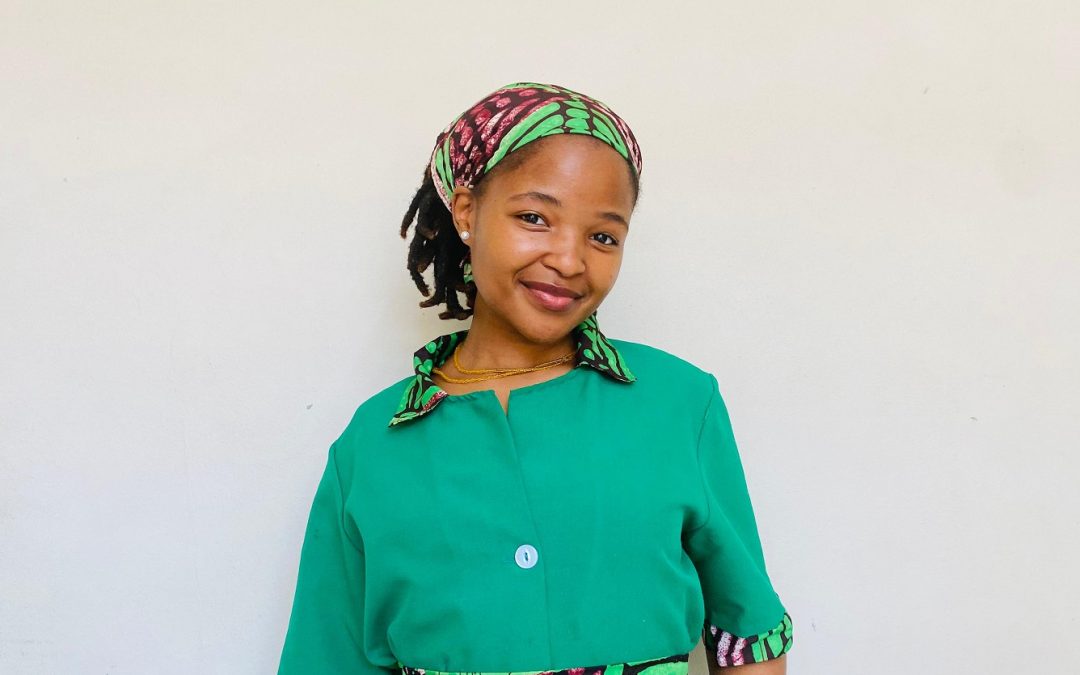
In the buzzing corridors of Sefako Makgatho Health Sciences University (SMU), where textbooks and stethoscopes are the norm, final-year Nursing and Midwifery student Sisonke Vilakazi is quietly redefining what it means to be a student entrepreneur. Through her start-up, Sisonke Cleaning Services, Vilakazi has turned a simple bucket of cleaning products into a tool for empowerment, healing and self-reliance.
 “I grew up being the one cleaning after my younger brother and my tired, working mother,” Vilakazi shares. “She used to say, ‘You’ve always had a knack for organisation’. That stuck with me. I knew I could turn these skills into something meaningful — not just for myself, but for others too.”
In January 2023, driven by a desire to blend passion with profit, Vilakazi took her first step into the world of entrepreneurship. Armed with little more than determination, a bucket, and a few cleaning products, Sisonke Cleaning Services was born. What started in her student residence has now become a respected service on campus — with a unique model tailored for students, by a student.
“I lived in a male-dominated residence,” she explains. “I’d often see posts in the group chat like ‘I’ll pay someone to do my dishes.’ That’s when the lightbulb went off — my target market was right here.”
 Vilakazi says the SMU community played a vital role in the growth of her business. “I’ve always had a supportive res community. Seeing fellow entrepreneurs on SMU Marketplace doing so well really inspired me to keep going.”
What truly sets Sisonke Cleaning Services apart is not just affordability, but a deeply personal commitment to ethics and customer care. “I offer a wide range of services using my own products so students don’t have to worry,” she says. “And because I clean private spaces, I operate on values of mutual respect, confidentiality and privacy. I see… everything,” she laughs, “so trust is non-negotiable.”
Vilakazi’s motto, A Clean Room = A Healthy Mind, captures the heart of her mission. “I understand how living in a clean space improves study habits, sleep, and mental health. It’s more than just cleaning — it’s about wellness.”
Running a business while studying nursing and midwifery hasn’t been easy. From dealing with challenges in the Nurses’ Home to balancing academic pressures, she’s had her fair share of challenges. “Time management is everything,” she said. “I’m always transparent with clients about my schedule. We work out times that suit us both.”
Despite these hurdles, her commitment to excellence remains unshaken. “I ask clients to rate my service and give feedback. If something can’t be done, I tell them upfront and only accept payment when the job is done.”
While expansion isn’t currently on the cards, Vilakazi dreams of upgrading her tools and one-day gifting clients with complimentary cleaning goodies. “For now, I’m happy with what I can manage. But I’d love to get better gadgets and maybe one day surprise my customers with small products.”
Looking ahead, Vilakazi envisions herself more in hospitals than homes. “In five years, I’ll probably be focused on my career as a postpartum nurse. But these skills — cleaning, nurturing, organising — they’ll still be useful. I want to help new mothers settle into motherhood in a clean, safe environment.”
Her advice to fellow SMU students? “GO FOR IT! Don’t be embarrassed about your beginning. I used to carry a bucket of cleaning products on my head — with my head held high — because I believed in my purpose.”
Vilakazi carries a story of strength, compassion and purpose. “I didn’t choose SMU,” she says. “SMU chose me. And it gave me the platform to build something beautiful — not just for myself, but for others too,” she concludes.
By Tumelo Moila