by Lorato | Apr 23, 2025 | All News, SMU Media, Student Media
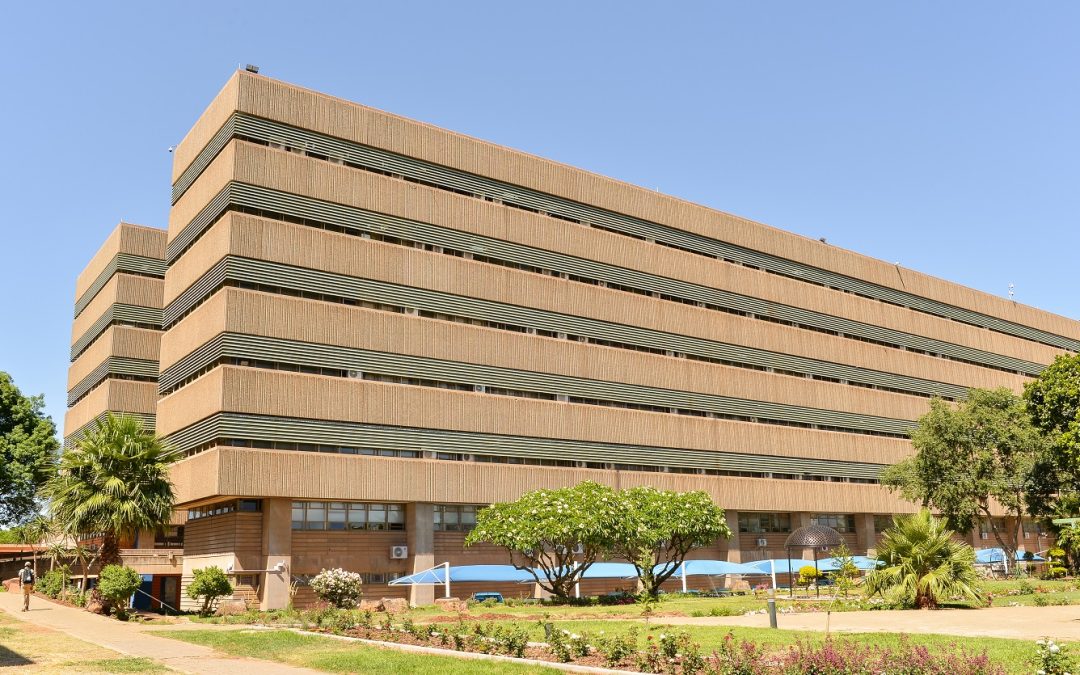
At the heart of modern innovation, Sefako Makgatho Health Sciences University (SMU) stands as an example of transformative education, visionary leadership, and groundbreaking research. With an unwavering commitment to excellence, SMU has carved out a distinguished reputation as a centre of academic excellence with societal impact that not only serves local communities but also reverberates across global health and science landscapes.
 SMU’s journey is defined by its relentless pursuit of knowledge and the ambition to impact lives. This journey began with a clear vision: to develop a curriculum that fosters critical thinking, ethical practice, and pioneering research. Today, SMU’s robust academic programmes and state-of-the-art research, teaching, and learning facilities are nurturing a generation of leaders who are redefining what is possible in the realms of health sciences and beyond. Academics and support staff collaborate seamlessly, driving initiatives that have already led to significant breakthroughs in public health, biomedical innovation, and sustainable healthcare solutions.
A key pillar of SMU’s success lies in its dynamic leadership. University administrators, academic mentors, and support teams work in harmony to create an ecosystem where excellence is not just an aspiration but an everyday reality. This collaboration is exemplified by success stories from alumni and current students whose experiences at SMU have shaped their careers and propelled them onto the world stage. From pioneering emergency medicine practises to leading global health projects, SMU graduates carry the institution’s ethos of service and innovation wherever they go.
Integral to SMU’s global impact are the strategic partnerships forged with leading institutions and industry players worldwide. These alliances enhance research opportunities, facilitate cross-border academic exchanges, and open up new avenues for collaborative projects. Through these connections, SMU has positioned itself as a nexus of ideas and innovation—where local talent meets global expertise. By engaging with international partners, the university not only enriches its academic offerings but also ensures that its research addresses the most pressing challenges of our time, from pandemic preparedness to sustainable healthcare delivery.
Equally important is SMU’s commitment to creating an inclusive learning environment that champions diversity and fosters a spirit of community. The university’s programmes are designed to be accessible and transformative, ensuring that students from all backgrounds have the opportunity to contribute to and benefit from its world-class education. This inclusive approach has yielded a vibrant campus culture, one that values intellectual rigour alongside compassion, creativity, and resilience.
In the words of one distinguished alumnus, “SMU instils the confidence to challenge convention and the courage to innovate.” Such testimonials underscore the profound impact that SMU has on shaping careers and, more importantly, on shaping the future of healthcare and science globally. Every lecture, every research project, and every community initiative is a building block in a larger vision—a vision that sees SMU not only as an educational institution but also as a catalyst for meaningful change.
As we look towards the future, SMU continues to push the boundaries of what is possible. With ambitious research projects in the pipeline, innovative teaching methods, and a commitment to fostering the next generation of leaders, SMU remains at the forefront of academic excellence. Its story is one of passion, perseverance, and profound impact—a story that inspires us all to aim higher and dream bigger.
In celebrating SMU’s journey, we are reminded that excellence is not static—it is an evolving force that drives progress and transforms lives. SMU is proof that when talent, vision, and dedication converge, the results are nothing short of extraordinary.
By Tshimangadzo Mphaphuli

by Lorato | Apr 23, 2025 | All News, SMU Media, Student Media
In a spirited display of community engagement and academic solidarity, Sefako Makgatho Health Sciences University (SMU) hosted a multifaceted outreach programme at Diphetogo Secondary School in Klipgat (North West), aimed at enhancing literacy, wellness, and academic performance among learners. The initiative, led by Programme Director and Physiotherapy Lecturer Ntombenkosi Sobantu, was born out of SMU’s commitment to uplifting surrounding communities through interprofessional collaboration.
 Diphetogo Secondary School was selected following a comprehensive needs analysis conducted in 2023 by SMU’s Department of Physiotherapy, which identified critical gaps in literacy, academic support, and physical activity resources.
“This initiative was inspired by our responsibility to contribute meaningfully to community development,” says Sobantu. “Diphetogo Secondary had clearly expressed a need for support, and we saw an opportunity to make a lasting impact. Bringing together departments such as Library and Information Services, Nursing Science, Academic Literacy & Science Communication, and the School of Science & Technology was crucial for a holistic response.”
Mmakgoshi Reetseng, the event liaison officer and Senior Librarian: Technical Services shared insights into the day’s objectives. “We aimed to promote a culture of reading, provide subject-specific academic support, and introduce wellness activities to encourage healthy lifestyles. The learners were exceptionally engaged during the reading sessions.”
 Among the most impactful activities were the interactive reading sessions. Bulelwa Ntja and Pheleluca Mogashoa, representing SMU Library and Information Services, highlighted the transformative potential of literacy. “Library and Information Services can significantly enhance a learner’s academic journey by improving literacy and comprehension,” they note. Learners participated in World Read Aloud Day by reading selected stories aloud, alongside others, in celebration of storytelling and group reading. The event also marked Library Lovers’ Month and Library Lovers’ Day, both of which aim to foster a love for reading and promote a strong library culture. The team is now exploring options to establish a reading corner and eventually a fully functional library, while also promoting digital access.
Dr Edwin Seleka, Head of Department: Academic Literacy and Science Communication, also an expert in bibliotherapy, emphasised the emotional and psychological benefits of reading. “Books can be a refuge. Bibliotherapy helps learners process emotions, develop resilience, and find comfort through shared stories,” he says. “It’s a powerful tool for mental wellness and should be integrated into the school environment.”
Beyond the books, the event came alive with traditional games, dancing, and aerobic sessions led by SMU physiotherapy students under the supervision of Lecturer Evah Molapisi. Activities such as skipping rope, Pedi traditional dance, and the “Game of Tins” brought energy and joy to the school grounds.
A talk on physical activity was delivered by second-year physiotherapy students. One of the student leaders, Charlize Degenaar, explains: “Physical activity is more than just enjoyable. It enhances cognitive function, reduces stress, and boosts overall well-being – all of which are essential for effective learning.” Both teachers and learners participated in the sessions with great enthusiasm.
Support in Science and Mathematics also featured prominently, with SMU students and staff addressing core academic challenges. “Many learners struggle with understanding complex concepts due to limited resources and practical exposure,” says Thokozile Kgongwana, Interprofessional Education and Collaboration Practice (IPECP) Coordinator. “We are committed to providing ongoing support through tutoring, educational materials, and skills workshops.”
Lesego Malanga, a BSc (Physical Science) student who helped facilitate the sessions, added, “Working as a team across disciplines allows us to respond to learners’ needs more effectively. We’re not just improving academics – we’re shaping futures.”
The Environmental Health team, led by Mpho Mmako with students Tshepo Ntlemesa and Atlegang Leo (both studying Environmental Science), identified sanitation and waste management as key areas of concern. “Better environmental health leads to healthier learners,” says Mmako. “We plan to host workshops on hygiene and collaborate with local authorities for sustainable solutions.”
Gontse Rankapole, a Grade 8 learner, expressed a desire for more structured support. This included a permanent library, book donations, regular reading sessions, tutoring in Mathematics, Physical Sciences and Life Sciences, and access to laboratory facilities.
Teachers and learners at Diphetogo Secondary School praised the programme for its transformative effect. The initiative demonstrated that reading is not merely a school activity – it is a vital life skill. Teachers echoed the sentiment, expressing hope for sustained collaboration.
As Tshepo Maleho, Deputy Principal of Diphetogo Secondary School put it:
“SMU’s visit reminded us that we are not alone. With their continued partnership, our learners can dream bigger, read better, and learn more.”
By Tumelo Moila
by Lorato | Apr 23, 2025 | All News, SMU Media, Student Media
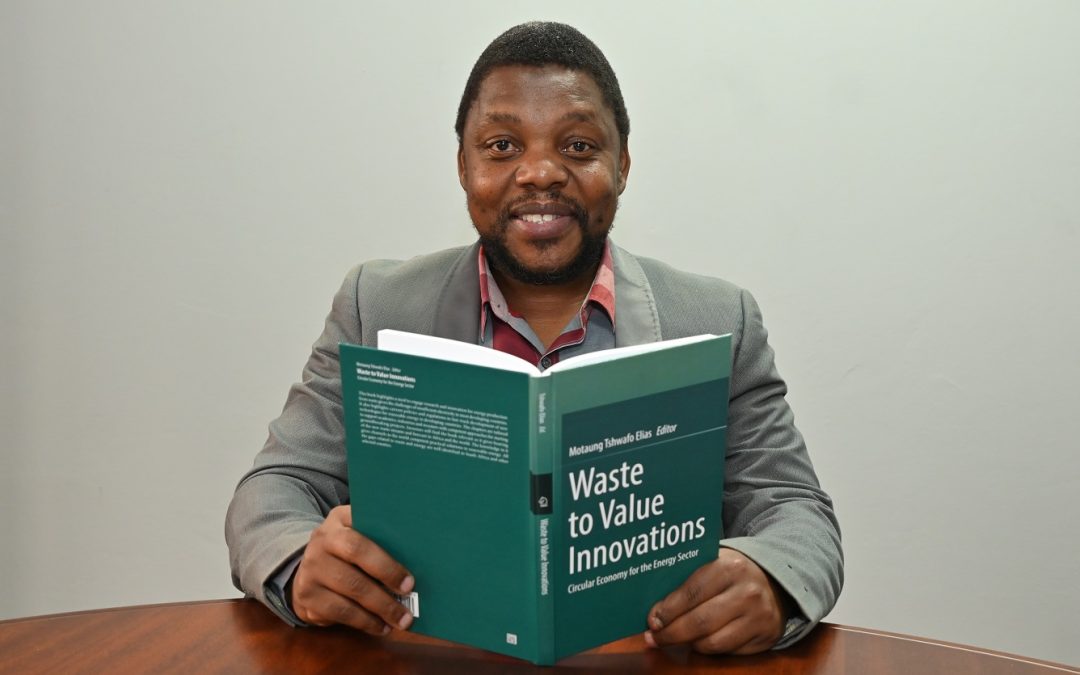
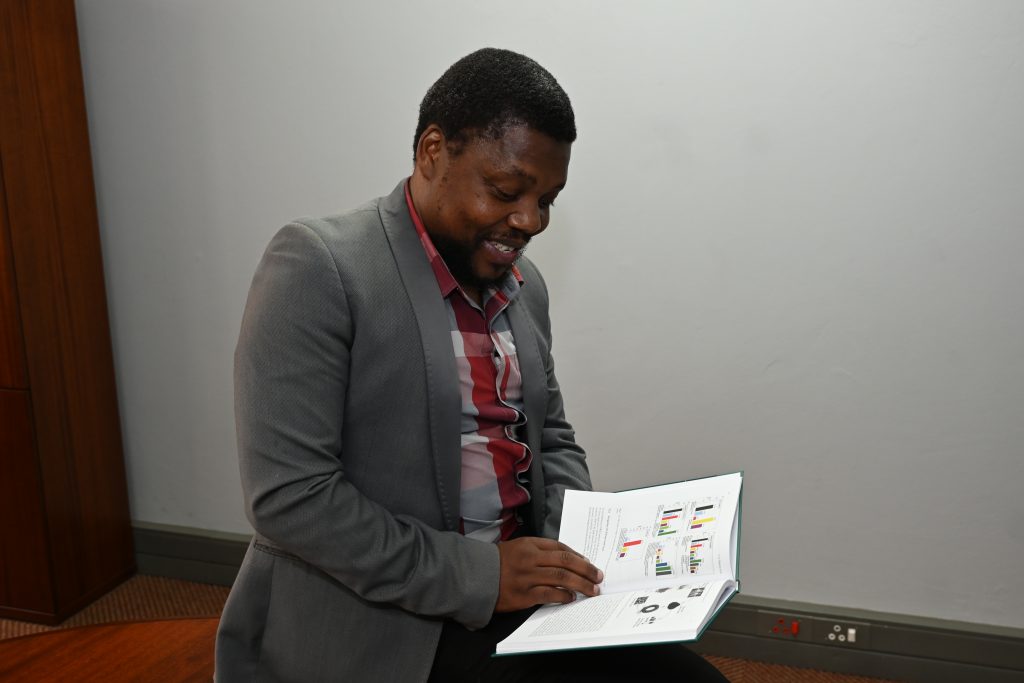
“The revolution should start everywhere and be everywhere in every corner of Africa.” These are the impassioned words of Professor Tshwafo Elias Motaung, Senior Professor and Head of the Material Science Niche Area at Sefako Makgatho Health Sciences University (SMU), whose latest book, Waste to Value Innovations: Circular Economy for the Energy Sector, presents a transformative vision for how Africa can convert its growing waste problem into a sustainable energy solution.
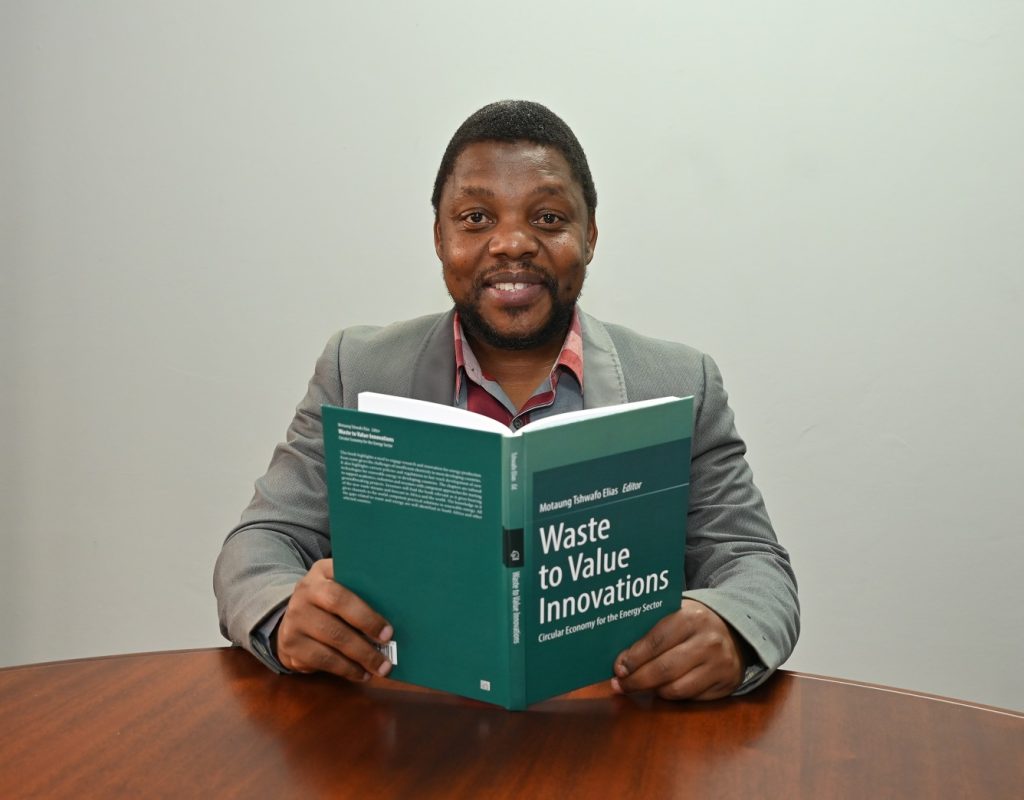 With a PhD in Chemistry from the University of the Free State and a Postgraduate Diploma in Education from UKZN, Motaung is no stranger to turning complex research into practical innovations. His central philosophy is clear: “To convert scientific and indigenous knowledge into powerful innovation that is capable of influencing the economy.”
In an exclusive interview with the SMU Pulse, Motaung revealed how his journey into waste-to-energy research was shaped by years spent observing energy poverty and unmanaged waste in rural and mining communities. “I was constantly confronted with the need for a solution that would address both waste management and energy production,” he says. “It became clear that the solution wasn’t just about managing waste or producing energy, but about reimagining waste as a resource.”
The book, launched to widespread academic and industrial interest, compiles years of research and on-the-ground student projects that have turned everyday waste into usable products, such as building materials and biogas. “These were not just lab exercises,” Motaung says, “but community-based prototypes. This is the essence of the circular economy – creating systems where waste becomes the beginning of new value chains.”
 A key highlight of Waste to Value Innovations is its insistence on the circular economy model as a blueprint for African development. In this model, waste is repurposed, resources are reused, and value circulates within local economies. “This decentralised model is incredibly promising for developing countries,” Motaung argues. “It lowers dependency on the national grid, reduces energy costs, and addresses environmental challenges like pollution and landfill overflow.”
One of the book’s strengths lies in its synthesis of scientific rigour and indigenous knowledge, offering readers not only technical solutions but culturally grounded insights. “Too often, these domains operate in silos,” asserts Motaung. “This book challenges that fragmentation by demonstrating how local knowledge can enhance scientific acceptance and relevance.”
From case studies in South Africa to broader insights across the continent, the book offers practical examples of how circular economy innovations have been implemented with tangible success. “They serve as proof that scientific innovation, when aligned with local context, can lead to scalable, impactful solutions,” he notes.
But the road is not without challenges. Motaung points to inconsistent policy frameworks, lack of enforcement, and fragmented governance as barriers to progress. “We need regional collaboration to harmonise standards, co-develop enabling policies, and encourage innovation while safeguarding public and environmental health.”
The book also acts as a call to action for researchers. Motaung identifies urgent research gaps in modular conversion systems, rural energy delivery, and low-cost technology. “We need interdisciplinary research that not only recovers energy but also captures valuable materials from waste,” he says.
Beyond academia, the book is pitched at industry stakeholders, investors, and policymakers, providing a roadmap for commercialising waste-to-energy solutions. “Investors will find this book particularly useful,” he says. “It offers a bearing on new waste streams and energy forecasts in Africa and globally.”
Ultimately, Waste to Value Innovations is more than a publication—it is a manifesto for a more sustainable, resilient Africa. In the face of energy poverty and environmental degradation, Motaung believes that local innovation, informed by both science and tradition, can light the way forward.
As he puts it: “Africa’s future doesn’t lie in imitation but in innovation. Waste is not the end—it’s the beginning.”
By Tumelo Moila
by Lorato | Apr 23, 2025 | All News, SMU Media, Student Media
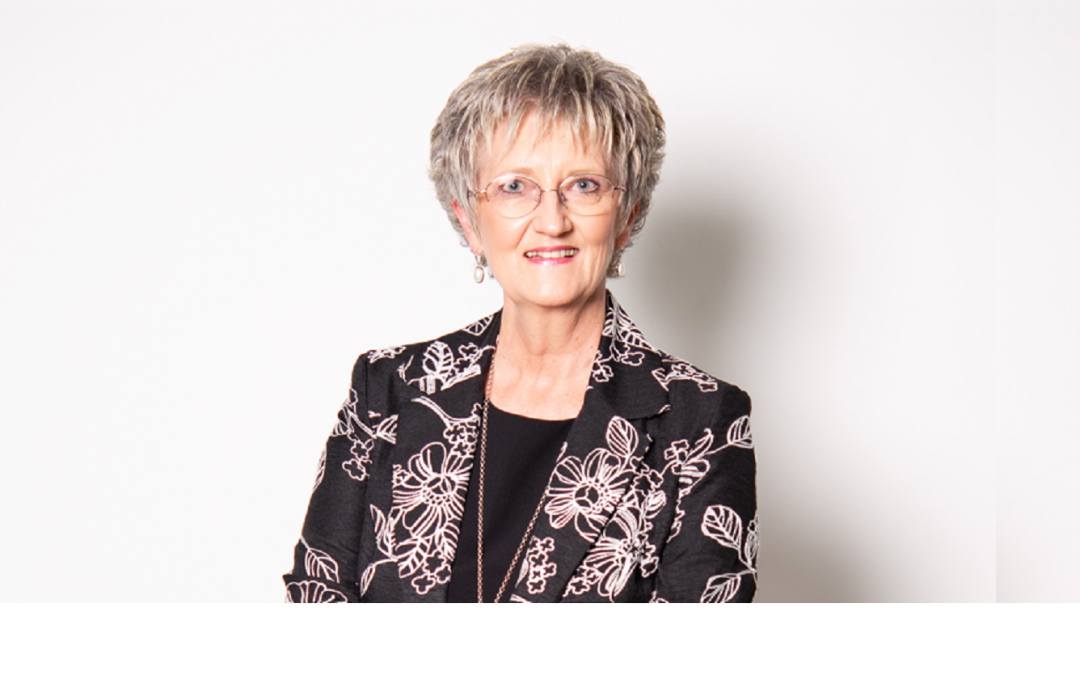
Professor Hannelie Meyer was recognised as the Best-Established Researcher and Best Overall Female Researcher at the Sefako Makgatho Health Sciences University (SMU) Vice-Chancellor’s Excellence Awards 2024 for her outstanding contributions to public health pharmacy research. She received this prestigious recognition for her dedication to impactful research, mentorship, and leadership in research. “I am deeply honoured by this recognition,” she says. “It is evidence that dedication and collaboration drive impactful research in public health pharmacy.”
 Her journey in academia and research bears testimony to her unwavering commitment to improving public health through evidence-based interventions. As a Full Professor in the Department of Public Health Pharmacy and Management (PHPM) in the School of Pharmacy, she also leads the South African Vaccination and Immunisation Centre (SAVIC) at SMU. With over 40 years of experience in the pharmaceutical and public health sectors, she has made significant contributions to improving primary healthcare at the national, regional, and global levels.
Meyer’s research focuses on strengthening healthcare services and improving public health, with a particular emphasis on vaccination as a vital pillar of antimicrobial stewardship. This includes building vaccine confidence and promoting the rational use of medicines to ensure patient safety. A National Research Foundation (NRF) Category C2 rated scientist since 2022, she has an impressive body of work, including 184 articles in peer-reviewed journals, 406 national and international conference presentations, and 57 research and academic awards, including several SMU Vice-Chancellor’s Excellence Awards, namely the Distinguished Community Scholar Excellence Award in 2021; Most Established Researcher in the School of Pharmacy Excellence Award in 2018 and 2022; and Best Overall Female Researcher Excellence Award in 2018. Her mentorship has led to the successful completion of 96 postgraduate students, including 7 PhDs.
Her academic leadership has seen her coordinate the Bachelor of Pharmacy (BPharm) programme for nine years, lead the development of the professional Master of Pharmacy (MPharm) in PHPM, and develop training materials for the Higher Certificate in Vaccinology. Her work supports the World Health Organization’s (WHO) goal of ensuring global access to safe, effective, and high-quality medical products, vaccines, and technologies.
Throughout her career, Meyer has benefitted from strong mentorship, which she now pays forward to young and emerging researchers. I was fortunate to have had great mentors, such as Professor Rose Burnett, who introduced me to research on the social aspects of vaccination, and Professor Brian Godman, who helped expand my expertise in drug utilisation research,” she explains. “Now, I strive to provide the same support and guidance to early-career researchers.”
She encourages early-career researchers to seek mentorship, engage in academic collaborations, and take advantage of funding opportunities provided by SMU and external bodies. “Commitment, dedication, hard work and a passion for meaningful research are key to long-term success,” she advises.
Balancing academic excellence with personal responsibilities remains a challenge for many female researchers. Meyer acknowledges the difficulties of securing research funding, managing administrative tasks, and maintaining a work-life balance. “Women in research face unique challenges, but with resilience and support, we can excel in both our professional and personal lives,” she says. Despite these challenges, she has carved a path of success, demonstrating that women can excel in academia and research while fulfilling personal and family roles.
Beyond academia, Meyer’s work has helped shape national, regional and global health policies. She holds three ministerial appointments in South Africa, including chairing the National Immunisation Safety Expert Committee and serving on the National Advisory Group on Immunisation and the South African Health Products Regulatory Authority Board. She also serves on various African Union vaccine safety committees and the WHO Global Advisory Committee on Vaccine Safety.
Her dedication to community engagement was particularly evident during the COVID-19 pandemic. She played crucial roles in developing training materials, training healthcare workers, designing vaccine implementation guidelines, and establishing vaccine safety surveillance systems. During the pandemic, it was crucial to ensure that healthcare workers were well-equipped with the knowledge and resources to manage the implementation and safety of the COVID-19 vaccine, she recalls. Her leadership in vaccine risk communication and pharmacovigilance has significantly contributed to strengthening South Africa’s primary healthcare service delivery.
Meyer considers her most significant achievement to be the success of her postgraduate students. “Seeing my students thrive and take on leadership roles is incredibly rewarding,” she reflects. Many of her mentees now hold leadership positions in government and academia, driving positive change in public health and pharmacy. She believes in the power of mentorship, collaboration, and dedication to fostering a new generation of healthcare professionals who will continue her legacy.
Her philosophy is encapsulated in the African proverb: “If you want to go fast, go alone. If you want to go far, go together.” Through her research, mentorship, and leadership, Meyer has undoubtedly made significant strides, and her contributions will undoubtedly resonate for years to come.
By Dimakatso Modise
by Lorato | Apr 22, 2025 | Accolades and Achievements, All News, SMU Media, Student Media
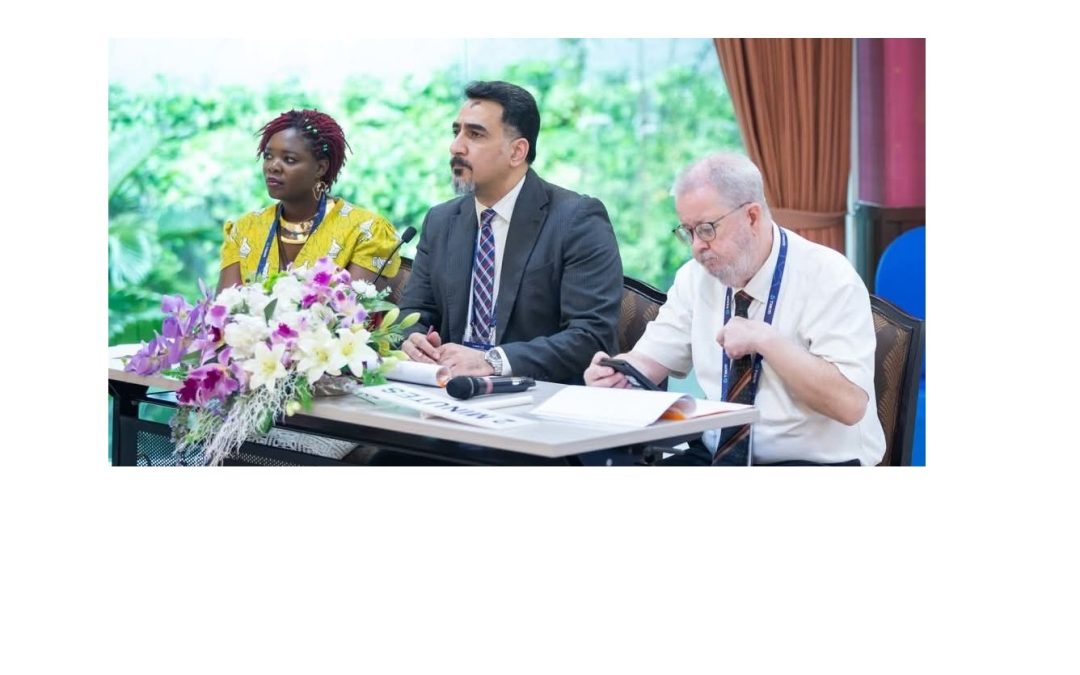
Sefako Makgatho Health Sciences University (SMU) has reinforced its international research footprint by co-hosting the prestigious 8th Global Public Health Conference (GLOBEHEAL 2025) in partnership with the International Institute of Knowledge Management (TIIKM). The conference, recently held at the Bangkok Convention Centre in Bangkok, Thailand, focused on “Community Engagement and Empowerment: Strengthening Health Promotion Initiatives.”
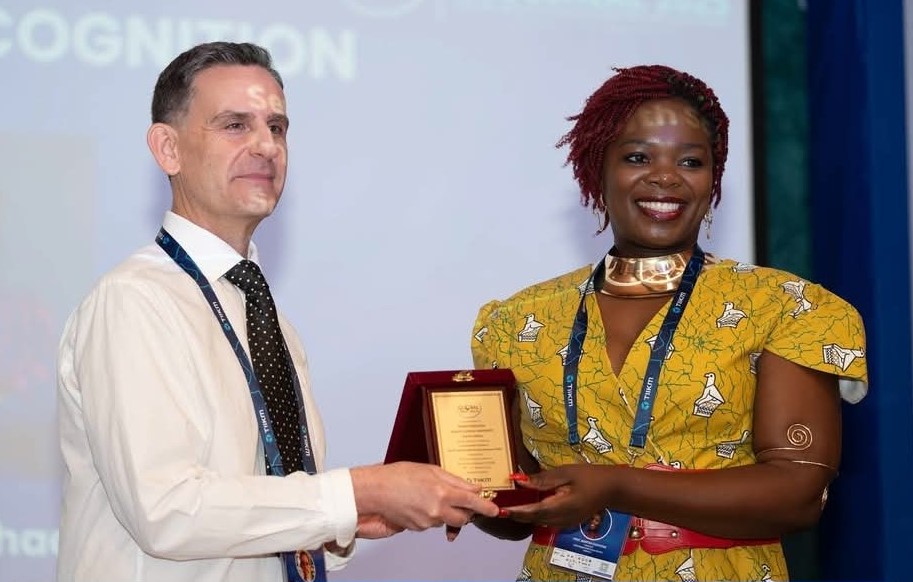 The collaboration was led by Professor Martha Chadyiwa, who initiated discussions between SMU and TIIKM. Under the leadership of Professor Mathildah Mokgatle, the Department of Public Health played a pivotal role, with senior faculty members representing SMU.
GLOBEHEAL 2025 provided a platform for SMU to showcase its research, engage with international experts, and establish new academic partnerships. The university’s representatives delivered research presentations, chaired technical sessions, and participated in high-level discussions. SMU co-hosted the conference, which focused on community engagement and empowerment in health promotion initiatives.
As Chadyiwa notes: “The conference provided an exceptional platform for showcasing SMU’s research strengths through Professor Olanrewaju Oladimeji’s plenary speech and our faculty’s diverse presentations, while the leadership roles they assumed elevated our reputation from mere attendees to recognised contributors shaping global health conversations.”
The conference brought together leading public health experts from around the world, with SMU delegates attending both in person and virtually. This hybrid approach enabled the university to showcase its research to over 500 delegates from 30+ countries, further enhancing its global reputation.
SMU’s partnership with TIIKM expanded its international research network, provided opportunities for student and staff exchange programmes, enhanced its academic credibility, and initiated new collaborations. Research findings from the conference were included in international academic databases, demonstrating the academic impact of the event.
This achievement embodies SMU’s values of innovation, social responsibility, excellence, and integrity. The university’s commitment to social responsibility was evident in its engagement with global health experts, addressing pressing public health challenges. The pursuit of excellence was demonstrated through high-quality research presentations and technical sessions.
The collaboration required meticulous planning, with virtual meetings held to finalise SMU’s contributions, arrange travel logistics, and develop promotional materials. The Research and Internationalisation departments played key roles in coordinating these efforts.
Moving forward, SMU will leverage the relationships and opportunities cultivated at GLOBEHEAL to further its commitment to impactful public health research and education. The university plans to formalise collaborations with international institutions, expand exchange programmes, host a future conference, develop joint publications, and secure research funding.
Chadyiwa says: “GLOBEHEAL 2025 was a transformative experience for SMU. The knowledge shared, networks formed, and research collaborations initiated will drive our public health mission forward.”
The conference has opened doors for joint research, publications, and funding opportunities. SMU’s participation has placed the university on the global stage for public health discussions, demonstrating its commitment to advancing public health research and education.
In conclusion, SMU’s participation in GLOBEHEAL 2025 marked a pivotal moment in its journey towards international academic excellence. As SMU continues to build on this momentum, it is clear that the university will play an increasingly important role in shaping the future of public health research and education.
By Dimakatso Modise

by Lorato | Apr 22, 2025 | Accolades and Achievements, All News, SMU Media, Student Media
In a landmark achievement for Sefako Makgatho Health Sciences University (SMU), PhD candidate Thabo Lesiba Lekgoathi has successfully filed a provisional patent for a novel compound derived from a medicinal plant, demonstrating significant activity against respiratory diseases, including COVID-19. This innovation, developed under the mentorship of Dr Vuyisile Thibane and Professor Stanley Gololo in the Department of Biochemistry and Biotechnology under the School of Science and Technology (SST), exemplifies SMU’s commitment to pioneering research that bridges indigenous knowledge with modern scientific advancements.
 The Technology Transfer Office (TTO) at SMU facilitated the patent filing process, highlighting the university’s dedication to translating research into tangible health solutions. This development not only underscores SMU’s role in addressing pressing health challenges but also positions the institution at the forefront of innovation in the health sciences sector.
Lekgoathi’s research centres on Schinus molle, a plant traditionally used in rural communities to treat colds and flu-like symptoms. Through meticulous analysis, he identified geranylgeranyl acetate, a diterpenoid extracted from Schinus molle, which exhibits inhibitory effects on key SARS-CoV-2 protease enzymes, PLpro and Mpro. These enzymes are critical for viral replication and immune system suppression. By inhibiting them, geranylgeranyl acetate disrupts the virus’s ability to mature and allows the immune system to remain active.
“The compound’s ability to inhibit broad targets of the virus makes it unique,” Lekgoathi explains. “Its volatile nature allows for administration through an oil-based formulation which has been enriched with the compound and/or through pelletized extracts which can be deposited into a hot water system for inhalation, potentially offering a natural, accessible treatment for respiratory symptoms associated with SARS-CoV-2 infection.”
The journey from concept to provisional patent was not without challenges. Lekgoathi faced infrastructural limitations and personal hardships, including the loss of loved ones to COVID-19. Despite these obstacles, he remained resolute. “Computational studies helped narrow down the search for a novel active compound, which would have been an expensive exercise through other methods,” he notes.
Securing a provisional patent for this compound is a pivotal step, in safeguarding the intellectual property and facilitating further development. The TTO at SMU played an instrumental role in this process. “The TTO provided essential resources, including legal expertise, ensuring that the patent application was properly structured,” Lekgoathi acknowledges.
Looking ahead, the focus is on conducting analytical tests such as toxicity studies to validate the compound’s efficacy and safety. Exploring various formulations and delivery methods will be crucial to ensure practical application. Lekgoathi envisions potential partnerships with pharmaceutical companies and government agencies to support the development, testing, and commercialisation of this compound. “This innovation has the potential to make a significant contribution to global health by offering a natural, accessible, and effective treatment for respiratory infections,” he asserts.
Dr Esmey Moema, Operations Manager of the SST at SMU, emphasises the broader implications of this achievement. “This accomplishment is a powerful reflection of the school’s evolving research strategy, aligned with innovation-driven outputs and the potential for commercialisation,” she states. “It underscores our commitment to advancing translational research that contributes to health security and economic development.”
This development not only highlights the potential of indigenous plants in modern therapeutics but also positions South Africa’s biotechnology and pharmaceutical industries for growth. By bridging traditional knowledge with scientific research, Lekgoathi’s work exemplifies the transformative impact of integrating cultural heritage with contemporary science.
By Tumelo Moila