by Lorato | Feb 25, 2025 | All News, SMU Media, Student Media
As part of its commitment to holistic student development, Sefako Makgatho Health Sciences University (SMU) provides students with opportunities to participate in leadership development programmes. Through active involvement in student governance structures, students gain the necessary skills to become agents of social change and responsible citizens who positively impact their communities. One such initiative is the newly established Association for Dietetics at Sefako Makgatho Health Sciences University (ADSMU), which is making significant strides in supporting dietetics students and promoting nutrition awareness. With a vision of enhancing academic resources, professional development, and community engagement, ADSMU seeks to lay a strong foundation for future dietitians at SMU.
 The association’s name was deliberately chosen to reflect its focus. Chairperson Matome Chilwane explains: “We wanted a name that clearly identifies our mission and aligns with our goal of serving and supporting students in this discipline.” While ADSMU is not yet affiliated with national or international dietetics organisations, efforts are underway to establish these connections. “Engaging with these structures will expand opportunities for our members and align our activities with global dietetics standards,” Secretary Katlego Nhlapo states.
ADSMU will play a vital role in promoting optimal nutrition through health and wellness events, nutrition education, and community outreach. “We will contribute by raising awareness of the importance of nutrition and healthy eating habits, not only at SMU but also in the broader community,” Chilwane adds.
To support the professional growth of dietetics students, ADSMU will provide essential resources, including study materials, past papers, and academic guidance. “We will organise career development workshops and networking events where students can interact with professionals in the field,” says the executive committee. Regular seminars and guest lectures will ensure members stay informed on best practices.
Community engagement is a core aspect of ADSMU, with initiatives such as nutrition workshops, public health campaigns, and wellness days, particularly focused on schoolchildren. “We will also organise events where students provide free nutrition advice, helping to build community awareness around healthy living,” Nhlapo notes. Such initiatives will not only promote health but also allow students to apply their knowledge practically.
Membership in ADSMU offers several benefits, including access to academic resources and professional development opportunities. The annual membership fee of R10 will help cover operational costs, workshops, and community outreach. “This fee will ensure we can provide valuable resources and services to our members,” Chilwane explains.
ADSMU is committed to fostering an inclusive and supportive environment. “We will actively promote a welcoming atmosphere for all students,” states Nhlapo. The executive committee oversees activities, ensuring transparency and adherence to the constitution. “Accountability is key to our success. We will hold regular meetings and share financial reports with members,” Chilwane asserts.
 Executive Committee Members:
- Matome Chilwane (Chairperson)
- Thabelo Tshikhudo (Deputy Chairperson)
- Katlego Nhlapo (Secretary)
- Khensani Msimango (Deputy Secretary)
- Karabo Mathabathe (Treasurer)
- Noluthando Nsele (Social Media & Marketing Officer)
- Franco Baloyi (Events Coordinator)
- Phemelo Setsiba (First-Year Guardian)
- Modipadi Letsoalo (First-Year Guardian)
ADSMU also introduced the First-Year Guardians initiative to assist new students in navigating academic challenges and social adjustments. “They will provide mentorship and support to ease the transition into university life,” says Nhlapo. In addition, the upcoming Academic Assistants programme, comprising top achievers, aims to help students struggling with departmental modules.
Sustainability remains a key priority for ADSMU, with efforts focused on strengthening relationships with universities and dietetics organisations alongside fundraising. “We seek sponsorships from local businesses and dietetics professionals to support our activities,” adds Chilwane.
In summary, ADSMU is more than just an association—it is a movement dedicated to empowering future dietitians through leadership, academic excellence, and community impact. By equipping students with essential skills and resources, ADSMU is ensuring that SMU graduates leave not only as competent professionals but also as socially responsible individuals ready to make a lasting difference in their communities.
By Tumelo Moila

by Lorato | Feb 25, 2025 | All News, SMU Media, Student Media
Sefako Makgatho Health Sciences University (SMU) is not merely an institution of academic excellence—it is a vibrant community where ambition, compassion, and enduring bonds are nurtured. Among its many distinguished alumni is Tshepo Letsoalo, whose passion for physiotherapy was ignited by the remarkable recovery of his aunt following a stroke. This life-changing moment spurred Tshepo to envision a future where he could offer hope to the hopeless and redefine disability as an adapted ability.
 Letsoalo’s journey at SMU not only moulded his professional aspirations but also introduced him to a partner equally dedicated to the healing arts. Alongside Fulufhelo Ndou, his SMU sweetheart, their story began in 2013 during a simple bus ride that evolved into shared study sessions and countless moments of mutual support. Together, they weathered the rigours of a demanding physiotherapy programme, transforming academic challenges into stepping stones for success.
Balancing their personal and professional lives was no easy feat. Yet, their unwavering commitment saw them both earn distinctions and celebrate triumphs at the annual SMU physiotherapy awards—a testament to the transformative and nurturing environment that SMU provides. Following their Bachelor of Science degrees in Physiotherapy, with Letsoalo graduating in 2015 and Ndou in 2016, the couple seamlessly transitioned from university sweethearts to trailblazing healthcare leaders.
Today, both practising at Jubilee District Hospital (Hammanskraal), Ndou serves as Senior Physiotherapist overseeing quality assurance and community service, while Letsoalo has risen to the role of Chief Physiotherapist and taken on responsibilities in healthcare management. Their leadership, characterised by integrity, professionalism and innovative thinking, has significantly enhanced access to quality rehabilitation services and set new benchmarks in patient-centred care.
Letsoalo’s initial spark—witnessing his aunt’s inspiring recovery—continues to drive his commitment to making a tangible difference. “I saw firsthand the power of hope and the transformative potential of care,” he reflects. This deep-seated passion, nurtured by SMU’s supportive ethos, has become the cornerstone of his career, fuelling his ambition to mentor junior professionals and lead meaningful policy initiatives in the public health sector.
Their story is a powerful reminder that when academic rigour is paired with personal conviction, extraordinary change is possible. For those juggling the challenges of studies and personal life, Letsoalo and Ndou’s parting advice is poignant: “Always remember why you chose this noble profession. With a partner who shares your vision and values, every obstacle transforms into an opportunity for growth.”
SMU’s role in shaping these dynamic leaders cannot be overstated. It is here that passion is kindled, careers are forged, and lifelong connections are built—ensuring that every graduate carries forward the spirit of hope, resilience and service.
By Tumelo Moila

by Lorato | Feb 25, 2025 | All News, SMU Media, Student Media
At Sefako Makgatho Health Sciences University (SMU), academic brilliance is lovingly intertwined with the spirit of Ubuntu, a testament to the institution’s enduring values of respect and community. Among the many souls who embody this ethos stands Radipoponono Tladi – affectionately known as the “Honourable One” – whose quiet humility, boundless kindness, and steadfast dedication have left an indelible mark on the SMU family.
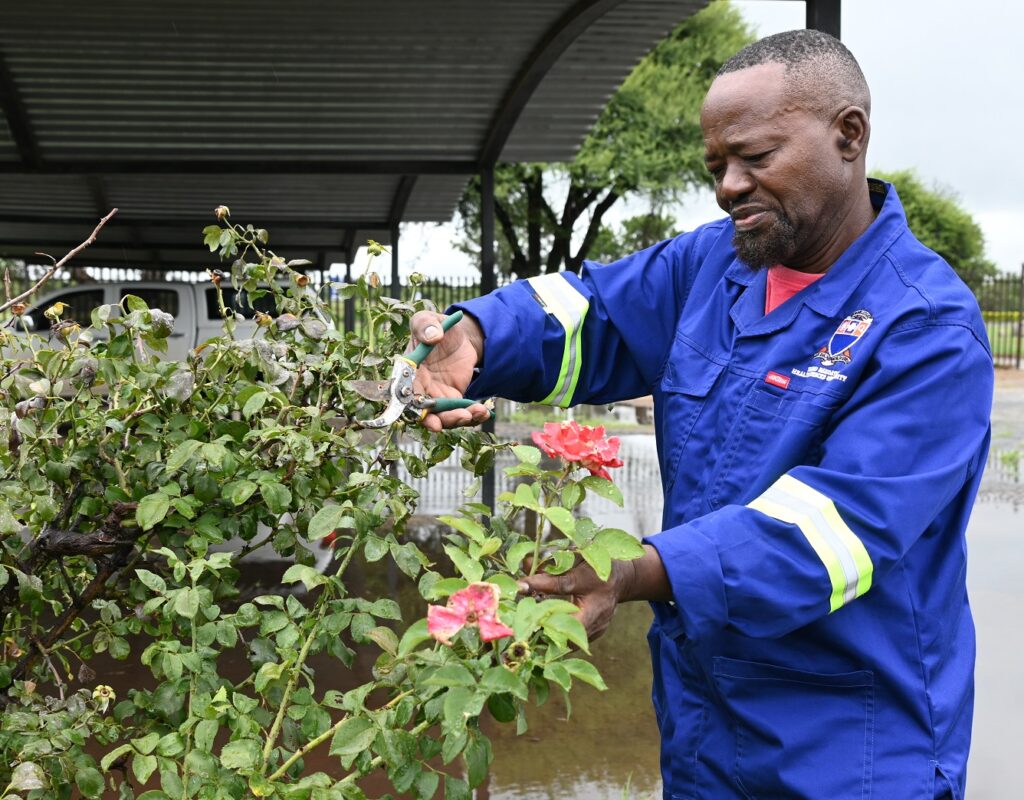 Born in Lady Selbourne, now Suiderberg, Tladi’s early life was steeped in nature’s gentle embrace. Later, in Ga-Rankuwa, he discovered the profound joy of gardening, a passion that transformed necessity into a lifelong devotion. “I grew up where farming and gardening were part of daily life,” he reminisces, his voice soft with nostalgia, “and that love has only grown deeper with time.”
Now a cherished member of SMU’s gardening personnel, Tladi does far more than tend to green spaces. He cultivates hope, offers sage advice, and extends heartfelt greetings that have become a source of comfort for both students and staff. “I wanted to work somewhere that allowed me to blend my love for nature with a sense of community,” he reflects, and SMU has indeed become the perfect haven for his nurturing spirit.
For many, Tladi is not merely a caretaker – he is a father figure, a confidant, and a gentle reminder that care and compassion can flourish in even the smallest of gestures. SMU alumna and Clinical Psychologist Mosima Letsoalo sums it up beautifully: “The Honourable One is a beacon of compassion and humility, uplifting spirits even on the darkest days. With his contagious smile and grace, he radiates gratitude in all he does. A man of such calibre truly deserves his flowers while he is still alive.”
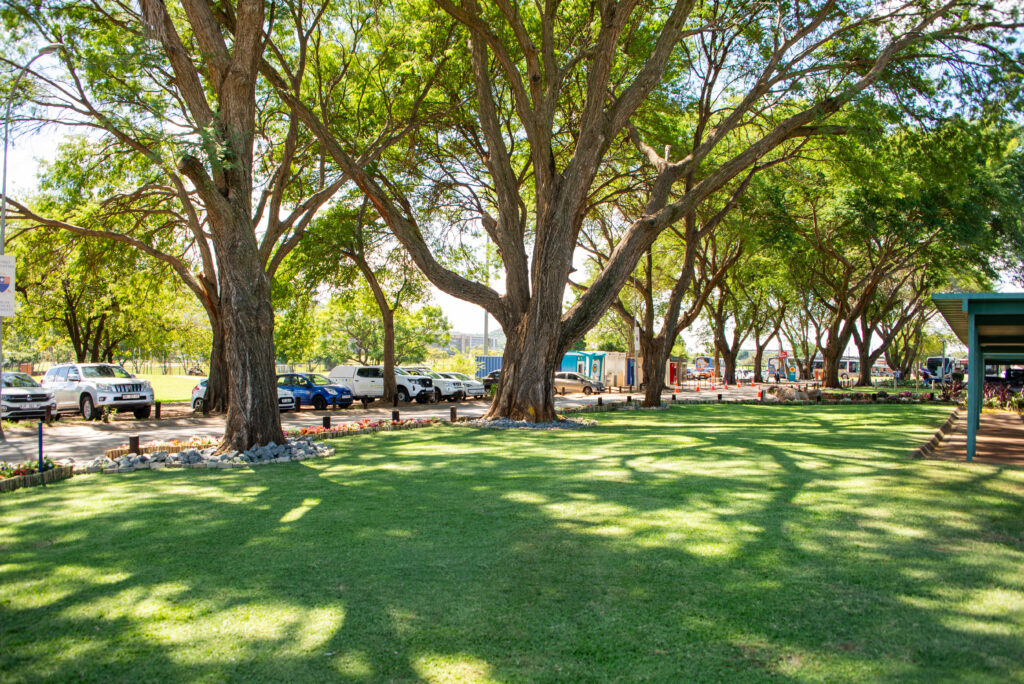 Every corner of the university’s gardens tells a story carefully crafted by Tladi’s tender hand. He believes that each plant holds a purpose, just as every individual does. From lavender for relaxation and sunflowers for joy to aloe vera for healing, every choice is deliberate – a living metaphor for resilience and hope. His favourite, the ancient cycad, stands as a testament to survival and timeless beauty, inspiring all who pause to admire its enduring strength.
Despite facing challenges such as unpredictable weather, plant diseases, and the constraints of limited resources, Tladi’s resolve never wavers. “Challenges push us to be creative,” he muses, recalling how he has often turned to recycled materials to keep his beloved gardens thriving. His vision extends beyond mere maintenance – he dreams of creating a serene green sanctuary, a peaceful retreat where students can find solace, recharge, and draw inspiration from the natural world.
In a world often defined by haste and hardship, Radipoponono Tladi reminds us that true greatness lies not in accolades but in the quiet, consistent acts of care that uplift others. His gentle words and kind presence have nurtured both the gardens and the hearts of those who walk among them, embodying the very essence of SMU’s commitment to excellence and community.
At SMU, where academic excellence meets the beauty of compassion, the “Honourable One” stands as a living testament to the power of kindness. His story, woven through the fabric of the university, continues to inspire and comfort, proving that even the simplest acts of care can blossom into a legacy of hope and love.
By Tumelo Moila
by Lorato | Feb 25, 2025 | All News, SMU Media, Student Media
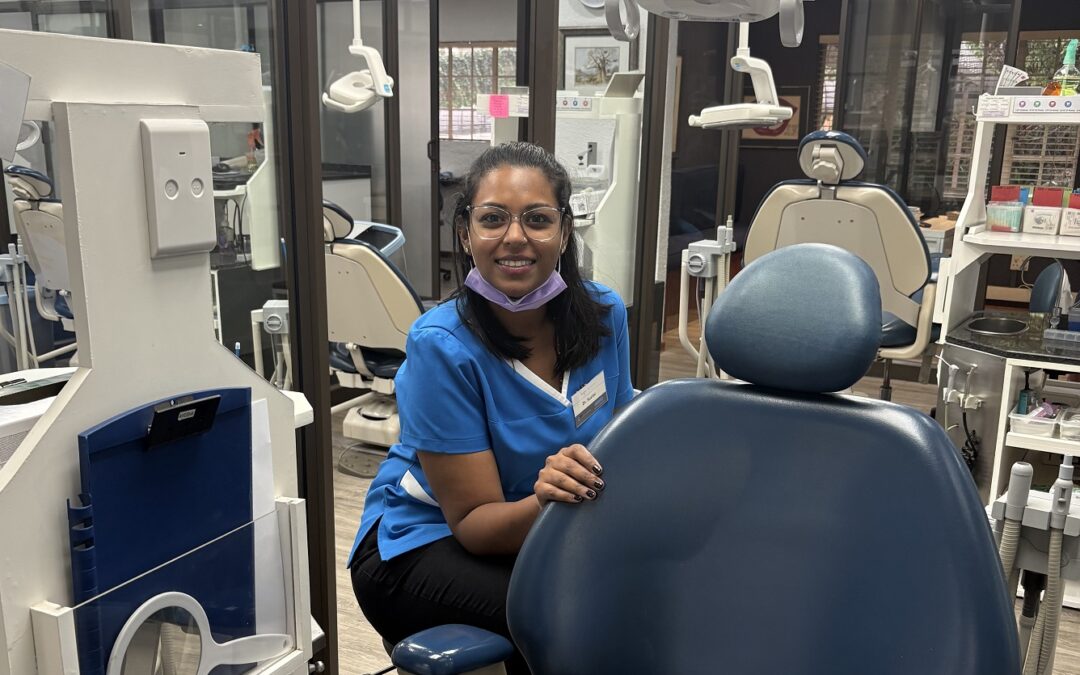
At Sefako Makgatho Health Sciences University (SMU), academic ambition meets an unwavering commitment to excellence. SMU’s enabling environment has long been the springboard for talent, and few stories illustrate this better than that of Dr Yuvthi Rampersadh. Her trailblazing journey in orthodontics—marked by grit, dedication, and passion—is exemplary of SMU’s calibre of dental specialists.
 Dr Rampersadh’s academic odyssey began at the University of Pretoria, where she laid the foundations of her dental career and exploring the nuances of Aesthetic Dentistry. She then further honed her skills at the University of the Western Cape, completing a master’s thesis in Orthodontics and earning a diploma in Interceptive Orthodontics. Yet, it was at SMU where her dream of becoming a specialist orthodontist was brought to life. “SMU provided me with a challenging yet rewarding environment that fostered my growth into an orthodontist,” she recalls, underscoring the rigour and support that shaped her professional journey.
Joining the SMU Oral Health Sciences Department as a Registrar in Orthodontics in 2020, Rampersadh quickly became known for her resilience and commitment. One pivotal moment remains etched in her memory: the fateful call on 20 December 2019, offering her the chance to specialise—a call that set her on a path to transform not just smiles but lives. At SMU, she forged lasting bonds with mentors, colleagues, and patients, experiencing first-hand the unique intimacy of orthodontic care, where relationships can span over two years.
Her drive to master the art of symmetry and her willingness to embrace delayed gratification have defined her approach to orthodontics. Yet, balancing a demanding full-time course, clinical responsibilities, and research with the challenges of home life—especially as a new mother —was no small feat. It is here that the SMU community’s steadfast support, alongside her supportive family, played a crucial role in helping her navigate obstacles and emerge stronger.
As she prepares to embark on a new chapter at Hugo Orthodontics as a Specialist Orthodontist, Dr Rampersadh’s career is a testament to perseverance and excellence. Working alongside luminaries such as Dr Andre Hugo and Dr Keitumetse Taunyane, she is poised to further innovate within the field, taking the lessons learned at SMU into the realm of private practice. Yet, her connection to SMU remains unbreakable, with plans to return in a sessional capacity to inspire future generations.
In a landscape where challenges are met with tenacity, SMU continues to stand as an incubator of exceptional talent and global leadership. Dr Rampersadh’s journey is a reminder that with the right environment, passion can indeed transform mere dreams into reality. As SMU proudly celebrates its role in nurturing world-class professionals, its legacy as an enabling environment for breakthrough achievement endures—propelling its alumni to redefine excellence on the international stage.
By Dimakatso Modise
by Lorato | Feb 25, 2025 | All News, SMU Media, Student Media
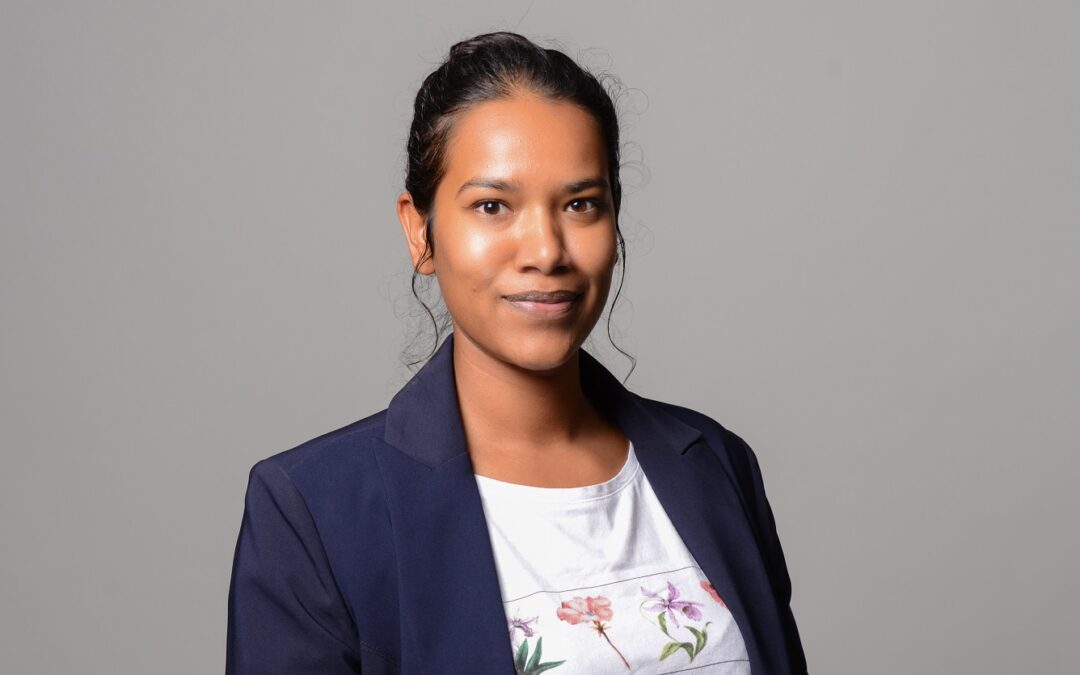
In a resounding testament to Sefako Makgatho Health Sciences University’s (SMU) academic excellence, Dr Sabashnee Govender-Davies has been awarded the Best Beginner University Teacher Award at the 2024 Vice-Chancellor’s Awards. This prestigious accolade places her at the forefront of innovative medical education, reinforcing SMU’s position as a leader in the training of future health professionals.
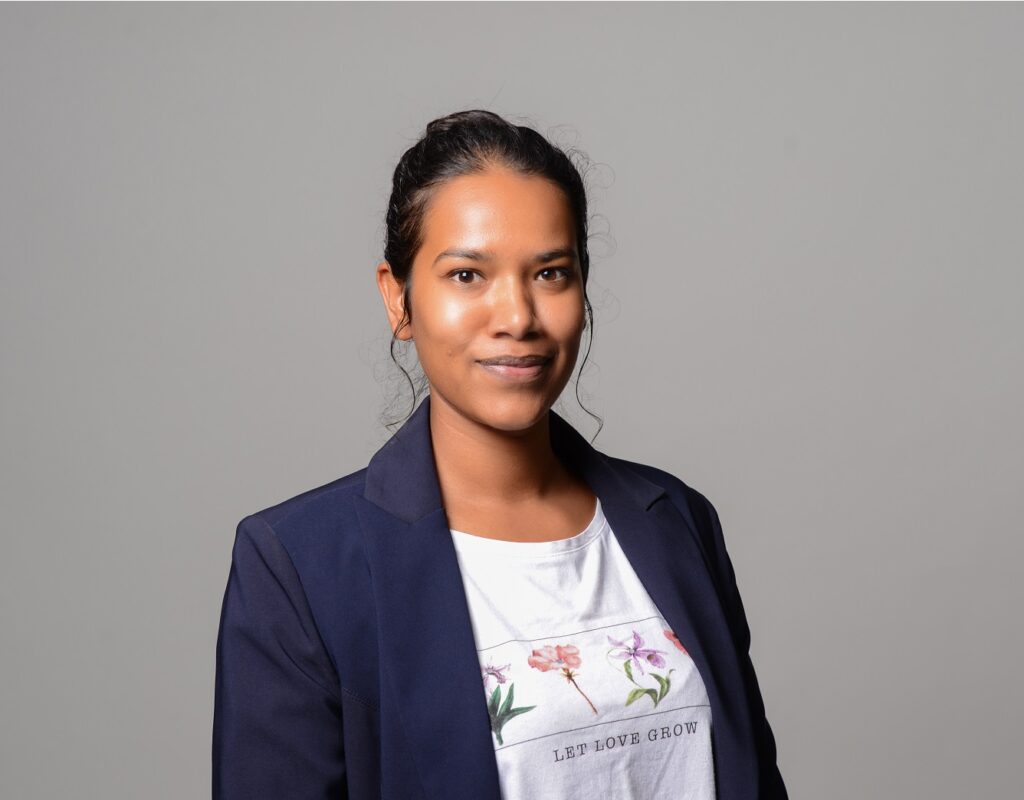 Govender-Davies’ recognition is not merely an individual achievement—it underscores SMU’s commitment to world-class teaching, student-centred learning, and the advancement of health sciences education in South Africa and beyond.
A Lecturer in Anatomy, Govender-Davies has revolutionised the way students engage with one of the most complex fields in medical education. Her teaching philosophy is deeply rooted in technology-driven, interactive learning, designed to ensure that students not only grasp theoretical knowledge but can apply it to real-world medical challenges.
She integrates cutting-edge 3D visualisation software, interactive discussions, and evidence-based teaching methodologies, making anatomy education more dynamic and impactful. “Anatomy is the foundation of medical science, and my goal is to make it as accessible and engaging as possible,” she explains.
Her student-first approach is a defining factor in her success. She closely monitors academic performance, offering tailored support to those struggling, ensuring that every student, regardless of background, has an equal opportunity to excel. “Seeing students finally grasp difficult concepts is the most rewarding aspect of my job,” she says. “Their enthusiasm for learning pushes me to constantly refine my teaching approach.”
SMU’s commitment to academic innovation
Govender-Davies’ success is also a reflection of SMU’s dedication to fostering academic excellence. The Centre for University Teaching and Learning (CUTL) plays a pivotal role in equipping educators with the latest teaching strategies, ensuring that SMU remains at the forefront of modern health sciences education.
“SMU provides a supportive ecosystem for academic growth, enabling us to continuously refine our teaching methodologies and embrace new innovations in education,” she says.
Beyond teaching, she integrates her research into the classroom, ensuring that students are kept abreast of groundbreaking discoveries in anatomy and medical sciences. This aligns with SMU’s vision of producing globally competitive health professionals who are not just practitioners but also thought leaders in their fields.
Govender-Davies is determined to further elevate SMU’s teaching standards by introducing advanced imaging modalities into anatomy education, offering students a more detailed and immersive understanding of the human body. She is also spearheading educational outreach initiatives such as Anatomy Day, aimed at strengthening community engagement and fostering a greater appreciation for medical sciences.Her message to aspiring educators is clear: “Great teaching is built on adaptability, continuous learning, and a passion for student success.”
As SMU continues to position itself as a premier institution in health sciences, the achievements of Govender-Davies and other high-calibre academics reaffirm the university’s commitment to excellence in teaching, research, and healthcare innovation. Her award is not just a personal triumph—it is a powerful statement about the calibre of education at SMU and the future of health sciences training in South Africa.
By Dimakatso Modise
by Lorato | Feb 25, 2025 | Accolades and Achievements, All News, SMU Media, Student Media
Sefako Makgatho Health Sciences University (SMU) is storming the global arena with audacious strides in internationalisation, cementing its reputation as a powerhouse of academic innovation and cross-cultural collaboration. In an era where higher education is defined by its global reach, SMU’s involvement in elite international training programmes sets a new benchmark for excellence.
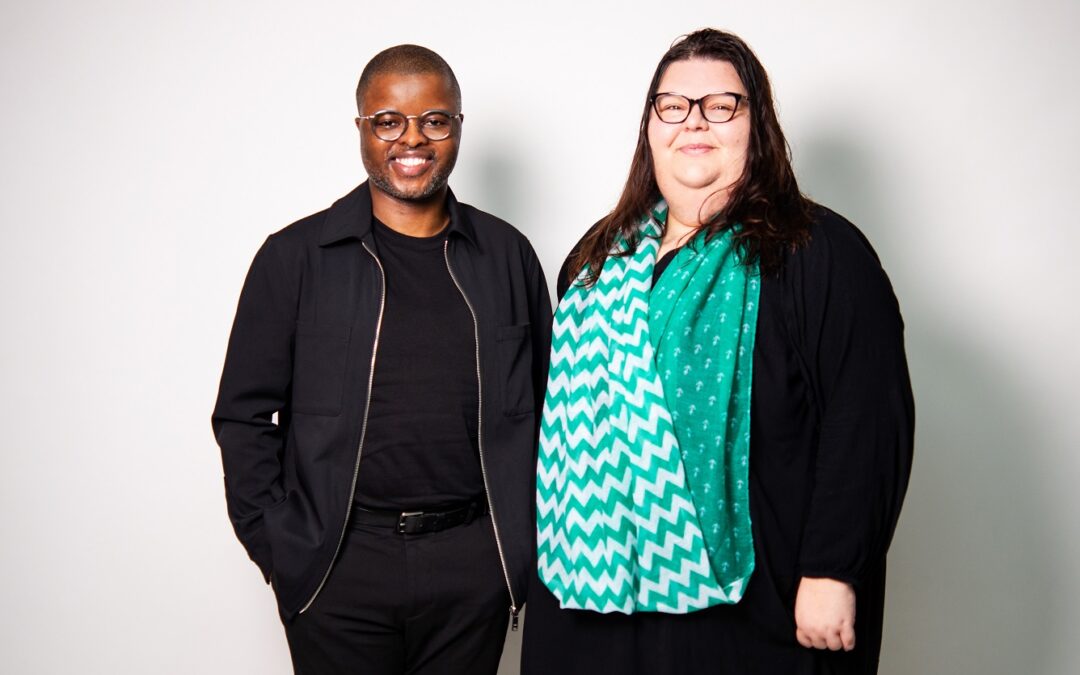
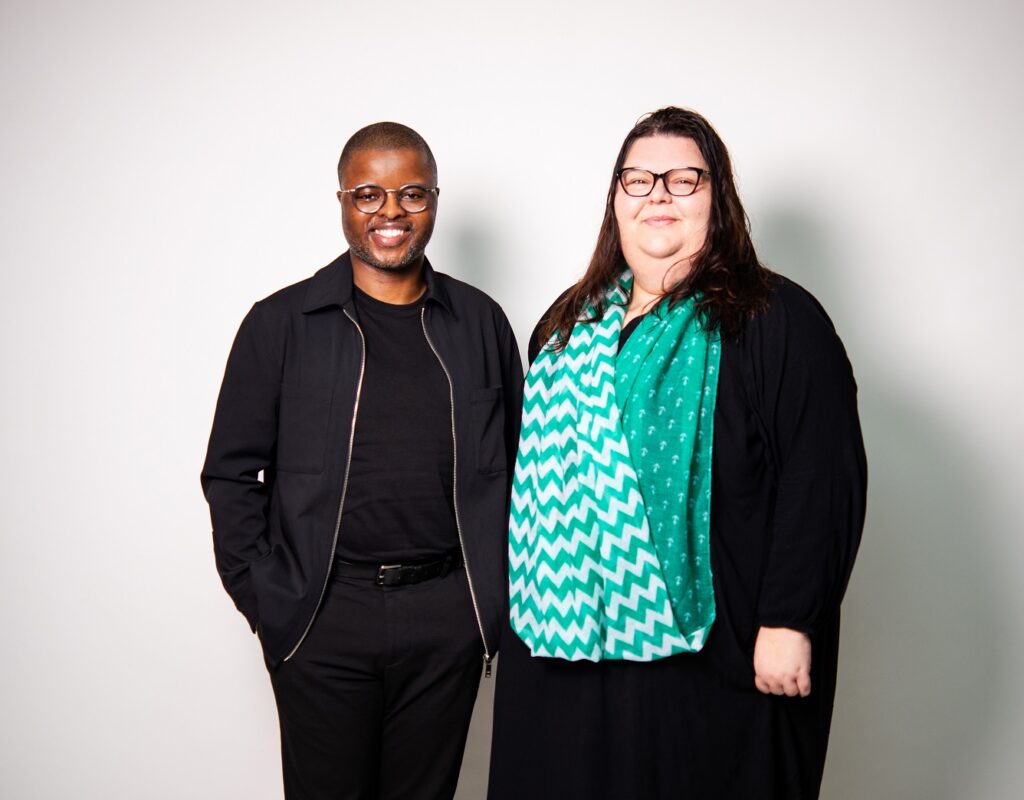 At the forefront of this bold initiative is the highly competitive Germany–Kenya-based DIES/DAAD Management of internationalisation training programme, an exclusive course funded by the German Academic Exchange Service (DAAD) and Dialogue on Innovative Higher Education Strategies (DIES). Hosted collaboratively by Leibniz University in Germany, alongside premier Kenyan institutions, this biennial programme accepts only the very best—forty participants from Africa, Latin America, and Southeast Asia for 2023/2024.
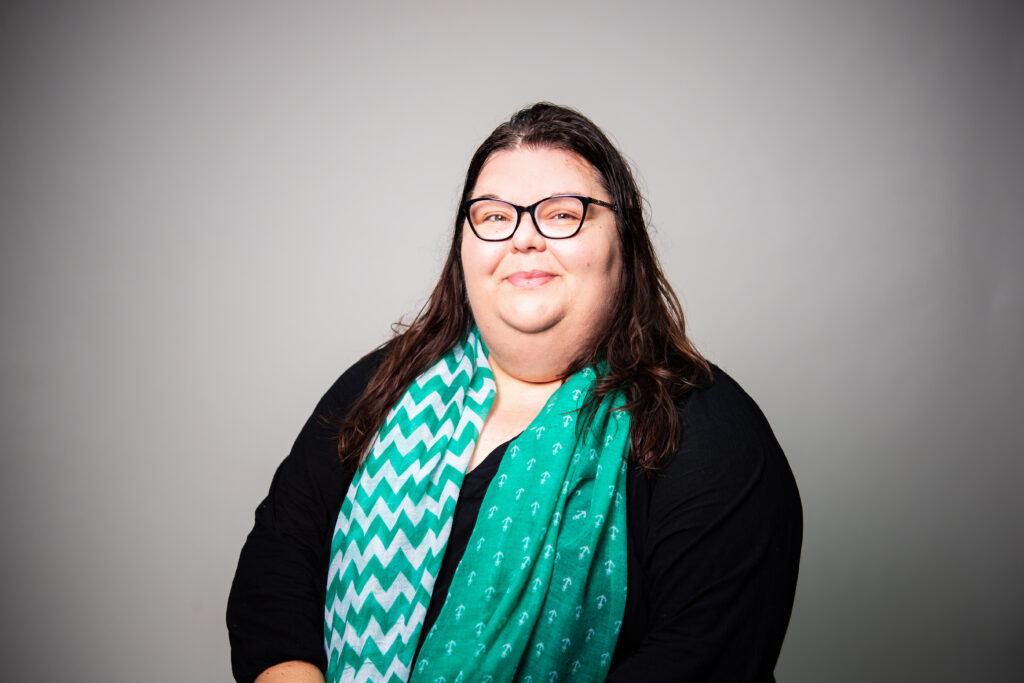 Dr Carlien Jooste, Director of Internationalisation at SMU, made history as the first-ever SMU professional selected for the course and the sole South African representative in the 2023/2024 cohort. Tasked with pioneering a Virtual Exchange Hub for SMU, her project harnessed the power of Collaborative Online International Learning (COIL) to transform the institution’s approach to global engagement. “This programme has not only expanded SMU’s global network but has redefined our strategy for internationalisation,” Jooste asserts, underscoring the transformative impact of her experience.
Riding on this wave of success, SMU has again demonstrated its global prowess by having Director of Student Affairs Tulani Nkuntse selected for the 2025/2026 edition of the same prestigious course. One of only thirty participants worldwide—and one of just two from South Africa—Nkuntse is poised to launch his project, ‘Global Village Days at SMU’. This innovative initiative will create an inclusive platform for cross-cultural engagement, celebrating diversity and fostering a globally aware student body.
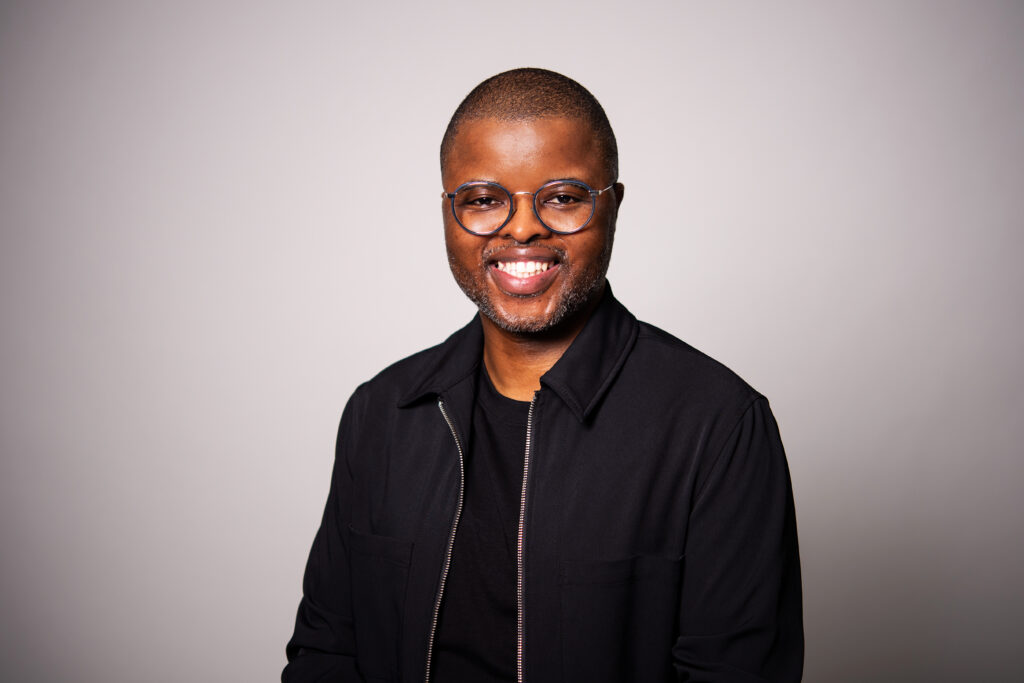 Nkuntse, who has already embarked on the online component of the training, enthuses, “This opportunity will be instrumental in elevating SMU’s internationalisation efforts. By integrating diverse cultural insights into our student affairs, we are setting the stage for a truly global campus experience.”
SMU’s resolute commitment to internationalisation is not merely an institutional strategy—it is a rallying cry for academic excellence on a global scale. Through participation in globally recognised programmes like DIES/DAAD, SMU is not just expanding its network; it is actively redefining what it means to be a world-class university in the 21st century.
Through strategic participation in globally recognised programmes such as the DIES/DAAD Management of Internationalisation training course, SMU continues to advance its internationalisation agenda. The achievements of Jooste and Nkuntse underscore the university’s commitment to global engagement, innovation, and academic excellence. These efforts will undoubtedly contribute to positioning SMU as a key player in the international higher education landscape locally and globally.
As SMU continues to push boundaries and forge powerful global alliances, its achievements serve as a resounding declaration: South African higher education is not only competitive—it is leading the charge on the international stage.
By The Department of Communications and Marketing