by Lorato | Jan 27, 2025 | All News, SMU Media, Student Media
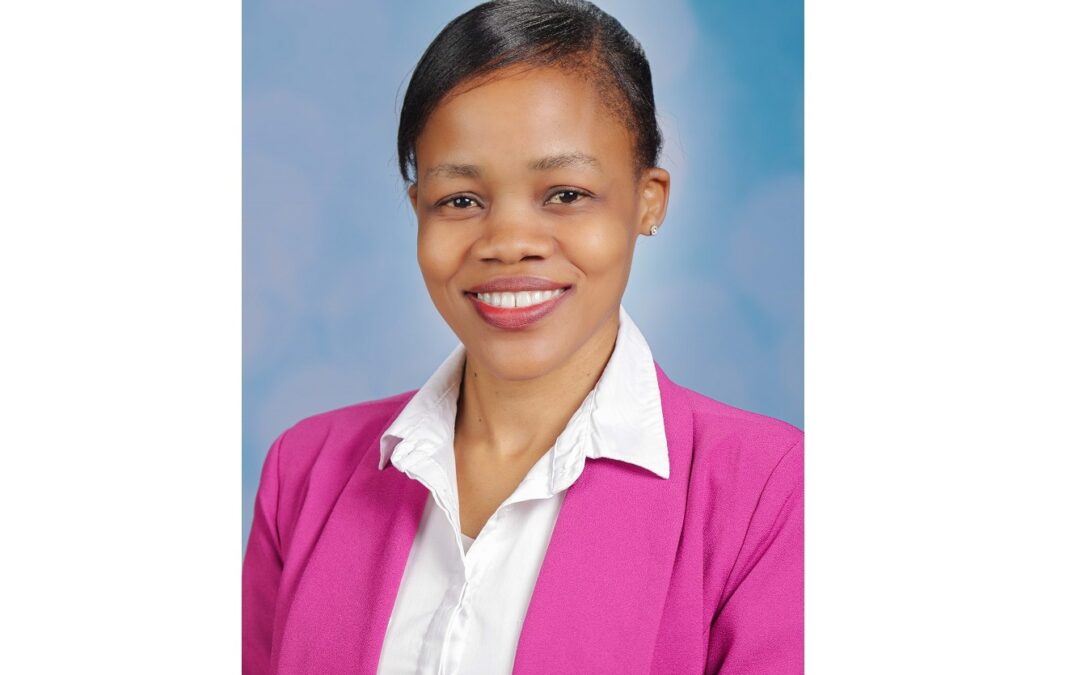
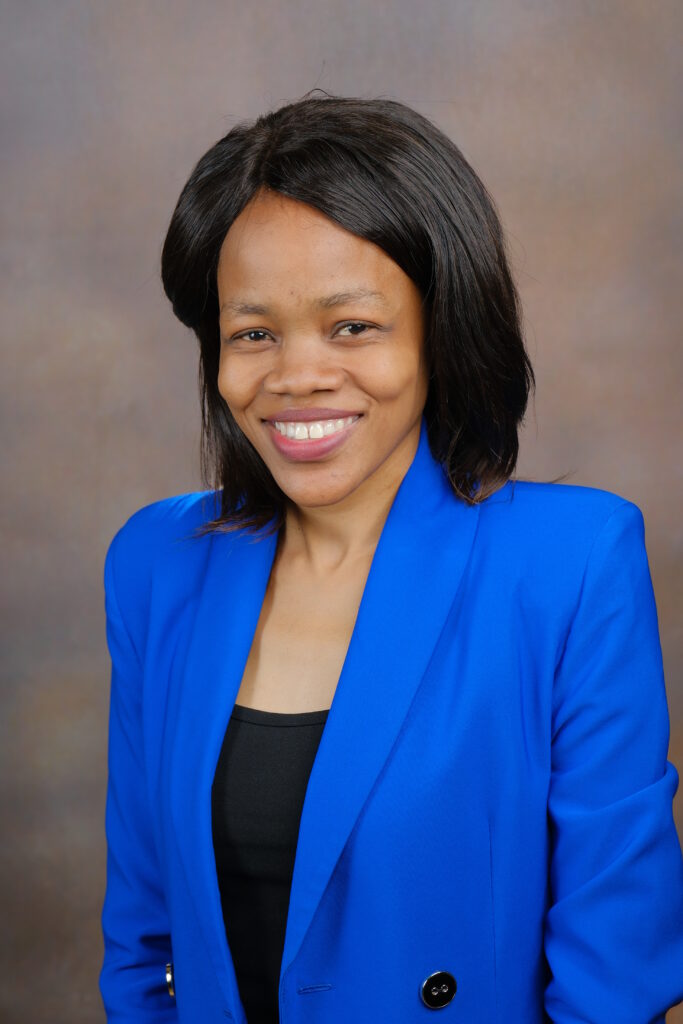
Masego Ngwira, a distinguished alumna of Sefako Makgatho Health Sciences University (SMU), is making significant strides in the field of mathematics education. At just 34, she has become a highly respected and influential educator at Hoërskool Akasia, where her passion and dedication are shaping the academic futures of young learners. Ngwira’s remarkable contributions extend beyond the classroom, as she plays a pivotal role in inspiring confidence in her Grade 9 students and transforming their attitudes toward mathematics. Her success is a testament to the calibre of SMU graduates, who continue to make a profound impact in their respective fields and contribute to the advancement of education and future academic excellence.
 Beyond the classroom, Ngwira plays a pivotal role in addressing a critical challenge faced by her alma mater—ensuring a steady pipeline of quality mathematics learners. As mathematics is a fundamental requirement for admission to SMU, educators like Ngwira are essential in inspiring and equipping students with the necessary skills to pursue careers in health sciences. Without a solid foundation in mathematics, SMU’s student intake could face significant challenges, potentially limiting the institution’s ability to nurture the next generation of healthcare and science professionals.
Ngwira’s dedication not only contributes to the academic excellence of her students but also strengthens the link between secondary education and higher learning institutions. Her efforts serve as a beacon of hope, demonstrating the power of enthusiastic teaching and the profound influence one educator can have on an entire academic community.
Born and raised in Lomanyaneng, a village in Mahikeng, Ngwira attributes her resilience and work ethic to her upbringing. “My village shaped me into the woman I am today, and my parents put the cherry on top by believing in me,” she reflects. Her passion for education began during her university years when she discovered her love for teaching while assisting her peers in physics.
Ngwira’s academic journey is impressive. She matriculated in 2008 from Setumo High School and earned a Bachelor of Science degree majoring in Mathematics, Physics, and Statistics from the University of Limpopo (Medunsa Campus) in 2012. She pursued an Honours degree in Statistics in 2013, a Postgraduate Certificate in Education with Unisa in 2018, and a master’s degree in Statistics from SMU in 2021. Currently, she is a PhD candidate at SMU, furthering her commitment to education and statistical research.
Ngwira’s teaching career began in 2014 at Khamane MST Academy in Mpumalanga, where she honed her skills and developed a passion for working with diverse learners. In 2016, she moved to Ntolo Secondary School in Madidi, North West, where she built her expertise in mathematics education. The following year, she joined Itirele-Zenzele Comprehensive School in Diepsloot, further refining her teaching methodologies. In 2020, Ngwira began her tenure at Hoërskool Akasia, where she continues to make a significant impact on her students’ academic journeys.
Her teaching philosophy centres around building confidence and changing learners’ perceptions of mathematics. “I start by building their confidence because I believe in changing the attitude first. One of Ngwira’s notable strategies is helping Grade 9 learners distinguish between Mathematics and Mathematical Literacy, allowing them to make informed decisions about their academic future. She emphasises the importance of rules, using colour-coded notes to highlight key concepts, and encouraging participation in after-school intervention classes. “I am good at diagnosing and analysing my learners, and I also engage with parents to ensure holistic support for each child,” she adds.
Her dedication was recognised in 2021 when she received an award for improving Grade 9 mathematics performance at Hoërskool Akasia. Her data-driven approach, utilising Excel and other assessment tools, has helped identify areas of struggle and improve teaching quality year after year.
 Ngwira’s influence extends beyond the classroom. A passionate musician, she has introduced choir programs in all the schools where she has taught. “Music unites, and the competitions we entered, we won,” she says proudly. At her first school, choir participation transformed the behaviour of troublesome learners, positively changing the school’s perception of extracurricular activities.
Ngwira’s commitment to her students is evident in the relationships she builds. “I make it a point that at the end of every year, I know every learner in my grade. I might miss their names, but I can tell you how they behave in class,” she notes. Many of her former students have gone on to pursue higher education, with some encountering her at SMU while registering for their degrees.
Josias Muthis, a former learner from Ntolo Secondary School and current SRC Chairperson for the School of Dentistry at SMU, credits Ngwira for transforming his academic journey. “Teacher Masego Ngwira’s dedication and passion for teaching mathematics opened doors I never imagined possible. During my grade 12 year, she stepped in during a critical shortage of teachers and not only simplified complex concepts but also inspired confidence in my abilities. Beyond the classroom, her genuine interest in my aspirations introduced me to SMU, shaping my career path. Today, as I near the completion of my Bachelor of Dental Surgery degree, I am deeply grateful for her unwavering support and belief in my potential. Educators like her truly have the power to change lives.”
Reflecting on a recent encounter, Ngwira fondly recalls, “At the beginning of this year, when I came to SMU to register for my PhD, I met two of my former learners—one pursuing his honours and another who had already graduated twice, now studying Dentistry and serving in the SRC. It was a moment of immense pride for me, seeing how SMU continues to empower its students to achieve great heights and make a lasting impact. It is truly rewarding to know that the university is shaping not only the future of healthcare professionals but also inspiring leadership and excellence in every field.”
By Tumelo Moila

by Lorato | Jan 27, 2025 | All News, SMU Media, Student Media
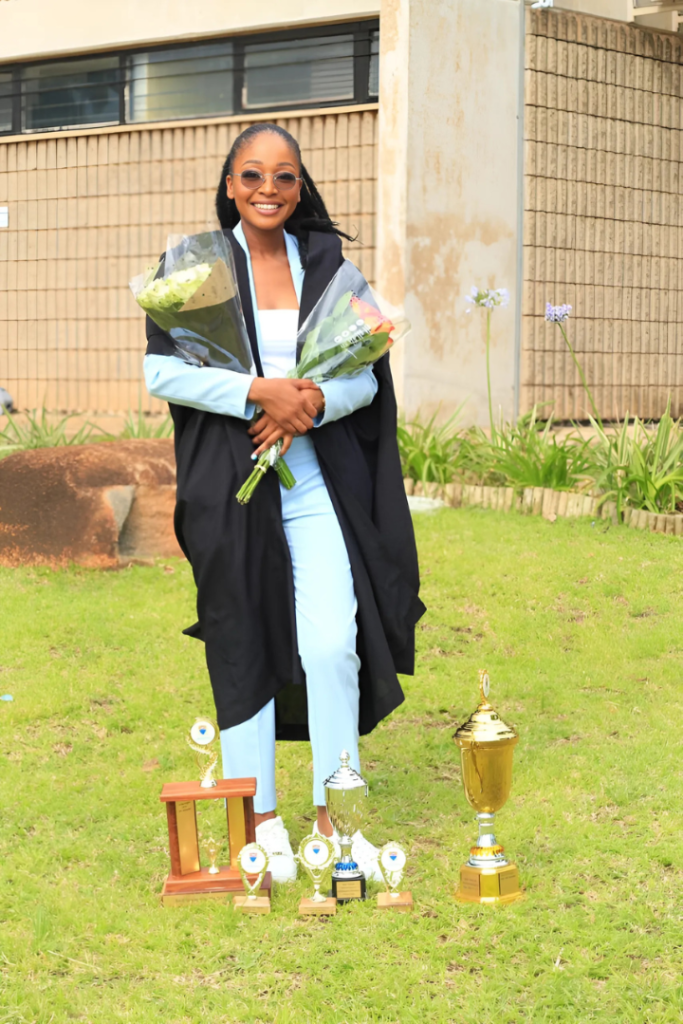
Sefako Makgatho Health Sciences University (SMU) continues to cement its reputation as a beacon of academic excellence and leadership in healthcare education. At the heart of the 2024 Oath-Taking Ceremony was Mosenya Mokgadi Rampedi, a BSc Dietetics graduate whose exceptional achievements and inspiring journey captured the admiration of peers and academics alike. Recognised with three prestigious awards—Rampedi embodies the resilience, determination, and community spirit that SMU strives to instil in its students.
 Hailing from Seshego, Polokwane, and inspired by her parents’ passion for education, Rampedi has carved a path of academic distinction. Her story is not just one of individual brilliance but a testament to the nurturing environment SMU provides to help students realise their potential and contribute meaningfully to society. Rampedi was recognised for her outstanding achievements and received the following awards:
- Best Clinical Performer in Community Nutrition 2024
- Best Student in BSc Dietetics Final Year 2024
- Best Overall Performer in BSc Dietetics I-IV
Reflecting on her accolades, Rampedi described the experience as humbling and extraordinary. “It feels so surreal, but I am incredibly grateful and proud. These awards remind me of the grace of God and the hard work that went into this journey. Studying alongside brilliant and resilient classmates made this recognition even more meaningful.
Growing up in Seshego, Polokwane, Rampedi was inspired by her parents, both professional educators, who instilled a love for education in their children. Her mother’s journey with diabetes also motivated her to pursue dietetics, as she recognised the power of nutrition in managing health conditions.
She attributes much of her success to the supportive environment at SMU. “SMU is more than just a university; it is a family away from home. The sense of community, the excellent academic resources, and access to Dr George Mukhari Academic Hospital all contributed to my growth. SMU’s practical approach to learning prepared me exceptionally well for the challenges of my field,” she remarks.
 She also highlights the pivotal role played by the Department of Dietetics. “The entire department contributed significantly to our success. From the lecturers and administrative staff to the management team, everyone played a part in creating a supportive and nurturing environment. Zanele Mbola went above and beyond, acting as a mentor and creating a mother-daughter dynamic that kept me motivated,” she adds.
Coming from a family of high achievers, Rampedi was driven to excel and set an example. “Success has been a family tradition, and I didn’t want to be left behind. My siblings have achieved so much, and I wanted to maintain the standard while also being a role model for my younger sister. This drive, combined with the support of my family and SMU, kept me going.”
Currently completing her community service at Dr George Mukhari Academic Hospital, Rampedi is gaining valuable hands-on experience. She fondly recalls her time engaging with community members during her clinical rotations. “It was incredibly rewarding to work with patients, offer practical advice, and see the impact of nutritional guidance. The exposure I received at SMU and the hospital gave me the confidence and skills to thrive.”
While she appreciates her journey in dietetics, she has her sights set on further studies in medicine. “I have always been passionate about healthcare, and I aim to contribute to the academic side of medicine in the future. Dietetics has laid a strong foundation, and I am excited about what lies ahead.”
Rampedi encourages students to embrace their studies wholeheartedly. “Take the time to understand your work, as you will deal with real people’s lives. Surround yourself with a support network that inspires and uplifts you. SMU offers a nurturing environment that, if embraced, will help you achieve your goals.
She extends her heartfelt gratitude to her family, lecturers, and peers. “I am deeply thankful to my parents for instilling a love of learning in me and to SMU for creating an environment where students can excel. The mentorship, support, and opportunities I received have prepared me well for the next chapter of my journey.”
Rampedi’s journey is a shining example of the unwavering support offered by SMU. Her accolades underscore SMU’s commitment to producing healthcare professionals of the highest calibre, prepared to address real-world challenges with competence and compassion. Rampedi’s remarkable achievements inspire her peers and future students and demonstrate that excellence is achievable with determination, support, and hard work.
By Dimakatso Modise

by Lorato | Jan 27, 2025 | All News, SMU Media, Student Media
Sefako Makgatho Health Sciences University (SMU) continues to establish itself as a leader in developing outstanding healthcare professionals, and the achievements of Chané Siepker are a shining testament to this commitment. Recognised as SMU’s 2024 Physiotherapy Overall Best Student, Siepker received multiple accolades, including the Best Undergraduate Research Project (UGRP), Best Student in Outpatient Department (Physiotherapy) 4th Year, and Best 4th Year Student in Applied Physiotherapy 2024 awards, at the university’s prestigious Oath-Taking Prize Giving Ceremony. Her success underscores SMU’s dedication to equipping students with the skills, knowledge, and confidence to excel in healthcare. These accolades cement Siepker as an outstanding scholar and future healthcare professional, currently doing her physiotherapy community service at West Rand Health District.
 From her early fascination with human movement to her impactful clinical experiences at SMU, Siepker’s journey exemplifies the transformative power of education and patient-centred care. Her story is one of resilience, passion, and excellence—a hallmark of the calibre of professionals SMU consistently nurtures.
Growing up in Waterkloof, Pretoria and attending an all-girls high school, Afrikaanse Hoër Meisies Skool, Siepker (22) discovered her passion for sports and human movement early on. “My school environment encouraged me to aim high and cultivate my desire to help others, which eventually led me to pursue physiotherapy. This career path perfectly combines my love for movement and my commitment to making a meaningful difference,” she shares.
Siepker’s fascination with the human body’s ability to heal and adapt following injury played a pivotal role in her career choice. “Witnessing the power of physiotherapy in improving people’s quality of life solidified my interest in this field. Learning from dedicated lecturers and experienced clinicians at SMU further inspired me,” she says.
One defining moment in her academic journey came during her clinical hours at the hospital, where she learned the value of building deeper connections with patients and adapting care to their specific needs. “It was during these moments that I truly understood the profound impact of patient-centred care,” she reflects.
Balancing the demands of clinical placements, academic responsibilities, and personal life posed significant challenges for Siepker. “The pressure to excel in both practical and theoretical aspects while maintaining a healthy social life required time management and mental resilience,” she admits.
To overcome these challenges, she developed a structured routine and stayed motivated by focusing on the positive impact her work could have on patients. “Celebrating my progress and staying consistent helped me push through,” she says.
 When asked about her keys to success, Siepker emphasised the importance of consistency. “Keeping detailed notes, actively participating in practical sessions, and seeking feedback were habits that kept me on track. Collaborating with peers also provided fresh perspectives and helped me grow.” Further adding that balancing her academic and personal life was a constant effort. “Prioritising time management and striving for a healthy work-life balance was critical in my journey.”
Receiving the prestigious awards was a humbling experience for Siepker. “I was overwhelmed with gratitude. It felt like a validation of all the hard work, late nights, and challenges I overcame during my studies,” she says. The recognition reinforced her confidence and opened new doors for career opportunities. “It enhances my credibility as a healthcare professional and provides a platform to network with industry leaders.”
Siepker envisions a bright future in physiotherapy. In the short term, she plans to gain clinical experience in hospitals and explore specialities such as sports injuries and the Intensive Care Unit (ICU). In the long term, she aspires to establish her physiotherapy practice. “I want to create a space where patient-centred care and evidence-based practices thrive,” she shares.
She plans to make a meaningful impact in the field by empowering patients through individualised care plans and continuous professional development. “Collaboration with colleagues and advocating for holistic care will be central to my career,” she emphasises.
For aspiring physiotherapy students, Siepker offers valuable advice: “Stay curious, embrace challenges, remain disciplined, and always remember the impact you can have on someone’s life through your work.” She encourages students to persist through difficulties and strive for excellence.
To the SMU community and aspiring healthcare professionals, Siepker sends an encouraging message: “The journey may be demanding, but the rewards of making a difference in people’s lives are unparalleled. Never underestimate the value of kindness, patience, and continuous learning.”
Siepker plans to remain connected with SMU through alumni events, mentorship programmes, and collaborative research initiatives. “Giving back to the community that nurtured me is something I deeply value,” she affirms.
Her remarkable achievements reflect SMU’s unwavering commitment to producing healthcare professionals who lead with expertise, compassion, and innovation. Her journey from a determined student to an award-winning graduate showcases the enabling environment that SMU provides—a place where dreams are nurtured and excellence is celebrated.
By Tumelo Moila

by Lorato | Jan 23, 2025 | All News, SMU Media, Student Media
Healthcare is a pivotal aspect of a nation’s well-being, and South Africa stands poised for transformation through the leadership of its institutions. At the heart of this transformation is Sefako Makgatho Health Sciences University (SMU), an institution that continues to define the future of South Africa’s health system.
 As a premier health sciences university, SMU is not just an academic institution; it is a thriving hub for innovation, training, and knowledge development in the health sector. The university plays a vital role in producing the next generation of doctors, scientists, and healthcare leaders who will ultimately bridge the ever-widening gap in the country’s healthcare delivery. With a commitment to addressing pressing health challenges and advancing the global health agenda, SMU remains a beacon of hope and expertise for the nation’s healthcare system.
A legacy of excellence and innovation
SMU stands as a powerful catalyst for the profound impact higher education has on national progress. Its curriculum is designed to equip students with the skills and knowledge needed to address South Africa’s most critical health challenges. The university has positioned itself as the engine that drives health-related advancements across the country. Students are provided with exceptional learning opportunities, hands-on experiences, and mentorship to help them excel in their respective fields.
Through an academic model rooted in research and practical application, SMU fosters a holistic learning environment that empowers students to solve real-world problems. Its cutting-edge research focuses on diseases that disproportionately affect South Africa and Africa at large, including HIV/AIDS, tuberculosis, and the growing prevalence of non-communicable diseases. This research not only supports the advancement of medical science but also directly contributes to the development of healthcare solutions that impact communities throughout South Africa and the African continent.
SMU’s impact extends beyond training healthcare professionals. The institution plays a critical role in shaping the leadership of the health system, ensuring that the next generation of leaders in the healthcare sector is equipped with the vision, integrity, and skills necessary to manage and improve the health system. By focusing on leadership development, SMU encourages a culture of accountability, ethical practices, and collaboration in healthcare management.
The university’s contribution to healthcare leadership is increasingly recognised within both national and international circles. SMU graduates are not only transforming hospitals and clinics but are actively engaged in policy-making and advocacy, ensuring that healthcare remains a priority in the national conversation.
Building a Healthier South Africa for the Future
South Africa’s healthcare system, while robust in many areas, continues to face considerable challenges such as a shortage of skilled professionals, disparities in healthcare access, and the pressure of an ageing population. However, SMU is rising to the occasion, with its work at the forefront of developing innovative solutions to meet these challenges. The institution works closely with government agencies, healthcare organisations, and community groups to ensure that the health system remains resilient and responsive.
At the heart of SMU’s mission is the commitment to producing professionals who not only excel in their academic fields but who are also deeply invested in the well-being of the communities they serve. With a deep commitment to social justice and healthcare equity, SMU provides students with a platform to make a meaningful difference in their communities.
As South Africa navigates the complexities of modern healthcare, SMU stands as a pillar of progress. The university’s students, academics and graduates are shaping the future of healthcare in the country, creating a lasting impact on the health system and society as a whole.
From producing exceptional healthcare professionals to fostering a generation of leaders who will guide the health system towards greater accessibility and equity, SMU continues to play a central role in strengthening South Africa’s health infrastructure. In doing so, the university contributes not only to the nation’s health but to the very fabric of a striving society.
At Sefako Makgatho Health Sciences University, the next generation of doctors, scientists, and healthcare leaders is rising, ready to tackle the challenges of today and forge a path towards a healthier tomorrow.
By Tshimangadzo Mphaphuli
by Lorato | Jan 22, 2025 | All News, SMU Media, Student Media
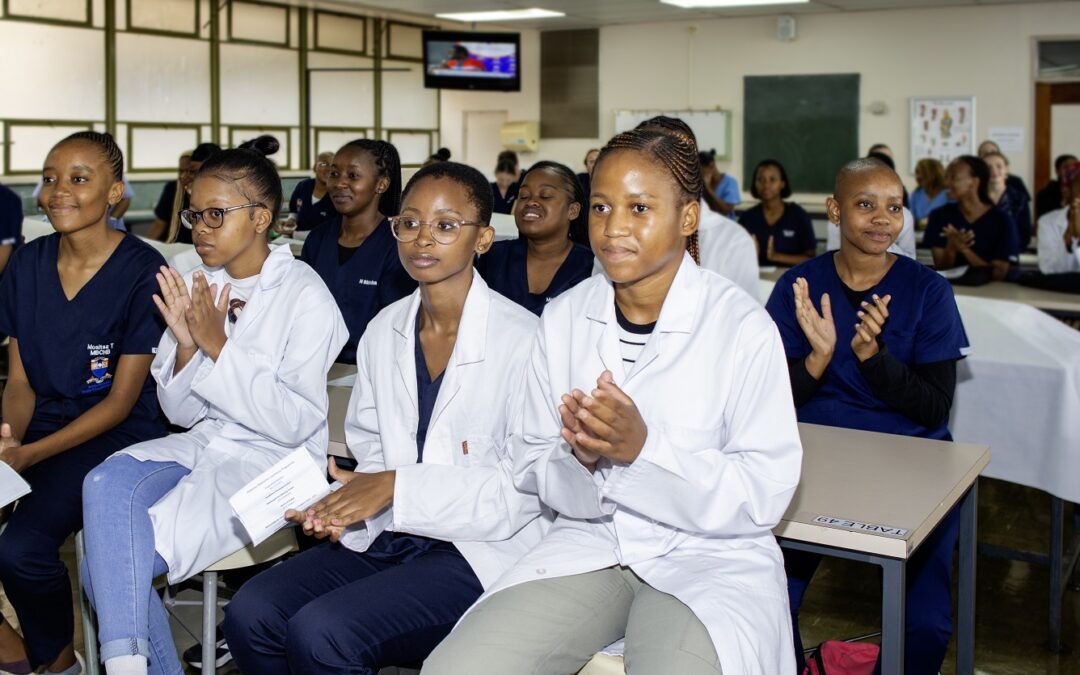
Sefako Makgatho Health Sciences University (SMU) recently hosted its esteemed 2025 Anatomy Dedication Ceremony at the Anatomy Department, a significant event that honours individuals who have selflessly donated their bodies for medical education and research. This annual tradition underscores SMU’s commitment to fostering ethical, professional, and academic excellence in healthcare education. By recognising the profound contributions of these donors, the ceremony serves as a reminder of the critical role they play in shaping the next generation of healthcare professionals, solidifying SMU’s position as a leading institution dedicated to advancing medical science and humanity.The event marked a pivotal moment for students embarking on their journey into studying human anatomy, emphasising the significance of respect, professionalism, and dedication in medical education.
 The ceremony featured a keynote address by the Dean of the School of Medicine, Professor Risenga Chauke, who urged students to treat cadavers with dignity and to approach their studies with care and responsibility. “The study of anatomy forms the cornerstone of medical science, and the cadavers you work with are your first patients,” said Chauke. “Treat them with the utmost respect, as this will shape how you engage with future patients and the medical profession.”
Dr Elize Venter, Director of the Centre for University Teaching and Learning (CUTL) was also a guest speaker. She spoke passionately about the importance of ceremonies like this, emphasising their role in shaping students’ appreciation for the responsibilities and ethical considerations involved in their studies.
Adding a motivational perspective, Luane Mare, the 2024 MIBS 020 Top Achiever, encouraged students not to be too hard on themselves as they adapt to working with cadavers. “It gets better with time. Every challenge you face will shape the kind of doctor you will become. The future of medicine is in your hands,” she said, leaving the audience inspired.
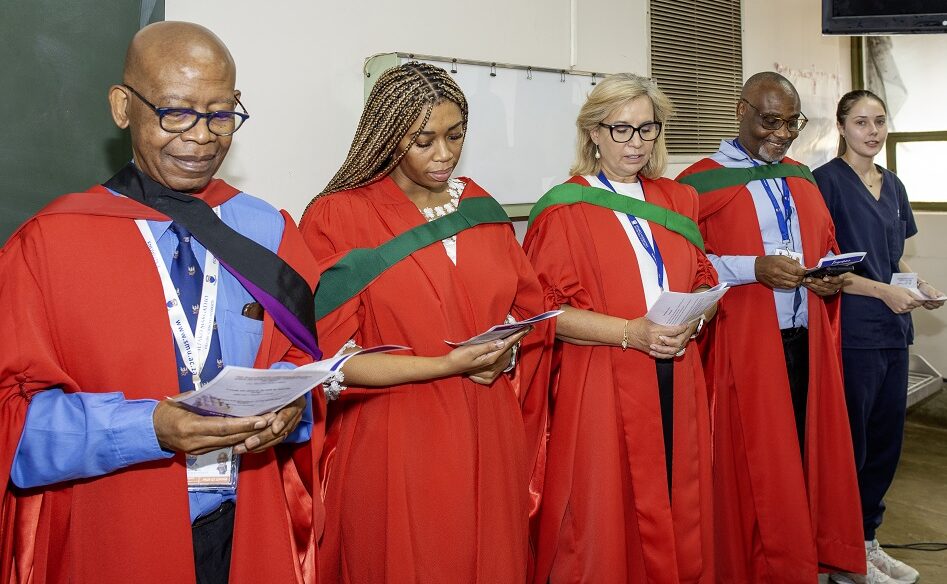
Addressing the second-year students directly, Mare offered additional words of wisdom: “Not only will you learn from textbooks, but also from the generous gift of cadavers. They are not just teaching tools; they are your first silent patients, so handle them with care and gratitude because you owe it to them and to the profession you are entering. Don’t cut because you want to cut; cut because you want to learn.”
One of the students, Portia Matlala, a second-year BSc Physiotherapy student, shared her thoughts: “I am very anxious, but I am willing to learn and hope I will get used to it.” Her sentiment reflected the mixed emotions many students feel when beginning this critical phase of their education.
The ceremony also saw all students take a modified Hippocratic Oath specific to the Anatomy and Histology Department. In their declaration, they solemnly pledged to:
- Not improperly divulge anything they learn in their capacity as anatomy students.
- Not capture or distribute images of human remains.
- Treat the cadavers at the university with respect and dignity.
- Conduct themselves as students of an honourable profession, be loyal to the university, and endeavour to promote its welfare and maintain its reputation.
The 2025 Anatomy Dedication Ceremony highlighted SMU’s unwavering dedication to producing healthcare professionals who uphold the highest standards of respect, professionalism, and academic excellence. As students left the ceremony, they carried a profound sense of gratitude towards the donors who have made their education possible and a renewed commitment to the values instilled by SMU. Through events like these, SMU continues to honour its mission of advancing medical education and solidifies its vital role in shaping compassionate and skilled leaders in healthcare.
By Dimakatso Modise

by Lorato | Jan 21, 2025 | All News, SMU Media, Student Media
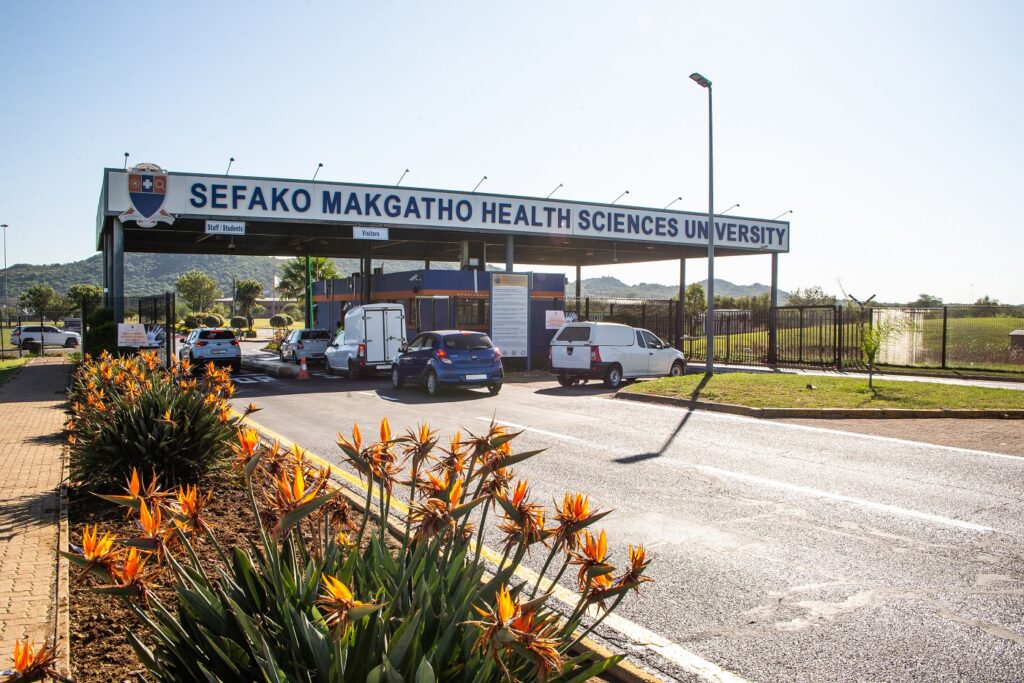
As Sefako Makgatho Health Sciences University (SMU) gears up for the 2025 academic year, the past year has been one of remarkable achievements, further solidifying its position as a premier institution in health sciences education. From groundbreaking research by academic staff and accolades earned by students to notable career advancements among alumni, SMU has made significant strides in fostering a transformative environment. These accomplishments reflect SMU’s commitment to excellence and innovation, marking the university as a beacon of academic excellence. Here are ten reasons why SMU is a standout institution in the realm of health sciences:
1. High-Calibre Academic Staff
SMU boasts an accomplished team of academic professionals who bring a wealth of expertise and dedication to teaching, research, and service. Their commitment to fostering the next generation of health leaders is evident in both their professional achievements and unwavering support for students.
2. Innovative Research Initiatives
The university is at the forefront of research in health sciences, focusing on areas that address pressing healthcare needs in South Africa and beyond. Research led by SMU faculty and students is creating meaningful impact, particularly in community health and healthcare access.
3. Student Success and Recognition
SMU students are frequently recognised for their leadership, innovation, and academic achievements. From excelling in national competitions to engaging in social advocacy, our students exemplify the values and aspirations of SMU.
4. Strong Alumni Network
The university’s alumni are making strides in the healthcare sector, both locally and internationally. Their accomplishments and contributions to the field serve as an inspiration to current students and a testament to the quality of education at SMU.
5. Comprehensive Health Sciences Programmes
SMU offers a wide range of programmes that cater to the diverse needs of the health sector. From medicine and nursing to public health and biomedical sciences, our curriculum is designed to equip students with the skills and knowledge required for success in today’s healthcare environment.
6. Commitment to Community Health
One of SMU’s core values is service to the community. The university encourages students and staff to participate in outreach initiatives that provide essential healthcare services to under-resourced communities, fostering a culture of compassion and responsibility.
7. Cutting-Edge Facilities and Resources
SMU’s state-of-the-art facilities include advanced laboratories, simulation centres, and a medical library, offering students access to the resources they need to excel in their studies. These facilities support a hands-on learning approach, preparing students for real-world challenges.
8. Focus on Diversity and Inclusion
The university takes pride in fostering a diverse and inclusive environment, welcoming students from a variety of backgrounds. This commitment enriches the learning experience and prepares students to work effectively in diverse healthcare settings.
9. Strategic Industry Partnerships
SMU has cultivated partnerships with leading healthcare providers, research institutions, and industry players. These collaborations provide students with valuable exposure to the healthcare industry through internships, research opportunities, and hands-on experiences.
10. Global Recognition and Rankings
SMU continues to achieve recognition in national and international rankings, reflecting the institution’s commitment to quality education and research. The university’s focus on excellence ensures that graduates are well-respected within the healthcare community.
With these attributes and achievements, SMU remains a distinguished institution, providing students with an education that is not only rigorous but also socially relevant. The university’s forward-thinking approach equips graduates to make meaningful contributions to the healthcare sector, shaping a healthier future for all.