by Lorato | Feb 3, 2025 | All News, SMU Media, Student Media
Sefako Makgatho Health Sciences University (SMU) continues to make significant strides in addressing the educational challenges faced by high schools in the Tshwane area through its Mathematics and Applied Mathematics Community Engagement Programme. Led by the passionate and visionary Chairperson, Professer Ndlovu, the programme bridges the gap between tertiary institutions and local communities, bringing academic excellence and practical support to underperforming schools.
 In an exclusive interview, Ndlovu sheds light on the profound impact the programme has had, not only on learners but also on educators striving to improve the quality of teaching in their schools. Ndlovu explains, “Our department plays a vital role in transforming the teaching profession in the region. By introducing advanced pedagogical techniques and innovative ways to teach challenging mathematical concepts, we empower teachers to better engage their learners. Many of our graduates also take on mentorship roles in high schools, which has proven invaluable for both learners and educators.”
Graduates from SMU’s Mathematics and Applied Mathematics Department often return to local schools as mentors or tutors. Their efforts have led to measurable improvements in learner performance, especially in schools where mathematics pass rates have historically been low. “Their involvement in underperforming schools has resulted in improved learner engagement and matric results,” Ndlovu adds.
The programme has partnered with several schools, including Mapenane Maths Science and ICT School of Specialisation (Ga-Rankuwa), Central High School (Soshanguve), Tswaing High School (Winterveldt), and PHL Moraka (Hammanskraal). These collaborations focus on critical areas such as motivation, recruitment, campaign to pursue Mathematics, career guidance and learner support.
“We work closely with schools to address the unique challenges they face,” says Ndlovu. “This includes offering additional tutoring and providing mentorship to both learners and educators. Our goal is to equip schools with the tools they need to create a culture of academic excellence.”
 One key initiative involves SMU lecturers and tutors volunteering their time to teach during weekends, focusing on building foundational knowledge and confidence among learners. This hands-on approach has consistently yielded positive results, with participating schools reporting notable improvements in mathematics pass rates.
One of the participating schools has expressed deep gratitude for SMU’s support, highlighting its positive impact on both learners and the school’s academic performance. “The SMU Mathematics and Applied Mathematics Department has played a crucial role in supporting learners struggling with certain Maths topics, enhancing their understanding and confidence. Their involvement in revision programmes has helped students prepare effectively for exams, leading to a significant improvement in pass rates. Additionally, their career guidance initiatives have encouraged more students to pursue mathematics. Since the partnership began, overall mathematics results at the school have consistently improved,” says Katlego Koloko, Departmental Head for Mathematics at Central High School.
Outreach programmes remain at the heart of the department’s community engagement efforts. These initiatives provide learners from disadvantaged backgrounds with opportunities to excel in science, technology, engineering, and mathematics (STEM) subjects. “We’re not just improving academic performance,” says Ndlovu. “We’re also inspiring learners to pursue careers in STEM, which can open doors to a brighter future.”
The department’s impact extends beyond classrooms. Collaborations with schools foster a feedback-rich environment, ensuring that university training remains relevant to real-world challenges. This synergy benefits both high school learners and SMU students, who often serve as mentors and tutors.
The programme has produced numerous success stories, with many learners going on to pursue tertiary education in STEM fields. Specific schools, such as Mapenane Maths Science and ICT School of Specialisation, have shown significant improvements in matric results following the department’s interventions.
Looking ahead, the department aims to expand its reach by involving more lecturers and tutors in weekend teaching initiatives and by establishing community-based educational hubs. However, Ndlovu acknowledges that scaling these efforts will require additional resources. “Support from government agencies, private institutions, and non-governmental organizations (NGOs) is crucial. Funding can help us pay tutors, provide transportation to distant schools, and supply educational materials,” he explains.
As the programme continues to grow, its impact on the educational landscape in Tshwane becomes increasingly evident. By addressing systemic challenges and fostering a culture of collaboration, the Mathematics and Applied Mathematics Community Engagement Programme at SMU is transforming lives and shaping the future of education in the region.
“Education is the cornerstone of any thriving community,” concludes Ndlovu. “Through our efforts, we hope to inspire not only learners but also educators to reach new heights, creating a ripple effect of positive change across the region.”
By Tumelo Moila

by Lorato | Feb 3, 2025 | All News, SMU Media, Student Media
Keitumetse Serothoane’s exceptional academic journey at Sefako Makgatho Health Sciences University (SMU) reached a remarkable pinnacle during the 2024 Oath-Taking Ceremony, where she was honoured with a series of prestigious awards. Recognised as the Best Overall Final-Year Student in Speech-Language Pathology (SLP) and Audiology for 2024, Her achievements were nothing short of extraordinary. Alongside this top honour, she earned accolades for Best Final-Year Student in both Theory and Clinical SLP, Clinical Audiology, and Best Undergraduate Research Project. Her impressive academic performance, coupled with her unwavering dedication to improving the lives of individuals facing speech, language, and hearing challenges, highlights Serothoane as a future leader in the healthcare field.
 Serothoane’s academic journey has been marked by a deep commitment to improving the lives of individuals with speech, language, and hearing challenges. Her passion for SLP and Audiology grew as she learned about the profound impact these fields can have on individuals, particularly those facing communication and hearing difficulties. Throughout her time at SMU, Serothoane was committed to applying her knowledge both in the classroom and in clinical settings, working tirelessly to develop the skills necessary to make a lasting difference in the lives of those she serves.
During the 2024 Oath-Taking Ceremony, Serothoane’s achievements were formally recognised as she received several prestigious awards, including:
- Best Final-Year Student in Theory Speech-Language Pathology
- Best Final-Year Student in Clinical Speech-Language Pathology
- Best Final-Year Student in Clinical Audiology
- Best Overall Final-Year Student in SLP and Audiology
- Best Undergraduate Research Project
These awards reflect Serothoane’s exceptional academic and clinical performance across a range of subjects, highlighting her excellence in both theoretical understanding and practical application. Her accomplishments underline her ability to integrate complex theoretical knowledge with clinical skills, providing her with a strong foundation to excel in her professional career.
One of her key achievements was her undergraduate research project, titled “The Knowledge of South African Public Sector Otolaryngologists and Audiologists of Cochlear Implant Referral Criteria.” This groundbreaking study explored the knowledge gap between otolaryngologists and audiologists in South Africa regarding cochlear implant referrals. The findings of the research have the potential to significantly improve the referral process, ensuring that patients receive timely and accurate diagnoses and interventions. Serothoane’s research was praised for its thoroughness and relevance to addressing key challenges in the South African healthcare system.
In addition to her academic excellence, Serothoane’s clinical experience has been a vital part of her growth. Throughout her studies, she gained hands-on experience through clinical placements in various healthcare settings, including district hospitals and private practices. Her work in clinical audiology, particularly in diagnosing and fitting hearing aids for patients with hearing loss, allowed her to witness firsthand the impact of her work on patients’ lives. One memorable experience that inspired Serothoane was helping a young child with a severe hearing impairment. After fitting the child with a hearing aid, the parents expressed overwhelming gratitude as they saw their child respond to sounds for the first time. This moment cemented Serothoane’s determination to continue her work in audiology and speech-language pathology.
 Her dedication to her field has also been shaped by the mentorship and support she received throughout her time at SMU. Serothoane cites the guidance of faculty members and the encouragement of her peers as key factors in her success. She has always been determined to push herself beyond her limits, seeking opportunities to improve her knowledge and skills. Among those who inspired Serothoane was Avuyile Mpiti, the 2023 Best Overall Student in SLP and Audiology at SMU. Mpiti’s unwavering commitment to excellence served as a beacon of hope for Serothoane, showing her that with determination and hard work, success is achievable.
Reflecting on her journey, Serothoane attributes much of her success to the values instilled in her during her time at SMU. The university’s core values, accountability, effective leadership, efficiency, excellence, integrity, respect, student-centredness, and ubuntu, have shaped Serothoane into the person she is today. These values are fundamental principles that guide her actions every day, both as a student and as a future healthcare professional.
Serothoane is particularly aligned with the university’s value of ubuntu, which speaks to the interconnectedness of all people. She believes that her work in healthcare must embody compassion, empathy, and a commitment to social justice. By embracing ubuntu, she strives to honour the dignity of each individual and to foster a caring and inclusive environment for all her patients.
Looking ahead, she plans to continue her career as a speech-language pathologist and audiologist, with a special focus on paediatric and adult dysphagia (swallowing disorders), as well as hearing aid fitting. She is particularly interested in working with underserved communities, where access to speech and hearing healthcare can be limited. Through her community service internship at a district hospital in Mpumalanga, Serothoane gained valuable experience working in rural areas, which further motivated her to continue contributing to healthcare improvement in these regions.
She is also considering pursuing further studies in specialised areas of audiology, such as cochlear implants and auditory processing disorders. She is keen on staying at the forefront of emerging technologies that can enhance the diagnosis and treatment of communication and hearing disorders. Her long-term goal is to become a leader in the field, contributing to research and policy development that will shape the future of audiology and speech-language pathology in South Africa.
Her advice to her fellow students is both practical and inspiring: “Embrace every challenge as an opportunity to learn and grow. Stay motivated by your passion for helping others, and never be afraid to ask for guidance when you need it. Success is not a destination, but a journey, and every step along the way is worth celebrating.”
Serothoane’s achievements have not only earned her recognition at SMU but have also set the stage for a promising career in healthcare. As she embarks on the next chapter of her professional journey, she remains committed to making a difference in the lives of individuals with speech, language, and hearing disorders. Her story is one of perseverance, dedication, and passion for helping others, an inspiring example for future generations of healthcare professionals at SMU.
By Dimakatso Modise
by Lorato | Feb 3, 2025 | All News, SMU Media, Student Media
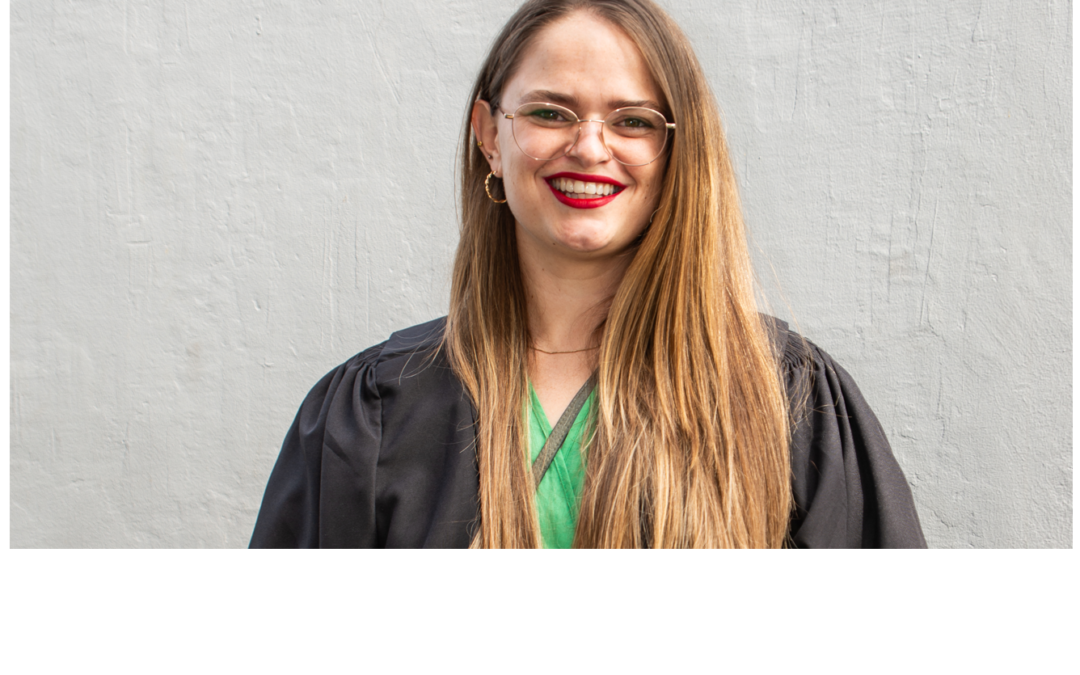
Dr Yolandi Malan, a 27-year-old trailblazer from Sefako Makgatho Health Sciences University (SMU), has set a new benchmark for excellence in dentistry. Crowned as the overall best student in the Bachelor of Dental Surgery during the 2024 Oath-Taking and Prize-Giving Ceremony, Malan’s achievements extend beyond her academic prowess. With accolades such as the coveted South African Dental Association (SADA) Gold Medal for consistently maintaining an exceptional 75% or higher average over five rigorous years, her journey reflects unwavering resilience, an unrelenting passion for learning, and a deep-seated commitment to making a difference. Hers is not just a story of success but one of inspiring perseverance and purpose.
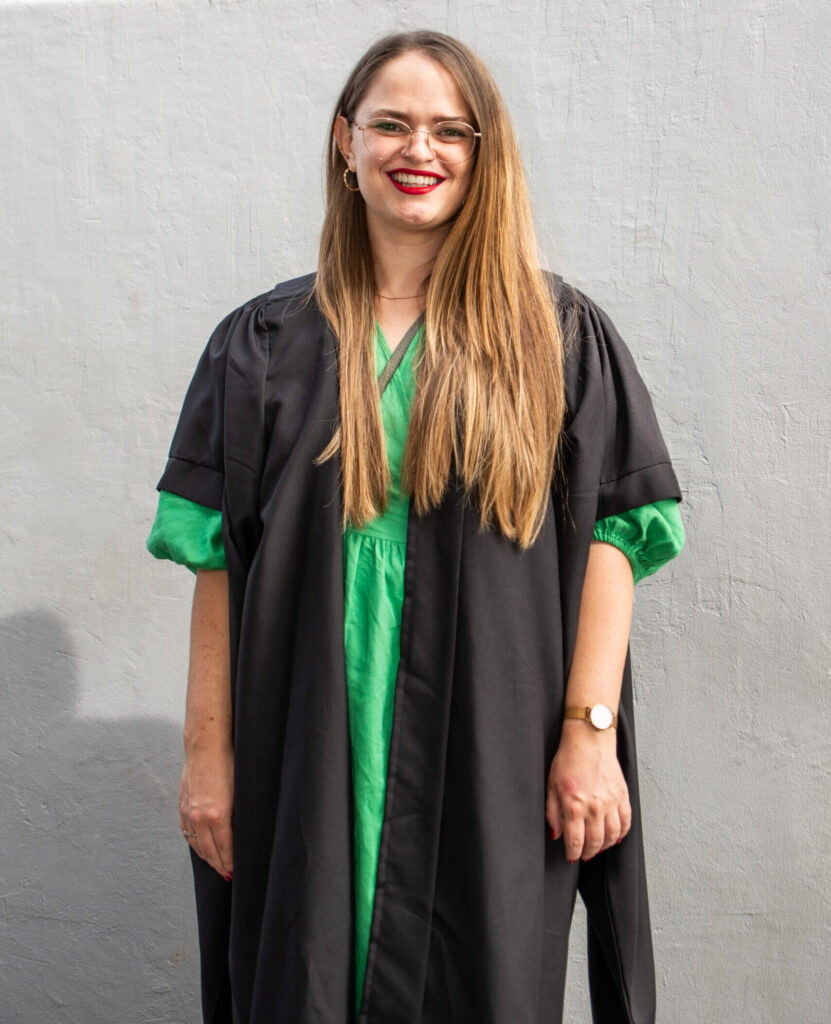 Currently completing her community service year at George Masebe Hospital in Limpopo, she reflects on the challenges and triumphs that have brought her to this point. Born and raised in Pretoria, she recalls her early struggles to secure admission into dentistry. “I did not get accepted right after high school, but that did not stop me. I pursued a Bachelor of Science (BSc) in Genetics and Biochemistry at the University of Pretoria and kept applying to dental schools. After four years and two degrees, SMU finally gave me the chance to chase my lifelong dream. I will forever be grateful for that opportunity.”
Yolandi’s interest in dentistry began in Grade 11 when she shadowed professionals from various healthcare fields. Initially hesitant about the profession due to her anxiety around dental visits, everything changed when she observed Dr Francois Le Roux in action. “I realised that dentistry was the perfect blend of helping people, hands-on work, and technical skill. It is exciting because every case is unique, and I love that challenge.”
This passion was evident in her academic performance across multiple disciplines, including operative dentistry, prosthodontics, and periodontology. She credits her success to discipline, consistency, and a love for learning. “Every morning, I would study for two hours, no matter what. Staying on top of the material throughout the year helped reduce the pressure during exams and made clinical work more manageable.”
Dentistry, as Malan describes, is a demanding field that requires balancing theoretical knowledge with hands-on clinical experience. She faced her share of challenges, particularly in managing the extensive responsibilities of laboratory work, clinical sessions, and patient care. “Time management was crucial, but I also had to learn to give myself grace. You can only control so much, and it is okay to step back and reassess when needed.”
Her ability to navigate these challenges was supported by a strong network of mentors and faculty at SMU. She speaks fondly of the guidance she received from Dr Shadrack Kabini, a Prosthodontist, and other inspiring figures like Dr Idah Mmutlana, Dr Ntombizodwa Zwane, Dr Nonhlanhla Nzima, Dr Thabea Tladinyane, and Thembie Macoba. “Their support and encouragement were invaluable. It is empowering to see women leading in dentistry and making such a significant impact.”

Among her many achievements, Malan received the South African Society for Periodontology Award for her outstanding performance in Clinical Periodontology. She describes this field as a perfect intersection of her interests in genetics, biochemistry, and dentistry. “Periodontology is incredibly dynamic and scientific, which keeps me intrigued. My ‘dentistry crush,’ Prof Anton Sculean from Switzerland, inspires me with his passion for continuous learning.”
Malan also received the Medical Protection Society (MPS) Bio-Ethics Award for her commitment to ethical practice management. Reflecting on her training, she emphasises the importance of patient-centred care, integrity, and transparency. “With advancements in technology and rising patient expectations, ethics in dentistry will be more important than ever. We must prioritise honesty and the well-being of our patients above all else.”
Looking ahead, she envisions a future that combines her passions for prosthodontics and periodontology. She hopes to specialise, contribute to research, and eventually teach the next generation of dental professionals. “I want to give back by sharing the knowledge and skills I have gained. My ultimate goal is to combine all aspects of dentistry—specialisation, research, private practice, and teaching—into a fulfilling career.”
Her advice to aspiring dental students is simple yet profound: “Make sure you are passionate about dentistry before committing to it. It is not easy, but discipline, consistency, and balance can take you far. Find a study routine that works for you, and do not neglect other aspects of life. Balance is key to avoiding burnout.”
For Malan, receiving these awards is both a personal and professional milestone. “It is fulfilling to see years of hard work recognised, and I hope it makes my parents proud. Professionally, I see it as a reflection of my commitment to the field and my dedication to lifelong learning.”
“What I appreciate about SMU is the sense of unity among the students. Everyone stands together, and no one gets left behind. There is this incredible spirit—no matter the challenges we face, we always find a way to push through and excel,” she shares with pride.
As Malan steps into the next chapter of her career, executing her community service at George Masebe Hospital, her journey stands as a powerful testament to the rewards of perseverance and passion. Her unwavering dedication, resilience, and excellence have not only earned her top honours but have also solidified her as a role model for aspiring dental professionals. With her mantra, “Dentistry isn’t just a profession for me—it’s my purpose,” she inspires others to dream boldly, work tirelessly, and embrace their true calling. Her story is a shining reminder that with determination and heart, greatness is within reach.
By Tumelo Moila
by Lorato | Feb 3, 2025 | All News, SMU Media, Student Media
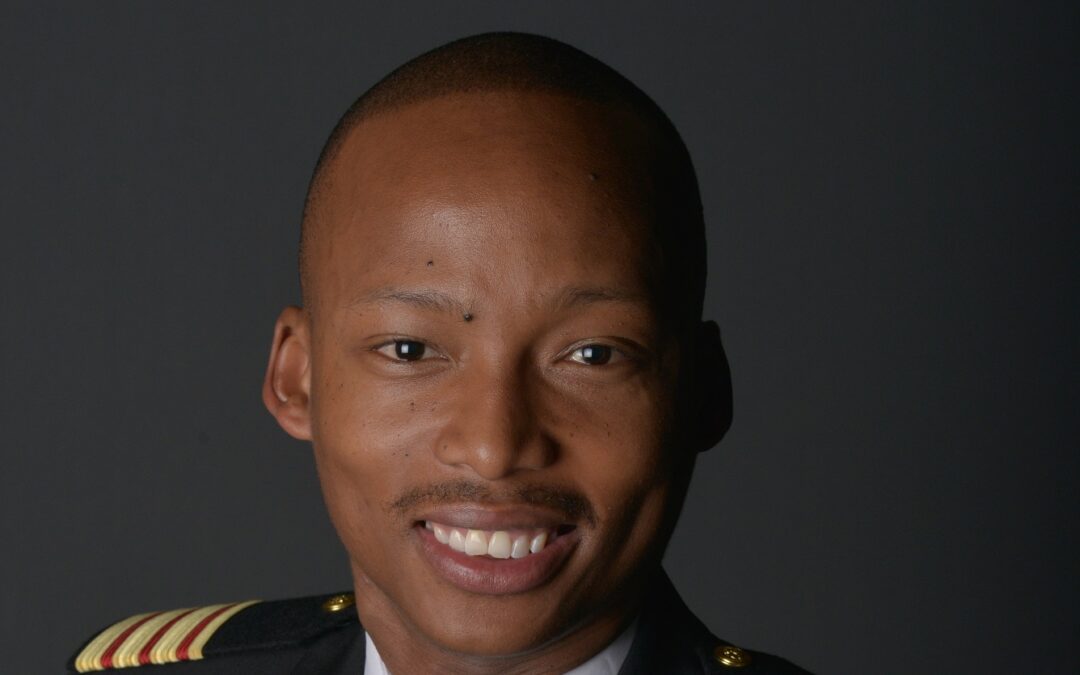
Sefako Makgatho Health Sciences University (SMU) continues to produce visionary healthcare leaders who make a global impact. Among its distinguished alumni is Dr Realeboga Sebitso, a dynamic medical professional whose career exemplifies excellence, resilience, and innovation. At just 31, he serves as the Lead Medical Officer at Carnival Corporation, a role that has taken him across more than 45 countries, refining his expertise in emergency and maritime medicine. As one of the few young black professionals in senior leadership, Sebitso is not only shaping strategic healthcare decisions but also championing inclusive leadership in a highly competitive industry. His remarkable journey is a testament to SMU’s commitment to nurturing world-class medical professionals who transform healthcare on a global scale.
 Reflecting on his medical journey, Sebitso shares: “I have always been driven by a desire to make a meaningful impact. Medicine offered a path to help people at their most vulnerable moments.” His time at Sefako Makgatho Health Sciences University (SMU) played a pivotal role in shaping his career, providing not only academic knowledge but also leadership opportunities through mentorship programmes and student governance.
Balancing rigorous academic demands with leadership roles was challenging, but he embraced each obstacle as a learning opportunity. “I learned to prioritise, lean on my support system, and remind myself of my long-term vision. Challenges are stepping stones,” he explains. His tenure as a Radio Presenter at SMU FM 97.1 further honed his ability to communicate effectively—an essential skill in both emergency settings and cross-cultural interactions aboard a cruise ship.
Though he is not yet a specialist, Sebitso found his calling in emergency medicine. “I have always been drawn to fast-paced environments and making a tangible difference in critical moments,” he says. His transition to maritime medicine allowed him to combine healthcare with his love for global travel. His path has been shaped by mentors such as Dr Junior Manyoni, Dr Kylen Swartzberg, Dr Paul Sandler, and Dr Sashen Murugan, whose clinical acumen, leadership, and dedication inspired him to pursue advanced training, including a Diploma in Primary Emergency Care.
Sebitso credits his postgraduate education for enhancing his clinical proficiency. “The Diploma in Primary Emergency Care strengthened my ability to manage complex emergencies with confidence, even in resource-limited settings,” he explains. His training has prepared him for high-pressure environments, whether at sea, in an emergency department, or in remote locations.
As a Lead Medical Officer, Sebitso’s role extends beyond patient care. He is responsible for managing medical centre operations, emergency preparedness, team supervision, public health compliance, and crisis management. “One of the biggest responsibilities is ensuring the health and safety of thousands of passengers and crew members,” he notes. Despite the high demands, he finds joy in exploring different cultures, cuisines, and landmarks during his travels.
Practising medicine at sea presents unique challenges, from limited resources to remote emergencies. Sebitso emphasises adaptability and teamwork: “Every decision counts when you are miles away from the nearest hospital.” His approach to ensuring wellness onboard includes preventive care, infection control, and proactive public health measures.
One of the most challenging cases he handled was a passenger experiencing a life-threatening myocardial infarction. “Providing thrombolysis, coordinating an emergency evacuation in the middle of the ocean, and managing the patient under extreme pressure required calmness, teamwork, and clear communication,” he recalls. As a senior officer, he balances clinical responsibilities with administrative duties by staying organised and empowering his team.
With a diverse team and patients from different backgrounds, Sebitso values cultural competence. “I lead with respect, curiosity, and a willingness to learn from others,” he shares. Effective public health compliance requires diligence, attention to detail, and proactive communication with international health authorities.
Having worked across various healthcare systems, he has gained a broad perspective on global health. “With the right fundamental principles, medicine is practised similarly worldwide. This gives me confidence, even when responding to emergencies during flights,” he says with a chuckle.
Emergency medicine remains at the core of Sebitso’s passion. “It is dynamic, fast-paced, and gives me an immense sense of purpose. The ability to make critical, life-saving decisions in high-pressure situations is both challenging and deeply fulfilling,” he explains. However, his exposure to maritime medicine has sparked an interest in merging the two fields. His ultimate goal is to develop a synergy between emergency and maritime medicine, ensuring that high-quality emergency care is accessible even in the most remote and unconventional settings.
Sebitso credits SMU for instilling a strong sense of service and excellence in him. “SMU nurtured principles that continue to guide me in every aspect of my career,” he says. Despite his international career, he remains committed to contributing to South Africa’s healthcare system, whether through mentorship, healthcare reforms, or practising emergency medicine.
He aims to become a global leader in maritime and emergency medicine, developing innovative healthcare solutions for remote settings. He hopes to be remembered as a trailblazer who pushed boundaries and demonstrated that leadership, compassion, and innovation can coexist in medicine. “Possibility is my greatest motivation. There is always more to learn, more lives to touch,” he says. His journey exemplifies what it means to be an unconventional doctor—one who leads, heals, and inspires on a global scale.
By Tumelo Moila
by Lorato | Feb 3, 2025 | All News, SMU Media, Student Media
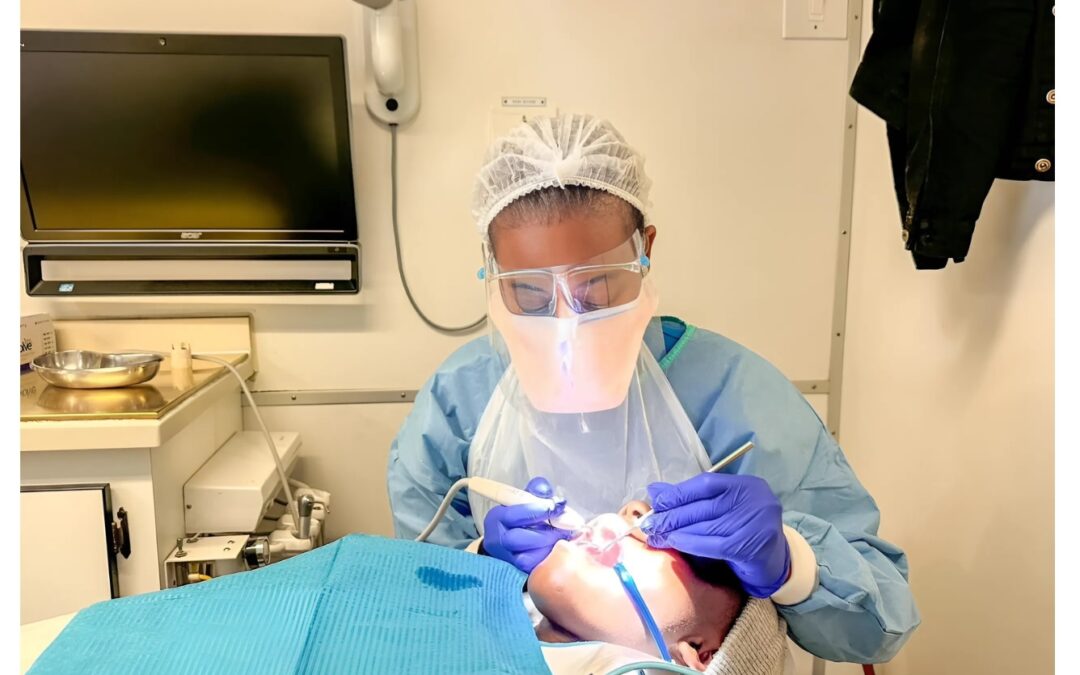
Sefako Makgatho Health Sciences University (SMU) prides itself on shaping future healthcare leaders who embody excellence, compassion, and a commitment to service. Mamonaiwa Hendrica Manyama , a recent graduate of the Bachelor of Dental Therapy programme, is a prime example of these values. Raised in the village of Mohlabaneng in Limpopo, her unwavering dedication to her education and passion for dental health have earned her recognition as the Best Student in Dental Public Health and the prestigious Van Schaik Award. Her journey to academic success, marked by perseverance and a strong sense of community, underscores her bright future in the field of dentistry.
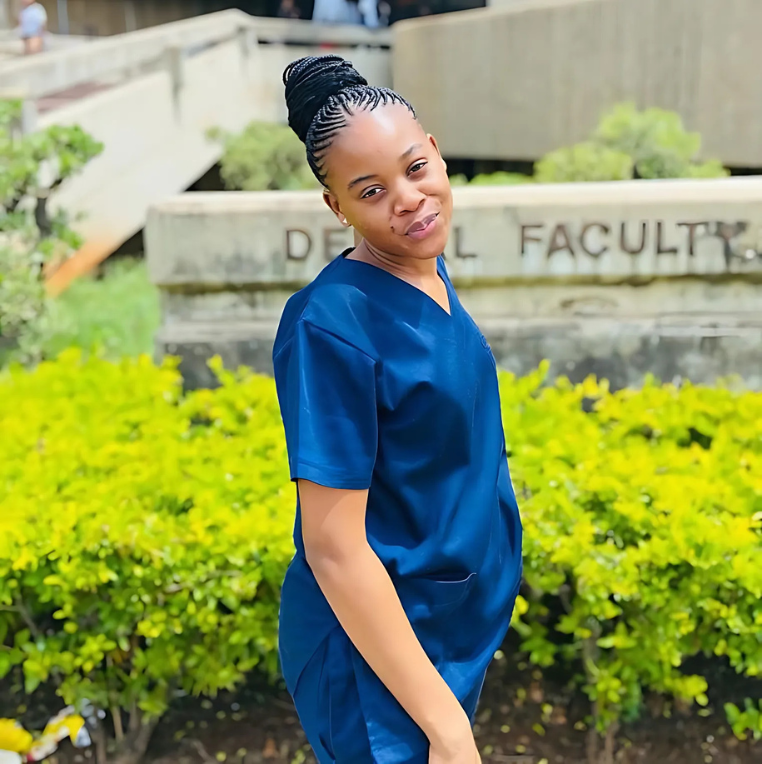 Hailing from Mohlabaneng village in Bolobedu, Limpopo, 21-year-old Manyama was raised by her maternal grandparents, who instilled in her the importance of education. “School was always a priority in my family,” she recalls. From a young age, she was fascinated by people’s teeth, a curiosity that eventually shaped her career path.
After completing her National Senior Certificate in 2021, Manyama enrolled in SMU’s Bachelor of Dental Therapy programme, a rigorous three-year journey from 2022 to 2024. “It was a beautiful yet tough experience,” she reflects. Among the many modules she encountered, Dental Public Health stood out as her favourite. “From my first year, I loved it, and seeing myself succeed in it motivated me to study even harder.” Her dedication was recognised when she was named the best student in Dental Public Health, receiving the prestigious Van Schaik Award. Winning the Best Student in Dental Public Health and receiving the Van Schaik Dental Award are remarkable accomplishments that deserve celebration, particularly at the 2024 Oath-Taking Ceremony.
Balancing schoolwork, clinical practice, and lectures was no easy feat. “The workload increases each year, making it challenging to manage everything,” she shares. However, through time management, self-discipline, and faith, she persevered. Winning the award has further strengthened her confidence and passion for the field. “It is a recognition of my hard work and the importance of the module,” she says. “It encourages me to continue my professional development and strive for excellence.”
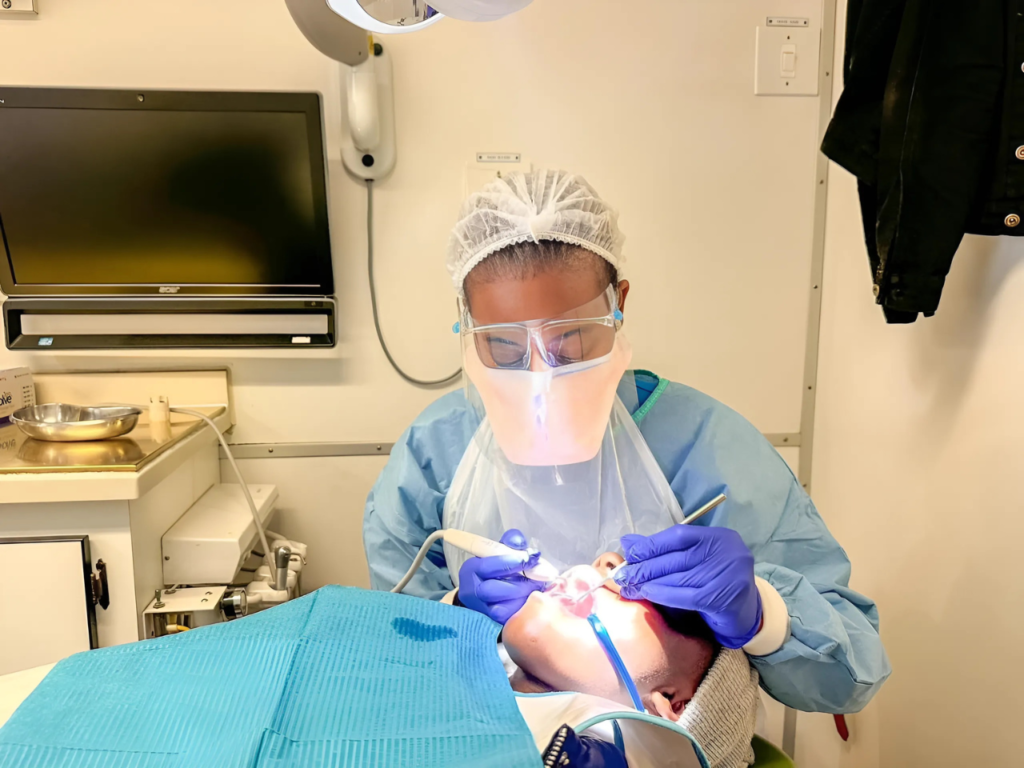 For those considering a career in dentistry, Manyama offers words of encouragement: “Go for it. Dentistry is challenging but rewarding. Respecting patients, listening to understand, and valuing their needs are key to making a difference in this field.”
She is also passionate about giving back to her community. “I want to conduct oral health education programmes and partner with organisations that provide treatment to underserved communities,” she explains. Her inspiration stems from a dentist who once visited her secondary school to teach students about oral health. “That visit sparked my interest in dentistry,” she recalls. Today, she is particularly drawn to the rehabilitation aspect of dentistry, which restores both the form and function of patients’ smiles.
Manyama acknowledges the inequalities within South Africa’s healthcare system but remains hopeful. “There are challenges, but efforts are being made to improve healthcare services. My plan is to offer community-based dental services in collaboration with relevant organisations.”
Manyama’s remarkable achievements at SMU serve as a testament to her hard work, determination, and deep-rooted desire to make a meaningful difference in the lives of others. As she steps into the next phase of her career, her vision is clear: to offer vital dental services and education to underserved communities, bridging gaps in healthcare access. Her story exemplifies how SMU nurtures talent and prepares students to lead with integrity, social responsibility, and a commitment to excellence in their fields.
By Dimakatso Modise
by Lorato | Feb 3, 2025 | All News, SMU Media, Student Media
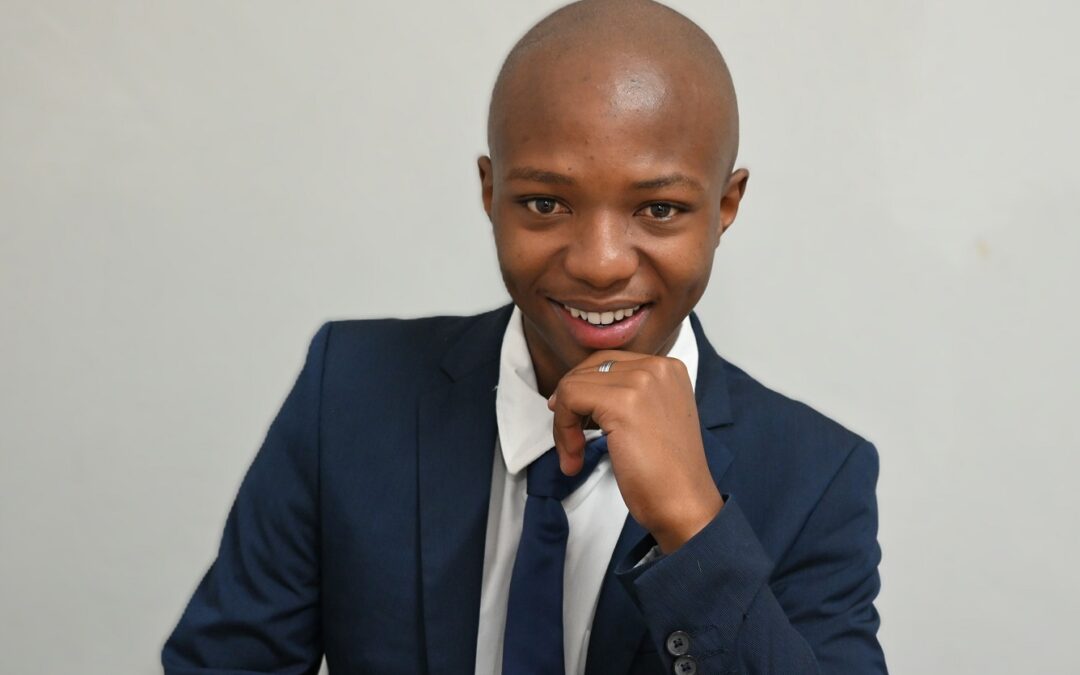
At just 21 years old, Sibusiso Makhamba is redefining student leadership at Sefako Makgatho Health Sciences University (SMU). As a final-year Diagnostic Radiography student and the Treasurer-General of the Student Representative Council (SRC) for the 2024–2025 term, he exemplifies resilience, strategic vision, and an unwavering commitment to driving meaningful change. His leadership is not only transforming financial governance within the SRC but also fostering a culture of transparency, empowerment, and student-driven solutions.
 Makhamba’s journey is one of determination and adaptability. Born and raised in Krugersdorp, Gauteng, he later moved to Mpumalanga to pursue a science stream in Grade 11 after initially transitioning to a history stream in high school. “Switching streams was not an easy decision, but it was necessary to align with my passion,” he recalls. That bold step laid the foundation for his academic and leadership pursuits, ultimately leading him to SMU—a university renowned for producing world-class healthcare professionals. “SMU has given me the platform to grow academically and as a leader while equipping me with the skills to serve others,” he shares.
From his second year, Makhamba demonstrated exceptional leadership by serving as Treasurer for the organisation that deployed him. His expertise in budgeting, fundraising, and resource management positioned him well for his current role as SRC Treasurer-General. His primary focus is on alleviating student financial burdens, and under his leadership, the SRC has successfully raised R4 million to assist students facing financial exclusion. “No student should be denied education due to financial struggles—we are working tirelessly to engage sponsors, alumni, and university structures to secure even more funding,” he affirms.
Makhamba’s leadership vision extends beyond financial aid. He is spearheading several initiatives to empower students and promote financial accountability. Among them is Master Your Finances & The Treasurer’s Playbook, a financial literacy programme designed to equip students with essential money management skills. In addition, he is introducing the Health Innovators Market Day & Future of Healthcare Conference, which will encourage student entrepreneurship while raising funds for historical student debt relief. Recognising the power of collaboration, he is actively forging strategic partnerships with financial institutions, alumni, and industry professionals to create opportunities in finance, entrepreneurship, and healthcare innovation.
A strong advocate for governance reform, Makhamba is strengthening treasury operations within the SRC and student organisations by implementing enhanced financial accountability measures. This includes a detailed ledger system, regular financial reporting, and robust oversight mechanisms to ensure transparency and prevent mismanagement. “Clear communication and rigorous financial checks are crucial for maintaining student trust,” he explains.
 Despite his demanding SRC responsibilities, Makhamba remains committed to academic excellence, successfully balancing his final year of Diagnostic Radiography studies with leadership duties. He envisions a future where financial literacy and entrepreneurship are embedded in student development at SMU. His long-term goals include expanding financial literacy programmes, establishing an innovation hub for health sciences entrepreneurship, and advocating for sustainable student debt relief solutions through institutional and external support. Additionally, he aims to pursue a career in healthcare finance and policy, combining his expertise in radiography with financial management to make a lasting impact in the sector.
Beyond his own aspirations, Makhamba is dedicated to fostering a strong alumni and mentorship network that supports students through funding, career guidance, and professional development opportunities. “The involvement of SMU alumni in shaping the next generation of students is vital, and I hope to build a stronger support system that benefits both current and future students,” he shares.
Reflecting on his time at SMU, Makhamba acknowledges the university’s role in shaping student leaders. “What I love most about SMU is its commitment to being a student-friendly campus, where mental health and student life are taken seriously. It creates an environment where students feel supported both academically and personally,” he says.
Through his visionary leadership, Makhamba is not only shaping the future of SMU’s student community but also setting a powerful precedent for ethical, transparent, and impactful governance. His journey is a testament to the calibre of student leaders that SMU produces—leaders who are not just prepared for the world but determined to change it.
By Tumelo Moila