by Lorato | Jun 18, 2025 | All News, SMU Media, Student Media
As the recipient of the Support Employees Award for Exemplary Client-Centric Behaviour at the 2024 Vice-Chancellor’s Awards, Elisa Segaile, Administrative Officer in the General Surgery Department at Sefako Makgatho Health Sciences University (SMU), embodies the institution’s values of compassion, excellence, and teamwork. In this interview, Elisa shares her insights on delivering exceptional client service, her personal values, and her journey at SMU.
 Segaile’s commitment to client-centric behaviour is evident in her approach to her role. “I believe in being true to myself and being an open book to clients,” she says. Every person is unique and carries a special essence within them; it all depends on how you present yourself. Her dedication to providing excellent service has earned her recognition, and she humbly acknowledges the impact of her work on students, colleagues, and visitors.
“I’m passionate about delivering exceptional service because I believe it makes a difference in people’s lives,” Segaile explains. “When clients feel valued and supported, they’re more likely to succeed and reach their full potential.”
In her role, Segaile is responsible for providing administrative support to the General Surgery Department, which includes coordinating exams, managing student records, and ensuring the smooth operation of the department. Her exceptional organisational skills, attention to detail, and ability to work well under pressure have made her an invaluable asset to the team.
“Teamwork is essential in delivering exceptional client service,” she emphasises. A team should be comprised of individuals who are there for one another and always ensure that they are each other’s strength. Her collaborative approach has fostered a positive work environment, and her colleagues appreciate her willingness to support and learn from them.
“I’ve learned that nothing is ever difficult if you have a listening heart,” she says. “It takes the ear to hear, but the heart decides how to receive the news and attitude of the difficult client.”
One of Segaile’s greatest strengths is her ability to connect with people from diverse backgrounds. Her warm and welcoming demeanor puts everyone at ease, and her willingness to listen and understand their needs has earned her a reputation as a compassionate and empathetic administrator.
“My mom always told me, ‘Botho ba motho ba mo direla,’ which means ‘your kindness and humility will work for you,'” she shares. “I believe in living by these words and treating everyone with kindness and respect.”
Segaile’s personal values of compassion, humility, and kindness guide her interactions with clients and colleagues. She believes in continuous growth and development, seeking opportunities to improve her communication skills and expand her knowledge. Her commitment to her faith and her desire to make a positive impact at SMU drive her to excel in her role.
“Never take for granted the role you are in,” she asserts. “Always remember that you also play an important role. Smile, warm your heart, and seek growth and prosperity.”
One notable example of Segaile’s exceptional client service is her work with a student who was struggling to attend classes. She took the initiative to mentor the student, providing guidance and support that helped him overcome his challenges and eventually graduate as a medical intern. This testament to her compassion and dedication has inspired her colleagues and reinforced the importance of client-centric behaviour in higher education.
“I’m grateful for the opportunity to make a difference in people’s lives,” she says. “I believe that’s what makes my job so rewarding.”
Segaile’s story is a testament to the power of compassion, teamwork, and dedication to excellence. As SMU continues to strive for excellence in teaching, research, and community engagement, her commitment to client-centric behaviour serves as a beacon of inspiration for staff and students alike.
By Dimakatso Modise

by Lorato | Jun 17, 2025 | Accolades and Achievements, All News, SMU Media, Student Media

by Lorato | Jun 13, 2025 | All News, SMU Media, Student Media
Youth Day Special Feature – Honouring student leadership as a driving force in national transformation
As South Africa commemorates Youth Day—a moment to honour the courage, vision and activism of generations past—Sefako Makgatho Health Sciences University (SMU) celebrates the contributions of its student leaders to shaping a more just and responsive higher education landscape.
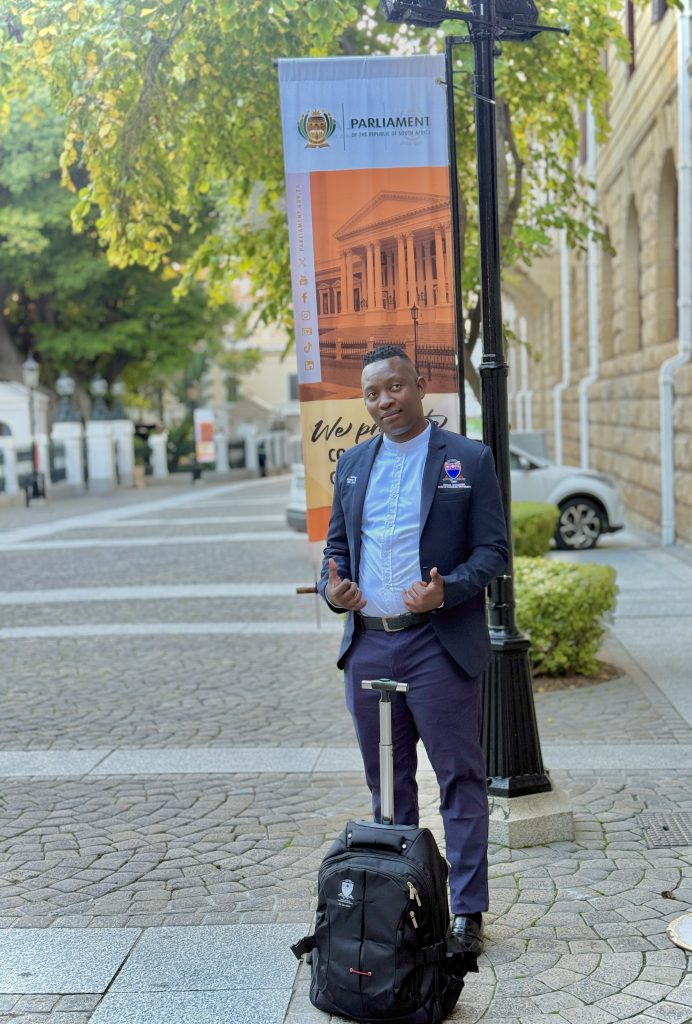 Earlier this month, two Student Representative Council (SRC) leaders from SMU stepped onto a national platform to represent the student voice in a high-level discussion on the future of the post-school education and training system. Katlego Peter Moshanyane, President of the SRC, and Fhulufhelo Ntsieni, Secretary-General, participated in a briefing to the Parliamentary Portfolio Committee on Higher Education and Training, where they reflected on the systemic challenges facing today’s students, particularly those pursuing qualifications in the health sciences.
Their participation comes at a pivotal moment in the national discourse, as South Africa continues to shape higher education models that respond to the country’s socio-economic and developmental needs. In particular, growing attention has been placed on the accessibility and sustainability of the National Student Financial Aid Scheme (NSFAS) and the ongoing crisis of graduate unemployment, even in critical sectors like healthcare.
During the session, the SRC leaders identified several areas they believe require urgent attention, including:
- Timely disbursement of student financial aid and improved NSFAS processes to reduce academic disruptions;
- Equitable access to support resources for students from disadvantaged backgrounds; and
- Clear employment pathways for health sciences graduates, many of whom face delayed absorption into the public health system despite national need.
“We saw this platform as an opportunity not just to raise challenges but to be part of building solutions for current and future students,” says Moshanyane. “As a health sciences university, SMU must be central to conversations about national development, and students must be active participants in that journey.”
Their participation was not only welcomed by peers at SMU but also recognised across the higher education sector as an example of visionary student leadership rooted in public service.
Following their appearance in Parliament, the SRC leaders say they are more determined than ever to advance a student-centred vision for change, one that prioritises access, equity, and opportunities beyond graduation.
“This experience has strengthened our resolve to lead with purpose. We are not just raising concerns; we are also working to connect students to opportunities and partnerships that can drive long-term change,” adds Ntsieni.
In their response to the ongoing crisis of delayed employment among health sciences graduates, the SMU SRC leaders called for a coordinated approach between government, universities, and industry.
“Government must prioritise funding and filling vacant posts, streamline internship placements, and improve workforce planning. Universities must align curricula with real-world healthcare demands and strengthen practical, work-ready training. At the same time, the private health sector should step in with graduate programmes and internships that help bridge the transition from education to employment,” Moshanyane states.
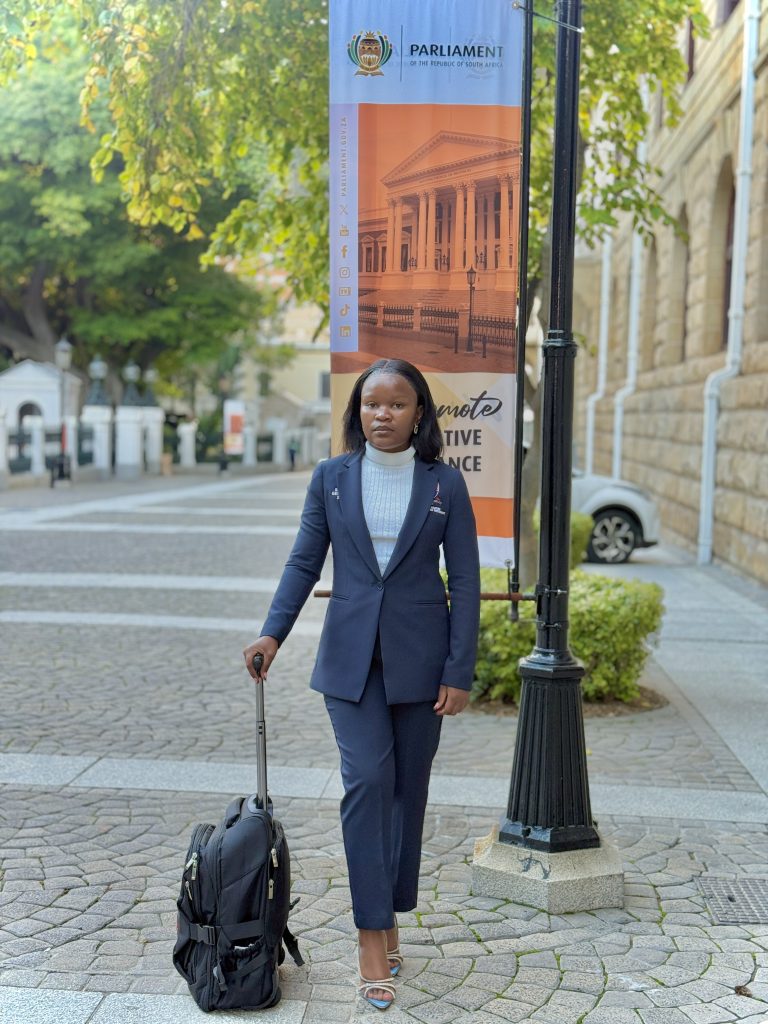 Following their appearance in Parliament, the SRC leaders say they are more determined than ever to advance a student-centred vision for change—one that prioritises access, equity, and opportunities beyond graduation.
On the matter of donor and external partner engagement, the SRC leaders underscored the importance of investment in both infrastructure and financial aid. “If donors were to support SMU, we would prioritise infrastructure development and direct financial support such as bursaries and sponsorships. Many students are on the verge of financial exclusion, and that remains a major barrier to academic success,” Ntsieni notes.
They also propose practical reforms to the NSFAS model, calling for a more flexible, responsive system: “Our institution, working with the Department of Higher Education, could explore the establishment of emergency relief funds or bridging allowances to support students awaiting NSFAS disbursements. NSFAS should also disburse funds according to university-specific calendars to avoid delays. Additionally, we recommend NSFAS help desks on campus with trained personnel to assist students more efficiently.”
SMU recognises the value of student voices in shaping both institutional transformation and national dialogue. As the university continues to evolve, the leadership demonstrated by its SRC reflects the calibre of graduates it seeks to cultivate: thoughtful, engaged, and committed to meaningful public impact.
by Lorato | Jun 11, 2025 | All News, SMU Media, Student Media
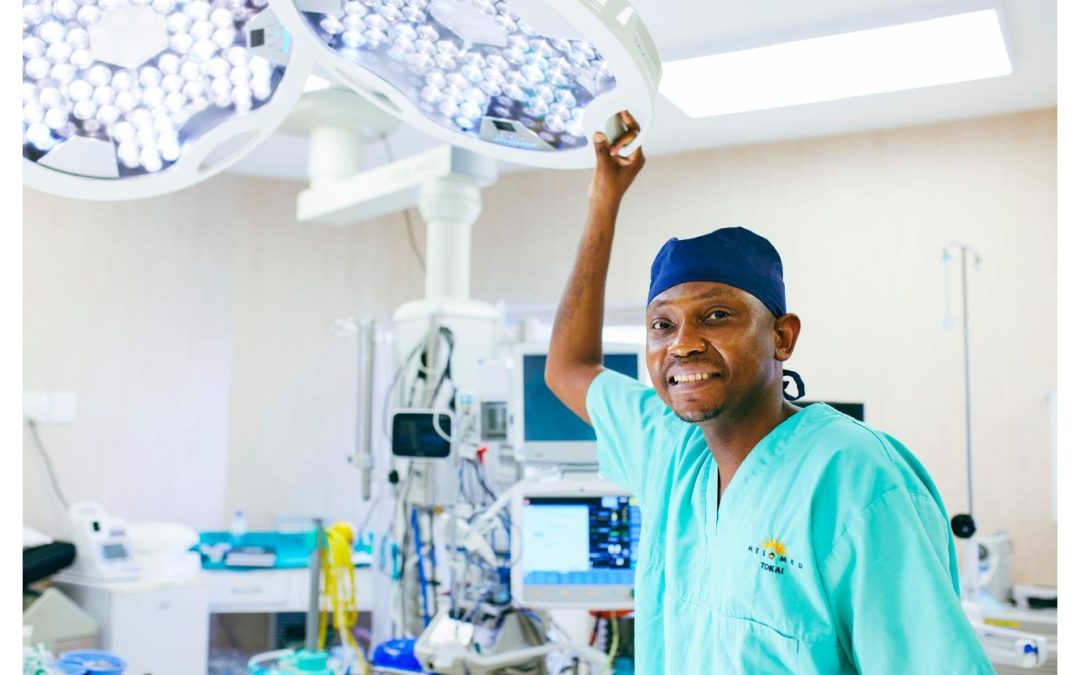
From the dusty streets of Burgersfort to the surgical theatres of Cape Town and the transplant wards of Chennai, India, Dr Mdumo Rupert Moshwana has carved out a remarkable journey defined by purpose, service, and unwavering dedication to health and humanity.
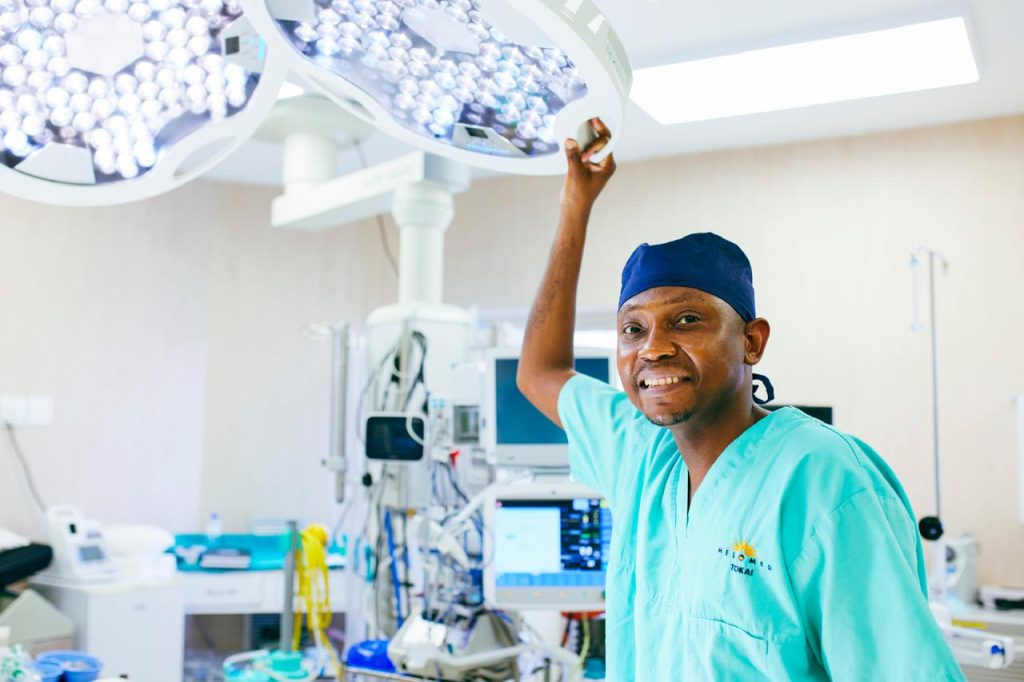 What began as a dream in the lecture halls of Sefako Makgatho Health Sciences University (SMU) — formerly the Medical University of South Africa (MEDUNSA) — has evolved into a life of meaningful impact across borders, institutions, and communities. Today, Moshwana is a proud SMU alumnus, general surgeon, mentor, and community builder. His story is a testament to the transformative power of education, resilience, and heart.
“My time at SMU laid the foundation for everything I do today. It wasn’t just about the medicine; it was about the people, the challenges, and the responsibility we carry as future health professionals.” This blend of rigorous academic training, clinical excellence, and a strong sense of community shaped his identity and approach to medicine.
After qualifying as a general surgeon, Moshwana developed an impressive and wide-ranging clinical portfolio. He refined his expertise at institutions including Milpark Hospital, Charlotte Maxeke Johannesburg Academic Hospital (CMJAH), and Chris Hani Baragwanath Hospital (CHBH). His deepening interest in transplant surgery led him to pursue an observership at the internationally renowned Rela Hospital in Chennai, India — a global leader in hepatobiliary and transplant surgery.
Witnessing the work done at Rela Hospital was humbling and inspiring. It strengthened my resolve to become a transplant surgeon — to give people a second chance at life.”
 In May 2025, Moshwana participated in the National Department of Health (NDoH) Donation Campaign meeting at the Birchwood Hotel, joining key stakeholders in strengthening South Africa’s organ donation systems. For him, this was more than a professional milestone — it was a step closer to his long-term goal of becoming a full-time transplant surgeon.
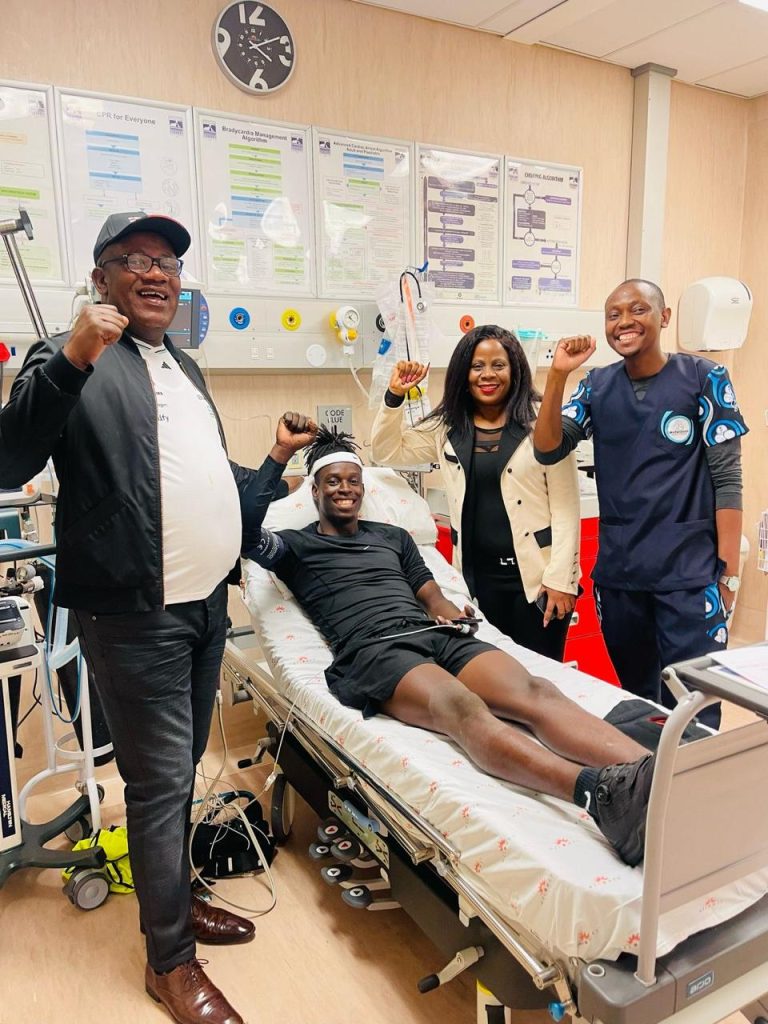
Despite a career that has taken him across continents, Moshwana remains deeply connected to his roots. Recently, he supported three boys from his hometown of Burgersfort who undertook an extraordinary cycling journey to Cape Town, aimed at inspiring other young people in their community.
When one of the cyclists — affectionately known as “The Goat” — sustained a knee injury during the trip, Moshwana travelled to Worcester to assess his condition and support the remaining riders. Thanks to the support of Melomed Hospital, Morton & Partners, PathCare Laboratories, physiotherapist Rabea, dietitian Fouziejah, and Matenji Boutique Hotel, the boys completed their journey safely and successfully.
“Helping these young men was one of the most rewarding experiences of my life. Their courage and determination reminded me why I chose this profession.” Moshwana is now working with local partners to establish a cycling hub in Limpopo that will provide young people with access to sport, mentorship, and wellness resources.
Professionally, Moshwana serves as a General Surgeon at Melomed Tokai in Cape Town, while continuing his academic and teaching contributions. His surgical journey began at Dr George Mukhari Academic Hospital (DGMAH), and he completed his community service in 2014 at Dilokong Hospital. In a remarkable show of commitment, he extended his stay in his home village of Driekop Gowe until 2017 to provide continued medical support to the community that raised him.
He returned to DGMAH as a Trauma Medical Officer and later served as a Surgical Registrar (2018–2021). In 2022, he was appointed as a Consultant in the Hepatopancreatobiliary Unit, where he also taught medical students, interns, and registrars.
Academically, Moshwana holds an MBChB (MEDUNSA), a Fellowship of the College of Surgeons [FCS (SA)], and a Master of Medicine (MMed) from SMU. His dissertation has been recognised at prestigious forums, including the 49th Annual Surgical Research Society Congress and the ASSA AGES Congress. His abstract was also published in the South African Journal of Surgery.
Now considering a specialisation in vascular surgery, Moshwana remains committed to lifelong learning and service. “SMU taught me the importance of clinical excellence, ethical leadership, and above all, service to others. These values guide me every day.”
His journey — from Burgersfort to global transplant centres — is a powerful reminder that medicine is not only a profession, but a mission of service, compassion, and continuous growth. “It’s a privilege to be part of the SMU family,” he concludes. “I’m proud to carry forward the values I learnt there and to serve with purpose, integrity, and heart.”
By Dimakatso Modise
by Lorato | Jun 11, 2025 | All News, SMU Media, Student Media
In a landmark partnership that exemplifies the power of global collaboration for local transformation, Sefako Makgatho Health Sciences University (SMU) has joined forces with the University of Oxford to pioneer South Africa’s first Neonatal Surgical Skills Course. Launched in April 2025, this initiative signals a major advance in paediatric surgical education and reflects SMU’s growing role as a centre of excellence in global health training.
 More than a technical course, the collaboration is a statement of purpose: that internationalisation is not an abstract ideal, but a working ethos embedded in SMU’s academic, cultural and clinical mission. As a proudly African institution, SMU continues to reaffirm its commitment to global standards while remaining deeply rooted in local realities.
The course was the brainchild of Dr Elliot Motloung, recently appointed Academic Head of Paediatric Surgery at SMU. After attending a simulation-based neonatal surgery workshop at the 2024 COSECSA Conference in Harare, Zimbabwe, led by the globally renowned Professor Kokila Lakhoo, Dr Motloung was determined to bring a similar experience to South Africa.
“I saw a real need to develop neonatal surgical skills among junior staff here,” he explained. “The Harare course was a turning point for me. I came back inspired and convinced that SMU could lead this kind of transformative training.”
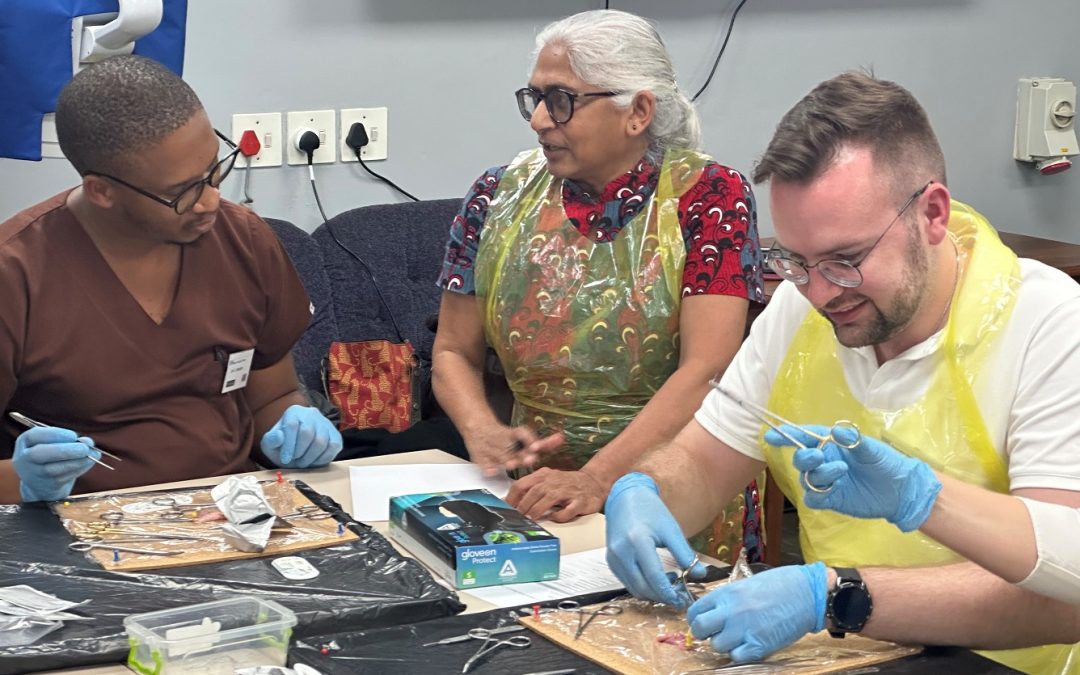
Over two days, 20 selected participants – ranging from surgical registrars to senior consultants – received hands-on instruction in vital procedures such as bowel anastomosis, gastrostomy, and tracheo-oesophageal fistula (TOF) repair. Using chicken tissue to replicate neonatal anatomy, trainees practised in a high-fidelity simulation setting designed to mimic the real-life surgical experience without risk to patients.
 At the centre of the training was Professor Kokila Lakhoo, the first female paediatric surgeon in South Africa and now Professor of Global Paediatric Surgery at the University of Oxford. Her return to SMU, where she sat her final general surgery exam during its Medunsa days, added a deeply personal layer to the occasion.
“This institution holds a special place in my heart,” she said. “It’s been an honour to return here and help shape the next generation of African surgeons. Their commitment, energy, and determination are nothing short of extraordinary.”
Dr Gerlin Naidoo, a South African PhD candidate at Oxford who played a key role in coordinating the course, was equally effusive in her praise. “The simulation lab at SMU is among the best I’ve encountered. The technical and support staff were instrumental in making this initiative a success.”
Participants found the experience transformative. One registrar reflected, “The TOF simulation was a defining moment in my training. It was realistic, challenging, and incredibly empowering.”
Importantly, the programme was designed with sustainability in mind. A “training of trainers” component ensured that SMU staff gained the capacity to lead future sessions independently. “This is not a once-off event,” Motloung stressed. “We are establishing a long-term model that builds local expertise and continuity.”
Professor Lakhoo echoed this sentiment. “Oxford’s goal is not to lead indefinitely, but to equip partners like SMU to take full ownership. True partnership means building local capacity.”
The impact is already spreading. The course has been accredited for annual delivery, with future sessions to be co-led by Motloung and Professor Nyaweleni Tshifularo of the University of Limpopo. Several South African institutions have expressed interest in adopting the model.
Professor Zacharia Koto, Head of Surgery at SMU, called the initiative “a turning point in surgical education. This partnership strengthens our academic standing and builds desperately needed surgical capacity for the country.”
The results speak for themselves: five SMU paediatric surgery registrars have been accepted to present their work at the 2025 Paediatric Surgery Conference. But for Motloung, the work is just beginning. “Our goal is to extend surgical training and services to underserved communities. This course lays the foundation for that vision.”
With local passion, national momentum, and global support converging, SMU’s neonatal surgery course stands as a model for how international collaboration can yield lasting, life-saving change.
By Tumelo Moila

by Lorato | Jun 11, 2025 | All News, SMU Media, Student Media
Sefako Makgatho Health Sciences University (SMU), formerly known as the Medical University of Southern Africa (MEDUNSA), has a proud legacy of promoting academic excellence, integrity and community service in the health sciences. Grounded in the values of compassion, accountability and perseverance, SMU nurtures future leaders who are committed to transforming healthcare. It was within this environment of support and purpose that Dr Odette Heyneke recently reached a major milestone — the completion of her PhD, a journey defined by resilience, personal sacrifice and unwavering faith.
 Heyneke’s passion for academia was sparked at an early age. At just 14, during a visit to MEDUNSA for a science fair project, she was inspired by the campus atmosphere and by her sister, Professor Kahler-Venter, who worked in the Department of Pharmacology. “I remember walking through the corridors and saying to myself, ‘One day, I’m going to be a lecturer here,’” she recalls. That moment planted a dream that would guide her for years to come.
After completing secondary school, Heyneke went on to earn a Bachelor of Science in Biological Sciences with Biochemistry and Microbiology, followed by Honours and a Master’s degree in Biochemistry from North-West University (NWU). These academic accomplishments laid a strong foundation for her career, which began in 2003 when she joined MEDUNSA as a Natural Scientist in Pharmacology. By 2006, she had advanced to the role of Senior Medical Natural Scientist in Physiology, demonstrating both her expertise and commitment to academic excellence.
Soon afterwards, life’s responsibilities called her away from her professional journey as she took time out to raise her family. From 2008 to 2014, she dedicated herself to full-time motherhood. “For six years, my world revolved around nappies, teething, and toddler chaos,” she shares. Although away from the academic world, this period played a pivotal role in building her resilience and inner strength. Returning to academia in 2014 as a lecturer in Physiology proved to be a daunting transition. “I felt like I knew absolutely nothing — I had to relearn everything I thought I’d never use again,” she admits. Yet her ability to adapt and persevere reflected SMU’s ethos of resilience and lifelong learning.
Determined to make a deeper impact, Heyneke decided to embark on a PhD. After exploring several potential research areas, she found her true focus when Professor Harold Majane introduced the Heart Failure study. “Something about it just clicked,” she explains. Her research, centred on the role of aortic haemodynamic parameters on left ventricular function in adult Black South African patients with heart failure with preserved ejection fraction (HFpEF), was both innovative and socially relevant.
Balancing a demanding academic role, parenting teenagers, and managing the pressures of research was no easy feat. “I experienced stress, burnout, and moments where I questioned my sanity,” she confesses. In 2022, a life-threatening illness nearly forced her to abandon her studies. Lying in a hospital bed, she made a promise to herself: she would finish what she had started. “My faith carried me. My children gave me strength. Something inside me — maybe stubbornness, maybe purpose — refused to let me quit,” she reflects.
Heyneke’s PhD represents far more than academic achievement — it stands as a powerful symbol of survival, renewal and determination. “It’s a symbol of unfinished dreams reignited, and proof that it’s never too late to rise again,” she says. Her story is a beacon of hope for women who step away from their careers for family, showing that setbacks can indeed become comebacks.
As a proud SMU graduate, Heyneke embodies the university’s mission to cultivate leaders who serve with excellence and integrity. Her journey mirrors the values that SMU upholds, and powerfully demonstrates the transformative potential of perseverance, faith and passion. Her success is a testament to what can be accomplished when one remains steadfast in the face of adversity — a message that extends far beyond the halls of academia. Heyneke’s story is not only her own; it is a shared triumph for all who believe in the power of education to change lives.
By Dimakatso Modise
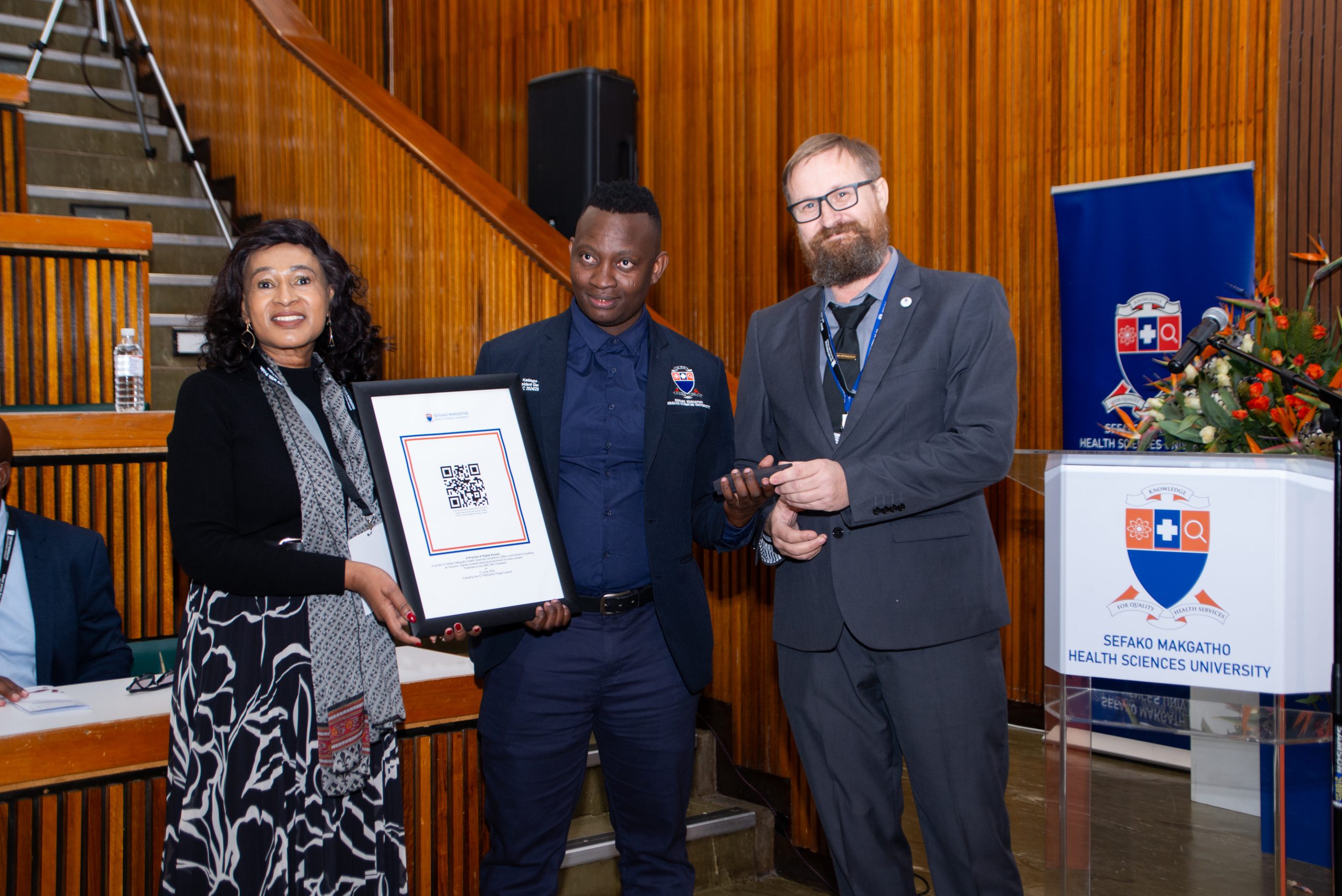
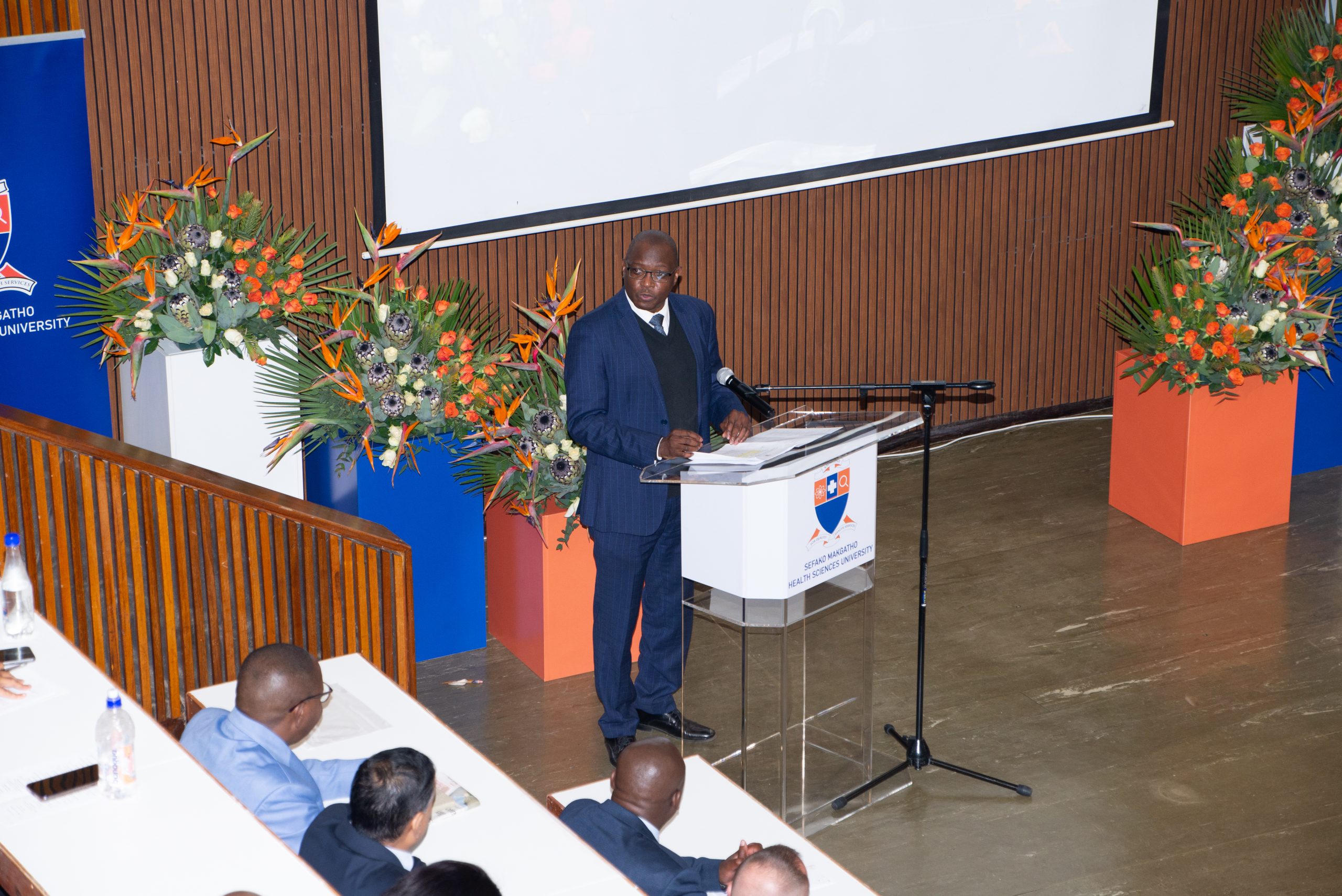
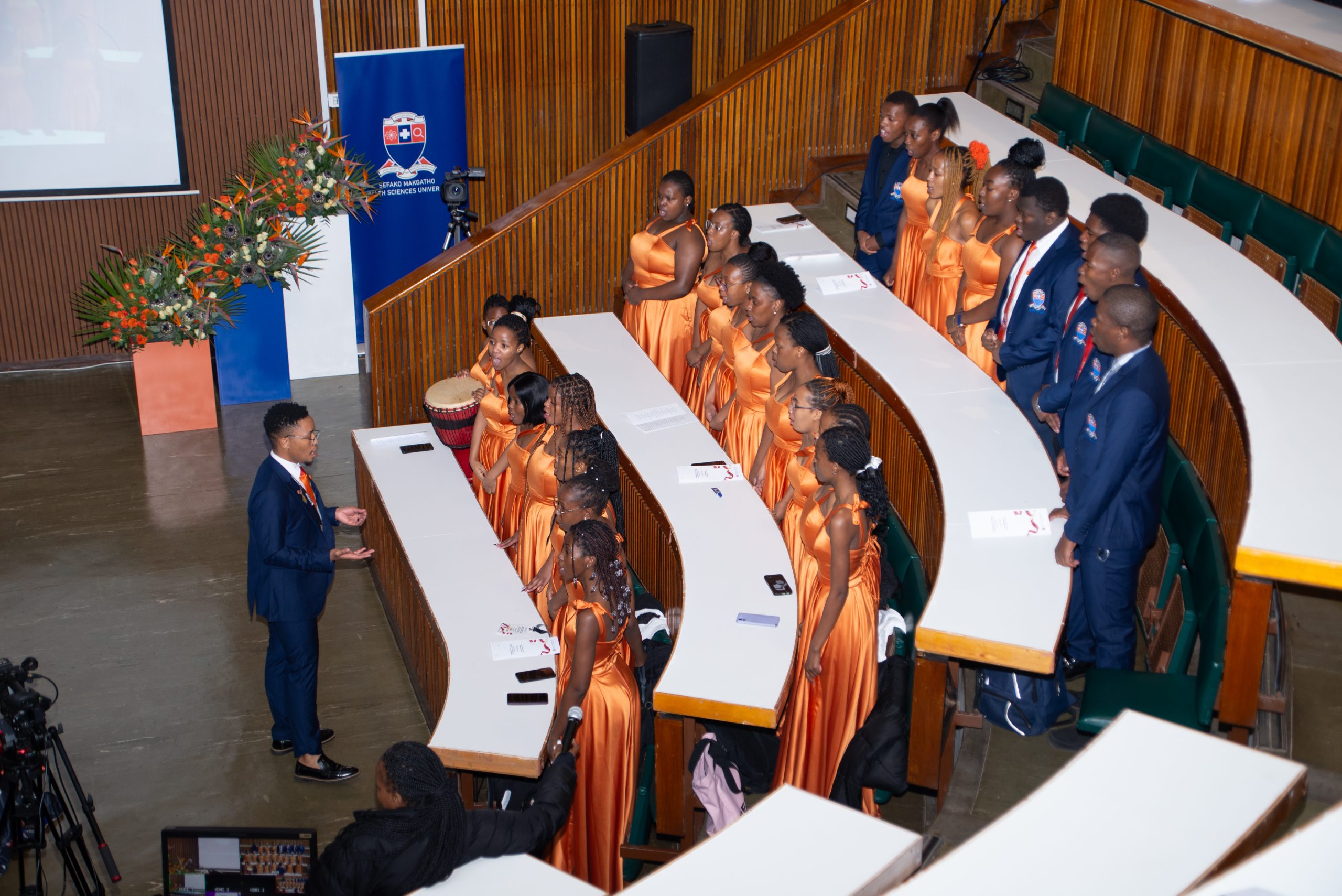
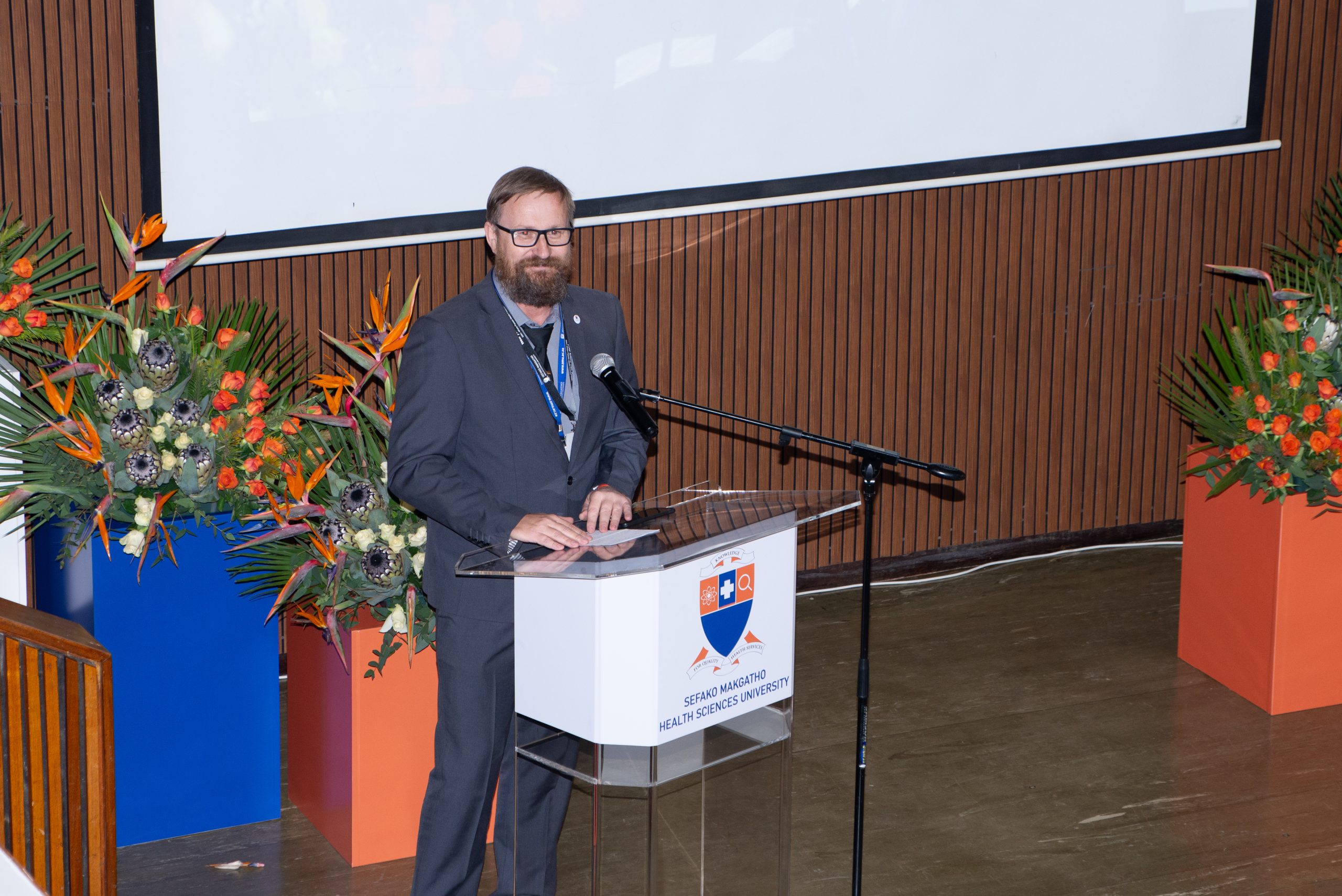
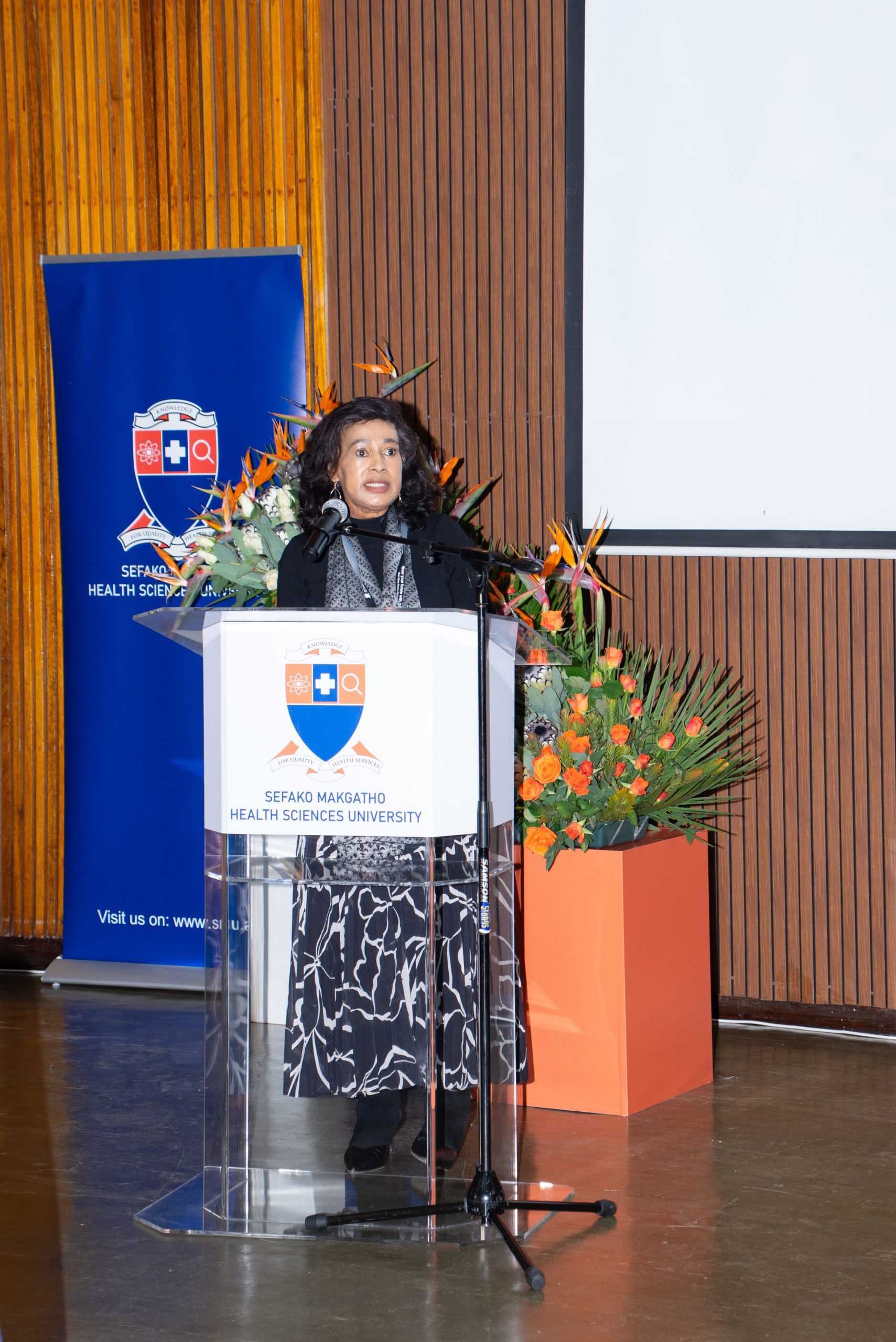
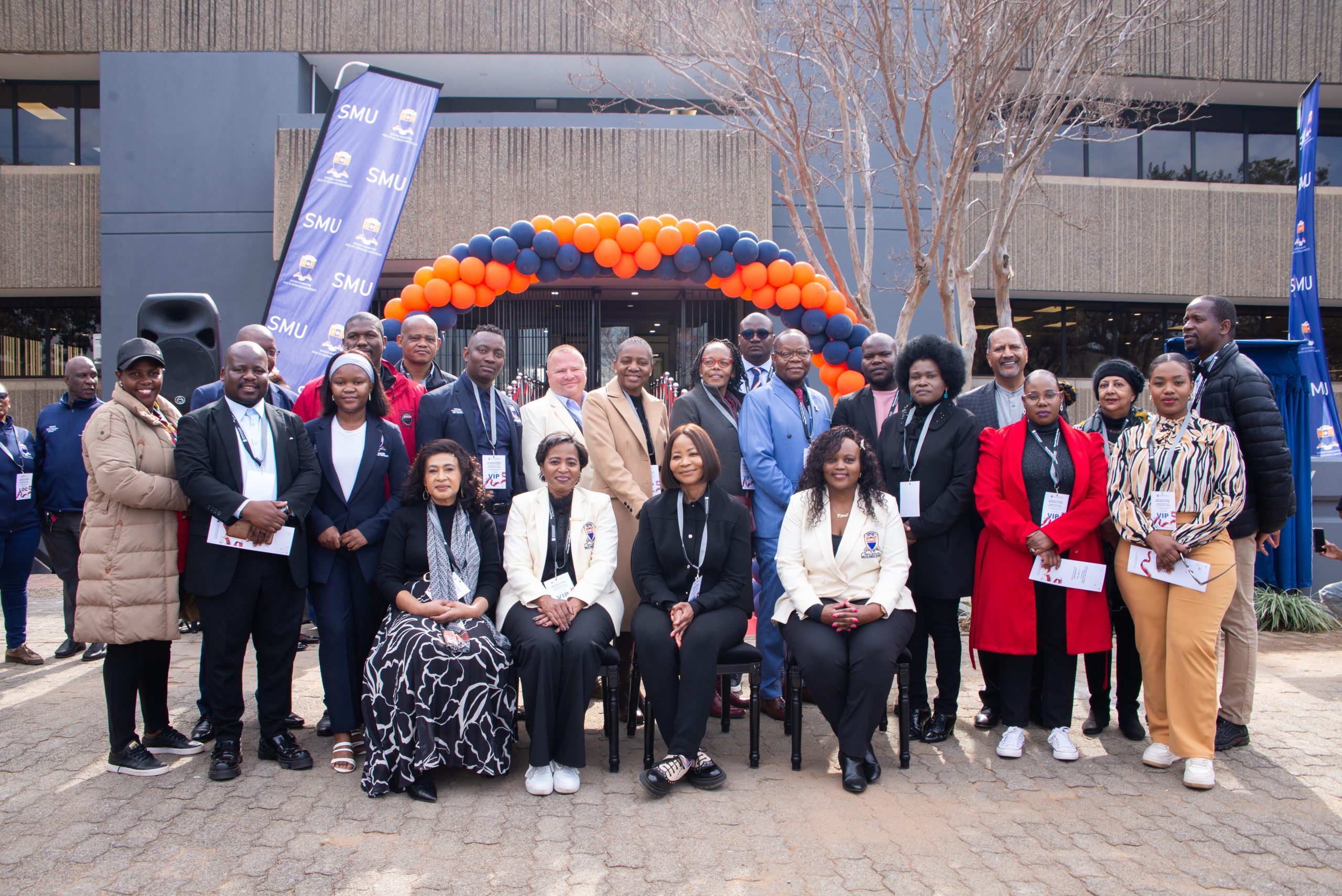
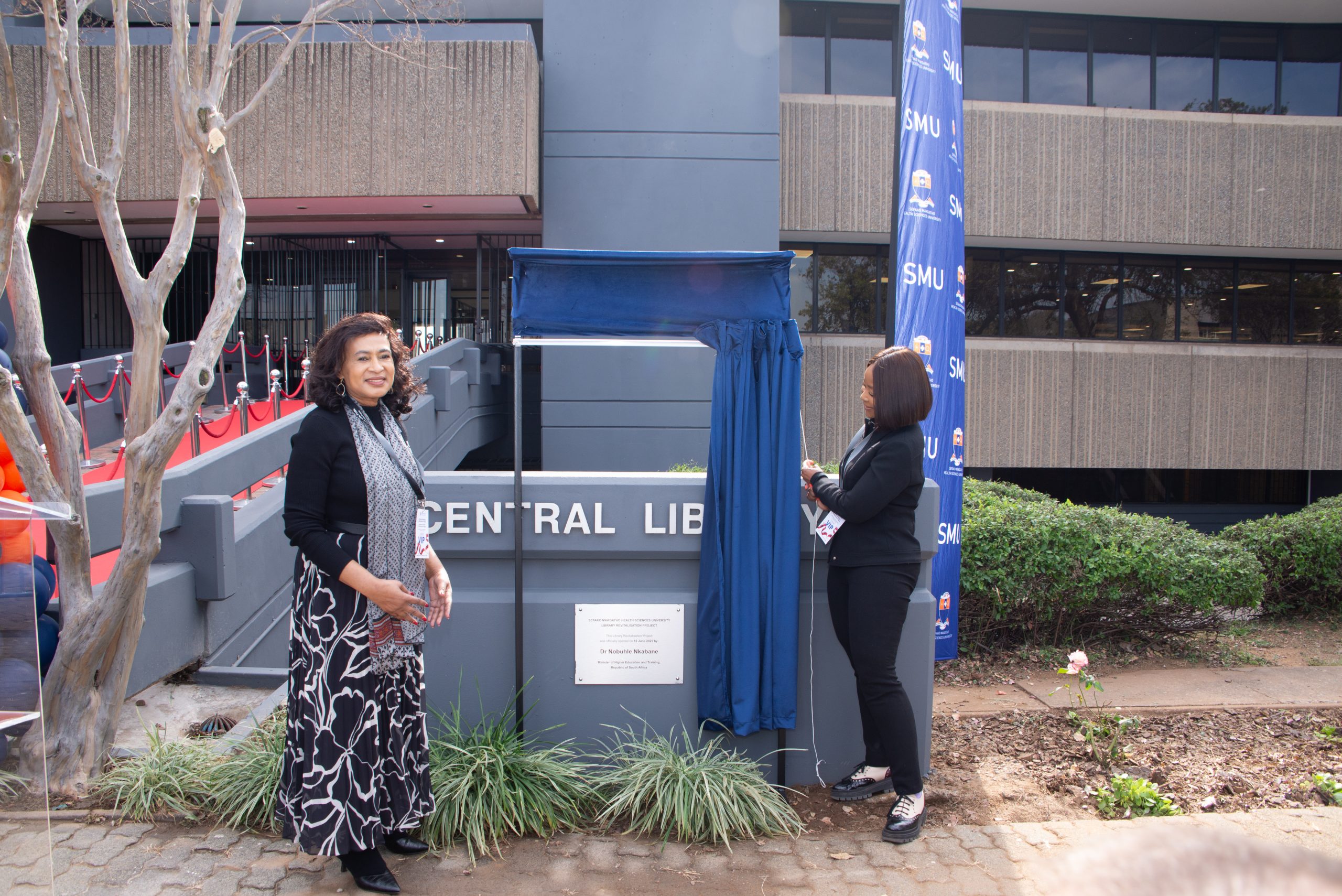
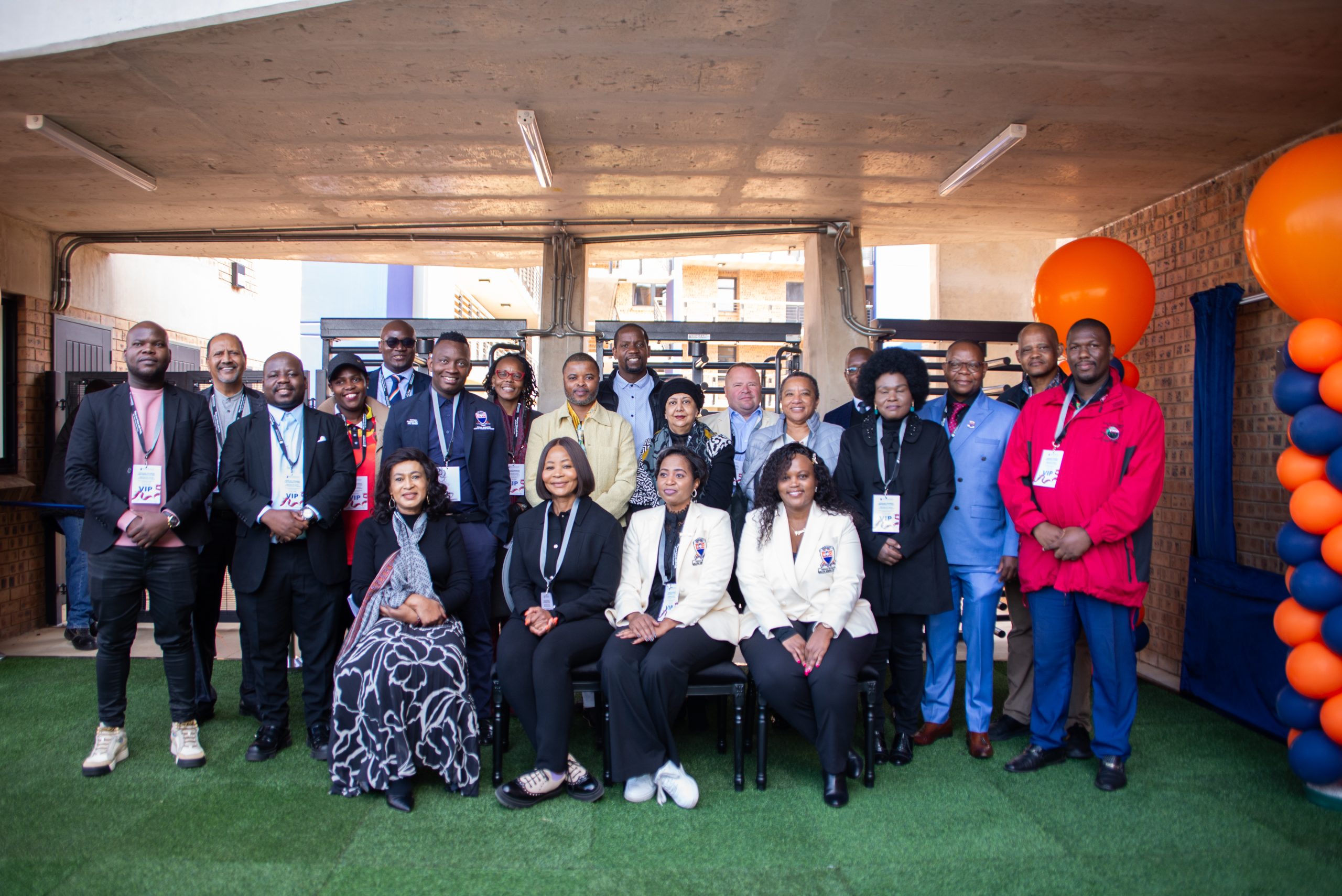
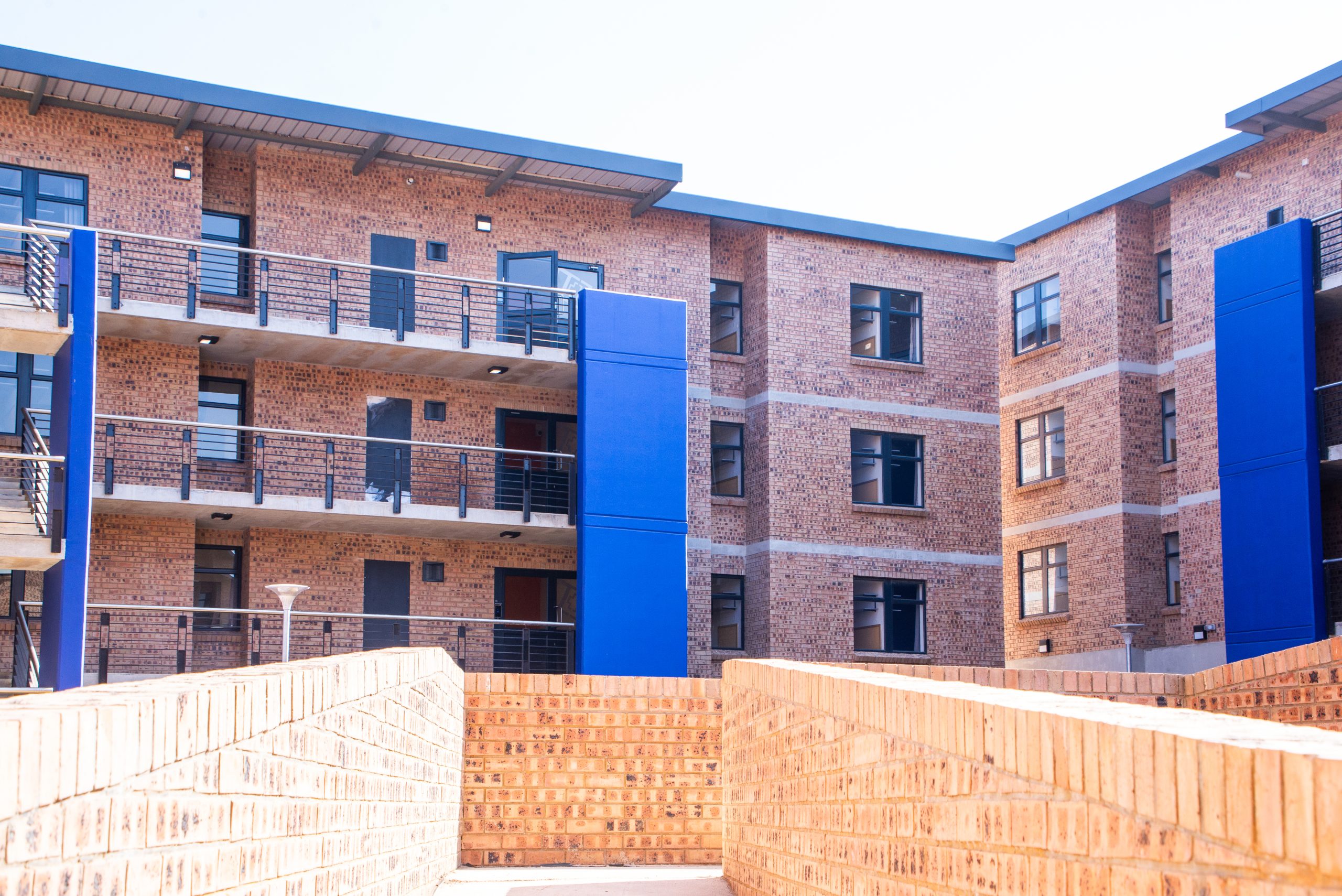
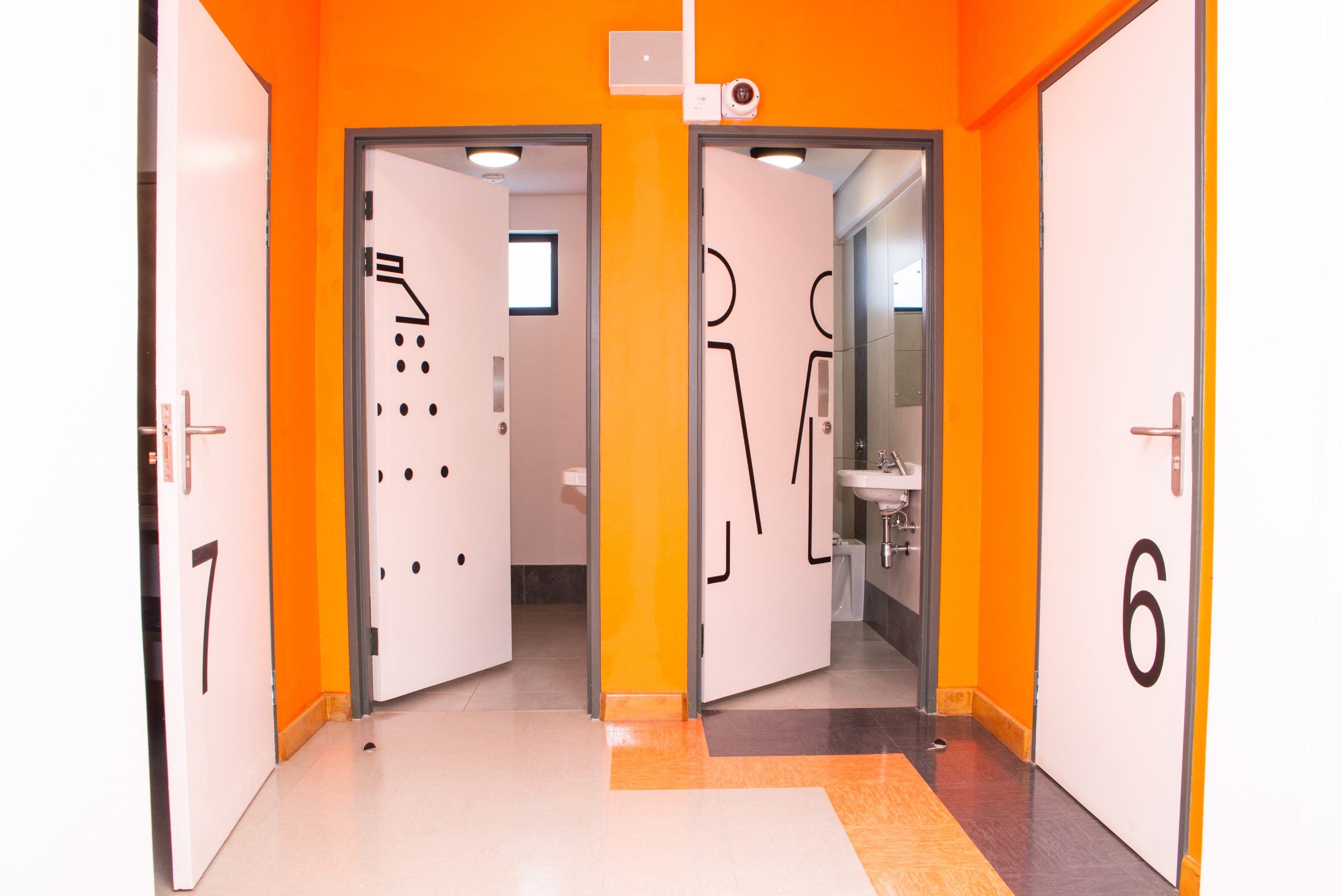
 The unveiling of the 1000-Bed Student Housing Project (Phase 1 of 2000 beds), the Revitalised Library, and the ICT Refresher Project reflects SMU’s bold new era: one driven by academic excellence, ethical leadership, and the dignity of student experience.