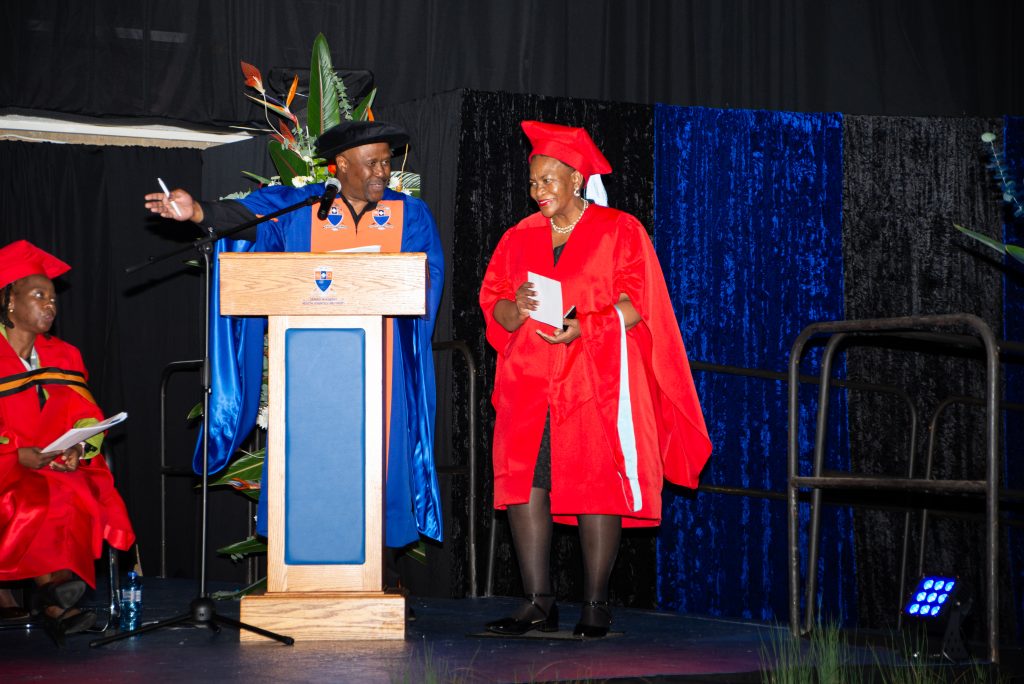
A groundbreaking study by Dr Tshepiso Sharlotte Kepadisa, a newly graduated PhD physiotherapist from the Department of Physiotherapy at Sefako Makgatho Health Sciences University (SMU), has demonstrated that a structured home-based vestibular rehabilitation programme can significantly improve balance, gait and visual function in stroke survivors living with vestibular dysfunction.
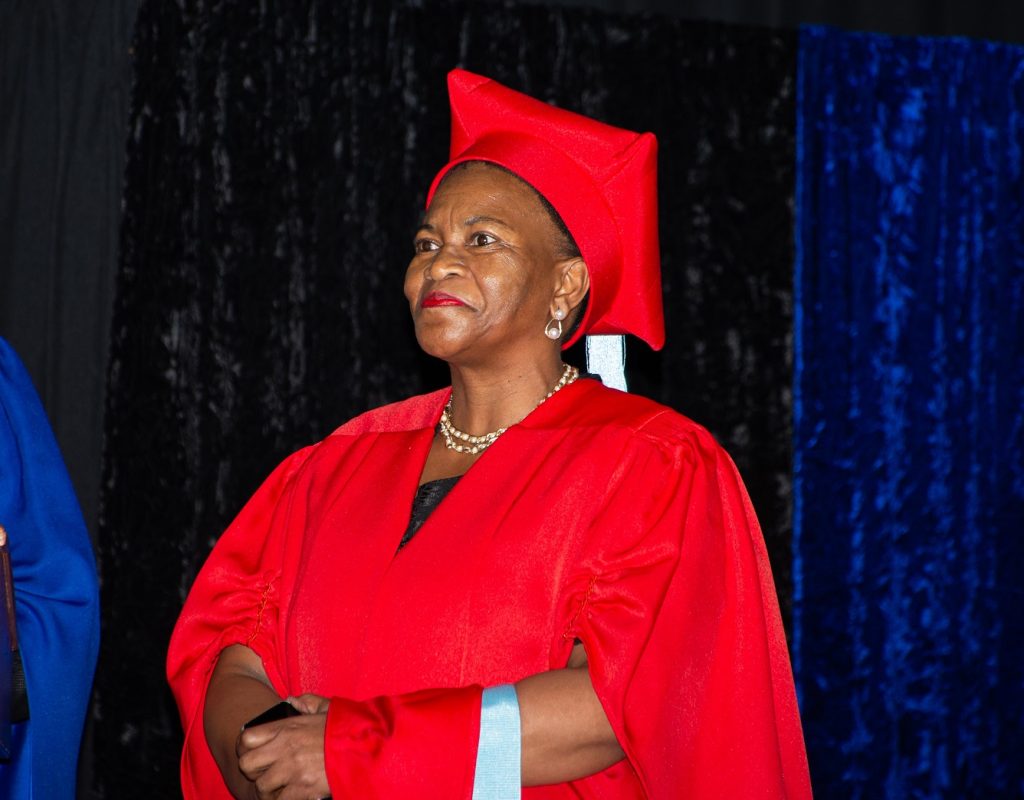 The research, titled The effect of a home-based central vestibular system rehabilitation programme on nystagmus, smooth-pursuit, balance and gait following stroke, offers promising evidence for improving stroke rehabilitation outcomes, particularly in resource-constrained healthcare settings where access to specialised rehabilitation services remains limited.
Conducted under the supervision of Professor Douglas Maleka and Professor Veronica Ntsiea, the study investigated both the current management of vestibular dysfunction in stroke rehabilitation and the effectiveness of a six-week home-based intervention programme.
Stroke remains one of the leading causes of disability worldwide, with dizziness, balance impairment and falls affecting up to 70% of survivors. While vestibular rehabilitation therapy has been shown to improve recovery, its implementation within many public healthcare settings has remained inconsistent.
“The findings demonstrate that a structured home-based vestibular rehabilitation programme can make a meaningful difference in the lives of stroke survivors,” said Dr Kepadisa. “Participants who received the intervention showed improvements in balance, gait and visual tracking, while also experiencing a reduction in symptoms associated with vestibular dysfunction.”
The study was conducted in two phases. The first phase surveyed physiotherapists working in public hospitals across the North West province to assess their knowledge and management practices relating to vestibular dysfunction after stroke. The survey revealed significant gaps in training and practice. Although 26 physiotherapists participated, none had received formal vestibular rehabilitation training or reported using standardised vestibular rehabilitation protocols.
“These findings highlighted an important need for professional development and capacity building among rehabilitation practitioners,” Dr Kepadisa explained. “Physiotherapists are often managing complex stroke cases, yet many have not been equipped with specialised vestibular rehabilitation skills.”
The second phase involved a randomised controlled trial with 31 stroke survivors diagnosed with central vestibular dysfunction. Participants were assigned to either a control group receiving conventional stroke rehabilitation or an experimental group receiving conventional rehabilitation combined with a structured home-based vestibular rehabilitation programme.
 Results showed that participants in the experimental group achieved greater improvements in smooth-pursuit eye movements, balance performance and walking ability. The intervention group also demonstrated significantly better scores on the Dynamic Gait Index, indicating enhanced mobility and reduced risk of falls.
According to Prof. Maleka, the research provides practical solutions for healthcare systems facing resource limitations. “One of the most important aspects of this study is that the programme can be implemented within patients’ homes, making rehabilitation more accessible and sustainable. This has significant implications for improving long-term recovery outcomes following stroke.”
Prof. Ntsiea added that the study contributes valuable evidence to the growing body of knowledge on neurological rehabilitation in South Africa. “The research demonstrates that evidence-based interventions can be adapted to local healthcare realities while still producing meaningful clinical outcomes.”
Beyond her doctoral research, Dr Kepadisa brings more than two decades of experience in neurological rehabilitation, healthcare management, community-based rehabilitation and physiotherapy leadership across public healthcare, private practice, academia and the non-profit sector. Her work reflects a longstanding commitment to improving rehabilitation services and strengthening healthcare systems in South Africa.
The study further found that improvements achieved during the six-week intervention were sustained beyond the completion of the programme, suggesting successful consolidation of vestibular compensation and long-term functional benefits for participants.
This research underscores the critical role of innovative, evidence-based rehabilitation strategies in improving the quality of life for stroke survivors. It also reflects SMU’s commitment to advancing health sciences research that addresses pressing healthcare challenges and contributes to better patient outcomes. Through research excellence and innovation, SMU continues to strengthen its contribution to transforming healthcare delivery in South Africa and beyond.
By Tumelo Moila