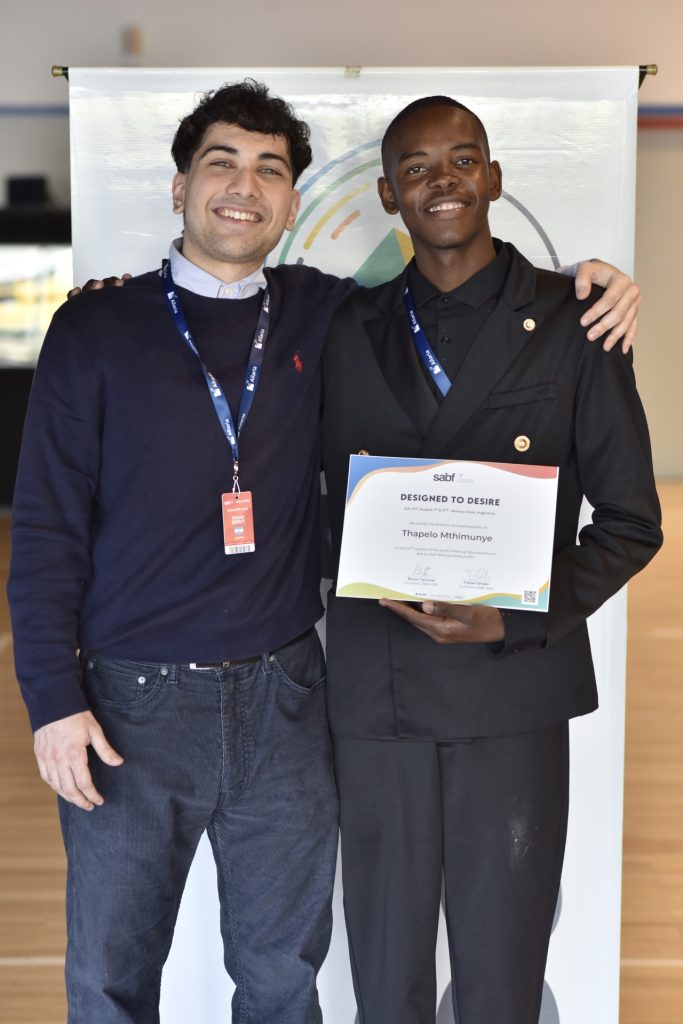
Sefako Makgatho Health Sciences University (SMU) medical student Thapelo Mthimunye represented the university and South Africa at the prestigious 22nd South American Business Forum (SABF), held recently in Buenos Aires, Argentina.
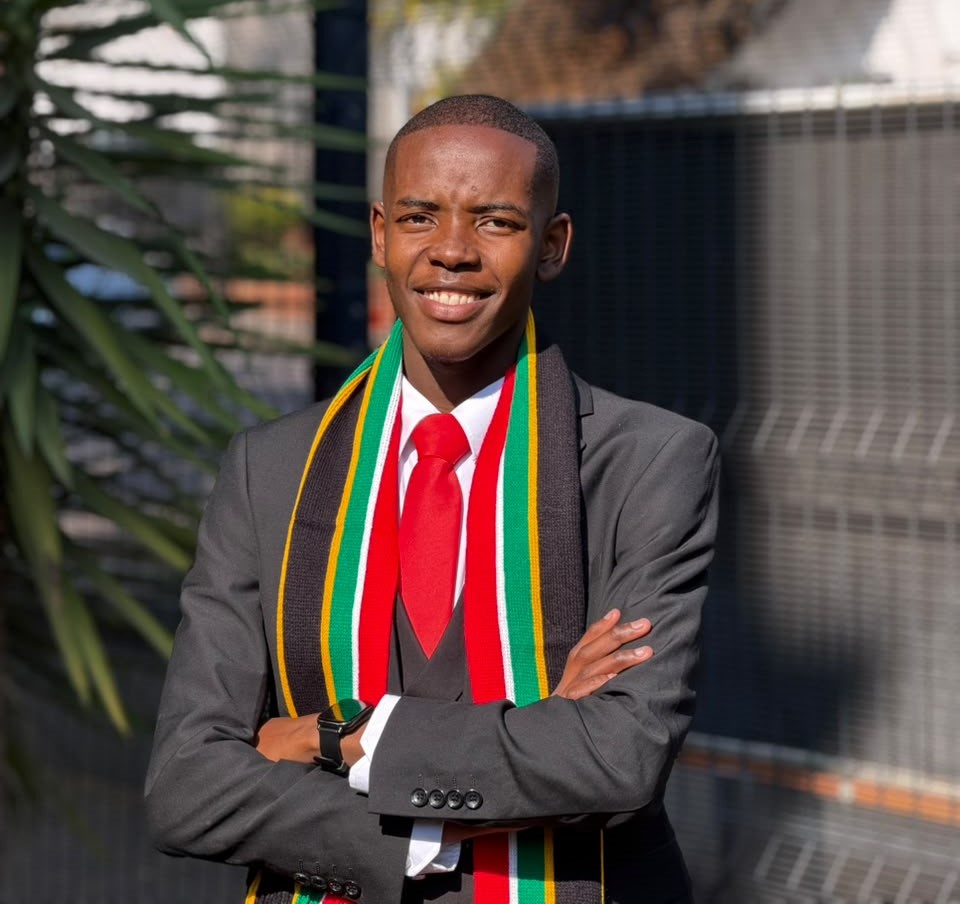 A fourth-year Bachelor of Medicine and Bachelor of Surgery (MBChB) student, Mthimunye was selected as one of only 100 delegates from around the world following a competitive selection process that assessed academic excellence, leadership potential, extracurricular achievements and commitment to social impact.
Hosted annually by students of the Instituto Tecnológico de Buenos Aires (ITBA), SABF brings together young leaders, entrepreneurs, academics, innovators and students to engage with contemporary global challenges. This year’s forum, themed “Designed to Desire”, explored how design, innovation, technology, business and leadership can shape human behaviour and society.
For Mthimunye, the forum provided an opportunity to bring a South African and healthcare perspective to an international platform while engaging with delegates from diverse disciplines and backgrounds. “As a medical student, my interest in attending the forum extended beyond healthcare. I recognised that many of today’s global challenges require collaboration across multiple disciplines,” Mthimunye said.
The trip was also a personal milestone, marking his first international journey. Travelling from Johannesburg via Dubai and Rio de Janeiro, he described the experience as both exciting and transformative. His arrival in Buenos Aires exposed him to a different cultural and linguistic environment, where Spanish meant he had to rely on translation apps and other communication methods.
At SABF, Mthimunye participated in keynote sessions, workshops, student presentations, debates and collaborative discussions on innovation, entrepreneurship, artificial intelligence (AI), sustainability, leadership and the future of society.
 The programme challenged delegates to examine how innovation and technology can be applied responsibly to address human needs. Among the discussions was Sintoniza, a prototype that enables deaf people to experience music by converting musical notes into tactile vibrations, demonstrating how human-centred innovation can address barriers experienced by communities.
Mthimunye also participated in a debate on whether patents and copyrights should be prohibited for work primarily produced with AI assistance. He argued for continued intellectual property protection while recognising AI as a tool that can support human creativity, emphasising the need for appropriate legal and ethical frameworks.
The experience reinforced his view that complex challenges, particularly in healthcare, require collaboration across disciplines. “The conference demonstrated that healthcare professionals must work alongside experts from different sectors to develop innovative and sustainable solutions,” he said.
The forum also enabled Mthimunye to establish connections with young leaders from countries including Tanzania, Ghana, the United Kingdom, Singapore, Brazil, Argentina, Chile, Peru, Russia and the United States of America. “Participating in discussions, asking questions, contributing to debates, and sharing my perspectives with delegates from around the world gave me confidence that students from SMU and South Africa can contribute meaningfully to global conversations,” he said.
Mthimunye plans to share his experience with fellow students through report-back sessions, encourage innovation and critical thinking, promote awareness of international opportunities and explore potential collaborative projects through his international network. “Many students possess the potential to compete internationally but may hesitate due to self-doubt or lack of awareness. I hope that sharing my experience will inspire others to believe in themselves and pursue similar opportunities,” he said.
His participation demonstrates SMU’s commitment to student development and internationalisation. Mthimunye expressed appreciation to the Office of Internationalisation, led by Dr Carlien Jootse, and the Student Affairs Department for their support.
His achievement underscores SMU’s role in preparing future healthcare professionals to engage confidently beyond the clinical environment and contribute South African perspectives to global conversations on innovation, leadership and sustainable solutions.
By Dimakatso Modise