Sefako Makgatho Health Sciences University (SMU) continues to strengthen its commitment to academic excellence and industry relevance following a recent visit by its Department of Chemistry to Sasol’s Polymers Technology Services Centre. The engagement marked the beginning of discussions around a potential partnership aimed at enhancing student development, research collaboration, and innovation.
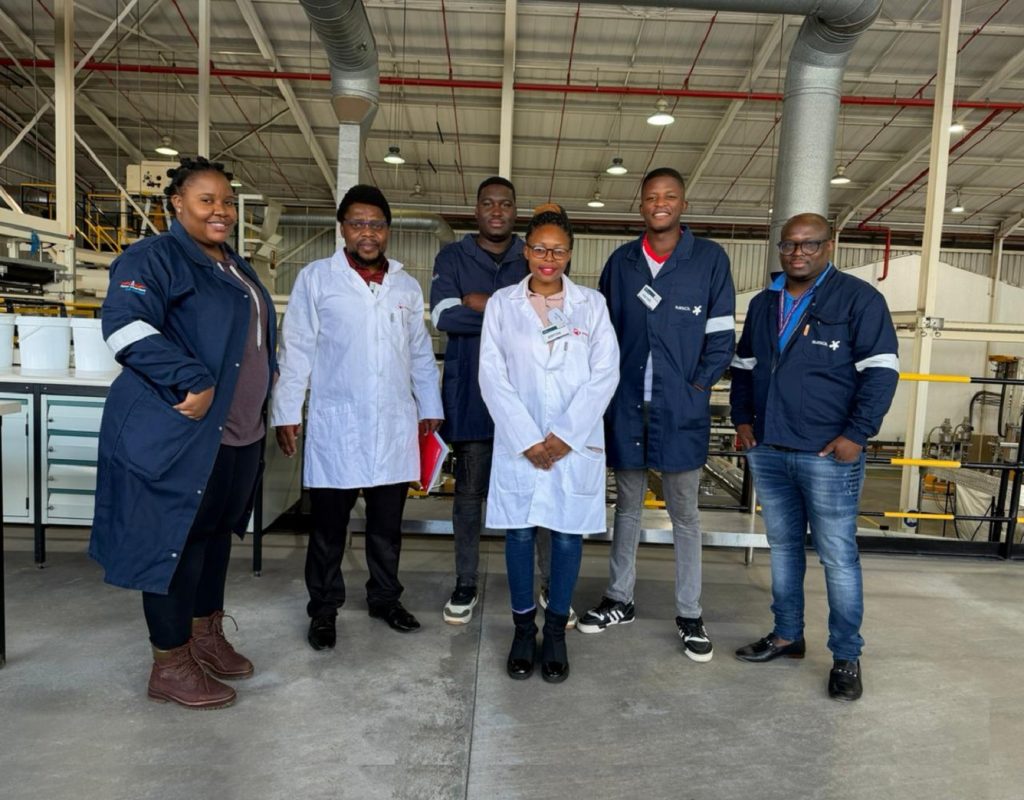 During the visit, SMU students were given guided tours of advanced laboratories, where they gained first-hand exposure to industrial-scale chemical processes and cutting-edge research environments. The experience provided a practical complement to their academic training, bridging the gap between theory and real-world application.
Professor Tshwafo Motaung, Head of the Department: Chemistry and Chemical Technology, emphasised that the visit was driven by a clear strategic intent. “We are committed to strengthening industry-academic collaboration to ensure that our teaching and research remain relevant and impactful,” he said. “Engaging with Sasol allows us to expose our students to real-world applications of chemistry while exploring opportunities for collaborative research aligned with national development priorities.”
The visit also served as a platform for meaningful discussions on future collaboration. Key focus areas included student training opportunities, joint research initiatives in polymer science and waste-to-value innovations, and knowledge exchange through seminars and collaborative projects. Importantly, Sasol confirmed that SMU students would be included in its internship database, positioning them for future training and employment opportunities.
“This collaboration aligns strongly with our academic focus areas, including polymer chemistry, nanocomposites, and waste management,” Professor Motaung added. “It supports our goal of producing industry-ready graduates while contributing to innovative, market-relevant solutions.”
Students who attended the visit described the experience as both inspiring and transformative. One of the MSc chemistry students, Mmabatho Matlaila, noted, “The guided tours gave us a clear understanding of how theoretical knowledge is applied in real industrial processes. The level of technological advancement and precision was particularly impressive.” The student further highlighted the contrast between academic and industrial laboratories, explaining that “industrial labs operate on a much larger scale, with a strong focus on efficiency, quality control, and production outcomes.”
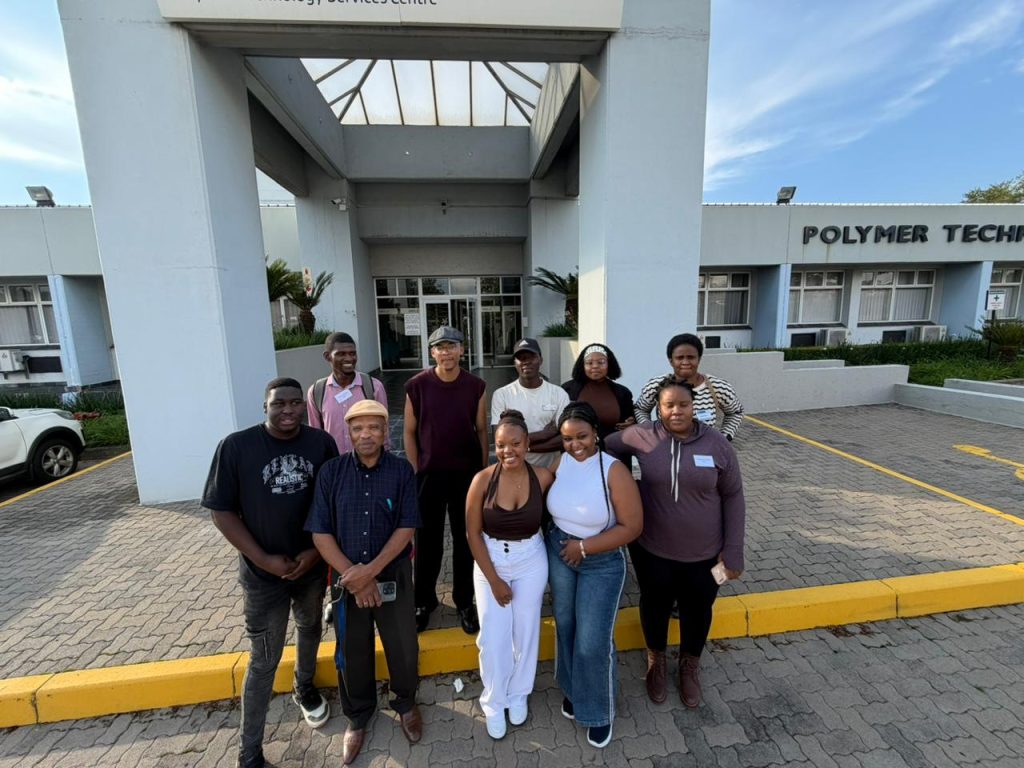 The inclusion of SMU students in Sasol’s internship database was widely welcomed. “This is a valuable opportunity that increases our chances of gaining practical experience and potentially securing employment in a leading company,” Matomokoane Mofokeng, lecturer in the Department of Chemistry and Chemical Technology, added. The visit also reinforced career aspirations, with many students expressing renewed interest in pursuing industrial chemistry.
From Sasol’s perspective, the engagement reflects a shared commitment to developing future scientific talent. A Sasol representative, Sebe Mncwabe, stated, “We value the opportunity to engage with emerging talent and contribute to the development of future scientists by providing exposure to industry practices.” The representative further noted that collaborations with universities are essential in bridging the skills gap and fostering innovation.
Looking ahead, the Department of Chemistry plans to formalise the partnership through a Memorandum of Understanding, establish structured internship pipelines, and initiate pilot research projects. There is also strong potential for expanding collaboration into long-term training programmes and strategic research initiatives.
This engagement underscores SMU’s broader mission of fostering meaningful industry linkages, enhancing research impact, and contributing to socio-economic development. By connecting students with industry leaders and advancing collaborative innovation, SMU continues to position itself as a dynamic institution dedicated to transforming education and driving progress in the health and sciences sectors.
By Tumelo Moila