by Lorato | Apr 1, 2026 | Accolades and Achievements, All News, Alumni, SMU Media, Student Media
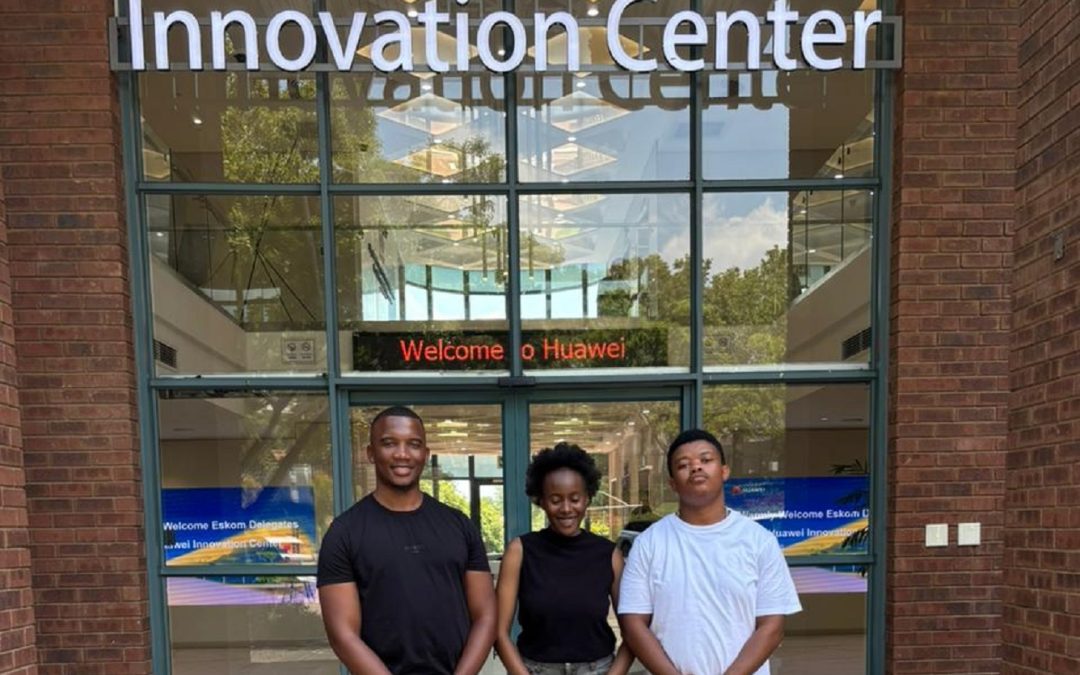
Sefako Makgatho Health Sciences University (SMU) has once again demonstrated its growing impact in science and innovation, as a team of three final-year Mathematical Science students secured top honours at the Huawei ICT Competition Regional Finals. The winning team—Oreneile Hlalethwa, Bontle Mdau, and Rudzani Junior Munyai—impressed judges with MediLink, an AI-powered healthcare data management system designed to transform patient care across South Africa.
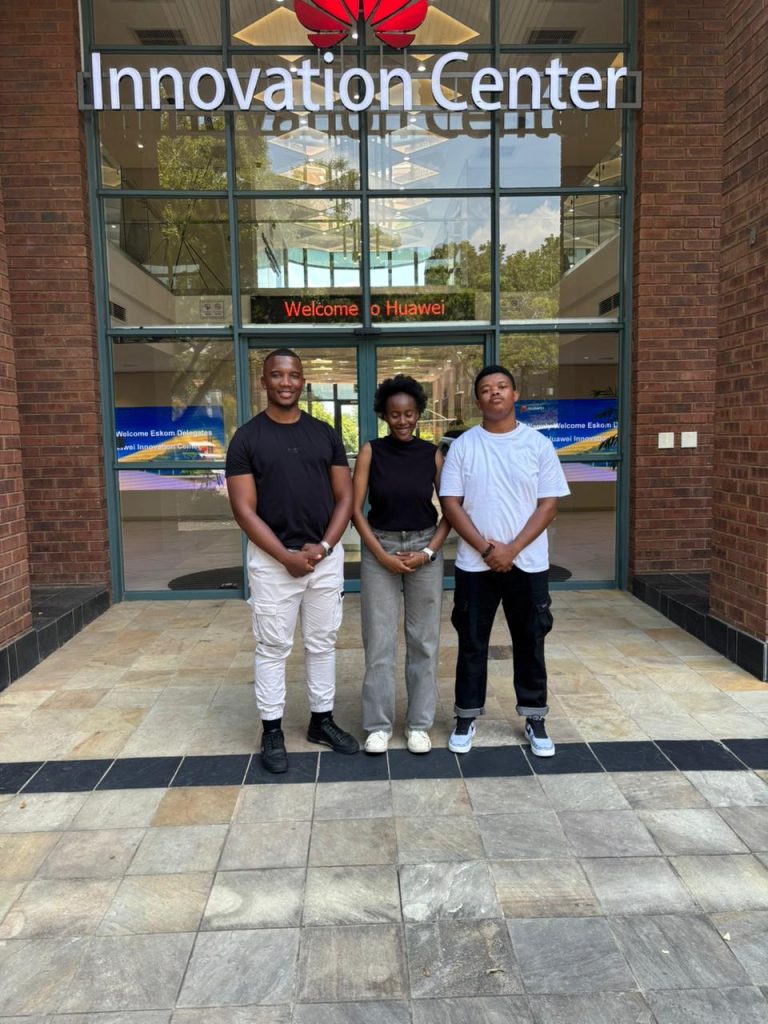 Competing against some of the region’s brightest minds, the SMU trio emerged victorious in the innovation track, positioning themselves among the continent’s leading young technologists. The competition drew 12,233 students from 25 countries, with only 77 teams advancing from national rounds to the regional stage. Of these, just 13 teams competed in the innovation category, underscoring the significance of SMU’s achievement.
MediLink is a centralised electronic health record system that addresses one of South Africa’s most pressing healthcare challenges: fragmented and paper-based patient data. Built using Django, FastAPI, MySQL, and Huawei Cloud, the platform provides every patient with a single, secure, lifelong medical record accessible at any public hospital or clinic nationwide.
“We wanted to solve a real problem in our healthcare system,” said Hlalethwa. “MediLink ensures that critical patient information is available instantly, which can ultimately save lives.”
The system integrates advanced AI tools, including Huawei’s Pangu Model and ModelArts, enabling real-time clinical support. These features include emergency patient summaries, drug interaction detection, and population health insights—capabilities that could significantly enhance both frontline care and national health planning.
Mdau explained the broader vision behind the innovation: “Our goal was to create a unified, intelligent ecosystem that puts patients at the centre. MediLink moves healthcare away from inefficiency and towards a more human-centred, data-driven approach.”
The team’s success reflects not only their technical expertise but also SMU’s commitment to excellence, innovation, and socially responsive research. Munyai noted that their interdisciplinary background in mathematics, computer science, and statistics played a crucial role in developing the solution. “Each of us brought a different strength to the project, and that collaboration made MediLink what it is today,” he said.
Their victory marks a proud moment for South Africa and highlights the country’s potential to lead in digital health innovation. The team will now represent the region at the global finals in Shenzhen, China, in June 2026, where they will compete against top teams from around the world.
As SMU continues to position itself as a hub for cutting-edge research and transformative education, achievements such as this reinforce its vision of advancing health services through innovation. By nurturing talent that addresses real-world challenges, the university not only shapes future leaders but also contributes meaningfully to improving healthcare systems locally and globally.
By Tumelo Moila

by Lorato | Apr 1, 2026 | Accolades and Achievements, All News, Alumni, SMU Media, Student Media
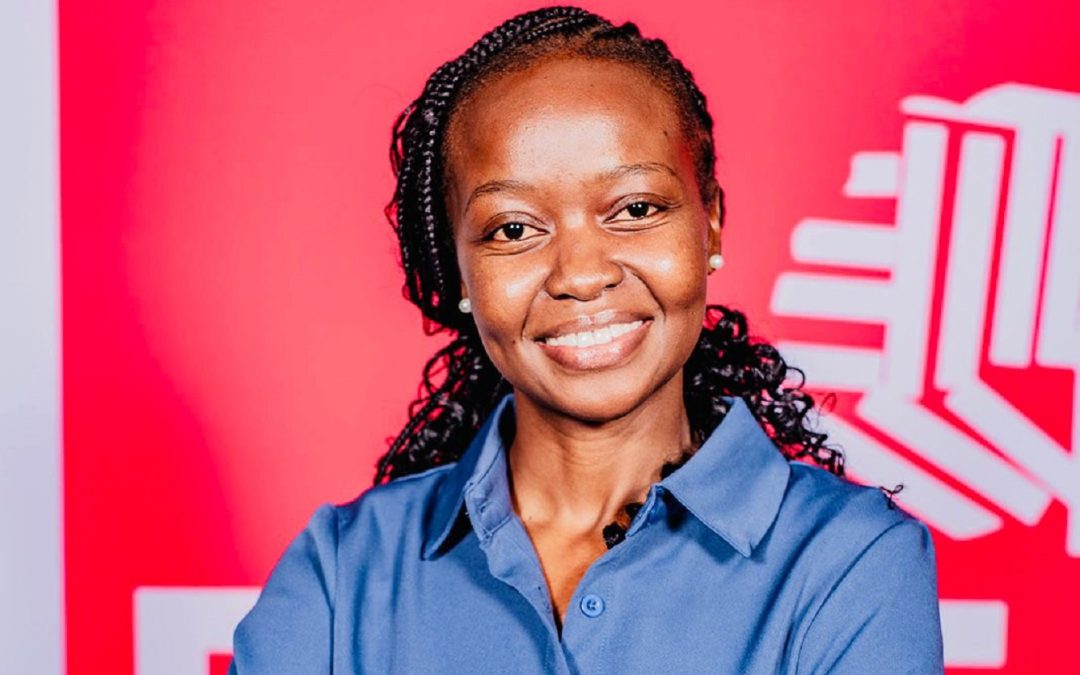
Sefako Makgatho Health Sciences University (SMU) continues to strengthen its national influence in innovation and economic development, as Naledi Mathole, Coordinator in the Economic Activation Office (EAO), has been nominated as National Chairperson of the EAO Community of Practice, representing all 26 universities’ EAOs in South Africa.
 The nomination places SMU at the centre of a critical national platform focused on advancing innovation and entrepreneurship practices across higher education institutions. It also signals growing recognition of the university’s role in shaping solutions that extend beyond academia into real-world impact.
Mathole described the nomination as both an honour and a responsibility. “This role is about driving collaboration, strengthening innovation ecosystems, and ensuring that universities actively contribute to economic development,” she said. “We cannot afford to work in silos when the challenges we face require collective action and shared solutions.”
Her appointment reflects a clear and confident institutional direction at SMU—one that prioritises impact, relevance, and decisive action. The university’s vision to transform health services through excellence and innovation is increasingly matched by a communication strategy that is direct, purposeful, and results-driven. By refining how it presents its work, SMU is ensuring that its contributions are not only meaningful but also visible and influential.
Mathole’s professional background underscores her suitability for the role. With expertise in enterprise development, innovation translation, and stakeholder engagement. She has played a key role in building innovation pipelines that connect students to real-world applications. Her work focuses on creating environments where ideas move quickly from concept to implementation, addressing one of the most persistent gaps in higher education innovation systems.
Speaking on the urgency of this work, Mathole said, “South Africa does not lack ideas; the priority is to translate those ideas into impactful, scalable solutions. My focus is to help institutions collaborate better and deliver impact where it matters most.” Her approach reflects a shift from theoretical engagement to practical execution, aligning closely with national priorities around economic activation and job creation.
 At SMU, the Economic Activation Office has become a catalyst for student and researcher entrepreneurship, driving initiatives that advance entrepreneurship development within the institution. This includes fostering strategic partnerships, enabling access to funding and support mechanisms, and strengthening a supportive environment for student entrepreneurs to grow and scale their ventures. Mathole’s leadership has been instrumental in positioning SMU as an emerging contributor to a dynamic and collaborative entrepreneurship ecosystem within higher education.
Her nomination also highlights the importance of effective advancement and communication in strengthening institutional visibility and engagement. SMU recognises that strong entrepreneurial outputs must be supported by clear, compelling messaging to mobilise stakeholders and unlock opportunities. “Impact alone is not enough,” Mathole noted. “We must communicate it with clarity and confidence so that it drives collaboration, attracts investment, and expands access to resources, training, and mentorship for student entrepreneurs.”
As National Chairperson, Mathole is expected to lead efforts that strengthen collaboration across universities, align entrepreneurship development practices, and promote the growth of inclusive and sustainable entrepreneurial ecosystems. Her leadership will focus on addressing systemic barriers to student entrepreneurship, enhancing stakeholder engagement, and contributing to policy and strategic initiatives that advance entrepreneurship within higher education institutions.
For SMU, this milestone reinforces its broader mission to contribute meaningfully to education, research, and healthcare transformation. By positioning its talent on national platforms, the university is not only strengthening its brand but also actively advancing innovation and entrepreneurship within South Africa.
By Tumelo Moila
by Lorato | Apr 1, 2026 | Accolades and Achievements, All News, Alumni, SMU Media, Student Media
Sefako Makgatho Health Sciences University (SMU) is strengthening its position as a leader in health sciences education and innovation, as it sharpens its voice, clarifies its mission, and amplifies its impact through strategic communication and breakthrough research. This renewed direction is reflected in both the university’s institutional messaging and the achievements of its researchers, most notably Nondumiso Nkosi, whose recent recognition has drawn national attention.
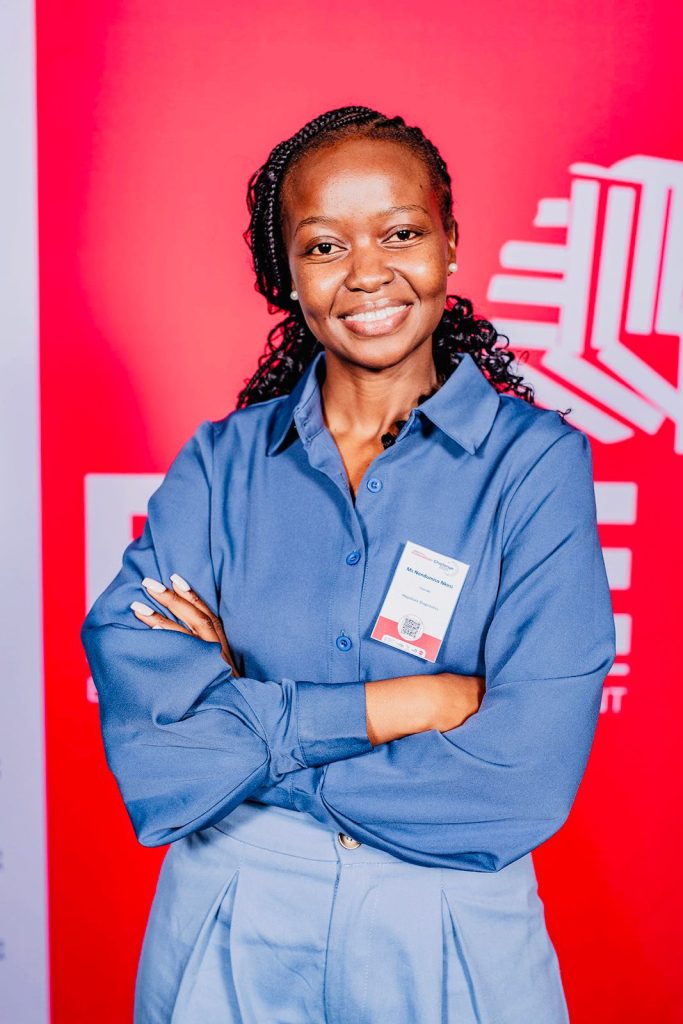 Nkosi, a part-time junior lecturer in Medical Virology and PhD candidate at SMU, was awarded first prize at the GAP Medical Innovation Competition hosted by The Innovation Hub. Her innovation, HepaSure Diagnostics, is designed to improve the detection of hepatitis B, a disease that remains widely underdiagnosed despite affecting millions of people globally. Her work speaks directly to one of the most urgent challenges in public health—early, accessible diagnosis.
Reflecting on the milestone, Nkosi said, “Great discoveries begin with curiosity and courage, and this recognition strengthens my commitment to developing solutions that reach underserved communities.” She emphasised that the award represents more than personal achievement, adding, “This is not just about research—it is about translating science into tools that can save lives and improve healthcare systems.”
Her success aligns closely with SMU’s refined institutional vision, which is both confident and direct in its intent to transform health services through excellence and innovation. The university’s mission is clear: to provide high-quality professional training, advance impactful research, and respond to real-world healthcare needs with urgency and precision. This clarity in purpose reflects a broader shift within the institution towards stronger, more decisive communication that captures attention and demonstrates value without unnecessary complexity.
Naledi Mathole, Coordinator in the Economic Activation Office at SMU, highlighted the importance of this approach in positioning the university competitively. “We are intentional about how we communicate our impact,” she said. “Strong ideas must be expressed clearly and confidently if they are to influence change and attract support.” She added that innovation must not remain confined to laboratories but should be actively driven towards implementation and commercialisation.
The university’s evolving communication strategy focuses on presenting its strengths in a way that is both engaging and accessible, ensuring that its message resonates with students, partners, and broader society. This includes emphasising academic excellence, student-centred learning, ethical leadership, and community engagement, all underpinned by values such as integrity, accountability, and Ubuntu.
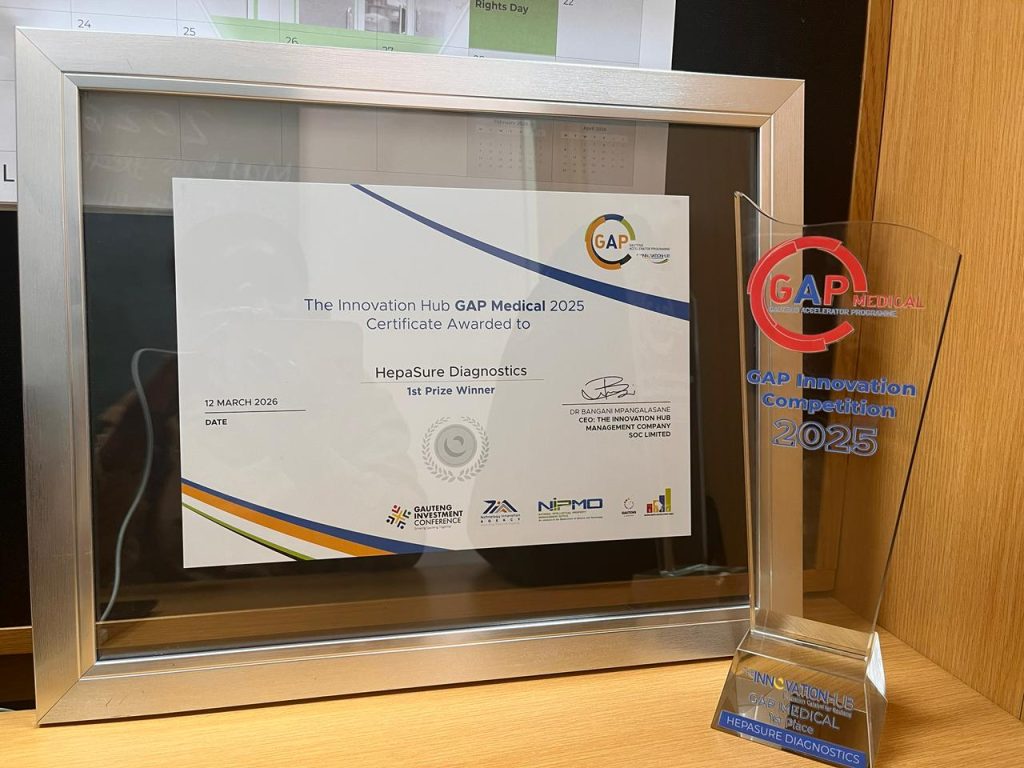 Nkosi’s work exemplifies these values in action. Her research journey, which has progressed from academic presentations to a patented innovation, demonstrates the power of persistence and purpose. “Seeing an idea grow from research into something with real-world application is incredibly motivating,” she said. “It reinforces the importance of staying focused on solutions that matter.”
SMU has also recognised the need for agility in a rapidly changing higher education environment. The institution is strengthening its advancement and communication systems to ensure responsiveness, transparency, and consistent engagement with stakeholders. As Mathole noted, “In today’s environment, institutions that fail to respond quickly risk losing relevance. We are building systems that allow us to act decisively and communicate effectively.”
As SMU continues to build its reputation both locally and globally, achievements such as Nkosi’s serve as powerful indicators of its impact. By combining academic rigour with innovation and strategic communication, the university not only educates future healthcare professionals but also actively contributes to solutions that improve lives. In doing so, SMU reaffirms its role as a transformative force in health sciences education and a catalyst for meaningful change in society.
By Tumelo Moila
by Lorato | Mar 26, 2026 | Accolades and Achievements, All News, Alumni, SMU Media, Student Media
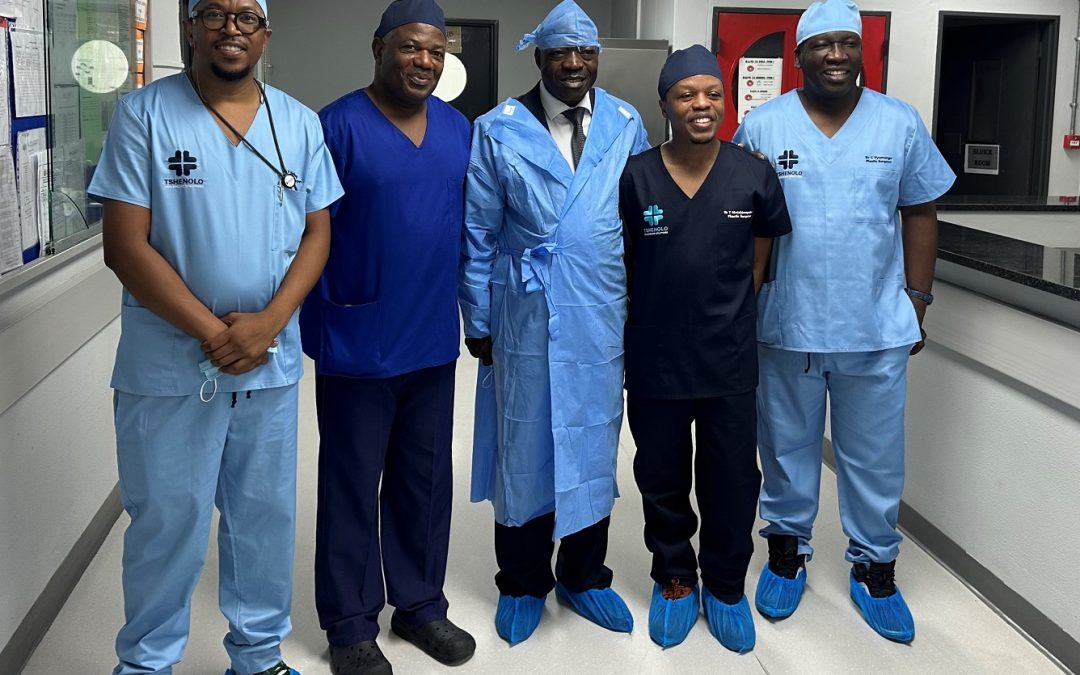
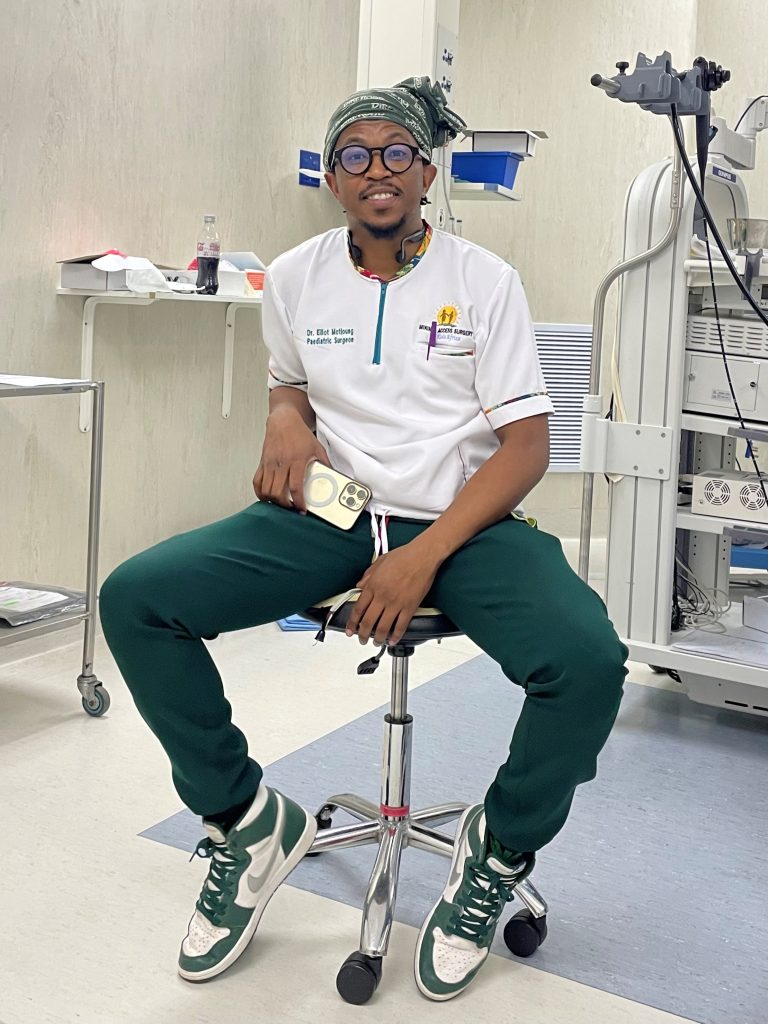
Sefako Makgatho Health Sciences University (SMU) continues to demonstrate its growing leadership in specialised healthcare after one of its senior clinicians, Dr Elliot Motloung, played a key role in the successful separation of conjoined twins at Mankweng Hospital in Limpopo.
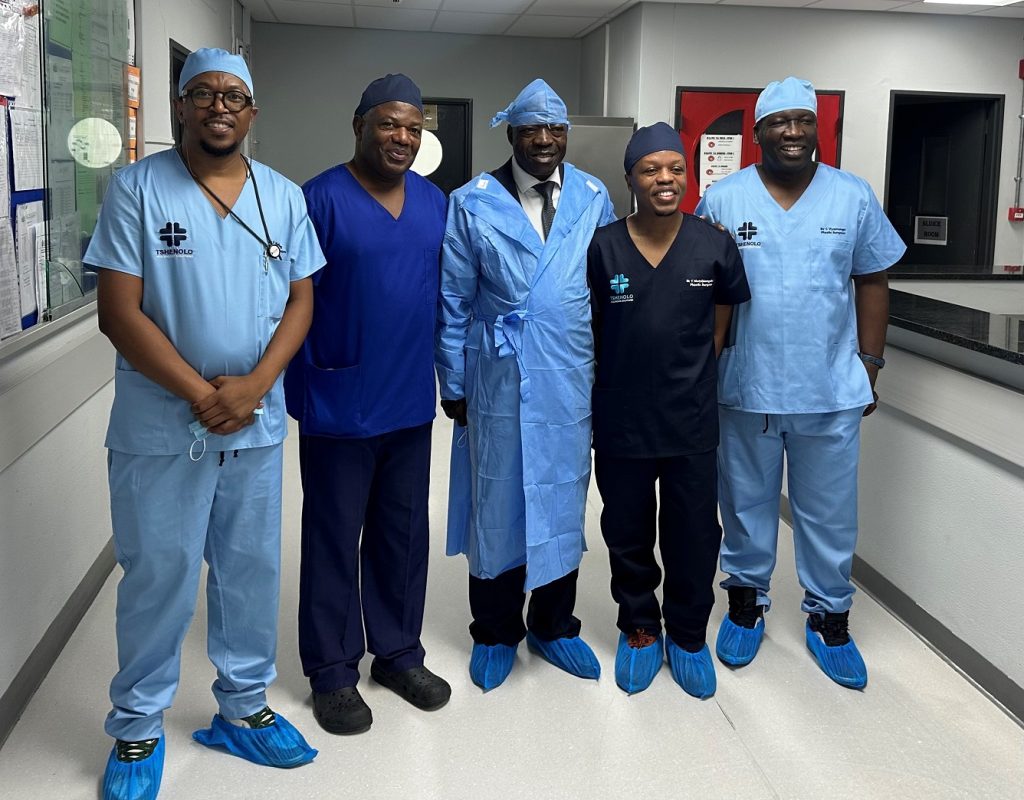 Dr Motloung, Head of the Department of Paediatric Surgery at SMU, was part of a multidisciplinary team that performed a highly complex procedure on conjoined twins earlier this month. The operation, led by his predecessor as Head of the Department of Paediatric Surgery at SMU, Professor Nyaweleni Tshifularo, lasted eight hours and required meticulous planning and coordination across multiple medical disciplines.
Explaining the complexity of the case, Dr Motloung said separation surgery involving conjoined twins is inherently high-risk due to the shared anatomy and delicate physiology of the patients. “The separation of twins surgery is always complex because the surgeon has to take into cognisance the physiological status of each child and the anatomical variations present,” he said. “In this particular case, there were vital gastrointestinal and solid organs that had to be separated, requiring a multidisciplinary team approach.”
The surgical team included paediatric surgeons, anaesthetists, radiologists, neonatologists, cardiologists, and plastic and reconstructive surgeons, supported by allied health professionals such as dieticians, psychologists and occupational therapists. According to Dr Motloung, this level of collaboration was essential to optimise the twins’ condition before surgery and ensure the best possible outcomes.
“I was privileged to be invited to be part of a team of local experts for what is truly a once-in-a-lifetime opportunity,” he said. “A series of multidisciplinary meetings was held to plan every aspect of the procedure, from imaging and diagnosis to surgical execution and post-operative care.”
 Among the most critical moments during the operation were securing the twins’ airways and establishing reliable vascular access. These steps were particularly challenging due to the babies’ size and positioning. “The anticipated difficult airway intubation and vascular access were crucial to making the surgery safe,” Dr Motloung explained. “We also had to manage shared blood vessels supplying vital organs, which required absolute precision to prevent excessive blood loss.”
He added that closing the surgical sites presented another significant challenge. “Ensuring that all vital organs were securely placed within the body cavities required great expertise, and our plastic and reconstructive surgeons did an exceptional job,” he said.
Following the operation, the twins are reported to be recovering well under close supervision at Mankweng Hospital. However, Dr Motloung cautioned that careful monitoring remains essential. “The main challenges now are preventing hospital-acquired infections and ensuring that the children gain sufficient weight so they can eventually be discharged as healthy babies,” he said.
The successful procedure builds on SMU’s track record in handling complex paediatric surgical cases, including a landmark conjoined twin separation performed at Dr George Mukhari Academic Hospital (DGMAH) in 2017. That operation, which involved twins sharing a liver, was the first of its kind at DGMAH and highlighted the university’s capacity for advanced surgical care.
Reflecting on the broader significance of the recent operation, Dr Motloung emphasised the importance of collaboration and knowledge-sharing within the healthcare sector. “This is not the first time SMU has been involved in the separation of conjoined twins, which is why we were invited to collaborate,” he said. “The more we participate in these procedures, the more we strengthen our expertise and position ourselves at the forefront of complex surgical care.”
He added that SMU remains committed to supporting other institutions and expanding access to specialised healthcare across the continent. “As a department, we will continue to share our expertise and collaborate with other institutions locally and across Africa to assist children who require complex, life-saving surgeries,” he said.
The successful separation not only marks a significant medical achievement for Limpopo but also reinforces SMU’s role as a leader in health sciences education, research and clinical excellence in South Africa.
By Tumelo Moila
by Lorato | Mar 26, 2026 | Accolades and Achievements, All News, Alumni, SMU Media, Student Media
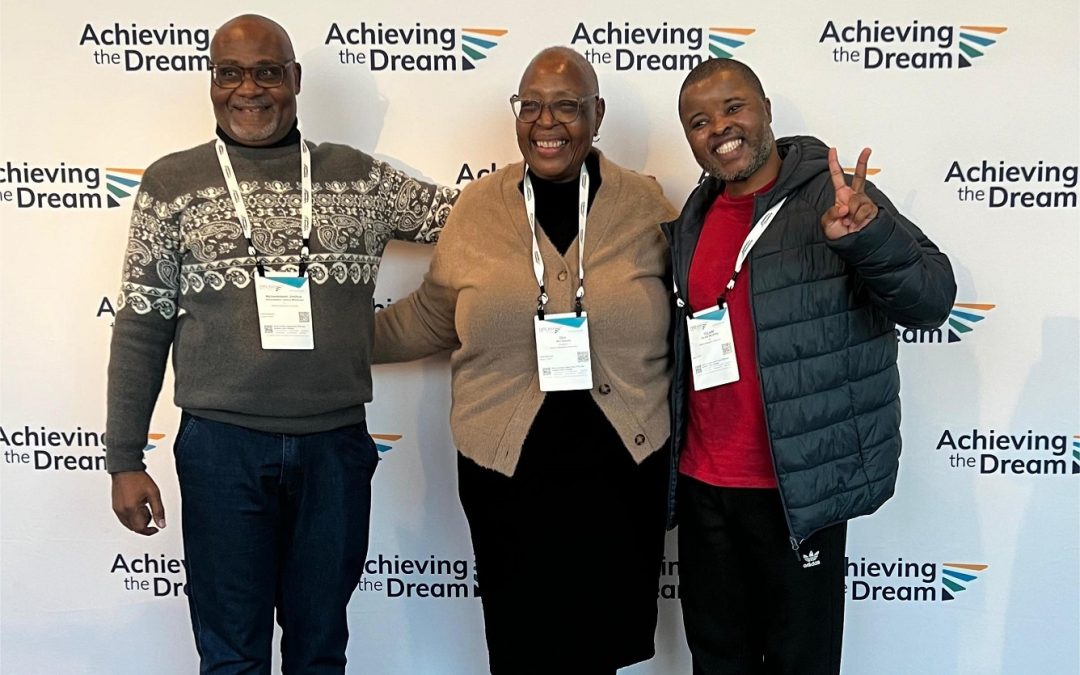
Sefako Makgatho Health Sciences University (SMU) has strengthened its commitment to academic excellence and student success through its participation in the 2026 Achieving the Dream (DREAM) Conference, held in Portland, Oregon, in the United States from 01–05 March.
 Representing the university were Professor Dini Mawela, Acting Deputy Vice-Chancellor: Academic and Research; Tulani Nkuntse, Acting Executive Director of Student Affairs; and Dr Joshua Maliavusa, Manager: Student Academic Support and Siyaphumelela Institutional Lead. Together, they joined more than 2,000 higher education practitioners from over 300 institutions worldwide, all united by a shared mission to improve student outcomes through the Siyaphumelela network.
From the outset, the conference delivered a focused and high-impact platform for collaboration. Through pre-conference workshops, plenary sessions, breakaway discussions and DREAM Scholars engagements, the SMU delegation engaged with evidence-based strategies designed to improve student success. Key themes included equitable access, academic momentum, student mobility and the broader role of universities in shaping inclusive societies.
Reflecting on the experience, Prof Mawela emphasised the practical value of global engagement. “The conference delivered clear, actionable insights on how institutions can use data and collaboration to improve student success outcomes,” she said. Her remarks underscored the importance of informed decision-making in strengthening institutional performance.
A standout theme was the growing use of dual enrolment programme pathways, which align secondary and higher education systems to better prepare students for university success. While widely implemented internationally, the concept prompted critical reflection on how such models could be adapted within the South African context to improve transition, retention and completion rates.
Dr Maliavusa highlighted the importance of balancing global innovation with local relevance. “We must ensure that the strategies we adopt are responsive to our local realities while maintaining global standards of excellence,” he said. His perspective reinforced a central takeaway from the conference: meaningful progress requires context-driven solutions grounded in evidence and experience.
 Beyond the formal programme, the conference created valuable opportunities for networking and collaboration among South African institutions. A delegation of 45 representatives participated in dedicated engagements coordinated by the regional managing team, including a welcome breakfast, a networking dinner at the Portland Historic Museum and the DREAM Scholars recognition reception. These platforms enabled deeper engagement, knowledge exchange and the strengthening of partnerships across institutions.
The conference concluded with a structured debriefing session, where each institution reflected on key learnings and began translating insights into practical strategies. For SMU, this marked a decisive shift from knowledge acquisition to implementation, ensuring that lessons gained will directly inform institutional planning and student support interventions.
Nkuntse highlighted the significance of collaborative learning in shaping institutional progress. “The collaborative sessions enabled meaningful engagement with peers and the sharing of experiences that will directly inform how we strengthen student support at SMU,” he said. These insights will be taken forward through the university’s Student Success Committee and integrated into broader institutional strategies.
Participation in global platforms such as the DREAM Conference reinforces SMU’s position as a forward-thinking institution committed to continuous improvement. By engaging with international best practices while remaining grounded in local realities, the university continues to enhance its ability to deliver inclusive, effective and student-centred education.
As SMU advances its mission to transform health sciences education through innovation and excellence, the knowledge and networks gained from the 2026 DREAM Conference will play a critical role in shaping future strategies. The experience not only broadened perspectives but also strengthened the university’s resolve to improve student outcomes and drive meaningful impact.
Ultimately, the conference served as both a catalyst and a call to action—equipping the SMU delegation with the tools, insights and urgency needed to accelerate student success and reinforce the university’s contribution to higher education and societal development.
By Dimakatso Modise
by Lorato | Mar 26, 2026 | Accolades and Achievements, All News, Alumni, SMU Media, Student Media
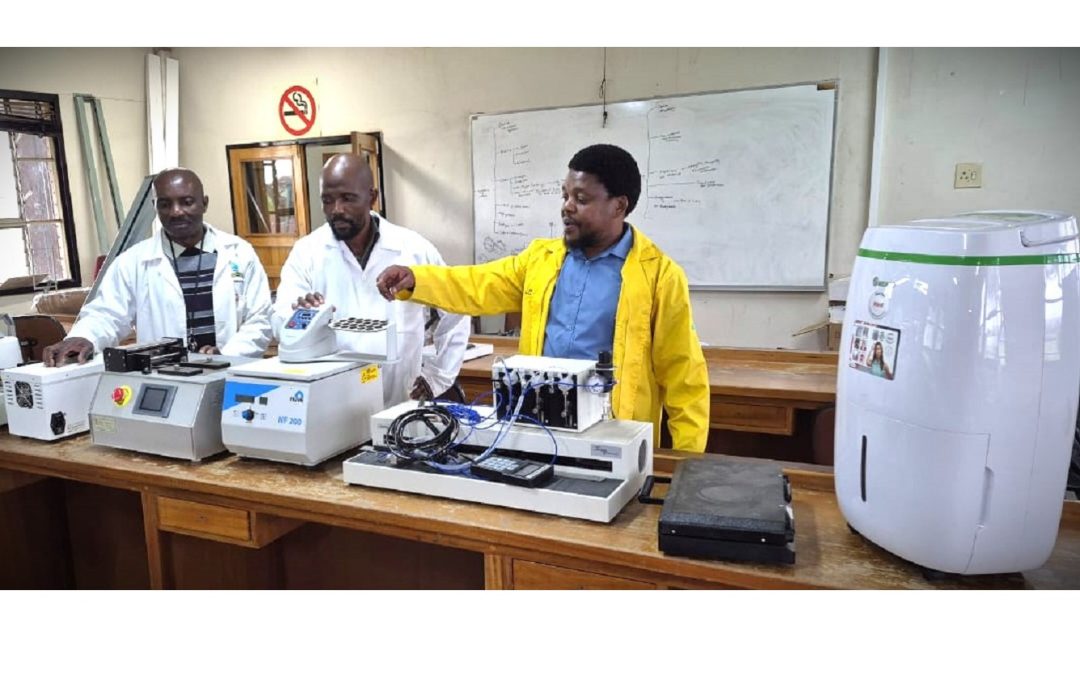
Sefako Makgatho Health Sciences University (SMU) is accelerating its role as a leader in health sciences innovation following a significant donation of specialised diagnostic equipment to its Department of Chemistry and Chemical Technology. An initiative that reinforces the university’s commitment to research excellence, industry collaboration, and student development.
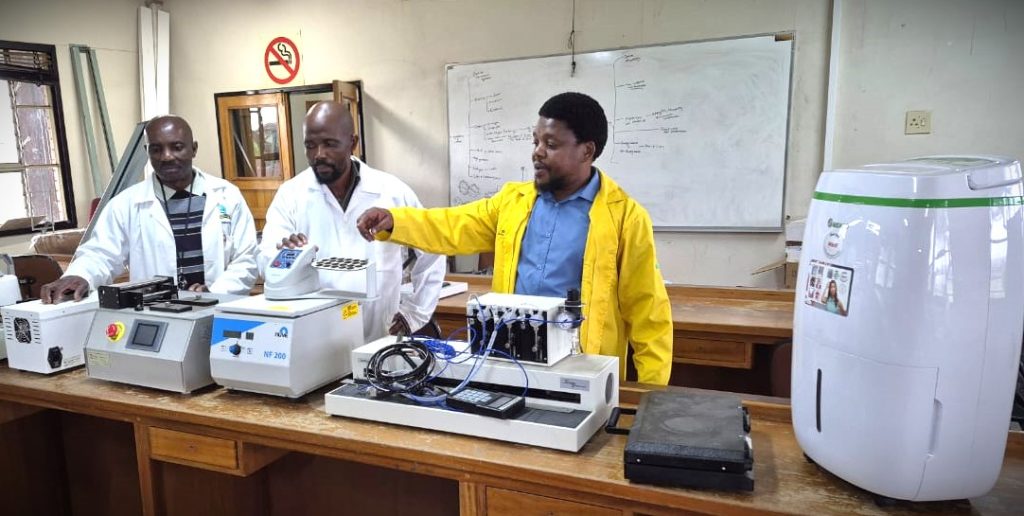 The donation, secured through a partnership with AMASU Technologies Pty (Ltd), a Durban-based biotechnology start-up, introduces advanced instrumentation designed for the batch-top fabrication of medical devices, including lateral flow diagnostic assays widely used in point-of-care testing. The collaboration signals a decisive step toward strengthening South Africa’s local capacity in diagnostic development.
“We are proud to support innovation that advances accessible healthcare solutions and strengthens local scientific capacity,” said Dr Mandizvo Tawanda, Director and CEO of AMASU Technologies Pty (Ltd). “Partnerships like this are essential in translating research into real-world impact.”
“This partnership reflects a shared vision to build innovation ecosystems that respond to real healthcare challenges,” said Professor Phumlani Mdluli, who played a key role in securing the donation and collaboration. “We are not just enhancing infrastructure; we are creating pathways for impactful research and skills development.”
Under the leadership of Professor Tshwafo Motaung (HOD), the Department is positioning itself as a hub for interdisciplinary innovation and entrepreneurship, where research translates into practical green solutions and spins into enterprises. The newly acquired equipment directly addresses critical gaps in prototyping and fabrication, enabling the transition from theoretical work to real-world application.
According to departmental leadership, the impact will be immediate and far-reaching. Students at both undergraduate and postgraduate levels will gain hands-on experience with industry-relevant technologies, significantly improving their readiness for the workforce.
“Exposure to this level of instrumentation changes everything,” said Dr Reagan Mohlala, a Natural Scientist in the Department. This sentiment was echoed by Mutendela Tabile Olivier, a lecturer, who added, “It allows our students to engage with the realities of medical device development, not just the theory behind it.”
The collaboration also opens doors beyond the laboratory. Internship opportunities, joint research initiatives, and potential technology transfer projects are already being explored, offering students valuable industry exposure and positioning SMU graduates as competitive contributors to the health sector.
University–industry partnerships, experts note, are no longer optional in higher education; they are essential. By aligning academic research with industry needs, institutions can remain relevant while driving innovation and economic growth.
“This is a clear example of what happens when academia and industry move in the same direction,” added Prof Mdluli. “The results are tangible, scalable, and beneficial to society.”
Strategically, the initiative aligns with SMU’s broader mission to transform health services through innovation and excellence. It also strengthens the Department’s focus on three niche research areas: bioanalytical chemistry and medical device development, biodegradable polymer-based materials, and advanced photocatalytic nanomaterials for environmental remediation.
Looking ahead, the Department plans to fully integrate the equipment into its research programmes, while expanding collaboration with industry partners to co-develop next-generation diagnostic technologies.
“We are building something that carries the dreams of our people,” said Prof Motaung, “This is not just a once-off achievement, it is the seed of a legacy rooted in resilience, sacrifice, and hope. It is about giving meaning to the struggles we have endured, restoring dignity, and creating opportunities where there were none. Long after we are gone, this work will continue to speak for us, uplifting lives, transforming communities, and reminding future generations that change is possible when we dare to build with purpose.”
As SMU continues to invest in strategic partnerships and cutting-edge research, the university reinforces its position as a key player in advancing healthcare innovation in South Africa and beyond.
By Tumelo Moila
