by Lorato | Apr 15, 2026 | Accolades and Achievements, All News, Alumni, SMU Media, Student Media
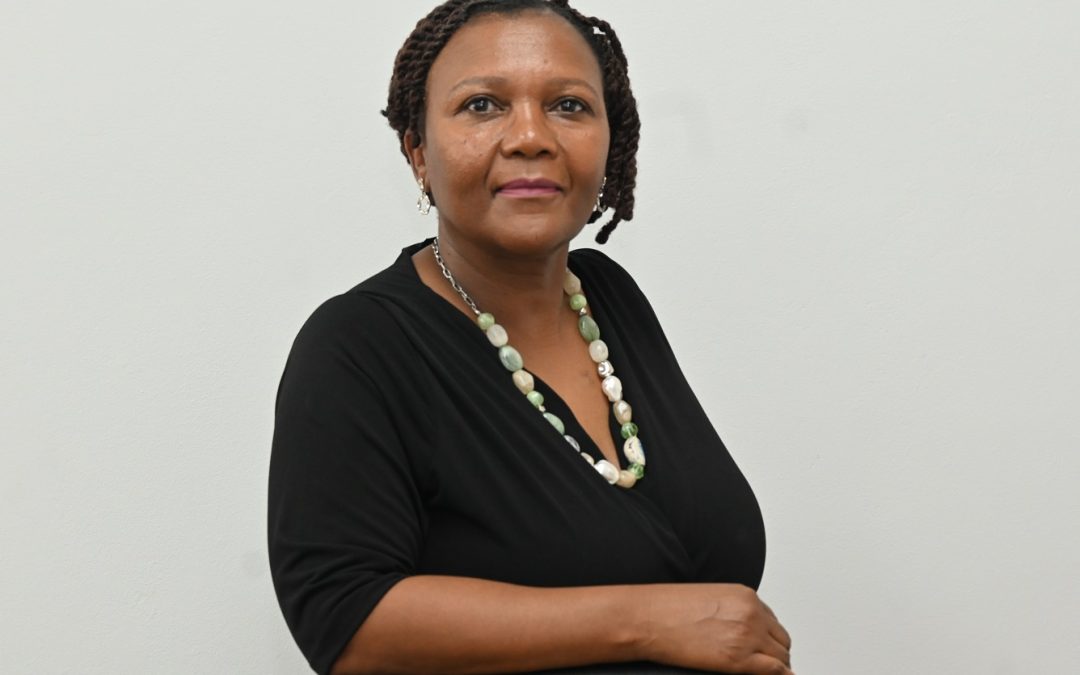
Sefako Makgatho Health Sciences University has strengthened its position as a leader in health sciences research after securing a Tier 1 Research Chair under the South African Research Chairs Initiative (SARChI), led by Professor Mathildah Mpata Mokgatle.
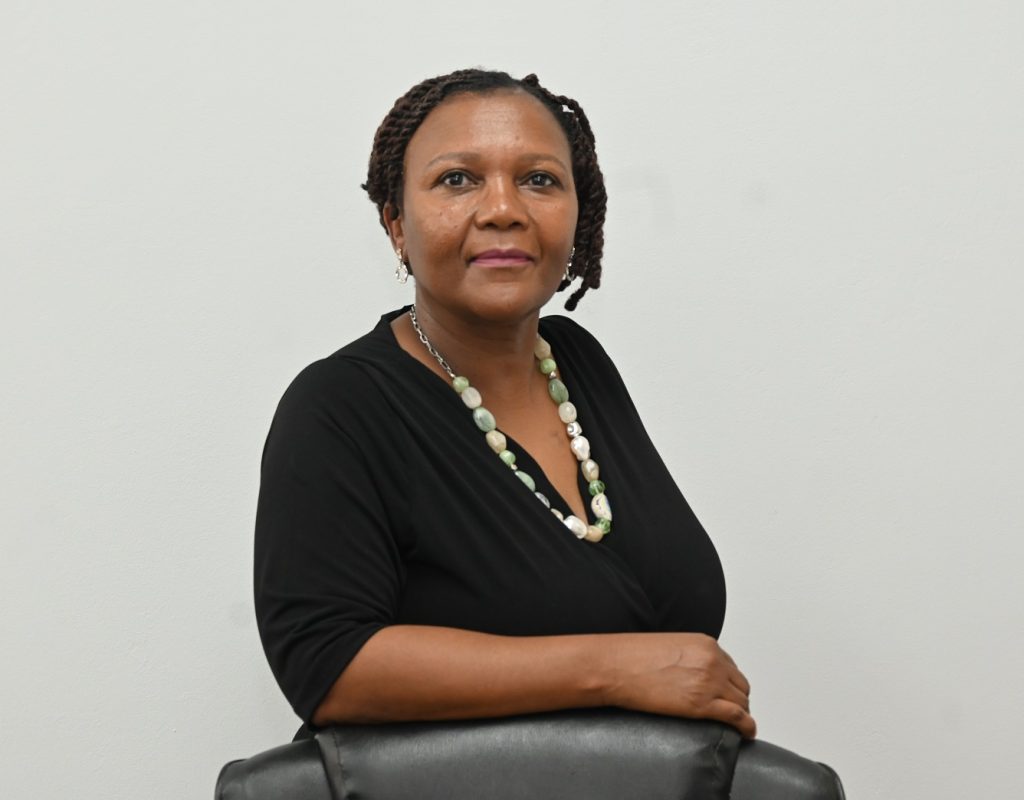 The National Research Foundation (NRF) confirmed the award following a rigorous two-phase peer review process, commending both Professor Mokgatle and the institution for successfully addressing the panel’s recommendations. The Chair, focused on sexual and reproductive health through technology-driven solutions and social epidemiology, has now been approved for full Tier 1 funding.
Professor Mokgatle, who serves as Vice-Dean: Research in the School of Health Care Sciences and Head of the Department of Public Health, welcomed the outcome as a significant milestone. “This recognition affirms the strength of our research vision and the collective commitment of the university to addressing critical public health challenges,” she said. “It reflects the importance of evidence-driven, socially responsive research that improves lives.”
The NRF highlighted that the application underwent extensive scrutiny by an independent panel of experts across relevant disciplines. Initially recommended for conditional funding, the proposal was strengthened through revisions aligned with panel feedback, ultimately securing full approval. In its communication, the NRF congratulated SMU and expressed confidence in the institution’s ability to ensure the Chair’s long-term success and sustainability.
At the centre of the Chair is a bold research agenda that integrates digital innovation with public health priorities. “Our work focuses on leveraging technology to improve sexual and reproductive health outcomes, while addressing infectious disease prevention through a social epidemiology lens,” Professor Mokgatle explained. “We are particularly interested in digital equity, ensuring that innovations reach populations across different settings and contexts.”
A key component of this vision is Project STRIDES@SMU, a national and regional hub designed to deliver scalable, implementation-ready solutions in sexual and reproductive health and HIV/STI prevention. “Project STRIDES brings together rigorous evidence, co-creation and advanced digital tools to produce interventions that are not only innovative, but practical and policy-relevant,” she said.
Beyond research, Professor Mokgatle plays a critical leadership role within the university. As Vice-Dean: Research, she is responsible for revitalising research activities, strengthening performance systems and mentoring academic staff. “I work closely with teams across the full research pipeline — from ethics approval and fieldwork to analysis and publication,” she noted. “Building capacity is central to what we do, and mentorship is key to sustaining research excellence.”
Her work also extends into community-based research as Co-Director of the Bafokeng Health and Demographic Surveillance Node in the North West Province. The project examines the impact of mining and migration on health and socio-economic outcomes in peri-mining communities. “Understanding these dynamics allows us to design interventions that are grounded in lived realities,” she said.
For Professor Mokgatle, the SARChI Chair represents more than an academic achievement. “This is about creating platforms for collaboration, training the next generation of researchers, and delivering solutions that make a tangible difference,” she said. “We are building systems that will outlast funding cycles and continue to serve communities.”
The award underscores SMU’s commitment to advancing research excellence, innovation and transformation in health sciences. By securing this prestigious Chair, the university continues to position itself at the forefront of impactful research that addresses South Africa’s most pressing health challenges while contributing to global scientific knowledge.
By Tumelo Moila

by Lorato | Apr 15, 2026 | Accolades and Achievements, All News, Alumni, SMU Media, Student Media
Sefako Makgatho Health Sciences University (SMU) has once again demonstrated its leadership in scientific innovation, with Professor Nqobile Mkolo Monate receiving the prestigious Bronze Scientific Achievement Award at the recently held 2025 Scientific Merit Awards hosted by the South African Medical Research Council (SAMRC).
 Prof Mkolo, an Associate Professor in SMU’s Department of Biology and Environmental Sciences, was recognised for her groundbreaking work in biomedical and omics-driven research, and for her substantial impact on health systems strengthening and innovation across South Africa.
In a formal statement, SAMRC President and CEO Prof Ntobeko Ntusi hailed Prof Mkolo as “an outstanding South African scientist who has contributed to raising the profile of science in South Africa.” The award, which includes a trophy and cash prize, was celebrated at a gala event in Cape Town, attended by leading researchers from across the country.
Prof Mkolo’s research portfolio spans omics technologies, in silico drug discovery, antiviral research, and digital health innovation. Her approach combines laboratory science with computational modelling to deliver practical, scalable solutions to pressing health challenges.
Operating within a historically disadvantaged institution, Prof Mkolo has been instrumental in building research capacity at SMU. She leads multidisciplinary projects, mentors postgraduate and postdoctoral researchers, and collaborates with international institutions to strengthen South Africa’s global research presence.
Reflecting on the award, Prof Mkolo said, “Science thrives when we combine curiosity with collaboration. This recognition is a testament not only to my work but to the dedication of my students and colleagues at SMU.”
Beyond research, her initiatives have helped cultivate the next generation of scientists, particularly in under-resourced academic settings. Through partnerships and mentorship programmes, she has significantly advanced scientific training and innovation at SMU, ensuring that emerging researchers are equipped to tackle complex health problems.
This recognition adds to a growing list of accolades for Prof Mkolo, including multiple institutional awards for research excellence and innovation. It cements her reputation as a leading voice in South Africa’s scientific landscape, highlighting the critical role of high-quality research in addressing national and global health priorities.
SMU, known for its commitment to academic excellence and transformative health sciences education, continues to foster an environment where innovation thrives. The university’s vision of “transforming health services through excellence and innovation” is exemplified through achievements such as Prof Mkolo’s, which strengthen both the institution and the broader South African research community.
By celebrating Prof Mkolo’s success, SMU reaffirms its position as a unique university that not only trains health professionals but also produces world-class research that impacts communities locally and globally. The award underlines SMU’s ongoing commitment to excellence, accountability, and the advancement of knowledge in health sciences, inspiring future generations of scientists to pursue bold and innovative solutions.
By Tumelo Moila

by Lorato | Apr 15, 2026 | Accolades and Achievements, All News, Alumni, SMU Media, Student Media
Sefako Makgatho Health Sciences University (SMU)’s Senior Scientist, Dr Gauta Gold Matlou, has recently been elected to co-chair the South African Young Academy of Science (SAYAS) for the 2026/2027 financial year. His election and position within SAYAS strengthen SMU’s presence on the national and international stage as a hub of scientific excellence.
 Dr Matlou, who is based in the Electron Microscopy Unit (EMU) at SMU, will lead the academy alongside a fellow Co-Chair, Prof Maurine Musie of the University of Pretoria, in accordance with SAYAS governance structures that promote diversity across disciplines, gender and race. The Co-Chairs are entrusted with presiding over the General Assembly and the Executive Committee, overseeing daily operations, and guiding the organisation’s strategic direction.
“This is both an honour and a great responsibility,” said Dr Matlou. “SAYAS plays a critical role in shaping the voice of emerging scientists in South Africa, and I am committed to ensuring that young researchers are not only advancing science for society but also actively influencing national science policies and innovation agendas.”
An NRF-rated researcher with a PhD in chemistry, Dr Matlou has built a strong academic and research profile within his niche, with more than twenty publications in internationally accredited journals. His research focuses on phthalocyanine chemistry and inorganic nanomaterials, contributing to cutting-edge developments in areas such as drug delivery systems and cancer treatment.
At SMU, Dr Matlou integrates research excellence with academic support and active user engagement within the EMU. His duties within the EMU include liaising with researchers to assess their microscopy needs, operating the SEM and TEM and training patrons on electron microscopy. He also supervises or co-supervises numerous postgraduates within SMU.
“I believe that mentorship is central to building the next generation of scientists,” he noted. “Through platforms like SAYAS, we can expand opportunities for collaboration, skills development and international exposure for young scientists.” SAYAS was launched in 2011 out of the need for young scientists to contribute towards solutions to the important national and global challenges facing society. Its objectives include providing a platform for young scientists to contribute to policy development, promoting science as a career of choice, strengthening research capacity, and fostering interdisciplinary collaboration on issues of national and global importance.
In his new role, Dr Matlou will also help advance initiatives that engage with media, encourage public understanding of science, and promote partnerships across sectors. The academy further seeks to identify future science leaders and facilitate exchange programmes that broaden the skills base of South African researchers.
Colleagues at SMU have welcomed the appointment as a reflection of the university’s growing research footprint and its commitment to nurturing talent that drives innovation. Dr Matlou’s extensive involvement in community initiatives, including mentorship through science outreach programmes, further underscores his dedication to societal impact.
“This appointment reflects not only personal achievement, but the strength of the research environment at SMU,” Dr Matlou added. “It is a platform to showcase the work being done at the university and to contribute meaningfully to the national and international scientific community.”
As SMU continues to advance its mission of transforming health services through excellence and innovation, Dr Matlou’s leadership at SAYAS is expected to amplify the university’s role in shaping the future of science in South Africa and beyond.
By Tumelo Moila
by Lorato | Apr 15, 2026 | Accolades and Achievements, All News, Alumni, SMU Media, Student Media
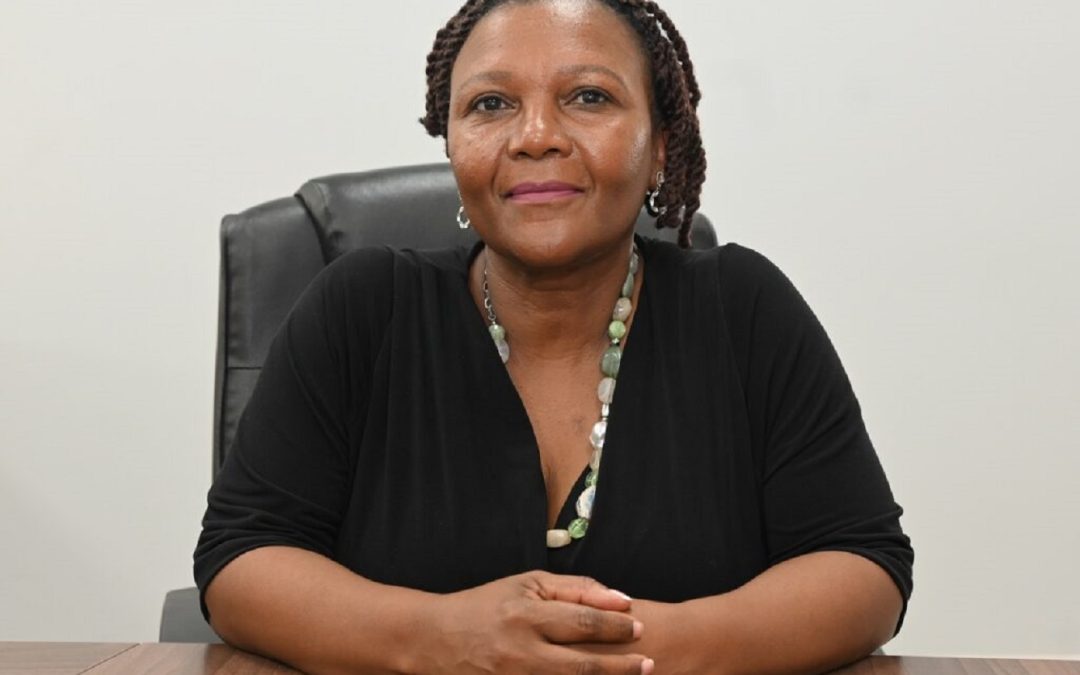
Sefako Makgatho Health Sciences University (SMU) continues to affirm its role as a hub of research excellence following the recognition of Professor Mathildah Mpata Mokgatle with the prestigious South African Medical Research Council (SAMRC) Scientific Merit Award for Research Capacity Development and Transformation.
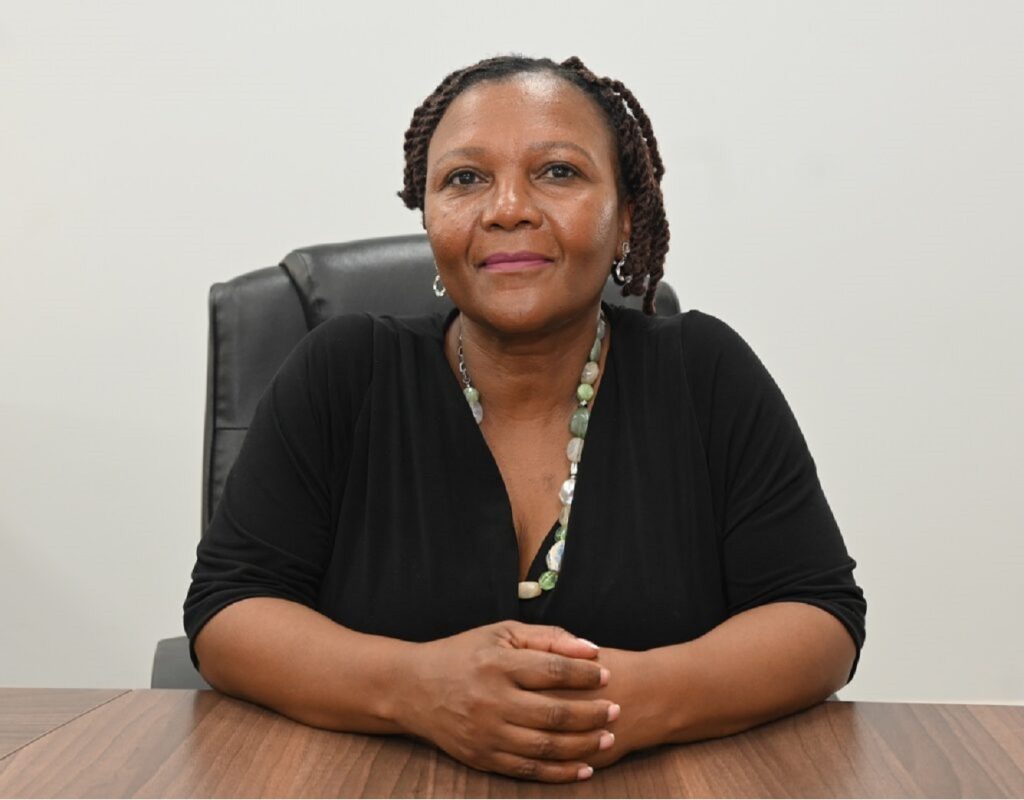 Professor Mokgatle, who serves as Vice-Dean: Research in the School of Health Care Sciences and Head of the Department of Public Health at SMU, described the award as both humbling and affirming. “I am honoured to receive the SAMRC Scientific Merit Award. It is a recognition not only of my work, but of the collective efforts to build research capacity and transform health systems in meaningful ways,” she said.
Her work spans critical areas of public health where evidence directly informs life-saving interventions. “My research focuses on infectious disease prevention and control, sexual and reproductive health, and the development of digital health innovations,” she explained. “These include AI-powered healthcare assistants, health education tools, and conversational agents that support people with reliable information.”
In addition, Professor Mokgatle’s research contributes to strengthening diagnostic systems. “I work on point-of-care diagnostics, validating rapid tests and supporting their inclusion into policy frameworks,” she said. “Diagnostics only have value when they are trusted, used, and implemented at scale.”
Beyond her research outputs, Professor Mokgatle plays a pivotal role in developing the next generation of African researchers. As Deputy Chairperson of the UCDP and nGAP Mentorship Committee, she champions long-term academic development. “Mentorship should not end with graduation. I continue working with my graduates as co-supervisors and co-authors, because building sustainable research pathways is essential,” she noted.
Her leadership extends into her daily responsibilities as an academic administrator and research leader. “In my day-to-day work, I mobilise resources, engage implementation sites, and train teams across the full research process — from ethics and fieldwork to analysis and publication,” she said. “My passion for research and teaching remains central to everything I do.”
Professor Mokgatle’s contributions have been widely recognised in recent years. She received an NRF C2 Rating in 2024, followed by the SMU’s Vice-Chancellor’s Research and Innovation Award for Best Established Researcher in 2025. In 2026, she was further honoured with an NRF SARChI Research Chair in Sexual and Reproductive Health, aligned with the national decadal research plan.
Her collaboration with the South African Medical Research Council has also been instrumental in advancing population health research. As co-Director of the SAPRIN BAMMISHO node, she leads work focused on the Bafokeng Health and Demographic Surveillance Node in the North West Province. The project examines the impact of mining and migration on health and socio-economic outcomes in rural and peri-mining communities.
Reflecting on the award, Professor Mokgatle emphasised the broader significance of the recognition. “I am grateful to the SAMRC for recognising this work and for supporting research that builds capacity, strengthens systems, and delivers impact where it matters most,” she said.
Her achievements underscore SMU’s commitment to advancing research, innovation, and transformation in health sciences. Through leaders such as Professor Mokgatle, the university continues to drive solutions that respond to Africa’s most pressing health challenges while shaping a new generation of impactful researchers.
By Tumelo Moila
by Lorato | Apr 15, 2026 | Accolades and Achievements, All News, Alumni, SMU Media, Student Media
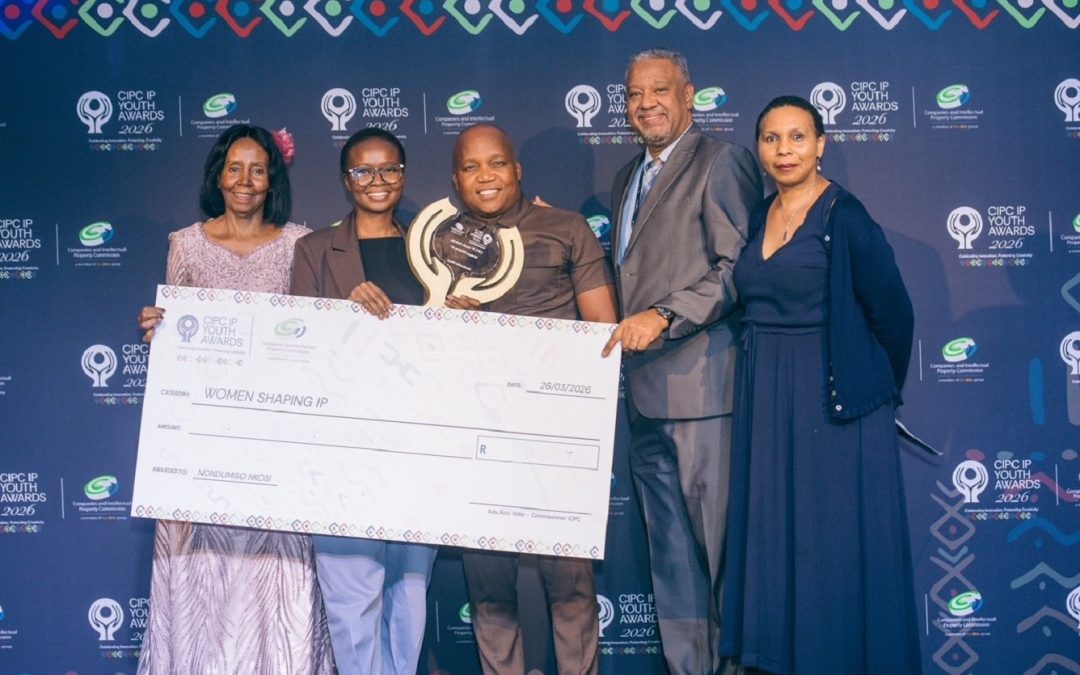
Sefako Makgatho Health Sciences University continues to cement its reputation for research excellence and innovation following a major national accolade awarded to one of its emerging scholars. Nondumiso Nkosi, a multiple award-winning patent holder, part-time junior lecturer in Medical Virology, and PhD candidate, has secured first place in the Women Shaping Intellectual Property (IP) category at the Companies and Intellectual Property Commission (CIPC) IP Youth Awards 2026.
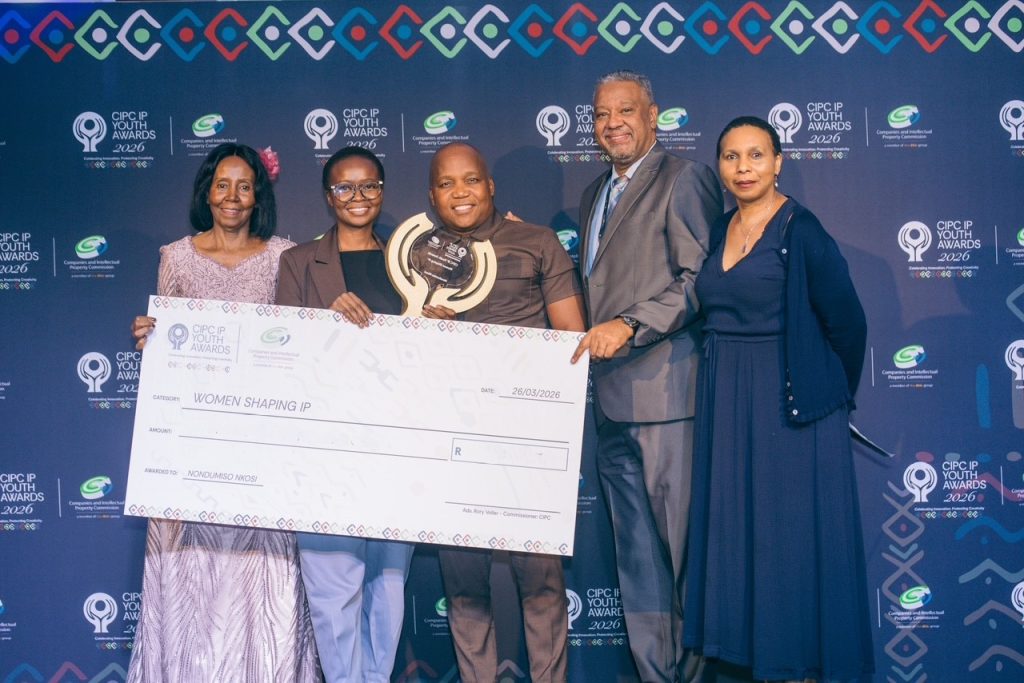 The prestigious recognition celebrates Nkosi’s growing influence in innovation and intellectual property, as well as her contribution to addressing urgent public health challenges. At the centre of her work is HepaSure Diagnostics, an innovative solution designed to improve the detection of Hepatitis B, a disease that remains significantly underdiagnosed despite affecting millions globally.
Reflecting on the achievement, Nkosi said, “This recognition means so much, not just for me, but for the vision and purpose behind the work I do in innovation and intellectual property. It affirms the importance of creating solutions that directly impact people’s lives.”
HepaSure Diagnostics represents a critical step forward in closing gaps in improved diagnosis. By focusing on accessibility and accuracy, the innovation reflects the growing role of intellectual property not only in protecting ideas but in enabling real-world impact. Nkosi’s work highlights the intersection between scientific research and practical healthcare solutions, reinforcing the role of innovation in strengthening health systems.
She emphasised the collaborative nature of her success, noting the support structures that have shaped her journey. “I want to extend my sincere appreciation to the CIPC for creating a platform that celebrates and empowers young innovators. A special thank you to my institution (SMU) and everyone who has contributed to this work—this win is shared with you,” she said.
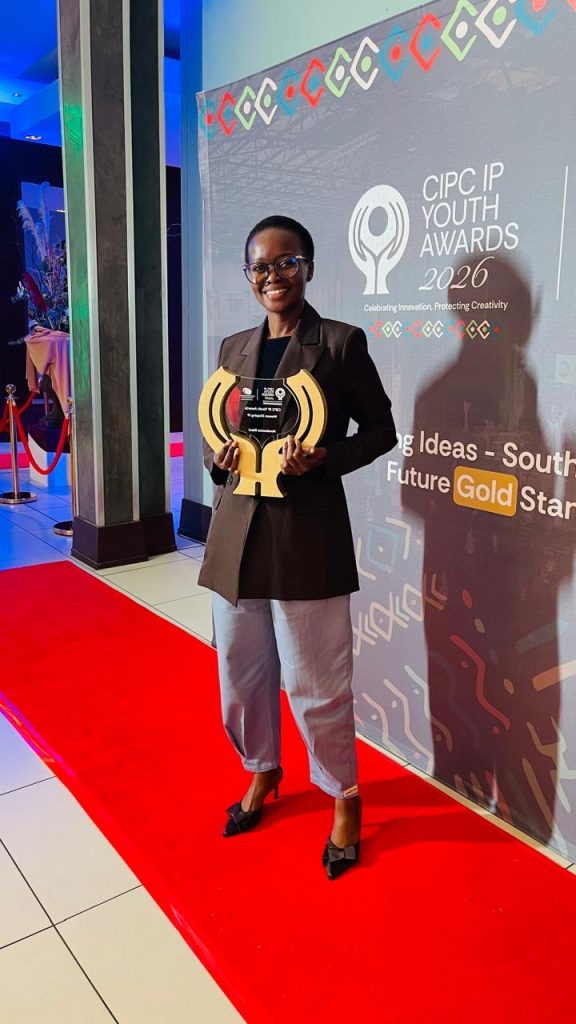 Nkosi further underscored the broader significance of the award for women in science and innovation. “This award is a powerful reminder that women belong in innovation, in science, and in intellectual property spaces,” she added, highlighting the importance of representation and inclusion in historically underrepresented fields.
Her achievement aligns closely with SMU’s vision of transforming health services through excellence and innovation. As a dedicated health sciences university, SMU continues to prioritise cutting-edge research, student-centred learning, and impactful community engagement. Nkosi’s success exemplifies the institution’s commitment to nurturing talent that not only excels academically but also contributes meaningfully to society.
The CIPC IP Youth Awards serve as a vital platform for recognising young innovators who are shaping the future of intellectual property in South Africa. Nkosi’s win not only elevates her profile as a researcher and innovator but also positions SMU as a leading hub for pioneering health solutions.
As SMU advances its mission to deliver professional training through excellence in teaching, learning, and research, achievements such as Nkosi’s reinforce the university’s growing national and global footprint. Her work stands as a testament to the transformative power of innovation in addressing real-world challenges and improving health outcomes for communities across South Africa and beyond.
By Tumelo Moila
by Lorato | Apr 15, 2026 | Accolades and Achievements, All News, Alumni, SMU Media, Student Media
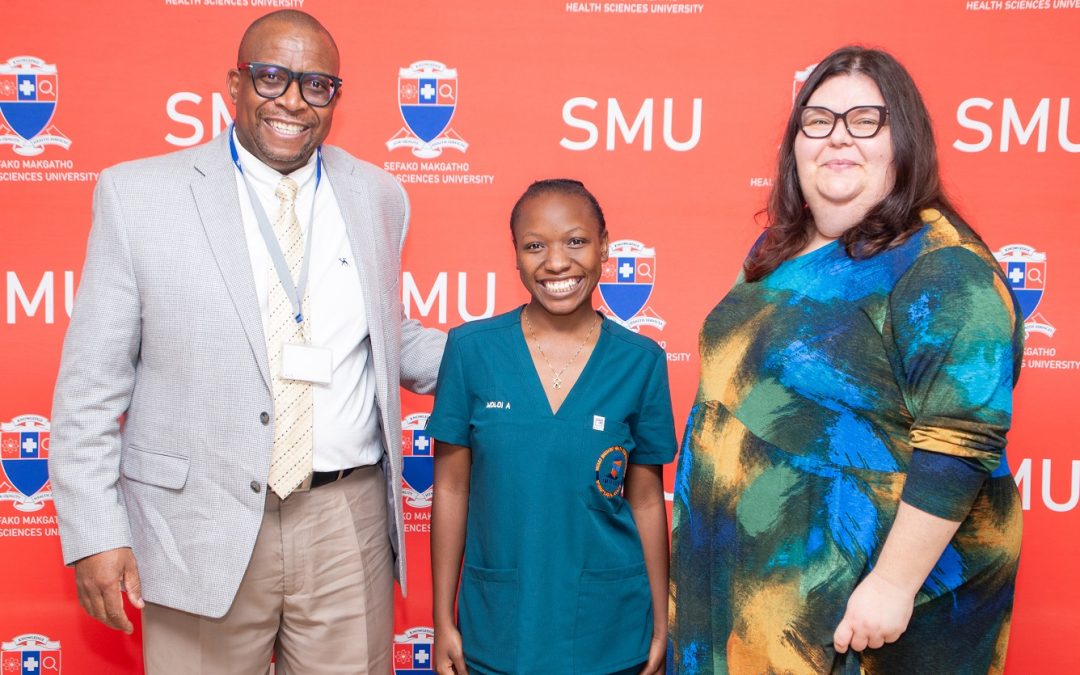
At Sefako Makgatho Health Sciences University (SMU), excellence continues to take centre stage as sixth-year medical student Andile Moloi earns international recognition through the highly competitive Abe Bailey Travel Bursary. At just 23, Moloi’s selection signals both personal achievement and the university’s growing global footprint in shaping socially conscious healthcare leaders.
 Originating from Tembisa in Gauteng, Moloi’s journey reflects resilience, purpose, and a deep commitment to service. As one of only eighteen students selected nationally in December 2025, she joins an elite cohort identified for their leadership potential and capacity to drive meaningful change. The bursary programme, renowned for cultivating future leaders, offers participants exposure to diverse global perspectives and transformative international experiences.
Reflecting on the significance of the award, Moloi said: “Coming from Tembisa township in Gauteng with big dreams has never been easy, especially when you don’t often see people who look like you in the spaces you aspire to enter. That’s why this opportunity is so meaningful to me. It represents visibility, possibility, and representation. It allows me to take up space in rooms I once thought were out of reach, and I hope that little Black girls can look at me and see a reflection of their own potential. This opportunity isn’t just personal—it’s a chance to show others that they belong too.”
Her recognition affirms her standing within the School of Medicine. Dean Professor Risenga Chauke previously described Moloi as “a rare blend of intellectual brilliance and human compassion. She, a philanthropist, exemplifies what it means to be a servant leader in the field of medicine.”
The programme commenced in Cape Town, where recipients engaged in an intensive week of leadership development. This was followed by an international tour across the United Kingdom, including academic and cultural visits to London, Cambridge, Oxford and Bletchley Park, as well as Edinburgh, St Andrews and The Burn in Scotland. These engagements provided a rich blend of academic insight, historical context, and cross-cultural exchange, aligning with the programme’s mission to develop globally minded leaders.
 Moloi described the experience as transformative: “This was such an incredible journey and opportunity. I feel I’ve grown so much since the beginning of this tour. I’ve had the opportunity to interact and collaborate with many amazing people from diverse backgrounds. I feel that I’ve made connections that will last me for a lifetime and now have so many opportunities that I could’ve never dreamt of.”
A standout moment of the programme was her clinical exposure at Chelsea and Westminster Hospital, where she shadowed professionals in the Emergency Department. The experience offered valuable comparative insights into healthcare systems. “The system is quite similar to South Africa, although there are some differences,” she noted. “The UK has more resources, so you seldom get a congestion of patients in the hospital; and most public hospitals in South Africa are still paper-based, whereas the UK has adopted a more digital approach to patient files.”
Moloi joins a select group of SMU recipients of this prestigious bursary, with the last award made in 2022. Her achievement reinforces the university’s commitment to producing graduates who combine academic excellence with global competitiveness and social responsibility.
Dr Carlien Jooste, Director of Internationalisation at SMU, praised Moloi’s accomplishment, stating: “We are incredibly proud of Andile and her achievement. She really embraced this opportunity and represented SMU with pride.”
Moloi’s success underscores SMU’s broader mission of transforming health sciences education through innovation, leadership, and community impact. As the university continues to nurture future healthcare professionals, achievements such as this reinforce its role in advancing both national development and global engagement.
By Dimakatso Modise