
by Lorato | Jul 23, 2025 | Accolades and Achievements, All News, SMU Media, Student Media
Sefako Makgatho Health Sciences University (SMU) has reason to celebrate as Naledi Mathole, its faculty advisor for the Enactus programme, has been crowned South Africa’s Best Faculty Advisor across all 26 public universities. This prestigious national honour recognises Mathole’s exceptional leadership and mentorship in fostering student entrepreneurship and social innovation at SMU.
 “It’s humbling to be recognised for something I’m so passionate about,” says Mathole. “This award reflects the dedication and resilience of the students I’ve had the privilege to mentor. It reaffirms the importance of servant leadership and why supporting students as future changemakers matters.”
Mathole’s route into enterprise development began in the laboratory. Trained in molecular diagnostics, she later instructed medical professionals in microsurgical techniques before turning her focus to innovation and entrepreneurship in higher education. Appointed Coordinator of SMU’s Economic Activation Office in July 2024, she now steers campus-wide programmes including Entrepreneurship Development in Higher Education (EDHE), the Student Women Economic Empowerment Programme (SWEEP), and a suite of innovation challenges – among them the Tshwane Higher Education Innovation Challenge – that connect students with industry partners and funding pathways. Her office works closely with incubators, faculty colleagues and national entrepreneurship networks to scale student ventures beyond campus.
The results have been striking. In its first active year with Mathole as Faculty Advisor, SMU Enactus posted a series of national performances: Techmed Connect advanced to the Enactus Early‑Stage Round; BioGlux placed in the Top Six of the Schneider Electric Challenge; and the team reached the Top Fifteen in the MTN Business Challenge. Numerous early qualifications and “small wins” helped energise a fast-growing entrepreneurial ecosystem at the university.
She credits her students’ drive: “The Enactus executive were eager, disciplined and brave enough to try. That collective energy carried us.”
Her advisory philosophy centres on empowerment, reflection and real-world learning. “We normalise failure as part of innovation. Students need safe spaces to try, fail, learn and iterate. Increasingly, my role is that of a connector – linking students with industry experts, interdisciplinary partners and practical platforms,” she explains. Structure and empathy underpin her leadership. “I don’t hand over answers. I ask questions, challenge assumptions and help them find their own voice.”
Looking ahead, Mathole wants Enactus projects to move from competition stages into durable, community-facing enterprises. Two standouts show the promise: Techmed Connect is developing an AI-enabled, multilingual healthcare agent that includes South African Sign Language; BioGlux explores technologies to support patients with medical implants.
Recruitment for a new Enactus executive and wider membership is imminent, and Mathole is urging students from all disciplines to get involved. “Entrepreneurship isn’t just about business models. It’s about solving real problems and creating impact. That’s what we’re here to nurture.”
Ultimately, she hopes her legacy will be a culture shift. “I want students to experience entrepreneurship not only within higher education as a module, but as a lifelong tool for transformation – a journey from learning about innovation to living it.”
By Tumelo Moila
by Lorato | Jun 25, 2025 | Accolades and Achievements, All News, Alumni, SMU Media, Student Media
At the heart of SMU’s research strategy lies a commitment to interdisciplinary collaboration, knowledge generation, and technology transfer. By fostering innovation and expanding its research capacity, the university aims to play a pivotal role in addressing South Africa’s pressing healthcare challenges — from infectious diseases to mental health and non-communicable conditions.
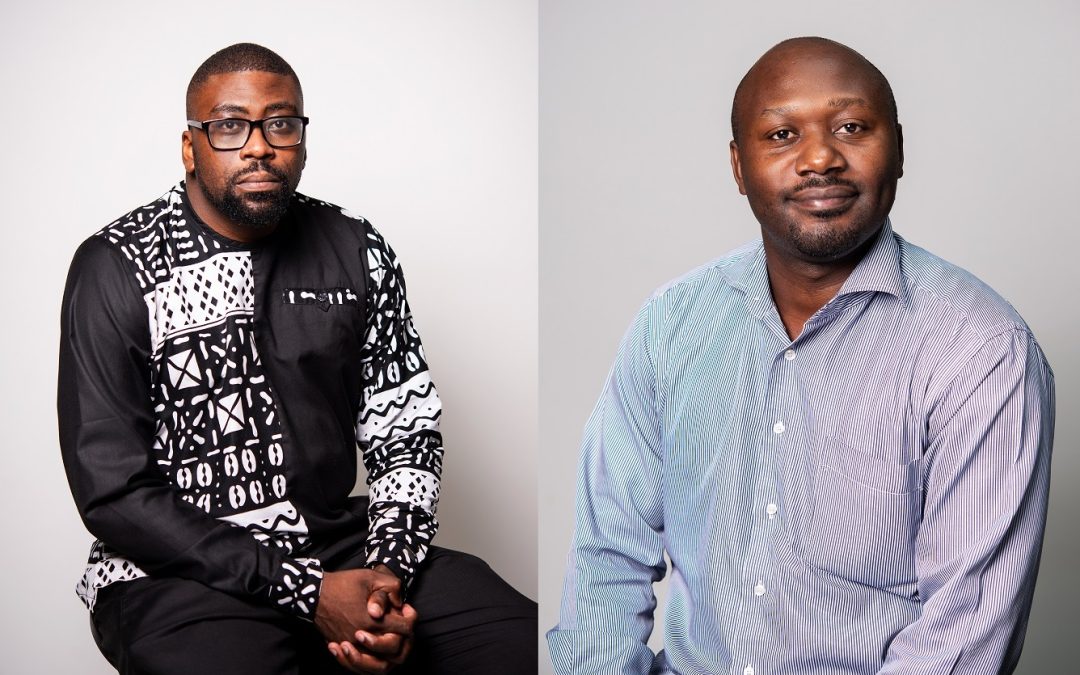
 A prime example of this ambition is the School of Pharmacy’s recent achievement: securing its second provisional patent. Dr Bwalya Witika, a senior lecturer in Pharmaceutics and his postdoctoral fellow, Dr Jean Ngilirabanga, who joined him in 2023, successfully filed a patent titled “Eutectic Compositions”, with the priority date of 9 June 2025. Their work explores novel drug delivery mechanisms by combining compounds to lower melting points, enhancing the efficacy and tolerability of treatments such as nonsteroidal anti-inflammatory drugs (NSAIDs). This breakthrough reaffirms the school’s growing reputation for pharmaceutical innovation and research excellence.
Eutectic compositions are mixtures of substances that, when combined, melt at a temperature lower than either of the individual components. In pharmaceutical science, this characteristic is highly valuable for improving drug solubility, stability and delivery, two critical challenges in modern medicine. Witika traced the origins of this research back to 2022, inspired by the urgent need for safer pain management alternatives during the global opioid crisis. “NSAIDs weren’t enough, and opioids came with long-term risks. I wondered—what if we enhanced NSAIDs with something like chilli?” he explained, referring to Nonivamide, a compound structurally related to capsaicin.
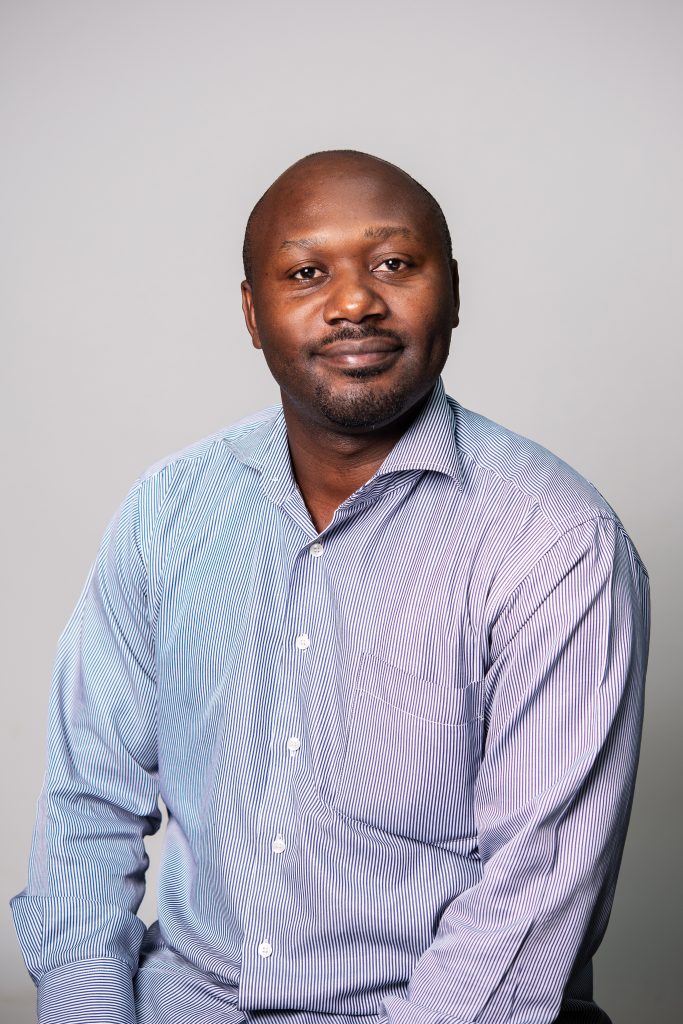 The research process involved formulating innovative drug combinations that provided synergistic pain relief. Despite the scientific and administrative challenges, the work culminated in a promising invention that could reshape pain treatment approaches. While the research was conducted internally at SMU, Witika confirmed that discussions with potential industry partners are already underway. “For now, it’s been in-house, but the potential for wider collaboration is significant,” he said.
Filing a provisional patent provides legal protection while allowing further refinement of the invention. Witika praised SMU’s Technology Transfer Office (TTO) for its vital support throughout the process. “TTO Liaison Officer Pontsho Mampuru is a superhero, relentless in his commitment. It’s been a pleasure working with TTO,” he added.
This development follows SMU’s historic first patent in 2024: Raloxifene Hydrochloride Hydrate Solvate, a novel compound with the potential to revolutionise treatment for postmenopausal osteoporosis and breast cancer. That breakthrough was led by Emmanuel Kiyonga, a master’s graduate in the School of Pharmacy, and marked the beginning of a new era of innovation for the university.
Together, these patents underscore SMU’s transformation into a research-intensive health sciences institution committed to addressing global health challenges through science and invention. Witika and Ngilirabanga are optimistic about the future of their research. They believe their eutectic formulation could make a major impact on drug development, particularly in the field of pain management. Further patent filings and commercialisation efforts are already underway. “This is just the beginning,” said Witika. “We’re at the forefront of something meaningful. It’s vital that inventors maintain a connection to their work—we must ensure that identity is preserved in the products we create.”
For Witika, the success is both professional and deeply personal. “Even though this is my second patent, the feeling is just as incredible. You’re reminded that you’re contributing something small but significant.” His advice to fellow academics? “Go for it. Don’t hold back.”
For Ngilirabanga, this has been a great success. “I am immensely proud of this achievement, and I am excited about the future. This is my first patent, the first of many. To my fellow academics, keep pushing. Let’s make SMU proud,” said Ngilirabanga.
Looking ahead, they hope that this achievement—along with future innovations—will encourage university leadership to recognise and support the vital role of research in shaping a better world. “These are small steps,” he said, “but they’re paving the way for greater impact on science, patients, and future scholars.”
By Tumelo Moila

by Lorato | Jun 25, 2025 | Accolades and Achievements, All News, Alumni, SMU Media, Student Media
In a momentous achievement for Sefako Makgatho Health Sciences University (SMU), Professor Deliwe Rene Phetlhu, Head of the Department of Nursing Sciences, has been awarded the prestigious National Research Foundation (NRF)’s u’Good Grant to the value of R9.1 million. Her successful proposal, selected from over 200 global submissions, is one of only 22 awarded internationally and will fund a groundbreaking project titled “Youth Mental Health in the Era of Climate Change.”
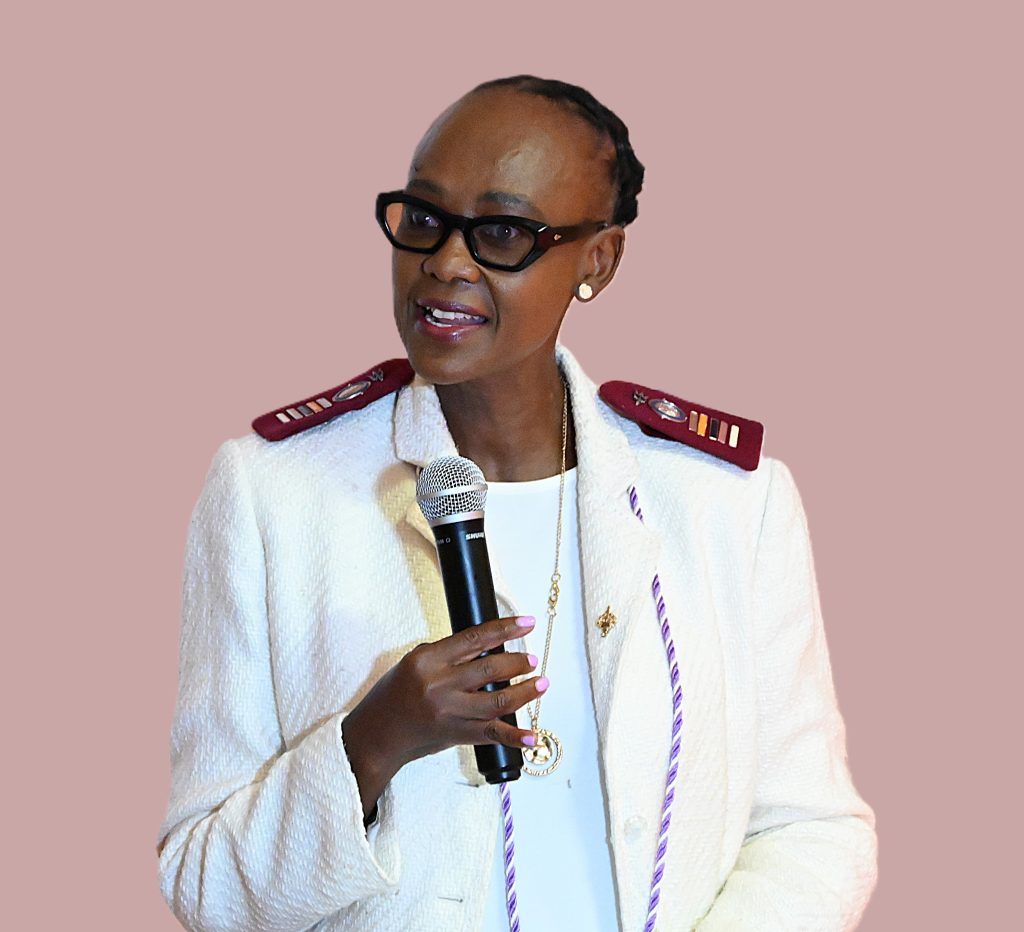 Speaking on the announcement, Professor Phetlhu expressed her elation. “I was overjoyed, particularly because I will be working with young academics, some of whom have never worked on major grants before. Being selected among the top 22 worldwide is a significant honour.”
The three-year project (2025–2027) aims to develop a culturally responsive intervention to enhance the psychological resilience and well-being of young people in South Africa, Ghana, and Tanzania. The research will be grounded in the relational well-being (RWB) theory and principles of Ubuntu, integrating culture, socio-economic contexts, and environmental stressors into its approach.
“Personally, this award affirms my commitment to impactful research,” said Phetlhu. “Professionally, it highlights the critical role nurses can play in emerging areas of health sciences. As the first line of defence in healthcare, nurses are uniquely positioned to lead research that transcends traditional boundaries.”
The project will begin by investigating youth awareness, cultural narratives, and environmental anxieties linked to climate change, before developing and piloting a targeted intervention. Innovative methodologies such as photovoice and vignettes will be employed to capture lived experiences, while technologies like RedCap will ensure secure data handling.
Funding allocation reflects the project’s community-driven ethos. Equipment such as laptops, cameras, and audio recorders will be acquired early on, but the bulk of resources are earmarked for operational costs, particularly youth engagement and travel. Administrative support across the three countries is also a key consideration.
Each project year has clear milestones:
- 2025: Understanding youth climate awareness and mental health practices across three African contexts.
- 2026: Development of an integrated, culturally grounded intervention framework.
- 2027: Implementation of a scalable model for African youth mental health resilience, potentially redefining wellbeing from a continental perspective.
“This research is urgent,” Phetlhu explains. “Globally, climate change is a daily conversation, but in Africa, the link to mental health—especially among youth—is often overlooked. From funeral queues to community gatherings, I’ve asked people their thoughts, and the lack of awareness is concerning.”
The project is proudly transdisciplinary, involving youth-centred NGOs, sociologists, environmentalists, and educational psychologists from South Africa, Ghana, and Tanzania. SMU will host the lead PhD student and two master’s candidates in later stages, while early-career researchers from the institution are included as co-investigators.
The long-term goal is to influence youth mental health policy and practice. “Mental health is becoming a global pandemic. The next generation will carry the heaviest burden of climate change, and they must be equipped with resilience and leadership skills,” Phetlhu said.
She has already initiated engagement with government and sector stakeholders. “I don’t want them to only hear about the project at the end. Their involvement from the start is essential for sustainability.”
Prof Phetlhu also extended gratitude to the SMU Grants Office. “Ms Winnie Motsatsi was phenomenal, supporting me through every step, arranging a reviewer, and accommodating my schedule. I couldn’t have done it without her.”
To fellow researchers at SMU, Phetlhu had a message of inspiration: “Take a risk. Even if it doesn’t work the first time, it’s worth trying. Surround yourself with people who share your work ethic. It might just happen.”
As the project is currently underway, Phetlhu hopes to ignite a continental dialogue on youth wellbeing and climate resilience. “Africa’s future depends on it. Let us prepare our youth to carry the baton with strength and purpose.”
By Tumelo Moila
by Lorato | Jun 25, 2025 | Accolades and Achievements, All News, SMU Media, Student Media
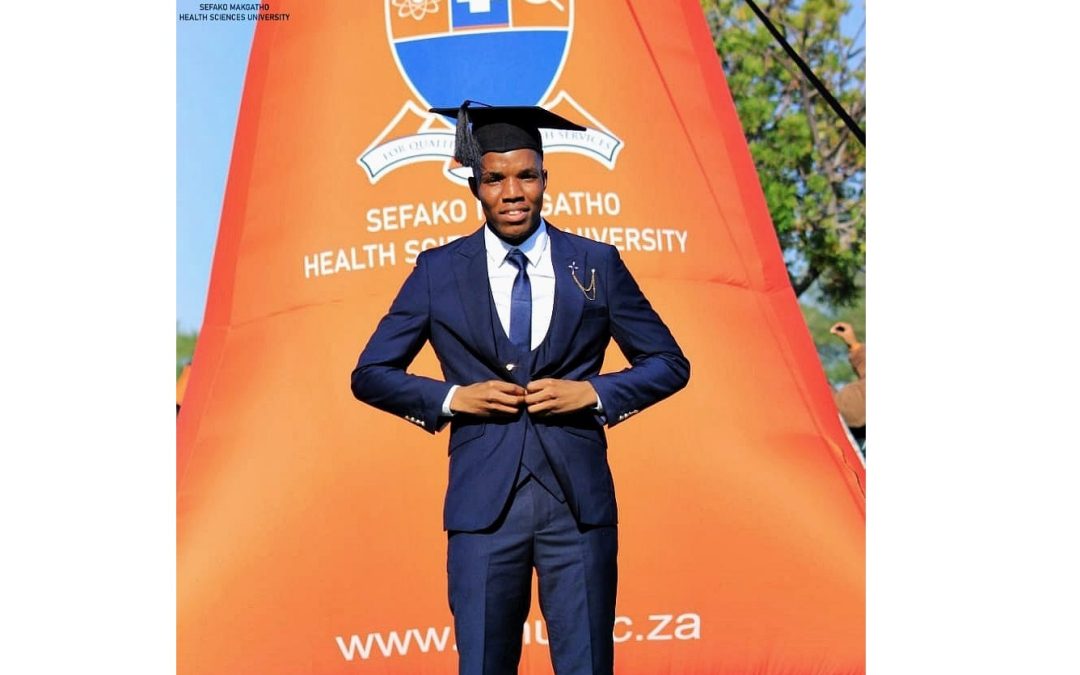
At just 22 years old, Hermy Mantjiu is proving that hard work, curiosity, and resilience are a powerful combination. Hailing from Kalkspruit Ga-Maraba in Limpopo, Hermy recently graduated summa cum laude with a Bachelor of Science Honours in Statistics from Sefako Makgatho Health Sciences University (SMU). His remarkable academic journey reflects not only his brilliance but also his commitment to using mathematics to solve real-world problems.
 Now an honours student working for the Department of Statistical Science, Mantjiu reflects proudly on his academic success. “It hasn’t always been easy,” he says, “but I’ve worked hard, stayed disciplined, and grown not just academically, but also personally. My achievements reflect my dedication and love for learning, especially in challenging subjects like mathematics and statistics.”
Inspired by Mason Cooley’s quote, “Procrastination makes easy things hard, hard things harder,” Mantjiu’s disciplined approach has guided him through the rigours of Mathematical Science — a field he describes as intellectually stimulating and deeply rewarding.
“I love how maths challenges me to think differently. It’s like solving a puzzle — sometimes frustrating, but incredibly satisfying when everything finally clicks,” he explains. Unlike traditional mathematics, which focuses largely on theory, Mathematical Science merges pure and applied maths with statistics, computing, and modelling. “That’s what makes it so versatile and relevant in today’s data-driven world,” he adds.
His programme covered a wide range of areas, including abstract algebra, applied mathematics, and statistics. While he admits that abstract algebra was particularly challenging, he grew to appreciate its elegance and structure. On the other hand, mathematics and statistics stood out as favourites, especially when applied to real-world scenarios.
Mantjiu’s Honours project, “Correlates of Reading Literacy Among Participants Aged 15–30: A Case Study of Four Provinces in South Africa”, demonstrated how statistics can directly inform decision-making in areas such as health, finance, and technology. “It showed me how statistics can directly support decision-making in health, finance, and technology,” he says.
His work wasn’t confined to theoretical exercises. Mantjiu became proficient in RStudio, Stata, and MATLAB, using them to simulate complex systems, solve differential equations, and analyse datasets. “These computational tools made our work more efficient and accurate,” he says. “We even solved differential equations using numerical methods like Euler and Runge-Kutta.”
Mantjiu’s passion for problem-solving extends into interdisciplinary fields such as data science and public health. He believes mathematical modelling plays a crucial role in addressing global issues like climate change, pandemics, and inequality. “Statistical inference, for example, helps us make informed decisions based on uncertain information — from clinical trials to financial forecasting,” he explains.
His success was not a solo journey. “My mentors and the students I tutored had a huge impact on my growth,” he shares. “Teaching others deepened my own understanding and kept me motivated.” Collaborative projects also helped him build communication and teamwork skills — attributes he believes are essential in both academia and industry.
Now pursuing an Honours degree in Statistics, Mantjiu has set his sights on a data-driven career in research, analytics, or education. “Eventually, I’d love to pursue a Master’s in biostatistics or data science. I want to work where research meets impact — especially in health or finance.”
When asked what advice he has for future students, his answer is clear: “Be ready to think hard, fail forward, and stay curious. Mathematical Science isn’t just about numbers; it’s about thinking clearly, solving problems, and making a difference.”
Mantjiu’s journey is a shining example of what South African youth can achieve with the right mindset, support, and sense of purpose. As he looks to the future, he carries with him not just academic accolades but a vision for how mathematical science can unlock real change in the world.
By Tumelo Moila

by Lorato | Jun 17, 2025 | Accolades and Achievements, All News, SMU Media, Student Media

by Lorato | Jun 11, 2025 | Accolades and Achievements, All News, SMU Media, Student Media
From Westonaria in Gauteng to the forefront of statistical innovation, SMU graduate and Senior Data Scientist at the FNB Retail Chief Data & Analytics Office (CDAO), Dr Sandile Johannes Butelezi, has achieved a remarkable milestone: earning a PhD in Statistics in just two years. He completed his doctorate with six published papers, three under review, and presentations at international conferences. His research, grounded in his professional experience within the insurance industry, presents a transformative approach to short-term insurance modelling in a world grappling with climate change and economic volatility.
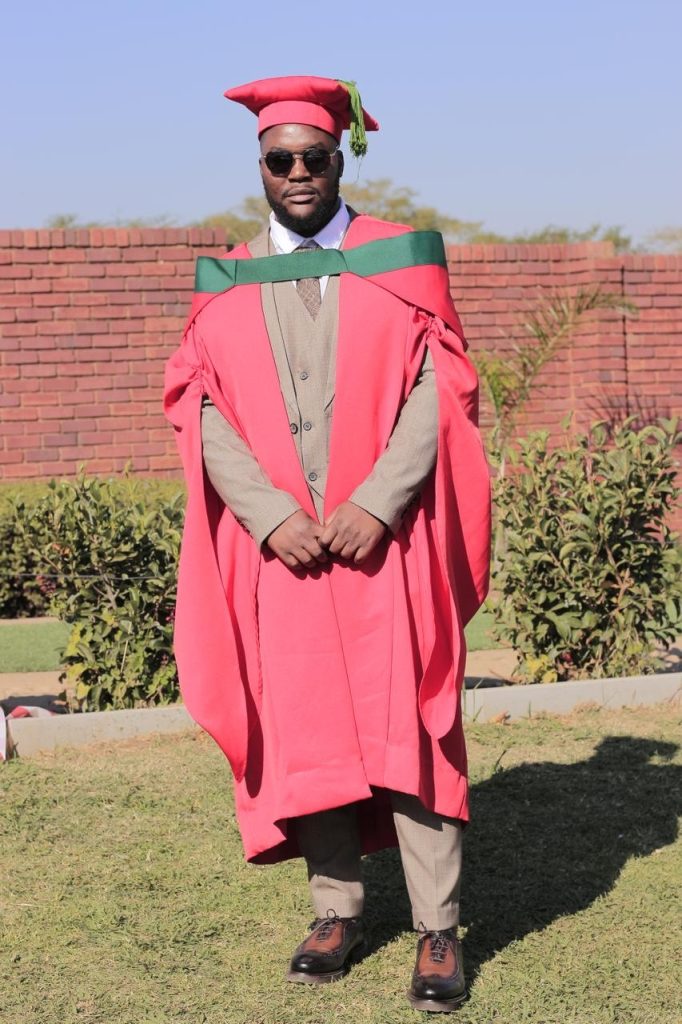 Butelezi’s doctoral thesis, completed at a leading South African institution, centred on enhancing the accuracy and fairness of insurance risk models, particularly in the short-term motor insurance sector. “Working in the insurance sector revealed how outdated traditional models have become, especially in an era of unpredictable weather and shifting risk profiles,” he explained. “My goal was to contribute adaptive and equitable methods that reflect the complex realities we face.”
His solution was a hybrid modelling framework that blends generalised linear models (GLMs)—a mainstay of actuarial science—with advanced machine learning techniques such as XGBoost, gradient boosting machines, and random forests. Among these, XGBoost delivered the most promising results, achieving a robust R² of 0.68 when tested against real insurance claims data from 2021 to 2024, alongside simulated extreme-weather scenarios.
The model revealed significant regional and seasonal variations in claim patterns. Flood-related claims, for instance, peaked during summer months, while metropolitan areas like Gauteng recorded higher instances of malicious damage and motor accidents. These findings underscored the shortcomings of uniform premium pricing and pointed towards the need for dynamic, locally tailored strategies.
One of the study’s most striking findings was not statistical, but social: a concerning pattern of claim rejections among non-native English speakers, often due to misunderstandings of complex policy language. “This is not just a technical issue—it’s a matter of equity,” said Butelezi. “We need simplified, multilingual insurance documentation that’s accessible to all policyholders.”
The practical implications of Buthelezi’s research are profound. Insurers can use his model to more accurately price risk, allocate resources, and respond proactively to claims volatility. Regulators and policymakers, meanwhile, gain a tool for promoting a more resilient, inclusive, and climate-aware financial protection system.
Looking ahead, Butelezi sees exciting avenues for continued research. These include integrating high-resolution climate data for long-term forecasting, applying behavioural economics to understand consumer behaviour in insurance uptake, and advancing AI applications such as deep learning and reinforcement learning to manage high-dimensional or unstructured data sources like satellite imagery or text-based claims reports.
“There’s also urgent work to be done on the ethics of algorithmic decision-making,” he added. “We must ensure that data-driven models do not reinforce existing social and economic inequalities. Fairness must be an intentional part of model design.”
Completing a PhD in just two years is no small feat, and Buthelezi credits his success to disciplined time management and a strong support network of supervisors, family, and peers. “I set realistic goals, stuck to a structured routine, and allowed myself breaks when needed. But above all, the encouragement from my support system made the difference,” he said.
Now, Butelezi plans to continue bridging the gap between academia and practice. He hopes to supervise postgraduate students, contribute to academic research, and influence public policy in areas such as disaster risk management, bioinformatics, and AI regulation. He also remains committed to developing new theoretical frameworks in mathematical statistics.
His advice to aspiring statisticians is both grounded and aspirational: “Master the fundamentals, stay curious, and be unafraid of messy, real-world data. The world needs statisticians who are both technically sharp and socially conscious.”
Reflecting on his journey from Westonaria to international academic recognition, he summarised it with a simple yet powerful phrase: “Only the best is good enough.”
By Tumelo Moila

 The unveiling of the 1000-Bed Student Housing Project (Phase 1 of 2000 beds), the Revitalised Library, and the ICT Refresher Project reflects SMU’s bold new era: one driven by academic excellence, ethical leadership, and the dignity of student experience.