by Lorato | Sep 3, 2026 | Accolades and Achievements, All News, Alumni, SMU Media, Student Media
Sefako Makgatho Health Sciences University (SMU) researcher Dr Vusani Muswa Maphiri has received a Y2 rating from the National Research Foundation (NRF), recognising his potential to establish himself as a researcher based on the quality and productivity of his research.
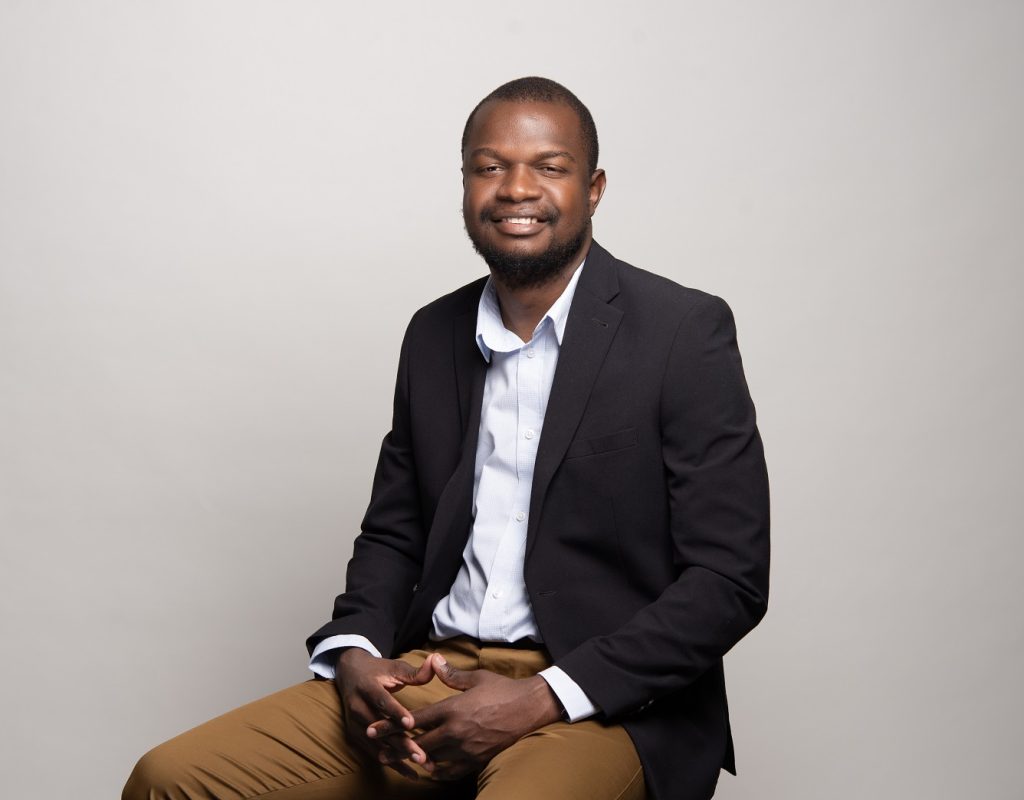 Dr Maphiri, a senior lecturer in the Department of Physics in SMU’s School of Science and Technology, specialises in energy storage, materials science and advanced materials characterisation. His research focuses particularly on supercapacitors, microsupercapacitors and nanomaterials, with applications in energy storage and related technologies.
Reflecting on the recognition, Dr Maphiri said the rating represented an important milestone in his academic journey. “This Y2 rating is an important recognition of my research potential and the work I have undertaken in the field of energy storage and materials science.”
The Y2 rating places Dr Maphiri among young researchers recognised for their potential to establish themselves as researchers within five years of evaluation. The NRF category applies to researchers aged 40 or younger who have held a doctorate or equivalent qualification for less than five years at the time of application.
Dr Maphiri earned his PhD in Physics from the University of Pretoria in 2022. His doctoral research investigated thermally reduced graphene oxide using an atmospheric-pressure tube furnace for microsupercapacitor applications. He previously obtained an MSc in Physics, cum laude, from SMU in 2018, following undergraduate studies in physical and mineral science and physics at the university. “This achievement motivates me to continue pursuing research that can contribute to addressing energy-storage challenges while creating opportunities for young scientists,” he said.
His research record reflects a sustained focus on developing and characterising advanced materials for energy storage. His publication portfolio includes studies on graphene oxide, porous carbon, metal oxides, nanophosphors and electrode materials for supercapacitors. His work has appeared in journals including the Journal of Energy Storage, Journal of Alloys and Compounds, Carbon and Materials Chemistry and Physics.
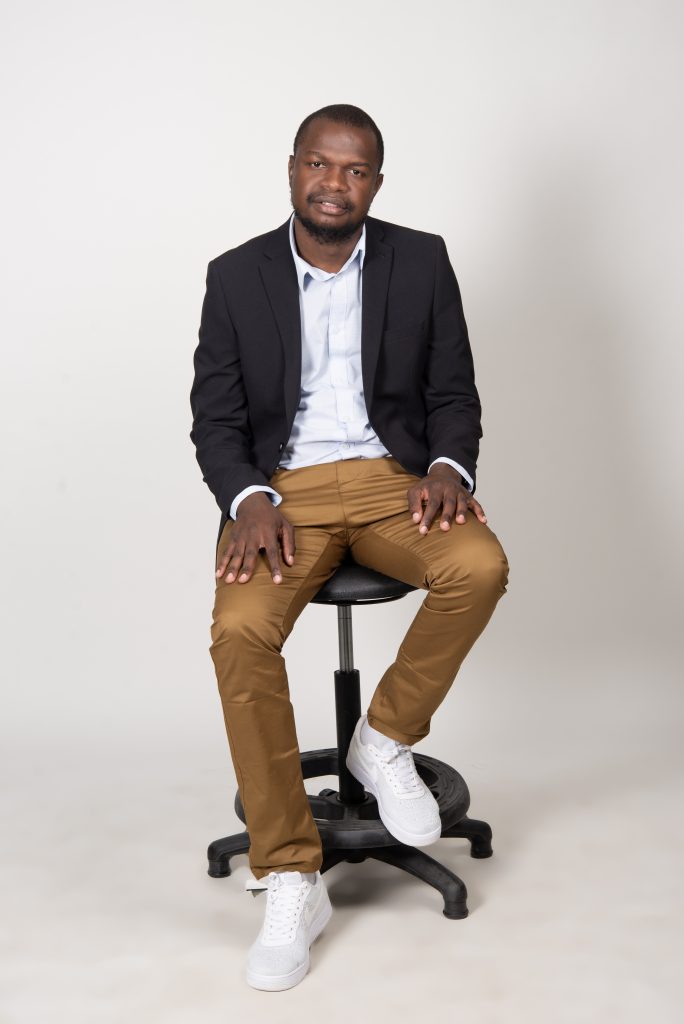 One strand of his research examines materials that could improve the performance of supercapacitors, energy-storage devices capable of rapid charging and discharging. His work includes investigations into thermally reduced graphene oxide, activated carbon and metal-based nanostructures.
Beyond publishing research, Dr Maphiri is actively involved in postgraduate supervision and mentorship. He currently supervises doctoral and master’s students working on projects involving supercapacitors, water purification, graphene-based materials and advanced electrode materials. “I believe research should not only generate publications but also develop people and create knowledge that can have a meaningful impact,” Maphiri said.
His professional responsibilities extend to research leadership. Since May 2026, he has served as deputy chairperson of SMU’s School of Science and Technology Research Committee, contributing to research governance, quality assurance and postgraduate research. He also collaborates with the University of Pretoria’s SARChI in Nanomaterials for Energy Storage and Water Purification Applications.
Dr Maphiri has accumulated 50 peer-reviewed publications and has an h-index of 17 on Google Scholar, according to his profile.
The Y2 rating highlights SMU’s contribution to the development of emerging researchers whose work addresses contemporary challenges in energy storage and advanced materials. Through research, teaching, postgraduate supervision and collaboration, Dr Maphiri’s work supports the university’s commitment to excellence and innovative research.
By Tumelo Moila

by Lorato | Sep 3, 2026 | Accolades and Achievements, All News, Alumni, SMU Media, Student Media
Sefako Makgatho Health Sciences University (SMU) senior lecturer and researcher Dr Amos Nhlapo has received a C3 rating from the National Research Foundation (NRF), marking a significant milestone in his academic career and in his research on magnetic materials and their potential applications in healthcare and technology.
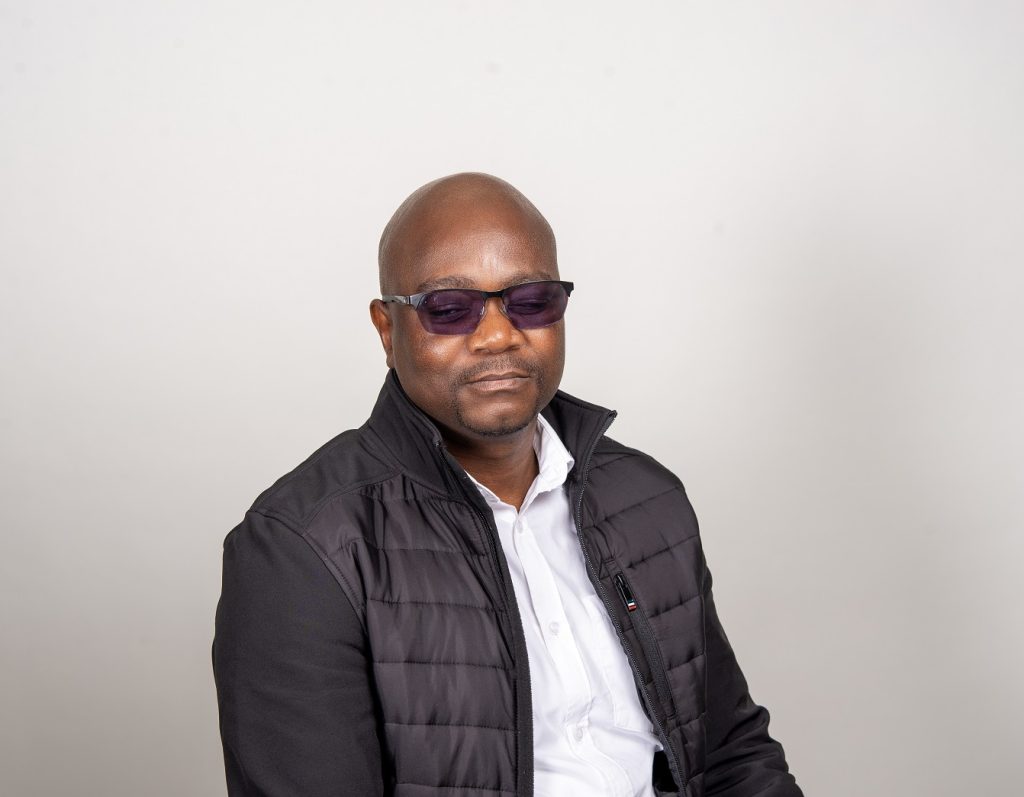 The NRF assessment recognised Dr Nhlapo as an established researcher with a sustained recent record of productivity. According to the assessment, reviewers concurred that he had developed “a body of quality work” with coherence and demonstrated the ability to conceptualise research problems and apply appropriate methods to investigate them.
Dr Nhlapo, a senior lecturer in SMU’s Department of Medical Physics, described the rating as recognition of years of research, innovation and academic commitment. “This significant milestone is a testament to my dedication, perseverance, and outstanding contribution to academic excellence,” Nhlapo said. “It’s an honour, and I am proud to have received the C3 NRF rating.”
He said the recognition was particularly meaningful because his research sits at the intersection of academic investigation and practical innovation. His work focuses on experimental and condensed matter physics, particularly the magnetic and electrical properties of bulk and nanosized spinel ferrite materials.
Dr Nhlapo’s research includes the development of novel magnetic nanoparticles for advanced electronic devices and medical applications. He collaborates with local and international researchers and has contributed to numerous peer-reviewed publications. His stated research ambition is to ensure that scientific discoveries move beyond laboratories and contribute to practical solutions.
“It is heartening to be recognised for my efforts in navigating the complicated intersection between rigorous academic research and innovation,” he said. “I am enthusiastic about ensuring that novel magnetic material technologies can move beyond research into practice.”
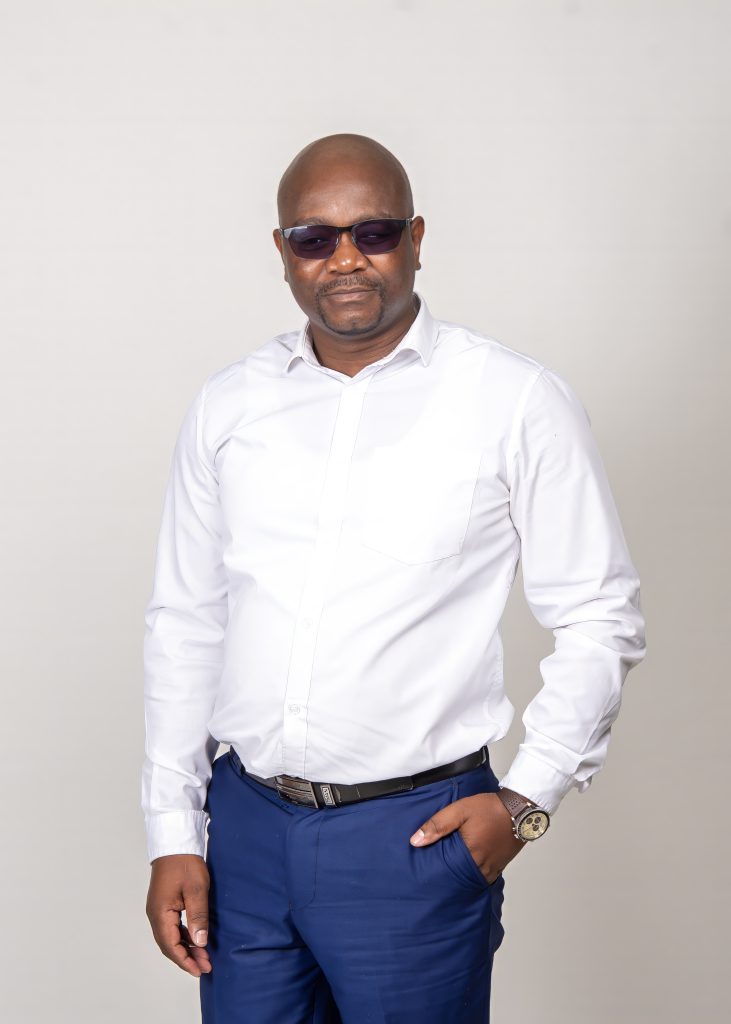 Nhlapo’s academic record includes a PhD in Physics from the University of KwaZulu-Natal, a Postgraduate Diploma in Higher Education from the University of Johannesburg, and earlier qualifications in physics and chemistry from the University of the Free State. He joined SMU as a lecturer in 2017 and became a senior lecturer in January 2023.
His research output is complemented by postgraduate supervision, conference participation and research funding. The record lists an NRF Equipment Travelling-Related Grant awarded in 2025, as well as previous support for the University Capacity Development Grant and the DST-NRF Innovation Doctoral Scholarship.
Nhlapo has also supervised students at honours, master’s and doctoral levels, with several projects completed and others currently underway. His publication record includes studies of nanoferrites, magnetic properties, photoluminescence, electron spin resonance and materials with potential medical and technological applications.
Reflecting on the achievement, Nhlapo expressed gratitude to colleagues and the university community. “Above all, I am very grateful to the Department of Medical Physics, the Department of Physics at SMU, and everyone who contributed to this milestone,” he said.
The C3 rating strengthens SMU’s profile as a health sciences university committed to innovative research and academic excellence, while highlighting the potential for its researchers to translate scientific advances into solutions that benefit healthcare and society.
By Tumelo Moila

by Lorato | Sep 3, 2026 | Accolades and Achievements, All News, Alumni, SMU Media, Student Media
Sefako Makgatho Health Sciences University (SMU) has recognised the research achievements of Professor Tshwafo Elias Motaung, Head of the Department of Chemistry and Chemical Technology, following his attainment of a National Research Foundation (NRF) C2 rating.
 The C2 rating places Prof Motaung among established researchers whose recent research outputs demonstrate sustained productivity, coherence and continued engagement with their field. According to the NRF classification, reviewers are “firmly convinced that the applicant is an established researcher”, with the rating recognising researchers who have produced quality work and demonstrated the ability to conceptualise problems and apply appropriate research methods.
Reflecting on the achievement, Prof Motaung said the rating represents an important milestone in his academic and research career. “The NRF C2 rating is a significant milestone for me because it represents recognition of sustained research engagement and productivity over many years. I see it not only as a personal achievement, but also as an acknowledgement of the contribution of my students, research collaborators and colleagues who have been part of this journey.”
Prof Motaung’s academic journey began at Shakhane Secondary School in Makeneng, Qwa-Qwa, where he passed matric with distinction in Mathematics and Natural Sciences. He subsequently obtained a BSc in Chemistry, a BSc Honours, and an MSc from the University of the Free State, followed by a PhD in Chemistry from the University of KwaZulu-Natal and a postgraduate diploma in higher education.
His professional career spans more than two decades and includes academic, research and leadership positions. He began his career at the University of the Free State as a tutor of Physics and Chemistry and laboratory assistant before progressing to Assistant Professional Officer and Junior Lecturer. He later served as a Senior Researcher and Research Leader at the Council for Scientific and Industrial Research (CSIR) in Port Elizabeth.
He subsequently became an Associate Professor and Head of Department at the University of Zululand, later serving as Professor and HOD. Between 2021 and 2024, he was a Senior Professor and head of the Materials Science niche area at the University of South Africa. Since October 2024, he has served as Senior Professor, SMU Senate Representative and HOD at SMU.
Prof Motaung’s research focuses on the preparation and characterisation of polymer blends, composites and nanocomposites, as well as the extraction, preparation and characterisation of cellulose. His work has included research into biomass, nanomaterials, renewable energy, water treatment and sustainable materials.
Speaking about the direction of his research, Prof Motaung said scientific research should ultimately contribute to addressing practical challenges facing society. “My research interests are strongly connected to the need for sustainable solutions. Materials science provides opportunities to transform renewable resources and waste materials into useful products and technologies, particularly in areas such as water treatment, renewable energy and sustainable materials. The objective is to ensure that our research does not remain confined to the laboratory but contributes meaningfully to society.”
His research record includes numerous peer-reviewed publications, conference presentations, book chapters and postgraduate supervision. He has supervised or co-supervised students at the Honours, MSc, and PhD levels and has successfully supervised five postdoctoral researchers.
For Prof Motaung, developing the next generation of researchers remains an important part of his academic responsibilities. “Research excellence is also about building people. Supervising postgraduate students and mentoring emerging researchers help us develop the skills, knowledge, and confidence required to sustain the research enterprise. I consider the success of students and young researchers who have worked with me to be an important part of my own academic journey.”
His international research experience includes projects in India, Italy, France and Sweden, supported by organisations including the NRF and CSIR. He has also delivered keynote and invited presentations at international scientific conferences. The C2 rating adds to a career marked by research and innovation awards, including recognition as an Emerging Researcher by the CSIR and as a Productive Researcher at the University of Zululand.
Looking ahead, Prof Motaung said the achievement would encourage him to deepen his research collaborations and continue contributing to the development of research capacity at SMU. “This recognition motivates me to continue pursuing impactful research, strengthen collaborations and create opportunities for postgraduate students and emerging researchers. I am particularly interested in contributing to a research environment at SMU where innovation, collaboration and the development of sustainable solutions are encouraged.”
For SMU, Prof Motaung’s achievement reinforces the university’s commitment to excellence and innovative research. His work contributes to the institution’s broader mission of advancing knowledge while supporting research, education, and innovation in ways that can advance sustainable development and societal wellbeing.
By Tumelo Moila

by Lorato | Sep 3, 2026 | Accolades and Achievements, All News, Alumni, SMU Media, Student Media
What began as a childhood dislike of Mathematics and Science culminated in an outstanding academic achievement for Hermy Madimetja Mantjiu (23), who graduated with a BSc Honours in Statistics (summa cum laude) and received the Dean’s Excellence Awards for Outstanding Performer and Overall Achiever during the 2026 School of Science and Technology’s autumn graduation ceremony at Sefako Makgatho Health Sciences University (SMU).
 Mantjiu, originally from Kalkspruit (Ga-Magongoa) in Limpopo and raised in Soshanguve, Block SS Extension 5, known as Jukulyn, credits hard work, discipline, perseverance and the support of his family for shaping his journey. “I did not always enjoy Mathematics and Science. In fact, I hated both subjects at first,” Mantjiu said.
His attitude towards the subjects changed around Grade 11, when he developed a genuine interest in understanding how things work and began challenging himself academically. That turning point ultimately led him towards Statistics and a university career that has seen him progress from student and academic tutor to part-time junior lecturer.
One of the people who played a significant role in developing his passion for Mathematics was his former class teacher, Emmanuel Sekepe. Mantjiu said Sekepe’s enthusiasm for the subject inspired him and continues to influence him in his role as a mentor. “My former class teacher, Mr Emmanuel Sekepe, made me fall in love with Mathematics,” he said. “What makes our relationship even more meaningful is that he is now my mentor.”
His mother, Priscilla Mantjiu, was also a constant source of encouragement, reminding him to practise, remain focused and continue working towards his goals. Mantjiu also acknowledged the support of his late friend Precious Maswanganyi, his former roommate at Arebeng 1 student residence (Pretoria), and his close friend, Sphesihle Moloi, particularly during difficult periods.
“Meeting Hermy in 2022 was a hidden blessing. He became like family—kind-hearted, selfless, and always willing to help others. His academic success is no accident; it reflects his hard work, resilience, and willingness to learn. I saw him struggle with Linear Algebra, but with encouragement, he overcame that fear and excelled. Seeing how far he has come fills me with pride, knowing I played a small part in his journey,” Moloi recalls.
For Mantjiu, achieving summa cum laude represents far more than an academic distinction. “It represents years of hard work, sacrifice, consistency and believing in myself,” he said.
Consistency became particularly important during his transition from high school to university. He described his first year as a major adjustment, requiring him to adapt to different modules, a faster pace of learning and greater independence. His response was to establish a daily study routine. “I made a commitment that I would not finish a day without studying something, even if it were only a small amount,” he said.
 His journey was not without moments of doubt. During his second year, Mantjiu considered abandoning his degree, but faith, encouragement, and his determination to continue helped him persevere.
Today, his academic journey extends beyond his own studies. As a junior lecturer in the Department of Statistical Science at SMU, he helps first-year students understand Statistics, an experience he says has strengthened his own knowledge by requiring him to explain complex concepts from different perspectives.
Mantjiu believes Statistics and data analytics can contribute to evidence-based decision-making in healthcare, education, business and government. With skills in R, Power BI, Excel and Python, he hopes to contribute through research, teaching and the practical application of Statistics.
He also wants to inspire young people who may doubt their ability in Mathematics and Science. “Do not decide that you are incapable before you have given yourself a real chance,” he advised. “Practise consistently, ask questions when you do not understand, and do not be afraid of making mistakes.” Mantjiu describes his journey in three words: “Consistency, perseverance and faith.”
His achievement reflects the transformative potential of education and the importance of institutions such as SMU in developing academic excellence, cultivating talent and preparing graduates to contribute meaningfully through education, research and professional practice.
By Tumelo Moila
by Lorato | Aug 26, 2026 | Accolades and Achievements, All News, Alumni, SMU Media, Student Media
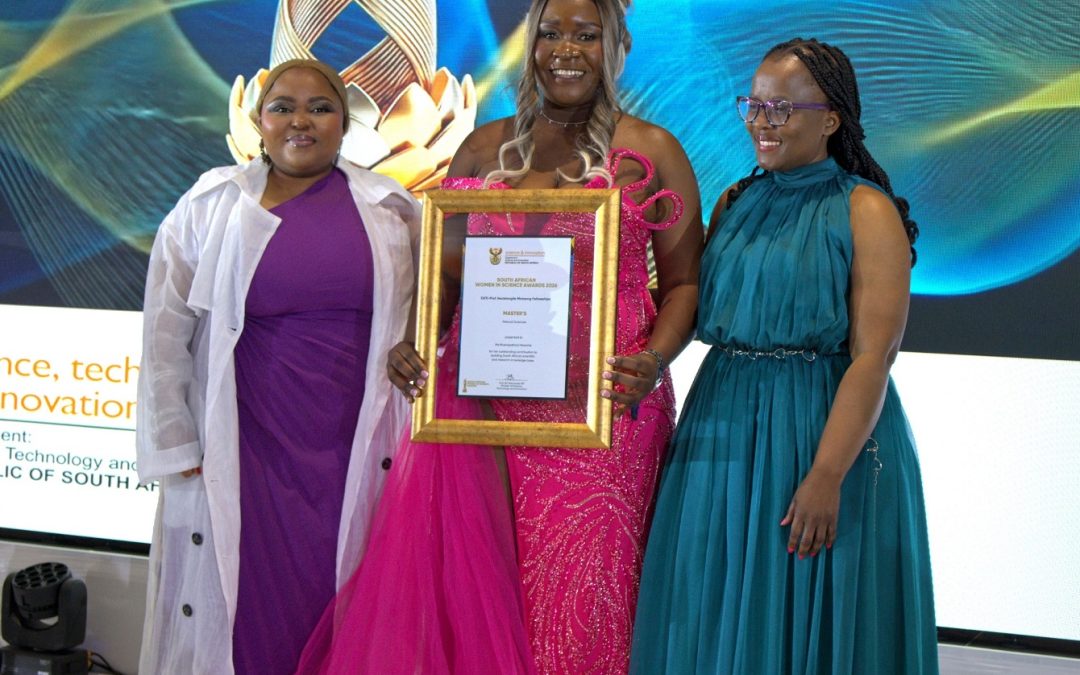
Sefako Makgatho Health Sciences University (SMU) alumna Mushayathoni Bridget Nwovhe has been awarded the DSTI Prof Keolebogile Shirley Motaung Master’s Fellowship, in recognition of her academic excellence, research potential, and contributions to science, innovation, and public engagement.
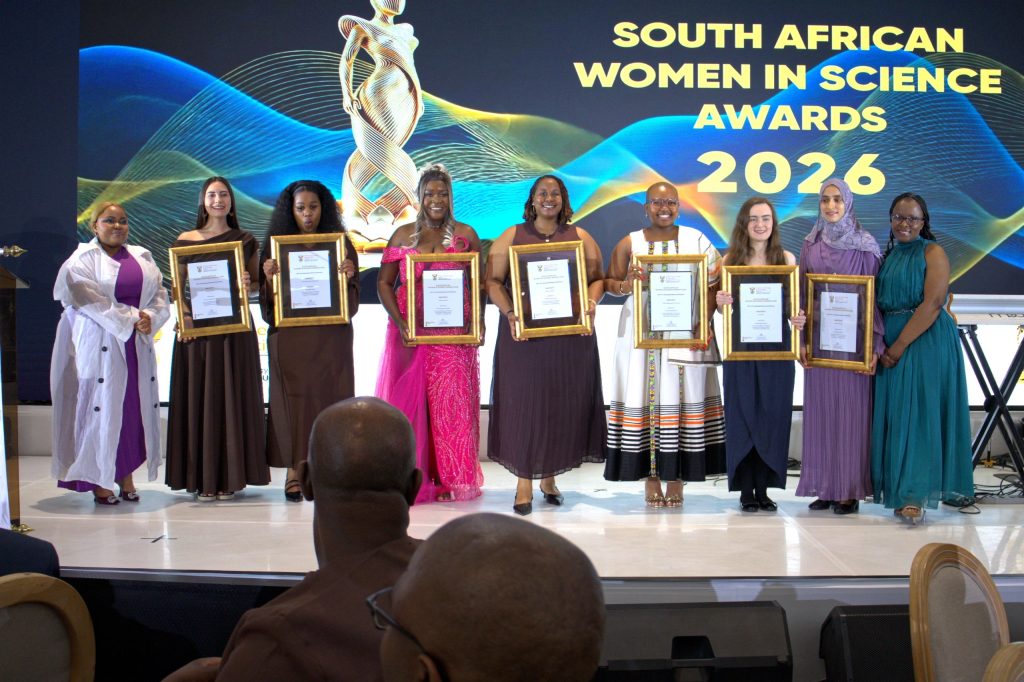
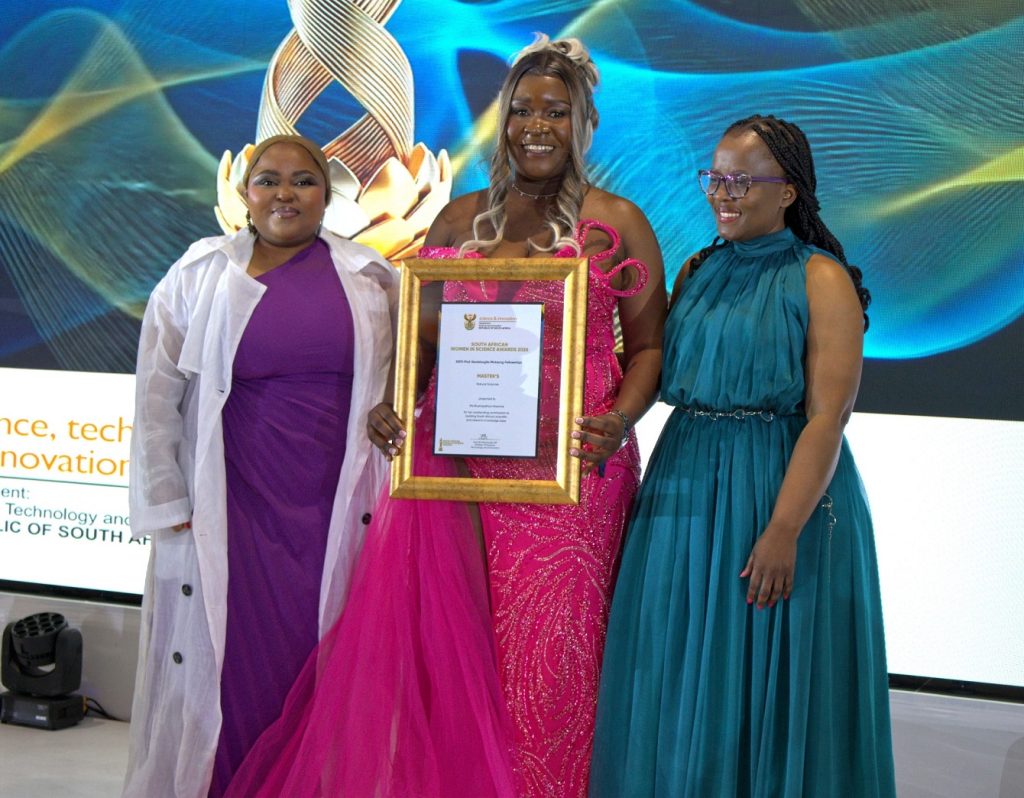 Nwovhe is among the recipients of the fellowship presented through the South African Women in Science Awards (SAWiSA), an annual Women’s Month initiative that celebrates outstanding South African women in science, technology and innovation while encouraging the next generation of women and girls to pursue careers in these fields.
Named in honour of the late Professor Keolebogile Shirley Motaung, one of South Africa’s distinguished Black women scientists and academics, the fellowship supports young women pursuing master’s and doctoral degrees. It recognises strong academic performance and research potential.
For Nwovhe, the fellowship represents another milestone in an academic journey defined by multidisciplinary scholarship, perseverance and a commitment to making an impact beyond traditional scientific disciplines.
In 2025, she achieved a rare distinction of completing two postgraduate qualifications in the same year, graduating from SMU in Haematological Pathology and from the University of South Africa (UNISA) in Microbiology.
Her research interests span microbiology, virology, haematological pathology, infectious diseases, maternal and neonatal health, antimicrobial resistance and medical research. Her work has subsequently earned recognition through the 2026 SAWiSA programme.
Nwovhe credits her time at SMU with playing a significant role in the development of her research capabilities. “I also thank the SMU Haematological Pathology Department, Professor Vanessa Moodley, and Dr Abegail Dlova. They trained me for research.”
 Her academic trajectory began with strong performance at secondary school, where she completed Grade 12 as one of the top performers in her circuit. That foundation developed into a sustained pursuit of academic excellence and intellectual growth.
Her interests have also extended beyond the health sciences. In 2020, Nwovhe was selected by Masterstart, a collaborative online platform for executives and business professionals, as one of the young people whose leadership values reflected the legacy of former President Nelson Mandela. Through a programme funded by the Clicks Group, she completed a postgraduate course in Artificial Intelligence at the Gordon Institute of Business Science (GIBS), adding technology and innovation to her multidisciplinary portfolio.
Her commitment to international engagement has similarly broadened her perspective. In 2025, she attended a United Nations conference in Thailand, where she was appointed Global Ambassador of Peace. She also participated as a delegate at the Future Action Summit in Malaysia, engaging with issues linked to the United Nations Sustainable Development Goals.
Nwovhe’s achievements extend into the literary sphere. She is an author and poet who has written five books and co-authored Tapping into Poetry. Her work has appeared in the Sol Plaatje European Union Poetry Anthologies and on various literary platforms, exploring themes including identity, memory, healing, imagination, culture and the human experience.
The fellowship adds to an already distinguished record of recognition. In 2025, Nwovhe was named Sunday World Heroic Woman of the Year in Science, Technology and Innovation, following her receipt of the Sunday World Unsung Hero Award in 2023. Her earlier achievements include the South African Shining Star Award and participation in the Black Women in Sciences Fellowship Programme.
Her progression from an SMU postgraduate student to a multidisciplinary scientist, researcher, author and award recipient reflects the possibilities that emerge when academic excellence is combined with curiosity, innovation and a commitment to broader societal impact.
For SMU, Nwovhe’s achievement also reflects the University’s role in developing health professionals and researchers equipped to contribute meaningfully to science, innovation, and society.
The DSTI Prof Keolebogile Shirley Motaung Master’s Fellowship, therefore, represents more than just another accolade in Nwovhe’s growing portfolio. It marks the continued advancement of a researcher whose work crosses disciplinary boundaries and demonstrates that excellence in science can extend into leadership, literature, public engagement and community impact.
By Tumelo Moila

by Lorato | Aug 26, 2026 | Accolades and Achievements, All News, Alumni, SMU Media, Student Media
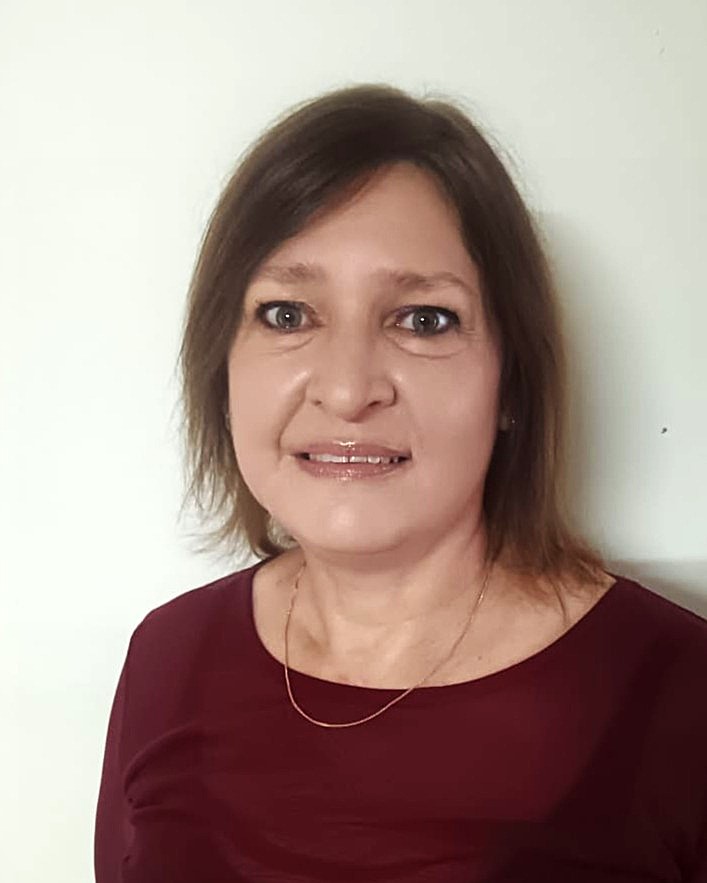
Professor Elmien Bronkhorst, Associate Professor and Head of the Department of Clinical Pharmacy at Sefako Makgatho Health Sciences University (SMU), has been awarded a C2 researcher rating by the National Research Foundation (NRF), recognising her established record of research productivity and contribution to clinical pharmacy.
 The NRF C2 category is reserved for established researchers who have demonstrated sustained recent productivity and are recognised by their peers for the quality and coherence of their research. The assessment also considers a researcher’s ability to conceptualise research problems and apply appropriate methodologies to investigate them.
According to the NRF criteria, C2 applicants are those for whom all reviewers are firmly convinced that they are established researchers. The category also recognises researchers who may have international recognition for the quality and impact of their recent research outputs.
Bronkhorst said the rating was significant in recognising her research journey and the contribution of her work to clinical pharmacy in South Africa. “Receiving the NRF C2 rating is both an honour and a humbling recognition of my research contributions. It affirms the value of sustained scholarship, collaboration, and a commitment to generating evidence that addresses meaningful healthcare challenges. For me, this recognition is not only a reflection of past achievements but also a motivation to continue mentoring emerging researchers and contributing research that can improve patient care and health outcomes,” said Bronkhorst.
Prof Bronkhorst has been based at SMU’s School of Pharmacy since March 2014. Her academic responsibilities include teaching in the Bachelor of Pharmacy (BPharm) and postgraduate Clinical Pharmacy programmes, supervising doctoral, master’s and undergraduate research projects, supporting research funding applications and contributing to statistical analysis.
She holds a PhD in Pharmacy from SMU, awarded between 2016 and 2019. Her doctoral research examined the practice of clinical pharmacy in private and public hospitals in South Africa, including the working environment and education of clinical pharmacists, the functions of specialist pharmacists, and guidelines for implementing clinical pharmacy services.
Her research output has continued to expand, with publications in 2026 addressing areas including dry eye disease management, respiratory tract infections, ischaemic heart disease, drug-related problems in South African hospitals and antibiotic prescribing in primary healthcare.
Her recent research has also examined antimicrobial stewardship, HIV treatment, medication errors, smoking and vaping cessation, insomnia, and the role and implementation of clinical pharmacy services in South Africa.
Prof Bronkhorst said her research is closely linked to improving pharmaceutical care and strengthening clinical pharmacists’ contribution to patient care. “My research focuses on advancing clinical pharmacy practice to improve patient outcomes through the safe, effective, and responsible use of medicines. A particular area of interest is antimicrobial stewardship, including HIV-positive patients, which plays a critical role in preserving the effectiveness of life-saving antibiotics, combating antimicrobial resistance, and ensuring that patients receive the right treatment at the right time. Ultimately, my goal is to generate evidence that supports better clinical decision-making and contributes to safer, higher-quality healthcare,” she explains.
She has also contributed to the development of future pharmacists through postgraduate research supervision. In 2026, students under her supervision have undertaken research into antibiotic dose adjustments, antiretroviral stewardship, medication errors and drug interactions, and the use of second-generation antibiotics in private clinical practice.
Her professional achievements include selection for the Future Professor’s Programme Cohort 2 for 2024–2025 and receiving the SMU Vice-Chancellor Teaching and Learning Award in 2021.
Prof Bronkhorst said the recognition also reflected the importance of collaboration, mentorship, and the development of the next generation of researchers. “One of the most rewarding aspects of academia is contributing to the development of future researchers and enhancing the future of the profession of Clinical Pharmacy. Through student supervision and collaborative research, I aim not only to generate new knowledge but also to cultivate curiosity, a commitment to lifelong learning, and a commitment to evidence-based practice. Investing in young researchers is an investment in the future of healthcare and scientific advancement, and it is highly satisfying to see students excel.”
The C2 rating adds a significant research accolade to Prof Bronkhorst’s career spanning clinical practice, teaching, postgraduate supervision, academic leadership and research focused on strengthening pharmaceutical care and patient outcomes in South Africa.
By Tumelo Moila.