
by Lorato | Aug 6, 2026 | Accolades and Achievements, All News, Alumni, SMU Media, Student Media
Sefako Makgatho Health Sciences University (SMU) has promoted Professor Moreoagae Bertha Randa from Senior Lecturer to Associate Professor in the Department of Public Health, recognising her distinguished contributions to teaching, research, postgraduate supervision, academic leadership and community engagement.
 The promotion acknowledges Professor Randa’s sustained excellence across the University’s core academic mission. It acknowledges a career dedicated to advancing public health scholarship, strengthening health systems, and developing future health professionals. Since joining SMU in 2013, she has steadily progressed through the academic ranks while making significant contributions to public health education, research capacity development, and evidence-informed health policy in South Africa. She currently serves as Head of the Health Systems Management and Policy Unit in the Department of Public Health, where she provides strategic academic leadership, coordinates postgraduate teaching and supervision, and supports the development of research programmes aligned with national health priorities.
In addition to her departmental leadership, Professor Randa actively contributes to strengthening the University’s research enterprise. She serves as Chairperson of the School of Health Care Sciences Research Committee, contributes to Senate-level research and postgraduate structures, and has previously served on the SMU Research Ethics Committee. Through these leadership roles, she has helped strengthen research governance, postgraduate quality assurance and the University’s research culture.
Professor Randa’s appointment reflects her successful fulfilment of the University’s rigorous promotion criteria for Associate Professor, including holding a doctoral qualification, demonstrating substantial academic leadership, successful supervision of master’s and doctoral students, leading nationally impactful research, securing external research funding, publishing extensively in accredited scientific journals and making significant contributions to professional service and community engagement.
“I am deeply honoured by this promotion, which reflects not only my personal journey but also the invaluable support of colleagues, students, mentors and collaborators who have contributed to my academic growth,” said Professor Randa. “My commitment remains focused on advancing research that addresses South Africa’s pressing public health challenges, strengthening postgraduate education and research capacity, and working collaboratively to generate evidence that informs policy, strengthens health systems and ultimately improves the health and wellbeing of communities, while mentoring the next generation of researchers, educators and health leaders.”
With more than 38 years of experience spanning clinical practice, nursing education, higher education and public health research, Professor Randa has built an impressive academic portfolio centred on gender-based violence, sexual and reproductive health, mental health, health systems strengthening, health policy and healthcare quality improvement. Her work integrates implementation science, health systems research and multidisciplinary collaboration to develop innovative, contextually relevant solutions to complex public health challenges. Her research has informed policy dialogue, supported evidence-informed decision-making, and contributed to the development of interventions to strengthen health systems and improve health outcomes among vulnerable and underserved populations.
Her scholarly work has attracted significant national and international research funding through competitive grants from organisations including the British Academy, the South African Medical Research Council (SAMRC), the Centre for International Reproductive Health Training (CIRHT), the University of Michigan’s Centre for Global Health Equity (CGHE) and the Global Challenges Research Fund (GCRF). These awards have supported innovative research, strengthened multidisciplinary collaborations, and expanded partnerships with leading institutions in South Africa and abroad.
 Professor Randa has successfully led and co-led several nationally and internationally funded multidisciplinary research projects addressing priority public health challenges, including health systems strengthening, gender-based violence, sexual and reproductive health, mental health, and healthcare quality improvement. Her scholarship is recognised for integrating implementation science, health systems research and interdisciplinary collaboration to generate evidence that informs policy, strengthens health systems and improves health outcomes.
Through extensive collaborations with universities and research institutions in the United Kingdom and across Africa, Professor Randa has strengthened research capacity and advanced contextually relevant solutions to complex public health challenges. These partnerships continue to enhance knowledge generation, innovation and evidence-informed practice in South Africa and beyond.
Her expertise is further recognised nationally through her appointment as a Higher Education representative on the Gauteng College of Nursing Council. In this role, she contributes to nursing education governance, professional development and the advancement of higher education within the nursing profession in South Africa. Beyond research, Professor Randa has made an enduring contribution to postgraduate education. Over the course of her academic career, she has supervised and mentored numerous master’s and doctoral candidates, many of whom now contribute to academia, research and the healthcare sector. This reflects her enduring commitment to developing the next generation of African health researchers and academic leaders. In addition to her own scholarly contributions, Professor Randa is widely recognised for her commitment to research capacity development. Through postgraduate supervision, mentoring early-career academics, facilitating research development initiatives and supporting emerging scholars, she has played a significant role in nurturing the next generation of researchers and academic leaders in public health and the health sciences. She continues to mentor emerging researchers and early-career academics, serves as a reviewer for journals, an external examiner for postgraduate theses across several South African universities and contributes to institutional and national academic committees that promote excellence in research governance, quality assurance, ethics, innovation and postgraduate education.
Professor Randa’s academic influence extends beyond the classroom. She has established herself as a respected scholar through an extensive record of publications in peer-reviewed journals, scholarly book chapters and presentations at national and international conferences. Her collaborative research, particularly in the field of gender-based violence, has contributed to the development of innovative educational resources and strengthened international partnerships aimed at improving healthcare responses and support for survivors of violence.
The promotion reinforces SMU’s commitment to recognising academic leaders whose scholarship advances research excellence, innovation, postgraduate education and societal impact. As a dedicated health sciences university, SMU continues to invest in scholars whose work advances scientific knowledge, strengthens health systems, informs public policy, develops future healthcare leaders, and contributes meaningfully to improving the health and wellbeing of communities in South Africa, across the African continent and beyond.
By Tumelo Moila

by Lorato | Aug 6, 2026 | Accolades and Achievements, All News, Alumni, SMU Media, Student Media
Sefako Makgatho Health Sciences University (SMU) proudly congratulates Professor Matlou Phineas Mokgotho on his promotion to the rank of Associate Professor in the Department of Physiology. The promotion recognises his sustained excellence in teaching, research, postgraduate supervision, academic leadership and his significant contribution to advancing biomedical sciences.
 Professor Mokgotho brings more than two decades of academic and research experience to his role at SMU. His distinguished career has included appointments at the University of the North (UNIN), the University of Limpopo (UL) and Tshwane University of Technology (TUT), where he made significant contributions to teaching, research and academic leadership. Having previously attained the rank of Full Professor and served as Head of the Department of Biochemistry, Microbiology and Biotechnology at UL, his promotion at SMU reflects his continued commitment to academic excellence and his growing impact on higher education in South Africa.
His research focuses on translational biomedical sciences, with particular emphasis on discovering therapeutic agents from African medicinal plants for the prevention and treatment of chronic diseases. By combining natural product research with molecular biology, metabolomics, mammalian cell culture, and computational drug discovery, his work seeks to identify bioactive compounds that could help combat diabetes, obesity, cardiovascular disease, cancer, and other non-communicable diseases.
Commenting on his promotion, Professor Mokgotho said: “I am deeply honoured by this recognition from SMU. This promotion reflects not only my personal journey but also the collective efforts of my colleagues, collaborators and postgraduate students who have contributed to our shared research success. I remain committed to advancing biomedical research that addresses Africa’s health challenges while mentoring the next generation of scientists.”
Throughout his academic career, Professor Mokgotho has supervised and co-supervised numerous master’s and doctoral candidates, secured competitive research funding and established national and international research collaborations. His scholarly contributions include a substantial body of peer-reviewed publications and active participation in scientific conferences, reflecting his commitment to expanding scientific knowledge and strengthening research capacity within South Africa.
His promotion also acknowledges his dedication to developing future researchers through postgraduate mentorship and his leadership in fostering an innovative research environment. By integrating cutting-edge scientific techniques with indigenous knowledge systems, his work continues to contribute towards addressing some of the country’s most pressing health challenges while supporting the development of evidence-based healthcare solutions.
As SMU continues to advance its strategic vision of transforming health services through excellence and innovation, the promotion of Professor Mokgotho highlights the University’s investment in academic leadership, impactful research and postgraduate development. His achievements further reinforce SMU’s growing reputation as a leading health sciences university committed to producing research that improves lives and addresses the healthcare needs of South Africa and beyond.
By Tumelo Moila
by Lorato | Jul 29, 2026 | Accolades and Achievements, All News, Alumni, SMU Media, Student Media
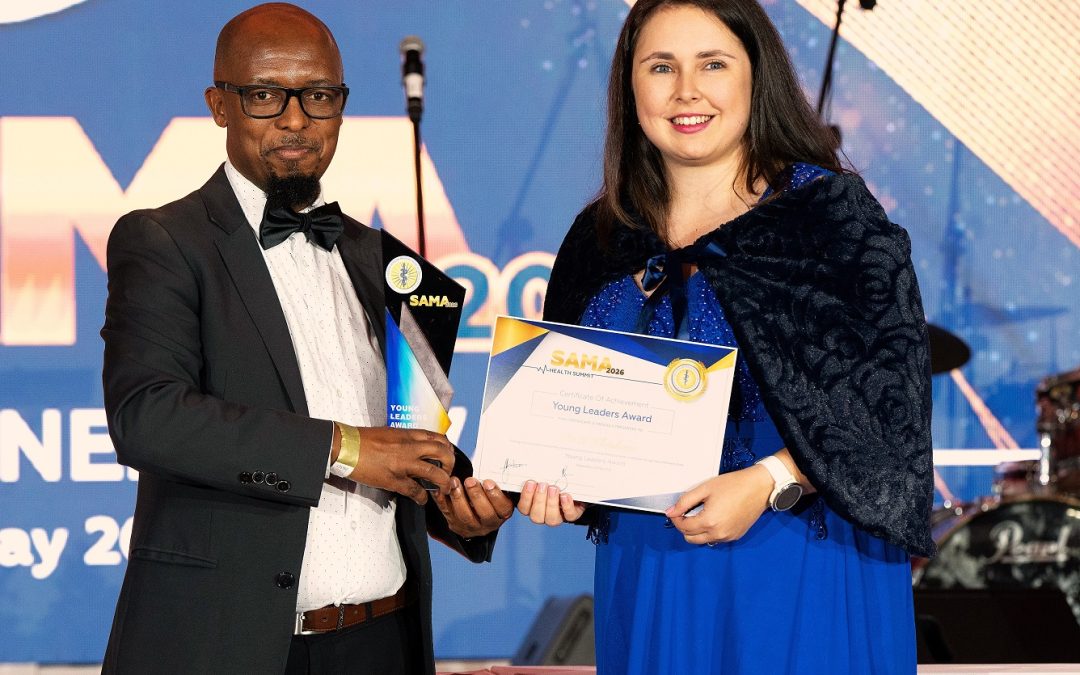
Sefako Makgatho Health Sciences University (SMU) is proud to celebrate the achievements of Dr Inge Kleinhans, Public Health Medicine Specialist, Lecturer and Unit Manager of the Bophelo Unit for Equity, Intelligence and Learning, who has been honoured with the South African Medical Association (SAMA) Young Leader Merit Award. The prestigious award recognises medical practitioners under 35 who have demonstrated exceptional leadership, innovation, community service, healthcare advocacy, and a commitment to strengthening South Africa’s health system.
 The SAMA Merit Awards acknowledge medical professionals whose contributions have had a meaningful impact on the profession and healthcare more broadly. The Young Leader Merit Award, in particular, celebrates emerging leaders whose work is shaping the future of healthcare through excellence, innovation and service. Dr Kleinhans’ recognition reflects her sustained commitment to public health medicine, research, health systems strengthening and global health equity.
Reflecting on the recognition, Dr Kleinhans described the award as both humbling and significant. “Being recognised for my leadership in public health medicine, research and health systems strengthening, and for my contributions to academia and policy in global health equity, was both humbling and deeply meaningful. Having served in various leadership spaces for over a decade, both in South Africa and internationally, I view this recognition as an affirmation of the importance of sustained commitment to health systems strengthening, public health leadership and mentorship,” she said.
Dr Kleinhans’ journey into medicine was shaped by witnessing both the challenges and strengths of South Africa’s healthcare system while growing up in the Eastern Cape and later Mpumalanga. Those early experiences inspired her commitment to building equitable, responsive and people-centred health systems. Today, her work at SMU and through national and continental health platforms focuses on leadership development, mentorship, research, advocacy, policy engagement and strengthening health and surgical systems.
 As Unit Manager of the Bophelo Unit for Equity, Intelligence and Learning, Dr Kleinhans leads multidisciplinary initiatives that advance research, collaboration and capacity development. She is passionate about ensuring that health information systems, governance and data-driven decision-making translate into meaningful improvements in healthcare delivery while preparing the next generation of public health leaders.
Mentorship remains central to her professional purpose. “I believe that mentorship, safe spaces for reflection and deliberate career development are essential to preparing young professionals for healthcare leadership,” she said.
Acknowledging those who have supported her journey, Dr Kleinhans emphasised that the achievement extends beyond individual recognition. “This award reflects not only my individual journey, but also the support of my family, friends, mentors, colleagues and loved ones who have encouraged and sustained me along the way,” she said.
Dr Kleinhans’ achievement reflects SMU’s commitment to developing leaders who advance healthcare through excellence in teaching, research and service. Her recognition by SAMA reinforces the University’s growing contribution to health systems strengthening, public health leadership and innovative research that improves health outcomes in South Africa and beyond, while inspiring future generations of healthcare professionals.
By Tumelo Moila.
by Lorato | Jul 29, 2026 | Accolades and Achievements, All News, Alumni, SMU Media, Student Media
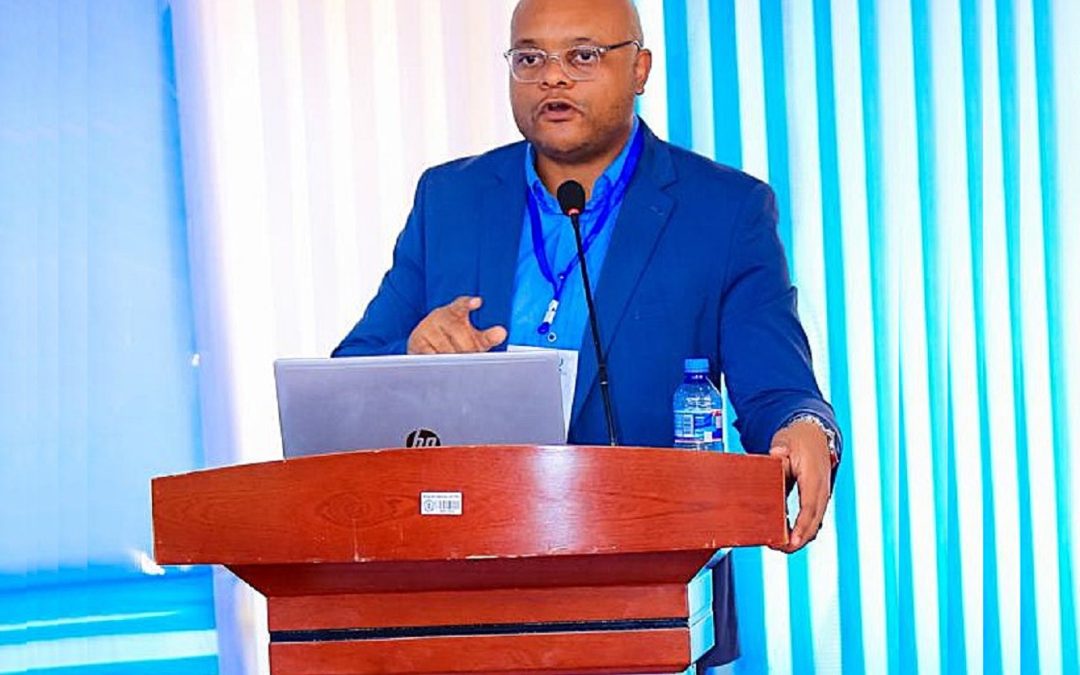
Sefako Makgatho Health Sciences University (SMU) has promoted Professor Bronwin Van Wyk from senior lecturer to Associate Professor (Clinical/Diagnostic) in Medical Physics, recognising his outstanding and sustained contributions to teaching, research, clinical service and international leadership in the specialised field of medical physics.
 The promotion acknowledges Professor Van Wyk’s exceptional academic and professional achievements, which continue to strengthen SMU’s reputation as a leading health sciences university committed to excellence in education, research and healthcare innovation. His accomplishments align with the university’s vision of transforming health services through excellence and innovation while enhancing its profile within the higher education sector.
Professor Van Wyk holds a Doctor of Philosophy in Medical Physics and serves as Deputy Director of Medical Physics at Dr George Mukhari Academic Hospital and SMU. A registered independent medical physicist with the Health Professions Council of South Africa, he brings more than 20 years of clinical, academic and research experience to the profession.
The promotion follows an extensive record of achievement across all areas expected of an associate professor. Professor Van Wyk has led numerous undergraduate and postgraduate modules, supervised and co-supervised multiple master’s and doctoral students, published extensively in accredited scientific journals and demonstrated sustained leadership in both academia and clinical practice.
His research has made significant contributions to nuclear medicine, radiation dosimetry, diagnostic imaging and radiation protection. Among his innovations is the development of computer software for dose quantification in nuclear medicine, designed to support healthcare institutions in low-income countries. He is also supervising pioneering research into novel radiation-protection shielding designs that could improve patient and staff safety.
Beyond the university, Professor Van Wyk has established an impressive international profile. He serves as a Project Scientific Consultant for the International Atomic Energy Agency (IAEA), contributing to medical physics projects across Africa. His work has included supporting Tanzania’s Ministry of Health in developing a national action plan for diagnostic radiology and co-authoring influential IAEA publications on academic and clinical training programmes in medical physics.
 His leadership extends to the Federation of African Medical Physics Organisations (FAMPO), where he chairs the Education and Training Committee and serves on the Professional Relations Committee of the International Organisation for Medical Physics. He has delivered lectures and presentations at numerous international workshops, conferences, and recently taught on the Global Medical Physics Continuing Education Course organised by the American Association of Medical Physics and FAMPO.
Reflecting on his promotion, Professor Van Wyk said, “I am deeply honoured and humbled by this recognition. It reflects not only my own journey but also the support of my wife, family, colleagues, mentors and students who have contributed to my development. I remain committed to advancing medical physics through teaching, research, clinical excellence and international collaboration, while ensuring that our work ultimately improves patient care.”
Professor Van Wyk’s commitment to developing the next generation of medical physicists is equally noteworthy. Throughout his career, he has trained seventeen clinical medical physicists and continues to advocate for expanding opportunities within the profession. Working with colleagues in the Gauteng Department of Health, he helped spearhead the creation of twelve medical physics posts in the province, strengthening the public healthcare system’s capacity.
His commitment to community engagement is demonstrated through an annual cancer awareness programme in Noordgesig, Johannesburg, where he has organised educational workshops and outreach initiatives to raise awareness and promote early detection.
Professor Van Wyk has also received numerous professional accolades, including the South African Association of Medical Physics Incentive Award, membership of the Golden Key International Honour Society and recognition as Best Junior Lecturer at SMU.
His promotion reflects SMU’s commitment to recognising academic excellence that delivers meaningful impact in teaching, research, healthcare and community engagement. By supporting academics whose work advances knowledge while improving health outcomes locally and internationally, the university continues to strengthen its position as a leading institution dedicated to transforming healthcare through education, innovation and research.
By Tumelo Moila

by Lorato | Jul 28, 2026 | Accolades and Achievements, All News, Alumni, SMU Media, Student Media
Sefako Makgatho Health Sciences University (SMU) has promoted Professor Dineo Tsabedze from Senior Lecturer to Associate Professor (Clinical/Diagnostic) in the Department of Nuclear Medicine, recognising her outstanding contributions to teaching, research, clinical leadership and postgraduate supervision.
 The promotion reflects SMU’s commitment to recognising academic excellence that advances healthcare, research and innovation. As Academic and Clinical Head of the Department of Nuclear Medicine at SMU and Dr George Mukhari Academic Hospital since July 2024, Professor Tsabedze has established herself as a leader in Nuclear Medicine, cardiovascular research and academic development.
“I am deeply honoured by this promotion,” said Professor Tsabedze. “For me, teaching has always been about empowering others to become confident, ethical healthcare professionals who can make meaningful contributions to society. This recognition strengthens my commitment to advancing Nuclear Medicine, mentoring the next generation of specialists and conducting research that improves patient care across South Africa and the African continent.”
Professor Tsabedze’s academic journey reflects a sustained commitment to excellence. She obtained her Doctor of Philosophy (PhD) from the University of the Witwatersrand in 2023 after completing her Master of Medicine in Nuclear Medicine with distinction and earning a Fellowship of the College of Nuclear Physicians of South Africa. Her medical career began after graduating with an MBChB from the University of Cape Town in 2008.
Her promotion follows a distinguished academic and clinical career spanning more than a decade. Alongside her responsibilities as Academic and Clinical Head of Department, she leads teaching and learning, supervises master’s and doctoral candidates, and provides specialist nuclear medicine services, while contributing to strategic leadership at school and university levels.
Professor Tsabedze has built an internationally recognised research profile focused on cardiovascular medicine, nuclear cardiology and the application of artificial intelligence and machine learning to improve clinical decision-making. With an h-index of nine and approximately 390 citations, she has authored more than 30 peer-reviewed publications in leading international journals, covering cardiac imaging, heart failure, oncology, and precision medicine.
“My research is driven by a simple objective: to generate evidence that improves patient outcomes while ensuring African perspectives contribute meaningfully to global scientific knowledge,” she said. “I believe research and teaching are inseparable because every discovery strengthens how we educate future clinicians.”
Her scholarly achievements extend beyond publications. She has secured competitive research funding, including the prestigious Professor Bongani Mayosi Netcare Clinician Scientist Award, the Discovery Academic Fellowship Award, and the Wits University Chancellor’s Female Academic Leaders Fellowship Grant. She also collaborates with researchers across Africa, Europe and the United States on projects exploring digital health, cardiovascular disease and healthcare analytics.
Professor Tsabedze has supervised and co-supervised numerous master’s students to successful completion while mentoring emerging researchers across several health disciplines. Her educational philosophy emphasises student-centred learning, clinical relevance, ethical practice, and mentorship that develop independent scholars capable of improving healthcare delivery.
In addition to her academic responsibilities, she serves on the SMU Senate, the School of Medicine Board and several professional bodies. She was also a top 10 finalist in Mrs South Africa, using this prestigious platform to amplify her advocacy for health and wellness. Her leadership also extends to community engagement through health awareness campaigns, public education initiatives and advocacy promoting cardiovascular health and cancer awareness.
“This promotion recognises not only academic achievement but also a commitment to excellence in clinical service, innovation and leadership,” Professor Tsabedze said. “I look forward to working with colleagues and students to strengthen Nuclear Medicine education and research while expanding SMU’s contribution to healthcare innovation.”
The promotion reinforces SMU’s vision of transforming health services through excellence and innovation by recognising academics whose teaching, research and clinical leadership develop skilled healthcare professionals and advance knowledge that benefits communities locally, nationally and internationally.
By Tumelo Moila
by Lorato | Jul 9, 2026 | Accolades and Achievements, All News, Alumni, SMU Media, Student Media
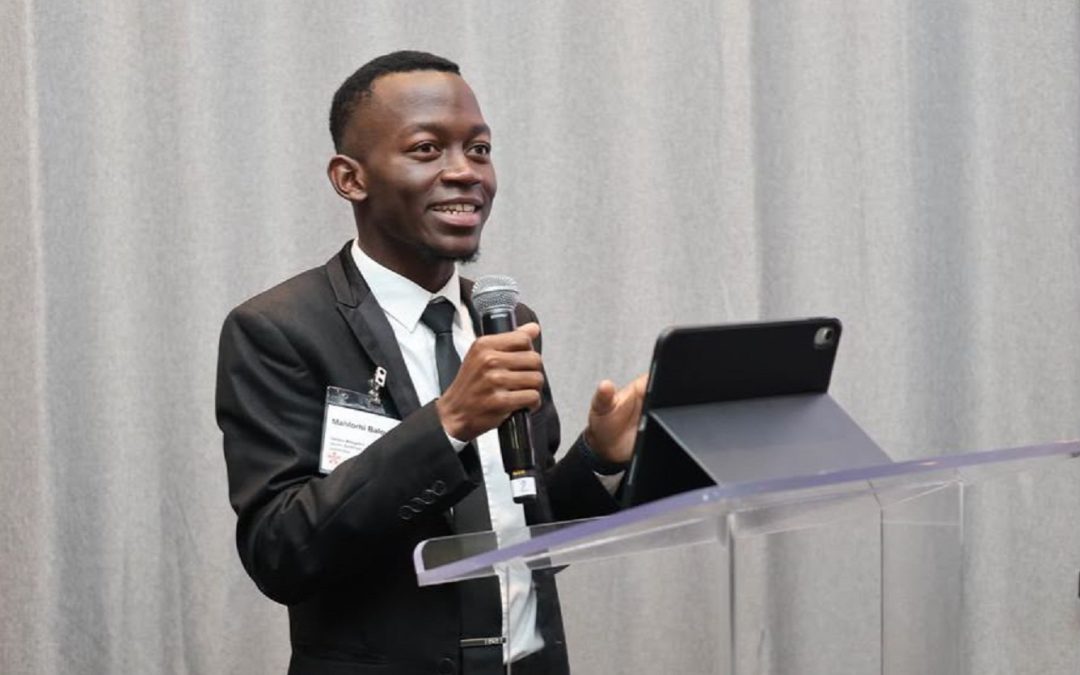
Sefako Makgatho Health Sciences University (SMU) Master of Pharmacy student Mahlorhi Baloyi has earned national recognition after representing the University with distinction at the prestigious Siyaphumelela 2026 Conference, recently held at the Birchwood Hotel and OR Tambo Conference Centre in Boksburg.
 Hosted under the theme, “Reimagining Student Success and Expanding Opportunity for All,” the conference brought together more than 500 delegates, including university executives, academics, researchers, policymakers, student success practitioners and development partners to share evidence-based strategies that strengthen student success and institutional transformation across South Africa’s higher education sector.
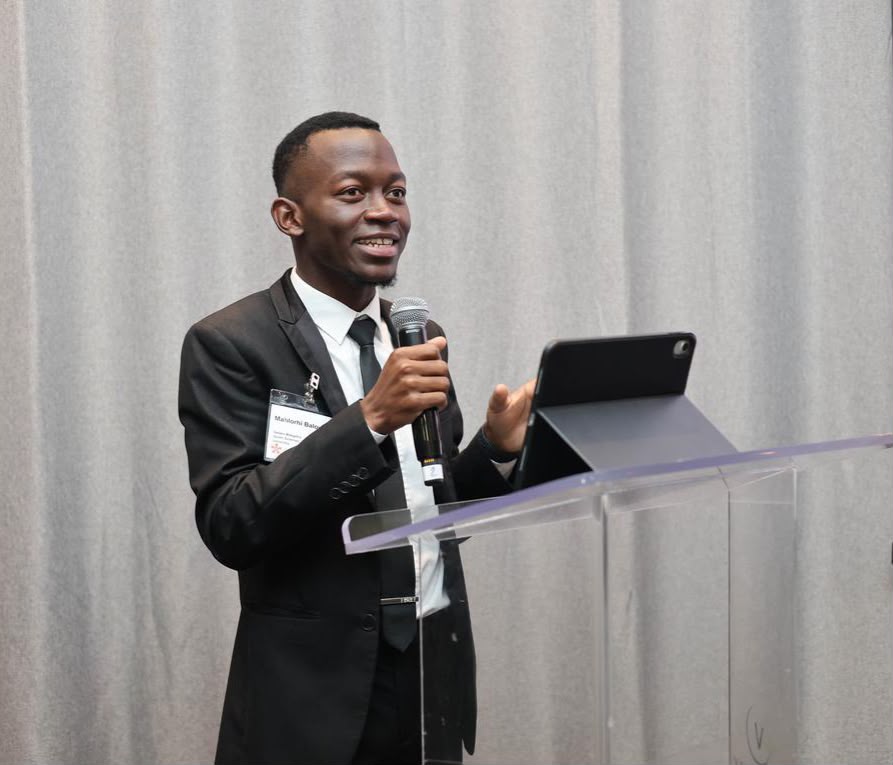
Baloyi was selected to deliver a 30-minute Evidence-Based Sharing presentation titled “Problem-Based Learning in Health Sciences for Student Success and Equity.” His presentation was accepted through a rigorous peer-review process in which more than 200 proposals were submitted nationally, with only about 100 selected for the conference programme.
His presentation demonstrated how Problem-Based Learning can strengthen critical thinking, collaborative learning, student engagement and academic success in health sciences education. It further highlighted how innovative teaching approaches can create more equitable learning environments while preparing future healthcare professionals to address increasingly complex health challenges.
In recognition of his contribution, Baloyi received a Speaker Recognition Badge for contributing to the national dialogue on student success.
His impact extended beyond the presentation room. Throughout the conference, he actively participated in plenary discussions, workshops, networking sessions and collaborative learning activities. His exceptional engagement earned him the Number One position on the Siyaphumelela Leadership Board, recognising his active participation and leadership throughout the conference.
The conference also provided opportunities to engage with distinguished scholars, university leaders, policymakers and student success practitioners from institutions across the country. These interactions fostered valuable professional networks and laid the foundation for future collaborations aimed at strengthening teaching, learning and student success.
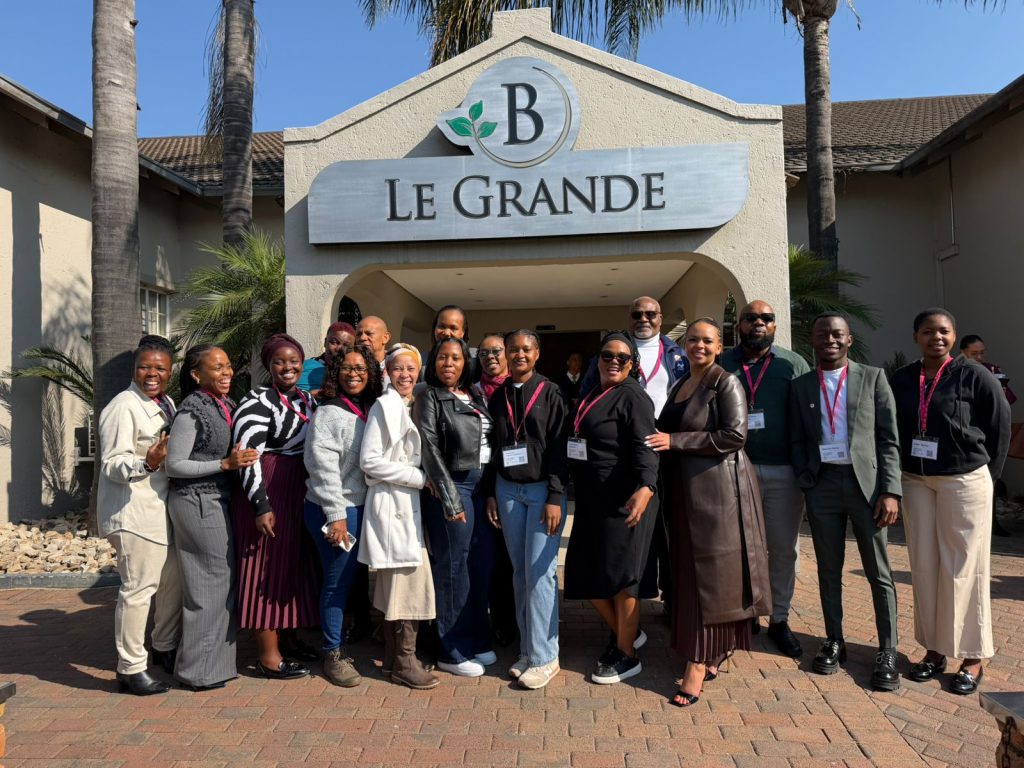 SMU also received institutional recognition during the conference for the successful administration of the Institutional Capacity Assessment Tool (ICAT), reflecting the University’s commitment to strengthening institutional capacity and embedding evidence-based initiatives that enhance student success.
Reflecting on the experience, Baloyi said, “The Siyaphumelela Conference was an inspiring platform that brought together individuals who are passionate about transforming higher education. Presenting my research while learning from leading experts across the country reinforced my belief that student success is achieved through collaboration, innovation, evidence-based practice and listening to the student voice. The meaningful conversations and professional connections established during the conference have inspired me to continue contributing towards strengthening health sciences education and advancing SDG 4: Quality Education.”
Baloyi expressed appreciation to Dr Joshua Maliavusa and the sponsorship for enabling him to attend and present at the conference. He also thanked everyone who supported and encouraged him throughout the event.
Baloyi’s achievements reflect the calibre of SMU’s postgraduate students and the University’s commitment to academic excellence, research, leadership and innovation. By showcasing his research, contributing to national discussions on student success and building meaningful collaborations, he has further strengthened SMU’s reputation as a leading institution in health sciences education while demonstrating the transformative impact of postgraduate scholarship.
This version follows a professional media style suitable for publication on a university website, in newspapers, and for distribution as a press release. It prioritises the news, reduces repetition, improves flow, and concludes with a strong institutional significance statement.
By Tumelo Moila