by Lorato | Mar 26, 2025 | Accolades and Achievements, All News, SMU Media, Student Media
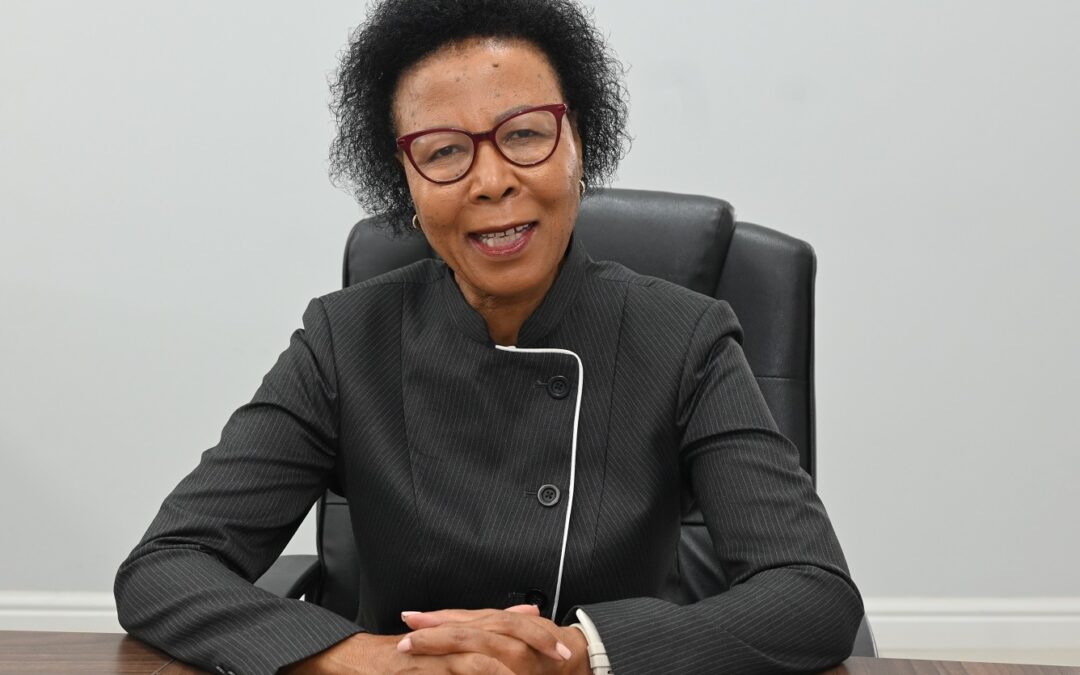
Sefako Makgatho Health Sciences University (SMU) remains a hub for academic and professional excellence, producing leaders who make significant contributions to the healthcare sector. One such leader is Professor Lineo Matsela, an esteemed Obstetrician and Gynaecologist, who has recently been inaugurated as the President of the South African Menopause Society (SAMS). Her election to this prestigious position is a landmark achievement, not only for her but also for the Department of Obstetrics and Gynaecology at SMU.
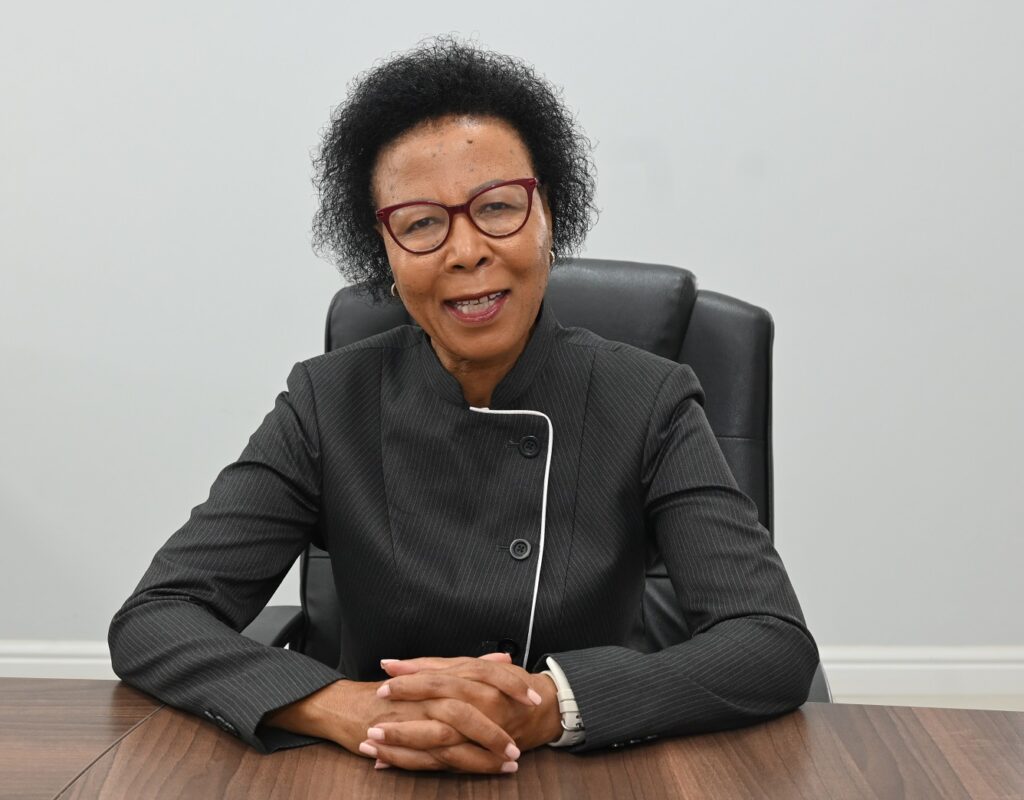 Reflecting on her appointment, Matsela expressed both pride and gratitude. “I feel honoured and humbled at the same time to have been elected to this position,” she says. With a strong interest in endocrinology, she credits her mentor, Professor Thibedi Ephraim Mokgokong, for nurturing her passion for the field. She also acknowledges the wealth of knowledge she has gained from South African women regarding menopause, culture, and tradition. “I bow my head in respect for the black South African women who have enriched me with knowledge about menopause, culture, and tradition,” she states.
Matsela highlights how menopause is viewed differently across cultures. “For the longest time, it was believed that black women don’t suffer from hot flushes and night sweats during both the peri and postmenopausal periods,” she explains. However, her research has shown that while symptoms exist, societal attitudes and traditional roles shape women’s experiences of menopause.
According to Matsela, many South African women regard menopause positively, as it signifies an elevation in societal status. “Postmenopausal women take care of critically ill patients in the village; they prepare meals for boys at initiation schools, and traditional birth attendants are chosen from among them,” she notes. However, she also points out the challenges, particularly surrounding sexuality. “Postmenopausal women are not supposed to engage in sexual activity. The belief is that cessation of menstruation, which has the cleansing power, is gone; hence the woman is predisposed to ill-health,” she explains. This misconception leads to the denial of sexual rights for women, while men may engage in extramarital or polygamous relationships.
As President of SAMS, Matsela has set ambitious goals, including forming a Pan-African Society of Menopause to integrate societies across Sub-Saharan Africa. Education and awareness are key priorities for her tenure. “We plan to have community meetings for laywomen, church leaders, and traditional leaders,” she says. She also emphasises the importance of equipping healthcare providers with adequate knowledge. “Healthcare professionals are taught about menopause as part of their training. Those in practice will attend webinars and community outreach programmes,” she adds.
Matsela identified major gaps in healthcare for menopausal women, particularly in terms of treatment accessibility. “Menopausal hormone therapy, which is the gold standard of treatment, is not readily available. Often, the medication is not available in public hospitals, and women must purchase it from pharmacies. Many cannot afford it,” she laments. She also highlights the emergence of new non-hormonal drugs such as neurokinin antagonists, which provide alternative treatment options for women who do not qualify for menopausal hormone therapy.
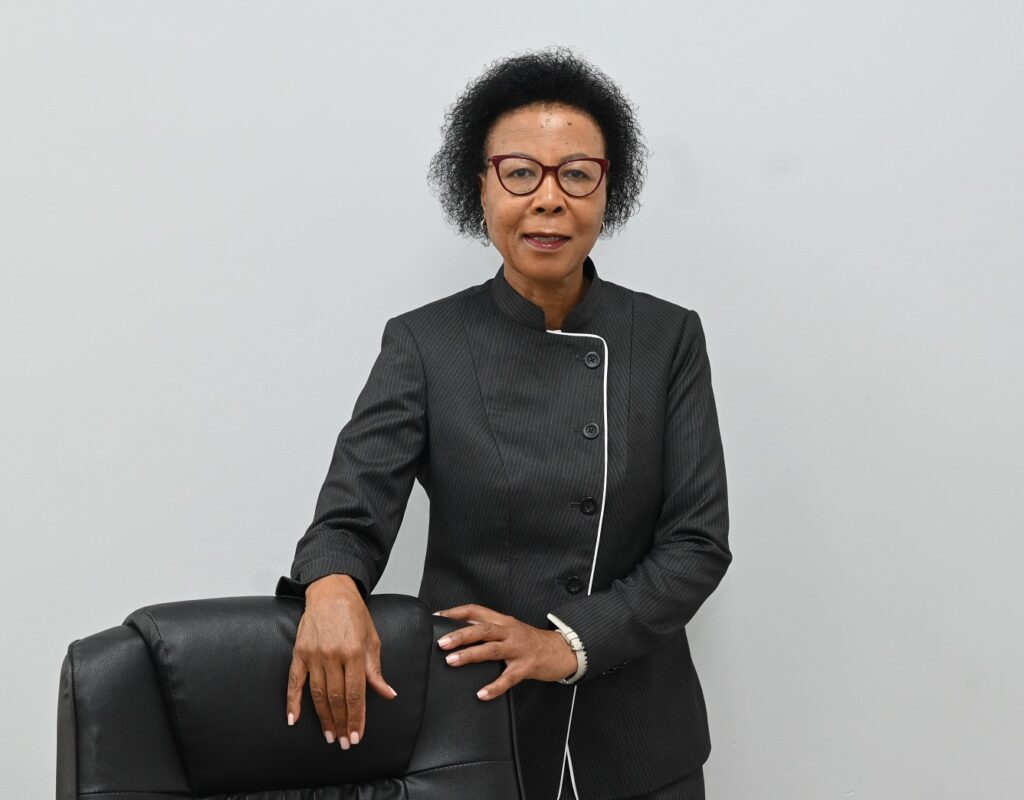 The SAMS Congress, held from 21-22 February 2025, covered a wide range of topics, including perimenopause, cardiovascular health, osteoporosis, HIV complications, and new pharmaceutical advancements. “The target audience included general practitioners, specialists in obstetrics and gynaecology, physiotherapists, and nursing staff. “ All these professionals play a role in caring for menopausal women,” Matsela says.
She stresses the importance of a multidisciplinary approach to menopause. “The postmenopausal period is not just about cessation of menstruation. It affects the brain, cardiovascular system, musculoskeletal system, and genitourinary system. Women need a holistic healthcare approach,” she states. However, one of the main challenges remains the lack of awareness and access to treatment. “Some women come for treatment of their symptoms, only to find that the hospitals have run out of medication,” she notes.
One of Matsela’s key messages is to reassure women that menopause is not the end of life. “Women spend one-third of their lives after menopause. Good health education and screening of health-related issues are essential,” she says. She encourages women to adopt healthy lifestyle habits, including weight management, good nutrition, reducing alcohol consumption, and quitting smoking.
She firmly believes that knowledge is the key to navigating menopause successfully. Menopause is a journey that all women experience. The earlier they learn about it, the better prepared they will be. Studies show that women with adequate knowledge are in a better position to manage menopausal symptoms than those with no knowledge,” she argues. Her leadership at SAMS is set to drive change in menopausal healthcare and awareness, ensuring that South African women receive the support and treatment they need during this critical stage of life.
Matsela’s inauguration as President of the South African Menopause Society not only brings pride to SMU but also reinforces the institution’s reputation as a hub for academic and professional excellence.
By Tumelo Moila
by Lorato | Mar 26, 2025 | Accolades and Achievements, All News, SMU Media, Student Media
In a groundbreaking collaboration, Sefako Makgatho Health Sciences University (SMU) has joined forces with the Aurum Institute, the University of the Witwatersrand (Wits), and international partner Johns Hopkins University to revolutionise health research in South Africa. This innovative partnership brings together leading experts in health sciences research, public health, data science, and implementation science to address the complex health challenges facing the country and the African continent.
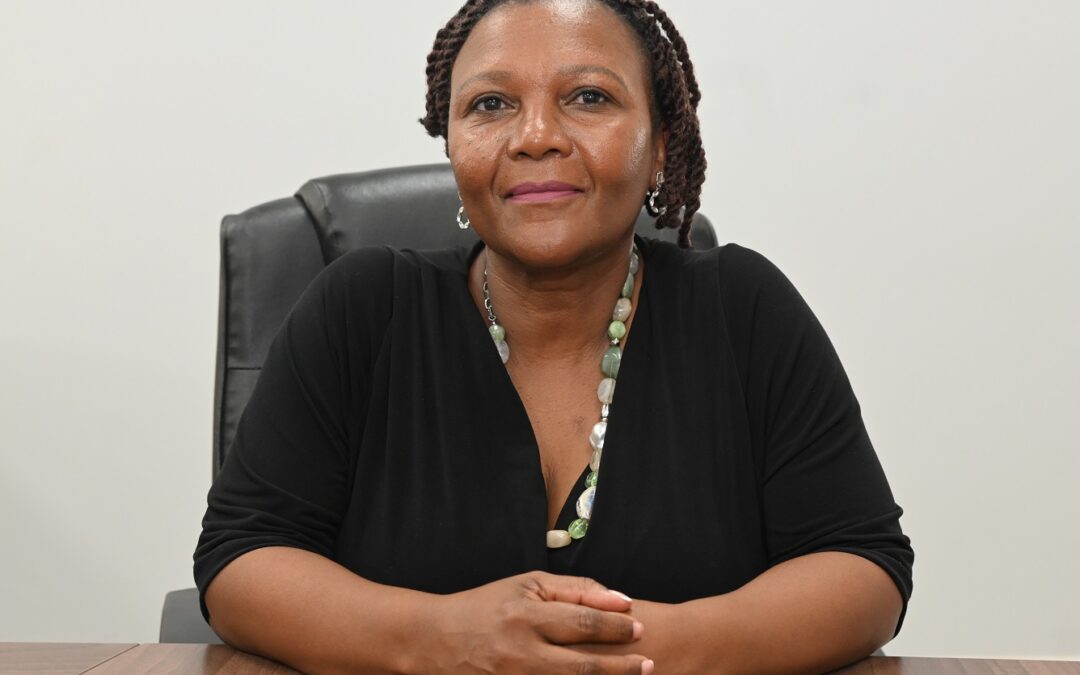
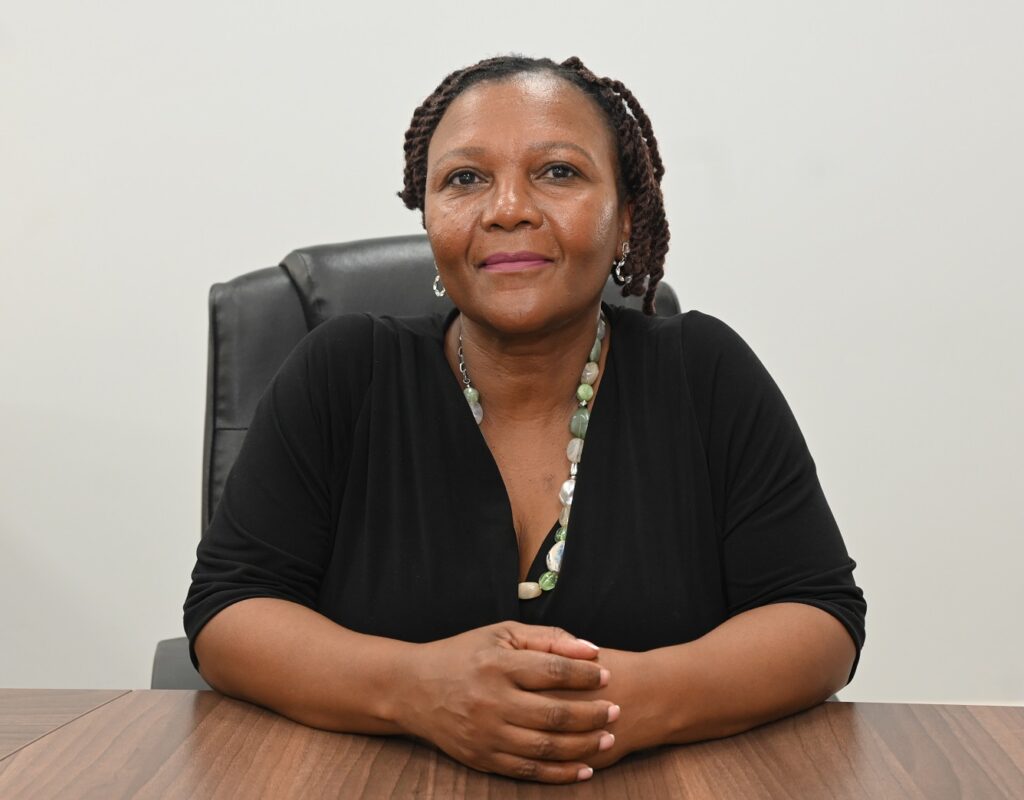 Professor Mathildah Mokgatle, SMU representative, Head of Public Health, Co-director, and Chair of the BAMMISHO Steering Committee, expressed her enthusiasm about the node’s potential impact. Our vision is to develop a world-class Health and Demographic Surveillance System (HDSS) that generates high-quality evidence to inform policy and practice locally, nationally, and globally. This initiative is built on long-standing relationships with the Royal Bafokeng Nation, local government, and industry stakeholders,” she says.
By combining their strengths and expertise, these partners aim to establish a robust health research ecosystem that drives innovation, translation, and impact. The collaboration is dedicated to developing and implementing evidence-based solutions to pressing health issues, ultimately improving health outcomes in South Africa and beyond.
A pioneering initiative under this collaboration, the BAMMISHO (Bafokeng Health & Demographic Surveillance Node) project, has been launched under the leadership of the AWISE (Aurum-Wits-Sefako Makgatho) Consortium. This initiative aims to address the health and socio-economic challenges faced by peri-mining communities in the Royal Bafokeng Nation (RBN) of the Bojanala District, North West Province.
BAMMISHO emerged as a winner in a national competitive grant award led by the South African Population Research Infrastructure Network (SAPRIN). The initiative was spearheaded by SMU Alumnus Professor Geoffrey Setswe, who identified key collaborators from The Aurum Institute, Wits, and SMU. Johns Hopkins University contributes additional global research expertise to the project.
The BAMMISHO Node will focus on understanding the impact of mining and migration on health and socio-economic outcomes in the 29 villages that make up the RBN. The consortium’s research agenda includes critical areas such as HIV prevention, sexual and reproductive health, climate change resilience, and the economic impacts of disease and migration.
Setswe highlighted the project’s alignment with existing SAPRIN nodes, ensuring a seamless integration of research methodologies and data management systems. “Our team has successfully enrolled over 70,000 participants in research projects valued at more than $12 million. With BAMMISHO, we aim to make a significant contribution to South Africa’s broader health research landscape,” he explains.
As the Director of Community Engagement, Mokgatle is responsible for fostering collaboration between researchers and the community. She emphasises the importance of direct involvement from local leaders. “The chiefs of all 29 villages were invited to a community engagement meeting during their end-of-year 2024 Lekgotla to discuss the implementation of BAMMISHO. We are proud to have the full support of His Majesty King Leruo Molotlegi and the Royal Bafokeng Administration,” she states.
A key strength of the BAMMISHO Node is its access to robust research infrastructure. The Aurum Rustenburg CRS will serve as the operational hub, equipped with clinical facilities, laboratories, and advanced data management capabilities. Researchers will collect data from 114,000 individuals using digital tools compatible with SAPRIN’s existing network, ensuring consistency and efficiency.
The initiative has been designed with sustainability in mind. While initial funding is provided through SAPRIN, the consortium is actively seeking additional resources through research grants and collaborations with industry stakeholders. Mokgatle reiterates the team’s commitment, stating: “We see the BAMMISHO Node as a lifelong legacy that will continuously monitor and improve the health and well-being of the Royal Bafokeng Nation for generations to come.”
The formal launch of BAMMISHO in November 2024 was marked by a large community ceremony attended by SMU leadership, local government representatives, and national media. With comprehensive plans and risk mitigation strategies in place, the project has commenced smoothly and is well-positioned to deliver meaningful insights into the health dynamics of peri-mining communities.
Reflecting on the journey that led to BAMMISHO’s creation, Setswe and Mokgatle express their deep sense of purpose in giving back to their community. “As proud Bafokeng and SMU (MEDUNSA) alumni, we felt a strong responsibility to develop a project that would put SMU on the map while serving the people who raised us. BAMMISHO is our way of expressing gratitude to the ‘People of the Dew’—our home, our heritage,” they conclude.
The BAMMISHO Node is poised to become a vital contributor to SAPRIN and a globally recognised centre for health and demographic research. With its solid foundation, dedicated team, and community-driven approach, the project promises to be a transformative force in addressing the pressing health challenges of the Royal Bafokeng Nation and beyond.
By Tumelo Moila

by Lorato | Mar 12, 2025 | Accolades and Achievements, All News, SMU Media, Student Media
The National Research Foundation (NRF) rating system plays a crucial role in building a globally competitive science system in South Africa. It serves as a valuable benchmark, assessing researchers’ quality and impact through international peer reviews. This system encourages researchers at Sefako Makgatho Health Sciences University (SMU) to publish high-quality outputs in esteemed journals, fostering academic excellence.
 Dr Hammed Abass, a distinguished researcher in Mathematics and Applied Mathematics at SMU, has been awarded the prestigious Y2 rating by the NRF, marking a significant milestone in his academic career. This recognition underscores his potential to establish himself as a leading researcher, as acknowledged by national and international reviewers.
Reflecting on this achievement, Abass expressed gratitude for the honour and the opportunities it presents for future research. “This rating reflects years of dedication and perseverance to research excellence. It validates the effort I have put into advancing my knowledge and contributing to the field of mathematics,” he says. “Knowing that my work is recognised at a national level encourages me to pursue new ideas and projects.”
The Y2 rating, awarded to young researchers under 40 who have held a doctorate for less than five years, serves as an indicator of research excellence and potential. Abass noted that this recognition would enhance his credibility and provide opportunities for funding, collaboration, and participation in prestigious academic events.
Abass’ journey in Mathematics and Applied Mathematics has been shaped by an enduring passion for solving real-world problems. Significant milestones, including numerous high-impact journal publications, conference presentations, and leadership roles in academic and research communities have marked his academic trajectory.
Among his notable achievements is his recognition as one of the top authors by scholarly output in Africa. “Publishing in reputable journals has strengthened my visibility and allowed me to contribute to the growing body of knowledge in my field,” he remarks.
His participation in international conferences has facilitated invaluable networking opportunities, leading to fruitful collaborations and innovative research directions. “Engaging with researchers globally has expanded my perspectives and introduced me to new methodologies,” he adds.
Abass’ research focuses on fixed point theory, optimisation problems, and operations research. His work extends beyond theoretical contributions, influencing fields such as medical imaging, supply chain management, and logistics planning.
“My goal is to bridge theoretical advancements with practical applications,” he explains. “For instance, fixed point theory has crucial applications in pharmacokinetics, neural dynamics, and psychological modelling.”
He emphasised the importance of interdisciplinary collaboration in enhancing the impact of mathematical research. “Working with health scientists, engineers, and data analysts has allowed me to apply mathematical models to real-world challenges,” he notes. His research has contributed to areas such as medical image reconstruction and signal processing.
Receiving the Y2 rating is expected to significantly impact Abass’ career trajectory, providing him with enhanced visibility and opportunities for collaboration. “This recognition positions me for leadership roles in research projects and academic committees,” he says.
With plans to collaborate on interdisciplinary projects, publish high-quality research, and mentor aspiring mathematicians, Abass is committed to furthering mathematical research in South Africa and beyond. “I aim to create workshops and seminars that inspire young researchers and contribute to the mathematical community.”
Despite his success, Abass acknowledged the challenges he has faced, including securing research funding and balancing teaching, research, and administrative responsibilities. However, his persistence and strategic approach have helped him navigate these obstacles. “The ability to persevere and learn from setbacks has been crucial in my journey,” he shared.
Looking ahead, Abass envisions a bright future for Mathematics and Applied Mathematics in South Africa, particularly in health sciences. “By embracing interdisciplinary collaboration and leveraging advancements in data science, we can address complex public health challenges and improve outcomes,” he asserts.
He encourages young researchers to remain enthusiastic, build strong academic foundations, and actively seek mentorship. “Engaging with the academic community, publishing regularly, and embracing collaboration are essential steps to achieving success in research,” he advises.
He also highlights the role of institutions like SMU in supporting researchers. “Providing funding, fostering interdisciplinary collaborations, and establishing mentorship programmes can help researchers achieve international recognition,” he says.
Abass extended his gratitude to those who have played a pivotal role in his journey, including his PhD supervisor, Professor Tosin Mewomo, and colleagues from the University of KwaZulu-Natal and SMU. “Their guidance and support have been instrumental in my growth as a researcher,” he acknowledges.
Finally, he expressed appreciation to his family and host, Prof Maggie Aphane, Head of the Department of Mathematics and Applied Mathematics at SMU, for their unwavering encouragement. “This achievement would not have been possible without their support. Together, the sky is just the beginning,” he concludes.
With his Y2 NRF rating as a stepping stone, Abass is poised to make even greater strides in mathematical research, inspiring the next generation of scholars and contributing to impactful advancements in academia and industry.
By Tumelo Moila
by Lorato | Feb 25, 2025 | Accolades and Achievements, All News, SMU Media, Student Media
Sefako Makgatho Health Sciences University (SMU) is storming the global arena with audacious strides in internationalisation, cementing its reputation as a powerhouse of academic innovation and cross-cultural collaboration. In an era where higher education is defined by its global reach, SMU’s involvement in elite international training programmes sets a new benchmark for excellence.
 At the forefront of this bold initiative is the highly competitive Germany–Kenya-based DIES/DAAD Management of internationalisation training programme, an exclusive course funded by the German Academic Exchange Service (DAAD) and Dialogue on Innovative Higher Education Strategies (DIES). Hosted collaboratively by Leibniz University in Germany, alongside premier Kenyan institutions, this biennial programme accepts only the very best—forty participants from Africa, Latin America, and Southeast Asia for 2023/2024.
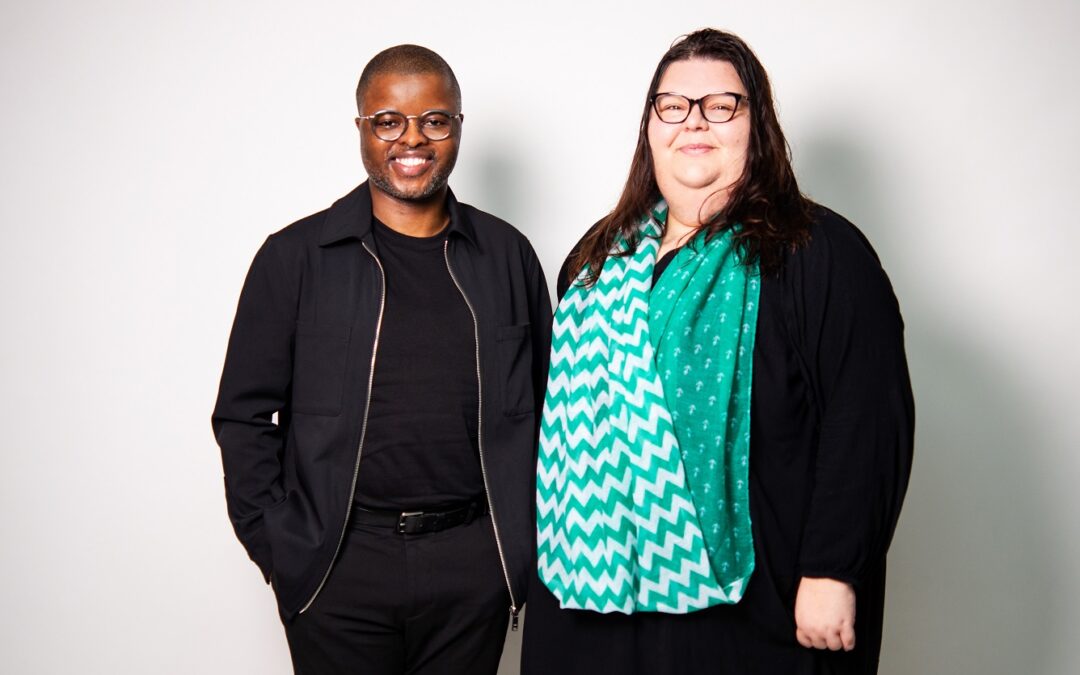
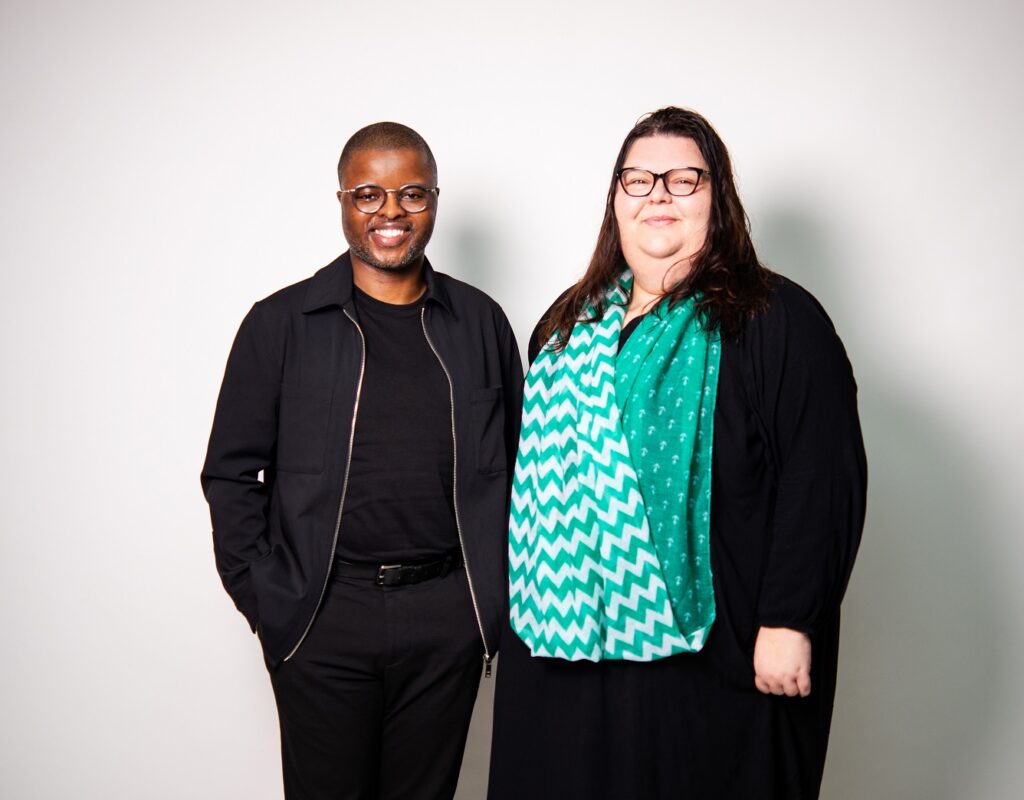
 Dr Carlien Jooste, Director of Internationalisation at SMU, made history as the first-ever SMU professional selected for the course and the sole South African representative in the 2023/2024 cohort. Tasked with pioneering a Virtual Exchange Hub for SMU, her project harnessed the power of Collaborative Online International Learning (COIL) to transform the institution’s approach to global engagement. “This programme has not only expanded SMU’s global network but has redefined our strategy for internationalisation,” Jooste asserts, underscoring the transformative impact of her experience.
Riding on this wave of success, SMU has again demonstrated its global prowess by having Director of Student Affairs Tulani Nkuntse selected for the 2025/2026 edition of the same prestigious course. One of only thirty participants worldwide—and one of just two from South Africa—Nkuntse is poised to launch his project, ‘Global Village Days at SMU’. This innovative initiative will create an inclusive platform for cross-cultural engagement, celebrating diversity and fostering a globally aware student body.
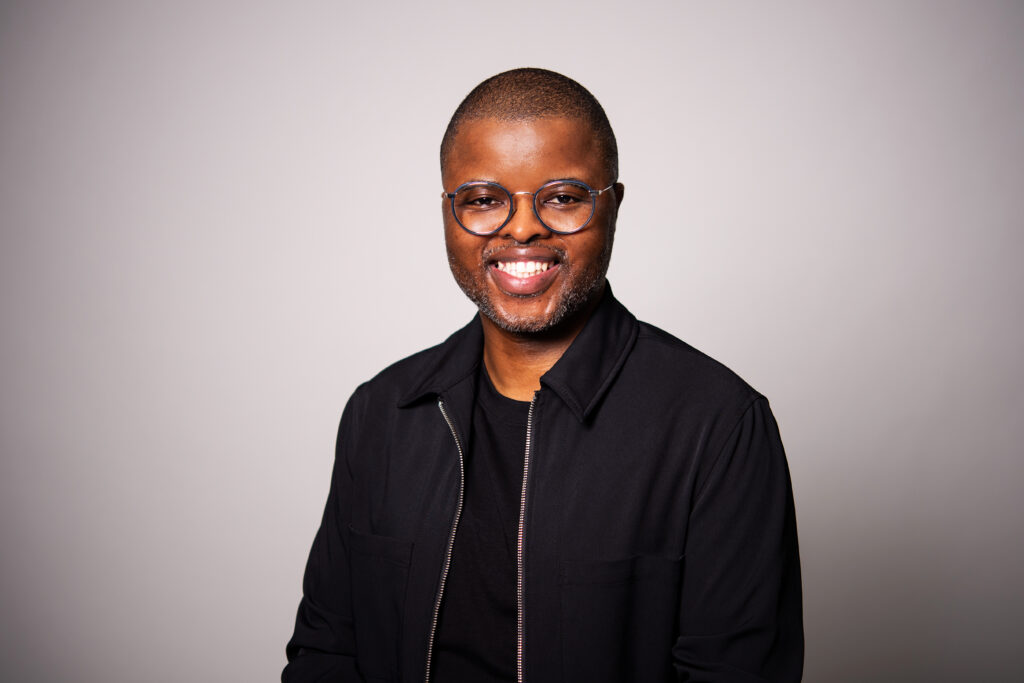 Nkuntse, who has already embarked on the online component of the training, enthuses, “This opportunity will be instrumental in elevating SMU’s internationalisation efforts. By integrating diverse cultural insights into our student affairs, we are setting the stage for a truly global campus experience.”
SMU’s resolute commitment to internationalisation is not merely an institutional strategy—it is a rallying cry for academic excellence on a global scale. Through participation in globally recognised programmes like DIES/DAAD, SMU is not just expanding its network; it is actively redefining what it means to be a world-class university in the 21st century.
Through strategic participation in globally recognised programmes such as the DIES/DAAD Management of Internationalisation training course, SMU continues to advance its internationalisation agenda. The achievements of Jooste and Nkuntse underscore the university’s commitment to global engagement, innovation, and academic excellence. These efforts will undoubtedly contribute to positioning SMU as a key player in the international higher education landscape locally and globally.
As SMU continues to push boundaries and forge powerful global alliances, its achievements serve as a resounding declaration: South African higher education is not only competitive—it is leading the charge on the international stage.
By The Department of Communications and Marketing
by Lorato | Feb 19, 2025 | Accolades and Achievements, All News, SMU Media, Student Media
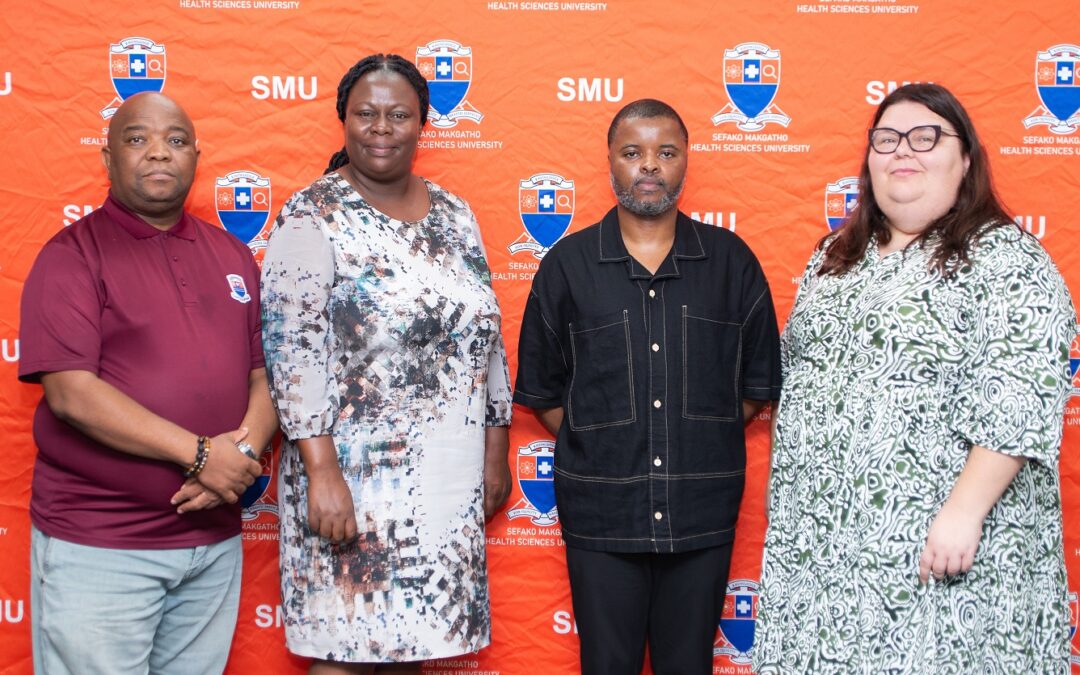
Sefako Makgatho Health Sciences University (SMU) continues to assert its position as a leading global institution in health sciences, with its Internationalisation Directorate recently hosting a high-level delegation from Zimbabwe’s Midlands State University (MSU) for a benchmarking workshop. The visit underscores SMU’s growing influence in shaping higher education internationalisation strategies across Africa.
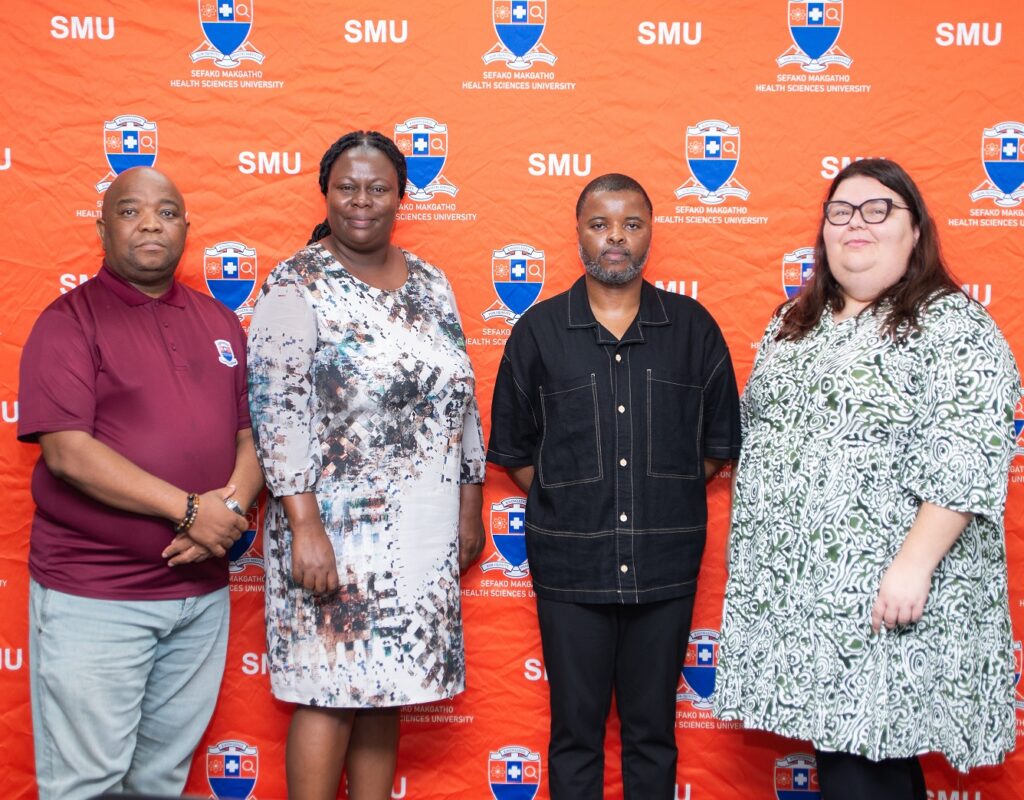 Professor Laurine Chikoko, Executive Director for International Relations and Alumni at MSU, led the delegation, seeking to gain insight into SMU’s internationalisation model—one that has rapidly positioned the university as a dynamic player in the global academic landscape. The two-day engagement delved into critical areas, including international student recruitment, alumni relations, global partnerships, and strategies to enhance institutional reputation on an international scale.
“This visit demonstrates the strides SMU has made in fostering international collaborations and advancing a global agenda in higher education,” remarks Dr Carlien Jooste, Director of Internationalisation at SMU. “As a Directorate that turns three in March, we are pleased to share our approach to internationalisation while continuously refining our strategies.”
The workshop provided MSU with a comprehensive overview of SMU’s internationalisation framework, including Memoranda of Understanding (MOUs) management, curriculum internationalisation, and integration of international students and staff. Discussions also explored how SMU ensures seamless student registration, effective alumni engagement, and strategic global partnerships.
A significant highlight of the visit was the in-depth discussions with SMU’s Student Affairs Department, led by Director, Tulani Nkuntse and Deputy Director Themba Khumalo, focusing on the integration and management of international students. Additionally, SMU’s Advancement Officer, Legodi Mashiane, engaged with Chikoko on alumni development strategies, underscoring the role of former students in strengthening institutional networks globally.
Beyond benchmarking: A vision for collaboration
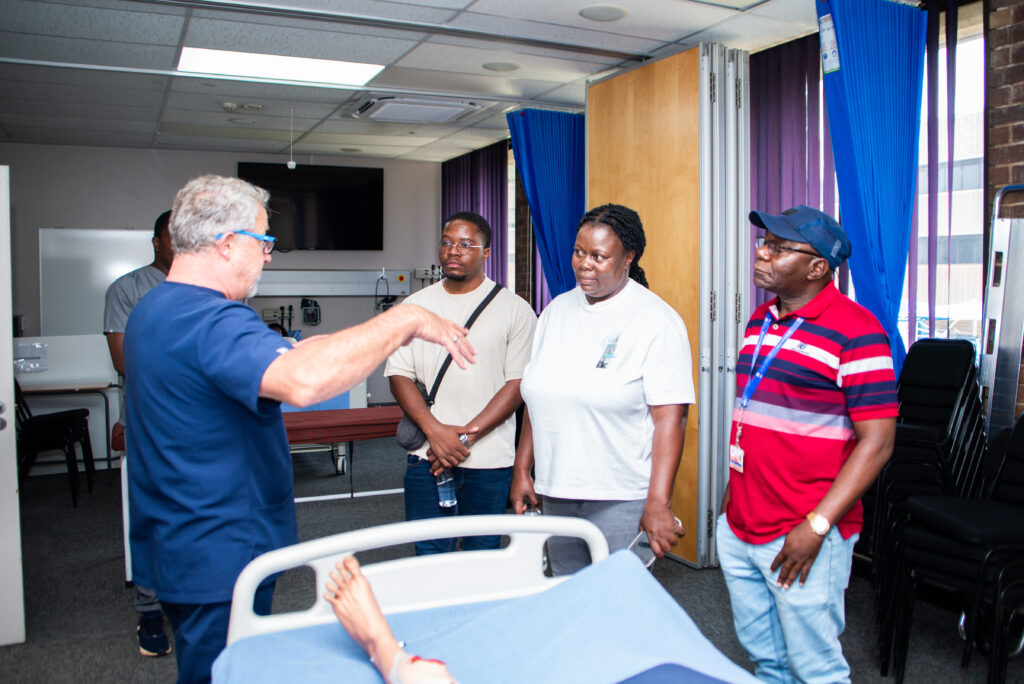 The visit concluded with a campus tour led by SMU master’s student, Tshepo Aphane, followed by a working lunch with key support directorates. Reflecting on the experience, Chikoko lauded SMU’s internationalisation efforts: “Once again, thank you for an excellent hosting. I have learned so much, and there is a wealth of knowledge to take back for the development of our office.”
The benchmarking workshop has laid the groundwork for tangible collaborations between SMU and MSU, with both institutions identifying pilot projects to strengthen academic exchange and research partnerships. SMU’s growing recognition as a benchmark for internationalisation in Africa reaffirms its commitment to shaping the future of global health sciences education.
By opening its doors to institutions across the continent, SMU continues to drive meaningful engagement and position itself as a globally competitive university, leading innovation and collaboration in health sciences education.
By The Department of Communications and Marketing

by Lorato | Feb 19, 2025 | Accolades and Achievements, All News, Alumni, SMU Media, Student Media
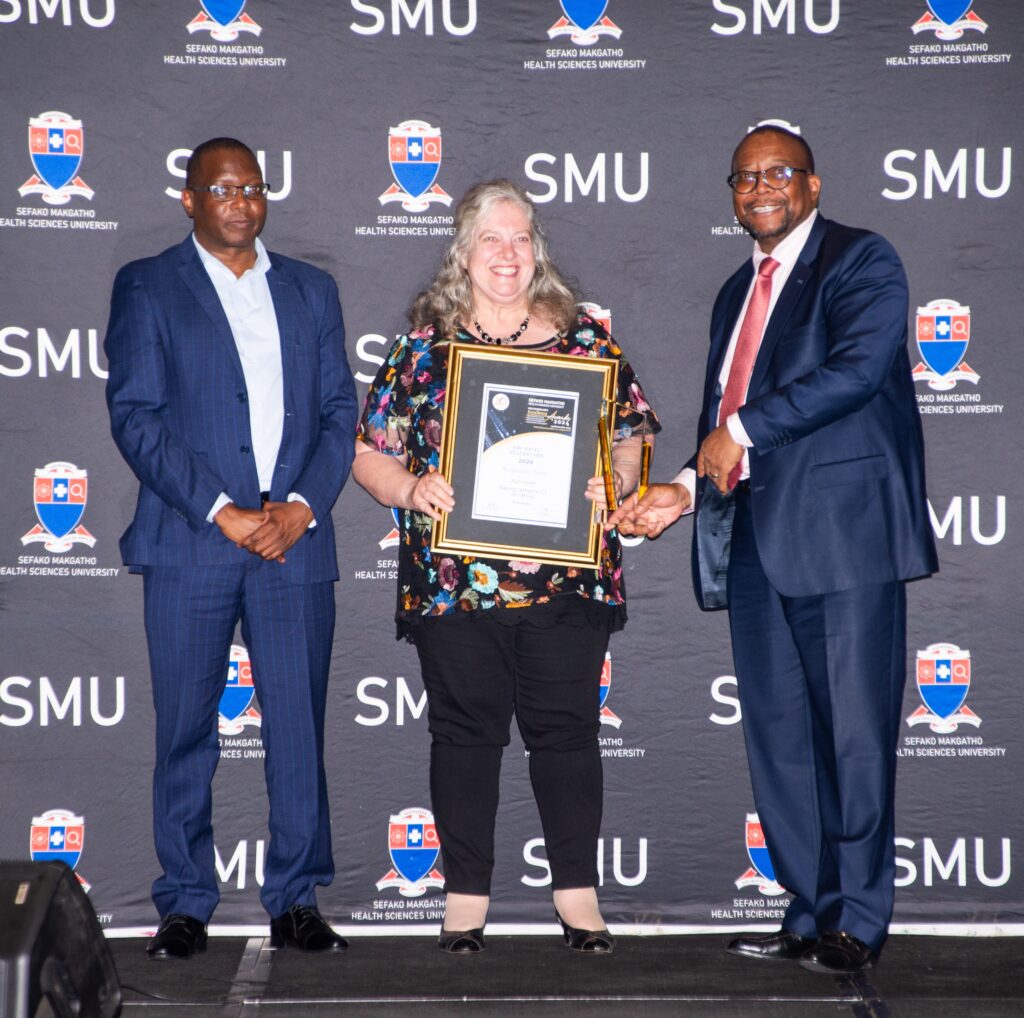
Sefako Makgatho Health Sciences University (SMU) reaffirmed its status as a premier institution in health sciences education by honouring academic and professional excellence at its prestigious Vice-Chancellor Excellence Awards ceremony. Held at The Maslow, Time Square Hotel in Menlyn, Pretoria, the event, themed “Celebrating Excellence in a Digital Era,” recognised outstanding individuals and teams driving innovation, research, teaching, and community engagement—further cementing SMU’s reputation as a leader in transformative education.
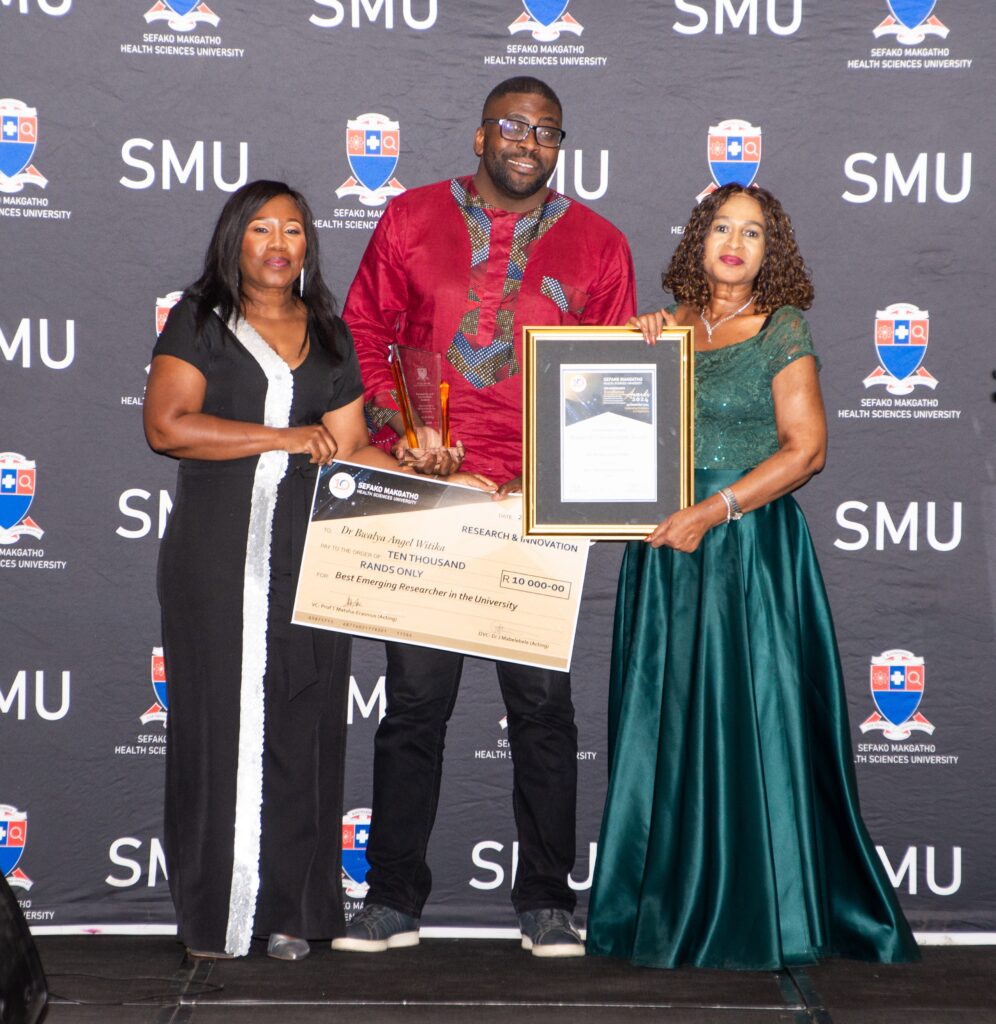 Beyond recognising individual achievements, the ceremony underscored SMU’s unwavering commitment to excellence, relevance, integrity, equity, ubuntu, and professionalism—core values that continue to shape the institution’s impact in South Africa and beyond.
Delivering a powerful opening address, Acting Vice-Chancellor Professor Tandi Matsha-Erasmus highlighted the pivotal role of innovation in positioning SMU as a 21st-century institution. “In this digital era, our ability to innovate, engage, and support our community depends on our unwavering commitment to excellence. Tonight, we honour the exceptional individuals who embody these values and drive SMU forward,” she stated, reinforcing the university’s role as a catalyst for change in health sciences.
Among the evening’s top accolades was the Excellence in Community Engagement Award 2024, presented to Jackson Mahlaba and his team for their groundbreaking Vaccination Catch-Up Campaign. Their efforts to bridge healthcare gaps in underserved communities exemplified SMU’s mission to integrate world-class education with meaningful societal impact. “This award belongs to every team member who worked tirelessly to bring health services to those who needed them most. It is a testament to the power of collaboration and dedication,” said Mahlaba, emphasising the spirit of ubuntu that underpins SMU’s commitment to public health.
Setting new standards in administration and support
SMU’s excellence extends beyond academia and research to a culture of exceptional service and leadership. The Administration and Support Category highlighted professionals who ensure the university’s operational efficiency matches its academic prestige.
- Elisa Segaile received the Exemplary Client-Centric Behaviour Award, setting a high benchmark for student and staff service.
- Theo Bhengu was recognised for Outstanding Leadership & Professionalism, a reflection of SMU’s commitment to fostering visionary leaders within its ranks.
- Mpho Mmako earned two accolades—the Collaboration and Teamwork Award and Best Support Employee Award—demonstrating the value of collective success.
- Busisiwe Sijora was named Best Administration Employee, a recognition of her dedication to operational excellence.
 A university positioned for global competitiveness
The 2024 Vice-Chancellor Excellence Awards ceremony was more than just an evening of recognition; it was a bold statement of the university’s trajectory in a digital world. By fostering cutting-edge research, impactful community engagement, and excellence in administration, SMU continues to establish itself as a globally competitive institution that not only educates future health professionals but actively contributes to shaping South Africa’s healthcare landscape.
The Teaching & Learning Awards recognised:
- “Beginner” Teaching Excellence Award: Dr Sabashnee Govender-Davies
- “Experienced” Teaching Excellence Award: Dr Kebiditswe Masike
Several impactful projects were honoured:
- Project: Vaccination Catch-up Campaign (School of Pharmacy) – Group Leader: Jackson Mahalaba
- Project: Korwee Multipurpose Centre (School of Dentistry) – Group Leader: Emma Musekene
- Project: Creating a Healthy School through Physical Education at a School in Mapobane, Gauteng (School of Health Care Sciences) – Group Leader: Ntombenkosi Sobantu
- Project: Mathematics Career Fair (School of Science & Technology) – Group Leader: Joseph Fatlane
- Project: Child Health in the Community (School of Medicine) – Group Leader: Debbie Barnard
SMU’s leadership in Research and Innovation was recognised through the following awards:
- Best Emerging Researcher: Dr Bwalya Witika
- Best Overall Female Researcher: Prof Hannelie Meyer
- Best Overall Research Supervisor: Prof Moliehi Matlala
- Best Established Researcher in the School of Health Care Sciences: Prof Mathilda Mpata Mokgatle
- Best Established Researcher in the University: Prof Hannelie Meyer
NRF Rated Research Recognition Awards
- Rating Category: C2: Dr X Siwe-Noundou
- Rating Category: C2 (re-rating): Prof A Oettlé
- Rating Category: Y2: Dr LO Jolaoso
- Rating Category: Y2: Dr V Thibane
- Rating Category: C3: Dr G Ugwunnadi
- Rating Category: C2: Prof Mathilda Mpata Mokgatle
- Rating Category: Y2: Dr Bwalya Witika
The awards ceremony was a proud moment for SMU, showcasing the university’s dedication to fostering academic and professional excellence. Matsha-Erasmus closed the event with a heartfelt message to the awardees: “Tonight, we celebrate not just individual achievements but the collective progress of our university and its profound impact on society.”
SMU continues to be a beacon of excellence in health sciences education, shaping future leaders and driving transformative change.
By Dimakatso Modise