by Lorato | Jun 11, 2026 | Accolades and Achievements, All News, Alumni, SMU Media, Student Media
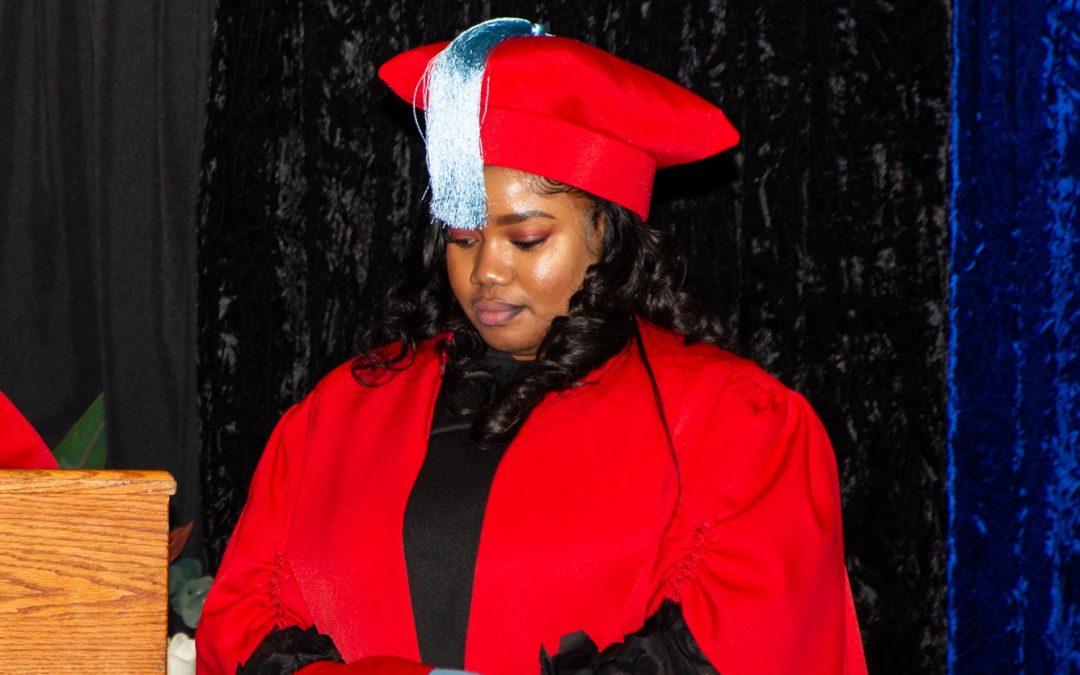
Research at Sefako Makgatho Health Sciences University (SMU) continues to demonstrate how locally driven scientific inquiry can generate solutions with far-reaching benefits for healthcare and society. Through innovative research that addresses South Africa’s unique health challenges, the university is strengthening its position as a leader in producing knowledge with both national and international relevance. This commitment to research excellence was recently highlighted by the graduation of Dr Ruth Kobedi, who was awarded a Doctor of Philosophy (PhD) in Anatomy. Her doctoral study has produced findings that could improve orthodontic diagnosis, treatment planning and forensic identification practices in South Africa.
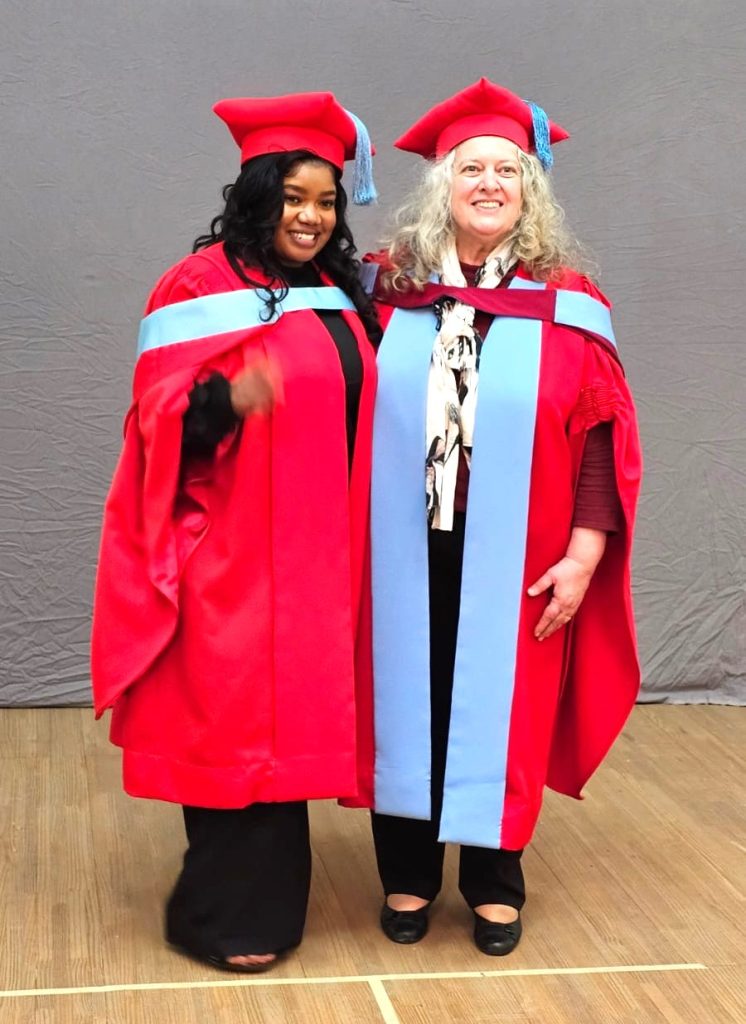 Conducted within the Department of Anatomy and Histology under the supervision of Professor Anna Oettlé, Dr Sandeepa Rajbaran Singh and Dr Franci Swanepoel from TUT, Dr Kobedi’s research, Assessment of Cephalometrics in a South African Sample, addressed a longstanding gap in healthcare research by establishing population-specific cephalometric standards for Black South African adults.
Cephalometry is a key diagnostic tool used in the assessment and management of dentoskeletal conditions such as malocclusion. However, many of the standards currently used in clinical practice are based on international populations and may not accurately reflect South African craniofacial characteristics. Dr Kobedi’s study demonstrated that craniofacial morphology differs across populations, highlighting the need for locally relevant diagnostic benchmarks.
By providing evidence-based data tailored to South African patients, the research has the potential to improve diagnostic accuracy, strengthen treatment planning and enhance orthodontic treatment outcomes.
“Developing population-specific cephalometric standards is essential for improving diagnostic accuracy and ensuring that treatment planning reflects the unique characteristics of the patients we serve,” said Dr Kobedi. “This research highlights the importance of generating locally relevant scientific evidence that can directly benefit healthcare delivery in South Africa.”
The study also examined the relationships between malocclusion, prognathism, age and sex using both conventional lateral cephalograms and cone-beam computed tomography-derived lateral cephalograms (LC-CBCTs). One of its key findings was that reconstructed LC-CBCT images can be used reliably and interchangeably with conventional cephalograms for cephalometric analysis. This finding may support the wider adoption of advanced imaging technologies in clinical practice while maintaining diagnostic accuracy.
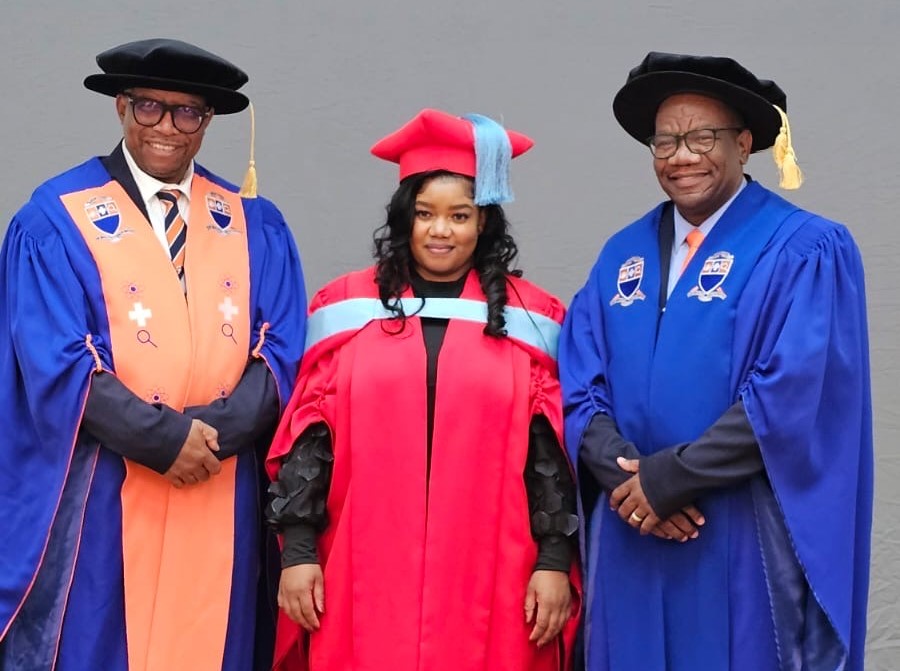 Beyond orthodontics, the research offers valuable contributions to forensic anthropology and forensic science. Dr Kobedi’s findings demonstrated the potential use of cephalometric models in forensic sex estimation, providing an additional tool for biological profiling and the identification of unknown individuals. As South Africa continues to face increasing demands for forensic investigations, such innovations could strengthen identification processes and support justice and public safety initiatives.
“This work demonstrates how interdisciplinary research can address both clinical and societal challenges,” said Prof Oettlé. “The findings not only advance orthodontic knowledge but also create opportunities for innovation in forensic science and craniofacial research.”
Dr Kobedi’s work has already gained national and international recognition. Her research has been presented at the 29th International Symposium on Morphological Sciences, the 50th and 51st Conferences of the Anatomical Society of Southern Africa, the SMU Research Day and the School of Dentistry Research Day. In 2025, she received the First Place Research Presentation Award at the 3rd School of Dentistry Research Day. Her doctoral research has also resulted in two peer-reviewed publications in the South African Dental Journal and one in Forensic Imaging.
Dr Kobedi’s achievement reflects more than individual academic success; it exemplifies the impact of SMU research in addressing real-world challenges through scientific innovation. By generating knowledge that improves patient care, informs clinical practice and contributes to forensic science, her work demonstrates how research conducted at SMU continues to advance healthcare and strengthen the university’s reputation as a leading centre of research excellence.
By Tumelo Moila
by Lorato | Jun 3, 2026 | Accolades and Achievements, All News, Alumni, SMU Media, Student Media
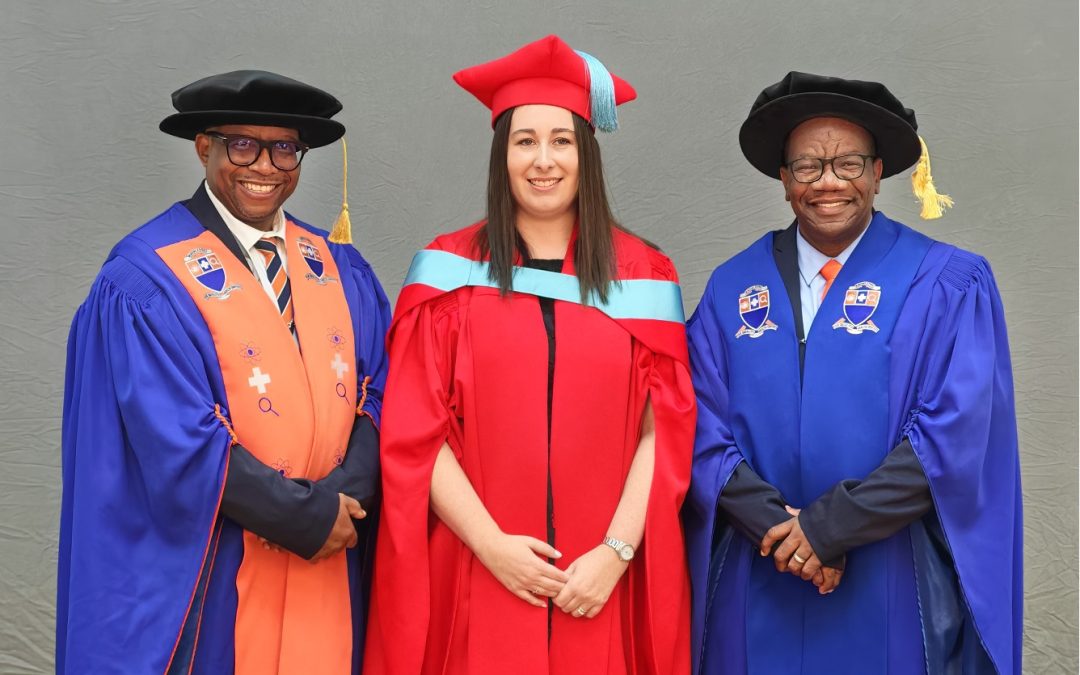
As cardiovascular disease continues to place an increasing burden on South Africa’s healthcare system, groundbreaking research from Sefako Makgatho Health Sciences University (SMU) is providing new insights into one of the country’s most complex and under-recognised heart conditions. Newly graduated Doctor of Philosophy (Physiology) graduate, Dr Marilet van Hoogland-van Heerden, has produced significant findings that could help improve the diagnosis, management and treatment of heart failure with preserved ejection fraction (HFpEF) among black South Africans.
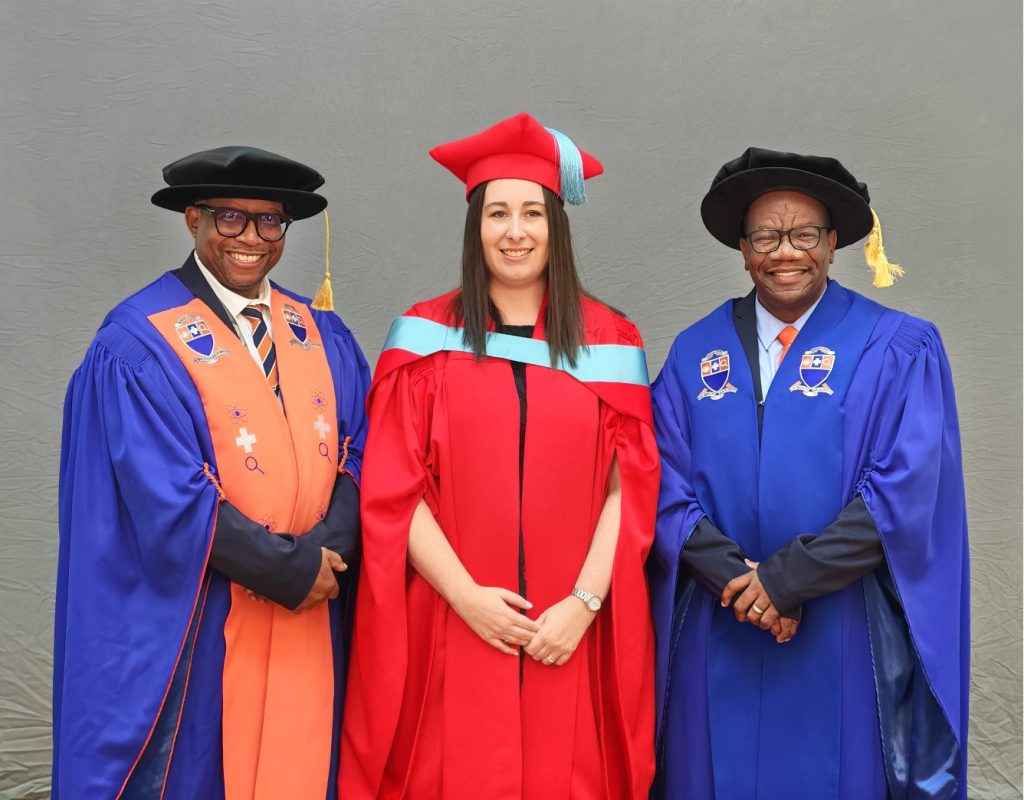 Dr van Hoogland-van Heerden’s doctoral study investigated the relationship between hypertension, diabetes mellitus, renal function and treatment in a young-to-middle-aged HFpEF population. The research examined 125 patients diagnosed with HFpEF and compared them with 510 participants without the condition, making it one of the most comprehensive community-based studies of HFpEF conducted in South Africa.
HFpEF is a growing form of heart failure closely associated with hypertension and other cardiometabolic disorders. Through detailed anthropometric, echocardiographic, haemodynamic and pulse wave velocity assessments, the study identified significant cardiovascular abnormalities among affected patients.
“The findings revealed that HFpEF in black South Africans is characterised by markedly increased arterial stiffness and concentric left ventricular hypertrophy, alongside a high burden of hypertension, diabetes mellitus and chronic kidney disease,” said Dr van Hoogland-van Heerden.
“These results highlight the urgent need for earlier intervention, improved risk-factor management and treatment strategies that are tailored to the realities of South African communities.”
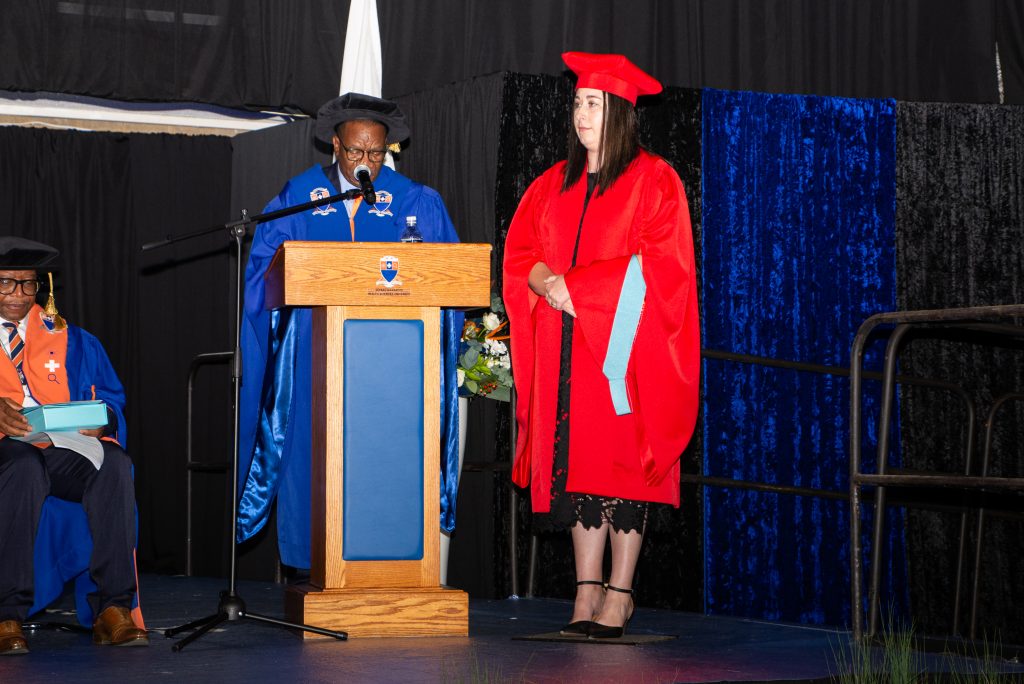 The study found that both HFpEF and non-HFpEF participants were predominantly middle-aged and obese. However, patients with HFpEF who also suffered from hypertension showed stronger associations with arterial stiffness and structural changes in the heart. Diabetic HFpEF patients demonstrated more severe cardiovascular disease and related complications, underscoring the compounded impact of multiple chronic conditions.
Importantly, the research revealed that current treatment approaches had limited effects on several key clinical markers, suggesting that more targeted interventions may be required to improve patient outcomes.
“The burden of cardiovascular risk factors identified in this population demonstrates the importance of prevention and early management,” Dr van Hoogland-van Heerden explained. “Addressing these risk factors before heart failure develops could significantly reduce disease progression and improve quality of life.”
The findings contribute valuable evidence to a field that remains under-researched in African populations. By providing detailed data on HFpEF within a South African context, the study offers important guidance for clinicians, researchers and policymakers seeking to improve healthcare outcomes.
Among its recommendations, the study advocates for greater emphasis on lifestyle interventions and consideration of newer therapies, including sodium-glucose co-transporter 2 (SGLT-2) inhibitors, glucagon-like peptide-1 (GLP-1) receptor agonists, thiazide diuretics and angiotensin II receptor blockers (ARBs) for high-risk patients.
Beyond the doctoral research itself, Dr van Hoogland-van Heerden has already published two peer-reviewed articles arising from the study and received several prestigious awards from the Physiological Society of Southern Africa and the South African Medical Research Council, including a Best Oral Presentation Award. She currently serves as a lecturer in SMU’s Department of Physiology, where she combines teaching, postgraduate supervision and research focused on heart failure, hypertension and cardiovascular risk factors in African populations.
Her achievement reflects SMU’s growing research footprint and its commitment to generating knowledge that addresses South Africa’s most pressing health challenges. Through innovative, community-focused scholarship, the university continues to advance scientific discovery that not only strengthens healthcare practice but also contributes to improving the health and well-being of communities across the country.
By Tumelo Moila
by Lorato | May 20, 2026 | Accolades and Achievements, All News, Alumni, SMU Media, Student Media
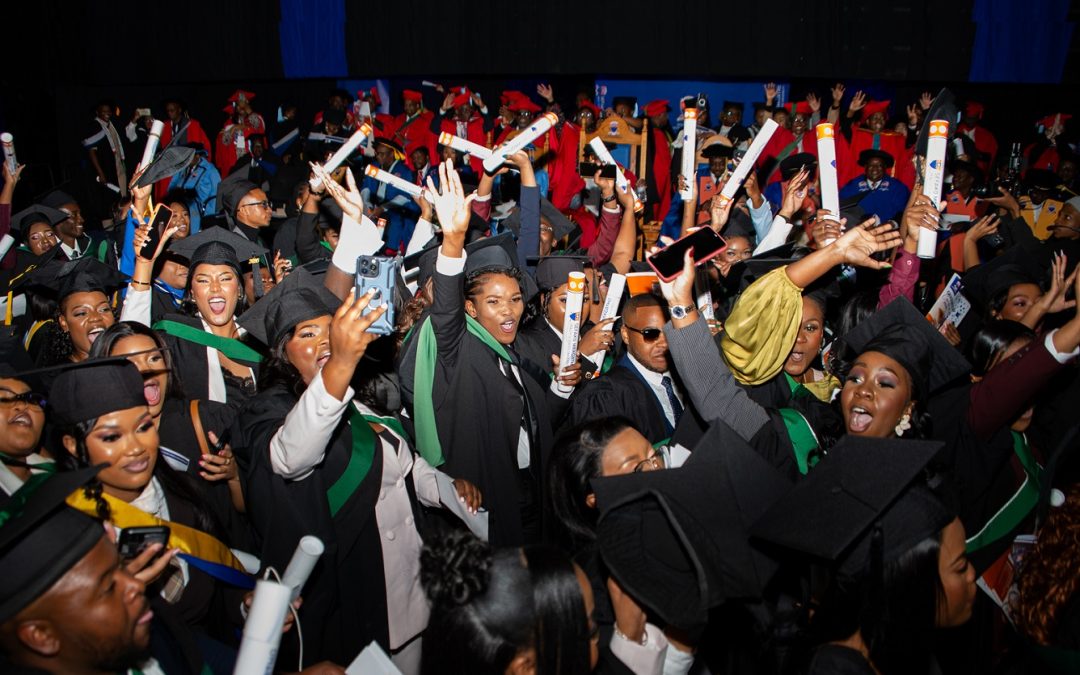
Sefako Makgatho Health Sciences University (SMU) has conferred qualifications on a record 1 525 graduates during its 2026 Autumn Graduation Ceremonies, marking the highest number of graduates in the institution’s autumn graduation cycle and reinforcing its growing role in strengthening South Africa’s health sciences sector.
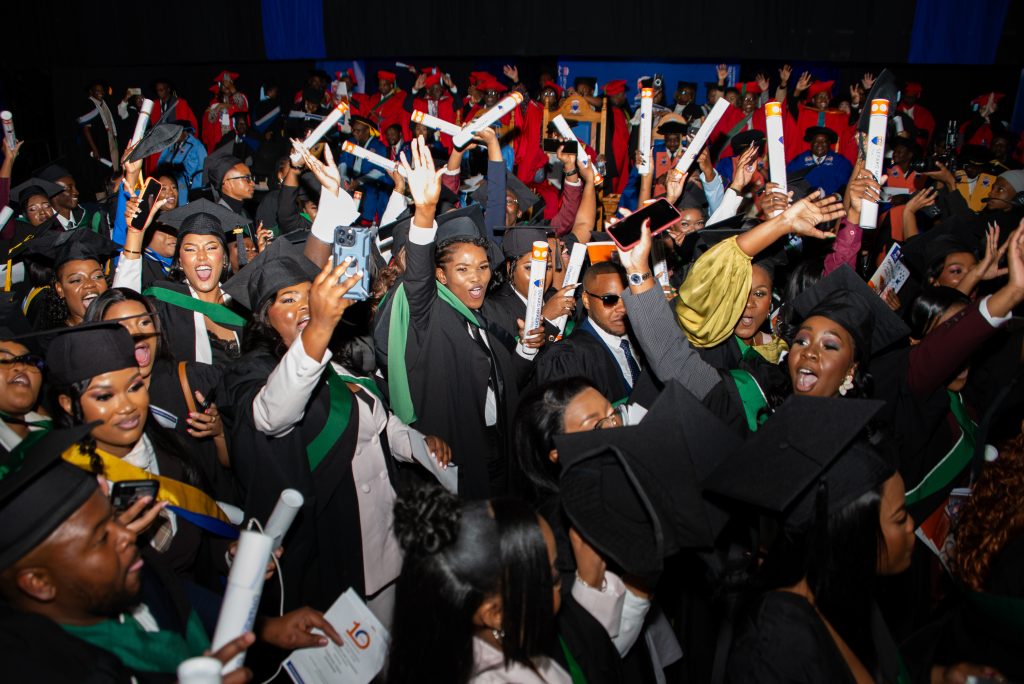 Held over three days at the university’s sports complex, the ceremonies celebrated academic achievement across all five schools of the institution, including the School of Dentistry, School of Health Care Sciences, School of Medicine, School of Pharmacy, and School of Science and Technology. The milestone reflects SMU’s continued commitment to producing healthcare professionals, scientists, researchers and innovators equipped to contribute meaningfully to national development and the advancement of the African continent.
Of the 1 525 graduates, 1 033 (67.7%) received undergraduate qualifications, while 492 (32.3%) graduated with postgraduate qualifications. The postgraduate cohort included 122 Postgraduate Diploma recipients, 188 Honours graduates, 168 Master’s graduates and fourteen doctoral candidates who were awarded Doctor of Philosophy (PhD) degrees.
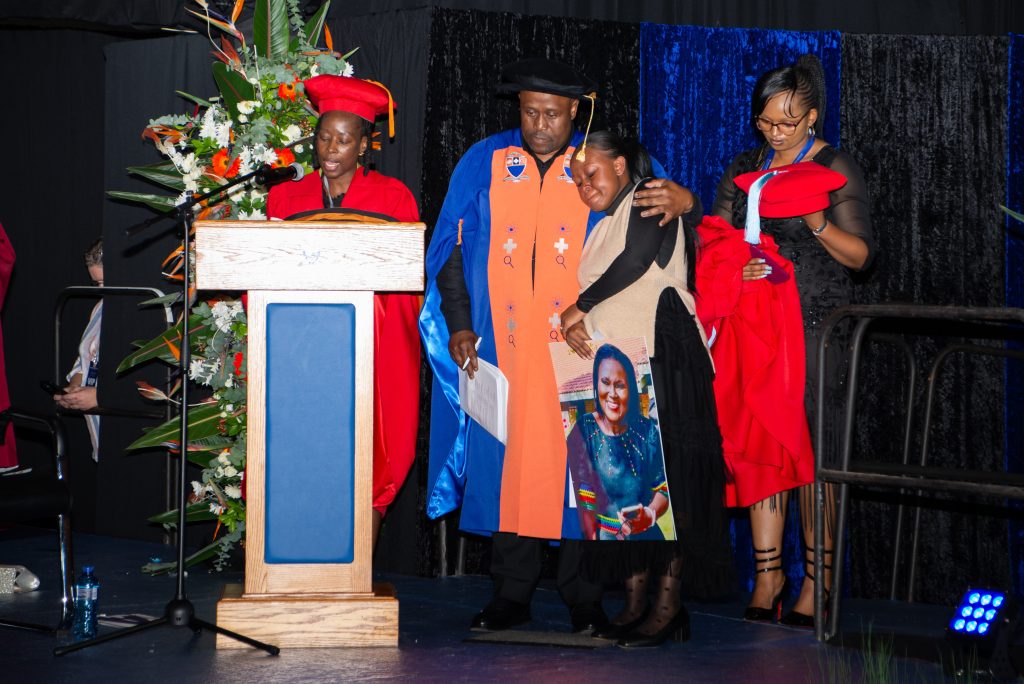 A deeply emotional moment during the ceremonies was the posthumous conferment of a Doctor of Philosophy in Nursing to the late Moroti Elizabeth Mahlangu. The qualification was accepted on her behalf by her daughter, SMU alumna Dr Busi Msikinya, née Mahlangu.
“Receiving this degree on behalf of my mother is both heartbreaking and inspiring,” said Dr Msikinya. “She dedicated her life to nursing, education and uplifting communities through healthcare. This achievement is a reminder that perseverance, sacrifice and purpose can leave a lasting legacy for future generations.”
The graduating class also reflects the University’s ongoing commitment to transformation and widening access to higher education. African graduates constituted 1 444 graduates, representing 94.6% of the cohort, while the class included ten Coloured graduates, 24 Indian graduates and 47 White graduates. Women continued to dominate the graduating cohort, with 1 052 graduates, accounting for 69% of all graduates.
A standout feature of the 2026 Autumn Graduation Ceremonies was the success of SMU’s Extended Curriculum Programme (ECP), which supports students from diverse educational backgrounds in accessing and succeeding in higher education. This year, 153 undergraduate students who entered the University through the programme graduated, highlighting the impact of SMU’s academic support and student development initiatives.
Benedict Masenamela, Senior Officer: Alumni Coordination at Sefako Makgatho Health Sciences University, said the graduation ceremonies reflected the University’s growing impact in transforming lives and strengthening the country’s healthcare and science & technology workforce.
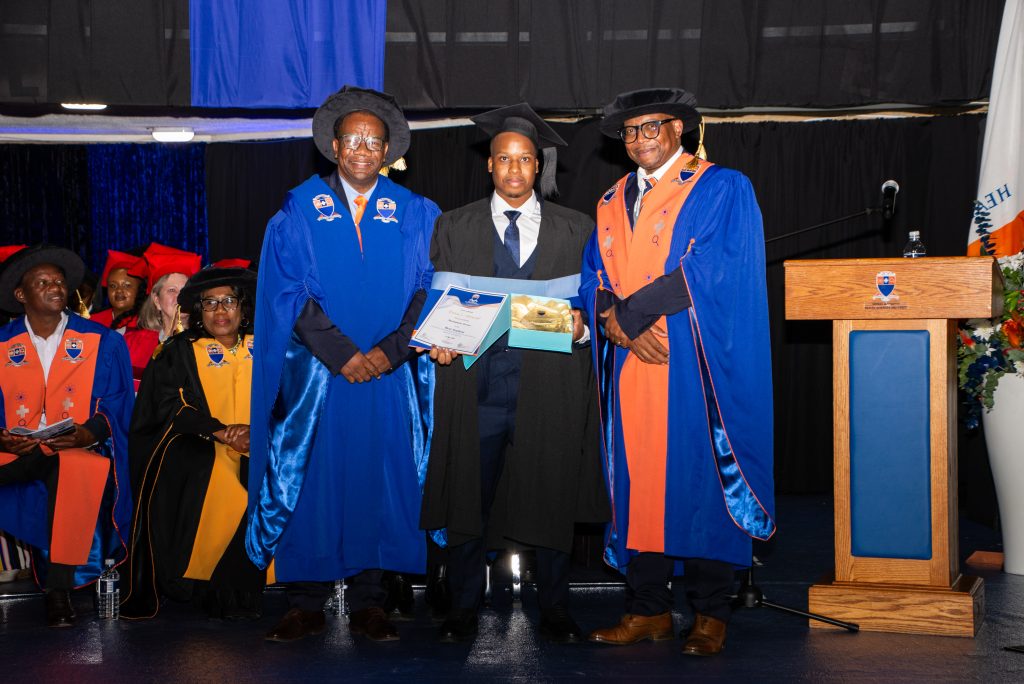 “Every graduate represents a story of resilience, determination and hope. As SMU, we take pride in producing professionals who are not only academically equipped, but who also embody compassion, leadership and a commitment to serving communities across South Africa and the continent,” Masenamela said.
The ceremonies also celebrated academic excellence, with 64 graduates receiving summa cum laude distinctions in recognition of exceptional academic performance. Among them was Bachelor of Medicine and Bachelor of Surgery graduate Trevor Mashabela, who also received the School of Medicine Dean’s Award.
“This achievement represents years of discipline, sacrifice and support from my family, lecturers and peers,” said Mashabela. “SMU gave me the opportunity to grow academically and personally, and I am proud to join a generation of healthcare professionals committed to serving communities with excellence and compassion.”
According to the graduation statistics, the School of Medicine produced the highest number of graduates at 497, followed by the School of Health Care Sciences with 383 graduates and the School of Science and Technology with 366 graduates. The School of Dentistry produced 144 graduates, while the School of Pharmacy conferred qualifications on 135 graduates.
The record-breaking graduation ceremonies reaffirm SMU’s position as a leading institution in health sciences education, research, innovation and community engagement. Through the graduation of professionals across healthcare, science and technology disciplines, the university continues to strengthen South Africa’s healthcare system while advancing socio-economic development and transformation.
SMU congratulated all graduands and their families on this milestone achievement and wished them success as they embark on the next chapter of their academic and professional journeys.
By Tumelo Moila

by Lorato | May 20, 2026 | Accolades and Achievements, All News, SMU Media, Student Media
Sefako Makgatho Health Sciences University (SMU) alumna Dr Jennifer Njenga has been recognised internationally for her leadership in primary healthcare innovation and health systems transformation across four continents, reinforcing the university’s legacy of producing globally impactful health professionals.
 Dr Njenga, who graduated with an MBChB from MEDUNSA, now Sefako Makgatho Health Sciences University in 2002, before obtaining an MPH from the University of Auckland, a DrPH from Flinders University and a Certificate in Global Healthcare Leaders programme from Harvard Medical School, has built a 24-year career spanning Uganda, South Africa, Namibia, New Zealand, Australia, USA and Canada. Her work has consistently focused on strengthening primary healthcare systems, advancing maternal and child health, and improving equity in underserved communities.
Her previous appointment as Co-Chair of the International Expert Panel for Modernising Alberta’s Primary Care System marked a significant milestone in her career. The panel, convened by Alberta’s Ministry of Health, was tasked with developing strategic recommendations to improve access, integration, and sustainability within primary care.
Speaking on her approach to health systems transformation, Dr Njenga said: “Primary healthcare is the foundation of equitable societies. When we invest in integrated, community-centred systems, we are not only treating illness—we are building resilience for generations.”
She added that her work is driven by a commitment to vulnerable populations. “Whether in rural Uganda, rural Canada, or Indigenous migrant communities in New Zealand, the principles remain the same: dignity, access, and continuity of care must guide every health system decision.”
Dr Njenga is the Founder and CEO of Engage Global Health Ltd and BriJen, through which she leads global digital health equity initiatives, interdisciplinary collaboration, and leadership development programmes. Her work includes strategic partnerships with governments, academic institutions, and community organisations aimed at strengthening health systems and workforce capacity.
Senior Officer: Alumni Coordination at SMU, Benedict Masenamela, praised her achievements, stating: “Dr Njenga exemplifies the university’s vision of transforming health services through excellence and innovation. Her global leadership reflects the calibre of SMU alumni and their ability to influence health policy and practice internationally.”

In previous roles, she served as Manager of Clinical Services at Edmonton West Primary Care Network, Clinical Lead for eReferrals at Alberta Health Services, and Family Physician Liaison for Women and Children’s Health in New Zealand. She also served as the Physician Representative for Refugee Health within Alberta Health Services and was a member of the Alberta Coalition for Refugee Health. She remains actively involved in refugee and Indigenous health initiatives and continues to provide leadership through advisory and governance roles on several health boards, including HIV Edmonton, where she currently serves as Board Chair, and the Canadian Public Health Association, where she is a current Board Director.
Her contributions have earned her several accolades, including the Rosalind Smith Professional Award and the Queen Elizabeth II Platinum Jubilee Medal in 2022.
Beyond clinical leadership, Dr Njenga is also a published author and researcher, with work focusing on maternal obesity and healthcare policy. Her leadership continues to influence global conversations on health equity, systems redesign, and community-centred care.
Reflecting on her journey, she said: “My training at SMU laid the foundation for a lifelong commitment to service. I remain deeply connected to the values of equity, respect, and Ubuntu that shaped my early professional identity.”
SMU continues to celebrate its alumni who are shaping global health systems, with Dr Njenga standing as a testament to the university’s enduring impact on healthcare leadership and innovation worldwide.
By Tumelo Moila
by Lorato | May 18, 2026 | Accolades and Achievements, All News, Alumni, SMU Media, Student Media
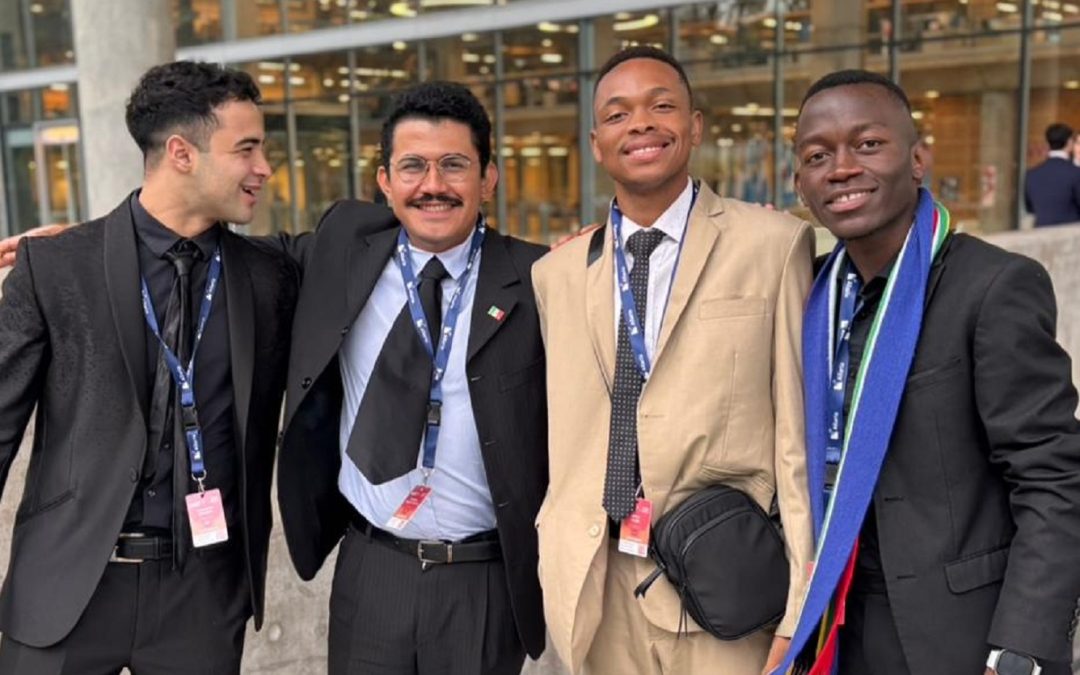
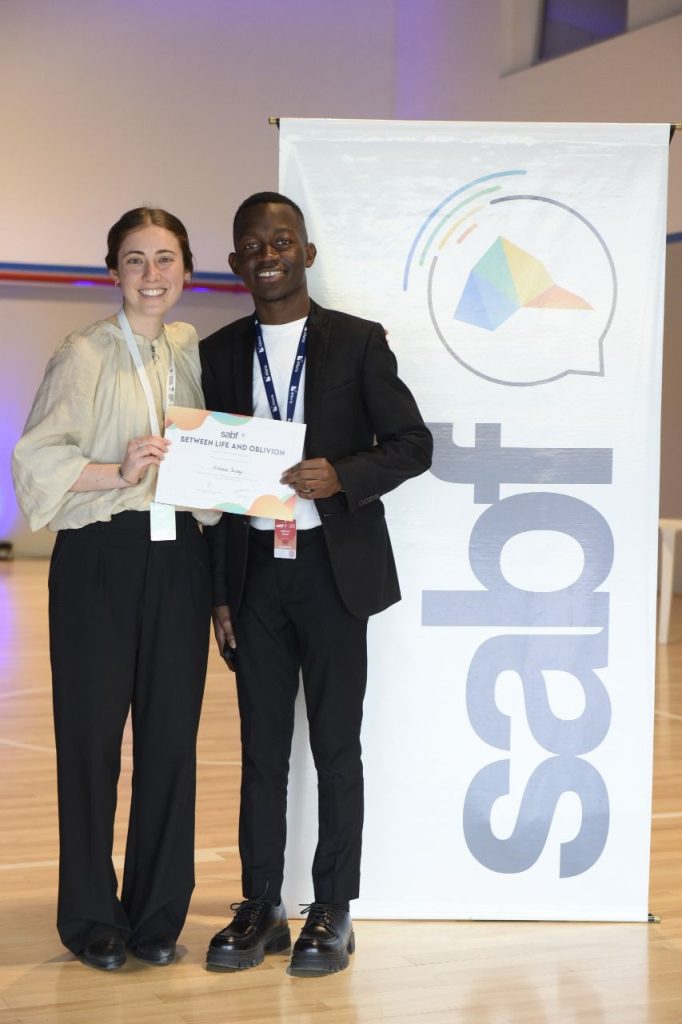
Sefako Makgatho Health Sciences University (SMU) has celebrated an extraordinary international achievement by Master of Pharmacy candidate Mahlorhi Baloyi, who has been ranked among the Top 5 globally for contribution and impact within the prestigious South American Business Forum (SABF) Community.
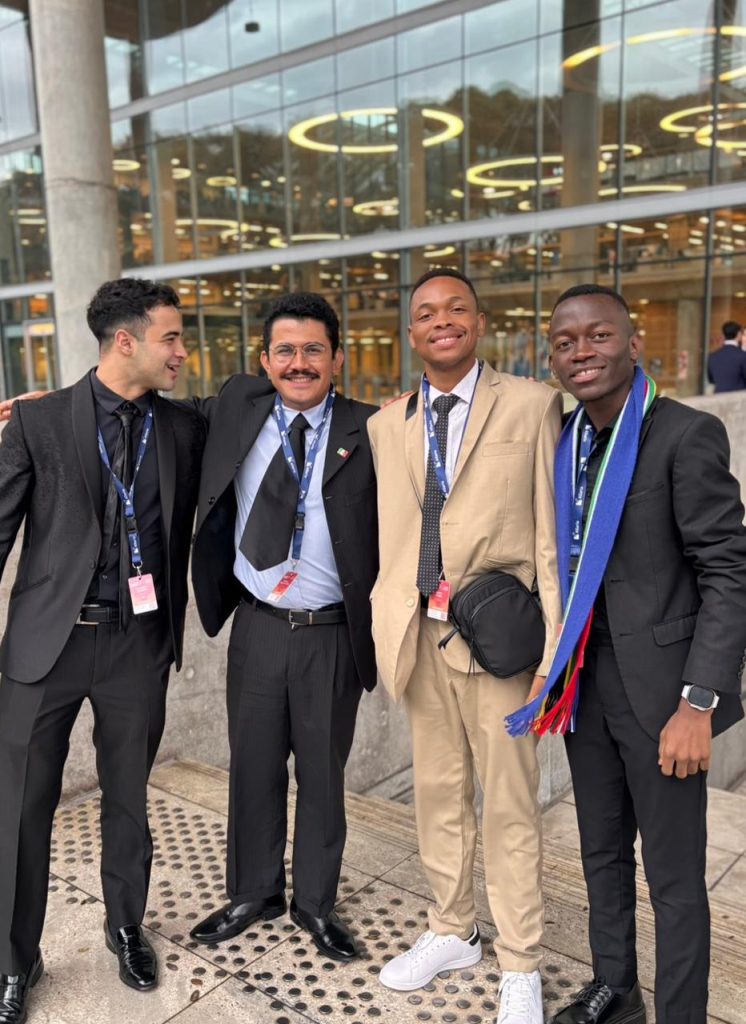 The recognition places Baloyi among a select group of influential young leaders shaping international conversations on leadership, healthcare, innovation, sustainable development, entrepreneurship, diplomacy, and social justice. Hosted annually in Buenos Aires, Argentina, SABF is regarded as one of the world’s most competitive youth leadership platforms, attracting thousands of applications from exceptional students, academics, innovators, policymakers, and entrepreneurs across the globe.
Selection into the SABF network is based on academic excellence, leadership ability, social impact, innovation, critical thinking, and commitment to sustainable change. Baloyi’s ranking among the Top 5 globally reflects not only his academic strength but also his growing influence within international leadership and policy spaces.
Throughout his engagement with SABF, Baloyi has actively participated in high-level discussions, policy engagements, collaborative initiatives, and strategic debates focused on addressing global challenges. His contribution has enabled him to establish meaningful relationships with international policymakers, healthcare advocates, entrepreneurs, and young leaders from different regions of the world.
Baloyi said the recognition represented far more than personal success. “Being recognised among the Top 5 globally within the SABF Community is an incredible honour. These experiences continue to remind me of the importance of collaboration, leadership, and using our voices to contribute towards meaningful global conversations,” he said.
“I hope this inspires students to believe in the value of their ideas, their potential, and their ability to make an impact beyond borders.”
 Beyond his international engagements, Baloyi is currently working towards establishing a global organisation aimed at advancing transformative and innovative healthcare solutions. The initiative seeks to strengthen healthcare accessibility, equity, sustainability, leadership, and health advocacy through international collaboration and systems-focused innovation.
His work aligns closely with SMU’s vision of transforming health services through excellence and innovation while reinforcing the university’s growing reputation as a producer of globally competitive graduates committed to meaningful societal impact.
What distinguishes Baloyi’s journey is his continued commitment to uplifting others despite his rising international profile. Within the university community, he remains involved in mentorship programmes, motivational initiatives, peer coaching, leadership development activities, and student support programmes designed to encourage young people to pursue excellence and global engagement.
SMU said Baloyi’s achievement reflects the institution’s commitment to producing graduates who combine academic excellence with leadership, integrity, innovation, and social responsibility.
The university added that his success demonstrates how South African students can compete successfully within highly competitive international platforms while remaining committed to service, collaboration, and community impact.
Baloyi’s achievement continues to strengthen SMU’s international profile and reinforces the university’s position as a distinctive health sciences institution developing future leaders capable of shaping healthcare, policy, and innovation on a global scale.
By Tumelo Moila
by Lorato | May 14, 2026 | Accolades and Achievements, All News, Alumni, SMU Media, Student Media
Nomusa Sikhakhane, a PhD candidate at Sefako Makgatho Health Sciences University (SMU), is placing South African cancer research on the global stage after receiving the prestigious American Association for Cancer Research (AACR) Amgen Global Scholars-in-Training Award (GSITA). The honour recognises emerging leaders in oncology and supports early-career researchers across Africa through international collaboration and capacity development.
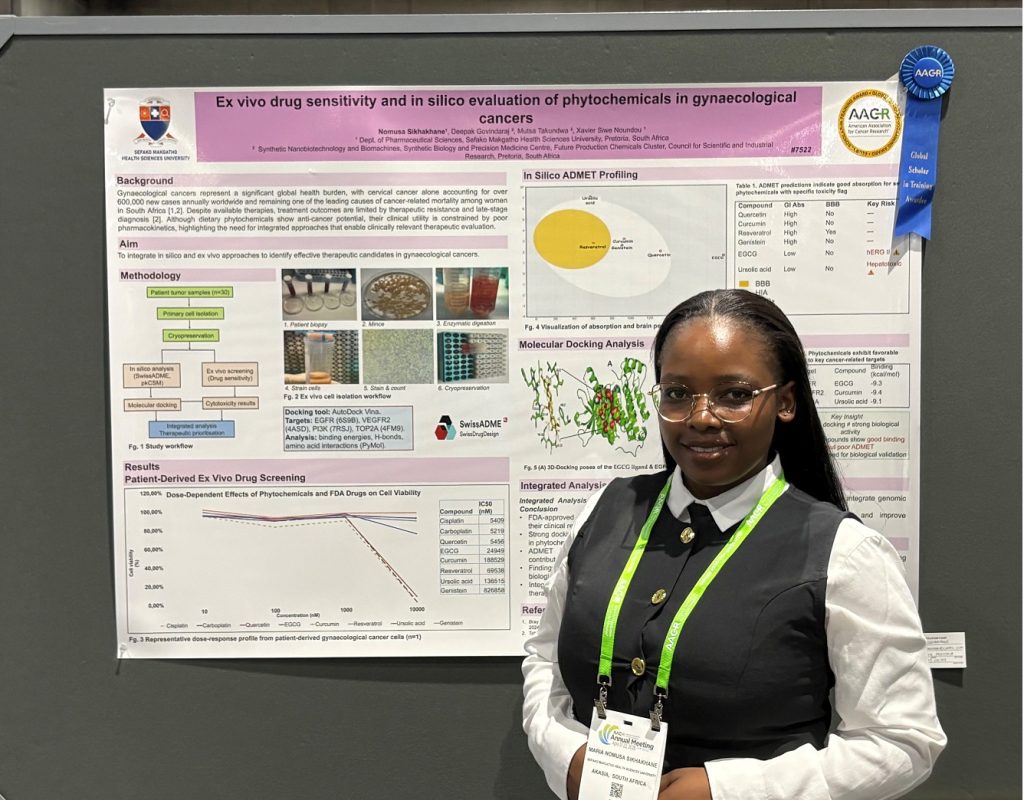
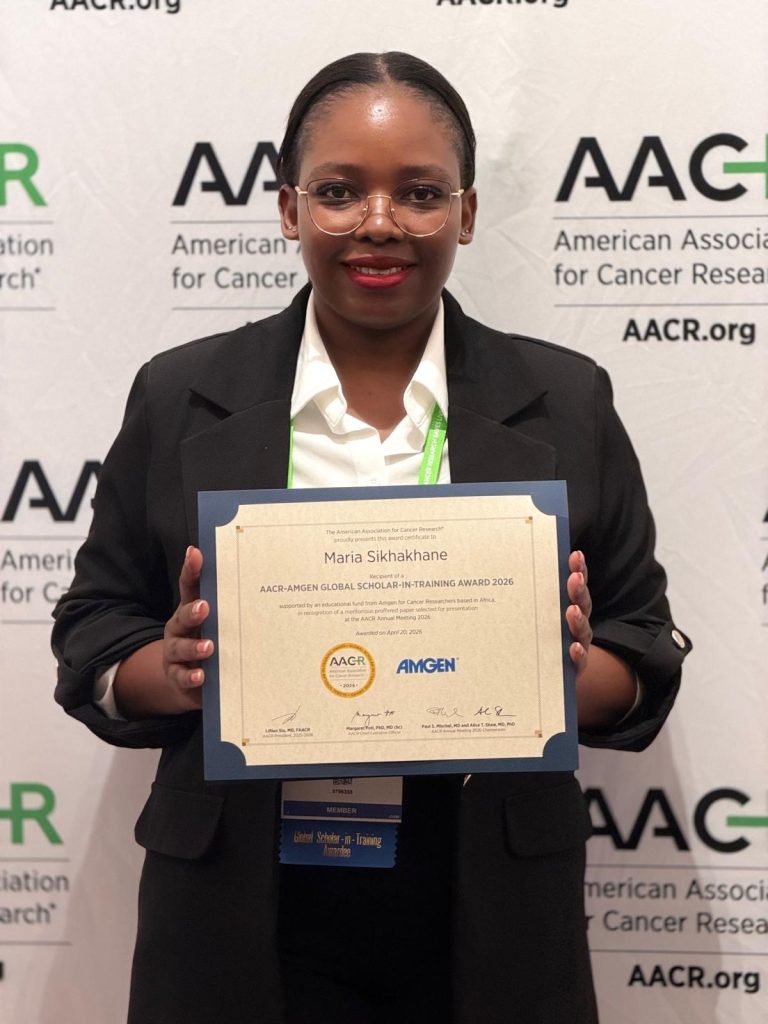 Sikhakhane was one of only five researchers selected globally for the 2026 GSITA cohort, and the sole recipient from South Africa. The award enabled her to present her research at the AACR Annual Meeting in San Diego, United States, a major international gathering that attracts approximately 22,000 cancer researchers each year. Reflecting on the experience, she said, “Presenting my work on such a global platform was both humbling and empowering. It affirmed the importance of research rooted in our local context but contributing to global scientific advancement.”
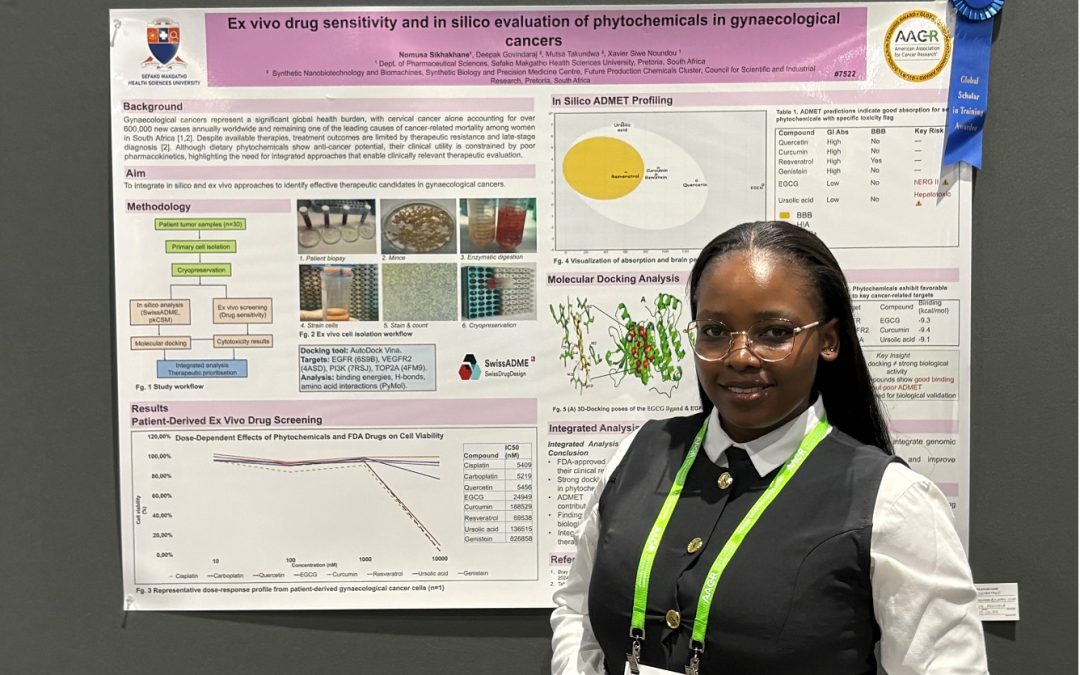
Her research focuses on ex vivo drug sensitivity testing in primary cells derived from South African gynaecological cancer patients. This work contributes to precision oncology by identifying treatments that are more effective for specific patient populations. “Our goal is to move towards more personalised cancer treatment strategies that reflect the biological diversity of our population,” she explained. “Too often, African patients are underrepresented in global datasets, which limits the relevance of treatment approaches.”
As part of the GSITA programme, Sikhakhane participated in a scholar visit to the UC San Diego Moores Cancer Centre, where she engaged with leading researchers and explored how scientific discoveries are translated into patient care. She also visited Amgen in Thousand Oaks, gaining insight into the full drug development pipeline. “Seeing the journey from discovery to manufacturing gave me a deeper appreciation of how multidisciplinary collaboration drives innovation in healthcare,” she noted.
 Beyond the immediate experience, the GSITA programme offers continued engagement, including participation in the African Organisation for Research and Training in Cancer International Conference in 2027. This ongoing support aims to strengthen leadership development and foster regional collaboration among African researchers. Sikhakhane emphasised the importance of such initiatives, stating, “Sustained investment in African researchers is critical if we are to address the continent’s unique cancer burden effectively.”
In addition to her doctoral studies, Sikhakhane serves as a laboratory technician and part-time lecturer at SMU, where she teaches across multiple pharmaceutical science disciplines and supervises student research. Her academic journey includes qualifications in biotechnology from the Vaal University of Technology, reflecting a strong foundation in both research and applied science.
She also highlighted the broader significance of global engagement for local researchers. “I strongly encourage emerging scientists to affiliate with international organisations such as the AACR,” she said. “These platforms not only expand collaboration opportunities but also amplify the visibility of African research.”
Sikhakhane’s achievement underscores SMU’s growing role in advancing impactful, globally relevant health research. Through its commitment to excellence in teaching, learning, and innovation, the university continues to develop scientists who are not only contributing to knowledge production but also shaping the future of healthcare in South Africa and beyond.
By Tumelo Moila