by Lorato | Oct 1, 2026 | All News, Alumni, SMU Media, Student Media
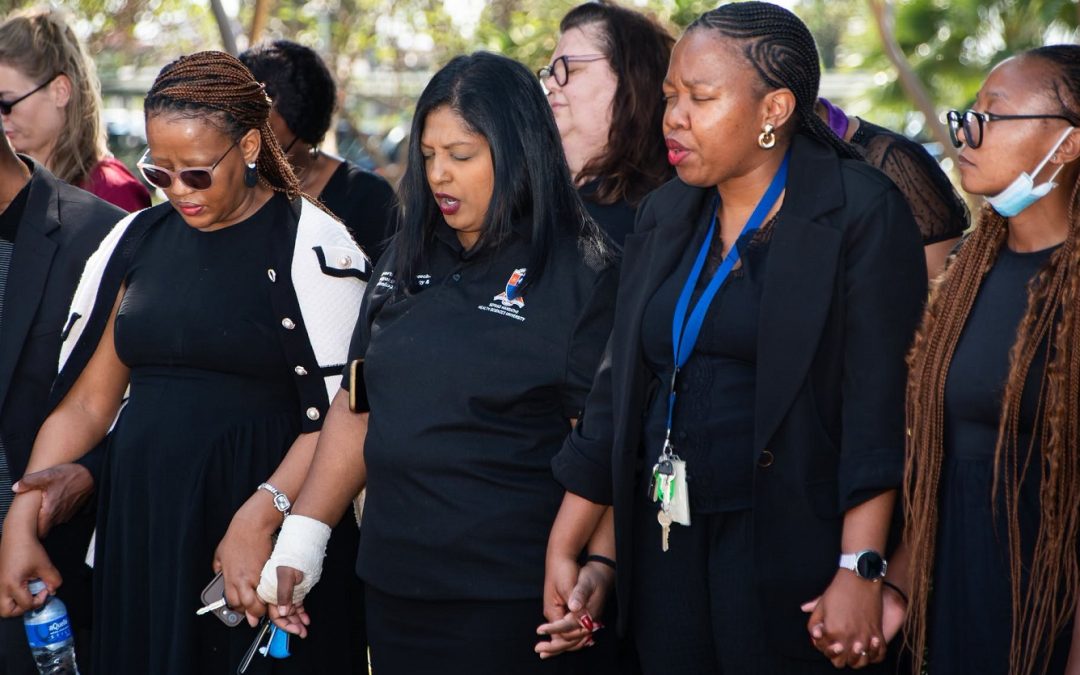
The Sefako Makgatho Health Sciences University (SMU) community has united against gender-based violence and femicide (GBVF), reaffirming the University’s commitment to promoting dignity, safety and respect across its campus community.
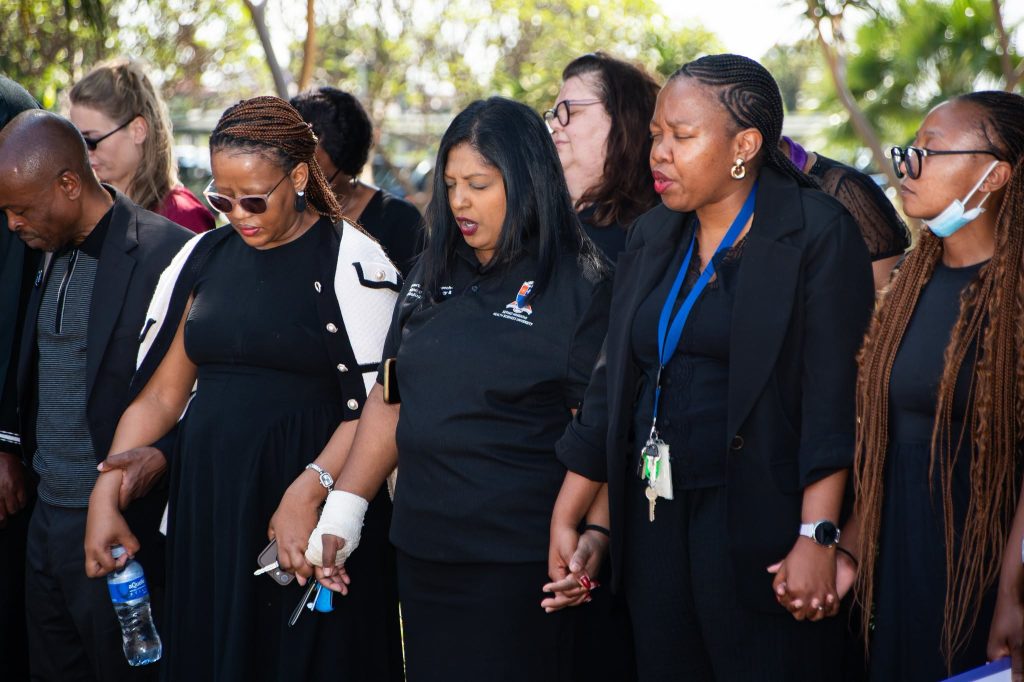 The gathering took place against a backdrop of renewed national concern over violence against women and girls, following the discovery of women’s bodies in Ekurhuleni, Gauteng. By late September, the Presidency had reported that 11 women’s bodies had been found in the area since July, while other women and girls had also been killed in different parts of the country.
The developments have intensified national discussions about the safety of women and the need for coordinated action to address GBVF. Against this backdrop, SMU staff and students gathered to reflect on their collective responsibility to challenge harmful attitudes, support those affected and contribute to a safer university environment.
Velencia Maupye, Manager: Transformation in Human Resources, opened the gathering by emphasising the importance of solidarity and collective responsibility. “This gathering reminds us that GBVF is not someone else’s problem. It affects our communities and requires all of us to take responsibility for creating an environment where people feel safe, respected and supported,” she said.
Acting Vice-Chancellor Prof Dini Mawela highlighted SMU’s responsibility to contribute to the broader response to gender-based violence and to ensure that members of the University community have access to support. “As SMU, we must continue to strengthen a culture where dignity, respect and safety are upheld. Our responsibility does not end with awareness; we must also ensure that members of our community know where to find support and feel confident to speak out,” she said.
The gathering also brought the student perspective into the conversation. Student leader, graduate and council member Thato Odirile Mongake called on students to play an active role in shaping the university’s culture.
“Students have an important role to play in shaping the culture of our University. We must speak up when we see harmful behaviour, support one another and reject the normalisation of violence in all its forms,” Mongake said.
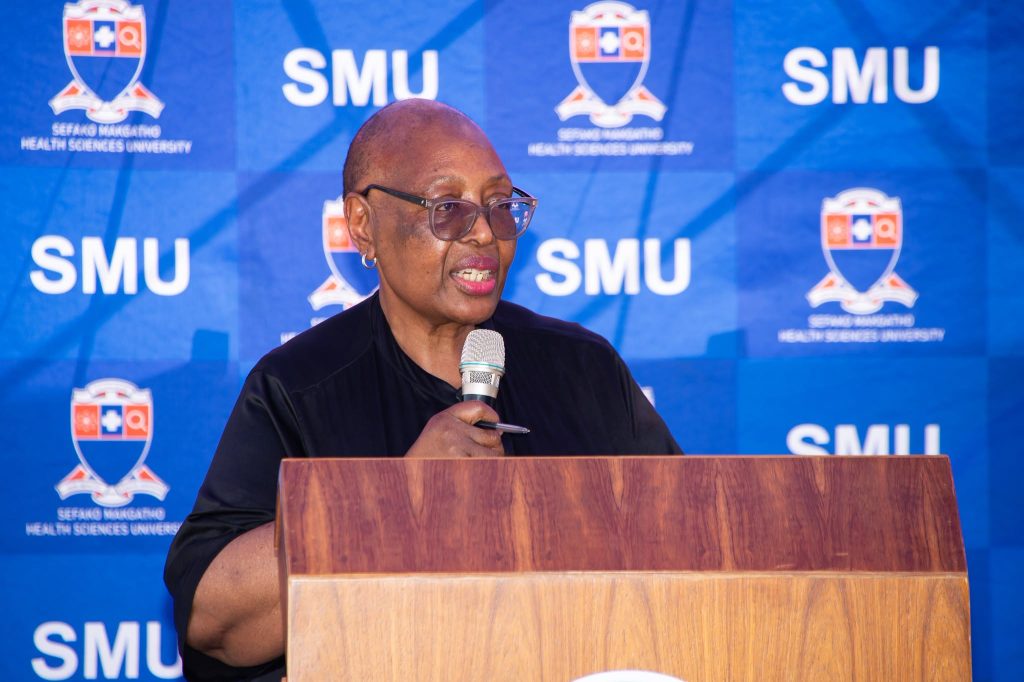 Representing organised labour, Penuel Kunene stressed that addressing GBVF requires participation across society and the University community.
“GBVF affects society as a whole, and addressing it requires everyone to play their part. Organised labour stands with the University community in promoting dignity, respect and an environment free from violence,” he said.
Positive masculinity and the role of men in preventing GBVF were also central to the discussion. SMU horticulturist Mpho Mmako encouraged men to take responsibility for challenging attitudes and behaviours that contribute to violence.
“Men must understand that preventing GBVF is also our responsibility. Positive masculinity means showing respect, taking responsibility for our actions and challenging attitudes and behaviours that contribute to violence,” Mmako said.
The programme included a prayer and a moment of silence led by Dr Esmey Baratwa Esther Moema, School Operations Manager in the School of Science and Technology, providing an opportunity to remember those affected by violence.
“As we pause in this moment of silence, let us remember those whose lives have been affected by violence and reflect on what each of us can do to contribute towards a safer society,” she said.
The programme concluded with a reminder about the importance of seeking support. Maupye encouraged members of the SMU community affected by GBVF to reach out for assistance.
“No one should feel alone when facing GBVF. It is important for our community to know that support is available and that reaching out for assistance is a sign of seeking help, not weakness,” she said.
Through the gathering, SMU reaffirmed that addressing GBVF requires sustained awareness, collective responsibility and action. As a health sciences institution, the University continues to position dignity, safety and community wellbeing as important elements of its broader contribution to society.
By Gabisile Sibeko
by Lorato | Oct 1, 2026 | All News, Alumni, SMU Media, Student Media
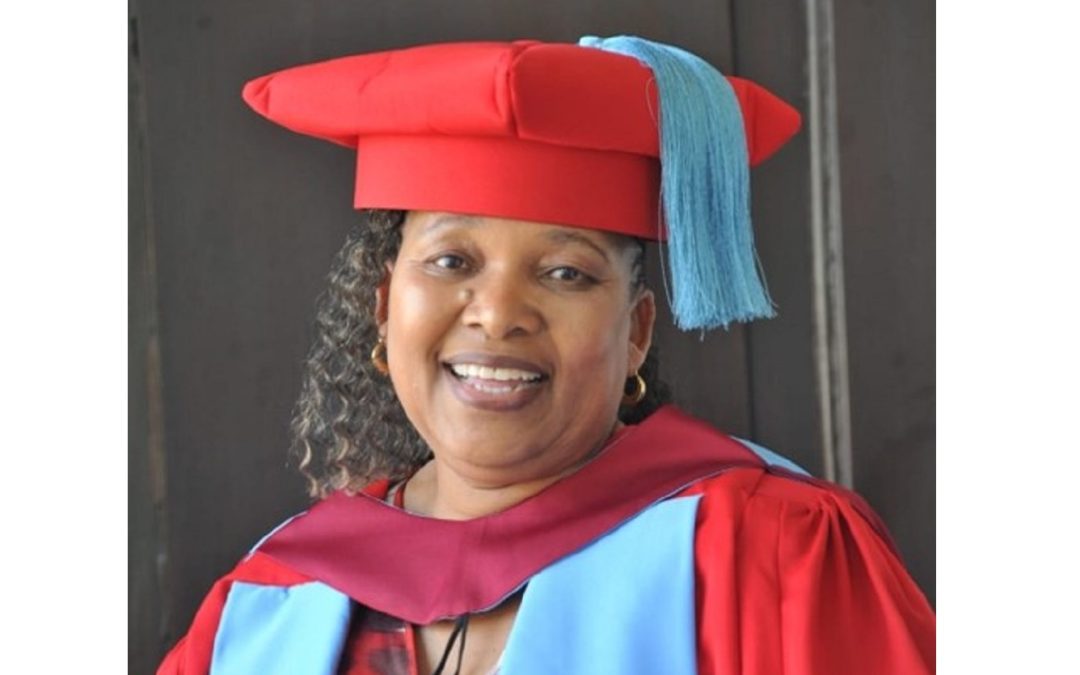
Sefako Makgatho Health Sciences University (SMU) is celebrating the doctoral achievement of Dr Ramadimetja Annah Lesunyane, Acting Head of the Department of Occupational Therapy, who has attained a Doctor of Philosophy specialising in Occupational Therapy from the University of Pretoria.
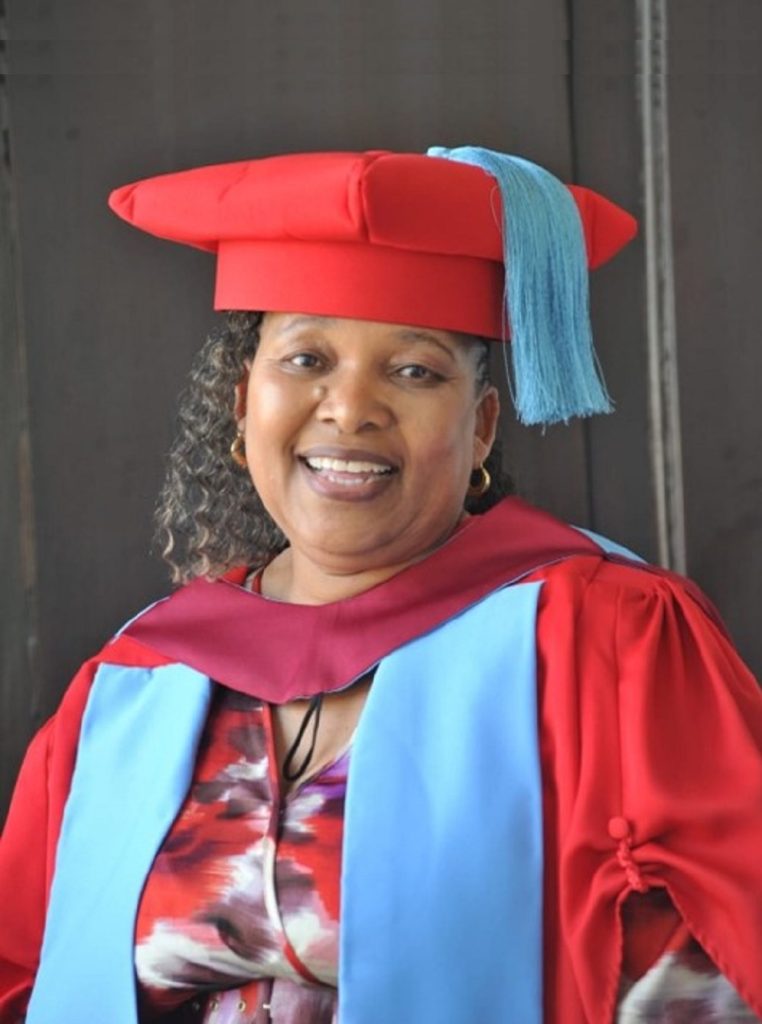 Her achievement comes as the Department of Occupational Therapy marks 50 years of existence, a milestone centred on transforming lives, empowering communities and shaping the future of the profession.
Dr Lesunyane’s doctoral research focused on an issue increasingly important to universities offering health sciences programmes: how to provide holistic support to students navigating demanding academic workloads and intensive professional training.
Her thesis, titled Development of holistic wellness guidelines for academic student support services at universities offering health sciences programmes, used a sequential exploratory four-phase methodology incorporating a scoping review, focus groups and an expert Delphi consensus study.
Grounded in the Person-Environment-Occupation-Performance (PEOP) model, the study developed a comprehensive set of wellness guideline statements designed to address the broader student experience rather than focusing on academic performance alone.
“I believe that to truly help students manage stress and safeguard their mental health, institutional support must apply integrated support frameworks that address the cognitive, emotional, spiritual, environmental, occupational, financial, and social dimensions of their student lives,” said Dr Lesunyane.
“These guidelines will provide universities with a practical roadmap to optimise resources, enhance stress management, and shape resilient, well-rounded future health professionals.”
Her motivation for the research came from her experience as an educator and mentor in occupational therapy. She said she had witnessed students experiencing increasing levels of anxiety, depression and stress, compounded by academic pressures and delays in accessing support.
“My passion for student mental health support and my experience of mentoring students in occupational therapy education are what truly inspired this research,” she said.
Dr Lesunyane said the study was ultimately about developing practical and caring interventions for vulnerable students, adding that investing in student wellness could contribute to academic success as well as longer-term benefits for society and the economy.
The journey to completing the doctorate was not without challenges. Lengthy permission and data-collection processes, rejected manuscripts, and competing responsibilities contributed to unexpected delays. “Throughout the journey, I worked consistently and was encouraged by constant reference to a quote by Mahatma Gandhi that says, ‘Strength does not come from physical capacity. It comes from an indomitable will,’” she said.
She credited her supervisors, Dr Enos Ramano and Professor Karin van Niekerk, as well as her family and SMU’s capacity development grant, for supporting her doctoral journey.
For Dr Lesunyane, the achievement also carries profound personal significance. Raised in a rural village in Limpopo by parents who did not have the opportunity to pursue education, she described education as deeply personal. “Education is personal, as learning is not just business to me; it hits home,” she said.
As Acting Head of the department, Dr Lesunyane sees her leadership role as an opportunity to support staff and students through transparent communication, collaboration and shared responsibility.
Her doctoral achievement therefore adds another milestone to a 50-year departmental legacy while reinforcing SMU’s contribution to occupational therapy education, research and the development of healthier, more resilient health professionals.
By Dimakatso Modise
by Lorato | Oct 1, 2026 | All News, Alumni, SMU Media, Student Media
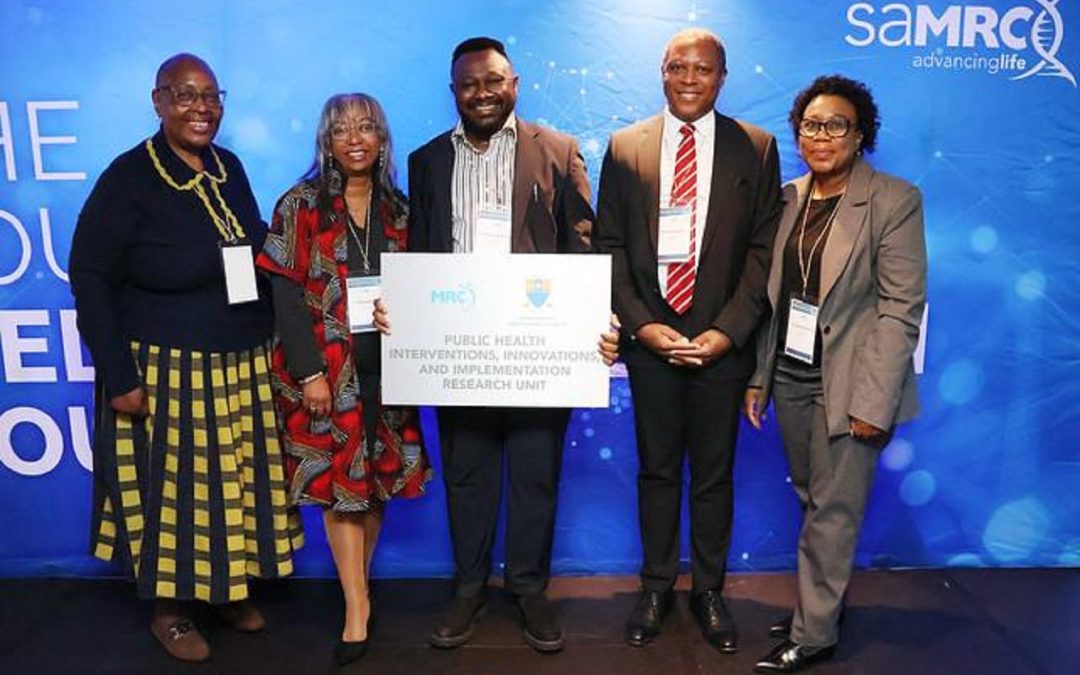
Sefako Makgatho Health Sciences University (SMU), in partnership with the South African Medical Research Council (SAMRC), has established a new multidisciplinary research unit to transform scientific evidence into practical, scalable solutions for South Africa and the African continent.
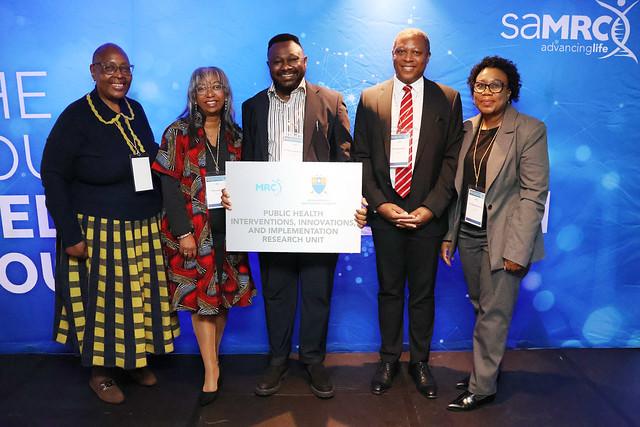 The SAMRC/SMU Public Health Interventions, Innovations and Implementation Research Unit (PHIRu) is one of seven new SAMRC Extramural Research Units launched recently as part of a strategic investment in strengthening South Africa’s health research ecosystem. Effective from 1 April 2026, the seven units have brought the SAMRC’s national portfolio to almost 30 Extramural Research Units.
Led by Professor Olanrewaju Oladimeji, the Founding Director of PHIRu, the Unit brings together researchers, communities, policymakers, healthcare practitioners, industry partners and other stakeholders. Its central purpose is to address a persistent public health challenge: ensuring proven research findings move beyond academic publications and are successfully implemented, sustained, and scaled in real-world health systems.
“Our ambition is to build a research hub where evidence does not end with a publication,” said Professor Oladimeji. “We want research to travel the full pathway, from identifying public health challenges, to co-creating solutions with communities and stakeholders, evaluating what works, and supporting implementation at scale.”
PHIRu’s research programme will focus on four interconnected areas: evidence synthesis for glocalised health interventions; artificial intelligence and health innovation; implementation research for scale and impact; and infectious diseases (TB, HIV, etc.) and non-communicable diseases (Cardiovascular Diseases, Mental Health, etc.).
The Unit will utilise artificial intelligence, digital health technologies and mobile applications to support accessible and responsive healthcare. It will also explore how effective interventions can move from confined research environments into communities, healthcare facilities and broader health systems.
A defining feature of PHIRu is its commitment to co-creation and glocalisation. Rather than developing interventions for communities, the Unit will work with communities and key stakeholders to develop solutions that are culturally appropriate, responsive to local realities and sustainable.
 “The long-term legacy of PHIRu would extend beyond the interventions and innovations we develop,” Professor Oladimeji said. “Most importantly, it would be the African scientists, postgraduate students and emerging research leaders whom we train, mentor and position to lead the next generation of public health and implementation research.”
Capacity development will therefore be central to the Unit’s mission, with opportunities for postgraduate students, postdoctoral fellows and early- and mid-career scientists to strengthen expertise in epidemiology, implementation research, and health innovation.
Although anchored at SMU, PHIRu’s ambitions extend across Africa. The Unit aims to build more partnerships with universities, governments, research institutions, communities and industry while deepening its existing collaborations with the Africa Centres for Disease Control and Prevention, Africa Research Excellence Fund, European and Developing Countries Clinical Trials Partnership and the London School of Hygiene and Tropical Medicine.
“Africa should not simply be a setting where global health solutions are tested,” Professor Oladimeji said. “Africa must increasingly be where health solutions are imagined, co-created, evaluated and scaled.”
The establishment of PHIRu marks a significant milestone for SMU and reinforces the University’s contribution to research, education and healthcare innovation. By connecting evidence, innovation and implementation to societal impact, SMU is positioning public health research to deliver measurable improvements in population health and contribute to stronger, more equitable health systems in Africa.
By Tumelo Moila
by Lorato | Oct 1, 2026 | All News, Alumni, SMU Media, Student Media
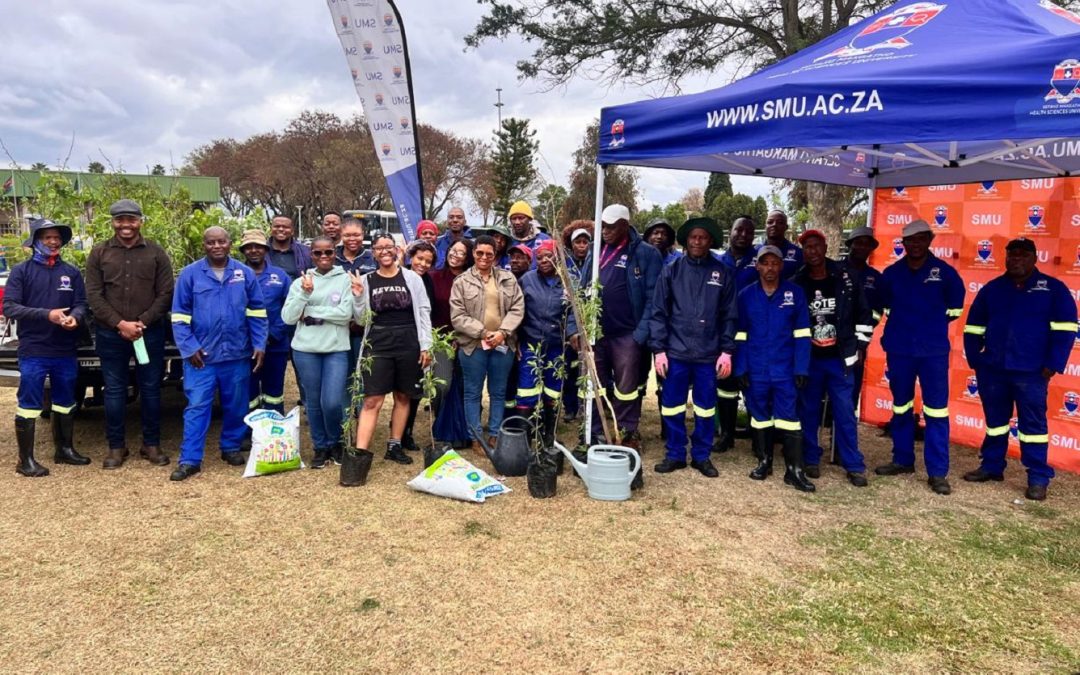
Sefako Makgatho Health Sciences University (SMU) has reaffirmed its commitment to environmental sustainability by joining the national Arbor Month campaign, bringing staff, students, academics and environmental stakeholders together for a tree-planting initiative on campus.
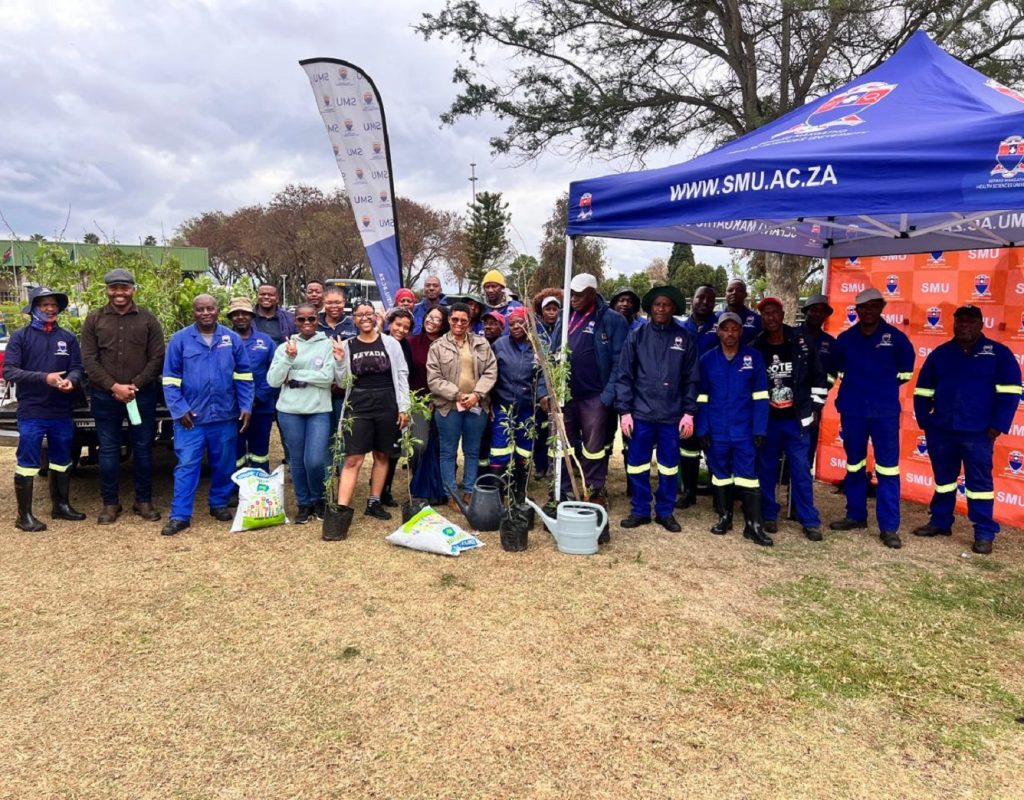 The initiative formed part of the annual National Arbor Month observance, held from 1 to 30 September, which seeks to raise awareness about the importance of trees and forests while encouraging communities and institutions to participate in greening activities.
The 2026 campaign forms part of the Department of Forestry, Fisheries and the Environment’s (DFFE) Ten Million Trees campaign, which contributes to the Presidential One Billion Trees Programme. The national initiative aims to mobilise communities, institutions, businesses and other stakeholders to plant trees and strengthen climate resilience, environmental restoration and sustainable communities.
In 2026, the focus shifted to large-scale tree planting, with DFFE calling for 10 million trees to be planted on Heritage Day, 24 September. This follows the 2025 campaign, during which more than 1.3 million trees were planted across South Africa in a single day.
At SMU, the campaign provided an opportunity to translate these national environmental objectives into practical action within the university environment. SMU horticulturist Mpho Mmako, who manages the University’s ornamental grounds and productive food gardens, highlighted the importance of developing sustainable approaches that respond to the needs of both the University and surrounding communities.
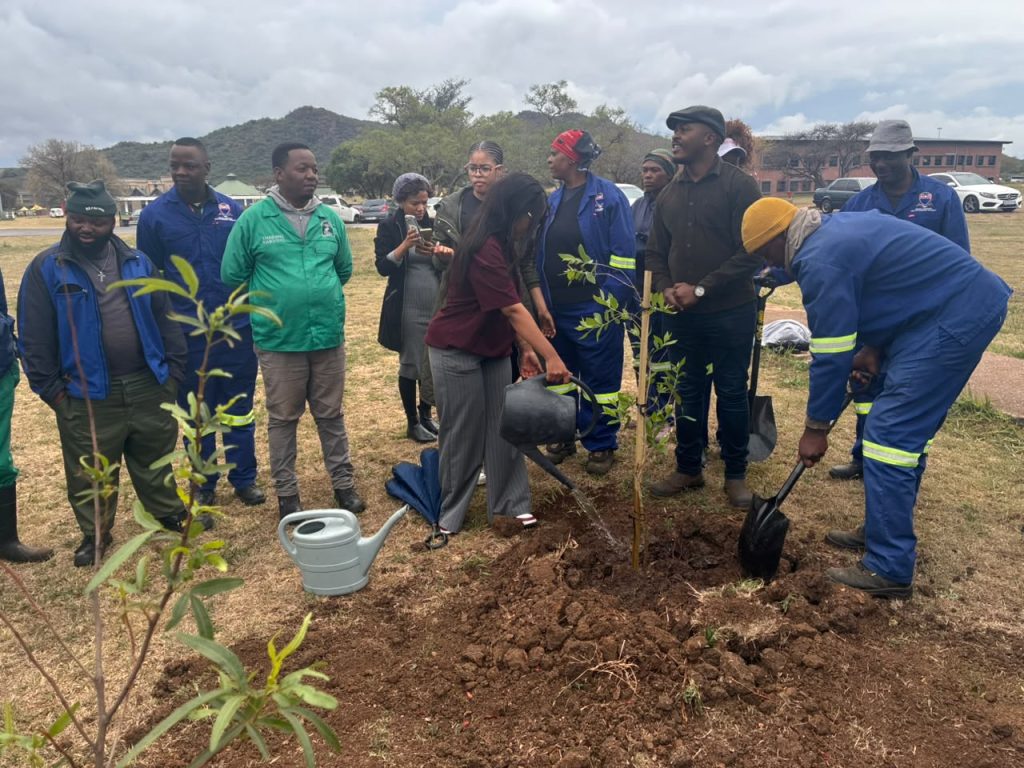 Mmako’s work extends beyond grounds management to include intensive urban food gardening and developing university food gardens as potential community training hubs. “Arbor Month gives us an opportunity to look at the University grounds not simply as spaces that need to be maintained, but as spaces that can contribute to sustainability, food security and learning. Through our food gardens and sustainable grounds management practices, we can demonstrate practical solutions that can also benefit communities beyond the University,” said Mmako.
The initiative also demonstrated the connection between environmental sustainability, food security, education and community development. Representing DFFE, Assistant Director: Forestry Livelihoods Mpho Phadziri expressed her support for the initiative and the opportunity to advance environmental awareness and participation.
“This initiative is more than planting a tree. It is about encouraging people to understand the value of trees, protect our natural environment and take responsibility for creating sustainable communities. Partnerships with institutions such as SMU are important because they help take the message of environmental stewardship into communities and inspire practical participation,” said Phadziri.
Staff from SMU’s Landscape Development and Management Unit within the Built Environment Department supported the event. Academics from the Department of Biology and Environmental Sciences, including Tshegofatso Modise and Cheryl Motshudi, also participated, highlighting the role of academic departments in strengthening environmental awareness and encouraging students to engage with sustainability beyond the classroom.
Students from the Department of Biology and Environmental Sciences further contributed to the commemoration, reinforcing the importance of involving the next generation in conversations about biodiversity, conservation and environmental stewardship. Thabang Rabotho, Director of Friends of Toloane Nature Reserve, also supported the initiative.
For SMU, tree planting represents more than adding greenery to the campus. Trees contribute to cleaner air, biodiversity, shade and healthier urban environments, while food-producing trees and gardens can support food security and livelihoods.
The Arbor Month initiative therefore reinforces SMU’s role as a health sciences university committed not only to education and research, but also to healthier and more sustainable communities. Through its grounds, gardens, academic expertise and student participation, SMU continues to create practical opportunities for learning, conservation and environmental stewardship.
By Dimakatso Modise

by Lorato | Oct 1, 2026 | All News, Alumni, SMU Media, Student Media
Sefako Makgatho Health Sciences University (SMU) has strengthened its commitment to student success after Public Health Senior Lecturer Dr Raikane Seretlo secured R138,000 in financial support from Siemens Healthineers South Africa for four undergraduate nursing students.
 The funding, allocated through the Department of Nursing within the School of Healthcare Sciences, assisted the students with tuition fees and accommodation costs. The initiative demonstrates the value of academic advocacy and external partnerships in addressing financial barriers to higher education.
The opportunity emerged in 2025 when Dr Seretlo approached Siemens Healthineers South Africa to explore funding opportunities for his own postgraduate studies. During discussions with the organisation, he learned of an opportunity to support undergraduate students and redirected his efforts towards securing assistance for students facing financial challenges.
“My teaching philosophy is that no student should be left behind. Students are co-creators of knowledge, and once a student is registered at the university, we have a responsibility to support them irrespective of their background or financial circumstances,” said Dr Seretlo.
Although the funding was divided among four students, the assistance has made a meaningful contribution to their academic journeys. Tuition and accommodation costs can place significant pressure on students from financially disadvantaged backgrounds, potentially affecting their ability to focus on their studies.
A student representative expressed appreciation for the assistance, noting that the funding had eased financial pressure and enabled the beneficiaries to focus more fully on their academic responsibilities. “I would like to sincerely thank you for the financial support you have provided through the Siemens Healthineers’ bursary. Although the bursary did not cover the full tuition fee, the contribution made a meaningful difference and helped me continue my studies with less financial pressure. I am truly grateful for this opportunity and for the investment you have made in my education. Your support motivates me to work hard, perform well academically, and make the most of the opportunity I have been given,” said .
Dr Seretlo described the initiative as part of his broader commitment to being a pro-student academic and advocate. His efforts extend beyond his own department, reflecting his belief that students across SMU should benefit from opportunities that promote academic success.
“I believe that students across SMU deserve support where opportunities arise. I am willing to approach external stakeholders and seek assistance where this can contribute to student success,” he said.
The initiative also highlights the importance of collaboration between the university and external stakeholders in expanding student support opportunities. A representative of Siemens Healthineers South Africa said the organisation was pleased to support students and contribute to their educational journey. “Access to quality healthcare begins with empowering those who will deliver it. We are honoured to contribute to the academic journey of these future nurses and support the development of a stronger healthcare workforce for South Africa and the positive impact they will make in communities across South Africa,” said Melissa Rambally – Marketing and Communications Manager, Siemens Healthineers South Africa.
Dr Seretlo expressed his appreciation to Siemens Healthineers South Africa for responding positively to his request and making the funding available. He also acknowledged the contribution of the Nursing Department acting Head of Department, Dr Andile Mokoena-de Beer, who helped identify students requiring financial support, as well as lecturer Glen Malepa, who coordinated logistical arrangements.
Dr Mokoena-de Beer said the support would make a meaningful difference to the students, particularly in helping them remain focused on their studies despite financial pressures. “Financial challenges can have a significant impact on students’ academic journeys. This support has provided much-needed relief to the beneficiaries and demonstrates what can be achieved when academics and external partners work together in the interest of student success. We are grateful to Siemens Healthineers South Africa for investing in our nursing students and to Dr Seretlo for identifying and pursuing this opportunity. Supporting our students in this way contributes not only to their individual success, but also to the development of the future nursing workforce,” said Dr Mokoena-de Beer.
The initiative aligns with SMU’s commitment to student-centredness, accountability and Ubuntu, while advancing its mission of excellence in teaching, learning and professional education in the health sciences.
Through academic advocacy and strategic partnerships, SMU continues to promote an inclusive and supportive learning environment that enables students to pursue their qualifications and contribute meaningfully to the future of healthcare in South Africa.
By Tumelo Moila

by Lorato | Oct 1, 2026 | All News, Alumni, SMU Media, Student Media
Sefako Makgatho Health Sciences University (SMU) celebrated the creativity and diverse talents of its students when the SMU Amphitheatre came alive for the Explosive 2026 Talent Show, held under the theme “Power of Expression”.
 The annual showcase gave students a platform to express themselves through poetry, music, and other artistic performances while competing for the top three positions. The event also reflected SMU’s commitment to a vibrant student experience that complements academic and professional development.
The evening opened with a welcome from Tulani Nkuntse, Acting Executive Director: Student Affairs, who encouraged students and guests to embrace the event’s spirit and celebrate the creativity within the SMU community. As the competition unfolded, contestants took to the stage before a panel of judges, demonstrating their abilities and using their performances to connect with the audience.
The first round featured a range of vocalists, poets and artists, with contestants challenged to communicate their individual stories and personalities through their chosen forms of expression. The second round raised the intensity as the performers returned to the stage to deliver their strongest acts while the judges assessed their performances and determined the final results.
Among the judges was South African gospel artist, vocal coach, composer and artist Tshepo Nyawuza, who praised the level of talent on display. “I am really happy to see the amount of talent that exists here at SMU. There is so much creativity and potential among the students, and events like this give them an opportunity to express themselves and grow,” Nyawuza said.
 Nyawuza also performed some of his own songs, drawing an enthusiastic response from the audience. His participation added an established artistic perspective to an event centred on developing and celebrating emerging student talent. “I wanted the students to understand that expression is about more than simply performing. It is about being confident in who you are, telling your story and allowing people to experience your talent,” he said.
The competition culminated in the recognition of the top three performers. Poet Proud Minisi claimed first place and received R5 000, while vocalist Mayana Mathonsi took second place and received R3 000. Poet Thembeka Bengu finished third and was awarded R2 000.
Beyond the competition and prizes, the talent show gave students an opportunity to demonstrate abilities that may not always be visible in lecture halls, laboratories and clinical learning environments. The “Power of Expression” theme highlighted the role of creativity in building confidence, communication skills and a sense of community among students.
Nyawuza encouraged the university to continue providing platforms that enable students to develop their artistic abilities and explore their potential.
“SMU should continue giving students these kinds of platforms because you never know who is sitting in the audience or who is standing on that stage. Some of these students have the potential to go very far,” he said.
The Explosive 2026 Talent Show demonstrated that student development extends beyond academic achievement. Through initiatives that promote creativity, confidence and self-expression, SMU continues to foster a holistic student experience while preparing future health professionals who can contribute meaningfully to society and the health sector.
By Dimakatso Modise
