by Lorato | Nov 26, 2025 | Accolades and Achievements, All News, SMU Media, Student Media
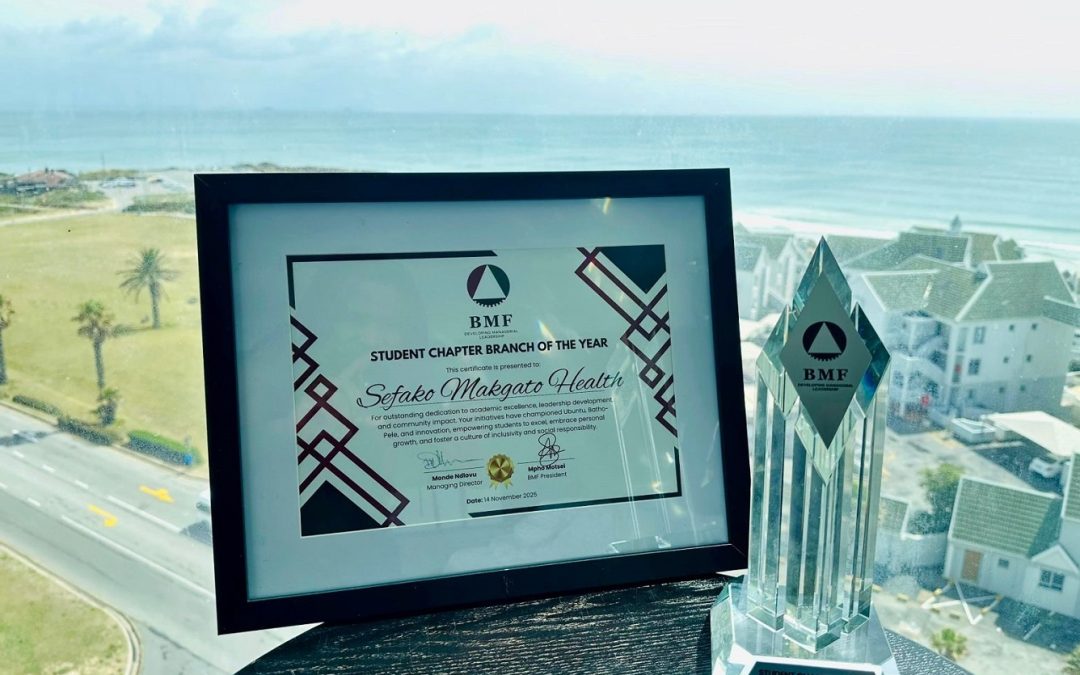
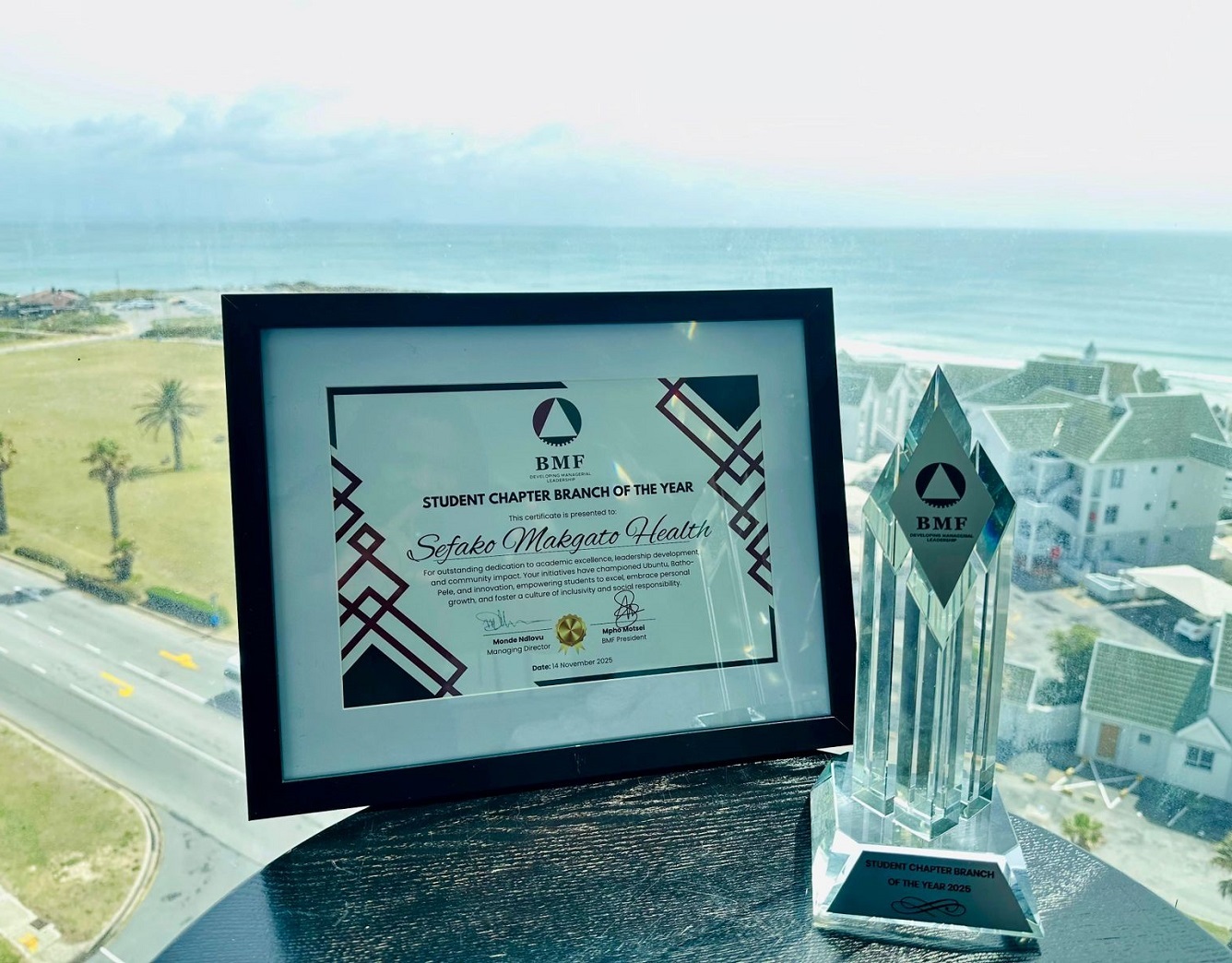
The Black Management Forum Student Chapter at Sefako Makgatho Health Sciences University (BMF SC SMU) has been crowned BMF Student Chapter Branch of the Year, earning national recognition for exceptional leadership, bold innovation, and unwavering commitment to student development. The accolade, conferred during the 49th annual general meeting (AGM) held in Gqebherha, Eastern Cape, from 13–14 November 2025, marks a defining moment for the chapter after a year its executive describes as one driven by discipline, collaboration, and measurable impact.
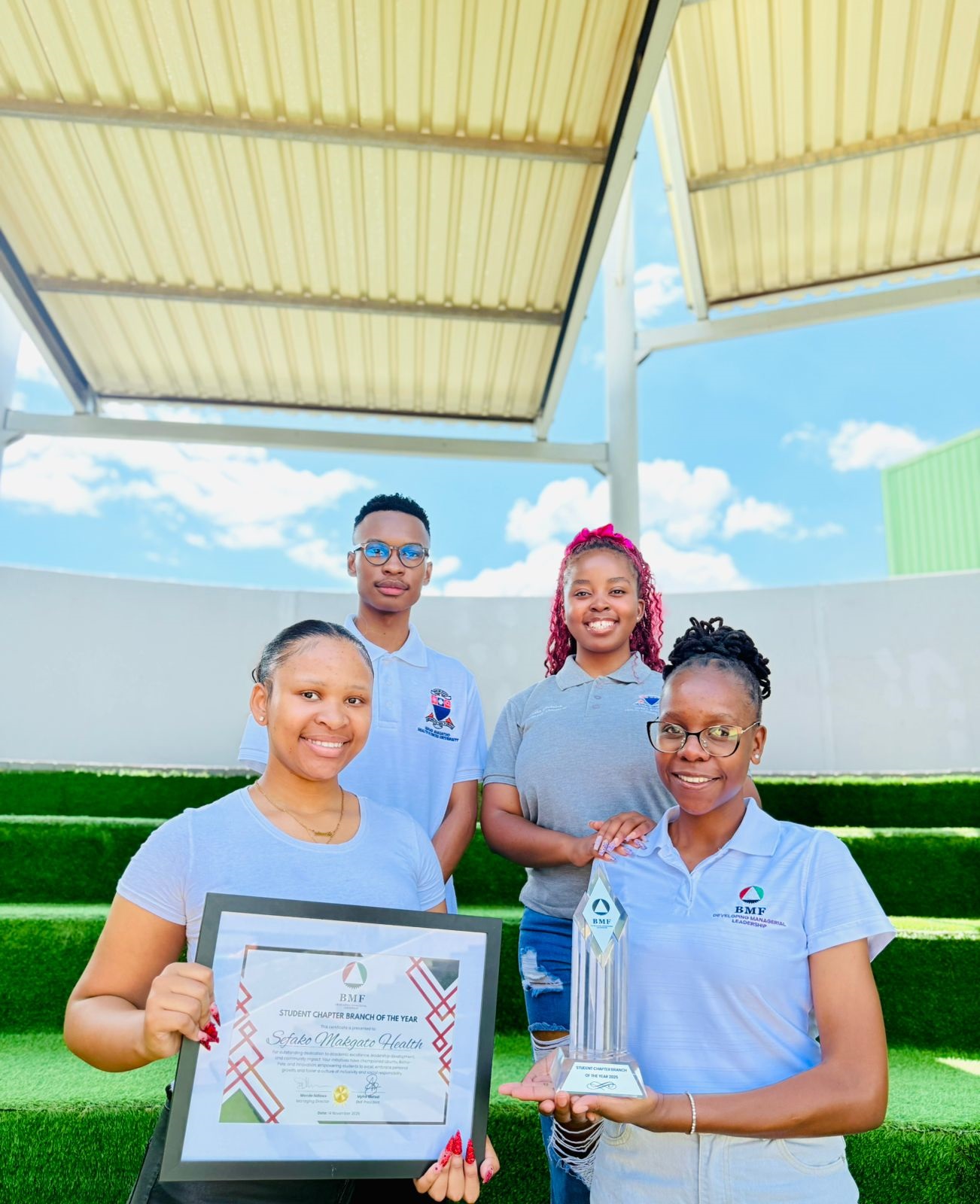 Chairperson Thato Phasha described the win as “a powerful affirmation of what focused, values-driven student leadership can achieve.” She added, “Our goal has always been to empower students with real opportunities for growth. This award proves that commitment pays off.”
The accolade is presented to a student chapter that demonstrates exceptional performance across key areas, including academic excellence, youth development, and the promotion of values such as creativity, integrity, and accountability. According to the adjudicators, BMF SC SMU excelled by delivering evidence of meaningful programmes and sustained community engagement.
Secretary Thabiso Kekana highlighted the chapter’s strategic approach, saying: “We worked intentionally—every programme, every partnership, every event had to benefit students directly. Impact was our priority.”
At the core of the chapter’s work is the BMF mandate of “Developing Managerial Leadership,” which empowers young people preparing to enter the corporate and economic sectors. The Student Chapter aims to equip its members with managerial competence and an understanding of socio-economic transformation.
 In 2024–2025, BMF SC SMU rolled out a series of high-impact initiatives. The Recruitment Drive strengthened member diversity, ensuring that more students gained access to leadership development platforms. The Mentorship and Tutorship Programme provided personalised academic support, contributing to improved performance and confidence among students.
Economic empowerment remained a strong pillar of the chapter’s agenda. Entrepreneurship Day encouraged entrepreneurial thinking and innovation, while the Financial Literacy Programme equipped students with practical skills for budgeting, saving, and long-term financial planning. Women’s empowerment took centre stage through Empowered Women, Empowering Economies, an initiative that promoted financial independence and leadership among female students.
Reflecting on these initiatives, Gender and Transformation Officer Maobuseng Mafata noted: “Our programmes are designed to break barriers—academic, financial, and social. We are developing well-rounded leaders.”
Project Officer Confidence Chego added, “This year proved that collaboration is our strongest tool. When students feel supported, they excel.”
The chapter’s achievements were amplified through key partnerships with STANLIB and MoneyCare, which enhanced the professionalism and reach of its programmes. These collaborations, Phasha said, “allowed us to deliver initiatives at a national standard.”
Winning the national title has energised the chapter’s leadership. According to Kekana, the recognition serves as “a commitment to go even further, to create more opportunities, and to raise the bar for student leadership across the country.”
As BMF SC SMU looks ahead, its mission remains unchanged: to shape a generation of ethical, dynamic, and socially conscious leaders. With renewed national recognition and a proven track record, the chapter stands poised for an even more impactful future.
By Tumelo Moila

by Lorato | Nov 26, 2025 | All News, SMU Media, Student Media
The first Memorandum of Understanding (MoU) signed under the leadership of Sefako Makgatho Health Sciences University (SMU) Vice-Chancellor, Professor Tandi Matsha-Erasmus, has marked a decisive step in strengthening African-led academic partnerships. Fresh from her inauguration earlier in November 2025, Professor Matsha-Erasmus led a senior delegation of SMU deans and directors to Maputo, Mozambique, where an MoU between SMU and Universidade Wutivi (UniTiva) was formally concluded.
 The delegation received a warm welcome from UniTiva’s Chancellor, Professor Domingos Tivane, and Rector, Professor Nelson Chacha. Held from 18–19 November, the visit brought together leaders from both institutions to identify strategic areas of collaboration, tour UniTiva’s newly launched Faculty of Health Sciences Simulation Laboratory, and formalise the MoU that will anchor the growing partnership.
Senior SMU representatives—including Acting Deputy Vice-Chancellor, Professor Dini Mawela; Dean of the School of Medicine, Professor Risenga Chauke; Dean of the School of Pharmacy, Professor Patrick Demana; and Dean of the School of Health Care Sciences, Professor Douglas Maleka—met with their Mozambican counterparts to chart practical joint initiatives. Discussions focused on internationalising curricula, increasing staff and student mobility, and deepening collaborative research.
In parallel, the Director of SMU’s Skills and Simulation Centre, Dr Lesego Phiri, visited UniTiva’s Simulation Centre, which was designed based on SMU’s model. Director of Student Affairs, Tulani Nkuntse, and Director of Internationalisation, Dr Carlien Jooste, held further engagements centred on student life and intercultural exchange.
Reflecting on how meaningful partnerships are built, Dr Jooste emphasised: “Collaborations should never only be a signature on a piece of paper. The success of a collaboration lies in how schools, academics, and students find common areas of interest and subsequently grow fields of knowledge.”
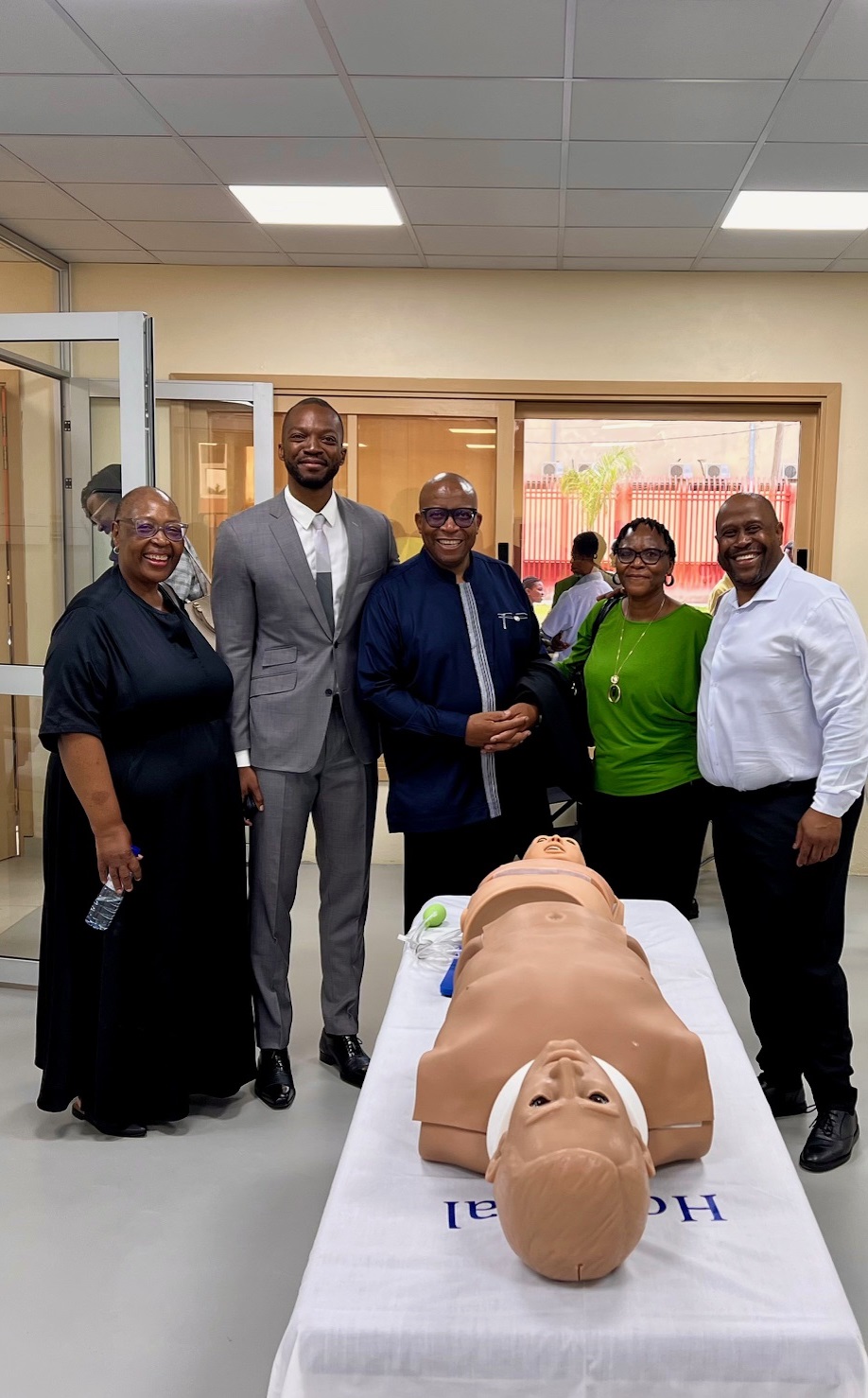 The MoU was officially signed on 19 November 2025, with the South African High Commission in Mozambique represented by First Secretary: Political, Stanley Netshimboni. Speaking at the ceremony, Netshimboni said: “I am delighted to be here today, as our role is to support initiatives such as this between our two countries.”
The signing ceremony also drew several former Mozambican Ministers of Health who played pivotal roles in establishing UniTiva’s Faculty of Health Sciences. Addressing the gathering, Rector Professor Nelson Chacha underscored the significance of the new partnership: “We expect to create a collaborative movement. We want to make a big difference with this MoU. We want to solve the problems that our two countries are facing in the health sector.”
In her keynote address, Professor Matsha-Erasmus outlined a clear vision for African-led advancement, stating, “I look at what Africa can do for itself. It is time for Africa to solve its own problems. For SMU, the signing of this MoU is the seed of what Africans can achieve when we work together. We commit, in South Africa and at SMU, to honour this partnership. This partnership is mutual and requires respect and shared commitment.”
This latest milestone follows a high-level benchmarking visit by UniTiva to SMU in April 2025. The ongoing momentum—through exchanges, joint planning sessions and now a formal agreement—demonstrates SMU’s commitment to building impactful, sustainable collaborations on the continent. The University continues to prioritise partnerships that deliver measurable value, uphold academic excellence, and expand Africa’s capacity to address its own health challenges.
by Lorato | Nov 26, 2025 | All News, SMU Media, Student Media
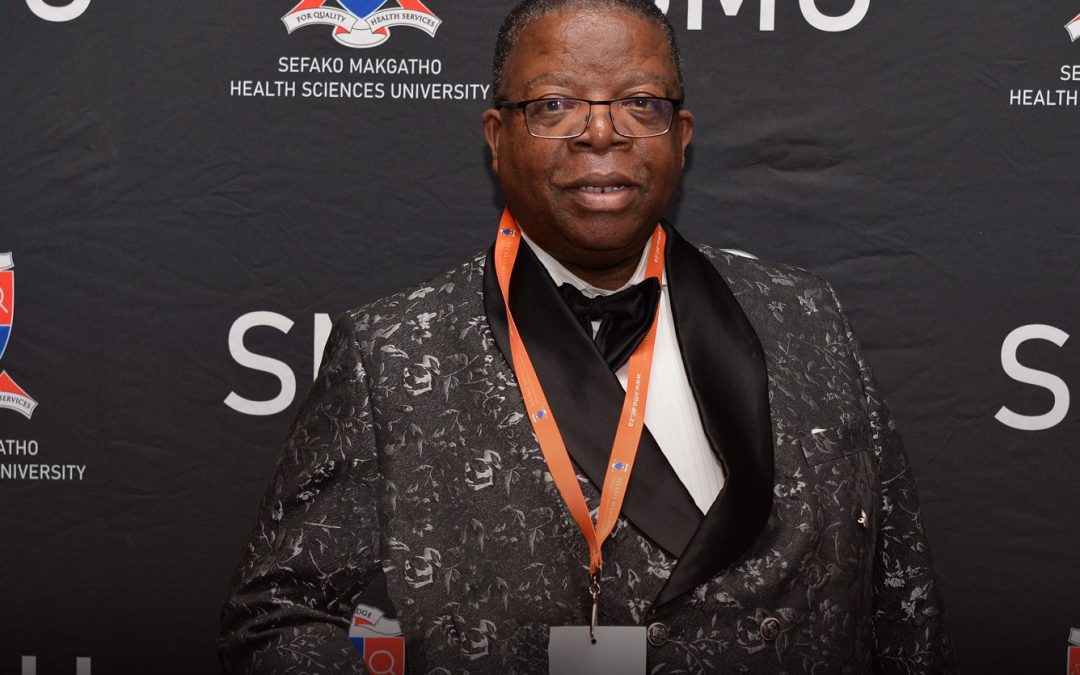
Sefako Makgatho Health Sciences University (SMU) alumnus and retired Head of the Department of Cardiology, Professor Pindile Mntla, is celebrated for a career defined by vision, resilience, and unwavering commitment to medical education and research.
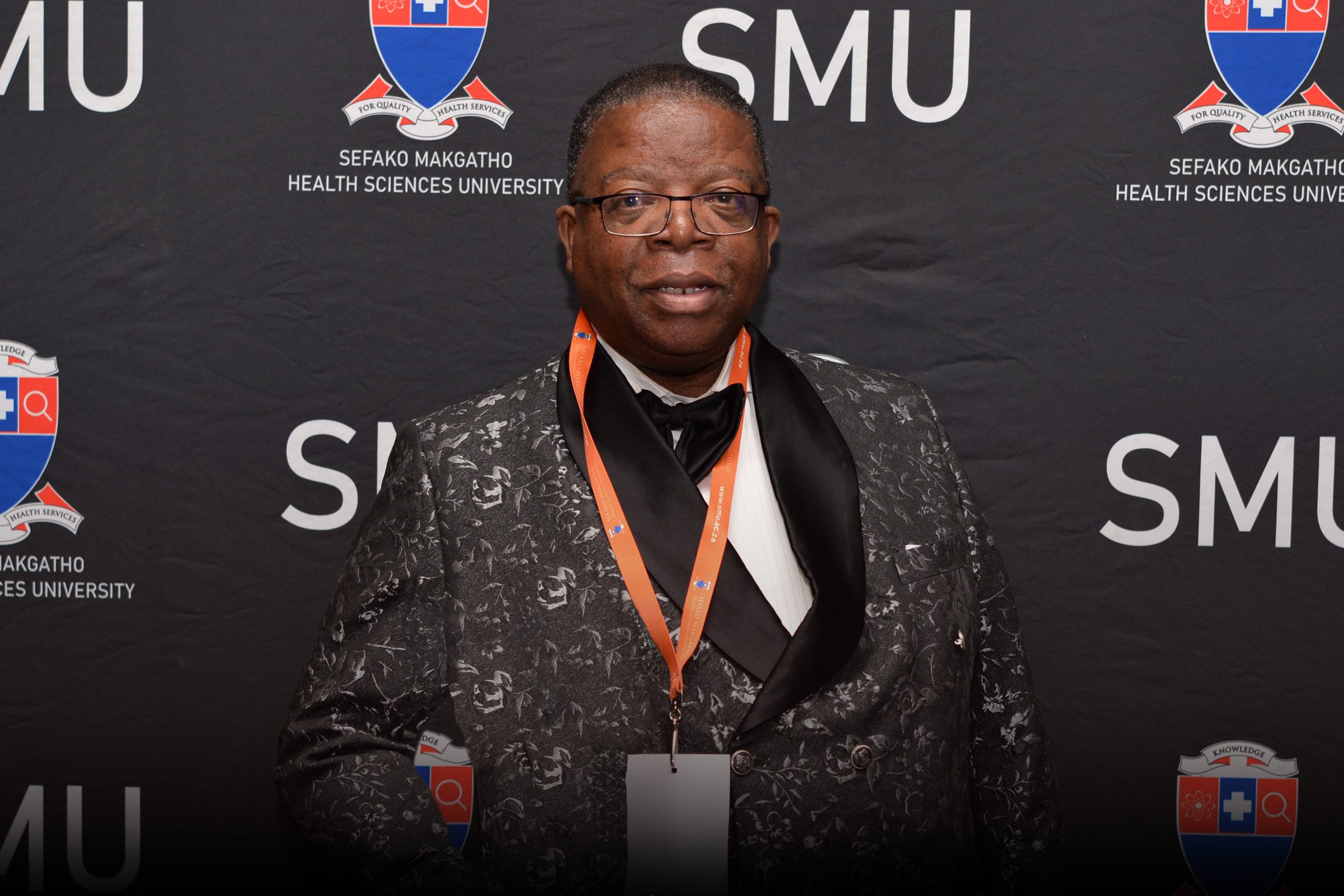 Born at Malmesbury Hospital in Cape Town, Prof Mntla was the second of five children, though only three survive today. Raised in Idutywa by his maternal grandfather and uncle, he attended primary school in Bolotwa and completed secondary education in Cofimvaba and at St John’s College in Mthatha. His early years instilled in him discipline and curiosity. “I owe much of my resilience and work ethic to those formative years,” he reflects.
Mntla graduated as a medical doctor from the Medical University of Southern Africa (MEDUNSA), now SMU, in 1984. During his years there, he was introduced to politics through the formation of Azanian Students Organisation (AZASO), where he served as the founding secretary of the Medunsa branch. He had already been exposed to uMkhonto weSizwe (MK) activities as a Grade 11 pupil at St John’s College, assisting with distributing literature, knitting jerseys, and supporting cell activities in Spring Street.
His medical training coincided with turbulent times in South Africa. Initially slated for an internship at Edendale Hospital in 1985, he refused to sign the “Inkatha Pledge” and was redirected to Natalspruit Hospital (now Telle-Mogoerane Hospital) during the height of the East Rand uprisings. Prof Mntla recalls the horrors of the era: a house in Thokoza, along with his graduation gown, hood, and books, was burnt, and he was closely monitored by Internal Security. Despite these challenges, he resolved early in his medical career that private practice would not be his path.
His registrar years at Wits were also marked by systemic inequities: restrictions on accommodation due to the Group Areas Act, unequal benefits compared to fellow registrars, and ongoing discrimination. Yet these obstacles did not deter him.
Returning to his alma mater in 1994 as a lecturer in Cardiology and Internal Medicine, Mntla co-launched the Refresher Course alongside Prof Willie Bam and departmental administrator Mrs Jackson in 1995. What began in a modest lecture hall evolved into a nationally recognised platform, now hosted at the CSIR, providing doctors with access to the latest cardiology knowledge in a structured, professional setting.
Mntla’s research collaborations, including work with the late Prof Bongani Mayosi, addressed critical cardiology issues such as pericardial disease, rheumatic heart disease, hypertension, and heart failure. Mentorship remains a core principle for him; numerous Master’s and PhD students under his guidance have completed studies shaping clinical practice today.
Beyond SMU, Prof Mntla has contributed to the Medicines Control Council (now SAHPRA – South African Health Products Regulatory Authority), the College of Physicians Council, and the Colleges of Medicine of South Africa (CMSA) Senate, and chairs the Nelson Mandela/Fidel Castro (NMFC) Medical Collaboration Programme. He has served on advisory boards, including the South African Medical Research Council (SAMRC), acted as an external examiner for the University of Botswana and the University of Malawi, and participated in medical outreach through the Phalala Programme in Eswatini.
Mntla’s personal legacy is equally profound. He is married to Dr Edith Nonhlanhla Mntla (née Madela) and is a proud father of three children, two of whom have followed him into the medical profession. “Seeing my children pursue medicine fills me with immense pride,” he reflects.
“Prof Mntla embodies a rare blend of vision and humility,” says Dr Edith Mntla. “He inspires excellence while nurturing talent.” His leadership journey includes serving as Deputy Dean for Students (2002), Director of the School of Medicine (2005–2009), and Acting Dean of the Faculty of Health Sciences.
Throughout his career, he has exemplified intellect, action, mentorship, and service. “He doesn’t just teach medicine; he teaches us how to serve humanity,” Dr Mntla adds. His story remains one of resilience, leadership, and lasting influence on South African medicine.
By Tumelo Moila
by Lorato | Nov 26, 2025 | All News, SMU Media, Student Media
Sefako Makgatho Health Sciences University (SMU) has achieved another significant research milestone through the appointment of Dr Vusani Muswa Maphiri as Guest Editor for a Multidisciplinary Digital Publishing Institute (MDPI) Special Issue titled “Advances in Supercapacitor Materials and Performance.” MDPI, a global pioneer in open-access scholarly publishing, is dedicated to fostering unrestricted scientific exchange across all disciplines. Dr Maphiri’s appointment not only reflects his growing international influence but also underscores SMU’s expanding role in shaping global research on advanced energy materials.
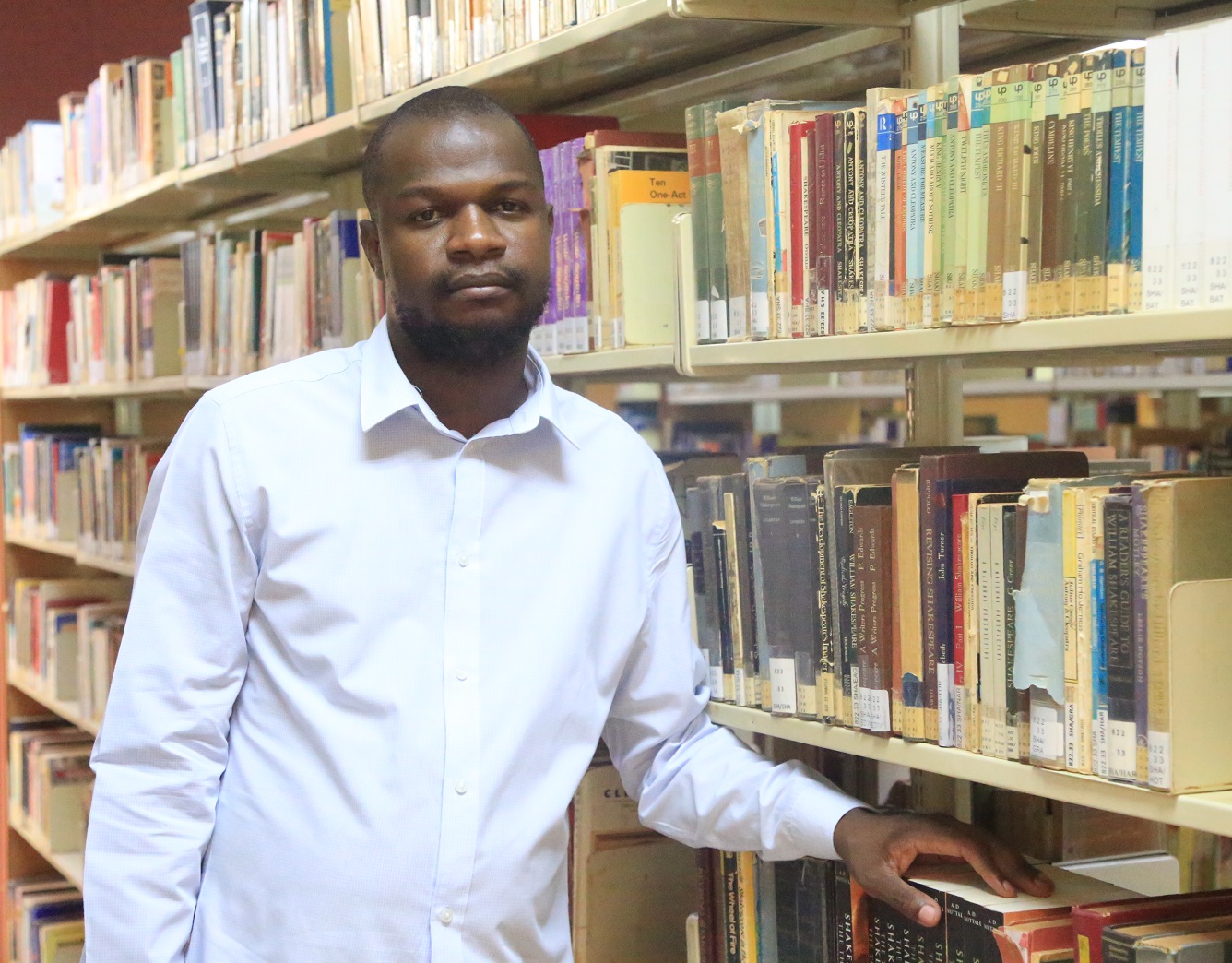 Maphiri, widely recognised for his precise and confident academic writing, will lead the editorial direction of the Special Issue, ensuring the publication of high-impact research in one of the world’s fastest-advancing renewable-energy fields. Reflecting on the appointment, he said: “This role is a tremendous responsibility. It allows me to help shape the scientific conversation in supercapacitor technology and ensure that high-quality, meaningful research reaches an international audience.”
His journey into the world of physics began long before his university career. Growing up in a rural community, his journey into the world of physics began long before his university career. Growing up in a rural community of Vondwe Village, just a few streets away from the late Prof Mulalo Doyoyo, he was raised in an environment where education, discipline and perseverance were deeply ingrained values. “My upbringing taught me resilience, humility and the importance of hard work. Those early lessons have guided my entire academic path,” he shared.
He attended Gooldville Mission School in Vhufhuli for his primary education, a nurturing environment that sparked his early curiosity and laid the foundation for his academic ambitions. His secondary education took him to St Augustine Residential School and later Thengwe High School in Makhitani near Tshilamba, where his interest in physics and mathematics flourished. “Those were formative years for me,” he reflected. “They strengthened my determination to pursue higher education and to contribute meaningfully to scientific advancement.”
Driven by a passion for understanding materials and energy systems, Maphiri pursued his BSc, BSc Honours and MSc (cum laude) at SMU, steadily refining his research interests and academic focus. He later completed his PhD in Physics at the University of Pretoria in 2022, specialising in supercapacitor and microsupercapacitor applications under the supervision of Prof Ncholu Manyala, a highly recognised materials scientist and a top-cited researcher ranked among the world’s leading 2% scientists. This advanced training laid the foundation for Maphiri’s growing expertise in supercapacitor energy storage and emerging nanomaterials.
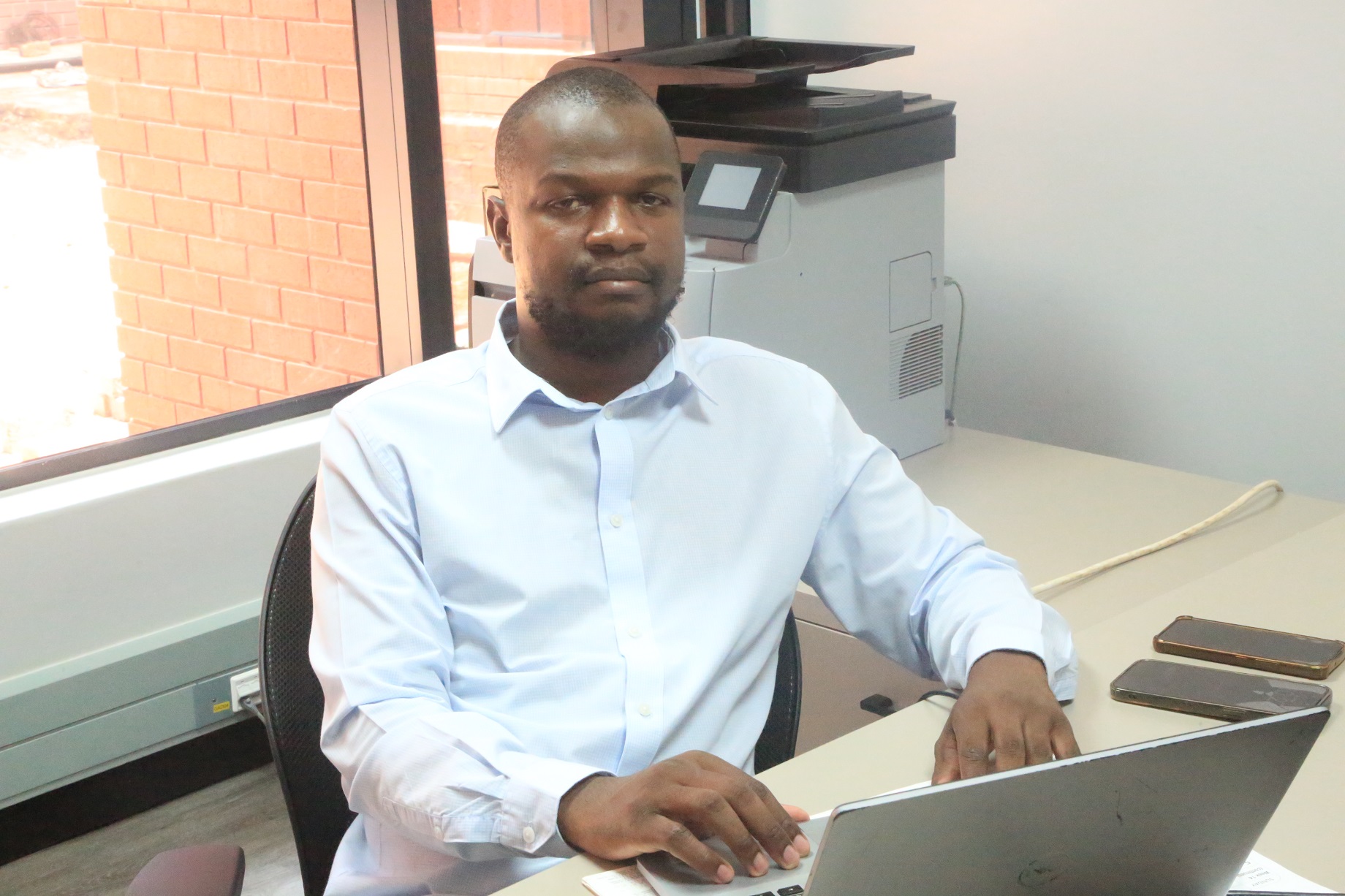 Today, he is a Lecturer in the SMU Department of Physics and one of the institution’s most productive early-career researchers, with an H-index of 14 and over 45 SAPSE-accredited publications, most of them published in the Journal of Energy Storage (impact factor 10). His research spans nanomaterials, electrochemical energy storage, optoelectronic devices and advanced electrode engineering, and his collaborations extend across Africa, Europe and South America.
Discussing his broader mission as a scientist, he noted: “Energy-storage materials play a vital role in the global transition to cleaner technologies. I aim to contribute solutions that are both scientifically innovative and socially relevant, particularly for African contexts.”
Colleagues across the School of Science and Technology (SST) have welcomed his appointment as a significant boost to SMU’s visibility. SST Operations Manager Dr Esmey Moema commented: “Dr Maphiri’s editorial appointment reflects the calibre of scholarship emerging from SMU. It also shows that our researchers are helping shape international scientific directions, particularly in energy-materials research.”
Equally passionate about mentorship, Maphiri supervises and mentors postgraduate projects on graphene-based electrodes, metal-oxide nanostructures and 3D-printed current collectors. Many of the students he supervises—both locally and across Africa—have successfully peer-reviewed publications under his guidance.
He also volunteers as equipment manager for advanced spectroscopy and microscopy instruments at the University of Pretoria, including the state-of-the-art Witec micro-Raman 300RAS alpha system, a high-resolution instrument capable of nanoscale chemical imaging, phase identification, and vibrational analysis of complex materials. Through this role, he strengthens national research capacity and supports multidisciplinary projects across physics, chemistry, materials science, and biomedical research.
As Maphiri assumes his new editorial role, SMU celebrates a researcher whose work, values and life journey continue to elevate the university’s standing in sustainable-energy innovation and physics-led discovery.
By Tumelo Moila

by Lorato | Nov 20, 2025 | Accolades and Achievements, All News, SMU Media, Student Media
In a year defined by strategic reinvention and unprecedented momentum, Sefako Makgatho Health Sciences University (SMU) has entered the national spotlight with its first-ever accolade from the prestigious Marketing, Advancement and Communication in Education (MACE) Excellence Awards. The recognition marks not only a milestone for the Communications and Public Relations Unit but also a defining moment in the university’s evolving institutional identity.
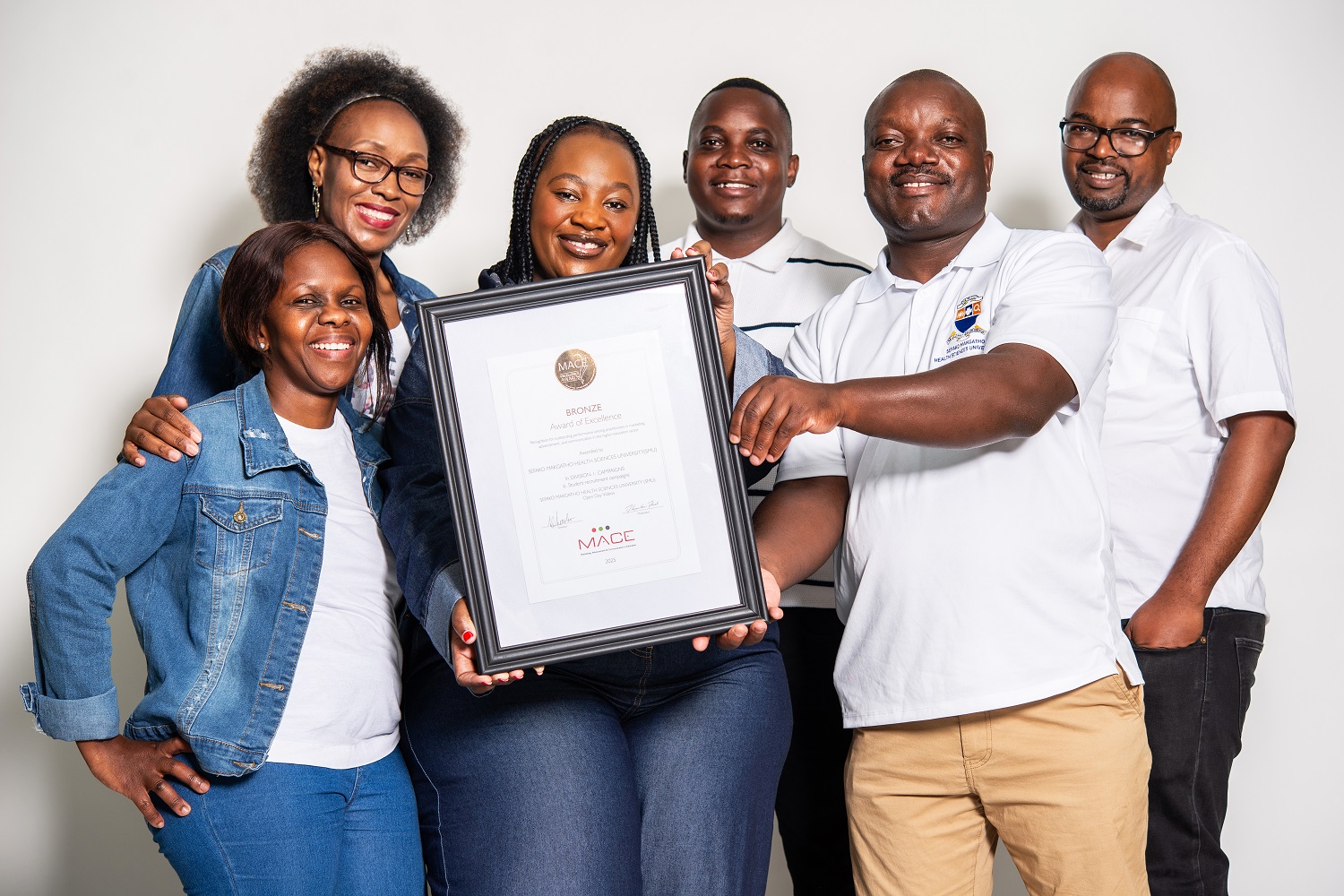 MACE, the sector’s leading professional body for higher-education communicators across Southern Africa, celebrates innovation, strategic excellence and impactful storytelling. Its awards are widely regarded as the sector’s highest honour, recognising institutions that demonstrate distinction in brand positioning, engagement and advancement. For SMU, competing among 26 universities, this achievement signals a shift in the university’s competitive posture and brand maturity.
This recognition emerges from a year in which the Communications and Public Relations Unit underwent a remarkable transformation, reshaped through refined processes, elevated outputs and a clarified strategic purpose. Since assuming leadership in October 2024, Tshimangadzo Mphaphuli, Manager: Communications and Public Relations, has guided a deliberate repositioning of the unit anchored in rigorous storytelling, institutional clarity and competitive brand visibility. It has been, in many ways, a re-awakening of SMU’s voice.
Reflecting on the achievement, Mphaphuli says: “When I assumed duty, I knew that SMU possessed an extraordinary story—rich, rigorous and rooted in purpose. My vision has always been to craft a brand presence that mirrors the calibre of our academic excellence, our people and our impact. This award signals that our voice is now resonating beyond our borders, and we are only getting started.”
Under her leadership, the unit delivered some of the institution’s most sophisticated communication outputs to date. Institutional publications were revitalised into rich, editorially strong, visually compelling assets that reflected SMU’s academic prestige and social impact. Digital communication experienced its strongest year yet, with engagement rising by nearly 50%, follower growth accelerating significantly, and search engine optimisation positioning SMU among South Africa’s most visible health-sciences brands. These gains, achieved through disciplined strategy and a commitment to excellence, created the foundation for the national recognition the university celebrates today.
 But the triumph belongs equally to the team whose collective dedication sharpened SMU’s communications edge. Public Relations Officer Tumelo Moila notes that the award reflects a relentless pursuit of agility. “We had to operate at the speed of the sector,” he explains. “Our work demanded creativity, instinct and a willingness to constantly stretch ourselves. This isn’t just a win, it’s a reflection of our readiness to compete nationally.”
Team member, Public Relations Officer, Dimakatso Modise, echoes this sentiment, emphasising the team’s evolution. “We became a unit that embraces complexity,” he says. “Our landscape shifts daily, and we’ve learned to shift with it—always with excellence at the centre of everything we produce.”
The excellence was not confined to written communication alone. The university’s visual language underwent a noticeable elevation under the creative direction of Graphic Designer Dineo Motshegare, whose artistry strengthened brand identity, event branding, and publication design throughout 2025. “Our role is to reflect SMU’s essence visually, emotionally and with precision,” she shares. “Design became a strategic enabler, not an accessory. This recognition validates that approach,” adds Motshegare.
The surge in online visibility was also powered by meticulous web optimisation and digital stewardship led by Web Editor Lorato Molubi, who ensured that SMU’s online platforms aligned with global accessibility, SEO, and content consistency standards. “We focused on making SMU discoverable, authoritative and trustworthy in the digital space,” she explains. “Seeing our SEO rankings climb was proof that our digital storytelling is resonating.”
Within the communications ecosystem, SMU FM’s contributions played a central role in strengthening internal communication and real-time storytelling on campus. “Radio became a conduit for immediacy and authenticity,” says Mpho Legodi.
Collaboration extended beyond the unit itself. In 2025, the Communications and Public Relations Unit worked closely with Student Recruitment Officer, Ntsheu Collins Mangena, to align recruitment messaging with the university’s broader brand narrative. “Strategic recruitment relies on strategic communication,” Mangena reflects. “By working hand-in-hand with the Communications & Public Relations Unit, we were able to position SMU in a way that spoke powerfully to prospective students and their parents. This award confirms the strength of that alignment.”
The achievement has been warmly welcomed by university leadership. Acting DVC: Operations, Odette Ramsingh, who oversees the unit’s strategic direction, praised the milestone as a significant accomplishment for SMU. “This award reflects the team’s collective effort in positioning the university’s reputation on a national scale, especially as the recognition comes against the backdrop of competing with 26 other universities. It is also a powerful affirmation of the excellence, creativity and dedication of our Communications and Public Relations team, whose strategic work continues to elevate SMU’s voice and presence. Their commitment to position SMU is central to achievements such as these.”
As SMU steps into 2026, the MACE recognition serves not merely as an award but as a marker of strategic excellence, in which the institution’s voice is sharper, its story more confidently told, and its reputation increasingly aligned with national and continental expectations for a modern health sciences university.
What began as an internal transformation has now entered the national stage. And with a unified team carrying forward a shared vision, SMU’s voice—once quiet—has become unmistakably resonant.