by Lorato | Oct 21, 2026 | Accolades and Achievements, All News, Alumni, SMU Media, Student Media
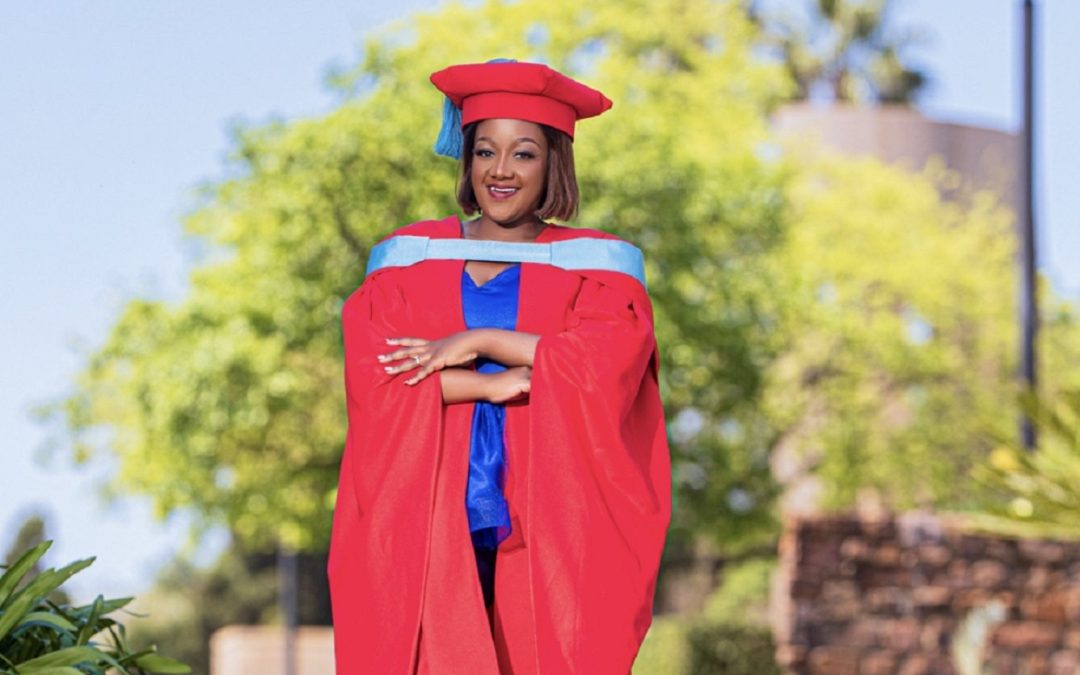
Dr Bonolo Mmereki has earned a Doctor of Philosophy (PhD) in Public Health from Sefako Makgatho Health Sciences University (SMU), following research highlighting the lasting impact of childhood trauma on young adults’ mental health in South Africa.
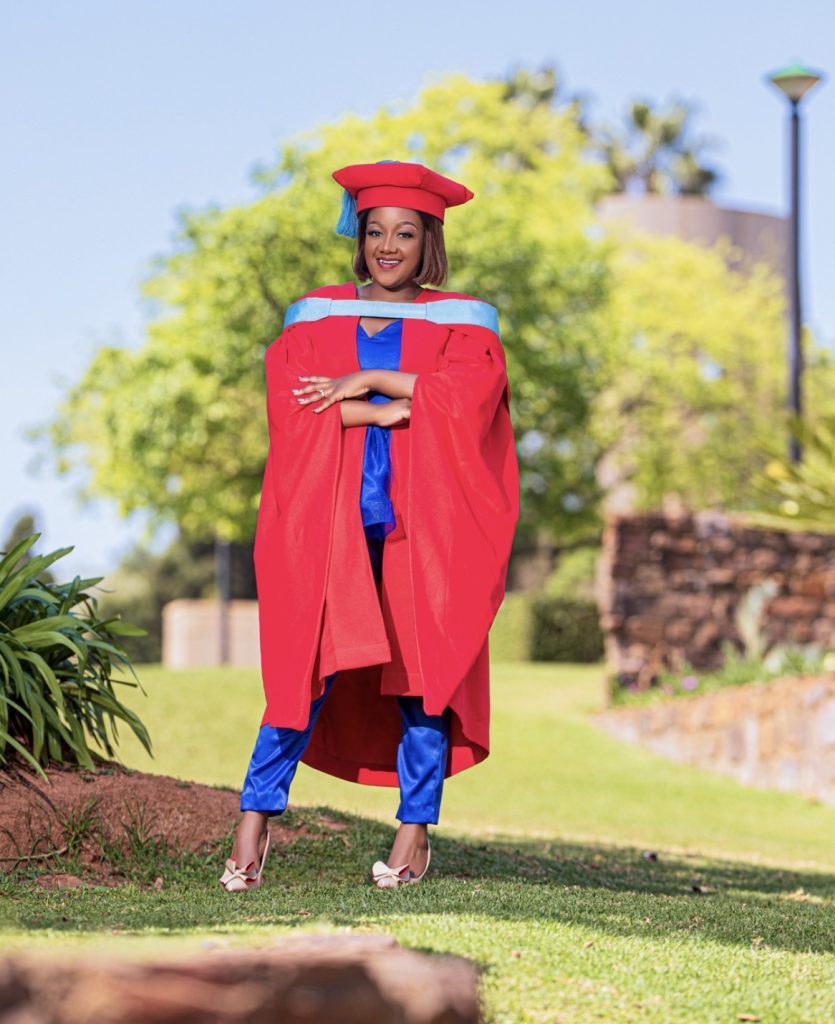
Awarded during SMU’s annual Spring Graduation Ceremony in September 2026, her qualification marks a significant milestone in her public health career and advances research into childhood trauma, mental health screening and interventions at the primary healthcare level.
Her doctoral study, titled The impact of childhood trauma on the mental health of young adults: a mixed method study among clinic attendees in Moretele Sub-health District, investigated the relationship between adverse childhood experiences and mental health outcomes among young adults aged 18 to 35 attending healthcare facilities in Moretele, North West.
Childhood trauma is a significant public health concern, with consequences that can persist long after the initial experience. Mmereki’s research examined how these experiences affect mental health, relationships, emotional wellbeing and everyday functioning, highlighting the need for early identification and appropriate support within healthcare services.
Using a convergent mixed-methods design, the study combined quantitative screening with qualitative interviews. Data were collected from 380 participants across five healthcare facilities, while in-depth interviews were conducted with 14 participants to explore their experiences of childhood trauma. The research used standardised questionnaires to screen for childhood trauma, depressive symptoms and anxiety.
The findings showed that 9% of participants had experienced childhood trauma, while 12% presented with depressive symptoms and 8% showed signs of anxiety. The qualitative findings further revealed the complex and enduring effects of traumatic experiences, including nightmares, social isolation, anger, and challenges affecting academic performance and personal relationships.

Thirteen themes and 17 sub-themes emerged from the qualitative data. These included different forms of trauma, the impact and consequences of traumatic experiences, triggers, perceptions that justice had not been served, the need for ongoing post-trauma support, and the development of coping mechanisms.
A key outcome was the development of a protocol for healthcare workers, along with recommendations and strategies to strengthen childhood trauma screening, policy development, and mental health services in primary healthcare facilities in Moretele.
The study has also contributed to academic knowledge through publications in international and local journals, demonstrating the potential of community-based research to inform healthcare practice and policy.
Mmereki’s achievement builds on a professional nursing career spanning approximately a decade, with experience in HIV/AIDS care, non-communicable diseases and public health. She holds a Bachelor of Nursing Science degree from North-West University and a Master of Public Health from SMU. Her work also includes adolescent and youth-friendly services, reflecting her commitment to improving access to responsive healthcare for young people.
Her research aligns with SMU’s mission to advance health services through excellence and innovation, particularly through education, research and the development of evidence-based approaches to healthcare challenges. By investigating the long-term effects of childhood trauma and proposing practical interventions, her work contributes to efforts to strengthen mental health support within primary healthcare settings.
Mmereki’s doctoral achievement reflects the role of postgraduate research in addressing pressing public health challenges and generating knowledge that can inform policy, improve clinical practice, and support community wellbeing.
By Tumelo Moila
by Lorato | Oct 19, 2026 | Accolades and Achievements, All News, Alumni, SMU Media, Student Media
Sefako Makgatho Health Sciences University (SMU) has reaffirmed its place on the global higher education stage, with the 2027 Times Higher Education (THE) World University Rankings highlighting significant gains in industry engagement, a strengthening research environment and sustained international competitiveness.
 The latest rankings, which assessed 2,297 universities across 118 countries and territories, position SMU among internationally recognised institutions contributing to the advancement of knowledge, research and innovation.
As South Africa’s specialist health sciences university, SMU continues to compete with established medical and health sciences institutions internationally, reinforcing its growing relevance in an increasingly competitive global academic landscape.
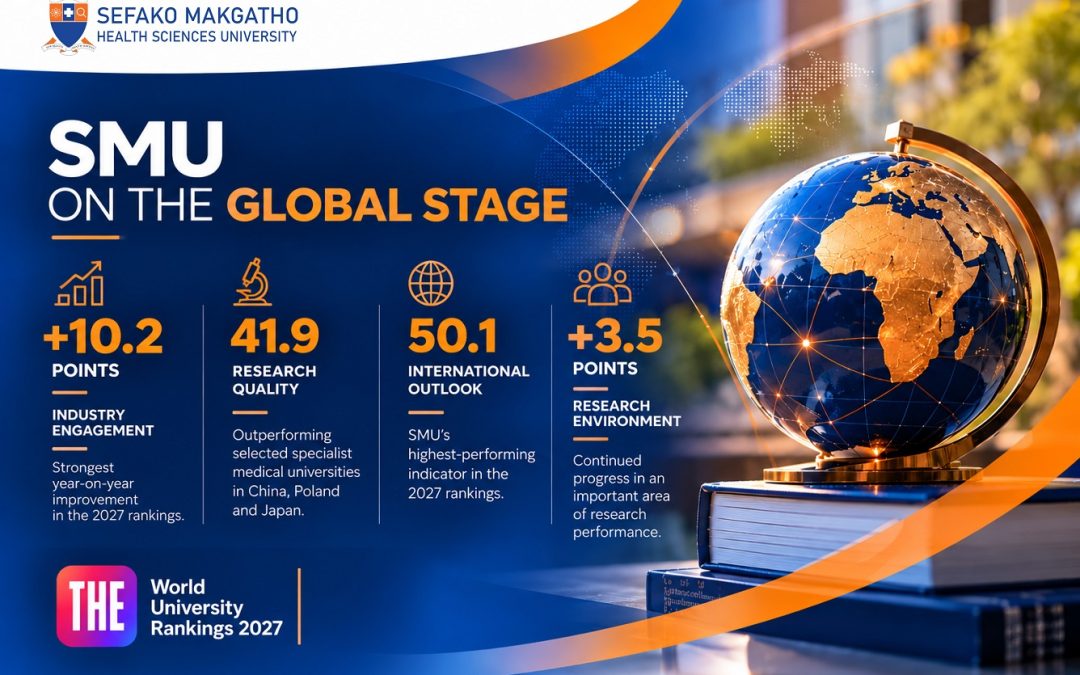
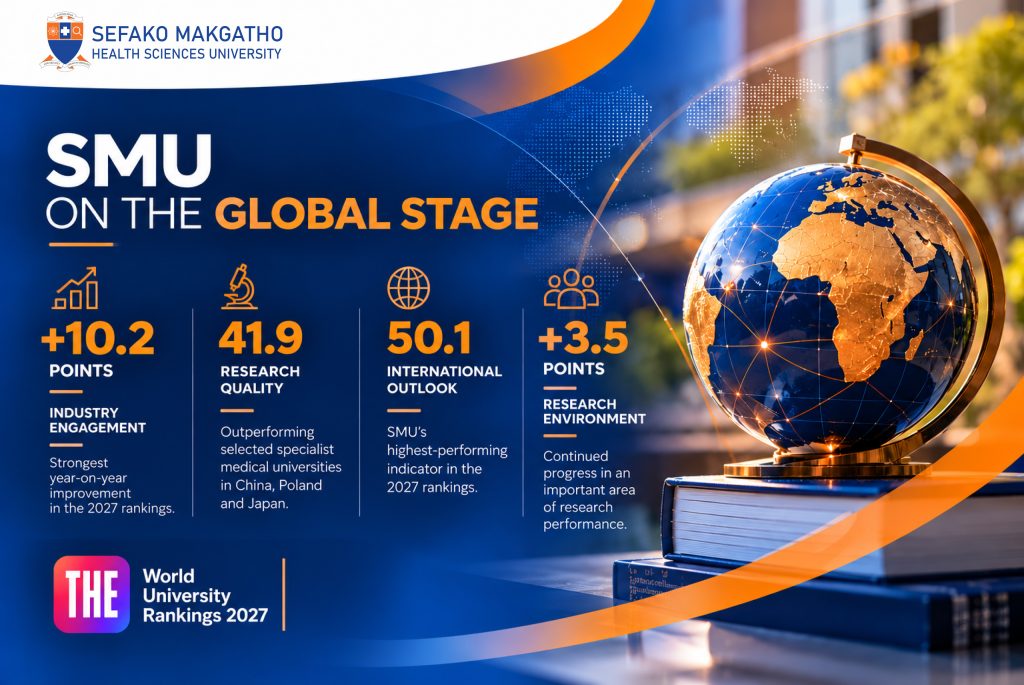
A key highlight of the 2027 results is SMU’s strong improvement in industry engagement, with its performance score rising from 19.2 to 29.4, a 10.2-point gain. This is the university’s greatest year-on-year improvement and reflects encouraging progress in an area that measures knowledge transfer, innovation and engagement with industry.
The university’s Research Environment score also improved from 11.1 to 14.6, signalling positive momentum in strengthening the institutional conditions that support research productivity, reputation and investment.
International Outlook remains SMU’s highest-performing indicator at 50.1, underscoring its competitive position in international academic engagement and research collaboration.
Equally encouraging is SMU’s Research Quality score of 41.9, which compares favourably with established specialist medical universities in China, Poland and Japan within the same global ranking band. This performance demonstrates the university’s capacity to produce research that competes within the international health sciences landscape.
Acting Vice-Chancellor and Principal Professor Dini Mawela describes the results as an affirmation of SMU’s academic potential and a key foundation for accelerating institutional excellence.
“Our ambition has never been simply to occupy a position on a global ranking table. It is to build a university whose knowledge, discoveries and graduates make a meaningful difference to healthcare and society. These results affirm that SMU possesses the research capability, international relevance and institutional potential to compete on the world stage. The significant improvement in industry engagement is particularly encouraging because it speaks to our ambition to translate academic knowledge into innovation and societal impact. We are building an institution that is not merely participating in global higher education but is determined to shape the future of health sciences in Africa and beyond.”
Acting Director: Advancement and Communications, Tshimangadzo Mphaphuli, says the results reinforce SMU’s positioning as a credible and competitive institution within the global health sciences education landscape.
“The strength of the SMU brand lies not simply in where we are ranked, but in what we represent and the value we deliver. For prospective students, our University represents an opportunity to pursue a future in the health sciences. For our partners and stakeholders, it represents an institution with growing research capabilities, international connections and opportunities for meaningful collaboration. Our global presence, coupled with measurable progress in key performance areas, gives us a compelling story to tell with confidence. We want every student, parent, alumnus, industry partner and member of the public to recognise SMU as a university of choice, whose relevance and contribution extend far beyond its campus.”
Mawela further emphasises that the university will use the findings to sharpen its strategic priorities, particularly research investment, postgraduate development, international partnerships and academic excellence.
While SMU is positioned in the 1401–1600 global band for 2027, up from 1201–1500 in 2026, underlying performance indicators reveal key institutional strengths and opportunities for continued advancement.
For SMU, the message extends beyond rankings: its growing research capability, international competitiveness and strengthening innovation ecosystem provide a foundation for advancing its contribution to health sciences education, research and healthcare development.
by Lorato | Oct 15, 2026 | Accolades and Achievements, All News, Alumni, SMU Media, Student Media
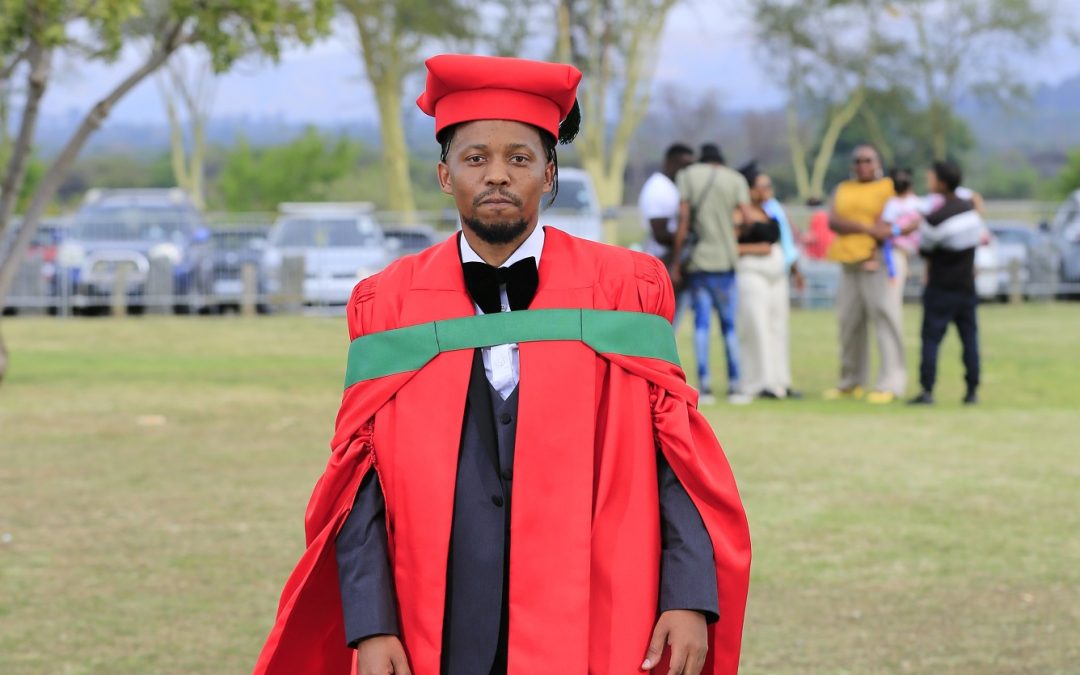
Sefako Makgatho Health Sciences University (SMU) is advancing scientific innovation through the work of Dr Walter Bonke Mahlangu, who recently graduated with a Doctor of Philosophy (PhD) in Chemistry at the university’s Annual Spring Graduation Ceremony. His research explores using artificial intelligence (AI) to improve the synthesis and application of organometallic compounds, with potential benefits for chemical research, industrial processes, and materials development.
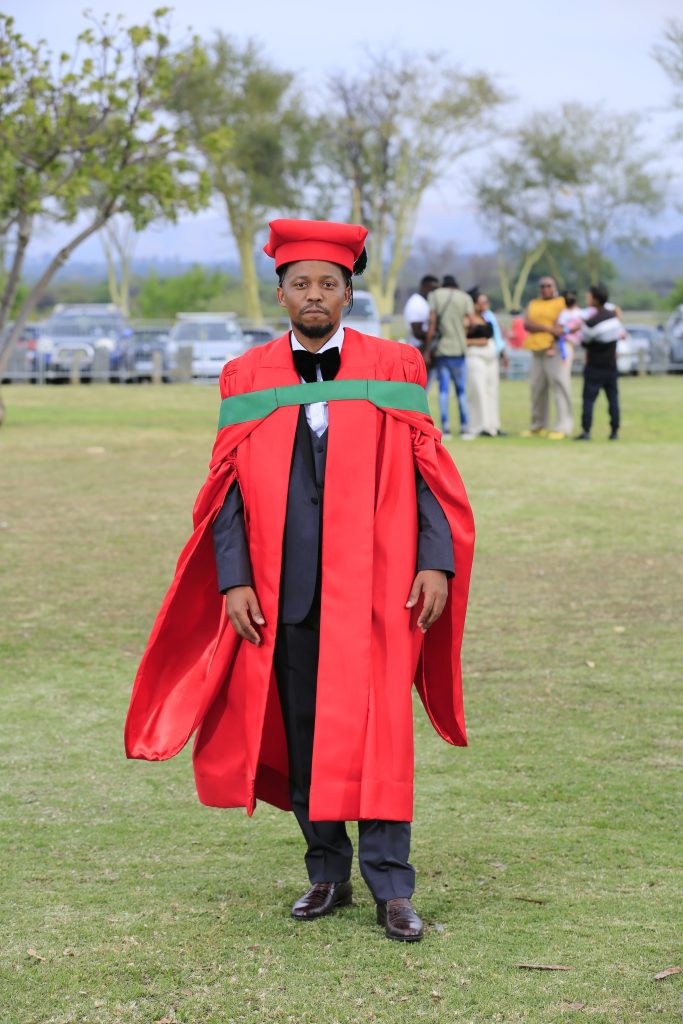 Titled Developing an artificial intelligence predictive model for synthesis and application of organometallic compounds, the study addresses a longstanding challenge in chemistry: the time, resources and chemical waste associated with traditional trial-and-error approaches to developing and optimising chemical reactions.
Organometallic compounds, which contain covalent bonds between metal and carbon atoms, play an important role in organic synthesis, materials science and industrial chemistry. Mahlangu investigated how machine learning and deep learning could improve their identification, classification and design by predicting chemical structures and reaction characteristics from molecular data.
“Artificial intelligence offers an opportunity to rethink how chemists approach complex synthesis problems. By using predictive models to analyse molecular structures and identify patterns, we can work towards more efficient research processes and reduce reliance on trial-and-error experimentation,” explains Dr Mahlangu.
The research was conducted in three phases, combining molecular fingerprints with machine learning algorithms, including Random Forest, K-Nearest Neighbours, Support Vector Classification and Multi-layer Perceptron neural networks. The first phase developed a model to identify metal–carbon bonds, achieving an F1-score of 0.85 and an area under the receiver operating characteristic curve (AUC-ROC) of 0.837, demonstrating its ability to distinguish relevant molecular structures.
In the second phase, Mahlangu applied clustering techniques to classify organometallic reactions into six to eight major categories. Different algorithms performed well in identifying broad reaction groups, while hierarchical clustering proved more effective at distinguishing subtle differences between related reactions. These findings could support more systematic organisation and analysis of complex chemical reactions.
 The final phase focused on predicting reaction yields and catalyst structures. While the models performed strongly when predicting certain intrinsic molecular properties, forecasting reaction yields remained challenging because these depend on multiple experimental factors. However, a deep learning model achieved a peak accuracy of 85.7% in predicting catalyst and reagent structural features, demonstrating potential for automated screening and chemical design.
Mahlangu’s research reflects the value of combining established scientific disciplines with emerging technologies. “The findings highlight the importance of selecting appropriate molecular descriptors and machine learning architectures for specific chemical problems. Although challenges remain, particularly in predicting reaction yields, the results provide a foundation for further research into AI-assisted catalyst design,” he shares.
His doctoral achievement builds on previous research, including published work on analysing bisphenols in canned foods and machine learning-based classification of organometallic reactions. He also helps develop future scientists through his work as a principal lecturer at Eduvos and by supervising and co-supervising undergraduate and postgraduate research at SMU.
Dr Mahlangu’s graduation highlights the growing importance of interdisciplinary research in addressing complex scientific challenges. By integrating computational methods and chemistry, his work helps explore more efficient, data-driven approaches to chemical synthesis and catalyst discovery.
SMU continues to advance academic excellence through postgraduate education, innovative research and scientific capacity development. Mahlangu’s achievement reflects the university’s commitment to excellence and innovation, supporting researchers whose work expands scientific knowledge and explores solutions to emerging challenges.
By Tumelo Moila

by Lorato | Oct 15, 2026 | All News, Alumni, SMU Media, Student Media
Sefako Makgatho Health Sciences University (SMU) celebrated outstanding student leadership, sporting achievement, innovation and community service at its fourth annual Student Affairs Excellence Awards, recognising the students and structures that contribute to a vibrant campus community.
 The 2026 awards acknowledged achievements across student governance, residence life, sport, entrepreneurship and co-curricular activities, reinforcing the university’s commitment to holistic student development and excellence beyond the classroom.
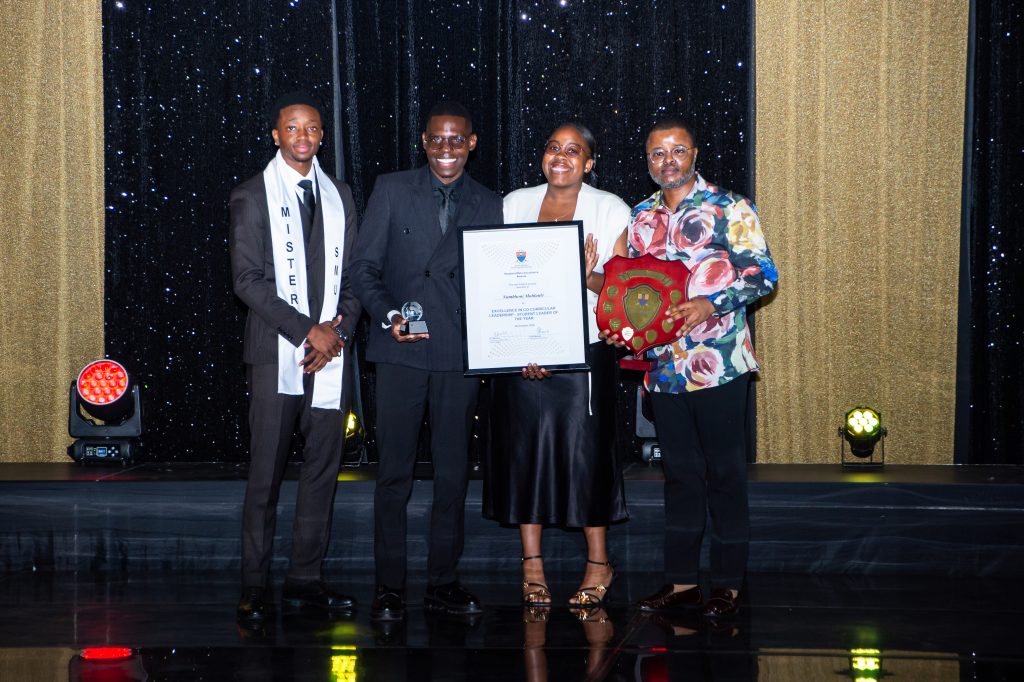
Vumbhoni Mahlaule received the Vice-Chancellor’s Award for Student Leader of the Year, accompanied by a prize of R10,000. Mahlaule also received the School Council Chairperson of the Year award, recognising his contribution to student leadership. Thato Mongake was named SRC Member of the Year and received R2,500, while Arebeng 1 won Residence of the Year and also earned R2,500.
Reflecting on the significance of the recognition, Mahlaule said: “Receiving the Vice-Chancellor’s Award for Student Leader of the Year is a significant milestone in my leadership journey. It reminds me that leadership is not simply about holding a position, but about representing others, taking responsibility and working towards positive change. This recognition motivates me to continue serving the student community with integrity, dedication and purpose.”
The awards also recognised excellence in student governance and administration. SUCA was named Political Structure of the Year, the SMU Student Surgical Society (SMUSSS) received the Club and Society/Structure of the Year award, and Albert Sebulela was named Student Administrator of the Year. Madeira received the House Committee of the Year award.
 Sporting achievements featured prominently, with Avela Mncwabeni named Sportsman of the Year and Tshiamo Sefolo receiving Sportswoman of the Year. Freddy Kunene was recognised as Most Versatile Sportsman of the Year, while Tsebo Lerotholi received Sports Physiotherapist of the Year. Rugby was named Sport Team/Club of the Year.
Mncwabeni said: “Receiving this award is an important recognition of the dedication and discipline required to pursue sporting excellence. Sport teaches valuable lessons about teamwork, perseverance and commitment, which extend beyond the field. I am grateful for the opportunity to represent SMU and hope to continue making the university proud.”
In entrepreneurship and community engagement, Nkululo Mtwa received the Most Promising Entrepreneur/Social Innovator award, Thato Phasha was named Change Maker of the Year, and Phuthi Kola received the Champion of Service award. Pule Washa received a Special Recognition Award. Students were also acknowledged through full and half colours, while the SRC received collective recognition.
Event organiser Samuel Masilela said: “The Student Affairs Excellence Awards celebrate the students and student structures that go beyond their academic responsibilities to make a meaningful contribution to university life. Their achievements demonstrate leadership, commitment, accountability and a willingness to serve others. Through these awards, we aim to inspire more students to participate actively in campus life and continue striving for excellence in everything they do.”
Through the annual awards, SMU continues to promote student participation, leadership and service as essential elements of university life. By recognising achievement beyond academic performance, the university supports the development of responsible, collaborative and well-rounded graduates equipped to contribute meaningfully to society and the health sector.
By Tumelo Moila.
by Lorato | Oct 15, 2026 | All News, Alumni, SMU Media, Student Media
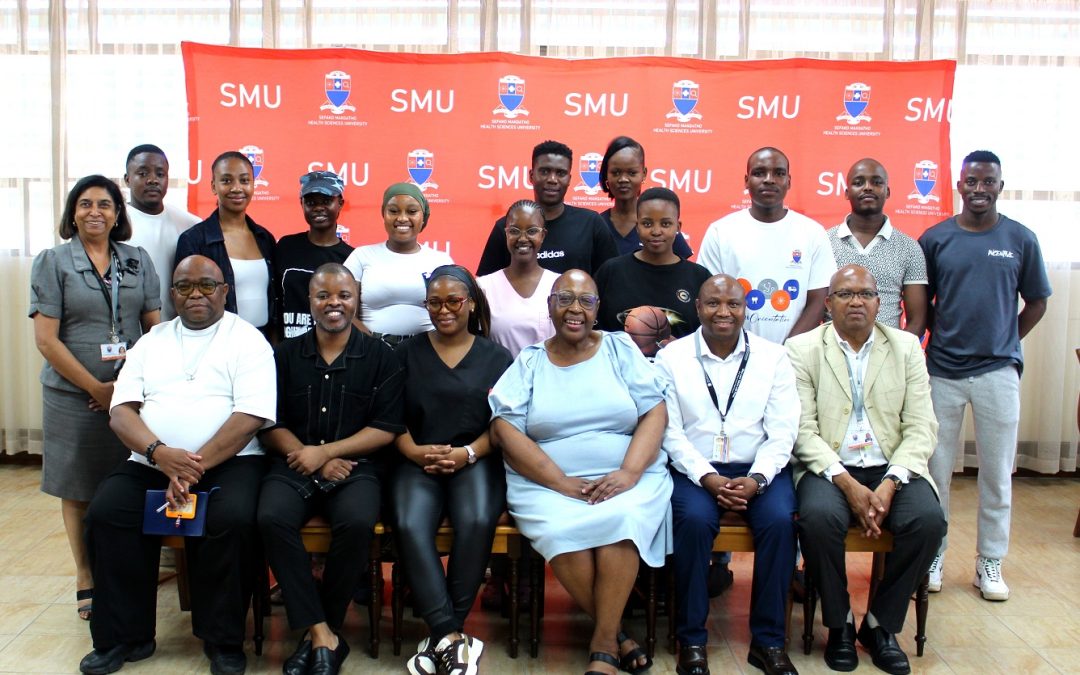
Sefako Makgatho Health Sciences University (SMU) has reaffirmed its commitment to student-centred leadership and constructive engagement following an introductory meeting between its executive management and the newly elected 2027 Student Representative Council (SRC). The meeting laid the groundwork for collaboration, strengthened communication, and identified key priorities affecting the student community.
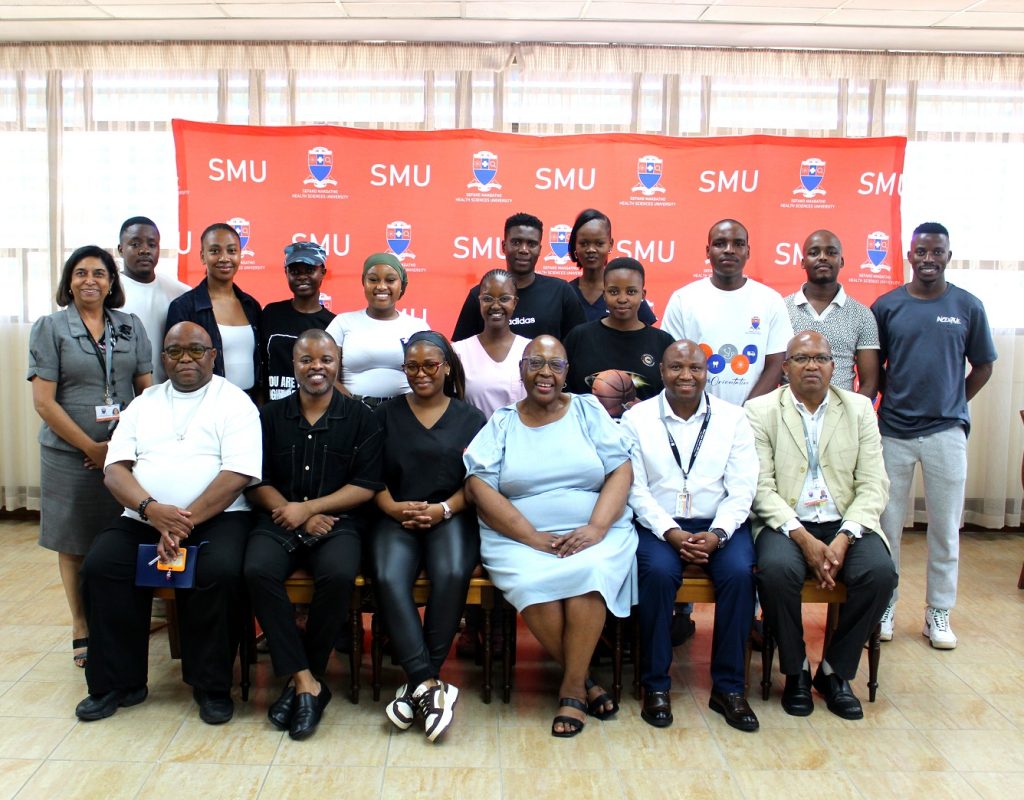 The engagement gave incoming student leaders an opportunity to raise concerns, highlight areas needing attention, and discuss ways to improve the university experience. SRC members welcomed the opportunity to engage directly with management and committed themselves to working collaboratively to ensure that student needs remain central to institutional dialogue.
Acting Vice-Chancellor Prof Dini Mawela welcomed the incoming representatives and assured them of management’s willingness to work with the SRC to address student matters. She encouraged the student leaders to view their tenure as an opportunity for personal development, leadership growth and empowerment, urging them to approach their responsibilities with a commitment to learning, collaboration and constructive engagement.
Acting Deputy Vice-Chancellor: Research, Innovation and Internationalisation Prof Douglas Maleka echoed this message, encouraging the SRC members to use their tenure to strengthen their leadership capabilities and gain experience that would benefit them beyond university. Drawing on his experience as a former SRC member, he highlighted the value of student representation in developing leadership skills and preparing young people for future responsibilities.
The executive management delegation also included Deputy Vice-Chancellor: Academic and Community Engagement Dr Alufheli Edgar Nesamvuni; Acting Executive Director: Human Capital and Transformation Prof Mala Singh; Acting Registrar Sello Simon Mokoena; Acting Chief Financial Officer Mahlatholle Masha; and Acting Executive Director of Student Affairs Tulani Nkuntse.
To prepare the incoming council for its responsibilities, Deputy Director of Student Affairs Themba Khumalo confirmed that the university would arrange a formal induction programme. The programme will familiarise SRC members with their respective roles, university policies, procedures and governance structures, equipping them to represent their constituencies effectively and engage management on matters affecting students.
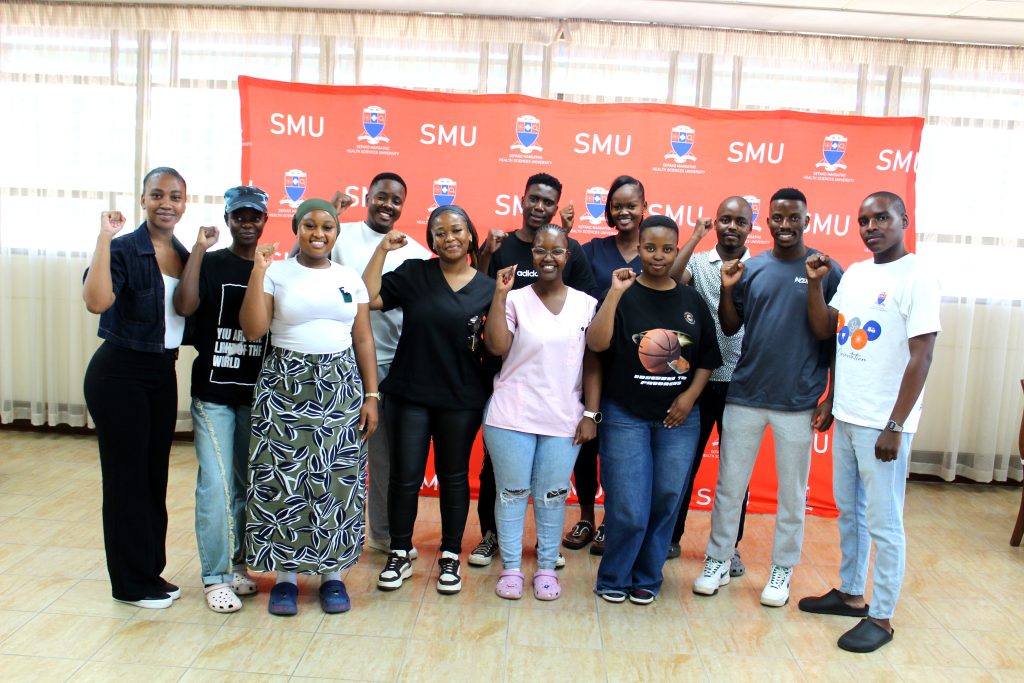 Speaking on behalf of the incoming student leadership, Deputy President General Tiyani Chantell Mangena described the meeting as fruitful. She thanked them for the opportunity to interact directly with university leadership and emphasised the importance of maintaining constructive working relationships to ensure student concerns are heard and addressed.
Led by President General Onismus Mamokwa Maelane, the 2027 SRC comprises representatives across leadership, student affairs and academic portfolios. The executive committee includes Mangena, Secretary General Ntsakelo Manganyi, Deputy Secretary General Itumeleng Techron Marule and Treasurer General Sedume Palesa Makgoale.
Other portfolio representatives are Kgwadi Manamela (Culture, Religion and Gender), Letlhogonolo Ndukule (Residence and Safety), Maite Prudence Seabi (Sport and Recreation), and Philasande Radebe (Projects and Campaigns). Academic representation includes Nkosinathi Michael Nkabinde (School of Medicine), Ace Junior Netshipale (School of Dentistry), Linda Tshepo Alfred Maputla (School of Health Care Sciences), Confidence Malebese Chego (School of Sciences and Technology) and Mihlali Ngcebetsha (School of Pharmacy). Zinhle Felicia Mahlangu will serve as Postgraduate Officer.
The engagement underscored the importance of open communication, accountability and cooperation between university management and student leadership. Through meaningful consultation and informed representation, the SRC will play an important role in conveying student concerns and contributing to discussions on academic life, campus facilities and student welfare.
As the incoming council prepares to serve the university community in 2027, SMU remains committed to fostering an inclusive, student-centred environment that supports academic excellence, leadership development and institutional progress. The partnership between management and the SRC will be important in advancing the university’s mission of excellence in health sciences education, innovative research and service to society.
By Dimakatso Modise