by Lorato | May 20, 2026 | Accolades and Achievements, All News, Alumni, SMU Media, Student Media
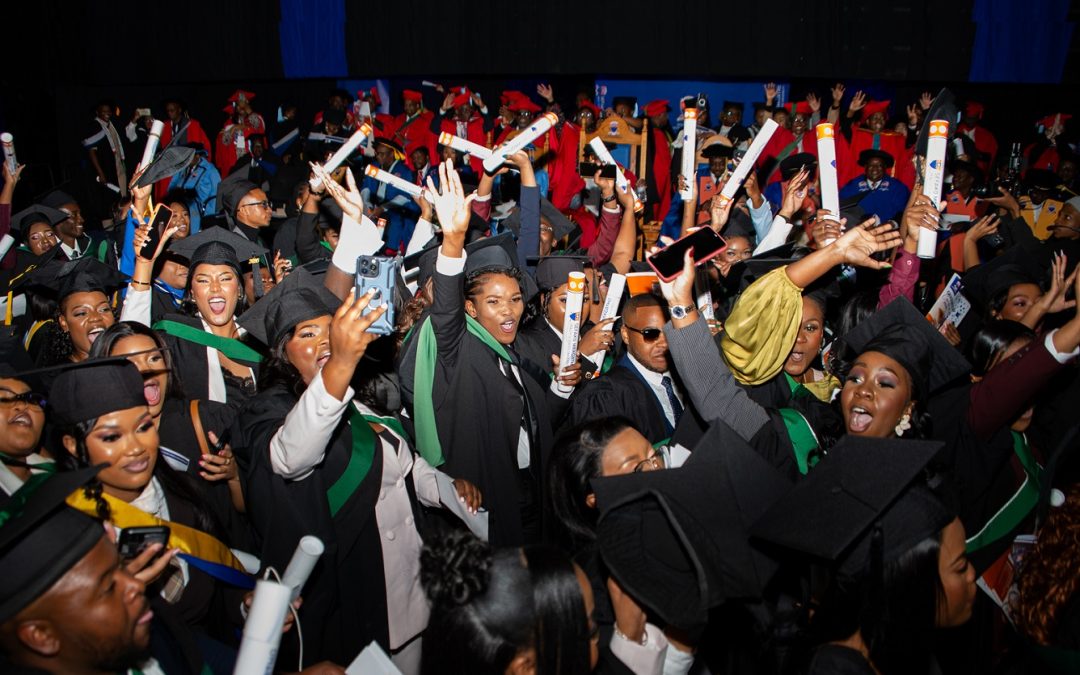
Sefako Makgatho Health Sciences University (SMU) has conferred qualifications on a record 1 525 graduates during its 2026 Autumn Graduation Ceremonies, marking the highest number of graduates in the institution’s autumn graduation cycle and reinforcing its growing role in strengthening South Africa’s health sciences sector.
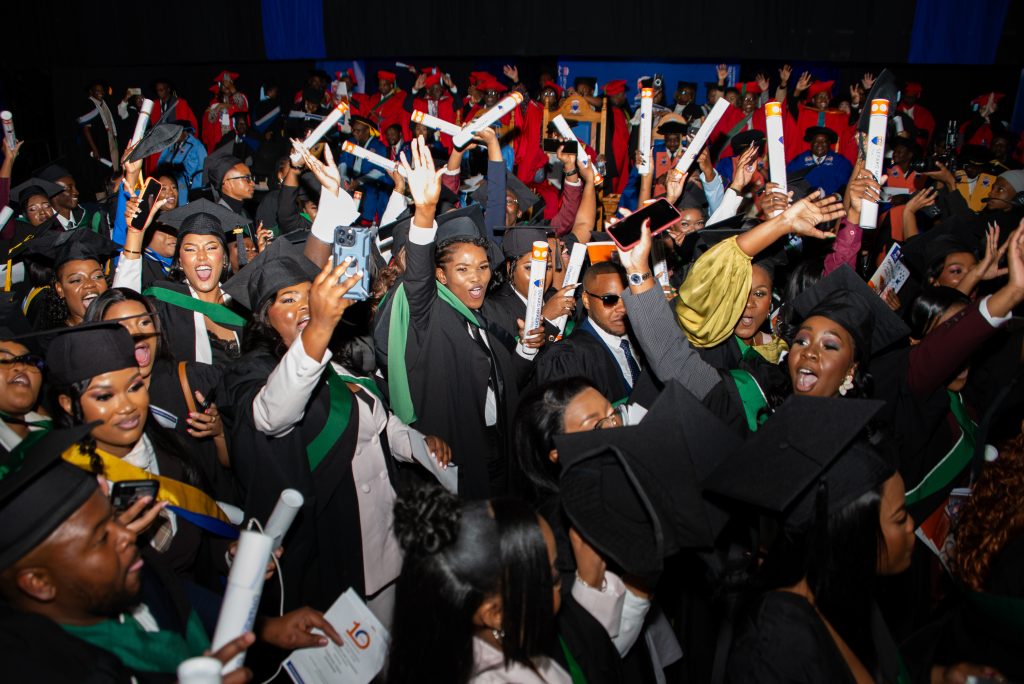 Held over three days at the university’s sports complex, the ceremonies celebrated academic achievement across all five schools of the institution, including the School of Dentistry, School of Health Care Sciences, School of Medicine, School of Pharmacy, and School of Science and Technology. The milestone reflects SMU’s continued commitment to producing healthcare professionals, scientists, researchers and innovators equipped to contribute meaningfully to national development and the advancement of the African continent.
Of the 1 525 graduates, 1 033 (67.7%) received undergraduate qualifications, while 492 (32.3%) graduated with postgraduate qualifications. The postgraduate cohort included 122 Postgraduate Diploma recipients, 188 Honours graduates, 168 Master’s graduates and fourteen doctoral candidates who were awarded Doctor of Philosophy (PhD) degrees.
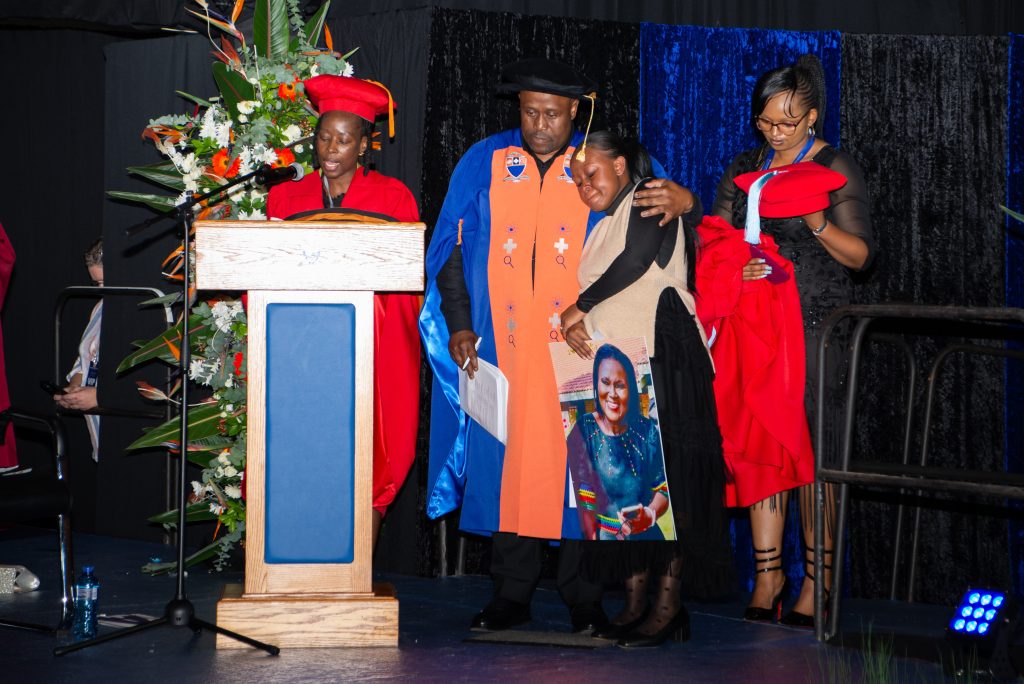 A deeply emotional moment during the ceremonies was the posthumous conferment of a Doctor of Philosophy in Nursing to the late Moroti Elizabeth Mahlangu. The qualification was accepted on her behalf by her daughter, SMU alumna Dr Busi Msikinya, née Mahlangu.
“Receiving this degree on behalf of my mother is both heartbreaking and inspiring,” said Dr Msikinya. “She dedicated her life to nursing, education and uplifting communities through healthcare. This achievement is a reminder that perseverance, sacrifice and purpose can leave a lasting legacy for future generations.”
The graduating class also reflects the University’s ongoing commitment to transformation and widening access to higher education. African graduates constituted 1 444 graduates, representing 94.6% of the cohort, while the class included ten Coloured graduates, 24 Indian graduates and 47 White graduates. Women continued to dominate the graduating cohort, with 1 052 graduates, accounting for 69% of all graduates.
A standout feature of the 2026 Autumn Graduation Ceremonies was the success of SMU’s Extended Curriculum Programme (ECP), which supports students from diverse educational backgrounds in accessing and succeeding in higher education. This year, 153 undergraduate students who entered the University through the programme graduated, highlighting the impact of SMU’s academic support and student development initiatives.
Benedict Masenamela, Senior Officer: Alumni Coordination at Sefako Makgatho Health Sciences University, said the graduation ceremonies reflected the University’s growing impact in transforming lives and strengthening the country’s healthcare and science & technology workforce.
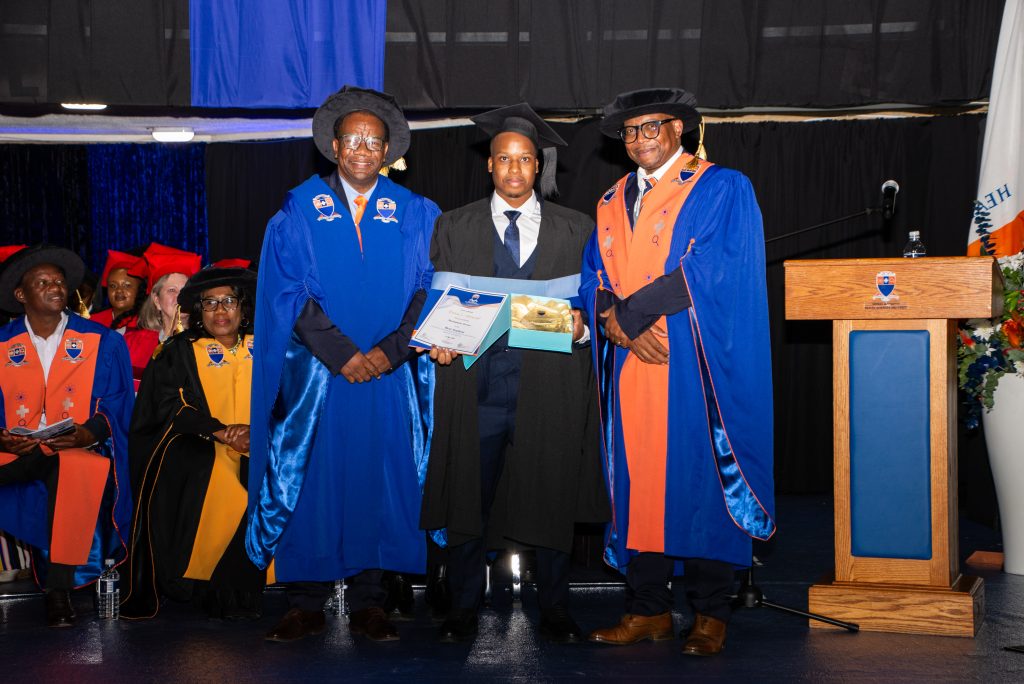 “Every graduate represents a story of resilience, determination and hope. As SMU, we take pride in producing professionals who are not only academically equipped, but who also embody compassion, leadership and a commitment to serving communities across South Africa and the continent,” Masenamela said.
The ceremonies also celebrated academic excellence, with 64 graduates receiving summa cum laude distinctions in recognition of exceptional academic performance. Among them was Bachelor of Medicine and Bachelor of Surgery graduate Trevor Mashabela, who also received the School of Medicine Dean’s Award.
“This achievement represents years of discipline, sacrifice and support from my family, lecturers and peers,” said Mashabela. “SMU gave me the opportunity to grow academically and personally, and I am proud to join a generation of healthcare professionals committed to serving communities with excellence and compassion.”
According to the graduation statistics, the School of Medicine produced the highest number of graduates at 497, followed by the School of Health Care Sciences with 383 graduates and the School of Science and Technology with 366 graduates. The School of Dentistry produced 144 graduates, while the School of Pharmacy conferred qualifications on 135 graduates.
The record-breaking graduation ceremonies reaffirm SMU’s position as a leading institution in health sciences education, research, innovation and community engagement. Through the graduation of professionals across healthcare, science and technology disciplines, the university continues to strengthen South Africa’s healthcare system while advancing socio-economic development and transformation.
SMU congratulated all graduands and their families on this milestone achievement and wished them success as they embark on the next chapter of their academic and professional journeys.
By Tumelo Moila
by Lorato | May 20, 2026 | All News, SMU Media, Student Media
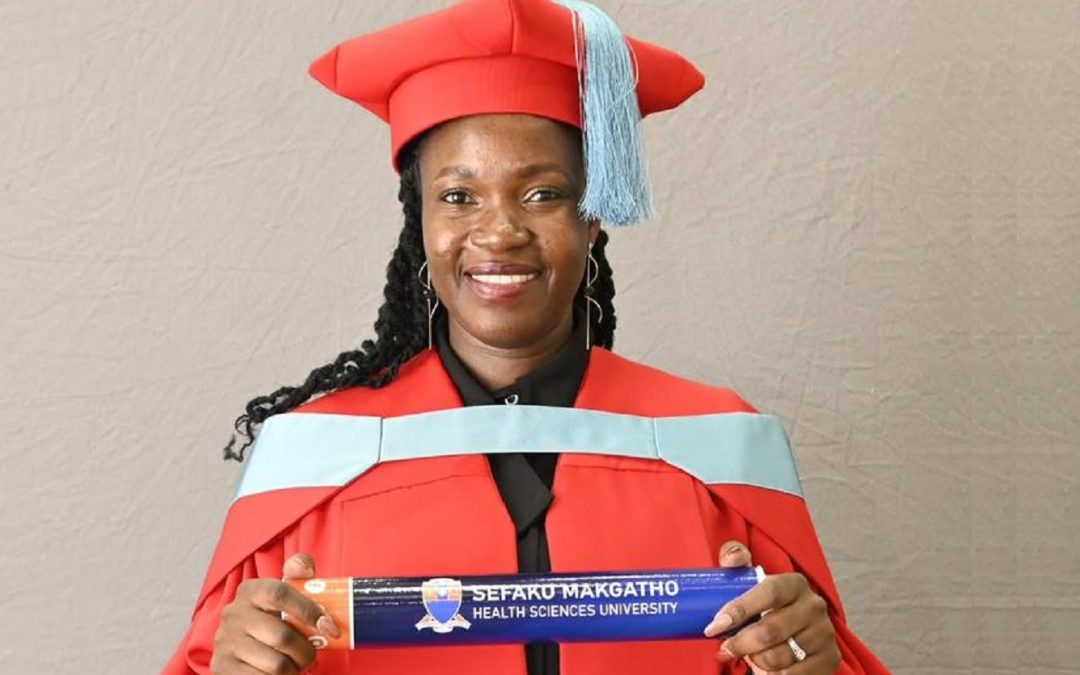
Sefako Makgatho Health Sciences University (SMU) continues to strengthen its position as a leader in transformative health sciences research after medical virologist Varsetile Varster Nkwinika earned a Doctor of Philosophy in Medical Virology during the 2026 autumn School of Medicine graduation ceremony.
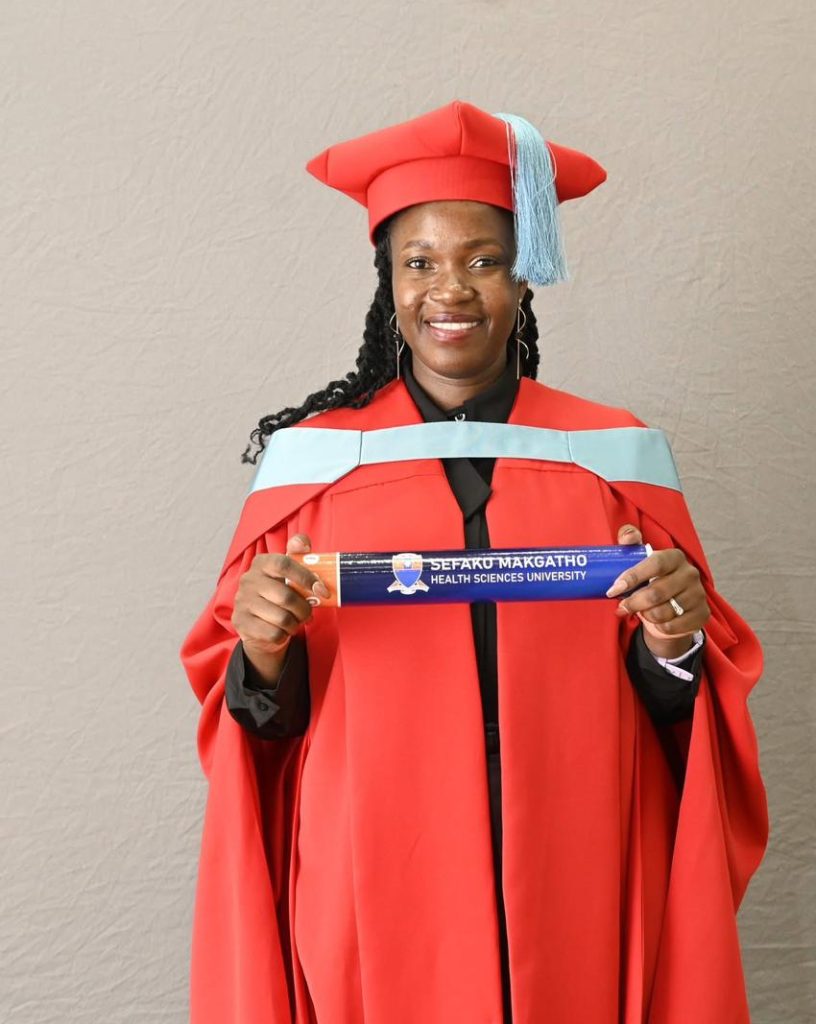 Dr Nkwinika’s doctoral research provides important new insights into the complex biological factors associated with cervical disease in South African women, with implications for improved cervical cancer prevention and screening strategies in high-burden settings.
Her study investigated human papillomavirus (HPV), selected sexually transmitted infections (STIs), and the balance of bacteria in the female reproductive tract among women attending cervical cancer screening at a South African tertiary hospital. The research explored how multiple co-existing infections and microbial imbalance jointly influence cervical disease risk.
The findings revealed a high prevalence of HPV infections, including both vaccine-covered high-risk HPV types and additional cancer-associated types not currently included in existing vaccines. The study also identified a substantial burden of other STIs and significant disruption of the normal bacterial balance within the female reproductive tract.
Importantly, these conditions frequently occurred together and were associated with more severe cervical abnormalities. “This research shows that cervical disease risk cannot be viewed through HPV infection alone,” said Dr Nkwinika. “The interaction between HPV, co-infections and the cervicovaginal microbiome creates a far more complex disease environment that requires integrated prevention and screening approaches,” she said.
She added that the findings support the use of more advanced molecular screening methods that may improve early detection and enable more accurate risk assessment for cervical cancer, particularly in resource-constrained healthcare settings.
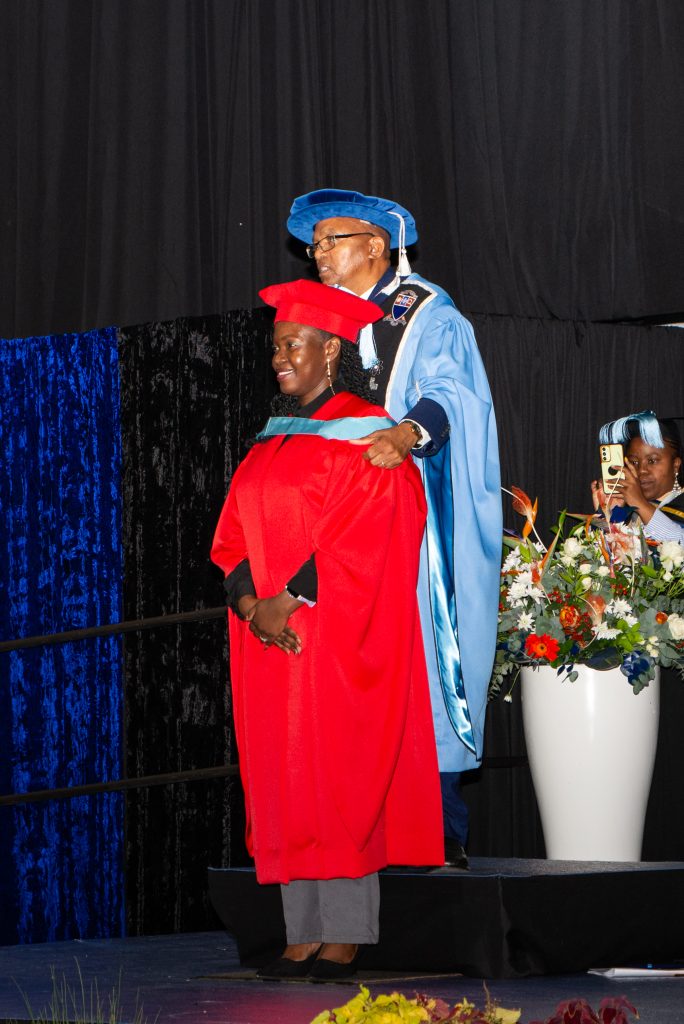 Dr Nkwinika currently serves as a Lecturer in the Department of Virology at SMU, a position she has held since 2021. She is also Programme Manager at the South African Vaccination and Immunisation Centre (SAVIC), where she oversees vaccinology training, advocacy initiatives, and stakeholder engagement programmes.
Her academic journey reflects a strong commitment to research excellence and public health advancement. She previously completed an MSc in Medical Virology (cum laude) and a BSc Honours degree in Medical Virology at SMU, after earning a BSc in Biochemistry and Microbiology from the University of Venda.
Over the course of her career, Dr Nkwinika has developed an extensive research and teaching portfolio focused on HPV, STIs, cervical cancer prevention, vaccinology, and molecular diagnostics. She has produced eighteen peer-reviewed publications, delivered 36 conference presentations, and supervised postgraduate and undergraduate student research projects.
Her contributions to the scientific community have also earned national and international recognition. Among her achievements are the Best Abstract Award at the ASLM International Conference and the Best Presentation Award at the Tshwane District Health Services Research Conference in 2024. She is also an NRF–DAAD alumna and an active member of the International Papillomavirus Society and the Federation of Infectious Diseases Societies of Southern Africa.
Beyond her research activities, Dr Nkwinika has been actively involved in vaccination advocacy through television, radio, and community engagement campaigns aimed at improving immunisation awareness and strengthening public health education.
Her latest achievement reflects SMU’s ongoing commitment to advancing innovative health sciences research that addresses pressing healthcare challenges facing South Africa and the broader African continent. Through pioneering scientific inquiry and the development of future healthcare leaders, SMU continues to strengthen its position as a leading institution dedicated to transforming health services through excellence and innovation.
By Tumelo Moila
by Lorato | May 20, 2026 | All News, Alumni, SMU Media, Student Media
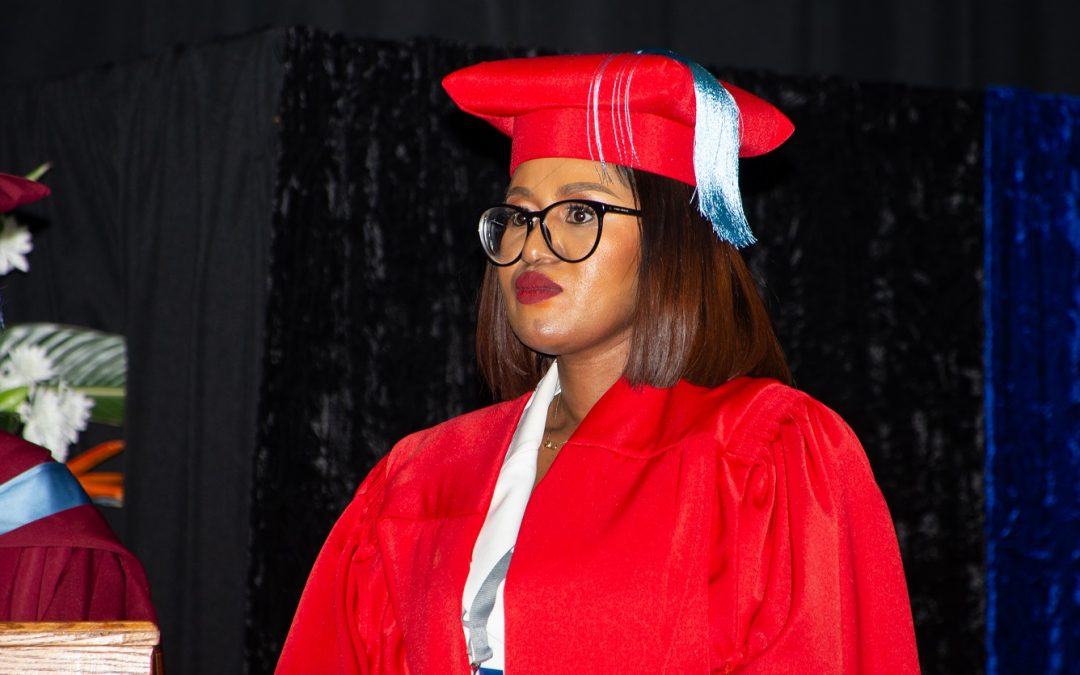
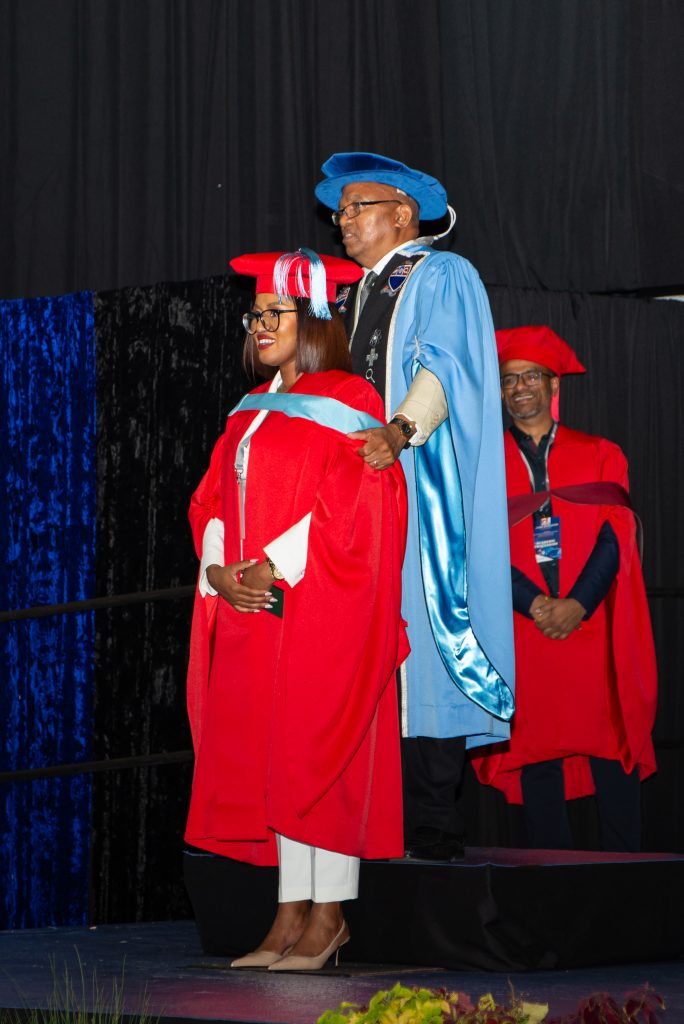
Sefako Makgatho Health Sciences University celebrated a major academic milestone during its 2026 autumn School of Pharmacy graduation ceremony as Lerato Sarah Mosima graduated with a Doctor of Philosophy in Pharmacy degree for her pioneering research into the accessibility of radiopharmaceuticals in English-speaking African countries.
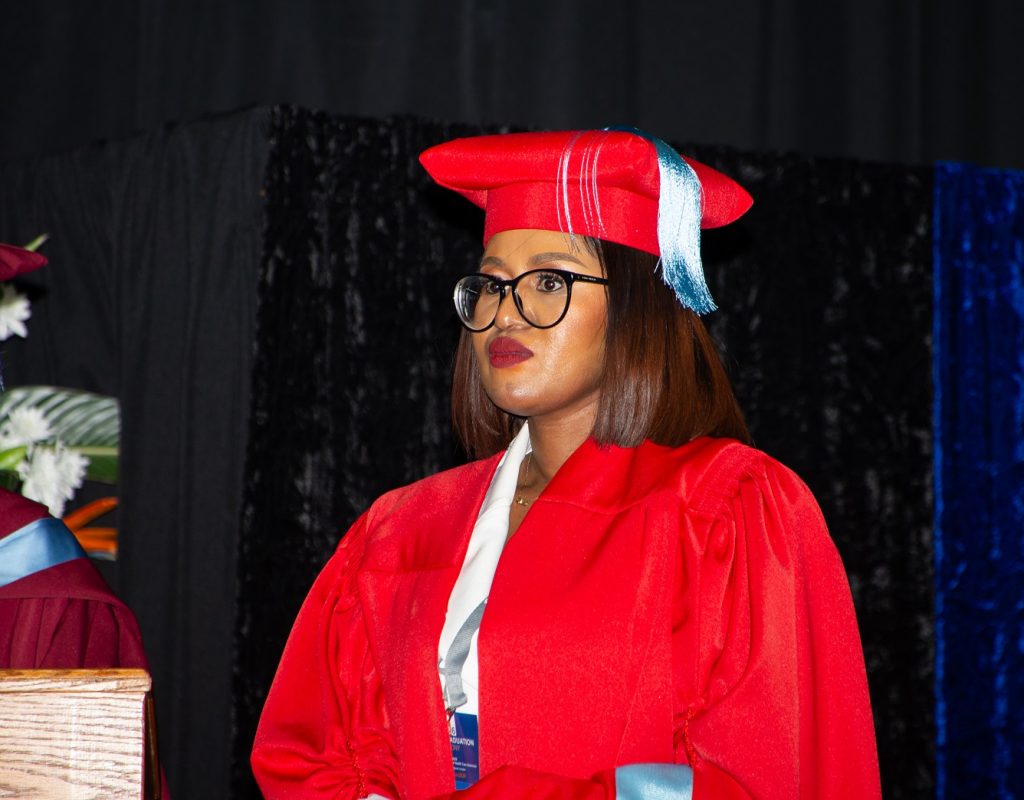 Dr Mosima’s doctoral study, titled Accessibility of Radiopharmaceuticals in English-speaking African Countries, examined the severe shortages and inequalities affecting access to nuclear medicine services across the continent. Her research highlighted the urgent need for investment, infrastructure development, regional collaboration and policy intervention to improve access to lifesaving diagnostic and therapeutic radiopharmaceuticals.
Radiopharmaceuticals play a critical role in the diagnosis of diseases such as cancer, cardiovascular diseases and neurodegenerative disorders, and the treatment of different types of cancers. However, Dr Mosima’s findings revealed that many African countries continue to face significant barriers in accessing these specialised healthcare services.
Speaking about the significance of her research, Dr Mosima said: “The study demonstrated that accessibility to radiopharmaceuticals in English-speaking African countries remains severely limited due to major gaps in infrastructure, equipment, trained personnel and procurement systems. Without urgent intervention, some countries risk losing these critical healthcare services entirely.”
The study employed a cross-sectional mixed-method design involving nuclear medicine professionals, such as radiopharmacists, medical physicists, nuclear medicine physicians and nuclear medicine technologists from thirteen English-speaking African countries. Data were collected between May 2023 and May 2024 through online questionnaires and focus group discussions.
The research found that countries such as Cameroon, Ghana, Mauritius, Zambia and Zimbabwe have only one nuclear medicine facility each, while Zambia was reported to have imaging equipment older than 33 years.
 Dr Mosima also identified that only Kenya and South Africa currently offer Positron Emission Tomography (PET) services, while theragnostic — an advanced form of targeted cancer treatment — is extensively practised only in South Africa.
“Participants raised serious concerns about the high cost of radiopharmaceuticals, inadequate infrastructure and the shortage of trained personnel across the region,” she explained. “There is also limited awareness of nuclear medicine and radiopharmacy among healthcare stakeholders and policymakers, which further delays investment and development.”
One of the major contributions of the study was the development of a radiopharmacy database mapping the geographic distribution of radiopharmaceutical infrastructure in English-speaking African countries. The database provides a visual overview of service availability and existing gaps across the region.
Currently serving as an nGAP lecturer in the Department of Pharmaceutical Sciences at SMU, Dr Mosima has built an impressive academic and professional profile in radiopharmacy. She previously obtained both her Master of Pharmacy in Radiopharmacy and Doctor of Pharmacy qualifications from SMU, after completing degrees in Pharmacy and Diagnostic Radiography at the University of Limpopo.
Her growing body of scholarly work includes multiple peer-reviewed publications in international journals focusing on radiopharmacy services, radiation exposure, healthcare access and nuclear medicine development in Africa.
Dr Mosima said collaboration would be essential in transforming radiopharmaceutical services across the continent. “Regional governments, healthcare institutions and international partners need to work together to establish local production facilities, strengthen procurement networks and expand training opportunities. Improving access to radiopharmaceuticals is ultimately about improving equitable healthcare access for African patients,” she said.
The achievement reflects SMU’s continued commitment to advancing innovative health sciences research that addresses pressing healthcare challenges facing South Africa and the African continent. Through cutting-edge research, postgraduate training and academic excellence, the university continues to position itself as a leading institution driving transformation, innovation and healthcare advancement in Africa.
By Tumelo Moila

by Lorato | May 20, 2026 | Accolades and Achievements, All News, SMU Media, Student Media
Sefako Makgatho Health Sciences University (SMU) alumna Dr Jennifer Njenga has been recognised internationally for her leadership in primary healthcare innovation and health systems transformation across four continents, reinforcing the university’s legacy of producing globally impactful health professionals.
 Dr Njenga, who graduated with an MBChB from MEDUNSA, now Sefako Makgatho Health Sciences University in 2002, before obtaining an MPH from the University of Auckland, a DrPH from Flinders University and a Certificate in Global Healthcare Leaders programme from Harvard Medical School, has built a 24-year career spanning Uganda, South Africa, Namibia, New Zealand, Australia, USA and Canada. Her work has consistently focused on strengthening primary healthcare systems, advancing maternal and child health, and improving equity in underserved communities.
Her previous appointment as Co-Chair of the International Expert Panel for Modernising Alberta’s Primary Care System marked a significant milestone in her career. The panel, convened by Alberta’s Ministry of Health, was tasked with developing strategic recommendations to improve access, integration, and sustainability within primary care.
Speaking on her approach to health systems transformation, Dr Njenga said: “Primary healthcare is the foundation of equitable societies. When we invest in integrated, community-centred systems, we are not only treating illness—we are building resilience for generations.”
She added that her work is driven by a commitment to vulnerable populations. “Whether in rural Uganda, rural Canada, or Indigenous migrant communities in New Zealand, the principles remain the same: dignity, access, and continuity of care must guide every health system decision.”
Dr Njenga is the Founder and CEO of Engage Global Health Ltd and BriJen, through which she leads global digital health equity initiatives, interdisciplinary collaboration, and leadership development programmes. Her work includes strategic partnerships with governments, academic institutions, and community organisations aimed at strengthening health systems and workforce capacity.
Senior Officer: Alumni Coordination at SMU, Benedict Masenamela, praised her achievements, stating: “Dr Njenga exemplifies the university’s vision of transforming health services through excellence and innovation. Her global leadership reflects the calibre of SMU alumni and their ability to influence health policy and practice internationally.”

In previous roles, she served as Manager of Clinical Services at Edmonton West Primary Care Network, Clinical Lead for eReferrals at Alberta Health Services, and Family Physician Liaison for Women and Children’s Health in New Zealand. She also served as the Physician Representative for Refugee Health within Alberta Health Services and was a member of the Alberta Coalition for Refugee Health. She remains actively involved in refugee and Indigenous health initiatives and continues to provide leadership through advisory and governance roles on several health boards, including HIV Edmonton, where she currently serves as Board Chair, and the Canadian Public Health Association, where she is a current Board Director.
Her contributions have earned her several accolades, including the Rosalind Smith Professional Award and the Queen Elizabeth II Platinum Jubilee Medal in 2022.
Beyond clinical leadership, Dr Njenga is also a published author and researcher, with work focusing on maternal obesity and healthcare policy. Her leadership continues to influence global conversations on health equity, systems redesign, and community-centred care.
Reflecting on her journey, she said: “My training at SMU laid the foundation for a lifelong commitment to service. I remain deeply connected to the values of equity, respect, and Ubuntu that shaped my early professional identity.”
SMU continues to celebrate its alumni who are shaping global health systems, with Dr Njenga standing as a testament to the university’s enduring impact on healthcare leadership and innovation worldwide.
By Tumelo Moila
by Lorato | May 18, 2026 | All News, SMU Media, Student Media
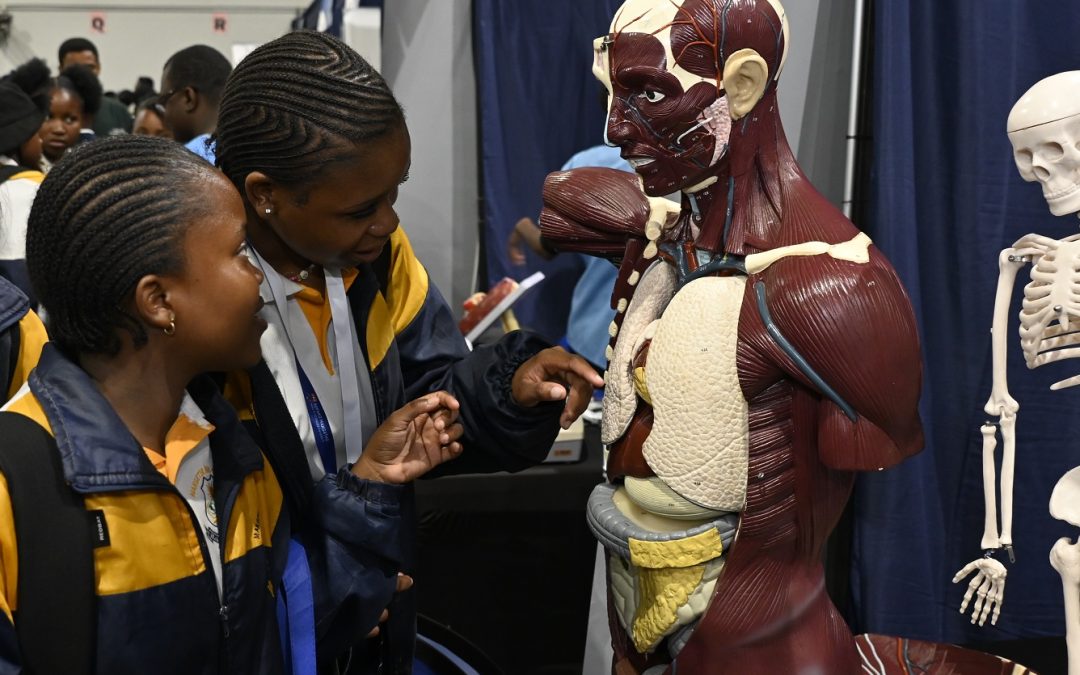
More than 2 300 top-performing learners and educators from 103 schools across Gauteng, Limpopo, Mpumalanga, the Free State and North West gathered at Sefako Makgatho Health Sciences University recently, for the institution’s highly anticipated Open Day 2026, themed “NEXTGEN: Shaping Health Sciences in South Africa”.
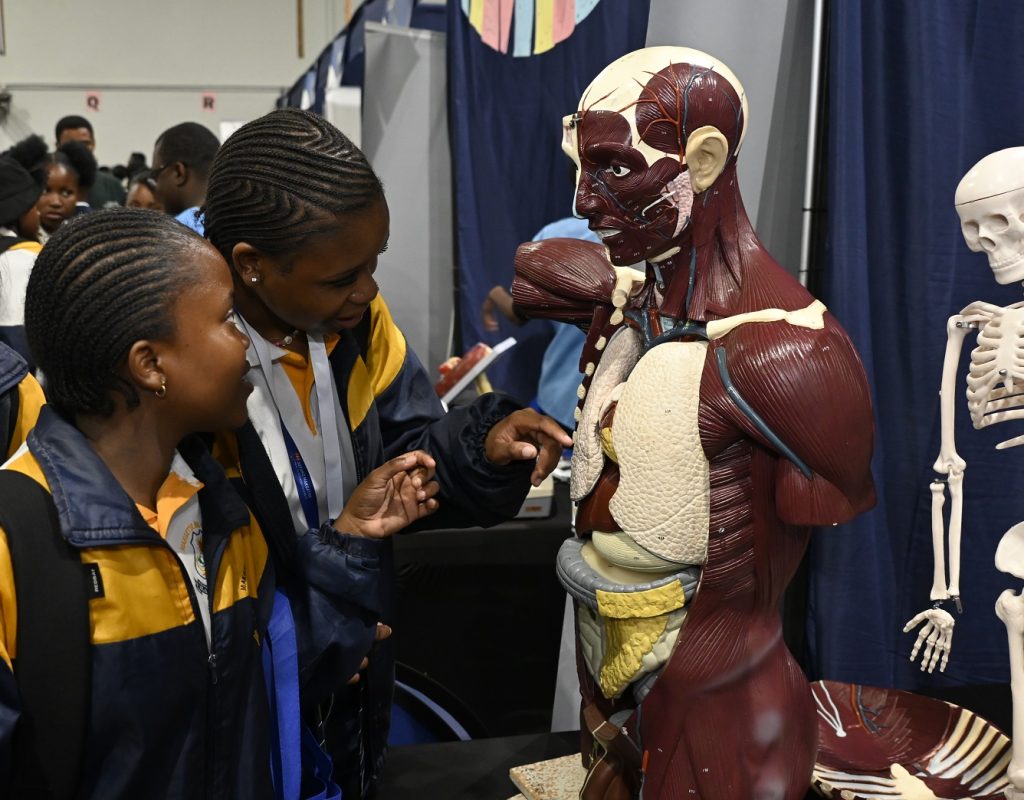 Hosted at the university’s Sports Complex, the event welcomed Grade 9 to 12 learners with a strong interest in health sciences careers, particularly those studying Mathematics, Physical Sciences, Life Sciences and English. The initiative offered prospective students an immersive introduction to professions shaping the future of healthcare, science and technology in South Africa, while reinforcing SMU’s growing reputation as one of the country’s leading specialised health sciences universities.
Representing all five SMU schools — Dentistry, Health Care Sciences, Medicine, Pharmacy, & Science and Technology — the university transformed its campus into an interactive learning environment filled with live demonstrations, exhibitions, campus tours and one-on-one engagements with academics, students and alumni. From the early hours of the morning, the atmosphere reflected excitement and ambition as learners explored the institution’s state-of-the-art facilities and experienced first-hand what student life at SMU has to offer.
One of the day’s standout attractions was the Emergency Medical Care Unit exhibition from the School of Medicine, where realistic trauma simulations demonstrated CPR procedures and spinal immobilisation techniques. The hands-on experience captivated learners and highlighted the practical nature of healthcare training at SMU. The School of Science and Technology also drew significant attention through engaging scientific demonstrations designed to spark curiosity about careers in applied sciences, innovation and research.
Visitors further explored the university’s cutting-edge laboratories, simulation centres and the Oral Health Centre, which plays a central role in the clinical training of students. Dedicated information sessions for learners, parents and educators covered important topics including NSFAS funding, student accommodation, campus safety, mental health support and student wellness services, reinforcing the university’s commitment to student-centred education and holistic development.
Speaking during the event, Ntsheu Collins Mangena, Student Recruitment Officer at SMU, said the Open Day formed part of the university’s broader mission to inspire and prepare future healthcare professionals.
“We focus on both academic excellence and the development of compassionate, community-conscious professionals,” said Mangena. “Open Day is about helping learners visualise their place in this ecosystem and showing them how they can contribute meaningfully to transforming healthcare in South Africa.”
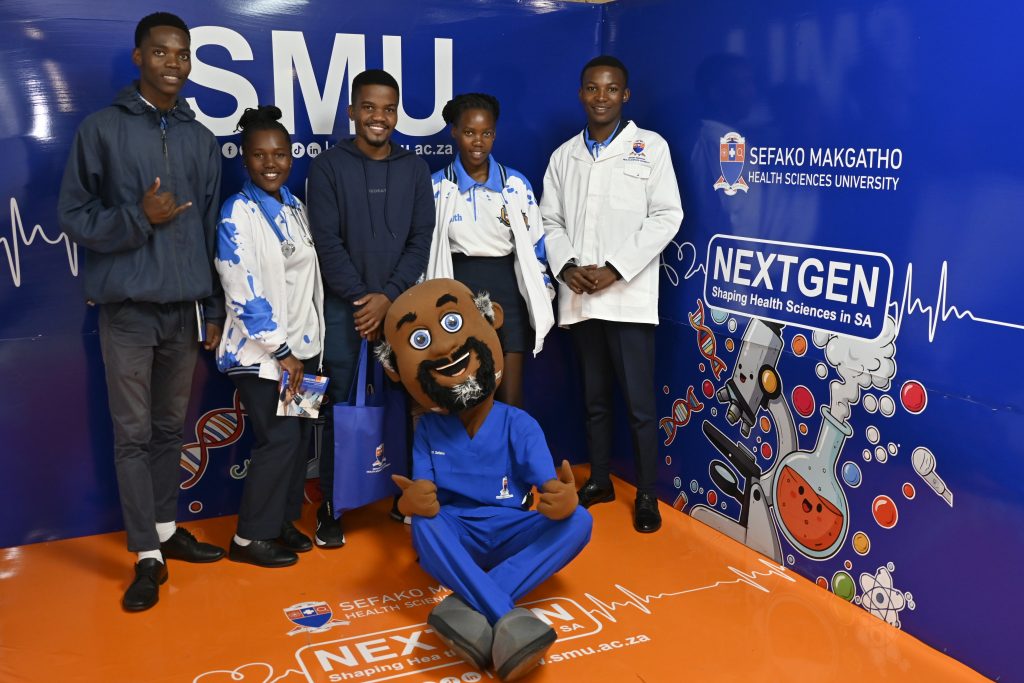 SMU student brand ambassadors also played an important role throughout the day by sharing their personal academic journeys and offering practical advice to prospective applicants. Simamkele Talatala, a fourth-year medicine student and student ambassador, encouraged learners to prepare thoroughly for the demands of higher education.
“Understand what you are applying for,” said Talatala. “Aim for higher marks and prepare yourself for the journey of becoming a healthcare student. SMU is the right place to become a clinically competent healthcare professional.”
Learners described the experience as both informative and inspiring. Temoso Hlakole, a Grade 12 learner from P.H.L Moraka Secondary School, said the event provided clarity about her future aspirations.
“I would like to pursue an MBChB at SMU,” said Hlakole. “I had a wonderful time and got clarity on most of the questions I had regarding the course I want to pursue. I connected with the higher education environment and interacted with people who share the same interests as mine. I would rate this event a solid 10 out of 10.”
With applications for the 2027 academic year officially open, SMU used the event to encourage learners to begin preparing for careers in healthcare and science. Undergraduate applications close on 31 July 2026, while postgraduate applications close on 31 August 2026.
Guided by its vision of transforming health services through excellence and innovation, SMU continues to strengthen its role in developing skilled, ethical and community-conscious healthcare professionals. As learners departed campus carrying prospectuses, application guides and renewed motivation, the success of Open Day 2026 once again highlighted the university’s contribution to advancing health sciences education, research and healthcare delivery in South Africa.
By Tumelo Moila
by Lorato | May 18, 2026 | Accolades and Achievements, All News, Alumni, SMU Media, Student Media
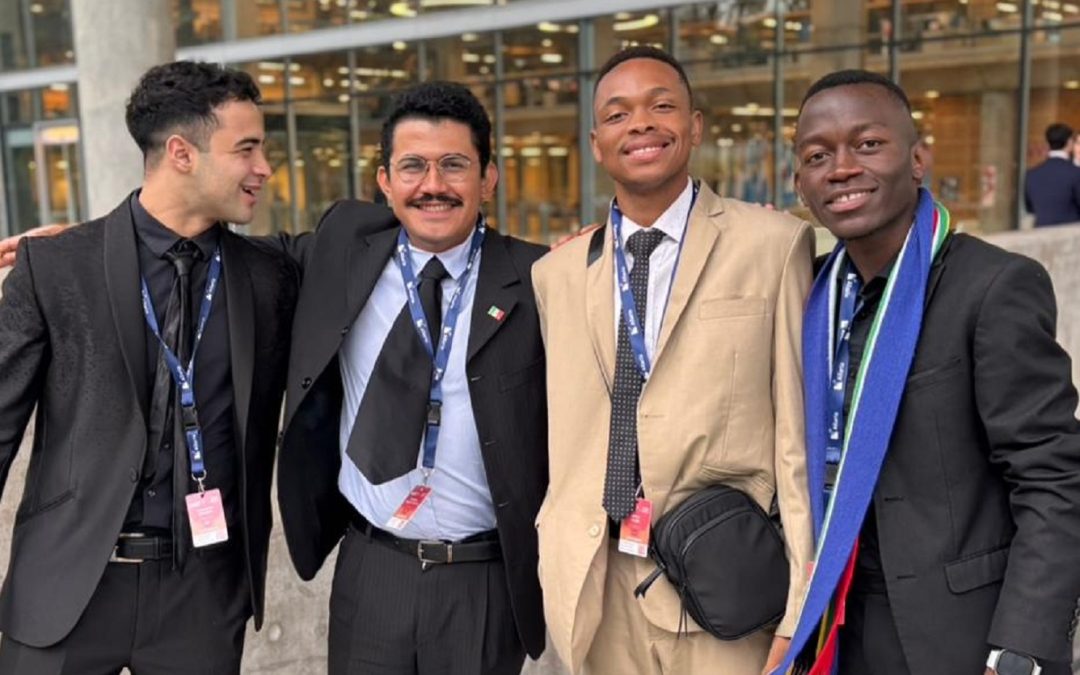
Sefako Makgatho Health Sciences University (SMU) has celebrated an extraordinary international achievement by Master of Pharmacy candidate Mahlorhi Baloyi, who has been ranked among the Top 5 globally for contribution and impact within the prestigious South American Business Forum (SABF) Community.
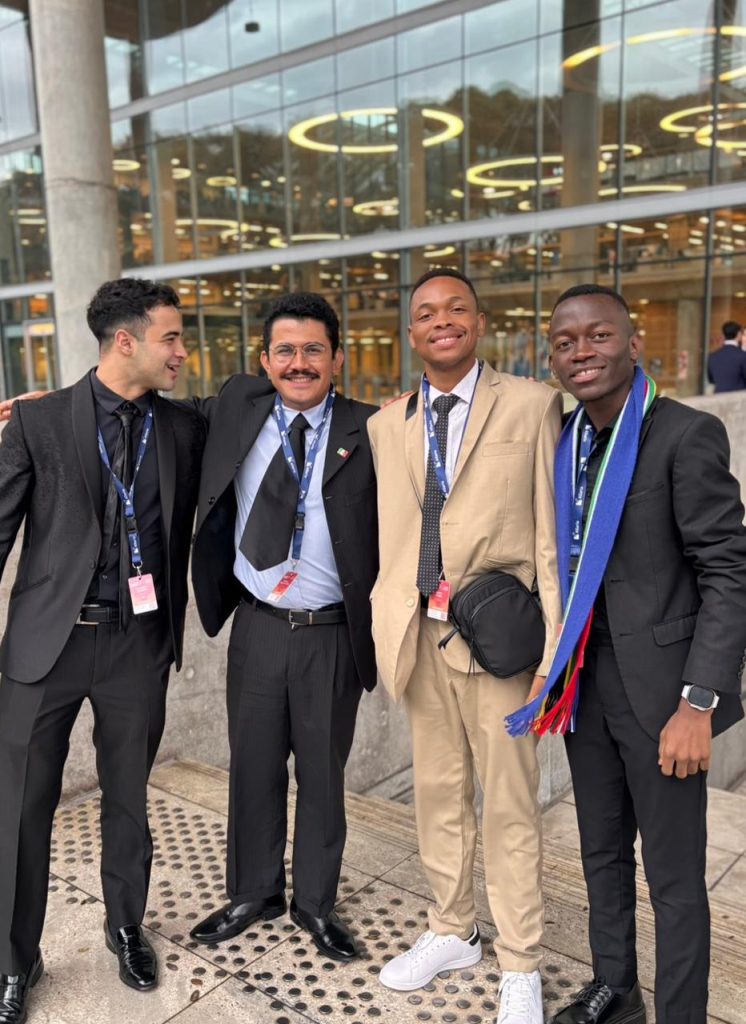 The recognition places Baloyi among a select group of influential young leaders shaping international conversations on leadership, healthcare, innovation, sustainable development, entrepreneurship, diplomacy, and social justice. Hosted annually in Buenos Aires, Argentina, SABF is regarded as one of the world’s most competitive youth leadership platforms, attracting thousands of applications from exceptional students, academics, innovators, policymakers, and entrepreneurs across the globe.
Selection into the SABF network is based on academic excellence, leadership ability, social impact, innovation, critical thinking, and commitment to sustainable change. Baloyi’s ranking among the Top 5 globally reflects not only his academic strength but also his growing influence within international leadership and policy spaces.
Throughout his engagement with SABF, Baloyi has actively participated in high-level discussions, policy engagements, collaborative initiatives, and strategic debates focused on addressing global challenges. His contribution has enabled him to establish meaningful relationships with international policymakers, healthcare advocates, entrepreneurs, and young leaders from different regions of the world.
Baloyi said the recognition represented far more than personal success. “Being recognised among the Top 5 globally within the SABF Community is an incredible honour. These experiences continue to remind me of the importance of collaboration, leadership, and using our voices to contribute towards meaningful global conversations,” he said.
“I hope this inspires students to believe in the value of their ideas, their potential, and their ability to make an impact beyond borders.”
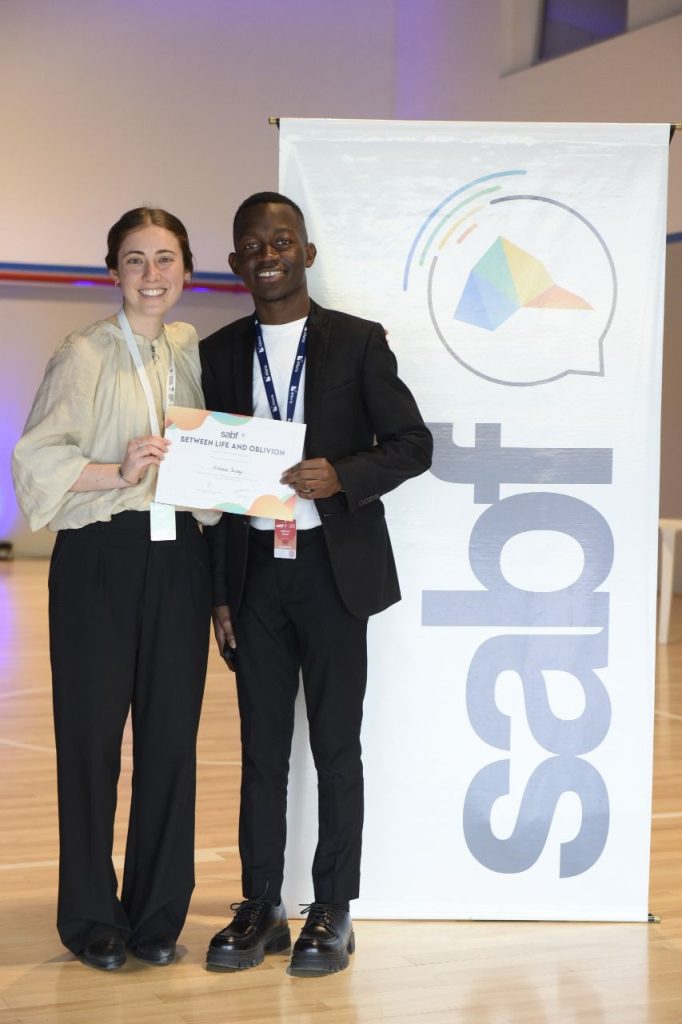 Beyond his international engagements, Baloyi is currently working towards establishing a global organisation aimed at advancing transformative and innovative healthcare solutions. The initiative seeks to strengthen healthcare accessibility, equity, sustainability, leadership, and health advocacy through international collaboration and systems-focused innovation.
His work aligns closely with SMU’s vision of transforming health services through excellence and innovation while reinforcing the university’s growing reputation as a producer of globally competitive graduates committed to meaningful societal impact.
What distinguishes Baloyi’s journey is his continued commitment to uplifting others despite his rising international profile. Within the university community, he remains involved in mentorship programmes, motivational initiatives, peer coaching, leadership development activities, and student support programmes designed to encourage young people to pursue excellence and global engagement.
SMU said Baloyi’s achievement reflects the institution’s commitment to producing graduates who combine academic excellence with leadership, integrity, innovation, and social responsibility.
The university added that his success demonstrates how South African students can compete successfully within highly competitive international platforms while remaining committed to service, collaboration, and community impact.
Baloyi’s achievement continues to strengthen SMU’s international profile and reinforces the university’s position as a distinctive health sciences institution developing future leaders capable of shaping healthcare, policy, and innovation on a global scale.
By Tumelo Moila