
by Lorato | May 27, 2026 | All News, Alumni, SMU Media, Student Media
Sefako Makgatho Health Sciences University (SMU) came alive with colour, music, and cultural pride as students, staff, alumni, diplomats, and international guests gathered to commemorate Africa Day under the theme, “Celebrating Africa’s Resilience and Innovation.”

SMU strengthens global ties on Africa Day
The day-long celebration transformed the campus into a vibrant showcase of African unity, academic collaboration, and cultural exchange, reinforcing SMU’s vision of developing globally connected healthcare professionals grounded in African excellence and innovation.
Proceedings began at the University Library with a live countdown marking the official opening of SMU’s new International Information Corner — a strategic hub designed by the Internationalisation Directorate and Library and Information Services to connect students and researchers with global academic resources while strengthening international partnerships.
The launch attracted several distinguished diplomats and representatives, including Hassene Hellal, Deputy Ambassador Algerian Embassy; Dr Ming Guo, Second Secretary Chinese Embassy; Dr Jingquan Chen, Minister Counsellor Chinese Embassy; Lucy Musau, Education Attache Kenyan High Commission; Aurélien Leynet, Science and Technology Attache French Embassy; and Dr Francis Chishala, Firs Secretary Education Zambian High Commission. Delegates expressed appreciation at seeing their national flags proudly displayed within the new space, symbolising SMU’s growing international footprint and commitment to fostering global academic relationships.
Dr Rirhanzu Mhinga, Director of Library and Information Services, described the launch as a defining milestone for the university. “The launch of the International Information Corner on Africa Day is deeply symbolic,” said Dr Mhinga. “We are creating a dedicated hub that empowers our researchers, staff, and students with seamless access to global insights, ensuring that our local academic community is equipped to address global health and societal challenges.”
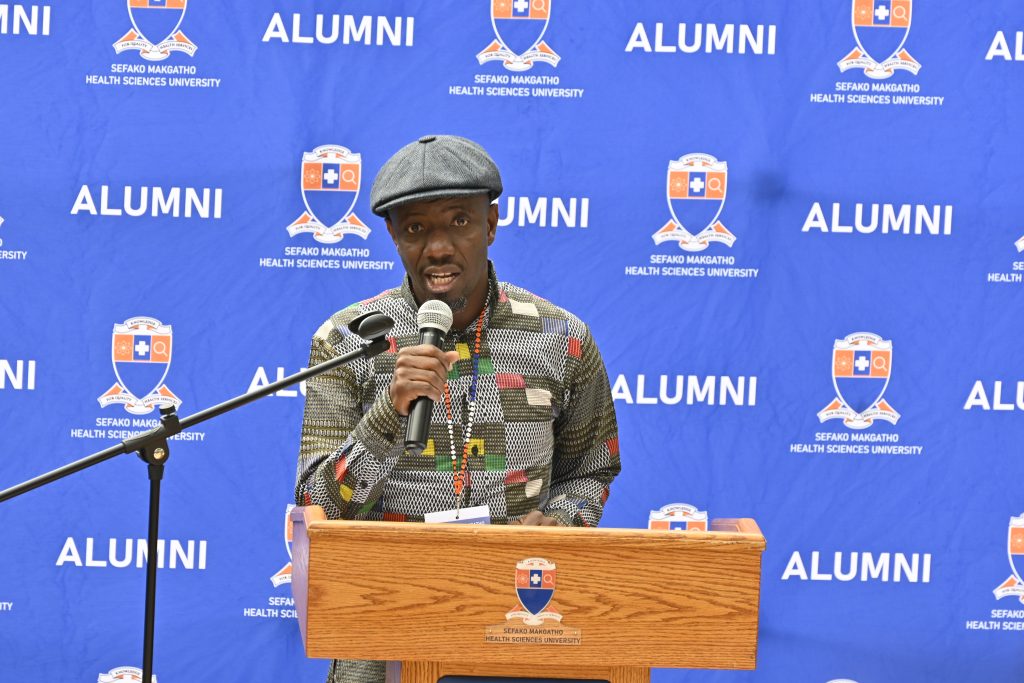 Celebrations later moved to the campus amphitheatre, where SMU alumnus and founder of Boitekanelo College, Dr Tiro Mampane, delivered a keynote public lecture titled, “Time to Be BOLD.” Reflecting on his years as a student at SMU, Dr Mampane shared fond memories of campus life while encouraging students to pursue their ambitions fearlessly.
“Staying at Residence 4B remains a long-lasting memory for me,” he said warmly before challenging students to embrace resilience and leadership. “Students should take the big bet and be bold, and today, start where you are with what you have, and be resilient in pursuit of your dreams. Let us be the generation that finally unlocks everything Africa’s always meant to be.”
SMU’s Internationalisation Directorate also invited Boitekanelo College’s Traditional Dance Group to perform at the Africa Day Celebrations. Their energetic Setswana performances electrified the amphitheatre and highlighted the spirit of continental unity and cultural pride.
Delivering her remarks, Acting Deputy Vice-Chancellor for Academic and Research, Prof Dini Mawela, emphasised the importance of positioning African scholarship within the global academic landscape. “To bring the global to the local means to elevate our African narratives and research findings to the international stage while drawing international knowledge to improve our communities,” said Prof Mawela.
Vice-Dean of the School of Science and Technology, Prof Stanley Gololo, praised the university for investing in initiatives that strengthen academic excellence and international collaboration, while also encouraging students to reflect on broader societal challenges facing the continent.
The celebrations continued with a spirited campus march led by the SMU drummies and cheerleaders from the main gate to the student cafeteria, symbolising 63 years of African liberation and leadership. At the student cafeteria, the campus was transformed into a bustling cultural marketplace where food vendors served traditional dishes from across the continent, creating a shared experience through cuisine, music, and conversation.
One of the most anticipated highlights was the inter-residence cultural showcase. According to Dr Carlien Jooste, Director of Internationalisation at SMU, residences randomly selected African countries and spent weeks researching their assigned nation’s traditions, attire, music, and cultural identity. Some residences were also hosted by the specific country’s High Commission in Pretoria and could thus give a more authentic representation of the culture. “At SMU, our Africa Day Celebrations not only celebrate who we are, but also offer our local students the opportunity to learn about another African Culture,” said Dr Jooste.
The showcase featured performances by celebrated artist Shandesh and SMU performer Nzuzo, whose heartfelt tribute to Nelson Mandela moved many in attendance.
After a closely contested inter-residence competition, Arebeng 2 Residence, representing Zambia, claimed first place with a synchronised dance and theatrical performance that captivated the audience. Accepting the trophy on behalf of the residence, first-year medical student Lindokuhle Sambo said the experience had broadened their understanding of the continent. “Before Africa Day, I knew very little about Zambia,” she said.
“The research process and support we received from the High Commission of Zambia helped us understand the culture deeply, and it made us proud to represent the country in such a meaningful way. “Second place was awarded to 1B Residence, while Third place went to Madeira Residence.
The celebration reflected SMU’s commitment to academic excellence, Ubuntu, cultural pride, and global engagement. Through initiatives promoting international understanding, collaboration and student-centred learning, the university continues to strengthen its reputation as a leading African institution in health sciences, shaping future healthcare leaders for the continent and beyond.
By Rose Moreki

by Lorato | May 27, 2026 | All News, Alumni, SMU Media, Student Media
A groundbreaking cancer research study by Sefako Makgatho Health Sciences University academic Dr Mmei Cheryl Motshudi is positioning African medicinal plant research at the forefront of innovative cancer treatment discovery, following her graduation with a PhD in Botany during the university’s recent autumn graduation ceremony.
 Dr Motshudi, a lecturer in the Department of Biology and Environmental Sciences, completed her doctoral research titled Integration of multi-omics approaches with in silico analysis for novel therapeutic target discovery: Focus on neuroblastomas as a model. Her study explored new therapeutic strategies for neuroblastoma, an aggressive paediatric cancer that remains one of the leading causes of cancer-related deaths among children worldwide.
Conducted through collaborative partnerships with institutions including Rhodes University, Inqaba Biotechnologies and Universitas Tadulako, the research combined transcriptomics, plant metabolomics, computational modelling, and laboratory validation to identify plant-derived compounds with anti-neuroblastoma potential.
The study focused on medicinal plants such as Acorus calamus and Lippia javanica, both recognised for their traditional medicinal value. Dr Motshudi’s findings revealed promising therapeutic compounds capable of targeting stress-adaptive signalling and redox metabolism pathways linked to tumour survival and treatment resistance.
Among the compounds identified, Amino(1H-indol-2-yl) acetic acid emerged as the strongest lead candidate due to its significant anti-neuroblastoma activity and stable molecular interactions with key therapeutic targets.
Reflecting on the achievement, Dr Motshudi said the completion of her doctorate represented years of dedication and a commitment to advancing scientific innovation rooted in African biodiversity.
“This research demonstrates the potential of integrating advanced multi-omics technologies with indigenous medicinal plant knowledge to address critical global health challenges,” she said.
“I remain passionate about contributing towards translational cancer research that can ultimately improve treatment outcomes, particularly in low- and middle-income settings where survival rates remain poor.”
She added that the multidisciplinary nature of the study strengthened both her scientific expertise and leadership capabilities.
 “The study allowed me to collaborate with leading academic and research institutions locally and internationally. It reinforced the importance of innovation, collaboration, and scientific excellence in addressing complex diseases such as neuroblastoma,” said Dr Motshudi.
Her doctoral study received funding support from the National Research Foundation through the DSI-NRF Full Cost of Study funding programme, as well as the prestigious Sibusiso Bengu Development Grant.
Beyond her research achievements, Dr Motshudi has spent nearly five years lecturing within the Bachelor of Science Extended Curriculum Programme at SMU, where she teaches Biology and mentors students enrolled in the MBIB000: Introduction to Life Science Studies module. Her responsibilities include curriculum support, practical supervision, academic administration, and student consultations aimed at strengthening scientific learning and academic success.
She has also contributed extensively to community engagement and science outreach initiatives, including environmental awareness programmes, science demonstrations for school learners, and postgraduate student mentorship.
Dr Motshudi has authored and co-authored several peer-reviewed scientific publications spanning metabolomics, medicinal plants, virology, environmental biology, and cancer research, further establishing her growing contribution to biological and biomedical sciences.
Her achievement reflects SMU’s continued commitment to research excellence, innovation, and the advancement of health and scientific knowledge. Through pioneering scientific discovery, academic development, and transformative health sciences education, the university continues to strengthen its position as a leading institution dedicated to improving healthcare outcomes and advancing impactful research for communities in South Africa and beyond.
By Tumelo Moila
by Lorato | May 27, 2026 | All News, Alumni, SMU Media, Student Media
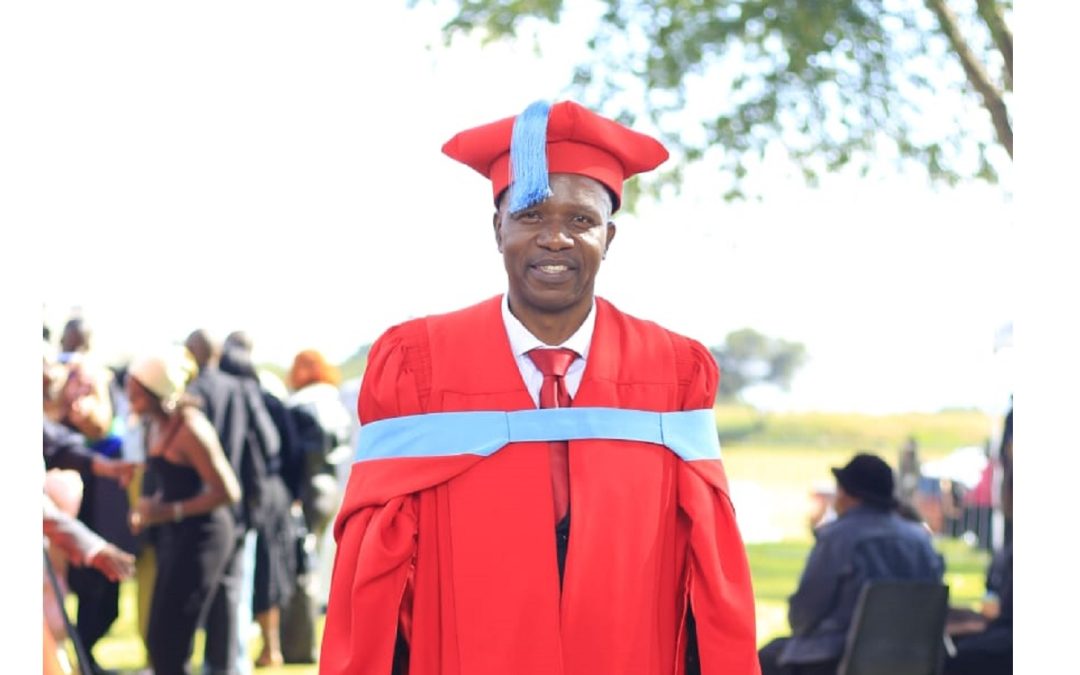
The Sefako Makgatho Health Sciences University (SMU) has celebrated a major academic achievement after Muisaphanda Enos Rampamba, Manager for Professional Affairs (Education) at the South African Pharmacy Council, graduated with a Doctor of Philosophy (PhD) in Pharmacy during the university’s autumn graduation ceremony.
 Dr Rampamba’s doctoral study, titled Development of a quality indicator framework for hypertension at public primary health care level in South Africa, addresses persistent challenges in the management of hypertension within South Africa’s primary healthcare (PHC) system. Conducted through SMU’s School of Pharmacy, the research developed and tested practical quality indicators to strengthen healthcare delivery to and improve patient outcomes across PHC clinics.
Hypertension remains one of the leading contributors to cardiovascular disease in lower- and middle-income countries, including South Africa. Although national policies and clinical guidelines have been introduced to strengthen the management of non-communicable diseases (NCDs), inconsistent treatment outcomes and weak monitoring systems continue to affect patient care at PHC facilities.
Dr Rampamba said the study was motivated by the urgent need to improve the quality of care provided to patients living with hypertension.
“This study was driven by the need to strengthen the quality of care provided to patients with hypertension at the primary healthcare level. The findings revealed important gaps in patient monitoring, medicine availability and data management, but also highlighted opportunities to improve patient outcomes through practical and measurable quality indicators,” he said.
The mixed-methods research was conducted in three phases and included rapid evidence reviews, expert panel consultations, clinical audits and clinicians’ interviews across 12 PHC clinics in Limpopo’s Vhembe District. Through the study, Dr Rampamba developed 45 evidence-based quality indicators focused on patient monitoring, review, lifestyle counselling, laboratory testing, intermediate outcomes, referrals and practice indicators.
The findings exposed serious challenges in hypertension management at PHC level. Only 35% of patients maintained controlled blood pressure over 12-months period, while just 38% received all prescribed antihypertensive medication at their most recent clinic visit. The study further revealed that poor routine data collection systems limited the effective measurement and monitoring of healthcare quality in many clinics.
Dr Rampamba emphasised the importance of strengthening digital healthcare systems to improve patient care and clinical decision-making.
 “Nurses participating in the study strongly supported the migration from manual systems to electronic data management. Improved data systems will strengthen patient monitoring, support better decision-making and ultimately improve the quality of care delivered in clinics,” he said.
With more than two decades of experience in pharmaceutical management and leadership, Dr Rampamba currently oversees pharmacy education standards, accreditation processes and professional development initiatives at the South African Pharmacy Council. Before joining the council, he served in several senior roles within the Limpopo Department of Health, including Pharmacy Manager at Tshilidzini Regional Hospital.
Throughout his career, he has maintained a strong focus on healthcare quality improvement, patient education and research. His doctoral work has already received national and international recognition and has been presented at two national and two international conferences, including the 82nd FIP World Congress of Pharmacy and Pharmaceutical Sciences held in Cape Town in 2024.
The study has also produced several peer-reviewed journal publications, contributing to broader global discussions on hypertension management and healthcare quality in Africa.
Dr Rampamba said he hopes the framework developed through the research will support policymakers and healthcare professionals in strengthening NCD management across South Africa.
“Implementing these indicators nationally could improve healthcare quality, enhance patient outcomes and ensure more efficient use of limited healthcare resources. The framework also has the potential to be adapted for other non-communicable diseases in South Africa and elsewhere on the continent,” he said.
The achievement reflects SMU’s growing contribution to health sciences research, innovation and evidence-based healthcare solutions. As a dedicated health sciences university, SMU continues to advance research that responds directly to the healthcare challenges facing South Africa and the broader African continent.
By Tumelo Moila
by Lorato | May 27, 2026 | All News, Alumni, SMU Media, Student Media
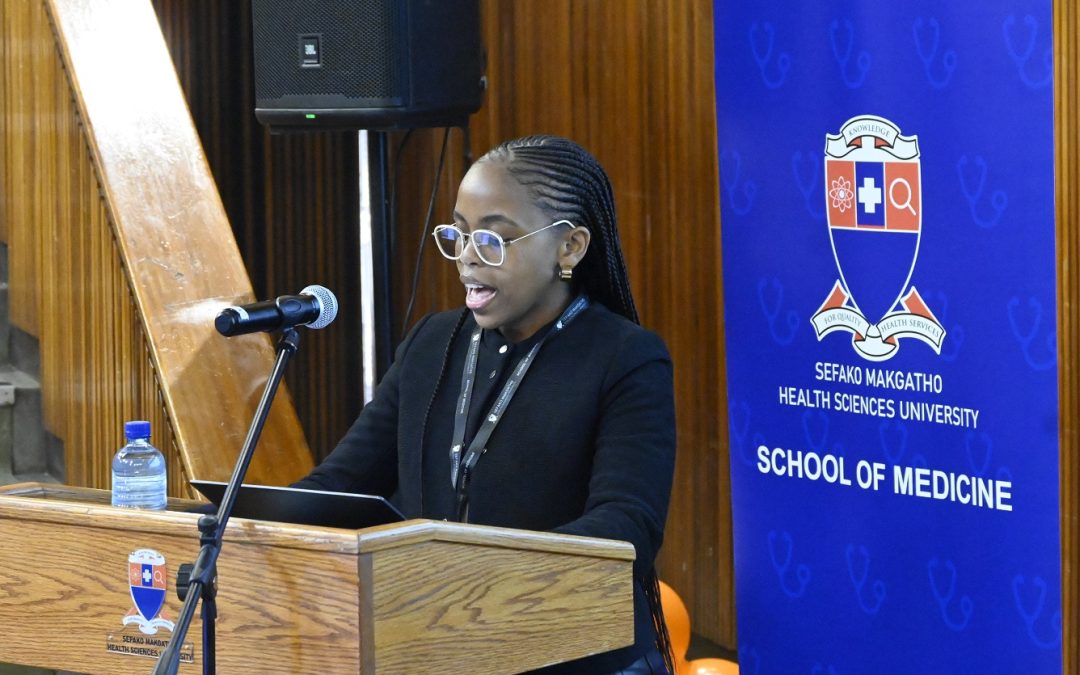
Sefako Makgatho Health Sciences University’s School of Medicine hosted its annual Research Day recently, bringing together academics, clinicians, postgraduate students and emerging scientists to showcase research aimed at transforming healthcare across Africa.
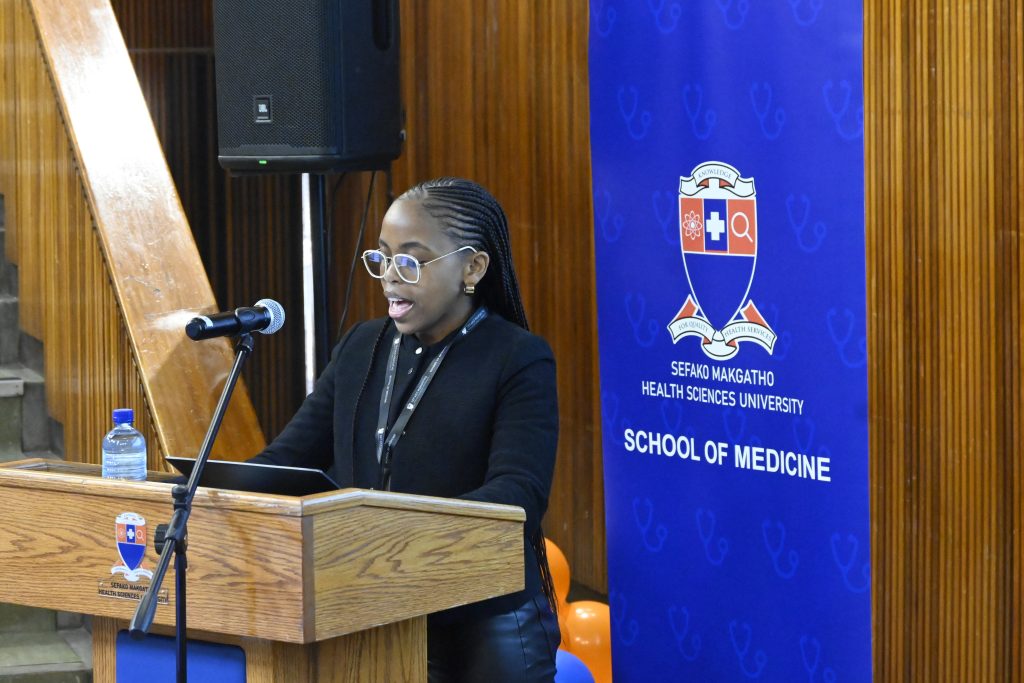 Held at the Clinical Pathology Building under the theme, “Strengthening Evidence-Based Practice through Interdisciplinary Health Research”, the event highlighted cutting-edge work in biomedical sciences, molecular medicine, public health, diagnostics and surgical innovation.
Delivering his remarks, Dean of the School of Medicine Prof Risenga Chauke praised the quality of scholarship presented during the day and reflected on the event’s growing impact within the health sciences sector. “Today has been a celebration of scholarship, innovation, collaboration and the relentless pursuit of knowledge,” said Prof Chauke. “We have witnessed the breadth and excellence of research taking place across biomedical sciences, molecular medicine, diagnostics, therapeutics, public health, surgical innovations, mental health and translational medicine.”
Prof Chauke also expressed ambitions to expand the event beyond the university campus in future, emphasising that the quality of SMU’s research deserved a larger platform. “Next year we must look that we don’t have it on campus. We must have it somewhere else,” he said.
The Research Day served as an important platform for postgraduate students to present their findings, engage with peers and build confidence as emerging researchers. Among the presenters was Naledi Mkhabela, a master’s student from the Department of Pharmacology and Therapeutics, who showcased research investigating trypsin inhibitors in Artemisia afra leaf extracts as potential anti-obesity agents.
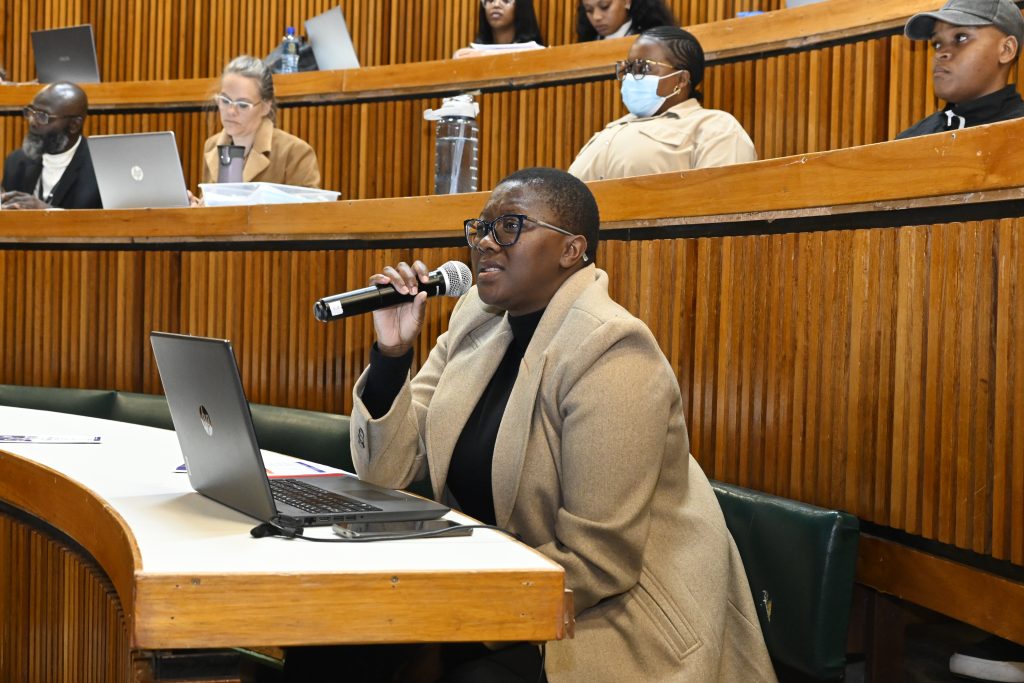 Reflecting on her academic journey, Mkhabela described research as both challenging and rewarding. “Balancing academics and laboratory work was very difficult as an honours student,” she said. “But at master’s level, it becomes more enjoyable because you grow into the process.”
Mkhabela added that presenting at the conference helped her overcome anxiety around public speaking and broadened her professional exposure. “I was very nervous before, but after today, I gained confidence,” she said. “It exposes you to networking, public speaking and sharing your ideas.”
Discussions during the event also focused on personalised medicine and antimicrobial resistance. Dr Keletso Sekwana from the Department of Chemical Pathology warned that the misuse of antibiotics could create serious public health challenges in the future.
“Our clinicians need to be aware that while antibiotics protect against infections, overuse contributes to resistance,” Dr Sekwana said. “If we continue on this path, we may reach a point where the antibiotics we currently rely on no longer work.”
She further stressed the importance of moving away from “one-size-fits-all” treatment approaches. “We respond differently to diseases and medication because of genetic variation,” she explained. “Generalising how every patient should respond is not helping us.”
The conference also highlighted the importance of culturally sensitive healthcare communication. Mr Bonginkosi Mdletshe from the Department of Clinical Psychology presented research on the psychosocial experiences of Black African men diagnosed with prostate cancer. “Many of these men do not feel comfortable discussing their illness at home,” Mdletshe said. “Support groups are important because they create safe spaces for men to share information and experiences.”
Supported by sponsors including Lancet Laboratories, Standard Bank and Inqaba Biotec, the 2026 Research Day reinforced SMU’s commitment to academic excellence, innovative research and evidence-based healthcare solutions that continue to strengthen health systems in South Africa and across the continent.
By Rose Moreki
by Lorato | May 27, 2026 | All News, Alumni, SMU Media, Student Media
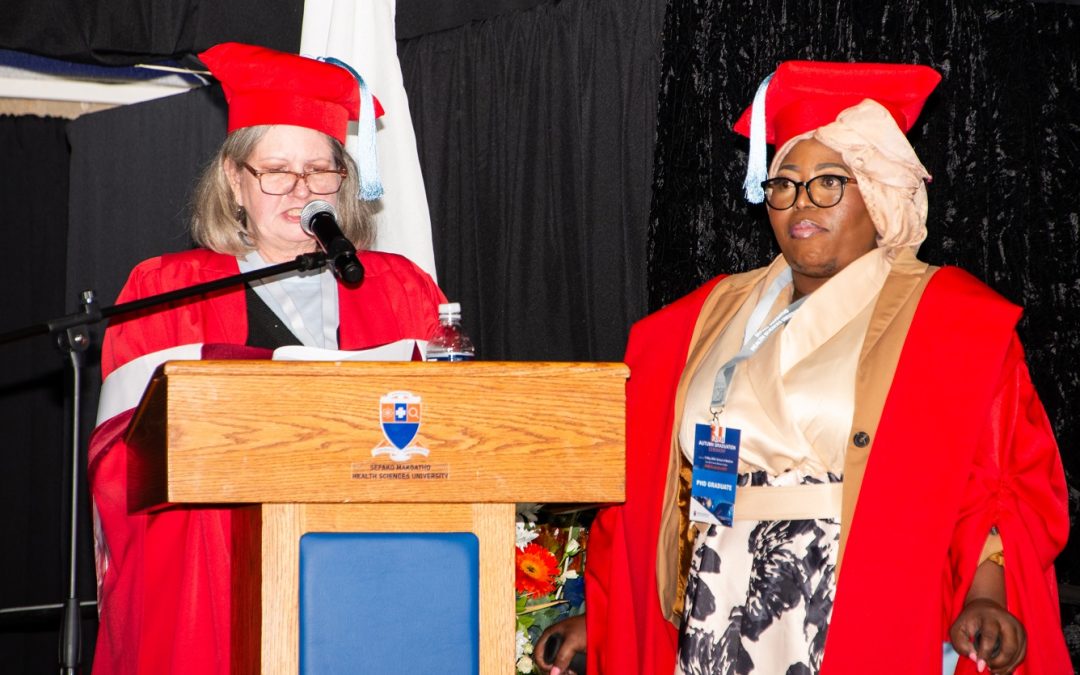
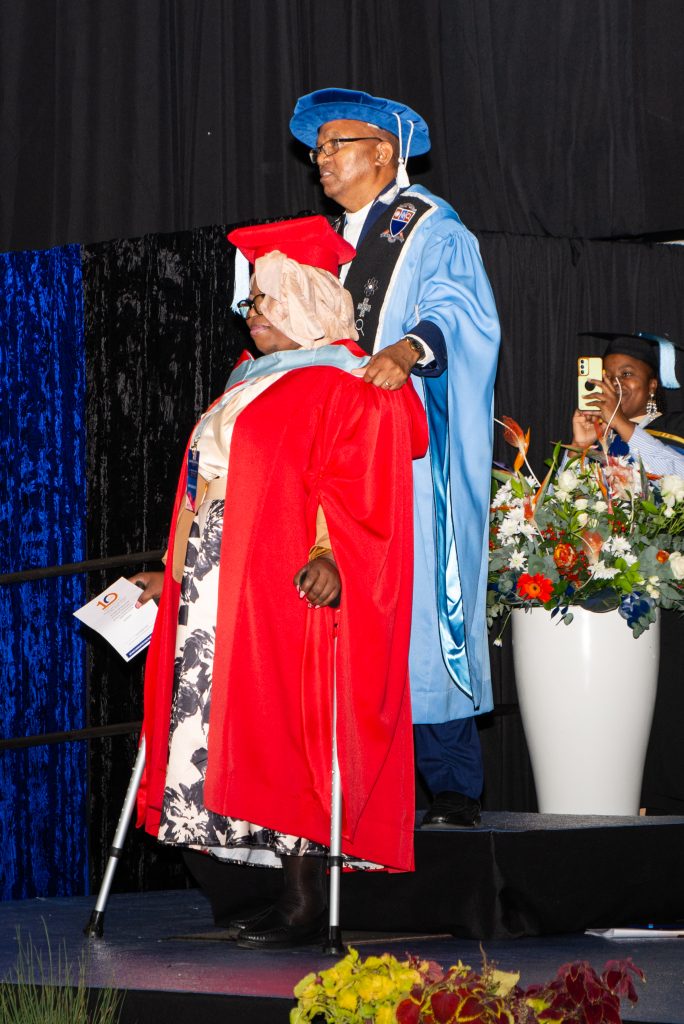
Sefako Makgatho Health Sciences University continues to strengthen its contribution to healthcare research and innovation following the graduation of Matete Olga Kgasha during the School of Medicine Autumn Graduation Ceremony 2026, where her groundbreaking research shed new light on the genetic and bacterial factors driving rheumatic heart disease in South Africa.
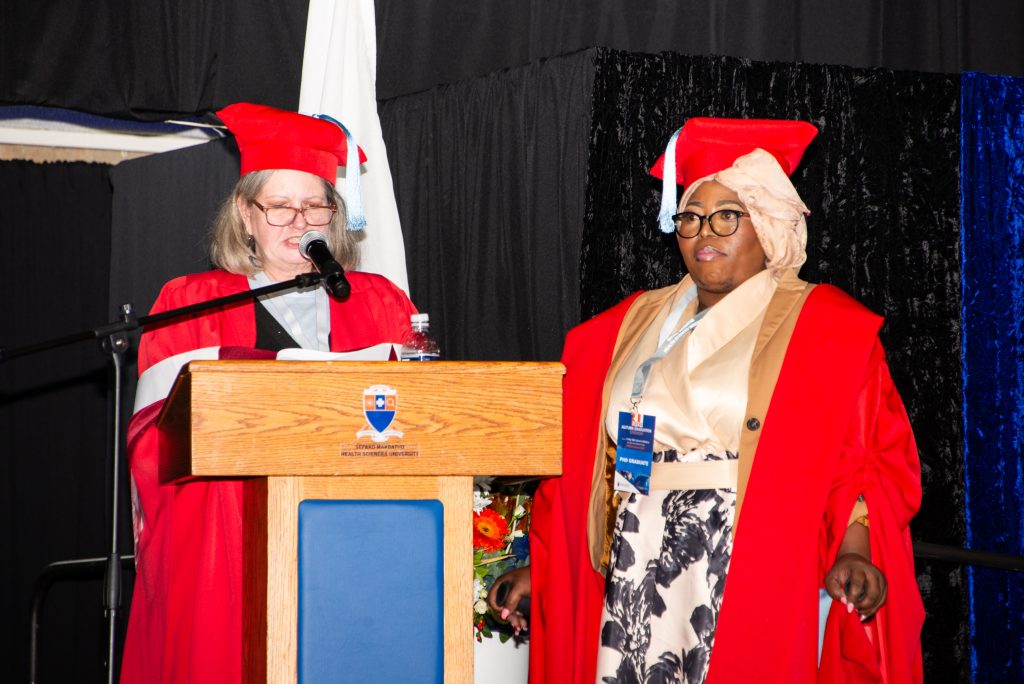 Kgasha graduated with a Doctor of Philosophy in Medical Microbiology after completing a pioneering study titled An epidemiological and genomic description of Group A Streptococcus strains and HLA Class II profiles in patients presenting with pharyngitis, acute rheumatic fever and rheumatic heart disease in Limpopo Province, South Africa. Her work explored the complex relationship between bacterial infections and human genetics in the development of acute rheumatic fever (ARF) and rheumatic heart disease (RHD), conditions that continue to affect vulnerable communities across the developing world.
The research focused on Group A Streptococcus (GAS), a bacterium commonly associated with throat infections that can trigger severe immune-mediated complications if left untreated. Rheumatic heart disease remains a major public health concern in South Africa, particularly among children and young adults in underserved communities.
Using advanced genomic and molecular techniques, Dr Kgasha identified extensive genetic diversity among circulating GAS strains while also uncovering important Human Leukocyte Antigen (HLA) Class II associations linked to increased susceptibility to ARF and RHD.
Speaking about the significance of the findings, Dr Kgasha said the research could play an important role in shaping future prevention and treatment strategies.
“This study provides critical information that may support future vaccine development, strengthen antimicrobial surveillance and improve prevention strategies for rheumatic heart disease in vulnerable communities,” she said.
She explained that understanding both bacterial strains and host genetic factors could help advance more personalised healthcare interventions in South Africa.
“Our findings highlight the importance of integrating molecular epidemiology, antimicrobial resistance monitoring and host genetic profiling into disease prevention programmes,” said Dr Kgasha. “The ultimate goal is to reduce the burden of preventable diseases affecting children and young adults.”
 The study also produced important findings relating to antimicrobial resistance. Although all GAS isolates remained susceptible to penicillin, some showed minimum inhibitory concentrations approaching resistance thresholds. Resistance to erythromycin and clindamycin was additionally identified, reinforcing growing global concerns around antimicrobial resistance and the need for continuous monitoring.
Importantly, the research revealed that less than 50% of the identified emm types were represented in the current 30-valent GAS vaccine under development, suggesting that vaccine coverage may be limited in Limpopo Province and highlighting the need for region-specific surveillance and vaccine strategies. Thanks to the grants received from DHET-UCDG, NRF Thuthuka and SAMRC with HFSP collaboration.
Beyond her doctoral achievement, Dr Kgasha currently serves as a lecturer and postgraduate laboratory manager in Medical Microbiology at SMU, where she is also the AFROStrep coordinator. Her work spans teaching, postgraduate supervision and infectious disease research, with a particular focus on antimicrobial resistance, infection prevention and control.
Over the years, she has contributed extensively to the scientific community through peer-reviewed publications, conference presentations and postgraduate student supervision. Her work has earned recognition both locally and internationally, including scholarships to present her research in Cape Town and Lausanne.
Reflecting on her academic journey, Dr Kgasha described the PhD as a milestone shaped by perseverance and collaboration. “Living with disability doesn’t mean unable but means finding purpose in the unforeseen boundaries. Obtaining this PhD represents years of dedication, resilience and collaboration,” she said. “I hope my work will contribute meaningfully to improving healthcare outcomes and inspire young scientists, particularly women in science, to pursue impactful research.”
As a dedicated health sciences institution, SMU continues to position itself at the forefront of research excellence, innovation and transformative healthcare education. Dr Kgasha’s achievement not only advances scientific understanding of rheumatic heart disease but also reflects the university’s enduring commitment to producing impactful research that addresses some of Africa’s most pressing health challenges.
By Tumelo Moila
by Lorato | May 27, 2026 | All News, Alumni, SMU Media, Student Media
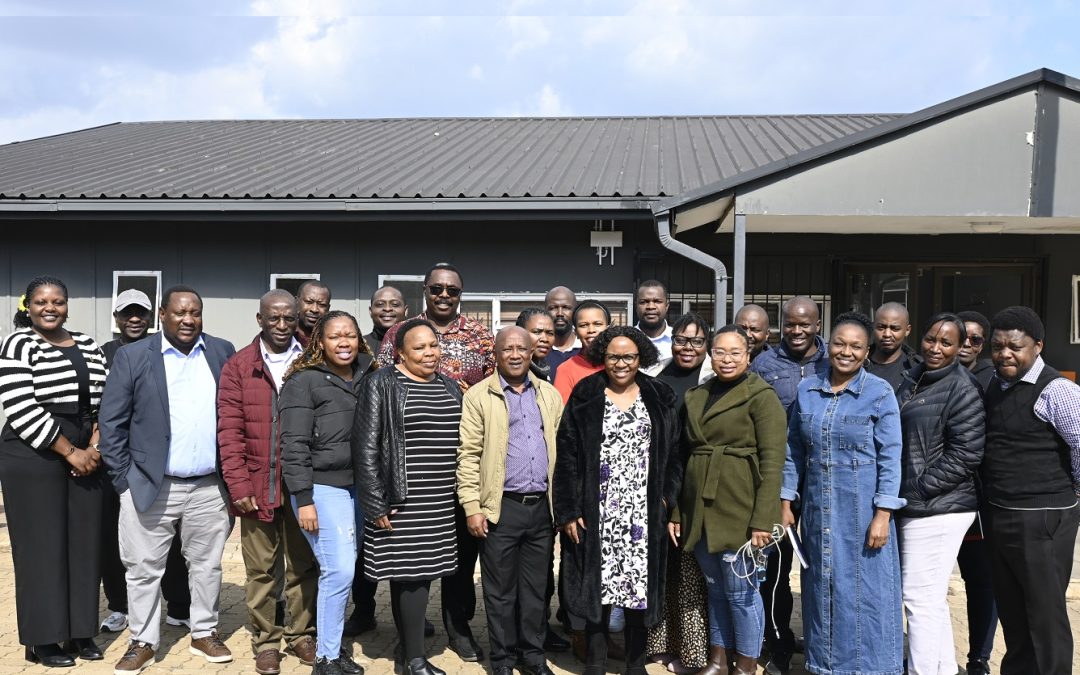
The Sefako Makgatho Health Sciences University (SMU) School of Science and Technology (SST) held a research ethics committee induction workshop aimed at transforming scientific research administration, strengthening supervisor-student relationships, and accelerating postgraduate completion rates in line with Department of Higher Education and Training (DHET) requirements.
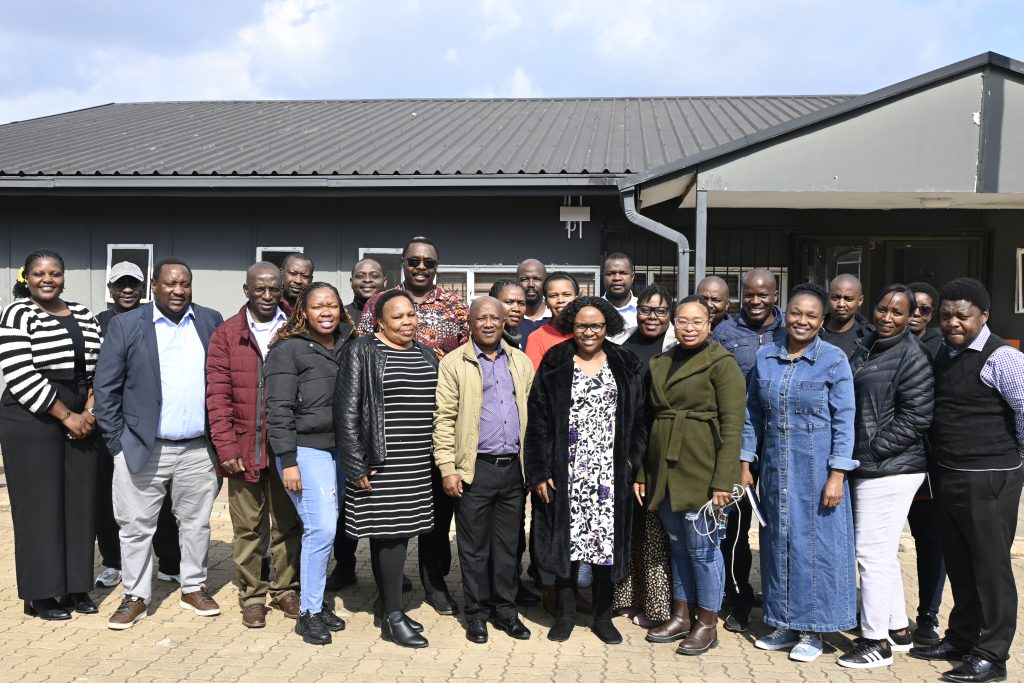 The strategic intervention was formalised during the workshop held recently, where postgraduate supervisors, committee evaluators, researchers, and administrators confronted long-standing systemic bottlenecks that have delayed student research proposals for periods ranging from one month to as long as two years.
Leading the engagement, Dean of SST Professor Lawrence Obi delivered a firm call for institutional change, urging school members to prioritise humanity, responsiveness, and accountability in postgraduate supervision. “Postgraduate students must never be reduced to statistics or file references. They are human beings navigating complex and stressful educational journeys,” Professor Obi said.
He strongly critiqued delayed email responses and prolonged feedback turnaround times, describing supervisor responsiveness as “a fundamental academic responsibility rather than an optional courtesy”.
To address proposal backlogs and administrative delays that have negatively affected students financially and academically, the Dean emphasised that reviewers with personal conflicts involving candidates should recuse themselves from evaluation processes to ensure fairness and efficiency.
The revised system will operate under the oversight of Deputy Chairperson of the School’s Research Ethics Committee, Professor Madira Manganyi and the secretariat team. Under the new framework, every proposal will immediately be logged into a central tracking matrix upon submission, while technical compliance checks and strict communication deadlines will be enforced across all review stages to eliminate unnecessary delays.
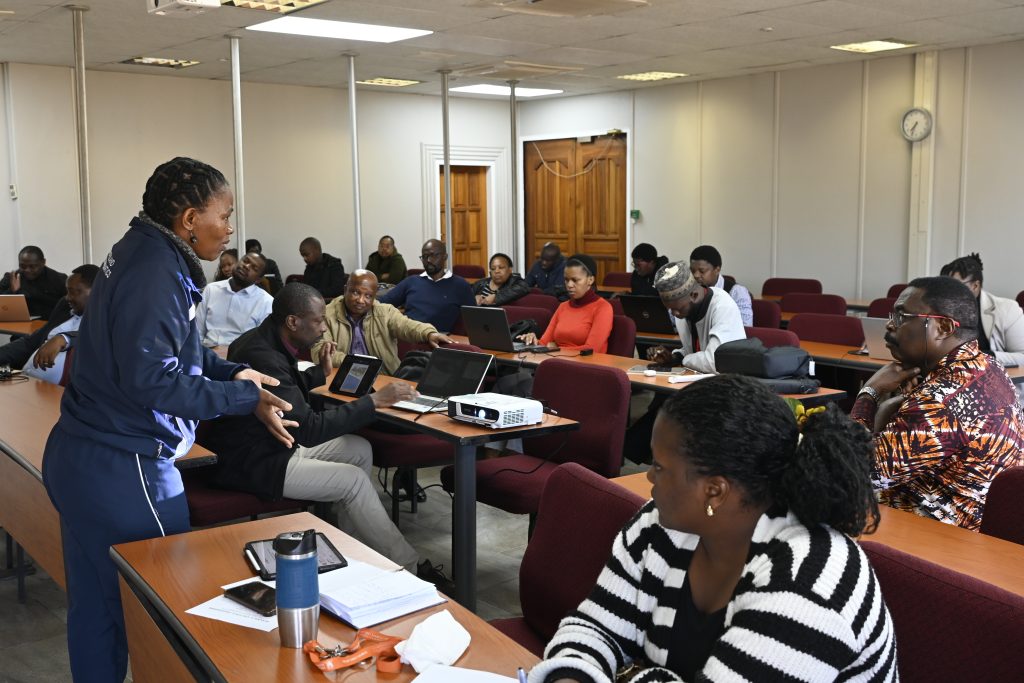 SST said the intervention reflects a broader institutional commitment to operational excellence, accountability, and student-centred academic support.
Committee member and research supervisor Dr Nomasonto Rapulenyane, who recently celebrated the simultaneous graduation of three Master of Science candidates, attributed her success to combining structured milestone management with compassionate student support.
“Successful postgraduate supervision demands holistic involvement in a candidate’s life,” Dr Rapulenyane explained. “We must care about their emotional well-being, physical health, and financial stability. A student facing severe stress or financial hardship cannot perform optimally at an analytical level.”
She added that supervisors and students should jointly establish realistic timelines within the first six months of registration to ensure research protocols receive School Research Committee approval without unnecessary delays.
Vice Dean Professor Stanley Gololo also confirmed the formal recognition of collaborative and multidisciplinary supervisory structures. As part of the initiative, all accredited co-supervisors will now receive equal institutional completion credit alongside principal supervisors in an effort to strengthen mentorship and interdepartmental collaboration.
Meanwhile, the School Research Committee is intensifying efforts to improve proposal quality through targeted ethics and methodology training initiatives.
According to the second Deputy Chairperson of the Committee, Dr Vusani Maphiri, the Research Ethics Committee Induction Workshop has been designed to equip supervisors and reviewers with stronger knowledge of ethical compliance, institutional procedures, and proposal development standards.
“The workshop aims to improve the quality of research proposals by providing participants with direct guidance on ethical compliance, methodology, and common challenges,” Dr Maphiri said.
SST said the integrated model demonstrates how empathy, effective leadership, and operational efficiency can work together to strengthen postgraduate success and research excellence.
Aligned with its vision of transforming health services through excellence and innovation, SMU noted that the initiative reinforces the university’s growing reputation as a responsive, student-centred, and world-class health sciences and technology institution committed to advancing research, education, and societal impact.
By Rose Moreki