by Lorato | Oct 16, 2025 | All News, Alumni, SMU Media, Student Media
Sefako Makgatho Health Sciences University (SMU) continues to shape South Africa’s health sciences landscape, producing visionary professionals, pioneering researchers, and transformative leaders. From government corridors to hospital theatres and corporate boardrooms, SMU alumni advance health sciences, drive innovation, and contribute to socio-economic development across the continent.
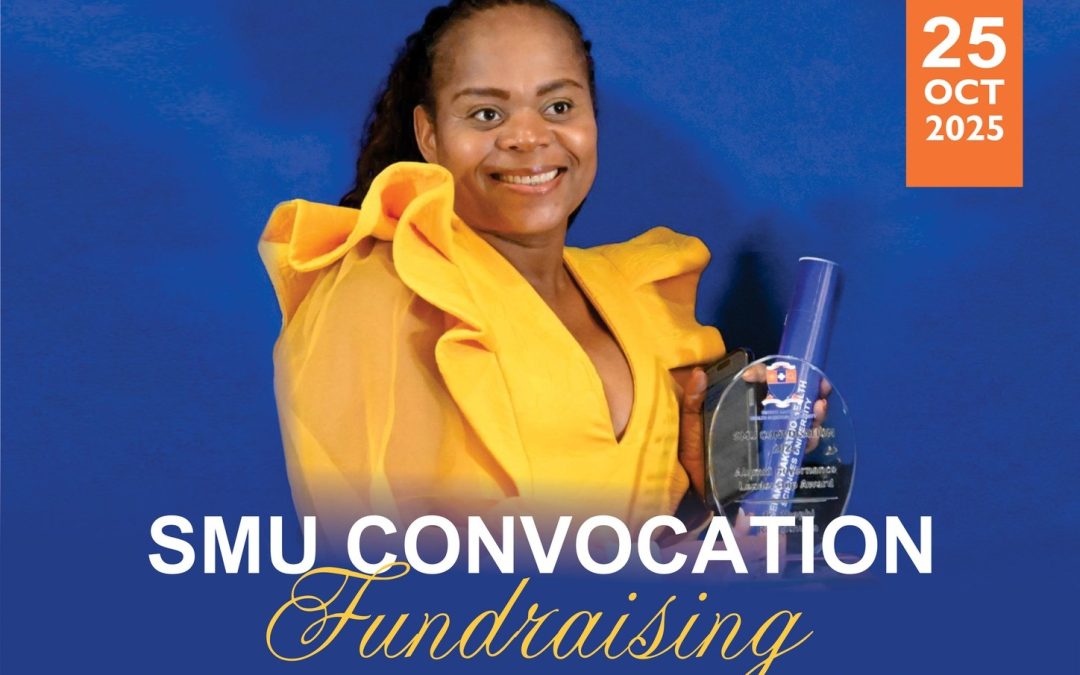
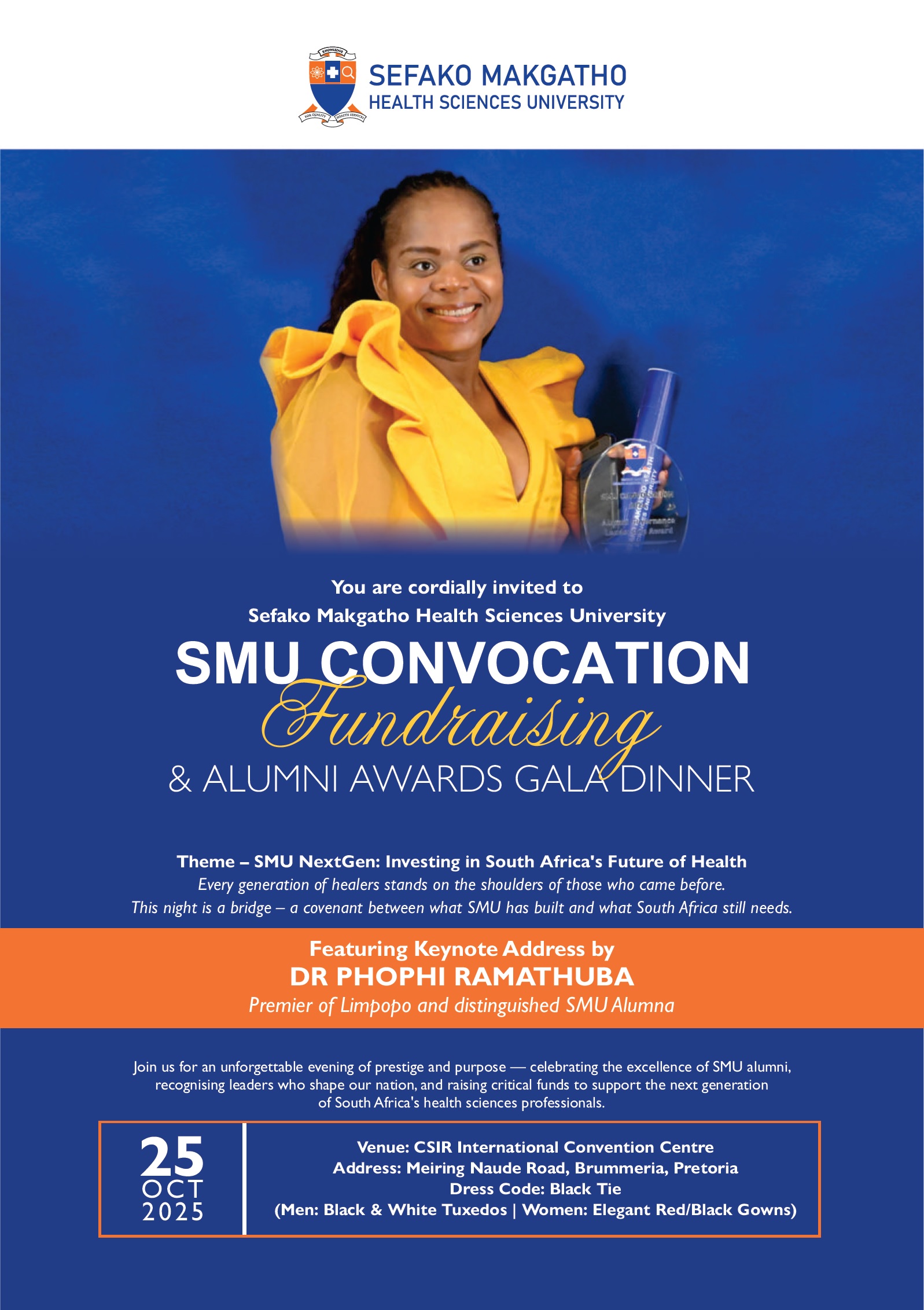 To preserve and strengthen this legacy, SMU Convocation invites alumni, partners, and friends to the SMU Convocation Fundraising & Alumni Awards Gala Dinner on 25 October 2025 at the CSIR International Convention Centre in Pretoria. The event is more than a celebration — it is a call to action to invest in the next generation of health sciences leaders. Many talented SMU students face financial challenges that threaten their academic and professional aspirations. The Gala Dinner aims to bridge this gap, ensuring no deserving student is left behind. The evening will also honour distinguished alumni whose contributions reflect SMU’s values of Excellence, Integrity, Compassion, Accountability, and Respect.
In preparation for the event, the SMU Convocation Executive Committee (EXCO) held a strategic workshop to plan for the year ahead. The session provided an opportunity to reflect on Convocation’s role in advancing the University’s mission, strengthening alumni relations, and ensuring meaningful participation in institutional development.
Delivering the welcome address, Japhta Phala, President of SMU Convocation, emphasised that Convocation is more than a statutory structure — it is a vibrant community of graduates, academics, and stakeholders united by a shared responsibility to support SMU’s growth. “The Convocation exists to be the voice of alumni, strengthen the bond between graduates and their alma mater, and play a meaningful role in the life of the institution,” he said.
Vice-President Elifolet Bhembe outlined the workshop objectives, which included preparing for the 2025 Annual General Meeting (AGM) and finalising plans for the Fundraising Gala Dinner. “We reviewed the SMU Statute and Convocation Constitution to ensure compliance and alignment, developed a detailed checklist for the AGM, and explored ways to enhance Convocation activities and alumni benefits,” he explained.
The workshop focused on governance, accountability, and innovation. By grounding its work in the SMU Statute and Constitution, Convocation reaffirms its commitment to transparency and good governance. The AGM was highlighted not merely as a statutory requirement, but as a democratic platform empowering alumni to influence the University’s direction.
Participants also discussed enhancing alumni engagement through tangible benefits, such as professional networking platforms, mentorship programmes, and opportunities for collaboration in research and community development. “A vibrant alumni community is central to the sustainability and reputation of SMU. When alumni thrive, the University’s name shines brighter — and when the university grows, alumni benefit in return,” the EXCO noted.
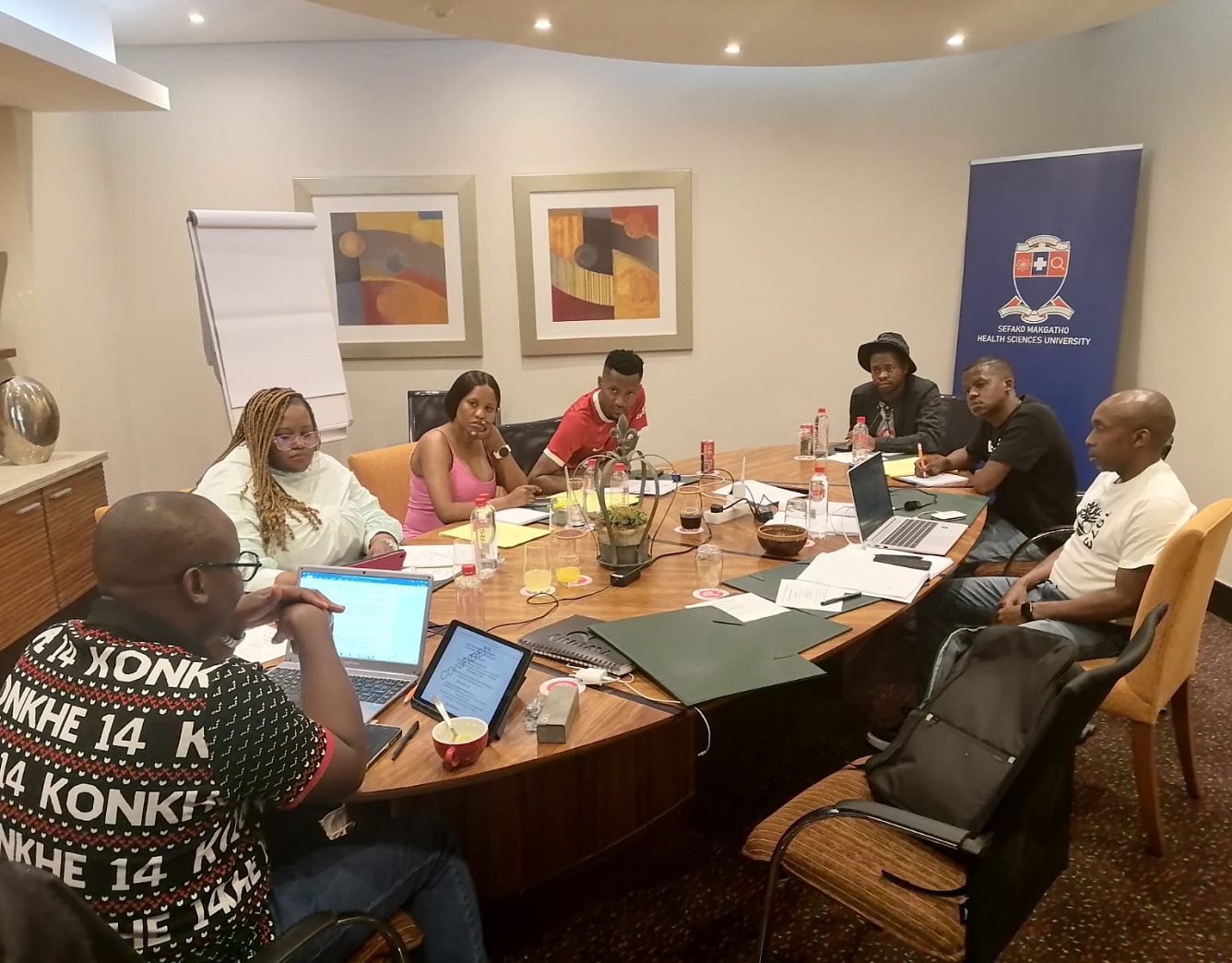 The workshop included dedicated Convocation EXCO members: Japhta Phala (President), Elifolet Bhembe (Vice-President), Sello Madibela (Secretary), Jeff Shipalana and Remofilwe Poeng (Additional Members), Dr Zukiswa Gonya (University Council Member), and Letsai Mashishi (Senior Officer: Convocation Administration).
Concluding the session, Phala thanked members for their dedication, emphasising that their work lays the foundation for a more connected alumni community and a stronger institution. “The work we are doing today paves the way for a stronger Convocation, a more engaged alumni network, and a university that continues to shine as a centre of excellence in health sciences education,” he said.
As SMU prepares for the Fundraising & Alumni Awards Gala Dinner, the call is clear — come together as a community, invest in the dreams of future health professionals, and build a lasting legacy of opportunity, excellence, and impact.
By Dimakatso Modise
by Lorato | Oct 16, 2025 | All News, SMU Media, Student Media
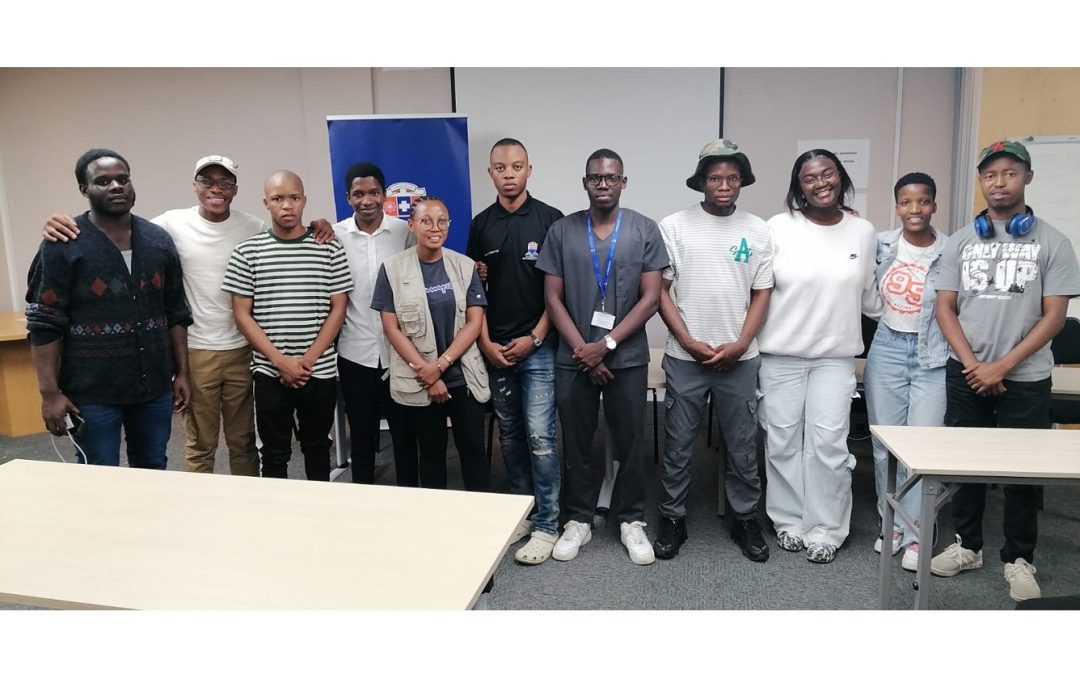
Sefako Makgatho Health Sciences University (SMU) proudly announces the successful conclusion of the 2025 Student Representative Council (SRC) elections and the constitution of a new cohort of student leaders for the 2025/2026 term.
The elections, held on 18 September 2025, reflected the University’s commitment to democratic values and participatory governance. Following the voting process, all objections were addressed through proper channels, ensuring transparency and fairness. The final results were officially published on 6 October 2025, and the new SRC was formally constituted on 7 October 2025.
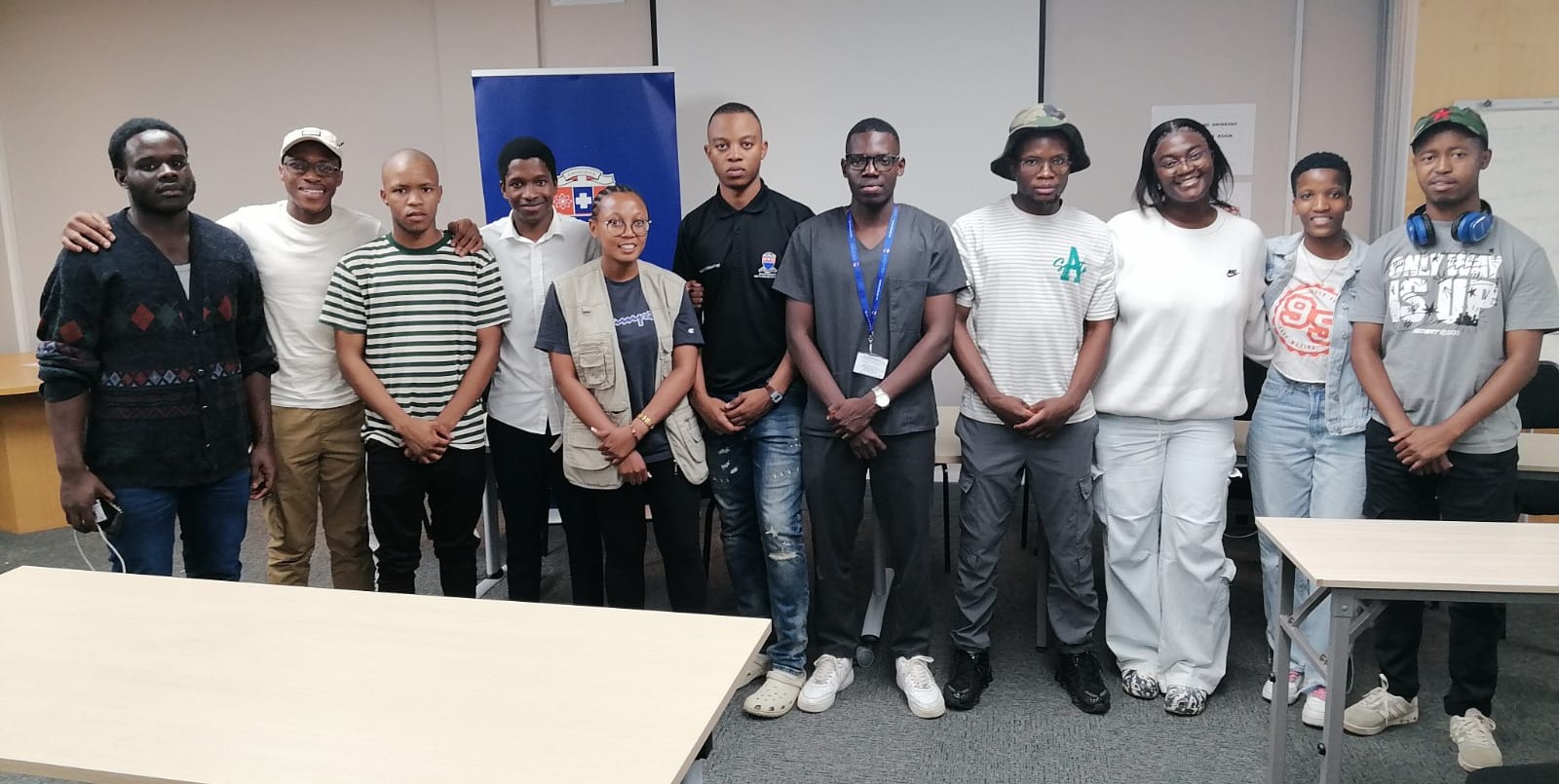 Tulani Nkuntse, Director of Student Affairs, congratulated the newly elected council and thanked students for their active participation. “We wish the new SRC well in their term and look forward to their meaningful contribution towards improving the student experience at SMU. They carry the trust and confidence of their peers,” he said.
The SRC serves as a vital governance structure, linking students and University management. The newly elected council is expected to strengthen student representation, enhance communication, and promote initiatives that advance academic excellence, leadership, and community engagement.
The 2025/2026 SRC comprises:
| Name and Surname |
Position |
| Mthokozisi Dlamini |
President General |
| Precious Mogoru |
Deputy President |
| Thato Mongake |
Secretary General |
| Mpiliso Zwane |
Deputy Secretary General |
| Tshepiso Tenacious Mashiloane |
Treasurer General |
| Teboho Edward Mathobisa |
Residence & Safety Officer |
| Siphesihle Mkhwanazi |
Sport and Recreation Officer |
| Vacant |
Projects & Campaigns Officer |
| Rirhandzu Maluleke |
Postgraduate Students’ Officer |
| Morata Mokgadi |
Culture and Religion Officer |
| Ace Junior Netshipale |
School of Dentistry |
| France Baloyi |
School of Health Care Sciences |
| Vumbhoni Mahlaule |
School of Medicine |
| Lesedi Diketane |
School of Pharmacy |
| Caswell Xaba |
School of Science and Technology |
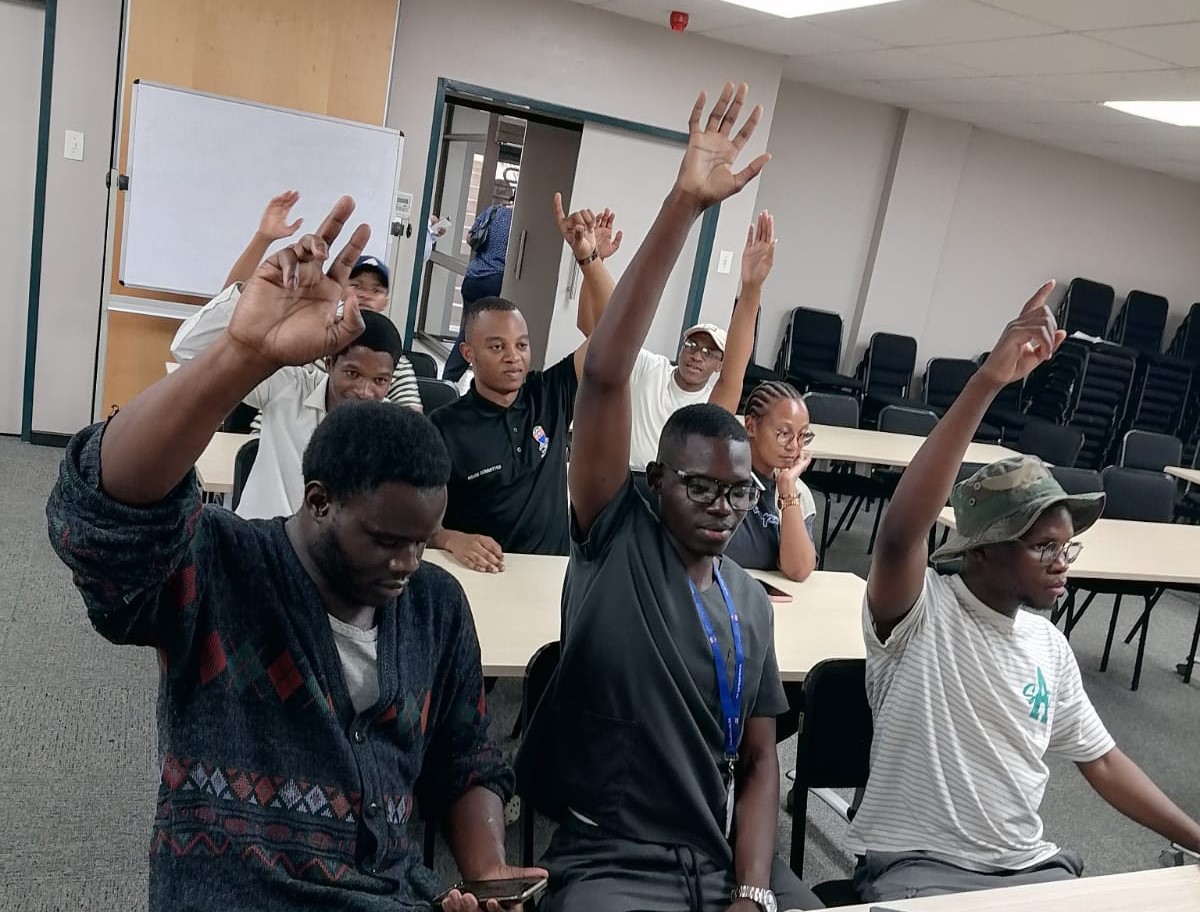 Nkuntse emphasised that the SRC must embody teamwork, accountability, and servant leadership. “Leadership at SMU is not only about representation but also about stewardship — driving initiatives that improve student life and promote academic success,” he said.
This year’s elections marked a significant milestone with a voter turnout of 63.67%, more than double previous years. “Such engagement reflects students’ growing awareness of the importance of participation in governance and their commitment to building a stronger, inclusive student community,” Nkuntse added.
The new council assumes office as the University continues to prioritise student development, wellness, and engagement. In the coming months, the SRC will collaborate with the Department of Student Affairs on programmes aimed at improving residence life, promoting student wellness, expanding recreational opportunities, and supporting entrepreneurship and innovation.
SMU remains committed to nurturing student leadership and empowering young leaders to make a lasting impact within and beyond the University. “We look forward to seeing this council continue the legacy of strong student leadership and contribute to a vibrant, engaged, and inclusive campus environment,” concluded Nkuntse.
By Dimakatso Modise
by Lorato | Oct 16, 2025 | Accolades and Achievements, All News, SMU Media, Student Media
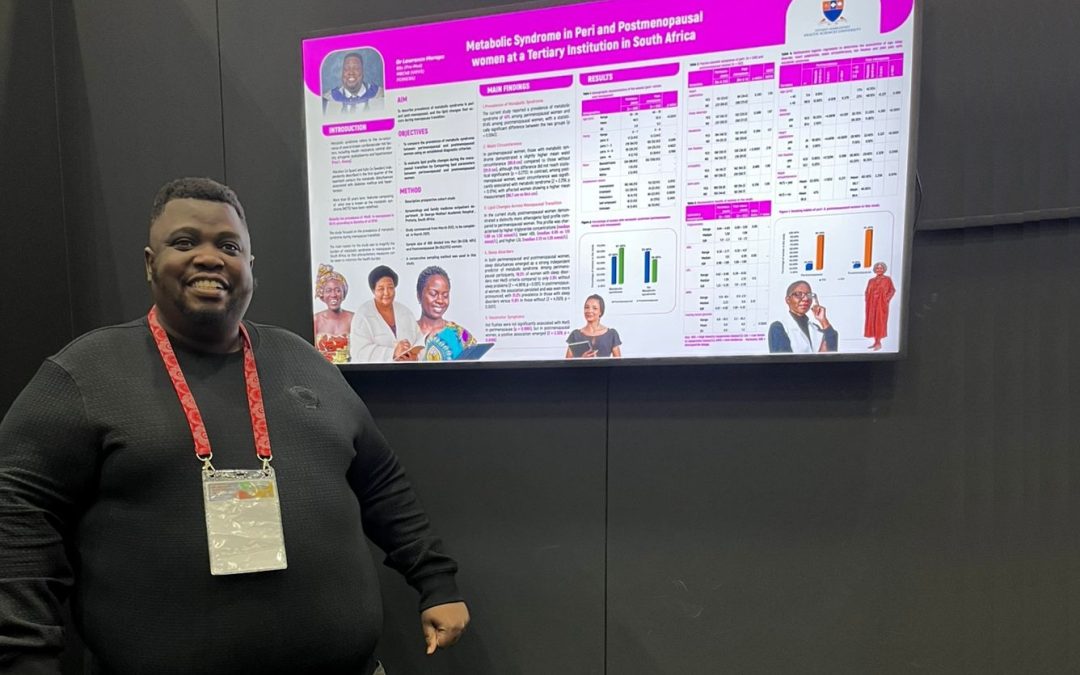
A South African researcher has made academic history after his pioneering study on metabolic syndrome in menopausal women was published by the American Journal of Obstetrics and Gynaecology Global Reports (AJOG Global Reports) — the first from Sefako Makgatho Health Sciences University (SMU) to achieve this distinction.
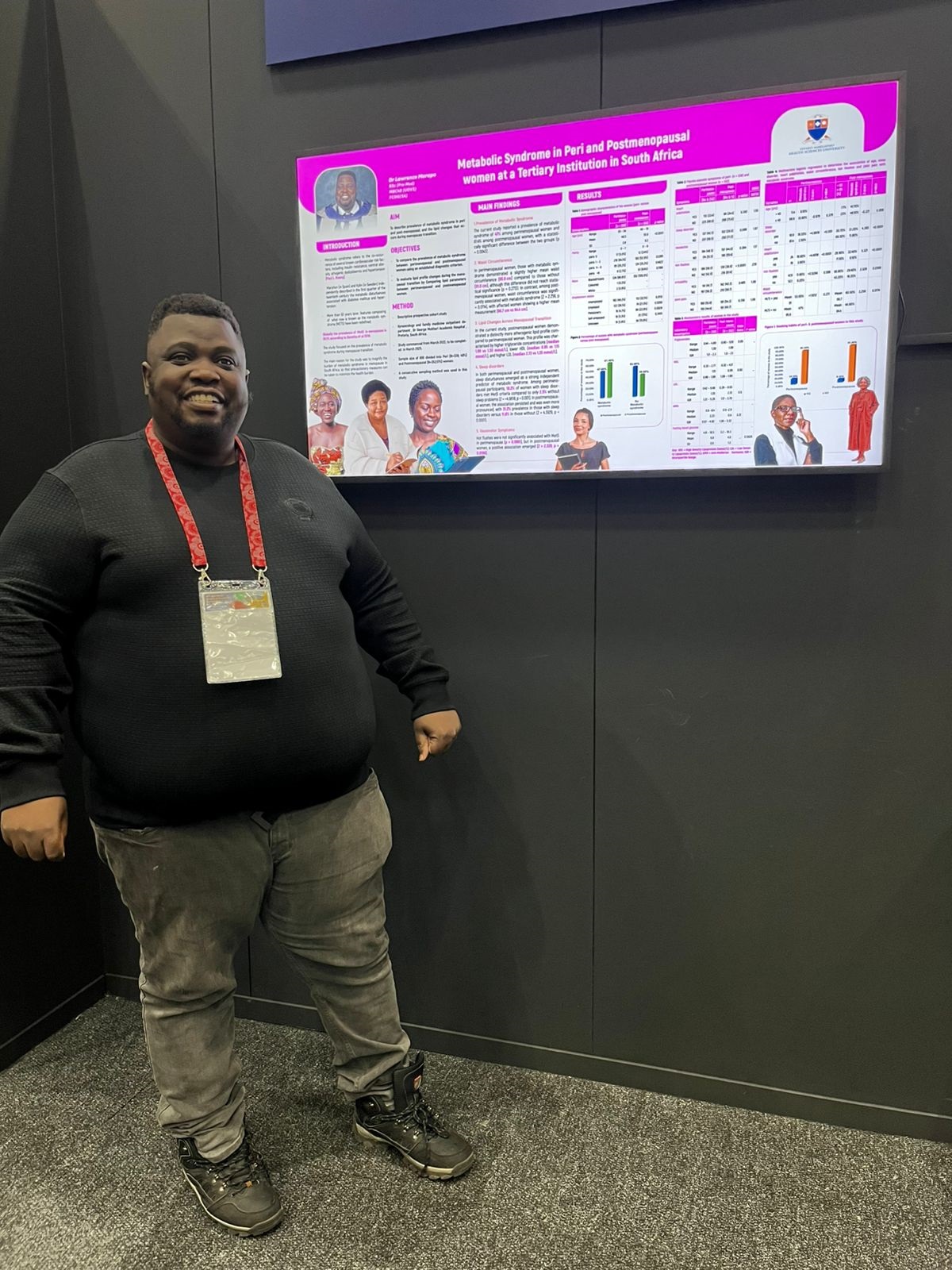 Lecturer and postgraduate student, Dr Lawrence Marapo, from SMU’s Department of Obstetrics and Gynaecology, led a large-scale investigation examining how menopause influences metabolic syndrome — a cluster of risk factors including obesity, hypertension, and abnormal lipid levels that increase the likelihood of heart disease and diabetes. Conducted at Dr George Mukhari Academic Hospital (DGMAH) between March 2022 and March 2025, the study assessed 690 South African women, making it one of the most extensive of its kind on the continent.
The research revealed a stark difference between perimenopausal and postmenopausal women. Nearly half (47%) of perimenopausal women and over 60% (61.4%) of postmenopausal women were found to have metabolic syndrome — a statistically significant result highlighting menopause as a major turning point for women’s health. “The findings confirm that menopause itself is a moderate-to-high risk factor for metabolic syndrome,” Dr Marapo explained. “Postmenopausal women carry a heavier metabolic burden, underscoring the urgent need for targeted healthcare strategies.”
The study also linked sleep disorders, vasomotor symptoms, and dyslipidaemia to higher metabolic risk, with waist circumference and body mass index (BMI) exceeding global risk thresholds in both groups. These findings mirror global data but offer rare insight into the African population, where research on menopausal metabolic health remains limited.
Dr Marapo’s research has attracted significant international recognition. He recently presented the findings at the FIGO 2025 World Congress and has been invited to present in Rome, Italy, at the International Endocrinology and Metabolic Syndrome Congress in December 2025. His growing reputation has also earned him an invitation to serve as a committee member and presenter at the International Conference on Geriatrics and Gerontology in Kuala Lumpur, Malaysia, scheduled for May 2026.
While awaiting the formal marking of his research, Marapo has already completed a PhD research protocol in the same field, signalling his ongoing commitment to improving the understanding and management of menopause-related conditions among African women.
“This milestone not only represents a personal achievement but also a victory for SMU and South African science,” said Marapo. “It shows that locally generated research can shape global conversations on women’s health.”
The study was supervised by Prof Lineo Matsela, with contributions from Prof Olakunle Adewunmi Towobola, Dr Muponisi Ezekiel Chabalala, and other SMU academics. It has been praised for its robust methodology, ethical rigour, and its potential to inform clinical interventions that could reduce cardiovascular and metabolic complications in midlife women.
As menopause becomes an increasingly important focus in public health, Marapo’s work sets a new benchmark for African research excellence — confident, data-driven, and globally relevant.
By Tumelo Moila
by Lorato | Oct 16, 2025 | Accolades and Achievements, All News, SMU Media, Student Media
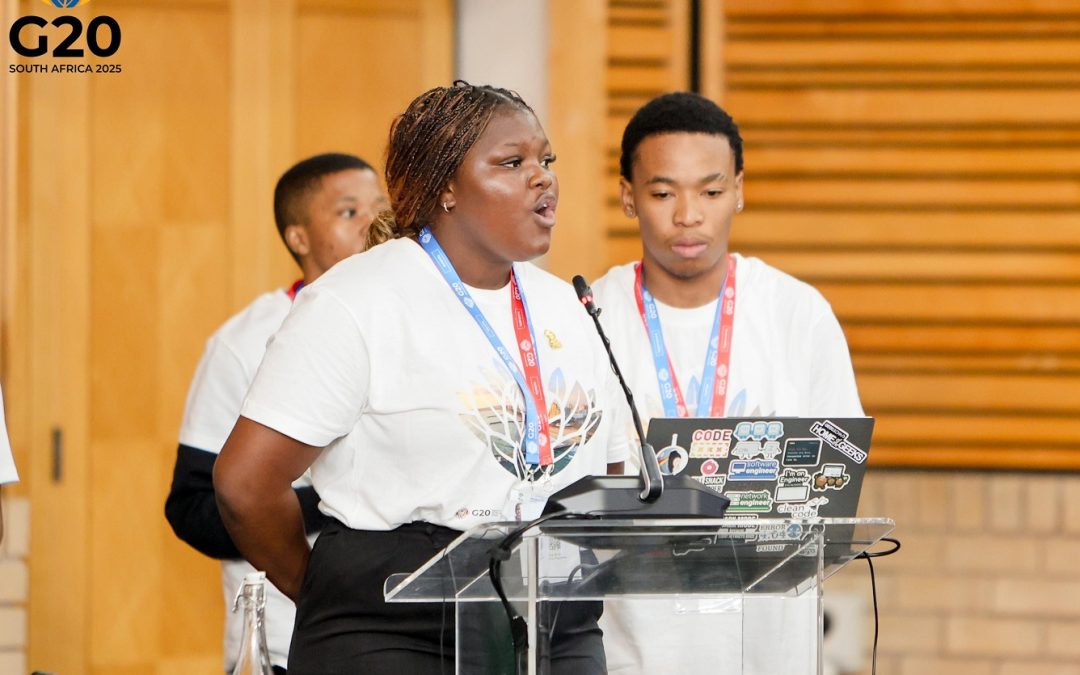
Sefako Makgatho Health Sciences University (SMU) postgraduate student Khanyisa Faith Mokgolobotho has once again proven her innovation prowess after leading her team to first place at the prestigious G20 Tourism Hackathon, held recently in Mpumalanga.
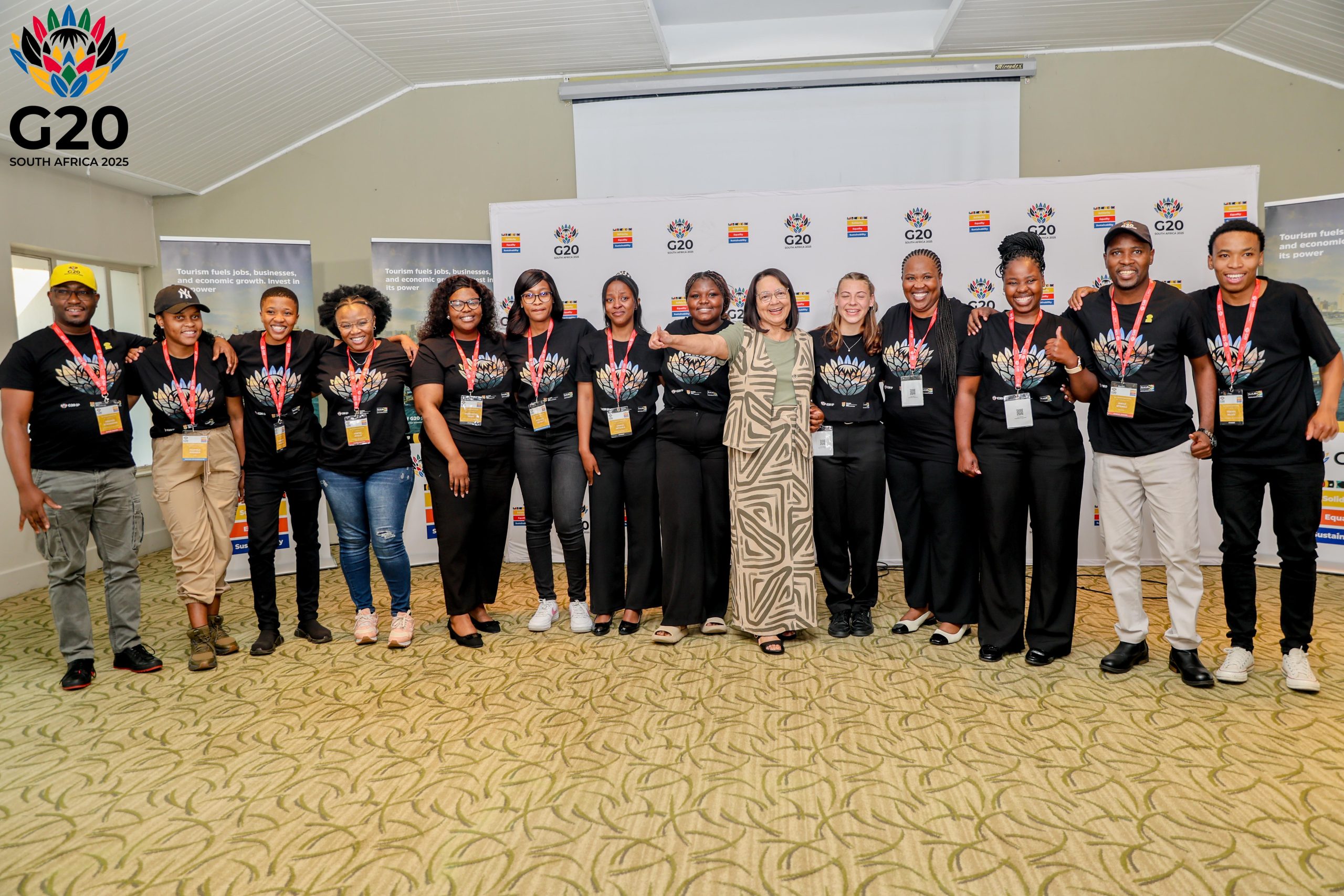
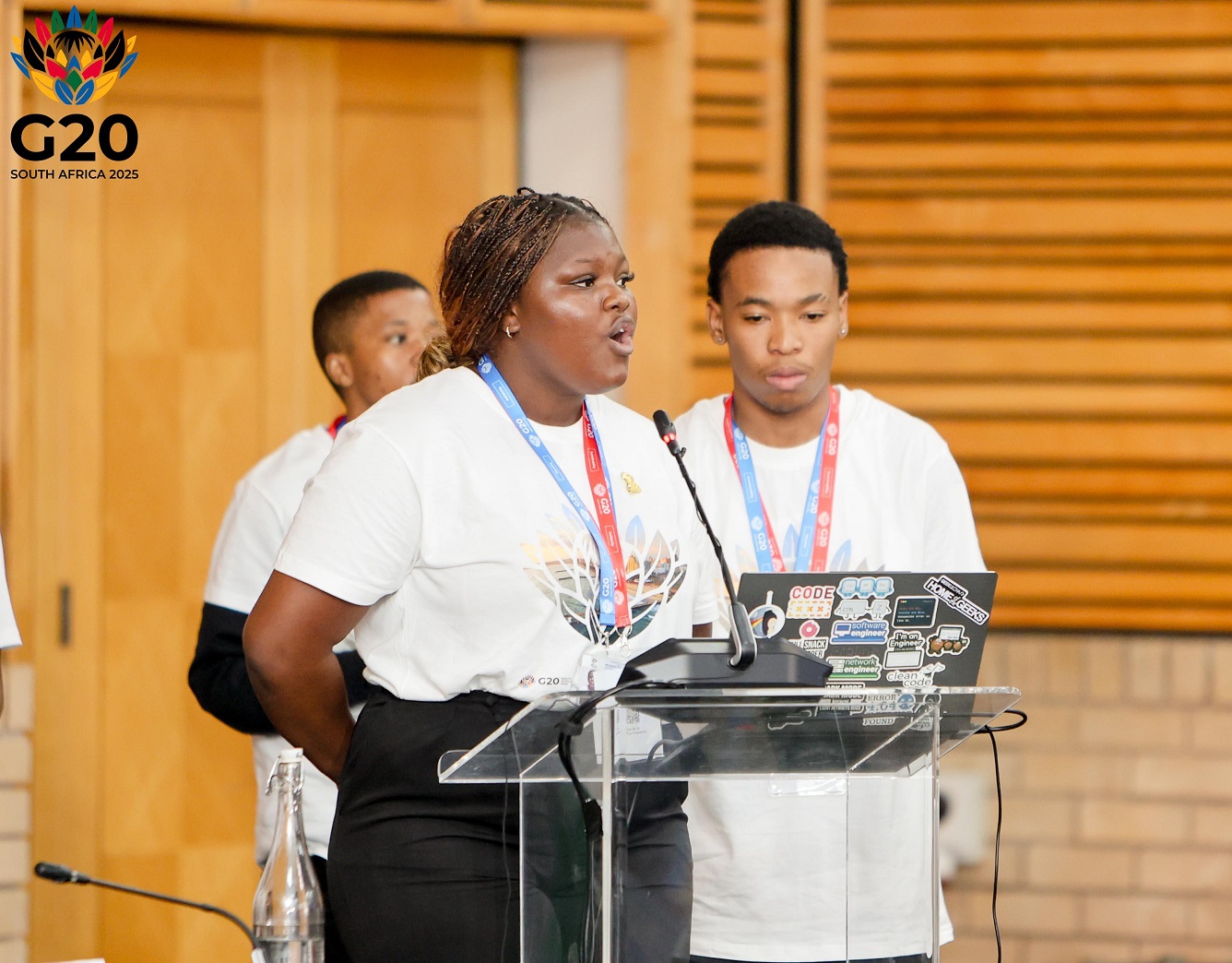 Mokgolobotho, a Bachelor of Science in Mathematical Sciences graduate and Director of TechMedConnect, joined six other students from universities across South Africa to form The Catalysts — the team that took home the R175 000 first prize for their visionary concept, Hologram Hub.
Hosted by the Department of Tourism in collaboration with Geekulcha, the Centre for Public Service Innovation, and the Future Leaders Challenge (FLC), the hackathon brought together 48 students from 21 higher education institutions. Their mission: to design Artificial Intelligence (AI) solutions that could make tourism more inclusive, sustainable, and future-ready.
Minister of Tourism Patricia de Lille launched the initiative earlier in the year, describing it as “a legacy project that unites government, business, and academia to build a tech-savvy tourism sector.” Participants were challenged to create AI-driven innovations under three key themes: Smart Tourism and AI Solutions, Community-Based Tourism and Rural Inclusion, and Heritage and Cultural Tourism Innovation.
Working over two days at the Sabi River Sun Resort, the students received mentorship from industry experts before presenting their final concepts to a panel of judges comprising academics, tourism specialists, and government representatives. Entries were assessed on innovation, feasibility, user experience, impact, and alignment with people-centred principles.
 The Catalysts’ winning idea, Hologram Hub, proposes a digital storytelling platform where rural communities can share their culture and heritage using holographic technology. The platform aims to preserve local history, empower small tourism enterprises, and attract visitors seeking authentic cultural experiences. “Our concept gives communities a voice and visibility,” Mokgolobotho explained. “It bridges innovation with identity — showing that technology can celebrate who we are while driving sustainable tourism.”
The second prize went to Map My Biz, which developed an AI-powered map connecting tourists with rural entrepreneurs, while Ubuntu Unlimited secured third place with a virtual reality tourism platform showcasing African heritage sites.
Minister De Lille praised the students’ creativity and commitment, noting that their projects would receive further support for commercialisation. “This year, we challenged young people to think big and showcase their skills to the world,” she said. “We are investing in solutions that are ethical, inclusive, and sustainable. The winning innovations will be accelerated for real-world implementation with support from the Department and our partners.”
The top three teams were also invited to present their solutions before G20 tourism ministers at Skukuza, Kruger National Park, marking a career-defining moment for the young innovators.
For Mokgolobotho, who has previously won five hackathons and now works as a Graduate Software Development Engineer at PyCentric, this victory reaffirms her mission to merge technology and social impact. “Winning is more than a trophy — it’s proof that innovation from African youth can shape global conversations,” she said.
Through determination, collaboration, and creativity, The Catalysts have not only secured national recognition but also spotlighted the potential of South African students to reimagine the future of tourism through technology.
By Tumelo Moila
by Lorato | Oct 16, 2025 | All News, SMU Media, Student Media
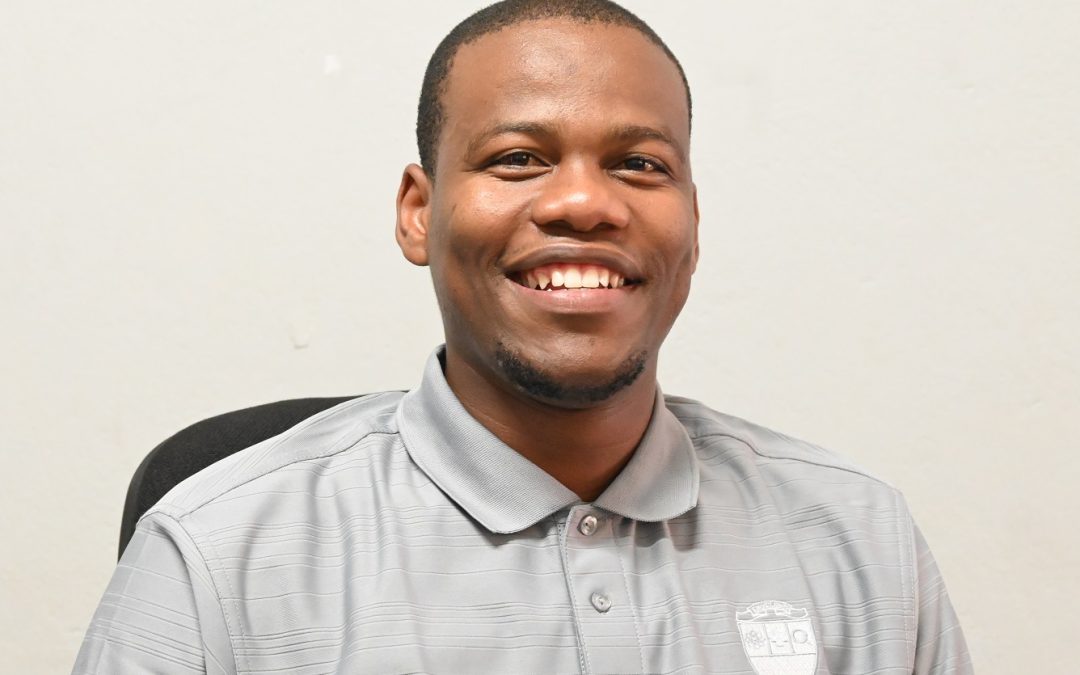
Sefako Makgatho Health Sciences University (SMU) FM is undergoing a steady transformation under the stewardship of its newly appointed Assistant Station Coordinator, Mpho Legodi. Tasked with restoring structure and professionalism to the campus radio station, Legodi has laid out a clear daily work plan while continuing to inspire audiences as the host of the late-night Night Flight show.
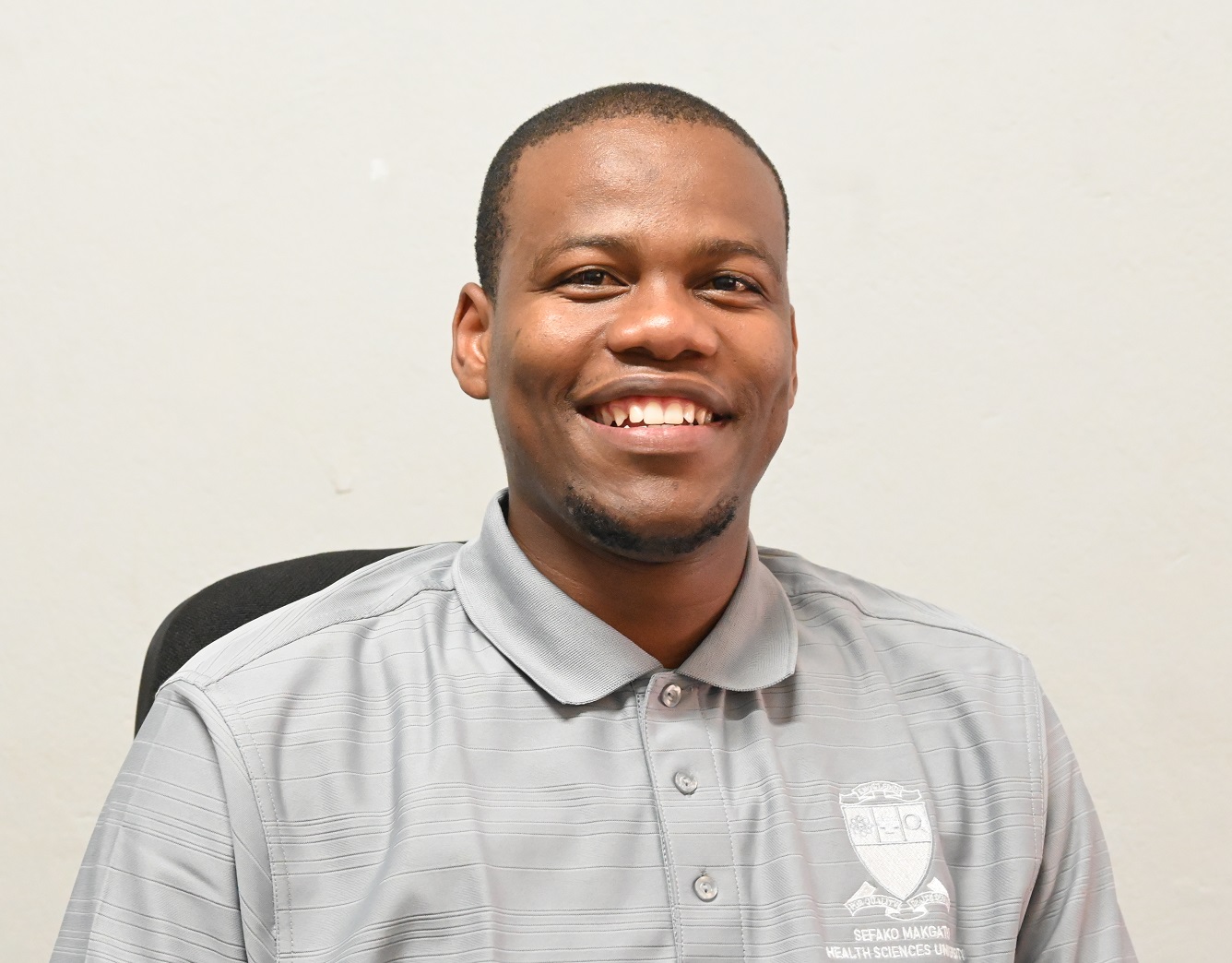 Legodi’s role as Assistant Station Coordinator is one that demands discipline, creativity, and effective leadership. His daily schedule, running from 08:00 to 17:00, reflects a balance between administrative duties and creative oversight. Each morning begins with a studio check-in, ensuring equipment is functional, followed by presenter roll call and shift management. “It’s important to know who is live and who isn’t—it sets the tone for accountability,” he explains.
By mid-morning, Legodi shifts his attention to social media and content planning, ensuring that the station’s digital presence complements its on-air output. Programming quality checks, administrative tasks such as attendance records, and communication with management form part of his late-morning responsibilities. Afternoons are dedicated to team coaching, outreach, and partnership development, before wrapping up the day with reports and planning for the next broadcast cycle.
For Legodi, key focus areas include presenter management, content oversight, social media coordination, and building partnerships that generate revenue through advertising and campaigns. “With clear daily duties, consistency, and communication, I’ll ensure the station is productive and impactful every day,” he says with conviction.
Beyond administration, Legodi remains a familiar voice to many listeners through the Night Flight show, which has become a hallmark of SMU FM’s programming. Inspired by his love for late-night radio, he sees the slot as a unique space for connection. “It’s a time when people are more reflective, more honest, and often just looking for comfort in music and conversation,” he reflects.
The show’s carefully curated playlist of R&B, Soul, and chill sounds sets the perfect backdrop for reflective evenings. “Music sets the tone; it creates a safe space for people to unwind after a long day. I often mix familiar classics with hidden gems so the listener feels both comfort and discovery,” he explains.
Audience engagement is central to Legodi’s approach. Through WhatsApp, social media, and call-ins, listeners become part of the experience. One piece of feedback has stayed with him: “A listener once told me the show helped them through a really tough period—they tuned in every night and felt less alone. That showed me radio is more than entertainment; it’s companionship.”
Looking ahead, Legodi’s vision is ambitious but deeply rooted in community. He hopes to re-establish SMU FM as the true voice of the campus, known for quality content, strong music programming, and visible engagement through events and collaborations. “I want us to be more than just background radio—I want us to be the voice of SMU, where every student feels at home,” he says.
With his structured approach, creative passion, and commitment to professionalism, Mpho Legodi is not only managing the station—he is charting its flight path into the future.
By Tumelo Moila

by Lorato | Oct 16, 2025 | All News, SMU Media, Student Media
In commemoration of World Mental Health Day on 10 October 2025, students enrolled in the Postgraduate Diploma in Mental Health Nursing at Sefako Makgatho Health Sciences University (SMU) hosted a transformative awareness event at Dr George Mukhari Academic Hospital (DGMAH). Guided by the World Health Organisation (WHO) theme, “Access to Services – Mental Health in Catastrophes and Emergencies,” the students identified the need to prioritise workplace readiness in supporting employees’ psychological and emotional well-being during crises. Under the sub-theme “Mental Health Wellness in the Workplace,” the initiative highlighted the urgent importance of promoting emotional well-being among healthcare professionals and the broader community.
 Senior Lecturer Dr Andile Mokoena De-Beer opened the event by stressing the power of dialogue in dismantling stigma. “The purpose of today is transformation. It is to begin the vital work of turning our workplaces from environments that can sometimes harm mental health into sanctuaries that actively promote and protect it. Let us use this day not as a mere calendar event, but as a launchpad. Let us learn, engage, and commit to making mental wellness a lived reality for everyone in our professional community,” she said.
Delivering the keynote address, SMU alumna and specialist psychiatrist Dr Lydia Masenya-Maodi echoed the call for compassion, urging attendees to treat workplace mental health as a shared duty. “We often recognise physical injury, but psychological injury is real — and it is caused by unpleasant, harmful words. Control your tongue, watch your words,” she advised.
Observed annually on 10 October, World Mental Health Day serves as a global reminder of the importance of addressing the stigma surrounding mental illness. In South Africa, where mental health challenges are steadily increasing, SMU’s nursing students are turning awareness into meaningful action.
 The Department of Nursing Science—the largest within SMU’s School of Health Care Sciences, offering more than 28 modules—integrates this commemoration into its academic programme each year. Mental Health Nursing, a core module accredited by the South African Nursing Council, requires students to undertake community-based research projects. These projects identify vulnerable populations, assess their mental health needs, and align outcomes with the World Health Organisation’s annual theme.
“Our students are trained not only to treat illness but to lead change,” said psychiatric nursing lecturer Dikeledi Maphake, delivering the vote of thanks. “They are the next generation of advocates who understand that healthcare begins with humanity.”
This year’s focus on workplace mental health acknowledged the psychological toll that healthcare environments can impose. The event featured:
• Informative presentations from leading professionals
• Interactive, student-led sessions addressing real-world challenges
• Mental wellness activities aimed at relieving stress
• Resource booths and educational materials to support staff well-being
Participants were encouraged to reflect on their own mental health. “We often care for others while forgetting ourselves,” said Neo Maleka, one of the organisers and student participants. “Today reminds us that our minds deserve care too.”
Sebone Mathole, an enrolled nurse at DGMAH’s psychiatric unit, expressed gratitude: “It was critical to have this event dedicated to us as workers. Our mental health matters just as much as that of our patients. We appreciate this initiative and hope it becomes an annual event. Thank you, SMU.”
Maleka captured the spirit of the day: “Our mission goes beyond textbooks. We want every nurse, doctor, and patient to know they are seen, heard, and supported. Mental health is not an afterthought — it’s a foundation.”
Through this initiative, SMU reaffirmed its commitment to nurturing healthcare professionals who pair skill with compassion — individuals who recognise that mental health is not optional; it’s essential.
By Tumelo Moila