by Lorato | Oct 2, 2025 | Accolades and Achievements, All News, SMU Media, Student Media
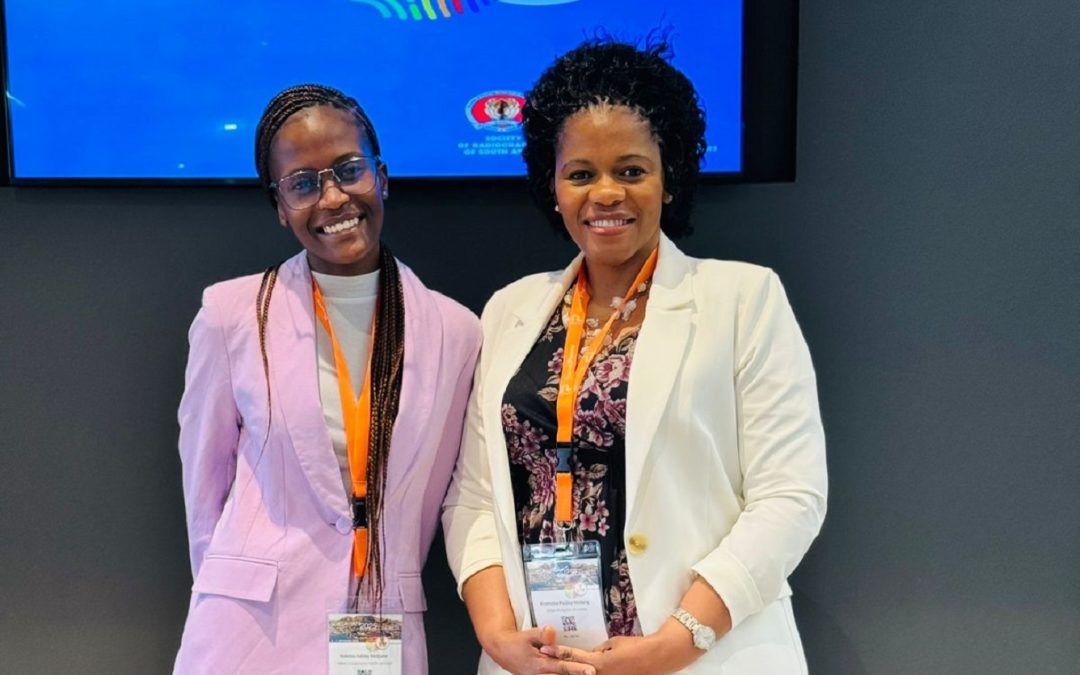
Koketso Ashley Matjiane, a post-community service Radiographer and recent SMU graduate, is making waves in occupational health through her pioneering research on coal mine dust lung diseases (CMDLD). Recently, she presented her findings at the SORSA-IAFR Congress, a prestigious international platform, highlighting the role Radiographers play in diagnosing lung diseases in miners.
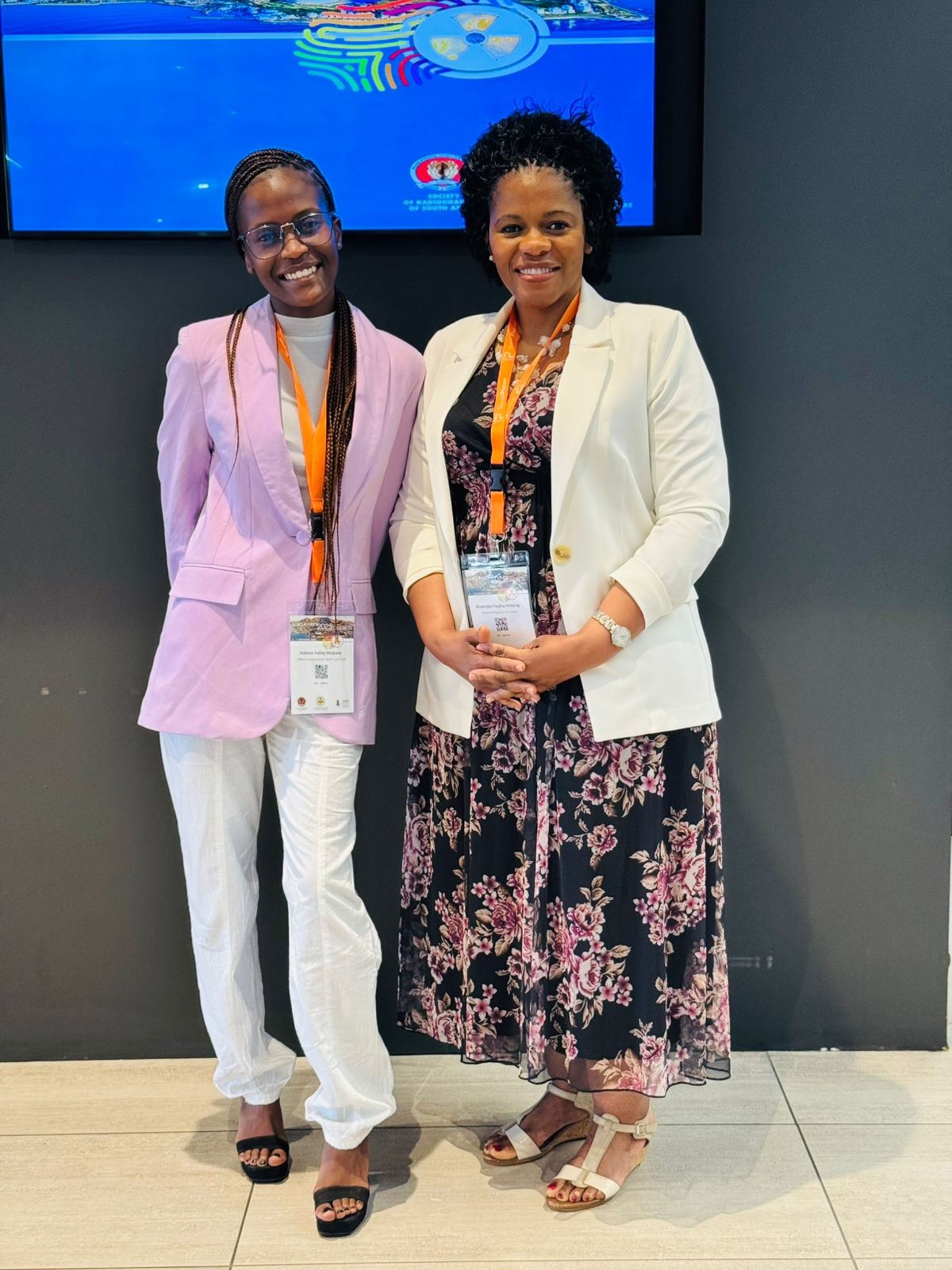 “I’ve always been passionate about evidence-based practice,” Koketso says, reflecting on the journey that led her from classroom inspiration to international recognition. “My lecturer, Mrs Khomotso Motiang, encouraged me to pursue research beyond my final-year studies. With her guidance, I submitted an abstract and found myself presenting to an audience of global professionals.”
Her research focused on radiographic pattern recognition of common CMDLD cases she encountered during her first three months as a post-community service Radiographer. Working as the sole Radiographer at her facility, without an on-site Radiologist, she was compelled to interpret radiographs independently. “I had to make sure no abnormalities were missed,” she recalls. “It was challenging, but it sharpened my skills and reinforced the importance of early detection of coal mine lung diseases.”
At the congress, Koketso shared not only her findings but also her insights into the broader implications for occupational health. She emphasised that Radiographers in resource-constrained settings are often the first line of defence for miners’ health. “Every scan we analyse can directly impact a worker’s life,” she explains. Her research demonstrates that accurate, timely radiographic interpretation can dramatically improve early CMDLD diagnosis and strengthen occupational health services.
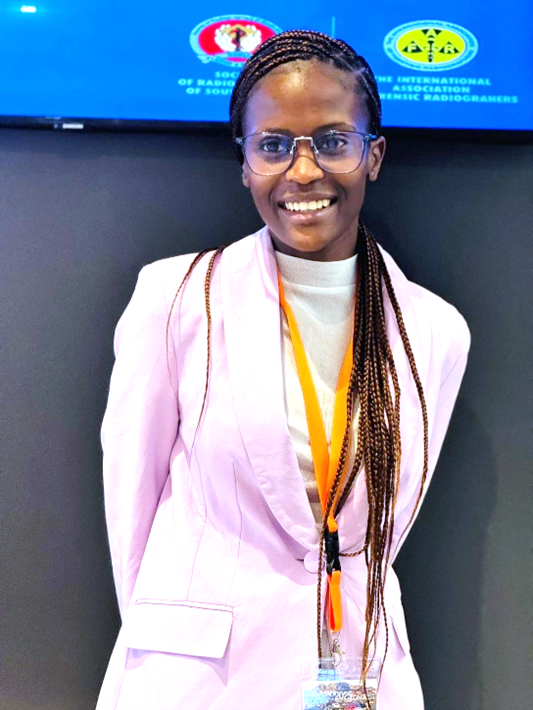 Beyond the scientific presentations, the congress offered opportunities to forge collaborations. “I met professionals who are equally committed to improving miners’ health,” Koketso says. “It inspired me to think about joint projects that could make a real difference in high-risk communities.”
Reflecting on her journey, she stresses the importance of mentorship and early professional growth. “Mrs Motiang’s guidance was pivotal. Her encouragement pushed me to take on research at the start of my career, and that momentum continues to drive me forward.”
Looking ahead, Koketso plans to further her studies in 2026, aiming to play a decisive role in shaping equitable, effective healthcare for vulnerable workers. “Evidence-based research isn’t just academic—it’s a tool to improve lives,” she says. “I want to ensure miners get the care they need and that occupational health services are strengthened across South Africa.”
From student to internationally recognised researcher, Koketso’s story is a testament to perseverance, mentorship, and the power of applying knowledge where it matters most.
By Tumelo Moila

by Lorato | Oct 2, 2025 | All News, SMU Media, Student Media
Clarity signals confidence. That principle could easily describe the career of Dr Khomotjo Comfort Mothata-Motswaledi, a trailblazer who has redefined the story of Clinical Pharmacology in South Africa. She is the first to complete both the Master of Medicine (MMed) and the Fellowship of Clinical Pharmacology of South Africa [FC Clin Pharm (SA)] at Sefako Makgatho Health Sciences University (SMU) and Dr George Mukhari Academic Hospital (DGMAH), as well as in Gauteng Province.
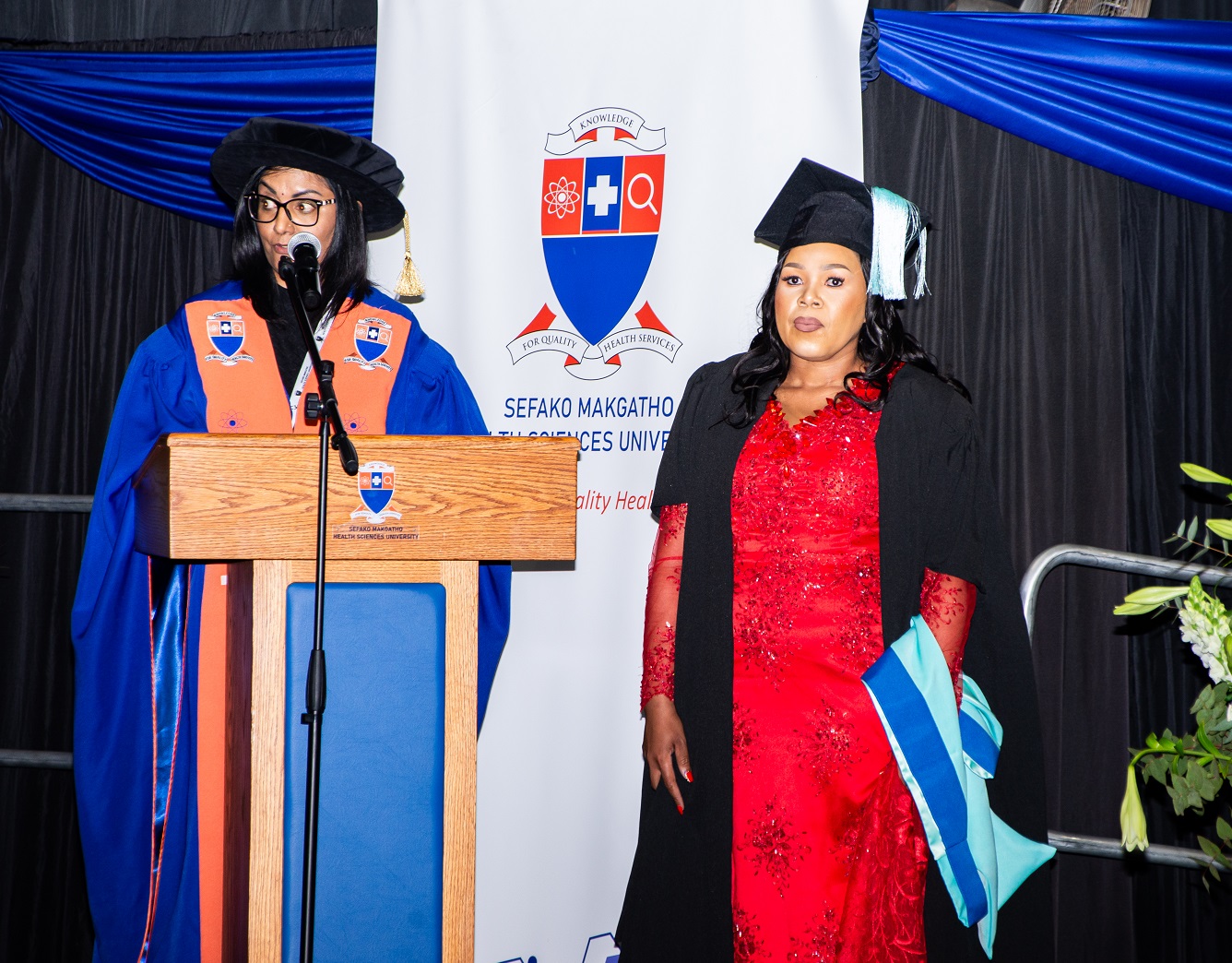 Her journey began far from the lecture halls of SMU. Growing up in Mmotong wa Perekisi (Limpopo), she faced the challenges of childhood obesity and the teasing that came with it. “I thought if I became a doctor, I’d find the miracle cure for obesity,” she recalls. While that cure never materialised, the determination to make a difference in health never left her. Books became her track, medicine her race.
It was while working in anaesthesia that she discovered her true calling. An article by the late Professor Andrew Walubo on the emergence of Clinical Pharmacology as a speciality struck her like lightning. “It was like God saying: Khomotjo, this is your lane. Please stay in it,” she says. From then on, the course was set.
Being the first student of a brand-new programme came with its fair share of turbulence and joyrides, she remembers. “It felt like boarding a brand-new aircraft as the only passenger. At times, I was tempted to reach for the emergency exit, but with my mentors (Dr Memela Makiwane and Prof Elżbieta Osuch) at the controls, the journey touched down smoothly.”
Her dissertation, conducted at a tertiary hospital in Gauteng, examined the knowledge, attitudes and perceptions of medical doctors and pharmacists towards pharmacogenetics. The study found that while attitudes and perceptions were positive, knowledge levels were inadequate, particularly among medical doctors. These results highlight the urgent need for structured education and supportive policy to advance pharmacogenetics in South Africa – a country where genetic diversity and disease burden make its integration into clinical practice especially valuable. For Dr Mothata-Motswaledi, the message is clear: pharmacogenetics holds the potential to transform healthcare, but only if healthcare professionals are adequately prepared and the health system is strengthened to support its implementation.
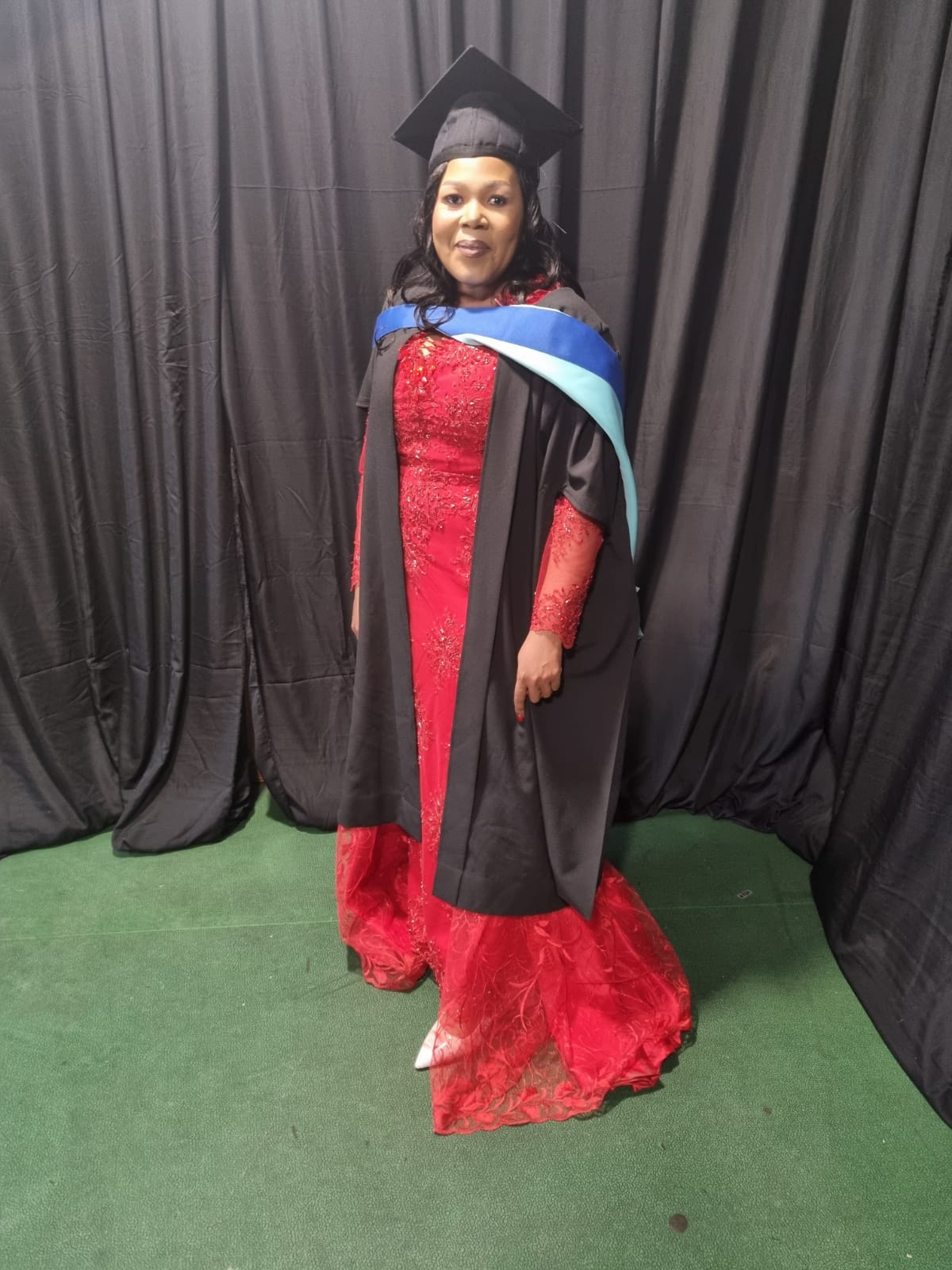 Her achievements, however, are not hers alone. She credits God, her mentors, colleagues, and most of all, her family. “My partner, Prof Hendrick Motswaledi, and our children endured the long nights, the sighs, and the endless question: ‘Mum, are you still reading pharmacology?’ Their love and patience made this journey possible.” She adds: “I also extend my gratitude to Professor Robert Summers and Dr Mabina Mogale for the strong foundation they instilled during my research/academic journey. I would not be where I am today without that grounding.”
Today, she lectures both undergraduate and postgraduate students, drives discussions at weekly academic meetings, and advocates for stronger pharmacogenetics education and pharmacovigilance. Her mission is both urgent and personal: safer prescribing, fewer adverse drug reactions, and confidence in personalised medicine.
Her advice to aspiring healthcare professionals is both practical and motivating: “Remain curious and committed to learning. Medicine evolves constantly, and engaging with research ensures you stay at the forefront of your field.”
From Limpopo’s dusty classrooms to the forefront of Clinical Pharmacology, Mothata-Motswaledi’s story proves one thing: clarity, persistence, and passion can change the course of medicine in South Africa.
By Tumelo Moila

by Lorato | Oct 2, 2025 | All News, SMU Media, Student Media
At St John’s Old Age Home in Winterveldt, north of Tshwane, the quiet rhythm of daily life was transformed when first-year Nursing and Midwifery students from Sefako Makgatho Health Sciences University (SMU) arrived with energy, warmth, and purpose. For two days, the students stepped beyond their lecture halls and into the lives of the elderly, proving that nursing is as much about compassion as it is about clinical skill.
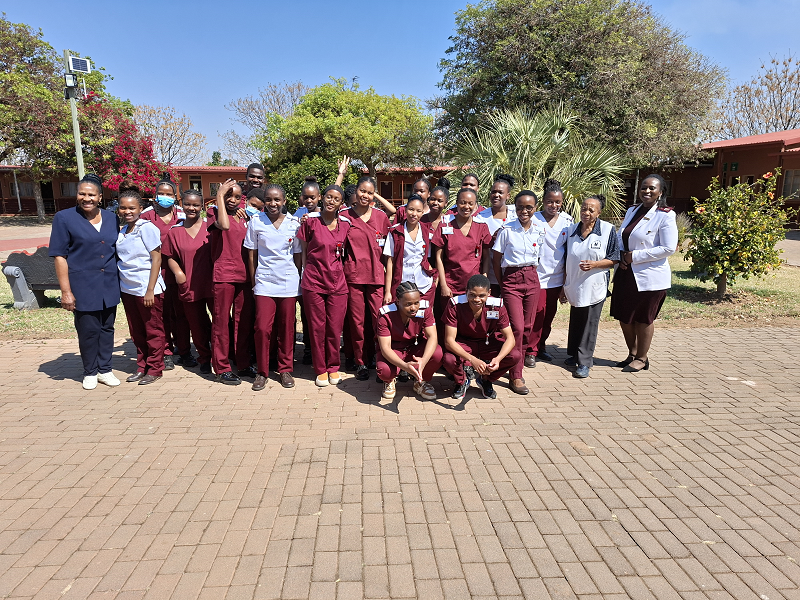 The outreach, guided by the theme “Providing Nursing Care to the Needy Beyond Bedside Nursing”, was led by Clinical Facilitator Marubini Yvonne Rambuwani with the full support of Professor Deliwe Phetlhu, Head of the Nursing Department. Together, they challenged students to see nursing not only as a profession but as a calling rooted in humanity.
From the moment they entered the home, the students brought life into its corridors. They offered basic nursing and comfort care, health assessments, grooming services such as safe nail cutting and oral hygiene, and created spaces of companionship that gave residents a renewed sense of dignity. For many, the greatest gift was not medical intervention, but the presence of young people who listened, laughed, and cared.
“The outreach goes beyond clinical skills—it’s about nurturing compassion, respect, and dignity,” reflected Rambuwani. “Our students showed great commitment, and the residents were truly touched by their kindness.”
For the students, the experience was equally profound. Many were engaging with geriatric nursing for the first time, learning that small acts of care—holding a hand, sharing a conversation, offering a smile—could have an impact as powerful as any procedure.
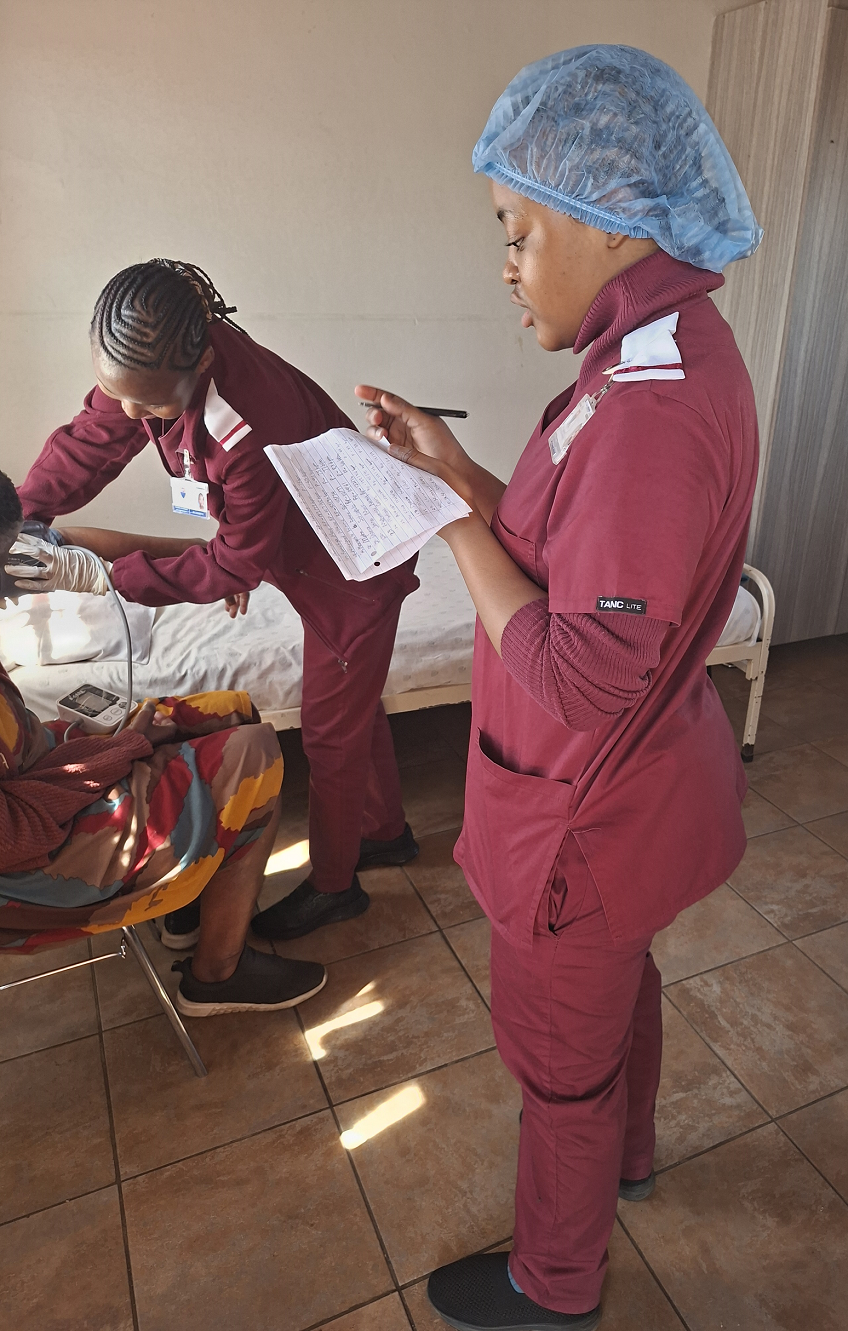 Level 1 BNAM student Noluyanda Maseko captured the feeling: “Being part of this programme made me realise how much of a difference small acts of care can make. The residents were so grateful, and it made me proud to be training as a nurse who can give back to the community.”
Professor Phetlhu stressed the importance of embedding such experiences into the Nursing curriculum. For her, community engagement is not an add-on, but a cornerstone of SMU’s vision for health sciences education. “This initiative reflects the essence of nursing as a profession rooted in service,” she said. “It helps our students understand that nursing is not just about procedures, but about respecting humanity and improving quality of life.”
What made the outreach especially meaningful was the recognition that St John’s is not merely a care facility, but the permanent home of its residents. Students were not only tending to health needs—they were stepping into lives, affirming dignity, and strengthening bonds between the University and the community.
As the programme closed, the smiles of both students and residents revealed its impact. For the elderly, it was companionship and care. For the students, it was a lesson in humanity that no textbook could provide.
Through initiatives like these, SMU continues to shape a new generation of nurses—professionals equipped with skill, empathy, and a deep commitment to community well-being.
By Dimakatso Modise

by Lorato | Oct 2, 2025 | All News, SMU Media, Student Media
Dr Mohora Feida Malebatja is a public health lecturer, water and environmental scientist, and a researcher driven by a simple conviction: “Good science must solve real problems.”
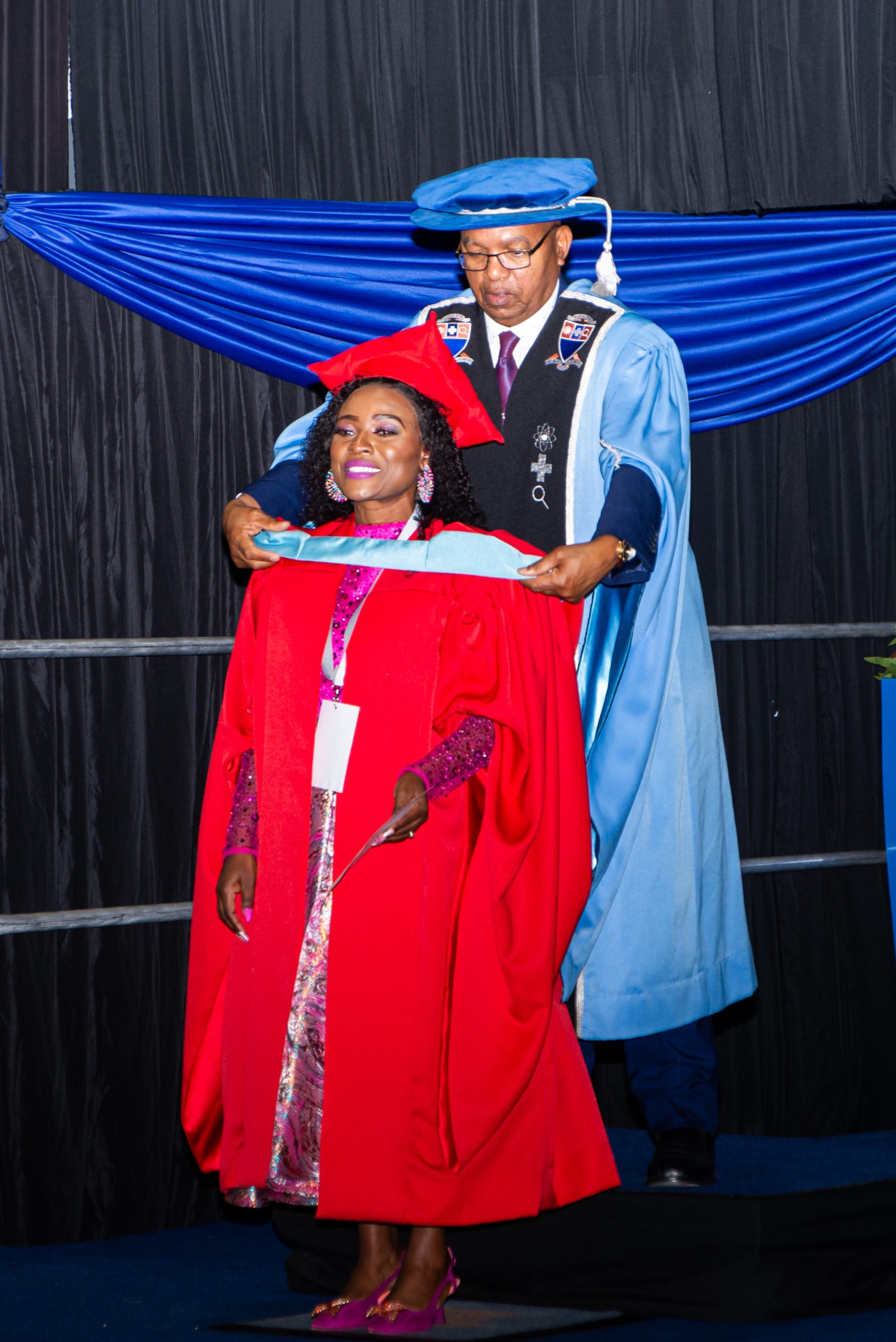 Her career began when the Department of Water and Environmental Affairs awarded her a bursary for her undergraduate and postgraduate studies. That investment set her on a path through senior government roles, including Chief Development Expert in Water Boards Oversight and Manager of Water and Sanitation at the municipal level, before she transitioned into academia.
Her decision to pursue public health was inspired by her realisation that effective water and sanitation services are not just about infrastructure—they are about protecting human lives. “Every pipe, every treatment plant, every system we build must serve the ultimate purpose of safeguarding health,” she reflects. This understanding deepened during her years of community engagement on projects such as the upgrading of wastewater treatment plants in North West Province and long-term studies addressing acid mine drainage in Gauteng.
Today, as a lecturer in Environmental and Occupational Health at Sefako Makgatho Health Sciences University (SMU), she combines her technical background with her passion for research, teaching, and postgraduate supervision.
But her most significant contribution to date stems from a very personal experience. During her first pregnancy, Dr Malebatja developed unusual cravings for clay soil. Discovering that many women shared this behaviour, known as geophagy, she became curious about its causes and consequences. “At first, I thought it was just me. Then I realised how many women were struggling with the same cravings—and how little we understood about it,” she recalls. That curiosity eventually became the subject of her doctoral research.
Her PhD at SMU examined an environmental health and promotion intervention programme to reduce geophagy among women of childbearing age in the Tshwane District. She found that geophagy, medically defined as a form of pica—the craving and consumption of non-food substances—is widespread among pregnant women across all social groups. While often viewed as a cultural or harmless practice, her research revealed its hidden dangers.
Laboratory analysis of the clay soil consumed by women detected 18 trace elements, including toxic substances such as arsenic and lead. These were linked to serious health risks ranging from iron-deficiency anaemia and fertility complications to organ damage and even cancer. “What shocked me most was how something seen as ‘natural’ or even ‘traditional’ could carry such devastating health risks,” she says. Beyond the chemical threats, the practice of geophagy is linked with the increased risk of maternal, neonatal and childhood morbidities and mortalities, making it a pressing public health concern.
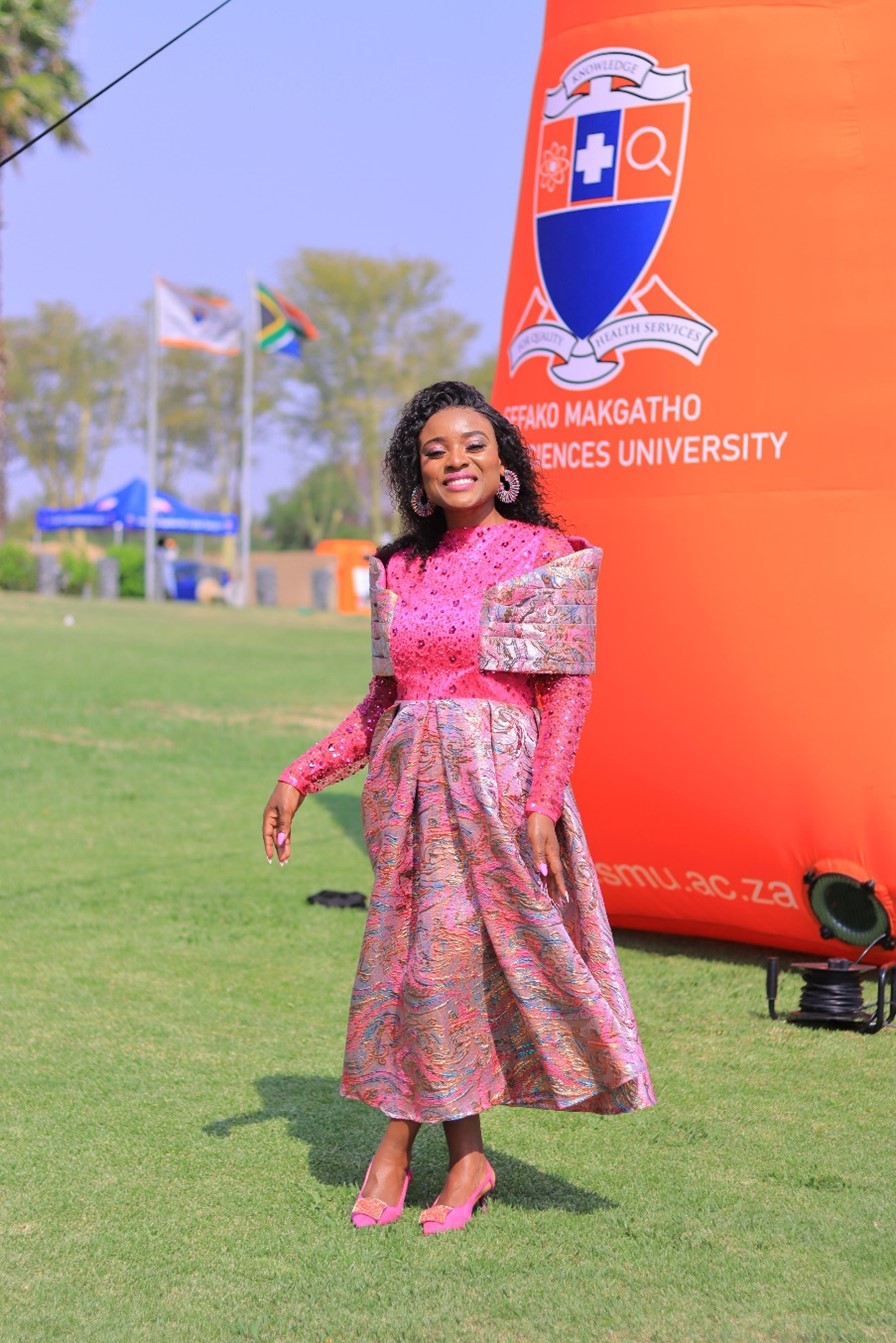 Her intervention programme combined health education, community engagement, and nutritional strategies such as promoting iron-rich foods and supplement adherence. Early results indicated that it not only raised awareness but also encouraged behavioural change, giving women practical tools to replace risky practices with safer alternatives.
Malebatja’s PhD journey was not without challenges—bureaucratic delays, shifting supervisors, and even conducting research while pregnant. Yet she persevered. In spite of all the obstacles she faced, she remained positive and determined. Her persistence paid off, with multiple articles published and a policy brief urging the South African government to integrate geophagy education into antenatal care services.
Looking ahead, she aims to expand her research into environmental hazards, mental health, and climate change, while scaling her intervention programme to reach more communities across South Africa and beyond.
Her message is clear and direct: “Geophagy is not harmless. It poses severe health risks for women and their babies. Communities, healthcare workers, and policymakers must work together to address it through education, early detection, and supportive interventions.”
As she reflects on her journey, she extends deep appreciation to her supervisors, Prof. Mokgatle and Prof. Oguntibeju, the Malebatja family, her husband, and her children for their unwavering support.
Dr Malebatja’s work is a reminder that the most impactful research often begins with lived experience—and that science, at its best, transforms lives.
By Tumelo Moila

by Lorato | Oct 2, 2025 | All News, SMU Media, Student Media
The 2025 SMU Internal Leagues have drawn to a close, concluding a season that will be remembered as one of the most significant milestones in student sport at Sefako Makgatho Health Sciences University (SMU). For the first time in the university’s history, both football and netball were contested concurrently, creating a spirited atmosphere of participation, competition and community across campus.
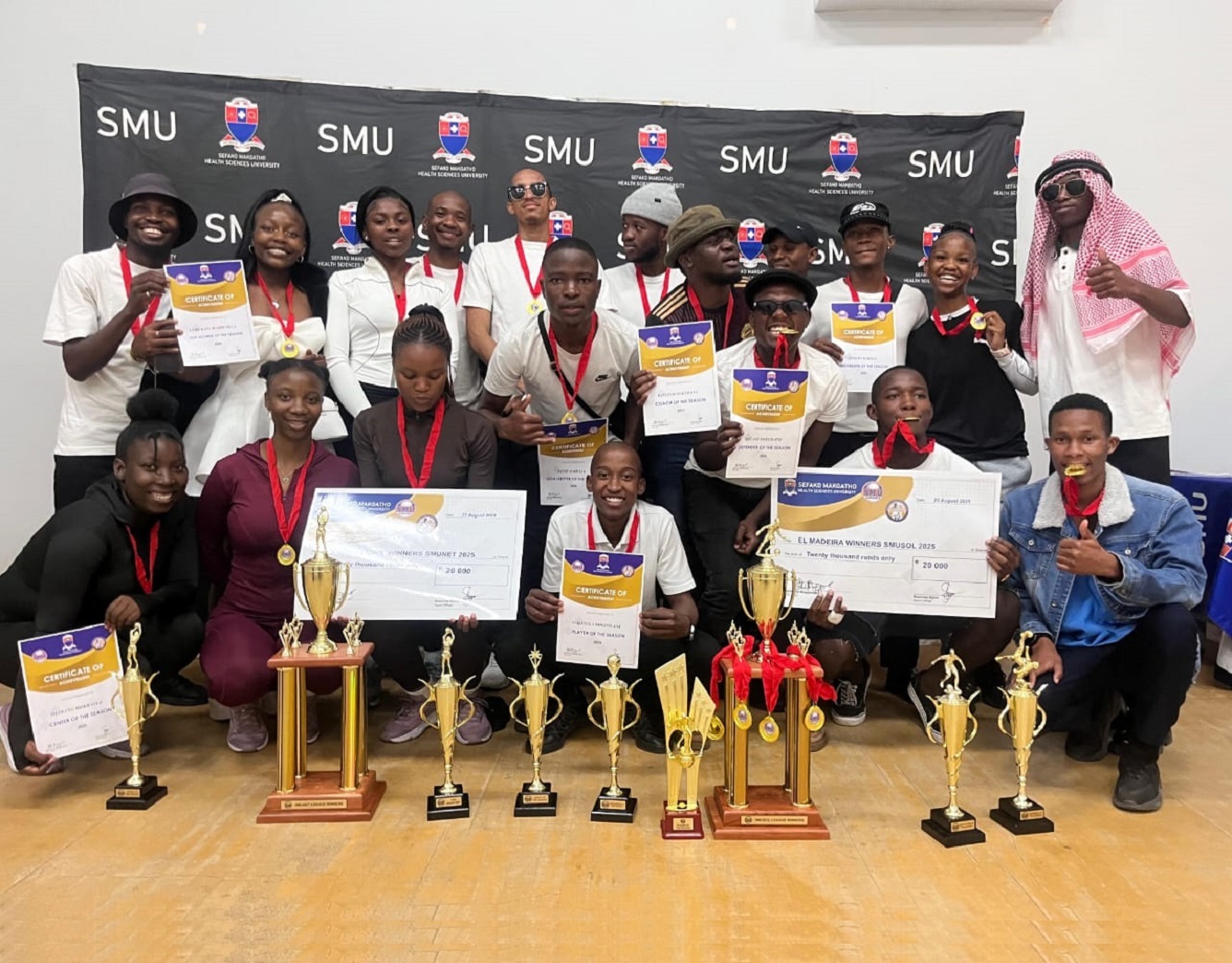 On the football pitch, El Madeira FC emerged victorious after a demanding campaign, securing the championship title and a grand prize of R20,000. Azania United finished as runners-up with R5,500, while SMU PSG FC claimed third place and R2,200 in a league of eight teams under SMUSOL for 2025.
Individual talent was also recognised with a series of awards celebrating the league’s standout performers. Morris Phathitshwana was named the top goal scorer with six goals for Azania United FC. Pitsi Maboja of El Madeira FC was crowned goalkeeper of the season, while Xolani Mothubatsi received the defender of the season award. Godern Maleka represented midfield excellence, and Malesela Mogotlane of El Madeira FC was named overall player of the season, receiving both a trophy and a certificate of excellence.
Leadership off the field was equally acknowledged. Gundani Mudau was awarded team manager of the season for Rangers Brothers United FC, while Katlego Malebana of El Madeira FC was honoured as coach of the season. Having spent five years building his squad, Malebana described the achievement as “an emotional moment that has been a long time in the making”.
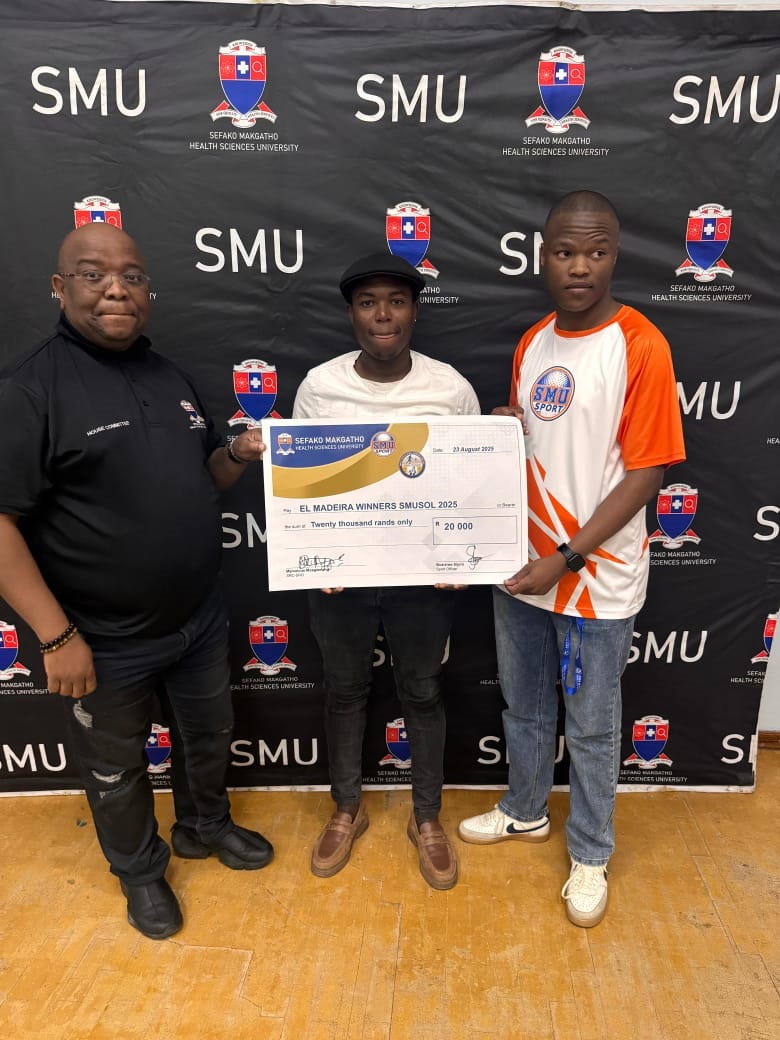 The 2025 season also marked the launch of the inaugural SMU Netball League, which proved to be an outstanding success. Central Lions claimed the championship and R20,000 in prize money, with NetBurners finishing second (R5,500) and El Madeira’s netball side securing third place (R2,200) in a six-team SMUNET league.
As in football, individual brilliance shone through. Lemukani Makhubela was named top shooter, while Tania Makhura took the defender of the season award, and Thabang Mokwatlo was recognised as centre of the season. The prestigious player of the season title went to Sinesipho Mpofana. Off the court, Nokwanda Zwane of Team 5A and Mpho Nkuna of El Madeira FC were honoured as team manager and coach of the season, respectively.
Central Lions player Malape Michelle admitted the victory was unexpected but encouraged fellow students to pursue sport with determination: “If you are determined to do something, go for it. Don’t doubt yourself. Sport is where we step out of our comfort zones and discover who we are.”
Reflecting on the season, SMU Sports Officer Busi Sijora praised the growth of the leagues, highlighting their role in fostering leadership and unity. “The inclusion of netball has been a huge success and has added a new dimension to our internal leagues. These competitions are not only about winning but about building community, resilience and opportunity.”
Looking ahead, Sijora confirmed that the leagues will return in 2026, beginning in the second academic term and running throughout the semester. Plans are already underway to expand the number of sporting codes, strengthen talent identification and increase opportunities for student participation.
From El Madeira FC’s triumph on the football pitch to Central Lions’ historic netball victory, the 2025 SMU Internal Leagues celebrated far more than athletic success. They embodied teamwork, perseverance and the unifying spirit of sport at SMU.
By Rose Moreki

by Lorato | Oct 2, 2025 | All News, Alumni, SMU Media, Student Media
The Department of Occupational Therapy at Sefako Makgatho Health Sciences University (SMU) brought past and present together in a vibrant celebration during Occupational Therapy (OT) Week 2025. Themed “Occupational Therapy: Then and Now – Legacy Day”, the event transformed the department’s OT gym into a space of memory, mentorship, and motivation, where alumni and students gathered to reflect on the profession’s journey and its enduring impact.
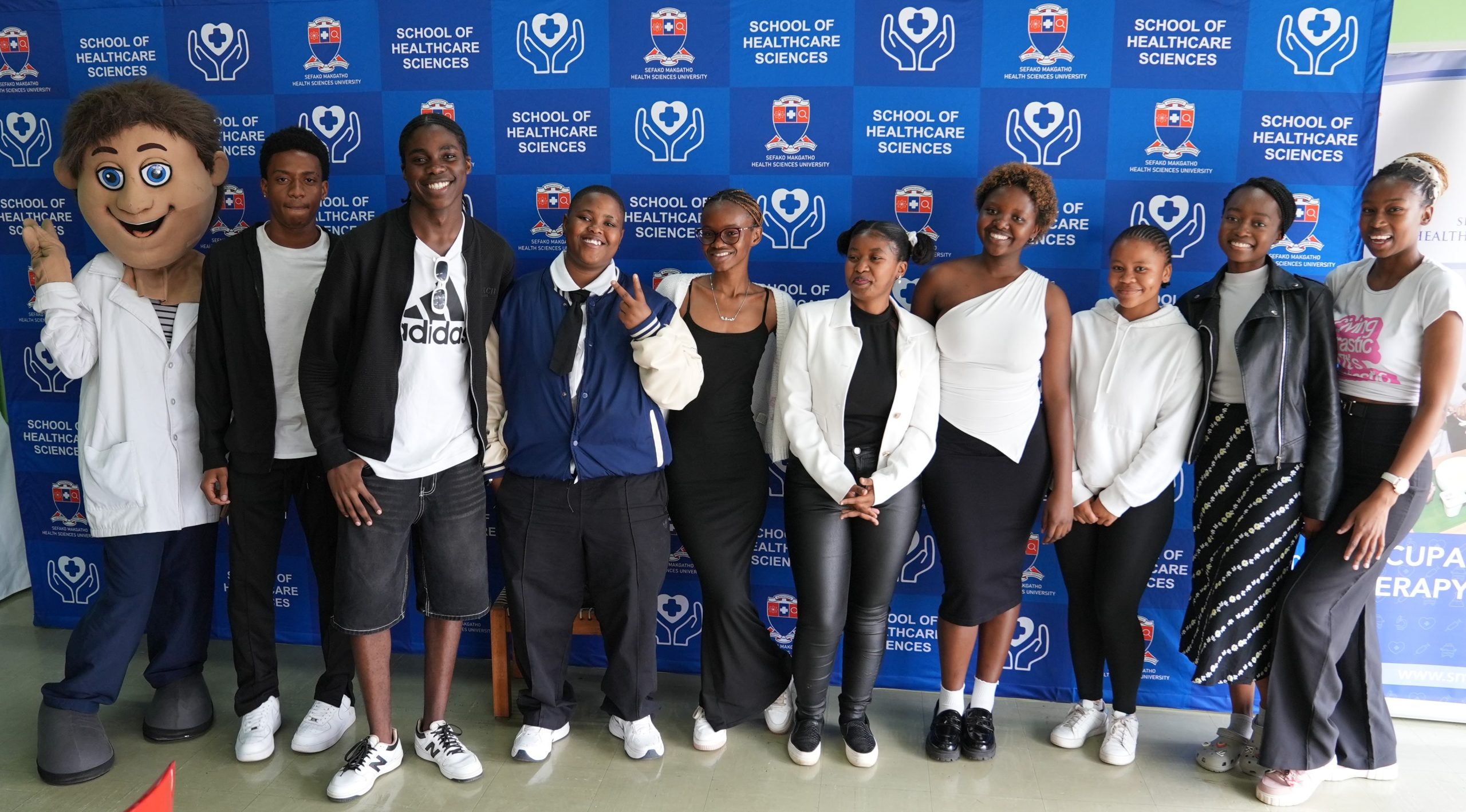 Organised in collaboration with the Occupational Therapy Association of South Africa (OTASA), the gathering paid tribute to senior practitioners while guiding the hands and minds of those just beginning their careers. Acting Head of Department, Anna Lesunyane, captured the essence of the day when she remarked, “It is wonderful to see our students engaging with their seniors, learning from their experiences, and reflecting on the rich history of occupational therapy in South Africa. This is how we build a strong, connected OT community.”
The heartbeat of the day came from alumni who returned to their alma mater, each carrying stories that blended personal triumph with professional purpose.
For Samuel Chauke, SMU graduate and current Mr World South Africa (2024–2026), the journey began in 2018 with a Bachelor of Occupational Therapy degree. Today, as a Senior Occupational Therapist at Potchefstroom Hospital, Chauke sees the profession as a force that restores dignity and hope. He spoke with conviction about the transformative role of vocational rehabilitation, reminding students that dedication and passion are the keys to meaningful community change. His words struck a chord, leaving many inspired to carry that same determination forward.
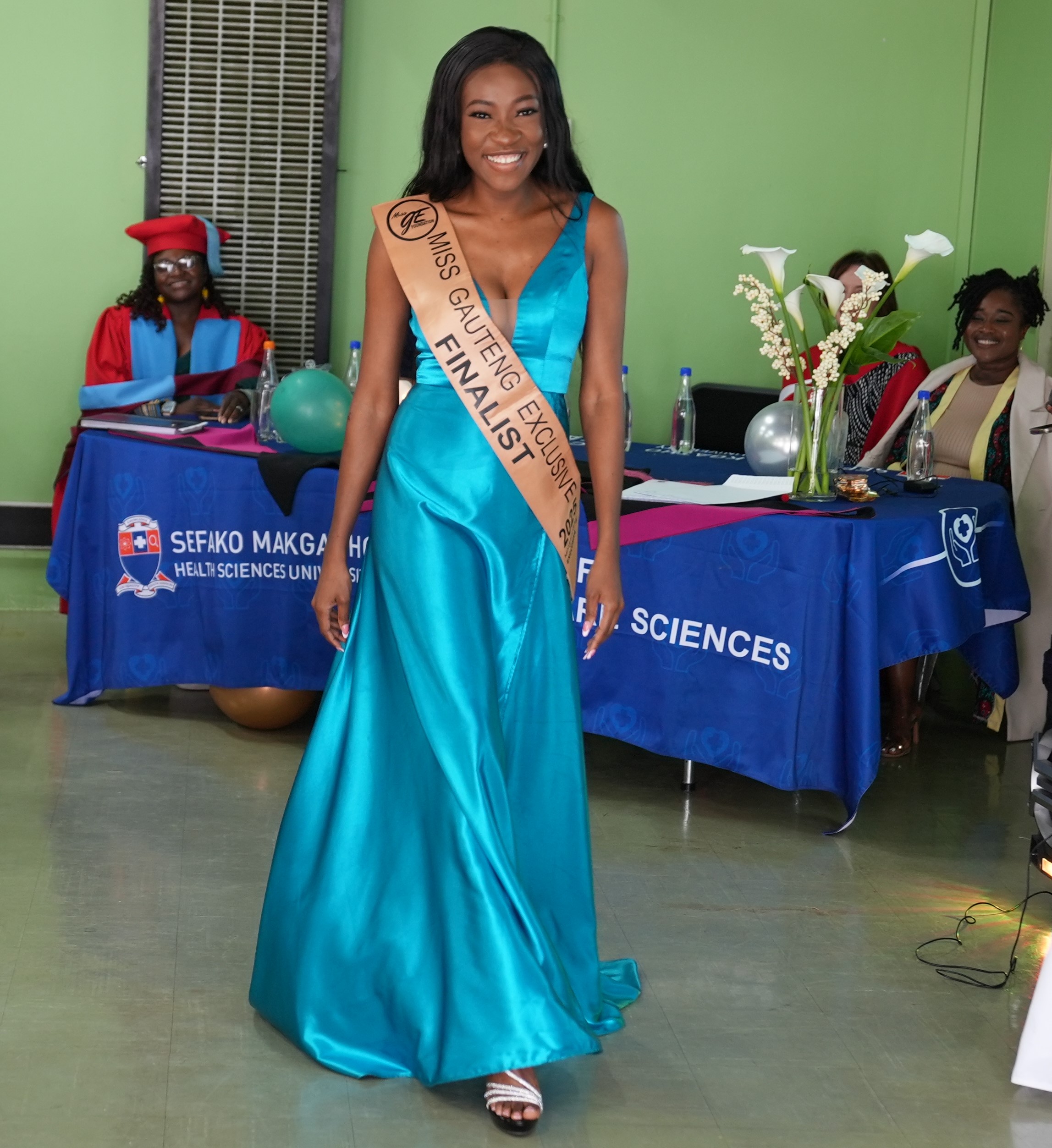 Khanyisile Mabena, another proud SMU alumna, brought her own story of impact. A Miss Gauteng Exclusive finalist and Occupational Therapist at Weskoppies Hospital, Mabena, told students that occupational therapy must be seen as more than a career. “Occupational therapy is not just a profession; it is a calling to make a difference every day,” she said. Her message extended beyond clinical practice, highlighting the profession’s reach into schools, families, and communities.
Adding yet another dimension was alumna Millicent Daoduo, who spoke passionately about collaboration in education. Addressing the theme “The Collaborative Partnership between Teachers and Occupational Therapists in Public Special Schools in South Africa”, she emphasised that teamwork between educators and therapists can create inclusive environments for children with special needs. “When teachers and occupational therapists work together, we create inclusive environments that empower children with special needs. It’s about teamwork, understanding, and ensuring that every child can thrive,” she explained.
Together, these stories formed a powerful narrative of what it means to be an occupational therapist in today’s South Africa: a blend of science and service, of skill and compassion.
For students, the event was not just an academic exercise. It was a rare chance to connect with role models who had once walked the same halls, sat in the same lectures, and now stood before them as leaders in hospitals, schools, and communities. The atmosphere was alive with questions, reflections, and the realisation that they too are part of a growing legacy.
As the day drew to a close, Lesunyane reminded all present that learning is a lifelong journey. “Legacy Day is a reminder that learning never stops. Our alumni are living proof that occupational therapy changes lives, not only for clients but also for practitioners themselves,” she said.
Students left the OT gym with renewed motivation, proud to belong to a profession that blends knowledge with humanity. The event reaffirmed SMU’s commitment to producing therapists who are both clinically excellent and socially responsive. Through initiatives such as OT Week, the Department of Occupational Therapy continues to nurture a legacy of healing, innovation, and transformation—one generation guiding the next.
By Dimakatso Modise