by Lorato | Oct 9, 2025 | All News, SMU Media, Student Media
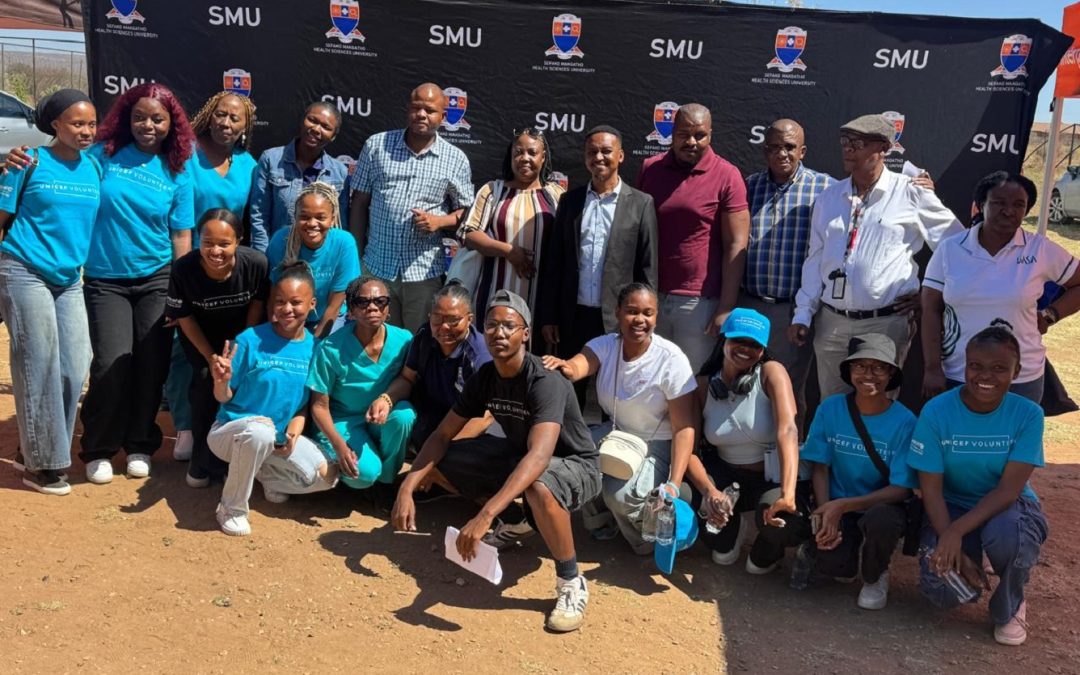
Sefako Makgatho Health Sciences University (SMU) has once again demonstrated the power of interprofessional collaboration by partnering with Diphetogo Senior Secondary School in Winterveldt, north of Tshwane. This ongoing Interprofessional Community Engagement (CE) partnership blended environmental action, health promotion, literacy development, and youth empowerment.
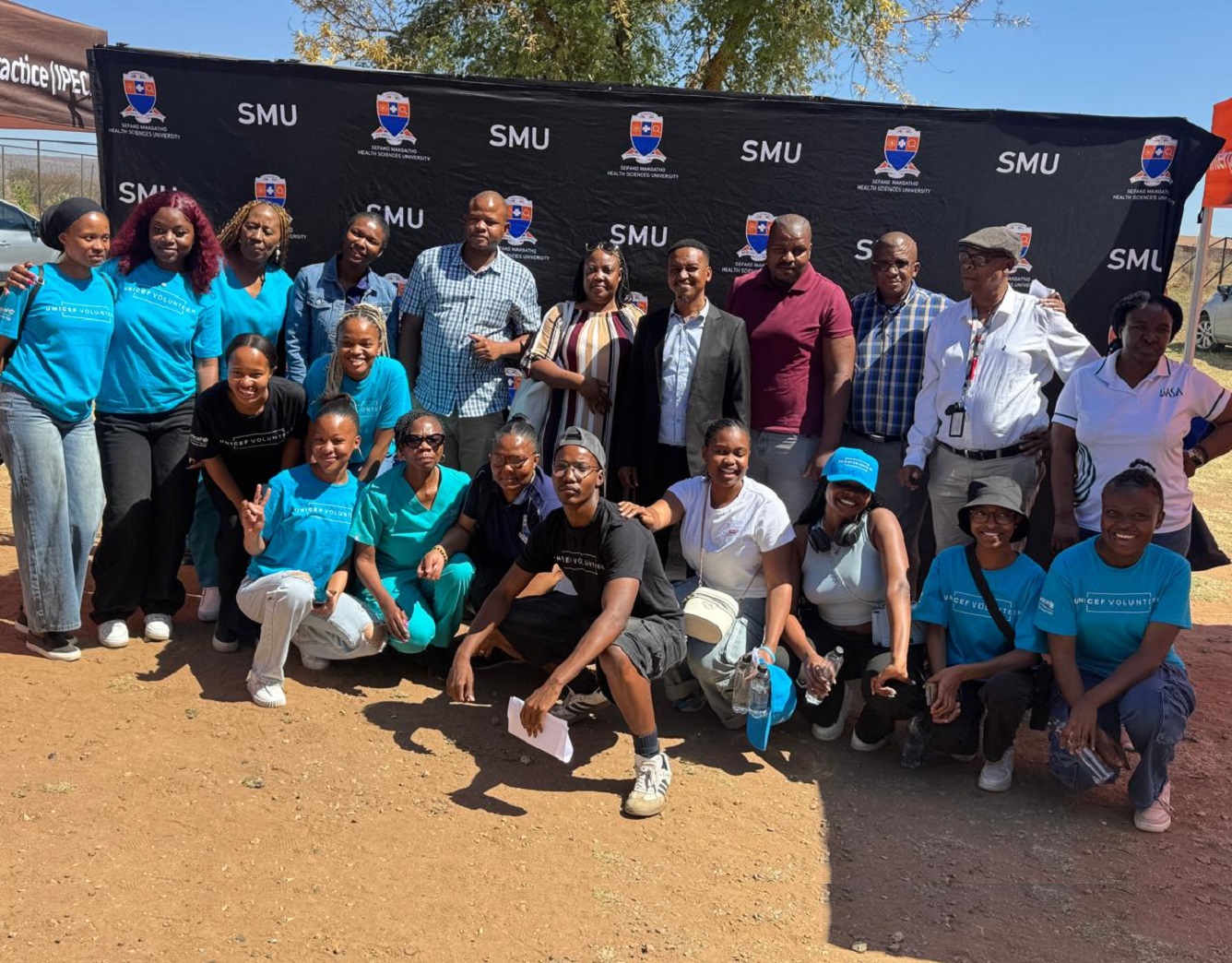 This was no ceremonial visit — it is a working partnership. Teams from SMU’s Departments of Biology and Environmental Sciences, Occupational Health and Safety, Academic Literacy, Library and Information Services, Physiotherapy, Built Environment (Horticulture), and the Interprofessional Education and Collaborative Practice (IPECP) Unit came together with one goal: to deliver practical, lasting impact.
“This engagement was about turning promises into action,” said the school representative, Sipho Nkopane, in his opening remarks. “SMU has shown that collaboration can strengthen our learners’ education and wellbeing in ways that go beyond the classroom.”
The initiative built on the first SMU–Diphetogo collaboration and honoured commitments made during the initial engagement, while equipping learners with practical skills in health, environmental stewardship, and literacy. At its heart, it sought to strengthen the school–university partnership through shared responsibility.
Led by SMU’s horticulturist Mpho Mmako, learners and staff planted ten indigenous trees under the theme Friendship, Health, and Agroforestry. Trees such as Celtis africana and Combretum erythrophyllum now line the school grounds, alongside demonstrations of bottled-water irrigation techniques. “We wanted learners to see that even small innovations can save water and protect our natural environment,” said Mmako.
The Biology and Environmental Sciences team conducted hands-on workshops in waste management, recycling, and composting. “It wasn’t about theory. We wanted learners to leave knowing exactly what to do at home and at school — from managing waste responsibly to composting and recycling,” explained Atlegang Leeuw, a third-year Environmental Sciences student.
 Literacy was another key focus. The Library and Information Services team launched the school’s library with books donated through a successful book drive and newly purchased titles. Learners read aloud, took part in language activities, and shared stories with their peers. The Academic Literacy Unit reinforced the message with the Setswana proverb “Lekau le sa eteng, le nyala kgaitsadi-a-lona” — meaning he who never travels ends up marrying his cousin. “Reading takes you places you might never reach physically. It broadens horizons and inoculates the mind against ignorance,” said Mmakgoshi Reetseng, Senior Librarian and event liaison officer.
Health and wellness were highlighted by the Physiotherapy Department, whose activities aligned with World Physiotherapy Month’s theme of Healthy Ageing and Physical Activity. Learners received skipping ropes and three new drum sets for the school’s majorette project. “Movement is medicine,” said Ntombenkosi Sobantu, a physiotherapy lecturer, before joining learners in group exercises and drum-led choreography that filled the schoolyard with energy and laughter.
Behind the scenes, the IPECP Unit coordinated logistics, transport, gazebos, and refreshments. They also recognised learners who showed courage by reading aloud before their peers. “Our role is to make collaboration possible,” said Thokozile Kgongwana, IPECP Coordinator. “When departments come together like this, the impact is multiplied.”
By the end of the day, learners had acquired new skills in environmental care, celebrated the opening of their library, and embraced physical activity with renewed enthusiasm. The partnership left behind more than trees, books, and equipment — it strengthened the bond between the school and the university.
“This was not a once-off outreach,” said Sobantu. “It is proof that universities can step outside lecture halls to change lives.” As learners danced to South African music, drums beating in rhythm with their new confidence, the message was unmistakable: collaboration works.
The Diphetogo Senior Secondary School management and board members witnessed first-hand how academic excellence, community partnership, and practical action can cultivate knowledge, health, and environmental awareness — together.
By Tumelo Moila
by Lorato | Oct 9, 2025 | All News, SMU Media, Student Media
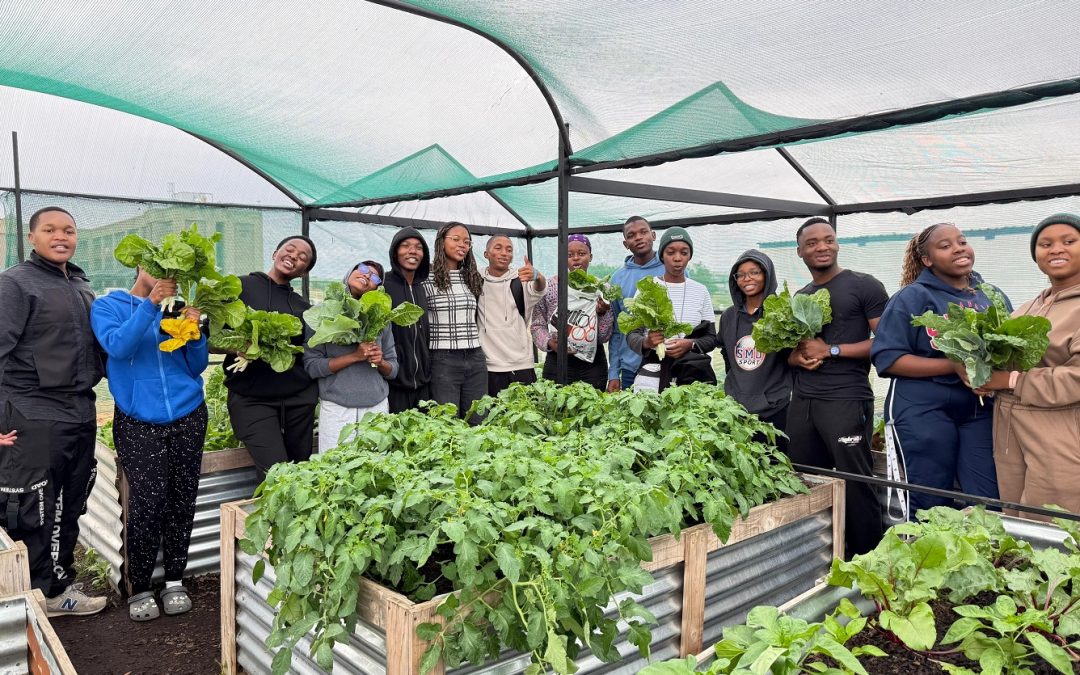
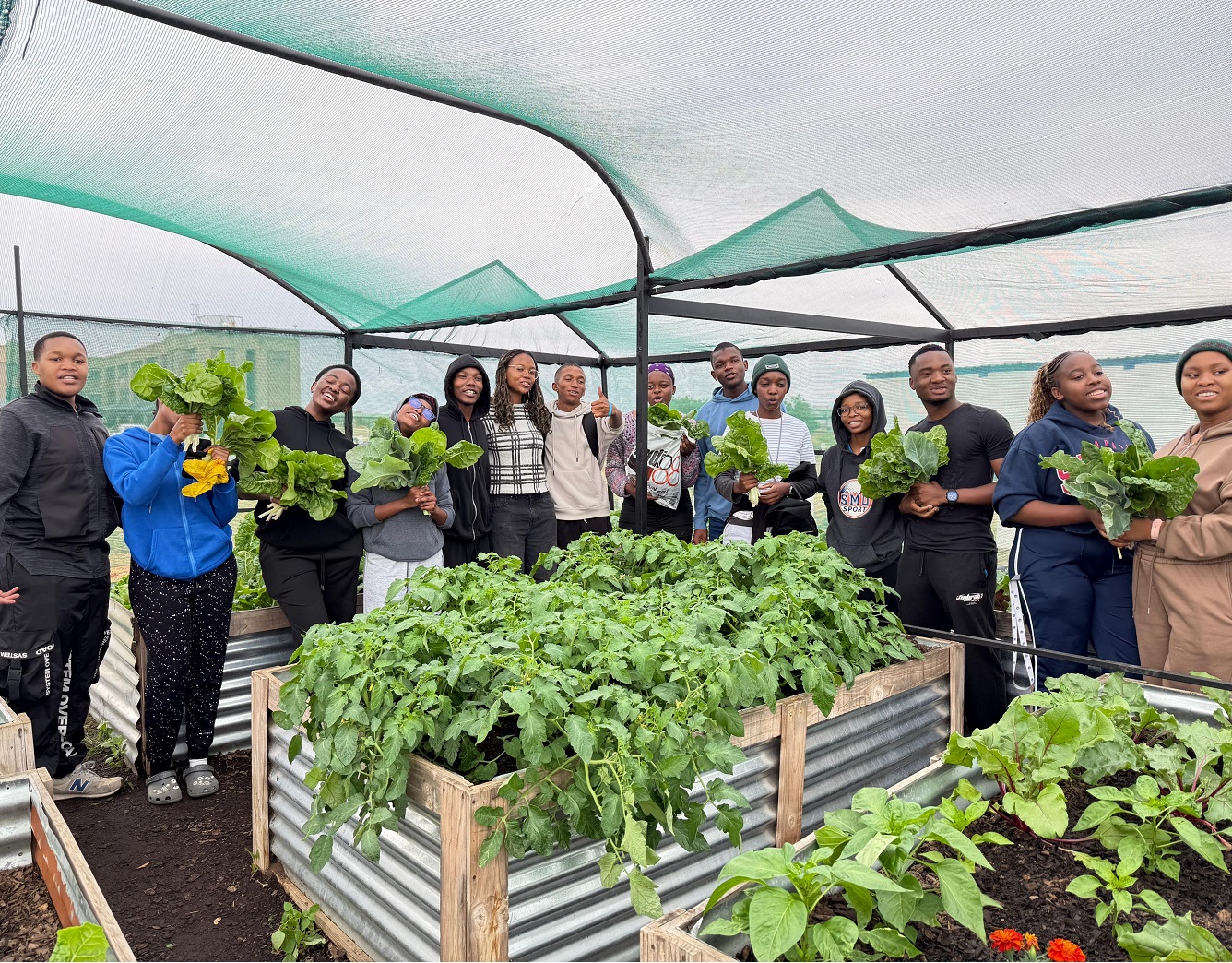
Sefako Makgatho Health Sciences University (SMU) has breathed new life into its Interprofessional Garden through the Green Campus Initiative (GCI), officially relaunched on 20 August 2025 under the theme “ReRoot – Growing Sustainability, Health, and Collaboration.” The event united students, staff, and partners in a shared vision of environmental stewardship, food security, and holistic well-being.
 From the moment guests arrived, the energy was purposeful. The Green Welcome set the tone for an afternoon rooted in action and collaboration. Opening the programme, GCI Chairperson Atlegang Leeuw called for student-led accountability in sustainability efforts. “Sustainability starts with us,” she said. “As future health professionals, we have a duty to create a healthier environment for generations to come.”
Interprofessional Education and Collaborative Practice (IPECP) Coordinator Thokozile Kgongwana reinforced this call, highlighting that environmental change depends on unity across disciplines. “The garden shows what’s possible when faculties and students work together,” she said. “Collaboration is where real impact begins.”
Garden Supervisor Mpho Mmako guided participants through an interactive tour, recounting how the initiative had grown from a modest idea into a “living classroom” blending science, health, and community. “Our goal is simple,” she said. “We want to cultivate learning while nurturing food security and environmental awareness.”
The City of Tshwane’s representative, Kamogelo Aphane, underscored the importance of partnerships. “When institutions and communities work hand in hand, change multiplies,” he said. “Projects like this garden show how collaboration can build sustainable futures.”
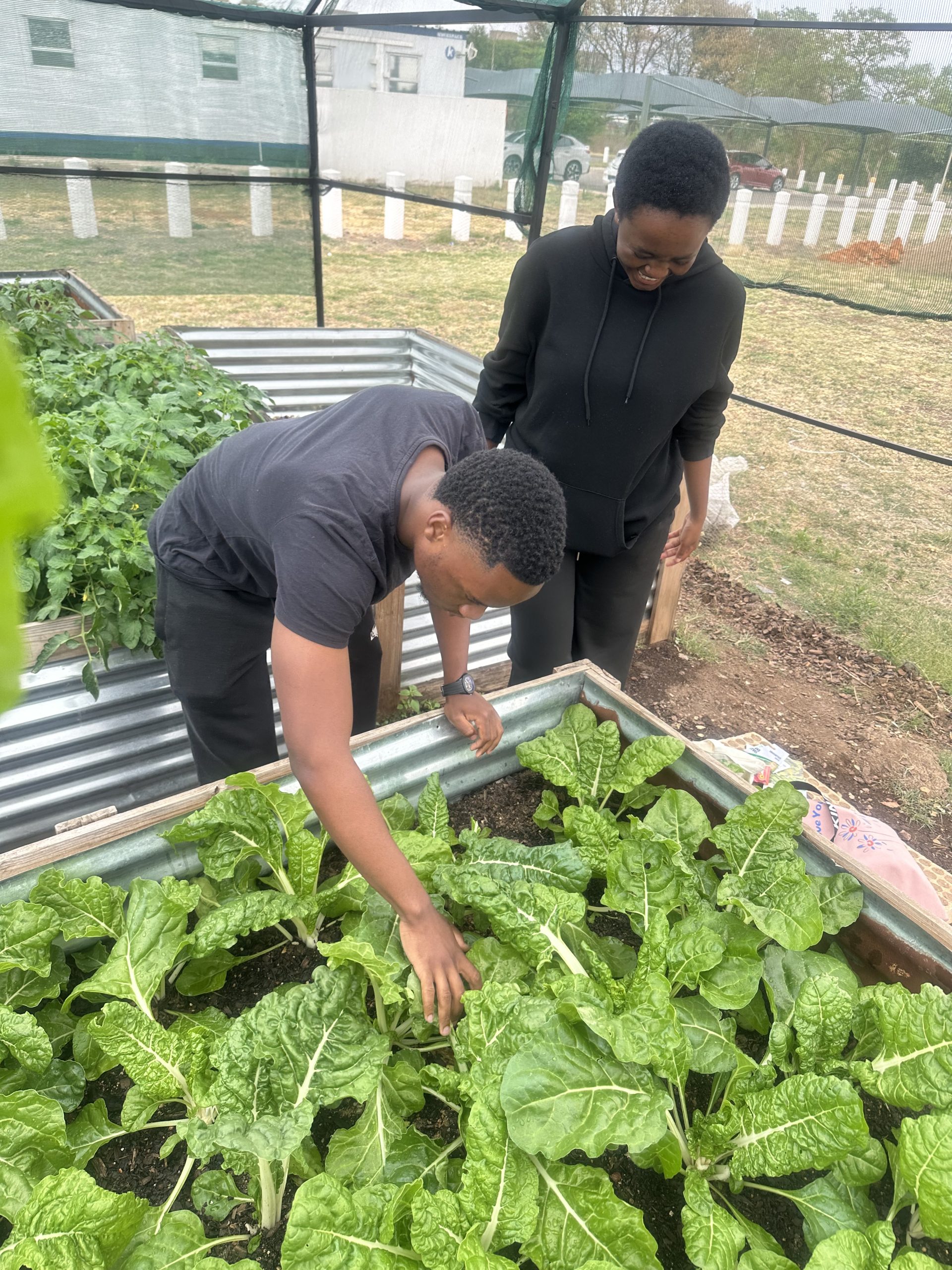 To deepen engagement, the municipality invited students to complete a sustainability questionnaire, offering prizes that sparked discussion on local environmental issues and everyday action.
Adding a motivational spark, Miss Earth South Africa 2nd Runner-up and Ms Water titleholder Tshiamo Morare reminded participants of the collective power of small actions. “Every tree planted, every sustainable choice—each one adds up,” she urged. “Change starts with awareness and commitment.”
Her message reinforced the garden’s ethos: small efforts, multiplied across communities, can create lasting environmental impact.
The relaunch aligned with the We Are Nature Youth Biodiversity Challenge, a collaboration between the United Nations Environmental Programme (UNEP) and the Wildlife and Environmental Society of South Africa (WESSA). This initiative connects young South Africans to the Global Biodiversity Framework’s Targets 21 and 22, promoting inclusive participation and sustainable lifestyles.
More than 50 young people participated in the relaunch, exploring the Biodiversity Toolkit and signing pledges to protect ecosystems. The event concluded with a collective Garden Pledge, as students and staff vowed to conserve water, protect biodiversity, and support eco-conscious practices across campus.
The Interprofessional Garden now stands as a dynamic hub for sustainability learning and community impact. Future sessions will invite students to participate in planting, research, and produce distribution to food-insecure households—cementing SMU’s role as a university that doesn’t just teach sustainability, but lives it.
By Dimakatso Modise
by Lorato | Oct 2, 2025 | Accolades and Achievements, All News, Alumni, SMU Media, Student Media
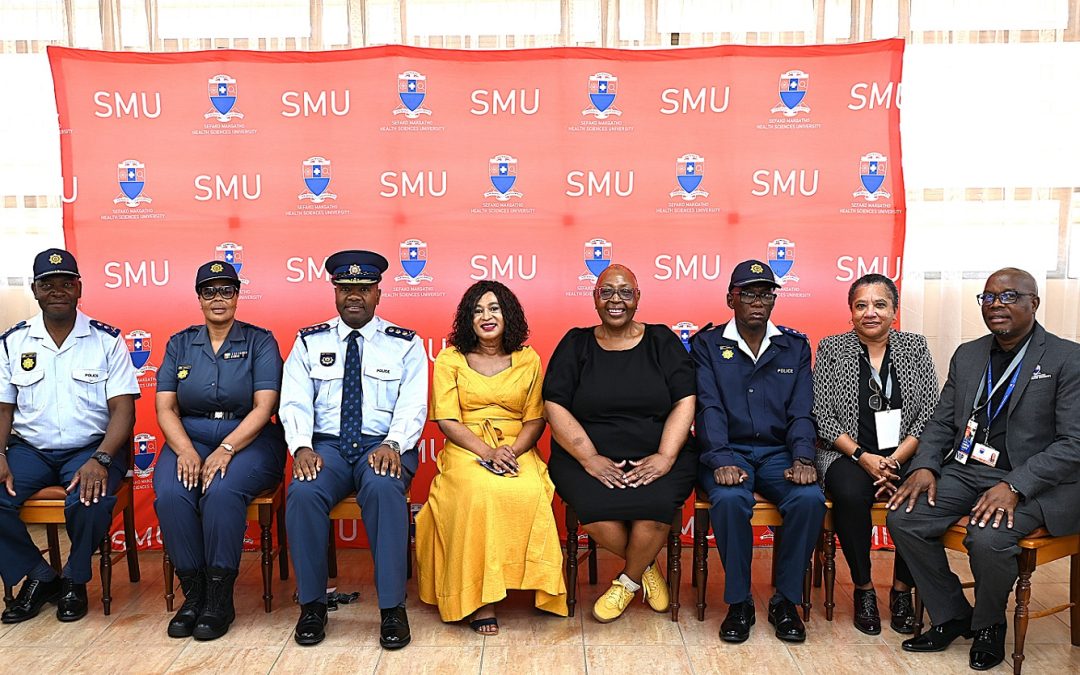
Sefako Makgatho Health Sciences University (SMU) has taken a decisive step in tackling campus insecurity and gender-based violence (GBV) with the launch of the Campus Community Safety Forum (CCSF). The two-day Safety Engagement, held on 1–2 October 2025 in partnership with the South African Police Service (SAPS), the Department of Higher Education and Training (DHET), civil society organisations and health providers, sent a clear message: safety and dignity on campus are non-negotiable.
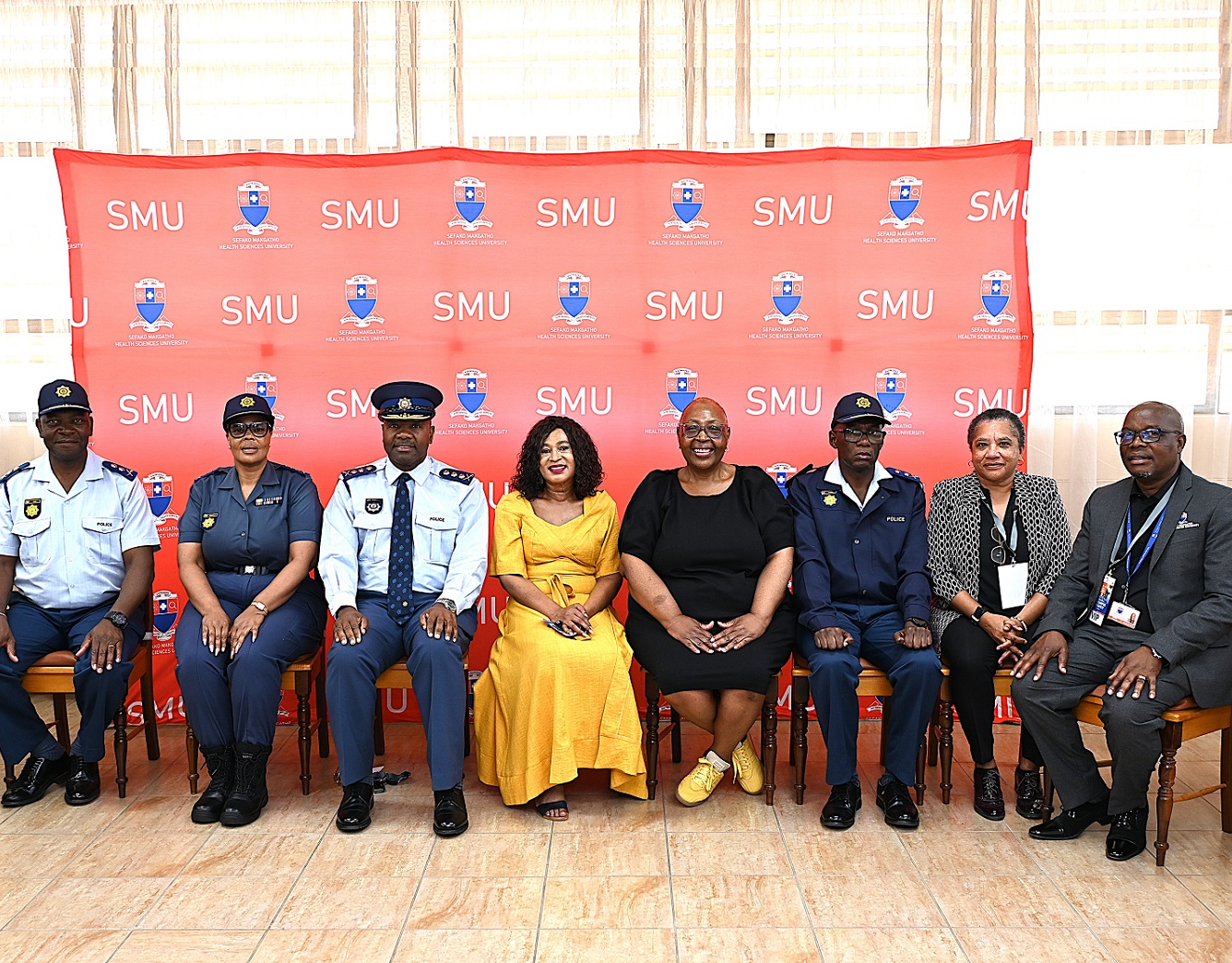 The programme was both urgent and collaborative. Day One centred on campus safety discussions, while Day Two marked the official establishment of the CCSF. Senior SAPS officials, university leadership, government representatives and students joined forces to strengthen coordinated action against GBV and crime.
Key highlights included:
- A framework for campus safety and security
- Focus sessions on GBV, law and justice
- Survivor-centred dialogues on support and safe reporting
- Direct engagements with SAPS and DHET
- Drafting of the CCSF’s terms of reference
The CCSF was conceived not as a symbolic structure, but as a practical platform to identify risks, address security concerns and build confidence in campus protection systems – with students placed firmly at the centre of decision-making.
Day Two began with opening remarks from SMU’s Acting Deputy Vice-Chancellor for Operations, Odette Ramsingh: “Our academic project is key to the vision and mission of SMU. We remain resolute in our drive towards academic excellence and leading healthcare solutions that will benefit our families, communities and South Africa. Therefore, safety is a core enabler of teaching, research and student success. We cannot pursue excellence in a culture of harassment, fear and intimidation, and most especially not in violence.”
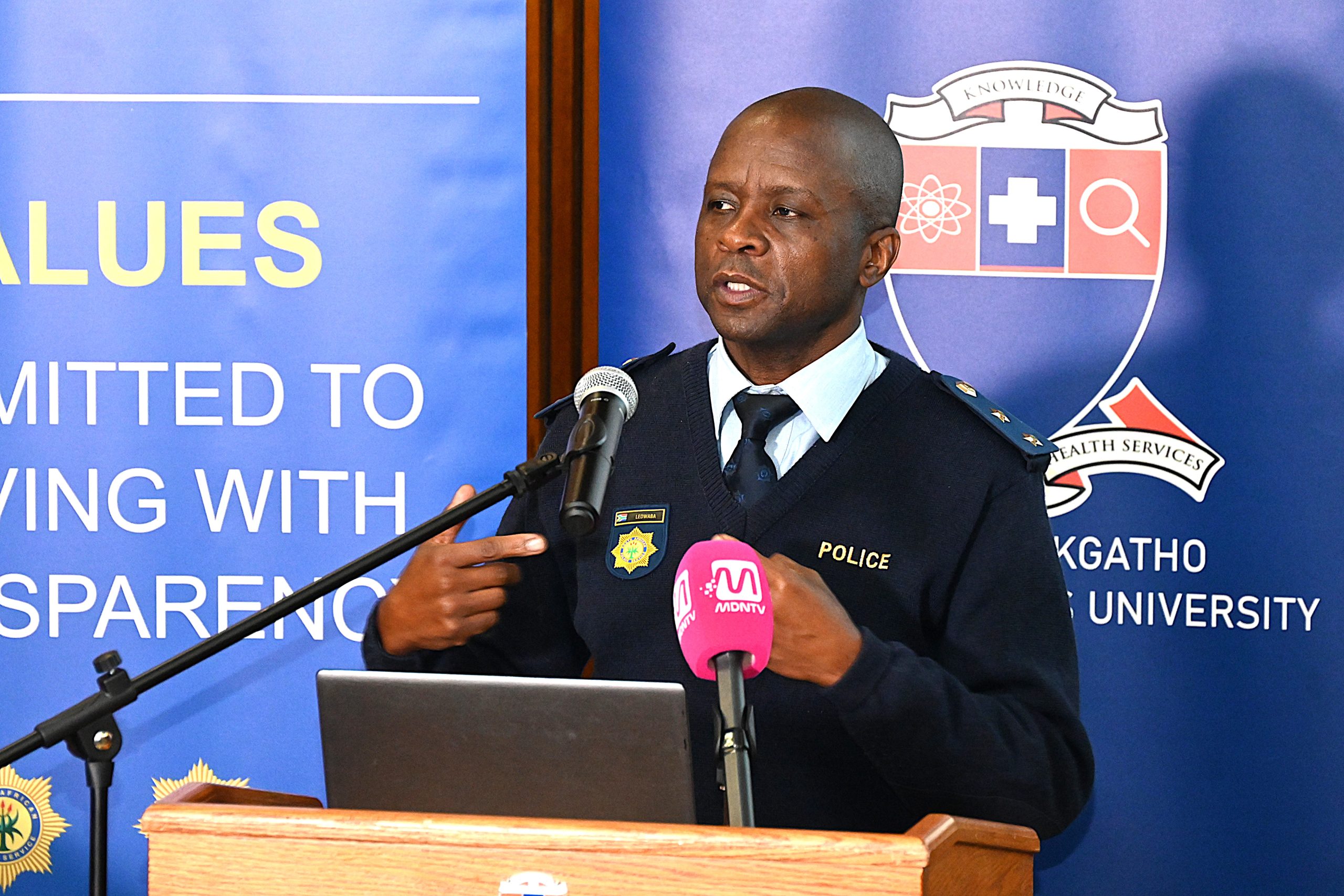 This was followed by an address from Vice-Chancellor, Professor Tandi Matsha-Erasmus, who stated: “This gathering is not ceremonial; it is a declaration. A declaration that SMU will remain unwavering in its resolve to create a campus where safety is not a privilege, but a promise. Let this forum not end with speeches, but with sustained action. Every theft prevented, every assault reported, every survivor supported is a victory for the values we hold dear.”
Messages of support from DHET, the Community Policing Forum, the Student Representatives and youth crime prevention structures reinforced a united front against GBV. The defining moment came when SAPS leaders joined SMU officials in signing the CCSF pledge, formally affirming their collective commitment. Gauteng Provincial Commissioner of Police, Lieutenant General Tommy Mthombeni, underscored the role of community forums and technology in addressing campus crime, highlighting the use of surveillance systems and the Gauteng e-panic button app.
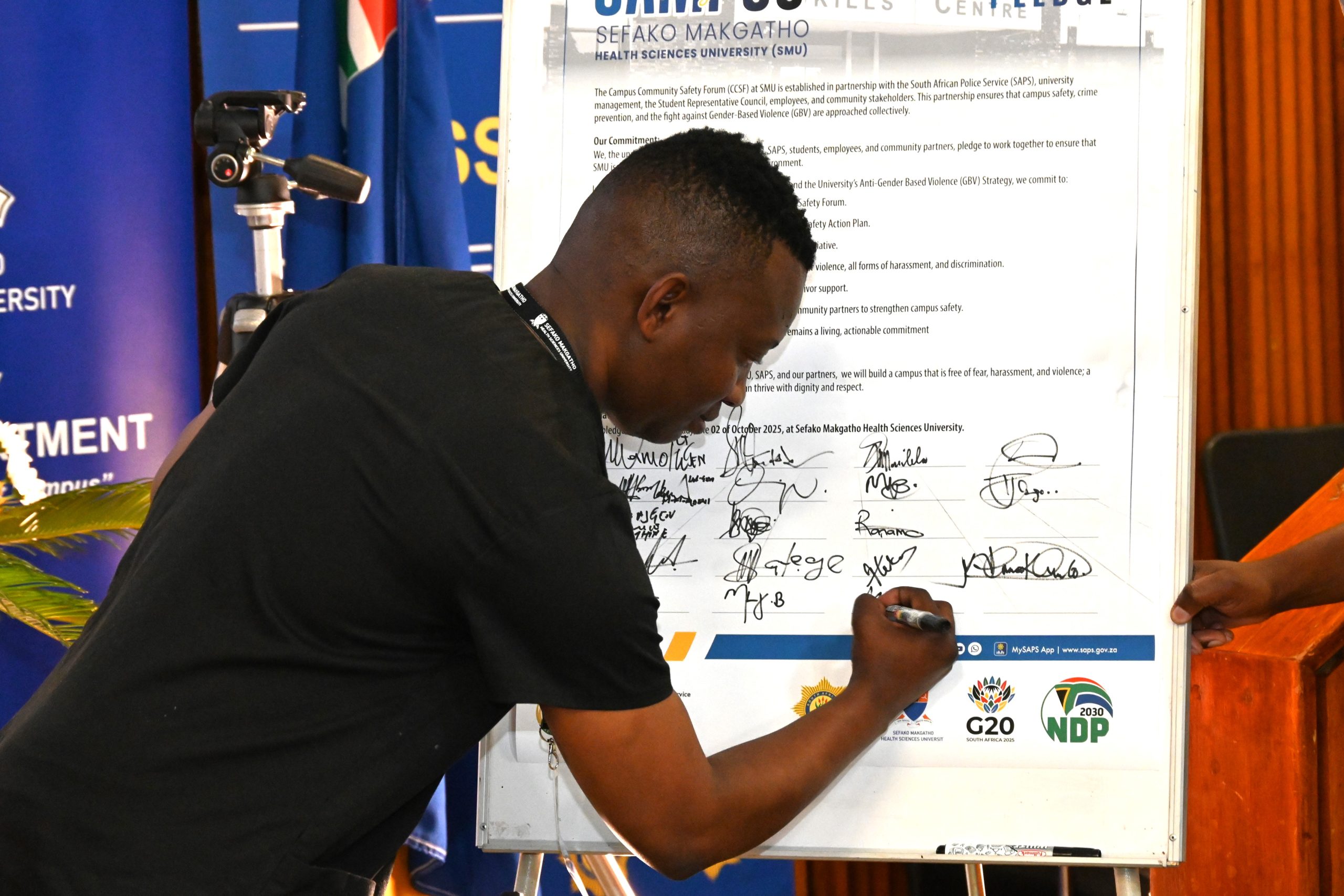 Student leadership also emphasised the urgency of the initiative. Outgoing SRC President, Katlego Moshanyane, reflected: “I am honoured to have participated in this launch, which prioritises student well-being and focuses sharply on eradicating GBV. This ensures SMU remains a safe environment for both students and staff.”
Organised labour endorsed the initiative with equal conviction. Dr Tshifhiwa Mulaudzi stated: “This vital initiative unites SAPS, staff and community leaders from Ga-Rankuwa to enhance campus security. Let us all participate fully to build a safer campus for everyone.”
At a time when South African universities face escalating security challenges, SMU has positioned itself as a leader in proactive, community-driven safety interventions. By combining law enforcement expertise, academic leadership, student voices and survivor support services, the CCSF is set to deliver lasting impact.
The campaign’s theme – “Safe Campus, Strong Voices – Together We Stop GBV” – captured the urgency and determination behind the initiative. Far from symbolic, the CCSF launch was a rallying call for sustained action, accountability, and a culture of safety built on shared responsibility.
By Tumelo Moila
by Lorato | Oct 2, 2025 | All News, Alumni, SMU Media, Student Media
The air inside the University Sports Complex at Sefako Makgatho Health Sciences University (SMU) was charged with anticipation as administrative and support staff converged for a landmark occasion. Far from a routine gathering, the assembly marked a pivotal moment in the University’s governance story—the election of their voice to the SMU Council, the highest decision-making body entrusted with shaping the institution’s future.
 Interim Registrar, Mr Sello Simon Mokoena, who had taken office only weeks earlier, set the tone as he opened the proceedings. His words carried both weight and warmth. “The strength of SMU lies in the collective efforts of all its people,” he told the packed hall. “This election reflects our commitment to inclusive governance and to ensuring that every sector of our community has a voice at the highest decision-making level.”
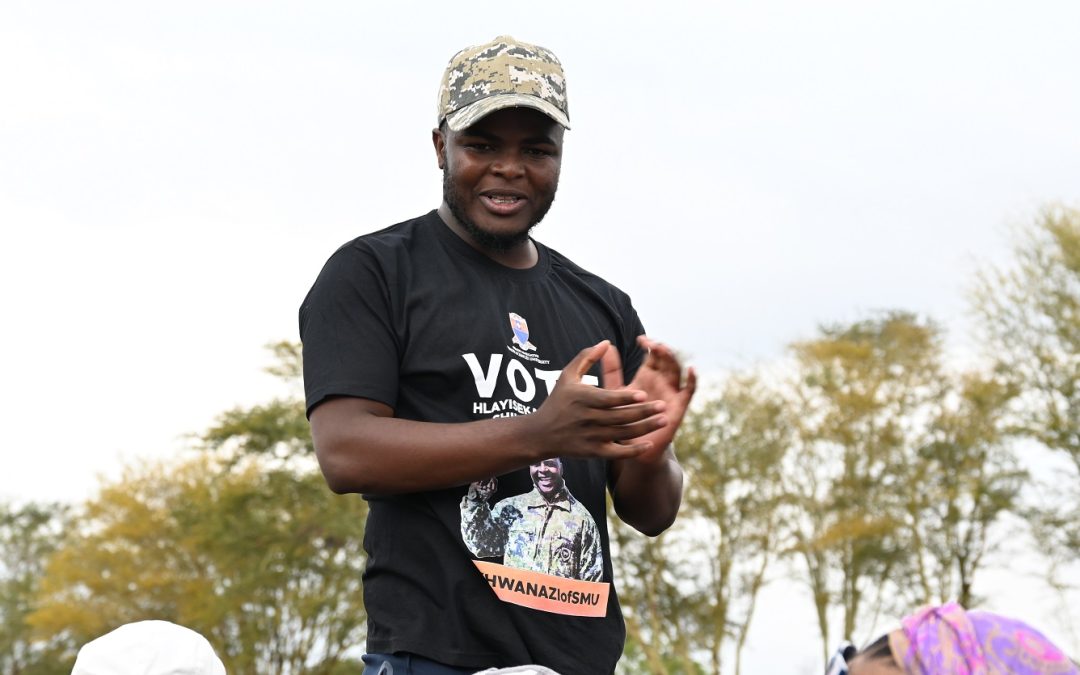
Two candidates stood before their colleagues: Hlayiseka Mukhari Shikwambana, a Laboratory Assistant in the Department of Biochemistry and Biotechnology, and Dr Tshifhiwa Mulaudzi, Deputy Director for Assets and Stores. Both were seasoned professionals with deep ties to the institution, and both were eager to carry the hopes of their peers into Council chambers.
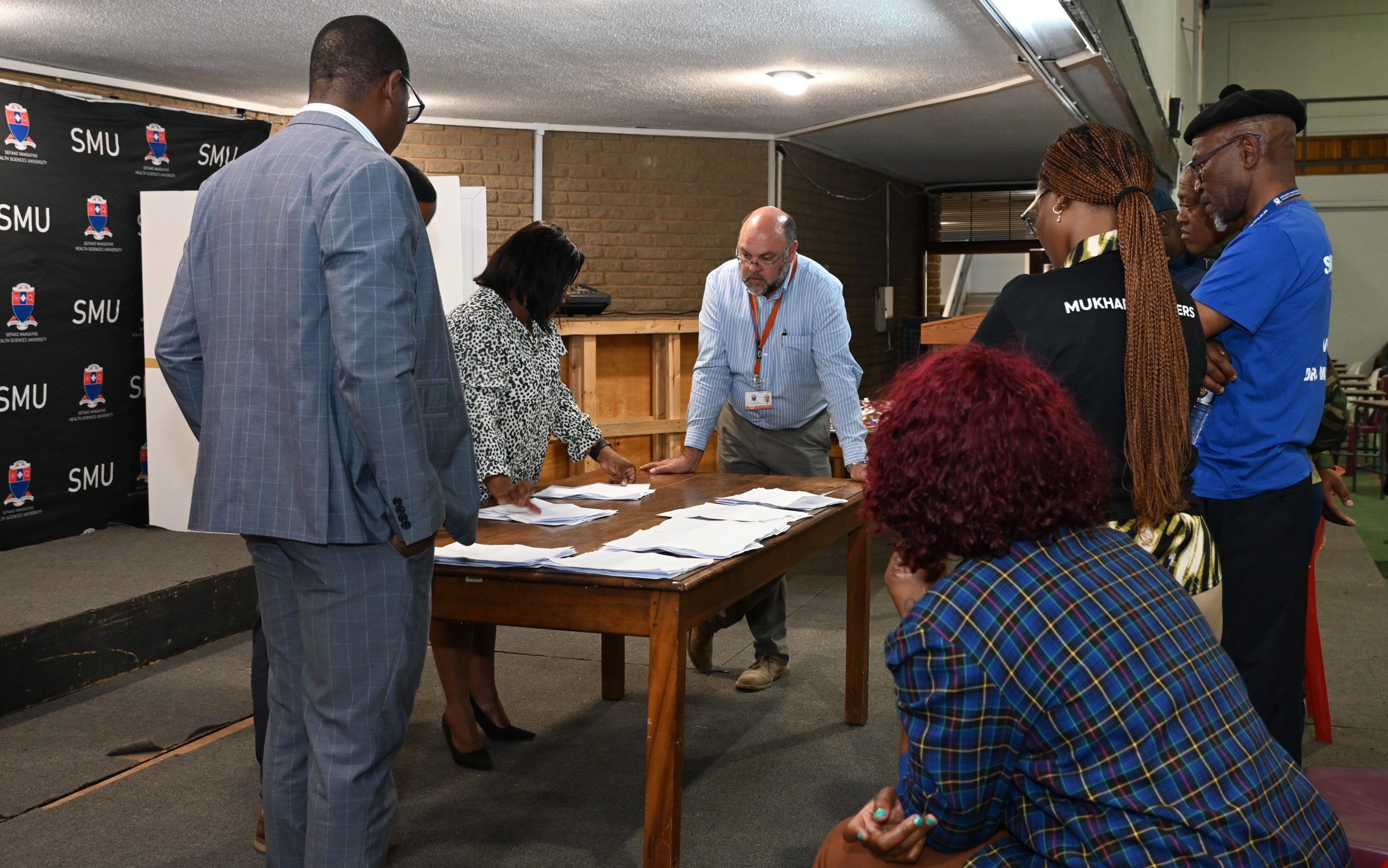
The election unfolded through a secret ballot, tightly overseen by governance and audit structures to ensure fairness. Silence filled the hall as votes were counted and verified. Then came the announcement: Shikwambana had secured 268 votes to Mulaudzi’s 204. With a clear margin, he was declared the new Administrative and Support Staff Representative to the SMU Council.
 The moment was met with applause, but it was Shikwambana’s response that left a lasting impression. Taking the podium, he spoke with humility and conviction. “Your support is both humbling and empowering,” he began. “I pledge to represent all workers without fear or favour. Your struggles, challenges, and aspirations are my own.”
He described administrative and support staff as the “lifeblood of the institution,” emphasising their essential role in sustaining SMU’s academic mission. His words resonated with colleagues who have long sought recognition for their often-unseen contributions.
Shikwambana’s connection to SMU is more than professional—it is personal. Originally from Giyani and raised in Julesburg, Rhulani, Tzaneen, he has spent over a decade at the University as both a student and staff member. He holds three SMU degrees and is currently pursuing a PhD in Biochemistry, researching molecular biology and diabetes management. Alongside his administrative duties, he contributes academically by assisting with lectures and supervising postgraduate students.
This blend of scholarship and service shapes his vision for Council. He spoke of strengthening accountability within governance structures, creating promotion and reward systems to motivate staff, and ensuring that the voices of administrative and support employees are heard in every decision.
“Together, we will make SMU not only a place of academic excellence, but also a university of first choice for employees, students, and partners alike,” he declared. “With unity, transparency, and commitment, we can build a future where every staff member feels respected, valued, and proud to serve.”
The election marked more than a leadership choice—it was a reaffirmation of SMU’s commitment to participatory governance. By securing representation for administrative and support staff, the University continues to strengthen its culture of inclusivity and shared responsibility.
As the meeting drew to a close, the atmosphere was buoyant. Staff praised the transparency of the process and voiced optimism that Shikwambana’s leadership would amplify their interests at the Council table. For many, it was not just a win for a candidate but a win for every worker whose efforts fuel the University’s mission.
By Dimakatso Modise
by Lorato | Oct 2, 2025 | All News, SMU Media, Student Media
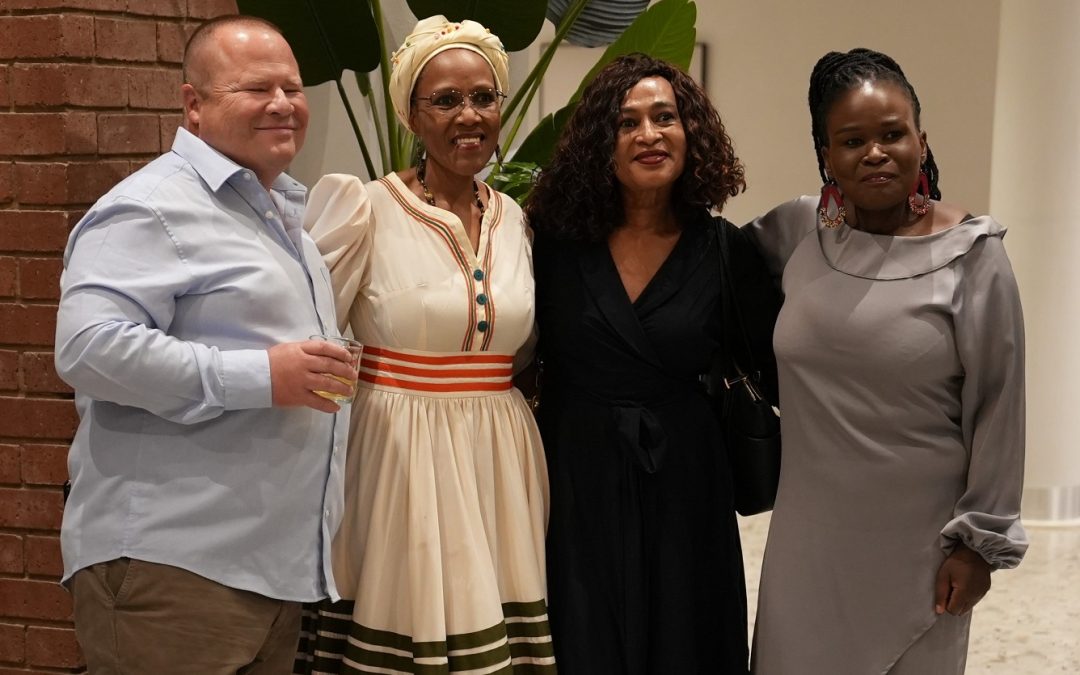
Under the elegant glow of the ANEW Hotel in Centurion, Sefako Makgatho Health Sciences University (SMU) bid farewell to its outgoing Council members with an evening filled with gratitude, reflection, and celebration. More than a formal occasion, the dinner became a moving recognition of leaders whose vision and dedication have left an indelible mark on the university’s governance.
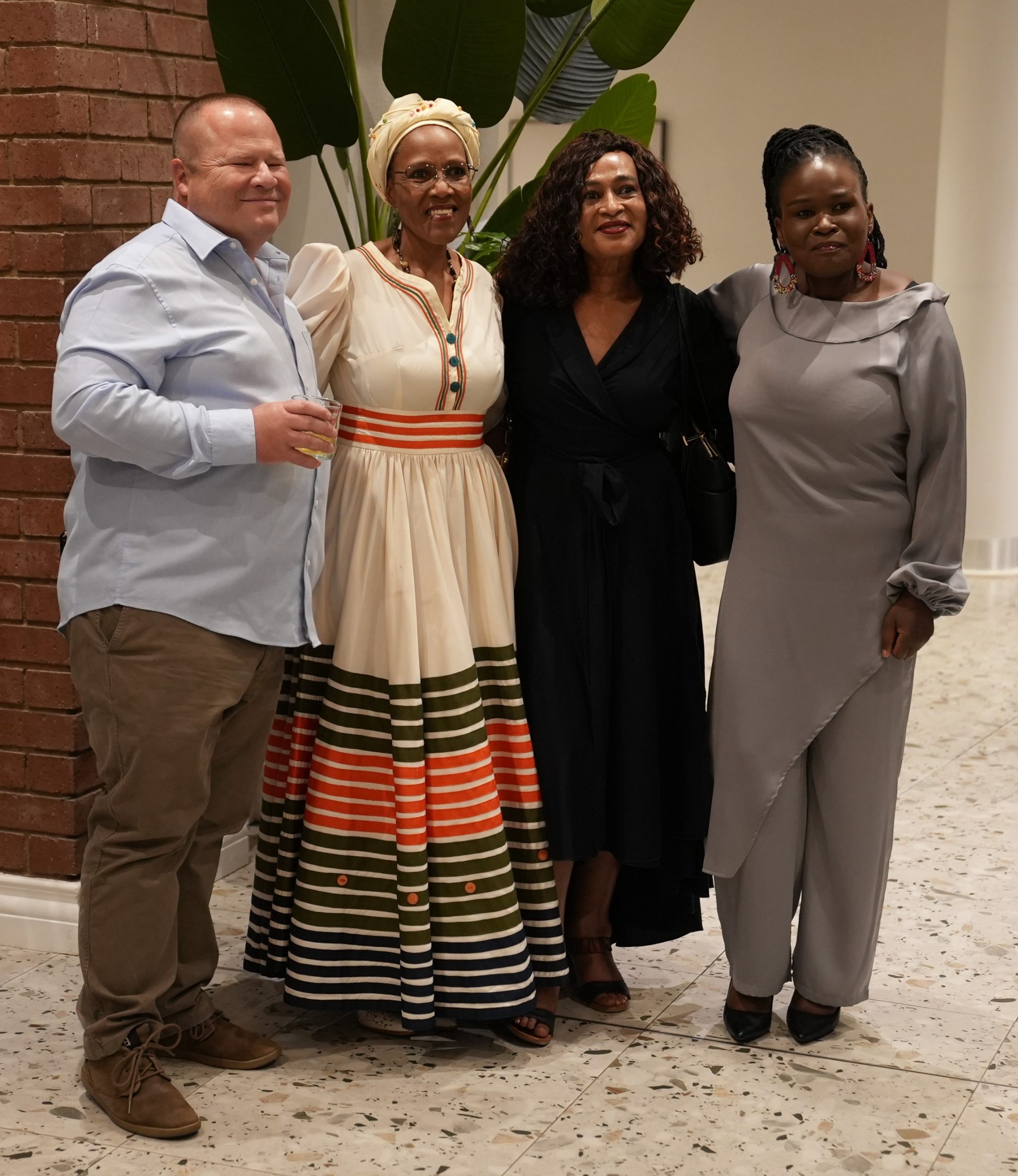 The evening opened with a warm welcome from Vice-Chancellor Professor Tandi Matsha-Erasmus. Her words set the tone for the night, reminding guests of the depth of the occasion. “Tonight, we celebrate not just the achievements of our Council members, but the wisdom and commitment they have shown in steering SMU to greater heights,” she said, drawing applause from the audience.
Council Chairperson Nontlaza Sizani followed with a heartfelt tribute, emphasising the weight of the members’ service. “Your contribution has strengthened SMU in ways that cannot be overstated. Each of you has left a mark on this institution—ensuring governance, strategy, and representation remain robust and impactful,” Sizani remarked.
The evening then shifted to moments of personal recognition. Each outgoing Council member’s contribution was honoured in turn, highlighting both individual strengths and the collective spirit of teamwork that defined their tenure.
- Dr Mangaliso Mahlaba was praised for his steady guidance and clarity in navigating complex decisions.
- Dr Johannes Tshifularo received acknowledgement for his work in academic oversight and tackling absenteeism, demonstrating his relentless commitment to improvement.
- Dr Johan van Heerden reflected on his contributions to human resources processes and committee work. His colleagues commended his insistence on accountability and efficiency, values that strengthened Council governance.
- Gladys Tlou Malema was celebrated for her advocacy on behalf of administrative and support staff, ensuring that their voices were consistently heard in shaping inclusive decisions.
These reflections painted a vivid picture of leadership grounded in service, responsibility, and collaboration. As the evening drew to a close, Deputy Chairperson of Council Nkosenhle Ngongoma offered an inspiring charge to the remaining members. “As we carry SMU forward, remember that unity, shared vision, and dedication are our greatest strengths. Together, we can take this university to new heights,” he urged, leaving the room with a sense of renewed purpose.
Beyond the formalities, the night was coloured by laughter, shared memories, and heartfelt conversations. Fine dining accompanied by a warm spirit of appreciation created an atmosphere of camaraderie, underscoring the respect and pride felt for those stepping down.
More than a farewell, the event reaffirmed SMU’s values—excellence, collaboration, and leadership rooted in service. It reminded all present that governance is not merely about policies and strategies, but about people, representation, and the relationships that sustain progress.
As SMU prepares for a new chapter, the legacy of these outgoing Council members remains deeply woven into its foundation. Their service will continue to inspire students, staff, and future leaders, anchoring the university’s path of growth and transformation.
By Dimakatso Modise
by Lorato | Oct 2, 2025 | All News, SMU Media, Student Media
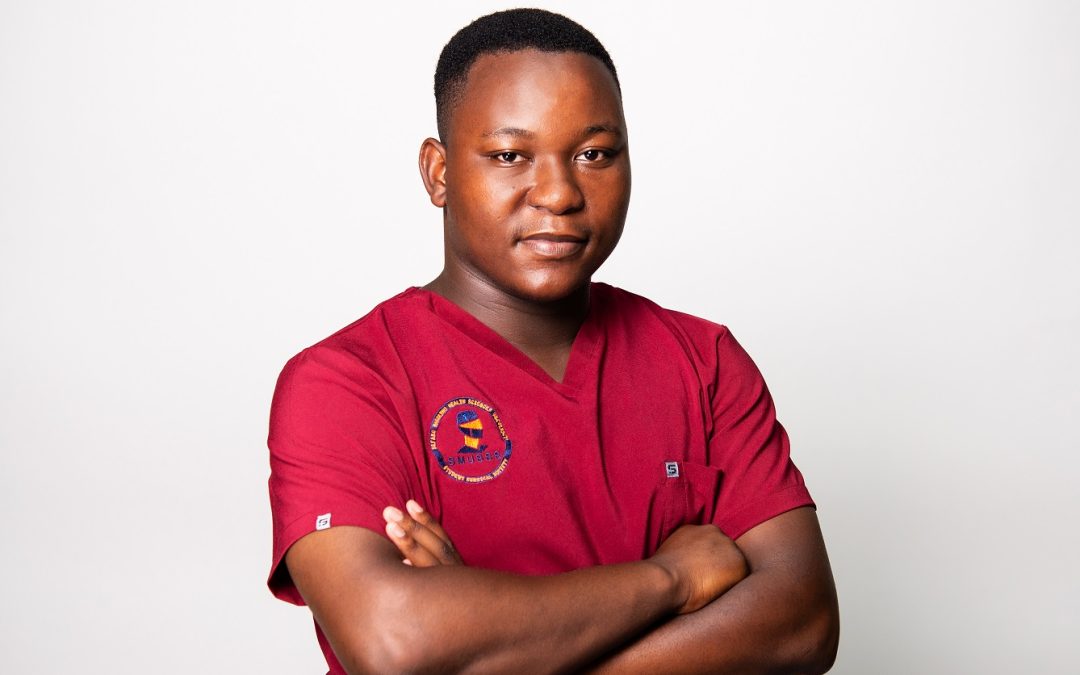
At 22, Albert Sebulela’s journey reads like a story of resilience shaped by faith, discipline, and an unrelenting belief in education. Born in Manoke, a small village in Burgersfort, Limpopo, Sebulela grew up where opportunity was scarce and ambition often faded into survival. Many of his peers, he recalls, ended up unemployed or working informally after matric. But Sebulela chose another path. Raised by his grandmother in a Christian household while his parents worked away from home, he found early strength in her prayers and in the guidance of his teachers. Together with close friends, he spent long hours in study groups and Saturday classes, determined to prove that a boy from Manoke could become the first doctor in his family.
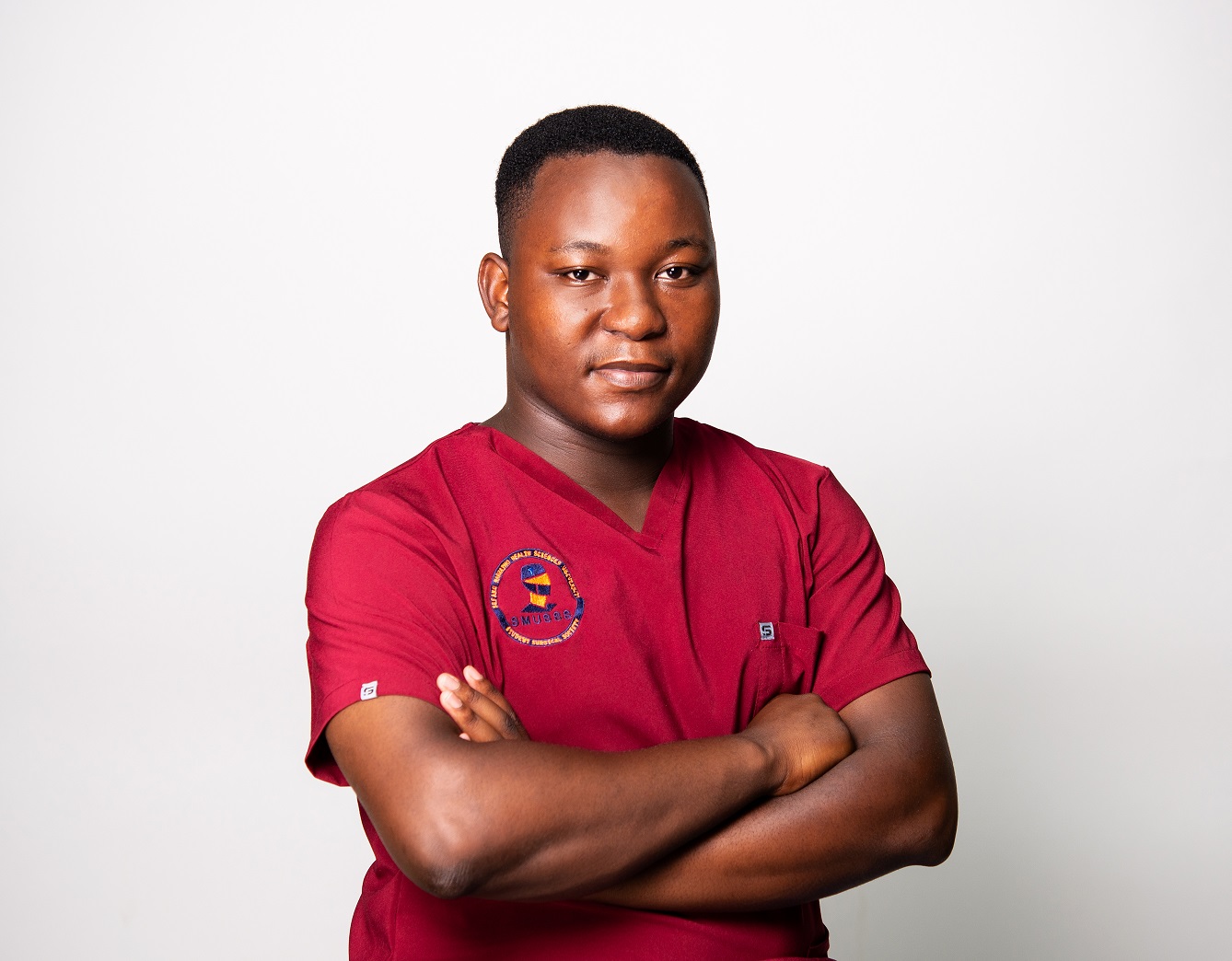 When he arrived at Sefako Makgatho Health Sciences University in 2022, it was to begin the MBChB Extended Programme. The seven-year journey ahead was daunting, but he accepted the challenge with clarity of purpose. “I reminded myself why I was here,” he says. “To serve my community and to show others that education is a way out.”
That clarity fuelled him through his studies and into student leadership. In 2024, he entered the SMUSSS Literature Review Competition with a paper on diabetic foot sepsis—a subject that carried personal weight, as his father suffers from diabetes. What began as a learning exercise turned into victory, with Albert taking first place. More than the award, it was the discovery of research as a tool to break cycles of disease that marked a turning point. Today, as Research and Academic Officer of SMUSSS, he works to create opportunities for undergraduates to contribute to research, convinced that inquiry must become a defining feature of SMU’s medical training.
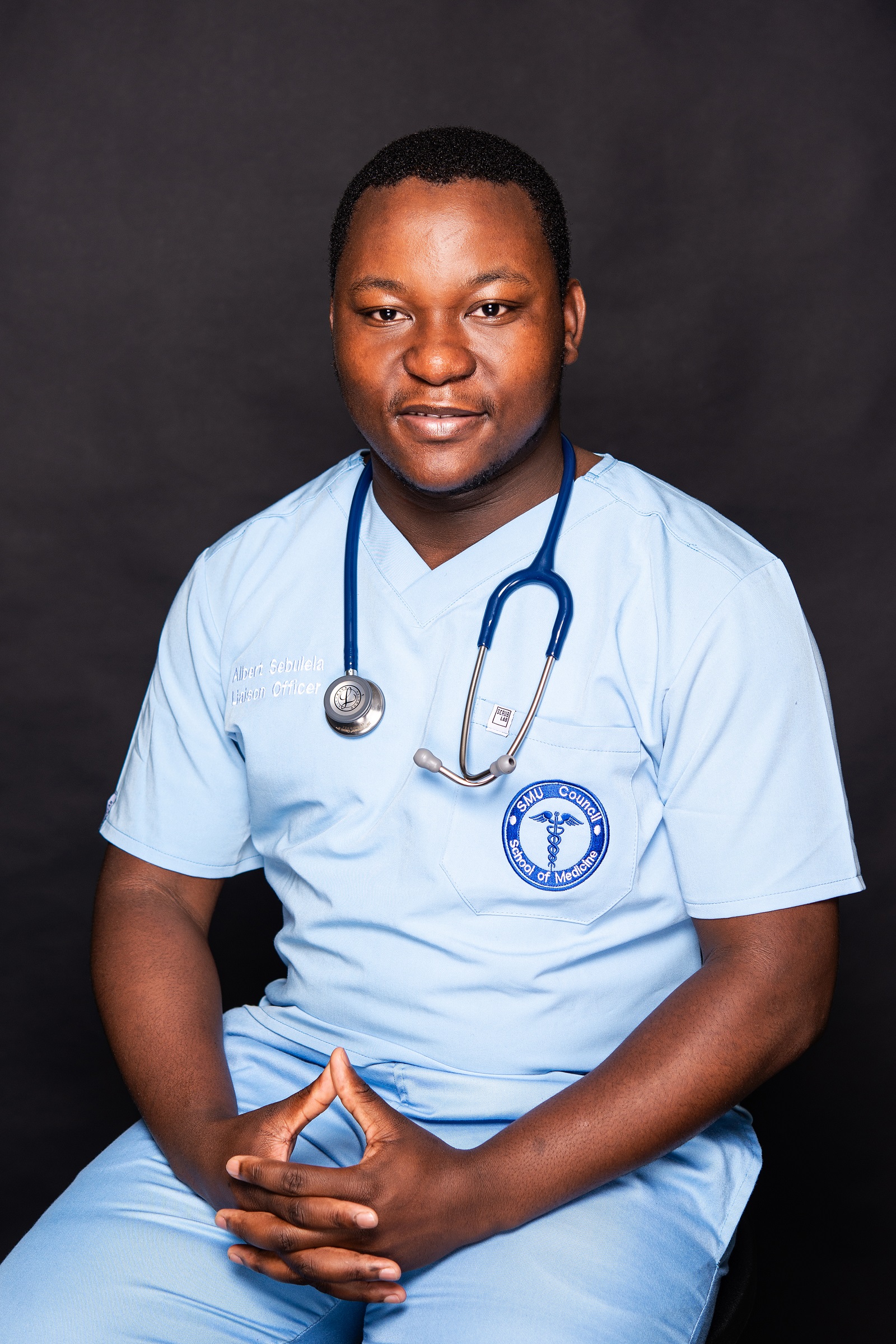 Alongside his academic achievements, Sebulela has become a fixture in student leadership. His list of roles is long: Deputy Secretary of the Diagnostic Society, Treasurer of the South African Medical Students’ Union (SMU branch), Manager of the SMU Rugby Male Team, Chairperson of Residence 5B, and Secondary Liaison Officer for the School of Medicine. He also served as a CUTL mentor and Vice Secretary of the Green Campus Initiative. To outsiders, the workload might appear overwhelming, but Sebulela insists that discipline and prayer keep him steady. “My degree is my priority, but leadership builds the character to sustain it,” he explains.
Every step of his journey is anchored by family values. His father’s constant reminder—serve selflessly and do good even when no one is watching—guides how he approaches service, while his grandmother’s prayers, he says, are the foundation of his resilience. Faith remains his compass, with verses such as Jeremiah 1:5 and Joshua 1:8–9 shaping his confidence and resolve.
Looking to the future, Sebulela dreams of becoming a cardiothoracic surgeon. Inspired by figures like Professor Risenga Chauke, Dean of the SMU School of Medicine, he hopes to leave the kind of impact that his mentors have had on both patients and students.
For young people from under-resourced backgrounds, his message is unwavering: believe in yourself, create opportunities where none exist, and serve others selflessly. His story, still in its early chapters, is proof that resilience and vision can transform adversity into triumph.
By Tumelo Moila
by Lorato | Oct 2, 2025 | Accolades and Achievements, All News, SMU Media, Student Media
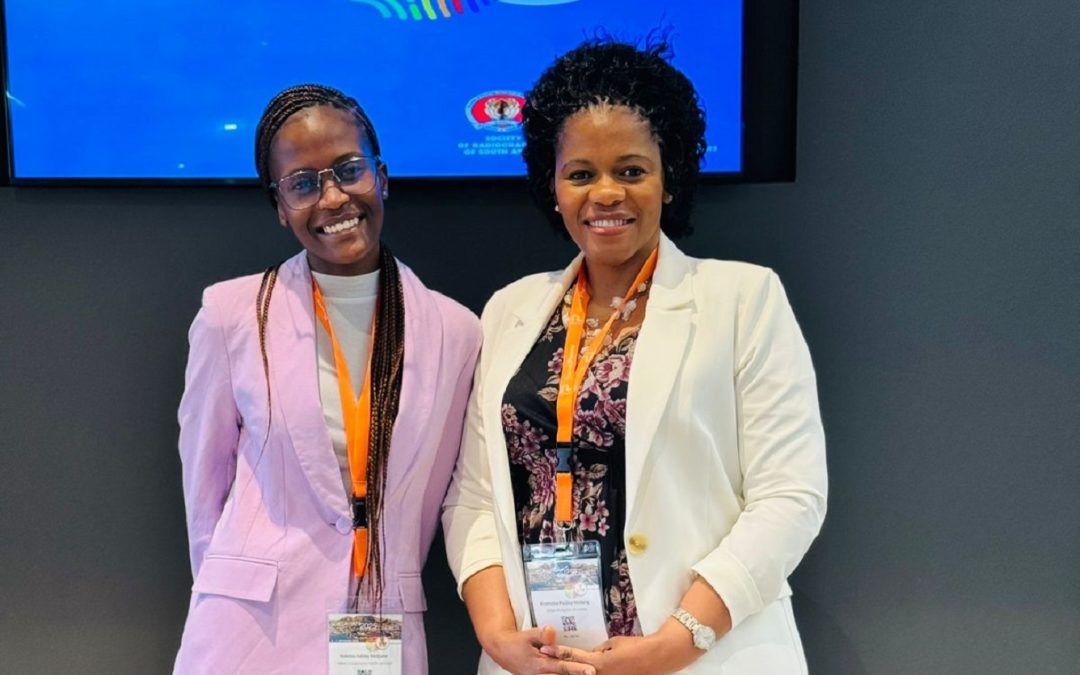
Koketso Ashley Matjiane, a post-community service Radiographer and recent SMU graduate, is making waves in occupational health through her pioneering research on coal mine dust lung diseases (CMDLD). Recently, she presented her findings at the SORSA-IAFR Congress, a prestigious international platform, highlighting the role Radiographers play in diagnosing lung diseases in miners.
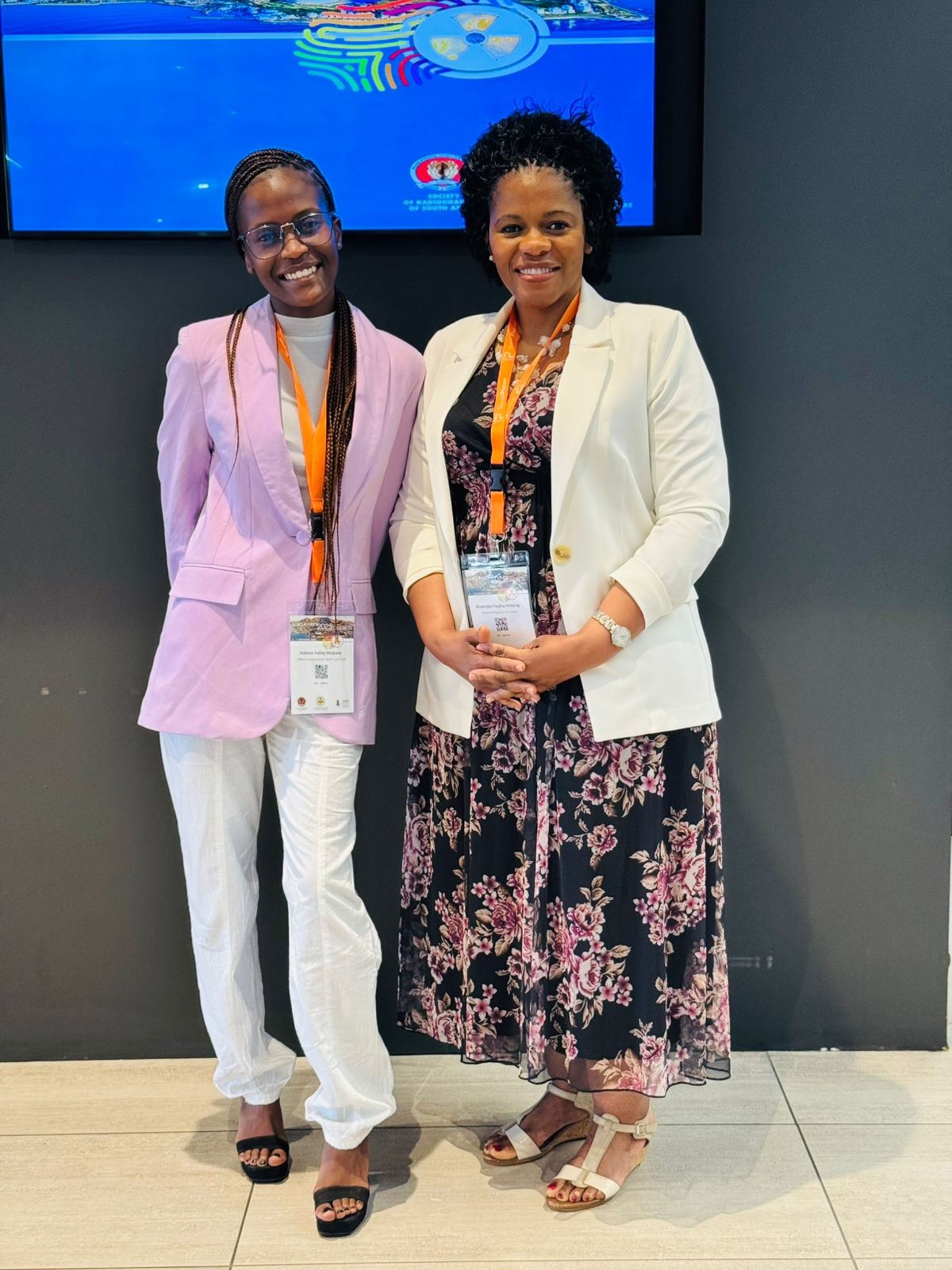 “I’ve always been passionate about evidence-based practice,” Koketso says, reflecting on the journey that led her from classroom inspiration to international recognition. “My lecturer, Mrs Khomotso Motiang, encouraged me to pursue research beyond my final-year studies. With her guidance, I submitted an abstract and found myself presenting to an audience of global professionals.”
Her research focused on radiographic pattern recognition of common CMDLD cases she encountered during her first three months as a post-community service Radiographer. Working as the sole Radiographer at her facility, without an on-site Radiologist, she was compelled to interpret radiographs independently. “I had to make sure no abnormalities were missed,” she recalls. “It was challenging, but it sharpened my skills and reinforced the importance of early detection of coal mine lung diseases.”
At the congress, Koketso shared not only her findings but also her insights into the broader implications for occupational health. She emphasised that Radiographers in resource-constrained settings are often the first line of defence for miners’ health. “Every scan we analyse can directly impact a worker’s life,” she explains. Her research demonstrates that accurate, timely radiographic interpretation can dramatically improve early CMDLD diagnosis and strengthen occupational health services.
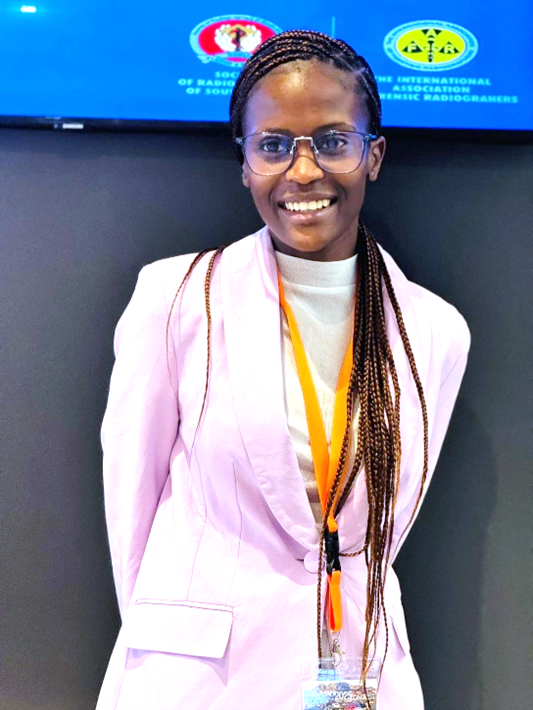 Beyond the scientific presentations, the congress offered opportunities to forge collaborations. “I met professionals who are equally committed to improving miners’ health,” Koketso says. “It inspired me to think about joint projects that could make a real difference in high-risk communities.”
Reflecting on her journey, she stresses the importance of mentorship and early professional growth. “Mrs Motiang’s guidance was pivotal. Her encouragement pushed me to take on research at the start of my career, and that momentum continues to drive me forward.”
Looking ahead, Koketso plans to further her studies in 2026, aiming to play a decisive role in shaping equitable, effective healthcare for vulnerable workers. “Evidence-based research isn’t just academic—it’s a tool to improve lives,” she says. “I want to ensure miners get the care they need and that occupational health services are strengthened across South Africa.”
From student to internationally recognised researcher, Koketso’s story is a testament to perseverance, mentorship, and the power of applying knowledge where it matters most.
By Tumelo Moila

by Lorato | Oct 2, 2025 | All News, SMU Media, Student Media
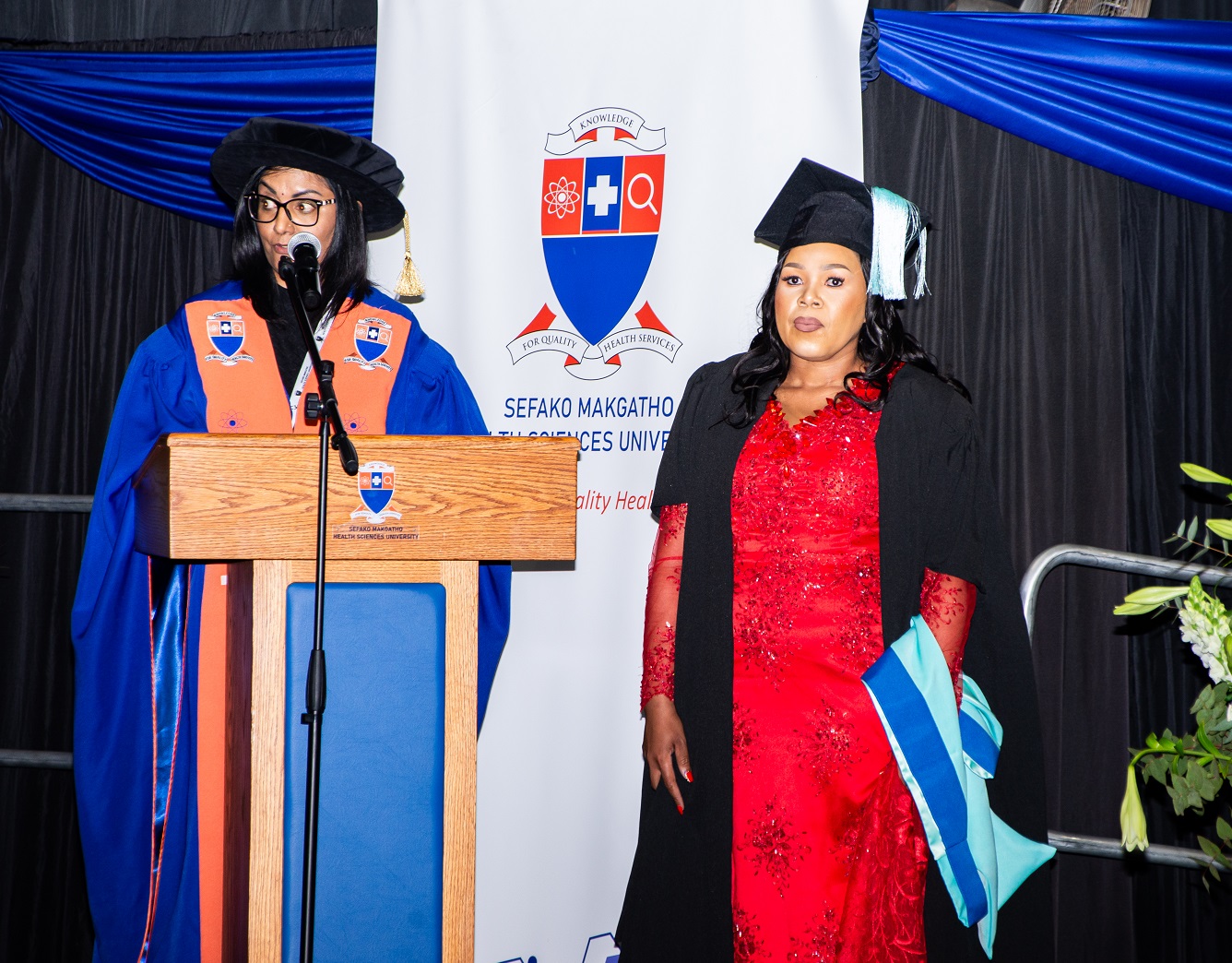
Clarity signals confidence. That principle could easily describe the career of Dr Khomotjo Comfort Mothata-Motswaledi, a trailblazer who has redefined the story of Clinical Pharmacology in South Africa. She is the first to complete both the Master of Medicine (MMed) and the Fellowship of Clinical Pharmacology of South Africa [FC Clin Pharm (SA)] at Sefako Makgatho Health Sciences University (SMU) and Dr George Mukhari Academic Hospital (DGMAH), as well as in Gauteng Province.
 Her journey began far from the lecture halls of SMU. Growing up in Mmotong wa Perekisi (Limpopo), she faced the challenges of childhood obesity and the teasing that came with it. “I thought if I became a doctor, I’d find the miracle cure for obesity,” she recalls. While that cure never materialised, the determination to make a difference in health never left her. Books became her track, medicine her race.
It was while working in anaesthesia that she discovered her true calling. An article by the late Professor Andrew Walubo on the emergence of Clinical Pharmacology as a speciality struck her like lightning. “It was like God saying: Khomotjo, this is your lane. Please stay in it,” she says. From then on, the course was set.
Being the first student of a brand-new programme came with its fair share of turbulence and joyrides, she remembers. “It felt like boarding a brand-new aircraft as the only passenger. At times, I was tempted to reach for the emergency exit, but with my mentors (Dr Memela Makiwane and Prof Elżbieta Osuch) at the controls, the journey touched down smoothly.”
Her dissertation, conducted at a tertiary hospital in Gauteng, examined the knowledge, attitudes and perceptions of medical doctors and pharmacists towards pharmacogenetics. The study found that while attitudes and perceptions were positive, knowledge levels were inadequate, particularly among medical doctors. These results highlight the urgent need for structured education and supportive policy to advance pharmacogenetics in South Africa – a country where genetic diversity and disease burden make its integration into clinical practice especially valuable. For Dr Mothata-Motswaledi, the message is clear: pharmacogenetics holds the potential to transform healthcare, but only if healthcare professionals are adequately prepared and the health system is strengthened to support its implementation.
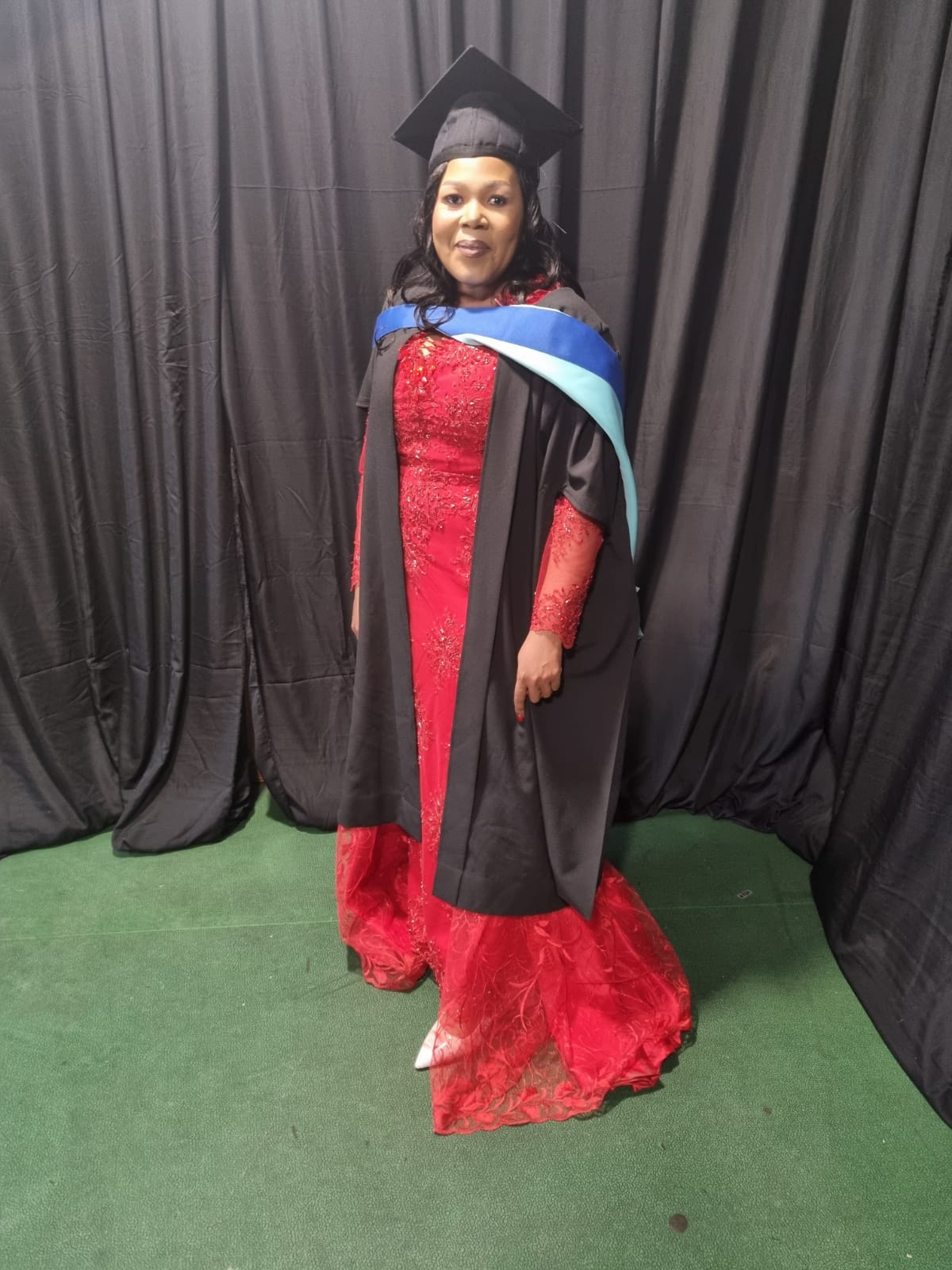 Her achievements, however, are not hers alone. She credits God, her mentors, colleagues, and most of all, her family. “My partner, Prof Hendrick Motswaledi, and our children endured the long nights, the sighs, and the endless question: ‘Mum, are you still reading pharmacology?’ Their love and patience made this journey possible.” She adds: “I also extend my gratitude to Professor Robert Summers and Dr Mabina Mogale for the strong foundation they instilled during my research/academic journey. I would not be where I am today without that grounding.”
Today, she lectures both undergraduate and postgraduate students, drives discussions at weekly academic meetings, and advocates for stronger pharmacogenetics education and pharmacovigilance. Her mission is both urgent and personal: safer prescribing, fewer adverse drug reactions, and confidence in personalised medicine.
Her advice to aspiring healthcare professionals is both practical and motivating: “Remain curious and committed to learning. Medicine evolves constantly, and engaging with research ensures you stay at the forefront of your field.”
From Limpopo’s dusty classrooms to the forefront of Clinical Pharmacology, Mothata-Motswaledi’s story proves one thing: clarity, persistence, and passion can change the course of medicine in South Africa.
By Tumelo Moila

by Lorato | Oct 2, 2025 | All News, SMU Media, Student Media
At St John’s Old Age Home in Winterveldt, north of Tshwane, the quiet rhythm of daily life was transformed when first-year Nursing and Midwifery students from Sefako Makgatho Health Sciences University (SMU) arrived with energy, warmth, and purpose. For two days, the students stepped beyond their lecture halls and into the lives of the elderly, proving that nursing is as much about compassion as it is about clinical skill.
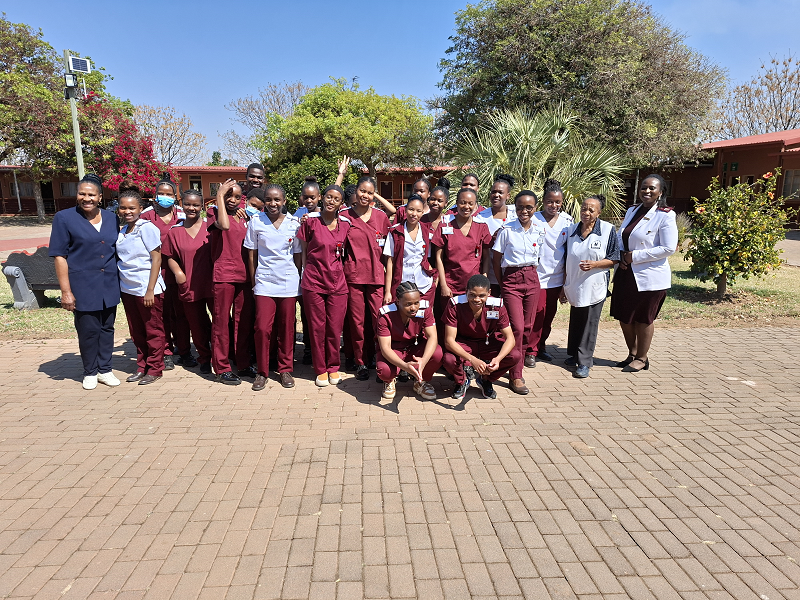 The outreach, guided by the theme “Providing Nursing Care to the Needy Beyond Bedside Nursing”, was led by Clinical Facilitator Marubini Yvonne Rambuwani with the full support of Professor Deliwe Phetlhu, Head of the Nursing Department. Together, they challenged students to see nursing not only as a profession but as a calling rooted in humanity.
From the moment they entered the home, the students brought life into its corridors. They offered basic nursing and comfort care, health assessments, grooming services such as safe nail cutting and oral hygiene, and created spaces of companionship that gave residents a renewed sense of dignity. For many, the greatest gift was not medical intervention, but the presence of young people who listened, laughed, and cared.
“The outreach goes beyond clinical skills—it’s about nurturing compassion, respect, and dignity,” reflected Rambuwani. “Our students showed great commitment, and the residents were truly touched by their kindness.”
For the students, the experience was equally profound. Many were engaging with geriatric nursing for the first time, learning that small acts of care—holding a hand, sharing a conversation, offering a smile—could have an impact as powerful as any procedure.
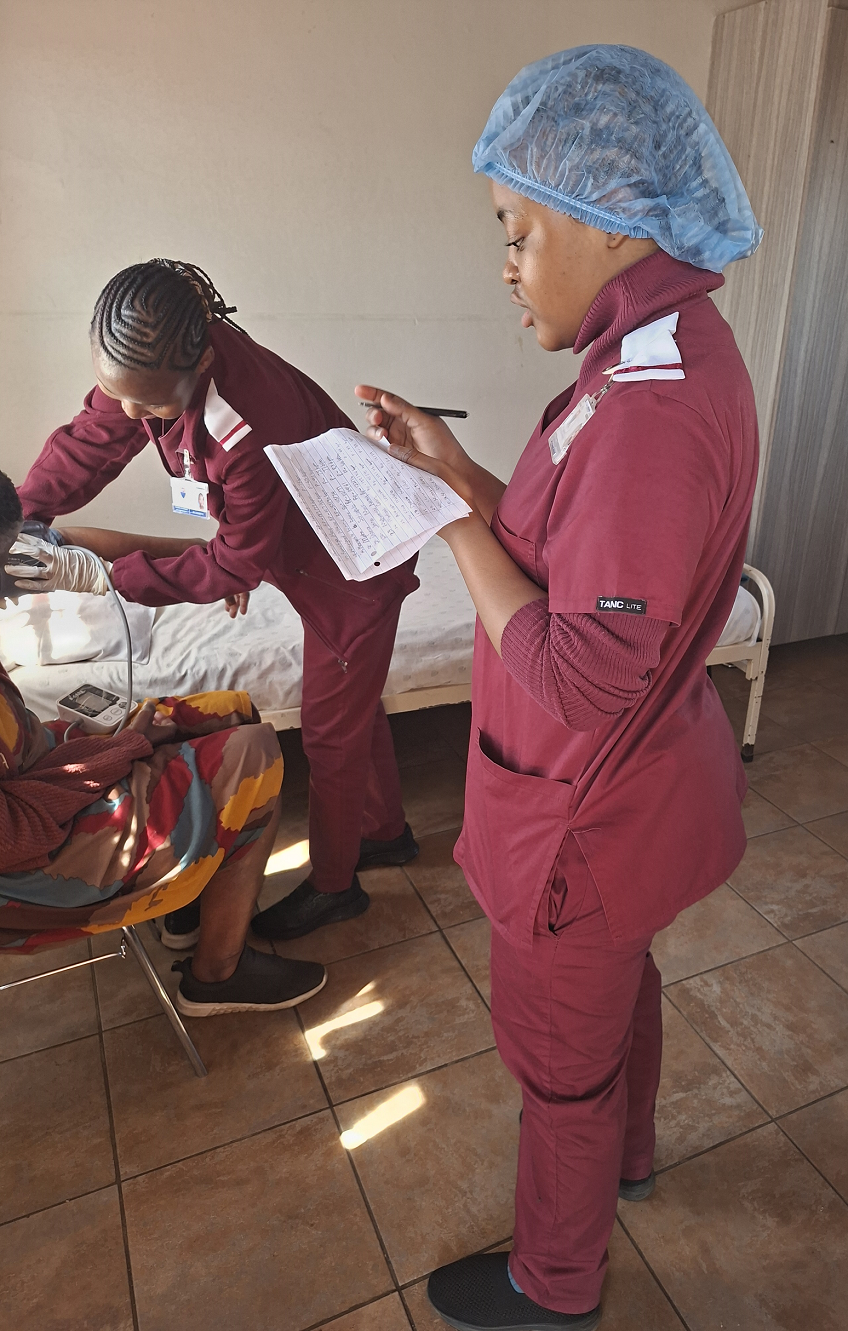 Level 1 BNAM student Noluyanda Maseko captured the feeling: “Being part of this programme made me realise how much of a difference small acts of care can make. The residents were so grateful, and it made me proud to be training as a nurse who can give back to the community.”
Professor Phetlhu stressed the importance of embedding such experiences into the Nursing curriculum. For her, community engagement is not an add-on, but a cornerstone of SMU’s vision for health sciences education. “This initiative reflects the essence of nursing as a profession rooted in service,” she said. “It helps our students understand that nursing is not just about procedures, but about respecting humanity and improving quality of life.”
What made the outreach especially meaningful was the recognition that St John’s is not merely a care facility, but the permanent home of its residents. Students were not only tending to health needs—they were stepping into lives, affirming dignity, and strengthening bonds between the University and the community.
As the programme closed, the smiles of both students and residents revealed its impact. For the elderly, it was companionship and care. For the students, it was a lesson in humanity that no textbook could provide.
Through initiatives like these, SMU continues to shape a new generation of nurses—professionals equipped with skill, empathy, and a deep commitment to community well-being.
By Dimakatso Modise

by Lorato | Oct 2, 2025 | All News, SMU Media, Student Media
Dr Mohora Feida Malebatja is a public health lecturer, water and environmental scientist, and a researcher driven by a simple conviction: “Good science must solve real problems.”
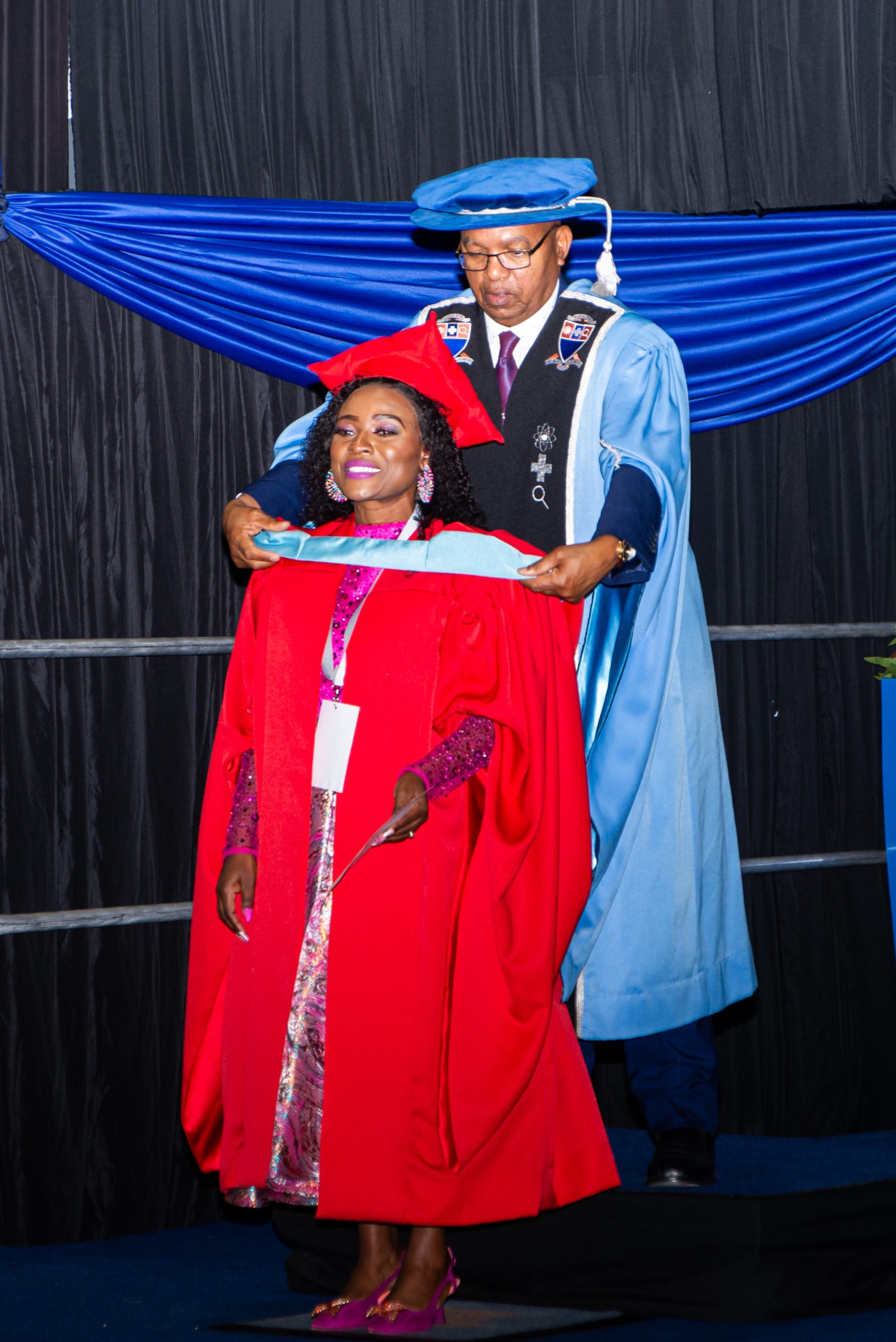 Her career began when the Department of Water and Environmental Affairs awarded her a bursary for her undergraduate and postgraduate studies. That investment set her on a path through senior government roles, including Chief Development Expert in Water Boards Oversight and Manager of Water and Sanitation at the municipal level, before she transitioned into academia.
Her decision to pursue public health was inspired by her realisation that effective water and sanitation services are not just about infrastructure—they are about protecting human lives. “Every pipe, every treatment plant, every system we build must serve the ultimate purpose of safeguarding health,” she reflects. This understanding deepened during her years of community engagement on projects such as the upgrading of wastewater treatment plants in North West Province and long-term studies addressing acid mine drainage in Gauteng.
Today, as a lecturer in Environmental and Occupational Health at Sefako Makgatho Health Sciences University (SMU), she combines her technical background with her passion for research, teaching, and postgraduate supervision.
But her most significant contribution to date stems from a very personal experience. During her first pregnancy, Dr Malebatja developed unusual cravings for clay soil. Discovering that many women shared this behaviour, known as geophagy, she became curious about its causes and consequences. “At first, I thought it was just me. Then I realised how many women were struggling with the same cravings—and how little we understood about it,” she recalls. That curiosity eventually became the subject of her doctoral research.
Her PhD at SMU examined an environmental health and promotion intervention programme to reduce geophagy among women of childbearing age in the Tshwane District. She found that geophagy, medically defined as a form of pica—the craving and consumption of non-food substances—is widespread among pregnant women across all social groups. While often viewed as a cultural or harmless practice, her research revealed its hidden dangers.
Laboratory analysis of the clay soil consumed by women detected 18 trace elements, including toxic substances such as arsenic and lead. These were linked to serious health risks ranging from iron-deficiency anaemia and fertility complications to organ damage and even cancer. “What shocked me most was how something seen as ‘natural’ or even ‘traditional’ could carry such devastating health risks,” she says. Beyond the chemical threats, the practice of geophagy is linked with the increased risk of maternal, neonatal and childhood morbidities and mortalities, making it a pressing public health concern.
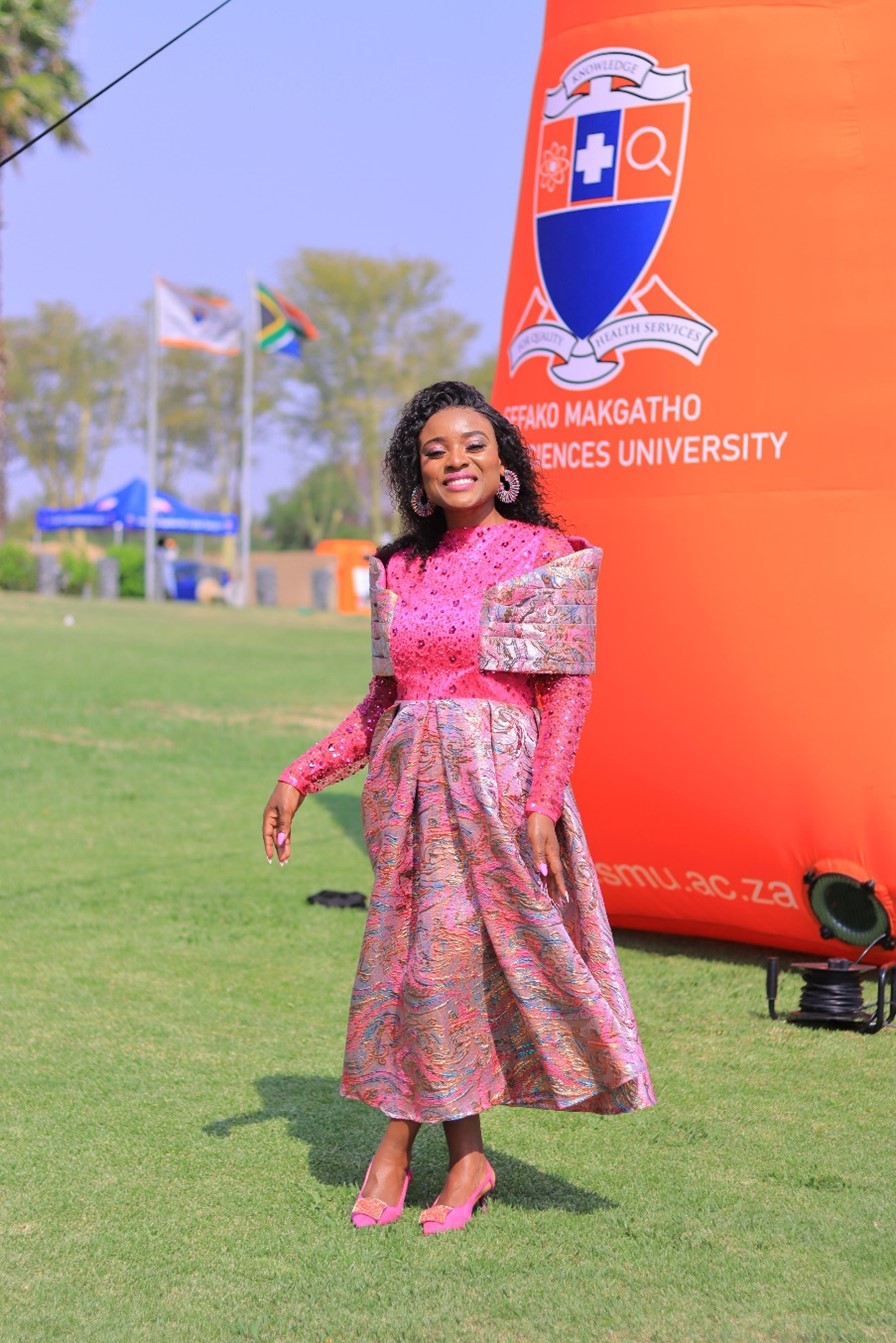 Her intervention programme combined health education, community engagement, and nutritional strategies such as promoting iron-rich foods and supplement adherence. Early results indicated that it not only raised awareness but also encouraged behavioural change, giving women practical tools to replace risky practices with safer alternatives.
Malebatja’s PhD journey was not without challenges—bureaucratic delays, shifting supervisors, and even conducting research while pregnant. Yet she persevered. In spite of all the obstacles she faced, she remained positive and determined. Her persistence paid off, with multiple articles published and a policy brief urging the South African government to integrate geophagy education into antenatal care services.
Looking ahead, she aims to expand her research into environmental hazards, mental health, and climate change, while scaling her intervention programme to reach more communities across South Africa and beyond.
Her message is clear and direct: “Geophagy is not harmless. It poses severe health risks for women and their babies. Communities, healthcare workers, and policymakers must work together to address it through education, early detection, and supportive interventions.”
As she reflects on her journey, she extends deep appreciation to her supervisors, Prof. Mokgatle and Prof. Oguntibeju, the Malebatja family, her husband, and her children for their unwavering support.
Dr Malebatja’s work is a reminder that the most impactful research often begins with lived experience—and that science, at its best, transforms lives.
By Tumelo Moila