by Lorato | Oct 16, 2025 | Accolades and Achievements, All News, SMU Media, Student Media
A South African researcher has made academic history after his pioneering study on metabolic syndrome in menopausal women was published by the American Journal of Obstetrics and Gynaecology Global Reports (AJOG Global Reports) — the first from Sefako Makgatho Health Sciences University (SMU) to achieve this distinction.
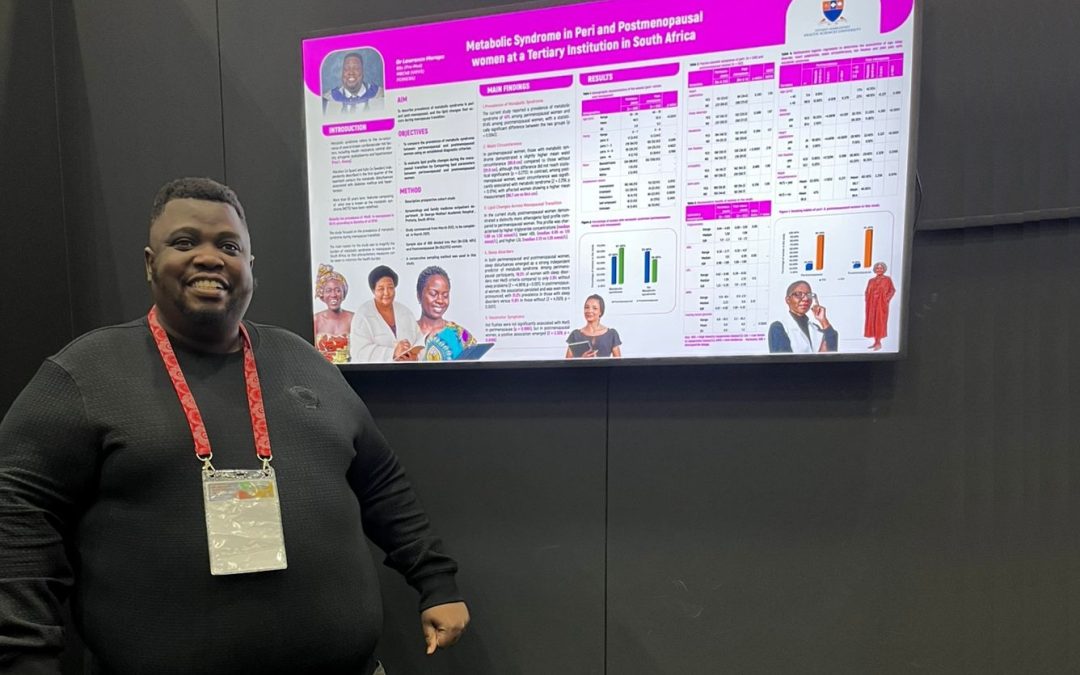
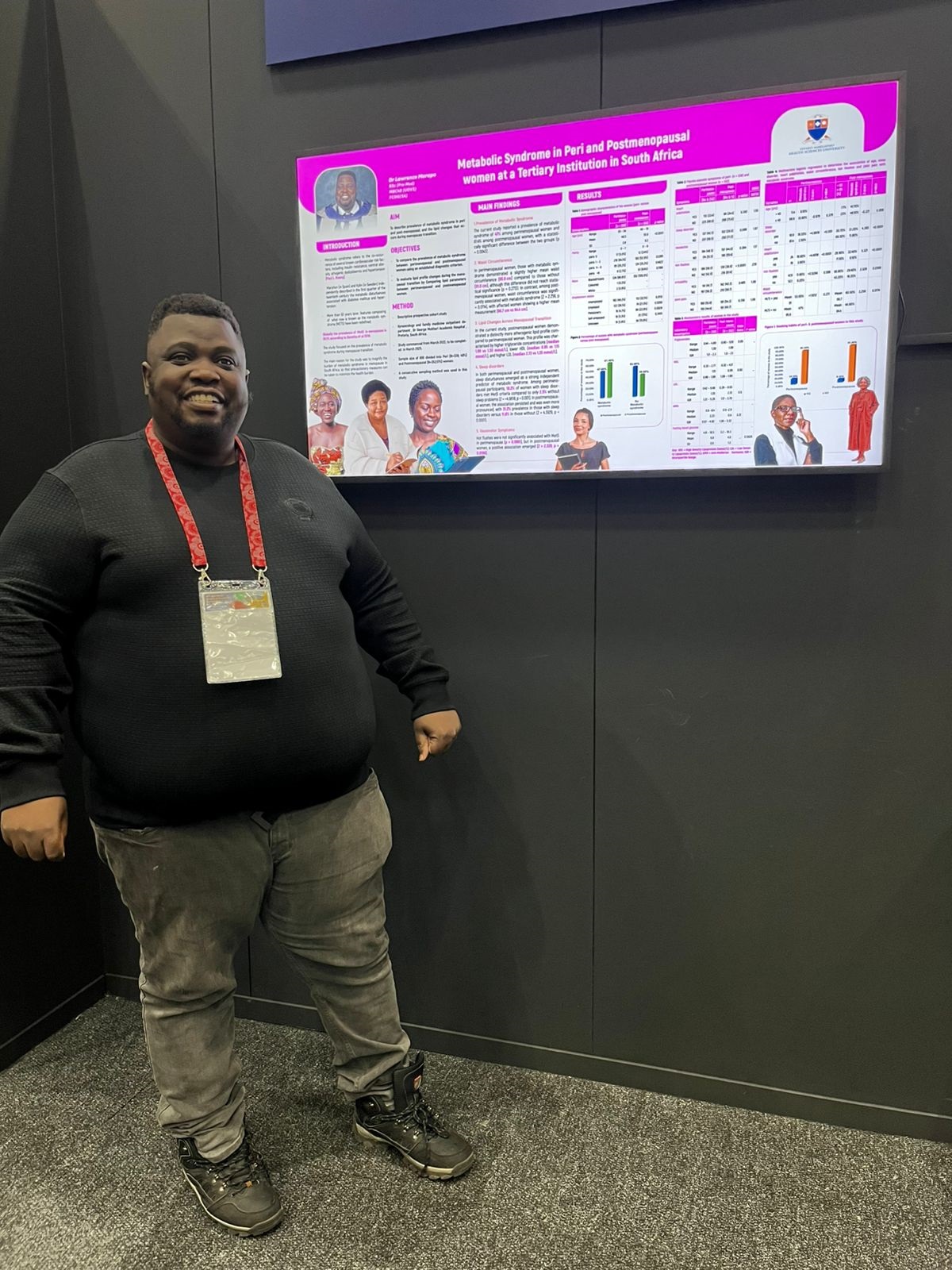 Lecturer and postgraduate student, Dr Lawrence Marapo, from SMU’s Department of Obstetrics and Gynaecology, led a large-scale investigation examining how menopause influences metabolic syndrome — a cluster of risk factors including obesity, hypertension, and abnormal lipid levels that increase the likelihood of heart disease and diabetes. Conducted at Dr George Mukhari Academic Hospital (DGMAH) between March 2022 and March 2025, the study assessed 690 South African women, making it one of the most extensive of its kind on the continent.
The research revealed a stark difference between perimenopausal and postmenopausal women. Nearly half (47%) of perimenopausal women and over 60% (61.4%) of postmenopausal women were found to have metabolic syndrome — a statistically significant result highlighting menopause as a major turning point for women’s health. “The findings confirm that menopause itself is a moderate-to-high risk factor for metabolic syndrome,” Dr Marapo explained. “Postmenopausal women carry a heavier metabolic burden, underscoring the urgent need for targeted healthcare strategies.”
The study also linked sleep disorders, vasomotor symptoms, and dyslipidaemia to higher metabolic risk, with waist circumference and body mass index (BMI) exceeding global risk thresholds in both groups. These findings mirror global data but offer rare insight into the African population, where research on menopausal metabolic health remains limited.
Dr Marapo’s research has attracted significant international recognition. He recently presented the findings at the FIGO 2025 World Congress and has been invited to present in Rome, Italy, at the International Endocrinology and Metabolic Syndrome Congress in December 2025. His growing reputation has also earned him an invitation to serve as a committee member and presenter at the International Conference on Geriatrics and Gerontology in Kuala Lumpur, Malaysia, scheduled for May 2026.
While awaiting the formal marking of his research, Marapo has already completed a PhD research protocol in the same field, signalling his ongoing commitment to improving the understanding and management of menopause-related conditions among African women.
“This milestone not only represents a personal achievement but also a victory for SMU and South African science,” said Marapo. “It shows that locally generated research can shape global conversations on women’s health.”
The study was supervised by Prof Lineo Matsela, with contributions from Prof Olakunle Adewunmi Towobola, Dr Muponisi Ezekiel Chabalala, and other SMU academics. It has been praised for its robust methodology, ethical rigour, and its potential to inform clinical interventions that could reduce cardiovascular and metabolic complications in midlife women.
As menopause becomes an increasingly important focus in public health, Marapo’s work sets a new benchmark for African research excellence — confident, data-driven, and globally relevant.
By Tumelo Moila
by Lorato | Oct 16, 2025 | Accolades and Achievements, All News, SMU Media, Student Media
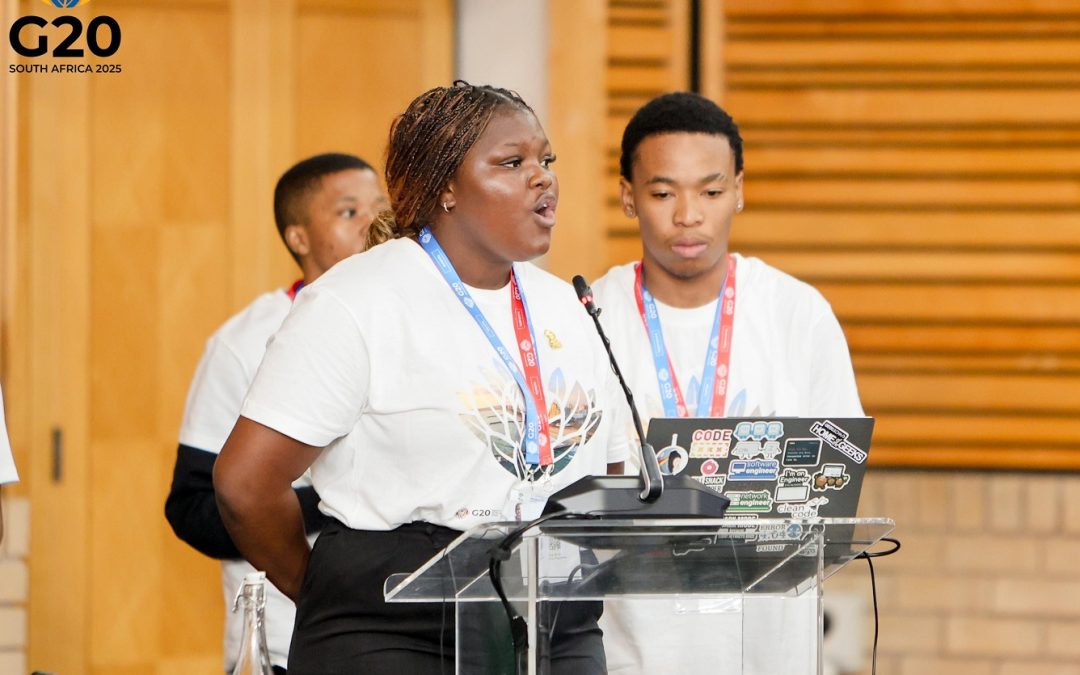
Sefako Makgatho Health Sciences University (SMU) postgraduate student Khanyisa Faith Mokgolobotho has once again proven her innovation prowess after leading her team to first place at the prestigious G20 Tourism Hackathon, held recently in Mpumalanga.
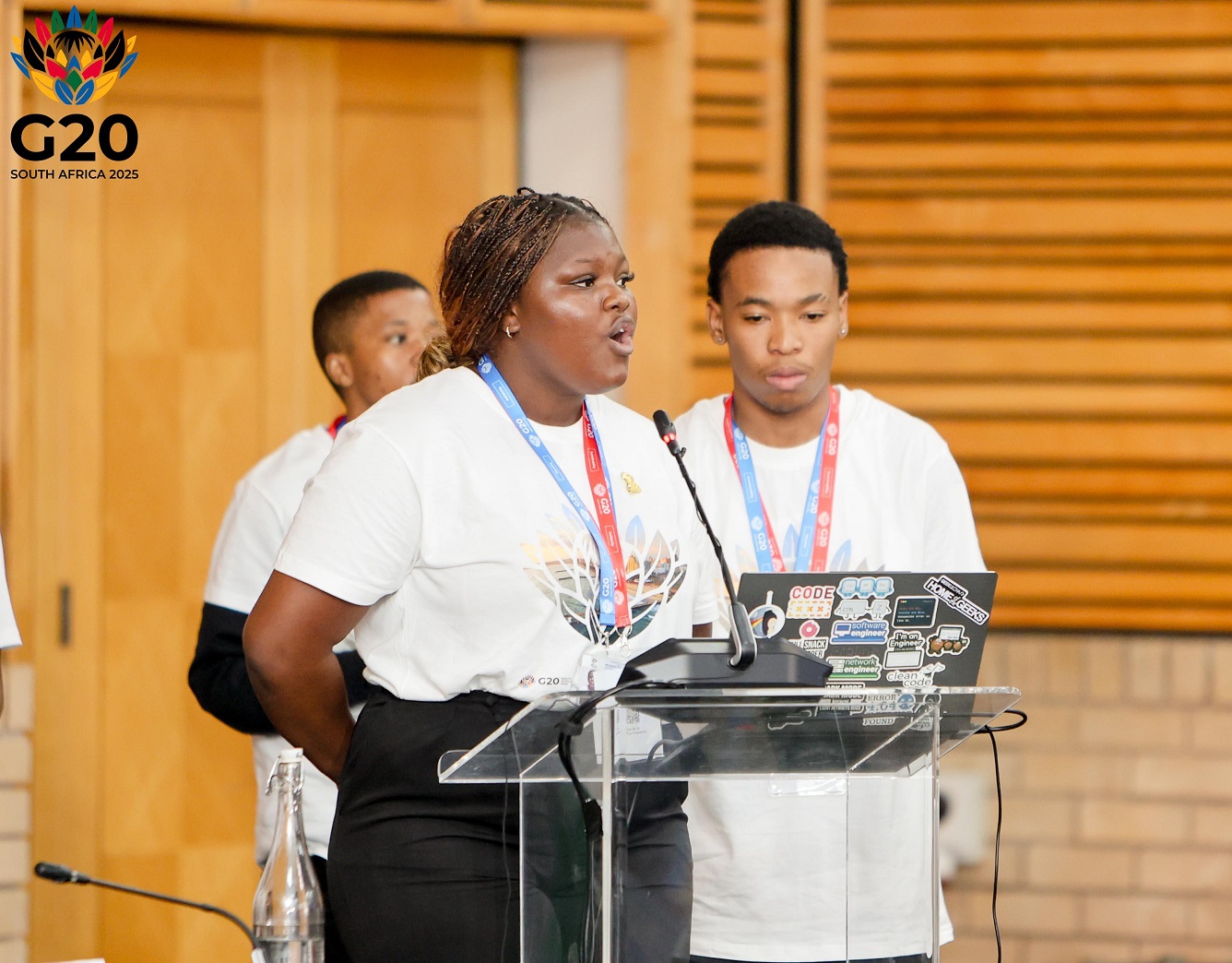 Mokgolobotho, a Bachelor of Science in Mathematical Sciences graduate and Director of TechMedConnect, joined six other students from universities across South Africa to form The Catalysts — the team that took home the R175 000 first prize for their visionary concept, Hologram Hub.
Hosted by the Department of Tourism in collaboration with Geekulcha, the Centre for Public Service Innovation, and the Future Leaders Challenge (FLC), the hackathon brought together 48 students from 21 higher education institutions. Their mission: to design Artificial Intelligence (AI) solutions that could make tourism more inclusive, sustainable, and future-ready.
Minister of Tourism Patricia de Lille launched the initiative earlier in the year, describing it as “a legacy project that unites government, business, and academia to build a tech-savvy tourism sector.” Participants were challenged to create AI-driven innovations under three key themes: Smart Tourism and AI Solutions, Community-Based Tourism and Rural Inclusion, and Heritage and Cultural Tourism Innovation.
Working over two days at the Sabi River Sun Resort, the students received mentorship from industry experts before presenting their final concepts to a panel of judges comprising academics, tourism specialists, and government representatives. Entries were assessed on innovation, feasibility, user experience, impact, and alignment with people-centred principles.
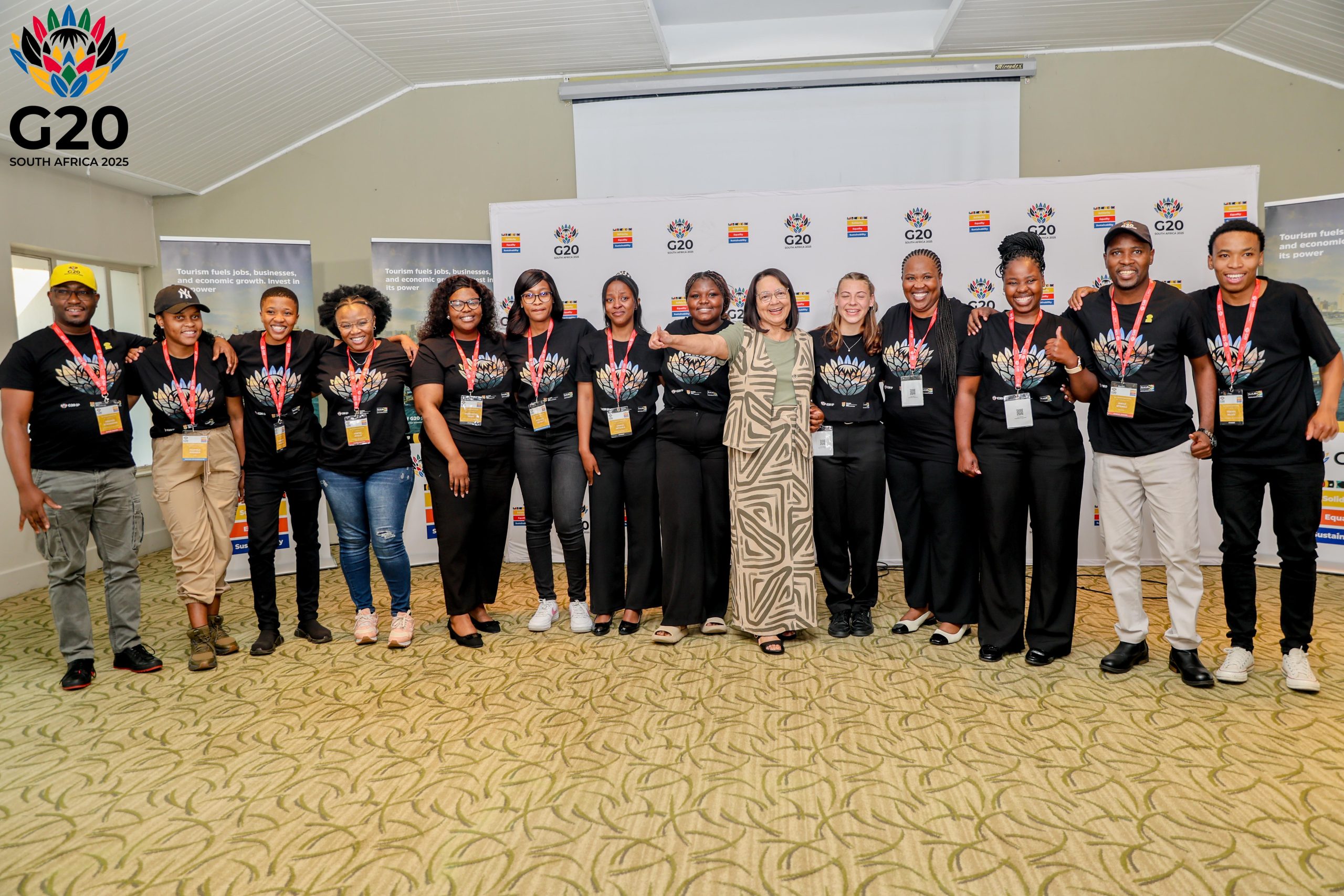 The Catalysts’ winning idea, Hologram Hub, proposes a digital storytelling platform where rural communities can share their culture and heritage using holographic technology. The platform aims to preserve local history, empower small tourism enterprises, and attract visitors seeking authentic cultural experiences. “Our concept gives communities a voice and visibility,” Mokgolobotho explained. “It bridges innovation with identity — showing that technology can celebrate who we are while driving sustainable tourism.”
The second prize went to Map My Biz, which developed an AI-powered map connecting tourists with rural entrepreneurs, while Ubuntu Unlimited secured third place with a virtual reality tourism platform showcasing African heritage sites.
Minister De Lille praised the students’ creativity and commitment, noting that their projects would receive further support for commercialisation. “This year, we challenged young people to think big and showcase their skills to the world,” she said. “We are investing in solutions that are ethical, inclusive, and sustainable. The winning innovations will be accelerated for real-world implementation with support from the Department and our partners.”
The top three teams were also invited to present their solutions before G20 tourism ministers at Skukuza, Kruger National Park, marking a career-defining moment for the young innovators.
For Mokgolobotho, who has previously won five hackathons and now works as a Graduate Software Development Engineer at PyCentric, this victory reaffirms her mission to merge technology and social impact. “Winning is more than a trophy — it’s proof that innovation from African youth can shape global conversations,” she said.
Through determination, collaboration, and creativity, The Catalysts have not only secured national recognition but also spotlighted the potential of South African students to reimagine the future of tourism through technology.
By Tumelo Moila
by Lorato | Oct 16, 2025 | All News, SMU Media, Student Media
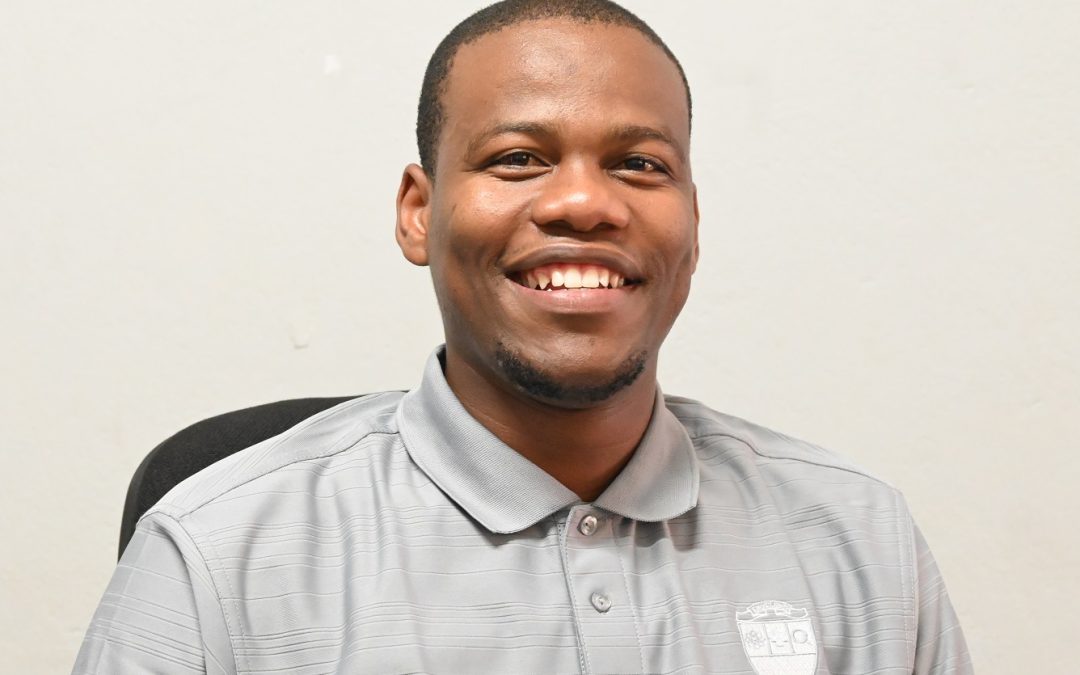
Sefako Makgatho Health Sciences University (SMU) FM is undergoing a steady transformation under the stewardship of its newly appointed Assistant Station Coordinator, Mpho Legodi. Tasked with restoring structure and professionalism to the campus radio station, Legodi has laid out a clear daily work plan while continuing to inspire audiences as the host of the late-night Night Flight show.
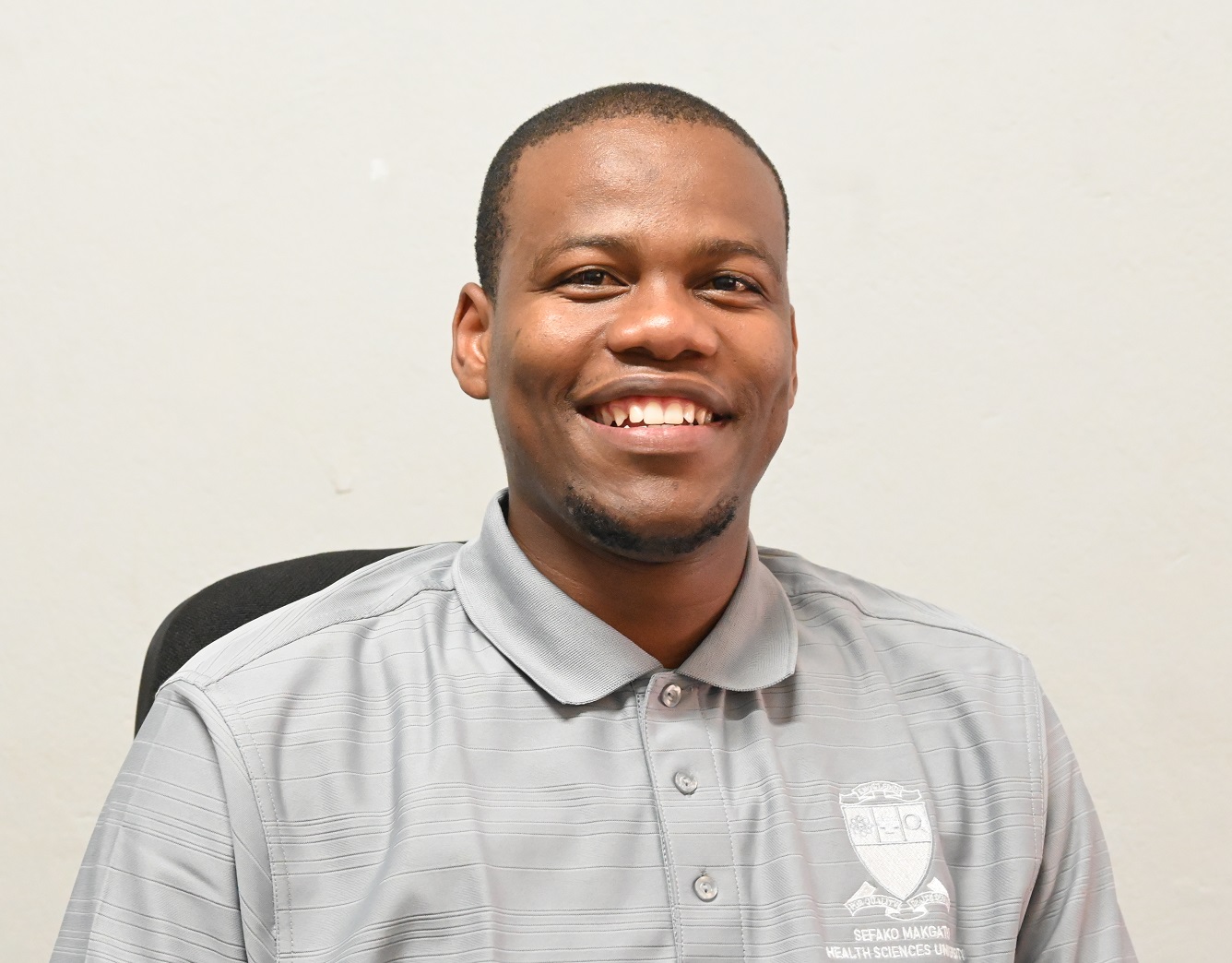 Legodi’s role as Assistant Station Coordinator is one that demands discipline, creativity, and effective leadership. His daily schedule, running from 08:00 to 17:00, reflects a balance between administrative duties and creative oversight. Each morning begins with a studio check-in, ensuring equipment is functional, followed by presenter roll call and shift management. “It’s important to know who is live and who isn’t—it sets the tone for accountability,” he explains.
By mid-morning, Legodi shifts his attention to social media and content planning, ensuring that the station’s digital presence complements its on-air output. Programming quality checks, administrative tasks such as attendance records, and communication with management form part of his late-morning responsibilities. Afternoons are dedicated to team coaching, outreach, and partnership development, before wrapping up the day with reports and planning for the next broadcast cycle.
For Legodi, key focus areas include presenter management, content oversight, social media coordination, and building partnerships that generate revenue through advertising and campaigns. “With clear daily duties, consistency, and communication, I’ll ensure the station is productive and impactful every day,” he says with conviction.
Beyond administration, Legodi remains a familiar voice to many listeners through the Night Flight show, which has become a hallmark of SMU FM’s programming. Inspired by his love for late-night radio, he sees the slot as a unique space for connection. “It’s a time when people are more reflective, more honest, and often just looking for comfort in music and conversation,” he reflects.
The show’s carefully curated playlist of R&B, Soul, and chill sounds sets the perfect backdrop for reflective evenings. “Music sets the tone; it creates a safe space for people to unwind after a long day. I often mix familiar classics with hidden gems so the listener feels both comfort and discovery,” he explains.
Audience engagement is central to Legodi’s approach. Through WhatsApp, social media, and call-ins, listeners become part of the experience. One piece of feedback has stayed with him: “A listener once told me the show helped them through a really tough period—they tuned in every night and felt less alone. That showed me radio is more than entertainment; it’s companionship.”
Looking ahead, Legodi’s vision is ambitious but deeply rooted in community. He hopes to re-establish SMU FM as the true voice of the campus, known for quality content, strong music programming, and visible engagement through events and collaborations. “I want us to be more than just background radio—I want us to be the voice of SMU, where every student feels at home,” he says.
With his structured approach, creative passion, and commitment to professionalism, Mpho Legodi is not only managing the station—he is charting its flight path into the future.
By Tumelo Moila

by Lorato | Oct 16, 2025 | All News, SMU Media, Student Media
In commemoration of World Mental Health Day on 10 October 2025, students enrolled in the Postgraduate Diploma in Mental Health Nursing at Sefako Makgatho Health Sciences University (SMU) hosted a transformative awareness event at Dr George Mukhari Academic Hospital (DGMAH). Guided by the World Health Organisation (WHO) theme, “Access to Services – Mental Health in Catastrophes and Emergencies,” the students identified the need to prioritise workplace readiness in supporting employees’ psychological and emotional well-being during crises. Under the sub-theme “Mental Health Wellness in the Workplace,” the initiative highlighted the urgent importance of promoting emotional well-being among healthcare professionals and the broader community.
 Senior Lecturer Dr Andile Mokoena De-Beer opened the event by stressing the power of dialogue in dismantling stigma. “The purpose of today is transformation. It is to begin the vital work of turning our workplaces from environments that can sometimes harm mental health into sanctuaries that actively promote and protect it. Let us use this day not as a mere calendar event, but as a launchpad. Let us learn, engage, and commit to making mental wellness a lived reality for everyone in our professional community,” she said.
Delivering the keynote address, SMU alumna and specialist psychiatrist Dr Lydia Masenya-Maodi echoed the call for compassion, urging attendees to treat workplace mental health as a shared duty. “We often recognise physical injury, but psychological injury is real — and it is caused by unpleasant, harmful words. Control your tongue, watch your words,” she advised.
Observed annually on 10 October, World Mental Health Day serves as a global reminder of the importance of addressing the stigma surrounding mental illness. In South Africa, where mental health challenges are steadily increasing, SMU’s nursing students are turning awareness into meaningful action.
 The Department of Nursing Science—the largest within SMU’s School of Health Care Sciences, offering more than 28 modules—integrates this commemoration into its academic programme each year. Mental Health Nursing, a core module accredited by the South African Nursing Council, requires students to undertake community-based research projects. These projects identify vulnerable populations, assess their mental health needs, and align outcomes with the World Health Organisation’s annual theme.
“Our students are trained not only to treat illness but to lead change,” said psychiatric nursing lecturer Dikeledi Maphake, delivering the vote of thanks. “They are the next generation of advocates who understand that healthcare begins with humanity.”
This year’s focus on workplace mental health acknowledged the psychological toll that healthcare environments can impose. The event featured:
• Informative presentations from leading professionals
• Interactive, student-led sessions addressing real-world challenges
• Mental wellness activities aimed at relieving stress
• Resource booths and educational materials to support staff well-being
Participants were encouraged to reflect on their own mental health. “We often care for others while forgetting ourselves,” said Neo Maleka, one of the organisers and student participants. “Today reminds us that our minds deserve care too.”
Sebone Mathole, an enrolled nurse at DGMAH’s psychiatric unit, expressed gratitude: “It was critical to have this event dedicated to us as workers. Our mental health matters just as much as that of our patients. We appreciate this initiative and hope it becomes an annual event. Thank you, SMU.”
Maleka captured the spirit of the day: “Our mission goes beyond textbooks. We want every nurse, doctor, and patient to know they are seen, heard, and supported. Mental health is not an afterthought — it’s a foundation.”
Through this initiative, SMU reaffirmed its commitment to nurturing healthcare professionals who pair skill with compassion — individuals who recognise that mental health is not optional; it’s essential.
By Tumelo Moila
by Lorato | Oct 14, 2025 | Accolades and Achievements, All News, SMU Media, Student Media
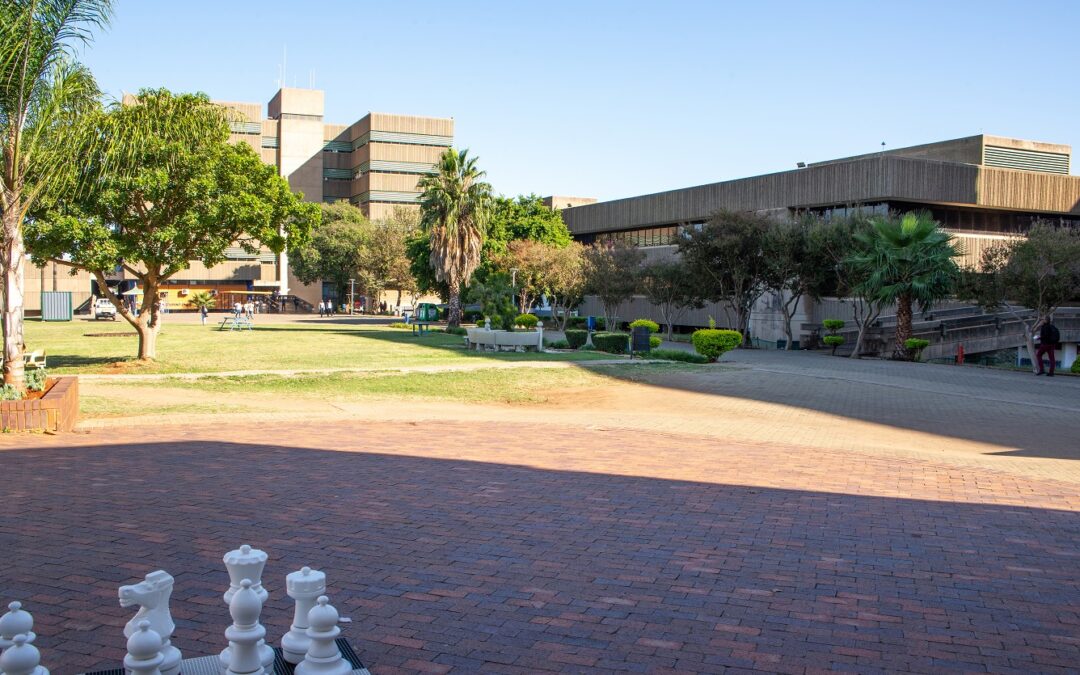
Sefako Makgatho Health Sciences University (SMU) has affirmed its position among the world’s leading higher education institutions in the 2026 Times Higher Education (THE) World University Rankings, marking a defining moment in its transformation into a globally competitive health sciences university.
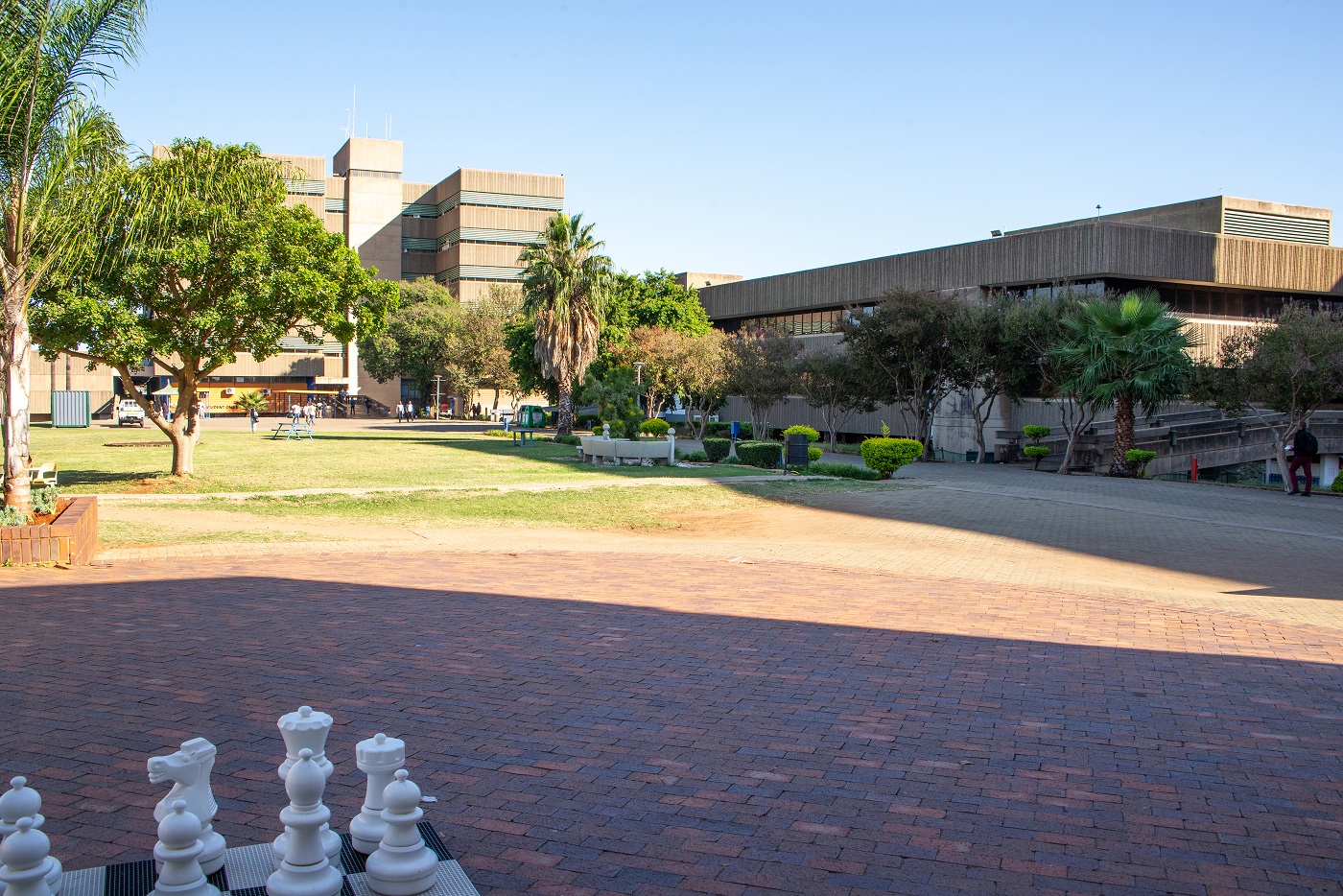 Ranked within the 1201–1500 band globally and 11th in South Africa, SMU’s consistent upward trajectory signals a university steadily strengthening its academic reputation, global partnerships, and research impact. The 2026 edition of the rankings evaluated 2 192 universities across 120 countries, making SMU’s continued inclusion an emblem of academic endurance and international relevance in an increasingly competitive higher education landscape.
Building a globally competitive health sciences institution
Under the visionary leadership of its Vice-Chancellor and Principal, Professor Tandi Matsha-Erasmus, SMU has redefined what it means to be a health sciences university in South Africa. Her strategic focus on excellence, collaboration, and global benchmarking has catalysed measurable growth across key performance pillars: Teaching, Research Environment, Industry Engagement, and International Outlook.
This year, SMU achieved a Teaching score of 26.0 and a Research Quality score of 42.7, underscoring both the calibre of its academic environment and the relevance of its research to societal and scientific advancement. Most notably, the university’s International Outlook score rose to 50.0, reflecting its expanding global footprint and sustained partnerships with institutions and research networks worldwide.
Matsha-Erasmus described the performance as “a reflection of a university that is intentional about transformation through scholarship, excellence and impact.” In an environment where rankings increasingly measure global competitiveness, SMU’s growth is not merely statistical; it symbolises transformation through intentional leadership.
The university demonstrated improvement in almost every category assessed by THE. Its overall score rose from 25.2–30.6 in 2025 to 27.3–32.0 in 2026, while Industry Income increased from 18.3 to 19.2, highlighting stronger engagement between academia and industry. The Research Environment score also advanced to 11.1, a nod to investments in research infrastructure, mentorship, and postgraduate support.
These achievements, though measured numerically, tell a broader story of academic ambition and institutional renewal, one grounded in the belief that health sciences education must drive innovation, equity, and impact beyond national borders.
SMU’s Research Quality pillar remains among its strongest. With a score of 42.7, it reflects the university’s commitment to producing impactful, peer-recognised scholarship that addresses Africa’s most pressing health challenges—from infectious diseases to non-communicable conditions that define the continent’s epidemiological landscape.
The university’s strategic partnerships with global research consortia and its emphasis on evidence-based healthcare innovation continue to position it as a crucial node in the global knowledge ecosystem. “Our mission has always been to ensure that research translates into solutions,” says Matsha-Erasmus. “Each publication, partnership and postgraduate graduate must ultimately contribute to healthier, more equitable societies.”
Benjamin Ntshabele, Institutional Researcher, adds: “At its core, SMU is steadily growing and cementing its place as one of the leading health sciences universities both locally and globally. Beyond its continued progress in teaching and learning, with a stronger and more dynamic learning environment, the university’s biggest strength lies in its expanding International Outlook. This growth reflects meaningful progress in collaboration and in staff and student mobility, laying a solid foundation for building a global reputation and boosting research impact.”
Ntshabele further states: “Research Quality remains a key area of strength, with SMU’s publications and citation impact continuing to make a mark. Industry engagement is gaining momentum, showing stronger partnerships and real-world impact. Meanwhile, the Research Environment is showing steady, positive movement — a clear sign of ongoing investment in research capacity and support.”
A rising star among South African universities
SMU’s performance reflects a story of resilience and renewal. Competing alongside research giant universities, SMU’s steady climb demonstrates that institutional excellence is not defined by age or size, but by strategic focus, data-driven management, and the will to lead.
The university continues to outperform its weight in International Outlook, a metric that measures international staff, students, and research collaboration. Its upward movement in this category signals growing recognition of SMU as a partner of choice for global health research and training collaborations.
The 2026 results are both an achievement and a call to action. SMU’s journey towards becoming a premier African health sciences university is accelerating, driven by its mission to produce world-class health sciences professionals and transformative research.
*By Tshimangadzo Mphaphuli

by Lorato | Oct 9, 2025 | All News, SMU Media, Student Media
Sefako Makgatho Health Sciences University (SMU) shone brightly on the night of 8 October as it hosted the 2025 Student Affairs Excellence Awards under the glamorous theme, All-White Masquerade. The event was a celebration of students whose passion, leadership, and dedication have elevated the university’s culture of excellence across academics, sports, residence life, and the arts.
 Rooted in SMU’s institutional values, the awards were established to recognise and reward students who embody the principle of Excellence—a cornerstone that drives the university’s operations and academic ambitions. This year’s ceremony reaffirmed that SMU’s pursuit of excellence extends far beyond the lecture hall; it encompasses every sphere of campus life, from community engagement to entrepreneurial innovation.
In her keynote address, Vice-Chancellor Professor Thandi Matsha-Erasmus reminded attendees that excellence is not merely an aspiration but a daily practice that defines the SMU community. She emphasised that the university’s mission to develop competent, ethical, and compassionate graduates depends on cultivating a shared commitment to integrity, collaboration, and impact. “Excellence isn’t confined to the classroom,” she said. “It’s reflected in how our students lead, collaborate, and serve their communities.”
 The evening highlighted a diverse range of achievements that reflected the vibrant spirit of SMU students. Among the standout honourees was Ndungelo Tsanwami, who received the Sports Physiotherapist of the Year Award for her outstanding contribution to athlete wellbeing and sports performance. The Change Maker of the Year Award went to Nzuzo Mpondwana, a student whose initiatives have driven meaningful transformation and inclusivity on campus.
Student societies also took the spotlight, with SMU Pride Connect and Khulanathi Edu Hub jointly recognised as Societies of the Year for their exceptional engagement and positive influence on student life. In residence life, Tshepo Ntlemeza was commended for outstanding leadership through a community-focused project that earned the title of Outstanding Project Initiative by a House Committee.
Athletic prowess featured prominently in the celebrations. Amogelang Mositse was named Sportsman of the Year, while Tshiamo Sefola took home the title of Sportswoman of the Year. The dynamic SMU Dance Elites received the Team of the Year Award, a recognition of their discipline, creativity, and team spirit. The 4B Residence was crowned Residence of the Year, standing out for fostering an environment of unity, support, and excellence among its members.
The awards also celebrated students who have excelled administratively and entrepreneurially. Thapelo Mthimunye was honoured as Student Administrator of the Year for his dedication to efficient student affairs management, while Amukelani Chauke received the Most Promising Entrepreneur Award for driving social innovation and community upliftment. In recognition of outstanding leadership, Tshililo Sigari was awarded House Committee of the Year, and Mahlorhi Baloyi was named Co-Curricular Leadership Student of the Year for demonstrating integrity and influence beyond academics.
The evening reached its peak when the Vice-Chancellor’s Award, SMU’s highest accolade, was presented to Pharmacy student Mahlorhi Baloyi. Known for her academic excellence and remarkable leadership, Baloyi embodies the essence of SMU’s institutional values—excellence, service, and transformative leadership.
Closing the event, Director of Student Affairs Mr Tulani Nkuntse expressed heartfelt gratitude to students, staff, and partners who continue to shape SMU’s thriving campus community. He praised the recipients for setting new benchmarks of achievement and urged all students to keep striving for excellence in every pursuit.
The 2025 Student Affairs Excellence Awards stood as more than a celebration—it was a testament to SMU’s unwavering commitment to nurturing leaders who will drive innovation, integrity, and impact in South Africa and beyond.
By Dimakatso Modise

by Lorato | Oct 9, 2025 | All News, SMU Media, Student Media
Sefako Makgatho Health Sciences University (SMU) marked World Anatomy Day with a powerful reminder of why practical anatomy remains the cornerstone of medical education. The event, themed “With Anatomy through Our eyes”, brought together students, staff, and creative minds to celebrate the discipline that bridges science, art, and humanity.
 Professor Risenga Chauke, Dean of the School of Medicine, opened the event with an engaging analogy: “View the human body like a building,” he told the audience. “Anatomy is the structure—the walls and beams—while physiology is how it works—the lights and the Wi-Fi.” Drawing from his experience as a cardiothoracic surgeon, Prof Chauke stressed that no simulation can replace the real human body in training. “Theatre and simulation are not the same,” he said. “In surgery, even a small error can have life-threatening consequences. Only through real dissection can we truly understand the body.”
Chauke commended the Department of Anatomy for providing students with hands-on experience and reminded them that working with human bodies is both a privilege and a responsibility. “We study the dead to save the living,” he said—a sentiment that would echo throughout the day’s presentations and creative works.
 Second-year MBChB student Khanya Chirwa expanded on the Dean’s message by sharing her personal journey through the MIBS module—covering anatomy, physiology, microbiology, and pharmacology. Initially “intimidated” by the subject, she soon discovered that anatomy formed the “foundation for clinical practice and diagnosis.” Chirwa illustrated this by explaining how understanding lymph node locations is vital for identifying swelling during physical examinations. “Anatomy is not just about memorising parts,” she said. “It teaches us where to touch, what to feel, and what lies beneath.”
For Chirwa, dissecting a real body was the turning point: “Moving from the textbook to the dissection hall revealed the true meaning of anatomy. Without this knowledge, even interpreting an X-ray or administering an injection becomes risky.”
The day also celebrated anatomy as an art form. Students expressed their reflections through poetry and visual art, blending science with creativity.
 Adelade Mathebula’s poem “I am a Living Soul” explored the human body as a masterpiece of interconnected systems— “beautiful in my complexity,” she wrote. Meanwhile, Tshifhiwa John Khabana’s “We Study the Dead to Save the Living” captured the solemn courage of anatomy students facing the dissection hall. His words— “Anatomy is a beautiful art that demands strong will, dedication, and patience”—resonated deeply with the audience.
An accompanying art exhibition transformed anatomy into visual poetry. Works ranged from Miya Jade Robson’s Memento Ossium (pencil) to Shantele Mafatle’s clay sculpture Art of a Kidney. The top prize went to Laurika Prinsloo for The Creator’s Hand, with Mafatle also earning the “People’s Choice” award.
In a session dedicated to academic success, students, including Chirwa, Charlize Degenaar, Sandy Hadebe, and Lehlogonolo Mathete, shared study tips on planning, visualisation, and using digital tools. Degenaar took first place for her practical strategies, highlighting that effective learning in anatomy is as much about mindset as method.
Closing the event, Professor Robert Ndou presented awards across all categories, commending the students’ passion and artistry. From scalpel to sculpture, every contribution affirmed the day’s unifying message: anatomy is not merely studied—it is lived, felt, and honoured.
By Tumelo Moila

by Lorato | Oct 9, 2025 | All News, SMU Media, Student Media
In the world of dentistry, clarity, precision, and confidence are not only professional hallmarks but also the essence of a remarkable personal journey. Few stories illustrate this better than that of Dr Palesa Gwendoline Xolisile Shabalala, an alumna of Sefako Makgatho Health Sciences University (SMU), who rose from early academic struggles to become South Africa’s first KwaMbewunye-born orthodontist sponsored by the KwaZulu-Natal Department of Health.
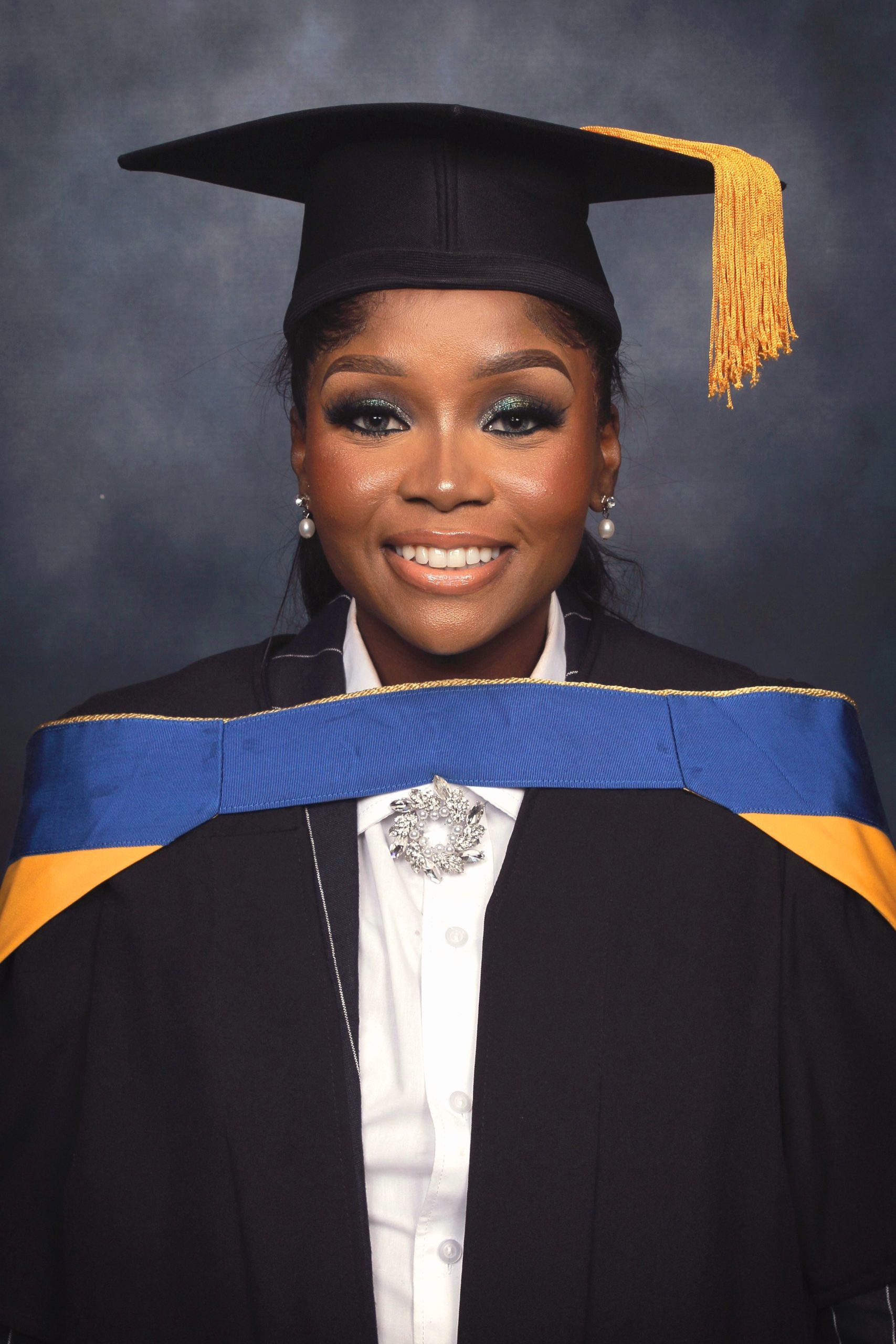 Her path began in Grade 7, when a teacher asked her class to write down their future ambitions and bury them for the future. At the time, Dr Shabalala was academically challenged, particularly in Mathematics, and often misunderstood. Yet, she boldly wrote that she would one day be a doctor. It was not a carefully considered choice, but rather a challenge to herself and to God. Years later, her father encouraged her towards dentistry — a decision that evolved from a profession into a calling. While still at university, she even declared to friends that she would one day become an orthodontist, a bold vision that later became reality.
Her resolve was strengthened while reading Paulo Coelho’s The Alchemist, where she wrote in the margin: I AM an Orthodontist. She believes that declaration was divinely affirmed. But her motivation came from more than faith; it was rooted in empathy. Having experienced rejection herself, she recognised orthodontics as a way to restore confidence and dignity in others. “A smile is the most expensive commodity,” she explains. “Imagine a life without one.”
In 2018, while pursuing a Master of Business Administration (MBA), Shabalala was sent an advert for the Master of Dentistry in Orthodontics at SMU through a Memorandum of Agreement (MOA) with the KZN Department of Health. She applied on the very last day, thinking she was only accompanying candidates who had been preparing for years. Instead, she became KZN(KwaMbewunye’s) first orthodontist to receive sponsorship for the programme. The experience was anything but easy. “Speciality crushed me. I went through the fire and emerged as a phoenix,” she recalls. The demanding programme tested her patience and resilience, qualities she admits were not naturally her strengths.
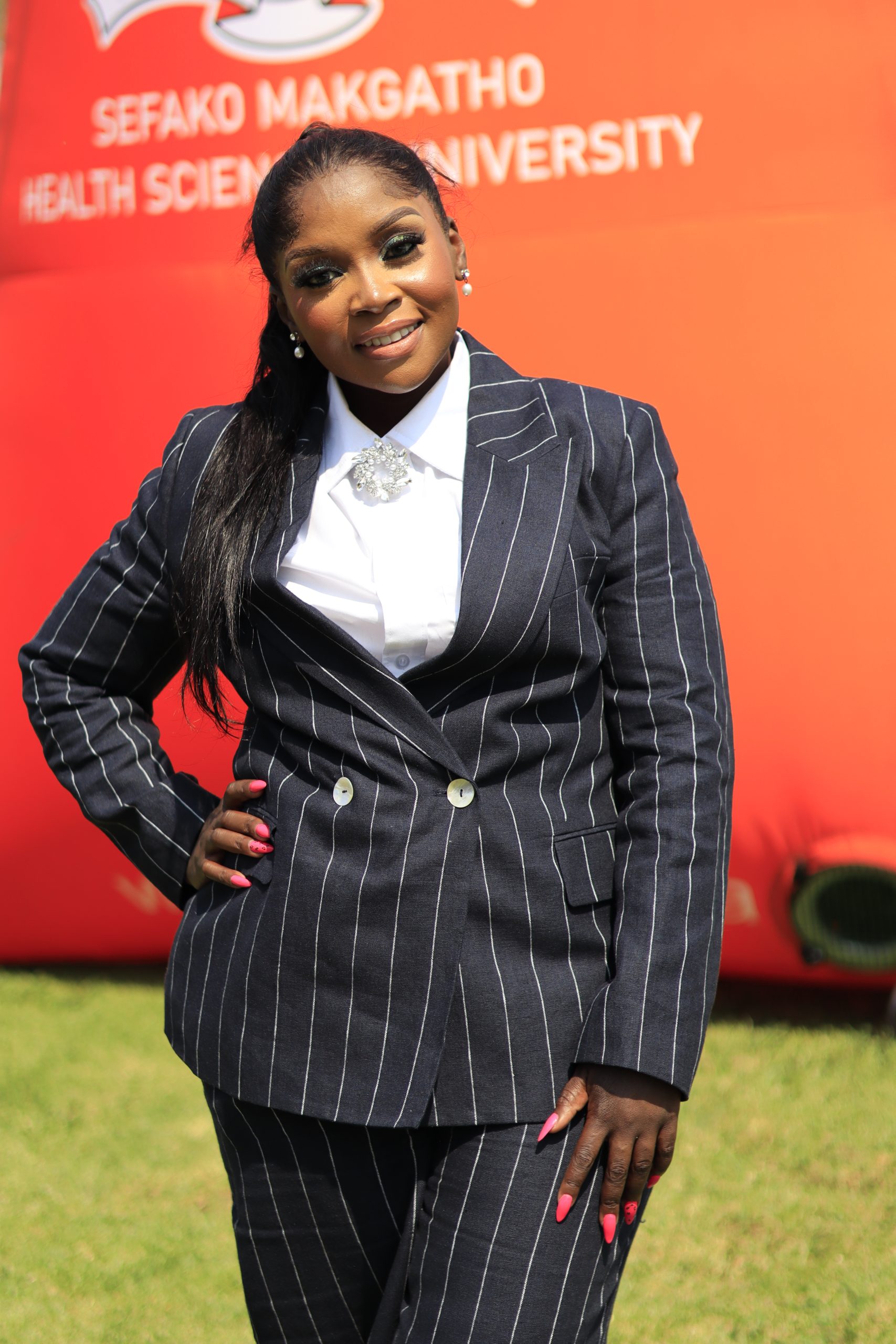 As a supernumerary candidate, she often faced exclusion and bias, but she also encountered God given mentors who guided her through the challenges. Among them were Prof Robert Ndou, Prof Harold Majana, Dr Maurine Dikeledi Letsholo, Dr Solly Nkhumeleni and Prof Sonia Boy, whose support reinforced the importance of perseverance, integrity, and grace under pressure.
Her research focused on retained primary teeth — baby teeth that persist into adulthood. While commonly overlooked as a cosmetic issue, she demonstrated its broader effects on bite, jaw health, and treatment planning. Her work highlighted the importance of early diagnosis and preventative dentistry, offering insights not only for clinicians but also for shaping public oral health policy in South Africa.
Looking ahead, Shabalala aspires to establish a multidisciplinary orthodontic centre that serves both as a treatment hub and a space for research and innovation. She is particularly passionate about exploring the connections between oral health, self-esteem, and mental well-being, as well as contributing to the management of temporomandibular disorders.
Her advice to aspiring specialists is clear and uncompromising: “Specialise for love, not prestige. Orthodontics demands skill, resilience, and heart. But the reward is unmatched — transforming lives one smile at a time.”
Shabalala’s journey demonstrates that conviction and courage can turn even the most uncertain beginnings into extraordinary legacies.
By Tumelo Moila
by Lorato | Oct 9, 2025 | Accolades and Achievements, All News, SMU Media, Student Media
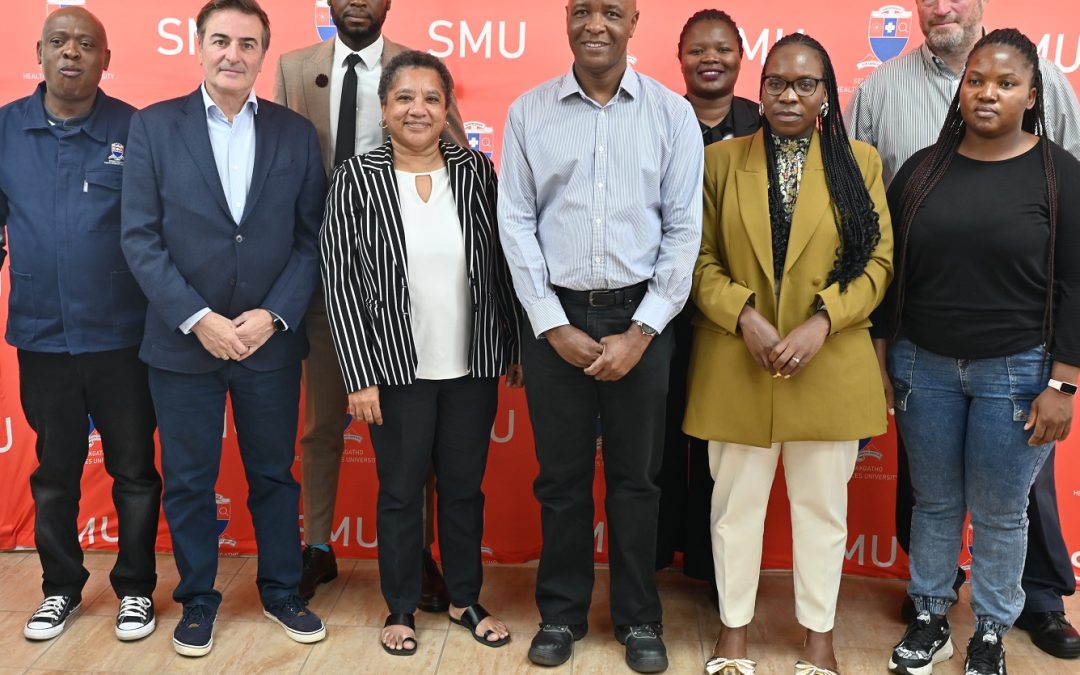
Sefako Makgatho Health Sciences University (SMU) has officially embarked on a major sustainability initiative with the launch of a feasibility study to develop a solar generation plant with storage capabilities. The kick-off meeting was held on 12 September 2025, marking the start of a collaborative process that could reshape how the University powers its operations in the years to come.
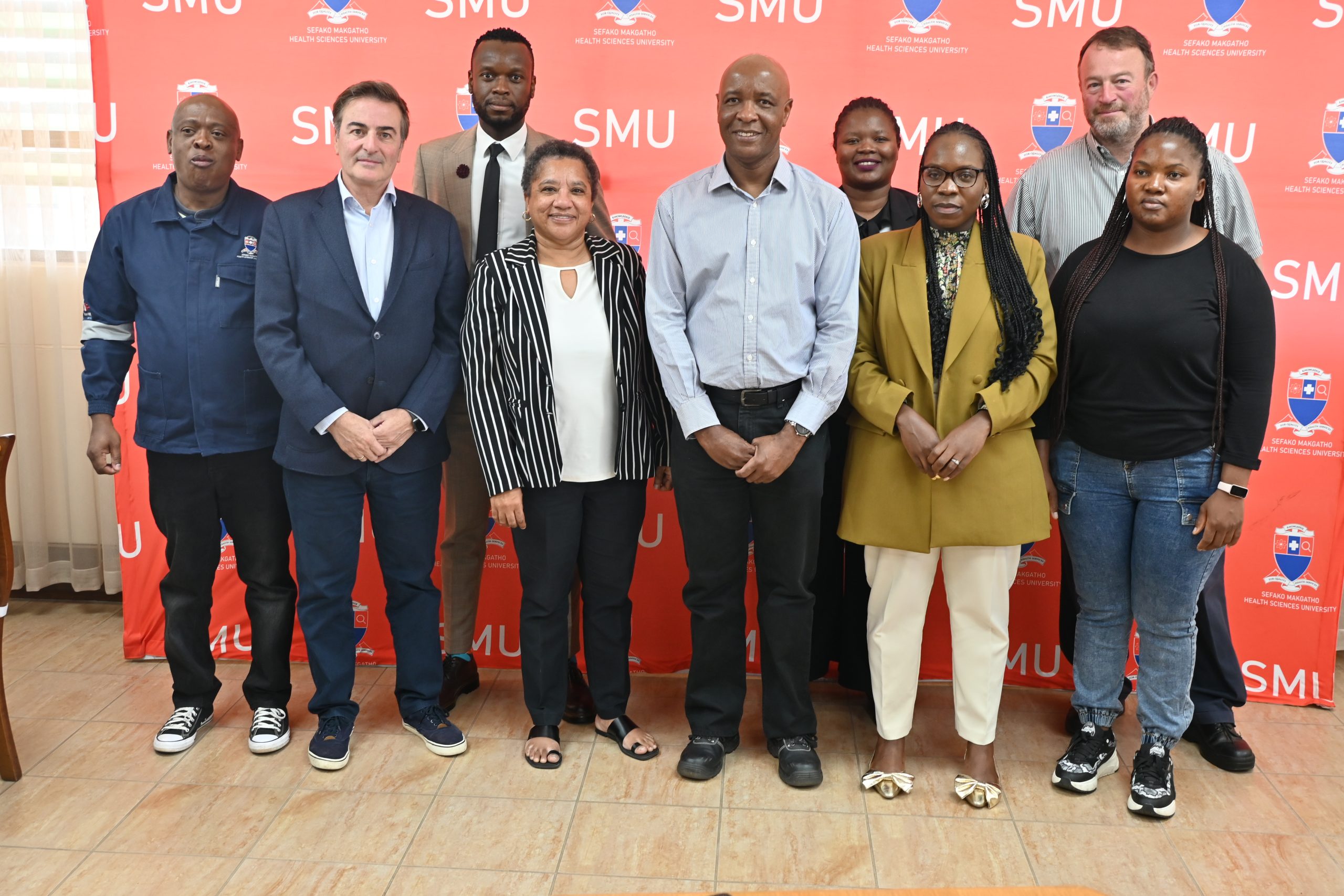 The study is being led by MAI Group, an international consulting and engineering firm, headquartered in Spain, in partnership with Erinite Energy, a South African renewable energy company. Together, they bring world-class expertise and local insight to one of SMU’s most ambitious infrastructure projects to date.
Speaking at the launch, Mr Rafael Somoza, Director at MAI Group, expressed enthusiasm about working with SMU to chart a new energy path for the institution. “This project represents more than just a technical study,” he said. “It’s about helping SMU take a decisive step toward energy independence, sustainability, new revenue from the sale of excess power and long-term resilience. We are honoured to bring our global experience to support the University’s vision.”
MAI Group has more than 25 years of experience and a track record of over 4,500 energy, water and environmental projects in 145 countries. The company is known for its deep technical expertise in renewable energy systems, including solar, wind, hybrid solutions and storage technologies. Its involvement ensures that SMU will receive a comprehensive, data-driven feasibility study that meets international standards.
The local partner, Erinite Energy, is represented by Mr Thomas Makore, the lead for the local team. He highlighted the importance of the partnership, saying, “As a proudly South African company, we are excited to work with SMU to develop solutions that are not only technically sound but also well suited to the local context. This project has the potential to serve as a model for other institutions in the country.”
The Economic and Trade Counsellor of Spain in South Africa, Ms Ana Maria Martinez Jerez, visited SMU in 2023 as part of her familiarisation visit to understand the needs of SMU with respect to infrastructure. The feasibility study is funded through a non-reimbursable grant from the Spanish Government, through the Financial Fund for the Internationalisation of Enterprises (FIEM), which underscores the project’s strategic importance. Its primary output will be a comprehensive and actionable plan that provides the technical details, financial analysis and implementation roadmap required to move the project from concept to implementation. Once completed, the study will give potential funders and developers the confidence to proceed directly to construction and operation of the Solar Photo Voltaic plant with storage.
 The kick-off meeting was also attended by Ms Odette Ramsingh, Acting Deputy Vice-Chancellor: Operations, whose presence highlighted SMU’s high-level institutional commitment to the initiative. Her involvement ensures that the project is fully aligned with the University’s operational priorities, third stream income objectives and strategic sustainability goals.
As part of the project’s early activities, the MAI Group and Erinite Energy teams conducted a detailed site visit to familiarise themselves with SMU’s infrastructure and energy systems. They were accompanied by a team from SMU including Mr Alfred Makgatho, Acting Director: Built Environment, who is playing a key role in coordinating the University’s input. Reflecting on the visit, Makgatho said, “This project comes at a critical time for the University. Reliable and sustainable energy is no longer optional—it’s essential for ensuring the smooth running of academic, clinical and research activities. We are fully committed to supporting this feasibility process so that we can make informed decisions about our energy future.”
Over the next 20 weeks, the study will cover technical, financial, regulatory, environmental and social dimensions, culminating in a final report that will guide SMU’s decision-making. Close collaboration between the University and the project partners will be essential to meet this timeline, particularly in providing accurate data and prompt feedback.
Sefako Makgatho Health Sciences University’s partnership with MAI Group and Erinite Energy marks a decisive step toward a more sustainable energy model. By exploring the development of its own renewable power plant, the University is not only seeking to reduce costs, secure its energy supply and to generate third stream income, but also to contribute to South Africa’s broader transition to cleaner energy and the United Nations Sustainable Development Goals.
As Somoza noted during the launch, “The journey toward renewable energy is both visionary and practical. It requires commitment, collaboration and clear planning. SMU is demonstrating all three, and we are proud to be part of this milestone.”
By Dimakatso Modise
by Lorato | Oct 9, 2025 | All News, SMU Media, Student Media
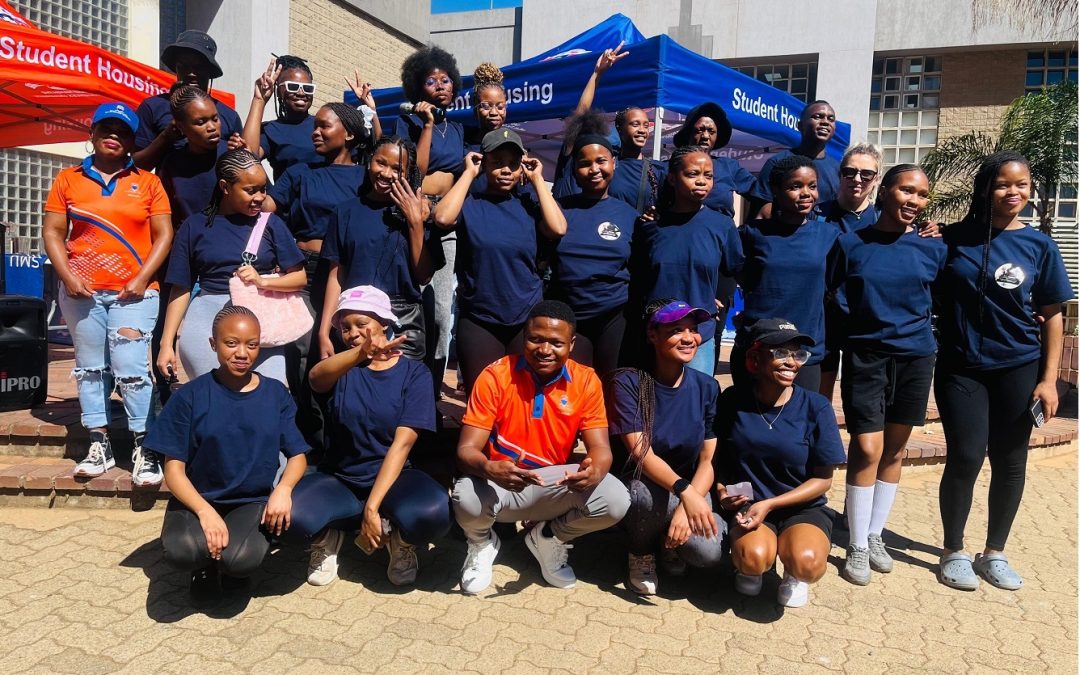
The campus of Sefako Makgatho Health Sciences University (SMU) recently came alive with colour, energy and purpose as third-year Dietetics students hosted their annual Spring to Wellness campaign. Guided by the slogan ‘Colour Your Plate, Power Your Day’, the initiative sought to inspire both students and staff to embrace holistic wellness through nutrition, physical activity, mental health awareness and sustainable living.
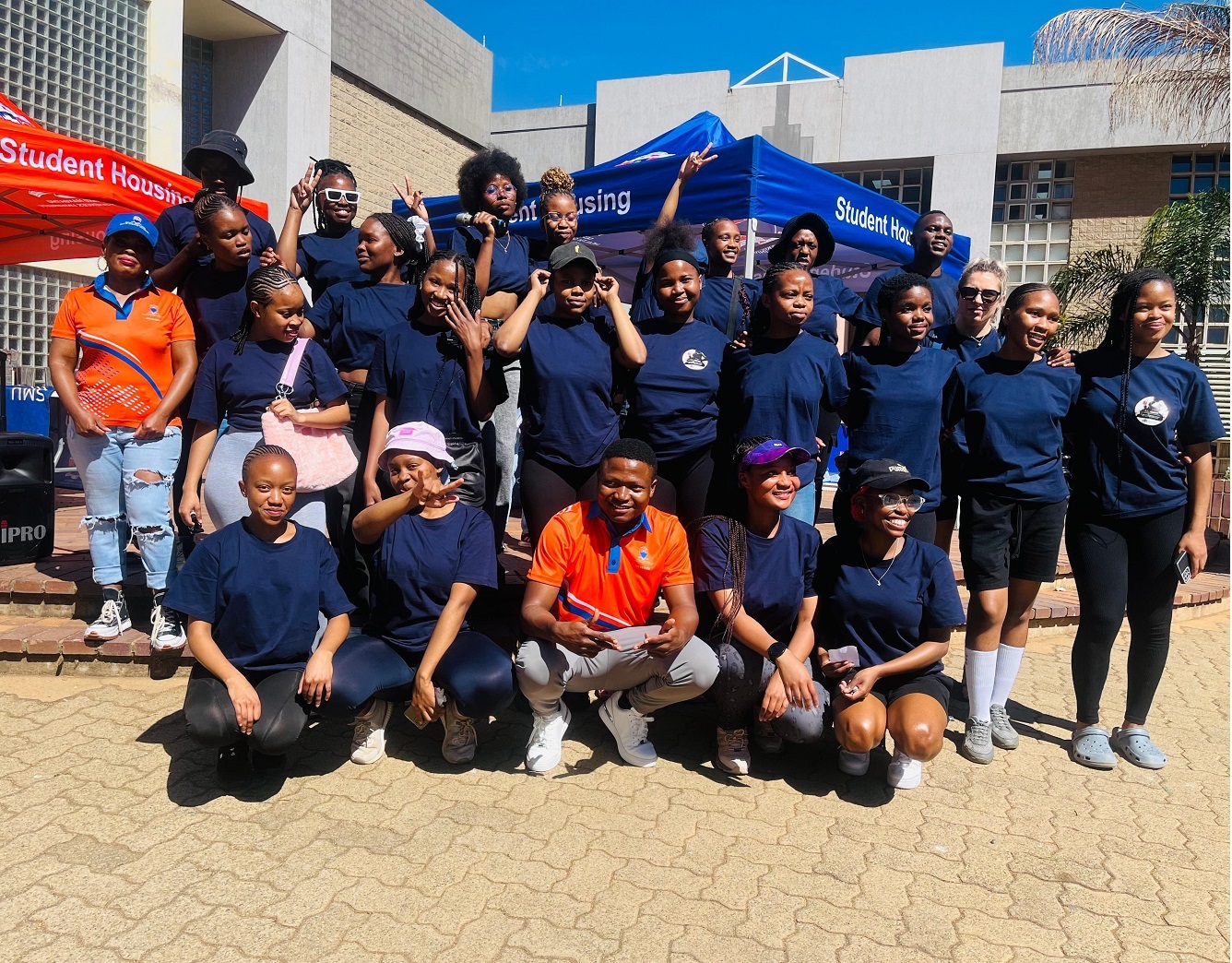 The campaign was chaired by Dietetics student Lebogang Alison Mathe, supported by a team comprising Thabelo Tshikhudo (Secretary), Noluthando Nsele (Media Officer), and treasurers Tebogo Mathiane and Risana Vusi Malebele. Together, they mobilised fellow students and university departments to create a vibrant, campus-wide culture of wellness.
At the heart of the campaign was the conviction that health begins on the plate. “Eating well is like giving your body its own box of crayons – only tastier,” said Chairperson Mathe. “When we colour our plates with spinach, carrots and tomatoes, we are not just eating – we are investing in our health and our future.”
Interactive stalls provided nutritional advice, weight and height assessments, and demonstrations on preparing balanced meals on a student budget. The slogan ‘Colour Your Plate’ was brought to life with practical tips on incorporating affordable, nutrient-dense foods into everyday diets.
The campaign also addressed mental health, physical activity, nutrition and environmental wellness. Nutrition education sessions highlighted how balanced meals rich in wholegrains, fruit, vegetables, lean proteins, and healthy fats can positively influence mood, concentration and resilience to stress. “We want to normalise conversations about mental health at the university, including the role of diet. What you eat affects how you feel – nourishing your body helps nourish your mind. It is okay to admit when you are struggling. Seeking support, emotional or nutritional, is a strength, not a weakness,” said Secretary Tshikhudo.
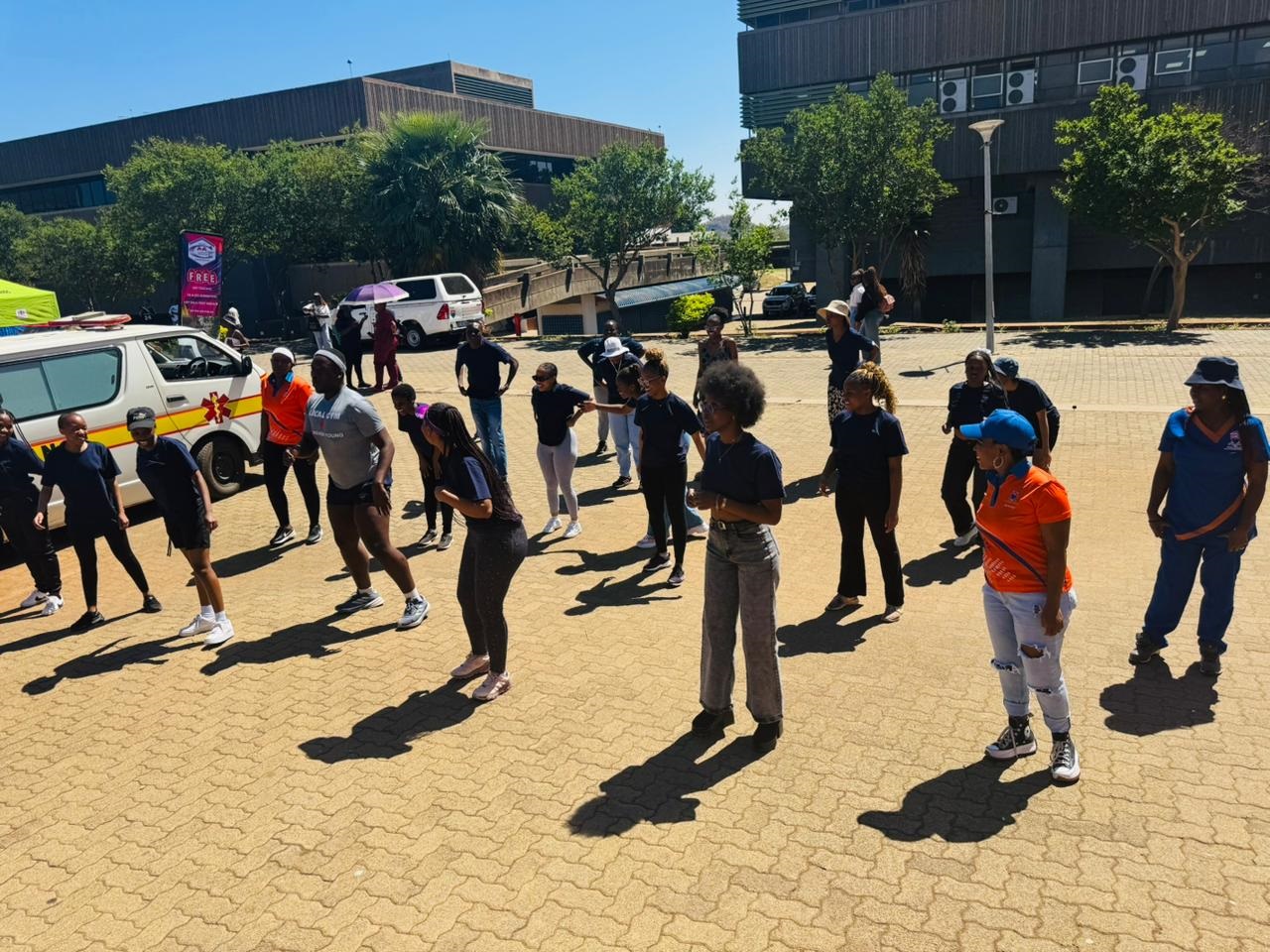
Physical wellness was promoted through aerobic sessions led by MBChB student Freddy Kunene, alongside yoga and walking activities. “Wellness is not about being an athlete; it is about moving your body in ways that feel good and sustainable,” Kunene explained.
 The Department of Built Environment also contributed, emphasising the link between sustainability and health. “A cleaner and greener campus improves mental clarity, reduces stress and supports healthy lifestyles. Protecting our environment means protecting ourselves,” said Dietetics student and representative Amanda Mashabela.
The success of Spring to Wellness lay in its inclusivity. Staff members were actively involved through talks on workplace wellbeing and work–life balance, facilitated by Human Resources. “This campaign reminded us that wellness is everyone’s responsibility – from students to staff. We all play a role in creating a healthier SMU,” said Nsele, Media Officer.
Feedback from participants revealed greater awareness of wellness practices and renewed motivation to live healthier lives. For Dietetics students, the campaign also offered valuable hands-on experience in leadership, teamwork and communication.
“This is more than a once-off event. We want wellness to be part of SMU’s DNA. Every small change – a piece of fruit, a short walk or a moment of mindfulness – adds up to healthier, happier lives,” said Mathe.
By uniting nutrition, mental health, fitness and sustainability, Spring to Wellness delivered a clear message: holistic wellness is both achievable and essential. As participants left with colourful plates, brighter smiles and renewed motivation, the campaign demonstrated a shared commitment to shaping a healthier, more resilient SMU community.
By Tumelo Moila