by Lorato | Jun 17, 2025 | Accolades and Achievements, All News, SMU Media, Student Media

by Lorato | Jun 13, 2025 | All News, SMU Media, Student Media
Youth Day Special Feature – Honouring student leadership as a driving force in national transformation
As South Africa commemorates Youth Day—a moment to honour the courage, vision and activism of generations past—Sefako Makgatho Health Sciences University (SMU) celebrates the contributions of its student leaders to shaping a more just and responsive higher education landscape.
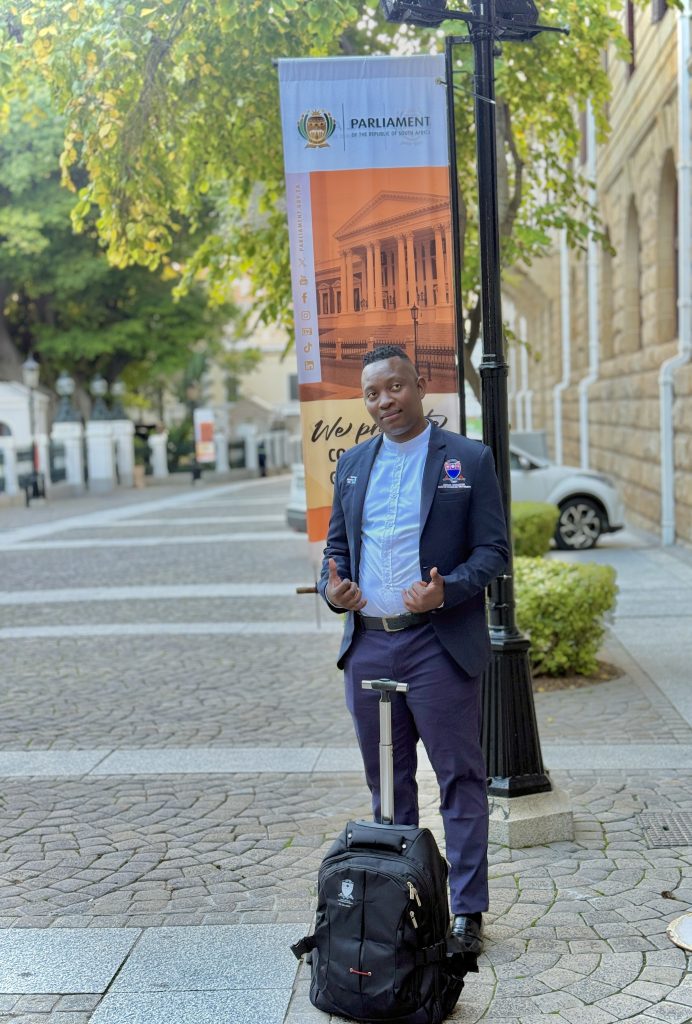 Earlier this month, two Student Representative Council (SRC) leaders from SMU stepped onto a national platform to represent the student voice in a high-level discussion on the future of the post-school education and training system. Katlego Peter Moshanyane, President of the SRC, and Fhulufhelo Ntsieni, Secretary-General, participated in a briefing to the Parliamentary Portfolio Committee on Higher Education and Training, where they reflected on the systemic challenges facing today’s students, particularly those pursuing qualifications in the health sciences.
Their participation comes at a pivotal moment in the national discourse, as South Africa continues to shape higher education models that respond to the country’s socio-economic and developmental needs. In particular, growing attention has been placed on the accessibility and sustainability of the National Student Financial Aid Scheme (NSFAS) and the ongoing crisis of graduate unemployment, even in critical sectors like healthcare.
During the session, the SRC leaders identified several areas they believe require urgent attention, including:
- Timely disbursement of student financial aid and improved NSFAS processes to reduce academic disruptions;
- Equitable access to support resources for students from disadvantaged backgrounds; and
- Clear employment pathways for health sciences graduates, many of whom face delayed absorption into the public health system despite national need.
“We saw this platform as an opportunity not just to raise challenges but to be part of building solutions for current and future students,” says Moshanyane. “As a health sciences university, SMU must be central to conversations about national development, and students must be active participants in that journey.”
Their participation was not only welcomed by peers at SMU but also recognised across the higher education sector as an example of visionary student leadership rooted in public service.
Following their appearance in Parliament, the SRC leaders say they are more determined than ever to advance a student-centred vision for change, one that prioritises access, equity, and opportunities beyond graduation.
“This experience has strengthened our resolve to lead with purpose. We are not just raising concerns; we are also working to connect students to opportunities and partnerships that can drive long-term change,” adds Ntsieni.
In their response to the ongoing crisis of delayed employment among health sciences graduates, the SMU SRC leaders called for a coordinated approach between government, universities, and industry.
“Government must prioritise funding and filling vacant posts, streamline internship placements, and improve workforce planning. Universities must align curricula with real-world healthcare demands and strengthen practical, work-ready training. At the same time, the private health sector should step in with graduate programmes and internships that help bridge the transition from education to employment,” Moshanyane states.
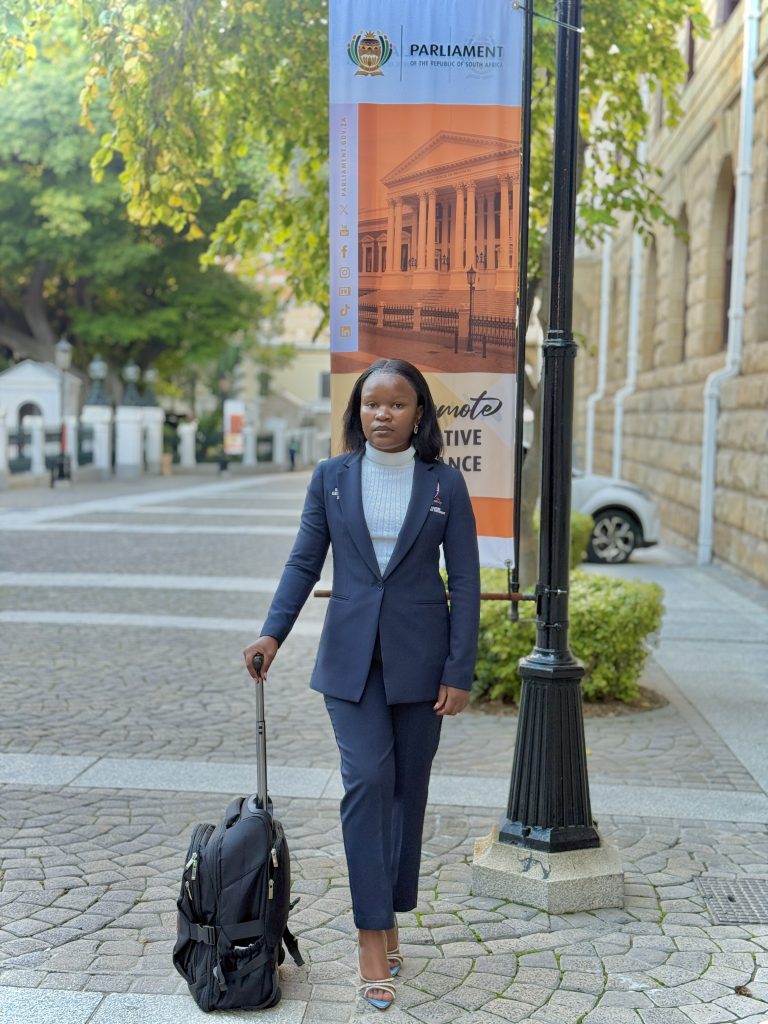 Following their appearance in Parliament, the SRC leaders say they are more determined than ever to advance a student-centred vision for change—one that prioritises access, equity, and opportunities beyond graduation.
On the matter of donor and external partner engagement, the SRC leaders underscored the importance of investment in both infrastructure and financial aid. “If donors were to support SMU, we would prioritise infrastructure development and direct financial support such as bursaries and sponsorships. Many students are on the verge of financial exclusion, and that remains a major barrier to academic success,” Ntsieni notes.
They also propose practical reforms to the NSFAS model, calling for a more flexible, responsive system: “Our institution, working with the Department of Higher Education, could explore the establishment of emergency relief funds or bridging allowances to support students awaiting NSFAS disbursements. NSFAS should also disburse funds according to university-specific calendars to avoid delays. Additionally, we recommend NSFAS help desks on campus with trained personnel to assist students more efficiently.”
SMU recognises the value of student voices in shaping both institutional transformation and national dialogue. As the university continues to evolve, the leadership demonstrated by its SRC reflects the calibre of graduates it seeks to cultivate: thoughtful, engaged, and committed to meaningful public impact.
by Lorato | Jun 11, 2025 | All News, SMU Media, Student Media
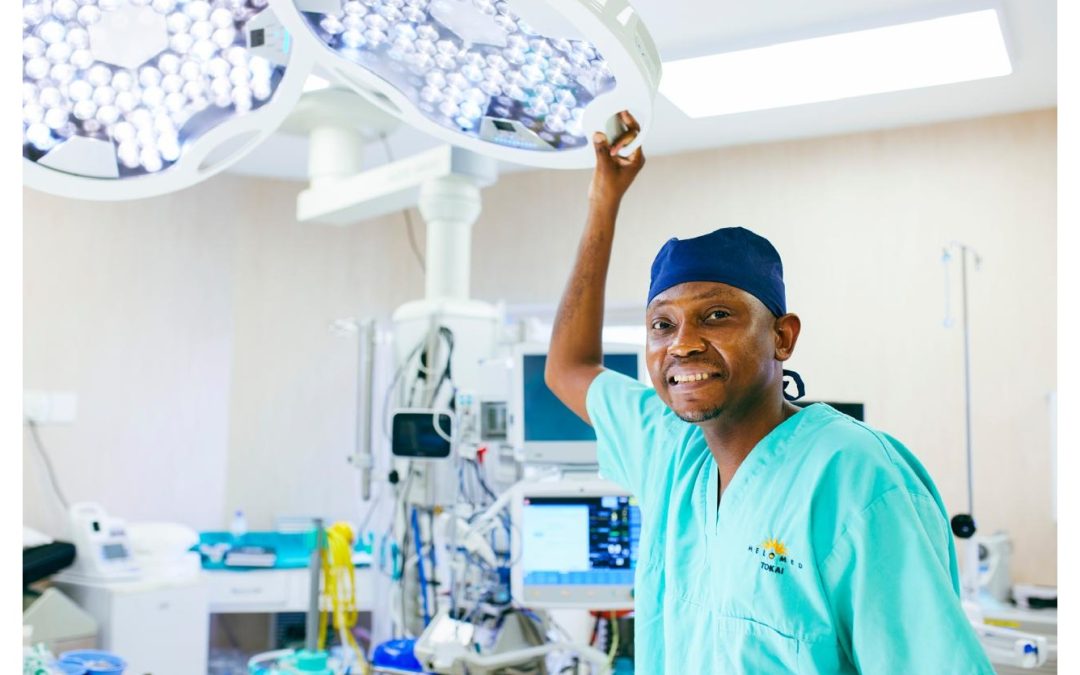
From the dusty streets of Burgersfort to the surgical theatres of Cape Town and the transplant wards of Chennai, India, Dr Mdumo Rupert Moshwana has carved out a remarkable journey defined by purpose, service, and unwavering dedication to health and humanity.
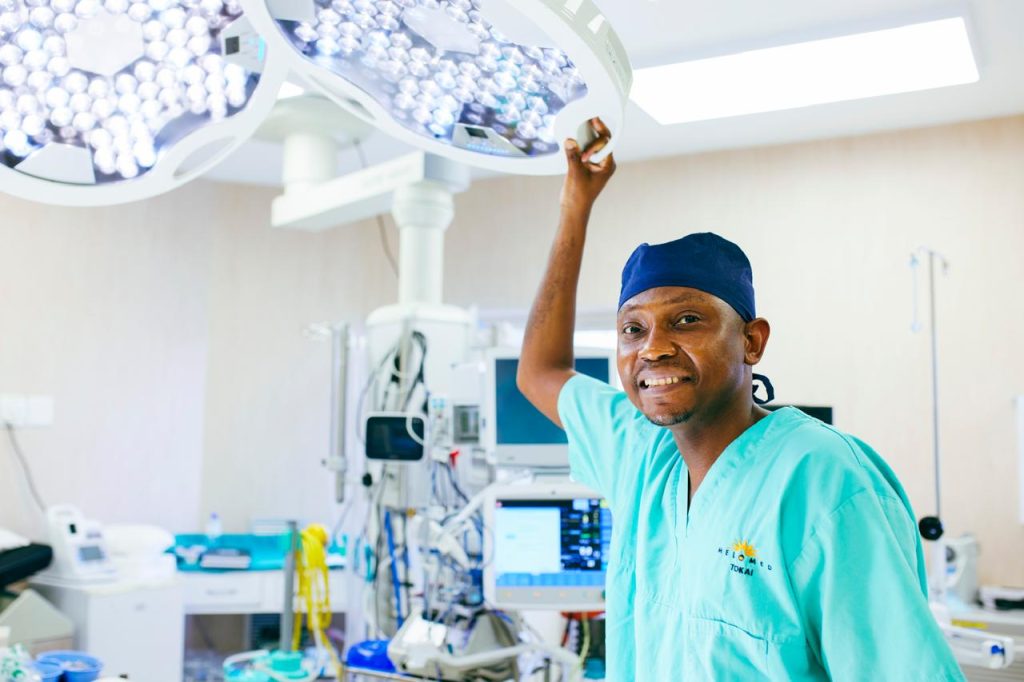 What began as a dream in the lecture halls of Sefako Makgatho Health Sciences University (SMU) — formerly the Medical University of South Africa (MEDUNSA) — has evolved into a life of meaningful impact across borders, institutions, and communities. Today, Moshwana is a proud SMU alumnus, general surgeon, mentor, and community builder. His story is a testament to the transformative power of education, resilience, and heart.
“My time at SMU laid the foundation for everything I do today. It wasn’t just about the medicine; it was about the people, the challenges, and the responsibility we carry as future health professionals.” This blend of rigorous academic training, clinical excellence, and a strong sense of community shaped his identity and approach to medicine.
After qualifying as a general surgeon, Moshwana developed an impressive and wide-ranging clinical portfolio. He refined his expertise at institutions including Milpark Hospital, Charlotte Maxeke Johannesburg Academic Hospital (CMJAH), and Chris Hani Baragwanath Hospital (CHBH). His deepening interest in transplant surgery led him to pursue an observership at the internationally renowned Rela Hospital in Chennai, India — a global leader in hepatobiliary and transplant surgery.
Witnessing the work done at Rela Hospital was humbling and inspiring. It strengthened my resolve to become a transplant surgeon — to give people a second chance at life.”
 In May 2025, Moshwana participated in the National Department of Health (NDoH) Donation Campaign meeting at the Birchwood Hotel, joining key stakeholders in strengthening South Africa’s organ donation systems. For him, this was more than a professional milestone — it was a step closer to his long-term goal of becoming a full-time transplant surgeon.
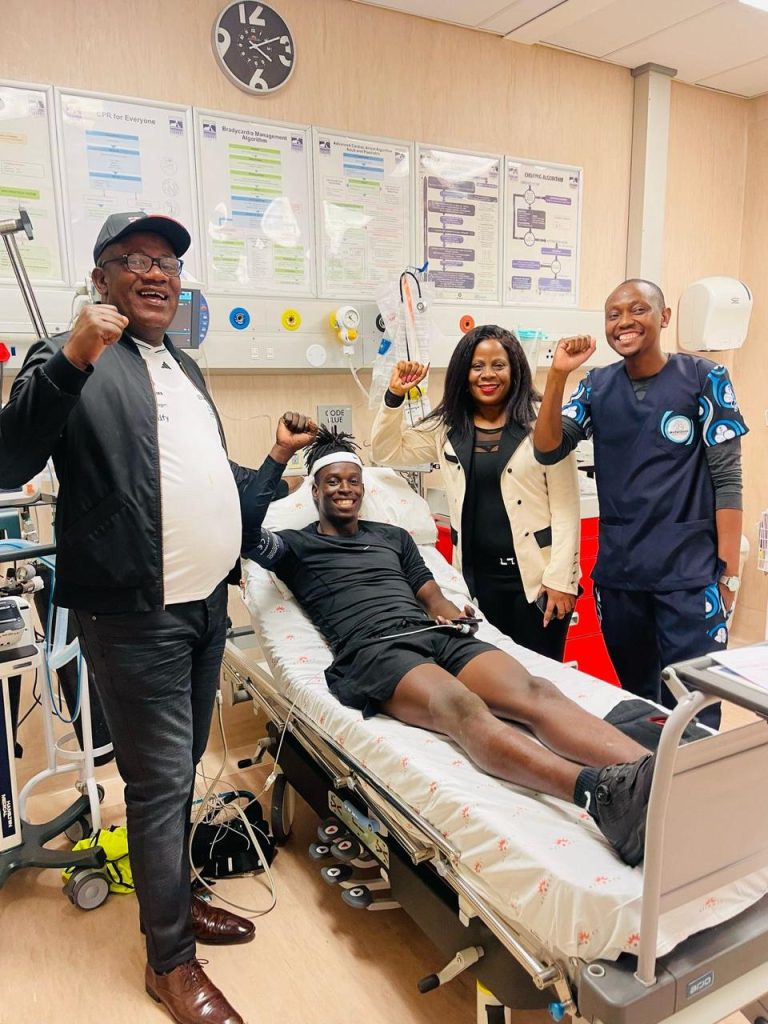
Despite a career that has taken him across continents, Moshwana remains deeply connected to his roots. Recently, he supported three boys from his hometown of Burgersfort who undertook an extraordinary cycling journey to Cape Town, aimed at inspiring other young people in their community.
When one of the cyclists — affectionately known as “The Goat” — sustained a knee injury during the trip, Moshwana travelled to Worcester to assess his condition and support the remaining riders. Thanks to the support of Melomed Hospital, Morton & Partners, PathCare Laboratories, physiotherapist Rabea, dietitian Fouziejah, and Matenji Boutique Hotel, the boys completed their journey safely and successfully.
“Helping these young men was one of the most rewarding experiences of my life. Their courage and determination reminded me why I chose this profession.” Moshwana is now working with local partners to establish a cycling hub in Limpopo that will provide young people with access to sport, mentorship, and wellness resources.
Professionally, Moshwana serves as a General Surgeon at Melomed Tokai in Cape Town, while continuing his academic and teaching contributions. His surgical journey began at Dr George Mukhari Academic Hospital (DGMAH), and he completed his community service in 2014 at Dilokong Hospital. In a remarkable show of commitment, he extended his stay in his home village of Driekop Gowe until 2017 to provide continued medical support to the community that raised him.
He returned to DGMAH as a Trauma Medical Officer and later served as a Surgical Registrar (2018–2021). In 2022, he was appointed as a Consultant in the Hepatopancreatobiliary Unit, where he also taught medical students, interns, and registrars.
Academically, Moshwana holds an MBChB (MEDUNSA), a Fellowship of the College of Surgeons [FCS (SA)], and a Master of Medicine (MMed) from SMU. His dissertation has been recognised at prestigious forums, including the 49th Annual Surgical Research Society Congress and the ASSA AGES Congress. His abstract was also published in the South African Journal of Surgery.
Now considering a specialisation in vascular surgery, Moshwana remains committed to lifelong learning and service. “SMU taught me the importance of clinical excellence, ethical leadership, and above all, service to others. These values guide me every day.”
His journey — from Burgersfort to global transplant centres — is a powerful reminder that medicine is not only a profession, but a mission of service, compassion, and continuous growth. “It’s a privilege to be part of the SMU family,” he concludes. “I’m proud to carry forward the values I learnt there and to serve with purpose, integrity, and heart.”
By Dimakatso Modise
by Lorato | Jun 11, 2025 | All News, SMU Media, Student Media
In a landmark partnership that exemplifies the power of global collaboration for local transformation, Sefako Makgatho Health Sciences University (SMU) has joined forces with the University of Oxford to pioneer South Africa’s first Neonatal Surgical Skills Course. Launched in April 2025, this initiative signals a major advance in paediatric surgical education and reflects SMU’s growing role as a centre of excellence in global health training.
 More than a technical course, the collaboration is a statement of purpose: that internationalisation is not an abstract ideal, but a working ethos embedded in SMU’s academic, cultural and clinical mission. As a proudly African institution, SMU continues to reaffirm its commitment to global standards while remaining deeply rooted in local realities.
The course was the brainchild of Dr Elliot Motloung, recently appointed Academic Head of Paediatric Surgery at SMU. After attending a simulation-based neonatal surgery workshop at the 2024 COSECSA Conference in Harare, Zimbabwe, led by the globally renowned Professor Kokila Lakhoo, Dr Motloung was determined to bring a similar experience to South Africa.
“I saw a real need to develop neonatal surgical skills among junior staff here,” he explained. “The Harare course was a turning point for me. I came back inspired and convinced that SMU could lead this kind of transformative training.”
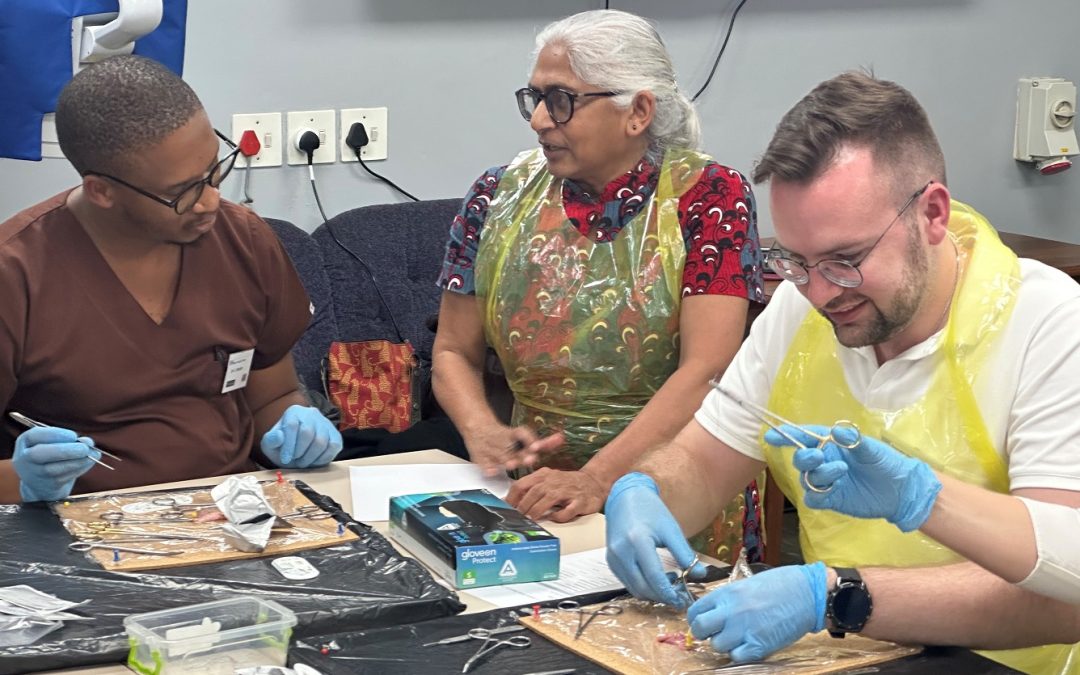
Over two days, 20 selected participants – ranging from surgical registrars to senior consultants – received hands-on instruction in vital procedures such as bowel anastomosis, gastrostomy, and tracheo-oesophageal fistula (TOF) repair. Using chicken tissue to replicate neonatal anatomy, trainees practised in a high-fidelity simulation setting designed to mimic the real-life surgical experience without risk to patients.
 At the centre of the training was Professor Kokila Lakhoo, the first female paediatric surgeon in South Africa and now Professor of Global Paediatric Surgery at the University of Oxford. Her return to SMU, where she sat her final general surgery exam during its Medunsa days, added a deeply personal layer to the occasion.
“This institution holds a special place in my heart,” she said. “It’s been an honour to return here and help shape the next generation of African surgeons. Their commitment, energy, and determination are nothing short of extraordinary.”
Dr Gerlin Naidoo, a South African PhD candidate at Oxford who played a key role in coordinating the course, was equally effusive in her praise. “The simulation lab at SMU is among the best I’ve encountered. The technical and support staff were instrumental in making this initiative a success.”
Participants found the experience transformative. One registrar reflected, “The TOF simulation was a defining moment in my training. It was realistic, challenging, and incredibly empowering.”
Importantly, the programme was designed with sustainability in mind. A “training of trainers” component ensured that SMU staff gained the capacity to lead future sessions independently. “This is not a once-off event,” Motloung stressed. “We are establishing a long-term model that builds local expertise and continuity.”
Professor Lakhoo echoed this sentiment. “Oxford’s goal is not to lead indefinitely, but to equip partners like SMU to take full ownership. True partnership means building local capacity.”
The impact is already spreading. The course has been accredited for annual delivery, with future sessions to be co-led by Motloung and Professor Nyaweleni Tshifularo of the University of Limpopo. Several South African institutions have expressed interest in adopting the model.
Professor Zacharia Koto, Head of Surgery at SMU, called the initiative “a turning point in surgical education. This partnership strengthens our academic standing and builds desperately needed surgical capacity for the country.”
The results speak for themselves: five SMU paediatric surgery registrars have been accepted to present their work at the 2025 Paediatric Surgery Conference. But for Motloung, the work is just beginning. “Our goal is to extend surgical training and services to underserved communities. This course lays the foundation for that vision.”
With local passion, national momentum, and global support converging, SMU’s neonatal surgery course stands as a model for how international collaboration can yield lasting, life-saving change.
By Tumelo Moila

by Lorato | Jun 11, 2025 | All News, SMU Media, Student Media
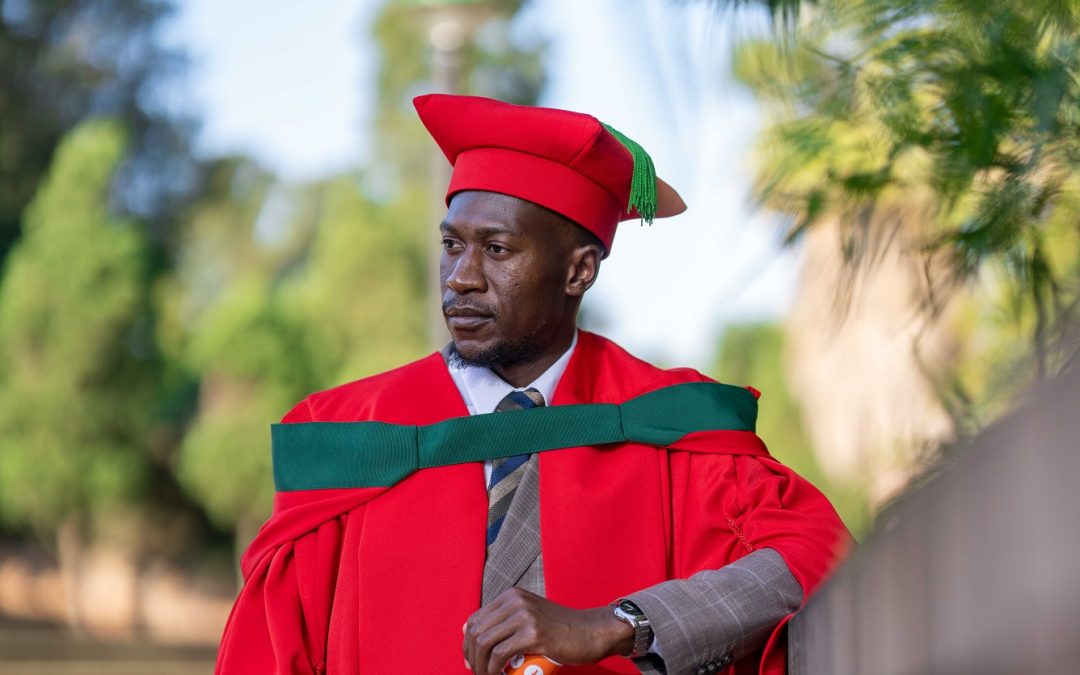
Sefako Makgatho Health Sciences University (SMU), formerly known as the Medical University of Southern Africa (MEDUNSA), has a proud legacy of promoting academic excellence, integrity and community service in the health sciences. Grounded in the values of compassion, accountability and perseverance, SMU nurtures future leaders who are committed to transforming healthcare. It was within this environment of support and purpose that Dr Odette Heyneke recently reached a major milestone — the completion of her PhD, a journey defined by resilience, personal sacrifice and unwavering faith.
 Heyneke’s passion for academia was sparked at an early age. At just 14, during a visit to MEDUNSA for a science fair project, she was inspired by the campus atmosphere and by her sister, Professor Kahler-Venter, who worked in the Department of Pharmacology. “I remember walking through the corridors and saying to myself, ‘One day, I’m going to be a lecturer here,’” she recalls. That moment planted a dream that would guide her for years to come.
After completing secondary school, Heyneke went on to earn a Bachelor of Science in Biological Sciences with Biochemistry and Microbiology, followed by Honours and a Master’s degree in Biochemistry from North-West University (NWU). These academic accomplishments laid a strong foundation for her career, which began in 2003 when she joined MEDUNSA as a Natural Scientist in Pharmacology. By 2006, she had advanced to the role of Senior Medical Natural Scientist in Physiology, demonstrating both her expertise and commitment to academic excellence.
Soon afterwards, life’s responsibilities called her away from her professional journey as she took time out to raise her family. From 2008 to 2014, she dedicated herself to full-time motherhood. “For six years, my world revolved around nappies, teething, and toddler chaos,” she shares. Although away from the academic world, this period played a pivotal role in building her resilience and inner strength. Returning to academia in 2014 as a lecturer in Physiology proved to be a daunting transition. “I felt like I knew absolutely nothing — I had to relearn everything I thought I’d never use again,” she admits. Yet her ability to adapt and persevere reflected SMU’s ethos of resilience and lifelong learning.
Determined to make a deeper impact, Heyneke decided to embark on a PhD. After exploring several potential research areas, she found her true focus when Professor Harold Majane introduced the Heart Failure study. “Something about it just clicked,” she explains. Her research, centred on the role of aortic haemodynamic parameters on left ventricular function in adult Black South African patients with heart failure with preserved ejection fraction (HFpEF), was both innovative and socially relevant.
Balancing a demanding academic role, parenting teenagers, and managing the pressures of research was no easy feat. “I experienced stress, burnout, and moments where I questioned my sanity,” she confesses. In 2022, a life-threatening illness nearly forced her to abandon her studies. Lying in a hospital bed, she made a promise to herself: she would finish what she had started. “My faith carried me. My children gave me strength. Something inside me — maybe stubbornness, maybe purpose — refused to let me quit,” she reflects.
Heyneke’s PhD represents far more than academic achievement — it stands as a powerful symbol of survival, renewal and determination. “It’s a symbol of unfinished dreams reignited, and proof that it’s never too late to rise again,” she says. Her story is a beacon of hope for women who step away from their careers for family, showing that setbacks can indeed become comebacks.
As a proud SMU graduate, Heyneke embodies the university’s mission to cultivate leaders who serve with excellence and integrity. Her journey mirrors the values that SMU upholds, and powerfully demonstrates the transformative potential of perseverance, faith and passion. Her success is a testament to what can be accomplished when one remains steadfast in the face of adversity — a message that extends far beyond the halls of academia. Heyneke’s story is not only her own; it is a shared triumph for all who believe in the power of education to change lives.
By Dimakatso Modise
by Lorato | Jun 11, 2025 | All News, SMU Media, Student Media
Sefako Makgatho Health Sciences University (SMU) is rapidly emerging as a powerhouse of innovation in health sciences, with cutting-edge research that speaks directly to South Africa’s most urgent healthcare challenges. From advancing community health to widening access to essential services, SMU’s faculty and students are driving impactful solutions that resonate both locally and globally.
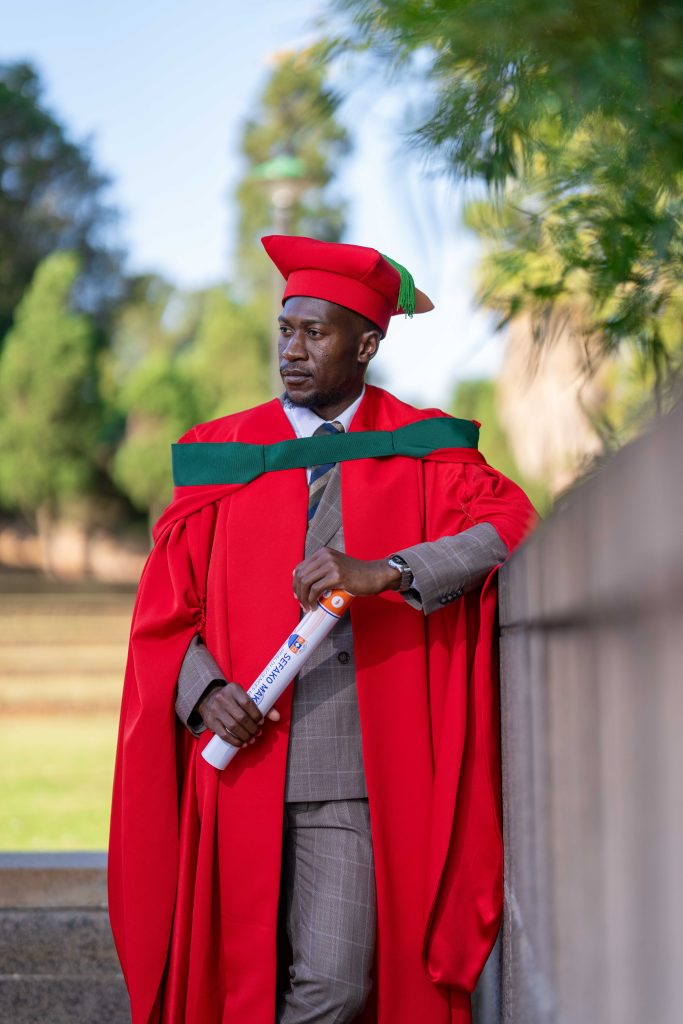 At the heart of this wave of discovery stands SMU graduate Dr Clinton Dlamini, a trailblazer in the realm of material science. His groundbreaking work on nanophosphors and photoluminescent materials—light-emitting powders with transformative potential—is not only breaking scientific ground but also illuminating a path for a new generation of African researchers. Dlamini’s journey from doctoral studies to becoming a respected voice in this specialised field underscores SMU’s role as a launchpad for research excellence with real-world relevance.
Dlamini’s fascination with the behaviour of materials at the atomic level began during his third year as an undergraduate in solid-state physics. “I was curious about how materials behave, how their internal structures influence their properties. Nanophosphors stood out to me because of their unique light-emitting capabilities and their vast potential in practical technologies,” he explains.
Focusing on zinc and calcium aluminates activated with rare earth ions, Dlamini identified a significant research gap. He aimed to explore how co-doping with ions like terbium (Tb³⁺) and samarium (Sm³⁺) could enhance the luminescent and structural properties of these materials. “These ions emit green and red light, respectively,” he notes. “Together, they allow for tunable luminescence, which is key in many applications.”
His research explored the use of the citrate sol-gel method to synthesise nanophosphors, with careful control over nanoscale features. By fine-tuning pH levels, temperature, and annealing conditions, Dlamini was able to produce materials with desirable properties. “One of the biggest challenges was achieving uniform dopant distribution while maintaining strong luminescence,” he recalls.
To ensure accuracy and reproducibility, Dlamini standardised his procedures, calibrated instruments regularly, and repeated experiments multiple times. His toolkit included a suite of characterisation techniques: X-ray diffraction (XRD), scanning electron microscopy (SEM), photoluminescence (PL) spectroscopy, and UV-NIR analysis. FTIR and TEM were also used for deeper structural insights.
Among his most exciting discoveries was the synergistic enhancement of luminescence through co-doping. “I was surprised by how much the annealing process could influence emission intensity and crystal structure,” he says. The co-doping not only improved light emission but also introduced novel structural behaviours, opening the door for further scientific exploration.
The potential applications of Dlamini’s research are impressive: from use in LED display technologies, anti-counterfeiting inks, and bio-imaging agents, to integration into radiation detection and even smart devices. “These materials could one day power wearable sensors or responsive lighting systems,” he suggests. He also sees strong potential in bio-imaging and possibly even quantum communication technologies, thanks to the tunable and stable emissions of his nanophosphors.
Asked what kept him going through the rigours of his PhD, Dlamini cites passion and people. “Support from my mentors and peers and celebrating small wins – like having a paper accepted – made the tough times manageable.” For early-career scientists, especially in resource-limited environments, his advice is clear: “Master the fundamentals and don’t underestimate the value of curiosity and consistency. Innovation doesn’t always need expensive tools.”
Looking ahead, Dlamini plans to pursue postdoctoral research and eventually lead his own research group focused on functional nanomaterials. He hopes to expand his current work into hybrid materials and photonic device integration. To young African scientists, his message is one of empowerment: “You have a unique perspective and potential. The world needs your contribution. Start where you are and keep going.” Summing up his PhD journey in a single phrase, Dlamini offers: “Turning light into knowledge – one nanoparticle at a time.” It’s a fitting reflection of both the precision of his science and the brilliance of his vision.
By Tumelo Moila

by Lorato | Jun 11, 2025 | Accolades and Achievements, All News, SMU Media, Student Media
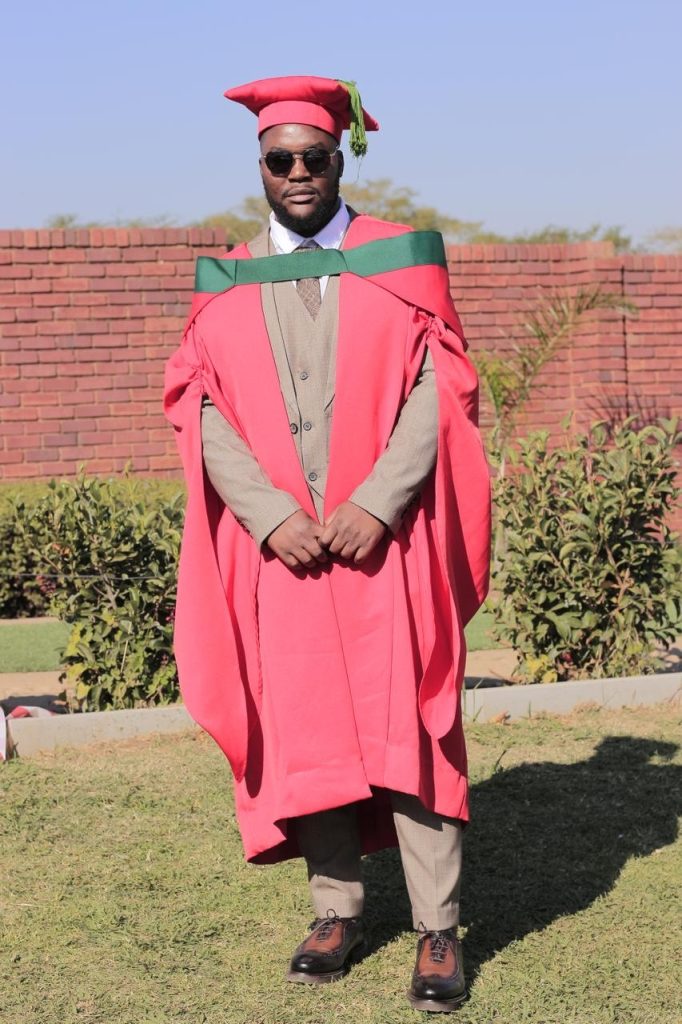
From Westonaria in Gauteng to the forefront of statistical innovation, SMU graduate and Senior Data Scientist at the FNB Retail Chief Data & Analytics Office (CDAO), Dr Sandile Johannes Butelezi, has achieved a remarkable milestone: earning a PhD in Statistics in just two years. He completed his doctorate with six published papers, three under review, and presentations at international conferences. His research, grounded in his professional experience within the insurance industry, presents a transformative approach to short-term insurance modelling in a world grappling with climate change and economic volatility.
 Butelezi’s doctoral thesis, completed at a leading South African institution, centred on enhancing the accuracy and fairness of insurance risk models, particularly in the short-term motor insurance sector. “Working in the insurance sector revealed how outdated traditional models have become, especially in an era of unpredictable weather and shifting risk profiles,” he explained. “My goal was to contribute adaptive and equitable methods that reflect the complex realities we face.”
His solution was a hybrid modelling framework that blends generalised linear models (GLMs)—a mainstay of actuarial science—with advanced machine learning techniques such as XGBoost, gradient boosting machines, and random forests. Among these, XGBoost delivered the most promising results, achieving a robust R² of 0.68 when tested against real insurance claims data from 2021 to 2024, alongside simulated extreme-weather scenarios.
The model revealed significant regional and seasonal variations in claim patterns. Flood-related claims, for instance, peaked during summer months, while metropolitan areas like Gauteng recorded higher instances of malicious damage and motor accidents. These findings underscored the shortcomings of uniform premium pricing and pointed towards the need for dynamic, locally tailored strategies.
One of the study’s most striking findings was not statistical, but social: a concerning pattern of claim rejections among non-native English speakers, often due to misunderstandings of complex policy language. “This is not just a technical issue—it’s a matter of equity,” said Butelezi. “We need simplified, multilingual insurance documentation that’s accessible to all policyholders.”
The practical implications of Buthelezi’s research are profound. Insurers can use his model to more accurately price risk, allocate resources, and respond proactively to claims volatility. Regulators and policymakers, meanwhile, gain a tool for promoting a more resilient, inclusive, and climate-aware financial protection system.
Looking ahead, Butelezi sees exciting avenues for continued research. These include integrating high-resolution climate data for long-term forecasting, applying behavioural economics to understand consumer behaviour in insurance uptake, and advancing AI applications such as deep learning and reinforcement learning to manage high-dimensional or unstructured data sources like satellite imagery or text-based claims reports.
“There’s also urgent work to be done on the ethics of algorithmic decision-making,” he added. “We must ensure that data-driven models do not reinforce existing social and economic inequalities. Fairness must be an intentional part of model design.”
Completing a PhD in just two years is no small feat, and Buthelezi credits his success to disciplined time management and a strong support network of supervisors, family, and peers. “I set realistic goals, stuck to a structured routine, and allowed myself breaks when needed. But above all, the encouragement from my support system made the difference,” he said.
Now, Butelezi plans to continue bridging the gap between academia and practice. He hopes to supervise postgraduate students, contribute to academic research, and influence public policy in areas such as disaster risk management, bioinformatics, and AI regulation. He also remains committed to developing new theoretical frameworks in mathematical statistics.
His advice to aspiring statisticians is both grounded and aspirational: “Master the fundamentals, stay curious, and be unafraid of messy, real-world data. The world needs statisticians who are both technically sharp and socially conscious.”
Reflecting on his journey from Westonaria to international academic recognition, he summarised it with a simple yet powerful phrase: “Only the best is good enough.”
By Tumelo Moila
by Lorato | Jun 11, 2025 | Accolades and Achievements, All News, SMU Media, Student Media
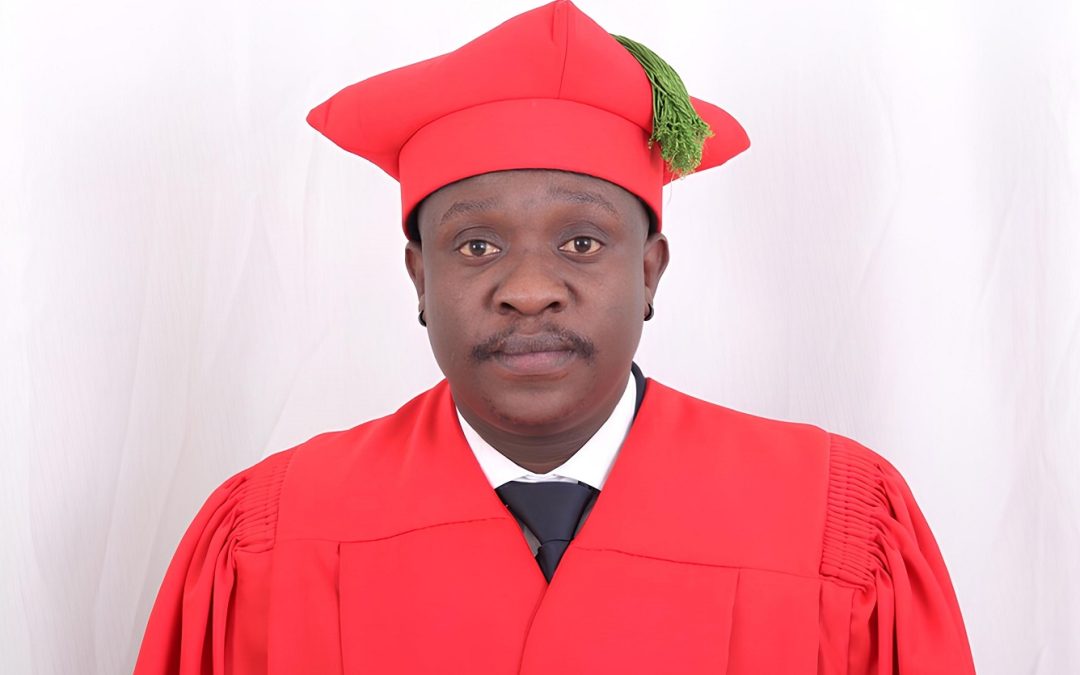
History has been made at Sefako Makgatho Health Sciences University (SMU) as Dr Phumudzo Lloyd Seabe becomes the first-ever PhD graduate from the Department of Mathematics and Applied Mathematics. This achievement not only marks a significant academic milestone for the University but also represents a powerful personal journey, rooted in legacy, discipline, and a vision for inclusive technological advancement.
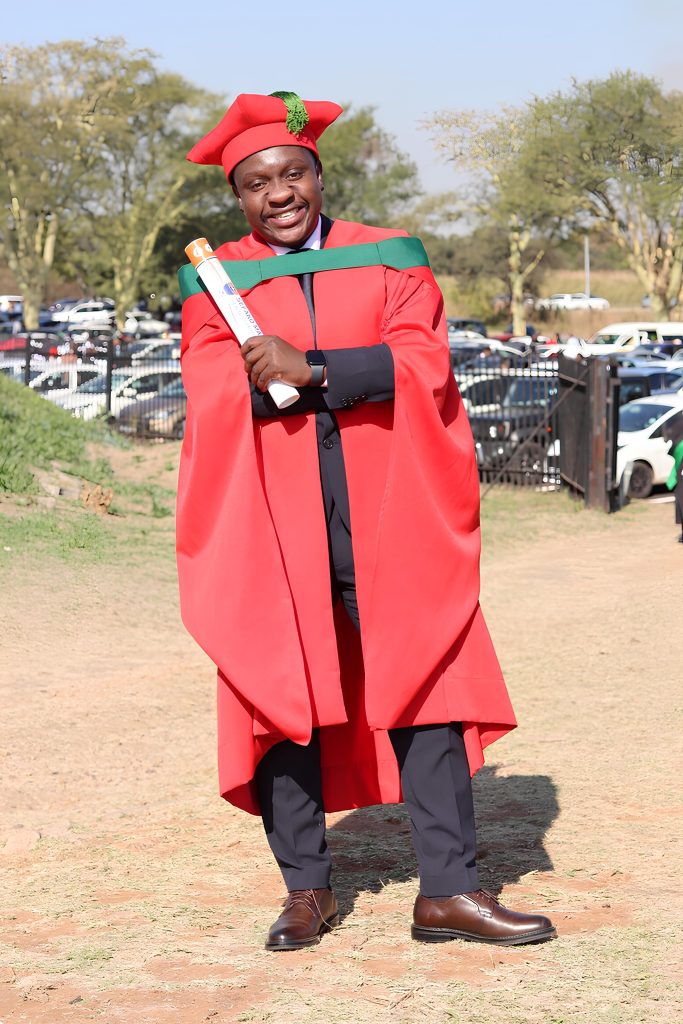 Born and raised in Gogobole, a village in Venda, Limpopo, Seabe was raised in a home shaped by women of strength and conviction. “I was raised in a household led by women of great dignity and discipline,” he says. “My mother’s consistency taught me the power of hard work. My grandmother—sharp-witted and deeply principled—was the compass of our family.”
His grandmother, a retired domestic worker from the South African Air Force Base, had a profound influence on him. As the second of twelve grandchildren, he was always under her watchful eye. Her passing in April 2020, just over a year before he started his PhD, left a significant void. Yet her spirit continued to guide him. “She used to say, ‘Noma kubuhlungu, kodwa kulungile’—Even though it hurts, it is well,” he recalls. “That became my silent prayer during long nights of research and writing.”
In July 2021, Seabe began his PhD journey at SMU with a clear and ambitious research focus: to combine the tools of artificial intelligence (AI), behavioural finance, and traditional investment theory to analyse the highly volatile cryptocurrency market.
His thesis, titled Advancing Cryptocurrency Market Analysis and Investment Strategies: An Integrated Approach Using Machine Learning, Sentiment Analysis, and Factor Investing, presents a comprehensive framework for understanding and forecasting cryptocurrency market behaviour. It integrates advanced deep learning models—including LSTM – Long Short-Term Memory (LSTM), Gated Recurrent Unit (GRU), Bi-Directional LSTM, and Temporal Attention Networks—with time series and sentiment data from over 48 million cryptocurrency-related tweets.
Using Natural Language Processing (NLP), he extracted real-time sentiment signals via Valence Aware Dictionary and sEntiment Reasoner (VADER) and RoBERTa, two of the leading sentiment analysis tools. These were integrated into hybrid models enhanced with SHapley Additive exPlanations (SHAP) explainability, allowing for transparency and interpretability of AI forecasts. In addition to technical innovation, Seabe revisited classical finance theories using Fama–MacBeth regressions and cross-sectional portfolio construction. His findings confirmed that even in digital, decentralised markets, traditional predictors like momentum and size continue to offer robust explanatory power.
His work resulted in four publications in DHET-accredited journals, including one paper cited over 140 times and nominated for the 2023 Best Paper Award, with the outcome to be announced in June 2025. These achievements underscore the global academic relevance and impact of his work.
Professor Maggie Aphane, Head of the Department of Mathematics and Applied Mathematics, praised this historic moment: “Dr Phumudzo Seabe has set a new record in the Department of Mathematics and Applied Mathematics by becoming the first PhD graduate from Medunsa, University of Limpopo (Medunsa Campus), and SMU. He successfully completed his PhD in an unprecedented timeframe. As Head of Department, it is a privilege for me to witness this achievement during my tenure. This accomplishment reflects my dedication to the university and the nation as a whole. I am committed to fostering the production of more PhD graduates.”
Seabe’s journey was not without sacrifice. Balancing full-time professional responsibilities alongside rigorous academic research required remarkable discipline and focus. “This journey was never just about research,” he says. “It was about honouring the sacrifices of my family, especially my grandmother and mother. Every model I built, every paper I wrote, was an offering to them.”
Now, as he graduates, Seabe continues to work at the intersection of financial intelligence, artificial intelligence, and behavioural insight. His vision is to build data-driven systems that are not only accurate but inclusive—technologies that reflect both innovation and the human condition. Seabe’s success is not only a personal victory but a beacon of possibility for rural communities and aspiring researchers across South Africa. He has not just earned a PhD—he has made history.
By Dimakatso Modise
by Lorato | Jun 11, 2025 | All News, SMU Media, Student Media
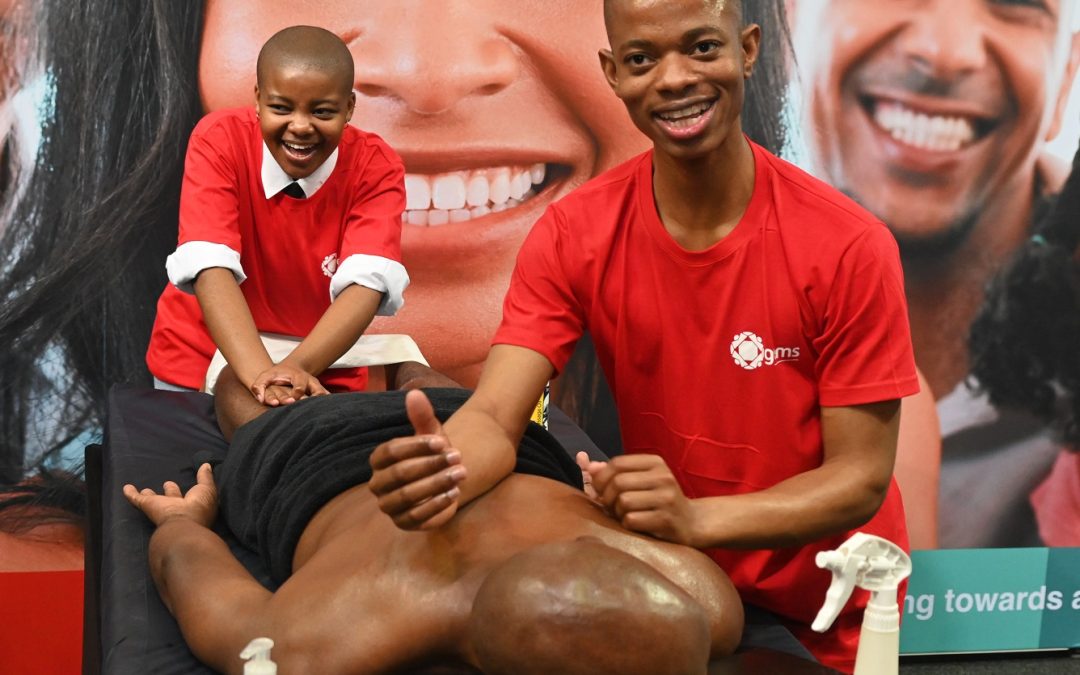
The 2025 Comrades Marathon brought not only grit, endurance, and national pride to the streets of KwaZulu-Natal – it also provided an exceptional clinical training platform for final-year physiotherapy students from Sefako Makgatho Health Sciences University (SMU). As thousands of runners prepared to take on the gruelling 90 km ultra-marathon, a dedicated team of SMU students rose to the occasion – first at the GEMS Wellness Tent at the Durban the Durban International Convention Centre (ICC), and later, on race day, at the rub tent located at the finish line at People’s Park (Moses Mabhida Stadium) in Durban.
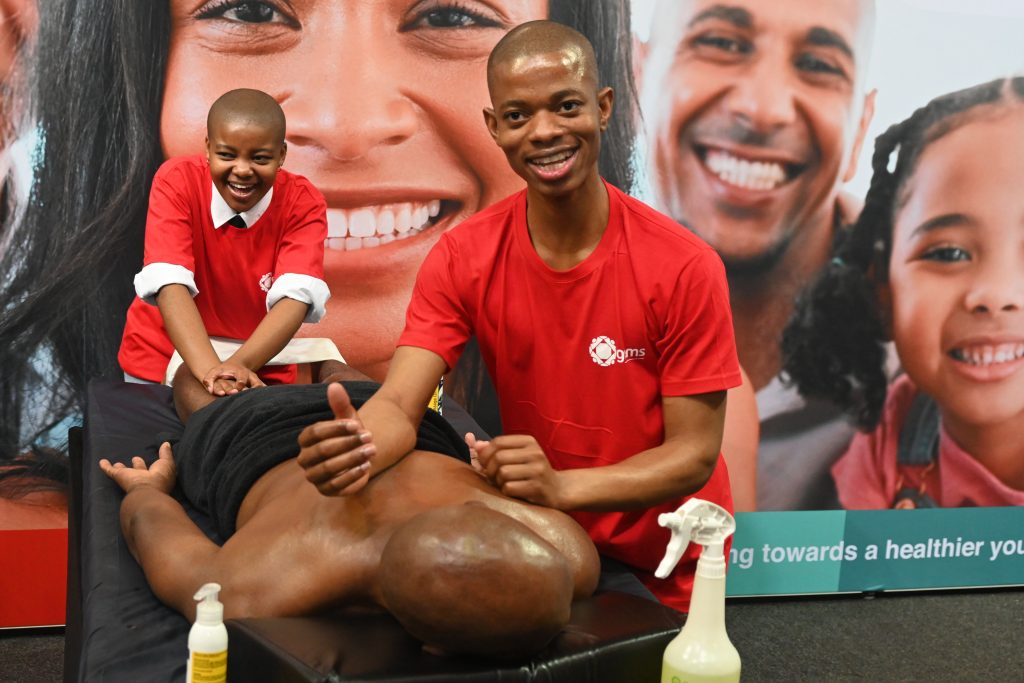 This hands-on experience formed an integral part of the students’ clinical education within the School of Health Care Sciences, offering them a unique opportunity to deliver sports rehabilitation services in real time, under professional supervision. “This experience gave our students the chance to engage with athletes in a live setting, assess physical needs on the spot, and implement appropriate physiotherapy techniques,” said Karabo Raphokwane, Physiotherapy lecturer and clinical coordinator.
In the lead-up to the race, the students provided pre-race care at the GEMS Wellness Tent at ICC. Here, they assisted runners with soft tissue massage, muscle activation, strapping, and stretching to help prepare them both physically and mentally for race day. Samkele Jiyane, a fourth-year physiotherapy student, described the event as “a once-in-a-lifetime opportunity, perfect for career development and building our professional portfolios. We are grateful to the SMU Physiotherapy Department for granting us this invaluable experience.”
“The students showed great enthusiasm at the Durban ICC,” added Raphokwane. “They took initiative, collaborated effectively with professionals, and interacted confidently with the athletes. It was a solid foundation ahead of the main event.”
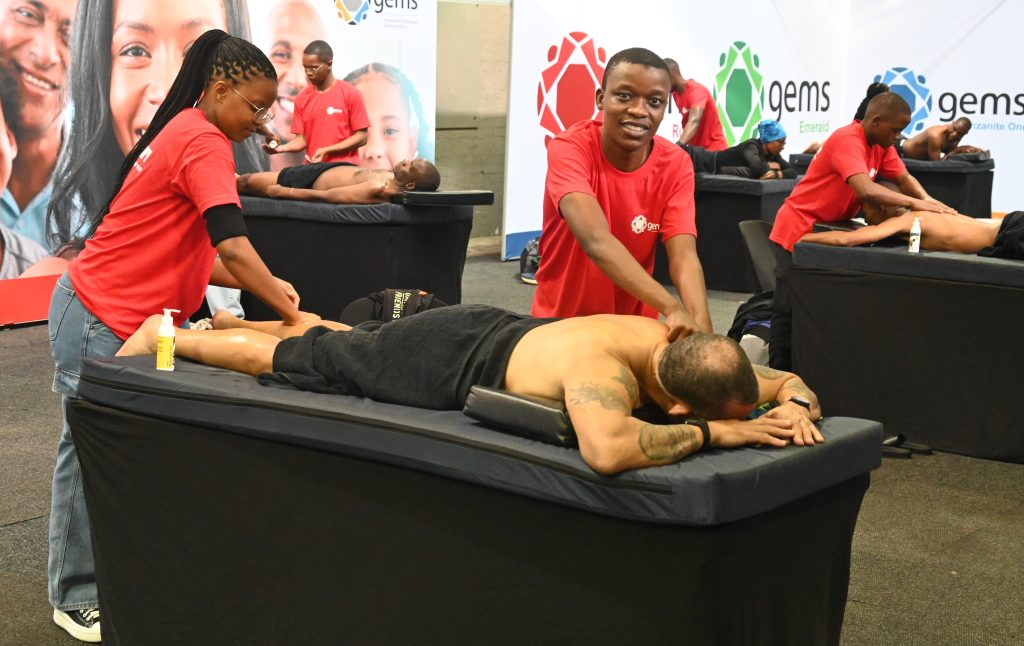 On Sunday, 8 June, the students transitioned to the rub tent at People’s Park, where they supported athletes at the finish line. After completing 90 kilometres, runners arrived in urgent need of post-race care, and the SMU students delivered. They provided massage therapy, stretching, and mobility work to fatigued athletes, focusing on relieving cramps, muscular tightness, and general recovery. “Watching our students in action at the rub tent was a proud moment,” said Raphokwane. “They remained calm under pressure, treated every runner with respect and professionalism, and supported one another throughout. This is what genuine clinical learning looks like.”
The experience helped students sharpen their decision-making, enhance communication skills, and gain confidence in managing real patients in a fast-paced environment. In addition to their work at the Comrades, SMU students also participated in the Physiotherapy Student Strapping Competition, hosted by the South African Society of Physiotherapy (SASP). This national competition allowed students to demonstrate their technical proficiency in preventative and therapeutic strapping used in sport.
SMU proudly secured third place – a result that reflects the high standard of education and preparation provided by the University’s Physiotherapy Department. “Taking part in the competition was a bonus,” said Raphokwane. “The students prepared thoroughly and were thrilled to compete alongside their peers from other universities. It was a wonderful celebration of their skills and development.”
The participation of SMU students in Comrades 2025 highlights the University’s commitment to experiential learning, community engagement, and professional readiness. Their contributions in both pre-race and post-race settings showcased not only technical competence but also compassion, discipline, and teamwork. This milestone experience also enabled the students to connect with peers from other institutions, engage with the broader healthcare community, and reflect on the real-world impact of their future profession.
By Dimakatso Modise
by Lorato | Jun 4, 2025 | All News, SMU Media, Student Media
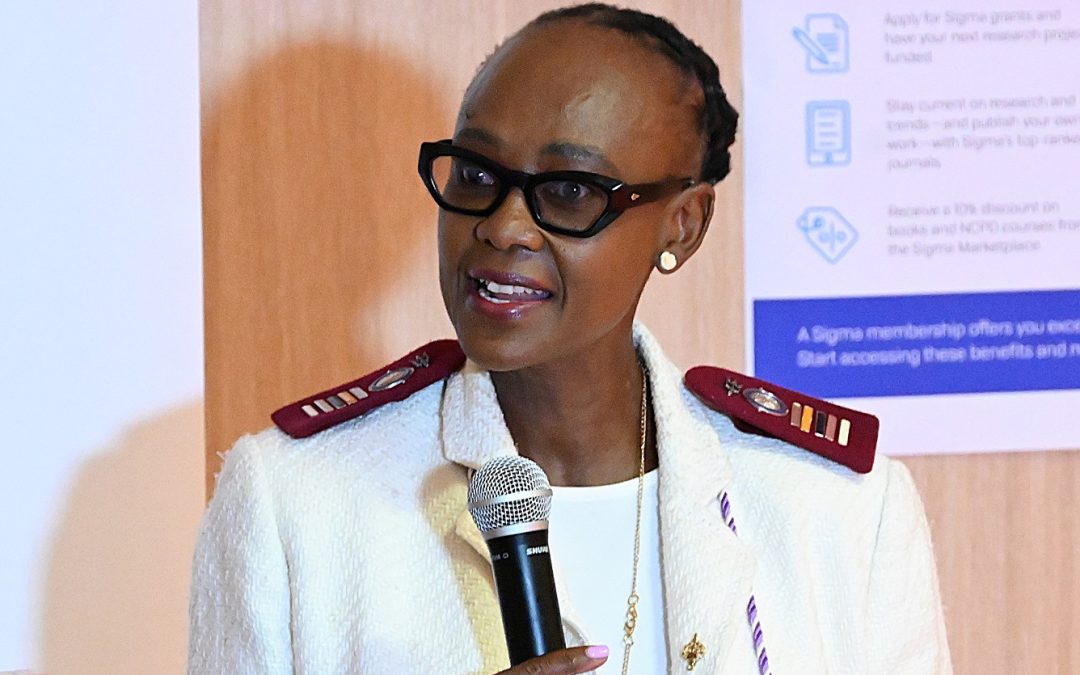
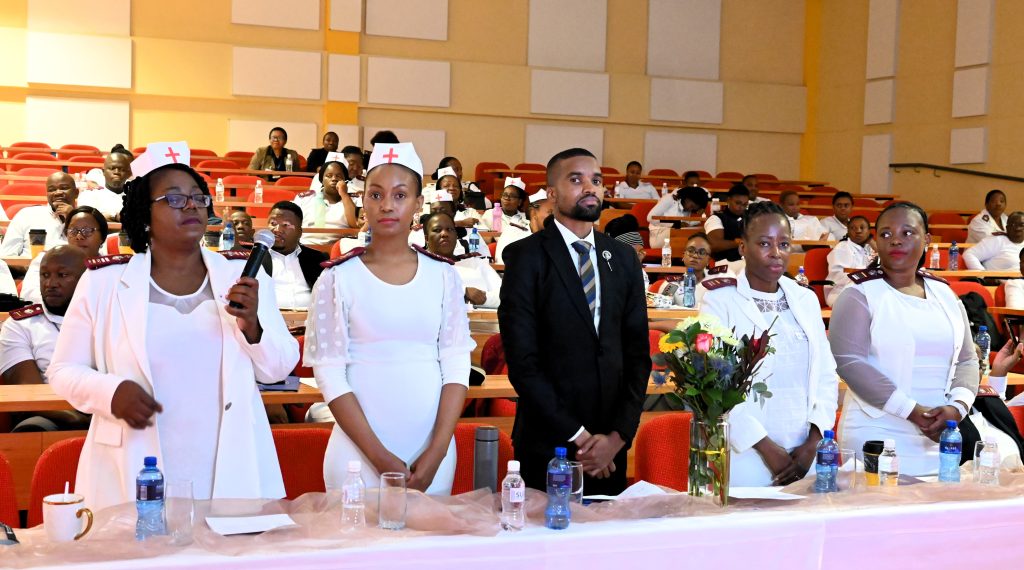
In a vibrant dual celebration held at Sefako Makgatho Health Sciences University (SMU) this month, nurses were recognised as vital agents of change in both healthcare and economic development. The event marked International Nurses Day 2025 and the formal inauguration of five new members into the university’s newly established Alpha Beta Beta Chapter of Sigma Theta Tau International Honour Society of Nursing (Sigma).
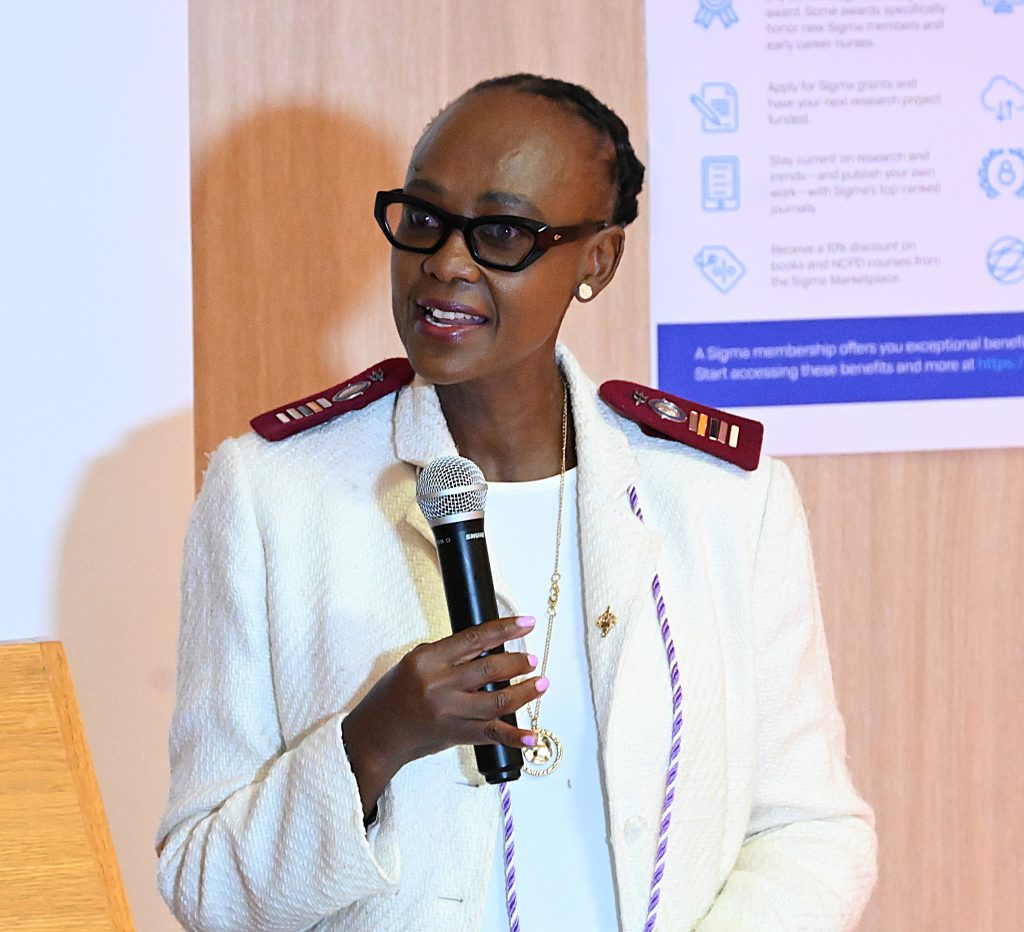 Under the theme “Our Nurses. Our Future. Caring for Nurses Strengthens Economies”, the occasion united students, lecturers, and healthcare professionals in honouring the legacy, resilience, and future leadership of the nursing profession. “This isn’t just a celebration,” said Ntsoaki Tshabalala, Lecturer for the Postgraduate Diploma in Health Services Management (PGDip HSM). “It’s a call to action. It affirms that our nursing students are not only caregivers, but future leaders, researchers, and advocates.”
Organised entirely by PGDip HSM students, the event blended commemoration with empowerment. Highlights included a lamp-lighting ceremony, the Nursing Pledge, and the inauguration of Sigma members, underscoring a strong commitment to ethical practice, global collaboration, and academic excellence. “International Nurses Day honours the legacy of nursing—its compassion, resilience, and enduring values,” Tshabalala added. “The simultaneous inauguration of Sigma Alpha Beta Beta Chapter introduces a forward-looking vision: global networking, research collaboration, and leadership development.”
The keynote address by Dr Kobe Marais, a prominent advocate for nurse leadership, delivered a powerful reminder of the broader socio-economic impact of nursing. “Nurses are not just healthcare workers—they’re economic drivers,” Dr Marais stated. “By caring for nurses, we build stronger health systems and healthier communities. Are you the nurse you would want to care for your grandparents? If not, what must change?”
The inauguration of Sigma members stood out as a historic moment. Dr Andile Mokoena-de Beer, a seasoned mental health nursing lecturer, said: “Being inaugurated into the Alpha Beta Beta Chapter of Sigma on International Nurses Day creates a profound sense of connection to the global nursing community. It highlights our responsibility to uphold Florence Nightingale’s legacy of compassionate, evidence-based care.”
Her sentiments were echoed by fellow inductees Dr Nkensani Florence Mabunda, who emphasised health equity, and Dr Sophy Mogatlogedi Moloko, who underscored mentorship and research-driven healthcare access. “Through Sigma, I hope to learn from other nurses globally and bring those insights into improving community healthcare,” added Tumisho Mokwele, Clinical Facilitator.
Prof Deliwe Phetlhu, who presented certificates to the new Sigma members, praised the transformative power of international recognition: “Being a Sigma member isn’t just a badge—it’s a passport to global citizenship in nursing. It connects our lecturers and students to grants, research, and leadership training that drives excellence.”
 Students also shared their reflections. Thobile Skhosana, a PGDip HSM student, described nursing as “a caring profession,” explaining: “Nurses not only address physical needs, but also emotional, psychological, social, and spiritual well-being.” Matodzi Mudau, another student, referred to nursing as “a calling,” stating: “It gives me fulfilment to know that my skills and compassion can bring comfort and hope. Nursing is more than just a profession—it is my life mission.”
The event also featured strong support from sponsors, including SureX Insurance, DENOSA, and Mbuso Medical Supplies. The celebration concluded with a strong sense of unity, pride, and purpose. Tshabalala summed it up poignantly: “The future of nursing lies in their hands—and with support structures like Sigma, they are well-equipped to lead that future.”
At its core, the event was not just ceremonial—it was visionary. It reaffirmed nurses’ indispensable role in global healthcare, celebrating them not only as healers but as leaders shaping the future of health systems and society.
By Tumelo Moila

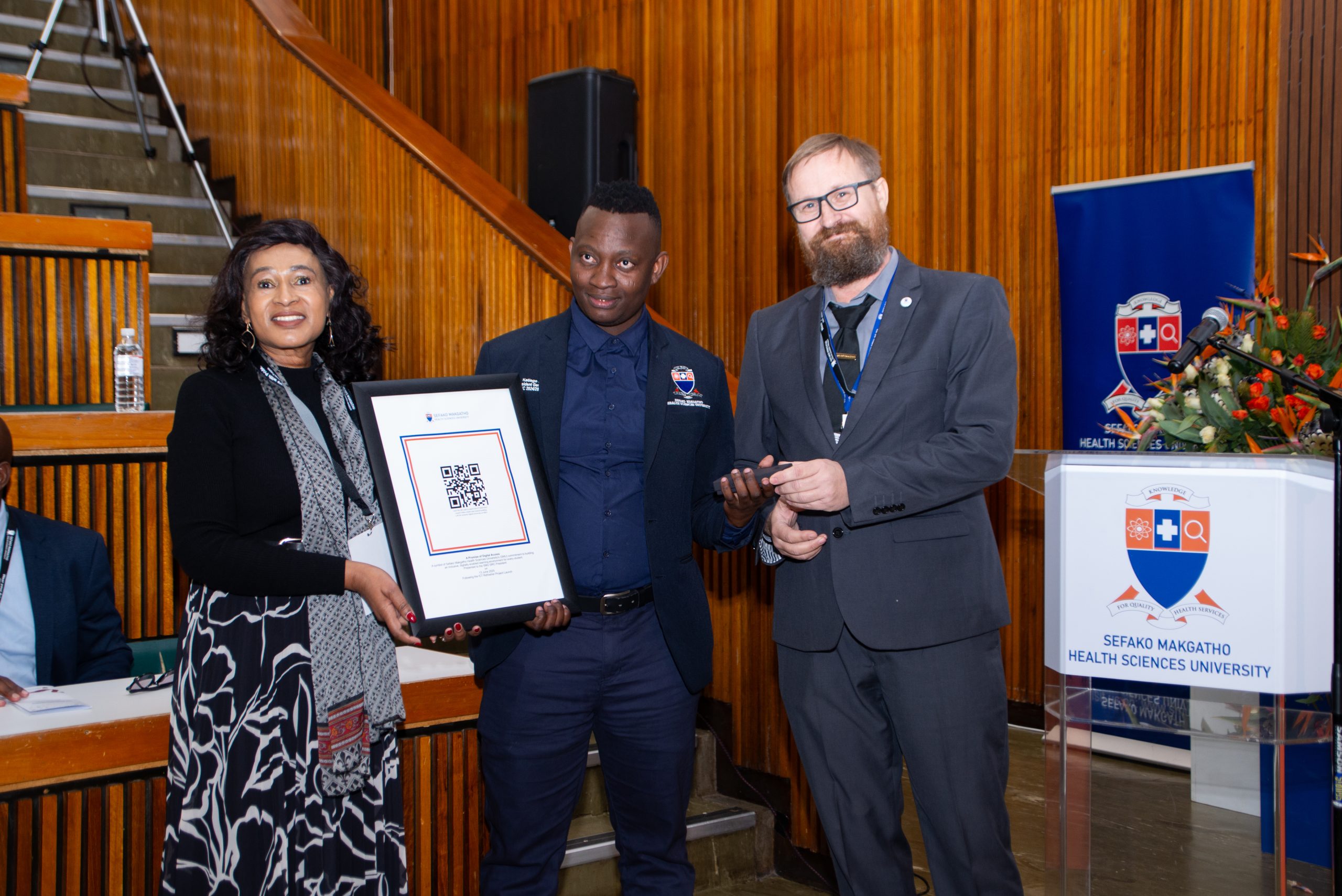
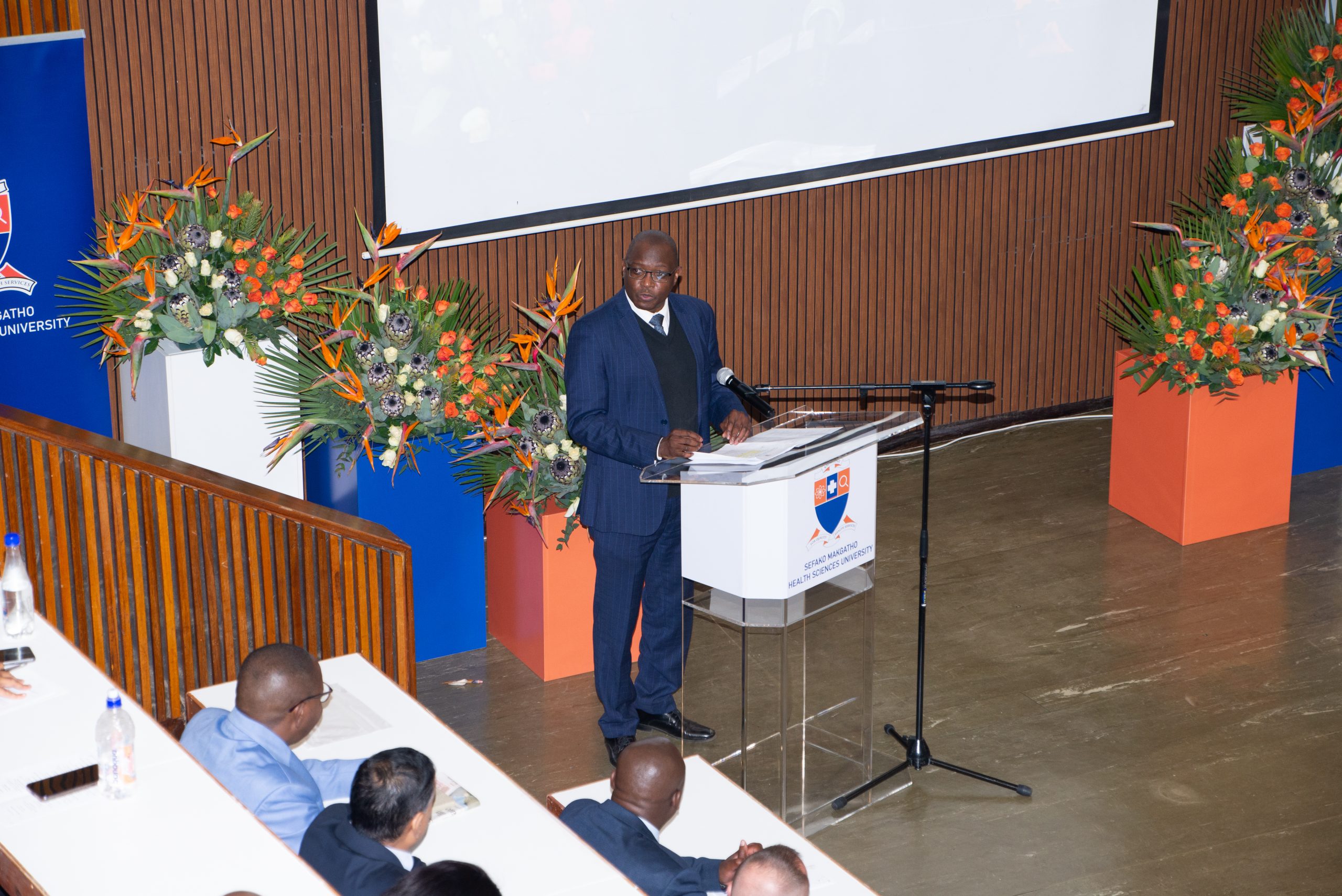
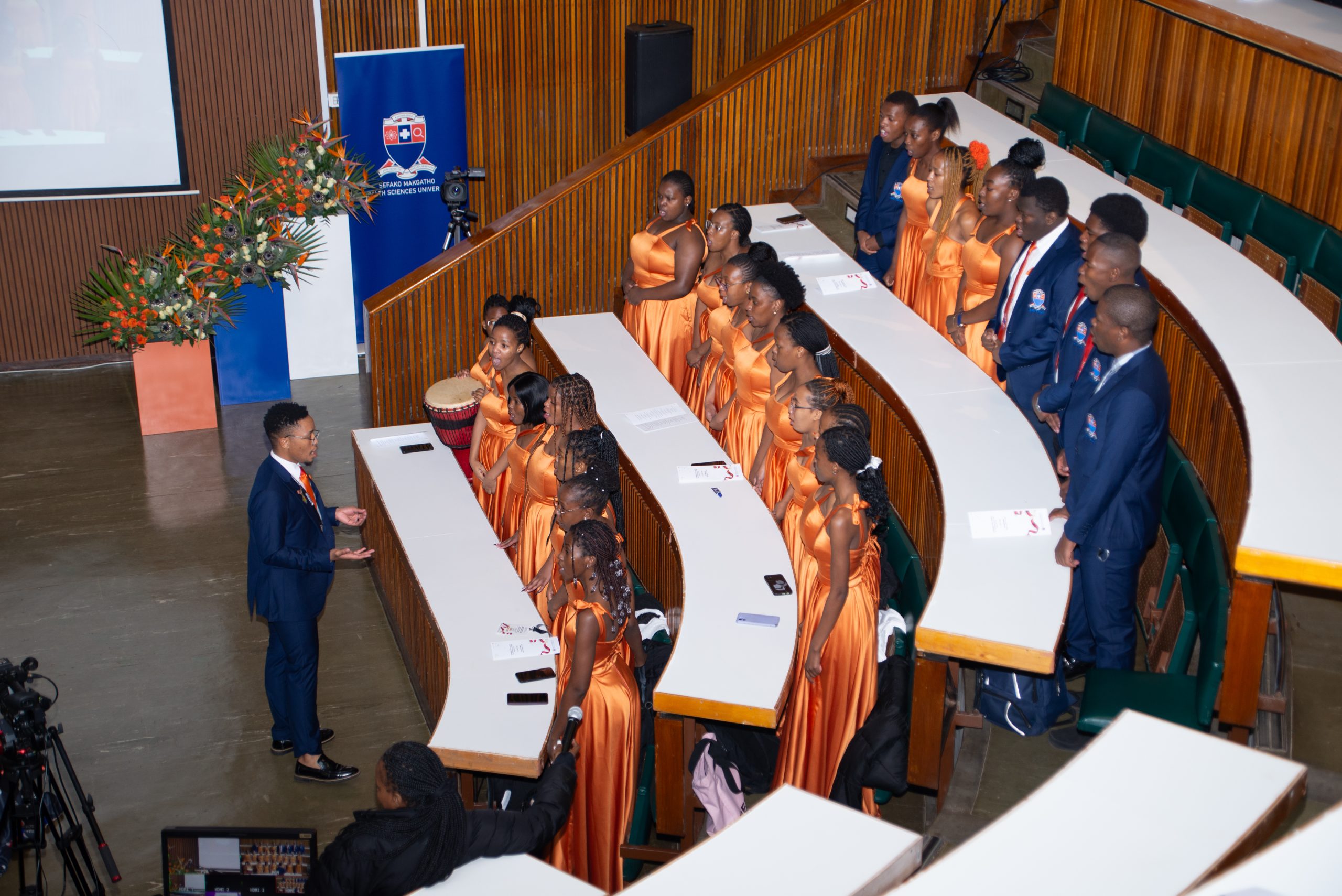
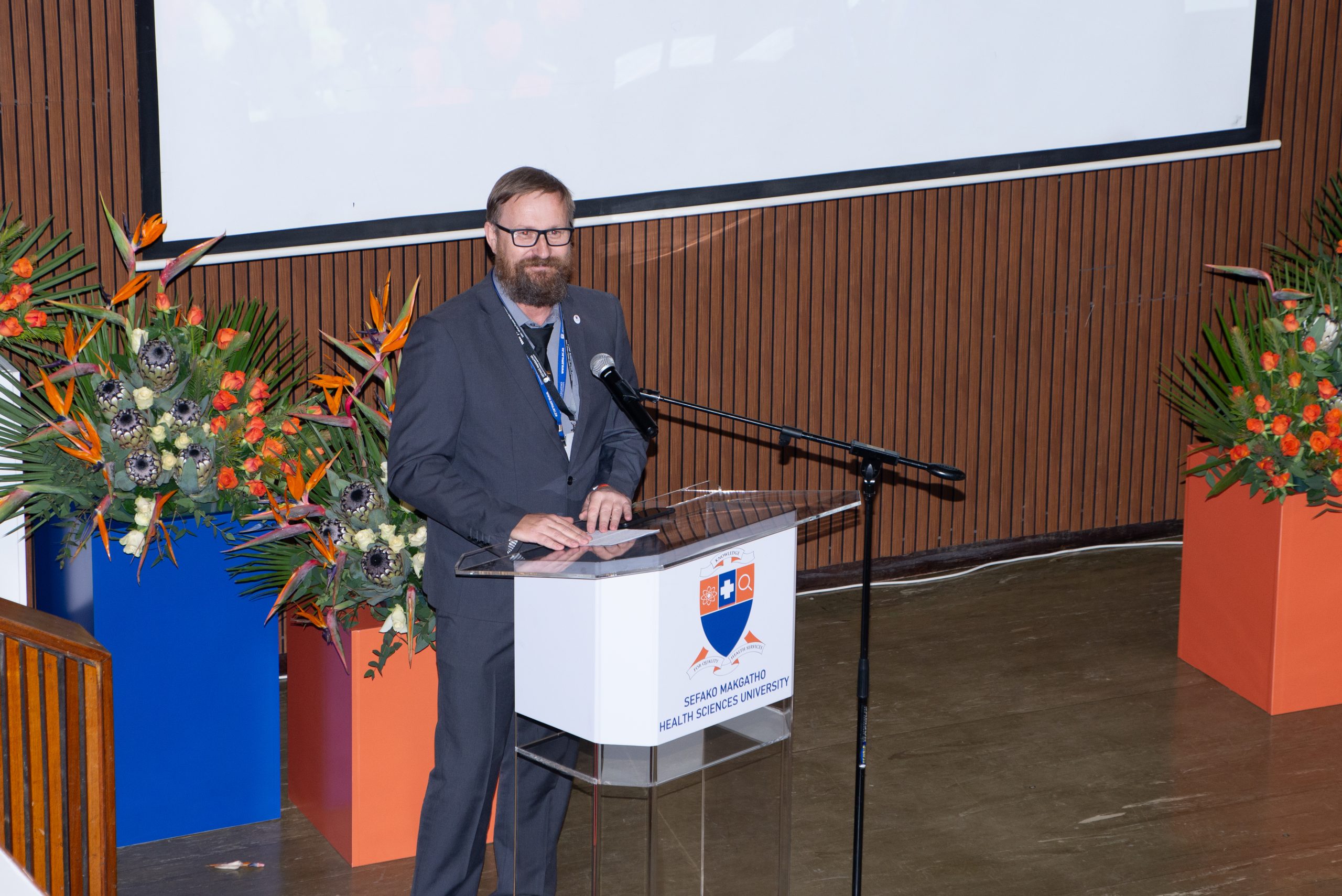
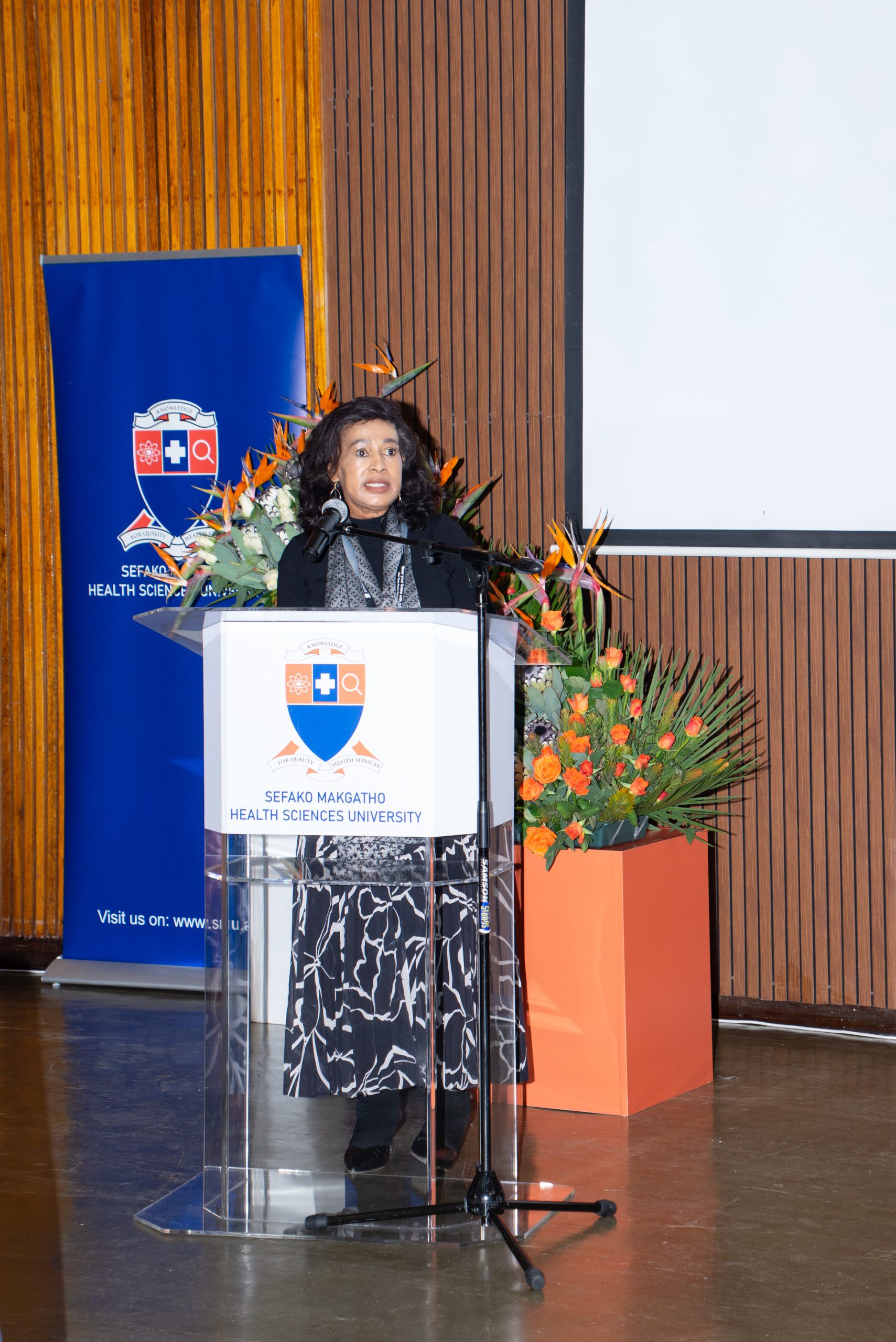
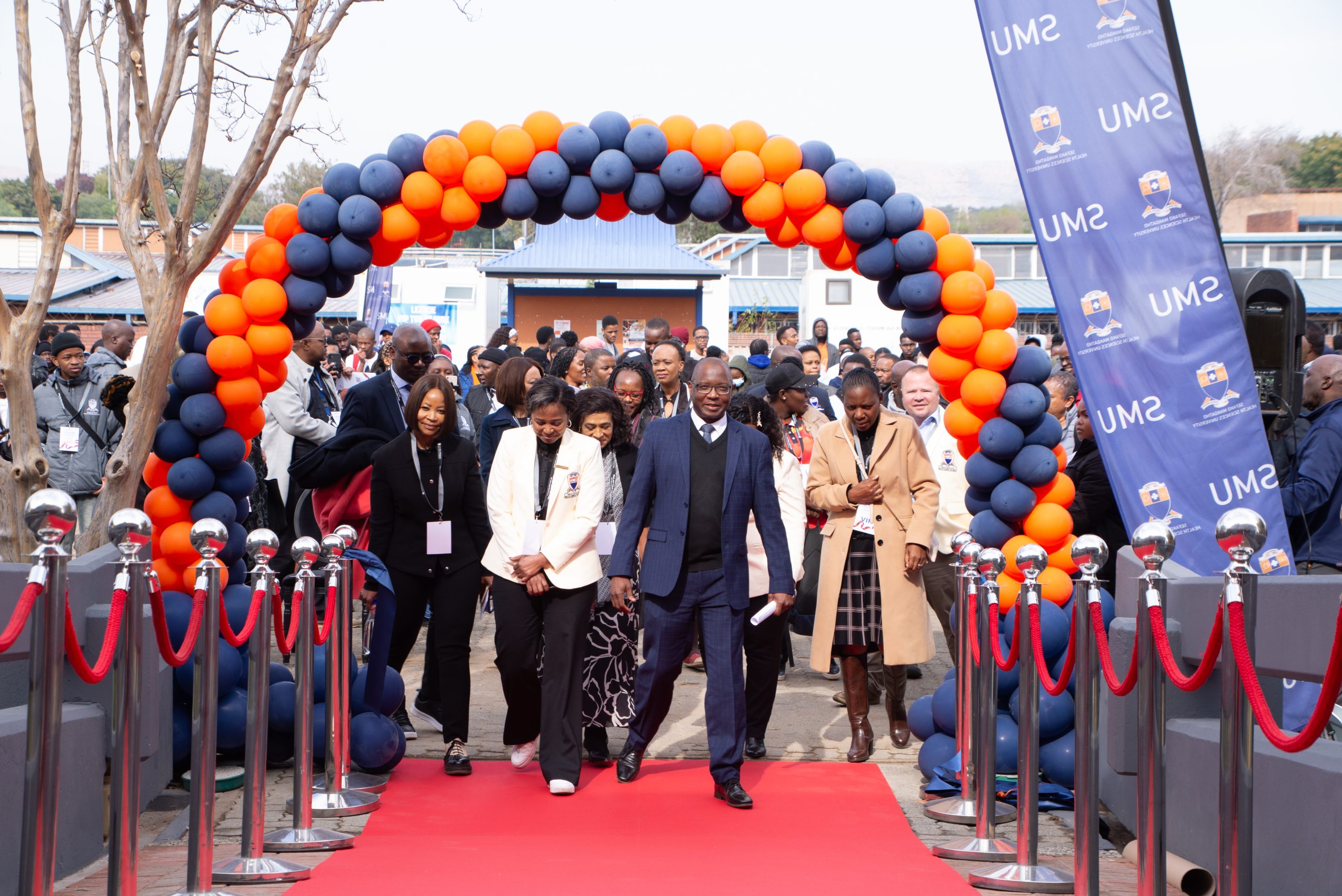
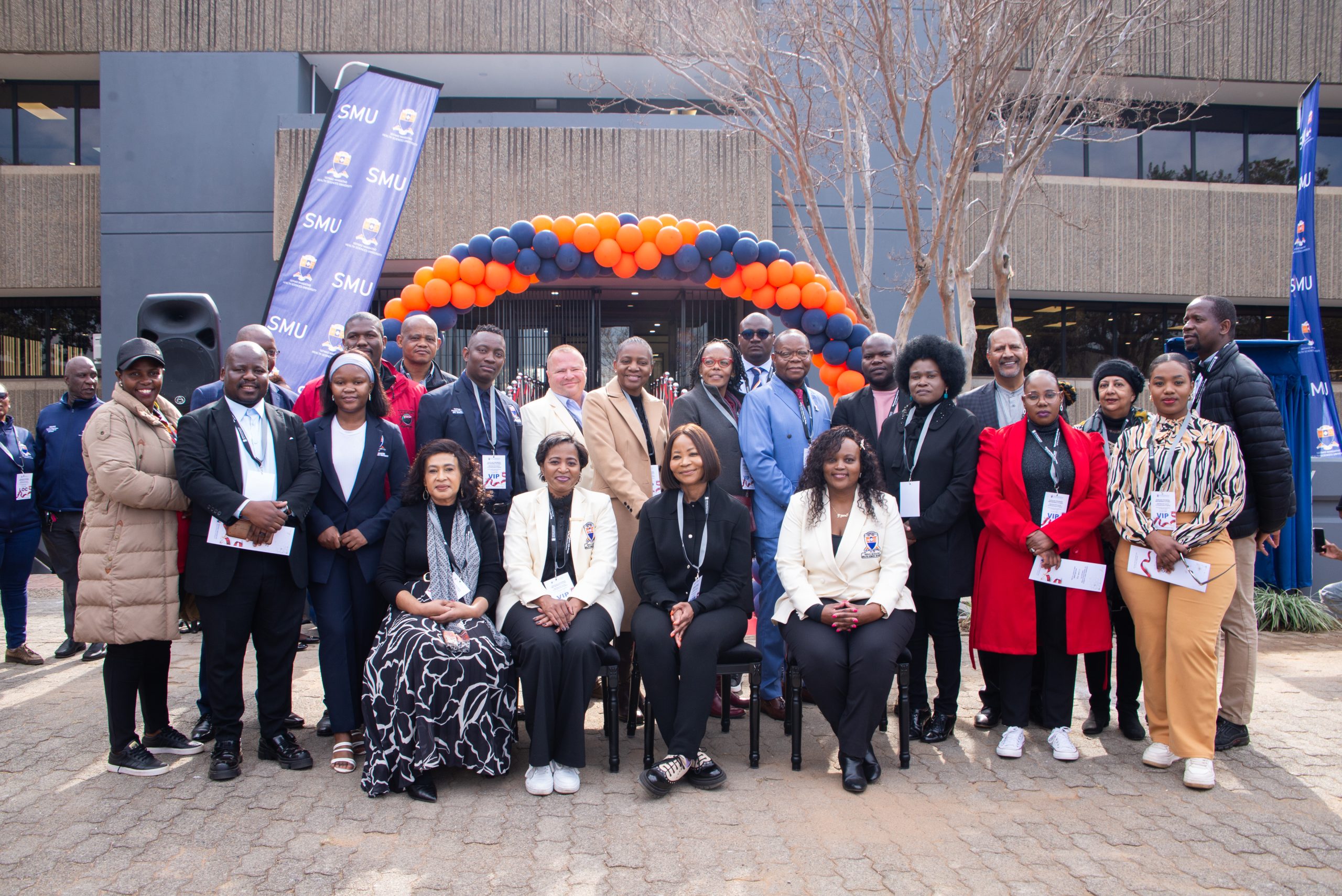
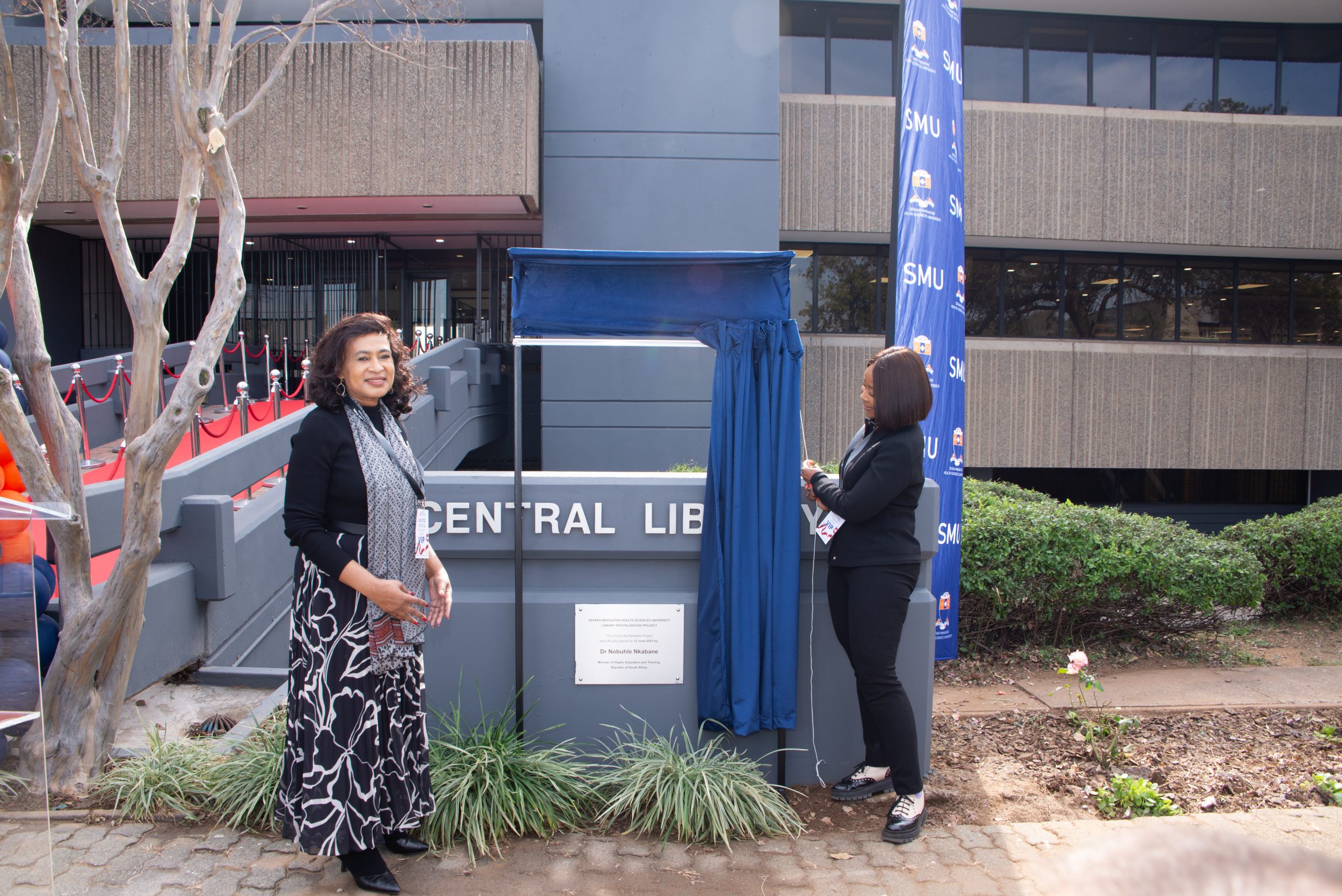
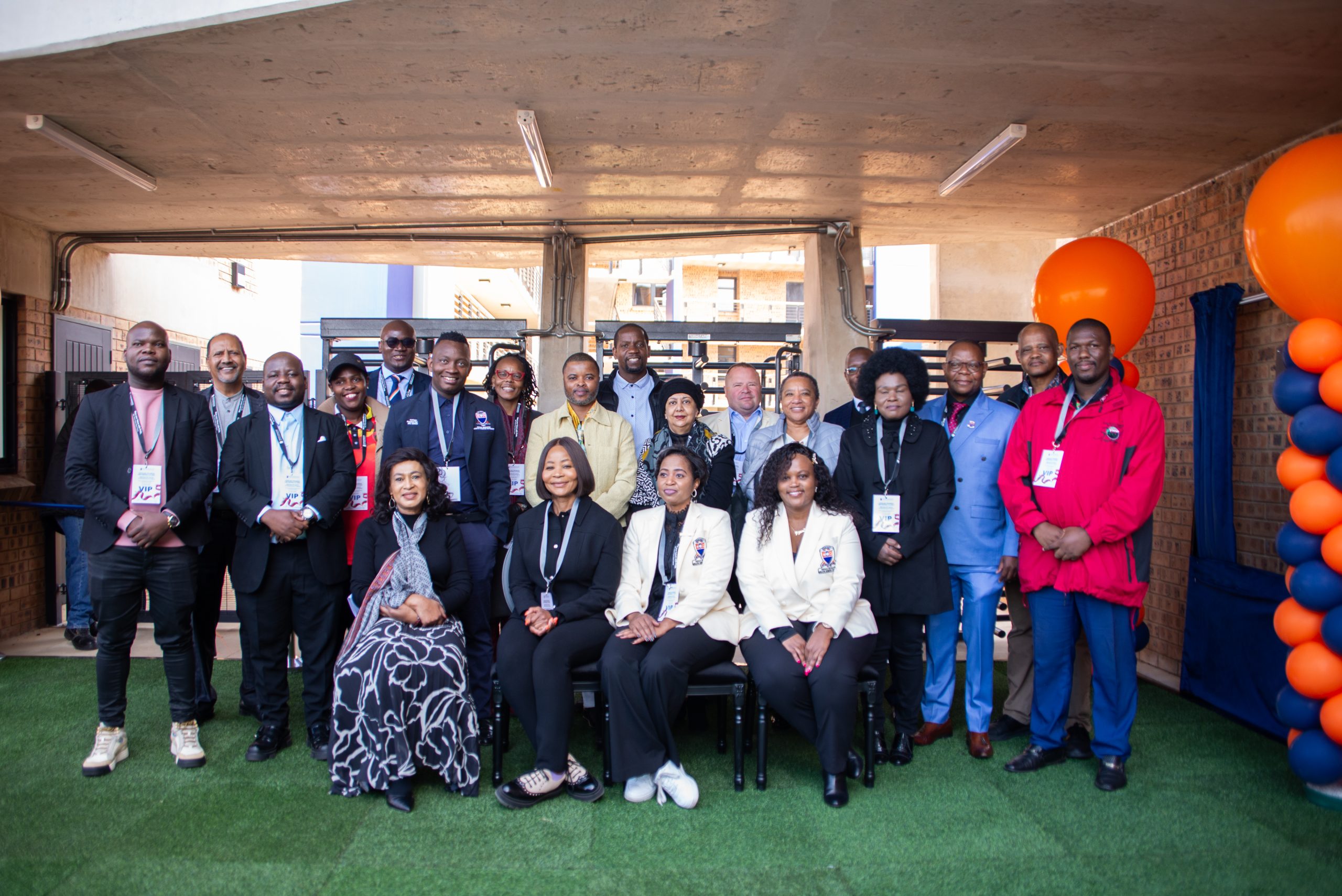
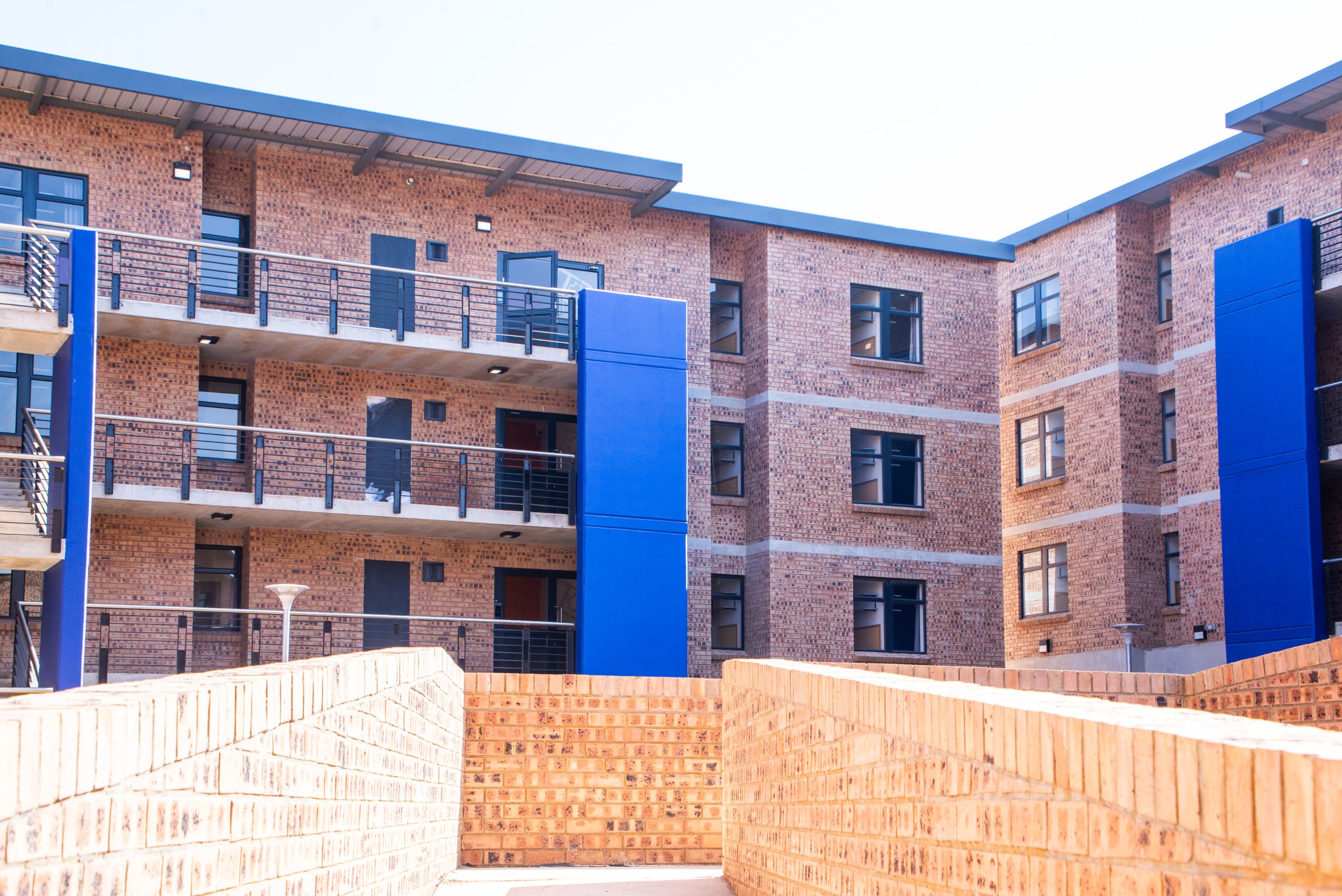
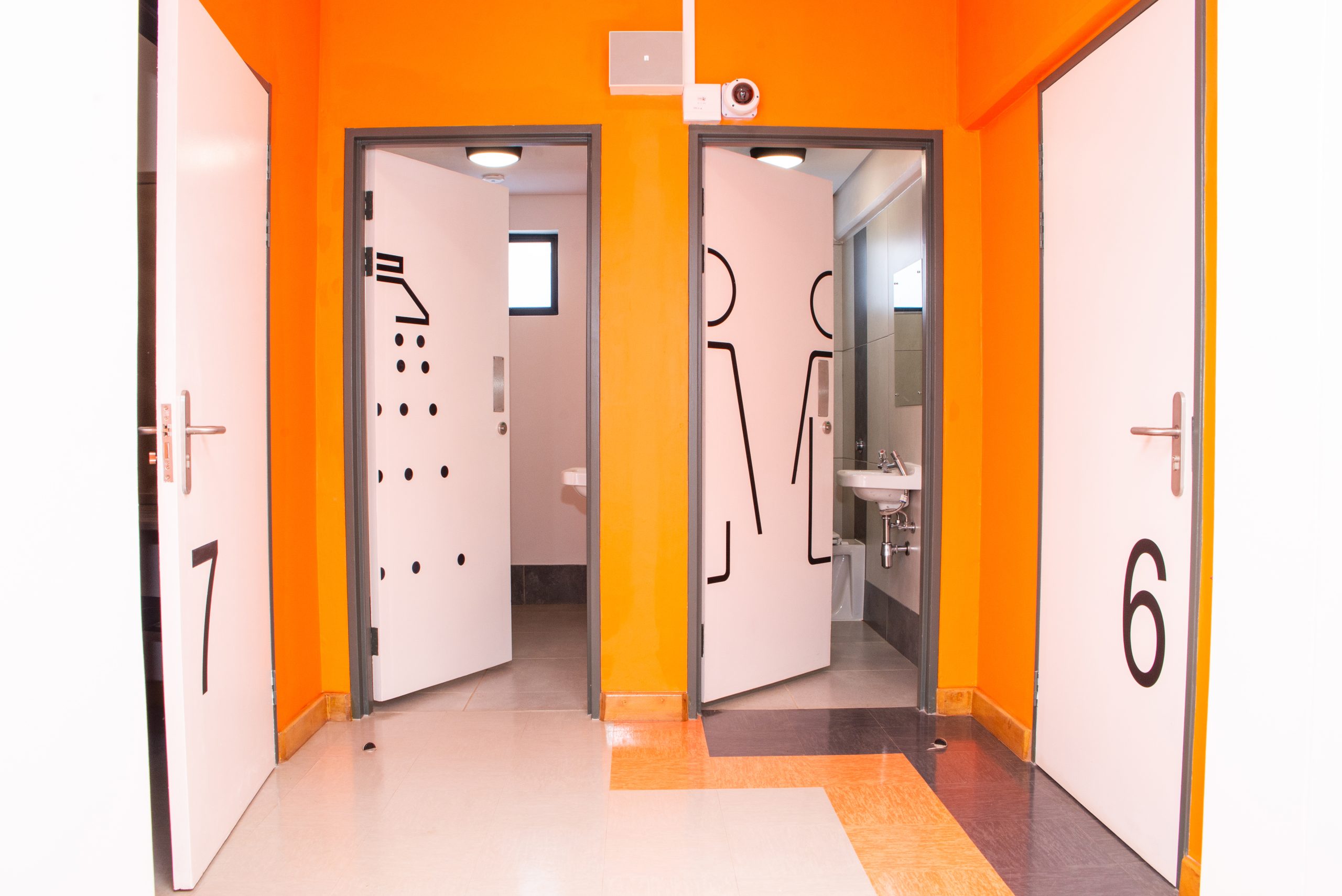
 The unveiling of the 1000-Bed Student Housing Project (Phase 1 of 2000 beds), the Revitalised Library, and the ICT Refresher Project reflects SMU’s bold new era: one driven by academic excellence, ethical leadership, and the dignity of student experience.