by Lorato | Jun 4, 2025 | All News, SMU Media, Student Media
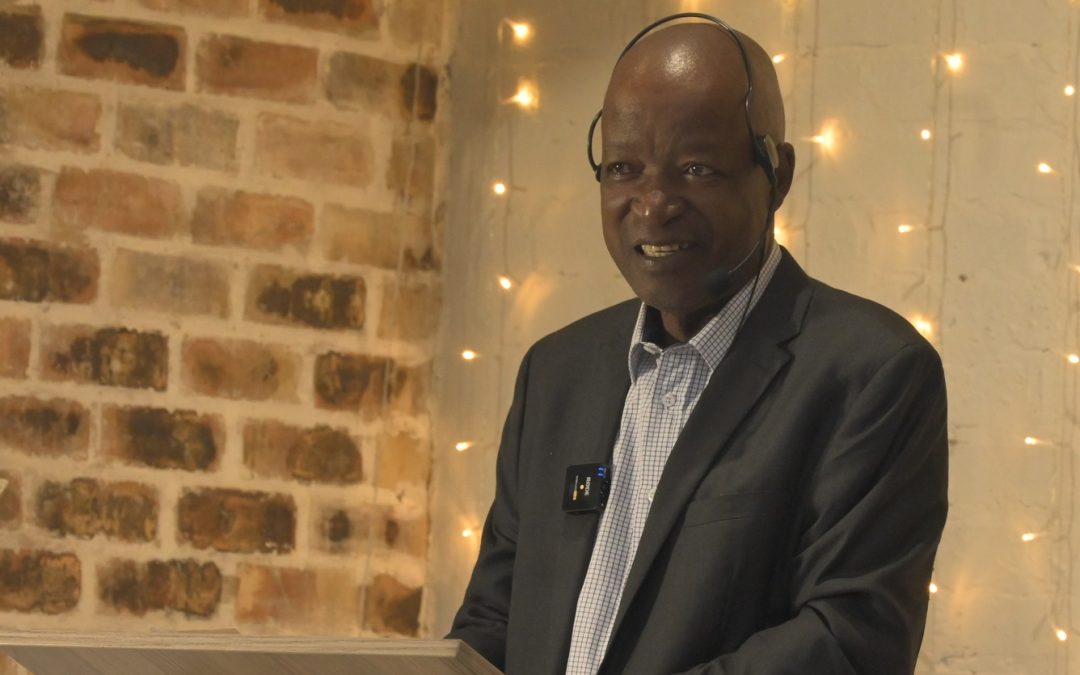
The School of Health Care Sciences at Sefako Makgatho Health Sciences University (SMU) recently hosted its inaugural Occupational Therapy Alumni Gala Dinner—an occasion that united graduates across generations to honour Professor Alfred Ramukumba’s retirement after 36 years of distinguished service.
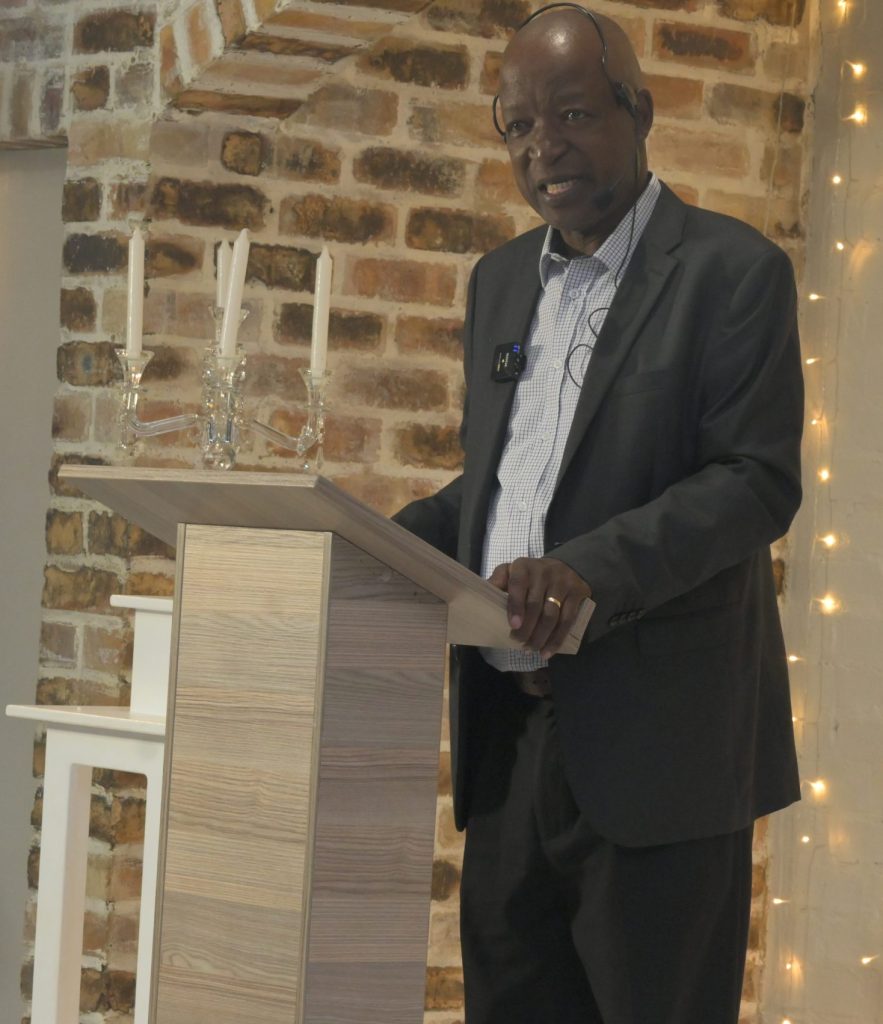 The evening was both a celebration of Ramukumba’s professional legacy and a moment of reflection on the growth and transformation of the Department of Occupational Therapy at SMU. The event drew former students, academic staff, healthcare professionals, and university leadership, creating a warm and collegial atmosphere of gratitude and pride.
Annah Lesunyane, Acting Head of the Department of Occupational Therapy, opened the programme by welcoming guests and expressing appreciation for the contributions that have shaped the department’s academic and professional development. She encouraged alumni to stay connected and continue contributing to its progress.
SMU Convocation President, Japhta Phala, urged alumni to embrace the institution’s evolving identity—from MEDUNSA, to the University of Limpopo (UL) – Medunsa Campus, and now SMU. He reminded them that they are vital ambassadors of the university’s legacy and its future.
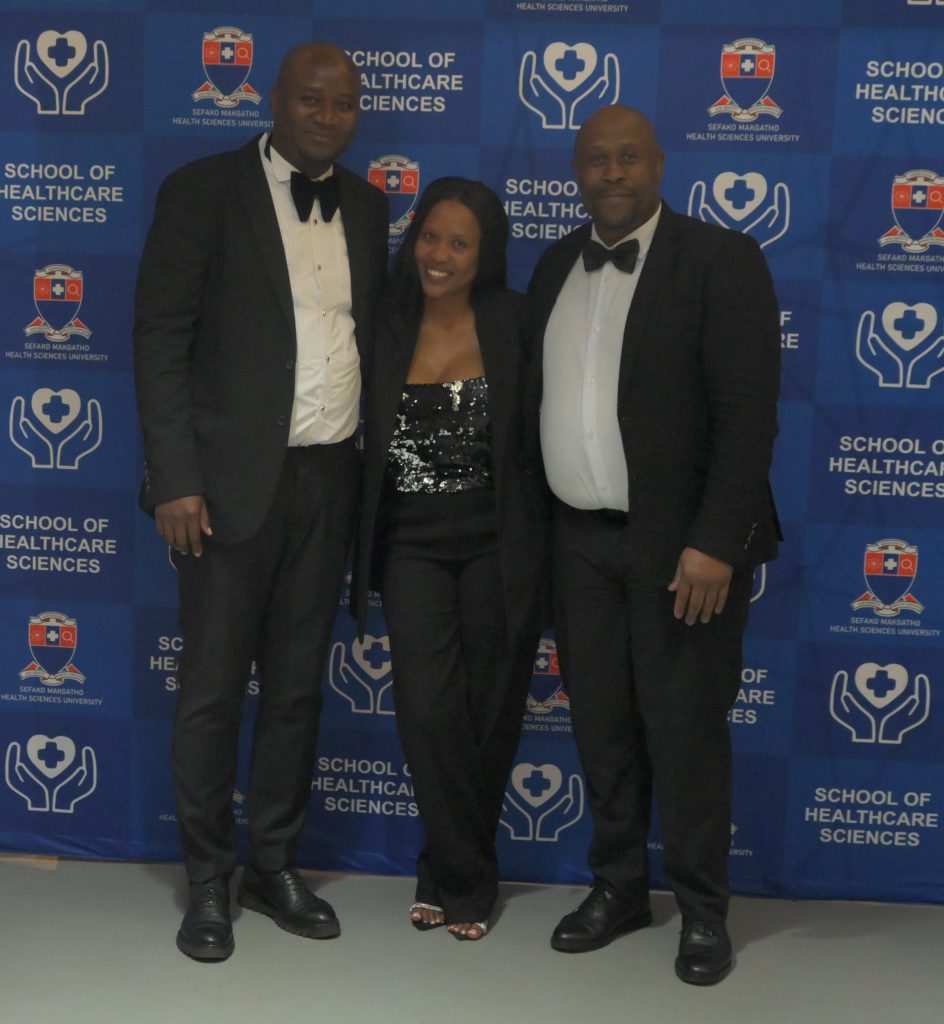 Professor Douglas Maleka, Dean of the School of Health Care Sciences, expressed heartfelt appreciation for Professor Ramukumba’s leadership and long-standing commitment to occupational therapy training. He highlighted Ramukumba’s pivotal role in laying the academic and professional foundations for the discipline at SMU.
In his keynote address, Ramukumba reflected on the department’s journey across three institutional eras. His occupational therapy career began in 1980 at MEDUNSA, where he earned a diploma later converted to a bachelor’s degree. After working in hospitals across Limpopo and Gauteng, he returned to MEDUNSA in 1988 as a junior lecturer and was appointed Head of Department in 2003.
He described the MEDUNSA era as one of determination in the face of constraint, where limited institutional resources were met with staff and student dedication. During the UL period, the department saw notable expansion in student enrolment, with 42 final-year students graduating in 2009. Many alumni returned to serve as lecturers and clinical supervisors, strengthening the academic support system.
Ramukumba acknowledged the political and academic disruptions of the time, including campus shutdowns and boycotts, but commended the resilience of the department in maintaining the training standards of the Health Professions Council of South Africa (HPCSA).
Since SMU’s establishment in 2014, he noted key improvements such as strengthened governance, formalised student support services, and robust academic policies. He proudly shared that the department’s training programme remains accredited by both the HPCSA and the World Federation of Occupational Therapists (WFOT).
He also celebrated the department’s enhanced research output, citing a growing number of peer-reviewed publications and staff academic advancement, including two PhD graduates, six PhD candidates, and two master’s degree holders among the staff.
Reflecting on his personal professional development, Ramukumba credited his involvement in national and international professional bodies such as the Occupational Therapy Association of South Africa (OTASA), the Pan African Occupational Therapy Society (POTS), the Occupational Therapy Africa Regional Group (OTARG), and the WFOT. He encouraged alumni to contribute meaningfully to the profession, support community transformation through “economic occupations,” and mentor the next generation of occupational therapists.
The evening concluded with a vote of thanks from SMU alumna and OTASA President Aluwani Manenzhe, who commended Ramukumba for his humility, vision, and enduring commitment to advancing the field of occupational therapy.
By Dimakatso Modise
by Lorato | Jun 4, 2025 | All News, SMU Media, Student Media
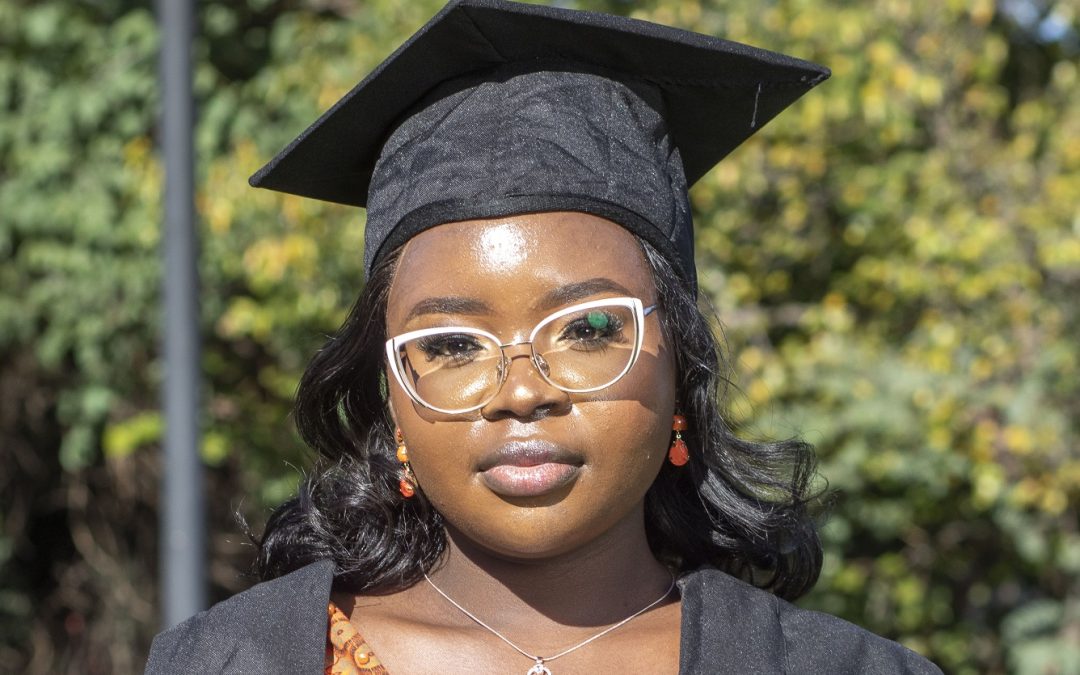
With a radiant smile and a heart full of gratitude, Dr Mmoni Betty Sekgoela walked across the graduation stage as one of Sefako Makgatho Health Sciences University (SMU)’s top medical graduates, earning the prestigious MBChB degree summa cum laude. But beyond the accolades lies a story of perseverance, faith, and a burning desire to rewrite her own narrative—and that of every young girl who dares to dream from the small village of Makhubidung, just outside Tzaneen. She is currently serving as a Medical Intern at the Polokwane Mankweng Hospital Complex.
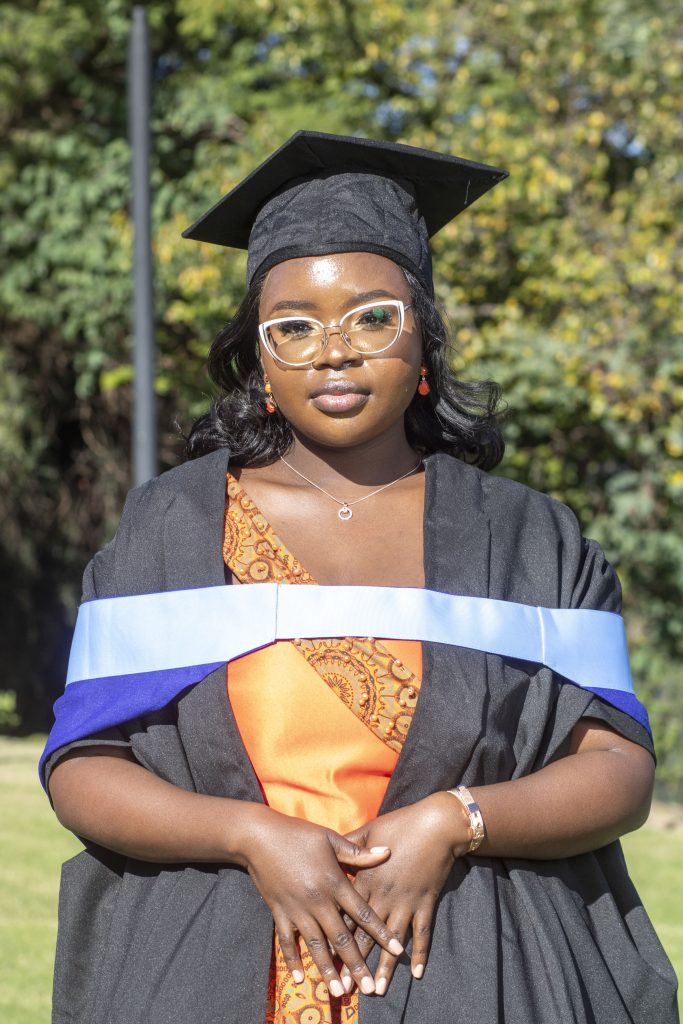 Raised in a humble household, Mmoni’s first aspiration was not to become a doctor, but a nurse, like her beloved aunt, who often recounted stories of service and healing during her training. It wasn’t until a Grade 5 teacher asked, “Why not become a doctor?” that the seed was planted. That year, a curious and determined Mmoni began researching the medical profession and quietly committed herself to the dream.
Her decision was later confirmed during a career day visit to her former primary school, Semana Primary School. “They invited a doctor from our local hospital. After hearing him speak, I knew I had chosen the right path,” she recalls. By Grade 12, Mmoni could be found shadowing staff in her local hospital’s physiotherapy department, absorbing every experience she could. Though physiotherapy was her backup plan, medicine always tugged at her heart.
SMU was not her first-choice university, but when the acceptance letter came, she never looked back. “I saw it as an opportunity to start afresh, away from everything I knew,” she shares. Now, six years later, Mmoni has emerged not just as a graduate, but as a beacon of academic excellence, defying the odds to achieve summa cum laude. “This distinction means everything,” she says. “It’s a reflection of the love I have for medicine and the hard work I’ve put in over the years.”
But the road was far from easy. “I used to cry myself to sleep,” she confesses. “I wasn’t from a top-performing school, and I constantly compared myself to others. But I had to learn to go at my own pace.” Her study routine was meticulous—organised notebooks for each module, colour-coded notes, prayer before every session, and a disciplined schedule that prioritised both rest and rigorous revision.
What kept her grounded? A powerful sense of purpose. “I’m not only here for myself. I’m here for young village girls who think they aren’t good enough because of their background,” she says. Clinical rotations brought both challenge and inspiration. One impactful moment occurred during a fifth-year surgery lecture when a senior doctor reminded students, “Some of you are here to break generational curses.” That statement stuck with Mmoni. “It reminded me of why I started.”
Her commitment to compassionate care was most evident during a clinical case where she followed a lonely, far-from-home patient daily until discharge. “They told me I treated them like a person, not just a condition. That meant everything.” Despite the stress, sleepless nights, and occasional self-doubt, Mmoni’s support system—her family, friends, and a group of professionals back home—remained steadfast. “We had a group chat called ‘Journey to Becoming Dr MBS’. They prayed for me, encouraged me, and reminded me of my worth.”
As she embarks on her internship, Mmoni hopes to specialise—possibly in paediatrics, inspired by her own beginnings as a premature baby. Long-term, she envisions contributing to healthcare through impactful research and mentorship. “Charity begins at home. I want to give back to my community and show others it’s possible.”
To aspiring students, especially those from disadvantaged backgrounds, she offers these words: “Know who you are, where you come from, and where you’re going—and no one can take that away from you.” Sekgoela hopes to be remembered not only as a doctor but as a changemaker—“a girl who took a leap of faith, followed her dreams, and gave her all to restore faith in those who had lost it.” Indeed, her journey is a testament that no dream is too distant, and no background too humble, to reach for the stars.
By Tumelo Moila
by Lorato | Jun 4, 2025 | All News, SMU Media, Student Media
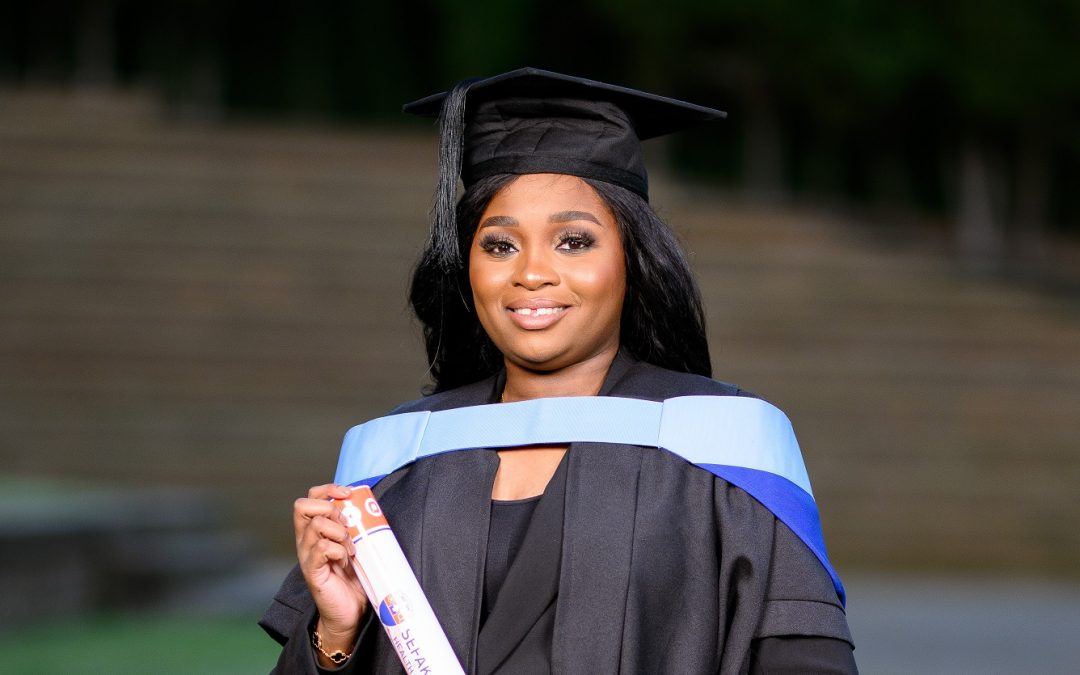
Sefako Makgatho Health Sciences University (SMU) recently celebrated a remarkable academic milestone as Zamantungwa Memory Vukeya graduated summa cum laude with her Bachelor of Medicine and Bachelor of Surgery (MBChB) degree. Hailing from the small town of Ivory Park (in Tembisa), Vukeya’s journey to the top of her class is one of grit, resilience, and unshakable purpose. She is currently busy with her internship at Dr George Mukhari Academic Hospital.
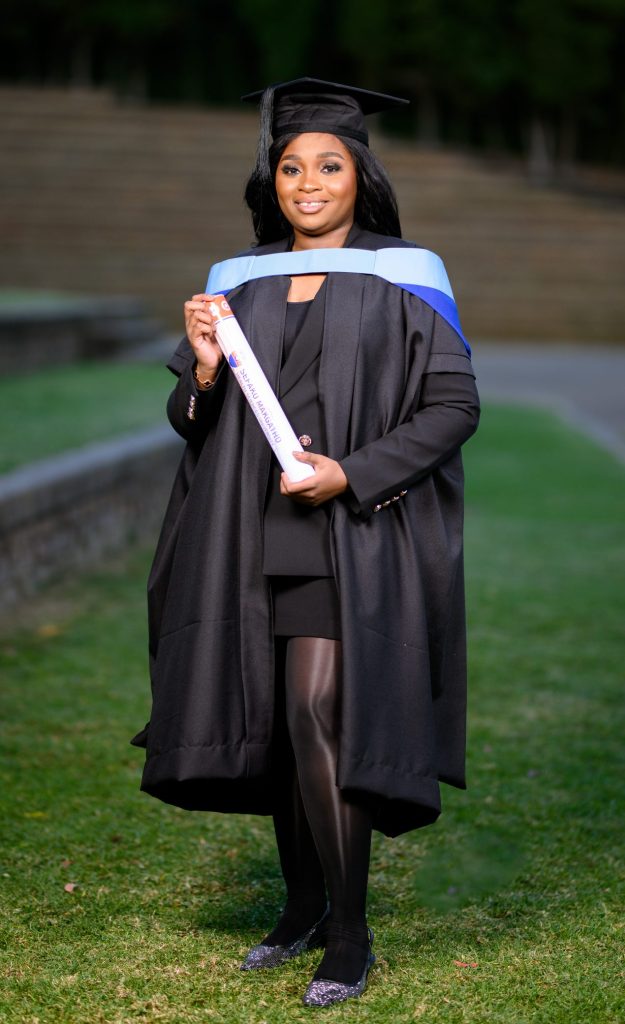 Growing up, Vukeya’s circumstances were far from ideal. With limited role models and economic hardship defining her early years, she credits her grandparents, particularly her grandfather, who retired just as she began matric, as the anchors of her upbringing. “Hopelessness has a very special place where I come from,” she reflects. “The relationship I had with hunger ignited my vision—or greed, rather—for a better outcome.”
Surprisingly, there was no single defining moment that led her to a career in medicine. Her decision to pursue the MBChB programme at SMU was influenced by familiarity and the university’s early integration of clinical work. “My uncle graduated here, and so did most of my mentors,” she explains. This sense of connection set the foundation for what would become an exceptional academic journey.
Graduating summa cum laude is no small feat in a programme as demanding as medicine. For Vukeya, it served both as personal validation and a professional springboard. “It validated my hard work and became a stepping stone to establishing myself as a competent and innovative specialist in the making.”
Her academic excellence was the result of a highly personalised approach to studying. As a visual learner, she relied heavily on images, creativity, and colour to engage with complex concepts. Her daily “deep study” sessions—typically split into manageable intervals throughout the day—were anchored by self-discipline and constant self-reflection. “I take lots of breaks in between to consolidate and make sure the concepts stick. I also check in with myself to avoid going on autopilot.”
Balancing the rigorous demands of coursework, clinical rotations, and personal life was made possible through a clear philosophy: “The course is my hustle, and my family is my pleasure. I never mixed the two.” This separation allowed her to remain focused and grounded.
Vukeya credits a long list of mentors and lecturers for shaping her clinical and academic skills. Her passion for anatomy, ophthalmology, and internal medicine was amplified by mentors such as Prof. Pindile Mntla, Dr Tlangelani Rikhotso, Dr David Mashego, Dr Hosea Lebogang Mangena, Dr Thero Masedi, and many more. “All my lecturers impacted me positively in different ways—this list could be a novel.”
Her most memorable patient encounter came in her fifth year, when she was part of a team treating a young woman with severe autoimmune disease. Against the odds, the patient recovered, and Vukeya would later meet her again—alive and thriving. “Her gratitude reminded me of the true impact of empathy in medicine.”
A constant pillar of strength throughout her studies was her mother. “That woman is my messiah,” she says, visibly emotional. Alongside her mother, friends like Dr Nkgau Modise and mentors such as Dr Shumani Makhadi played vital roles in fuelling her ambition and offering unshakeable support.
Despite her achievements, Vukeya remains grounded. Her long-term goal is to specialise in orthopaedics, contribute to clinical research, and improve healthcare accessibility, particularly in underserved communities. “There’s only one way up, and that’s to the top,” she states with conviction.
To aspiring medical students, particularly those from disadvantaged backgrounds, she offers practical wisdom: “Seek mentorship. Prioritise self-care. Stay resilient.”
As she steps into her medical internship, Vukeya hopes to be remembered as a trailblazer—a student who not only conquered academic challenges but also inspired change and innovation within the healthcare system.
Her legacy at SMU is already secure: one of excellence, empathy, and empowerment.
By Tumelo Moila

by Lorato | Jun 4, 2025 | All News, SMU Media, Student Media
On 24 May 2025, Sefako Makgatho Health Sciences University (SMU) made history by hosting the University Sport South Africa (USSA) Annual General Meeting (AGM) for the first time since the institution’s establishment in 2014. Held on the university’s vibrant campus, the event welcomed delegates from over 26 universities across the country and underscored SMU’s growing influence in student sport and holistic development.
 The USSA AGM is the highest decision-making body in university sport and plays a vital role in shaping national discussions around governance, transformation, inclusion, integrity, and athlete development. SMU’s selection as host reflects the confidence placed in the institution by both the higher education and sporting communities.
Welcoming delegates to the historic gathering, Vice-Chancellor Professor Tandi Matsha-Erasmus underscored the university’s mission beyond academic excellence, “As a university grounded in the health sciences, our mission extends beyond the classroom and clinic. We are committed to nurturing well-rounded graduates who embody leadership, discipline, and community engagement. Hosting this AGM is not just about sport—it is about nation-building through youth empowerment.”
She also pointed out the alignment between the event and SMU’s core values of excellence, integrity, ubuntu, respect, and accountability. “Our participation in USSA and our contribution to student sport are rooted in our values. We believe in empowering young people holistically, and this event is a reflection of that commitment,” she added.
The AGM followed a series of sporting and academic successes for SMU. At the recent Autumn Graduation Ceremonies, 47 student-athletes received their qualifications, including 12 from the rigorous MBChB programme, highlighting the university’s dedication to both academic and sporting excellence.
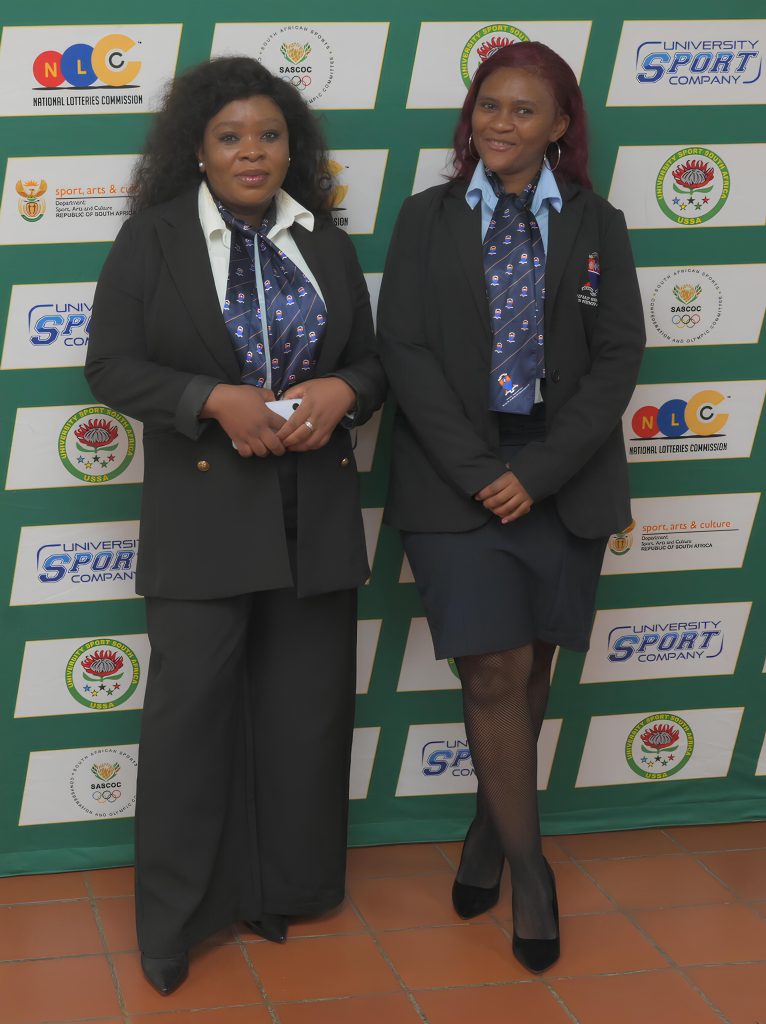 “This is a proud moment for all of us,” said SMU Sport Officer Busisiwe Sijora. “We are showing the country that at SMU, we don’t choose between the mind and the body—we develop both. These graduates are living proof that excellence in the classroom and on the field is possible.”
SMU’s leadership in university sport goes beyond event hosting. The university holds strong representation within USSA’s national structures, with staff and students in influential positions helping shape the direction of student sport in South Africa. Senior Sport Officer
Andiswa Zwelibanzi serves as Chairperson of USSA Canoeing, Secretary of USSA E-Sport, and a member of the USSA Transformation and Development Sub-Committee. Sport Officer Busisiwe Sijora is Vice-Chairperson of USSA Football, Secretary of USSA Handball, and a member of the Bidding and Hosting Sub-Committee.
Third-year MBChB student Paballo Moshoma also holds a national leadership role, serving as Secretary for USSA Chess.
“Serving in these national roles is not just about representation,” said Zwelibanzi. “It’s about ensuring that our student-athletes have a voice, that sport becomes more inclusive, and that transformation becomes a lived reality.”
At SMU, sport is not an extracurricular activity—it is central to student life and development. The university views sport as a platform to foster leadership, promote health and wellness, and strengthen social cohesion—objectives closely aligned with its mission of producing competent and compassionate health professionals.
SMU Sport expressed gratitude to USSA leadership, the SMU Sport Council, support staff, and volunteers who made the AGM a resounding success. “This event has been a milestone, but more than that, it’s been a statement,” said Sijora. “SMU is ready to take its place among the leaders in sport and student development. We’re just getting started.”
As SMU continues its evolution into a centre of excellence in health sciences and student life, the successful hosting of the USSA AGM marks not just a first, but a defining chapter in its story—one that positions sport and education as equal pillars in building a healthier, more inclusive South Africa.
By Dimakatso Modise

by Lorato | Jun 4, 2025 | All News, SMU Media, Student Media
In a triumph that marries national pride with academic excellence, Sefako Makgatho Health Sciences University (SMU) alumnus Felix Nkuna has emerged as a symbol of results-driven leadership after playing a pivotal medical role in South Africa’s historic victory at the CAF U-20 Africa Cup of Nations tournament. As the sports physiotherapist for South Africa’s U-20 men’s football team, affectionately known as Amajita, Nkuna’s behind-the-scenes expertise was instrumental in keeping the team at peak performance, culminating in a 1–0 win over Morocco in the final held in Egypt on 18 May 2025. His success not only earns him national acclaim but also exemplifies SMU’s core value of effective leadership on the continental stage.
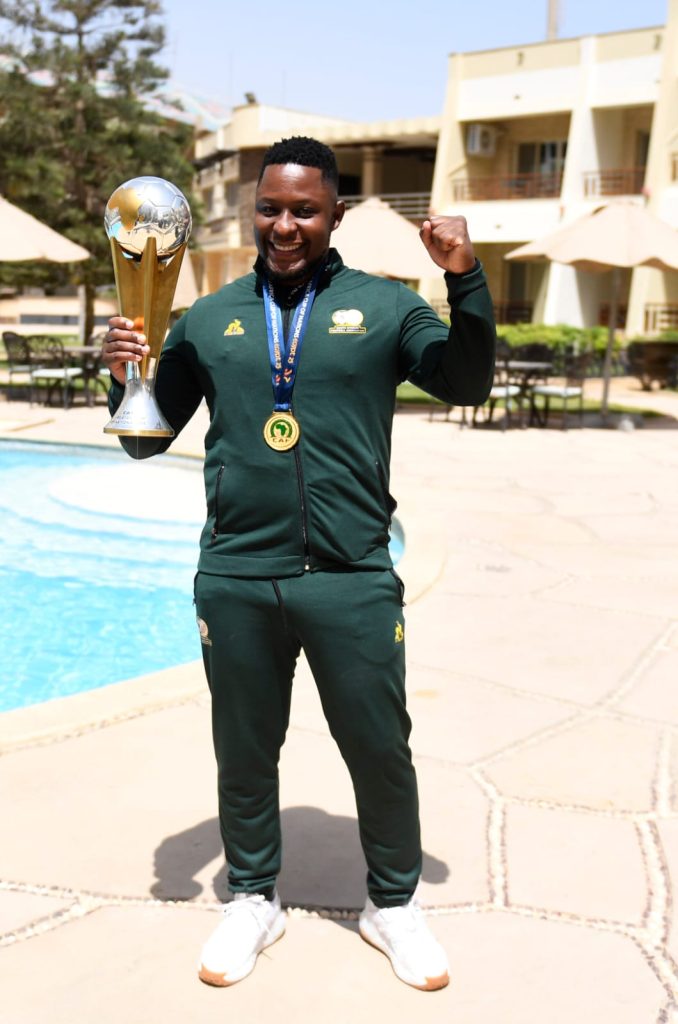 Nkuna’s contribution was vital in keeping the players in peak condition throughout the tournament. “My role is to treat injuries, assist with rehabilitation, and implement preventative strategies,” he explained. “We operate as a team—the coach, sports physician, biokineticist, and myself—to ensure every player is match-fit.”
The success with Amajita is not just a professional milestone—it’s deeply personal for Nkuna, who describes it as the “biggest achievement” of his career so far. “To tell you the truth, this is the biggest thing I have ever achieved. I am now focusing on going to the FIFA U-20 World Cup in Chile with them. The tournament will run from 27 September to 19 October 2025,” he said. “This achievement summarises my career.”
Nkuna’s journey to the national team is rooted in resilience, humility, and unwavering faith. Raised in a family of academics, his late father instilled in him a deep respect for education. “My father, who passed away last year, always believed in education. My brothers were academic stars in our community, and I felt a lot of pressure to do well,” he reflected.
After matriculating, Nkuna pursued physiotherapy at SMU, a decision inspired by a senior physiotherapist who lived not far from his village and his own love for football, which he played from Grade 1 to Grade 10. “When I arrived at SMU, I joined the soccer team, but I struggled a bit since I had stayed two years without kicking a ball. Eventually, I found my rhythm playing for a local team called Ajax FC, but by then, I was finishing my degree,” he said.
Upon completing his undergraduate degree, Nkuna furthered his education with a Master’s in Sports Medicine, also at SMU. “I chose to work in sports. I wanted to combine my academic training with my passion,” he explained. Nkuna recalls his university days with fondness. “My time at SMU was nice. My brother, Dr Msuthu Andrea Nkuna, was already an SRC member when I arrived, so things were a bit easier for me. At SMU, you learn to survive with the basics—no need for fancy clothes or flashy cars. We came from humble beginnings. In my corridor, we used to share bread, and I often gave away clothes to those who had less. Now, some of those guys are GPs and allied health professionals. That makes me proud.”
Reflecting on the recent tournament, Nkuna emphasised the unity within the Amajita camp. “This U-20 team is a family. The players, the technical staff, and the medical team—we’re all united. It makes being in camp feel like home. The coach, Raymond Mdaka, always checks on me. Dr Singe Chonco and I have a rare bond—it’s uncommon for a physio and medical doctor to work so well together.”
One of the defining moments of the tournament came when Nkuna and the medical team had to make a tough call regarding a player with an unclear injury. “The coach really needed him, but we were sceptical. After thorough assessment and teamwork, we cleared him—and he ended up playing the whole tournament without any issues.”
Nkuna remains grounded despite his growing reputation. “All in all, I give God the glory. This opportunity has boosted my profile, but it’s by grace. I believe in changing lives positively and being grateful.” To aspiring physiotherapists and students, Nkuna offers this advice: “Don’t look down on yourselves. Take every opportunity seriously. Be humble, respectful, and study hard. Education builds your self-esteem. Enjoy every situation with what you have. No one owes you success—you are in charge of your life.”
By Tumelo Moila

by Lorato | Jun 4, 2025 | All News, SMU Media, Student Media
For Zwothe Muthabeni, a proud graduate of Sefako Makgatho Health Sciences University (SMU), nursing is not merely a career—it is a profound calling shaped by compassion, discipline, and a relentless dedication to the well-being of others. Her journey, which began in the lecture halls and clinical rotations of SMU, has grown into a remarkable testament to global-minded healthcare, professional excellence, and service-driven leadership.
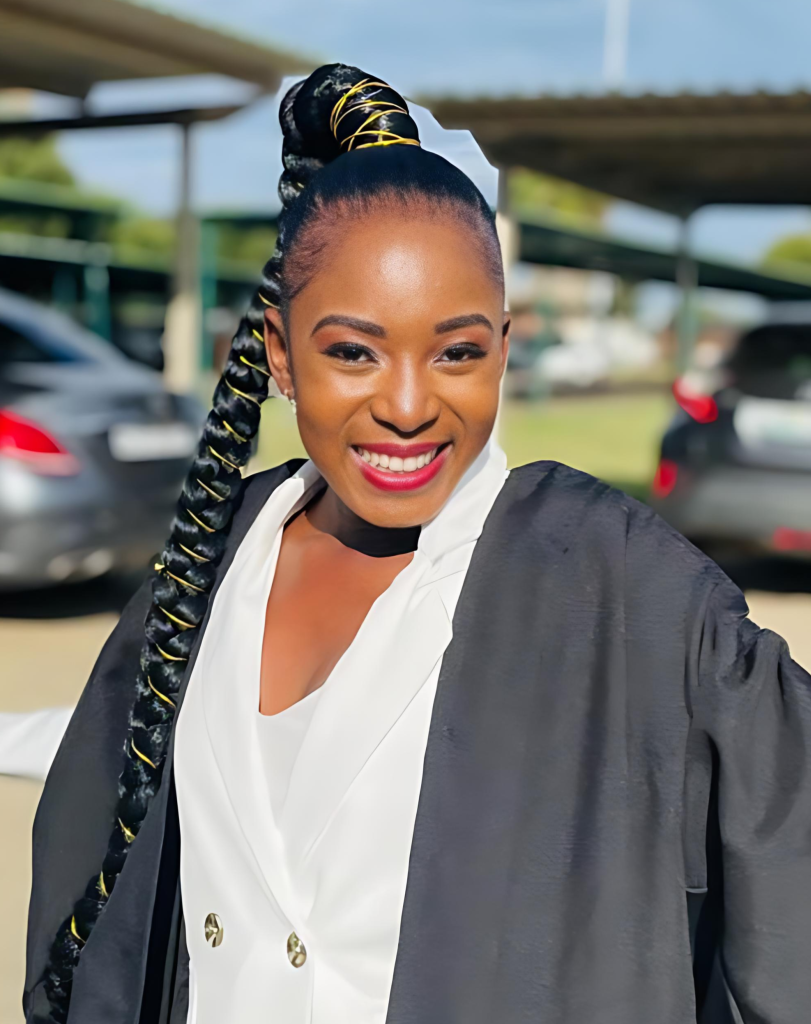 Now serving as a Theatre Professional Nurse at Sebokeng Hospital since completing her community service in 2023, Muthabeni represents a new generation of South African nurses who are not only clinically skilled but also globally conscious and deeply human-centred in their approach to care.
Muthabeni completed her Bachelor of Nursing degree in 2023, but her connection to SMU remains both profound and personal. “My academic and professional journey started at SMU, and it is here that I discovered not only what it means to be a nurse, but also who I am meant to be in this world,” she reflects.
During her time at SMU, she was immersed in rigorous academic training and enriching clinical placements that laid the foundation for her nursing career. The structured curriculum, coupled with the supportive guidance of committed lecturers, instilled in her the values of excellence and accountability. These values—central to SMU’s ethos—continue to guide her work as she progresses in her studies and international engagements.
Now pursuing a master’s degree in nursing through North-West University, Muthabeni recently returned from an international internship in Hasselt, Belgium—an important milestone in her professional development. “This experience was both exciting and deeply transformative. I worked in surgical and community health settings, engaging with patients from diverse cultural backgrounds, adapting to different healthcare protocols, and collaborating with international professionals,” she says.
Despite being thousands of kilometres from home, Muthabeni felt anchored by the integrity and respect she had cultivated during her training at SMU. “Every time I faced a challenge abroad, I found myself returning to what I learned at SMU—clinical knowledge, critical thinking, and ethical conduct. It gave me the confidence to navigate a foreign healthcare system and still offer quality, compassionate care.”
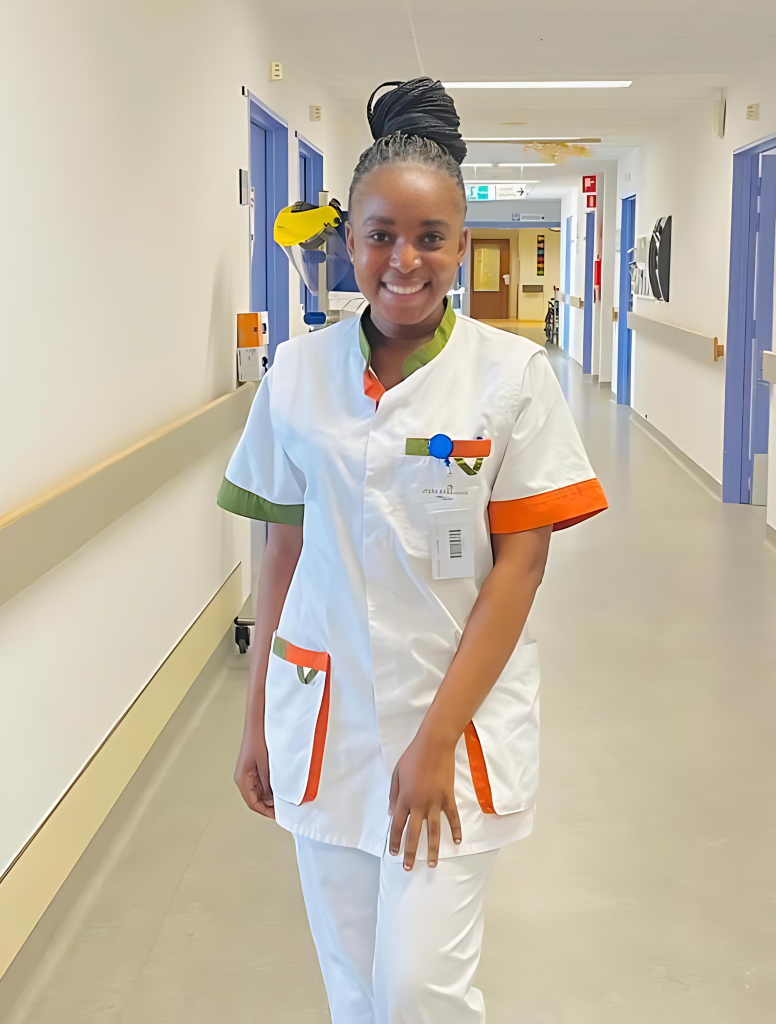 The internship not only sharpened her clinical skills but also broadened her perspective. She speaks passionately about the importance of cross-cultural communication, humility, and adaptability—qualities she believes every 21st-century healthcare professional should embrace.
“Being abroad reminded me that compassion is a universal language. Whether in Pretoria or Hasselt, what matters most to patients is that they are seen, heard, and treated with dignity. That is what nursing is about,” she says.
Her time in Belgium reaffirmed her commitment to lifelong learning and professional excellence. Exposure to international healthcare systems, interdisciplinary collaboration, and research-driven practice opened her eyes to new possibilities—ones she hopes to bring home to contribute meaningfully to South Africa’s health sector.
“I’m passionate about improving healthcare access and patient outcomes, particularly in underserved communities. My journey is far from over, but every step I take is grounded in the principles I learned at SMU,” she says.
Muthabeni’s story is a living embodiment of the university’s mission to produce graduates who are responsive to societal needs and compassionate in-service delivery. Her journey also reflects SMU’s vision of becoming a leading African university in health sciences, recognised for excellence and social relevance.
To aspiring nurses and current SMU students, Muthabeni offers heartfelt encouragement: “Trust in your training. The environment at SMU is built to shape well-rounded, ethical, and knowledgeable professionals. Say yes to opportunities that stretch you and know that your voice and your skills are needed—not just in South Africa, but around the world.”
Her message is clear: education is a passport to possibility, and when grounded in strong values and a sense of purpose, there is no limit to what SMU graduates can achieve.
Muthabeni carries the SMU flag high, across borders and into a future filled with promise. Her story is not just her own, but one that reflects the enduring spirit of the university and its commitment to shaping change-makers in health sciences.
By Dimakatso Modise
by Lorato | Jun 4, 2025 | All News, SMU Media, Student Media
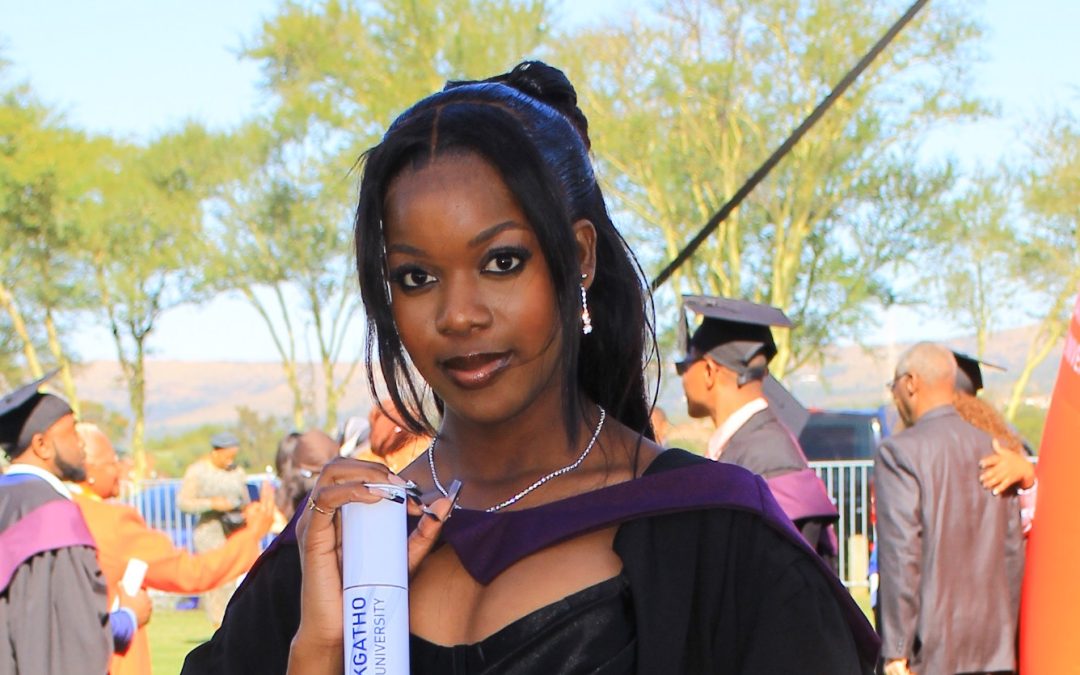
Sefako Makgatho Health Sciences University (SMU) marked a proud milestone during its Autumn Graduation as 19-year-old Kwanele Andrea Ncube emerged as one of its youngest graduates. She successfully completed the Higher Certificate in Emergency Medical Care programme, an outstanding academic achievement that reflects both her personal dedication and the university’s commitment to nurturing young talent. Ncube is currently employed as an Emergency Care Assistant (ECA) at Princemed Emergency Medical Services, based at Botshelong Empilweni Private Hospital in Vosloorus.
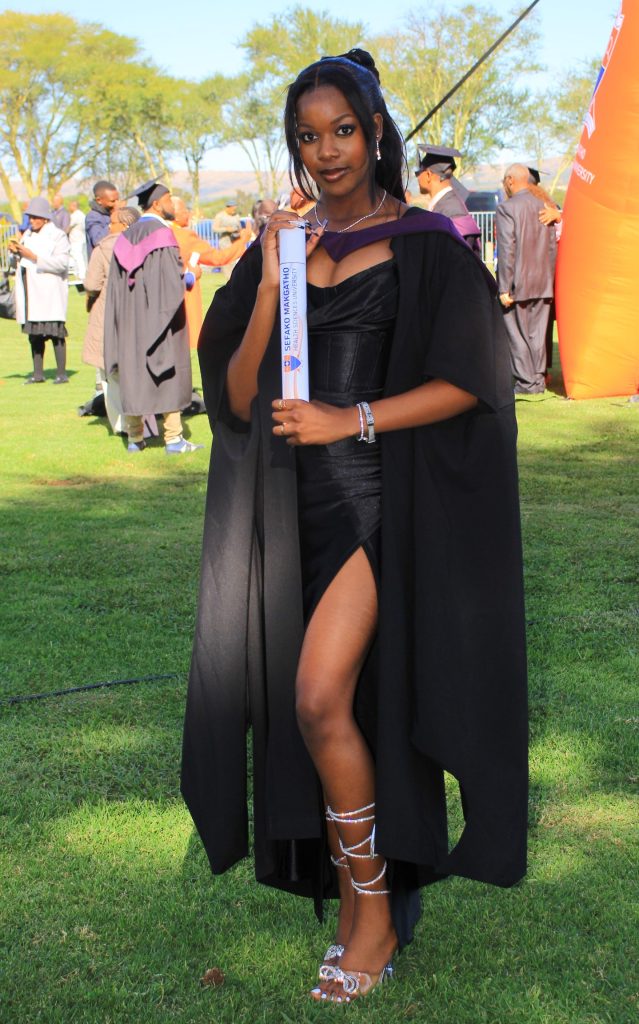 Originally from Ebony Park in Midrand, Ncube stood out not only for her age but for her maturity, determination, and deep sense of purpose. Reflecting on her journey, she described the moment as surreal. “Thank you so much, it honestly feels incredible being one of the youngest graduates at the SMU Autumn Graduation Ceremonies,” she said. “I am thankful for the opportunity that was provided to me to develop both intellectually and emotionally. It truly is a humbling experience.”
Her path into emergency medical care was paved by early passion and a desire to make a tangible impact. “From an early age, I was drawn into the healthcare field,” she explained. “What inspired me to pursue this programme at such a young age was a combination of passion, purpose, and the desire to make a real difference. Emergency care practitioners are the first on the scene—first to hear the screams, the panic—and often, the only hope someone has left. That’s when I knew this was the career I wanted.”
The defining moment that solidified her decision came when she witnessed a family friend suffer cardiac arrest. “Seeing how she was resuscitated and the compassion shown to her family made me realise how emotionally impactful and vital this work is. It’s not just about medical intervention; it’s also about offering reassurance during traumatic moments.”
Ncube’s achievement wasn’t without challenges. Balancing academic demands and the intensity of clinical rotations proved daunting, especially as she was also completing her final year of high school when she started the programme. “Juggling two schools was overwhelming. The pressure felt unbearable at times, especially during exams and clinicals,” she shared. “When that happened, I made it a point to pause and breathe. I reminded myself why I started this journey.”
Being younger than most of her peers also came with emotional and social hurdles. “Initially, I struggled with self-doubt and feeling out of place,” she said. “But I quickly learned to see my age as an advantage—I brought fresh perspective and energy. My classmates took me under their wing and helped me adapt.”
Throughout her studies, Ncube credits her success to an unwavering support system. “My family was my number one supporters—they believed in me from the beginning, even when I didn’t believe in myself. My mentors and tutors guided me with patience and helped me see my potential. And my friends, especially those in the same field, were my emotional anchors. On tough days, they reminded me of my ‘why’.”
Graduation day was a culmination of every sacrifice. “As I walked across the stage, I was filled with emotion,” she said. “I thought of the late nights, the early physical training, the times I almost gave up. That moment was a celebration of everything I had overcome.”
Her journey at SMU was more than academic. “This qualification means so much more than just a certificate. It represents growth, resilience, and a foundation for what comes next,” she said. Now employed in the field, she plans to further her studies and work toward her long-term goal of becoming a paramedic. “I want to deliver compassionate, high-quality care and help close the gap in access to emergency services, especially in underserved communities.”
Ncube hopes her story inspires others. “Believe in yourself, even when it’s hard,” she advised. “You don’t have to have it all figured out. Just take the first step and stay committed. If I can do it, so can others.”
“Graduating from SMU is not just a milestone—it’s proof of what’s possible when opportunity meets determination.”
By Tumelo Moila
by Lorato | Jun 2, 2025 | Media Statements, statements
PRESS STATEMENT
FOR IMMEDIATE RELEASE
02 June 2025
GA-RANKUWA, PRETORIA—Sefako Makgatho Health Sciences University (SMU) is proud to announce the appointment of Professor Tandi Matsha-Erasmus as its new Vice-Chancellor, effective 1 June 2025. This historic appointment signals a bold and visionary step forward for SMU as it strengthens its position as a leading institution in health sciences education, research, and societal impact.
Matsha-Erasmus is a distinguished scholar, seasoned academic leader, and research powerhouse who brings over 27 years of executive leadership experience in academia and research institutions. Her academic portfolio includes a PhD in Medical Biochemistry, a Higher Diploma in Higher Education and Training, and a Management Development Programme qualification. A C1-rated scientist by the National Research Foundation, Matsha-Erasmus has authored over 150 peer-reviewed publications, supervised a significant number of postgraduate candidates, and led several high-impact research and grant funding initiatives across the continent.
Prior to her appointment, Matsha-Erasmus served with distinction as the university’s Deputy Vice-Chancellor: Academic and Research and, most recently, as Acting Vice-Chancellor, where she has already laid the foundation for a strong academic and research-driven future.
Her appointment follows a rigorous selection process governed by the university’s policy on the appointment of vice-chancellor. As Vice-Chancellor, Matsha-Erasmus will lead the implementation of the university’s strategic priorities with boldness, agility, and academic integrity. Her vision aligns with the university’s mission to be a vibrant, student-centred institution producing world-class professionals and researchers who contribute meaningfully to addressing the health sciences challenges of South Africa, the continent and the globe.
Chairperson of Council, Maria Rambauli, remarks: “This appointment marks a pivotal moment for SMU. Under Professor Matsha-Erasmus’s leadership, we are confident that the university will reach new heights in academic excellence, transformative research, and inclusive progress.”
For media enquiries, please contact Tshimagadzo Mphaphuli, Acting Director: Communications and Marketing, at tshimangadzo.mphaphuli@smu.ac.za
Cell: 081 015 4790.
PRESS STATEMENT_SMU USHERS IN A NEW ERA OF EXCELLENCE WITH THE APPOINTMENT OF PROFESSOR TANDI MATSHA-ERASMUS AS VICE-CHANCELLOR
File size: 1.60 MB
Created: 02-06-2025
Updated: 02-06-2025
Hits: 160

by Lorato | May 29, 2025 | All News, SMU Media, Student Media
At Sefako Makgatho Health Sciences University (SMU), the commitment to holistic student development extends far beyond the lecture halls. Rooted in a student-centred philosophy, the University provides a rich blend of academic and co-curricular support designed to cultivate well-rounded, confident graduates who are equipped to thrive both locally and internationally.
 Nowhere is this commitment more evident than in the dynamic studios of SMU FM 97.1, where the unmistakable voice of Thato Ledwaba echoes across campus and beyond. A Bachelor of Science in Life Sciences student by day and a celebrated radio presenter by sunrise, Ledwaba embodies the spirit of self-discovery, leadership, and engagement that SMU fosters. Her rise in campus broadcasting is not only a personal triumph, but also a reflection of the enabling and affirming environment SMU continues to nurture for all its students.
Born and raised in Legae la Batho, a developing township nestled just outside Seshego in Limpopo, Ledwaba’s journey from a curious schoolgirl to a respected media personality is a story of passion meeting purpose.
“Our mornings were ruled by Thobela FM,” Ledwaba reminisces. “We’d listen to the breakfast show on our way to school and end the day with ‘Mahlakung’ drama before bed. I always wanted to be the one behind the mic, the one telling the stories.”
That early spark turned into action when SMU FM posted a recruitment advertisement. “I immediately started working on my demo. I knew this was my chance,” she says. Fast forward to today, she’s the voice behind “SMU QuickCast” — the University’s innovative weekly audio bulletin — and a regular host on the Breakfast Show.
The duality of Ledwaba’s life — science scholar and media star — might seem daunting to most, but she’s mastered the art of time management.
“My shows are before my lectures, and I record QuickCast after classes. Preparation happens during study breaks,” she explains. “It’s not always easy, but I’ve learnt to use my time wisely.”
For Ledwaba, radio is more than entertainment — it’s a platform for impact. “Science has given me a unique perspective,” she says. “Studying Life Sciences allows me to explain academic content in a fun and digestible way. That’s what I try to bring to air — information with a twist of personality.”
It’s a skill that hasn’t gone unnoticed. Her warm, articulate delivery and storytelling finesse have made her the voice behind institutional announcements — a task she takes pride in.
“Knowing that the whole university gets weekly emails with my voice attached? That still feels surreal. I joke about being a ‘campus celebrity’, but there’s truth in that. Being that consistent, trusted voice — it’s a win I didn’t expect.”
Her journey wasn’t without its challenges. “A five-minute audio can take hours of recording,” she laughs. “But that’s the beauty of it. Every second is crafted with care.”
Ledwaba credits her grounding in debate and public speaking from high school for sharpening her confidence. “I’ve always loved narrating. My English teacher would make me read aloud in class. Those little moments prepared me for this.”
Despite the technical demands of both her degree and her media commitments, Ledwaba sees synergy, not conflict. “We are a health sciences university with an aligned radio station. The overlap is natural. I often speak about topics I’m studying — it deepens both my understanding and delivery.”
Her dream? “Live field broadcasting. Meeting stories when and where they happen. That’s where I see myself,” she says with a spark in her eye. But her passion doesn’t end there.
“I’m also a mental health advocate. I believe a healthier mind leads to a healthier society. We need to talk about it more — and I plan to keep using my platform for that.”
Asked what advice she’d offer aspiring radio presenters, she’s honest: “It’s not easy, but it’s worth it. If you love it, go for it. Everything else will fall into place.”
Now nearing the final stretch of her degree, Ledwaba is clear about the future. “I’ll always be in the media space. I love science too. I just have to marry the two — and I will.”
With resilience, warmth, and an unmistakable voice, Thato Ledwaba is proving that you don’t have to choose between your passions. You can amplify them — one broadcast at a time.
By Tumelo Moila
by Lorato | May 29, 2025 | All News, SMU Media, Student Media
As global higher education faces a turning point shaped by the Fourth Industrial Revolution and accelerated digital adoption post-COVID-19, Sefako Makgatho Health Sciences University (SMU) is positioning itself at the forefront of transformation through its Strategic Objective of Digital Transformation. With technology rapidly reshaping the future of work, SMU is cultivating a new generation of digitally fluent graduates who are prepared to lead innovation in health sciences.
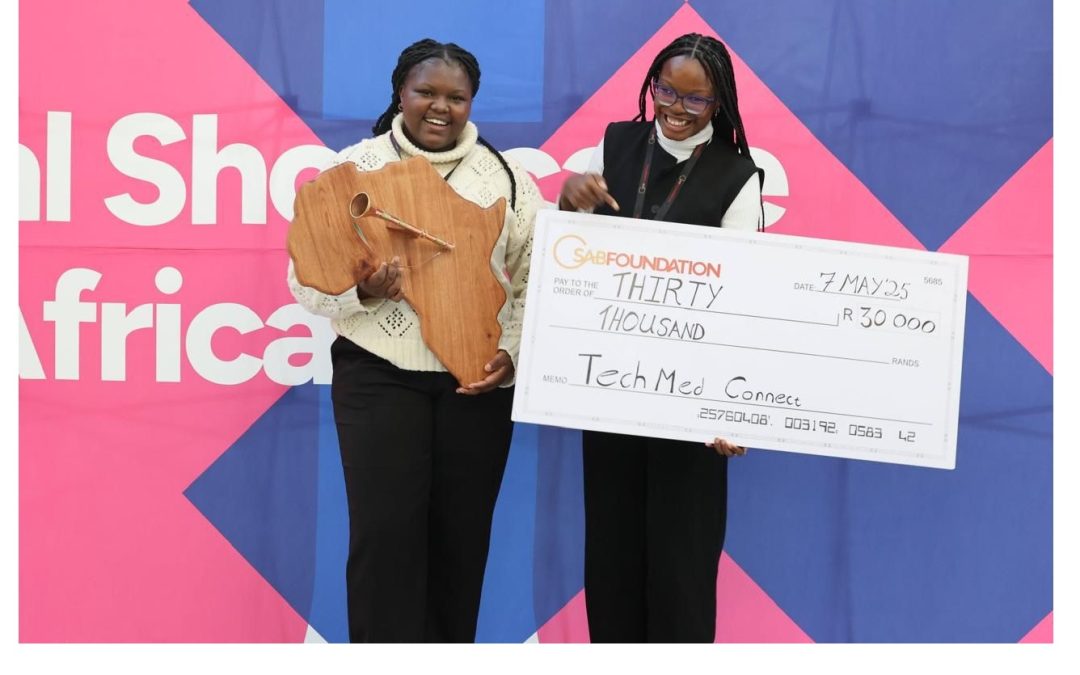
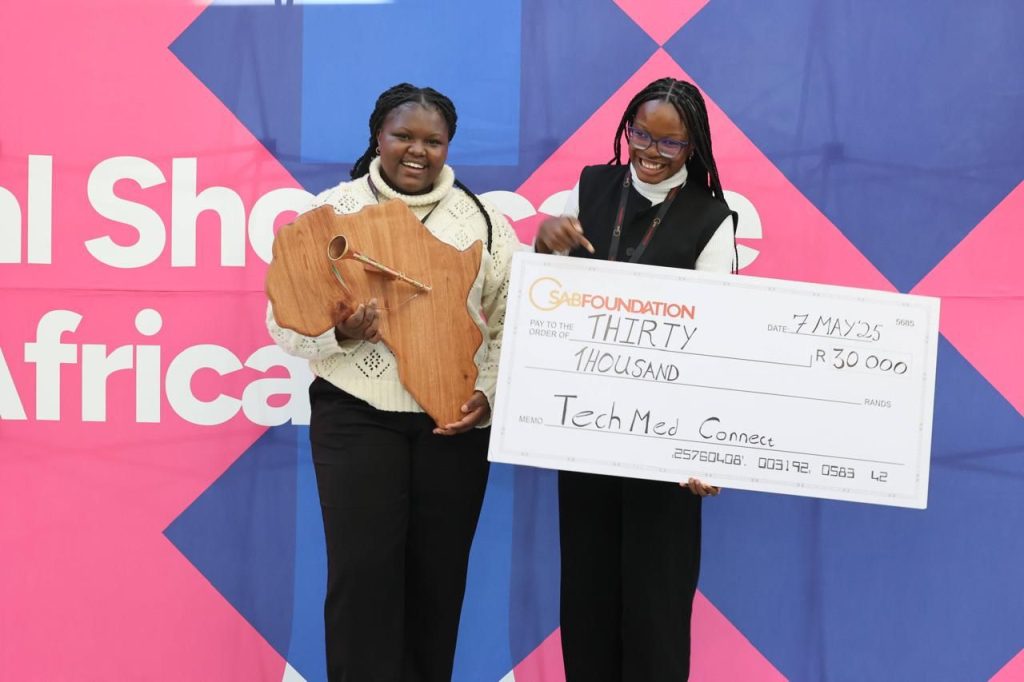 A shining example of this vision is the recent success of Khanyisa Mokgolobotho and Rosemary Erawemen, Computer Science and Information Technology students whose health-tech start-up, TechMed Connect, won the 2025 Hult Prize South Africa National Showcase. Their groundbreaking platform, BUA, aims to revolutionise patient-doctor communication, particularly in multilingual and under-resourced healthcare settings.
This remarkable achievement not only highlights the calibre of student innovation at SMU but also reinforces the University’s commitment to digital transformation as a catalyst for inclusive healthcare, academic excellence, and global competitiveness.
What sets TechMed Connect apart in the health-tech space is its local-first approach. Rather than adapting international models, Khanyisa and Rosemary developed their tool with African contexts in mind, making it scalable, culturally sensitive, and practical. “We consulted students, doctors and practitioners during development,” said Khanyisa. “Our early outreach via social media revealed how urgent and widespread this issue is.”
Their university environment played a critical role in supporting the project’s growth. SMU’s focus on health sciences provided them access to real-world healthcare needs, while collaboration with peers across medical fields helped shape the product. “We co-created with future doctors and nurses. That made all the difference,” said Rosemary.
Their journey to the Hult Prize national title was not without challenges. “Balancing studies and building a business was tough,” Khanyisa admitted. “We had to rethink technical elements mid-process. But with mentorship and resilience, we kept going.”
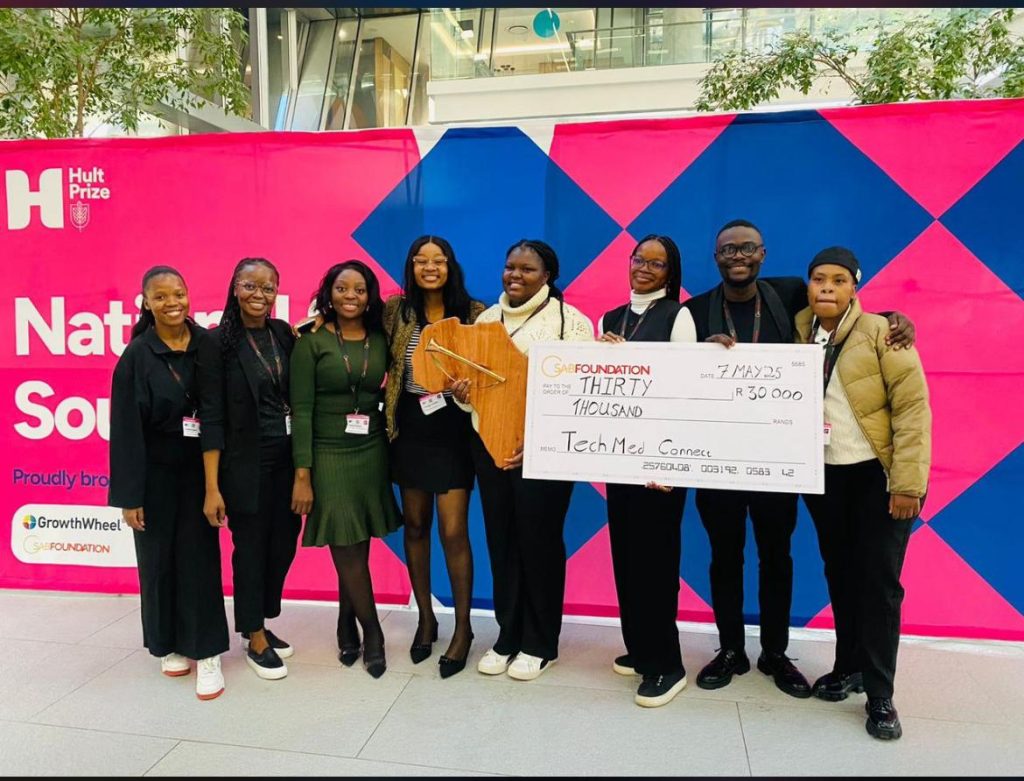 They attribute much of their success to institutional support. SMU’s Centre for Entrepreneurship Rapid Incubator (CfERI), particularly Naledi Mathole—the coordinator for the EDHE Programme, Student Women Entrepreneurship Empowerment Programme (SWEEP), and Economic Activation Office (EAO)—offered vital guidance. The Enactus SMU team, led by Nomsa Phoswa, assisted in refining their pitch. Asange Tshikila, SMU’s Hult Campus Director, ensured smooth coordination throughout the competition.
Judges at the showcase praised TechMed Connect’s impact potential and urged the team to plan for long-term scalability—a piece of advice they’ve taken to heart. Now finalising their prototype, Khanyisa and Rosemary are preparing for pilot testing in South African clinics. Over the next two years, they aim to expand to underserved regions before moving across borders to countries like Botswana, Zimbabwe, and Lesotho. “We’re developing a modular architecture that will allow the tool to serve multilingual health systems across Africa,” said Khanyisa.
To fellow student entrepreneurs, the team offers a simple but powerful message: “Start where you are. Your campus is your lab. Your ideas matter,” said Rosemary.
“We’re not just the future—we are the present.”
Their journey with TechMed Connect is a shining example of how young Africans are not only identifying critical problems but creating home-grown solutions to transform healthcare across the continent. To follow their journey, visit @bua_app on Instagram or reach out at info@techmedconnect.co.za. The future of healthcare is being written now, and it speaks in many languages.
By Tumelo Moila