
by Lorato | Jan 21, 2026 | All News, SMU Media, Student Media
At just 22 years old, Andile Moloi, a medical student from Tembisa, Gauteng, is already making waves far beyond the classroom. Currently in her fifth year of the Bachelor of Medicine and Bachelor of Surgery (MBChB) programme at Sefako Makgatho Health Sciences University (SMU), Moloi is a rising star in health sciences, youth leadership, and innovation.
 Moloi’s journey began early. At age 10, she was elected Chairperson of Soul Buddyz, a school programme addressing social issues. By 12, she led an anti-drug campaign through the Youth Citizens Action Programme, winning first place in Gauteng and ranking nationally in the top three. “I’ve always believed leadership means serving others,” she reflects.
Her academic excellence in mathematics, science, and technology saw her participate in various Olympiads and lead a carbon dioxide reduction project that placed top ten provincially. Through Nkathuto Edu Propeller, a non-profit promoting STEM and entrepreneurship in disadvantaged communities, Moloi advanced as Academic Officer and became the first Chairperson of its Alumni Community—a network of young innovators.
Moloi’s dedication attracted partnerships with prestigious bodies including the Council for Scientific and Industrial Research (CSIR), National Research Foundation (NRF), and SAASTA, and involvement in United Nations youth science programmes.
Despite a broad scientific interest, Moloi’s heart lies in medicine, particularly surgery and neuroscience. A personal tragedy during her second year, when her father passed away following emergency brain surgery, profoundly shaped her focus. “That moment changed everything,” she says. “It inspired me to pursue medicine with empathy and purpose.”
Moloi’s academic achievements earned her a Gauteng City Region Academy scholarship as one of the top three public school matriculants in the province, enabling her studies at SMU. At university, she tutors chemistry, anatomy, biophysics, and pathology and mentors first-year students. In 2023, she was named one of South Africa’s Top 100 Most Promising students by GradStar and featured in the Mail & Guardian for her leadership.
Professor Risenga Frank Chauke, Dean of SMU’s School of Medicine, praises her as “a rare blend of intellectual brilliance and human compassion.” He adds, “Moloi exemplifies servant leadership, and her commitment suggests a future not only as a medical professional but a job creator who will uplift the economy.”
Beyond academics, Moloi is an innovator. She leads projects developing sustainable alternative charging solutions aligned with the United Nations Sustainable Development Goals. This work earned her selection as a South African delegate to the largest African entrepreneurship and innovation summit, scheduled for May 2025 in Sierra Leone.
Her leadership at SMU is extensive, including roles as Community Outreach Officer for the Surgical Society, Social Media Officer for the Diagnostic Society, Finance Officer for Medics on Motion, and ambassador for the Interprofessional Education and Collaborative Practice (IPECP) programme.
Moloi credits her journey to mentors and supporters, including her late father, mother, teachers, and university leaders. “I represent millions of underrepresented youth who are creative and brilliant but lack opportunities,” she said as keynote speaker at the Youth Indaba on Research Commercialisation and Entrepreneurship. “I spoke about the education gap in science, technology, and health, the challenges women face, and the urgent need for mentorship from an early age.”
As she nears graduation, she is focused on specialising in neurosurgery while continuing to lead innovations that transform healthcare and society.
By Dimakatso Modise
by Lorato | Jan 15, 2026 | All News, SMU Media, Student Media
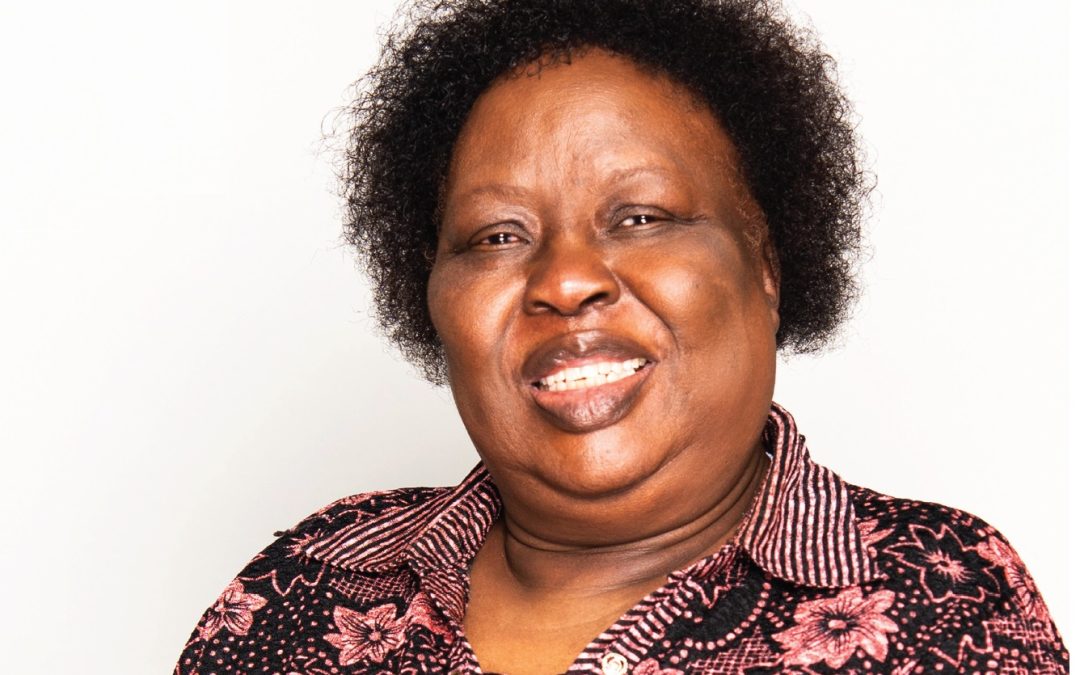
In a field often dominated by complex statistics and siloed disciplines, Professor Kebogile Mokwena, South Africa’s first National Research Foundation (NRF) Research Chair at Sefako Makgatho Health Sciences University (SMU), has emerged as a leading force reshaping the nation’s public health response to mental illness and substance abuse. With more than 120 postgraduate students supervised across multiple health disciplines, Mokwena’s work is not only academically rigorous but deeply grounded in the real-world challenges facing South African communities.
 Her passion for public health and population mental health research was ignited early in her career. “I was always inspired to serve and work with people,” she says. After obtaining her doctorate in Public Health Education from the University of South Carolina, with specialisations in curriculum development and health promotion, Mokwena found her research calling in tackling the emergence of nyaope—a highly addictive street drug devastating communities across the country.
Since then, she has become one of the country’s foremost researchers on substance abuse and mental health, forming collaborations with institutions such as the University of Cape Town, Walter Sisulu University, the University of Johannesburg, and the South African Medical Research Council. Her studies estimate the burden of depression and anxiety among underserved populations, confirming a high prevalence of undiagnosed conditions often linked to broader societal issues, including crime and substance use.
Her appointment as SMU’s first NRF Research Chair has allowed her to expand her research portfolio while strengthening collaborations within and beyond the university. “I had to jump several hurdles before I was awarded the grant,” she recalls. “But the role has enabled me to plan long-term, mentor others, and broaden the institution’s research footprint.”
Mokwena’s academic influence spans disciplines and schools. She has supervised students in pharmacy, physiotherapy, nursing, and medicine, covering fields as varied as surgery, paediatrics, and obstetrics. She embraces interdisciplinary supervision, often initiating partnerships when public health questions intersect with clinical concerns. “All involved learn something new,” she notes.
Beyond academia, she serves on several boards and advisory committees, including the Vista Psychiatric Hospital Board, the Gauteng Substance Abuse Forum, and the SANCA Advisory Committee. These roles keep her connected to the practical implications of her research, informing policy and service delivery at multiple levels.
Despite facing gender-based assumptions in academia, Mokwena has remained steadfast. “People sometimes don’t expect to see a woman in my position,” she admits. “But I’ve learned to let my work speak for itself.”
Her advice to young women aspiring to make an impact in public health is bold: “Be brave enough to ask difficult questions. Be authentic. Work hard and enjoy what you do.”
Reflecting on her legacy, Mokwena hopes to be remembered not only for pioneering research but for advancing solutions that serve society: “My research lives in communities, churches, schools, and prisons. That is the impact I want to leave behind.”
By Tumelo Moila

by Lorato | Jan 11, 2026 | All News, Alumni, SMU Media, Student Media
Dr Ramokone Maphoto, Senior Pathologist in Virology at Sefako Makgatho Health Sciences University (SMU) and the National Health Laboratory Service (NHLS), stands as a key figure in South Africa’s ongoing battle against HIV/AIDS. With a career built on scientific excellence and a commitment to public health, Maphoto is making significant contributions to diagnostics, research, and community empowerment.
 Based within SMU’s Department of Virology, Maphoto’s work spans cutting-edge laboratory science and practical healthcare solutions. She currently leads the Clinical Virology Research Unit, a newly established facility dedicated to advancing the understanding of viral infections. The unit’s mandate focuses on diagnostics, treatment, prevention, and innovative research that integrates laboratory findings with clinical application.
“Science is not only about discovery but about making a real impact on people’s lives,” says Maphoto. “At SMU, we’re uniquely positioned to bridge laboratory research and frontline healthcare, especially in addressing HIV/AIDS challenges.”
Her role also extends to academic leadership as an active member of the Departmental Research Committee, where she serves as Deputy Chair on rotation. This involvement allows her to influence the strategic direction of virology research and foster collaboration among researchers and clinicians.
SMU’s Virology Department plays a critical role in South Africa’s health system, providing essential HIV testing and treatment monitoring services to vulnerable communities. Under Maphoto’s guidance, the laboratory operates around the clock, utilising advanced automated HIV testing technologies to increase capacity and deliver timely, accurate results.
“Timely viral load testing is essential for managing treatment effectively,” explains Maphoto. “It helps detect treatment failure early, ensuring patients receive appropriate care to suppress the virus and reduce transmission.”
Beyond the lab, Maphoto is passionate about education and capacity building. She mentors and trains medical registrars, honours, and master’s students, nurturing the next generation of virologists who will continue to strengthen South Africa’s HIV response.
However, Maphoto recognises that the fight against HIV/AIDS is about more than medicine and technology. Stigma remains a significant barrier to care, and she is dedicated to community outreach and education initiatives that challenge misconceptions and encourage people to seek testing and treatment.
“Breaking down stigma is critical,” she asserts. “Education empowers people to make informed decisions and access the healthcare they need without fear or shame.”
Maphoto’s work exemplifies the integration of scientific innovation, public health commitment, and compassionate leadership. Her efforts not only enhance diagnostic services but also shape policy and practice, supporting South Africa’s goal of ending the HIV epidemic.
“At SMU, we believe in health equity as a responsibility,” she says. “I’m proud to contribute to this mission by advancing research and ensuring every patient’s right to quality care is respected.”
In a country grappling with the world’s largest HIV epidemic, access to reliable testing and treatment is more critical than ever. At the heart of this fight is SMU, where science, research, and compassion converge to tackle the HIV/AIDS crisis head-on.
By Dimakatso Modise

by Lorato | Dec 11, 2025 | All News, SMU Media, Student Media
Sefako Makgatho Health Sciences University (SMU) hosted its prestigious 2025 Vice-Chancellor’s Excellence Awards at the Protea Hotel Fire & Ice! Menlyn, celebrating employees whose commitment, leadership and innovation continue to strengthen the University’s core mission. Held under the theme “Advancing the boundaries of knowledge: Excellence for Impact and Sustainability,” the ceremony brought together academic leaders, administrative and support staff, and external partners to honour individuals shaping the future of the institution.
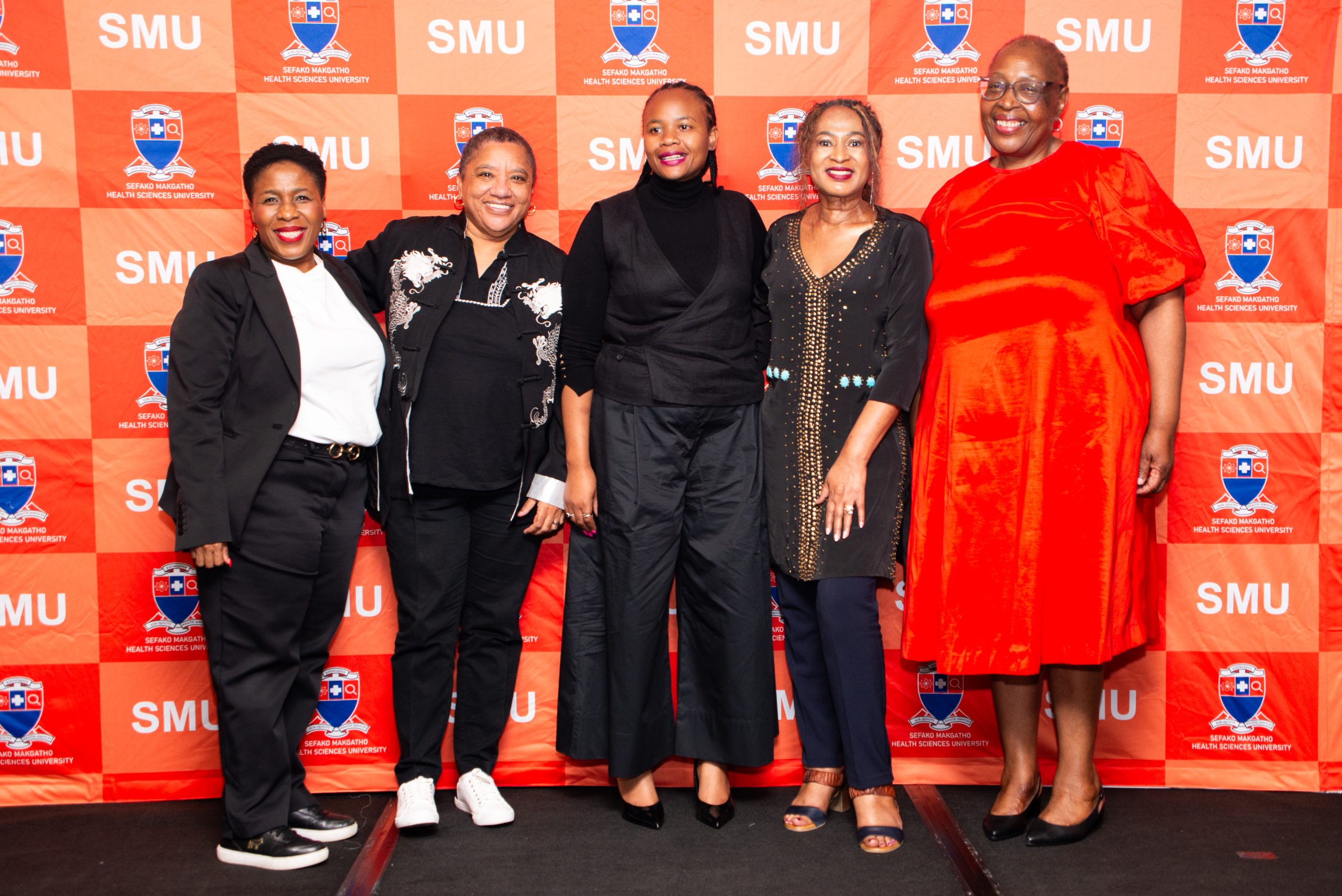 Delivering her opening address, the Vice-Chancellor, Professor Tandi Matsha-Erasmus, emphasised that excellence is a defining trait of SMU’s evolving identity. “Excellence at SMU is not a destination; it is a culture we build together,” she said. “Every staff member honoured tonight represents our commitment to transforming lives through education, research and service. Their contributions are the backbone of the University’s progress and our impact on society.”
Professor Matsha-Erasmus also highlighted the importance of service-driven leadership in a health sciences institution. “Our work must consistently reflect compassion, accountability and innovation. These award recipients remind us what it means to serve humanity with purpose.”
Dr Nasiphi Moya, the Executive Mayor of the City of Tshwane, a scholar and public policy practitioner, delivered the keynote address. Reflecting on her journey from student activism to municipal leadership, she encouraged staff to position excellence as a daily discipline. “Excellence requires courage,” she told the audience. “It is the willingness to refine your craft even when no one is applauding. Institutions like SMU thrive because individuals choose to show up, do the work and inspire progress.” Dr Moya further commended the University for nurturing a workforce committed to national development. “SMU is not only producing future health professionals; it is cultivating principled leaders who will shape our healthcare system and communities.”
The evening’s honours included awards in administrative support, teaching and learning, leadership, client service and innovation. Among the recipients was Naledi Mathole, Coordinator of the Economic Activation Office, who received the Award for Outstanding Leadership and Professionalism. Under her stewardship, the SMU Enactus team won national recognition for social innovation.
 Reflecting on the accolade, Mathole said: “This award is deeply meaningful. Leadership is about service, collaboration and believing in the potential of others. I am grateful to work in an environment where ideas are supported, and innovation is encouraged.” She added that the recognition belongs to her entire team.
“No one succeeds alone. My colleagues and students are the reason our projects thrive. Together, we are proving that SMU can be a leading driver of community-focused innovation.”
Other recipients included Maria Baloyi, honoured for exceptional client service in the School of Medicine; Justice Maleba, celebrated for teamwork in Grounds Maintenance; and Bathabile Ndlovu, recognised for advancing sustainable landscaping and environmental stewardship on campus. Several academic staff members were also acknowledged for teaching excellence, curriculum innovation and research contributions.
As the night progressed, applause echoed through the venue as citations highlighted personal stories of resilience, integrity and passion. Many recipients were described as individuals who “go beyond the call of duty” and “embody the spirit of Ubuntu that defines SMU’s ethos.”
In her closing remarks, Prof Matsha-Erasmus reaffirmed the University’s determination to strengthen its culture of excellence. “Tonight reminds us that excellence is not a privilege for a few but a responsibility shared by all of us,” she said. “The individuals we honoured demonstrate that dedication, empathy and creativity can transform not only our institution but the communities we serve. Their achievements encourage us to push boundaries and pursue knowledge that improves lives.”
She also extended appreciation to the Mayor and partners who continue to support the University’s vision. “Collaboration with government, industry and communities strengthens our impact. We value the City of Tshwane’s continued engagement and commitment to developing a healthier, more knowledgeable society.”
The 2025 Vice-Chancellor’s Excellence Awards concluded with a renewed sense of pride and unity, celebrating the individuals whose work continues to elevate SMU’s standing as a leading health sciences institution. Through their service and innovation, the University moves closer to its goal of transforming healthcare, advancing knowledge and inspiring future generations.
Dimakatso Modise

by Lorato | Nov 26, 2025 | All News, SMU Media, Student Media
The first Memorandum of Understanding (MoU) signed under the leadership of Sefako Makgatho Health Sciences University (SMU) Vice-Chancellor, Professor Tandi Matsha-Erasmus, has marked a decisive step in strengthening African-led academic partnerships. Fresh from her inauguration earlier in November 2025, Professor Matsha-Erasmus led a senior delegation of SMU deans and directors to Maputo, Mozambique, where an MoU between SMU and Universidade Wutivi (UniTiva) was formally concluded.
 The delegation received a warm welcome from UniTiva’s Chancellor, Professor Domingos Tivane, and Rector, Professor Nelson Chacha. Held from 18–19 November, the visit brought together leaders from both institutions to identify strategic areas of collaboration, tour UniTiva’s newly launched Faculty of Health Sciences Simulation Laboratory, and formalise the MoU that will anchor the growing partnership.
Senior SMU representatives—including Acting Deputy Vice-Chancellor, Professor Dini Mawela; Dean of the School of Medicine, Professor Risenga Chauke; Dean of the School of Pharmacy, Professor Patrick Demana; and Dean of the School of Health Care Sciences, Professor Douglas Maleka—met with their Mozambican counterparts to chart practical joint initiatives. Discussions focused on internationalising curricula, increasing staff and student mobility, and deepening collaborative research.
In parallel, the Director of SMU’s Skills and Simulation Centre, Dr Lesego Phiri, visited UniTiva’s Simulation Centre, which was designed based on SMU’s model. Director of Student Affairs, Tulani Nkuntse, and Director of Internationalisation, Dr Carlien Jooste, held further engagements centred on student life and intercultural exchange.
Reflecting on how meaningful partnerships are built, Dr Jooste emphasised: “Collaborations should never only be a signature on a piece of paper. The success of a collaboration lies in how schools, academics, and students find common areas of interest and subsequently grow fields of knowledge.”
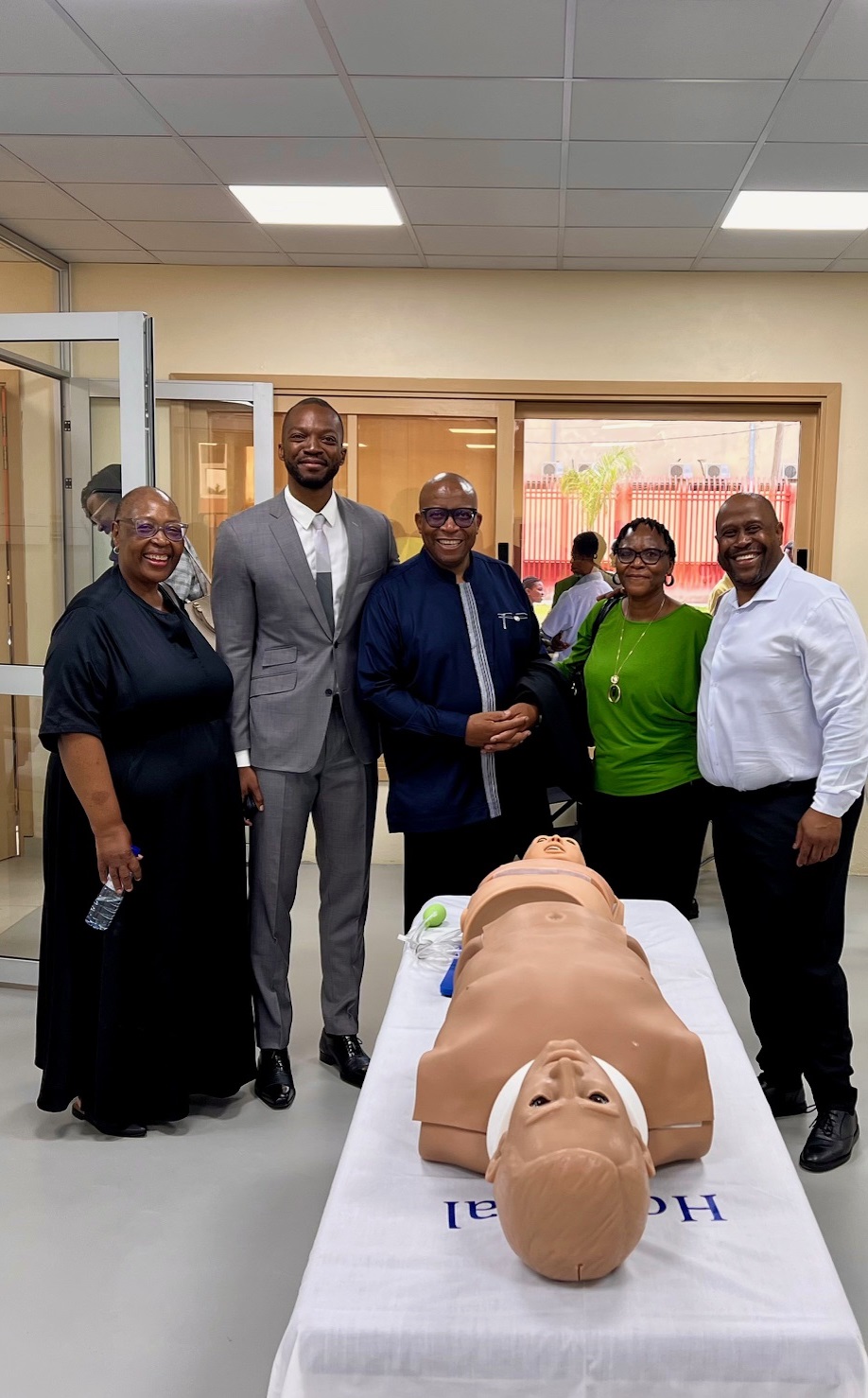 The MoU was officially signed on 19 November 2025, with the South African High Commission in Mozambique represented by First Secretary: Political, Stanley Netshimboni. Speaking at the ceremony, Netshimboni said: “I am delighted to be here today, as our role is to support initiatives such as this between our two countries.”
The signing ceremony also drew several former Mozambican Ministers of Health who played pivotal roles in establishing UniTiva’s Faculty of Health Sciences. Addressing the gathering, Rector Professor Nelson Chacha underscored the significance of the new partnership: “We expect to create a collaborative movement. We want to make a big difference with this MoU. We want to solve the problems that our two countries are facing in the health sector.”
In her keynote address, Professor Matsha-Erasmus outlined a clear vision for African-led advancement, stating, “I look at what Africa can do for itself. It is time for Africa to solve its own problems. For SMU, the signing of this MoU is the seed of what Africans can achieve when we work together. We commit, in South Africa and at SMU, to honour this partnership. This partnership is mutual and requires respect and shared commitment.”
This latest milestone follows a high-level benchmarking visit by UniTiva to SMU in April 2025. The ongoing momentum—through exchanges, joint planning sessions and now a formal agreement—demonstrates SMU’s commitment to building impactful, sustainable collaborations on the continent. The University continues to prioritise partnerships that deliver measurable value, uphold academic excellence, and expand Africa’s capacity to address its own health challenges.