by Lorato | Jun 11, 2025 | All News, SMU Media, Student Media
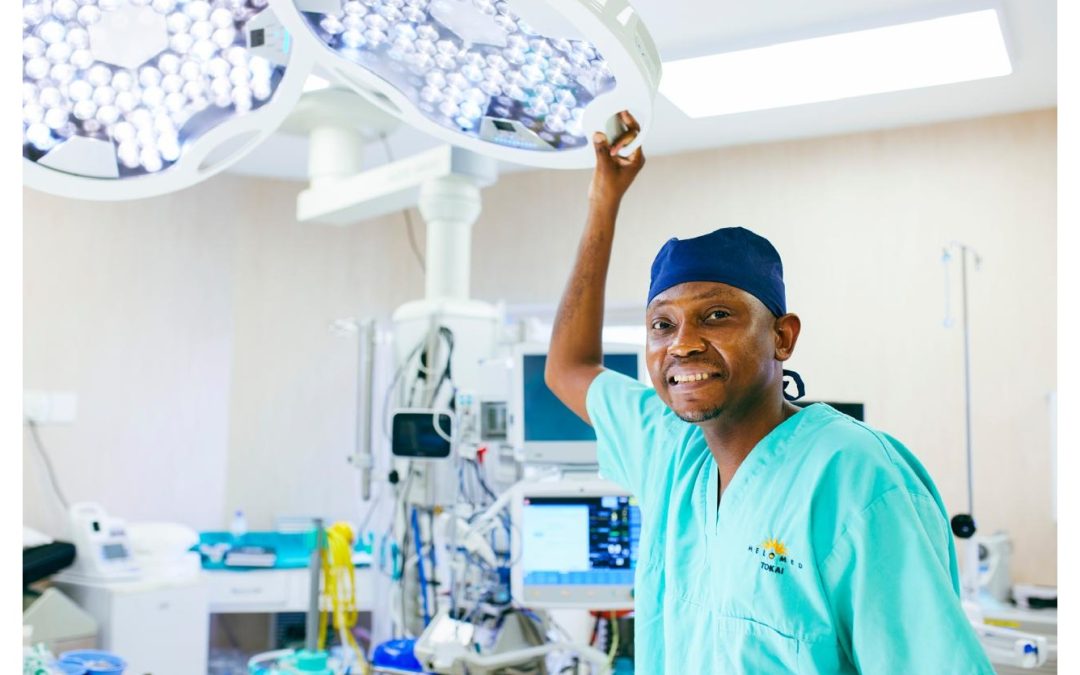
From the dusty streets of Burgersfort to the surgical theatres of Cape Town and the transplant wards of Chennai, India, Dr Mdumo Rupert Moshwana has carved out a remarkable journey defined by purpose, service, and unwavering dedication to health and humanity.
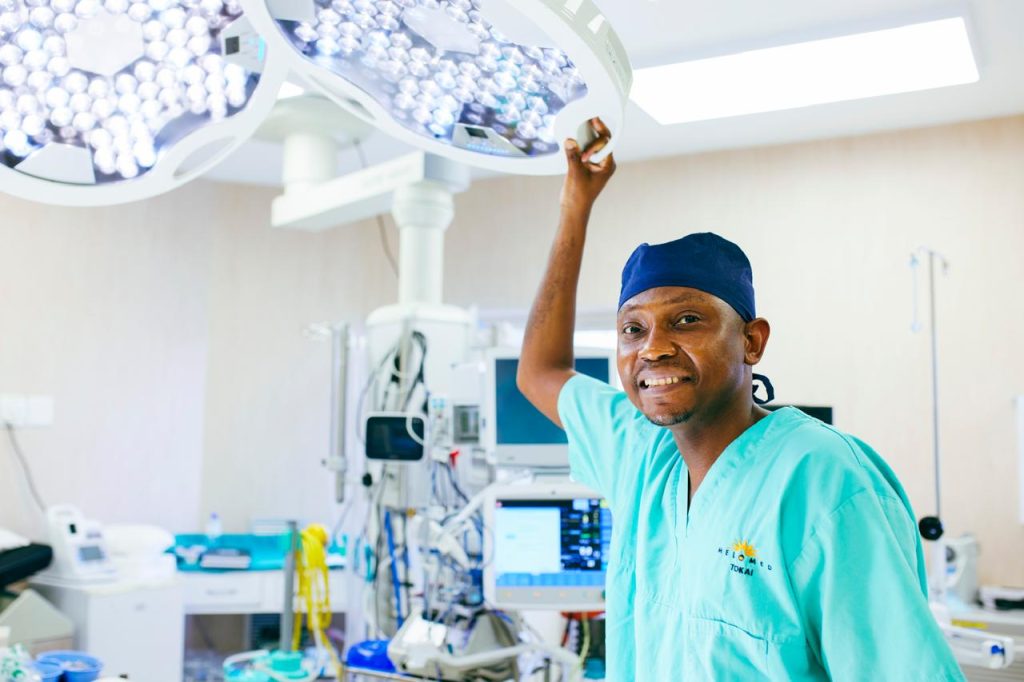 What began as a dream in the lecture halls of Sefako Makgatho Health Sciences University (SMU) — formerly the Medical University of South Africa (MEDUNSA) — has evolved into a life of meaningful impact across borders, institutions, and communities. Today, Moshwana is a proud SMU alumnus, general surgeon, mentor, and community builder. His story is a testament to the transformative power of education, resilience, and heart.
“My time at SMU laid the foundation for everything I do today. It wasn’t just about the medicine; it was about the people, the challenges, and the responsibility we carry as future health professionals.” This blend of rigorous academic training, clinical excellence, and a strong sense of community shaped his identity and approach to medicine.
After qualifying as a general surgeon, Moshwana developed an impressive and wide-ranging clinical portfolio. He refined his expertise at institutions including Milpark Hospital, Charlotte Maxeke Johannesburg Academic Hospital (CMJAH), and Chris Hani Baragwanath Hospital (CHBH). His deepening interest in transplant surgery led him to pursue an observership at the internationally renowned Rela Hospital in Chennai, India — a global leader in hepatobiliary and transplant surgery.
Witnessing the work done at Rela Hospital was humbling and inspiring. It strengthened my resolve to become a transplant surgeon — to give people a second chance at life.”
 In May 2025, Moshwana participated in the National Department of Health (NDoH) Donation Campaign meeting at the Birchwood Hotel, joining key stakeholders in strengthening South Africa’s organ donation systems. For him, this was more than a professional milestone — it was a step closer to his long-term goal of becoming a full-time transplant surgeon.
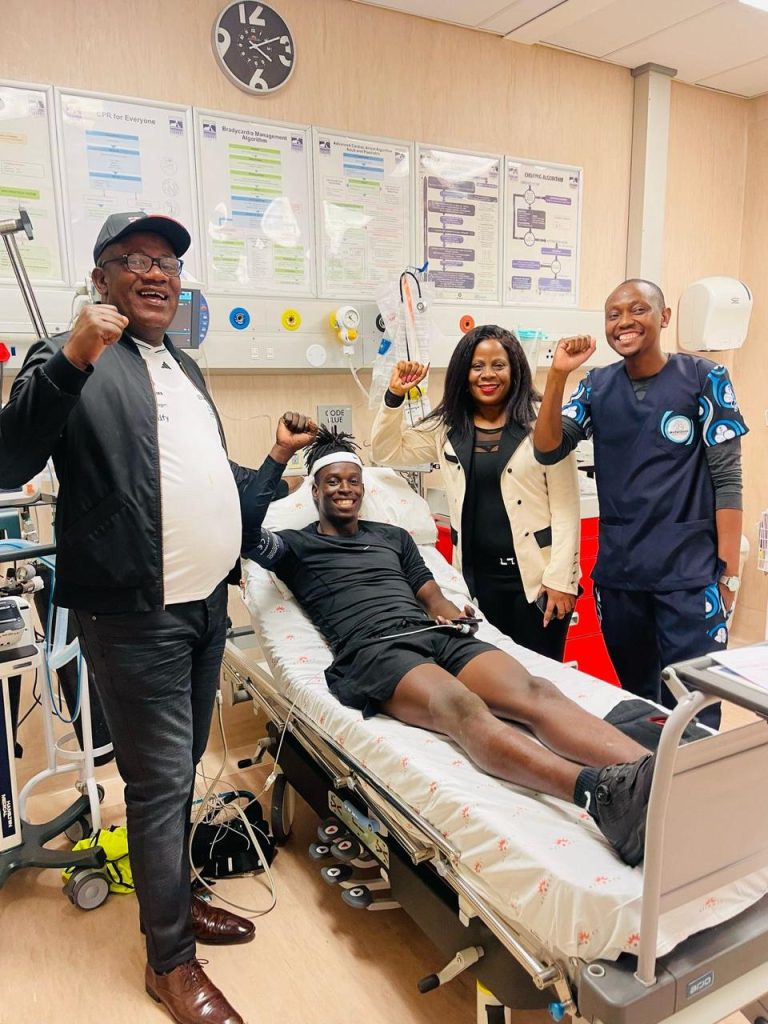
Despite a career that has taken him across continents, Moshwana remains deeply connected to his roots. Recently, he supported three boys from his hometown of Burgersfort who undertook an extraordinary cycling journey to Cape Town, aimed at inspiring other young people in their community.
When one of the cyclists — affectionately known as “The Goat” — sustained a knee injury during the trip, Moshwana travelled to Worcester to assess his condition and support the remaining riders. Thanks to the support of Melomed Hospital, Morton & Partners, PathCare Laboratories, physiotherapist Rabea, dietitian Fouziejah, and Matenji Boutique Hotel, the boys completed their journey safely and successfully.
“Helping these young men was one of the most rewarding experiences of my life. Their courage and determination reminded me why I chose this profession.” Moshwana is now working with local partners to establish a cycling hub in Limpopo that will provide young people with access to sport, mentorship, and wellness resources.
Professionally, Moshwana serves as a General Surgeon at Melomed Tokai in Cape Town, while continuing his academic and teaching contributions. His surgical journey began at Dr George Mukhari Academic Hospital (DGMAH), and he completed his community service in 2014 at Dilokong Hospital. In a remarkable show of commitment, he extended his stay in his home village of Driekop Gowe until 2017 to provide continued medical support to the community that raised him.
He returned to DGMAH as a Trauma Medical Officer and later served as a Surgical Registrar (2018–2021). In 2022, he was appointed as a Consultant in the Hepatopancreatobiliary Unit, where he also taught medical students, interns, and registrars.
Academically, Moshwana holds an MBChB (MEDUNSA), a Fellowship of the College of Surgeons [FCS (SA)], and a Master of Medicine (MMed) from SMU. His dissertation has been recognised at prestigious forums, including the 49th Annual Surgical Research Society Congress and the ASSA AGES Congress. His abstract was also published in the South African Journal of Surgery.
Now considering a specialisation in vascular surgery, Moshwana remains committed to lifelong learning and service. “SMU taught me the importance of clinical excellence, ethical leadership, and above all, service to others. These values guide me every day.”
His journey — from Burgersfort to global transplant centres — is a powerful reminder that medicine is not only a profession, but a mission of service, compassion, and continuous growth. “It’s a privilege to be part of the SMU family,” he concludes. “I’m proud to carry forward the values I learnt there and to serve with purpose, integrity, and heart.”
By Dimakatso Modise
by Lorato | Jun 4, 2025 | All News, SMU Media, Student Media
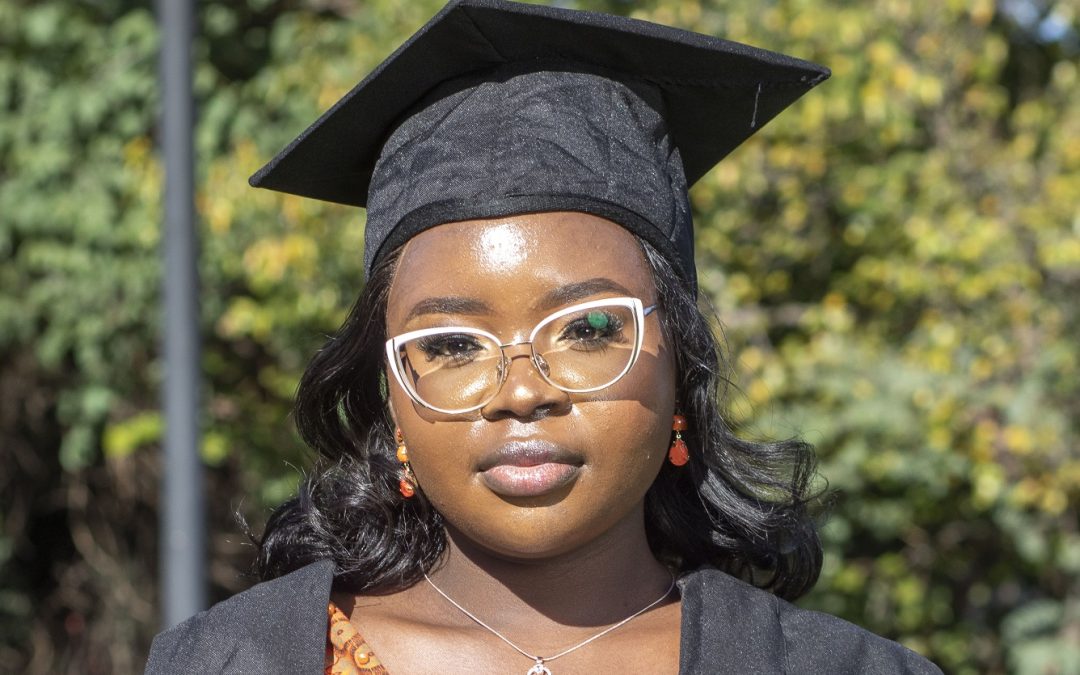
With a radiant smile and a heart full of gratitude, Dr Mmoni Betty Sekgoela walked across the graduation stage as one of Sefako Makgatho Health Sciences University (SMU)’s top medical graduates, earning the prestigious MBChB degree summa cum laude. But beyond the accolades lies a story of perseverance, faith, and a burning desire to rewrite her own narrative—and that of every young girl who dares to dream from the small village of Makhubidung, just outside Tzaneen. She is currently serving as a Medical Intern at the Polokwane Mankweng Hospital Complex.
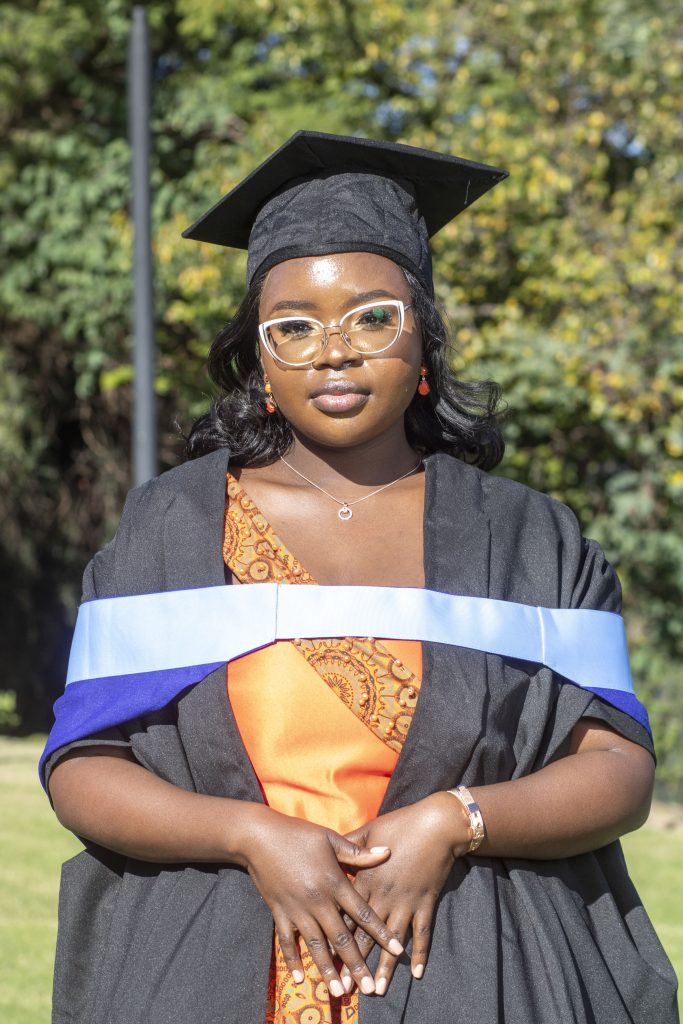 Raised in a humble household, Mmoni’s first aspiration was not to become a doctor, but a nurse, like her beloved aunt, who often recounted stories of service and healing during her training. It wasn’t until a Grade 5 teacher asked, “Why not become a doctor?” that the seed was planted. That year, a curious and determined Mmoni began researching the medical profession and quietly committed herself to the dream.
Her decision was later confirmed during a career day visit to her former primary school, Semana Primary School. “They invited a doctor from our local hospital. After hearing him speak, I knew I had chosen the right path,” she recalls. By Grade 12, Mmoni could be found shadowing staff in her local hospital’s physiotherapy department, absorbing every experience she could. Though physiotherapy was her backup plan, medicine always tugged at her heart.
SMU was not her first-choice university, but when the acceptance letter came, she never looked back. “I saw it as an opportunity to start afresh, away from everything I knew,” she shares. Now, six years later, Mmoni has emerged not just as a graduate, but as a beacon of academic excellence, defying the odds to achieve summa cum laude. “This distinction means everything,” she says. “It’s a reflection of the love I have for medicine and the hard work I’ve put in over the years.”
But the road was far from easy. “I used to cry myself to sleep,” she confesses. “I wasn’t from a top-performing school, and I constantly compared myself to others. But I had to learn to go at my own pace.” Her study routine was meticulous—organised notebooks for each module, colour-coded notes, prayer before every session, and a disciplined schedule that prioritised both rest and rigorous revision.
What kept her grounded? A powerful sense of purpose. “I’m not only here for myself. I’m here for young village girls who think they aren’t good enough because of their background,” she says. Clinical rotations brought both challenge and inspiration. One impactful moment occurred during a fifth-year surgery lecture when a senior doctor reminded students, “Some of you are here to break generational curses.” That statement stuck with Mmoni. “It reminded me of why I started.”
Her commitment to compassionate care was most evident during a clinical case where she followed a lonely, far-from-home patient daily until discharge. “They told me I treated them like a person, not just a condition. That meant everything.” Despite the stress, sleepless nights, and occasional self-doubt, Mmoni’s support system—her family, friends, and a group of professionals back home—remained steadfast. “We had a group chat called ‘Journey to Becoming Dr MBS’. They prayed for me, encouraged me, and reminded me of my worth.”
As she embarks on her internship, Mmoni hopes to specialise—possibly in paediatrics, inspired by her own beginnings as a premature baby. Long-term, she envisions contributing to healthcare through impactful research and mentorship. “Charity begins at home. I want to give back to my community and show others it’s possible.”
To aspiring students, especially those from disadvantaged backgrounds, she offers these words: “Know who you are, where you come from, and where you’re going—and no one can take that away from you.” Sekgoela hopes to be remembered not only as a doctor but as a changemaker—“a girl who took a leap of faith, followed her dreams, and gave her all to restore faith in those who had lost it.” Indeed, her journey is a testament that no dream is too distant, and no background too humble, to reach for the stars.
By Tumelo Moila
by Lorato | Jun 4, 2025 | All News, SMU Media, Student Media
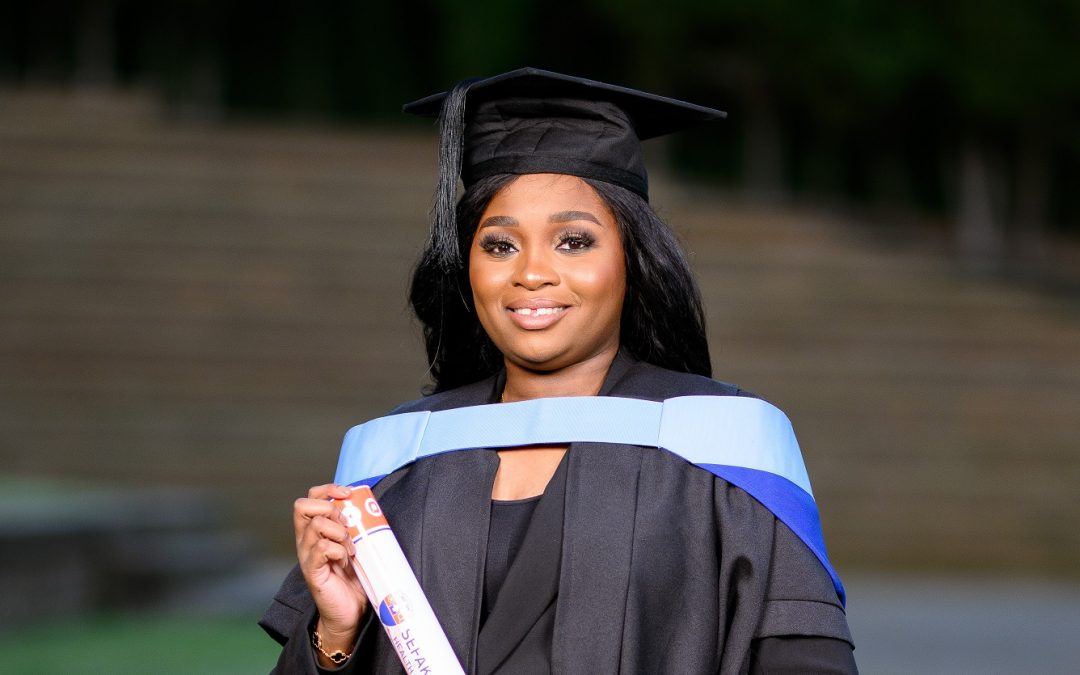
Sefako Makgatho Health Sciences University (SMU) recently celebrated a remarkable academic milestone as Zamantungwa Memory Vukeya graduated summa cum laude with her Bachelor of Medicine and Bachelor of Surgery (MBChB) degree. Hailing from the small town of Ivory Park (in Tembisa), Vukeya’s journey to the top of her class is one of grit, resilience, and unshakable purpose. She is currently busy with her internship at Dr George Mukhari Academic Hospital.
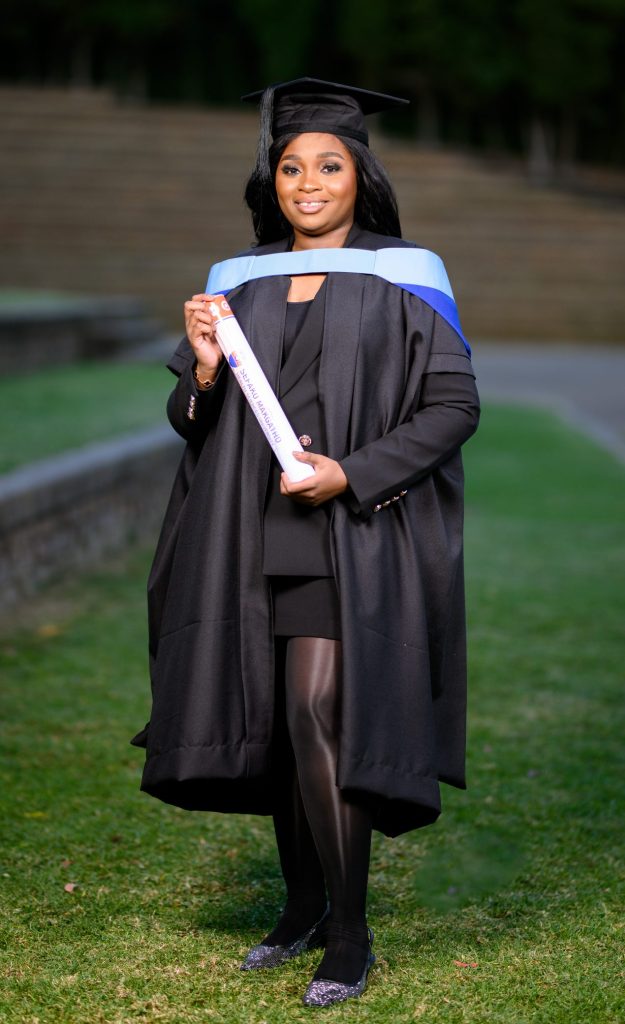 Growing up, Vukeya’s circumstances were far from ideal. With limited role models and economic hardship defining her early years, she credits her grandparents, particularly her grandfather, who retired just as she began matric, as the anchors of her upbringing. “Hopelessness has a very special place where I come from,” she reflects. “The relationship I had with hunger ignited my vision—or greed, rather—for a better outcome.”
Surprisingly, there was no single defining moment that led her to a career in medicine. Her decision to pursue the MBChB programme at SMU was influenced by familiarity and the university’s early integration of clinical work. “My uncle graduated here, and so did most of my mentors,” she explains. This sense of connection set the foundation for what would become an exceptional academic journey.
Graduating summa cum laude is no small feat in a programme as demanding as medicine. For Vukeya, it served both as personal validation and a professional springboard. “It validated my hard work and became a stepping stone to establishing myself as a competent and innovative specialist in the making.”
Her academic excellence was the result of a highly personalised approach to studying. As a visual learner, she relied heavily on images, creativity, and colour to engage with complex concepts. Her daily “deep study” sessions—typically split into manageable intervals throughout the day—were anchored by self-discipline and constant self-reflection. “I take lots of breaks in between to consolidate and make sure the concepts stick. I also check in with myself to avoid going on autopilot.”
Balancing the rigorous demands of coursework, clinical rotations, and personal life was made possible through a clear philosophy: “The course is my hustle, and my family is my pleasure. I never mixed the two.” This separation allowed her to remain focused and grounded.
Vukeya credits a long list of mentors and lecturers for shaping her clinical and academic skills. Her passion for anatomy, ophthalmology, and internal medicine was amplified by mentors such as Prof. Pindile Mntla, Dr Tlangelani Rikhotso, Dr David Mashego, Dr Hosea Lebogang Mangena, Dr Thero Masedi, and many more. “All my lecturers impacted me positively in different ways—this list could be a novel.”
Her most memorable patient encounter came in her fifth year, when she was part of a team treating a young woman with severe autoimmune disease. Against the odds, the patient recovered, and Vukeya would later meet her again—alive and thriving. “Her gratitude reminded me of the true impact of empathy in medicine.”
A constant pillar of strength throughout her studies was her mother. “That woman is my messiah,” she says, visibly emotional. Alongside her mother, friends like Dr Nkgau Modise and mentors such as Dr Shumani Makhadi played vital roles in fuelling her ambition and offering unshakeable support.
Despite her achievements, Vukeya remains grounded. Her long-term goal is to specialise in orthopaedics, contribute to clinical research, and improve healthcare accessibility, particularly in underserved communities. “There’s only one way up, and that’s to the top,” she states with conviction.
To aspiring medical students, particularly those from disadvantaged backgrounds, she offers practical wisdom: “Seek mentorship. Prioritise self-care. Stay resilient.”
As she steps into her medical internship, Vukeya hopes to be remembered as a trailblazer—a student who not only conquered academic challenges but also inspired change and innovation within the healthcare system.
Her legacy at SMU is already secure: one of excellence, empathy, and empowerment.
By Tumelo Moila
by Lorato | Jun 4, 2025 | All News, SMU Media, Student Media
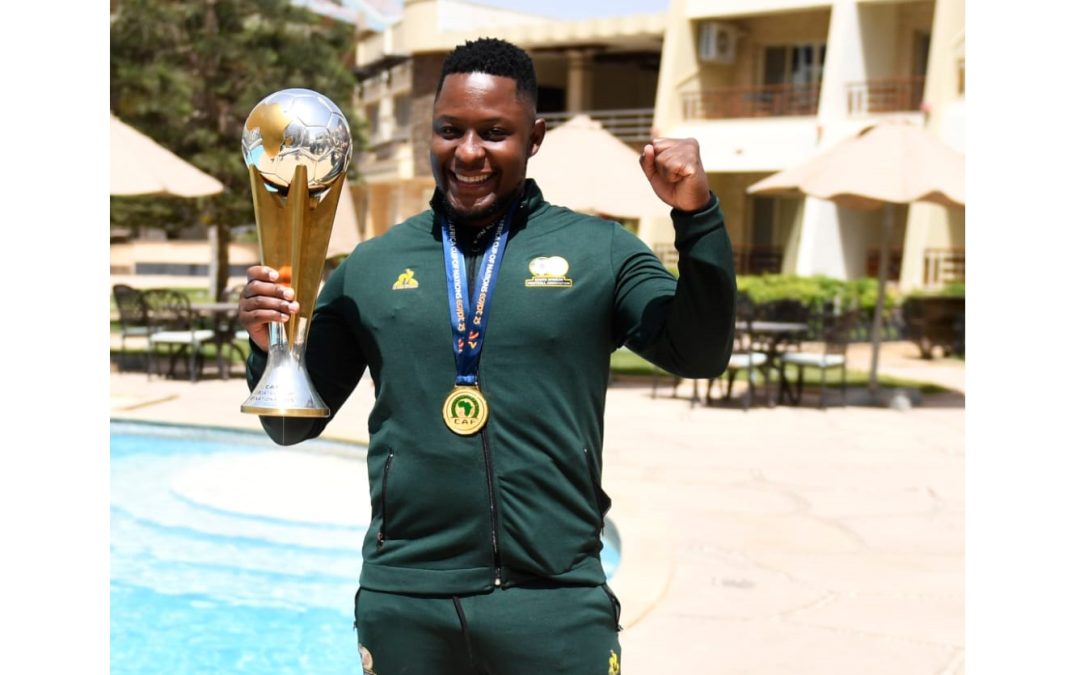
In a triumph that marries national pride with academic excellence, Sefako Makgatho Health Sciences University (SMU) alumnus Felix Nkuna has emerged as a symbol of results-driven leadership after playing a pivotal medical role in South Africa’s historic victory at the CAF U-20 Africa Cup of Nations tournament. As the sports physiotherapist for South Africa’s U-20 men’s football team, affectionately known as Amajita, Nkuna’s behind-the-scenes expertise was instrumental in keeping the team at peak performance, culminating in a 1–0 win over Morocco in the final held in Egypt on 18 May 2025. His success not only earns him national acclaim but also exemplifies SMU’s core value of effective leadership on the continental stage.
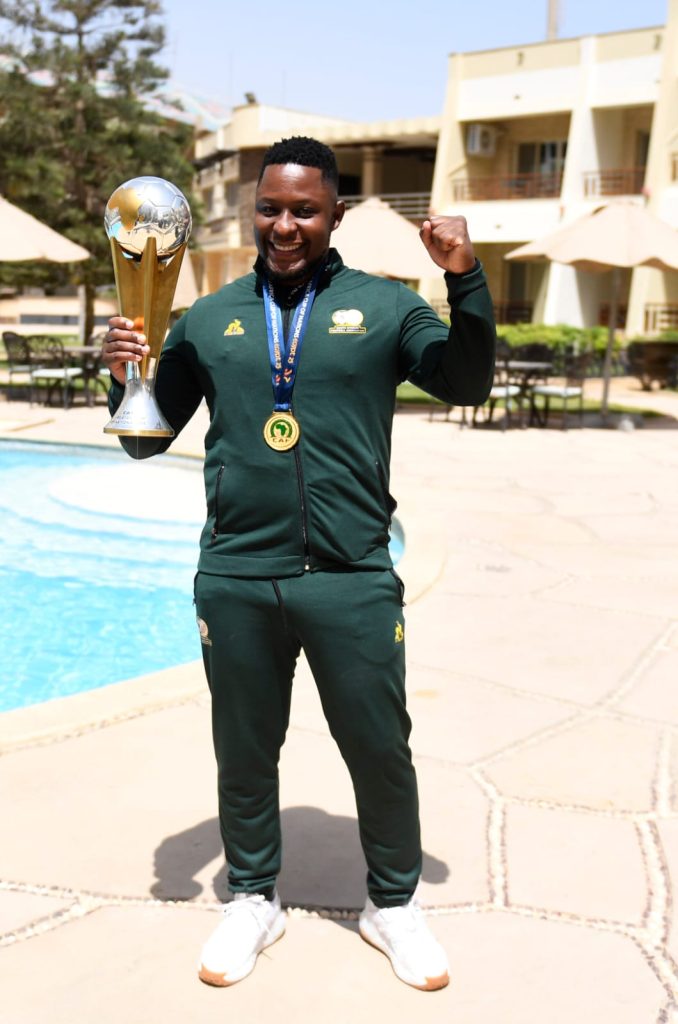 Nkuna’s contribution was vital in keeping the players in peak condition throughout the tournament. “My role is to treat injuries, assist with rehabilitation, and implement preventative strategies,” he explained. “We operate as a team—the coach, sports physician, biokineticist, and myself—to ensure every player is match-fit.”
The success with Amajita is not just a professional milestone—it’s deeply personal for Nkuna, who describes it as the “biggest achievement” of his career so far. “To tell you the truth, this is the biggest thing I have ever achieved. I am now focusing on going to the FIFA U-20 World Cup in Chile with them. The tournament will run from 27 September to 19 October 2025,” he said. “This achievement summarises my career.”
Nkuna’s journey to the national team is rooted in resilience, humility, and unwavering faith. Raised in a family of academics, his late father instilled in him a deep respect for education. “My father, who passed away last year, always believed in education. My brothers were academic stars in our community, and I felt a lot of pressure to do well,” he reflected.
After matriculating, Nkuna pursued physiotherapy at SMU, a decision inspired by a senior physiotherapist who lived not far from his village and his own love for football, which he played from Grade 1 to Grade 10. “When I arrived at SMU, I joined the soccer team, but I struggled a bit since I had stayed two years without kicking a ball. Eventually, I found my rhythm playing for a local team called Ajax FC, but by then, I was finishing my degree,” he said.
Upon completing his undergraduate degree, Nkuna furthered his education with a Master’s in Sports Medicine, also at SMU. “I chose to work in sports. I wanted to combine my academic training with my passion,” he explained. Nkuna recalls his university days with fondness. “My time at SMU was nice. My brother, Dr Msuthu Andrea Nkuna, was already an SRC member when I arrived, so things were a bit easier for me. At SMU, you learn to survive with the basics—no need for fancy clothes or flashy cars. We came from humble beginnings. In my corridor, we used to share bread, and I often gave away clothes to those who had less. Now, some of those guys are GPs and allied health professionals. That makes me proud.”
Reflecting on the recent tournament, Nkuna emphasised the unity within the Amajita camp. “This U-20 team is a family. The players, the technical staff, and the medical team—we’re all united. It makes being in camp feel like home. The coach, Raymond Mdaka, always checks on me. Dr Singe Chonco and I have a rare bond—it’s uncommon for a physio and medical doctor to work so well together.”
One of the defining moments of the tournament came when Nkuna and the medical team had to make a tough call regarding a player with an unclear injury. “The coach really needed him, but we were sceptical. After thorough assessment and teamwork, we cleared him—and he ended up playing the whole tournament without any issues.”
Nkuna remains grounded despite his growing reputation. “All in all, I give God the glory. This opportunity has boosted my profile, but it’s by grace. I believe in changing lives positively and being grateful.” To aspiring physiotherapists and students, Nkuna offers this advice: “Don’t look down on yourselves. Take every opportunity seriously. Be humble, respectful, and study hard. Education builds your self-esteem. Enjoy every situation with what you have. No one owes you success—you are in charge of your life.”
By Tumelo Moila
by Lorato | May 29, 2025 | Accolades and Achievements, All News, SMU Media, Student Media
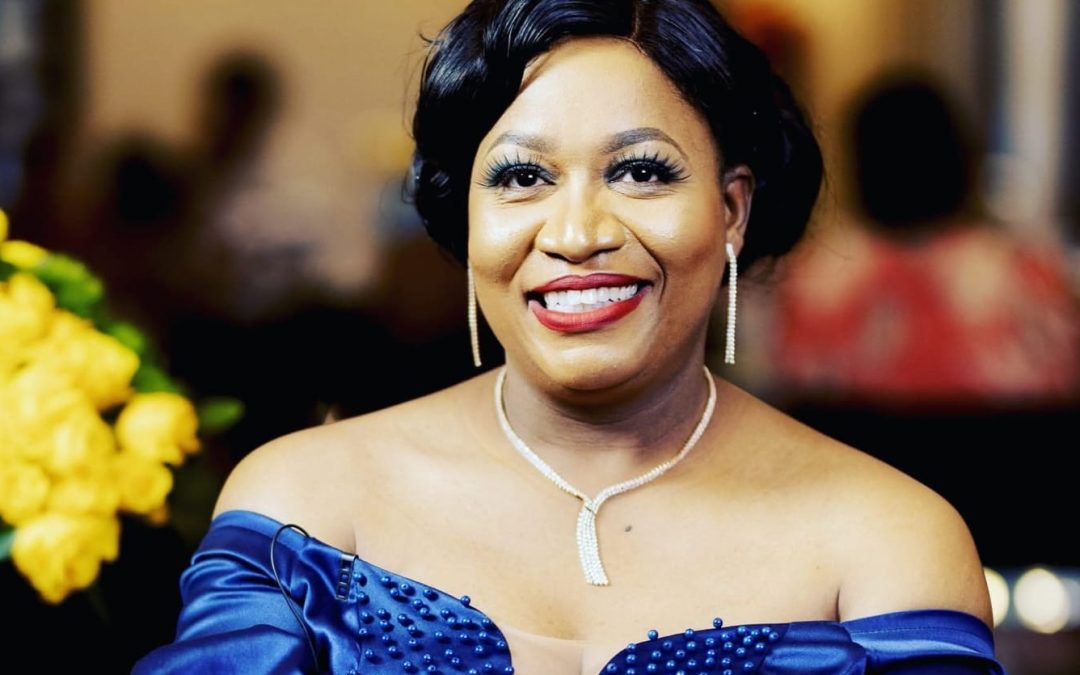
Sefako Makgatho Health Sciences University (SMU) continues to affirm its reputation as a centre of academic excellence and transformative education, as one of its distinguished alumnae, Dr Prudence Buthelezi, rises to prominence across Africa. A celebrated medical doctor, award-winning author, and outspoken advocate for healthcare justice, Dr Buthelezi embodies the University’s commitment to professional training, cutting-edge research, and socially responsive scholarship.
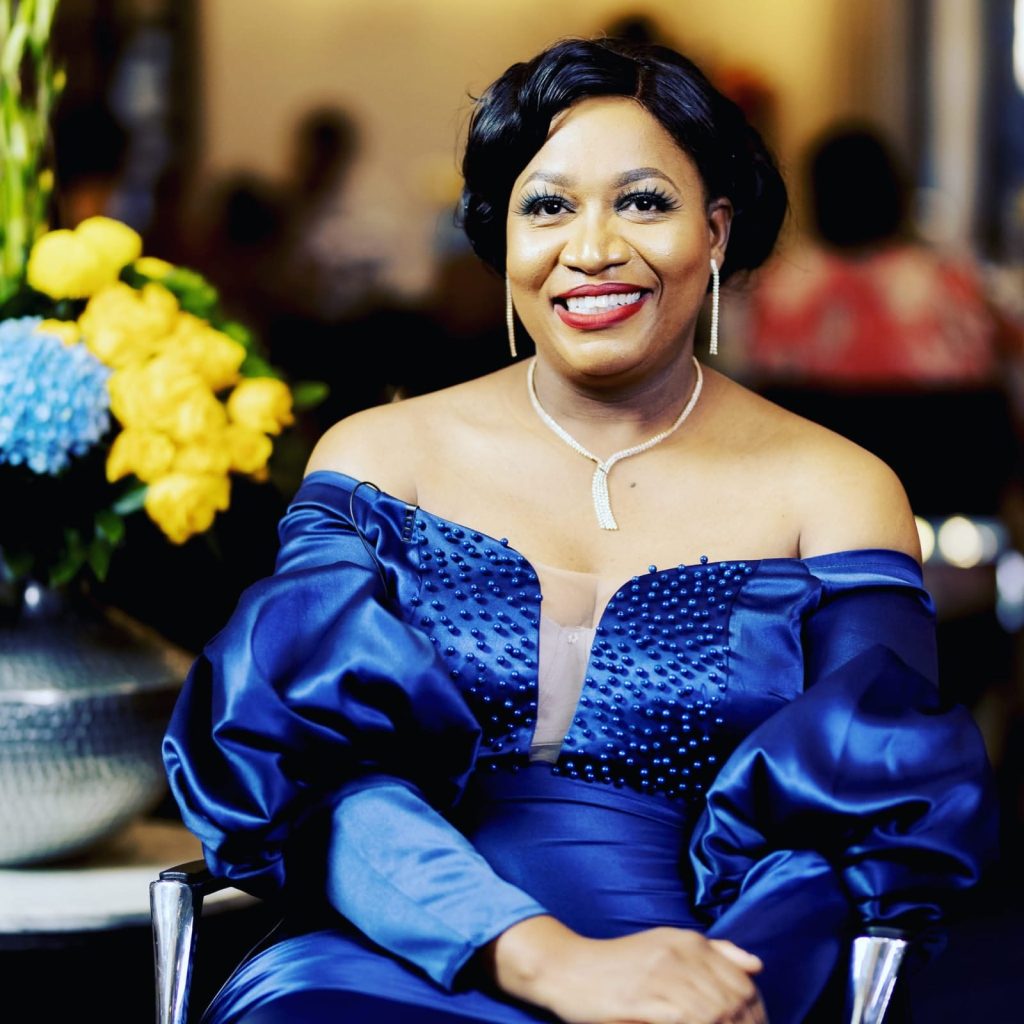 Her recent recognition at the prestigious Emerge Africa Awards—where she received accolades for her compelling debut book Fortitude—cements her status as both a trailblazer in the healthcare sector and a powerful literary voice. Through her work, Dr Buthelezi is not only changing lives in clinical settings but also shaping critical conversations about equity, resilience, and reform within the African health landscape.
“I’m overjoyed and deeply humbled to receive this recognition,” said Dr Buthelezi. “Fortitude was born from personal pain and resilience, inspired by my sister Thabisile, who was left paralysed after a devastating car accident. This award validates her story and the journey of so many caregivers and families navigating disability.”
The Emerge Africa Award is the second honour for Fortitude, following the African Honoree Authors Award in 2023. The book, which candidly explores the challenges of caring for people with disabilities, has resonated widely. “Many readers, especially caregivers, have told me the book gave them hope and practical tools. It’s a reminder that they’re not alone,” she shared.
An alumna of Sefako Makgatho Health Sciences University (SMU), Dr Buthelezi credits the institution for shaping her both professionally and personally. “SMU didn’t just educate me—it nurtured me. Coming from a previously disadvantaged community, I faced countless barriers. But SMU’s commitment to excellence and transformation gave me purpose and resilience,” she said.
Though her journey into medicine was inspired by her sister’s unfulfilled dream of becoming a doctor, Dr Buthelezi admits she never foresaw becoming a published author or health advocate. “Writing Fortitude was not part of the original plan. But my experiences revealed a profound need for mental resilience and support for caregivers—something I felt compelled to address.”
Her efforts have not gone unnoticed in the broader healthcare community. In addition to her literary accolades, she recently received a Recognition Award from the Government Employees Medical Scheme (GEMS) for her leadership and patient-centred care. “These awards are deeply personal,” she reflected. “They honour my sister’s journey and affirm that Fortitude is making the impact I hoped for—bringing dignity and support to those who need it most.”
Beyond her writing, Dr Buthelezi is the co-founder of the National Health Care Professionals Association (NHCPA), an organisation established to protect healthcare workers’ rights and promote quality patient care. “We saw a need to address financial challenges, unfair treatment, and systemic barriers faced by healthcare professionals, especially those from marginalised communities,” she explained.
One of her most significant advocacy moments came in the wake of the Section 59 Investigation Panel’s 2021 report, which confirmed systemic racial profiling by major medical aids. “For years, black professionals like myself were flagged unfairly. Some faced financial devastation, even suicide. The report was a vindication—but more importantly, it sparked a national dialogue that continues today.”
In her pursuit of equitable healthcare, Dr Buthelezi also launched Ezempilo/Zwa Mutakalo, a talk show delivering health education in indigenous languages. “It’s about making healthcare accessible. By speaking in isiZulu, Sesotho and Tshivenda, we ensure our communities understand and trust the information they receive.”
Her journey has not been without hardship. She speaks openly about the emotional toll of caring for a sister with brain injuries and raising a son with health complications. “These experiences have taught me that adversity can be a powerful catalyst for empathy and strength.”
Dr Buthelezi’s faith plays a central role in her resilience. “It’s what keeps me grounded. In both medicine and advocacy, my spirituality reminds me that everyone deserves dignity and compassion.”
Looking to the future, she plans to expand the message of Fortitude through workshops and digital platforms. “I want to reach more people—especially those who feel invisible. This message of resilience is bigger than me.”
When asked what legacy she hopes to leave, her answer is clear: “I want to be remembered as someone who empowered others—particularly women and marginalised communities—to find strength in their stories. Anyone, regardless of their background, can be a force for change.”
To young women with big dreams but difficult paths, she offers this message: “Never underestimate your power. Your challenges don’t define you—they build your strength. Speak up. Push forward. Your voice matters, and the world needs it.”
By Tumelo Moila