by Lorato | Oct 21, 2025 | All News, SMU Media, Student Media
At a time when South Africa’s health system continues to demand capable, compassionate, and visionary professionals, Sefako Makgatho Health Sciences University (SMU) is once again leading from the front. Through its Convocation, the university is rallying alumni, partners, and the broader corporate community to reinvest in the next generation of health-sciences leaders.
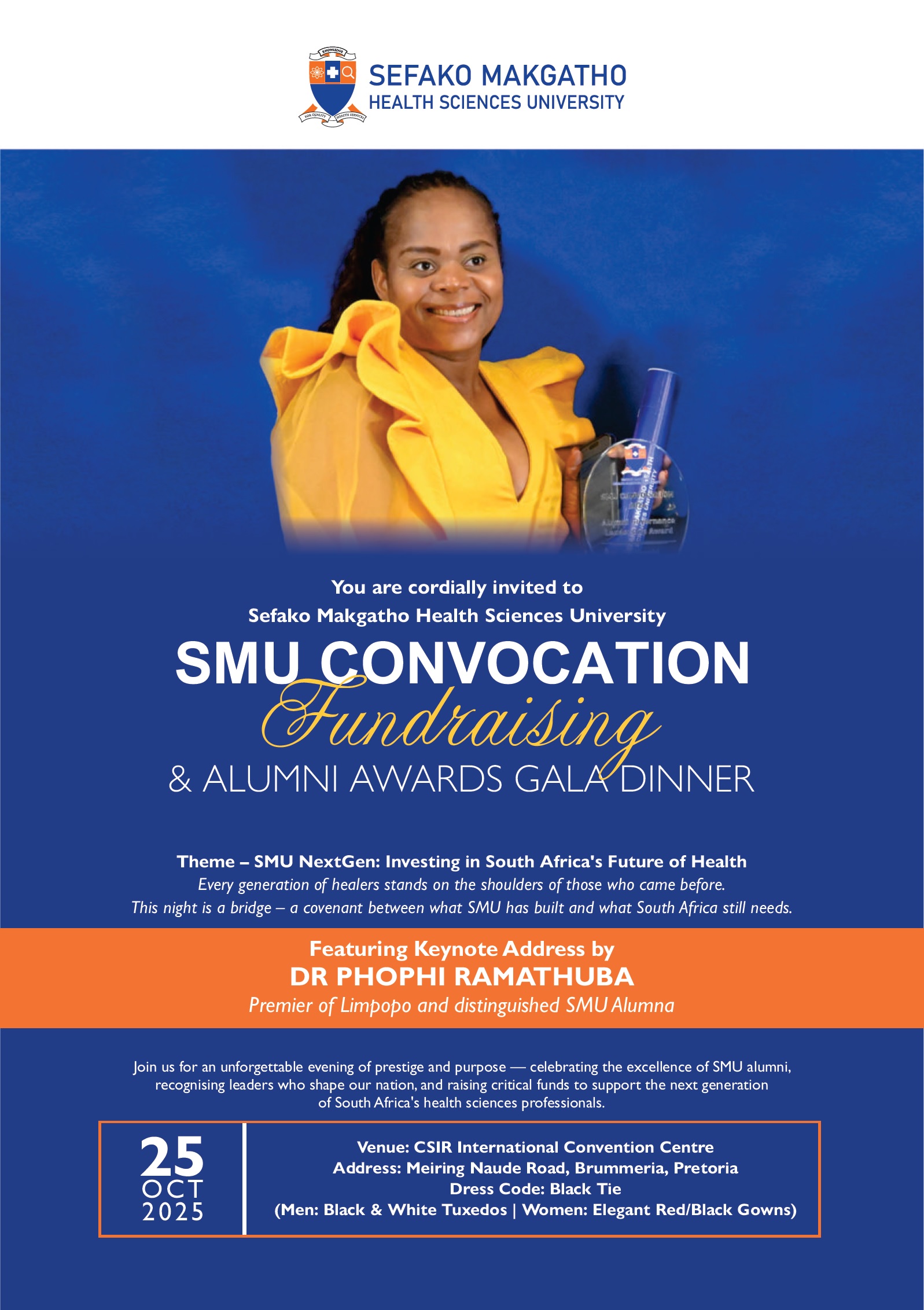
 This initiative will culminate in a prestigious evening of celebration and purpose — the SMU Convocation Fundraising & Alumni Awards Gala Dinner, to be held on 25 October 2025, under the theme “SMU NextGen: Investing in South Africa’s Future of Health Sciences.”
The gala will bring together distinguished alumni, corporate partners, government leaders, and philanthropists in an atmosphere of elegance and generosity, while raising critical funds to support financially constrained students in the health-sciences disciplines.
A vision born of convocation leadership
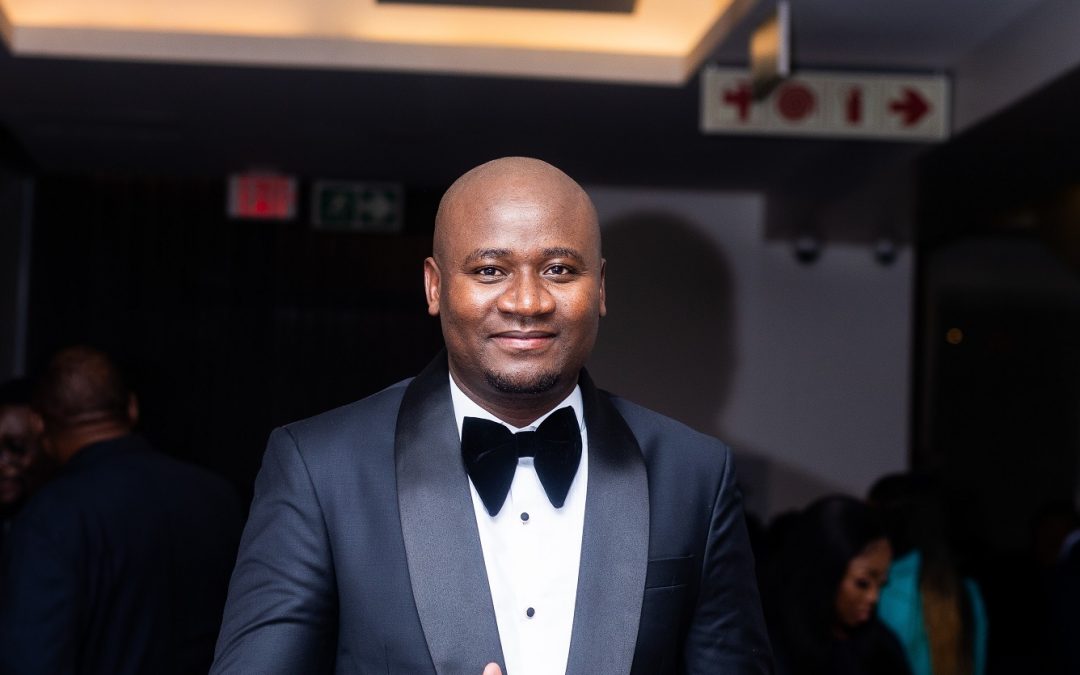
For Japhta Phala, President of the SMU Convocation, the gala represents far more than a single fundraising event but a powerful act of collective responsibility. “The Convocation was inspired to initiate this fundraising gala because we understand that education remains the most enduring investment in South Africa’s future,” says Phala. “As alumni, we are products of a system that once gave us a chance to realise our dreams and now it is our turn to extend that opportunity to those who come after us.”
Under Phala’s leadership, the Convocation Executive Committee has prioritised rebuilding the bridge between SMU and its alumni network, not only through nostalgic reconnection but through tangible, transformative contribution. The gala is envisioned as an annual anchor event to institutionalise alumni giving and affirm SMU’s standing as a national asset in health sciences education.
Phala emphasises that the event also serves as a symbolic bridge between SMU’s proud legacy and South Africa’s urgent need for more skilled health sciences professionals.
 “We hope this initiative will make a measurable difference in the lives of our students — students who are talented, committed, and eager to serve,” he explains. “Beyond financial relief, this is about restoring dignity and hope. It’s about ensuring that a gifted student from a rural or township background doesn’t abandon their dream simply because they can’t afford to continue studying.”
He adds that the gala reflects the broader spirit of SMU itself; a university founded to democratise access to health-sciences education and to transform the health landscape of South Africa.
Alumni and partners: The lifeblood of progress
Phala believes the success of SMU’s mission depends on a collective ecosystem of support where alumni and partners play an active, enduring role.
“Our alumni and partners are vital architects of the university’s future,” he notes. “Their involvement, whether through mentorship, research collaboration, or financial contribution is what keeps the SMU flame burning. They embody the university’s values in the workplace and in society, and their investment today will shape the calibre of healthcare professionals our country produces tomorrow.”
The Convocation Executive Committee echoes this sentiment, calling on alumni from across generations to see themselves not as former students, but as lifelong ambassadors and investors in the institution’s continued excellence.
Beyond the fundraising appeal, the gala will honour outstanding alumni who have demonstrated exceptional leadership in medicine, governance, innovation, and social impact. Through initiatives like this, SMU is positioning itself not only as a centre of academic excellence but also as a hub for national health transformation, driven by its own graduates.
Phala concludes: “The future of SMU — and indeed South Africa’s health sciences system will be written by those who understand that legacy is not what we inherit, but what we build for others to inherit. This gala is our collective commitment to that principle.”
Event: SMU Convocation Fundraising & Alumni Awards Gala Dinner
Theme: SMU NextGen – Investing in South Africa’s Future of Health Sciences
Date: 25 October 2025
Dress Code: Black Tie (Men – Black & White Tuxedos | Women – Elegant Red Gowns)
For Sponsorships/Donations More Information: letsai.mashishi@smu.ac.za
By Tshimangadzo Mphaphuli
by Lorato | Jul 2, 2025 | All News, SMU Media, Student Media
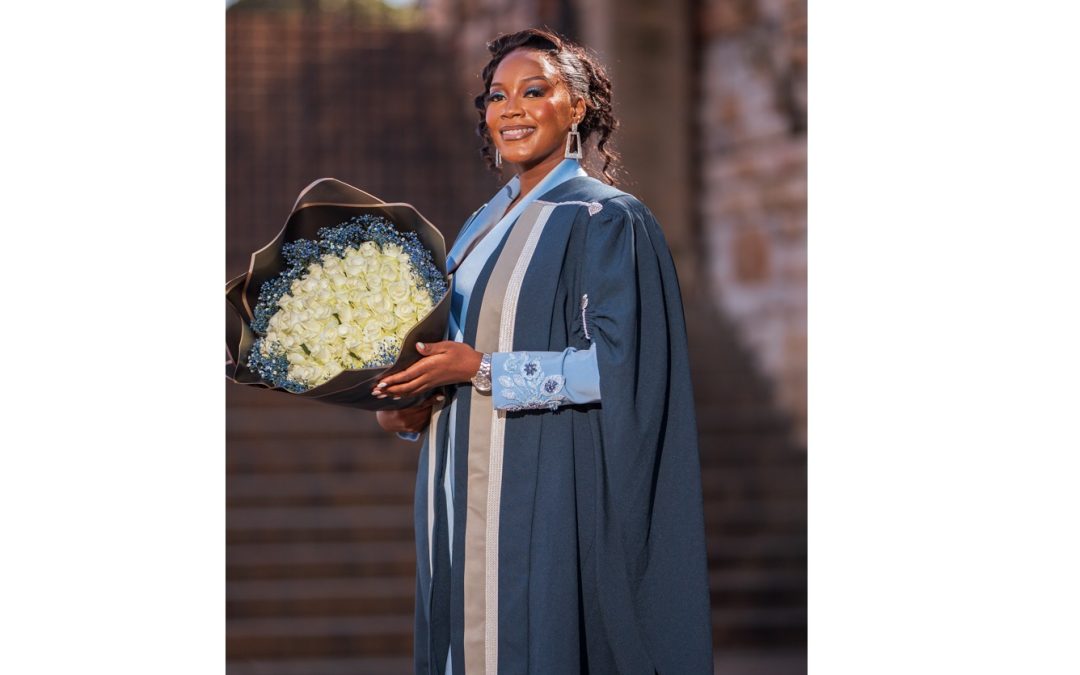
At just 30 years old, Dr Sedzani Pheladi Malovhela is already making an indelible mark in South Africa’s public health system, particularly in the field of paediatrics. Raised between Venda, Burgersfort, and finally Pretoria, Dr Malovhela’s journey is one defined by resilience, faith, and an unwavering commitment to the well-being of children.
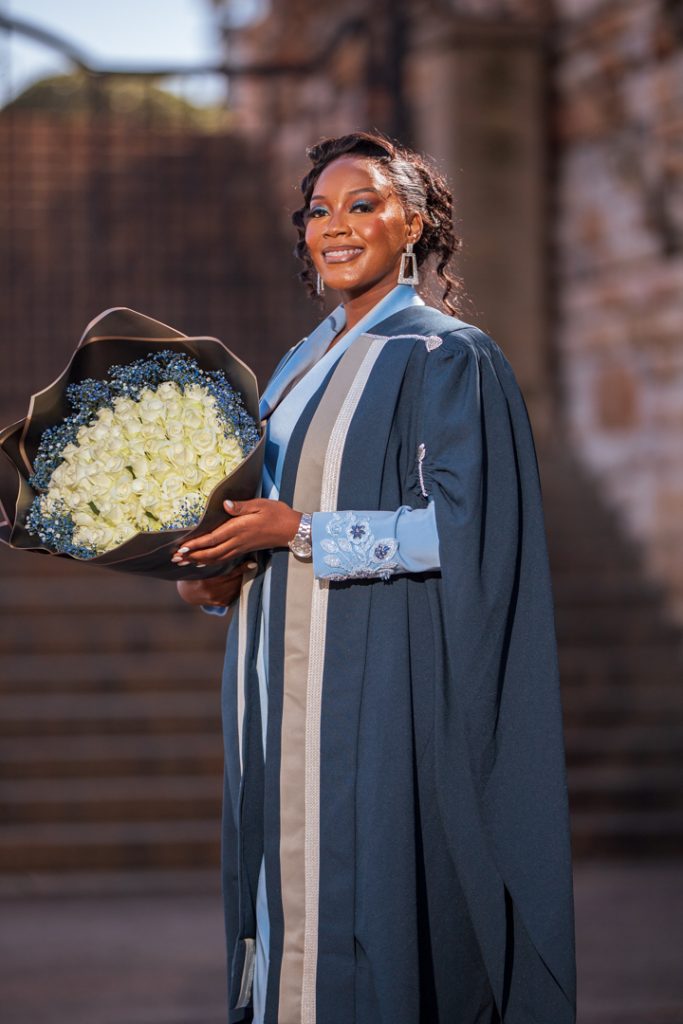 A proud alumna of the Sefako Makgatho Health Sciences University (SMU), she credits much of her medical foundation to the institution’s robust clinical training and early exposure to real-world cases. “SMU pushed me to grow under pressure,” she reflects. “It wasn’t just about mastering the textbook but learning to treat patients as whole beings. That changed me.”
A grateful product of Princess Park College in Rosslyn, Malovhela has consistently pursued academic excellence, having matriculated with distinctions in all seven subjects. “I’ve always been committed to giving my best—not just for results, but because excellence is a habit I value,” she reflects. Now a passionate voice in paediatrics, Malovhela describes finding purpose in the field: “The more time I spent in paediatrics, the more I felt alive there. Children don’t just get better physically; they thrive when someone genuinely advocates for them. I wanted to be that person.” This conviction also underpins her caregiver-centred approach: “In paediatrics, every child should be managed as part of a team — and that team always includes the caregiver. They are our best partners on this journey.”
But her calling to paediatrics was truly cemented during her internship at Rob Ferreira Hospital in Mpumalanga amidst the chaos of the COVID-19 pandemic. One night, she was called to assist a child suffering from sepsis. Despite the team’s best efforts, they lost the child. “That moment broke me—but also became my turning point,” she says. “I never wanted to find myself lacking again. I wanted to be the doctor children could rely on.”
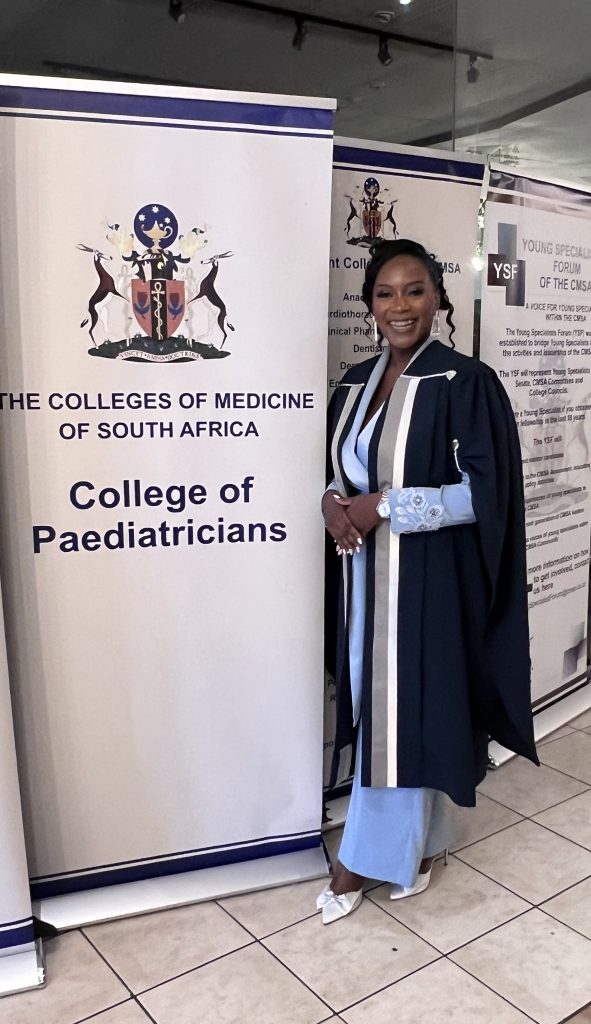 Today, Malovhela serves as a medical officer rotating through remote clinics in Pretoria East and as far as Bronkhorstspruit, where her dedication to paediatric health has earned her the 2024 award for Best Medical Doctor in her subdistrict. Her passion lies especially in neonatology—caring for newborns in their most vulnerable hours. “It’s more than clinical,” she shares. “It’s emotional, it’s spiritual. I pray over each one. I hope they grow to fulfil their purpose.”
Her work doesn’t stop within the clinic walls. Malovhela is a fierce advocate for community outreach and education. She supports adolescents at Wozanibone High School, in Kanana, Bronkhorstspruit and educates caregivers on children’s health and development, often addressing the socio-economic factors that undermine well-being. “There’s still a significant knowledge gap,” she says. “We need to empower families, not just treat conditions.”
One of the most defining influences in her journey is fellow SMU alumna Dr Amukelani Mthombeni. “She didn’t just diagnose patients, she saw them,” Malovhela recalls. “She taught me to listen deeply—to look for the story behind the symptoms.”
Balancing this demanding career with personal wellness is no easy feat. “I’m intentional about protecting my peace,” she says. “Whether it’s solo brunches, swimming, or running—I find joy in quiet, nurturing spaces.” A lover of fitness, she proudly boasts five half-marathon medals earned in 2025 alone.
But her heart remains firmly with the children. “Paediatrics is tough, yes. But it’s purposeful. Even on the hard days, my love for this work lifts me.”
Looking ahead, Malovhela dreams of specialising in neonatology, while also integrating advocacy and public health research. She envisions creating a space where medicine, community, and education intersect—a “soft space where little ones can thrive.”
Her mentorship journey began in 2018 as a peer mentor at SMU and continues today through lived example. “You don’t need to be loud to lead,” she says. “Just walk boldly in your purpose, and others will follow the light.”
To aspiring doctors, she offers this advice: “Medicine is not a race. Be gentle with yourself. Let your purpose anchor you, and let self-care sustain you.”
In a world where children often go unheard, Malovhela has chosen to be their voice, their advocate, and their healer. In her own words: “At the centre of it all is the child. And that’s who I show up for, every time.”
By Tumelo Moila
by Lorato | Jul 2, 2025 | All News, SMU Media, Student Media
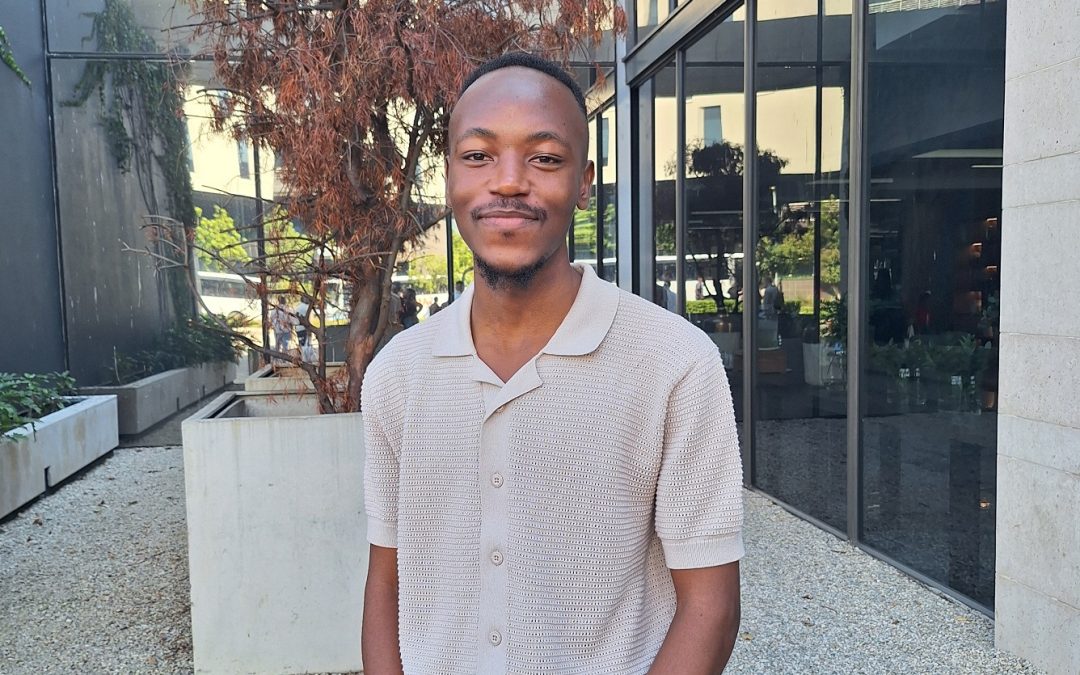
In the quiet rural village of Mathopestad in the North West, few would have imagined that a young boy from its dusty streets would one day contribute vital research to South Africa’s understanding of the COVID-19 pandemic. Moeletsi Kevin Ditse, now a final-year Bachelor of Medicine and Bachelor of Surgery student at Sefako Makgatho Health Sciences University (SMU), has emerged as a remarkable young scholar, shedding light on the role of forensic pathology in global health crises.
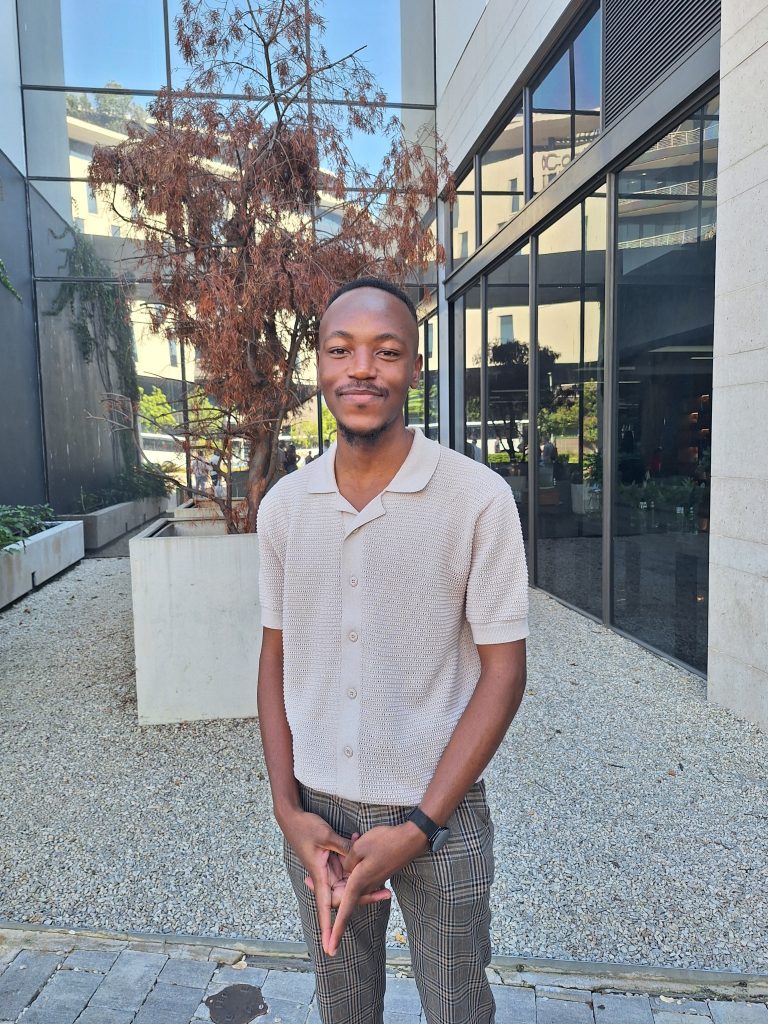 Born and raised in Mathopestad, Ditse matriculated from Lesele Secondary School in 2019 before embarking on his medical journey at SMU. Passionate about medicine and driven by curiosity, Ditse chose to explore uncharted territory for his undergraduate research: “A retrospective analysis of COVID‐19 cases seen at a medico-legal mortuary from March 2020 to February 2022.”
“When the pandemic hit, a lot of research focused on clinical aspects and hospitalised patients,” Ditse said. “But very little was being done from a forensic perspective, especially here in South Africa. I wanted to bridge that gap.”
His research was conducted at Ga-Rankuwa Forensic Pathology Services, where he meticulously analysed post-mortem reports of individuals who tested positive for SARS-CoV-2. The study used a manual data collection method, with each case anonymised and transferred electronically after being reviewed over a six-month period.
One of Ditse’s most striking findings was the unexpectedly even age distribution of COVID-19 fatalities. “It was surprising,” he admitted. “Contrary to global findings that suggested older people were more susceptible, we observed equal infection rates among young and elderly individuals. That challenged existing assumptions.”
Moreover, his analysis revealed that more men than women succumbed to the virus. However, there were minimal socioeconomic disparities, as most cases came from the low-income areas surrounding Ga-Rankuwa.
“The role of medico-legal mortuaries has been severely underappreciated,” Ditse explained. “During the pandemic, forensic pathology helped distinguish COVID-19-related deaths from suicides, domestic violence, and other causes. It also contributed to protocols for safe handling of deceased patients and offered insights into organ complications caused by the virus.”
Despite the study’s limitations, such as a small sample size and the inability to conduct full-body autopsies due to safety protocols, Ditse believes the research has contributed meaningfully to the national dialogue on pandemic preparedness and forensic integration.
The experience was not without challenges. Balancing academic responsibilities with high-level research proved demanding. “Transporting myself to the mortuary, analysing data from over two years of cases, and keeping up with coursework required discipline,” he shared. “I’m grateful to my supervisors, Dr Charmaine Van Wyk and Dr Keven Hlaise, who supported me throughout.”
Beyond research skills, Ditse said he gained an appreciation for the ethics of medical inquiry. “Understanding how to seek ethical clearance, protect the identity of deceased individuals, and uphold standards of confidentiality was eye-opening.”
Looking forward, Ditse aspires to continue research in forensic pathology. “There’s so much still to uncover. I’m not sure exactly what I’ll explore next, but this journey has definitely sparked something in me.”
To fellow medical students, his message is simple but powerful: “Don’t wait. There are platforms like the South African Medical Journal for Undergraduate Students where we can publish and grow. Research is not just for professors—it’s for all of us.”
Ditse’s work stands as a testament to the critical, often invisible role that forensic medicine plays in public health. As he notes, “In times of crisis, understanding the cause of death isn’t just about science—it’s about accountability, planning, and saving lives.”
His story is not just that of a student fulfilling a requirement, but of a future doctor rising to the moment with purpose, courage, and a deep commitment to truth.
By Tumelo Moila

by Lorato | Jun 4, 2025 | All News, SMU Media, Student Media
In a triumph that marries national pride with academic excellence, Sefako Makgatho Health Sciences University (SMU) alumnus Felix Nkuna has emerged as a symbol of results-driven leadership after playing a pivotal medical role in South Africa’s historic victory at the CAF U-20 Africa Cup of Nations tournament. As the sports physiotherapist for South Africa’s U-20 men’s football team, affectionately known as Amajita, Nkuna’s behind-the-scenes expertise was instrumental in keeping the team at peak performance, culminating in a 1–0 win over Morocco in the final held in Egypt on 18 May 2025. His success not only earns him national acclaim but also exemplifies SMU’s core value of effective leadership on the continental stage.
 Nkuna’s contribution was vital in keeping the players in peak condition throughout the tournament. “My role is to treat injuries, assist with rehabilitation, and implement preventative strategies,” he explained. “We operate as a team—the coach, sports physician, biokineticist, and myself—to ensure every player is match-fit.”
The success with Amajita is not just a professional milestone—it’s deeply personal for Nkuna, who describes it as the “biggest achievement” of his career so far. “To tell you the truth, this is the biggest thing I have ever achieved. I am now focusing on going to the FIFA U-20 World Cup in Chile with them. The tournament will run from 27 September to 19 October 2025,” he said. “This achievement summarises my career.”
Nkuna’s journey to the national team is rooted in resilience, humility, and unwavering faith. Raised in a family of academics, his late father instilled in him a deep respect for education. “My father, who passed away last year, always believed in education. My brothers were academic stars in our community, and I felt a lot of pressure to do well,” he reflected.
After matriculating, Nkuna pursued physiotherapy at SMU, a decision inspired by a senior physiotherapist who lived not far from his village and his own love for football, which he played from Grade 1 to Grade 10. “When I arrived at SMU, I joined the soccer team, but I struggled a bit since I had stayed two years without kicking a ball. Eventually, I found my rhythm playing for a local team called Ajax FC, but by then, I was finishing my degree,” he said.
Upon completing his undergraduate degree, Nkuna furthered his education with a Master’s in Sports Medicine, also at SMU. “I chose to work in sports. I wanted to combine my academic training with my passion,” he explained. Nkuna recalls his university days with fondness. “My time at SMU was nice. My brother, Dr Msuthu Andrea Nkuna, was already an SRC member when I arrived, so things were a bit easier for me. At SMU, you learn to survive with the basics—no need for fancy clothes or flashy cars. We came from humble beginnings. In my corridor, we used to share bread, and I often gave away clothes to those who had less. Now, some of those guys are GPs and allied health professionals. That makes me proud.”
Reflecting on the recent tournament, Nkuna emphasised the unity within the Amajita camp. “This U-20 team is a family. The players, the technical staff, and the medical team—we’re all united. It makes being in camp feel like home. The coach, Raymond Mdaka, always checks on me. Dr Singe Chonco and I have a rare bond—it’s uncommon for a physio and medical doctor to work so well together.”
One of the defining moments of the tournament came when Nkuna and the medical team had to make a tough call regarding a player with an unclear injury. “The coach really needed him, but we were sceptical. After thorough assessment and teamwork, we cleared him—and he ended up playing the whole tournament without any issues.”
Nkuna remains grounded despite his growing reputation. “All in all, I give God the glory. This opportunity has boosted my profile, but it’s by grace. I believe in changing lives positively and being grateful.” To aspiring physiotherapists and students, Nkuna offers this advice: “Don’t look down on yourselves. Take every opportunity seriously. Be humble, respectful, and study hard. Education builds your self-esteem. Enjoy every situation with what you have. No one owes you success—you are in charge of your life.”
By Tumelo Moila
by Lorato | May 29, 2025 | Accolades and Achievements, All News, SMU Media, Student Media
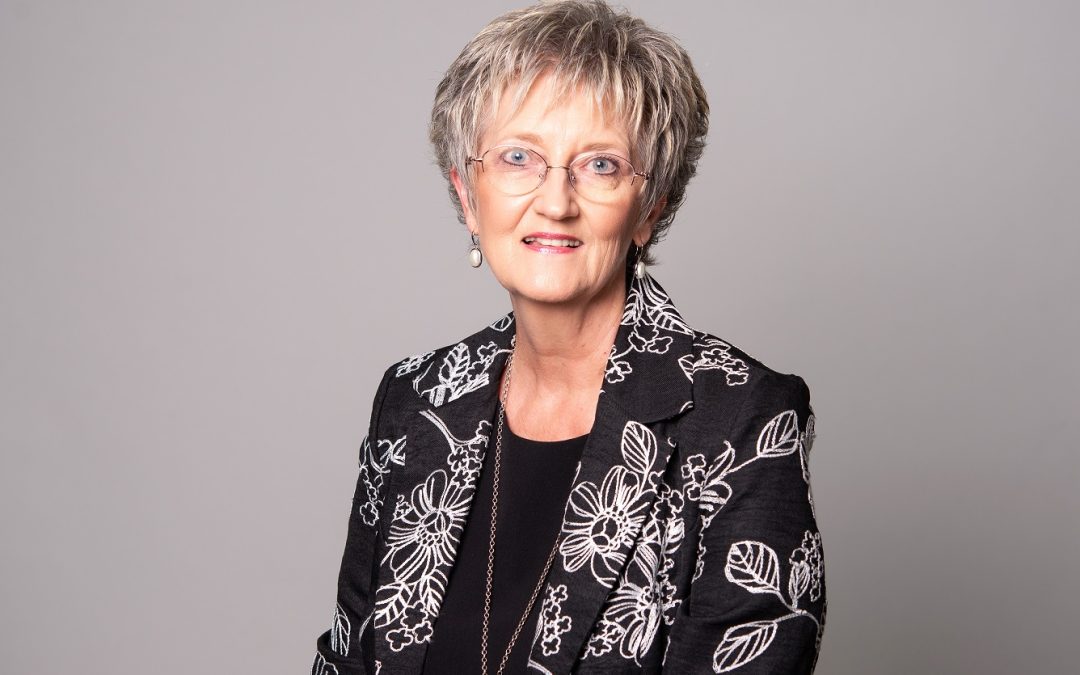
Sefako Makgatho Health Sciences University (SMU) continues to champion excellence and innovation in health sciences, as one of its esteemed academics, Professor Johanna Meyer, is honoured with the 2025 PHILA Lifetime Achievement Award by the Public Health Association of South Africa (PHASA). This distinguished award recognises individuals whose lifelong contributions have left a lasting and meaningful impact on public health in South Africa and beyond.
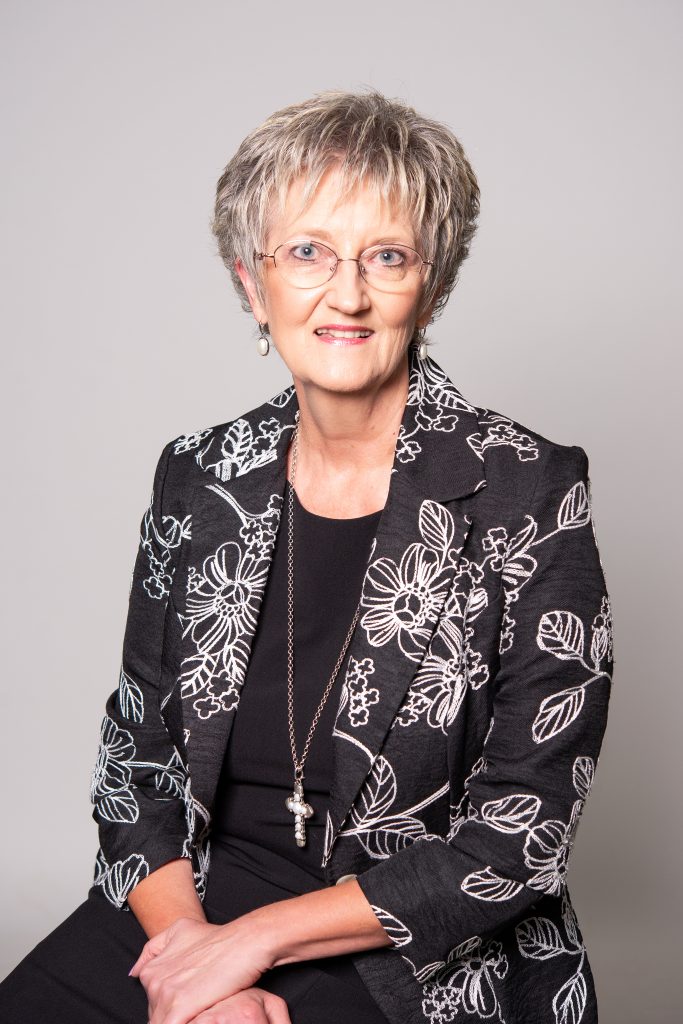 A respected scholar and advocate, Professor Meyer has dedicated decades of her academic and professional life to strengthening public health systems and advancing health equity. Describing the award as “humbling and unexpected,” she joins a select group of visionaries whose work continues to shape healthier futures through research, education, and service. Her recognition is a testament not only to personal dedication but also to SMU’s growing influence in transforming health services across the country.
“I never imagined that, among all the brilliant public health professionals in the country, I would be selected. But this award is not just for me – it reflects the collective effort of many people who have walked this journey with me,” she said.
Her journey is a testament to SMU’s commitment to excellence, reflected in her work on immunisation, pharmacovigilance, antimicrobial stewardship, and health policy advocacy. Over the years, she has played an instrumental role in strengthening public health systems and promoting the rational use of medicines and vaccines.
Professor Meyer’s interest in public health was sparked early in her career, but deepened significantly when she joined the South African Vaccination and Immunisation Centre (SAVIC). Through SAVIC, she found a platform to focus on vaccine safety, training of healthcare workers, and boosting vaccine confidence—particularly in underserved communities.
“Vaccines became the vehicle through which I could pursue my goal of improving public health. I focused on their safety, uptake, and rational use – and on building trust,” she noted.
Her commitment to public service is evident in her leadership roles, both past and present. These include serving on the World Health Organization’s Global Advisory Committee on Vaccine Safety and chairing both the South African Health Products Regulatory Authority (SAHPRA) and the National Immunisation Safety Expert Committee.
Professor Meyer’s work became even more critical during the COVID-19 pandemic. Under her leadership, SAVIC trained healthcare workers across South Africa to implement the national COVID-19 vaccine roll-out. She also led national efforts to monitor vaccine safety and address public concerns—a demonstration of leadership and accountability during a time of global uncertainty.
“I was on radio, TV, and Zoom calls almost every day, helping people understand vaccine safety and countering misinformation,” she recalls.
Her team’s efforts helped establish pharmacovigilance systems that now extend across five African countries.
Professor Meyer is not only a scientist and leader but also a devoted mentor. Her approach reflects SMU’s value of respect, particularly in the way she supports and inspires students and emerging public health professionals.
“Mentoring starts with motivating the heart. I encourage students to focus on public service, even when change is slow. Persistence matters,” she says.
She also advocates for greater academic engagement with government and policy work, especially in a country grappling with systemic challenges in healthcare delivery.
“Policymaking must be guided by scientific evidence. Independent voices are crucial to protect the integrity of our health systems,” she adds.
Professor Meyer continues to be a leading voice in public health, with ongoing work in antimicrobial resistance, community engagement, and vaccine safety. Her unwavering commitment to the greater good—often behind the scenes—epitomises the spirit of service that aligns closely with SMU’s ethos.
Despite global challenges such as misinformation, climate change denial, and anti-science sentiment, Professor Meyer remains optimistic and committed to inspiring future generations.
“There are so many opportunities to make a real difference. You just have to stay committed,” she says.
She often draws strength from the words of anthropologist Margaret Mead: “Never doubt that a small group of thoughtful, committed citizens can change the world; indeed, it is the only thing that ever has.”
SMU is proud to count Professor Meyer among its esteemed academic leaders—a professional whose work is anchored in excellence, integrity, respect, and accountability, and whose legacy will inspire public health champions for generations to come.
By Dimakatso Modise