by Lorato | Jun 3, 2026 | All News, Alumni, SMU Media, Student Media
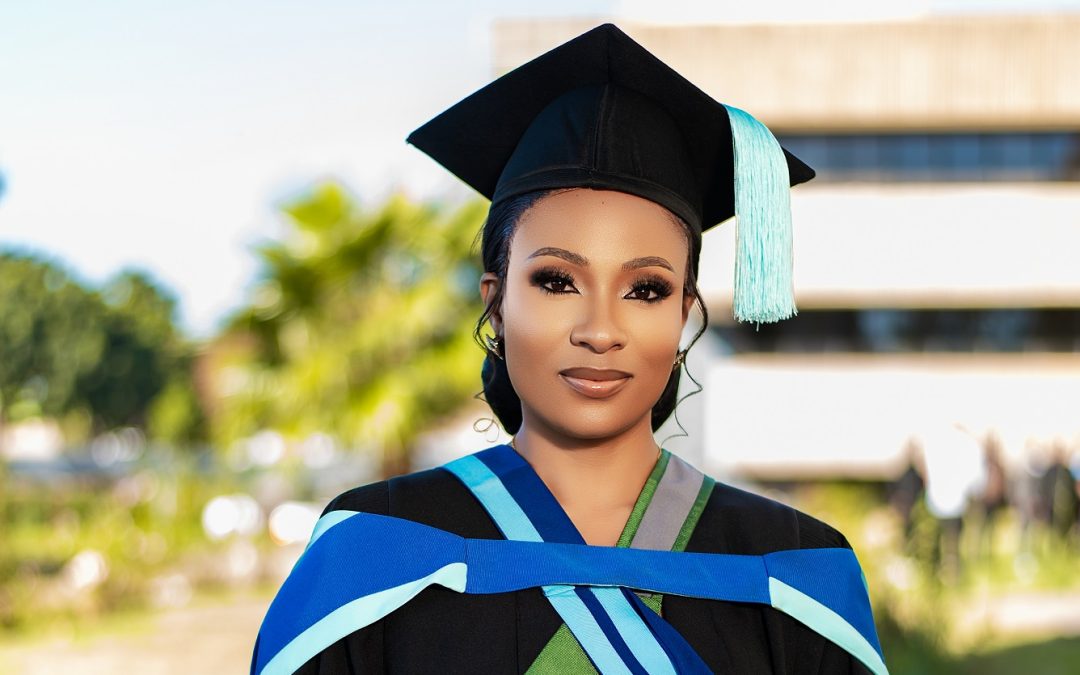
Sefako Makgatho Health Sciences University (SMU) PhD candidate and part-time junior lecturer, Bontle Jessica Sibiya, has achieved remarkable recognition on both international and institutional platforms for her research addressing critical gaps in our understanding of human papillomavirus (HPV) among men who have sex with men (MSM) in South Africa.
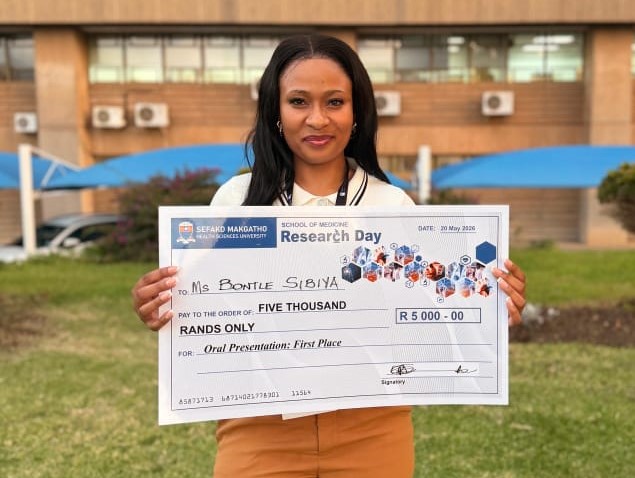
 Sibiya was honoured as one of four best oral presenters sponsored by The FEBS Journal at the prestigious International Centre for Genetic Engineering and Biotechnology (ICGEB) “Translational Virology of Oncogenic Viruses: From Epidemiology to Intervention in Sub-Saharan Africa” Symposium, hosted recently by the University of KwaZulu-Natal (UKZN) in Durban. She further cemented her success by securing first place in the Best Oral Presenter (Student Category) at the SMU School of Medicine Research Day, where she presented the same study to a home audience.
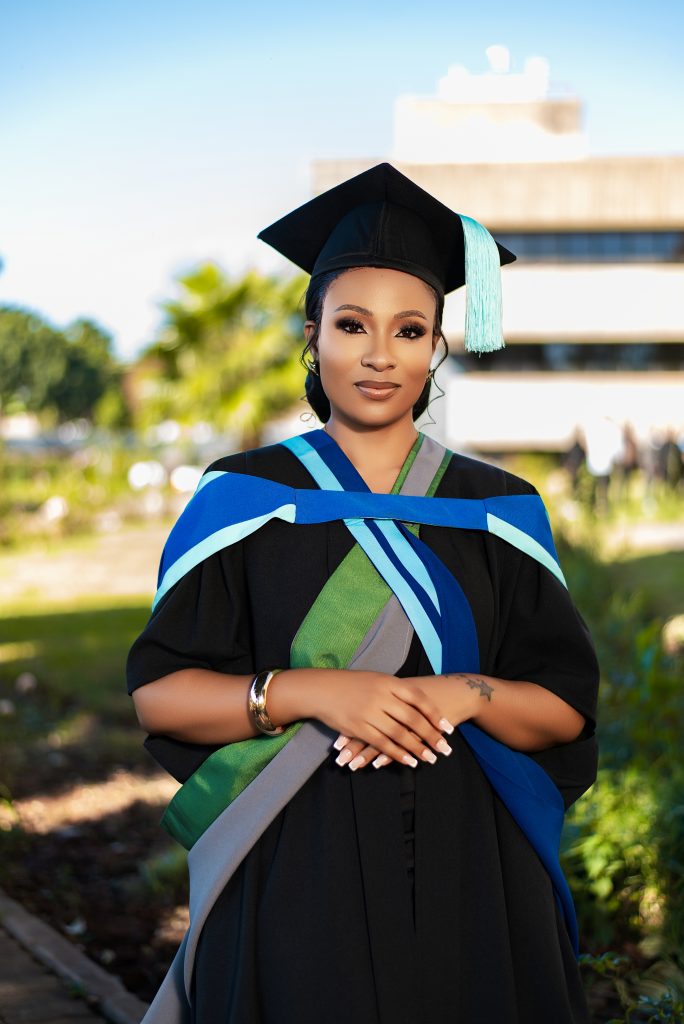
The accolades coincide with another major milestone in her academic journey. Sibiya graduated as part of the SMU 2026 Autumn Graduation cohort after completing her MSc in Medicine (Medical Virology), with the award-winning research forming the basis of her master’s degree.
“This recognition is deeply meaningful because it validates years of hard work and highlights the importance of addressing overlooked public health challenges,” said Sibiya. “I am honoured that this research has resonated with both international experts and my colleagues at SMU.”
The symposium was co-hosted by UKZN’s Discipline of Virology at the Nelson R. Mandela School of Medicine and the ICGEB, one of the world’s leading intergovernmental organisations dedicated to life sciences research. The event brought together renowned virologists, oncologists and public health experts from across the globe.
Sibiya’s presentation, titled “Translating Epidemiology into Intervention: Urethral High-Risk HPV Burden and HIV-Associated Immunosuppression Among Men Who Have Sex with Men in South Africa,” examined the relationship between HIV-related immunosuppression and urethral HPV infection in MSM.
The cross-sectional study enrolled 199 participants from Gauteng and North West provinces, settings where no prior published data existed on urethral HPV prevalence among MSM. HIV prevalence in the cohort was 66.3%, and urethral HPV infection was detected in 20.9% of participants, with 16.2% of the cohort co-infected with both HIV and urethral HPV. High-risk HPV genotypes accounted for more than half of all urethral infections, with HPV 16, 18 and 68 among the most common. Notably, 60.0% of urethral infections were caused by genotypes targeted by the nonavalent Gardasil®9 vaccine, highlighting a substantial prevention opportunity for MSM. In South Africa, where HPV vaccination is currently offered only to adolescent girls through the national programme using the bivalent Cervarix® vaccine, these findings underscore the need to consider broader-valent vaccines and gender‑inclusive HPV vaccination strategies that explicitly include MSM in high HIV‑burden settings.
Importantly, the research demonstrated a clear association between declining CD4+ T-cell counts and an increased likelihood of HPV infection, highlighting the impact of HIV-associated immunosuppression on vulnerability to oncogenic HPV.
 “The urethra has largely been overlooked as a potential reservoir for high-risk HPV,” explained Sibiya. “Our findings suggest that it may play a significant role in ongoing transmission and cancer risk, particularly in settings with a high burden of HIV.”
The research calls for the integration of urethral HPV screening into routine sexual health services for MSM and the expansion of HPV vaccination programmes, particularly the use of the nonvalent vaccine, among high-risk populations. The study was supervised by Dr Ramokone Lisbeth Lebelo and Dr Varsetile Varster Nkwinika from the Department of Virology at SMU.
SMU researchers believe the study contributes critical evidence needed to inform public health policy and strengthen prevention strategies.
“This work exemplifies the kind of impactful, translational research that addresses pressing health challenges in South Africa,” said Sibiya. “Ultimately, our goal is to ensure that scientific evidence translates into interventions that improve health outcomes and reduce the burden of HPV-associated diseases.”
By Tumelo Moila
by Lorato | Jun 3, 2026 | All News, Alumni, SMU Media, Student Media
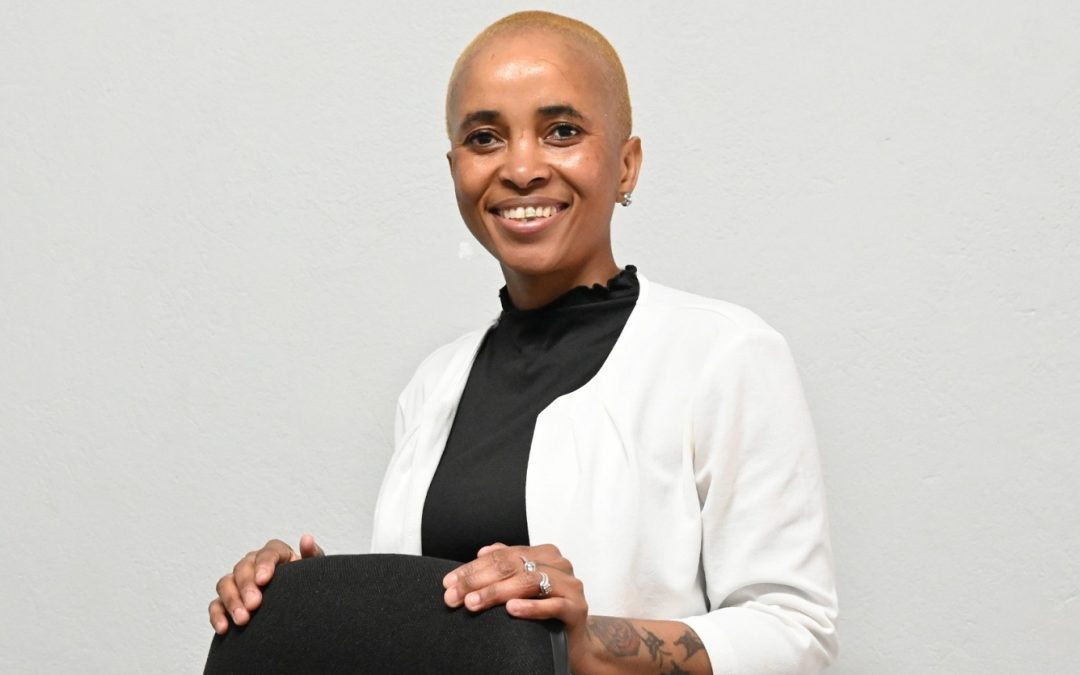
Sefako Makgatho Health Sciences University (SMU) is celebrating a significant achievement following the appointment of its Department of Intensive Care secretary and SMU women’s football team coach, Dorah Thorisa Mashigo, as Head Coach of Team SA Women’s Football for the upcoming Confederation of Universities and Colleges Sports Association (CUCSA) Games.
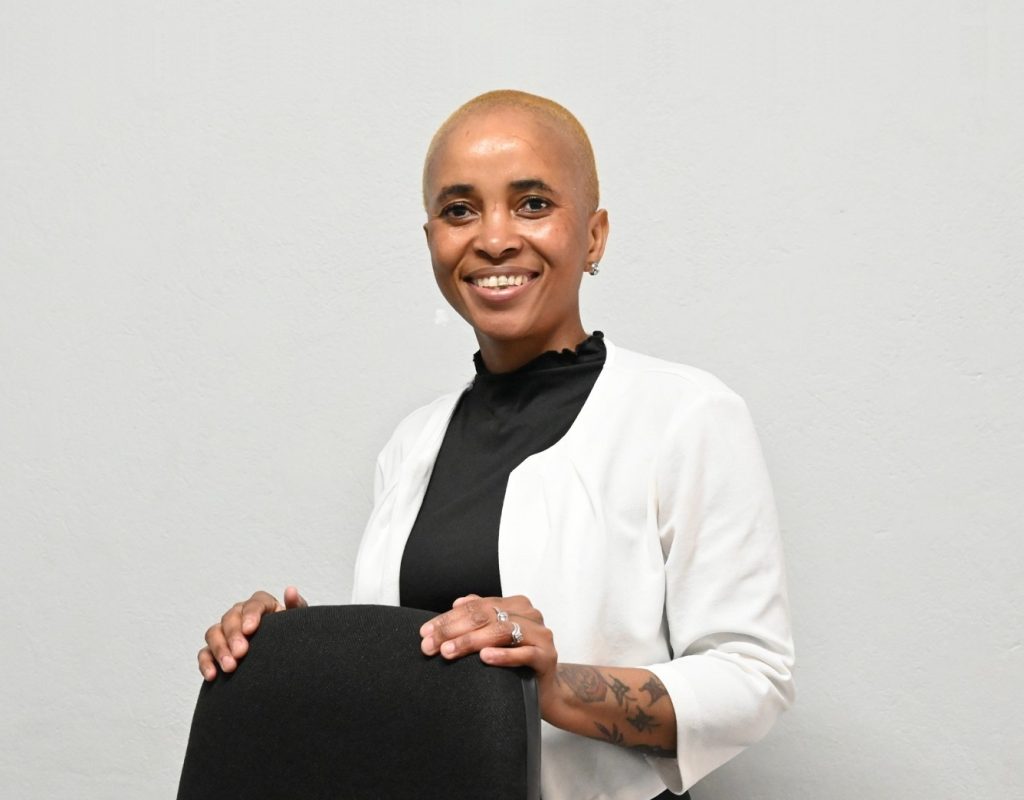
The tournament will take place in Gaborone, Botswana, from 28 June to 6 July 2026 and will be hosted by the Botswana Tertiary Student Sport Association (BOTESSA). The regional competition will bring together tertiary student-athletes from across Southern Africa.
Affectionately known as Coach Dee, Mashigo’s appointment marks a proud moment for both the university and South African university sport. It reflects SMU’s commitment to developing excellence in leadership, sport and student development. Her selection to lead the national women’s university football team highlights the growing influence of SMU in nurturing talented professionals who excel both on and off the field.
For Mashigo, the appointment was met with a mixture of excitement and responsibility. “At first, I felt scared because coaching a national team is very different from coaching a club or university team. You work with players from different backgrounds, and expectations are much higher,” she said. “At the same time, I felt very honoured and grateful to be trusted with this role. It is a big step in my coaching journey, and I do not take it lightly.”
Born and raised in Ga-Rankuwa, Mashigo’s football journey began on the dusty fields of her community. What started as a childhood passion evolved into a lifelong commitment to the sport. She recalls beginning not as a coach, but as a young football enthusiast determined to pursue her dreams despite limited resources. “I didn’t start as a coach. I started as a young girl with a dream, worn-out boots and a deep love for football,” she reflected.
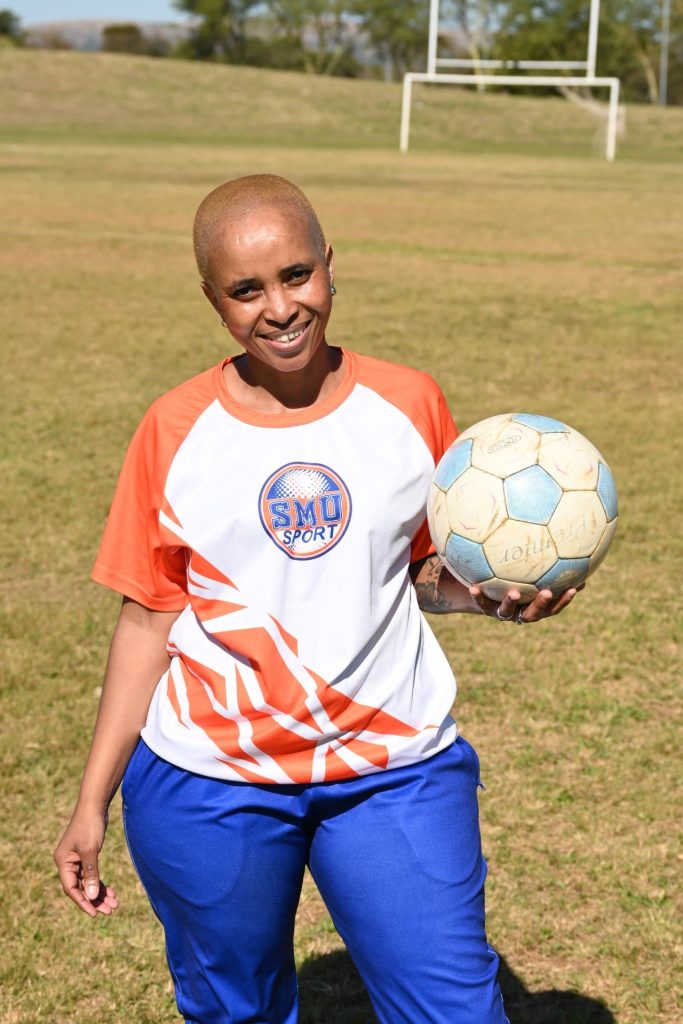 Football became a powerful teacher, instilling discipline, resilience, teamwork and perseverance. Her coaching career began while she was playing for Juventus FC, where she assisted with training sessions under Coach Fana Makhudu. Those early experiences ignited a passion for coaching that would ultimately shape her future.
Over the years, Mashigo has built an impressive coaching portfolio. She guided the SMU men’s staff football team to success at the South African University Sports Association (SAUSSA) Games, obtained both CAF D and CAF C Coaching Licences, and led Titans FC Women’s Team to promotion to the SAFA Tshwane Women’s Regional League. She currently serves as Head Coach of the SMU Ladies Football Team while also fulfilling administrative responsibilities within the university.
Reflecting on her journey, Mashigo credited SMU for supporting her development as both a coach and a leader. “My experience at SMU has played a significant role in my growth as a coach and leader. Working with student-athletes from diverse backgrounds has strengthened my leadership, communication and athlete development skills,” she said.
As she prepares for the CUCSA Games, Mashigo remains focused on building a united and competitive team capable of representing South Africa with distinction. “I hope this appointment not only contributes to my own growth but also inspires other women who aspire to pursue leadership roles within football,” she said.
Her appointment embodies SMU’s values of excellence, leadership and empowerment. As Team SA prepares for Botswana, the university proudly celebrates one of its own whose journey demonstrates how talent, perseverance and opportunity can produce leaders capable of making an impact on the international stage.
By Rose Moreki
by Lorato | May 28, 2026 | All News, Alumni, SMU Media, Student Media
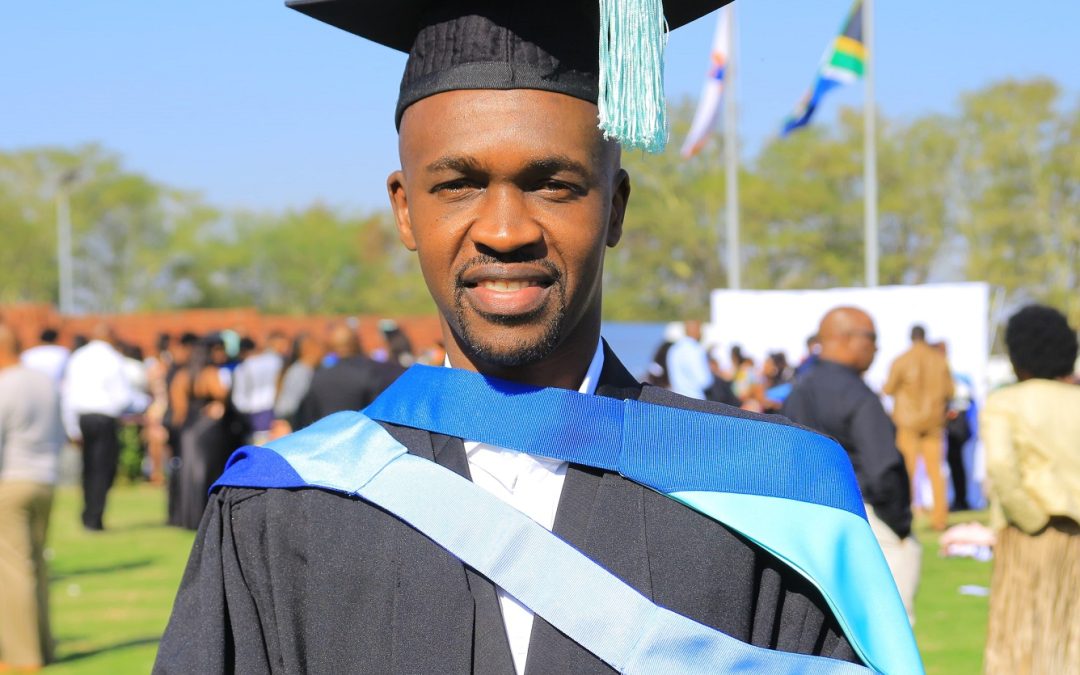
From a small village situated 10 kilometres west of Makhado, formerly known as Louis Trichardt, in Limpopo, to the forefront of organised medicine in South Africa, Dr Tshilidzi Sadiki continues to embody the values of excellence, leadership, and service that define Sefako Makgatho Health Sciences University (SMU).
 The accomplished neurosurgeon, academic, and healthcare advocate has recently been elected President of the South African Medical Association Trade Union (SAMATU), marking another significant milestone in a career dedicated to advancing healthcare delivery and advocating for medical professionals across the country.
Dr Sadiki completed his MBChB at SMU, then known as Medunsa, where his passion for medicine and leadership first began to flourish. Over the years, he has built an impressive career in neurosurgery, becoming widely respected for his expertise in complex cranial and spinal procedures, as well as his compassionate and patient-centred approach to care.
Currently serving as a Specialist Neurosurgeon, Acting Head of Clinical Unit for Neuro-Oncology at Dr George Mukhari Academic Hospital (DGMAH), and lecturer in the Department of Neurological Surgery at SMU, Dr Sadiki has consistently balanced clinical excellence with academic leadership and healthcare advocacy.
His professional journey reflects a longstanding commitment to academic achievement and public service. During his student years, he served as Deputy Secretary of the Student Representative Council in 2009/2010 and was selected as part of the prestigious Abe Bailey Scholars Programme in 2008. These early leadership roles laid the foundation for his continued influence within the healthcare sector.
Dr Sadiki’s academic credentials include a Fellowship in Neurosurgery from the Colleges of Medicine of South Africa and a Master of Medicine in Neurosurgery from SMU. He also serves as an examiner for the Colleges of Medicine of South Africa and has participated in numerous international endoscopic skull base surgery courses. In 2025, he was selected for the prestigious WFNS-AESCULAP Adult Neurosurgery Fellowship in Germany at Universitätsklinikum Tübingen, further cementing his standing as one of South Africa’s highly trained neurosurgical specialists.
Despite opportunities beyond the public healthcare system, Dr Sadiki has remained committed to serving economically marginalised communities through the public sector. At a time when South Africa’s healthcare system continues to face immense pressures, his dedication to providing specialised neurosurgical services at DGMAH reflects a deep commitment to equitable healthcare access.
His election as SAMATU President follows four years of service as the union’s second Deputy President from September 2022 to May 2026. Established in 1996 in accordance with the Labour Relations Act 66 of 1995, SAMATU represents more than 8 000 medical practitioners across South Africa and advocates for the rights, empowerment, and professional interests of doctors.
Over recent years, the union has emerged as a key stakeholder in healthcare policy discussions, engaging extensively with the National Department of Health on critical reforms affecting healthcare practitioners and service delivery nationwide.
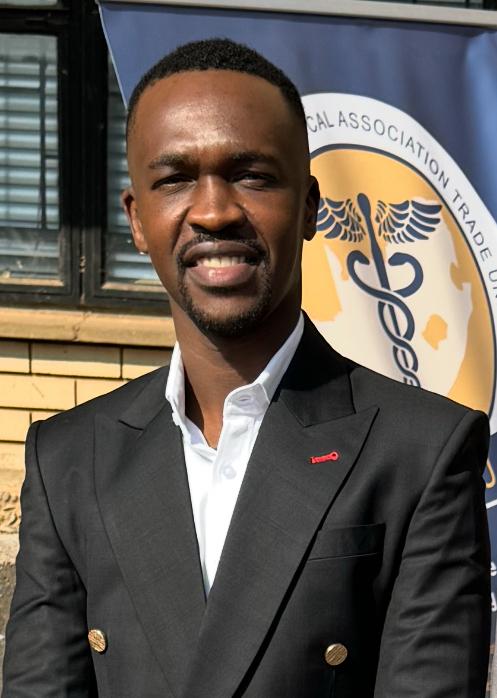 Dr Sadiki succeeds fellow SMU alumnus Dr Langanani Mbodi, continuing a growing legacy of SMU-trained healthcare professionals assuming influential leadership positions within national healthcare organisations.
Reacting to his election, Dr Sadiki described the appointment as both an honour and a significant responsibility. “It is a profound honour to serve as President of SAMATU. I accept this responsibility with humility and a firm commitment to advancing the interests of healthcare practitioners while strengthening healthcare delivery for all South Africans,” he said.
“Our healthcare professionals continue to face immense pressures within the public and private sectors. SAMATU must remain a united and credible voice that advocates for fair working conditions, professional development, and healthcare systems that allow doctors to deliver the highest standard of patient care.”
Beyond clinical practice and union leadership, Dr Sadiki has also contributed extensively to neurosurgical research and postgraduate supervision, with scholarly publications focusing on neurosurgical conditions and patient outcomes in South Africa.
Reflecting on the role played by SMU in shaping his leadership journey, he acknowledged the institution’s enduring influence on his professional and personal development. “SMU laid the foundation for my professional and personal growth. The university instilled values of excellence, accountability, integrity, and service to humanity. I remain proud to be part of an institution that continues to produce healthcare professionals who lead with competence and compassion,” he said.
Dr Sadiki’s election further strengthens SMU’s reputation as a leading producer of healthcare leaders committed to transforming health services through excellence, innovation, ethical leadership, and community-centred care. Through its continued investment in specialist training, teaching and learning, innovative research, and public healthcare advancement, SMU continues to shape healthcare systems and improve lives in South Africa and beyond.
By Tumelo Moila
by Lorato | May 18, 2026 | All News, SMU Media, Student Media
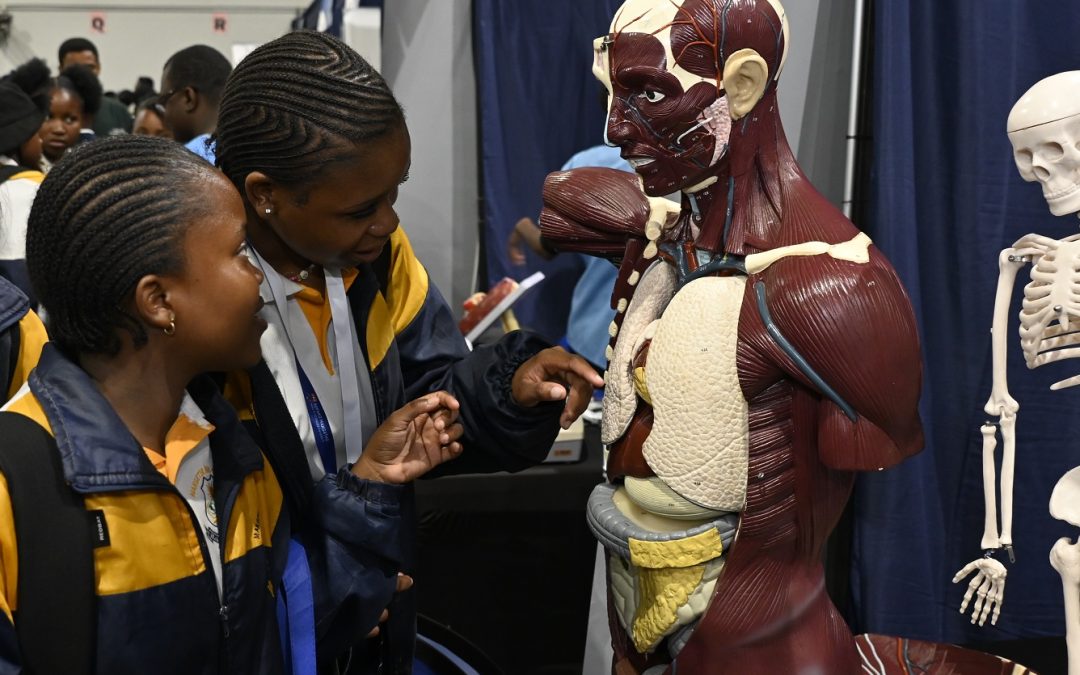
More than 2 300 top-performing learners and educators from 103 schools across Gauteng, Limpopo, Mpumalanga, the Free State and North West gathered at Sefako Makgatho Health Sciences University recently, for the institution’s highly anticipated Open Day 2026, themed “NEXTGEN: Shaping Health Sciences in South Africa”.
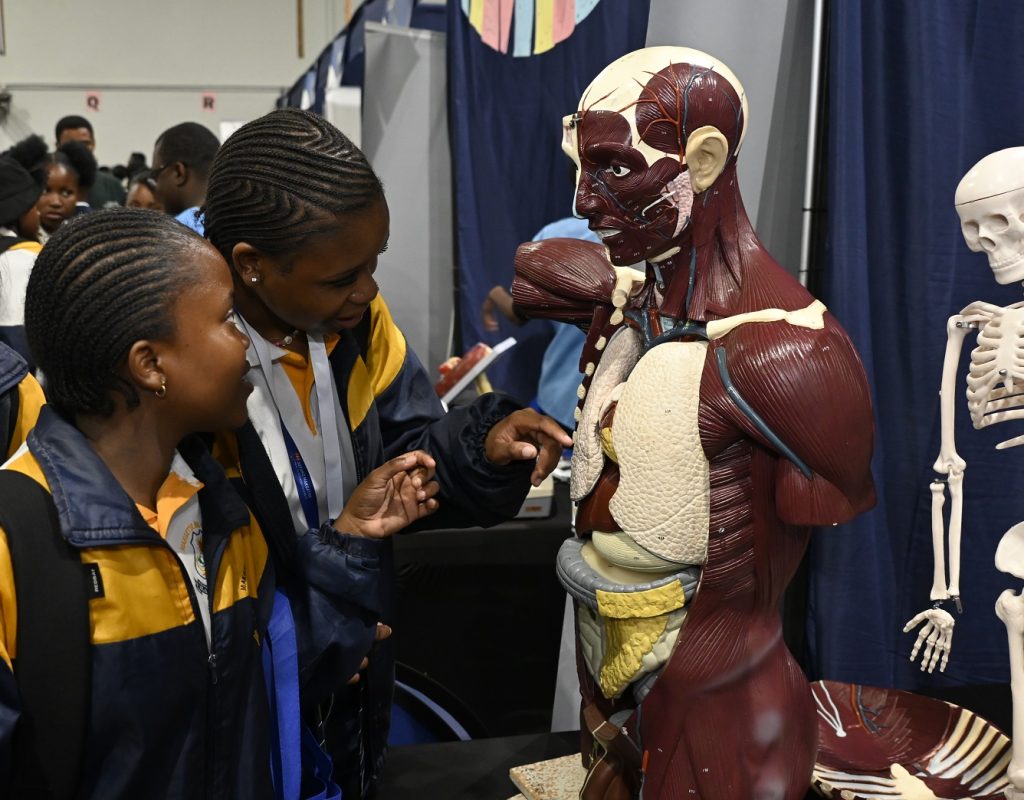 Hosted at the university’s Sports Complex, the event welcomed Grade 9 to 12 learners with a strong interest in health sciences careers, particularly those studying Mathematics, Physical Sciences, Life Sciences and English. The initiative offered prospective students an immersive introduction to professions shaping the future of healthcare, science and technology in South Africa, while reinforcing SMU’s growing reputation as one of the country’s leading specialised health sciences universities.
Representing all five SMU schools — Dentistry, Health Care Sciences, Medicine, Pharmacy, & Science and Technology — the university transformed its campus into an interactive learning environment filled with live demonstrations, exhibitions, campus tours and one-on-one engagements with academics, students and alumni. From the early hours of the morning, the atmosphere reflected excitement and ambition as learners explored the institution’s state-of-the-art facilities and experienced first-hand what student life at SMU has to offer.
One of the day’s standout attractions was the Emergency Medical Care Unit exhibition from the School of Medicine, where realistic trauma simulations demonstrated CPR procedures and spinal immobilisation techniques. The hands-on experience captivated learners and highlighted the practical nature of healthcare training at SMU. The School of Science and Technology also drew significant attention through engaging scientific demonstrations designed to spark curiosity about careers in applied sciences, innovation and research.
Visitors further explored the university’s cutting-edge laboratories, simulation centres and the Oral Health Centre, which plays a central role in the clinical training of students. Dedicated information sessions for learners, parents and educators covered important topics including NSFAS funding, student accommodation, campus safety, mental health support and student wellness services, reinforcing the university’s commitment to student-centred education and holistic development.
Speaking during the event, Ntsheu Collins Mangena, Student Recruitment Officer at SMU, said the Open Day formed part of the university’s broader mission to inspire and prepare future healthcare professionals.
“We focus on both academic excellence and the development of compassionate, community-conscious professionals,” said Mangena. “Open Day is about helping learners visualise their place in this ecosystem and showing them how they can contribute meaningfully to transforming healthcare in South Africa.”
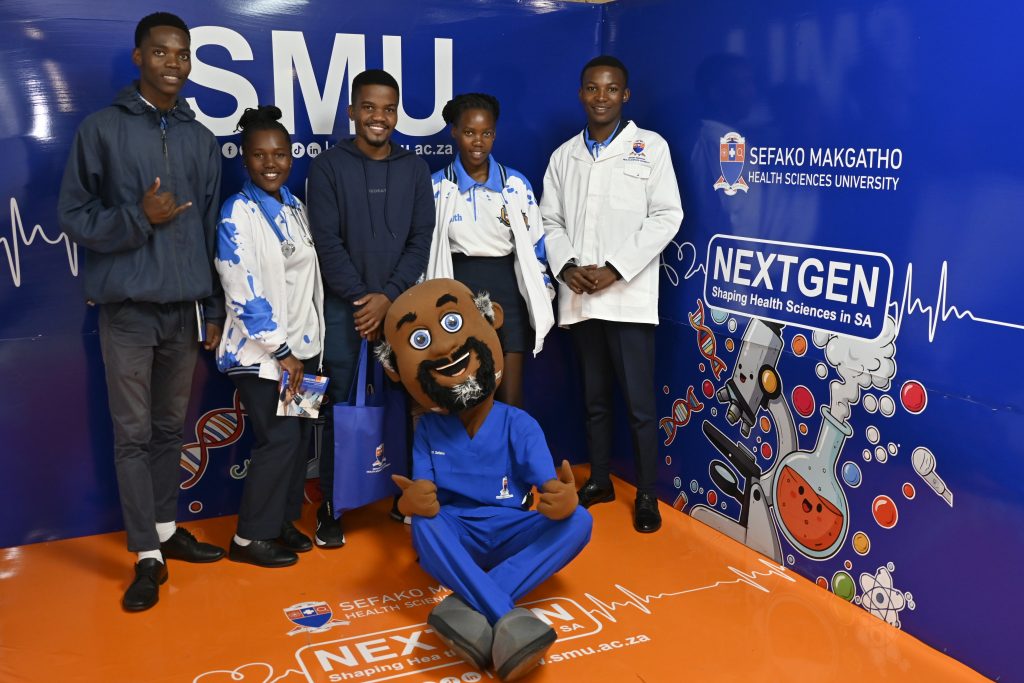 SMU student brand ambassadors also played an important role throughout the day by sharing their personal academic journeys and offering practical advice to prospective applicants. Simamkele Talatala, a fourth-year medicine student and student ambassador, encouraged learners to prepare thoroughly for the demands of higher education.
“Understand what you are applying for,” said Talatala. “Aim for higher marks and prepare yourself for the journey of becoming a healthcare student. SMU is the right place to become a clinically competent healthcare professional.”
Learners described the experience as both informative and inspiring. Temoso Hlakole, a Grade 12 learner from P.H.L Moraka Secondary School, said the event provided clarity about her future aspirations.
“I would like to pursue an MBChB at SMU,” said Hlakole. “I had a wonderful time and got clarity on most of the questions I had regarding the course I want to pursue. I connected with the higher education environment and interacted with people who share the same interests as mine. I would rate this event a solid 10 out of 10.”
With applications for the 2027 academic year officially open, SMU used the event to encourage learners to begin preparing for careers in healthcare and science. Undergraduate applications close on 31 July 2026, while postgraduate applications close on 31 August 2026.
Guided by its vision of transforming health services through excellence and innovation, SMU continues to strengthen its role in developing skilled, ethical and community-conscious healthcare professionals. As learners departed campus carrying prospectuses, application guides and renewed motivation, the success of Open Day 2026 once again highlighted the university’s contribution to advancing health sciences education, research and healthcare delivery in South Africa.
By Tumelo Moila

by Lorato | Apr 23, 2026 | All News, Alumni, SMU Media, Student Media
Sefako Makgatho Health Sciences University continues to shape leaders across Africa, and few stories capture this impact as powerfully as that of Dr Tiro Mampane. President and founder of the Boitekanelo Group of Companies. A graduate of Medical University of Southern Africa, now SMU, Dr Mampane completed his Bachelor of Medicine and Bachelor of Surgery in 2003 and has since built a transformative healthcare education enterprise in Botswana.
 Raised in Bontleng, a small township in Gaborone, Dr Mampane credits his entrepreneurial roots to his family. “I grew up in an entrepreneurial family. My grandmother owned a tuckshop selling magwinya, and that’s where I acquired my early business instincts,” he recalls. “Bontleng is a community where education, hard work and service to others are highly valued. Those early experiences shaped my desire to contribute meaningfully to my country.”
His decision to pursue health sciences was shaped by witnessing inequality in healthcare access. “As a child, I saw the challenges families faced in accessing quality healthcare. I wanted to be part of a profession that not only heals, but uplifts communities,” he says. This passion would later drive him to establish Boitekanelo College, creating pathways into healthcare careers for others.
Dr Mampane’s academic journey was influenced by strong role models, particularly his mother. “Her strength, discipline and sacrifices laid the foundation for everything I have achieved,” he says. He also acknowledges mentors such as Ms Nkwane and Mr Jim Ngambi, who encouraged him to “dream beyond my circumstances”.
Choosing MEDUNSA was a deliberate step. “It had a reputation for excellence and for producing professionals who make a difference across Africa. I wanted an environment grounded in service and social responsibility,” he explains. His time at the institution proved formative. “The university challenged me intellectually and taught me discipline, perseverance and leadership,” he says, adding that exposure to diverse peers strengthened his belief in continental collaboration.
After graduating, Dr Mampane worked at Princess Marina Hospital during the height of the HIV/AIDS pandemic. Confronted with a severe shortage of healthcare professionals, he made a pivotal decision. “I realised I could make a greater contribution by training the next generation,” he says. This led to the founding of Boitekanelo College.
Today, the institution stands as a significant force in Botswana’s health education landscape, with over 10,000 graduates and a strong employment rate. “Our mission is to change lives through quality healthcare education,” he says. “We focus not only on technical skills, but on compassion, ethics and accountability.”
A recent collaboration between SMU’s Department of Speech and Audiology and Boitekanelo College marks a full-circle moment. “As an alumnus, it is deeply meaningful to see my alma mater and Boitekanelo working together. It demonstrates the lasting value of relationships built at university,” he reflects.
Looking ahead, Dr Mampane emphasises the importance of African collaboration. “By working together, we can share knowledge, address common challenges, and strengthen health sciences education across the continent,” he says.
For current students, his message is clear: “Remain committed to excellence, never stop learning, and always remember the communities you serve.” His journey stands as a testament to SMU’s enduring role in developing leaders who drive innovation, expand access to healthcare, and transform lives across Africa.
By Tumelo Moila