by Lorato | Apr 15, 2026 | Accolades and Achievements, All News, Alumni, SMU Media, Student Media
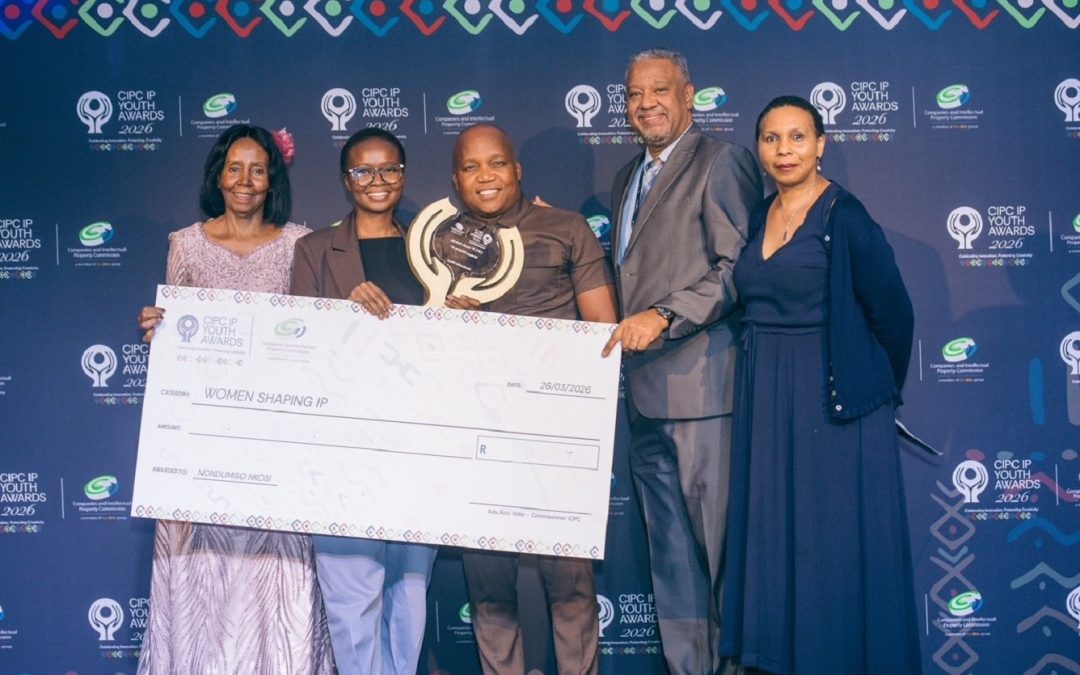
Sefako Makgatho Health Sciences University continues to cement its reputation for research excellence and innovation following a major national accolade awarded to one of its emerging scholars. Nondumiso Nkosi, a multiple award-winning patent holder, part-time junior lecturer in Medical Virology, and PhD candidate, has secured first place in the Women Shaping Intellectual Property (IP) category at the Companies and Intellectual Property Commission (CIPC) IP Youth Awards 2026.
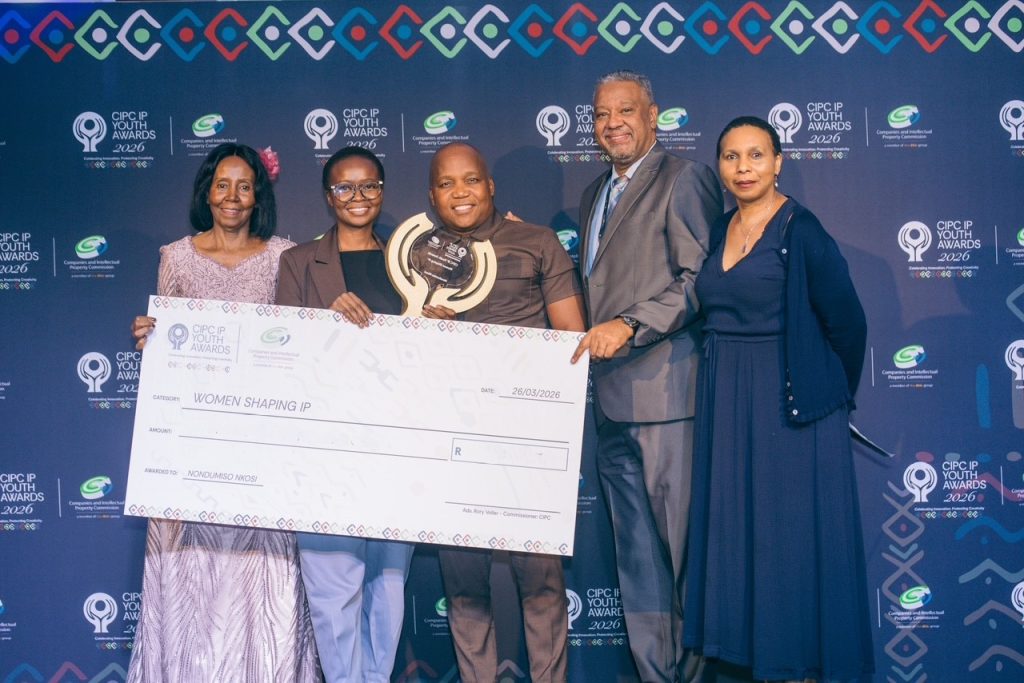 The prestigious recognition celebrates Nkosi’s growing influence in innovation and intellectual property, as well as her contribution to addressing urgent public health challenges. At the centre of her work is HepaSure Diagnostics, an innovative solution designed to improve the detection of Hepatitis B, a disease that remains significantly underdiagnosed despite affecting millions globally.
Reflecting on the achievement, Nkosi said, “This recognition means so much, not just for me, but for the vision and purpose behind the work I do in innovation and intellectual property. It affirms the importance of creating solutions that directly impact people’s lives.”
HepaSure Diagnostics represents a critical step forward in closing gaps in improved diagnosis. By focusing on accessibility and accuracy, the innovation reflects the growing role of intellectual property not only in protecting ideas but in enabling real-world impact. Nkosi’s work highlights the intersection between scientific research and practical healthcare solutions, reinforcing the role of innovation in strengthening health systems.
She emphasised the collaborative nature of her success, noting the support structures that have shaped her journey. “I want to extend my sincere appreciation to the CIPC for creating a platform that celebrates and empowers young innovators. A special thank you to my institution (SMU) and everyone who has contributed to this work—this win is shared with you,” she said.
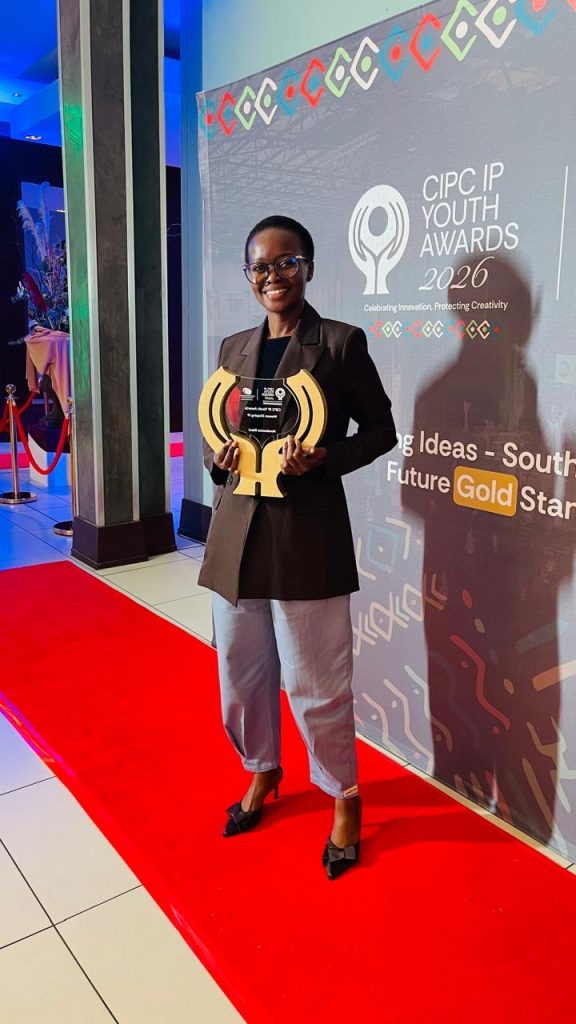 Nkosi further underscored the broader significance of the award for women in science and innovation. “This award is a powerful reminder that women belong in innovation, in science, and in intellectual property spaces,” she added, highlighting the importance of representation and inclusion in historically underrepresented fields.
Her achievement aligns closely with SMU’s vision of transforming health services through excellence and innovation. As a dedicated health sciences university, SMU continues to prioritise cutting-edge research, student-centred learning, and impactful community engagement. Nkosi’s success exemplifies the institution’s commitment to nurturing talent that not only excels academically but also contributes meaningfully to society.
The CIPC IP Youth Awards serve as a vital platform for recognising young innovators who are shaping the future of intellectual property in South Africa. Nkosi’s win not only elevates her profile as a researcher and innovator but also positions SMU as a leading hub for pioneering health solutions.
As SMU advances its mission to deliver professional training through excellence in teaching, learning, and research, achievements such as Nkosi’s reinforce the university’s growing national and global footprint. Her work stands as a testament to the transformative power of innovation in addressing real-world challenges and improving health outcomes for communities across South Africa and beyond.
By Tumelo Moila
by Lorato | Apr 1, 2026 | Accolades and Achievements, All News, Alumni, SMU Media, Student Media
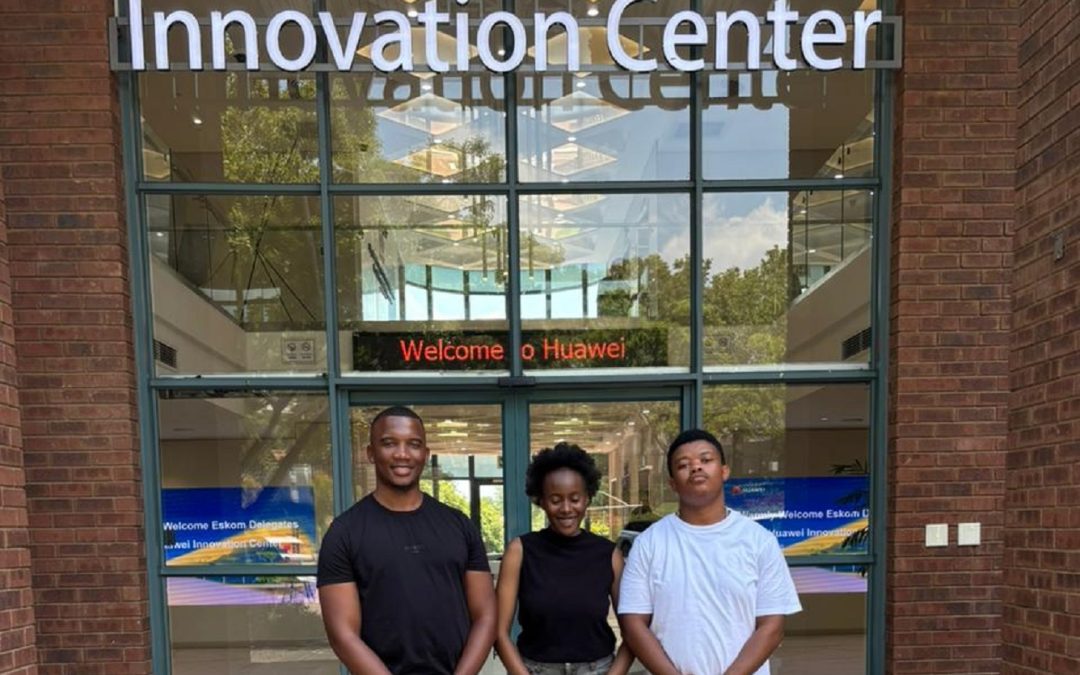
Sefako Makgatho Health Sciences University (SMU) has once again demonstrated its growing impact in science and innovation, as a team of three final-year Mathematical Science students secured top honours at the Huawei ICT Competition Regional Finals. The winning team—Oreneile Hlalethwa, Bontle Mdau, and Rudzani Junior Munyai—impressed judges with MediLink, an AI-powered healthcare data management system designed to transform patient care across South Africa.
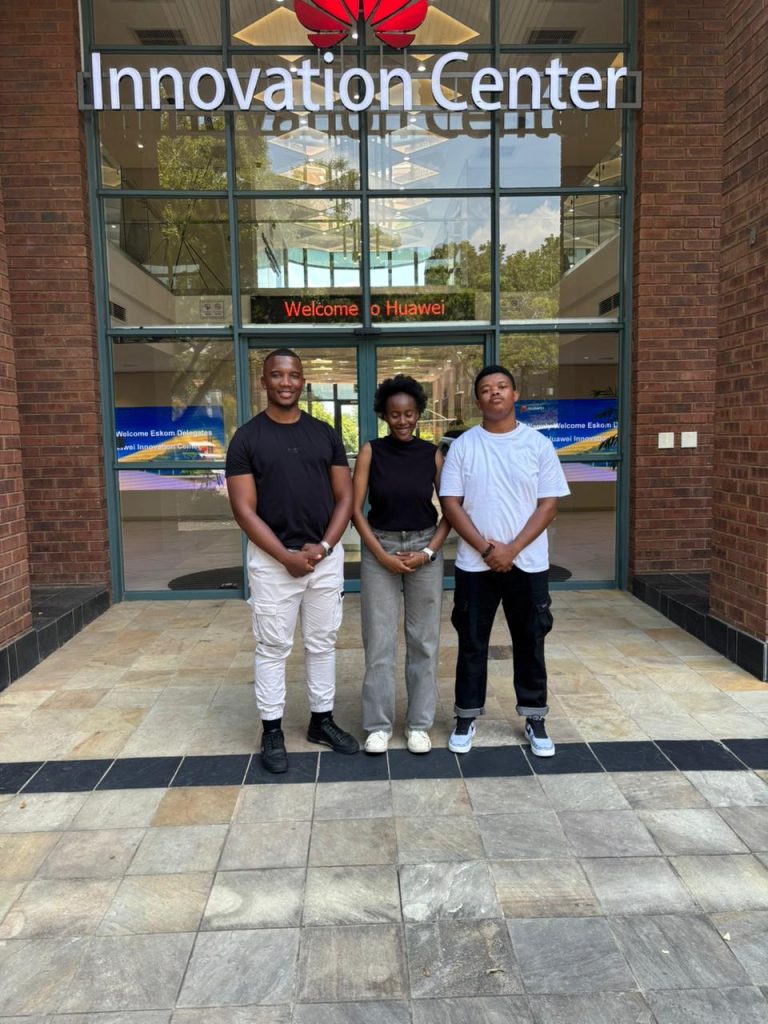 Competing against some of the region’s brightest minds, the SMU trio emerged victorious in the innovation track, positioning themselves among the continent’s leading young technologists. The competition drew 12,233 students from 25 countries, with only 77 teams advancing from national rounds to the regional stage. Of these, just 13 teams competed in the innovation category, underscoring the significance of SMU’s achievement.
MediLink is a centralised electronic health record system that addresses one of South Africa’s most pressing healthcare challenges: fragmented and paper-based patient data. Built using Django, FastAPI, MySQL, and Huawei Cloud, the platform provides every patient with a single, secure, lifelong medical record accessible at any public hospital or clinic nationwide.
“We wanted to solve a real problem in our healthcare system,” said Hlalethwa. “MediLink ensures that critical patient information is available instantly, which can ultimately save lives.”
The system integrates advanced AI tools, including Huawei’s Pangu Model and ModelArts, enabling real-time clinical support. These features include emergency patient summaries, drug interaction detection, and population health insights—capabilities that could significantly enhance both frontline care and national health planning.
Mdau explained the broader vision behind the innovation: “Our goal was to create a unified, intelligent ecosystem that puts patients at the centre. MediLink moves healthcare away from inefficiency and towards a more human-centred, data-driven approach.”
The team’s success reflects not only their technical expertise but also SMU’s commitment to excellence, innovation, and socially responsive research. Munyai noted that their interdisciplinary background in mathematics, computer science, and statistics played a crucial role in developing the solution. “Each of us brought a different strength to the project, and that collaboration made MediLink what it is today,” he said.
Their victory marks a proud moment for South Africa and highlights the country’s potential to lead in digital health innovation. The team will now represent the region at the global finals in Shenzhen, China, in June 2026, where they will compete against top teams from around the world.
As SMU continues to position itself as a hub for cutting-edge research and transformative education, achievements such as this reinforce its vision of advancing health services through innovation. By nurturing talent that addresses real-world challenges, the university not only shapes future leaders but also contributes meaningfully to improving healthcare systems locally and globally.
By Tumelo Moila
by Lorato | Mar 26, 2026 | Accolades and Achievements, All News, Alumni, SMU Media, Student Media
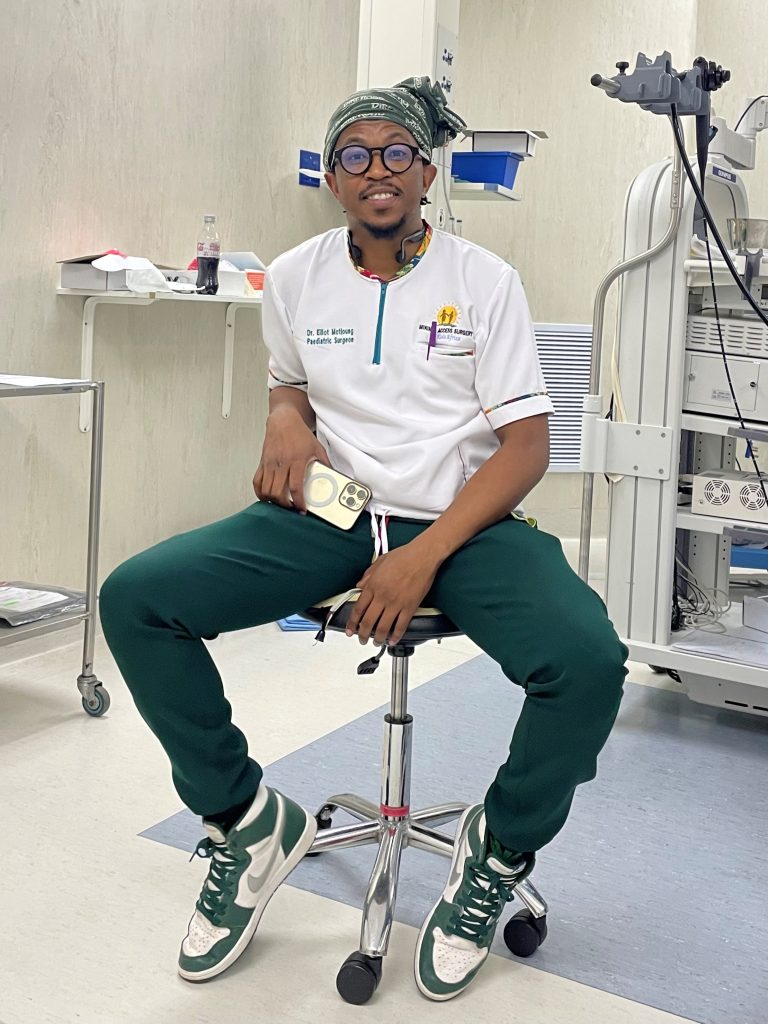
Sefako Makgatho Health Sciences University (SMU) continues to demonstrate its growing leadership in specialised healthcare after one of its senior clinicians, Dr Elliot Motloung, played a key role in the successful separation of conjoined twins at Mankweng Hospital in Limpopo.
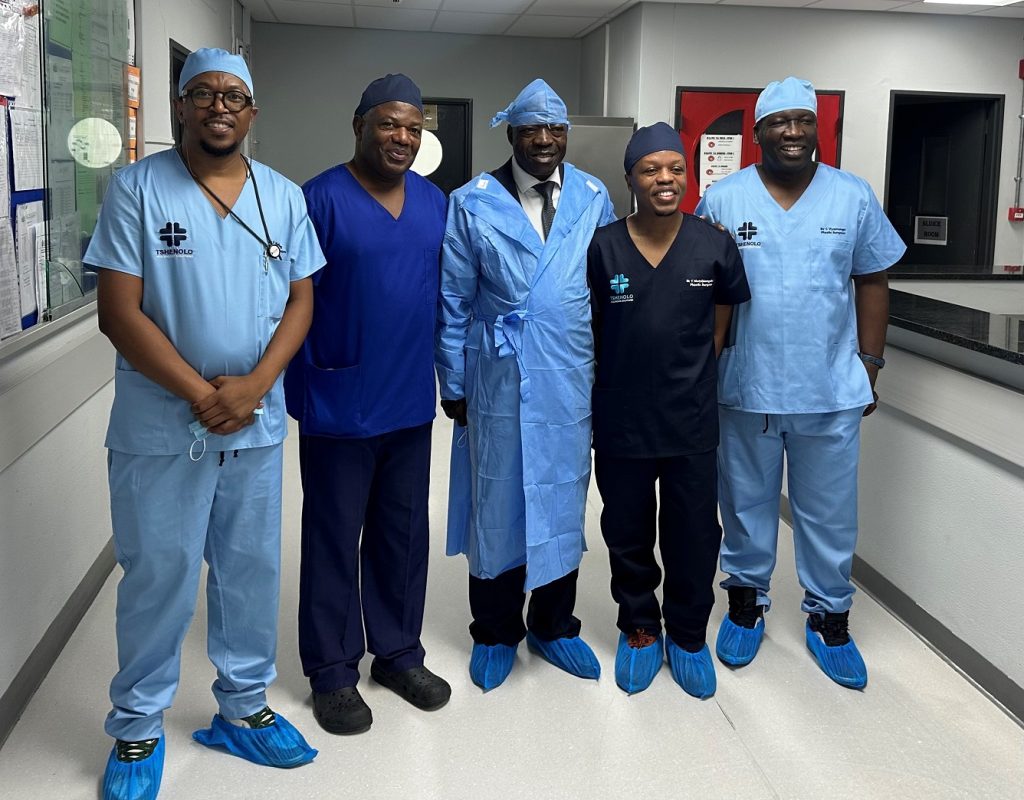 Dr Motloung, Head of the Department of Paediatric Surgery at SMU, was part of a multidisciplinary team that performed a highly complex procedure on conjoined twins earlier this month. The operation, led by his predecessor as Head of the Department of Paediatric Surgery at SMU, Professor Nyaweleni Tshifularo, lasted eight hours and required meticulous planning and coordination across multiple medical disciplines.
Explaining the complexity of the case, Dr Motloung said separation surgery involving conjoined twins is inherently high-risk due to the shared anatomy and delicate physiology of the patients. “The separation of twins surgery is always complex because the surgeon has to take into cognisance the physiological status of each child and the anatomical variations present,” he said. “In this particular case, there were vital gastrointestinal and solid organs that had to be separated, requiring a multidisciplinary team approach.”
The surgical team included paediatric surgeons, anaesthetists, radiologists, neonatologists, cardiologists, and plastic and reconstructive surgeons, supported by allied health professionals such as dieticians, psychologists and occupational therapists. According to Dr Motloung, this level of collaboration was essential to optimise the twins’ condition before surgery and ensure the best possible outcomes.
“I was privileged to be invited to be part of a team of local experts for what is truly a once-in-a-lifetime opportunity,” he said. “A series of multidisciplinary meetings was held to plan every aspect of the procedure, from imaging and diagnosis to surgical execution and post-operative care.”
 Among the most critical moments during the operation were securing the twins’ airways and establishing reliable vascular access. These steps were particularly challenging due to the babies’ size and positioning. “The anticipated difficult airway intubation and vascular access were crucial to making the surgery safe,” Dr Motloung explained. “We also had to manage shared blood vessels supplying vital organs, which required absolute precision to prevent excessive blood loss.”
He added that closing the surgical sites presented another significant challenge. “Ensuring that all vital organs were securely placed within the body cavities required great expertise, and our plastic and reconstructive surgeons did an exceptional job,” he said.
Following the operation, the twins are reported to be recovering well under close supervision at Mankweng Hospital. However, Dr Motloung cautioned that careful monitoring remains essential. “The main challenges now are preventing hospital-acquired infections and ensuring that the children gain sufficient weight so they can eventually be discharged as healthy babies,” he said.
The successful procedure builds on SMU’s track record in handling complex paediatric surgical cases, including a landmark conjoined twin separation performed at Dr George Mukhari Academic Hospital (DGMAH) in 2017. That operation, which involved twins sharing a liver, was the first of its kind at DGMAH and highlighted the university’s capacity for advanced surgical care.
Reflecting on the broader significance of the recent operation, Dr Motloung emphasised the importance of collaboration and knowledge-sharing within the healthcare sector. “This is not the first time SMU has been involved in the separation of conjoined twins, which is why we were invited to collaborate,” he said. “The more we participate in these procedures, the more we strengthen our expertise and position ourselves at the forefront of complex surgical care.”
He added that SMU remains committed to supporting other institutions and expanding access to specialised healthcare across the continent. “As a department, we will continue to share our expertise and collaborate with other institutions locally and across Africa to assist children who require complex, life-saving surgeries,” he said.
The successful separation not only marks a significant medical achievement for Limpopo but also reinforces SMU’s role as a leader in health sciences education, research and clinical excellence in South Africa.
By Tumelo Moila

by Lorato | Mar 26, 2026 | All News, Alumni, SMU Media, Student Media
Sefako Makgatho Health Sciences University (SMU) has marked a defining moment in medical education, as seventeen cohorts of final year students from its School of Medicine formally took their Hippocratic Oath in a landmark ceremony that underscored the university’s commitment to ethical training and community-centred healthcare.
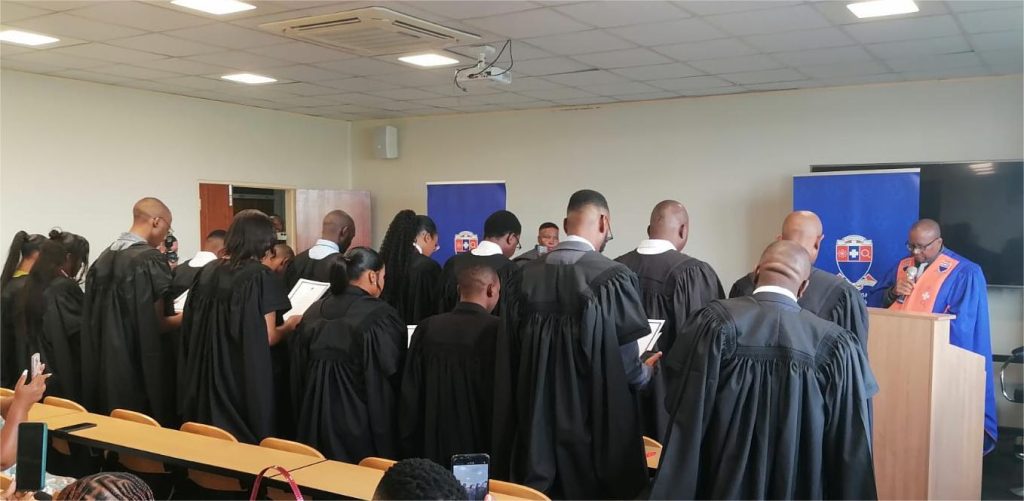 The ceremony signalled more than tradition. It marked a clear transition from training to responsibility, as students publicly committed themselves to the principles that define the medical profession—compassion, integrity and service. For SMU, the moment reinforced its role in shaping healthcare professionals equipped to meet South Africa’s evolving health challenges.
Addressing the students, Dean of the School of Medicine, Risenga Frank Chauke, delivered a direct and uncompromising message on the weight of the oath. “This oath can make you or break you,” he said. “I expect you to treat patients with compassion, uphold the highest standards of care, and make a meaningful difference in our communities. I do not want to see any of you disciplined by the Health Professions Council of South Africa.”
During the ceremony, students recited their oath in unison, pledging to dedicate their lives to the service of humanity and to uphold the dignity and honour of the profession. They committed to delivering care to the best of their abilities, maintaining the highest ethical standards and serving communities with integrity and respect.
For the seventeen cohorts, the ceremony represented the culmination of years of rigorous academic and clinical preparation. It formally inducted them into the medical profession while reinforcing the moral responsibility that comes with patient care. The moment reflected both achievement and accountability, as students acknowledged the expectations placed upon them as future doctors.
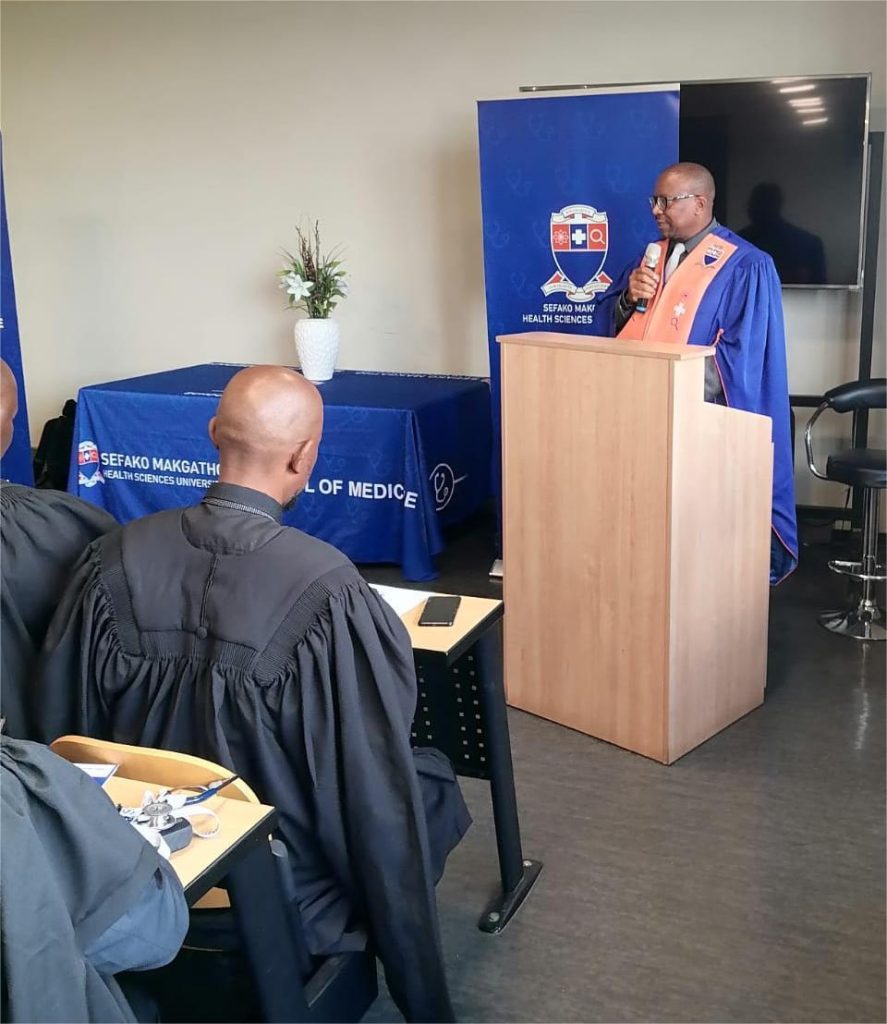 Prof Chauke further emphasised the broader role of healthcare professionals beyond clinical practice. “Medicine is not just about treating disease; it is about caring for people and making a meaningful impact in their lives,” he said. “Let this oath guide your actions, your decisions and your attitude throughout your careers.” His remarks reinforced the principle that technical competence must be matched by ethical conduct and human-centred care.
Students expressed a strong sense of pride and purpose as they took the oath. The ceremony also brought together families, academic staff and distinguished guests, creating a shared moment of celebration and reflection. It recognised not only the students’ achievements but also the support systems that contributed to their journey. The atmosphere reflected both accomplishment and anticipation for the impact these future professionals will have on society.
Prof Chauke encouraged students to extend their commitment beyond hospital settings and into the communities they will serve. “This oath is not a formality; it is a lifelong commitment,” he said. “Let it shape your conduct and your responsibility to society.” His message underscored the importance of community engagement as a core component of medical practice.
As these cohorts embark on their professional journeys, the values embedded in the oath—compassion, accountability, integrity and service—will remain central to their development. Through this ceremony, SMU continues to produce healthcare professionals who are not only clinically competent but also socially conscious and ethically grounded.
By strengthening the link between academic excellence and community impact, SMU reaffirms its position as a leading institution in health sciences education. The oath-taking ceremony stands as a powerful reminder that the future of healthcare begins with a commitment to serve—one patient, one community, and one decision at a time.
By Dimakatso Modise
by Lorato | Mar 26, 2026 | Accolades and Achievements, All News, Alumni, SMU Media, Student Media
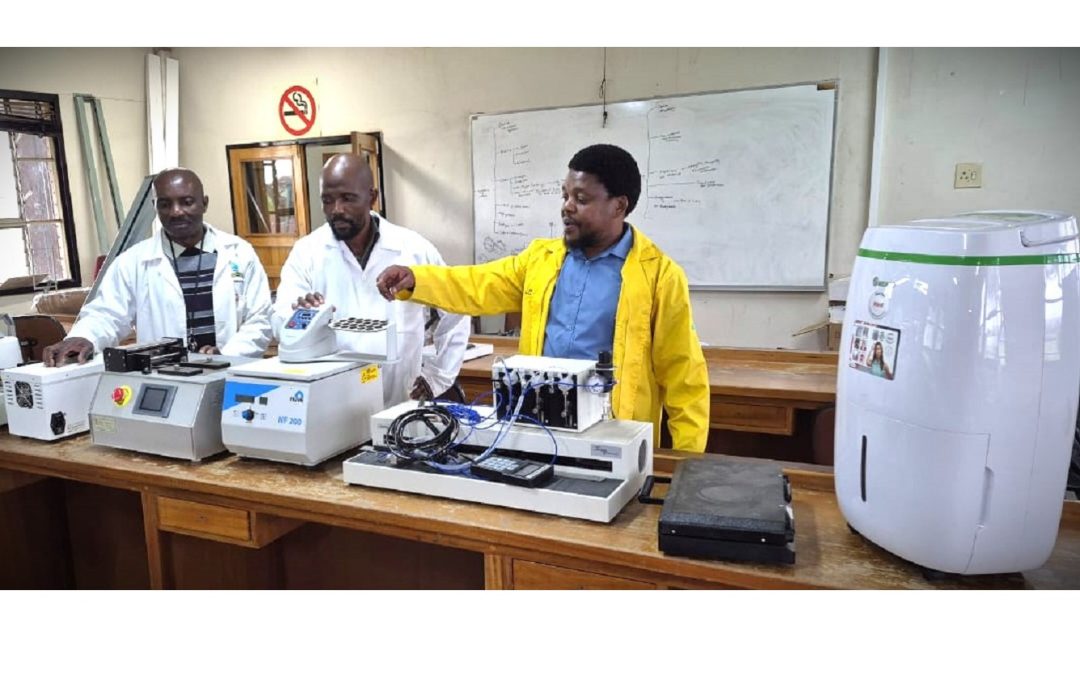
Sefako Makgatho Health Sciences University (SMU) is accelerating its role as a leader in health sciences innovation following a significant donation of specialised diagnostic equipment to its Department of Chemistry and Chemical Technology. An initiative that reinforces the university’s commitment to research excellence, industry collaboration, and student development.
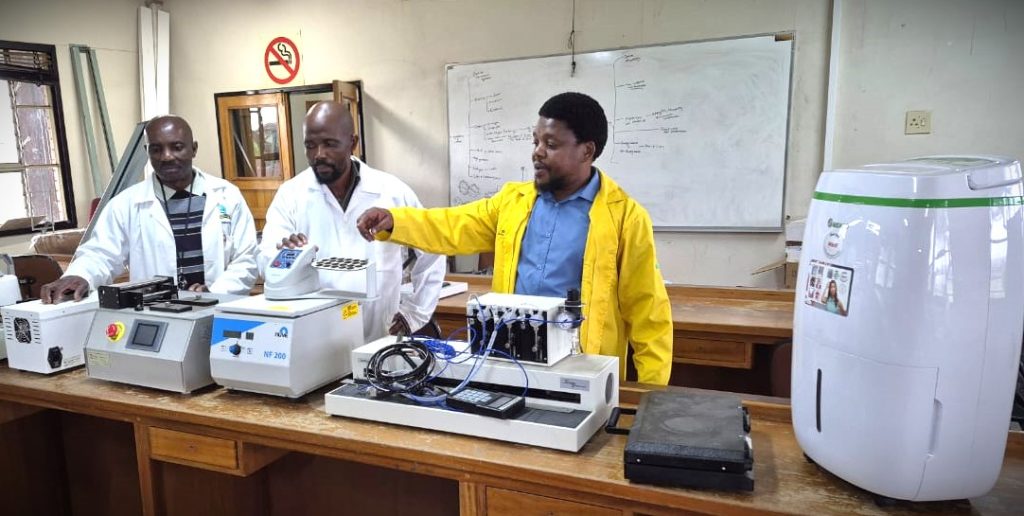 The donation, secured through a partnership with AMASU Technologies Pty (Ltd), a Durban-based biotechnology start-up, introduces advanced instrumentation designed for the batch-top fabrication of medical devices, including lateral flow diagnostic assays widely used in point-of-care testing. The collaboration signals a decisive step toward strengthening South Africa’s local capacity in diagnostic development.
“We are proud to support innovation that advances accessible healthcare solutions and strengthens local scientific capacity,” said Dr Mandizvo Tawanda, Director and CEO of AMASU Technologies Pty (Ltd). “Partnerships like this are essential in translating research into real-world impact.”
“This partnership reflects a shared vision to build innovation ecosystems that respond to real healthcare challenges,” said Professor Phumlani Mdluli, who played a key role in securing the donation and collaboration. “We are not just enhancing infrastructure; we are creating pathways for impactful research and skills development.”
Under the leadership of Professor Tshwafo Motaung (HOD), the Department is positioning itself as a hub for interdisciplinary innovation and entrepreneurship, where research translates into practical green solutions and spins into enterprises. The newly acquired equipment directly addresses critical gaps in prototyping and fabrication, enabling the transition from theoretical work to real-world application.
According to departmental leadership, the impact will be immediate and far-reaching. Students at both undergraduate and postgraduate levels will gain hands-on experience with industry-relevant technologies, significantly improving their readiness for the workforce.
“Exposure to this level of instrumentation changes everything,” said Dr Reagan Mohlala, a Natural Scientist in the Department. This sentiment was echoed by Mutendela Tabile Olivier, a lecturer, who added, “It allows our students to engage with the realities of medical device development, not just the theory behind it.”
The collaboration also opens doors beyond the laboratory. Internship opportunities, joint research initiatives, and potential technology transfer projects are already being explored, offering students valuable industry exposure and positioning SMU graduates as competitive contributors to the health sector.
University–industry partnerships, experts note, are no longer optional in higher education; they are essential. By aligning academic research with industry needs, institutions can remain relevant while driving innovation and economic growth.
“This is a clear example of what happens when academia and industry move in the same direction,” added Prof Mdluli. “The results are tangible, scalable, and beneficial to society.”
Strategically, the initiative aligns with SMU’s broader mission to transform health services through innovation and excellence. It also strengthens the Department’s focus on three niche research areas: bioanalytical chemistry and medical device development, biodegradable polymer-based materials, and advanced photocatalytic nanomaterials for environmental remediation.
Looking ahead, the Department plans to fully integrate the equipment into its research programmes, while expanding collaboration with industry partners to co-develop next-generation diagnostic technologies.
“We are building something that carries the dreams of our people,” said Prof Motaung, “This is not just a once-off achievement, it is the seed of a legacy rooted in resilience, sacrifice, and hope. It is about giving meaning to the struggles we have endured, restoring dignity, and creating opportunities where there were none. Long after we are gone, this work will continue to speak for us, uplifting lives, transforming communities, and reminding future generations that change is possible when we dare to build with purpose.”
As SMU continues to invest in strategic partnerships and cutting-edge research, the university reinforces its position as a key player in advancing healthcare innovation in South Africa and beyond.
By Tumelo Moila