by Lorato | Sep 23, 2025 | All News, SMU Media, Student Media
Sefako Makgatho Health Sciences University (SMU) is abuzz as it prepares to welcome the Southern African Universities Staff Sports Association (SAUSSA) Games from 7–13 December 2025. For the first time, SMU will host the region’s premier staff sporting event, bringing together 19 universities from across Southern Africa, including Botswana, Eswatini, Lesotho, Malawi, Namibia, South Africa, Zambia and Zimbabwe.
 The excitement was palpable during the Chairperson’s Meeting at SMU, where delegates from all 20 SAUSSA member universities gathered to finalise preparations. The discussions covered facility inspections, accommodation readiness, security arrangements, and social cohesion strategies, ensuring that the 24th edition will run seamlessly.
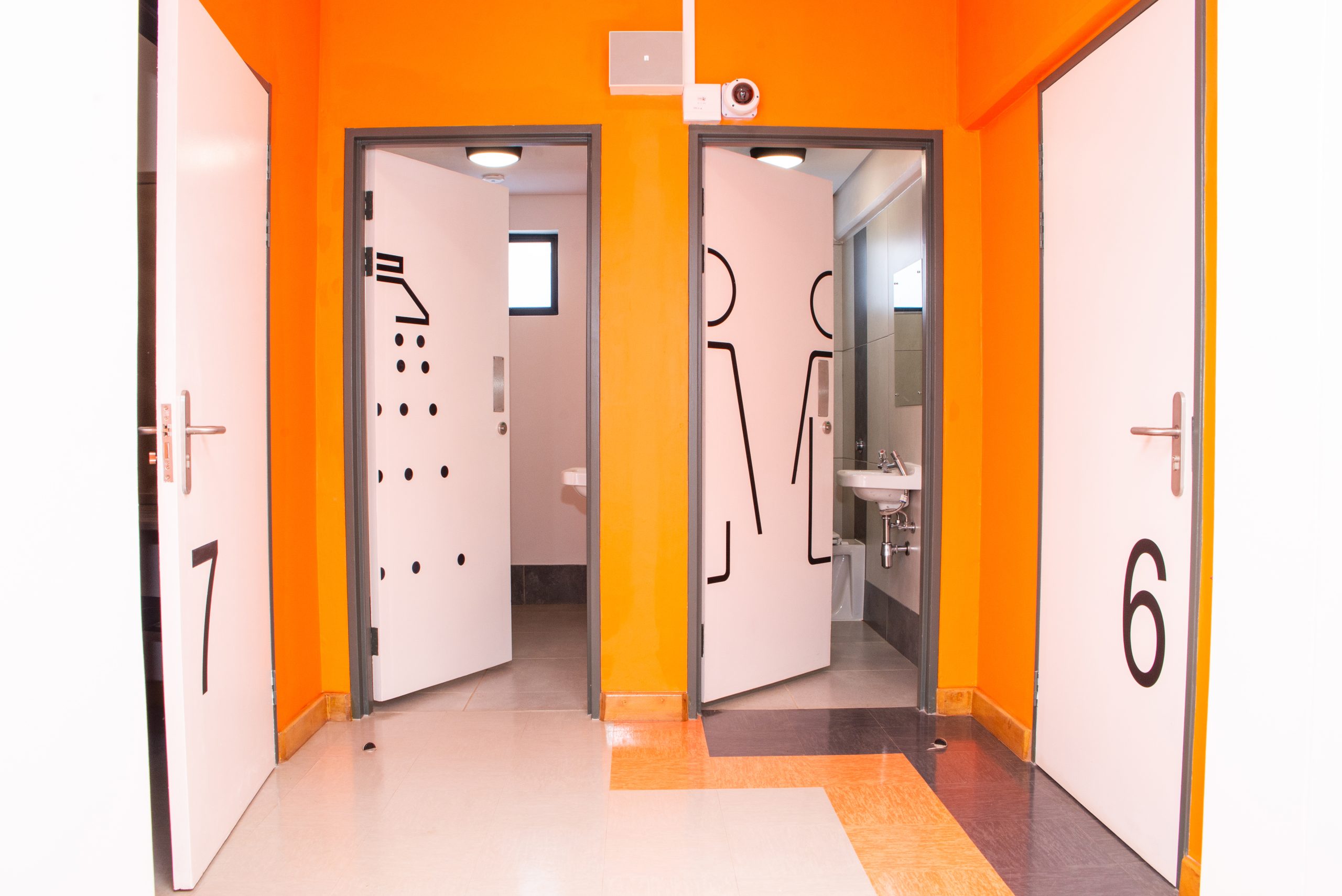
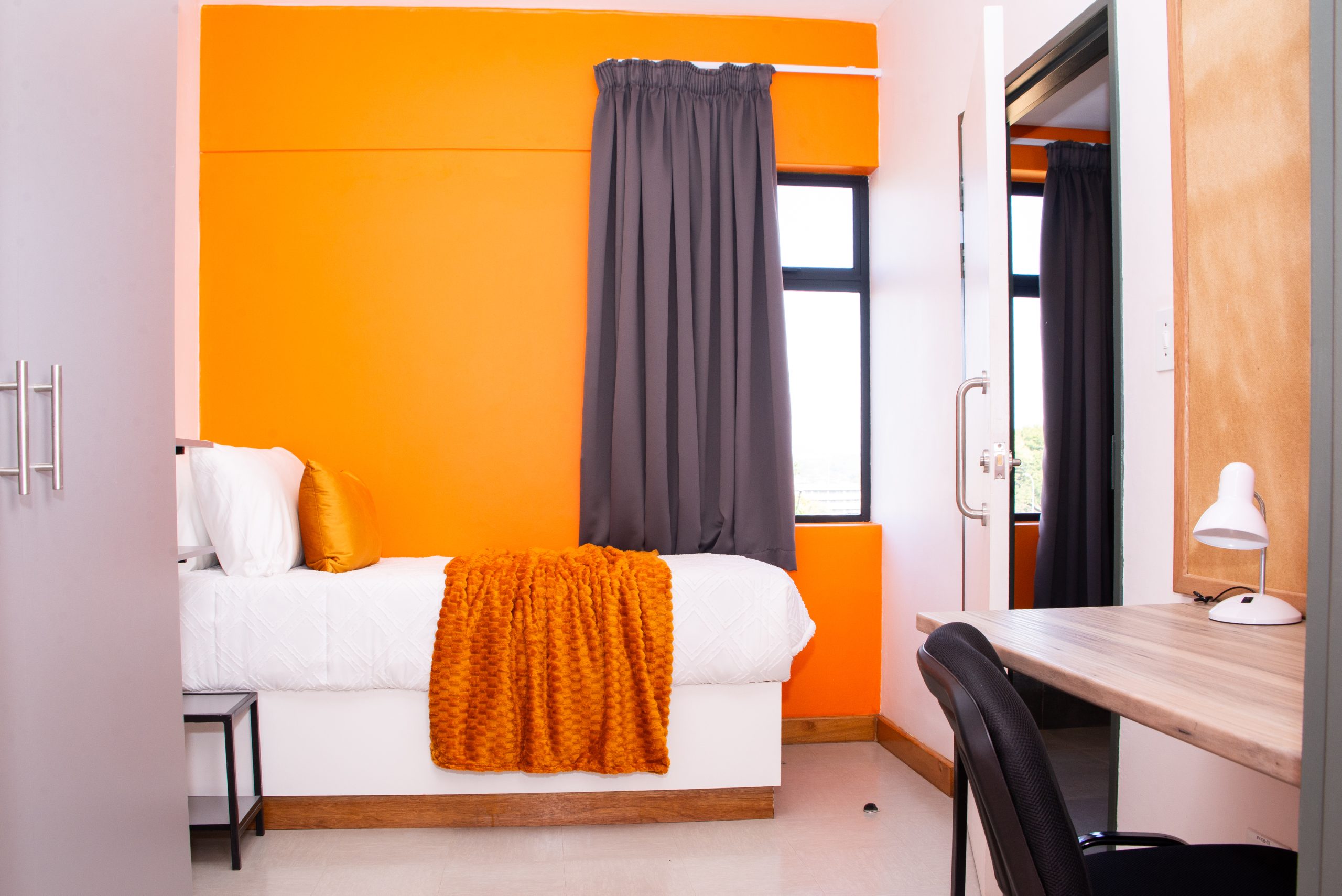
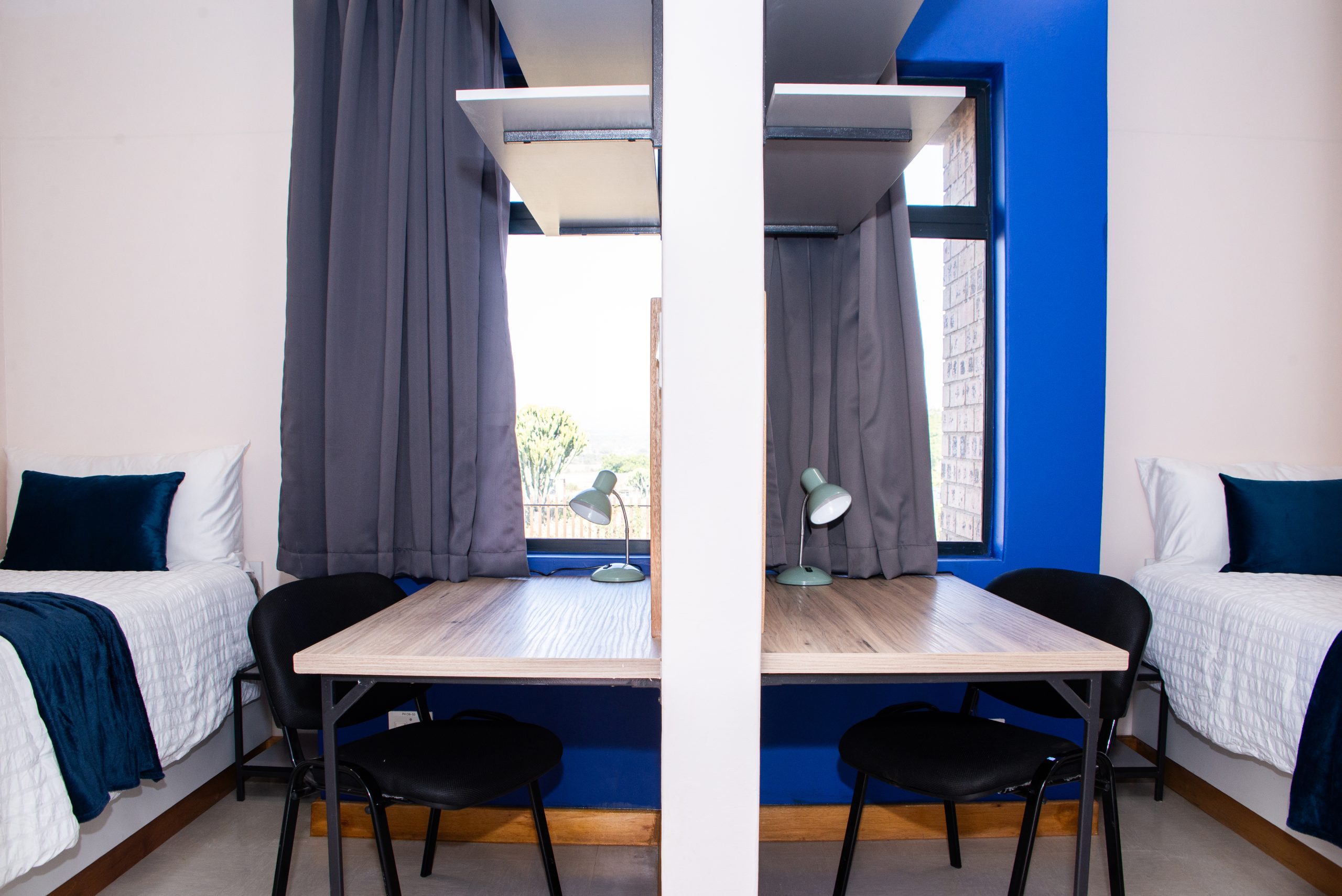
SMU has allocated approximately 2,450 beds to host visiting staff athletes and officials, guaranteeing comfort and convenience throughout the week-long festival of sport. Security remains a priority, with law enforcement and local police present to ensure a safe and inclusive environment.
“This meeting set the tone for a historic Games,” said SAUSSA President Simon Makena. “We are confident SMU will rise to the occasion. The preparations and engagement we’ve seen inspire faith that this edition will be exceptional.”
For SMU, the event is more than a competition; it is an opportunity to showcase hospitality, culture, and regional unity. “Hosting this event allows us to bring universities together through sport and foster collaboration beyond borders,” said Caroline Moeletsi, Chairperson of SMU Staff Sports Association (SMUSSA). “With every detail inspected and approved, SMU is ready to deliver an unforgettable experience.”
The Games will feature a rich variety of sporting codes—from athletics, soccer, and netball to volleyball, tennis, tug-of-war, basketball, darts, chess, and the ever-popular Super 8 Pool. Each discipline allows athletes to shine while promoting healthy competition, teamwork, and institutional pride.
Under the theme “Fostering Regional Integration through Sports,” the SAUSSA Games extend beyond medals and trophies. They serve as a platform for cultural exchange, relationship-building, and strengthening ties across the Southern African Development Community (SADC). Athletes and staff alike will experience the vibrancy of the region, forging connections that extend beyond the playing fields.
SMU is pulling out all the stops to ensure participants enjoy top-tier facilities, vibrant cultural showcases, and a warm welcome. The university aims to highlight South Africa’s growing role as a hub for regional sports and cultural events, while promoting wellness, camaraderie, and social cohesion among university employees.
As the countdown begins, anticipation is high. The 24th SAUSSA Games promise a week of exhilaration, unity, and celebration—where athletic excellence meets cultural pride, and regional collaboration takes centre stage. From thrilling competitions to shared experiences across borders, this landmark event is set to leave a lasting impression on all participants. Let the Games begin, and let SMU shine on the regional stage.
By Rose Moreki
by Lorato | Sep 17, 2025 | All News, SMU Media, Student Media
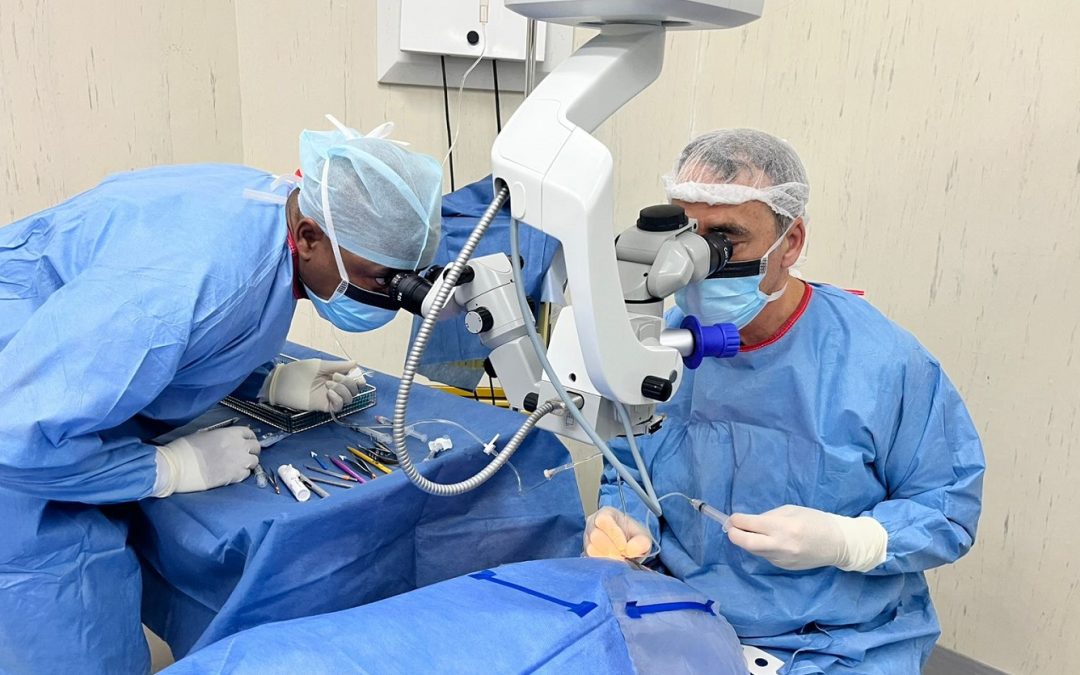
For patients in rural Mpumalanga, restored sight is more than medical care — it is the gift of independence. Recently, Ophthalmologists from Sefako Makgatho Health Sciences University (SMU) partnered with the Tshemba Foundation to provide voluntary consultations and cataract surgeries at Tintswalo Hospital in Acornhoek, Bushbuckridge.
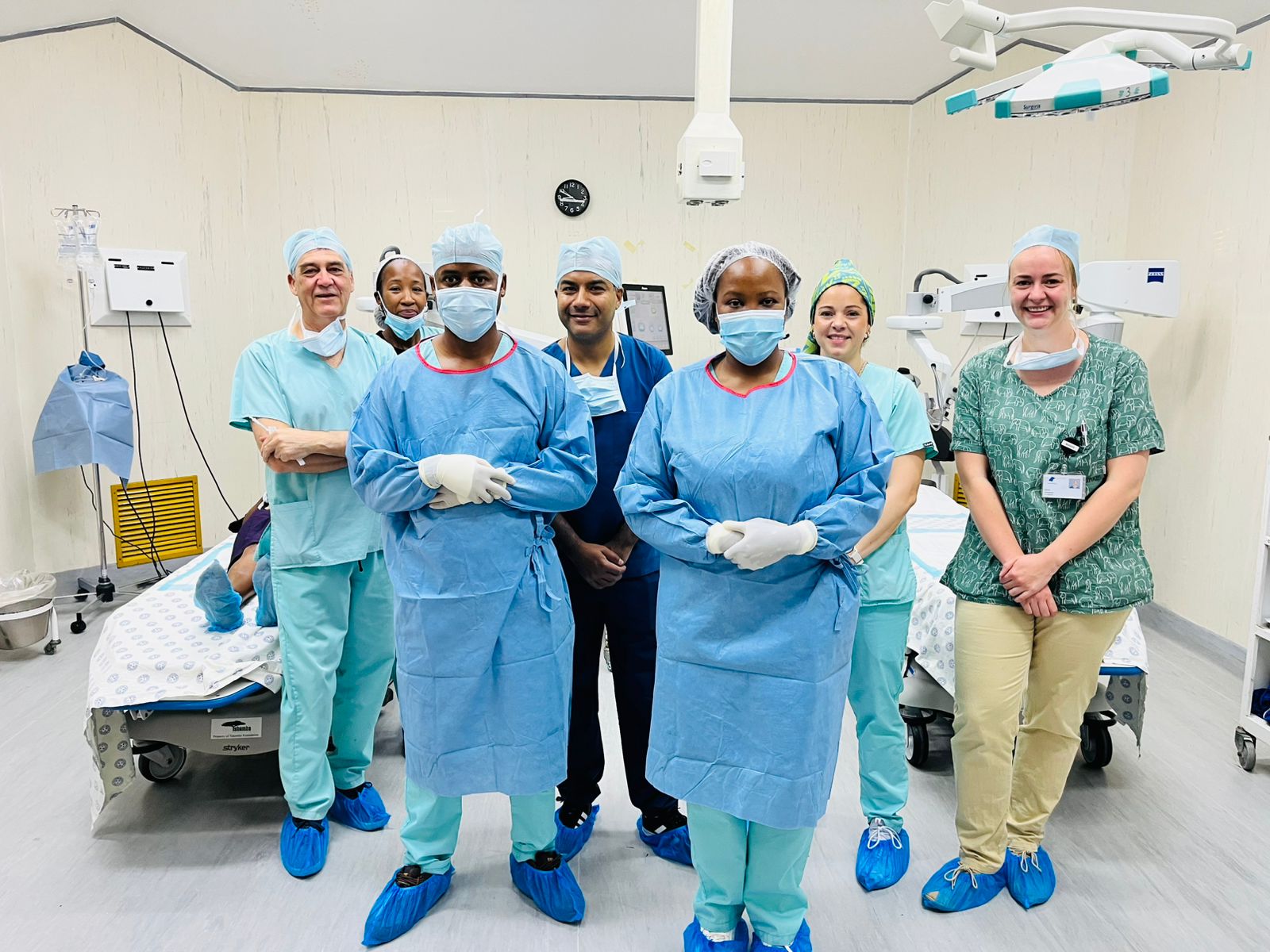 The Tshemba Foundation, a charity dedicated to closing healthcare gaps in underserved communities, provided accommodation for medical volunteers at its lodge in the Moditlo Game Reserve. Beyond lodging, the foundation renovated the eye clinic and theatre, equipping both with modern technology and essential consumables.
Hospital staff played a crucial role in ensuring smooth operations. Nurses and support teams worked weekends to assist with patient consultations, prepare for theatre, and manage post-operative follow-ups. “Their commitment ensures patients receive complete care from diagnosis to recovery,” said Prof Jan Olivier, Head of Ophthalmology at SMU.
Prof Olivier led the medical team alongside Dr Sachin Bawa, an SMU graduate now in private practice in Edenvale. Dr Bawa brought three experienced scrub sisters from private hospitals to assist in the theatre. All volunteers covered their own transport and meals, with accommodation provided by the foundation — a clear demonstration of service over self.
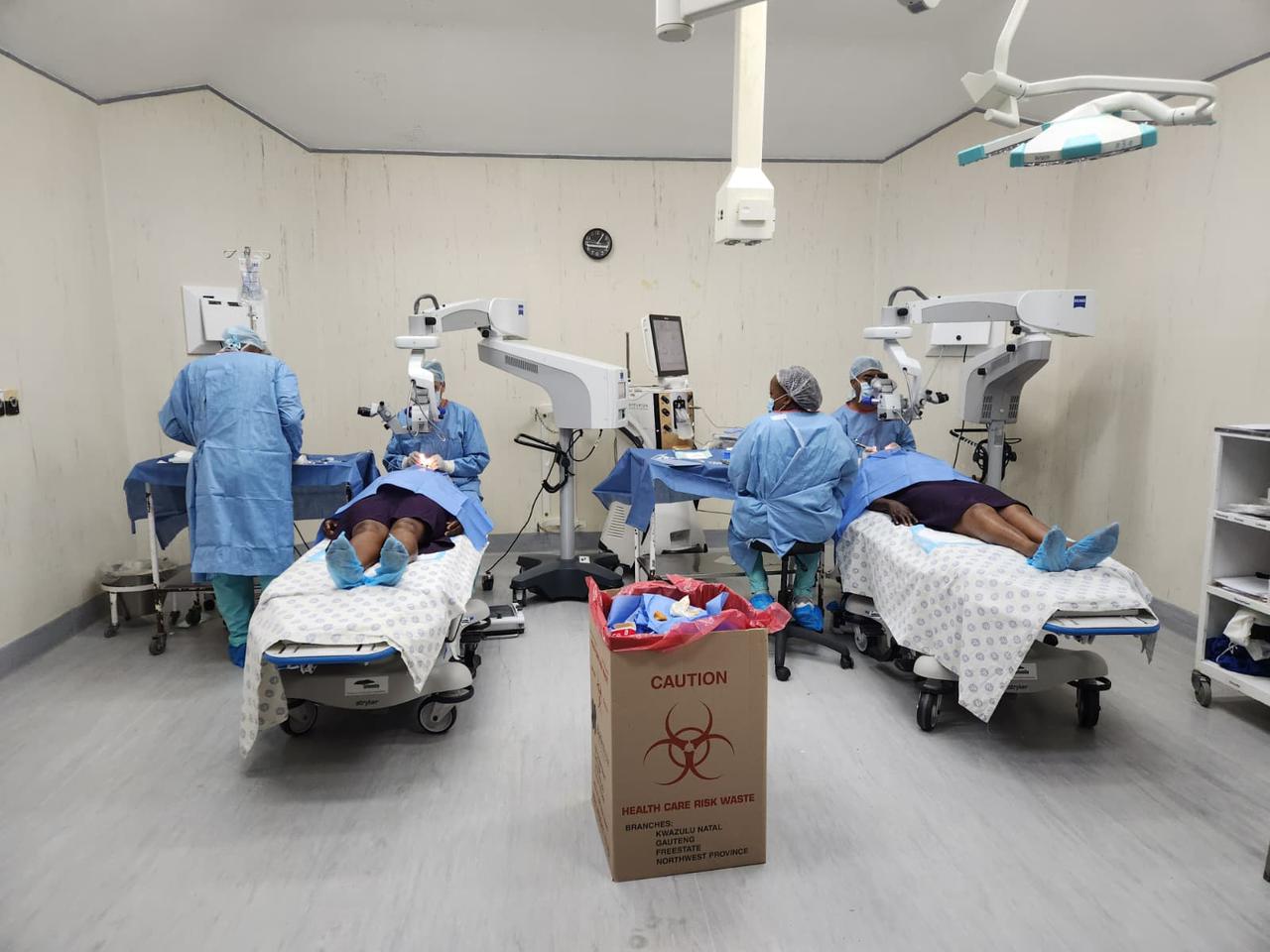 The results were remarkable. In just two days, Olivier consulted 150 patients. Over the following two days, he and Bawa performed 55 cataract surgeries. Patients typically arrive on the day of surgery, return home immediately afterwards, and come back the next day for follow-up. This approach maximises efficiency while minimising disruption to patients’ lives.
For the medical team, the reward is profoundly human. “Every restored eye reminds us of the urgent need for accessible healthcare in rural South Africa,” Olivier reflected. Cataracts, a leading cause of blindness worldwide, can often be corrected in under 30 minutes when skilled care is provided.
The Tshemba Foundation describes its mission as connecting healthcare professionals to rural communities where they can make the greatest impact. The initiative exemplifies how collaborative partnerships between academia, private practice, and local hospitals can transform lives.
Bawa highlighted the broader significance: “This work isn’t just about surgery; it’s about giving people independence, dignity, and hope. Every patient we help motivates us to continue bridging healthcare gaps.”
For SMU’s Department of Ophthalmology, these visits are more than clinical exercises — they reflect the university’s mission to advance healthcare in South Africa through compassion, innovation, and excellence. By engaging students, hospital staff, and private practitioners in outreach, SMU is cultivating a culture of service and leadership that will strengthen the country’s healthcare system.
As Olivier summarised, “When expertise, passion, and community converge, we don’t just restore sight — we change lives.”
By Tumelo Moila
by Lorato | Jun 17, 2025 | Accolades and Achievements, All News, SMU Media, Student Media
by Lorato | May 13, 2025 | All News, SMU Media, Student Media
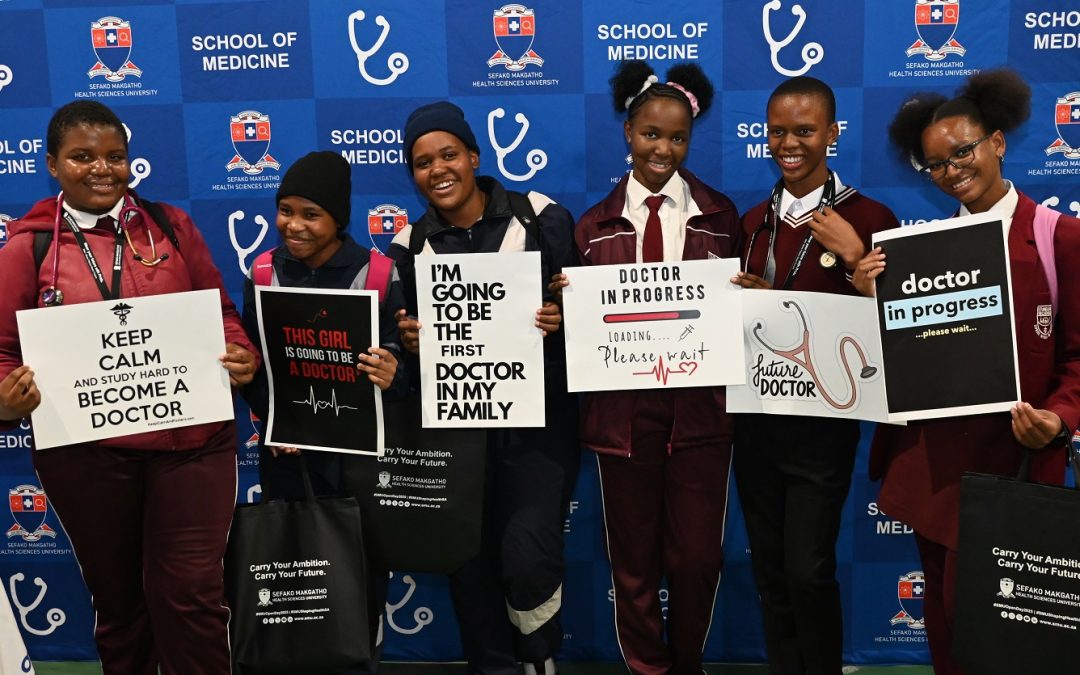
Sefako Makgatho Health Sciences University (SMU) was abuzz with excitement and learning as it welcomed approximately 6,000 learners, parents, and educators to its highly anticipated 2025 Open Day. The event provided an immersive and informative experience for aspiring health sciences professionals.
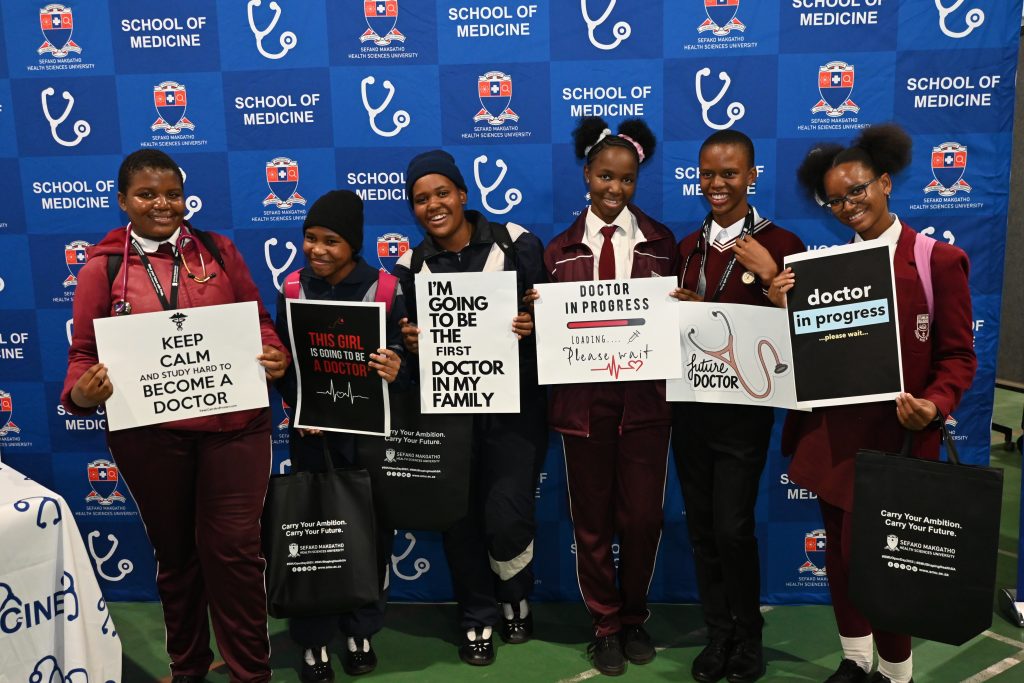 Hosted on the university’s campus the day served as a valuable platform for learners specialising in mathematics, physical sciences and life sciences—particularly those in Grades 10, 11 and 12—to explore academic offerings across SMU’s five schools: Dentistry, Health Care Sciences, Medicine, Pharmacy, and Science and Technology. Attendees engaged directly with academic staff, current students, and alumni while experiencing the university’s state-of-the-art facilities first-hand.
The programme featured interactive exhibitions, live demonstrations, guided campus tours, and individual consultations. Among the most popular exhibits was the Emergency Medical Care Unit from the School of Medicine, where staff conducted realistic trauma simulations, including CPR and spinal immobilisation techniques, captivating both learners and educators.
The School of Dentistry welcomed guests to the SMU Oral Health Centre, where students receive clinical training. Meanwhile, the School of Pharmacy introduced prospective students to its problem-based learning approach. This educational method enables students to collaboratively tackle real-world health issues, encouraging critical thinking, teamwork and self-directed learning, and promoting a deeper understanding beyond rote memorisation.
“I’ve always wanted to be a medical practitioner, but today made it feel real,” said Ashley Ngwenyama, a Grade 11 learner from Hazyview Comprehensive School in Mpumalanga. “The staff and students were so welcoming and explained everything in a way I could understand. I can’t wait to reach Grade 12 and apply.”
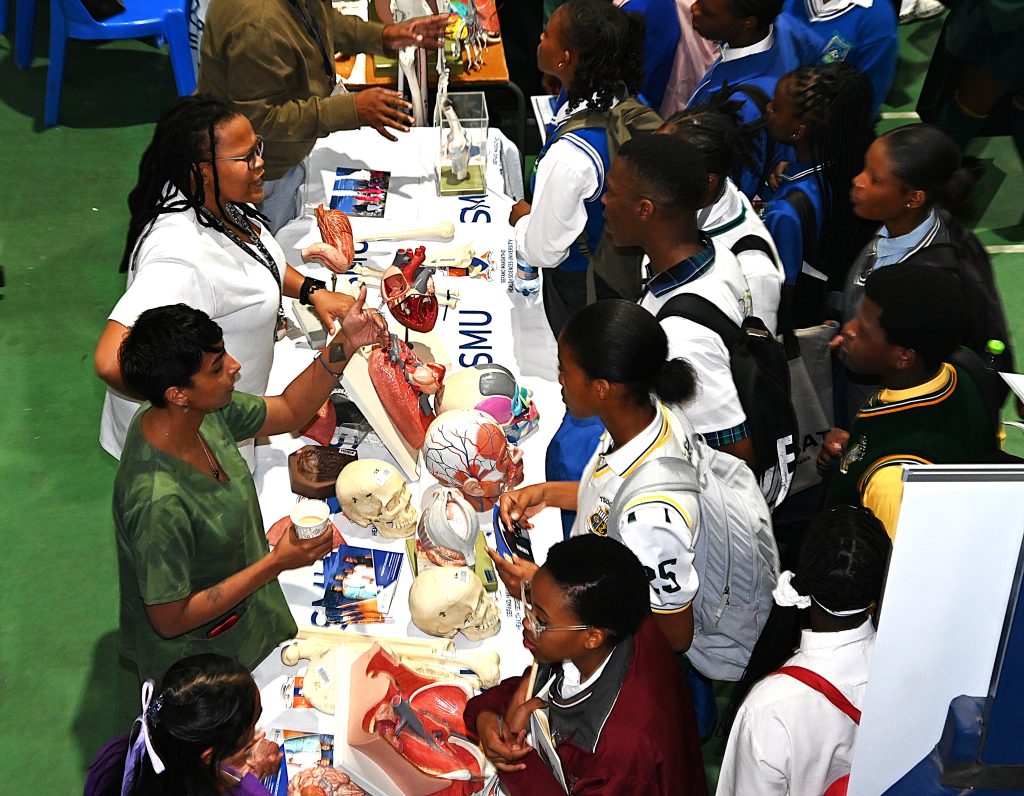 The Department of Occupational Therapy, under the School of Health Care Sciences, drew large crowds with its interactive displays on rehabilitation, human movement, and disability support. These exhibits encouraged learners to consider diverse and impactful careers within the healthcare sector beyond the more traditional roles.
Academic staff, including lecturers and postgraduate students, were available throughout the day to provide detailed information on admission requirements, application processes, financial aid, and the extensive student support services offered at SMU. Visitors also toured the university’s cutting-edge laboratories, simulation centres, and the Oral Health Centre, which forms a vital part of students’ clinical education.
“We focus on both academic excellence and the development of compassionate, community-conscious professionals,” said Winnie Marishane, Manager: Branding and Marketing at SMU. “Open Day is about helping learners visualise their place in this ecosystem.”
Dedicated information sessions for learners, parents and educators covered essential topics such as NSFAS funding, student accommodation, campus safety, and mental health and wellness support—reinforcing SMU’s commitment to holistic student wellbeing.
“As an alumnus and educator, I appreciated the transparency and detail around student life and academic support,” noted Tiisetso Phooko, an SMU alumnus and Life Orientation educator at Machepelele Secondary School in Limpopo. “It’s reassuring to know that our learners will be in good hands.”
SMU’s student brand ambassadors played a crucial role in the day’s success, sharing their personal journeys and offering peer-to-peer advice to aspiring applicants. “I was once in their shoes, unsure about where to go or what to study,” shared Trevor Bvuma, a final-year Master of Science (Biology) student and ambassador. “Today, I am part of a university that values both excellence and Ubuntu. That’s the spirit we’re passing on.”
The School of Science and Technology also captivated learners with hands-on scientific demonstrations, sparking curiosity about careers in applied sciences and research. As the day drew to a close, learners departed with university prospectuses, application guidelines, and—most importantly—a renewed clarity and enthusiasm for their future paths.
With applications for the 2026 academic year now open—and closing on Thursday, 31 July 2025 for undergraduate programmes and the MSc in Clinical Psychology, and on Friday, 29 August 2025 for postgraduate programmes—SMU’s Open Day 2025 not only attracted an impressive turnout but also successfully inspired the next generation of South African health sciences professionals.
By Tumelo Moila

by Lorato | May 7, 2025 | All News, SMU Media, Student Media
Sefako Makgatho Health Sciences University (SMU) is taking a firm stand against gender-based violence (GBV) through the dedicated work of its Gender-Based Violence Office. Under the leadership of Acting Manager, Busi Mbanjwa, the Office has become a cornerstone in promoting a safe, inclusive, and supportive environment for both students and employees. “The Gender-Based Violence Office at SMU is a dedicated unit committed to preventing, addressing, and responding to incidents of GBV,” says Mbanjwa. “Our goal is to foster a safe and inclusive campus by providing survivor-centred support and leading institutional interventions.”
 The establishment of the Office was driven by a national directive from the Department of Higher Education and Training (DHET) in response to the alarming prevalence of GBV in institutions of higher learning. Since its inception, the Office’s role has evolved from reactive case management to spearheading proactive policy implementation and educational initiatives across the university.
“Our role has grown tremendously,” Mbanjwa explains. “We now lead prevention campaigns, policy development, and campus-wide education efforts that seek to shift the culture towards one of respect, safety, and zero tolerance for GBV.”
Though physically located in Room S531 of the Clinical Pathology Building, the GBV Office is present and active throughout the campus. “We ensure inclusivity and accessibility by engaging directly with the university community—whether in student residences, cafeteria, lecture venues, or public areas,” she adds.
When a survivor reports an incident, the office facilitates a private, confidential, and trauma-informed intake process. “We create a safe space for disclosure, assess immediate safety needs, and guide the survivor through all available options,” says Mbanjwa. Survivors are then supported through either formal grievance procedures or informal resolutions, based on their informed preference.
In formal cases, an independent investigator is appointed, and the matter proceeds in line with institutional policies. If there is sufficient cause, this process may lead to disciplinary action. In contrast, informal resolution focuses on restorative approaches such as mediation or facilitated dialogue to address the harm.
“Survivors are never alone in this journey,” she emphasises. “We also have a legal obligation to report certain incidents—particularly sexual offences involving vulnerable groups, such as female students aged 25 and under—to the South African Police Service.”
Confidentiality is a fundamental principle. “We have stringent protocols to protect survivors’ privacy and dignity,” Mbanjwa affirms. “At the same time, we ensure accountability through fair and transparent processes.”
The office collaborates with internal stakeholders including the Student Counselling Unit, Security Services, Residence Office, Human Resources, and the Legal Office to provide psychosocial support and emergency accommodation. “Our strength lies in collective action,” Mbanjwa says. “Together, we offer a comprehensive support network.”
Advocacy and awareness are central to the office’s mission. “We run structured annual campaigns, including self-defence classes, webinars, policy awareness sessions, and inclusive forums like the ‘Sisterhood Safe Space’ and ‘iNdoda Must, iMama Must’ dialogues,” she explains.
Training sessions educate the SMU community on topics such as consent, healthy relationships, power dynamics, and navigating institutional reporting mechanisms. The office has also trained first-line responders to manage disclosures with compassion and professionalism.
Response from the university community has been largely positive. “Students and staff appreciate our visibility and the support we offer,” Mbanjwa notes. However, she acknowledges that stigma and fear still hinder many from reporting. “We are actively working to break this silence and build trust.”
To evaluate its impact, the office uses data on case reports, survivor feedback, and participation rates, and is planning a campus-wide perception survey. Its goals for 2025 include expanding advocacy efforts, increasing policy awareness, strengthening partnerships, and enhancing the visibility of services.
“Our ultimate aim,” concludes Mbanjwa, “is to make SMU a leading example of how institutions can foster a culture of safety, dignity, and support, where every individual feels protected, heard, and empowered.”
By Tumelo Moila

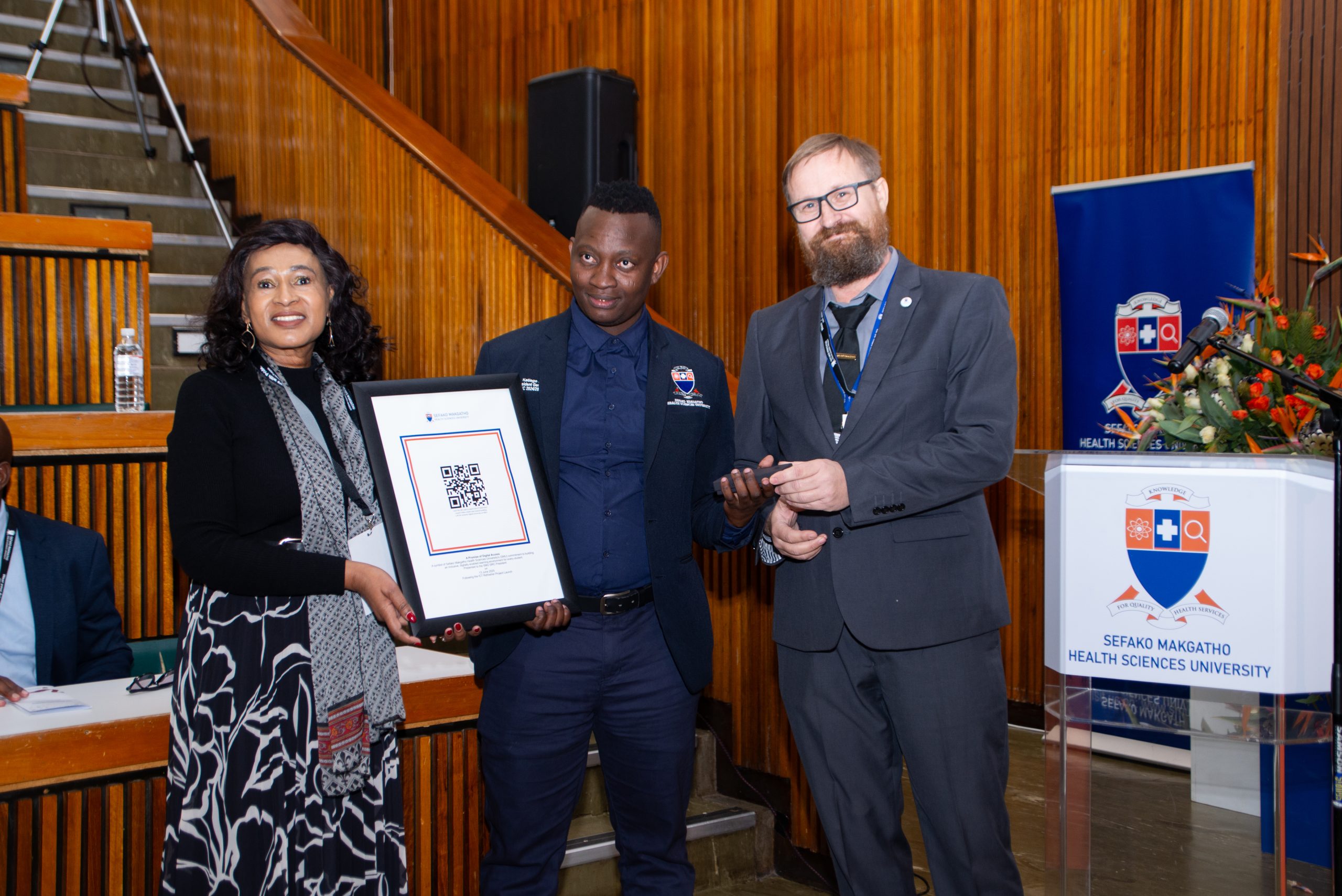
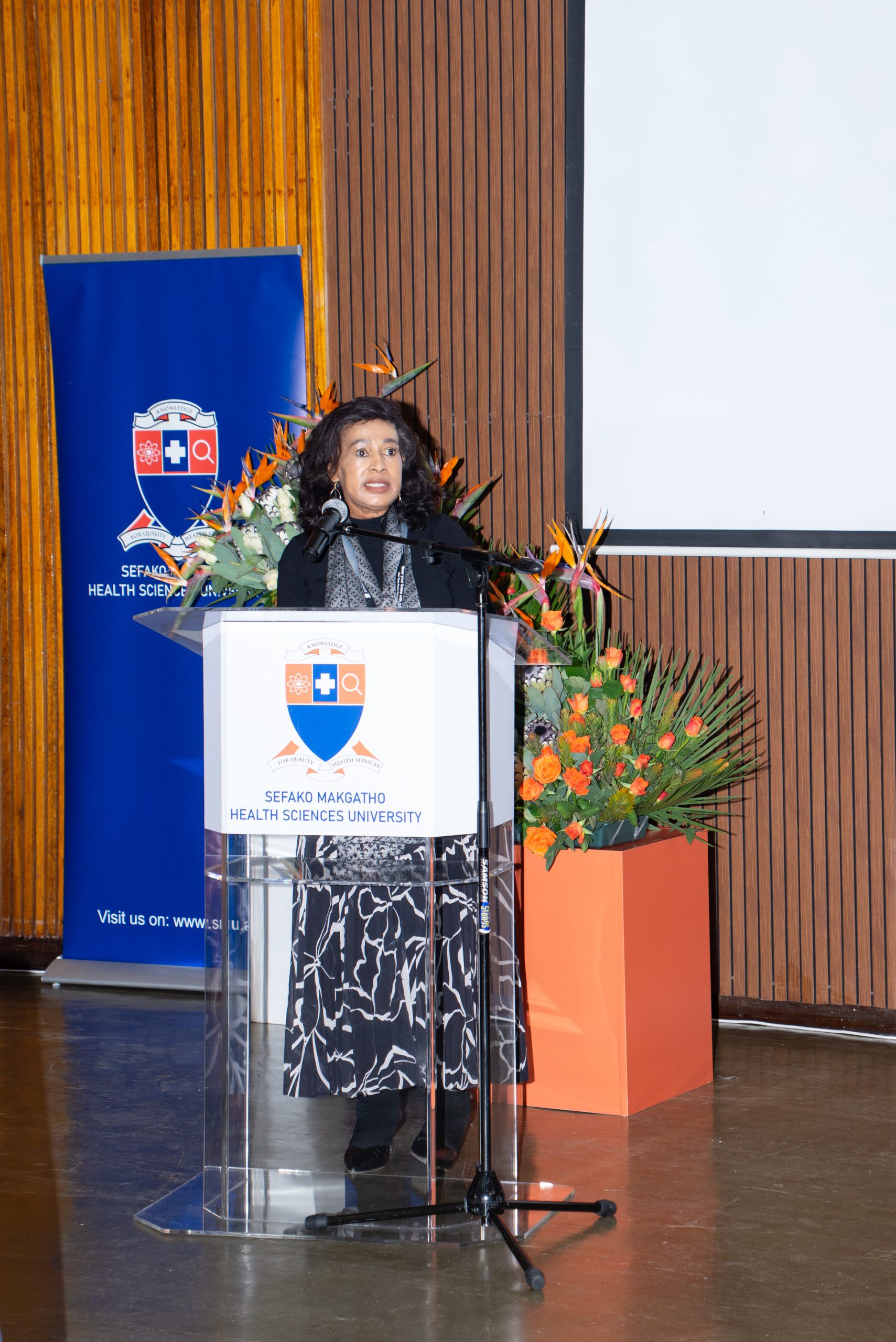
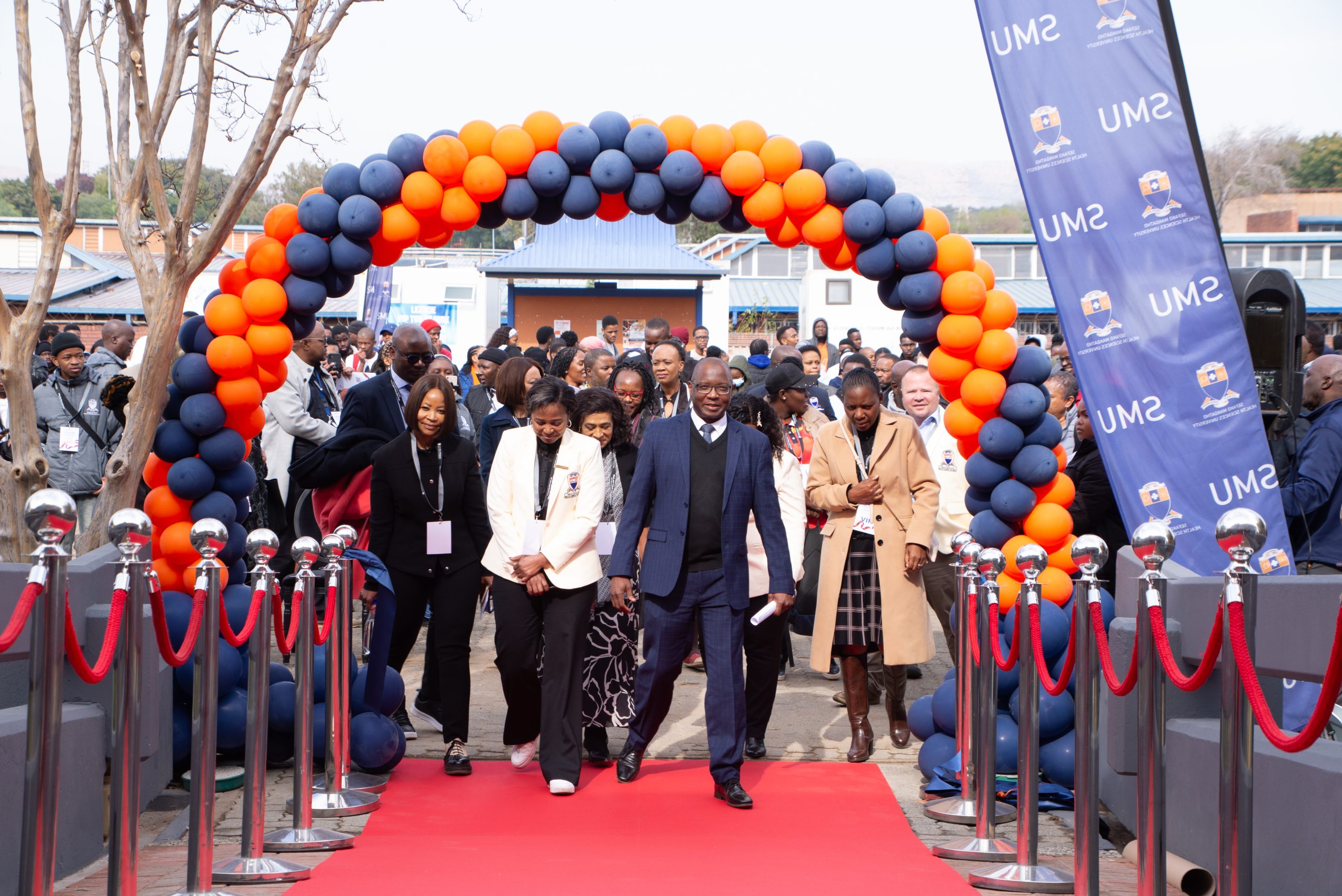
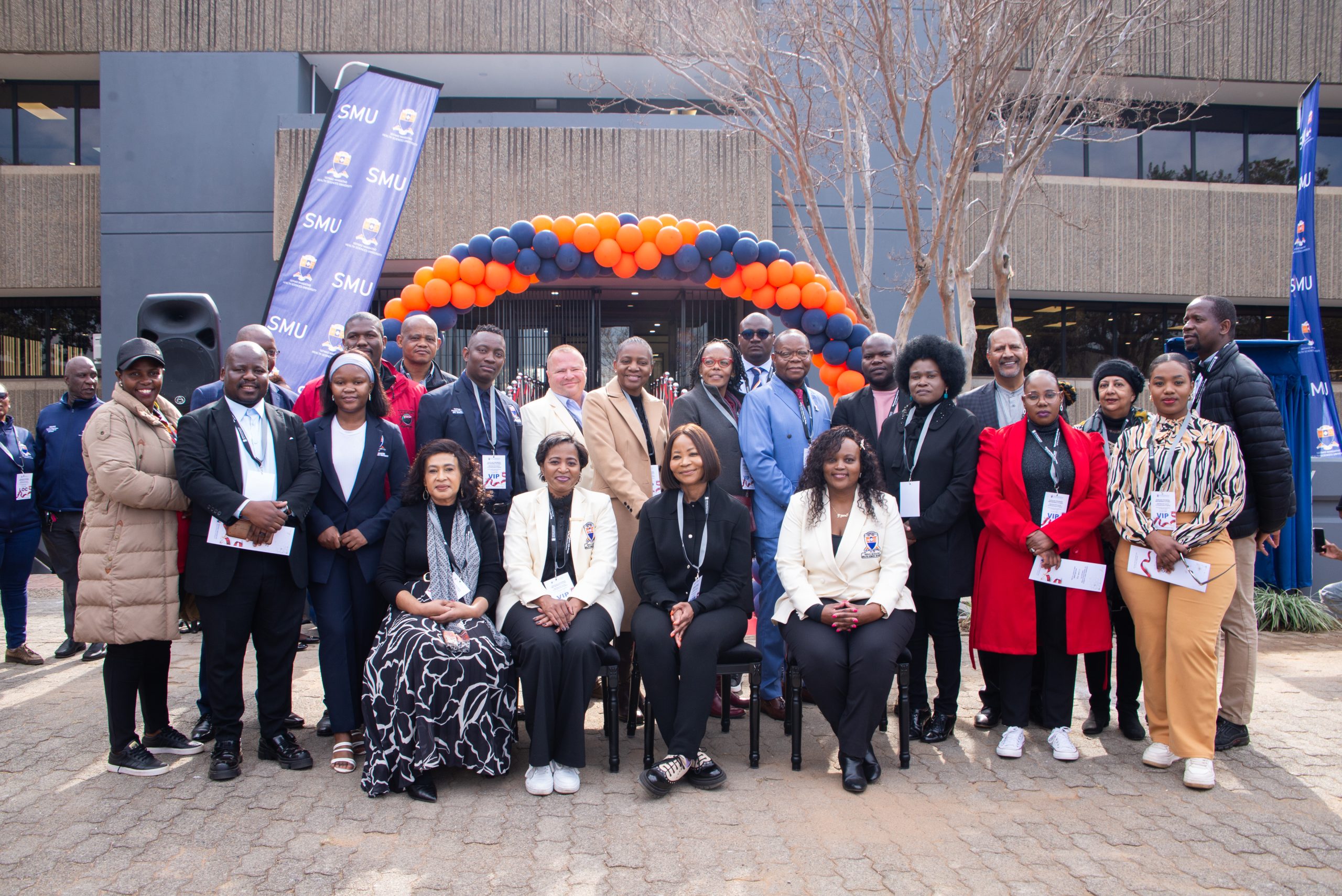
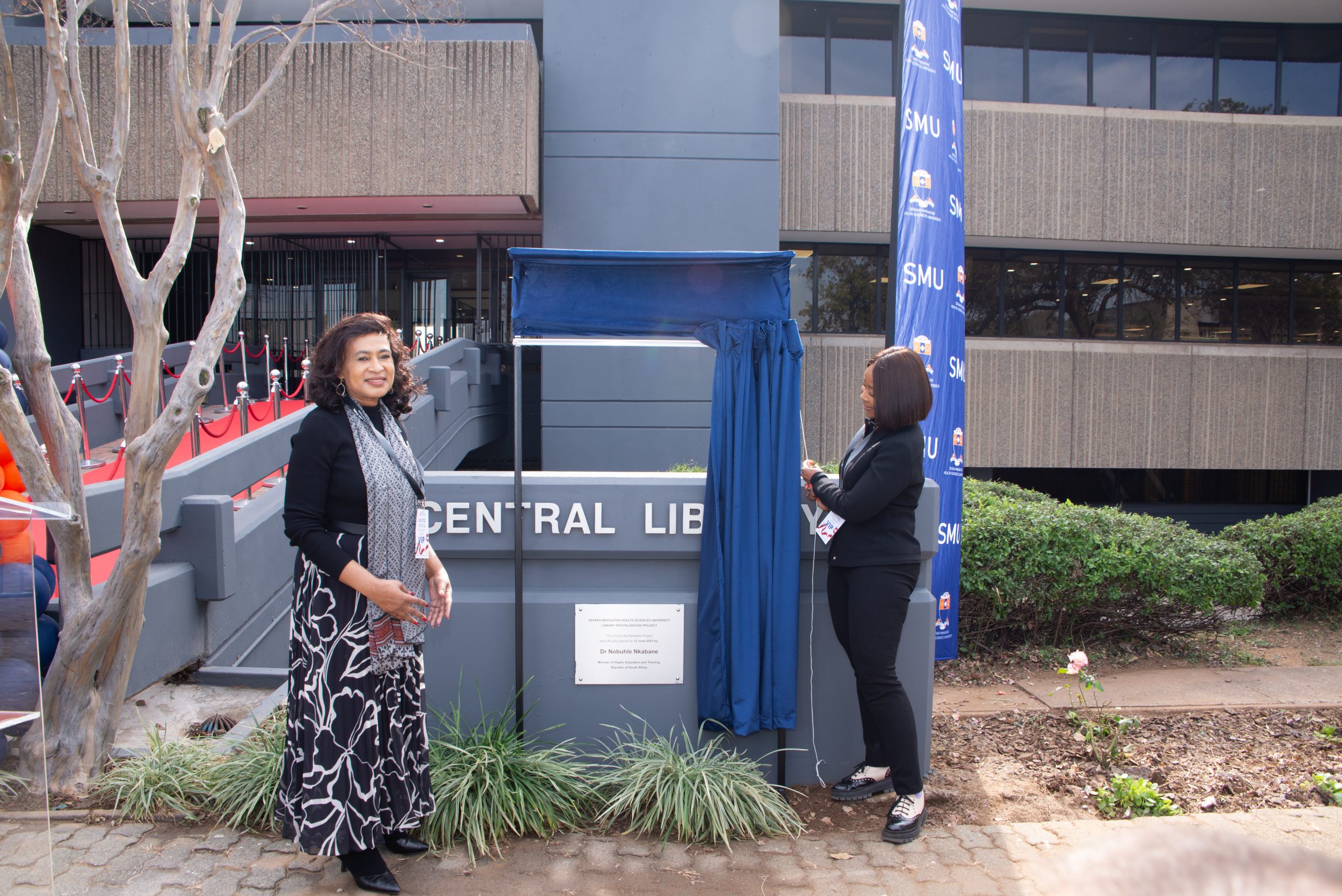
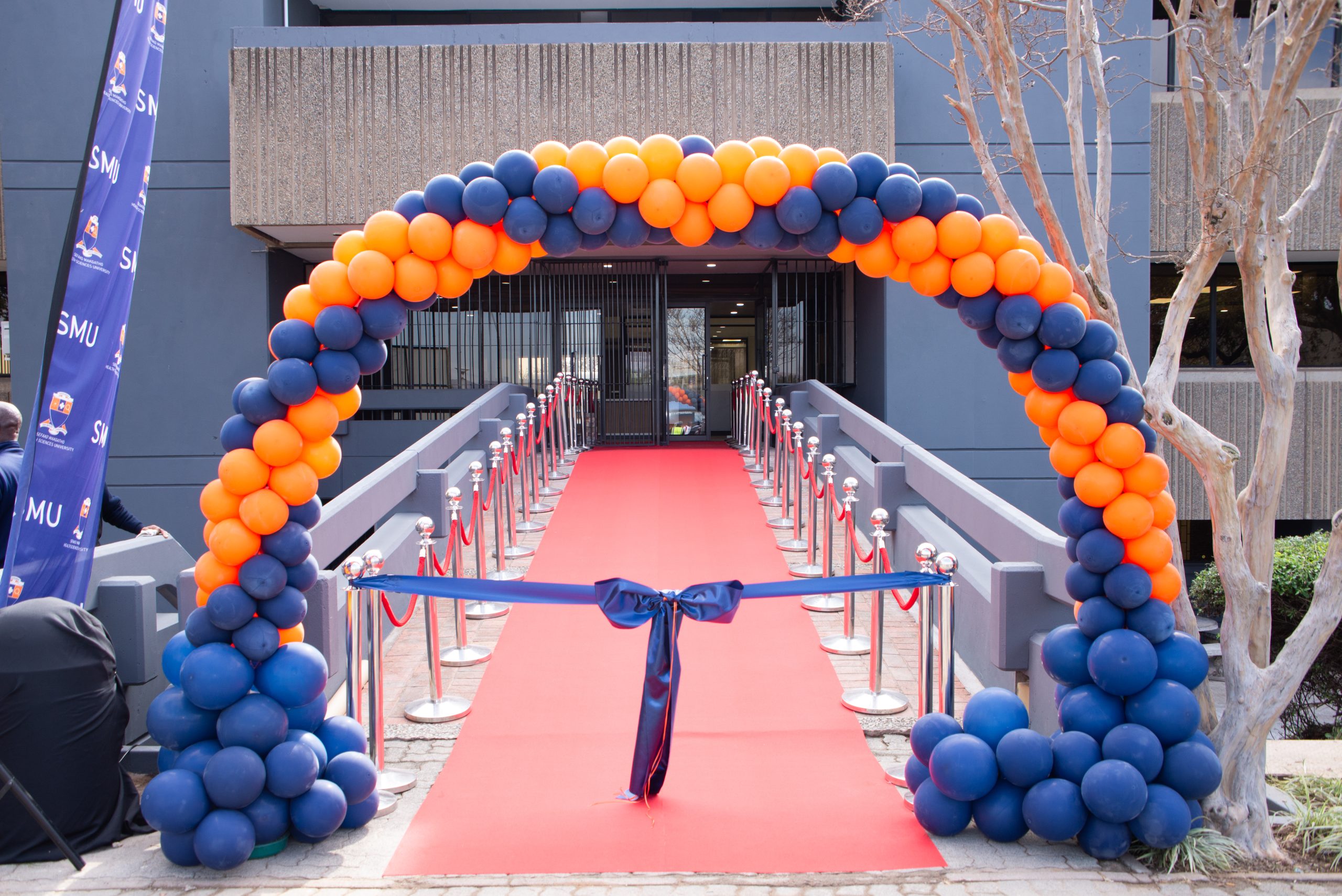
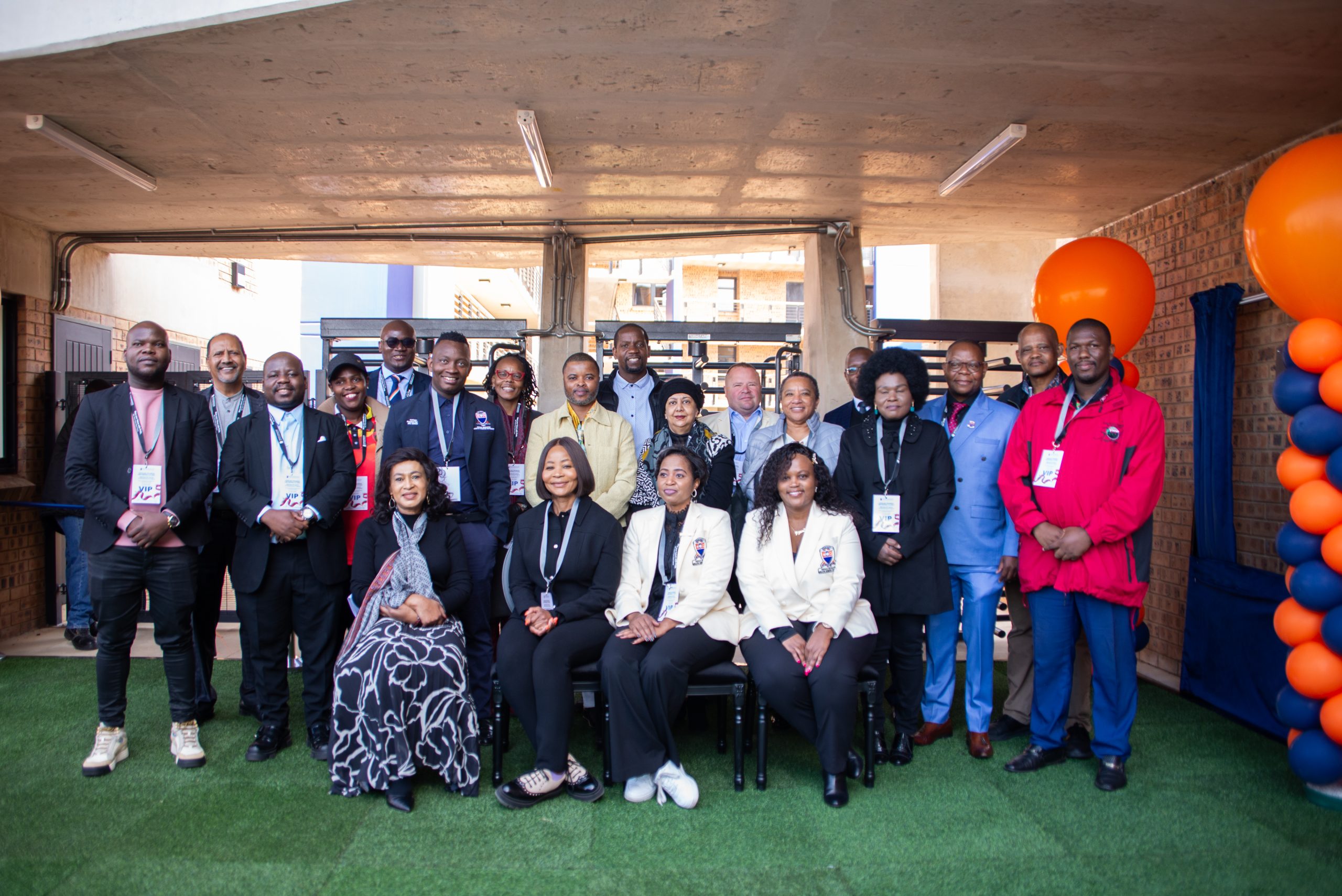
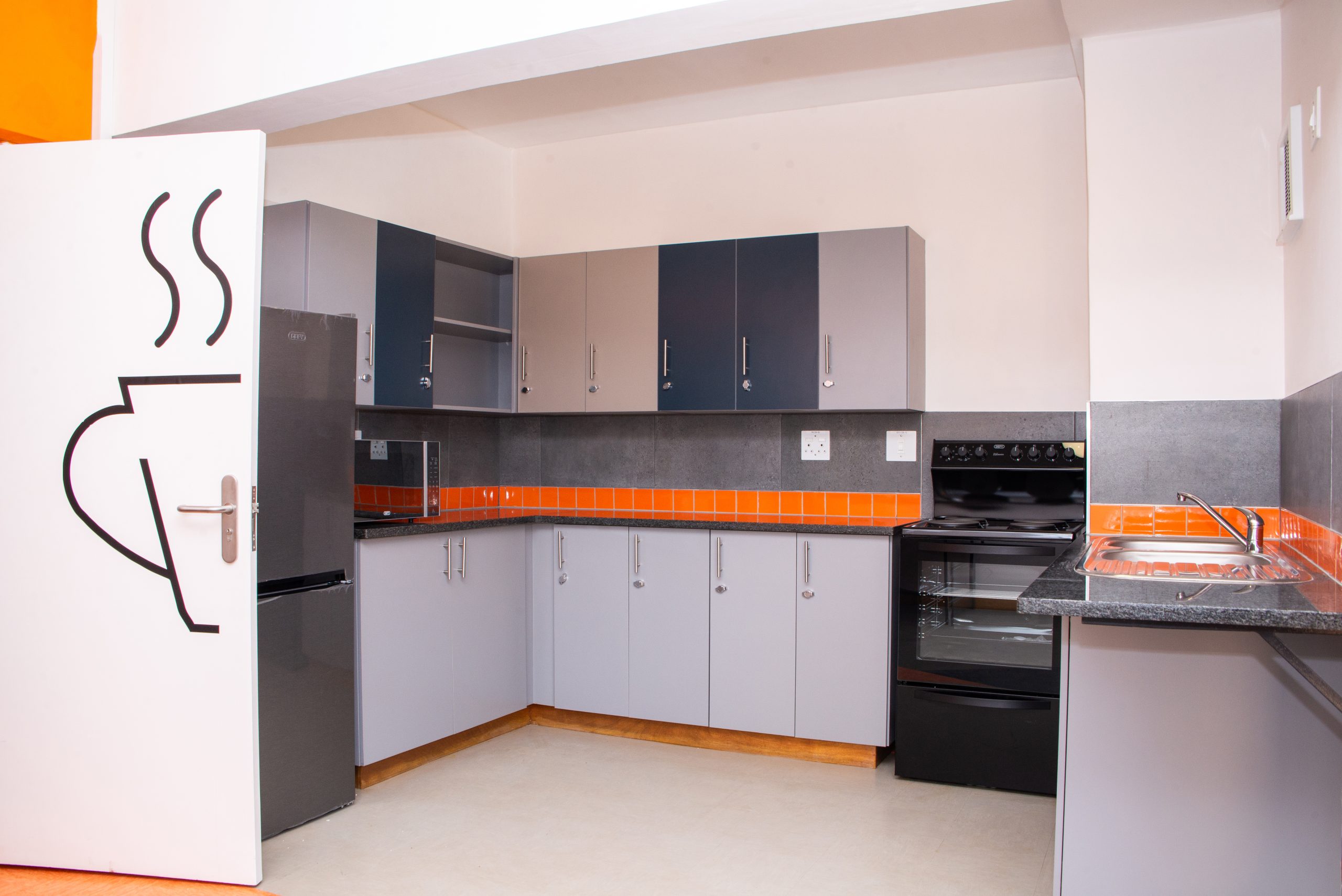
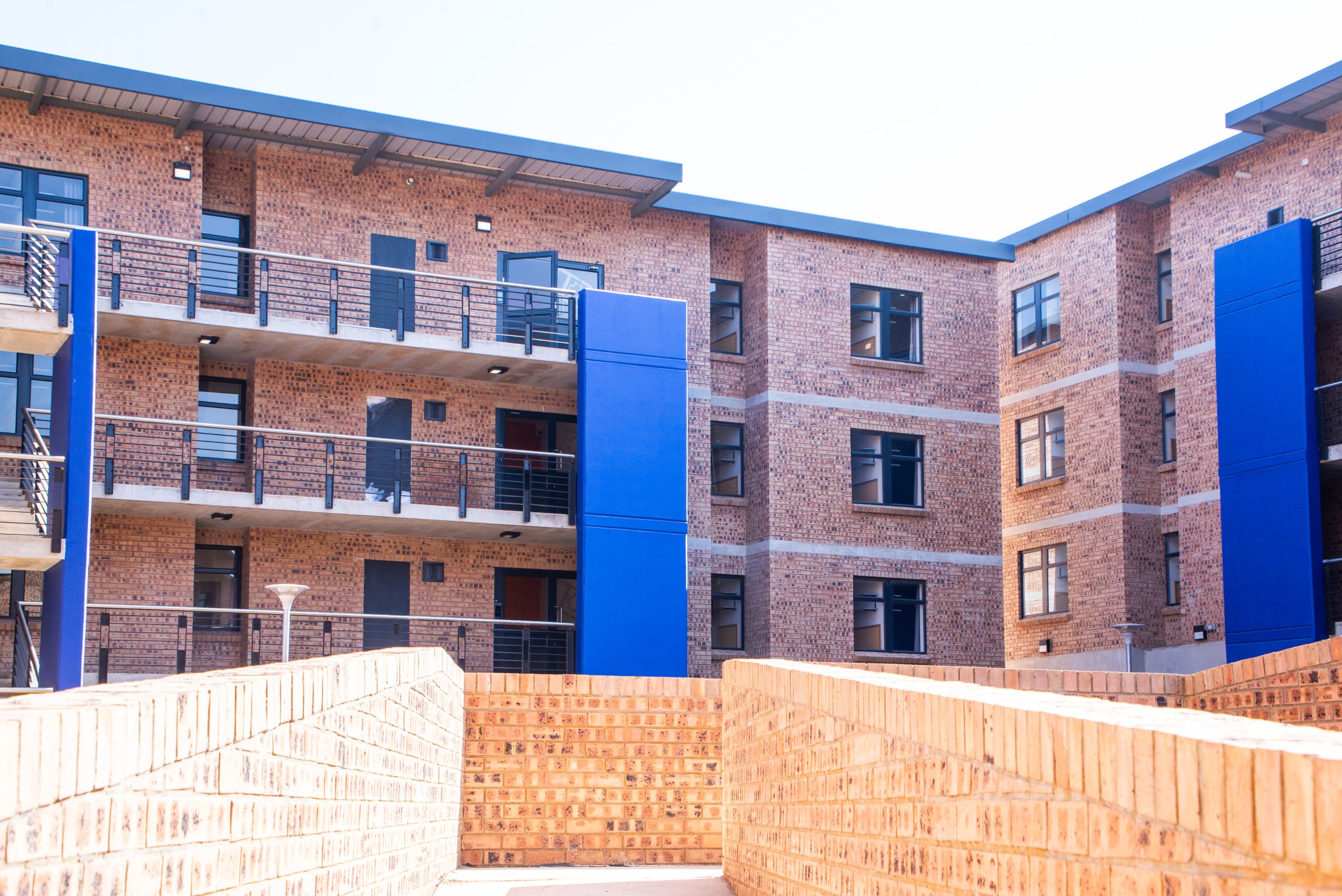
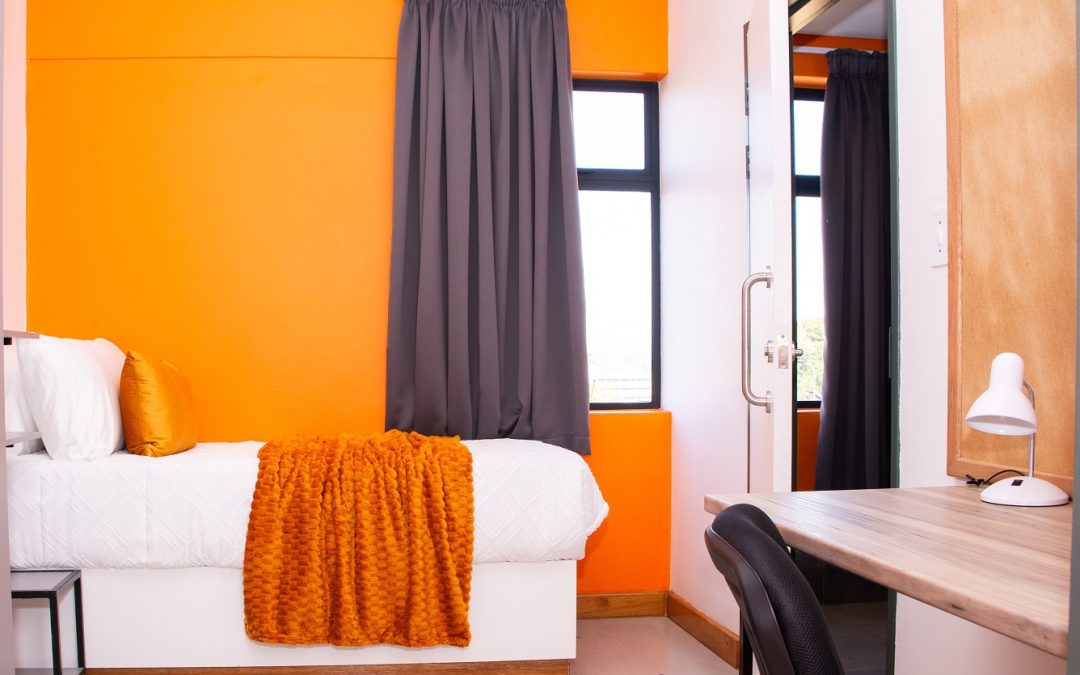
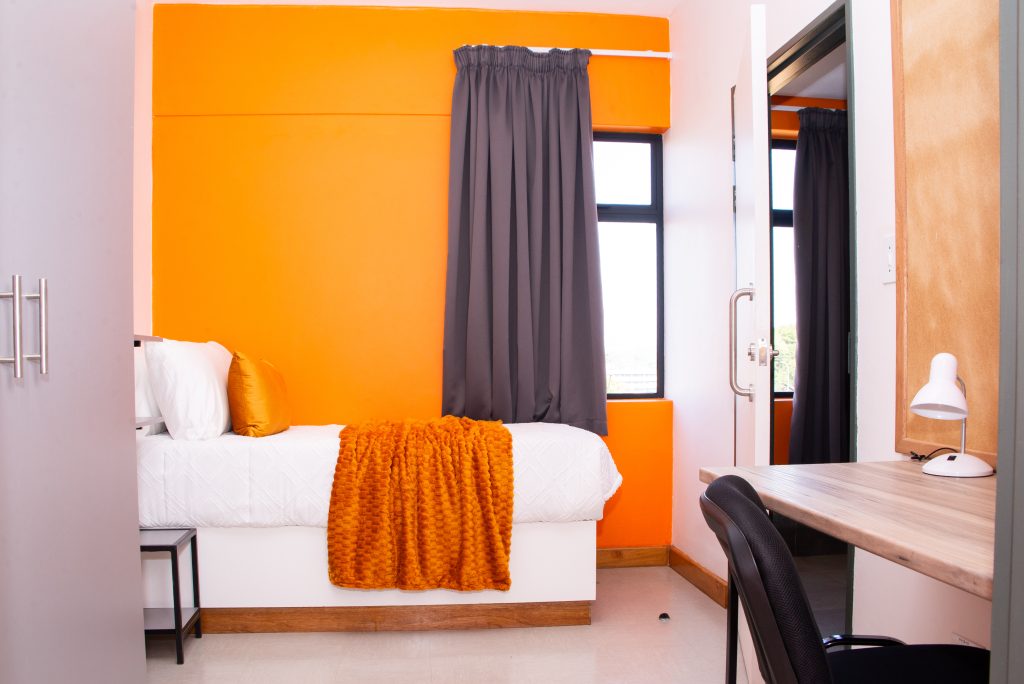 The unveiling of the 1000-Bed Student Housing Project (Phase 1 of 2000 beds), the Revitalised Library, and the ICT Refresher Project reflects SMU’s bold new era: one driven by academic excellence, ethical leadership, and the dignity of student experience.