

Blackboard
Blackboard and Turnitin Support Home » Search Results for "turnit in" Blackboard Queries To access Blackboard either from your device or computer follow the steps below: 1. Use Chrome or Safari as your browser2. On the address bar type...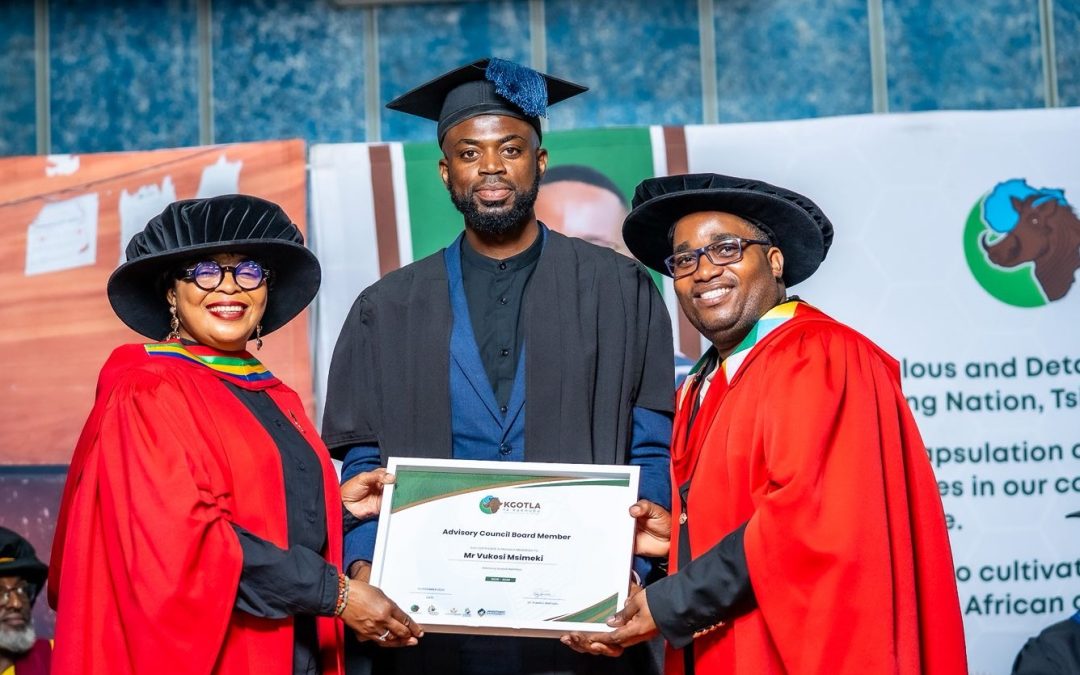
SMU alumnus appointed to Health Professions Council of South Africa Dietetics and Nutrition Board
If you want to change a profession, step into the room where standards are set. SMU alumnus, public health specialist and dietitian Vukosi (Richardson) Msimeki has done exactly that. He has been appointed to the Professional Board for Dietetics and Nutrition under the Health Professions Council of South Africa (HPCSA) for the 2025–2030 term — a body tasked with safeguarding professional, ethical and educational standards for dietetics and nutrition across South Africa.
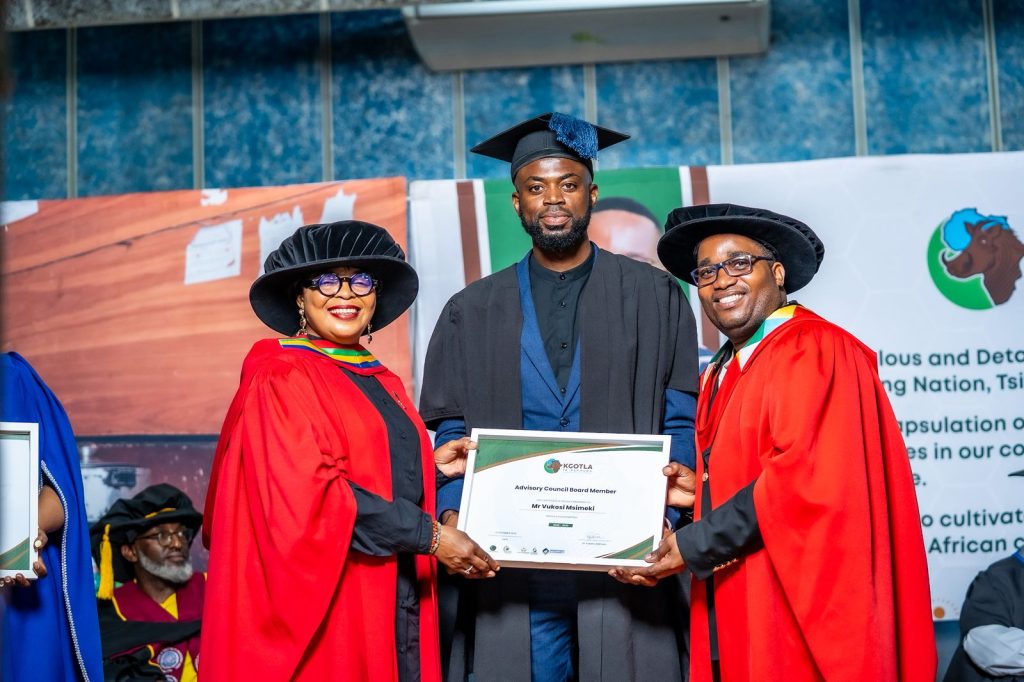 His appointment places him among ten members entrusted with overseeing education, training, registration and professional conduct in terms of the Health Professions Act. The Board executes its regulatory mandate on behalf of the HPCSA, ensuring that practitioners meet rigorous standards in a sector critical to public health.
Msimeki, who holds a PGDip and a Master of Public Health from Sefako Makgatho Health Sciences University (SMU) and is completing PGDip in Health Leadership from University of Cape Town, brings more than 12 years’ experience spanning district, regional and tertiary healthcare levels. He currently serves as Deputy Director for Clinical Support and Therapeutic Services (Allied Health Services) at Job Shimankana Tabane Hospital in the North West province, where he also holds the position of Chief Dietitian. “This is about protecting the public and strengthening the profession,” Msimeki said. “We cannot speak about health equity without fixing how we regulate, train and support nutrition professionals.”
His career reflects a deliberate climb through the public health system — from community service dietitian to assistant director and head of department. He has worked in Limpopo and North West, supervised university students, served as an external examiner, and contributed to national malnutrition programmes. Yet his focus extends beyond hospital walls.
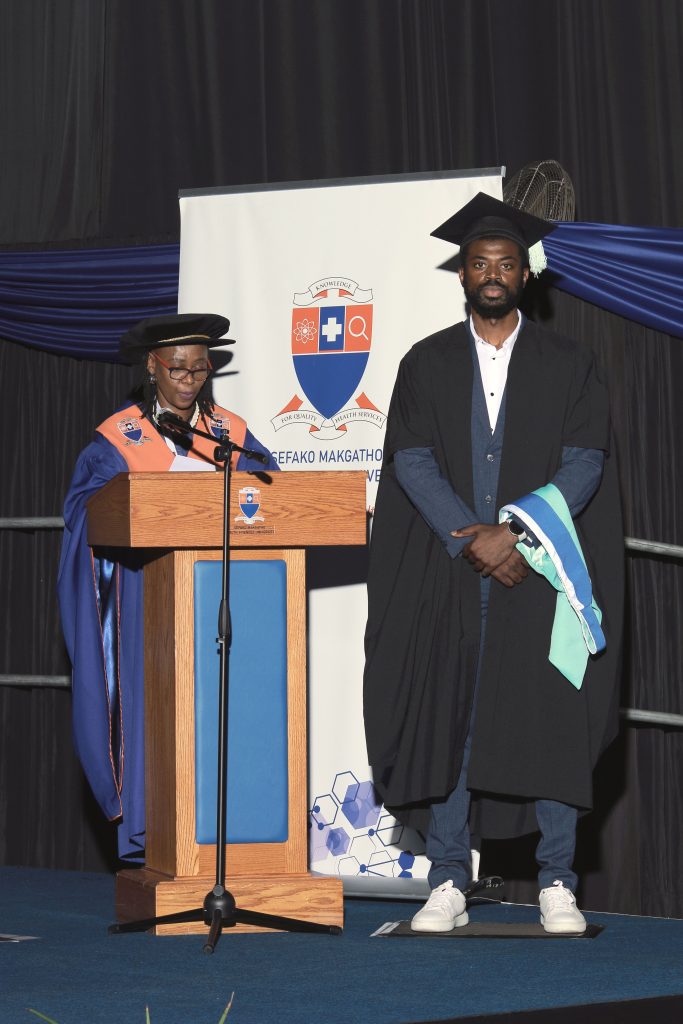 “Eighty-five per cent of our communities rely on public health services,” he said. “At the same time, more than half of health professionals are in private practice, while funding is almost evenly split between public and private sectors. That imbalance leaves the public system overburdened. We must allocate resources more intelligently and lead ethically.”
In Rustenburg, Msimeki is driving the establishment of a district forum for Clinical Support and Therapeutic Services — a structure designed to extend services to hospitals that currently lack them. The long-term plan is provincial expansion to underserved areas.
Alongside his public service career, he is the founder and Chief Executive of Msimeki Group (Pty) Ltd, a diversified company operating in health services, property and logistics. He also serves on multiple boards, including as a non-executive director at Strategic Partners Group, as a board member of the South African Red Cross Society (SARCS), and as a Senior Advisory Council Member of OOKKR Entities (Office of Kgosana Koketso Rakhudu).
A long-standing leader within the Black Management Forum (BMF) in the North West, Msimeki advocates what he calls “managerial leadership”. “Policy without leadership collapses organisations,” he said. “Managers must lead. Leaders must take accountability. That is how institutions thrive.”
For Msimeki, the mandate is clear: raise standards, close gaps and ensure that nutrition — often overlooked — remains central to South Africa’s health agenda. “Nutrition is not optional,” he said. “It is foundational. If we get it right, we change lives.”
By Tumelo Moila

Dr Refilwe Mokgatlha – the first black female to qualify as a Prosthodontics Specialist at SMU – and one of the few black women in the country
Dr Refilwe Mokgatlha was born in Lehurutshe and raised in Gopane village in the North-West Province. She went to Mmabatho High School, where she was in a boarding school for the entire duration of her high school years until the completion of matric. “As a young girl, I enjoyed being there for others and assisting them. I was also a bookworm, and in high school through the assistance of our guidance teacher at the time, I knew I wanted to be in health care. There were three professions in health care that I liked; in standards 9 and 10 (currently grades 11 and 12) we were required to accompany working people in the fields we were interested in for some time. Dentistry became my first love”, says Dr Mokgatlha.
Dr. Mokgatlha holds various qualifications at undergraduate and post- graduate levels. She holds a Bachelor of Dental Sciences Degree (BDS, University of Witwatersrand); a Post-graduate Diploma in Endodontics (PgDipDent, University of Pretoria); Master of Dental Science in Prosthodontics (MDS) and a Master of Dentistry in Prosthodontics (MDent, Prostho) attained at Sefako Makgatho Health Sciences University – the first black female to achieve this qualification at SMU. She is a member of the International Team of Implantology (ITI) and the Academy of Prosthodontics South Africa (APSA) and is currently a part-time lecturer at SMU. Her key responsibilities involve lecturing the undergraduate students (Second, Third and Fourth year BDS students), teaching pre-clinical techniques and overall clinical supervision.
“I am not where I would want to be, but I believe I am where I am supposed to be now, according to the divine plan and guidance, there is still more that I would like to accomplish, a mountain peak of a mountain is only the bottom of the next. I will do a PhD in the future”, Dr. Mokgatlha expressed.
Her journey at SMU started in 2010 when she was working as a sessional Dentist in the Department of Prosthodontics. In 2014, she registered for a Master of Dental Science (MDS), as she desired to specialise in Prosthodontics at a later stage. The earlier years were a challenge to her, especially during her time as a sessional Dentist, a Developmental Dentist and an MDS student.
Dr. Mokgatlha believes that, for any academic department to achieve what is required of it, it is important to have sufficient support for the undergraduates, postgraduates, and the rest of the clinical staff to adequately teach, guide and mentor them in the field. In this way, the dentists in the department will be motivated to develop themselves further in the same field of study. This directly speaks to the importance of some degree of stability that can be brought about by the right amount of human resources especially people who are passionate about this field of study, teaching, and learning, as well as those who have an appreciation of teamwork.
“Success is very personal and relative. I believe everyone has their meaning of success, a meaning that gives them a sense of having accomplished something important based on their values, virtues as well and desires. One then should have the perseverance and resilience to push to accomplish, that which is meaningful to them, and to reach those goals we set for ourselves. We should continuously be willing to learn, to fail (if we do) forward, to take each challenge as a steppingstone and keep moving”, Dr. Mokgatlha remarked.
Academic and cultural exchange strengthens African relations
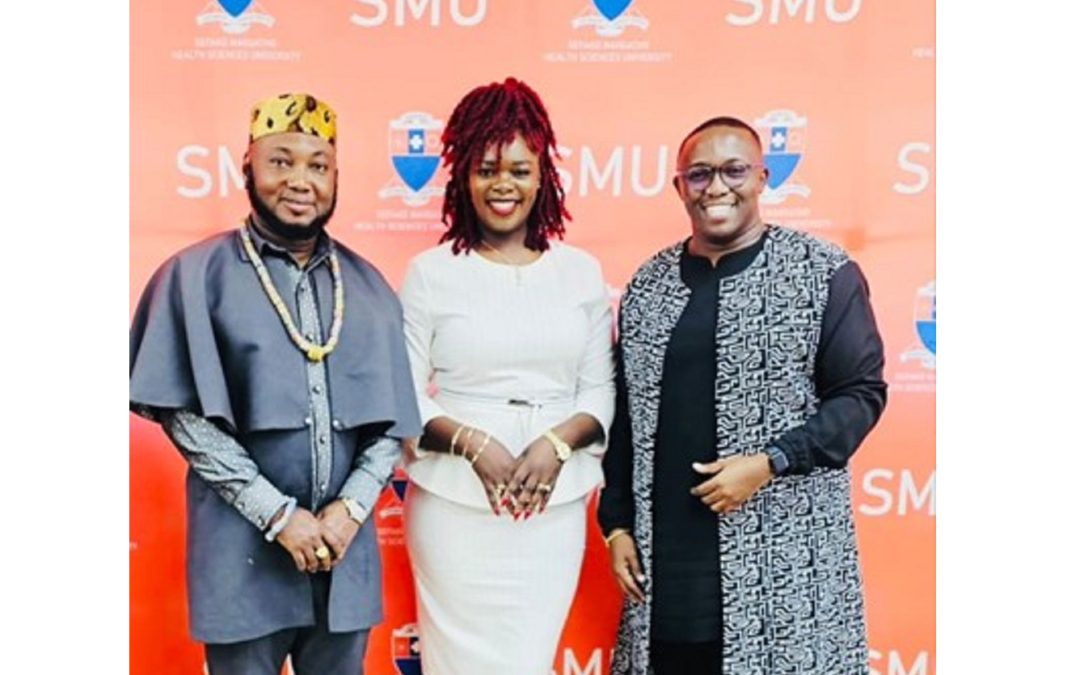
The Ghana Royal Visit to South Africa, held recently over two days, marked a significant milestone in strengthening diplomatic, cultural, and developmental relations between Ghana and South Africa. The initiative, expertly coordinated by Professor Martha Chadyiwa, Associate Professor in the Department of Public Health at Sefako Makgatho Health Sciences University (SMU), successfully brought together key stakeholders and ensured the seamless execution of the programme.
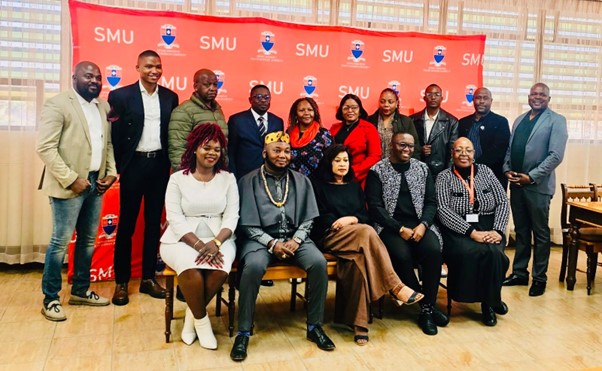 “The Ghana Royal Visit represents more than a ceremonial exchange; it is a platform for meaningful collaboration and cultural diplomacy,” said Professor Chadyiwa.
The delegation was led by Nana Obokese Ampah I, representing His Majesty Daasebre Kwebu Ewusi VII, Paramount Chief of the Abladze Traditional Area and Board Chairman of the Ghana Chieftaincy Awards. The visit formed part of the broader 3rd Ghana Chieftaincy Awards and Royal Investment Summit, scheduled to take place in Kumasi, Ghana, in October 2025.
Hosted by the Office of Kgosana Koketso Rakhudu & Partners (OOKKR), the Koketso Rakhudu Foundation, and SMU, the visit included engagements in Rustenburg and surrounding villages, as well as academic collaboration at SMU. The initiative received strong support from the Black Star Experience Secretariat, the National House of Chiefs, the Obokese Foundation, and the Ghana Ministry of Foreign Affairs.
On Day One, the delegation commenced their visit at Ramokoka Village, where they were warmly welcomed. A graduation ceremony hosted by the Koketso Rakhudu Foundation celebrated local achievements and offered cultural immersion for the Ghanaian delegates. The evening concluded with a formal Welcome Dinner at the Royal Marang Hotel, featuring diplomatic introductions, presentations on the ten-year impact of OOKKR, and cultural exchanges, including ceremonial gift-giving and blessings.
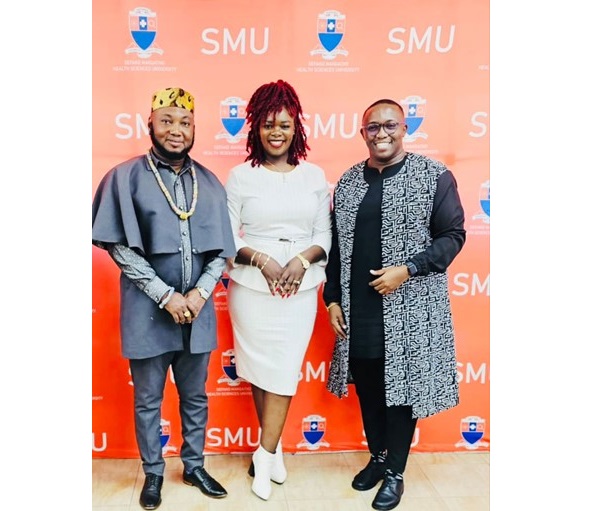 Reflecting on the day, Nana Obokese Ampah I said: “We are honoured to witness the resilience and vibrancy of South African communities. This visit strengthens the bonds between our nations and underscores the value of traditional leadership in modern society.”
Day Two focused on cultural immersion and academic engagement. The delegation visited multiple villages, gaining insight into South African traditional heritage and community initiatives. A traditional lunch provided informal networking opportunities, fostering cross-cultural dialogue. At SMU, the delegation was formally received by Vice-Chancellor Professor Tandi Matsha-Erasmus, Acting Deputy Vice-Chancellor: Academic and Research, Professor Dini Mawela, and senior academic leaders. Discussions highlighted collaborative opportunities in healthcare education, research, and community health projects.
Professor Tandi Matsha-Erasmus commented: “Engaging with the Ghanaian delegation allows us to expand our academic and community partnerships, creating shared opportunities for development and innovation across borders.”
The visit achieved significant outcomes across multiple domains. Foundations for educational collaboration were established, community development initiatives were planned, and cultural diplomacy was strengthened through ceremonial and interpersonal exchanges. Logistical arrangements were executed efficiently, ensuring a smooth and culturally sensitive programme.
Strategically, the visit established a framework for long-term Pan-African collaboration, combining institutional partnerships, grassroots engagement, and traditional leadership diplomacy. “Our aim is to build lasting relationships that empower communities and promote Pan-African solidarity,” said Dr Kennedy Amphofo, a member of the Ghana delegation.
Looking ahead, recommendations include extending future visits to allow deeper community integration, incorporating project development workshops, and strengthening follow-up mechanisms to implement collaborative initiatives.
The Ghana Royal Visit successfully strengthened cultural diplomacy, promoted cross-border academic partnerships, and advanced Pan-African collaboration. By blending formal institutional engagement with authentic cultural immersion, the mission laid a strong foundation for continued cooperation between Ghanaian and South African institutions, affirming the enduring significance of traditional leadership in modern development.
By Tumelo Moila