by Lorato | Jul 2, 2025 | All News, SMU Media, Student Media
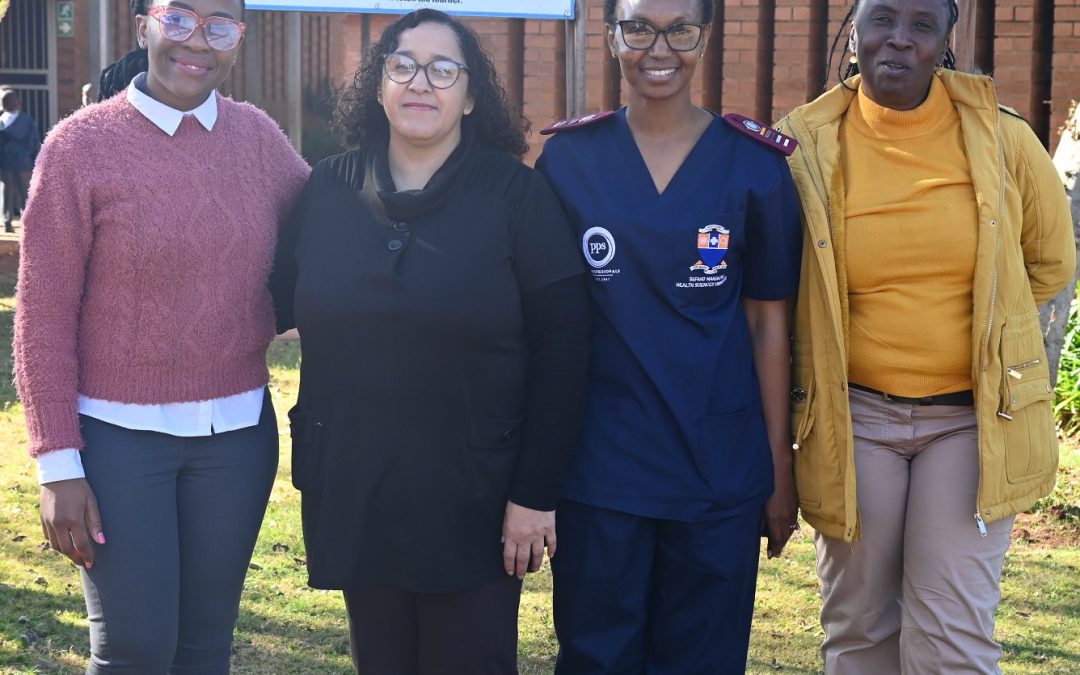
True to Sefako Makgatho Health Sciences University’s (SMU) values of excellence, care, integrity, innovation, and social responsiveness, students from the Department of Speech-Language Pathology and Audiology (SLP&A) and the Department of Nursing recently joined forces to deliver a comprehensive community outreach programme at Ga-Rankuwa Primary School. The initiative focused on health screenings and education for Grade R and Grade 1 learners, addressing the early detection of developmental and health concerns that could affect learning, communication, and overall well-being.
 This outreach forms part of both departments’ commitment to community-based education and early intervention, while also advancing SMU’s broader mission to improve public health through service, teaching, and innovation.
The screening programme was spearheaded by Dr Rahab Mothapo, Clinical Supervisor and Lecturer in SLP&A, with support from Heidi Mapisa. Students from Levels 2 to 4 provided targeted assessments, including language development screening, otoscopic examinations, tympanometry, and pure tone audiometry. These tools were used to identify learners experiencing speech, language, or hearing difficulties—issues that, if undetected, can hinder academic development.
“Early detection of communication delays is vital,” said Mothapo. “Our role as health professionals is to create accessible pathways for support, especially in communities where services may be limited. This initiative allowed our students to apply their academic training in a real-world setting, while delivering a much-needed service to the community.”
Learners who presented with concerns were either supported through school-based interventions or referred for further diagnostic care. Importantly, the screening process also raised awareness among teachers and caregivers, equipping them with the knowledge to identify early warning signs in future.
 Concurrently, Level 2 Nursing students, under the supervision of Clinical Facilitator Tumisho Mokwele, conducted growth monitoring and general health assessments, including measurements of weight, height, and head circumference, alongside screening of the ears, nose, throat, and eyes. The aim was to detect early signs of malnutrition or other health challenges that might impair a child’s ability to learn and engage in class.
“The reality is that many health conditions in young children go undetected until they start falling behind at school,” said Mokwele. “Our role is not only to identify these risks but also to empower the learners with knowledge about their own health and hygiene.”
Beyond physical assessments, Nursing students also conducted engaging health education sessions, featuring demonstrations on proper handwashing and activities that helped children distinguish between healthy and unhealthy snacks. The teaching materials, developed by the students themselves, were designed to be interactive, visually engaging, and suitable for young learners, making health education both informative and enjoyable.
“The excitement from the learners was encouraging,” Mokwele reflected. “It reminded us that health education can be both effective and fun. These sessions are designed to instil good habits at an early age, which is crucial in promoting long-term well-being.”
While the outreach delivered tangible benefits to the learners and staff of Ga-Rankuwa Primary School, it also provided SMU students with invaluable clinical experience. The initiative embodies SMU’s approach to integrated learning, where classroom theory is brought to life through practical engagement in the communities’ students are ultimately meant to serve.
“Our students are growing into professionals who understand the importance of service, community, and ethical responsibility,” added Mothapo. “It’s about more than technical skill—it’s about compassion and responsiveness.”
The initiative also aligns with the United Nations Sustainable Development Goals (SDGs), particularly those relating to good health and well-being, quality education, and reduced inequalities. It reinforces SMU’s commitment to being a socially responsive institution—one that not only educates but also transforms lives and communities.
As SMU continues to shape future health professionals, outreach activities such as this stand as a powerful testament to the impact of student-led service. In the words of Mokwele:
“This is how we live out the SMU values—not in theory, but through action and impact.”
By Dimakatso Modise

by Lorato | Jul 2, 2025 | All News, SMU Media, Student Media
The School of Science and Technology (SST) at Sefako Makgatho Health Sciences University (SMU) recently held a meaningful donation handover event in collaboration with ABSA Bank, as part of its impactful ‘Force for Good’ initiative. The event showcased the powerful outcomes that can emerge from partnerships between higher education institutions and socially conscious corporates, united in their mission to support vulnerable student communities.
 At the heart of the event was the handover of grocery parcels valued at R20,000, generously donated by ABSA. These essential supplies were distributed to SST students experiencing financial distress due to delayed National Student Financial Aid Scheme (NSFAS) disbursements—delays which have placed many students’ academic progress under threat. ABSA’s contribution offered timely relief and served as a clear demonstration of the bank’s enduring commitment to youth empowerment and social inclusion.
Representing ABSA at the event, Kgomotso Madisa highlighted the importance of ensuring that students’ basic needs are met: “When students don’t have to worry about their next meal, they can focus on building their future. We’re proud to stand with SMU-SST in ensuring that no student is left behind.” This message underscored how access to essential resources directly influences academic focus and personal growth.
The initiative originated in 2023 as a student-led vision, championed by Bongisizwe Sibeko, then Chairperson of the SST Student Representative Council (SRC). Deeply moved by the challenges faced by his peers, Sibeko drafted a proposal to address the financial pressures that risked excluding vulnerable students from their studies. His commitment was guided and strengthened by Professor Maggie Aphane, Head of the Department of Mathematics and Applied Mathematics, whose strategic insight and compassion helped formalise the proposal and anchor it within the university’s academic structures.
 The campaign gained institutional momentum through the leadership of Professor Larry Obi, Dean of SST, and Dr Esmey Moema, SST Operations Manager. Their support transformed the student-driven idea into a formal appeal that resonated deeply with ABSA. Thanks to the efforts of Madisa and her team, the bank responded swiftly and empathetically, mobilising support when students needed it most.
Reflecting on the impact of the initiative, Dr Moema remarked: “The ‘Force for Good’ initiative has reminded us that partnerships grounded in shared humanity can change lives. We are deeply grateful to ABSA for their timely and generous contribution. Their support has brought dignity, hope, and motivation to students during a very challenging time.”
Her words captured not only the material benefits of the donation but also the emotional and psychological uplift it brought to the student body.
This collaboration is a vivid example of ABSA’s core values: care, collaboration, and purposeful action. It also highlights the indispensable role that student leadership and academic mentorship play in catalysing social change. The partnership between SST and ABSA sets a precedent for future community-focused engagements, emphasising the need to address students’ fundamental needs as a cornerstone of academic success and well-being.
More than a one-time gesture, the initiative has cultivated a spirit of resilience, empathy, and institutional responsiveness at SMU. It is a powerful case study in how student-led advocacy, supported by engaged educators and forward-thinking corporates, can produce lasting, meaningful change in the higher education landscape.
As SMU continues to centre student wellbeing in its mission, partnerships like this illustrate the importance of working collectively to overcome challenges faced by learners. In doing so, institutions and their partners ensure that every student is equipped not only to succeed but to thrive.
In conclusion, the ‘Force for Good’ collaboration between ABSA and SMU’s SST is more than an act of charity—it is a bold affirmation of what is possible when compassion, leadership, and strategic partnership converge to empower the next generation of South African scholars, leaders, and change-makers.
By Dimakatso Modise

by Lorato | Jun 25, 2025 | Accolades and Achievements, All News, Alumni, SMU Media, Student Media
At the heart of SMU’s research strategy lies a commitment to interdisciplinary collaboration, knowledge generation, and technology transfer. By fostering innovation and expanding its research capacity, the university aims to play a pivotal role in addressing South Africa’s pressing healthcare challenges — from infectious diseases to mental health and non-communicable conditions.
 A prime example of this ambition is the School of Pharmacy’s recent achievement: securing its second provisional patent. Dr Bwalya Witika, a senior lecturer in Pharmaceutics and his postdoctoral fellow, Dr Jean Ngilirabanga, who joined him in 2023, successfully filed a patent titled “Eutectic Compositions”, with the priority date of 9 June 2025. Their work explores novel drug delivery mechanisms by combining compounds to lower melting points, enhancing the efficacy and tolerability of treatments such as nonsteroidal anti-inflammatory drugs (NSAIDs). This breakthrough reaffirms the school’s growing reputation for pharmaceutical innovation and research excellence.
Eutectic compositions are mixtures of substances that, when combined, melt at a temperature lower than either of the individual components. In pharmaceutical science, this characteristic is highly valuable for improving drug solubility, stability and delivery, two critical challenges in modern medicine. Witika traced the origins of this research back to 2022, inspired by the urgent need for safer pain management alternatives during the global opioid crisis. “NSAIDs weren’t enough, and opioids came with long-term risks. I wondered—what if we enhanced NSAIDs with something like chilli?” he explained, referring to Nonivamide, a compound structurally related to capsaicin.
 The research process involved formulating innovative drug combinations that provided synergistic pain relief. Despite the scientific and administrative challenges, the work culminated in a promising invention that could reshape pain treatment approaches. While the research was conducted internally at SMU, Witika confirmed that discussions with potential industry partners are already underway. “For now, it’s been in-house, but the potential for wider collaboration is significant,” he said.
Filing a provisional patent provides legal protection while allowing further refinement of the invention. Witika praised SMU’s Technology Transfer Office (TTO) for its vital support throughout the process. “TTO Liaison Officer Pontsho Mampuru is a superhero, relentless in his commitment. It’s been a pleasure working with TTO,” he added.
This development follows SMU’s historic first patent in 2024: Raloxifene Hydrochloride Hydrate Solvate, a novel compound with the potential to revolutionise treatment for postmenopausal osteoporosis and breast cancer. That breakthrough was led by Emmanuel Kiyonga, a master’s graduate in the School of Pharmacy, and marked the beginning of a new era of innovation for the university.
Together, these patents underscore SMU’s transformation into a research-intensive health sciences institution committed to addressing global health challenges through science and invention. Witika and Ngilirabanga are optimistic about the future of their research. They believe their eutectic formulation could make a major impact on drug development, particularly in the field of pain management. Further patent filings and commercialisation efforts are already underway. “This is just the beginning,” said Witika. “We’re at the forefront of something meaningful. It’s vital that inventors maintain a connection to their work—we must ensure that identity is preserved in the products we create.”
For Witika, the success is both professional and deeply personal. “Even though this is my second patent, the feeling is just as incredible. You’re reminded that you’re contributing something small but significant.” His advice to fellow academics? “Go for it. Don’t hold back.”
For Ngilirabanga, this has been a great success. “I am immensely proud of this achievement, and I am excited about the future. This is my first patent, the first of many. To my fellow academics, keep pushing. Let’s make SMU proud,” said Ngilirabanga.
Looking ahead, they hope that this achievement—along with future innovations—will encourage university leadership to recognise and support the vital role of research in shaping a better world. “These are small steps,” he said, “but they’re paving the way for greater impact on science, patients, and future scholars.”
By Tumelo Moila

by Lorato | Jun 25, 2025 | Accolades and Achievements, All News, Alumni, SMU Media, Student Media
In a momentous achievement for Sefako Makgatho Health Sciences University (SMU), Professor Deliwe Rene Phetlhu, Head of the Department of Nursing Sciences, has been awarded the prestigious National Research Foundation (NRF)’s u’Good Grant to the value of R9.1 million. Her successful proposal, selected from over 200 global submissions, is one of only 22 awarded internationally and will fund a groundbreaking project titled “Youth Mental Health in the Era of Climate Change.”
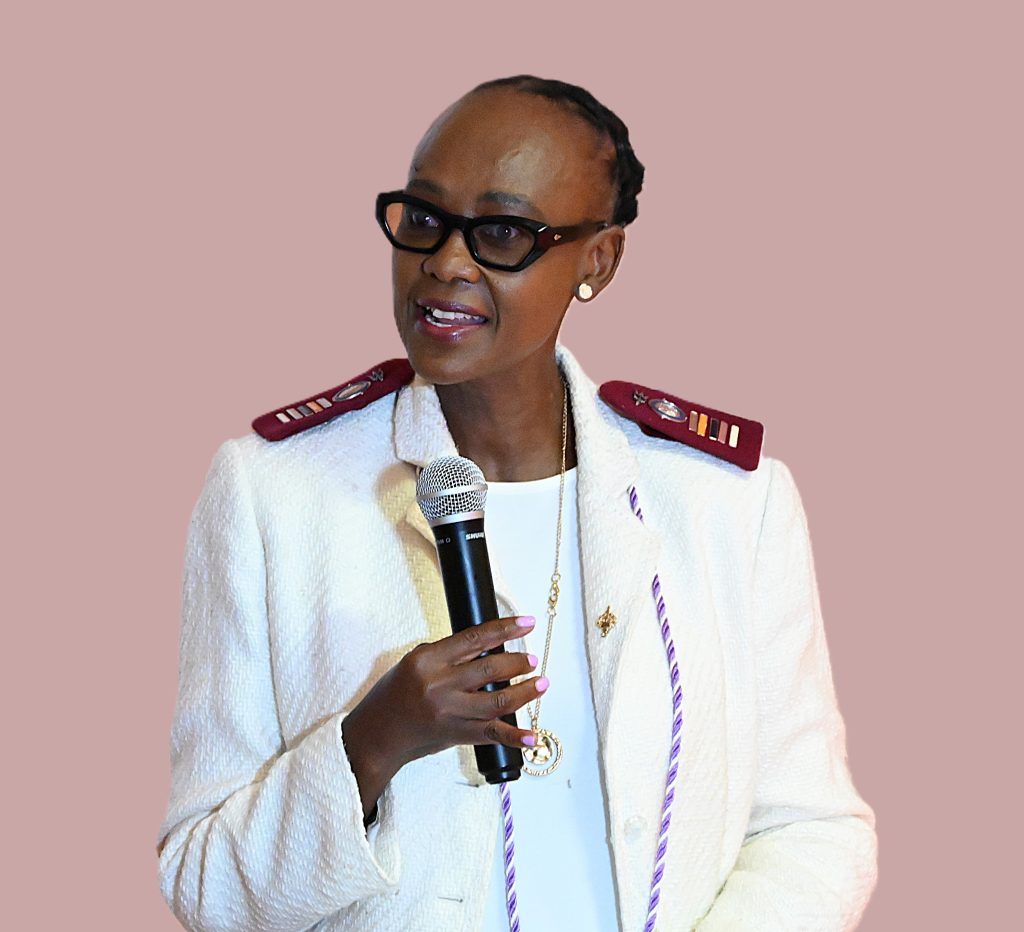 Speaking on the announcement, Professor Phetlhu expressed her elation. “I was overjoyed, particularly because I will be working with young academics, some of whom have never worked on major grants before. Being selected among the top 22 worldwide is a significant honour.”
The three-year project (2025–2027) aims to develop a culturally responsive intervention to enhance the psychological resilience and well-being of young people in South Africa, Ghana, and Tanzania. The research will be grounded in the relational well-being (RWB) theory and principles of Ubuntu, integrating culture, socio-economic contexts, and environmental stressors into its approach.
“Personally, this award affirms my commitment to impactful research,” said Phetlhu. “Professionally, it highlights the critical role nurses can play in emerging areas of health sciences. As the first line of defence in healthcare, nurses are uniquely positioned to lead research that transcends traditional boundaries.”
The project will begin by investigating youth awareness, cultural narratives, and environmental anxieties linked to climate change, before developing and piloting a targeted intervention. Innovative methodologies such as photovoice and vignettes will be employed to capture lived experiences, while technologies like RedCap will ensure secure data handling.
Funding allocation reflects the project’s community-driven ethos. Equipment such as laptops, cameras, and audio recorders will be acquired early on, but the bulk of resources are earmarked for operational costs, particularly youth engagement and travel. Administrative support across the three countries is also a key consideration.
Each project year has clear milestones:
- 2025: Understanding youth climate awareness and mental health practices across three African contexts.
- 2026: Development of an integrated, culturally grounded intervention framework.
- 2027: Implementation of a scalable model for African youth mental health resilience, potentially redefining wellbeing from a continental perspective.
“This research is urgent,” Phetlhu explains. “Globally, climate change is a daily conversation, but in Africa, the link to mental health—especially among youth—is often overlooked. From funeral queues to community gatherings, I’ve asked people their thoughts, and the lack of awareness is concerning.”
The project is proudly transdisciplinary, involving youth-centred NGOs, sociologists, environmentalists, and educational psychologists from South Africa, Ghana, and Tanzania. SMU will host the lead PhD student and two master’s candidates in later stages, while early-career researchers from the institution are included as co-investigators.
The long-term goal is to influence youth mental health policy and practice. “Mental health is becoming a global pandemic. The next generation will carry the heaviest burden of climate change, and they must be equipped with resilience and leadership skills,” Phetlhu said.
She has already initiated engagement with government and sector stakeholders. “I don’t want them to only hear about the project at the end. Their involvement from the start is essential for sustainability.”
Prof Phetlhu also extended gratitude to the SMU Grants Office. “Ms Winnie Motsatsi was phenomenal, supporting me through every step, arranging a reviewer, and accommodating my schedule. I couldn’t have done it without her.”
To fellow researchers at SMU, Phetlhu had a message of inspiration: “Take a risk. Even if it doesn’t work the first time, it’s worth trying. Surround yourself with people who share your work ethic. It might just happen.”
As the project is currently underway, Phetlhu hopes to ignite a continental dialogue on youth wellbeing and climate resilience. “Africa’s future depends on it. Let us prepare our youth to carry the baton with strength and purpose.”
By Tumelo Moila
by Lorato | Jun 25, 2025 | All News, Alumni, SMU Media, Student Media
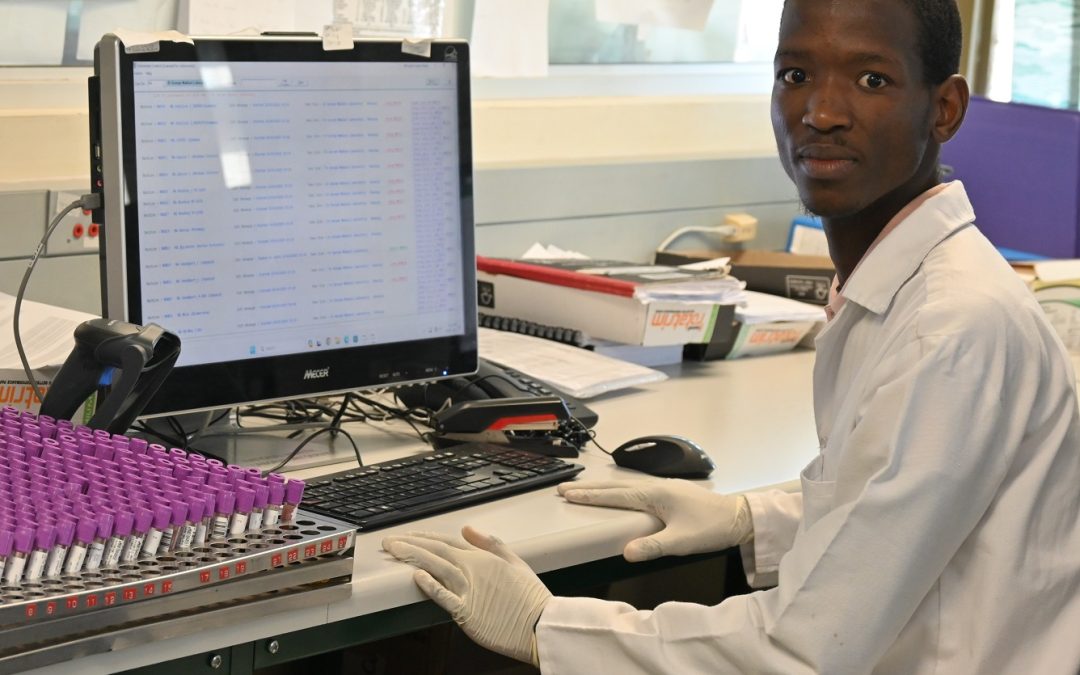
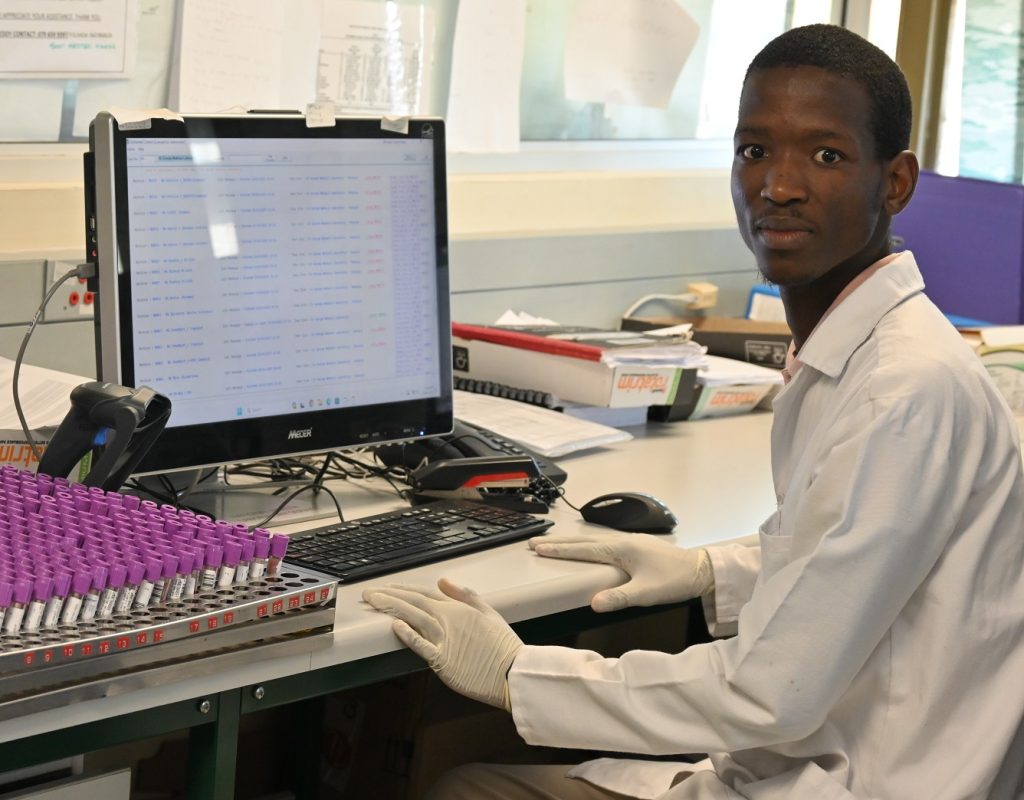
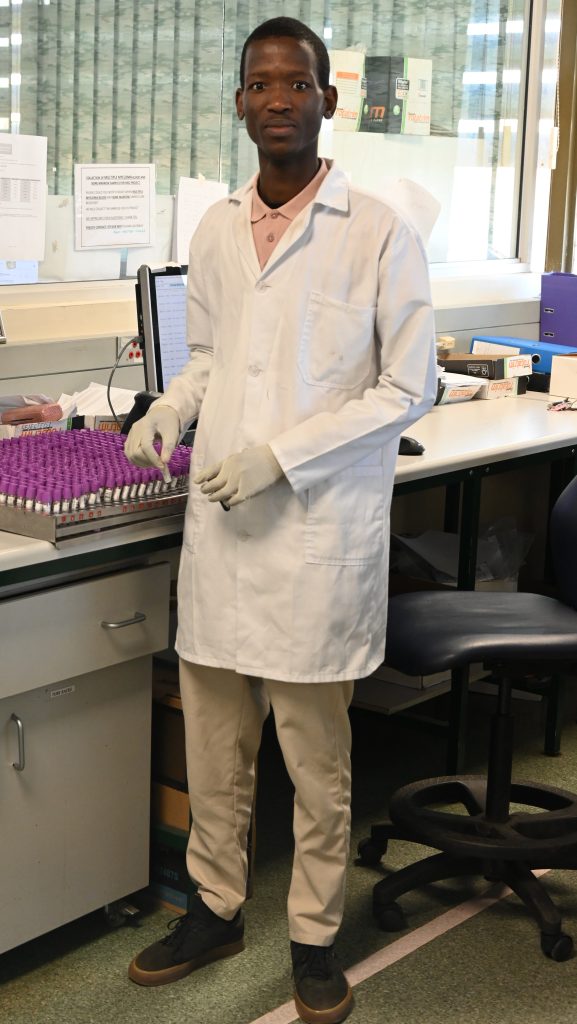
What began as a childhood curiosity in the township of Ezinketheni has flourished into a mission-driven scientific pursuit, led by Malibongwe Ngcobo, a young researcher determined to transform healthcare through innovation in haematology. A story rooted in personal loss, faith, and academic excellence, Ngcobo’s journey reflects the spirit of resilience and visionary thinking cultivated at Sefako Makgatho Health Sciences University (SMU). With every blood sample he analyses, he brings a deeply personal commitment to excellence, redefining what it means to lead with both compassion and scientific rigour in South Africa’s evolving healthcare landscape.
 After the passing of his biological mother, Ngcobo moved to Ezinketheni, Pietermaritzburg, at the age of four and was lovingly raised by his aunt and her husband, whom he honours as his parents. As the only young male in a household of girl cousins, he grew up grounded in respect, humility, and dignity.
“My foster parents instilled in me the foundational qualities of manhood, especially respect for women and others,” he shared. “My mother made sure I attended church every Sunday. Her faith in God laid the foundation for my own spiritual life, which still guides me today.”
Education was a pillar of his upbringing. His mother constantly reminded him that talent alone was insufficient—academic qualifications were the key to credibility. A cousin who regularly taught him beyond the school curriculum sparked his love for learning.
His ambition to pursue science was solidified in high school after a teacher remarked that he had the makings of a scientist. But it was the loss of his mother—who died from a haematological condition—that gave him a deep, personal motivation. “I didn’t understand what had happened to her. That drove me to learn more and help others who might face the same fate.”
 In his third year at the University of KwaZulu-Natal (UKZN), Ngcobo encountered a haematology module that changed everything. “It answered questions I’d carried for years. When I learnt UKZN didn’t offer an Honours programme in Haematology, I searched for other institutions and found SMU.”
At SMU, he discovered an academically rigorous and supportive environment. “The Department of Haematological Pathology, from the secretary to the Head of Department, offered professionalism and encouragement,” he said.
For his Honours research, Ngcobo analysed 384 haematology requisition forms to assess their completeness and accuracy. The findings were striking. “Not a single form was fully completed. Even minor omissions, like missing clinician contact details, can delay critical communication and affect patient care.”
Though the data collection process was demanding, Ngcobo attributes his growth to the programme and the guidance of his supervisor, Professor Vanessa Moodley. “I learned to persevere and think critically under pressure. Professor Moodley encouraged me to view challenges creatively and holistically.”
Now serving as an Intern Biological Scientist at the National Health Laboratory Service (NHLS) at SMU, Ngcobo sees this role as a crucial step towards his goal of pursuing a PhD in Haematology. He aims to contribute innovative, evidence-based solutions that enhance diagnostics and patient care.
He is deeply committed to ethical laboratory practice and raising awareness about haematological conditions. “Every blood sample represents a life. Errors—especially during the pre-analytical phase—are unacceptable. Our role as lab professionals is critical.”
Ngcobo overcame challenges such as procrastination and self-doubt through daily discipline and the unwavering support of his department. “I began by reading just five pages a day. That small step built consistency. Believing in myself and knowing support was available made a huge difference.”
To aspiring haematologists, his message is clear: “Haematology is demanding. Opportunities are scarce. To thrive, you must be exceptional, focused, and ready to exceed expectations.”
Ngcobo’s story is not just about academic success—it is a narrative of transformation, fuelled by purpose and empathy. As he continues to build his career in haematology, he remains committed to bridging the gap between complex science and patient-centred care, ensuring that every breakthrough brings tangible benefits to those who need it most.
By Dimakatso Modise

by Lorato | Jun 25, 2025 | All News, Alumni, SMU Media, Student Media
In a proud moment for Sefako Makgatho Health Sciences University (SMU), Dr Karmishtha Maharaj was conferred with a PhD in Pharmacy during the university’s recent autumn graduation ceremony. Her achievement is not only a personal milestone but a significant contribution to advancing pharmacovigilance within the private healthcare sector, particularly in the context of HIV treatment in South Africa.
 Now 39 years old, Dr Maharaj is currently based at Ampath Laboratories in Centurion, where she serves as a Pharmacogenomics Specialist. Her professional journey with Ampath spans over 13 years, beginning in 2011 as a Phlebotomy Facilitator. Originally from Newcastle in KwaZulu-Natal, Maharaj’s career has been deeply shaped by her upbringing in a close-knit family and an enduring desire to bridge patient care and pharmaceutical science.
“My interest in medicine began early,” she reflects. “From weekends volunteering at a private hospital to shadowing my uncle at his pharmacy, I was always drawn to helping others. I first trained as a nurse and later transitioned into pharmacy, blending the clinical and pharmaceutical sides of patient care.”
Maharaj’s doctoral research, conducted through SMU’s School of Pharmacy, focused on the use of routine laboratory tests as early indicators of adverse drug reactions (ADRs) in patients on Highly Active Antiretroviral Therapy (HAART). Her study, conducted at a major private HIV treatment practice in Pretoria, sought to address a critical gap in South Africa’s pharmacovigilance data, particularly within the under-researched private healthcare sector.
She strongly believes laboratory-based monitoring should become a standard in ADR surveillance. “It enables early detection of toxicity before symptoms appear, allowing timely interventions. This approach not only improves patient safety and adherence but fills major gaps in traditional pharmacovigilance, especially when managing complex cases involving multiple medications.”
Despite the private sector being relatively well-equipped, with access to electronic health records and accredited laboratories, Maharaj points out that systemic challenges remain. “There’s no coordinated pharmacovigilance framework in private care. Proactive monitoring is still underutilised, and pharmacogenomics testing is limited due to cost and lack of awareness.”
Her study reviewed 267 patient files from a private HIV clinic in Pretoria. Elevated creatinine and liver enzymes served as early warning signs of renal and hepatic toxicity. She observed that patients on concomitant medications had heightened risks, and that ART changes were most commonly associated with drugs like efavirenz and lopinavir.
“My research offers valuable insights that can contribute to national health policy,” she says. “It provides a model for integrating lab data into national pharmacovigilance frameworks, updating HIV treatment guidelines, and improving surveillance beyond clinician reporting.”
She is also eager to expand the research to public health settings and rural areas. “We need to ensure the research represents the broader HIV population. Exploring regional differences and building scalable, risk-based models could strengthen provincial and national responses to HIV care.”
Looking ahead, Maharaj envisions several research paths, including prospective studies, cost-effectiveness analysis of lab-based surveillance, and the feasibility of implementing pharmacogenomic testing and therapeutic drug monitoring locally.
She also hopes to see her findings incorporated into national medical training and treatment guidelines. “Empowering healthcare providers with these tools through education would support a more predictive, personalised approach to care.”
Completing a PhD while working full-time was no small feat. “It required planning, discipline, and self-care. My support system—family, mentors, friends—was essential. There were moments of doubt and setbacks, but also incredible breakthroughs that reminded me why this work matters.”
Now that she has earned her PhD, Maharaj plans to continue blending academic research with public engagement. “I want to raise awareness around drug safety and help integrate personalised medicine into routine care.”
She hopes her legacy is one of improved patient safety and inspired future researchers. “For young women from underrepresented backgrounds, I say: believe in your potential. Your voice matters, and your journey can change lives.”
Summing up her journey, Maharaj shares, “The rewarding challenge of pioneering new paths. As Elizabeth Blackwell said, ‘It is not easy to be a pioneer – but oh, it is fascinating!’”
By Tumelo Moila