by Lorato | Feb 25, 2026 | Accolades and Achievements, All News, Alumni, SMU Media, Student Media
Excellence in healthcare leadership is not accidental — it is cultivated through vision, discipline and purpose. One such example is Dr Andile Molokomme (Dr Andie), a dynamic medical doctor, entrepreneur and philanthropist who has recently added a prestigious continental accolade to her growing list of achievements. A proud alumna of Sefako Makgatho Health Sciences University (SMU), her success reflects the calibre of globally competitive and socially responsive graduates produced by the institution.
 Dr Molokomme was honoured at the esteemed 40 Under 40 Africa Awards, where she emerged as the winner in the Philanthropy and Charity category. The ceremony, held on 14 February 2026 at the elegant Kempinski Hotel Gold Coast City in Accra, Ghana, brought together influential leaders, entrepreneurs and dignitaries from across the African continent. Among those in attendance were traditional Ghanaian leaders and ambassadors from South Africa and Zimbabwe, underscoring the significance of the occasion.
Launched in 2022, the 40 Under 40 Africa Awards celebrate young African leaders under the age of 40 who are demonstrating innovation, resilience and transformative leadership in their respective fields. The awards have since expanded into several African countries, including South Africa, and have, in recent years, positioned themselves on the global stage. The 2026 global edition is scheduled to take place in Dubai in April.
This year’s competition was fiercely contested. Out of 150 entries from 28 countries, 110 finalists were selected across 40 categories, with only 46 winners ultimately announced. Dr Molokomme stood out among six finalists in her category.
“There were 150 entries from 28 countries, 110 finalists and only 46 winners — and I was one of them under the Charity and Philanthropy category. My category had six contestants,” she said.
Describing the achievement as both personal and collective, she added: “This is a massive win for me and our organisation, as this is our first award. When I started Phenomenal Young Persons, it was never about the limelight but impact.”
The founder of the awards, Richard Abbey Jnr, explained the vision behind the initiative: “We named it the Forty Under Forty because 40 is the midpoint, and we also wanted to highlight and celebrate excellence, courage and ambition among Africa’s young entrepreneurs.”
 True to that vision, Dr Molokomme’s work extends far beyond clinical practice. Through her youth empowerment organisation, Phenomenal Young Persons, she has mentored and inspired young people across South Africa. Her initiatives have received endorsement from both the Department of Basic Education and the Department of Higher Education and Training, and she has established a meaningful presence in institutions such as Sefako Makgatho Health Sciences University, the University of Pretoria, Tshwane University of Technology and several Technical and Vocational Education and Training colleges.
Her journey reflects a multidimensional approach to leadership. An alumna of Sefako Makgatho Health Sciences University, Dr Molokomme embodies the institution’s commitment to producing graduates who are not only academically proficient but socially conscious and ethically grounded.
Her entrepreneurial spirit was ignited during her university years, leading to the establishment of AndiBeauty — a cosmetic brand rooted in empowerment rather than vanity. “I didn’t want just another beauty label,” she explained. “I wanted one that uplifted women.”
What began as a retail concept has since evolved into AndiBeauty Spa, offering medical-grade aesthetic treatments alongside brief wellness consultations and healthcare referrals. By integrating beauty, wellness and preventative healthcare, she has created an innovative model that reflects her medical background and passion for holistic wellbeing.
For Sefako Makgatho Health Sciences University, this continental recognition is a powerful affirmation of its mission to nurture leaders who make meaningful contributions beyond the lecture hall. Dr Andile Molokomme’s achievement demonstrates how education, when anchored in purpose and service, can translate into impact across borders.
As the awards prepare for their global showcase in Dubai, her story stands as an inspiring reminder that Africa’s future is being shaped by young leaders who are bold enough to dream, disciplined enough to work and committed enough to serve. Among them is an SMU alumna whose influence now reaches far beyond South Africa’s shores.
By Dimakatso Modise

by Lorato | Feb 25, 2026 | All News, SMU Media, Student Media
In a moment defined by ambition and possibility, Sefako Makgatho Health Sciences University (SMU) placed its students at the centre of a significant international engagement, welcoming a distinguished French mathematics delegation to campus. The meeting was not a ceremonial exchange, but a dynamic platform where postgraduate students and academics interacted directly with global research leaders. For many students present, the discussions signalled more than collaboration; they represented access to international research networks, joint supervision, academic mobility, and new postgraduate pathways capable of reshaping their scholarly futures.
 The delegation represented the Centre National de la Recherche Scientifique (CNRS), specifically CNRS Mathematics, and engaged in discussions connected to the International Mathematical Sciences Academy (IMSA). These engagements form part of broader strategic collaborations between CNRS and the University of the Witwatersrand (Wits University), aimed at strengthening global research integration through a proposed International Research Laboratory.
Professor Sophie Niang-Dabo, nominated by CNRS Mathematics to serve as Co-Director of the envisaged International Research Laboratory, outlined the scope of opportunity embedded in the proposal. She explained that establishing a CNRS–IMSA International Research Laboratory would create a sustained research ecosystem. For students, this would translate into international co-supervision, doctoral mobility between France and South Africa, structured research exchanges, and participation in collaborative scientific programmes.
She further emphasised inclusivity. Partnerships of this scale, she noted, must widen participation in global research spaces and include institutions that play transformative roles within their national contexts.
Celine Montbellier, International Programme Manager at CNRS Mathematics, elaborated on the structural benefits of the model. The Centre National de la Recherche Scientifique, she explained, establishes International Research Laboratories to ensure long-term collaboration rather than short-term academic visits. Through this framework, postgraduate students may access joint doctoral supervision, research residencies in France, international seminars, and collaborative publications—mechanisms that directly strengthen academic progression.
 At SMU, the delegation was welcomed by Professor Sechene Stanley Gololo, Deputy Dean of the School of Science and Technology, who positioned the engagement within the University’s developmental mission. As a historically disadvantaged institution, he stressed, SMU must be deliberate in leveraging every opportunity presented to it.
Professor Gololo indicated that the University intends to explore and utilise all opportunities introduced by the delegation and, hopefully, exhaust them fully, as they hold immense value for a previously disadvantaged university such as SMU. He underscored that the students present at the meeting were not observers, but primary beneficiaries. Access to international research laboratories, mobility programmes, and joint supervision, he said, has the potential to significantly expand their academic horizons and contribute to equity and advancement.
Providing strategic context, Professor Emeritus Loyiso G. Nongxa, Chairperson of the Interim IMSA Strategy and Steering Committee, reflected on the evolution of the initiative. Over the past eighteen months, sustained engagements with colleagues at the Centre National de la Recherche Scientifique Mathematics have shaped the proposal. Securing mathematical sciences as a pillar of the Wits University–Centre National de la Recherche Scientifique International Research Centre was a deliberate move, and the proposed International Research Laboratory extends that vision through a formal, long-term collaborative structure.
Professor Nongxa highlighted the broader national significance of IMSA, established to broaden the work of the Centre of Excellence for Mathematical and Statistical Sciences and the National Graduate Academy for Mathematical and Statistical Sciences. The creation of the International Research Laboratory, he noted, would elevate South Africa’s global standing in mathematical sciences while strengthening postgraduate development across participating institutions, including SMU.
The programme at SMU was directed by Professor Maggie Aphane, Head of the Department of Mathematics and Applied Mathematics, who linked the collaboration to the University’s health sciences focus. She observed that SMU’s strength lies in the intersection of mathematical theory and health applications, including biostatistics, epidemiological modelling, computational mathematics, and data science.
Throughout the engagement, students posed questions about doctoral mobility, research exchanges, and publication opportunities. The dialogue affirmed that the proposed International Research Laboratory is not abstract diplomacy, but a practical framework with direct implications for student growth.
The formal proposal for the Centre National de la Recherche Scientifique–International Mathematical Sciences Academy International Research Laboratory is scheduled for submission by 31 March 2026. While hosted by Wits University, its collaborative architecture is designed to include institutions such as SMU.
By Dimakatso Modise
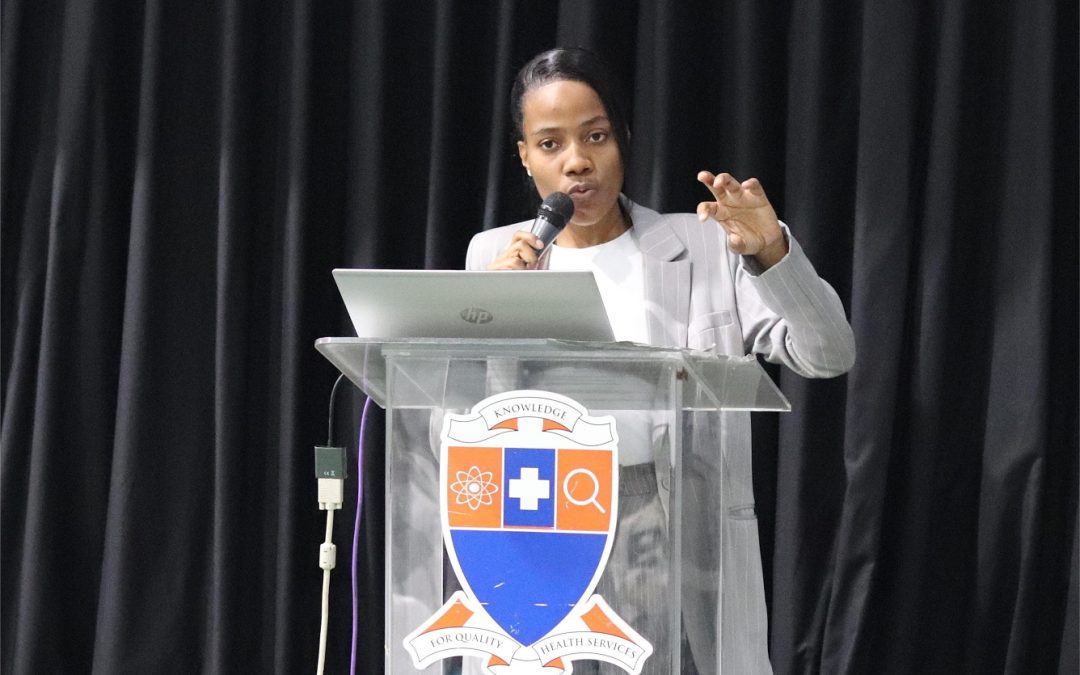
by Lorato | Feb 23, 2026 | All News, SMU Media, Student Media
As final-year students stand on the threshold between campus life and the professional world, the questions about “what comes next” often grow louder. Recognising this pivotal moment, the Department of Student Affairs at Sefako Makgatho Health Sciences University (SMU) has launched the Final-Year Readiness & Empowerment Programme (FREP), a pioneering initiative designed to guide students through one of the most defining transitions of their academic journey.
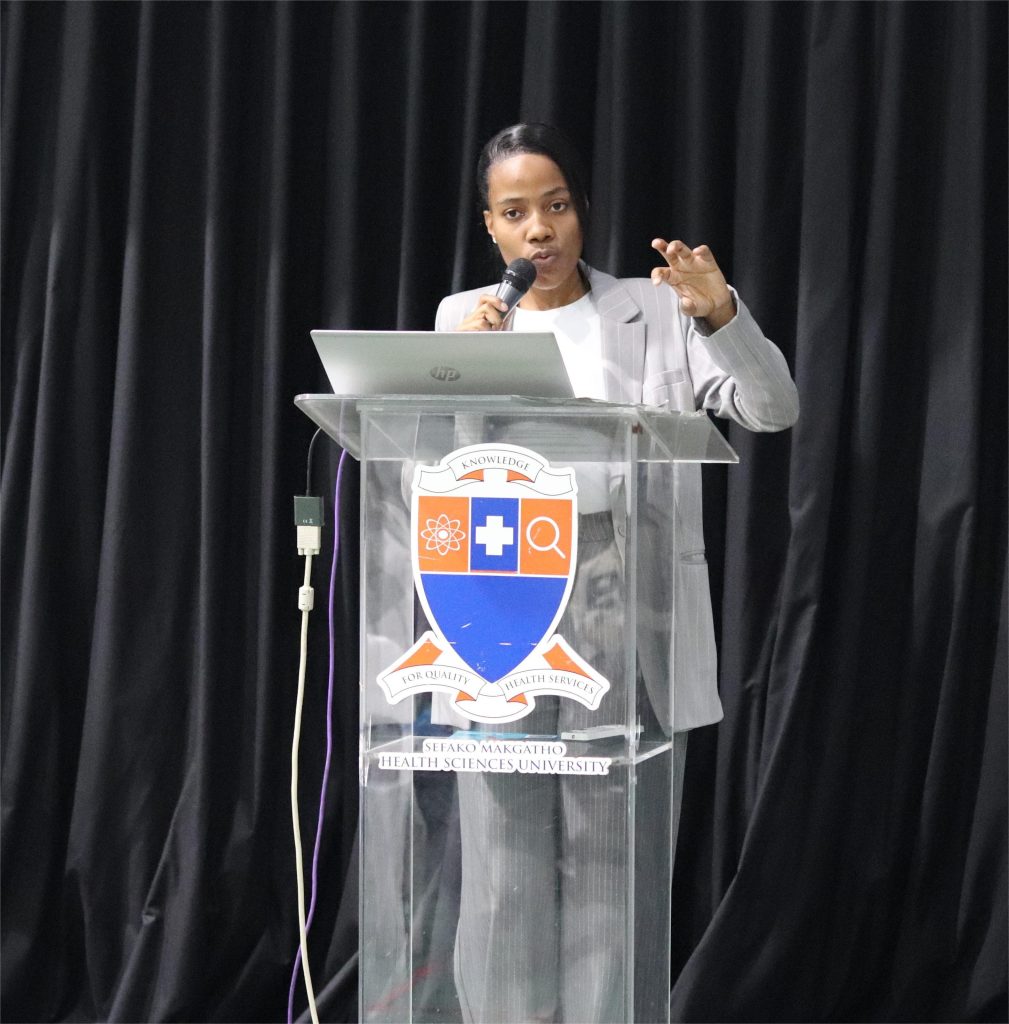 FREP is the first institutional programme at SMU dedicated specifically to the holistic readiness of final-year students across both professional and academic qualifications. It acknowledges that the final year is not only about completing coursework, but also about preparing mentally, emotionally and professionally for life beyond graduation.
Opening the launch, Deputy Director: Campus Health and Counselling, Tshidiso Ntshabele, emphasised the importance of structured support during this critical phase. “The final year represents a turning point in a student’s journey. It is a period filled with anticipation, but also uncertainty. As a University, we must ensure that our students are equipped not only with knowledge, but with resilience, confidence and clarity about their next steps,” he said.
The initiative forms part of the broader strategic focus of the Department of Student Affairs under the leadership of Director Tulani Nkuntse, whose portfolio continues to prioritise student wellbeing, success and graduate preparedness through targeted developmental programmes.
The programme overview was presented by Lesego Tsima, Social Worker in the Department of Student Affairs and coordinator of FREP. She outlined a comprehensive plan of activities that will run throughout the academic year, combining career-readiness workshops, postgraduate preparation guidance, mental health support conversations, and sessions focused on identity and purpose development.
“FREP is intentionally practical and interactive,” Tsima explained. “Students will actively develop their CVs, refine their professional profiles, engage directly with alumni and employers, and build career strategies while they are still completing their studies. Our goal is to ensure that no student feels alone or unprepared as they approach graduation.”
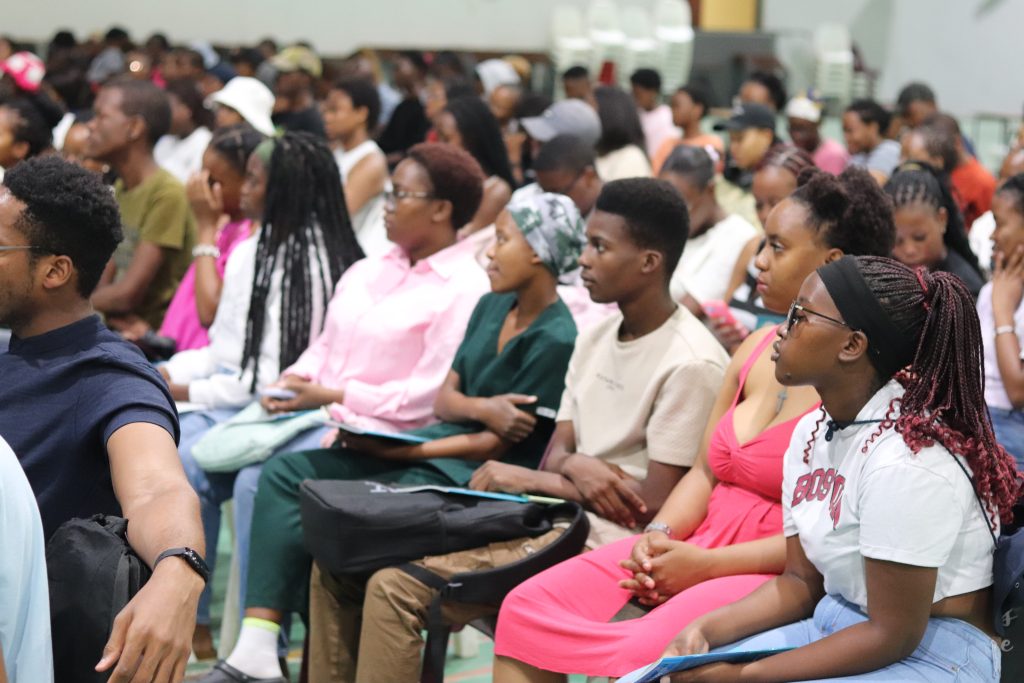 An external perspective was shared by the South African Graduate Employers Association (SAGEA), which partnered in the launch to provide insights into workplace expectations and graduate employability. The collaboration underscored the value of aligning higher education initiatives with employer networks to strengthen the transition from university to the world of work.
The launch further amplified student voices, offering a platform for honest reflection on the realities of navigating the final year.
Mbulelo Tlali, a Bachelor of Science in Mathematical Sciences third-year student, spoke candidly about the uncertainty that accompanies the transition. He said he is “feeling anxious about what next year holds and hopes that FREP will help ease those uncertainties.” At the same time, he shared that he is excited about the opportunities the programme may provide and eager to develop new skills that will enhance his professional readiness.
Sanele Mhlongo, a Bachelor of Science in Life Sciences third-year student, echoed similar concerns. He said he is “unsure of what to expect and is looking forward to gaining guidance and support through the programme.” Reflecting on the initiative, he added that being included in the programme provides a renewed sense of direction and motivation as he prepares for life after graduation.
Ray Wenzile, a Bachelor of Science in Mathematical Sciences third-year student, described the initiative as a source of reassurance. He noted that “participating in FREP gives hope that anxieties can be managed more effectively and that students will feel more prepared for the challenges ahead.” He also highlighted the importance of connecting with peers facing similar transitions, emphasising that such engagements support both personal and academic growth.
The Final-Year Readiness & Empowerment Programme will be delivered through a combination of cross-cutting and school-specific engagements tailored to the diverse needs of SMU students.
Through FREP, the Department of Student Affairs reaffirms SMU’s commitment to cultivating graduates who are not only academically competent, but also emotionally grounded, career-ready and confident to step into their next chapter with purpose.
By Dimakatso Modise
by Lorato | Feb 23, 2026 | Accolades and Achievements, All News, SMU Media, Student Media
Sefako Makgatho Health Sciences University (SMU) has entered a bold and transformative chapter under the leadership of its Vice-Chancellor and Principal, Professor Tandi Matsha-Erasmus, whose vision for institutional renewal, academic expansion and sustainable growth continues to reshape the trajectory of the University.
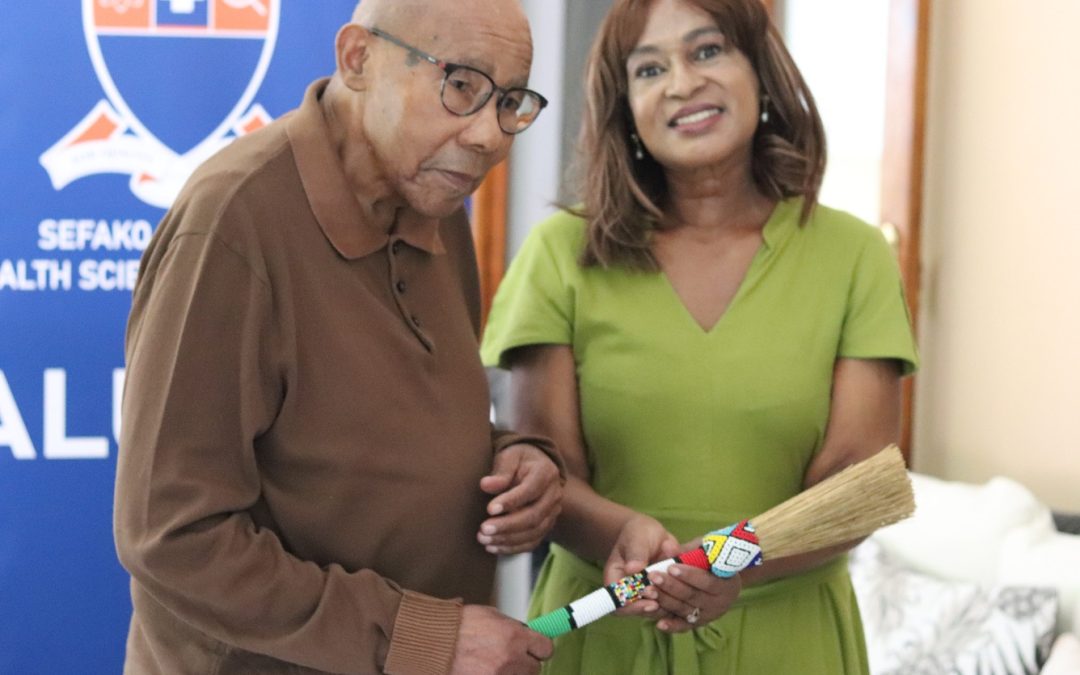
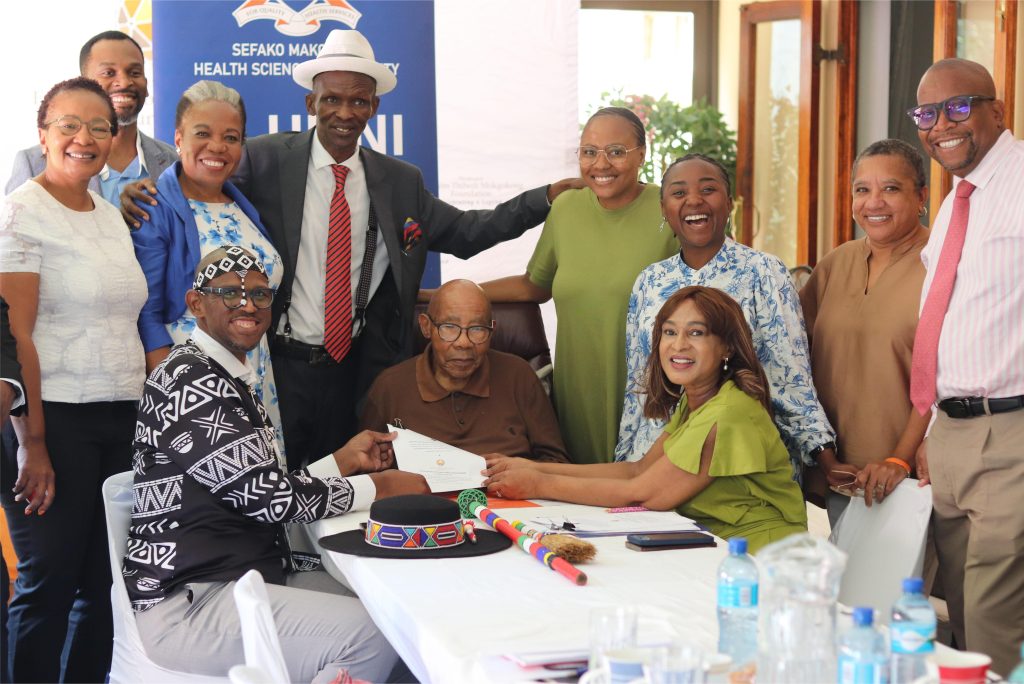 In a landmark engagement, SMU formally visited the Professor Ephraim Thibedi Mokgokong Foundation, culminating in the signing of a strategic Memorandum of Understanding (MoU). The agreement signifies more than institutional collaboration — it represents a shared commitment to academic excellence, leadership development and meaningful community engagement in the Health Sciences.
The MoU seeks to formalise a strategic partnership that promotes joint initiatives, commemorative programmes and capacity-building efforts. It further lays the foundation for dynamic programmes to be developed through ongoing engagement with University stakeholders.
Under this agreement, the parties will collaborate to mobilise Alumni and Convocation to build a strong, engaged SMU Alumni community. They will also develop a joint framework to drive key projects, including working towards the establishment of a School of Agriculture and Veterinary Sciences, promoting research and the commercialisation of research for third-stream income, and re-establishing international partnerships to advance exchange programmes, joint research and the digitalisation of health education at SMU.
Speaking at the signing ceremony, Professor Erasmus expressed profound optimism about the future of the University. “This agreement marks a new chapter in the life of SMU. It is a declaration that we are ready to expand, innovate and lead. We are positioning SMU not only as a centre of health sciences excellence, but as a catalyst for socio-economic development,” she said. She emphasised that the partnership aligns directly with her strategic vision of strengthening institutional sustainability while broadening academic offerings.
“We are deliberate about building a university that responds to national priorities. The establishment of the School of Agriculture and Veterinary Sciences is not merely an academic ambition — it is a developmental imperative for our country.”
Professor Erasmus’s leadership has been characterised by decisive action, bold partnerships and a renewed institutional confidence. Her stewardship continues to galvanise stakeholders across sectors to rally behind SMU’s growth agenda.
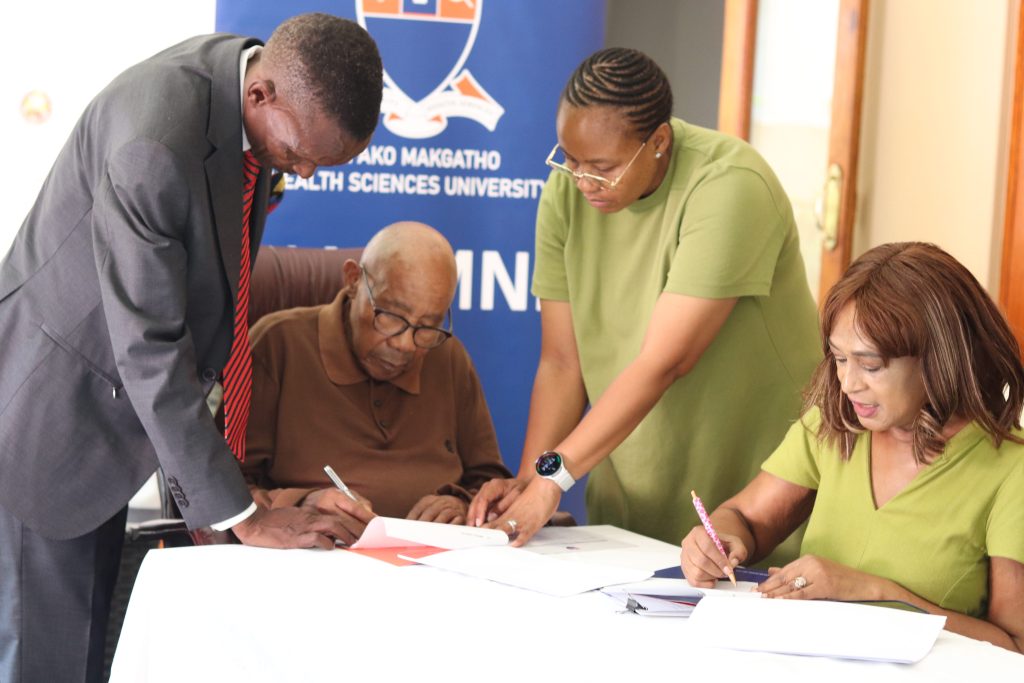 Dr Zacharia (Zakes) Kagiso Motene, Chief Executive Officer of the Foundation, affirmed the Foundation’s unwavering commitment to supporting SMU’s expansion, particularly the envisioned School of Agriculture and Veterinary Sciences.
“As a Foundation, we will work tirelessly to ensure that the establishment of the SMU School of Agriculture and Veterinary Sciences becomes a reality. We will mobilise both the private and public sectors to support this dream,” he stated.
He underscored the Foundation’s belief in collaborative development and its readiness to leverage networks and resources to strengthen the University’s capacity and infrastructure.
The proposed School of Agriculture and Veterinary Sciences has also garnered strong sectoral support. The President of the South African Veterinary Council (SAVC), Dr Nomfundo Nomsa Mnisi , highlighted the urgent need for transformation within the veterinary profession.
“The veterinary sector continues to face a significant shortage of black professionals and students. The establishment of this School will contribute meaningfully to broadening participation and ensuring that the profession reflects the demographics of our country,” she noted.
She further affirmed the Council’s commitment to the initiative: “We are excited about this development and will walk hand in hand with both the Foundation and SMU to realise this vision.” In a deeply affirming message, Professor Ephraim Thibedi Mokgokong expressed his confidence in Professor Erasmus’s leadership and her capacity to steer the University toward sustained excellence.
“I have full confidence in the Vice-Chancellor as the first black VC of this University. She has demonstrated commitment, courage and clarity of vision. I know she will get the job done,” he said.
He also encouraged the broader SMU community to unite behind the Vice-Chancellor’s leadership. “I urge staff and students to support the Vice-Chancellor as she leads this institution into its next phase of growth. Institutional success requires collective commitment.”
The signing of this MoU signals more than collaboration — it reflects momentum. Under Professor Erasmus’s leadership, SMU is reasserting its place as a forward-looking institution committed to academic excellence, research innovation and societal impact.
By strengthening alumni networks, advancing research commercialisation, rebuilding international partnerships and expanding into Agriculture and Veterinary Sciences, SMU is positioning itself as a comprehensive, transformative university rooted in African realities and global relevance.
This partnership stands as a testament to visionary leadership and shared purpose. As Professor Erasmus continues to work diligently to elevate SMU’s profile and performance, the University community is witnessing the tangible results of strategic, focused and courageous leadership. Indeed, a new era has begun at SMU — and it is being shaped with conviction, collaboration and confidence.
By Dimakatso Modise
by Lorato | Feb 19, 2026 | All News, SMU Media, Student Media
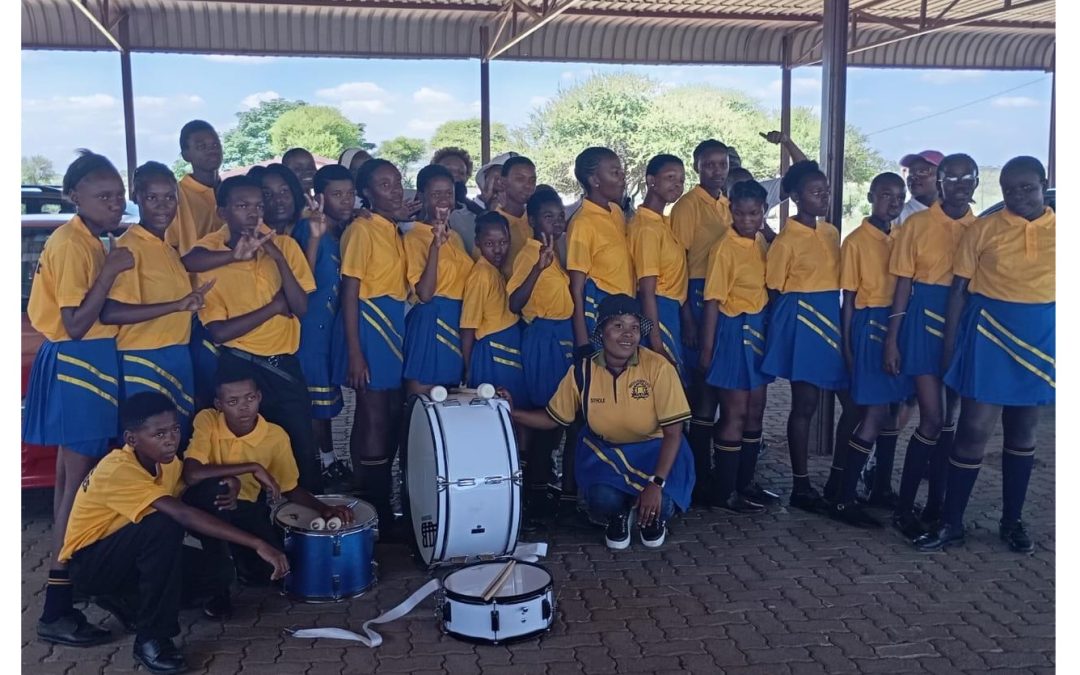
Community engagement remains a cornerstone of the mission of the Sefako Makgatho Health Sciences University (SMU), reflecting a sustained commitment to social responsibility and educational advancement. At the heart of this commitment is the Diphetogo Secondary School Project, an initiative led by the University’s Library and Information Services (LIS) that continues to transform access to knowledge and strengthen academic literacy among secondary school learners.
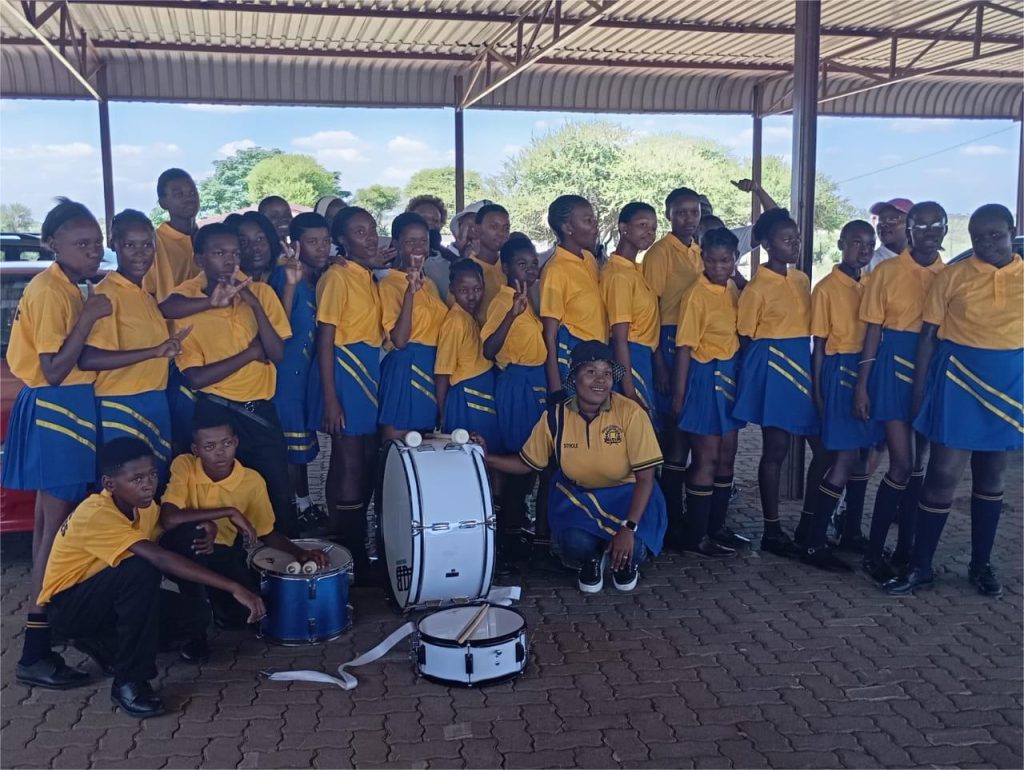 Rooted in partnership and collaboration, the project was established in 2024 to address specific challenges identified at Diphetogo Secondary School. Through a consultative process involving school leadership and educators, the LIS team conducted joint needs assessments to better understand the barriers affecting learner performance. These included limited access to quality information resources, low levels of reading proficiency and gaps in academic literacy, particularly among learners in Grades 8 to 10.
From the outset, the project was designed as a collaborative intervention rather than a unilateral outreach effort. School management and educators became active partners in shaping the programme’s objectives and implementation strategies. Reading and academic support programmes were co-developed and aligned with the school’s academic calendar to ensure relevance and sustainability. This approach fostered shared ownership and accountability, reinforcing the principle that community development is most effective when built on mutual trust and collective action.
Dr Rirhandzu Mhinga, Director: Library and Information Services, emphasised the importance of this partnership-driven model. “Our engagement with Diphetogo Secondary School is not a once-off intervention. It is a structured and sustained collaboration that places the needs of learners at the centre of every activity,” she said. “By working closely with educators and school leadership, we ensure that our literacy programmes are contextually relevant and academically meaningful.”
The initiative is led from the Library and Information Services side by Ms Mmakgoshi Prescilla Reetseng, Senior Librarian at SMU. Her leadership has been instrumental in coordinating programme delivery, facilitating mentorship sessions and strengthening the integration of library resources into learner support activities. Under her guidance, the project has evolved into a dynamic platform that extends the University’s academic expertise beyond campus boundaries.
Prof Dini Mawela, Deputy Vice-Chancellor: Academic and Research, commended the LIS team for advancing the University’s community engagement mandate. “The Diphetogo Secondary School Project demonstrates how academic institutions can serve as catalysts for social transformation,” she noted. “By leveraging the expertise within our Library and Information Services, we are contributing directly to learner development and educational equity.”
In addition to literacy development, the project encourages a culture of reading and independent learning. Learners are introduced to structured reading sessions, guided academic support and exposure to curated learning materials. Various SMU departments contribute expertise to the initiative, strengthening interdisciplinary collaboration and enhancing mentorship opportunities. These collective efforts reinforce the University’s broader vision of empowering communities through knowledge access and sustainable partnerships.
The project’s meaningful contribution to literacy development and community upliftment has now been formally recognised. The South African Library and Information Trust (SALI Trust) has awarded a grant to SMU Library and Information Services in support of the project titled “Empowering Learners through Library and Literacy Services: A Community Development Project for Diphetogo Secondary School and SMU.” The grant strengthens the programme’s capacity to expand reading initiatives, provide additional learning resources and deepen academic support.
Dr Mhinga expressed pride in the recognition. “The support from the SALI Trust affirms the impact of our work and strengthens our ability to scale our interventions responsibly and sustainably,” she said. The LIS has formally submitted the required Grant Acceptance Form and a letter of appreciation to the SALI Trust Board, reaffirming its commitment to sound governance and accountability.
As the partnership continues into early 2026, plans are underway to broaden reading programmes, enhance resource provision and further strengthen academic guidance. Through sustained collaboration and strategic support, SMU continues to demonstrate that meaningful community engagement is both a responsibility and a powerful instrument for lasting educational change.
By Dimakatso Modise

by Lorato | Feb 19, 2026 | All News, SMU Media, Student Media
In the quiet town of Mookgophong—known to many as Naboomspruit in Limpopo—a young boy once stood beside two remarkable women selling fried fish and second-hand clothes to survive. Today, that same boy is a respected mathematics educator, entrepreneur, and proud alumnus of Sefako Makgatho Health Sciences University (SMU), transforming the academic trajectories of thousands of learners across South Africa.
 Thapelo Rafapa’s story is one of resilience, redemption, and divine purpose. Raised by his grandmother and her sister, Rafapa grew up witnessing unwavering determination. “My grandmothers were my first example of strength,” he reflects. “They never allowed circumstances to define them. Watching them work tirelessly planted something in me—a refusal to quit.”
Yet adolescence tested that foundation. Like many young boys navigating identity and peer pressure, he drifted into destructive habits—smoking, drinking, and stealing from the very home businesses that sustained his family. His wake-up call came in Grade 10 when he received a zero for a Pure Mathematics assessment. “That zero was more than a mark,” Rafapa says. “It was a mirror. It forced me to confront who I was becoming.”
A pivotal friendship with top-performing learner Jerry Thoka became the turning point. Inspired by Thoka’s discipline, Rafapa recalibrated his focus. By the end of the year, he ranked second in Mathematics. Together, the two friends held extra classes for classmates and committed to late-night study sessions. That same year, Rafapa gave his life to Christ—a decision that grounded his academic and personal transformation.
After matric, financial barriers threatened to derail their ambitions. Though accepted into universities including Wits, registration fees were unaffordable. Determined not to remain idle, they enrolled in an engineering N-course in Witbank, enduring nights sleeping at a police station and long walks to classes—only to discover the college was unregistered. “It felt like everything was collapsing,” Rafapa recalls. “But we refused to surrender.”
Hope arrived three weeks later. SMU—then widely known as Medunsa—offered them places in a BSc programme, but registration required R5 000. In an extraordinary turn of events, strangers stepped in. A doctor from Cape Town sponsored Thoka, while Dr. Mathosa, an SMU graduate from Rafapa’s township, offered to fund his studies. “I still call him my angel in human form,” Rafapa says. “He didn’t just pay fees. He restored my dignity.”
 In 2015, Rafapa registered for a BSc in Mathematical Sciences at SMU, majoring in Mathematics and Applied Mathematics. Although his late uncle had dreamed of him studying Medicine, Rafapa knew his calling lay elsewhere. “At SMU, I wasn’t becoming a doctor,” he says with conviction. “I was becoming what I had always envisioned—a mathematician with purpose.”
University life birthed more than academic success. During his first year, Rafapa started a small prayer group that evolved into a thriving campus ministry. It was there that he met Tshidi, who would later become his wife. “SMU gave me more than a qualification,” Rafapa shares. “It gave me my life partner and a spiritual family.”
The journey was not without struggle. He repeated his third year and worked tirelessly as a tutor to support his unemployed mother. Travelling to learners’ homes after lectures, Rafapa earned income while nurturing what would become his life’s mission—unlocking mathematical potential.
After graduating, Rafapa joined Seriously Addictive Mathematics (S.A.M), a Singapore-originated programme developing foundational skills in young learners. Within a year, he was promoted to Centre Manager. But his vision extended further. In 2019, Rafapa formally registered the School of Mathematics Extra Lessons. By 2020, he had been recruited by Curro Academy in Soshanguve, where he was promoted to Subject Head of Mathematics within six months.
Research revealed a sobering truth: South Africa was the first country to introduce Mathematical Literacy as an alternative due to widespread struggles with Mathematics. For Rafapa, this was a call to action. “Too many dreams die at the hands of Mathematics,” he says. “If we change how we teach and support learners, we change the nation’s future.”
Partnering with Tsietsi Joseph Mojapelo, he co-founded SOMELPSA Tutoring Academy in Pretoria North. The academy expanded rapidly, offering multiple subjects from Grade R to Grade 12. In 2023, a Sandton branch launched under the leadership of Thoka—bringing their journey full circle.
Today, SOMELPSA employs 27 staff members and has impacted thousands of learners nationwide. One former student became the top-performing learner among Curro DBE schools, later graduating in Actuarial Science from UCT and securing a position at Deloitte.
“When my students succeed, it feels like my grandmothers’ prayers are still being answered,” he reflects.
In honour of Dr Nchaupe Pontius Mathosa, Rafapa now sponsors three high school learners, covering uniforms, books, and mentorship. SOMELPSA also provides free extra lessons to learners whose families cannot afford tutoring.
As a proud SMU alumnus, Rafapa carries forward the legacy of compassion and excellence that once carried him. His message to young people is simple yet profound: “If we join hands together, we have it within ourselves to change our nation.”
By Dimakatso Modise