by Lorato | Apr 10, 2025 | All News, SMU Media, Student Media
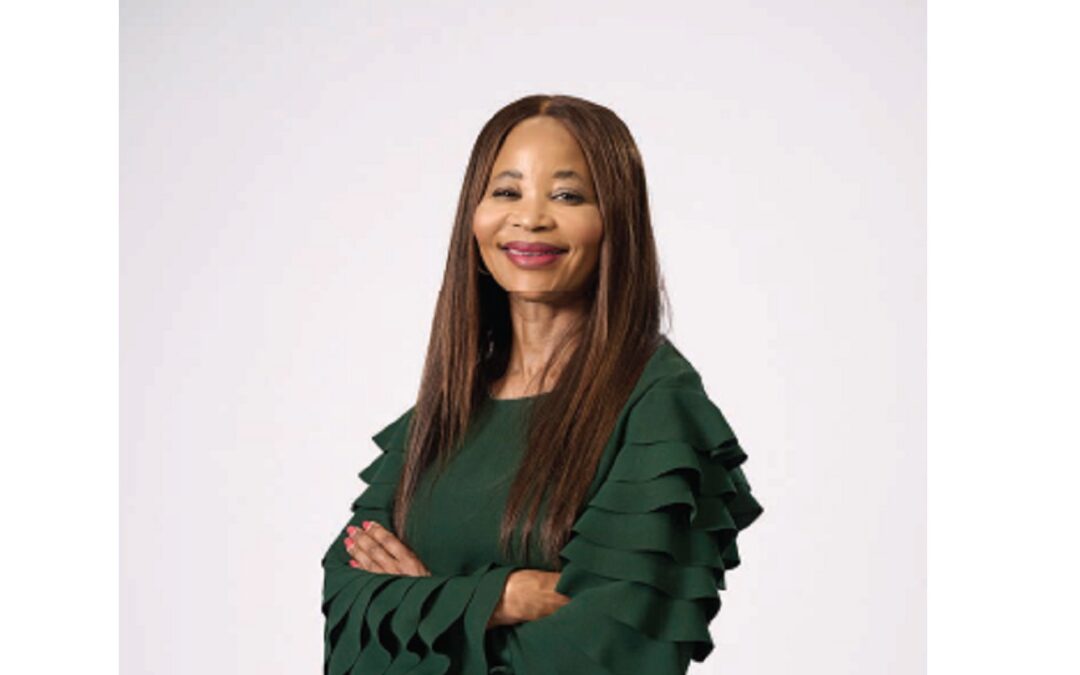
Sefako Makgatho Health Sciences University (SMU) is pleased to announce the appointment of Dr Penny Moumakwa as Chancellor. The decision was unanimously taken by the University Council at its ordinary meeting held on 3 April 2025. She will serve for a term of five years.
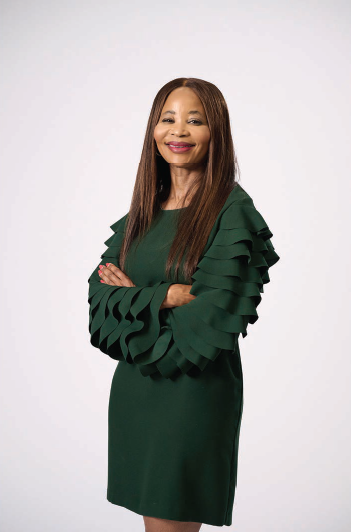 Moumakwa, a highly respected medical practitioner and executive, is an alumna of the erstwhile Medical University of Southern Africa (Medunsa), where she obtained her MBChB in 1987. Her impressive academic portfolio also includes a Management Advancement Programme from Wits Business School and a General Management Programme from Harvard Business School—testaments to her enduring commitment to education and leadership development.
Amongst other roles, she is the Founder and Chief Executive Officer of Mohau Equity Partners (MEP). Over the years, she has held several senior executive roles across the healthcare and business sectors. These include:
- Executive Head at Thlabi Family Practice (1992–1995)
- Chief Executive Officer of Transmed Medical Fund (1996–2000)
- Chief Executive Officer of the Board of Healthcare Funders (2002–2005)
- Director: Keycare Product Development at Discovery Limited (2005–2011)
- Group Head of Human Resources and Sustainability at Discovery Limited (2011–2018)
Moumakwa is widely recognised for her visionary leadership and pioneering work in healthcare and health financing. Her influence spans clinical practice, healthcare policy, corporate governance, and transformation, leaving an indelible mark on both the private and public healthcare landscapes in South Africa.
Her appointment as Chancellor reflects SMU’s commitment to excellence, transformation, and inclusive leadership.
Moumakwa brings not only a wealth of expertise but also a deep sense of purpose and integrity that will strengthen the university’s mission in health sciences education and research.
In her congratulatory message, Chairperson of the SMU Council Maria Rambauli states: “I would like to thank Dr Moumakwa for agreeing to serve the university as the Chancellor for the next five years and wish her success in this role.”
Moumakwa’s appointment marks a bold step forward for SMU as it strenghtens its mission to become a globally competitive health sciences university, guided by transformative leadership and a commitment to advancing health equity across the continent.
by Lorato | Apr 9, 2025 | All News, SMU Media, Student Media
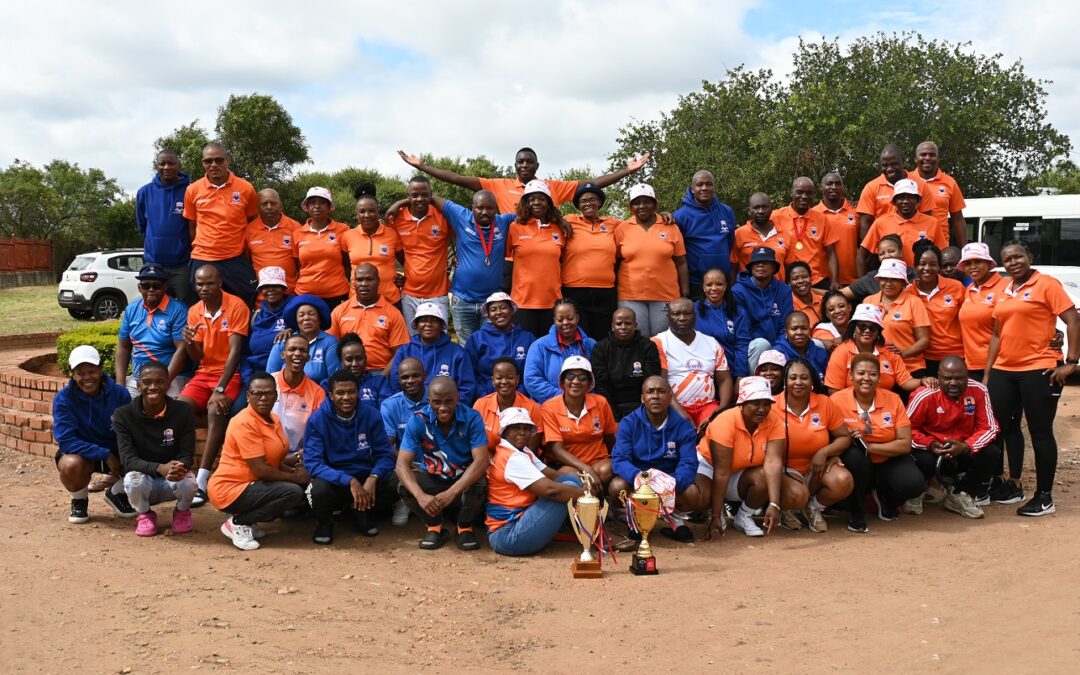
In a strong display of skill, teamwork and determination, approximately 70 members of the Sefako Makgatho Health Sciences University Staff Sports Association (SMUSSA) took part in the 13th annual SEPWLICO tournament, hosted by the University of Limpopo on Saturday, 5 April 2025. The event brought together staff teams from SMU, the Department of Public Works, the University of Limpopo, and the Department of Correctional Services (SEPWLICO).
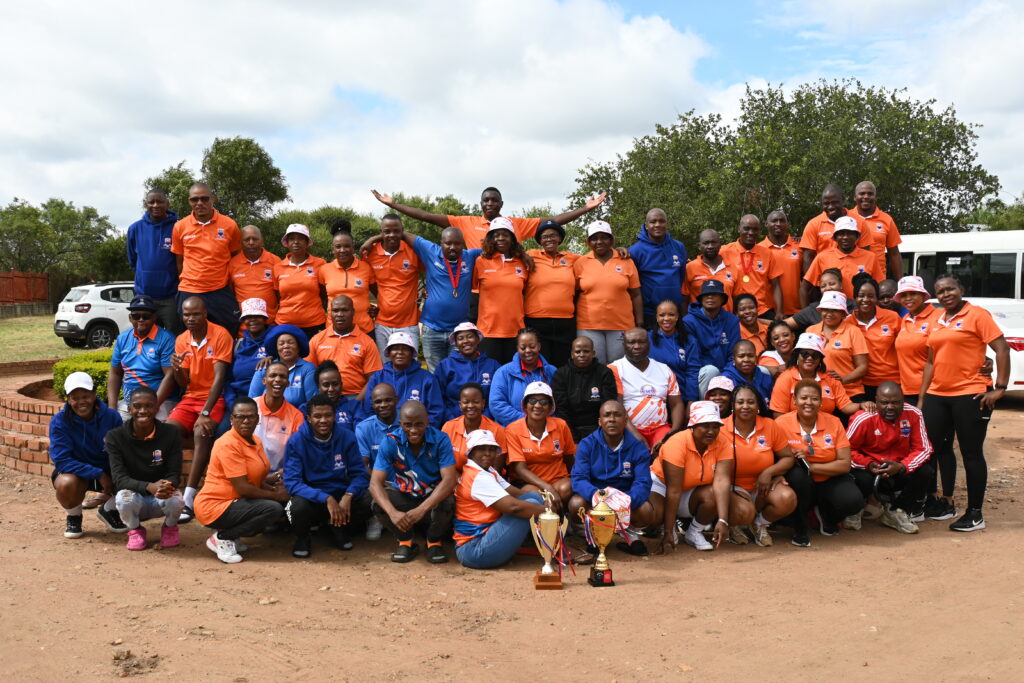 The tournament, commonly referred to as SEPWLICO, is a key platform for university and departmental staff to foster camaraderie through sport, while also sharpening their competitive edge ahead of major events. For SMUSSA, it marked an important preparatory step en route to hosting and competing against twenty other universities in the prestigious Southern African Universities Staff Sports Association (SAUSSA) Games, scheduled to take place from 7 to 13 December 2025.
SMUSSA fielded teams in aerobics, darts, football, fun walk, fun run, netball, supa pool and volleyball—demonstrating a broad commitment to sport and wellness. The teams did not disappoint, returning to Ga-Rankuwa with an impressive tally of two gold (including floating trophies), four silver and two bronze medals.
“We are absolutely thrilled with the results,” said Caroline Moeletsi, Chairperson of SMUSSA. “Our teams gave it their all—not just for the medals but to genuinely test our readiness for hosting SAUSSA 2025. The energy, discipline and sportsmanship displayed by our staff were truly inspiring.”
Gold medals and floating trophies were secured by the football and darts teams, both of which dominated their respective fixtures. The football team, in particular, showed exceptional coordination and resilience, overcoming tough opposition from the University of Limpopo and the Department of Public Works in closely contested matches. “We’ve been training hard and refining our tactics,” said Sfiso Zulu, captain of the SMUSSA football team. “Winning gold at SEPWLICO proves we are on the right track. We are ready to welcome the SAUSSA participating institutions in December with our heads held high.” Silver medals were awarded in netball, supa pool, fun walk and volleyball, while the team earned bronze in aerobics and the fun run.
For many, the tournament was about more than just medals; it symbolised broader goals of staff engagement, health promotion and institutional pride. “This event is a testament to the power of sport in fostering unity across departments and institutions,” said Poeletso Tlaka, General Secretary of SMUSSA. “We are proud of SMUSSA’s achievements and excited to see the momentum build as we approach the SAUSSA Games later this year.”
The SEPWLICO tournament also served as an important networking and benchmarking opportunity. Universities and government departments used the occasion to exchange best practices and learn from one another in areas such as sports development, wellness programmes and inter-institutional collaboration.
With just eight months to go before SMU hosts SAUSSA 2025, the SEPWLICO performance has boosted confidence among organisers and participants alike. “The road to December is still long, but this tournament gave us a clear indication that we are on track,” Moeletsi added. “We look forward to hosting our counterparts from across Southern Africa and showcasing not only our sporting talent but also our hospitality, infrastructure and SMU spirit.”
As preparations continue, SMUSSA has committed to maintaining momentum through regular training camps, wellness drives and friendly matches in the lead-up to the main event.
By Tumelo Moila

by Lorato | Apr 9, 2025 | All News, SMU Media, Student Media
In a digital world driven by content and connection, Sefako Makgatho Health Sciences University (SMU) has found its storytellers not in boardrooms or brochures but within its own student community. A new generation of SMU Student Brand Ambassadors is using creativity, authenticity, and a love for their institution to share the university’s essence with the world. From TikTok to Instagram and inspiring campus content, these student leaders are redefining brand representation and embodying the values that make SMU not just a university but a community.
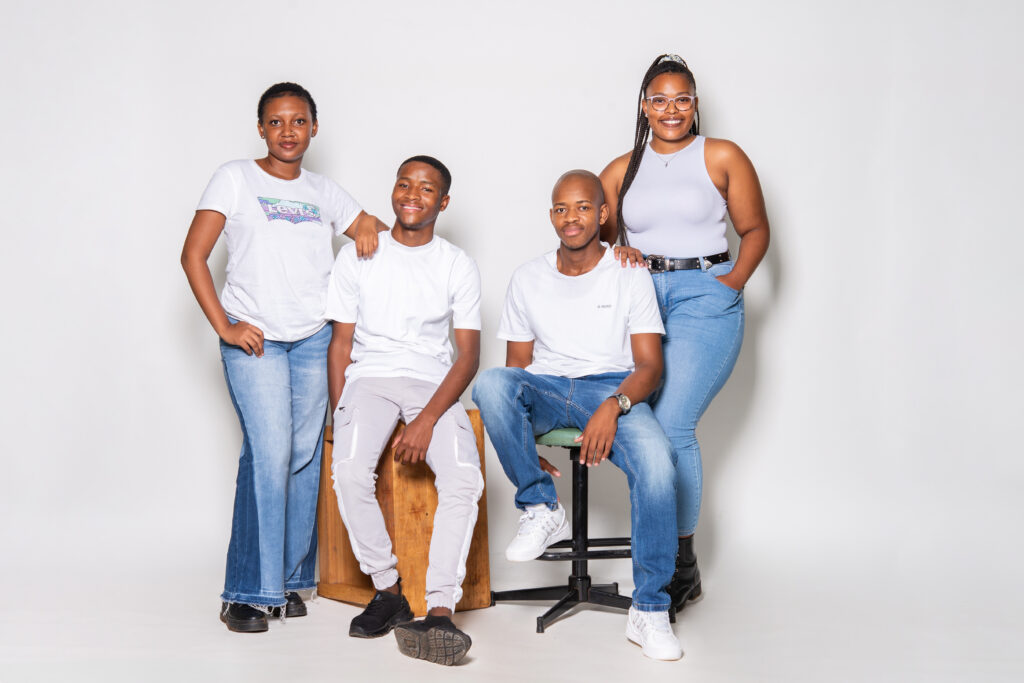 The newly selected ambassadors are not chosen for titles or popularity—but for the authenticity of their voice and the pride they wear like a badge of honour. In a crowded digital space, they rise above with content that reflects not only their personal experience but the character and vision of SMU. Their ability to translate student life, institutional excellence, and brand identity into relatable, positive content makes them true brand champions. What sets them apart is their deep love for the university—turning pride into purpose and content into connection.
What unites this vibrant group is not only their pride in SMU but also their belief in the power of narrative. For Alizwa Boco, the lens of her camera becomes a bridge to the world. “I’ve been given a platform to share the untold stories hidden within the gates of SMU,” she explains. Her goal? To inspire students and investors alike to see SMU as a hub of potential.
Echoing this is Bongani Trevor Bvuma, who sees the role as a chance to connect with current and future students and represent a brand built on trust. “SMU is one of the leading universities in teaching, learning, and innovation,” he notes. “Representing it brings both confidence and honour.”
For Bonolo Malema, it’s about being part of a legacy: “SMU is well known for producing the best doctors, scientists, dentists, pharmacists… I’m beyond proud to represent it.” Her excitement mirrors that of Mamelo Letseka, who values the exposure, teamwork and communication skills that come with being part of the programme. “It helps me grow while promoting something I genuinely love.”
Each ambassador brings a unique perspective. Mbali Ndamase is driven by a commitment to excellence, diversity and community engagement. “The university’s values align with my own,” she explains, “and I’m eager to promote that.” Rolivhuwa Rasilingani adds, “I’m thrilled to share the amazing work our students, faculty, and staff are doing to advance healthcare.”
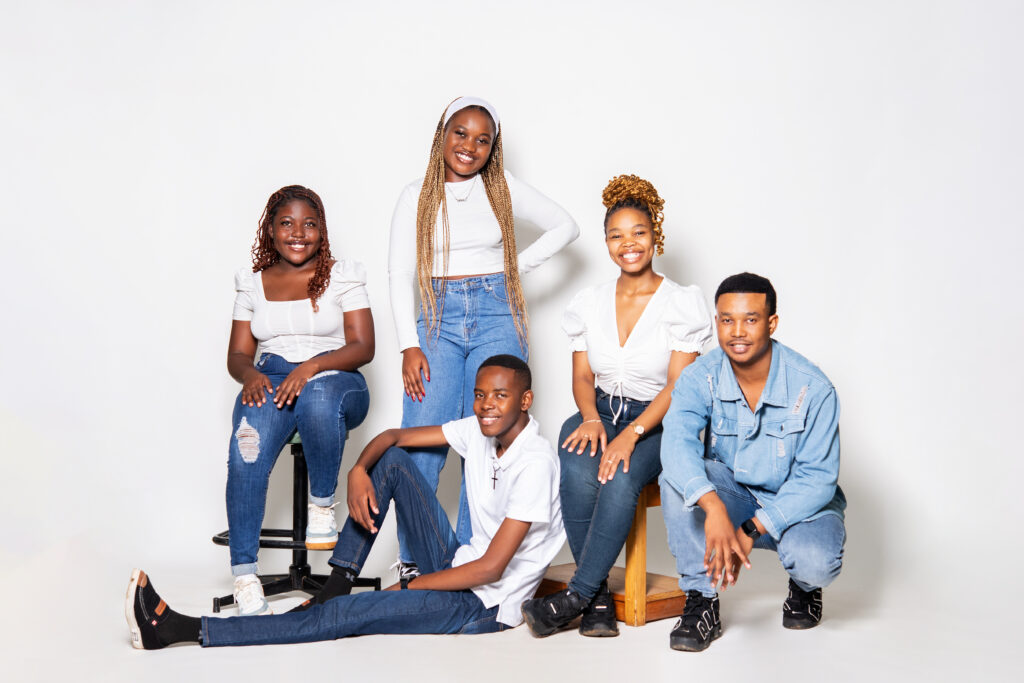 But beyond accolades and achievements, it’s the sense of belonging that resonates deeply. As Samantha Maxase passionately puts it, “Wearing the SMU emblem every day is one reason that makes me smile no matter what I might be going through. It carries so much importance.”
This sense of pride is echoed by Simamkele Talatala, who says the ambassador role allows him to share his passion and inspire others. Thapelo Mthimunye sees the position as an opportunity to lead and showcase SMU’s vibrant student experience. “SMU is a hub of academic excellence, innovation, and community-driven healthcare,” he explains.
Tsakane Pearl Nghonyama, a natural content creator, relishes the chance to represent SMU with authenticity. “SMU is home to a disadvantaged black child. The warmth and support I’ve received here is something I want others to experience too.”
Finally, Yonela Fihlani highlights the university’s progressive spirit: “SMU empowers students with knowledge and skills to excel in the health sector and make meaningful contributions to society.”
Together, these ambassadors are more than just the faces of the brand—they are its voice, heart, and future. Their stories offer a window into the soul of SMU: a progressive institution where excellence, empathy, and impact converge. Through their creativity and commitment, the world sees not only what SMU represents today, but also the boundless potential it holds for tomorrow. You can get to know each of them better through our upcoming digital features, which will be shared on SMU’s social media platforms and in the SMU Student Herald weekly eNewsletter. And when you spot them filming their next campus TikTok—don’t miss the chance to join the vlog and smile. Better yet, create your own vlog using these three hashtags: #WeAreSMU, #SMU, #ProudlySMU, and you might just get a DM inviting you to join our exclusive ambassador list—or receive some cool branded merch.
By Tshimangadzo Mphaphuli

by Lorato | Apr 9, 2025 | Accolades and Achievements, All News, SMU Media, Student Media
In a world where health challenges are increasingly complex and interwoven with social, technological and economic shifts, the need for agile, principled, and visionary healthcare professionals has never been greater. Rising to this challenge is Sefako Makgatho Health Sciences University (SMU)—a university whose impact is not only seen in lecture halls or clinical labs, but in the lives its alumni touch across South Africa and far beyond.
 The true measure of a university lies not only in the qualifications it confers but in the calibre of the individuals it sends into the world. SMU’s contribution to healthcare, both nationally and globally, can be traced through the profound influence of its alumni—many of whom occupy key leadership roles, drive medical innovation, and deliver services to communities that have historically been underserved. They are healthcare professionals, scientists, administrators, policymakers and thought leaders. Together, they represent a living, evolving embodiment of SMU’s mission.
From the bustling corridors of Dr George Mukhari Academic Hospital, where alumnus Dr Fhatuwani Godfrey Mbara leads as Chief Executive Officer, to the fast-paced world of emergency and maritime medicine championed by Dr Realeboga Sebitso, SMU graduates continue to take up space in critical sectors. Their work extends into private healthcare, too, as seen in the inspiring journey of Drs Innocent and Dikeledi Chauke, who have built a healthcare legacy rooted in excellence and service.
Beyond borders, SMU-trained professionals are making waves across the continent and in global health arenas. One such example is Elizabeth Itotia, a trailblazer who became Kenya’s first female nuclear pharmacist—her pioneering work revolutionising cancer care in her country. Whether identifying new virus variants, developing niche specialisations, or strengthening health systems in resource-limited settings, SMU alumni are increasingly recognised not just as participants in healthcare conversations, but as leaders shaping the global agenda.
But these achievements are not accidental. They are the outcome of a university culture deeply committed to excellence, equity and service. SMU’s curriculum is not only aligned with the demands of modern healthcare—it is embedded in the realities of South African society. Students are trained not just to treat illness, but to understand the systems and structures that produce health inequalities. They are taught to think critically, act ethically, and serve selflessly.
This ethos extends far beyond the academic. At SMU, leadership is nurtured through community engagement, student governance, entrepreneurship, and research. As a result, graduates emerge not only as competent professionals but as compassionate changemakers—individuals ready to lead, adapt and innovate in whichever space they find themselves.
Crucially, SMU alumni carry with them a sense of responsibility. Whether practising in urban hospitals or rural clinics, engaging in public service, or contributing to cutting-edge research, their work is underpinned by a shared value: to serve. And in doing so, they reaffirm SMU’s founding commitment—to improve the health and quality of life of all people, particularly those most in need.
The impact of SMU is, therefore, not confined to its campus. It travels through every patient healed, every system improved, and every life touched by one of its graduates. It is a living legacy, renewed each year as new cohorts enter the profession and old ones rise to new heights.
As SMU looks to the future, its alumni remain its greatest ambassadors—proof that a university rooted in service, excellence, and transformation can indeed shape the world. Their journeys are not only testimonies of personal success but also affirmations of the institution that moulded them. In their hands, the future of healthcare is not only possible—it is already unfolding.
By Tshimangadzo Mphaphuli

by Lorato | Apr 9, 2025 | All News, SMU Media, Student Media
In the high-stakes world of professional football, where players and coaches often take centre stage, the role of the physiotherapist remains quietly indispensable. For Godfrey Sepuru, an alumnus of Sefako Makgatho Health Sciences University (SMU) and the current Physiotherapist at Mamelodi Sundowns Football Club, working behind the scenes with one of Africa’s top clubs is a journey defined by passion, precision, and perseverance.
 Sepuru’s path to elite sport began humbly in Seshego, Limpopo, where a casual encounter with a local practice sparked a lifelong interest. “I actually got interested in physiotherapy when I saw a physiotherapy practice in Seshego,” he recalls. “I researched it and became interested in sports physiotherapy.”
His years at SMU laid a firm foundation for an illustrious career. “We had lecturers who were very passionate about sports physiotherapy—Julius Mathatho, Bafana Sihlali, and Dr Bhekiwe Mtshali,” he shares. “They made sure we participated in local sports events where possible. I was also helping one of the student teams, Flamingo, as a student physiotherapist.”
The support from SMU alumni and mentors like Sipho Mazibuko and Thabo Dimo, who would take students to major athletic events, left a lasting impact. “Their commitment was inspiring,” Sepuru says. “It made us believe that we belonged in professional sport.”
But the journey was not without its early struggles. “The first year was tough,” he admits. “I struggled with access to prescribed books. I had to spend long hours in the library and borrow books from classmates. It taught me discipline and hard work.”
From those humble beginnings, Sepuru went on to build a formidable résumé, working at all levels of South Africa’s national football structure. “I have actually worked at the National Teams at all levels—under-20, 23 and Bafana Bafana,” he shares. Among his career highlights are two FIFA World Cups: “2009 with Amajita in Egypt and the 2010 World Cup with Bafana Bafana.”
His expertise also extends to track and field. “I’ve covered many International Association of Athletics Federations (IAAF} events and worked with top athletes like Caster Semenya, LJ van Zyl and Khotso Mokoena,” he says. “I’ve also been involved in indoor soccer and beach football tournaments.”
 Sepuru’s break into Mamelodi Sundowns came through his national team experience. “I was recruited by the medical team at Sundowns, especially SMU alumnus Dr Carl Tabane. When the opportunity arose, it was an easy decision,” he recalls. “Coach Pitso [Mosimane] warned me to be ready for serious hard work—and he was not wrong.”
Now part of a club that dominates the local league, competes in CAF tournaments and prepares for the 2025 FIFA Club World Cup, Sepuru plays a crucial behind-the-scenes role. “Injuries like hamstring strains, ankle sprains, and muscle overloads are common,” he explains. “We use a combination of GPS tracking, cryotherapy, hydrotherapy, and data analysis to stay ahead.”
He highlights how technology has revolutionised injury prevention and treatment. “GPS tracking devices help us manage the athletes’ load—it’s an important tool to prevent injuries,” he says. “During rehab, we compare data from before and after the injury. We aim to return players to their previous condition before letting them back on the field.”
Video analysis is another key tool. “We have a department that provides footage just after an injury occurs—we can immediately assess the mechanism and intervene,” he says. Match-day communication is also vital: “If I see a player limping from the stands, I use the radio to alert the physio on the bench to prevent worsening the injury.”
As he reflects on his journey, Sepuru feels the pull of academia. “My next level is teaching—sharing my experience,” he says. “No ambitions to work at the national teams anymore… done enough. Maybe I can work at a university. I love teaching. I will consider becoming an academic,” he adds with a chuckle.
For now, though, his focus remains firmly on Mamelodi Sundowns’ historic goals. “It’s an honour to be part of this club’s success. As an SMU alumnus, it feels incredible to represent the university at this level.”
In a sport obsessed with speed, strength, and strategy, Sepuru reminds us of the steady, healing hands that keep the machine running—quietly but powerfully.
By Tumelo Moila
by Lorato | Apr 9, 2025 | All News, SMU Media, Student Media
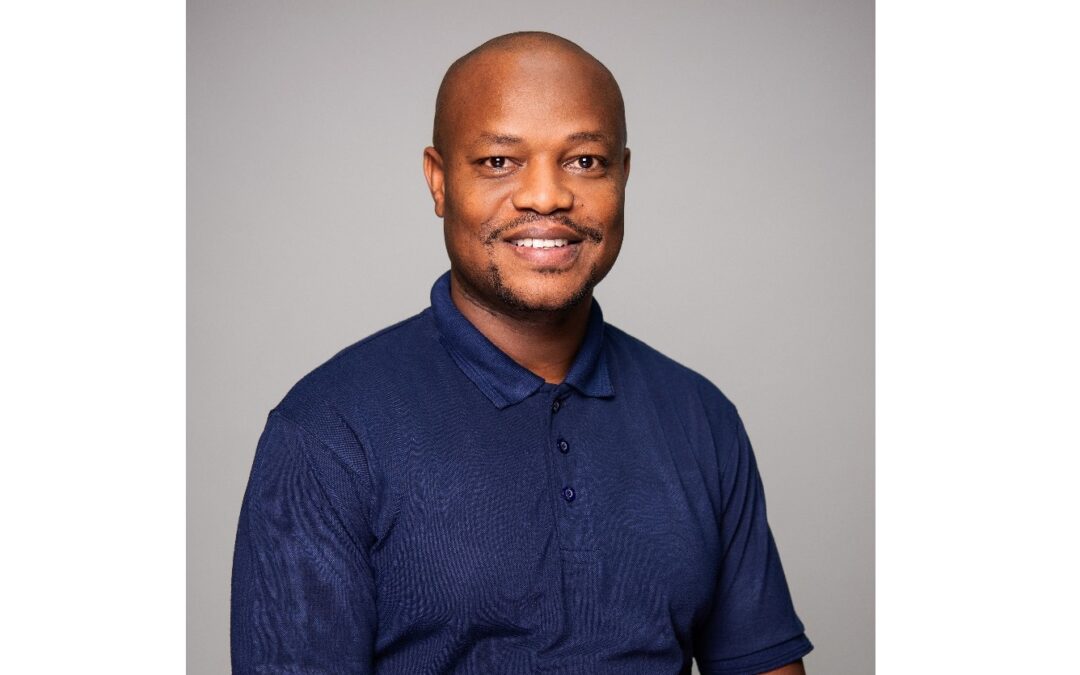
Dr Eugene Makhavhu, a Nursing Sciences Lecturer at Sefako Makgatho Health Sciences University (SMU), recently achieved a significant milestone by completing his PhD. His academic journey, passion for research, and commitment to mentorship continue to inspire students and colleagues alike. In this exclusive interview, Makhavhu shares insights into his career, research focus, and aspirations for the future.
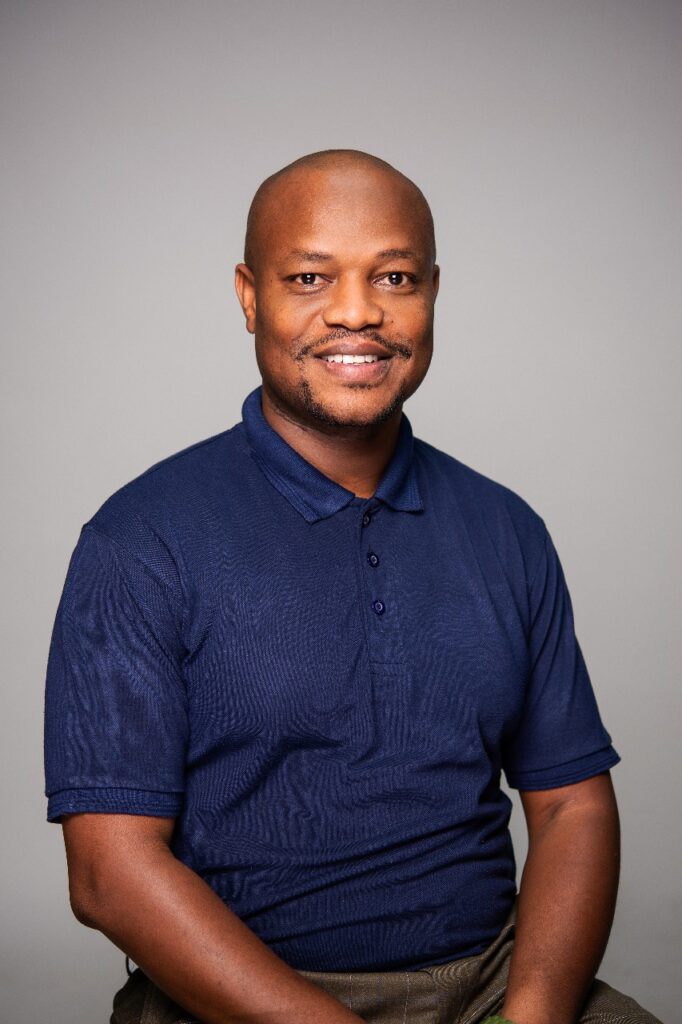 Makhavhu’s academic journey began a decade ago when he started as a part-time lecturer at the Tshwane University of Technology’s Adelaide Tambo School of Nursing Sciences. He later worked at the University of Johannesburg in a similar capacity.
His inspiration for pursuing an academic career was deeply rooted in his undergraduate years. “I was inspired by my lecturers and their engagement with students. But more than that, the perception of nurses as rude and unapproachable made me want to change that narrative. I realised that influencing student nurses at the educational level was the best way to effect change.”
Makhavhu joined SMU in 2019, drawn by the institution’s strong focus on health sciences. “I had offers from other universities, but SMU’s commitment to addressing societal health challenges aligned with my academic goals. It was the ideal place for me to grow as an educator and researcher.”
Completing a PhD is no small feat, and for Makhavhu, the motivation to pursue a doctoral degree was a long-standing aspiration. “I was inspired as an undergraduate when I learned about the possibility of studying up to PhD level. However, the defining moment came when I saw a young lecturer in my department receiving her PhD at my graduation ceremony. It changed my mindset from inspiration to action.”
His research, titled: “Development of Strategies to Enhance Integration between Indigenous-Traditional and Allopathic Child Healthcare Services in Soshanguve”, focuses on bridging the gap between traditional and modern medical practices. “Many families in South Africa rely on both traditional and allopathic medicine for childhood healthcare. However, these systems often operate in isolation, sometimes leading to fragmented care. My study sought to develop strategies for safer, inclusive, and culturally sensitive healthcare practices.”
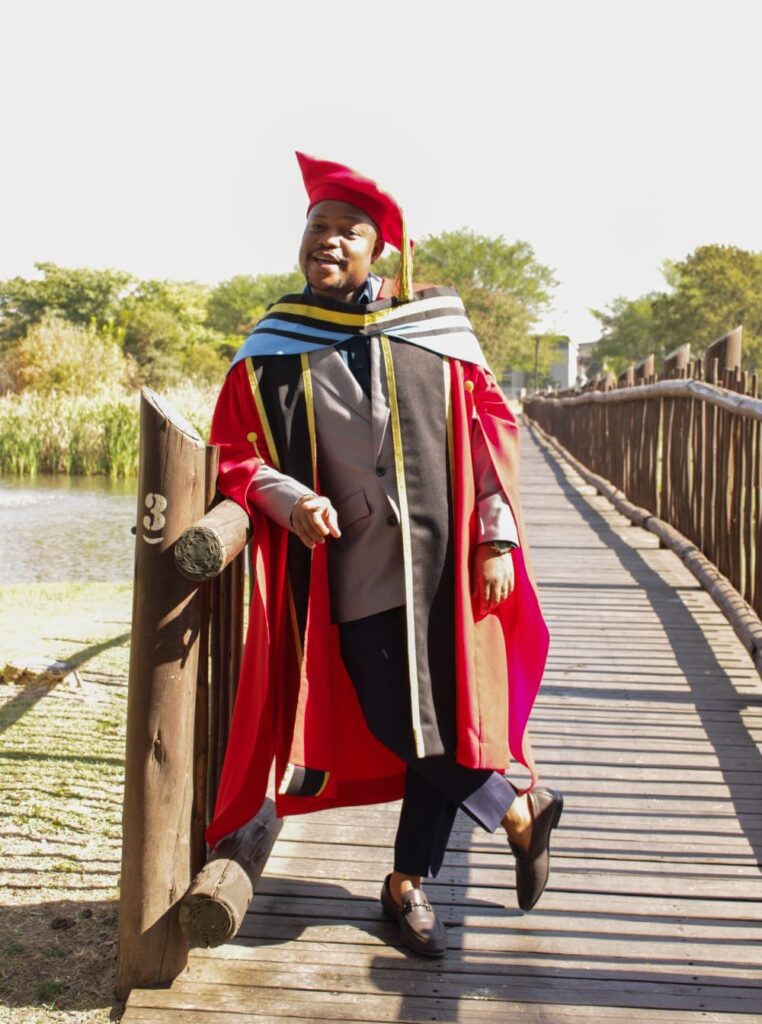 The research involved engaging with traditional healers, allopathic healthcare practitioners, and caregivers to identify barriers to integration and potential solutions. “The goal was to create a framework that promotes mutual respect and communication between these healthcare systems,” he explains.
Balancing a PhD with teaching responsibilities at SMU was a significant challenge. “I was responsible for three modules while conducting my research. Managing lesson preparations, assessments, and student consultations required careful time management and prioritisation. Support from my colleagues and my Head of Department was invaluable.”
Despite the demanding schedule, Makhavhu remained disciplined and motivated. “I set clear daily goals and reminded myself that even small progress, like writing one paragraph or reading one paper, was still progress.” His support system, including family, friends, and mentors, played a crucial role in keeping him focused.
Makhavhu’s PhD research has significant implications for healthcare education at SMU. “The findings can contribute to curriculum reform, particularly in promoting culturally sensitive healthcare. Our patients come from diverse backgrounds, and understanding their health-seeking behaviours is essential for improving care.”
He aims to expand his research and collaborate with scholars locally and internationally. “There is great potential for interdisciplinary work in integrating traditional and modern healthcare. I am also focused on developing my research niche and exploring other aspects of alternative healing.”
When reflecting on the state of research in South Africa, Makhavhu highlights the need for increased funding and institutional support. “While research potential is immense, nursing research, in particular, needs more support. Clinical-based research should be encouraged alongside academic studies to strengthen evidence-based practice.”
For Makhavhu, the most rewarding moments of his career include seeing his students succeed. “Witnessing my students graduate and knowing I played a role in their development is deeply fulfilling. It reminds me why I chose this path.”
Makhavhu hopes to leave a legacy of inspiration and meaningful contributions to healthcare research and education. “I want to be remembered as someone who inspired students, advanced knowledge, and contributed to solving real-world healthcare challenges. Success is a collective effort, and together, we can make a difference.”
By Tumelo Moila