by Lorato | Sep 10, 2025 | Accolades and Achievements, All News, SMU Media, Student Media
Sefako Makgatho Health Sciences University (SMU) has once again made its mark on the global academic stage through the leadership of its Senior Lecturer in the Department of Public Health, Dr Moreoagae Randa, who has played a pivotal role in an international collaboration funded by the British Academy.
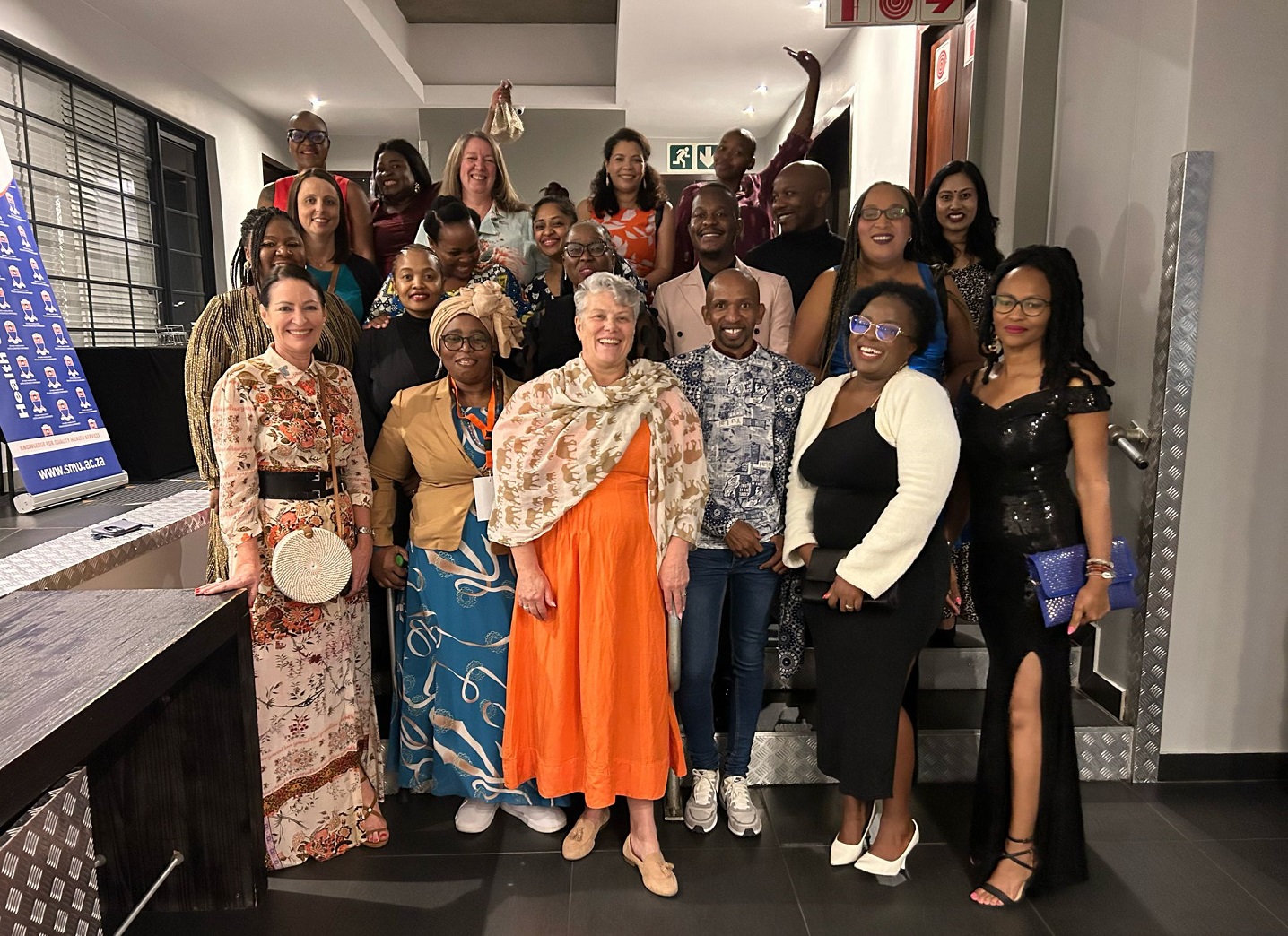 The programme, valued at £29,577 and running from 2023 to 2025, was awarded to De Montfort University (DMU) in the United Kingdom as the lead applicant. Dr Randa serves as the principal South African partner, ensuring the effective disbursement and accountability of funds to SMU. The project, themed “Strengthening South African Writing for Academic Outputs”, reflects her longstanding commitment to advancing research and innovation at SMU and beyond.
The initiative represents a strategic partnership between SMU, Stellenbosch University, DMU, the University of Sheffield, and the University of Nottingham. Co-led by Dr Kathyrn Hinsliff-Smith of DMU and Dr Randa, the project has supported 22 Early Career Researchers (ECRs) drawn from six South African public universities, including 11 from SMU. These researchers, either completing their PhDs or engaged as postdoctoral fellows, were provided with a two-year structured, mentored writing experience.
Reflecting on the collaboration, Randa said: “This programme has strengthened the capacity of early career researchers to publish, secure grants, and engage globally. Its impact will continue to resonate across institutions, disciplines, and the country’s research agenda.”
Workshops, mentoring sessions, and virtual engagements have enabled participants to strengthen their writing capabilities, expand professional networks, and produce tangible research outputs. Activities included an inaugural three-day workshop in November 2023 at Stellenbosch, online group sessions focusing on academic search strategies, and a recorded open forum with representatives of the National Research Foundation (NRF). These interventions provided participants with crucial insights into academic publishing, grant writing, and the South African promotion system for academics.
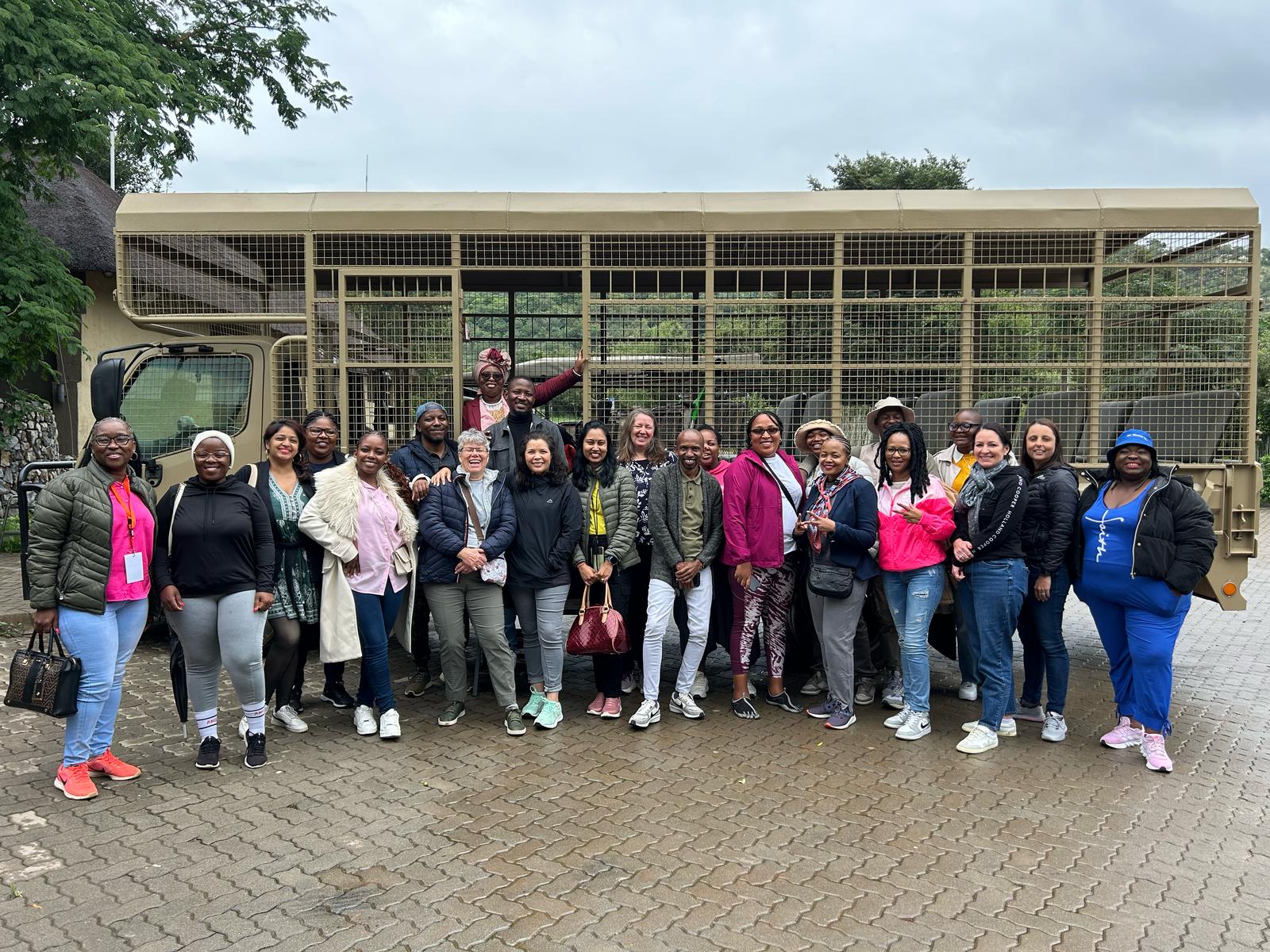 The outcomes of the programme are already evident. Participants have delivered successful journal publications, completed doctoral studies, secured research grants, and forged international collaborations. According to co-lead Dr Hinsliff-Smith: “The progress of these researchers has been remarkable. This project has not only improved their writing skills but has also created new opportunities for collaboration across borders.”
The diversity of disciplines represented by the cohort further amplified the programme’s impact. Researchers came from fields as varied as public health, pharmacy, cultural and political studies, radiotherapy, psychology, and optometry. This breadth fostered interdisciplinary learning and exchange, creating a platform for cross-pollination of ideas and methodologies that enriched the experience for all involved.
The collaboration culminated in the “Road to Success Conference” hosted at the Protea Hotel OR Tambo International Airport from 18–20 February 2025. Here, the ECRs showcased their progress, shared experiences, and celebrated achievements alongside mentors and international collaborators.
One of the participants, Portia Ramashia, Lecturer and PhD candidate in the Department of Radiation Therapy at the University of Johannesburg, noted: “The mentorship provided a safe, supportive environment to learn and grow. I now feel equipped to publish confidently and to position myself for future academic opportunities.”
The recognition of Randa’s leadership in this programme builds upon her earlier work in collaborative projects addressing pressing social issues, such as gender-based violence, where she partnered with UK counterparts and local organisations to develop training materials for health professionals.
Through her vision and dedication, Randa exemplifies the values of academic excellence, international collaboration, and societal impact, positioning SMU as a key contributor to research and innovation both nationally and globally.
By Tumelo Moila

by Lorato | Aug 27, 2025 | Accolades and Achievements, All News, Alumni, SMU Media, Student Media
It began with a vision: to open doors, build bridges and connect South African universities to the world. That vision has now become a reality, as Sefako Makgatho Health Sciences University (SMU) has secured prestigious funding from the German Academic Exchange Service (DAAD) to deliver a transformative internationalisation training programme for higher education institutions across South Africa.
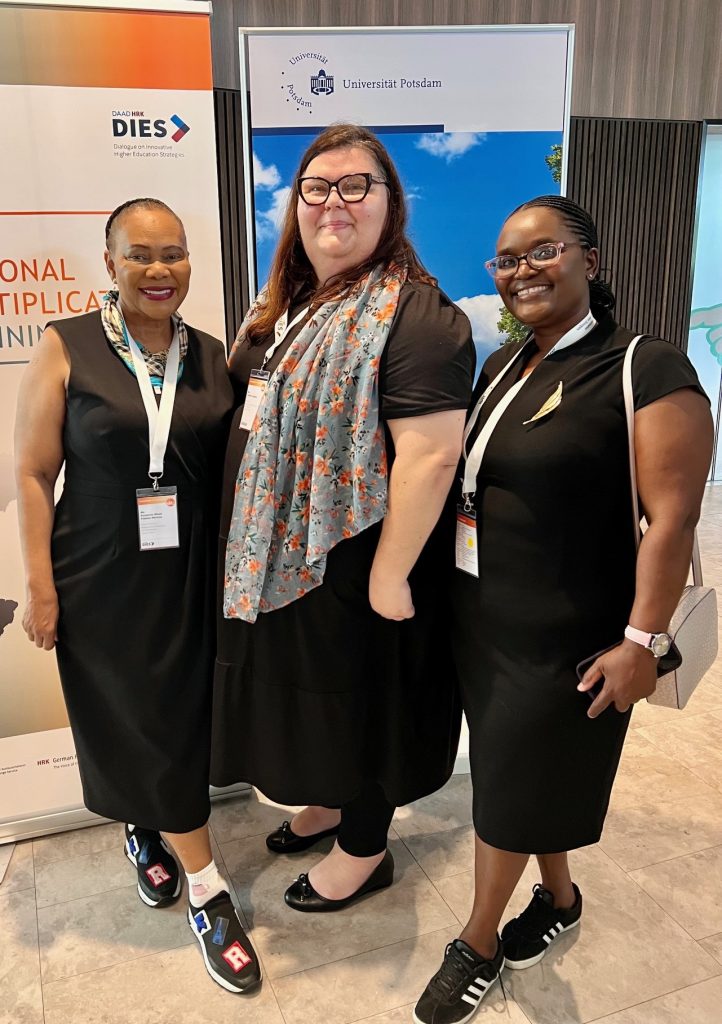 This milestone reflects SMU’s enduring commitment to excellence, integrity, diversity, respect and accountability—the values that guide the University’s growth and global engagement. For a directorate that is only in its third year, the achievement highlights SMU’s ability to make a meaningful impact on the international higher education landscape.
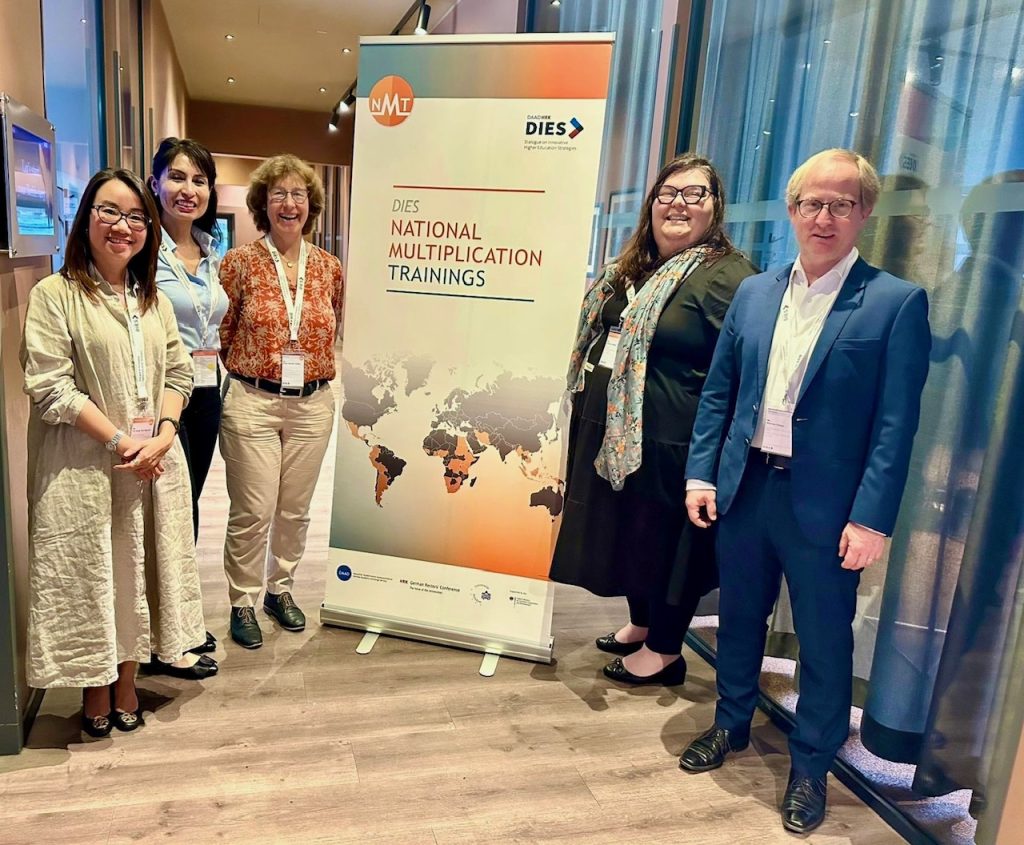
At the heart of this success is Dr Carlien Jooste, Director of Internationalisation at SMU and an alumna of DAAD’s Dialogue on Innovative Higher Education Strategies (DIES) programme. Drawing on her expertise, Dr Jooste collaborated with Dr Mbali Mkhize and Dr Zamaqwabe Sishi from Mangosuthu University of Technology to develop an innovative proposal entitled Building Bridges: Developing Internationalisation Skills for Professional Staff in South African Universities. Their concept impressed adjudicators in the highly competitive National Multiplication Training (NMT) programme, jointly initiated by DAAD and the German Rectors’ Conference (HRK) and funded by the German Federal Ministry for Economic Development and Cooperation (BMZ).
The NMT programme, coordinated by the Centre for Quality Development at the University of Potsdam, enables DIES alumni to deliver capacity-building initiatives in their regions. Applications were received from Africa, Latin America and Southeast Asia. Out of dozens of submissions, only thirteen proposals were approved globally, seven from Africa. The SMU–MUT collaboration proudly emerged as the only South African project selected, highlighting the strength and originality of their approach.
Reflecting on the achievement, Dr Jooste said: “As two Historically Disadvantaged Institutions and a female-led training team, we were ecstatic when we received the news that our proposal had been accepted. This is not just a personal victory, but an important milestone for SMU and a step forward for higher education in South Africa.”
 The training programme, due to open applications in September 2025, will focus on empowering professional staff—the operational backbone of universities—with the knowledge and skills required to advance internationalisation. These staff members, working in areas such as admissions, finance, student affairs, marketing, communications and human resources, play a vital role in implementing a university’s international strategy, yet their impact is often overlooked.
Jooste explained: “Most of the work in International Offices across South Africa is carried out by administrative staff. They keep internationalisation moving, yet many colleagues in other departments do not realise how important they are to this ecosystem. Our goal is to build capacity, foster collaboration and make internationalisation a shared responsibility across the university.”
She added, “As a team from Historically Disadvantaged Institutions, we understand the gaps and challenges that exist. This training aims to address those gaps and promote excellence, diversity, respect and accountability—values that SMU stands for. This initiative is about more than training; it is about creating a culture of integrity and innovation that positions South African universities on the global stage.”
This achievement underscores SMU’s growing role as a leader in shaping internationalisation within higher education. Beyond the funding and recognition, it reflects the University’s determination to embrace innovation, cultivate partnerships and create opportunities that transcend borders. By empowering professional staff, SMU is investing in the people who drive its mission forward, ensuring that internationalisation is understood, valued and embedded across campuses.
From a young directorate to international recognition, SMU is charting a bold course for the future. This milestone demonstrates that vision, collaboration and commitment to core values can transform institutions, empower individuals and position South African universities as global players in higher education.
By Dimakatso Modise

by Lorato | Aug 20, 2025 | Accolades and Achievements, All News, SMU Media, Student Media
Sefako Makgatho Health Sciences University (SMU) is celebrating the achievement of Kalaba Nkonde—Lecturer in the Department of Pharmacy Practice, Academic Instructor for the Dispensing Short Course for Healthcare Professionals, and PhD candidate—who has been selected as a 2025 Mandela Washington Fellow.
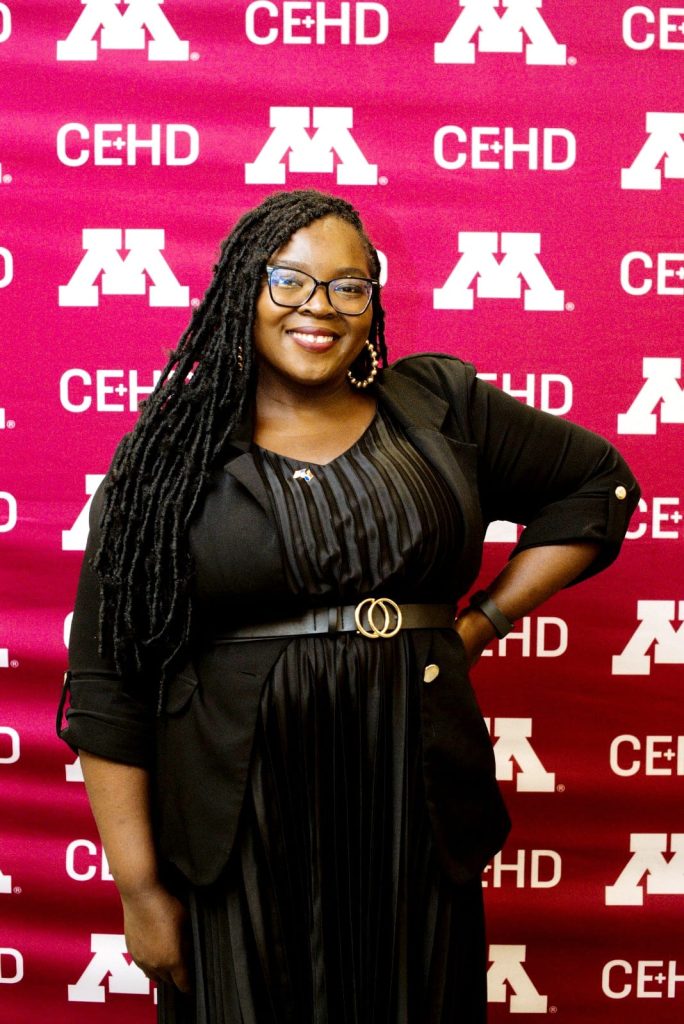 The Mandela Washington Fellowship, part of the United States’ Young African Leaders Initiative (YALI), is one of the most competitive leadership programmes on the continent. Chosen from more than 58,000 applicants across Sub-Saharan Africa, Nkonde joins an elite cohort of approximately 620 Fellows recognised as some of the best and brightest young leaders in agriculture, business, civil society, education, energy, healthcare, technology, trade, and security.
Recalling the moment she learnt of her selection, Nkonde says, “I initially ignored the notification, but when I finally opened the email, I screamed. It felt like time stopped—a surreal moment of disbelief, immense gratitude, and excitement. It reminded me that purpose, preparation, and passion can align in powerful ways.”
Her application reflected her extensive work at the intersection of pharmacy, public policy, and public health advocacy, with a particular focus on equitable access to medicines and health literacy. “I positioned my application around systemic thinking—linking pharmacy education to patient-centred care and policy reform. What set it apart was its multidimensional nature: academic achievements, leadership roles, volunteerism, and community initiatives,” she explains.
Nkonde attended a six-week Leadership Institute at the University of Minnesota – Twin Cities, in the U.S. under the Public Management track. Across 26 U.S. institutions in 21 states, Fellows engage in leadership training, academic study, networking, and weekly community service. For Nkonde, the most transformative experiences came from connecting with other African changemakers and U.S. leaders. Influential figures included her project coach, Dr Olihe Okoro, and leadership scholar Dr Artika Tyner, whose session on inclusive leadership reshaped her understanding of leadership as service.
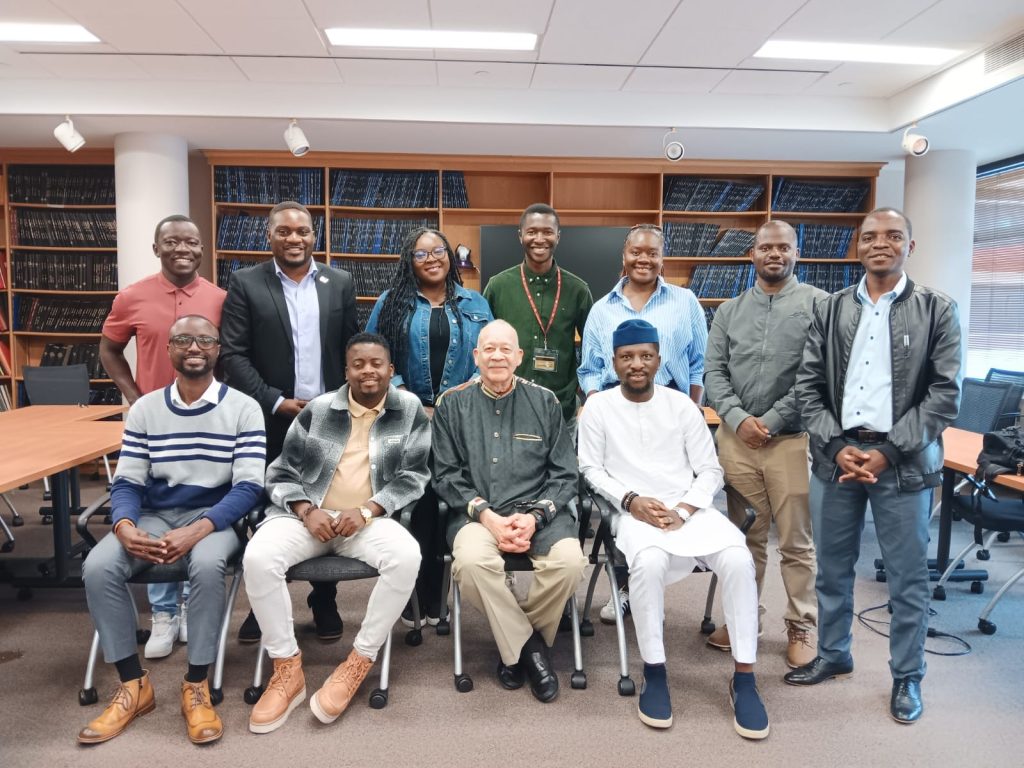
The academic director and staff were instrumental in ensuring the fellows made the most of the experience incorporating networking sessions and providing spaces for collaboration. “Dr Ashley Watson and team always mentioned my name in rooms I never would have imagined myself in. They ushered me in the best possible directions and set me up for leadership success.” Nkonde recalls.
A core focus of Nkonde’s work is literacy-centred health education. “In South Africa’s diverse linguistic and socioeconomic context, health literacy can mean the difference between access and exclusion,” she says. Currently, she is piloting a literacy initiative in SMU’s School of Pharmacy, inspired by her Fellowship experiences, with plans to expand it to improve patient outcomes and student success.
Looking ahead, Nkonde intends to integrate global best practices into SMU’s pharmacy curriculum, foster policy literacy, and create more opportunities for student leadership and international collaboration. “Equity in healthcare is not just a technical issue—it is a leadership challenge,” she emphasises.
Her advice to aspiring changemakers is clear: “Start where you are, with what you have, and lead with integrity. Don’t wait for permission to be bold—be the bridge where none exists.”
The Mandela Washington Fellowship is a programme of the U.S. Department of State, funded by the U.S. Government and administered by the International Research & Exchanges Board (IREX).
By Tumelo Moila

by Lorato | Aug 13, 2025 | Accolades and Achievements, All News, SMU Media, Student Media
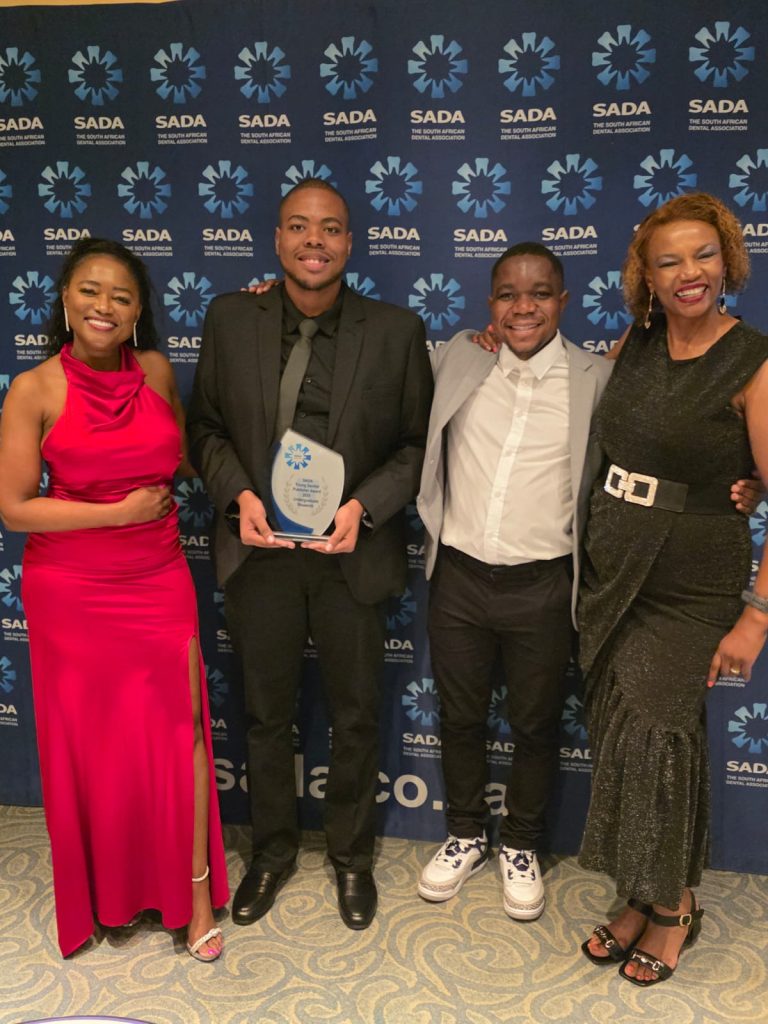
Final-year Bachelor of Dental Surgery (BDS) student, Tshepang Lenkoe, has proudly reintroduced Sefako Makgatho Health Sciences University (SMU) Dental School to the national stage after winning the prestigious 2025 South African Dental Association (SADA) Young Dentist Publisher Undergraduate Research Award.
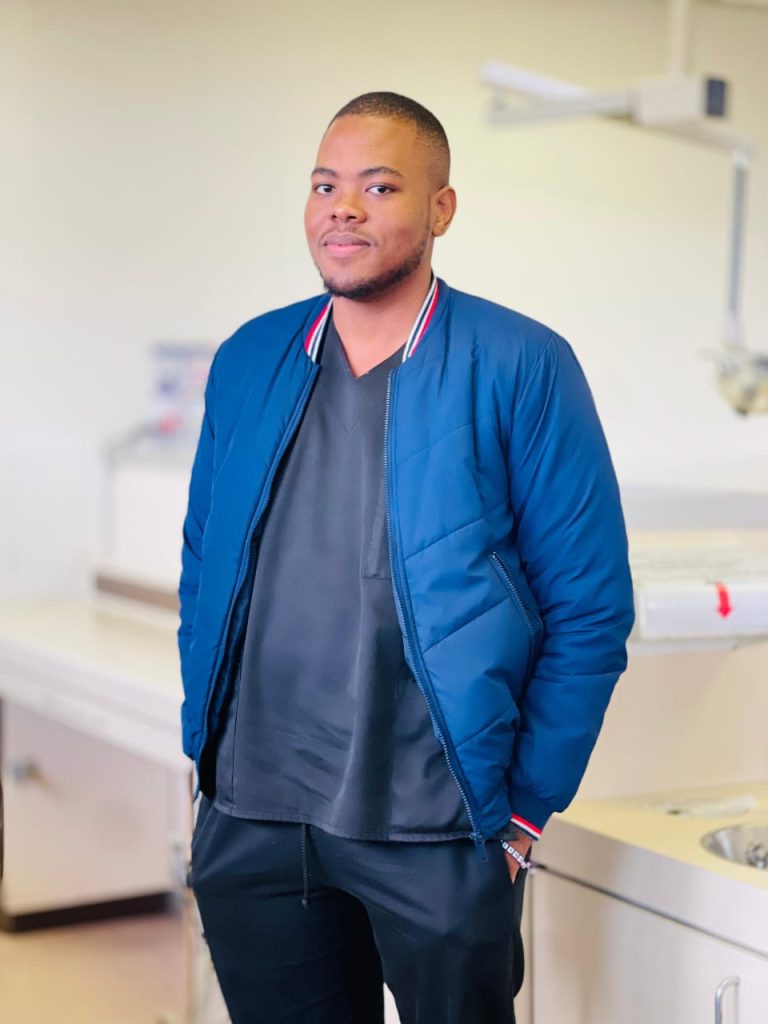 Lenkoe, who also serves as a class representative and member of the Dental Student Council, chose dentistry to address the pressing need for accessible oral healthcare in South Africa. Growing up, he witnessed countless individuals suffering from oral health problems without access to a dentist. “I wanted to bring change to my community,” he said. “Dentistry offered me the opportunity to provide a direct service that could transform lives.”
His journey through dental school has been far from easy. Balancing demanding clinical duties with student leadership roles required discipline, effective time management, and resilience. “Helping my peers while excelling academically meant structuring my time meticulously. It’s been challenging physically and mentally, but it has taught me patience and the importance of perseverance,” he reflected.
The award-winning research that earned him national recognition was titled Diagnosis and Management of a Cystic Lesion: The Use of CBCT – A Case Report. His study compared the diagnostic accuracy of Cone Beam Computed Tomography (CBCT) with conventional radiographic imaging. “SMU Dental School handles many head and neck cystic lesions, serving as a primary referral hospital for Gauteng, Limpopo, and North West. My research highlighted CBCT’s superior diagnostic capabilities, showing reduced chances of misdiagnosis compared to traditional methods,” Lenkoe explained.
 His findings also carried a broader message: the urgent need for investment in state-of-the-art diagnostic equipment to better serve South Africa’s population. While obtaining biopsy results in time posed challenges, the radiographic reports from CBCT enabled him to make a confident diagnosis and compare it to international literature.
Winning the award was a deeply personal achievement. “It was surreal,” he said. “I wanted to make my family proud and represent black students on a national platform. No SMU dental student had attended SADA or participated in the research competition for five years, and no SMU student had won in seven. This victory showed that we can compete at the highest level.”
The experience at the SADA Congress was both inspiring and affirming. An international keynote by Canadian dual specialist Dr David Chvartszaid reinforced Lenkoe’s passion for academic dentistry, while the encouragement of SMU lecturers and research mentors Dr Idah Mmutlana and Dr Ntombizodwa Zwane kept him motivated during research setbacks.
Looking ahead, Lenkoe aims to specialise in prosthodontics and remain active in academic dentistry to train future professionals. He also intends to continue research to contribute to South Africa’s growing body of dental knowledge. His advice to young dentists is simple yet powerful: “Pursue research. It enhances clinical skills, professional competence, and the quality of patient care.”
Through his dedication, Lenkoe has not only earned a national accolade but also reignited SMU’s presence in the dental research arena—an achievement that may inspire a new generation of South African dental scholars.
By Tumelo Moila
by Lorato | Aug 12, 2025 | Accolades and Achievements, All News, SMU Media, Student Media
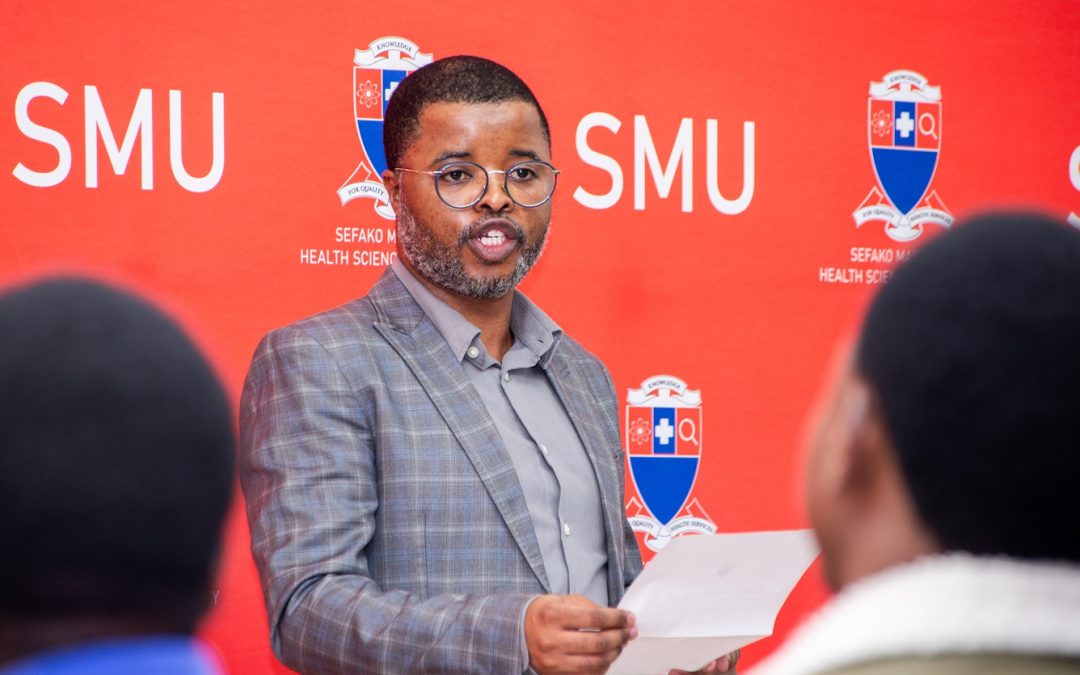
Sefako Makgatho Health Sciences University (SMU) continues to affirm its standing as a home to visionary leaders shaping the national higher education agenda. In a resounding recognition of leadership excellence, SMU’s Director: Student Affairs, Tulani Nkuntse, has been elected Deputy Secretary-General of the South African Association of Senior Student Affairs Professionals (SAASSAP) for the 2025–2028 term.
The announcement was made during SAASSAP’s Annual General Meeting and Elective Conference, held on Friday, 8 August 2025, at the University of the Free State. This appointment not only reflects Nkuntse’s exceptional professional stature but also signals SMU’s growing 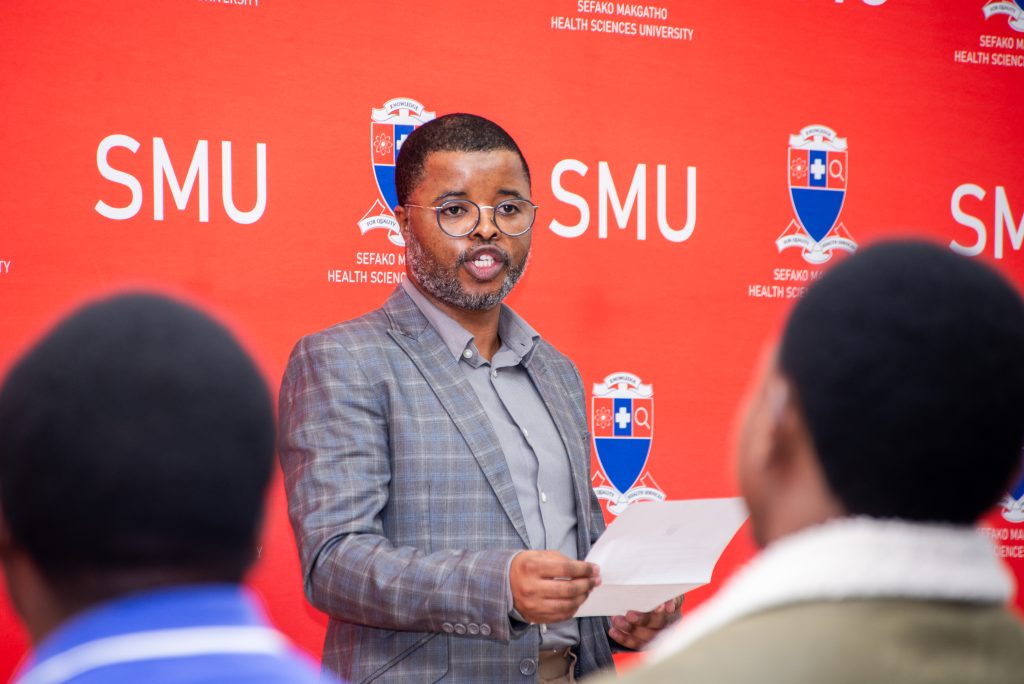 influence in strategic national platforms that shape student life and development across South Africa’s universities.
A respected national platform
Founded in 2000, SAASSAP represents the most senior student affairs leaders—Deans, Directors, and Executive Directors across all South African universities. The association’s work is central to advancing holistic student growth, development, and success. It achieves this through policy influence, resource mobilisation, fostering innovation, and strategic stakeholder engagement.
For the next three years, Nkuntse will serve alongside distinguished peers from leading institutions, including:
- Jerome September – President – University of the Witwatersrand
- Dr Irene Mohasoa – Deputy President – Walter Sisulu University
- Dr Bernard Sebake – Secretary-General – Central University of Technology
- Tebogo Ncokazi – Treasurer-General – University of Zululand
- Professor Percy Sepeng – Research & Development Officer – University of KwaZulu-Natal
- Asanda Tele – Media Liaison Officer – University of Fort Hare
- Nonkosi Tyolwana – Projects Coordinator – Cape Peninsula University of Technology
Leadership with purpose
Reflecting on his election, Nkuntse said: “What an honour to be called to serve. I look forward to this challenge with excitement, knowing that collectively as the NEC and its entire SAASSAP membership, we will continue to advocate for better conditions and create spaces for our students to thrive.”
He added: “This is not just a personal achievement, it is an important milestone for SMU, contributing to putting our university on the national map.” Nkuntse’s appointment comes at a time when higher education institutions are called upon to strengthen student development models and foster inclusive, enabling environments. His presence on the SAASSAP National Executive Committee reinforces SMU’s position as an institution whose leaders are not only committed to the success of its own students but also to shaping the future of student affairs nationally.

by Lorato | Jul 23, 2025 | Accolades and Achievements, All News, SMU Media, Student Media
In a significant recognition of academic excellence and public health leadership, Siphiwe Khumalo, a graduate of Sefako Makgatho Health Sciences University (SMU), has been selected as one of only 20 international fellows for the 2025 United Nations Youth for Biosecurity Fellowship. Chosen from more than 2,400 applicants across over 100 countries, her selection by the UN Office for Disarmament Affairs (UNODA) marks a remarkable personal and institutional milestone.
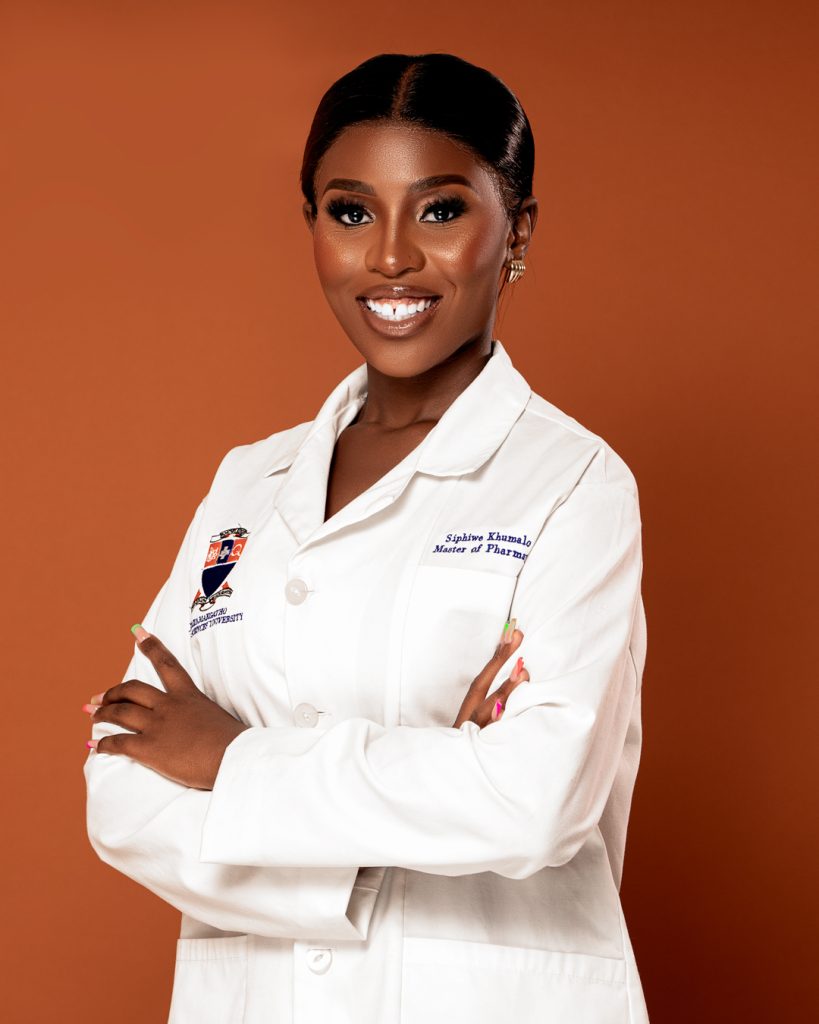 Hailing from Ulundi in KwaZulu-Natal, Khumalo holds a Bachelor of Pharmacy from Tshwane University of Technology and a Master’s in Pharmacy Public Health and Management from SMU — the only South African university offering this specialised qualification.
Speaking ahead of her visit to Geneva, Switzerland, in August, she said: “Coming from a small village, I never imagined I’d stand on a global platform. This isn’t just my achievement — it’s a door opened for many others.”
The Youth for Biosecurity Fellowship offers early-career professionals training in biosecurity diplomacy, multilateral negotiations, and research collaboration. The three-month programme includes online learning, a group research project, and an in-person visit to Geneva during the Biological Weapons Convention (BWC) meetings from 11–15 August 2025.
Khumalo’s academic and professional work lies at the intersection of pharmacy, public health, and policy. Her Master’s research explored COVID-19 vaccine hesitancy among South African pharmacists. While 74.3% of participants were vaccinated, nearly a third were unwilling to recommend vaccination — a concerning statistic for frontline health professionals.
“We can’t expect healthcare workers to champion vaccines if their own doubts aren’t addressed,” she explained. “My aim was to surface those concerns and offer solutions for future interventions.”
Khumalo is no newcomer to international platforms. She previously served as Regional Secretary for the International Pharmaceutical Students’ Federation (IPSF) and was selected as a delegate to the 78th World Health Assembly — though visa delays prevented her attendance. As the only South African fellow in the 2025 cohort, she sees her Geneva visit as a chance to amplify African voices in global health and biosecurity.
Her fellowship project focuses on bridging the Biological Weapons Convention with the WHO Pandemic Agreement, aiming to strengthen global responses to both natural and deliberate biological threats.
Reflecting on her time at SMU, Khumalo credited mentors such as Professor Hannellie Meyer for helping her grow: “SMU empowered me to claim space in public health as a pharmacist. I hope others will be inspired to do the same.”
Looking to the future, Khumalo envisions a career in global health diplomacy, emergency response, and mentorship. “This fellowship isn’t the finish line — it’s a launchpad. I intend to bring others along on this journey of impact and transformation.”
With determination rooted in her background and a vision shaped by global aspirations, Khumalo’s journey highlights both the calibre of SMU graduates and the power of African leadership on the world stage.
By Tumelo Moila