by Lorato | May 27, 2026 | All News, Alumni, SMU Media, Student Media
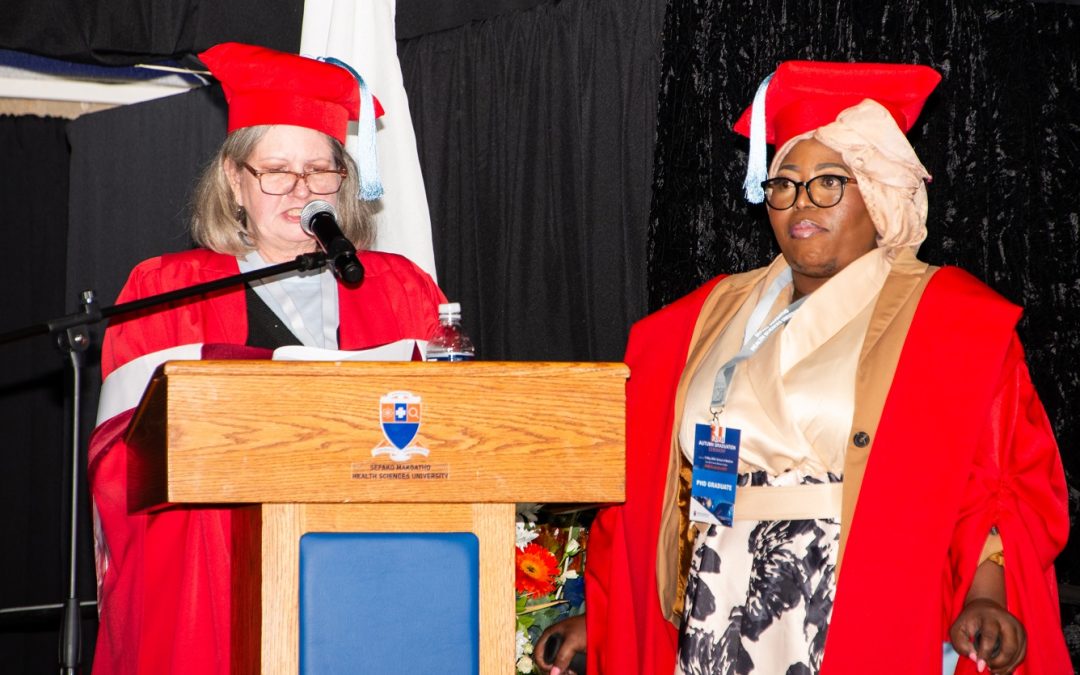
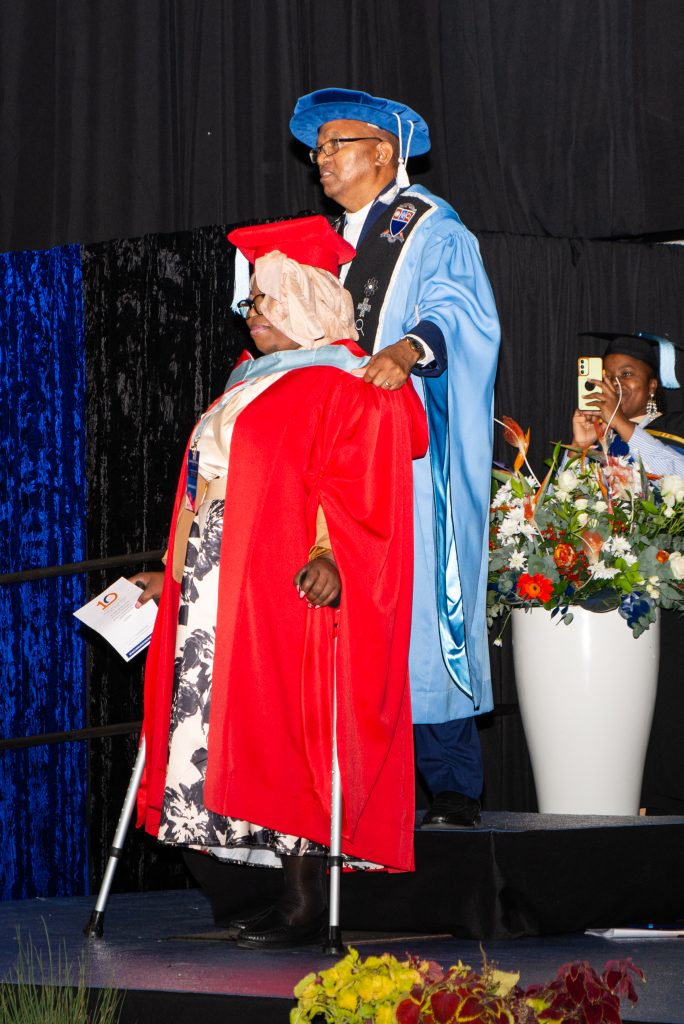
Sefako Makgatho Health Sciences University continues to strengthen its contribution to healthcare research and innovation following the graduation of Matete Olga Kgasha during the School of Medicine Autumn Graduation Ceremony 2026, where her groundbreaking research shed new light on the genetic and bacterial factors driving rheumatic heart disease in South Africa.
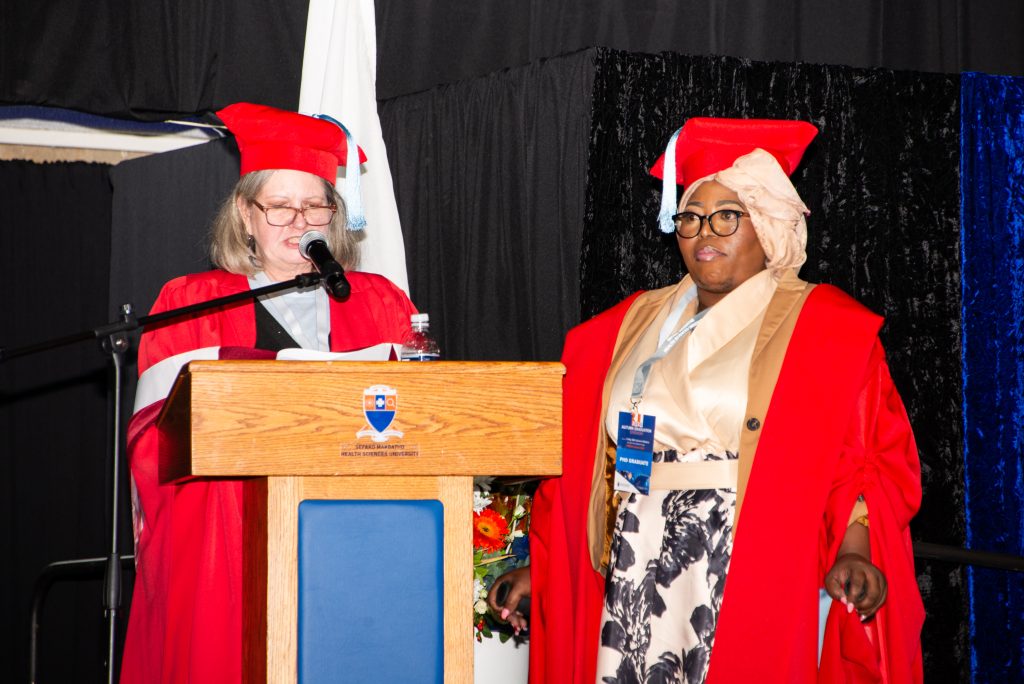 Kgasha graduated with a Doctor of Philosophy in Medical Microbiology after completing a pioneering study titled An epidemiological and genomic description of Group A Streptococcus strains and HLA Class II profiles in patients presenting with pharyngitis, acute rheumatic fever and rheumatic heart disease in Limpopo Province, South Africa. Her work explored the complex relationship between bacterial infections and human genetics in the development of acute rheumatic fever (ARF) and rheumatic heart disease (RHD), conditions that continue to affect vulnerable communities across the developing world.
The research focused on Group A Streptococcus (GAS), a bacterium commonly associated with throat infections that can trigger severe immune-mediated complications if left untreated. Rheumatic heart disease remains a major public health concern in South Africa, particularly among children and young adults in underserved communities.
Using advanced genomic and molecular techniques, Dr Kgasha identified extensive genetic diversity among circulating GAS strains while also uncovering important Human Leukocyte Antigen (HLA) Class II associations linked to increased susceptibility to ARF and RHD.
Speaking about the significance of the findings, Dr Kgasha said the research could play an important role in shaping future prevention and treatment strategies.
“This study provides critical information that may support future vaccine development, strengthen antimicrobial surveillance and improve prevention strategies for rheumatic heart disease in vulnerable communities,” she said.
She explained that understanding both bacterial strains and host genetic factors could help advance more personalised healthcare interventions in South Africa.
“Our findings highlight the importance of integrating molecular epidemiology, antimicrobial resistance monitoring and host genetic profiling into disease prevention programmes,” said Dr Kgasha. “The ultimate goal is to reduce the burden of preventable diseases affecting children and young adults.”
 The study also produced important findings relating to antimicrobial resistance. Although all GAS isolates remained susceptible to penicillin, some showed minimum inhibitory concentrations approaching resistance thresholds. Resistance to erythromycin and clindamycin was additionally identified, reinforcing growing global concerns around antimicrobial resistance and the need for continuous monitoring.
Importantly, the research revealed that less than 50% of the identified emm types were represented in the current 30-valent GAS vaccine under development, suggesting that vaccine coverage may be limited in Limpopo Province and highlighting the need for region-specific surveillance and vaccine strategies. Thanks to the grants received from DHET-UCDG, NRF Thuthuka and SAMRC with HFSP collaboration.
Beyond her doctoral achievement, Dr Kgasha currently serves as a lecturer and postgraduate laboratory manager in Medical Microbiology at SMU, where she is also the AFROStrep coordinator. Her work spans teaching, postgraduate supervision and infectious disease research, with a particular focus on antimicrobial resistance, infection prevention and control.
Over the years, she has contributed extensively to the scientific community through peer-reviewed publications, conference presentations and postgraduate student supervision. Her work has earned recognition both locally and internationally, including scholarships to present her research in Cape Town and Lausanne.
Reflecting on her academic journey, Dr Kgasha described the PhD as a milestone shaped by perseverance and collaboration. “Living with disability doesn’t mean unable but means finding purpose in the unforeseen boundaries. Obtaining this PhD represents years of dedication, resilience and collaboration,” she said. “I hope my work will contribute meaningfully to improving healthcare outcomes and inspire young scientists, particularly women in science, to pursue impactful research.”
As a dedicated health sciences institution, SMU continues to position itself at the forefront of research excellence, innovation and transformative healthcare education. Dr Kgasha’s achievement not only advances scientific understanding of rheumatic heart disease but also reflects the university’s enduring commitment to producing impactful research that addresses some of Africa’s most pressing health challenges.
By Tumelo Moila
by Lorato | May 27, 2026 | All News, Alumni, SMU Media, Student Media
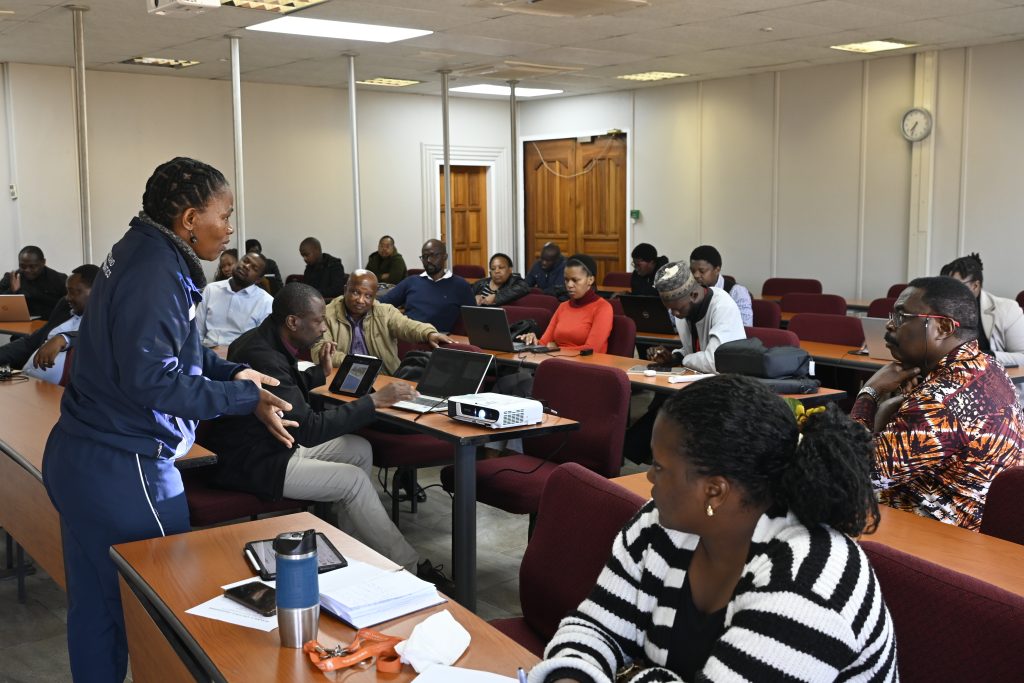
The Sefako Makgatho Health Sciences University (SMU) School of Science and Technology (SST) held a research ethics committee induction workshop aimed at transforming scientific research administration, strengthening supervisor-student relationships, and accelerating postgraduate completion rates in line with Department of Higher Education and Training (DHET) requirements.
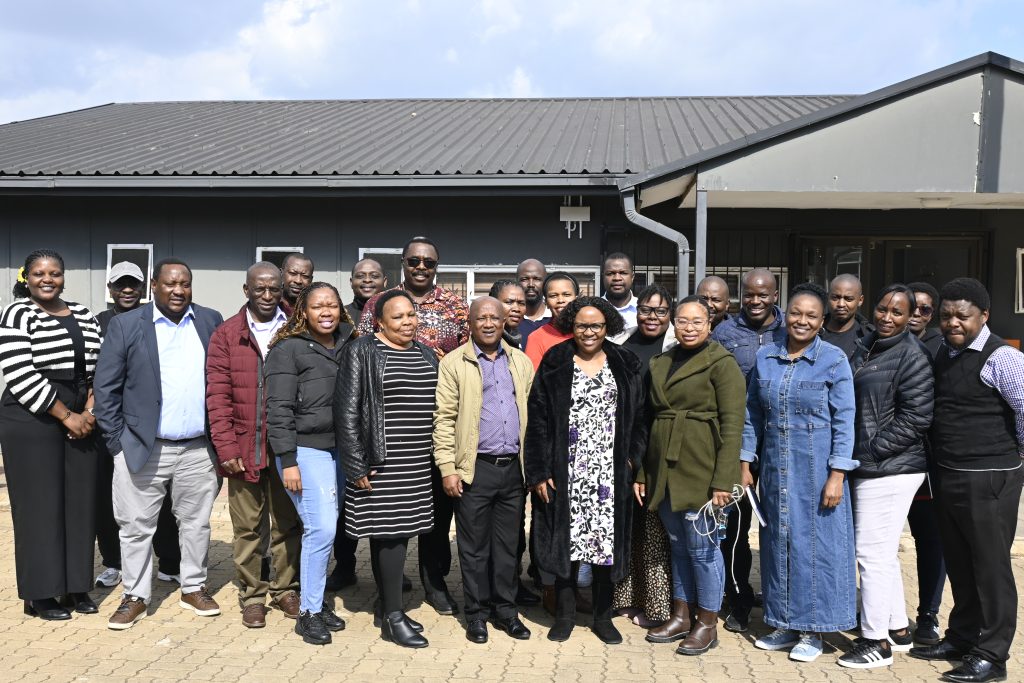 The strategic intervention was formalised during the workshop held recently, where postgraduate supervisors, committee evaluators, researchers, and administrators confronted long-standing systemic bottlenecks that have delayed student research proposals for periods ranging from one month to as long as two years.
Leading the engagement, Dean of SST Professor Lawrence Obi delivered a firm call for institutional change, urging school members to prioritise humanity, responsiveness, and accountability in postgraduate supervision. “Postgraduate students must never be reduced to statistics or file references. They are human beings navigating complex and stressful educational journeys,” Professor Obi said.
He strongly critiqued delayed email responses and prolonged feedback turnaround times, describing supervisor responsiveness as “a fundamental academic responsibility rather than an optional courtesy”.
To address proposal backlogs and administrative delays that have negatively affected students financially and academically, the Dean emphasised that reviewers with personal conflicts involving candidates should recuse themselves from evaluation processes to ensure fairness and efficiency.
The revised system will operate under the oversight of Deputy Chairperson of the School’s Research Ethics Committee, Professor Madira Manganyi and the secretariat team. Under the new framework, every proposal will immediately be logged into a central tracking matrix upon submission, while technical compliance checks and strict communication deadlines will be enforced across all review stages to eliminate unnecessary delays.
 SST said the intervention reflects a broader institutional commitment to operational excellence, accountability, and student-centred academic support.
Committee member and research supervisor Dr Nomasonto Rapulenyane, who recently celebrated the simultaneous graduation of three Master of Science candidates, attributed her success to combining structured milestone management with compassionate student support.
“Successful postgraduate supervision demands holistic involvement in a candidate’s life,” Dr Rapulenyane explained. “We must care about their emotional well-being, physical health, and financial stability. A student facing severe stress or financial hardship cannot perform optimally at an analytical level.”
She added that supervisors and students should jointly establish realistic timelines within the first six months of registration to ensure research protocols receive School Research Committee approval without unnecessary delays.
Vice Dean Professor Stanley Gololo also confirmed the formal recognition of collaborative and multidisciplinary supervisory structures. As part of the initiative, all accredited co-supervisors will now receive equal institutional completion credit alongside principal supervisors in an effort to strengthen mentorship and interdepartmental collaboration.
Meanwhile, the School Research Committee is intensifying efforts to improve proposal quality through targeted ethics and methodology training initiatives.
According to the second Deputy Chairperson of the Committee, Dr Vusani Maphiri, the Research Ethics Committee Induction Workshop has been designed to equip supervisors and reviewers with stronger knowledge of ethical compliance, institutional procedures, and proposal development standards.
“The workshop aims to improve the quality of research proposals by providing participants with direct guidance on ethical compliance, methodology, and common challenges,” Dr Maphiri said.
SST said the integrated model demonstrates how empathy, effective leadership, and operational efficiency can work together to strengthen postgraduate success and research excellence.
Aligned with its vision of transforming health services through excellence and innovation, SMU noted that the initiative reinforces the university’s growing reputation as a responsive, student-centred, and world-class health sciences and technology institution committed to advancing research, education, and societal impact.
By Rose Moreki

by Lorato | May 20, 2026 | Accolades and Achievements, All News, Alumni, SMU Media, Student Media
Sefako Makgatho Health Sciences University (SMU) has conferred qualifications on a record 1 525 graduates during its 2026 Autumn Graduation Ceremonies, marking the highest number of graduates in the institution’s autumn graduation cycle and reinforcing its growing role in strengthening South Africa’s health sciences sector.
 Held over three days at the university’s sports complex, the ceremonies celebrated academic achievement across all five schools of the institution, including the School of Dentistry, School of Health Care Sciences, School of Medicine, School of Pharmacy, and School of Science and Technology. The milestone reflects SMU’s continued commitment to producing healthcare professionals, scientists, researchers and innovators equipped to contribute meaningfully to national development and the advancement of the African continent.
Of the 1 525 graduates, 1 033 (67.7%) received undergraduate qualifications, while 492 (32.3%) graduated with postgraduate qualifications. The postgraduate cohort included 122 Postgraduate Diploma recipients, 188 Honours graduates, 168 Master’s graduates and fourteen doctoral candidates who were awarded Doctor of Philosophy (PhD) degrees.
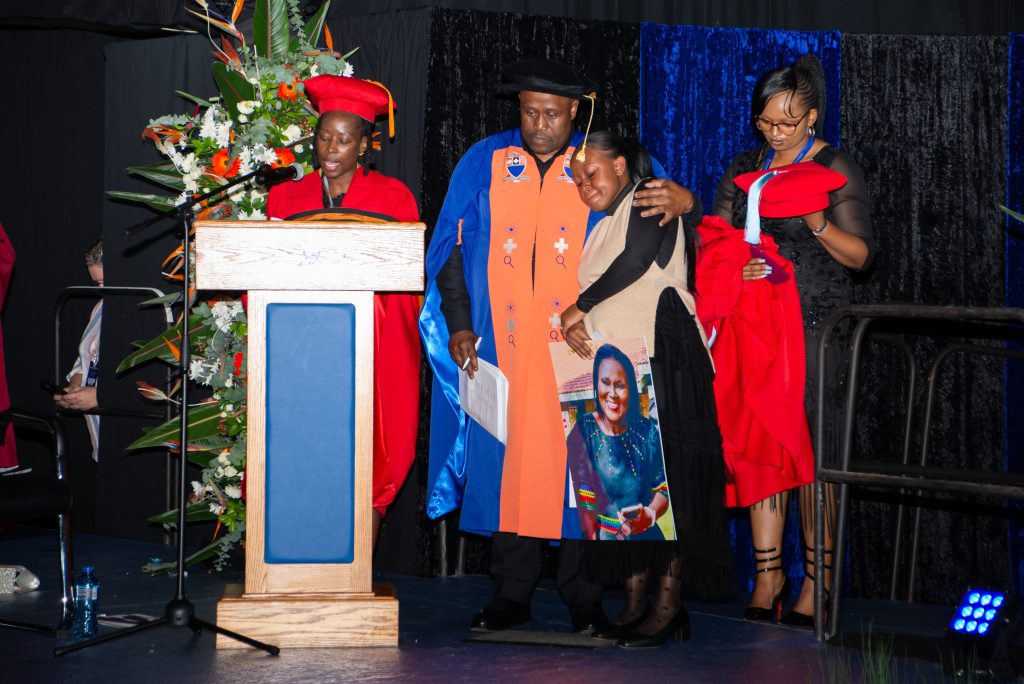 A deeply emotional moment during the ceremonies was the posthumous conferment of a Doctor of Philosophy in Nursing to the late Moroti Elizabeth Mahlangu. The qualification was accepted on her behalf by her daughter, SMU alumna Dr Busi Msikinya, née Mahlangu.
“Receiving this degree on behalf of my mother is both heartbreaking and inspiring,” said Dr Msikinya. “She dedicated her life to nursing, education and uplifting communities through healthcare. This achievement is a reminder that perseverance, sacrifice and purpose can leave a lasting legacy for future generations.”
The graduating class also reflects the University’s ongoing commitment to transformation and widening access to higher education. African graduates constituted 1 444 graduates, representing 94.6% of the cohort, while the class included ten Coloured graduates, 24 Indian graduates and 47 White graduates. Women continued to dominate the graduating cohort, with 1 052 graduates, accounting for 69% of all graduates.
A standout feature of the 2026 Autumn Graduation Ceremonies was the success of SMU’s Extended Curriculum Programme (ECP), which supports students from diverse educational backgrounds in accessing and succeeding in higher education. This year, 153 undergraduate students who entered the University through the programme graduated, highlighting the impact of SMU’s academic support and student development initiatives.
Benedict Masenamela, Senior Officer: Alumni Coordination at Sefako Makgatho Health Sciences University, said the graduation ceremonies reflected the University’s growing impact in transforming lives and strengthening the country’s healthcare and science & technology workforce.
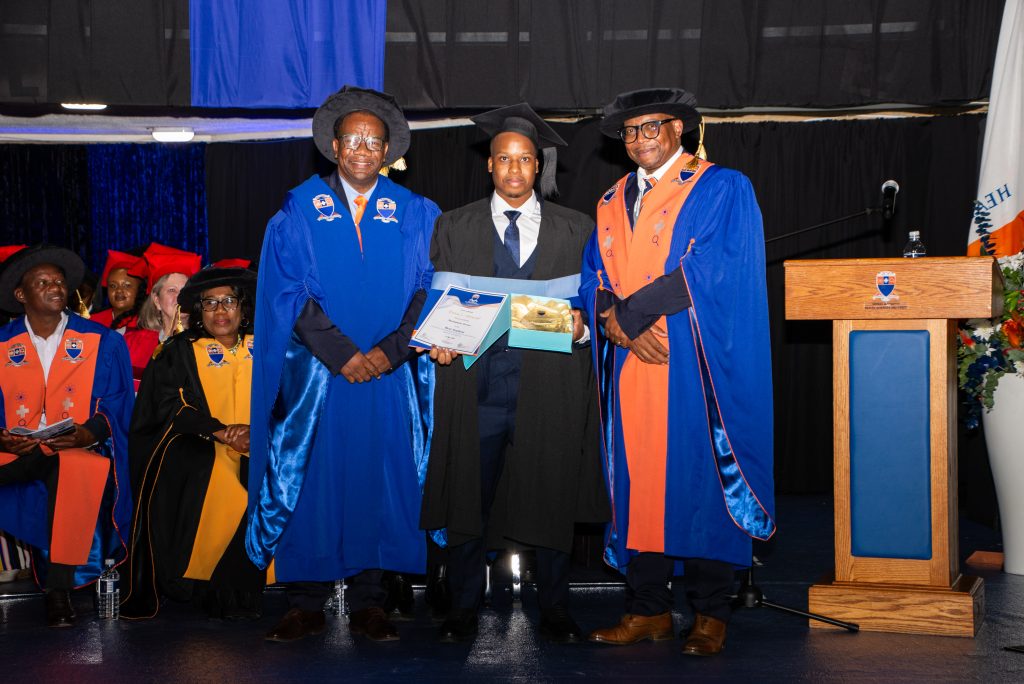 “Every graduate represents a story of resilience, determination and hope. As SMU, we take pride in producing professionals who are not only academically equipped, but who also embody compassion, leadership and a commitment to serving communities across South Africa and the continent,” Masenamela said.
The ceremonies also celebrated academic excellence, with 64 graduates receiving summa cum laude distinctions in recognition of exceptional academic performance. Among them was Bachelor of Medicine and Bachelor of Surgery graduate Trevor Mashabela, who also received the School of Medicine Dean’s Award.
“This achievement represents years of discipline, sacrifice and support from my family, lecturers and peers,” said Mashabela. “SMU gave me the opportunity to grow academically and personally, and I am proud to join a generation of healthcare professionals committed to serving communities with excellence and compassion.”
According to the graduation statistics, the School of Medicine produced the highest number of graduates at 497, followed by the School of Health Care Sciences with 383 graduates and the School of Science and Technology with 366 graduates. The School of Dentistry produced 144 graduates, while the School of Pharmacy conferred qualifications on 135 graduates.
The record-breaking graduation ceremonies reaffirm SMU’s position as a leading institution in health sciences education, research, innovation and community engagement. Through the graduation of professionals across healthcare, science and technology disciplines, the university continues to strengthen South Africa’s healthcare system while advancing socio-economic development and transformation.
SMU congratulated all graduands and their families on this milestone achievement and wished them success as they embark on the next chapter of their academic and professional journeys.
By Tumelo Moila
by Lorato | May 20, 2026 | All News, SMU Media, Student Media
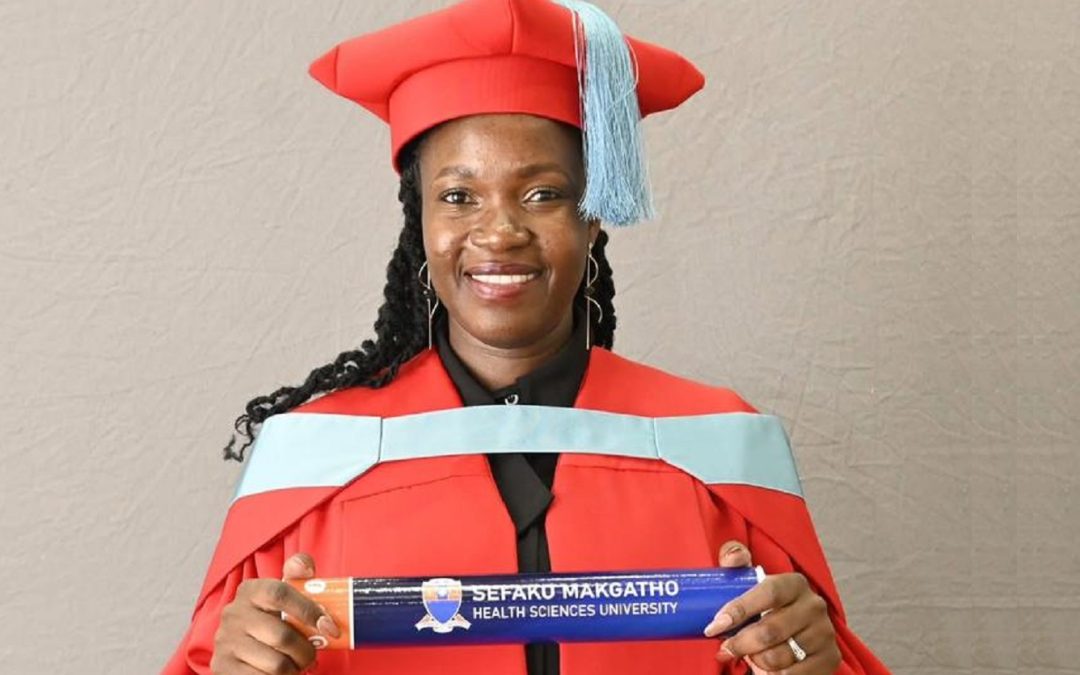
Sefako Makgatho Health Sciences University (SMU) continues to strengthen its position as a leader in transformative health sciences research after medical virologist Varsetile Varster Nkwinika earned a Doctor of Philosophy in Medical Virology during the 2026 autumn School of Medicine graduation ceremony.
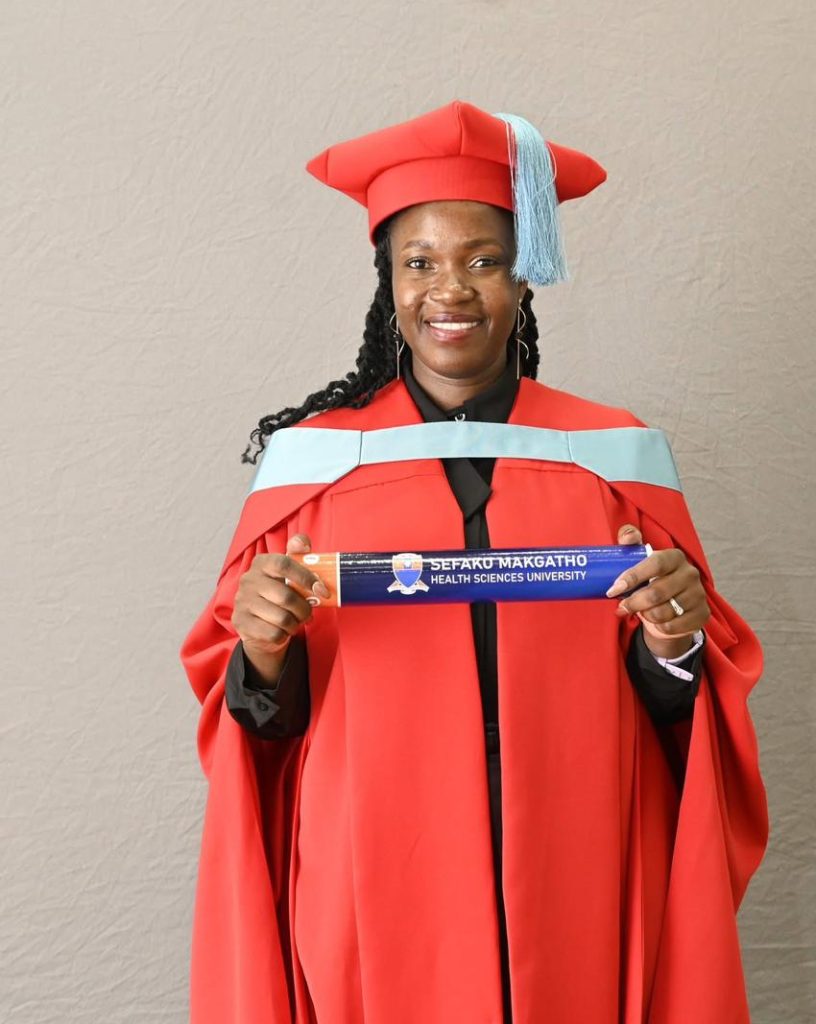 Dr Nkwinika’s doctoral research provides important new insights into the complex biological factors associated with cervical disease in South African women, with implications for improved cervical cancer prevention and screening strategies in high-burden settings.
Her study investigated human papillomavirus (HPV), selected sexually transmitted infections (STIs), and the balance of bacteria in the female reproductive tract among women attending cervical cancer screening at a South African tertiary hospital. The research explored how multiple co-existing infections and microbial imbalance jointly influence cervical disease risk.
The findings revealed a high prevalence of HPV infections, including both vaccine-covered high-risk HPV types and additional cancer-associated types not currently included in existing vaccines. The study also identified a substantial burden of other STIs and significant disruption of the normal bacterial balance within the female reproductive tract.
Importantly, these conditions frequently occurred together and were associated with more severe cervical abnormalities. “This research shows that cervical disease risk cannot be viewed through HPV infection alone,” said Dr Nkwinika. “The interaction between HPV, co-infections and the cervicovaginal microbiome creates a far more complex disease environment that requires integrated prevention and screening approaches,” she said.
She added that the findings support the use of more advanced molecular screening methods that may improve early detection and enable more accurate risk assessment for cervical cancer, particularly in resource-constrained healthcare settings.
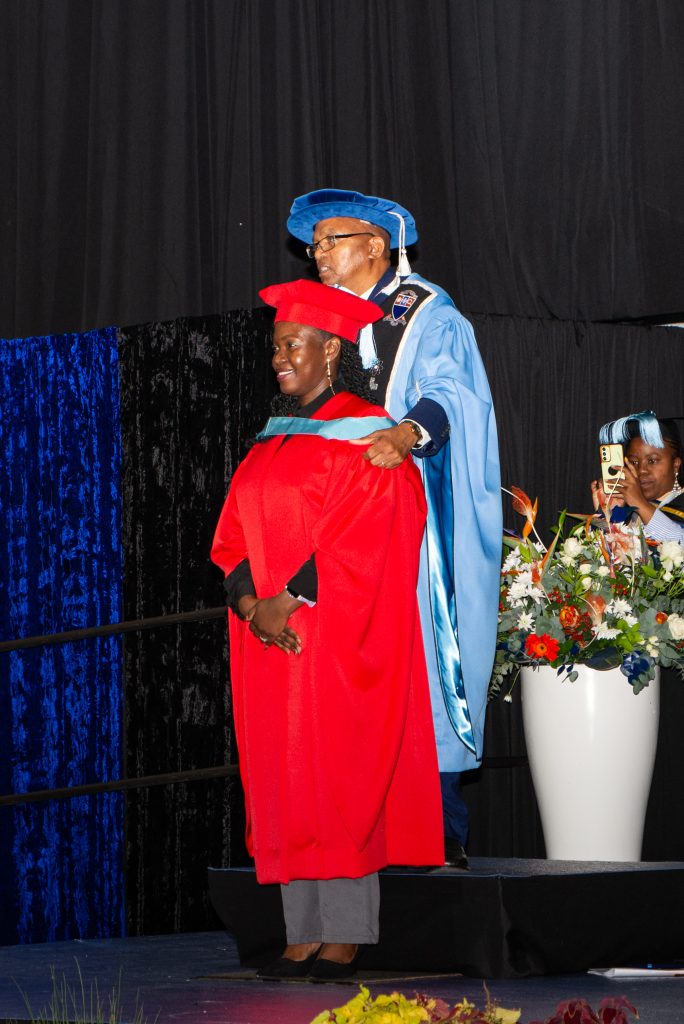 Dr Nkwinika currently serves as a Lecturer in the Department of Virology at SMU, a position she has held since 2021. She is also Programme Manager at the South African Vaccination and Immunisation Centre (SAVIC), where she oversees vaccinology training, advocacy initiatives, and stakeholder engagement programmes.
Her academic journey reflects a strong commitment to research excellence and public health advancement. She previously completed an MSc in Medical Virology (cum laude) and a BSc Honours degree in Medical Virology at SMU, after earning a BSc in Biochemistry and Microbiology from the University of Venda.
Over the course of her career, Dr Nkwinika has developed an extensive research and teaching portfolio focused on HPV, STIs, cervical cancer prevention, vaccinology, and molecular diagnostics. She has produced eighteen peer-reviewed publications, delivered 36 conference presentations, and supervised postgraduate and undergraduate student research projects.
Her contributions to the scientific community have also earned national and international recognition. Among her achievements are the Best Abstract Award at the ASLM International Conference and the Best Presentation Award at the Tshwane District Health Services Research Conference in 2024. She is also an NRF–DAAD alumna and an active member of the International Papillomavirus Society and the Federation of Infectious Diseases Societies of Southern Africa.
Beyond her research activities, Dr Nkwinika has been actively involved in vaccination advocacy through television, radio, and community engagement campaigns aimed at improving immunisation awareness and strengthening public health education.
Her latest achievement reflects SMU’s ongoing commitment to advancing innovative health sciences research that addresses pressing healthcare challenges facing South Africa and the broader African continent. Through pioneering scientific inquiry and the development of future healthcare leaders, SMU continues to strengthen its position as a leading institution dedicated to transforming health services through excellence and innovation.
By Tumelo Moila
by Lorato | May 20, 2026 | All News, Alumni, SMU Media, Student Media
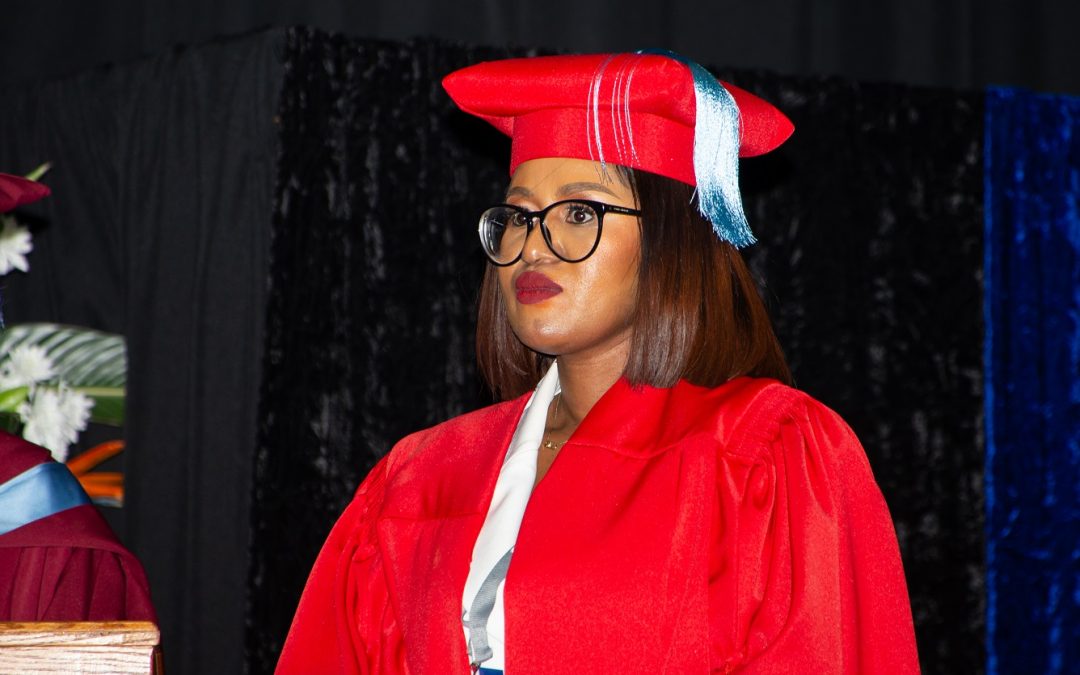
Sefako Makgatho Health Sciences University celebrated a major academic milestone during its 2026 autumn School of Pharmacy graduation ceremony as Lerato Sarah Mosima graduated with a Doctor of Philosophy in Pharmacy degree for her pioneering research into the accessibility of radiopharmaceuticals in English-speaking African countries.
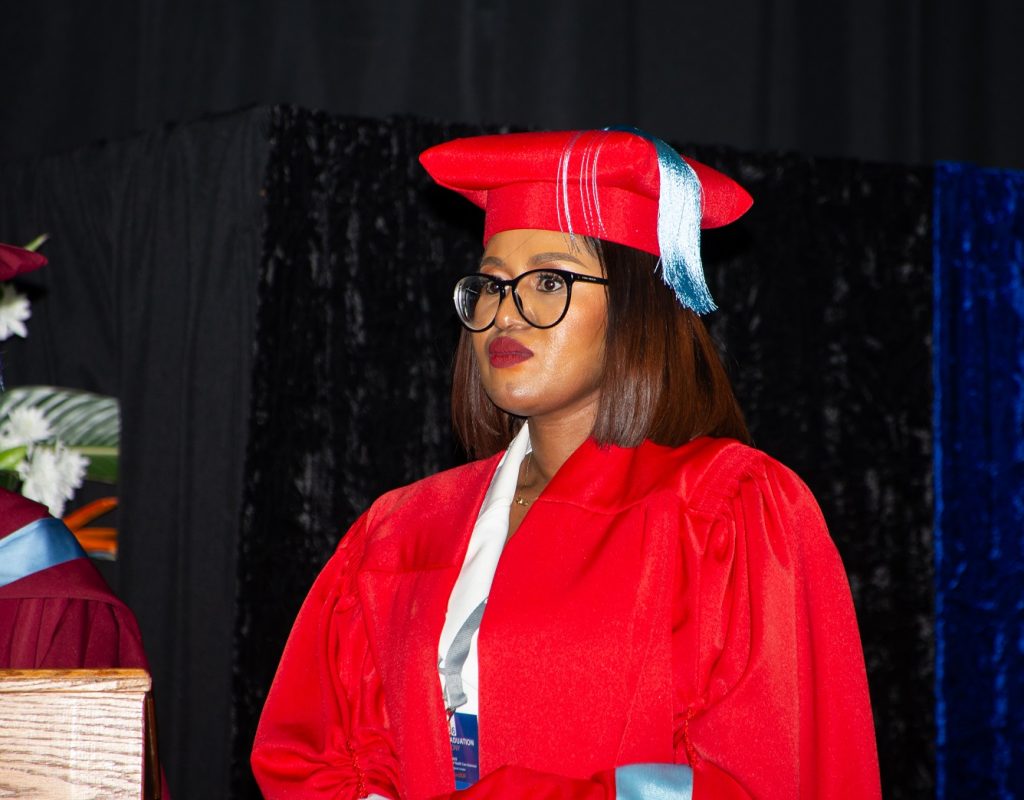 Dr Mosima’s doctoral study, titled Accessibility of Radiopharmaceuticals in English-speaking African Countries, examined the severe shortages and inequalities affecting access to nuclear medicine services across the continent. Her research highlighted the urgent need for investment, infrastructure development, regional collaboration and policy intervention to improve access to lifesaving diagnostic and therapeutic radiopharmaceuticals.
Radiopharmaceuticals play a critical role in the diagnosis of diseases such as cancer, cardiovascular diseases and neurodegenerative disorders, and the treatment of different types of cancers. However, Dr Mosima’s findings revealed that many African countries continue to face significant barriers in accessing these specialised healthcare services.
Speaking about the significance of her research, Dr Mosima said: “The study demonstrated that accessibility to radiopharmaceuticals in English-speaking African countries remains severely limited due to major gaps in infrastructure, equipment, trained personnel and procurement systems. Without urgent intervention, some countries risk losing these critical healthcare services entirely.”
The study employed a cross-sectional mixed-method design involving nuclear medicine professionals, such as radiopharmacists, medical physicists, nuclear medicine physicians and nuclear medicine technologists from thirteen English-speaking African countries. Data were collected between May 2023 and May 2024 through online questionnaires and focus group discussions.
The research found that countries such as Cameroon, Ghana, Mauritius, Zambia and Zimbabwe have only one nuclear medicine facility each, while Zambia was reported to have imaging equipment older than 33 years.
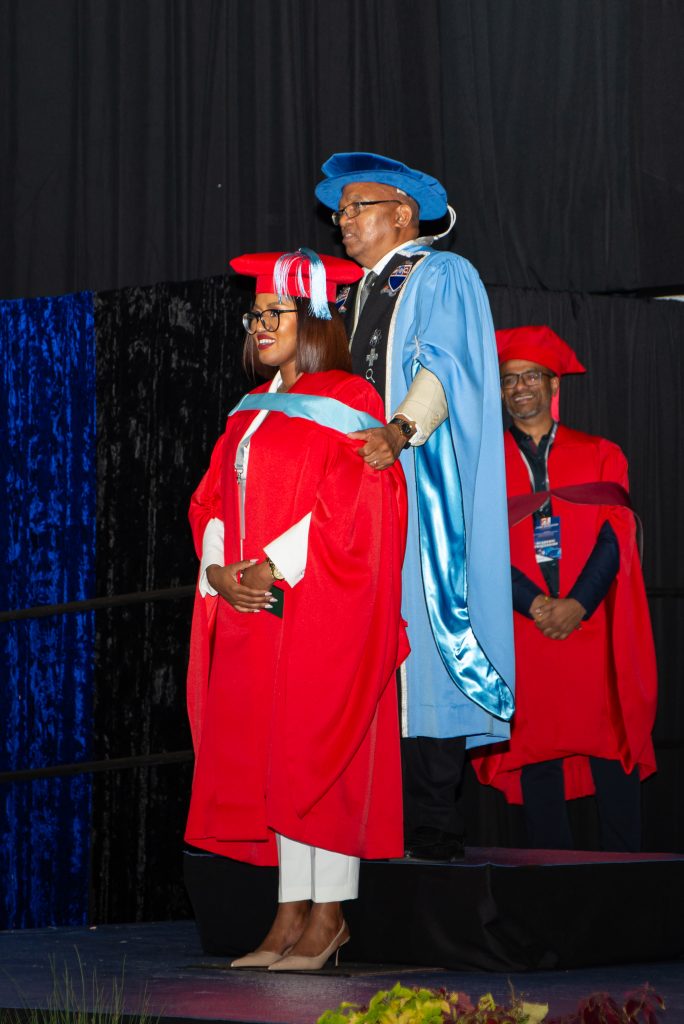 Dr Mosima also identified that only Kenya and South Africa currently offer Positron Emission Tomography (PET) services, while theragnostic — an advanced form of targeted cancer treatment — is extensively practised only in South Africa.
“Participants raised serious concerns about the high cost of radiopharmaceuticals, inadequate infrastructure and the shortage of trained personnel across the region,” she explained. “There is also limited awareness of nuclear medicine and radiopharmacy among healthcare stakeholders and policymakers, which further delays investment and development.”
One of the major contributions of the study was the development of a radiopharmacy database mapping the geographic distribution of radiopharmaceutical infrastructure in English-speaking African countries. The database provides a visual overview of service availability and existing gaps across the region.
Currently serving as an nGAP lecturer in the Department of Pharmaceutical Sciences at SMU, Dr Mosima has built an impressive academic and professional profile in radiopharmacy. She previously obtained both her Master of Pharmacy in Radiopharmacy and Doctor of Pharmacy qualifications from SMU, after completing degrees in Pharmacy and Diagnostic Radiography at the University of Limpopo.
Her growing body of scholarly work includes multiple peer-reviewed publications in international journals focusing on radiopharmacy services, radiation exposure, healthcare access and nuclear medicine development in Africa.
Dr Mosima said collaboration would be essential in transforming radiopharmaceutical services across the continent. “Regional governments, healthcare institutions and international partners need to work together to establish local production facilities, strengthen procurement networks and expand training opportunities. Improving access to radiopharmaceuticals is ultimately about improving equitable healthcare access for African patients,” she said.
The achievement reflects SMU’s continued commitment to advancing innovative health sciences research that addresses pressing healthcare challenges facing South Africa and the African continent. Through cutting-edge research, postgraduate training and academic excellence, the university continues to position itself as a leading institution driving transformation, innovation and healthcare advancement in Africa.
By Tumelo Moila