
Announcement of departure of Prof L Green-Thompson as Dean of School of Medicine
It is with regret to announce the departure of Prof L Green-Thompson as the Dean of the School of Medicine. He would be taking up responsibility as the Dean of the Faculty of Health Sciences at the University of Cape Town. He is a nationally and internationally recognised leader in Health Sciences Education. He would surely be missed. I wish to take this opportunity to thank him for his contributions to the School and to the University at large.
He would continue to lead the school until his final departure on the 15th March 2020. We would begin the search for a new Dean for the School in earnest. We would also in the near future be announcing interim arrangements for the leadership of the school.
Join me in thanking Prof Lionel Green-Thompson for his contributions and in wishing him well in his future endeavours.

SMU Family Medicine department scoops the Discovery Foundation Rural Awards 2017
The Discovery Limited’s Black Economic Empowerment transaction was set up in 2006 as an independent trust, with an investment of R150 million in grants that were geared towards the education and training of 300 healthcare specialists over a period of 10 years. This was motivated by the critical shortage of human health care resources in South Africa.
The grants disbursed through the Discovery Foundation Awards aimed to address this challenge through training specialists for rural areas, developing academic medicine and research centres and increasing the number of sub-specialists in the country, to adequately meet the country’s healthcare needs.
At the recently concluded Discovery Foundation Awards night held at Bakubung Bush Lodge, North West province, the department of Family Medicine and Primary Health Care received the following awards:
Discovery Foundation Awards for healthcare in rural and underserved areas (Individual awards):
These awards support the training and development of specialists for rural and underserved areas, and for senior doctors practicing in these areas. Of the five awards in this category, SMU received four (all in the department of Family Medicine and Primary Health Care) and the recipients were:
- Dr. K Nashed (female registrar)
- Dr. M Venter (female registrar)
- Dr. C Steyn (female registrar)
- Dr. E Okafor (male registrar)
Discovery Foundation Awards for healthcare in rural and underserved areas (Institutional awards):
The Institutional Awards aim to help improve the quality and delivery of healthcare through support for capacity building. In 2017, two institutions received this award, of which SMU Family Medicine and Primary Health Care Department was one of the recipients.
This is not the first time SMU Family Medicine and Primary Health Care Department benefited from the Discovery Foundation Awards.
SMU Family Medicine and Primary Health Care Department is to be commended for putting the university on the map regarding these rural awards sponsored by Discovery Foundation.
SMU champions hypertension prevention and awareness
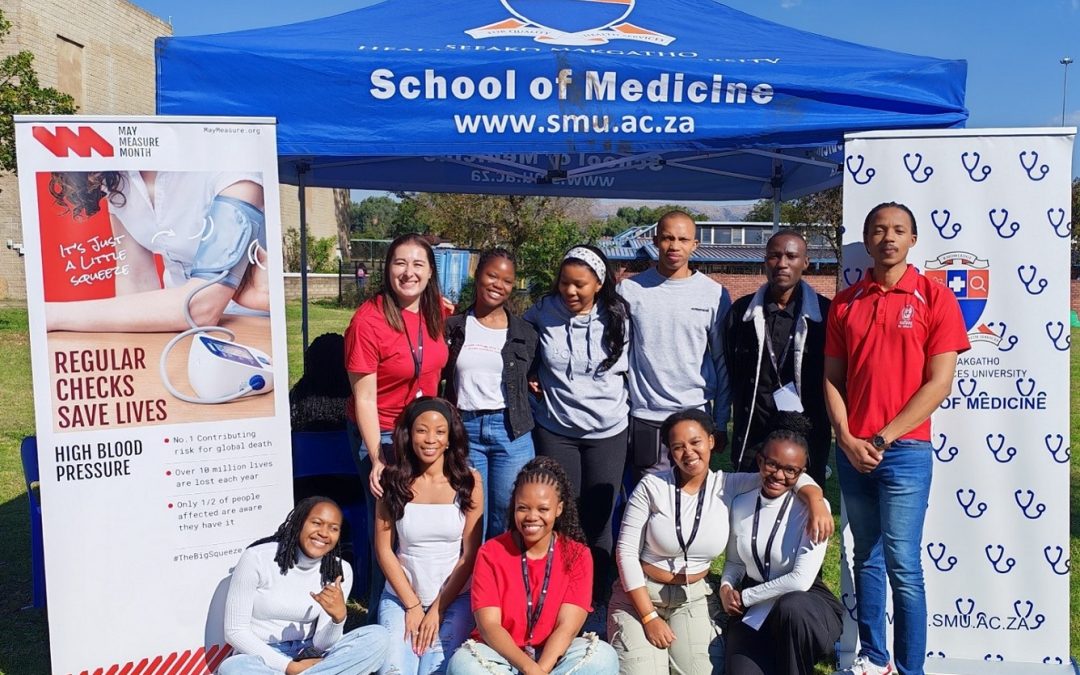
Sefako Makgatho Health Sciences University (SMU), in partnership with Dr George Mukhari Academic Hospital (DGMAH), has completed its first participation in the global May Measurement Month (MMM) campaign, reaching hundreds of people through blood pressure screening, education, and awareness activities aimed at tackling hypertension in local communities.
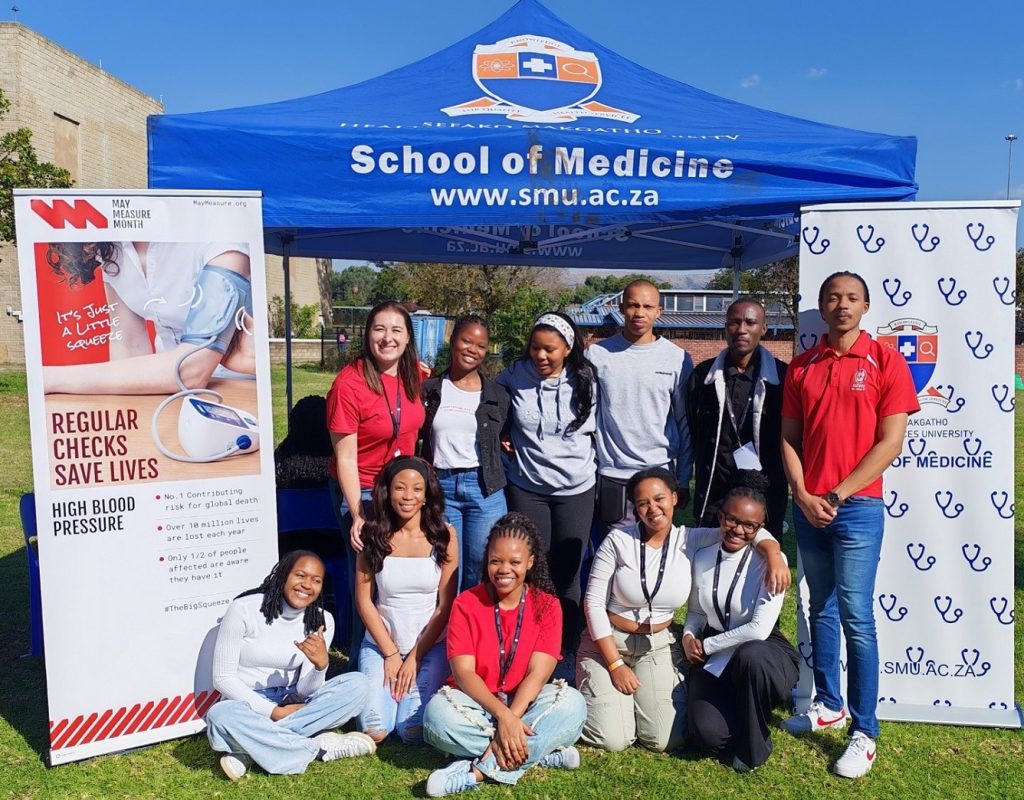 May Measurement Month is an international initiative led by the International Society of Hypertension to raise awareness of high blood pressure and improve access to screening worldwide. Since its launch in 2017, the campaign has become one of the largest public health awareness programmes globally, helping to identify undiagnosed cases of hypertension and encouraging early intervention to reduce the risk of cardiovascular disease, stroke, and kidney failure.
Throughout May 2026, SMU’s Department of Physiology and DGMAH’s Department of Family Medicine and Primary Health Care coordinated a series of screening and awareness activities across the university campus and the surrounding Ga-Rankuwa community. A total of 365 individuals, including students, staff, patients, and community members, participated in the initiative.
Screening activities were hosted at key locations on the SMU campus, including the Student Cafeteria Lawn and Library Lawn, while additional outreach took place at the DGMAH Hospital Clinic in support of World Hypertension Day. Participants received blood pressure assessments and educational information on hypertension risk factors, prevention, treatment adherence, and the importance of routine monitoring.
Dr Marilet van Hoogland-van Heerden, Co-Investigator and Site Coordinator from the Department of Physiology, said the campaign demonstrated the value of early detection and community engagement in addressing non-communicable diseases.
“Hypertension is often called the silent killer because many people are unaware that they have it until serious complications develop. Through this campaign, we were able to provide screening, education and practical health information to individuals who may otherwise not have had access to these services,” she said.
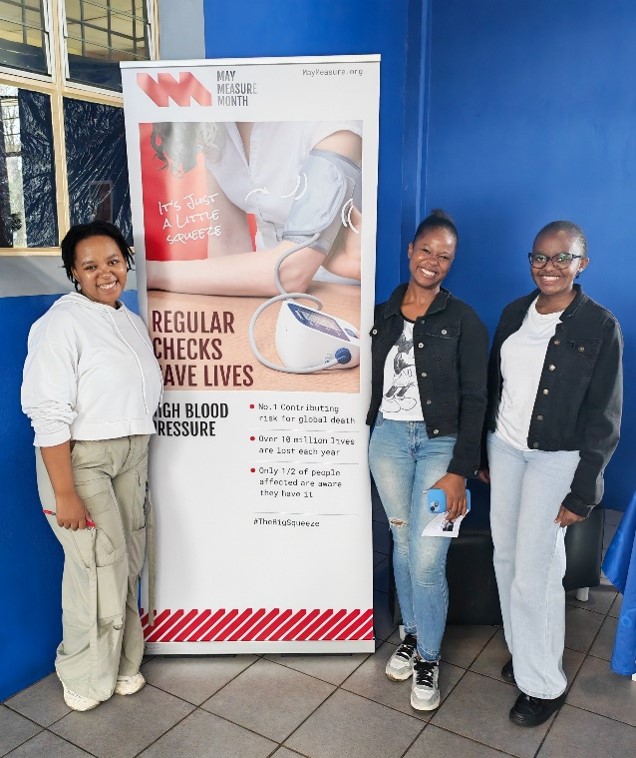 The initiative also highlighted the major lifestyle-related risk factors associated with hypertension in South Africa, including poor nutrition, physical inactivity, obesity, smoking, and excessive alcohol consumption. By focusing on prevention and awareness, the campaign aimed to empower individuals to make informed decisions about their health.
A dedicated team of postgraduate student volunteers and staff from the Department of Physiology played a central role in the campaign’s success. Their participation not only strengthened community outreach efforts but also provided valuable experiential learning opportunities aligned with SMU’s commitment to socially responsive education.
In addition to the screening programme, SMU hosted an online lunch-hour awareness session for staff on 27 May 2026. The event featured presentations by Dr Siluleko Mkhize on hypertension awareness, Dr Tsakani Rasakanya on treatment and management, and Sithabile Mathunjwa on dietary and lifestyle modifications.
Dr van Hoogland-van Heerden noted that collaboration was key to the initiative’s impact. “The support of our postgraduate students, university staff, DGMAH nursing personnel and community participants made this campaign possible. Their commitment reflects a shared responsibility to improve public health and promote healthier communities,” she said.
The success of MMM 2026 reinforces SMU’s growing role in advancing health promotion, community engagement, and preventative healthcare. As a leading health sciences university, SMU continues to contribute to national and global efforts to address non-communicable diseases while strengthening the link between education, research, and improved health outcomes for the communities it serves.
By Tumelo Moila
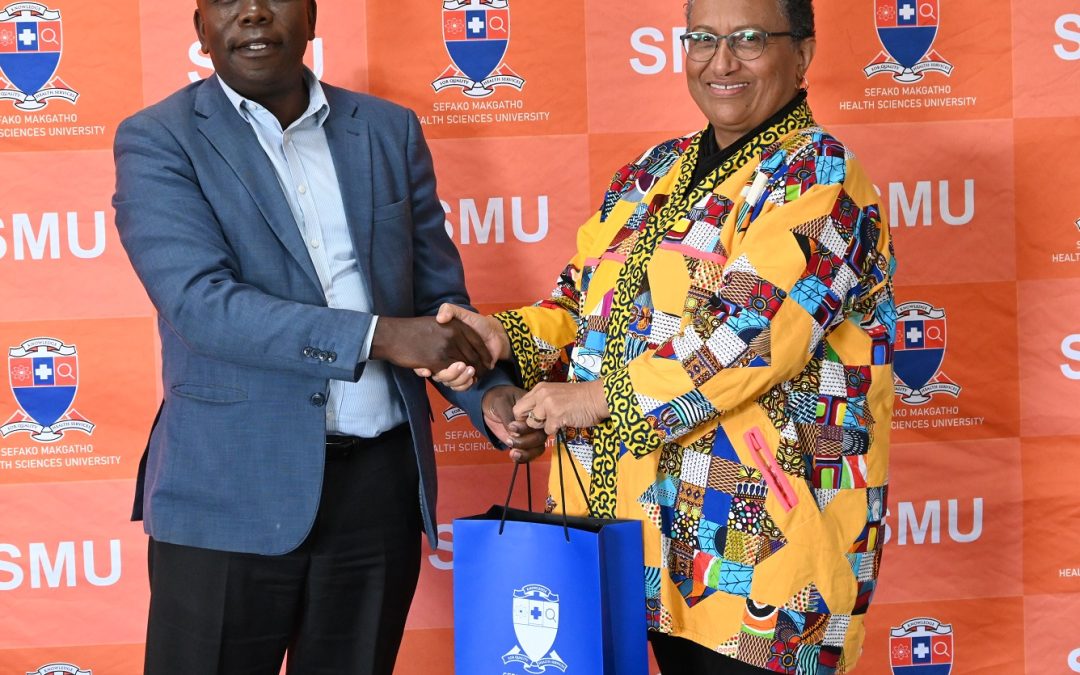
SMU explores innovation through sports lens
Sefako Makgatho Health Sciences University (SMU), through its Technology Transfer Office (TTO), recently hosted a World Intellectual Property (IP) Day Workshop that highlighted the growing connection between innovation, intellectual property protection, and the global sports industry.
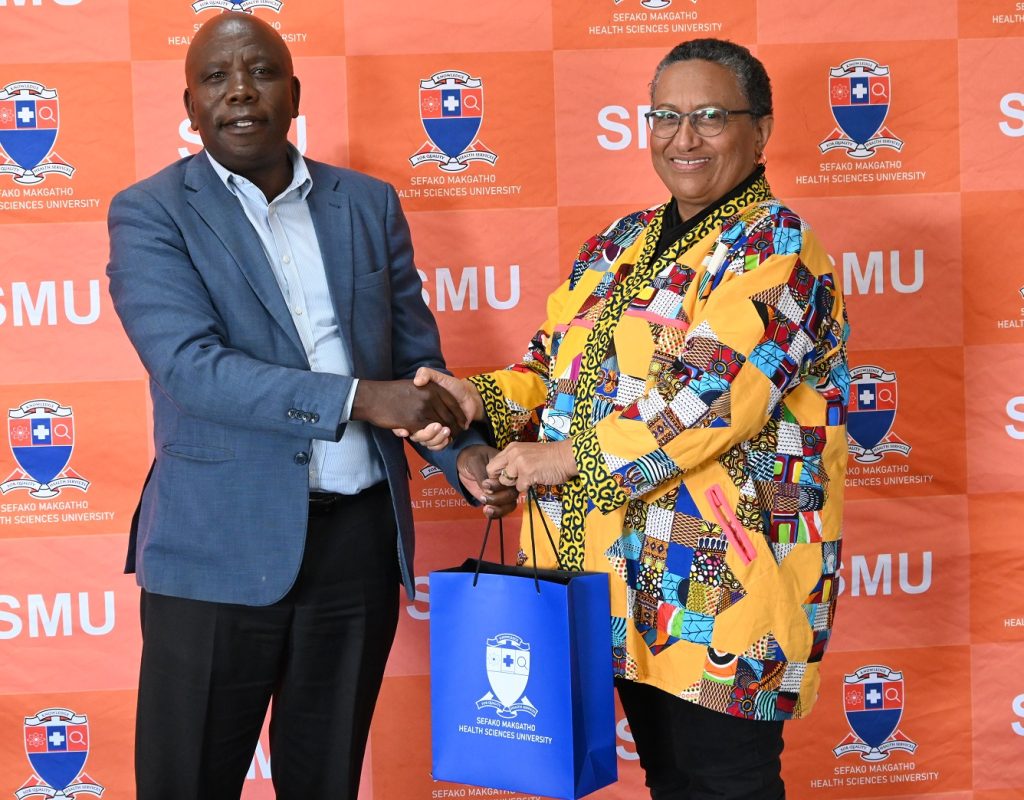 Held under the theme “Ready, Set, Innovate”, the workshop brought together researchers, academics, students and industry experts to explore how intellectual property drives scientific advancement, commercialisation, and technological transformation across sectors.
Among the featured speakers was celebrated SMU inventor Emmanuel Kiyonga, whose patented breast cancer drug discovery research was supported by the university’s TTO. Drawing parallels between sports innovation and scientific research, Kiyonga explained how technological advances continue to reshape industries worldwide.
“Just like the introduction of video assistant referee (VAR) transformed football, innovation continues to change the way we live and work. Research and development are creating solutions that improve lives every day, and intellectual property protection ensures that these innovations can reach society,” he said.
Kiyonga urged researchers and students to take ownership of their ideas and pursue innovation despite challenges.
“Do not wait for permission to innovate. Do not wait for resources. Resources are limited but innovate anyway. It is important that African researchers develop, protect and commercialise solutions that address our own challenges,” he added.
SMU patent holder Nondumiso Nkosi also shared her innovation journey, explaining how gaps in Hepatitis B testing in resource-constrained settings inspired her to develop a point-of-care diagnostic tool. Her invention became one of the School of Medicine’s early patents, demonstrating the value of transforming research into practical healthcare solutions.
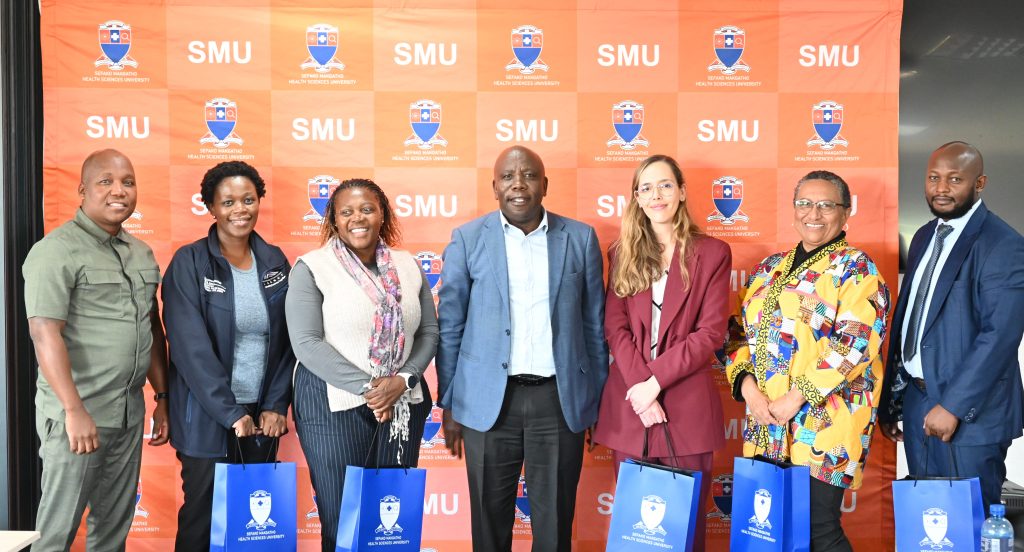 The workshop also provided valuable insight into South Africa’s intellectual property landscape. Dr Elmary Buis from the National Intellectual Property Management Office outlined the significance of the Intellectual Property Rights from the Publicly Financed Research and Development Act, which safeguards innovations arising from publicly funded research.
Bridging intellectual property and sport, Daniella De Fiqueiredo from Adams & Adams Attorneys highlighted examples of trademarks, copyrights and patents shaping the modern sports industry. She highlighted how assets such as the 2010 FIFA World Cup logo, Zakumi (mascot) and official tournament music are protected through intellectual property laws.
She further noted that elite athletes increasingly protect their personal brands through trademarks, while technological innovations, including sensor-equipped footballs, continue to influence the future of officiating and sports performance.
The event resonated strongly with students, including second-year BSc Physical Sciences student and SRC Sports and Recreation Officer’s committee member Pule Mawasha. “I learned the importance of protecting original ideas and recognising the value of creativity. The workshop showed how intellectual property can empower young people to develop, protect, and commercialise their innovations,” said Mawasha.
Representatives from the Technology Innovation Agency and the Department of Trade, Industry and Competition also outlined funding opportunities and incentive programmes designed to support innovators from concept development through to commercial production.
Closing the session, TTO acting manager, Mohlatlego Sebola, encouraged researchers and students to continue pursuing innovative solutions that address societal challenges.
The workshop demonstrated SMU’s commitment to fostering a culture of innovation, entrepreneurship, and knowledge transfer, while equipping future scientists and innovators with the tools needed to transform research into meaningful social and economic impact.
By Rose Moreki